A balanced plate makes it easier to feel energized, support hormonal health, and keep cravings in check. The following 65 foods and beverages cover protein, healthy fats, complex carbs, vitamins, and minerals many women fall short on. Mix-and-match them through the week to build breakfasts, lunches, dinners, and snacks that feel fresh rather than restrictive. Each entry includes a brief note on why it earns a spot plus a photographer prompt for a simple, logo-free food photo taken indoors.
Contents
- 1. Steel-Cut Oatmeal
- 2. Greek Yogurt
- 3. Almonds
- 4. Baby Spinach
- 5. Salmon Fillet (Cooked)
- 6. Quinoa
- 7. Broccoli
- 8. Chickpeas
- 9. Mixed Berries
- 10. Avocado
- 11. Sweet Potato
- 12. Eggs
- 13. Edamame
- 14. Brown Rice
- 15. Cottage Cheese
- 16. Kale
- 17. Lentils
- 18. Whole-Wheat Pasta
- 19. Pumpkin Seeds
- 20. Oranges
- 21. Tofu
- 22. Sardines (Cooked, Canned)
- 23. Bell Peppers
- 24. Pearled Barley
- 25. Tomatoes
- 26. Flaxseed
- 27. Chicken Breast
- 28. Feta Cheese
- 29. Brussels Sprouts
- 30. Kefir
- 31. Grapefruit
- 32. Black Beans
- 33. Cauliflower
- 34. Tuna Steak (Cooked)
- 35. Mushrooms
- 36. Extra-Virgin Olive Oil
- 37. Raspberries
- 38. Dark Chocolate (70% Cacao or Higher)
- 39. Chia Seeds
- 40. Low-Fat Milk
- 41. Watercress
- 42. Kiwi
- 43. Pomegranate Seeds
- 44. Walnuts
- 45. Buckwheat
- 46. Shrimp (Cooked)
- 47. Papaya
- 48. Sunflower Seeds
- 49. Whole Grain Bread
- 50. Turmeric
- 51. Hummus
- 52. Red Cabbage
- 53. Oat Bran
- 54. Peanuts
- 55. Zucchini
- 56. Pineapple
- 57. Herbal Green Tea
- 58. Yogurt Parfait
- 59. Mango
- 60. Seitan
- 61. Brown Basmati Rice
- 62. Collard Greens
- 63. Pistachios
- 64. Farro
- 65. Water with Lemon
1. Steel-Cut Oatmeal
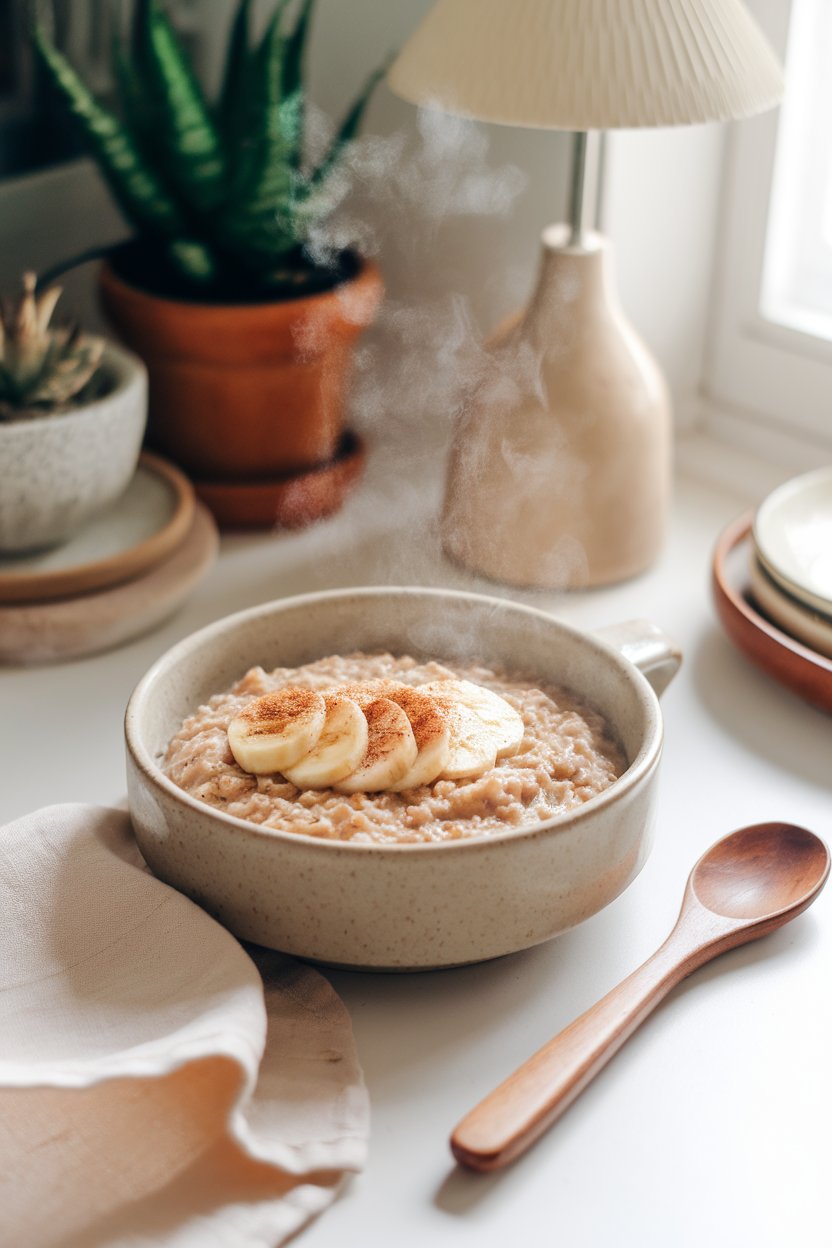
Steel-cut oats digest more slowly than instant varieties, helping keep blood sugar steady through the morning. The grain delivers fiber and a small dose of plant-based iron. Pair it with fruit or nuts for extra antioxidants and healthy fats.
2. Greek Yogurt
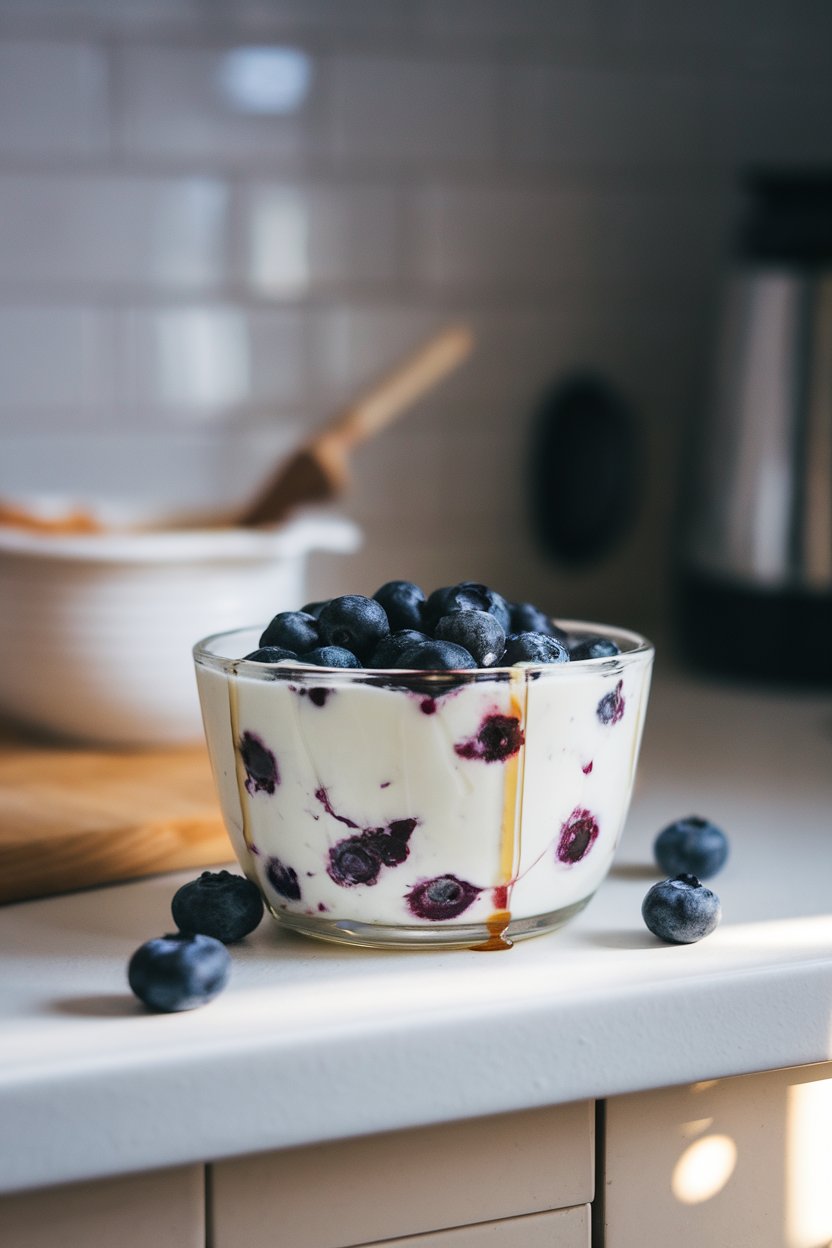
Strained yogurt packs nearly double the protein of regular yogurt, making it a convenient snack for muscle repair. Its live cultures support gut health, which in turn influences immunity and mood. Choose plain varieties and sweeten naturally with fruit.
3. Almonds
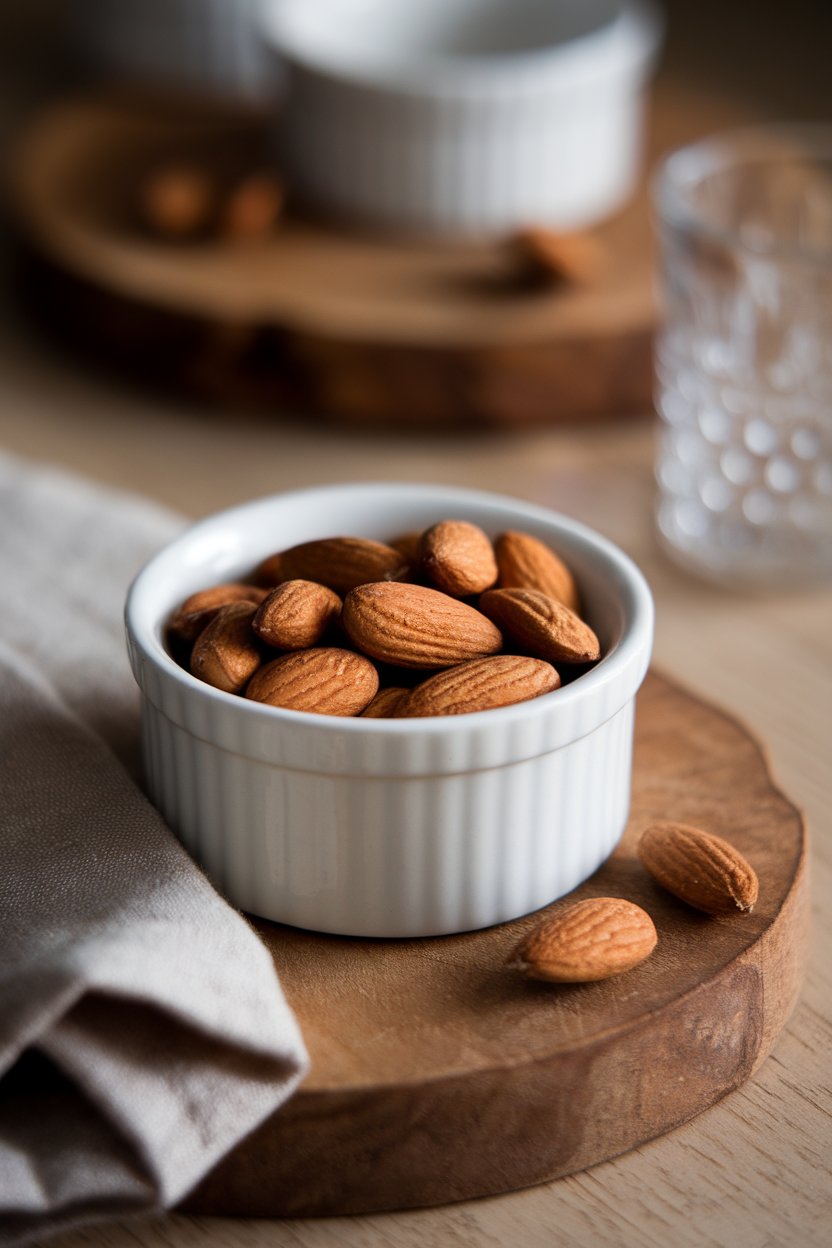
A one-ounce handful supplies vitamin E, magnesium, and heart-friendly monounsaturated fats. Portable and shelf-stable, almonds bridge the gap between meals without spiking sugar levels. Lightly toast them to bring out a deeper flavor.
4. Baby Spinach
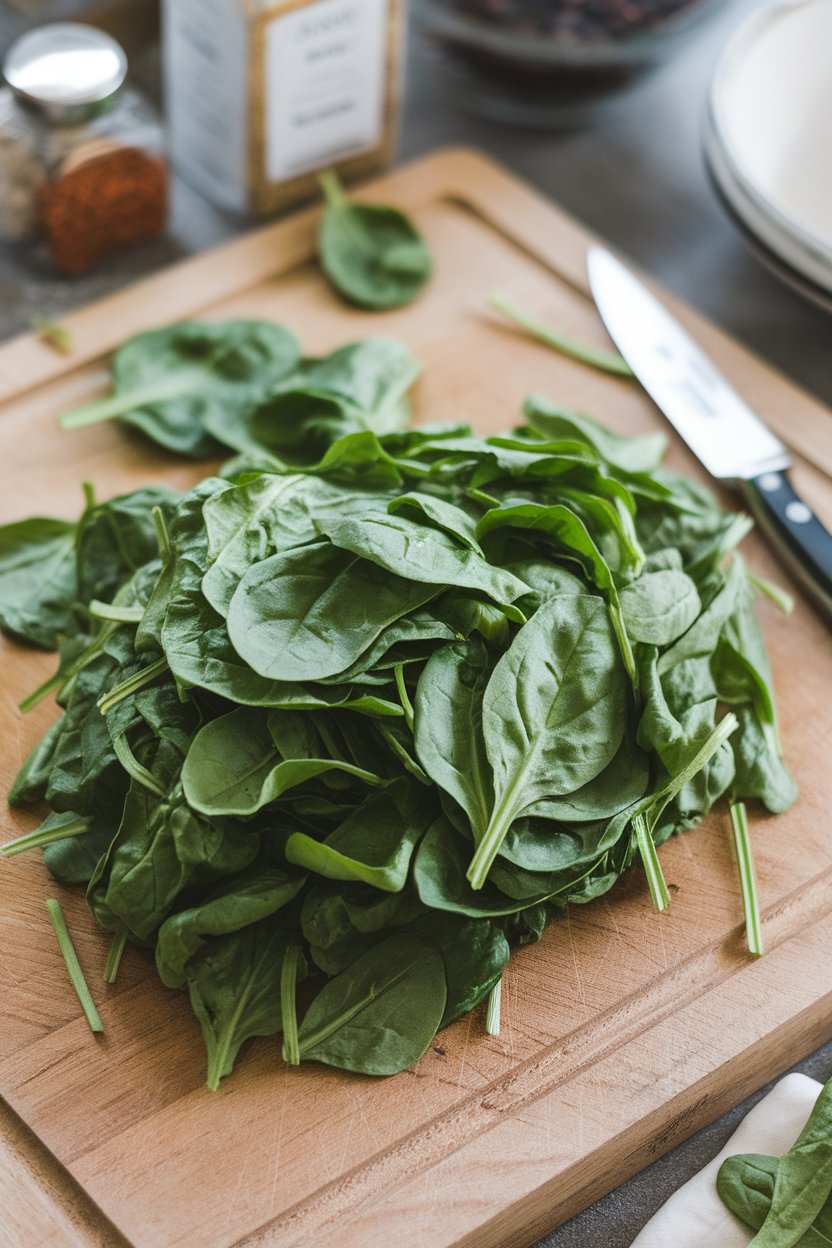
Spinach is loaded with folate, iron, and vitamin K—nutrients many women can use more of. Because the leaves are tender, they fold easily into smoothies, salads, or omelets. A quick wilt in olive oil can make the minerals even easier to absorb.
5. Salmon Fillet (Cooked)
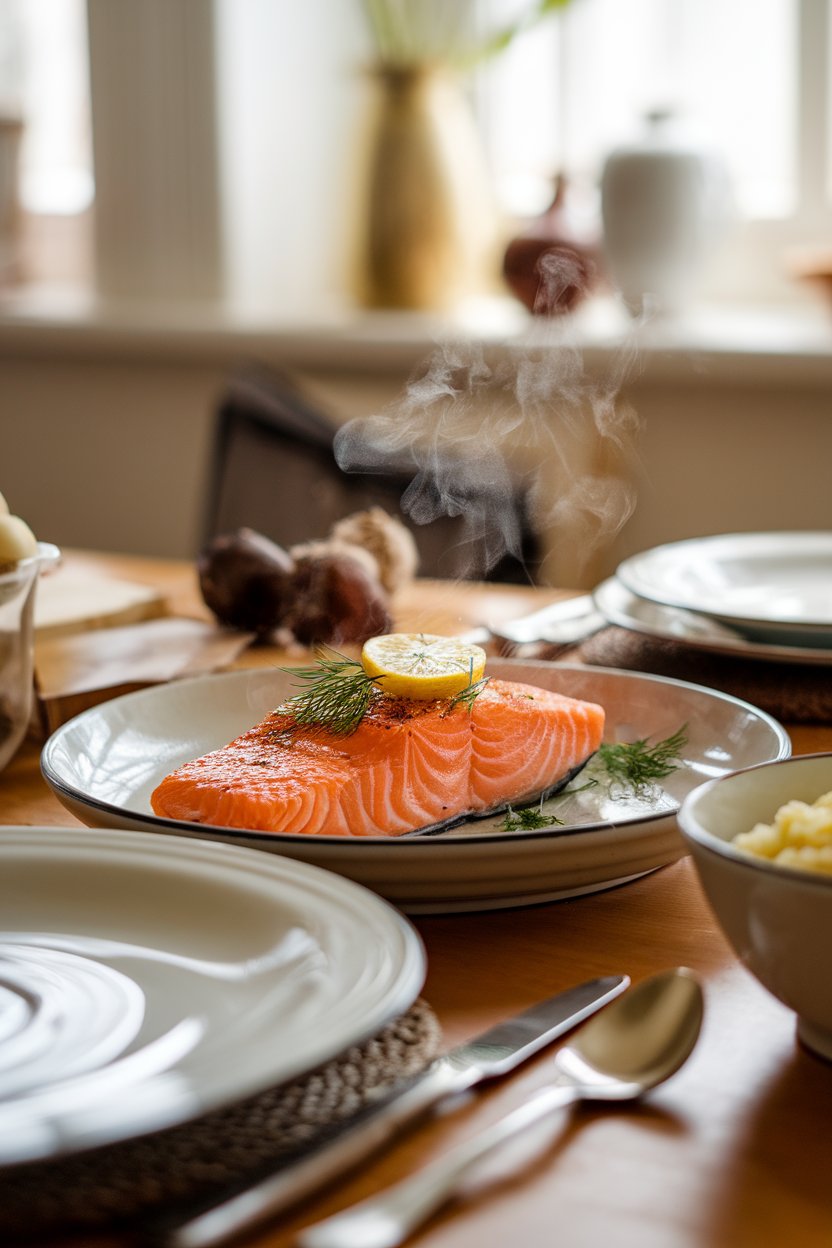
Salmon’s omega-3 fatty acids assist in reducing inflammation and supporting brain health. It also offers vitamin D and high-quality protein. Bake, grill, or poach to keep the flesh moist and flavorful.
6. Quinoa
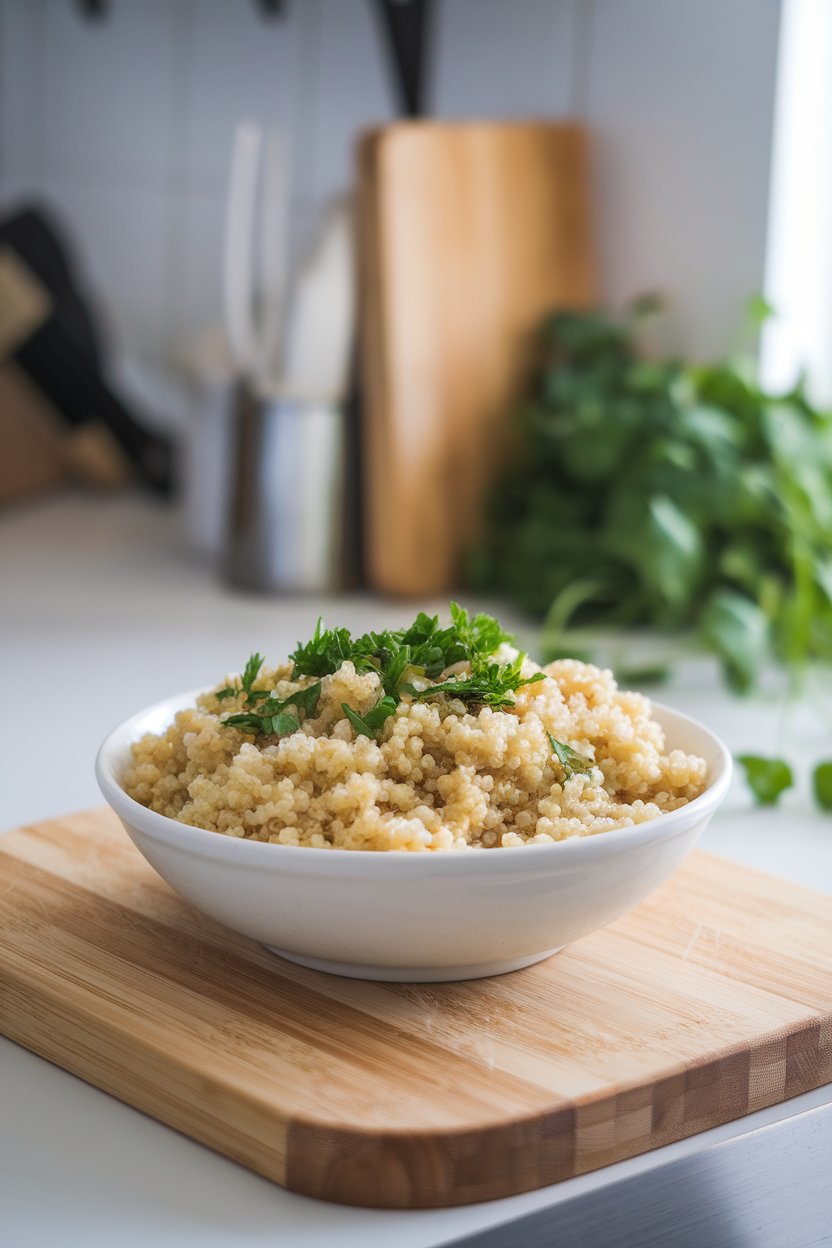
Unlike most grains, quinoa contains all nine essential amino acids, making it a complete protein. It cooks in about 15 minutes and adapts to savory or sweet dishes. Try it as a base for veggie bowls or breakfast porridge.
7. Broccoli
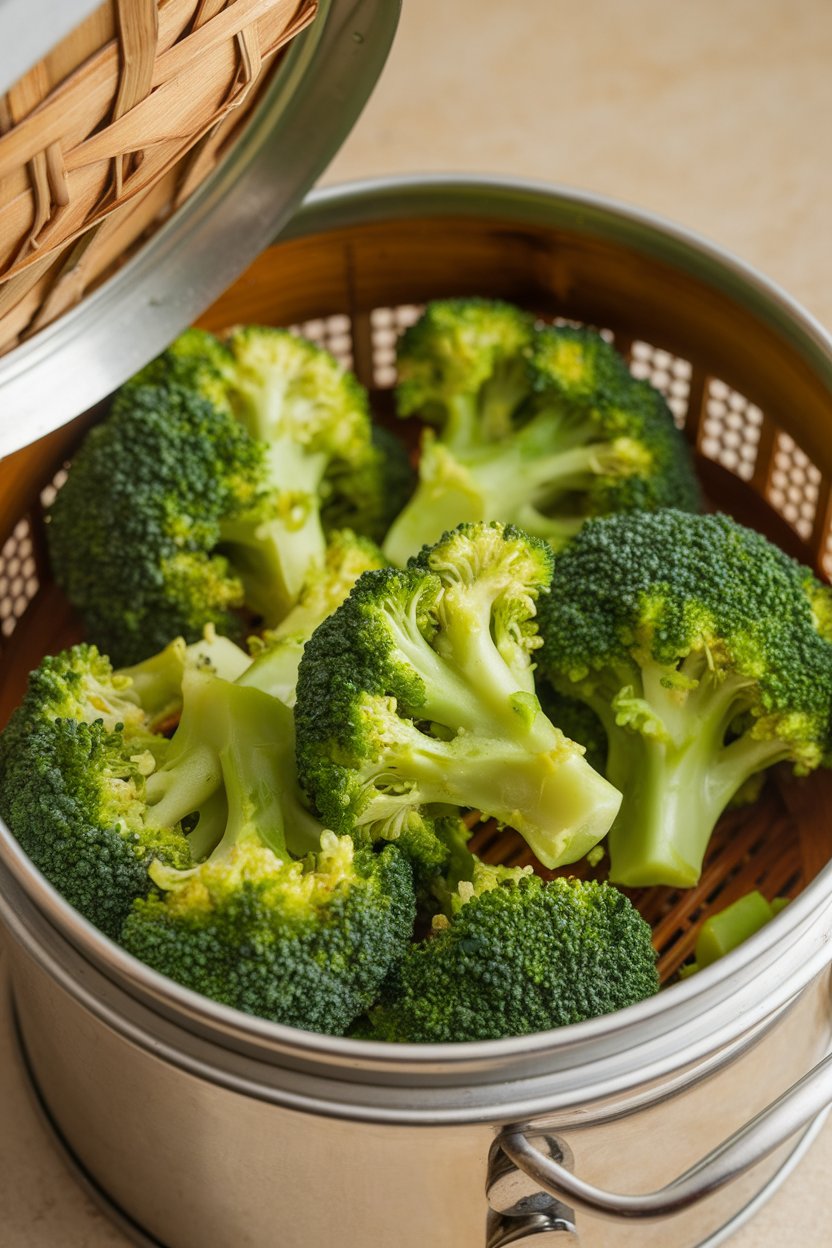
This cruciferous veggie supplies fiber, vitamin C, and compounds that aid detoxification pathways. Light steaming preserves nutrients while softening the crunch. Sprinkle with lemon zest for extra brightness.
8. Chickpeas
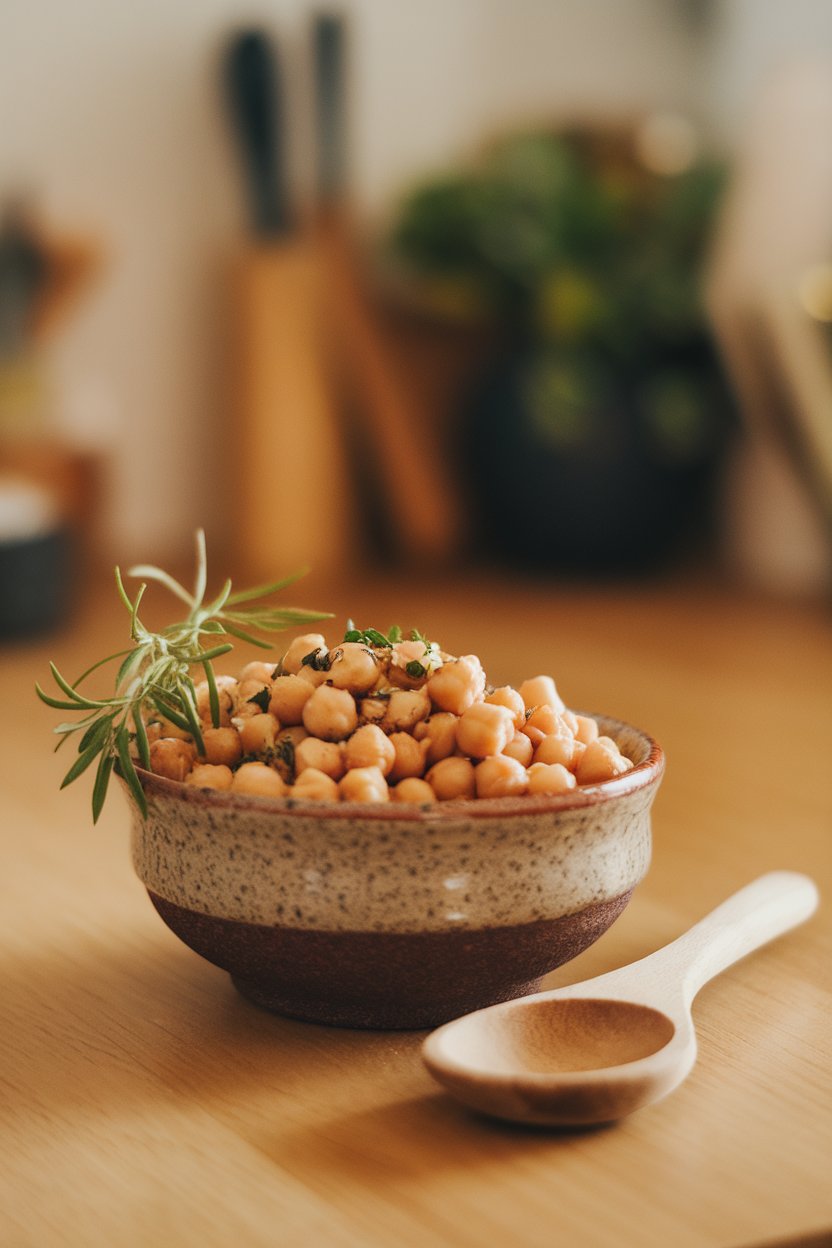
Chickpeas provide plant protein, iron, and resistant starch that supports a healthy gut microbiome. Roast them for a crunchy snack or blend into hummus for a creamy dip. Their mild taste makes them a versatile pantry staple.
9. Mixed Berries
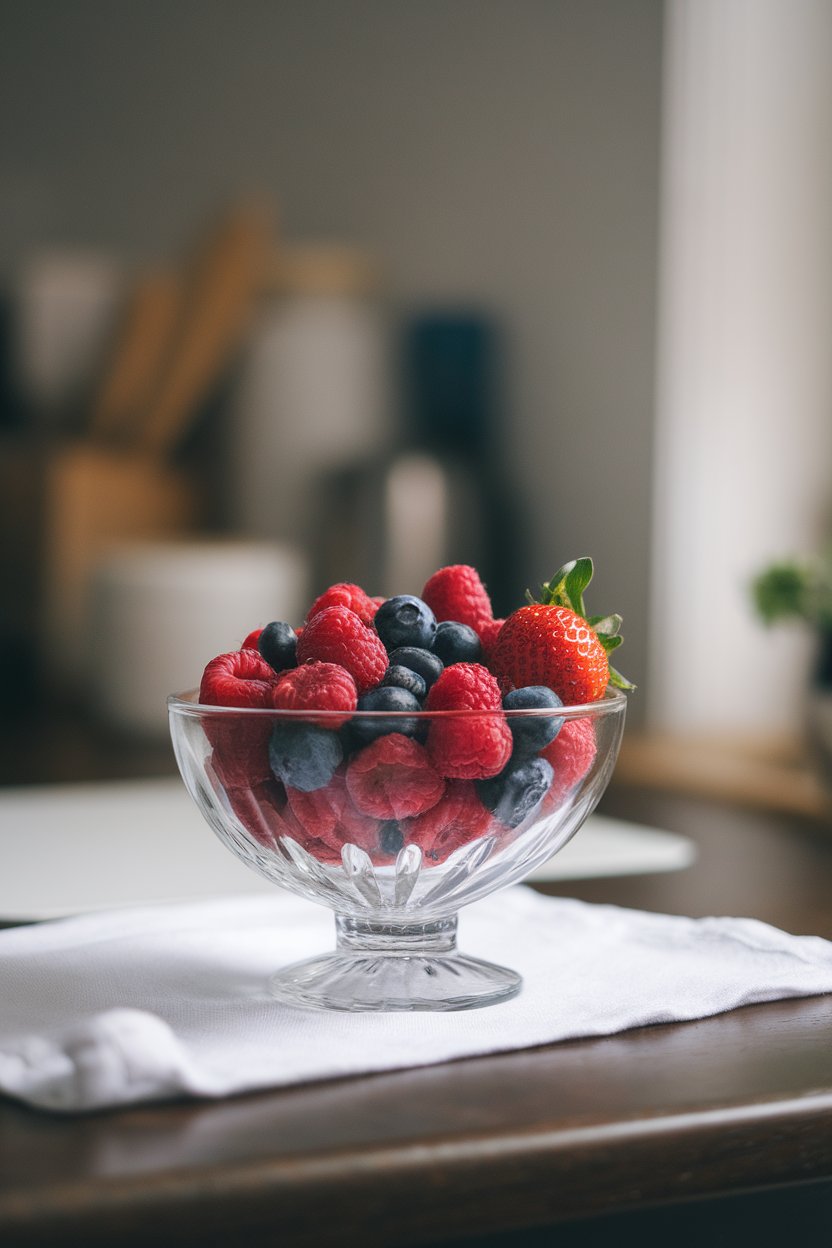
Berries are rich in antioxidants that counter everyday oxidative stress. They add natural sweetness while keeping sugar content reasonable thanks to their fiber. Fresh or frozen, they brighten smoothies, yogurt, and salads alike.
10. Avocado
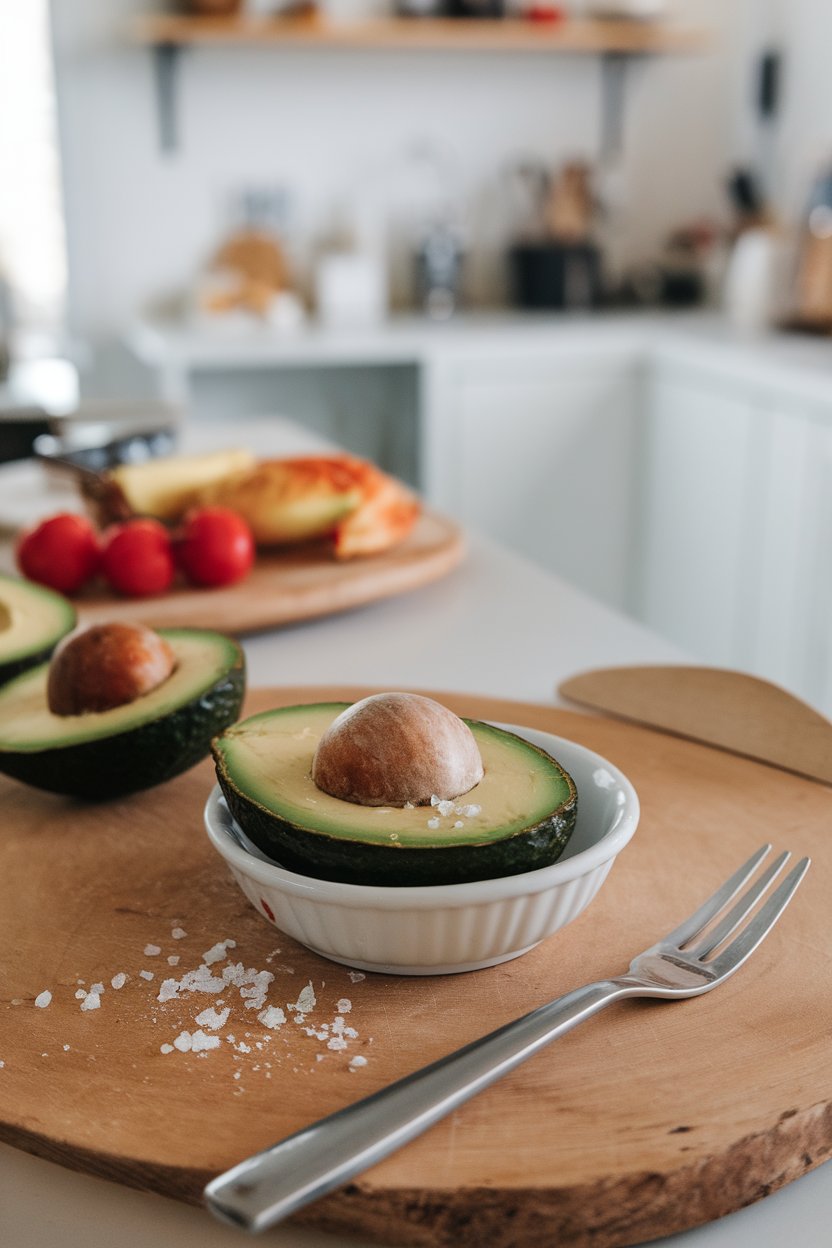
Creamy avocado delivers potassium, folate, and healthy monounsaturated fat that promotes satiety. Mash it on whole grain toast, toss into salads, or blend into smoothies for a silky texture. Its fat helps absorb fat-soluble vitamins from other foods.
11. Sweet Potato

Sweet potatoes bring beta-carotene, vitamin C, and fiber to the table. Their natural sweetness satisfies carb cravings without refined sugar. Roast extra and use leftovers in breakfast hashes or blended soups.
12. Eggs
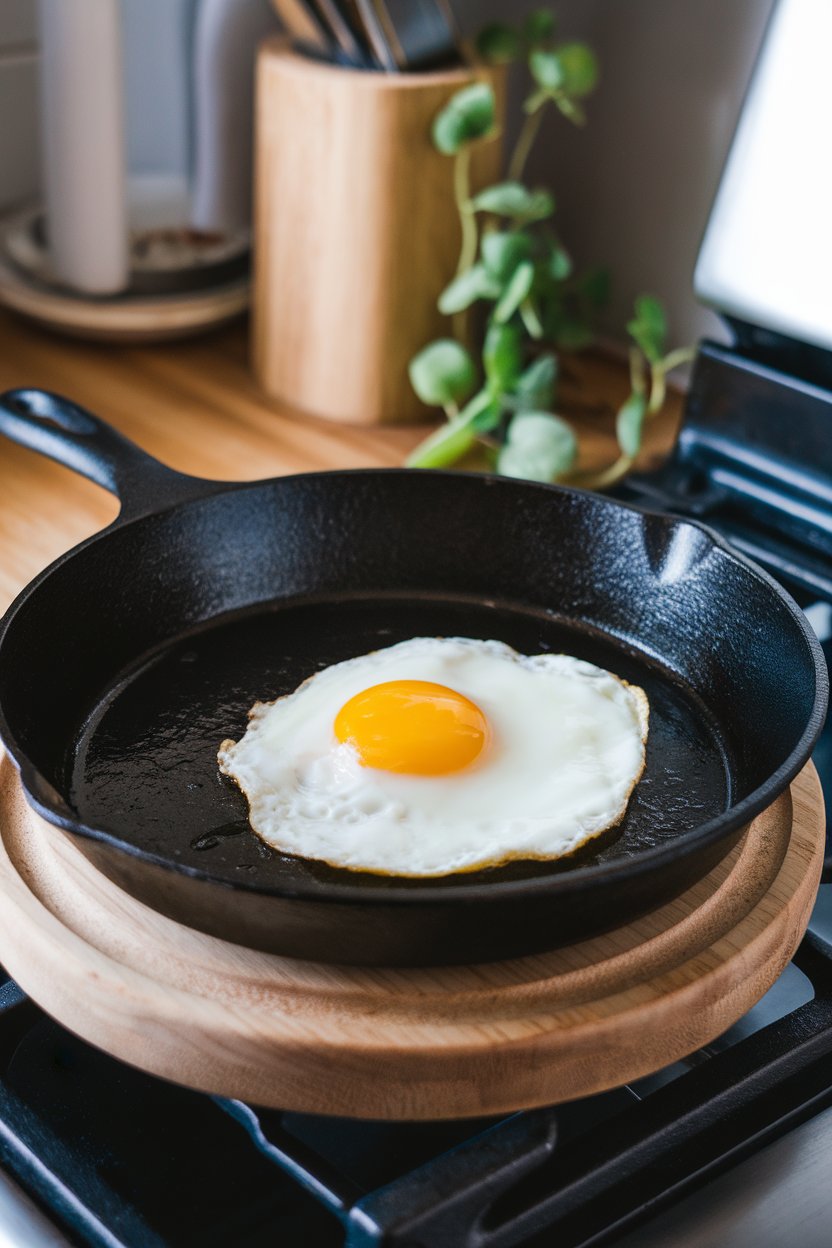
Eggs offer complete protein, choline for brain health, and a spectrum of B-vitamins. They cook quickly and fit meals any time of day. Keep a batch of hard-boiled eggs ready for snacks on busy weekdays.
13. Edamame
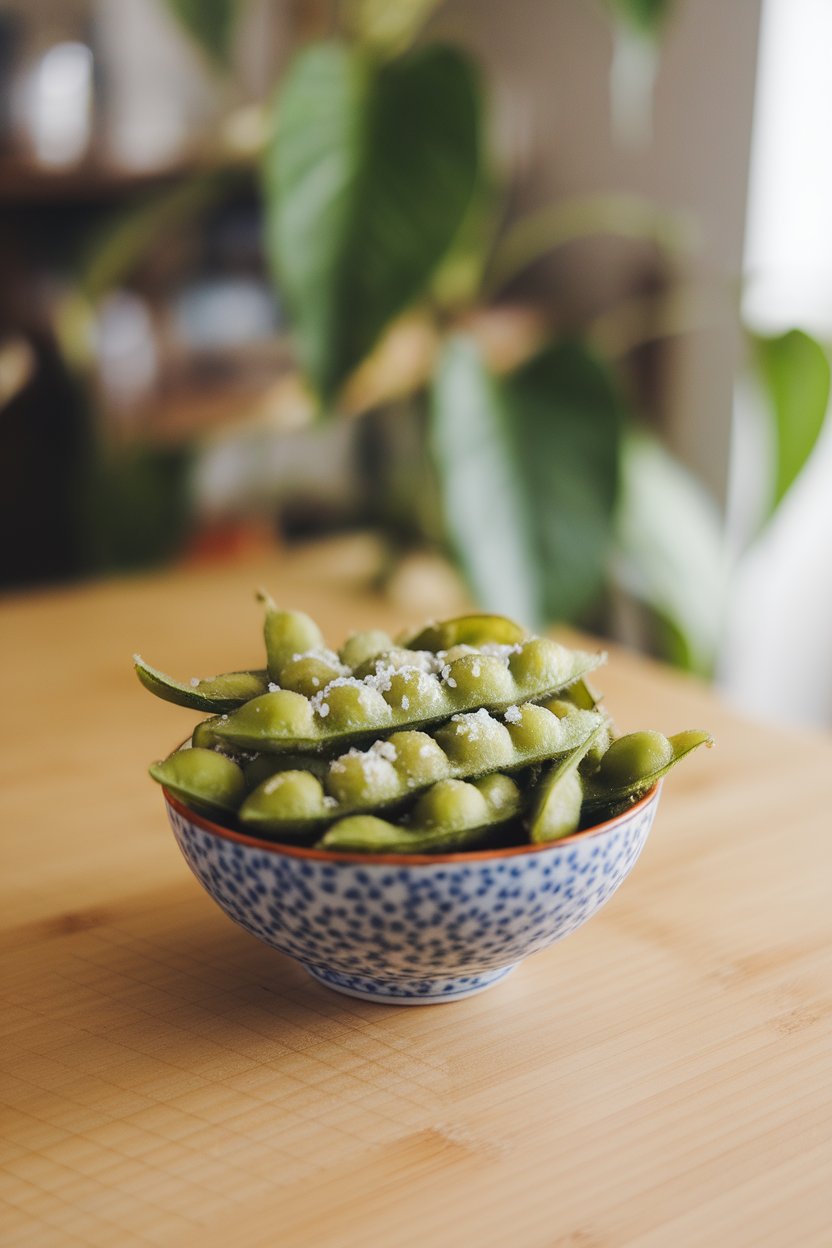
These young soybeans serve up plant-based protein, calcium, and isoflavones that may ease some menopausal symptoms. Enjoy them straight from the pod or toss shelled beans into salads and stir-fries. They’re freezer-friendly and ready after a quick boil.
14. Brown Rice
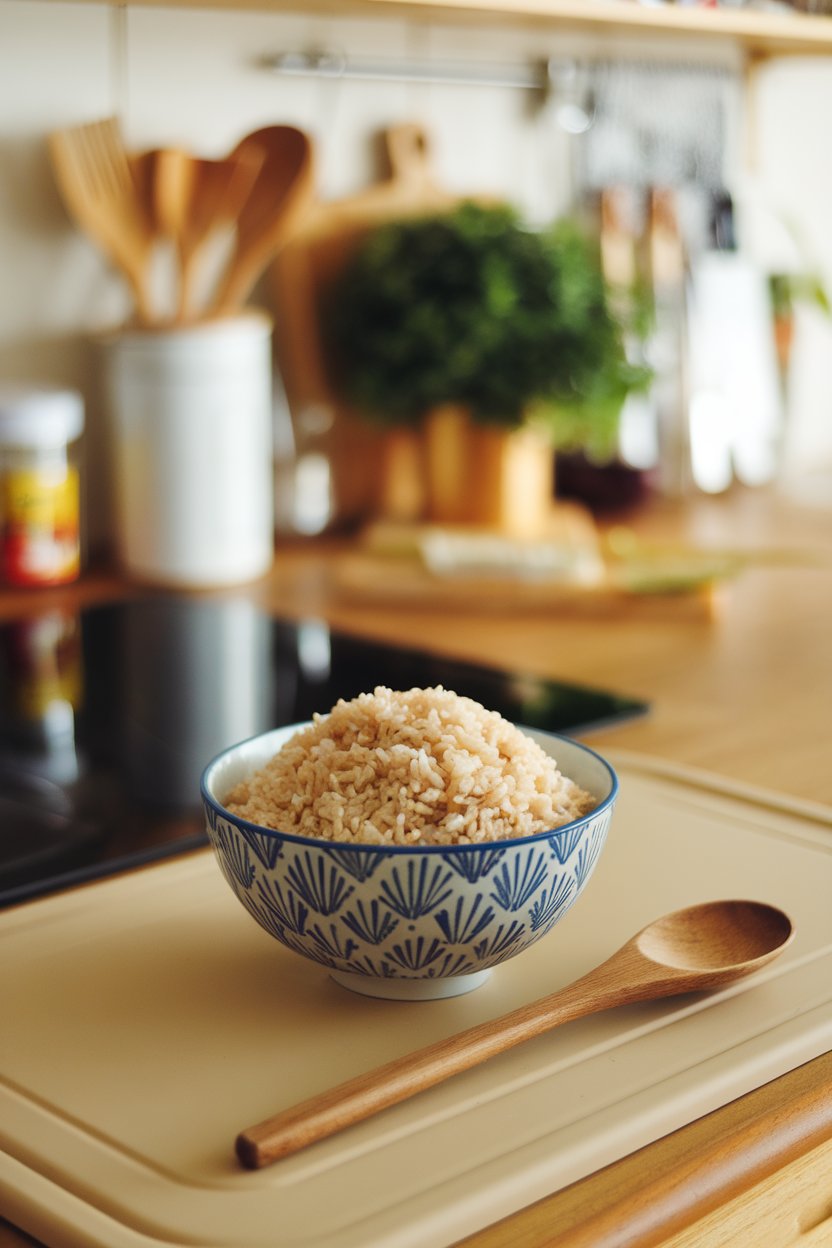
Keeping the bran intact means brown rice retains B-vitamins, fiber, and minerals like selenium. Its nutty flavor pairs with curries, stir-fries, and grain bowls. Cook extra and freeze portions for faster meal prep later.
15. Cottage Cheese
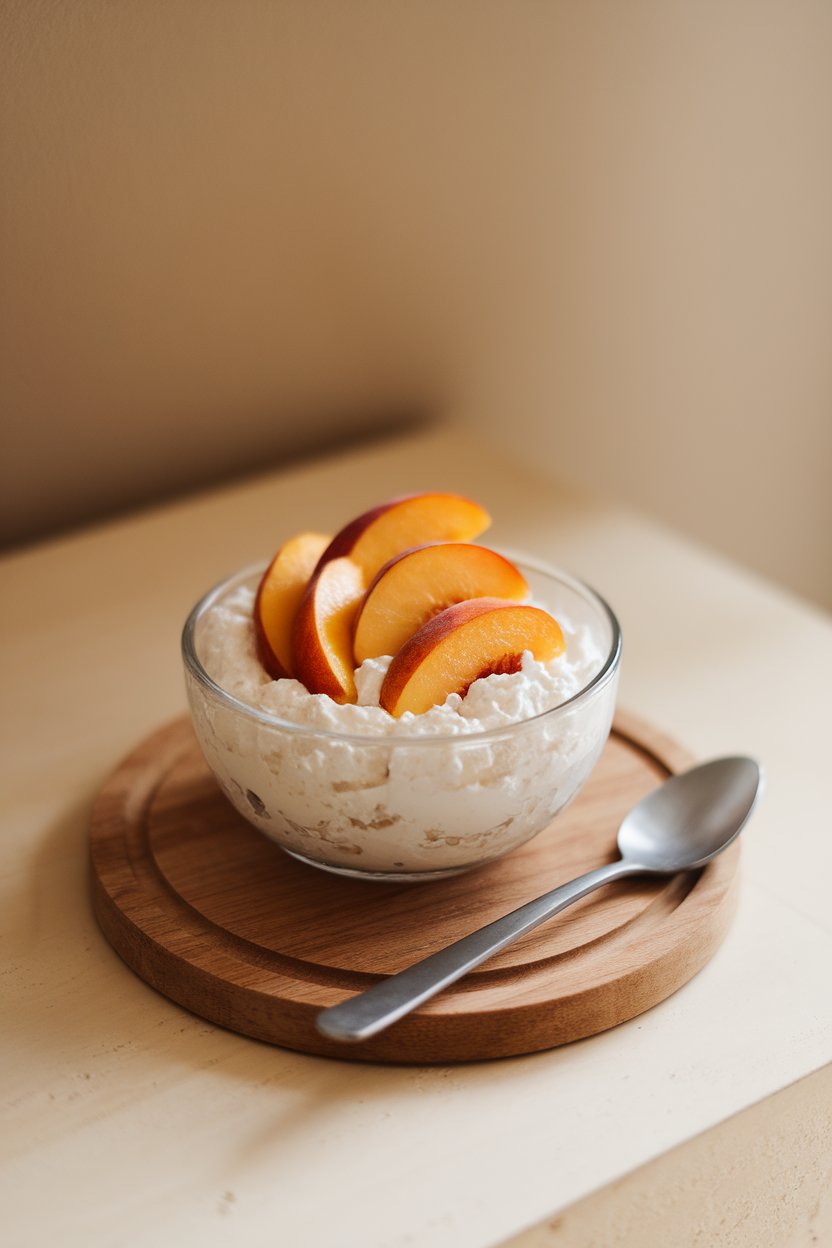
Low-fat cottage cheese delivers casein protein that digests slowly, perfect before bed or as a mid-afternoon tide-over. It also supplies calcium for bone health. Blend it into pancake batter for added protein without altering flavor.
16. Kale
Kale earns its reputation with sky-high vitamin K, vitamin A, and lutein for eye health. Massaging the leaves breaks tough fibers and makes them sweeter. It stands up well to hearty toppings like roasted chickpeas or shredded chicken.
17. Lentils
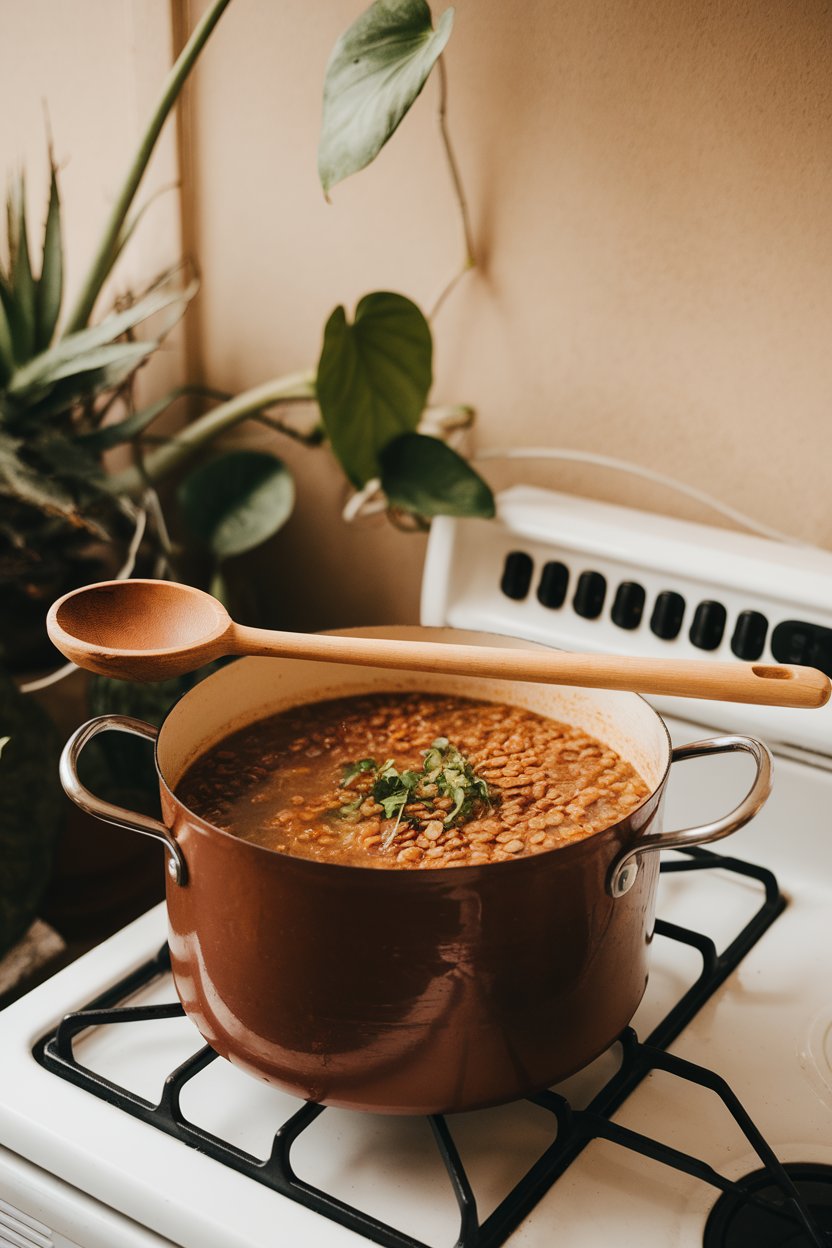
Lentils cook faster than most dried beans yet still supply protein, iron, and folate. They thicken soups, stews, and curries without the need for extra fat. Rinse before cooking to remove residual dust and ensure even texture.
18. Whole-Wheat Pasta
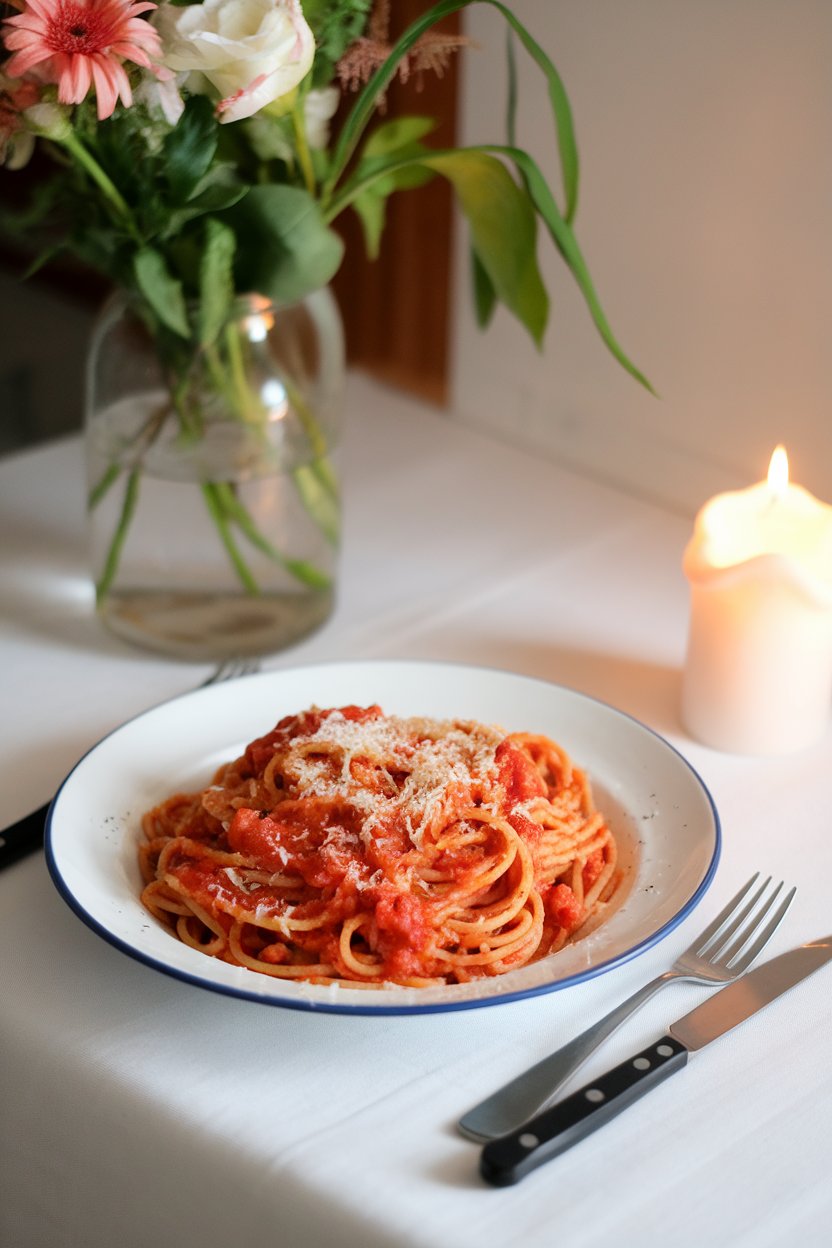
Replacing refined pasta with whole-wheat boosts fiber and micronutrients while keeping familiar comfort-food appeal. Aim for al dente to slow glucose release. Pair it with protein and plenty of veggies for a balanced meal.
19. Pumpkin Seeds
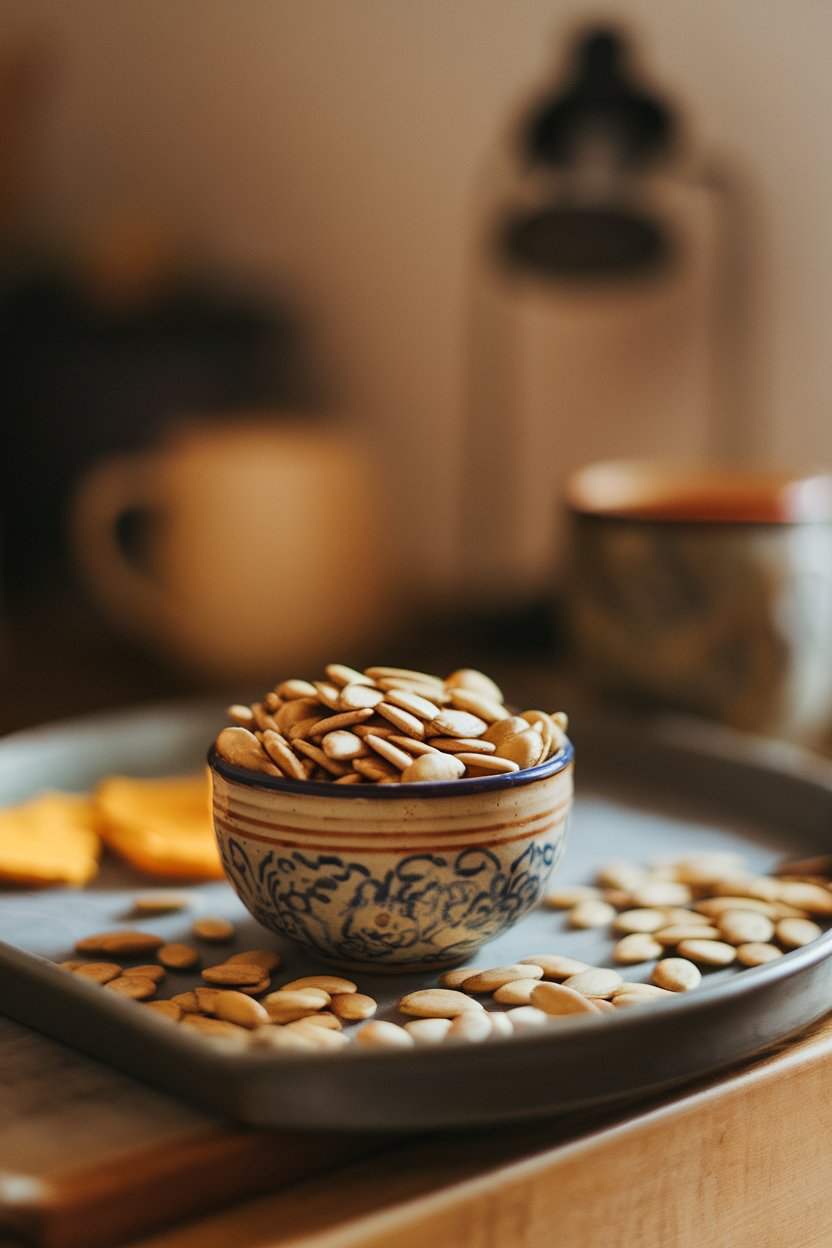
Also known as pepitas, these seeds supply magnesium, zinc, and plant-based omega-3s. A quarter-cup adds crunch to salads, oatmeal, or yogurt. Store them in the fridge to preserve the delicate oils.
20. Oranges
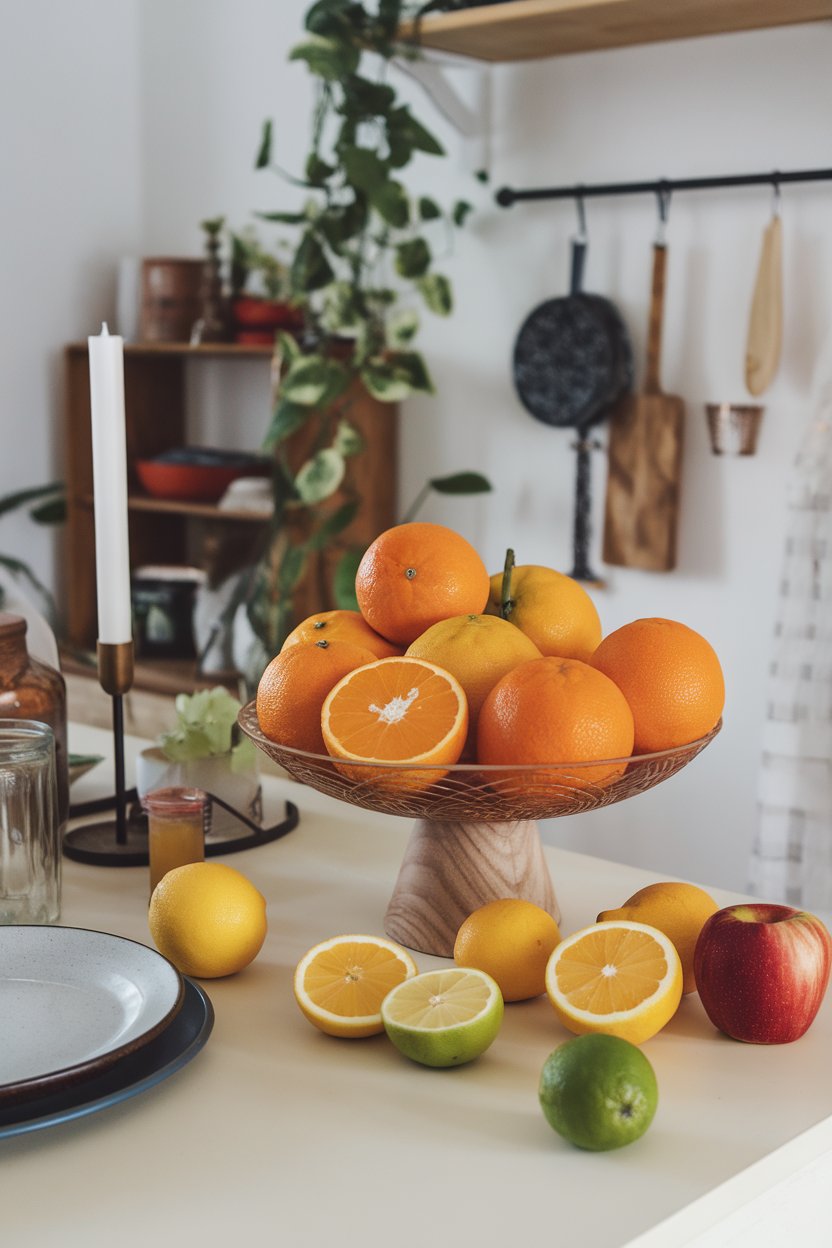
Oranges are a classic source of immune-supportive vitamin C and hydration-helping water content. The white pith is loaded with fiber, so eat as much of it as you comfortably can. Segment extras and freeze for smoothies.
21. Tofu
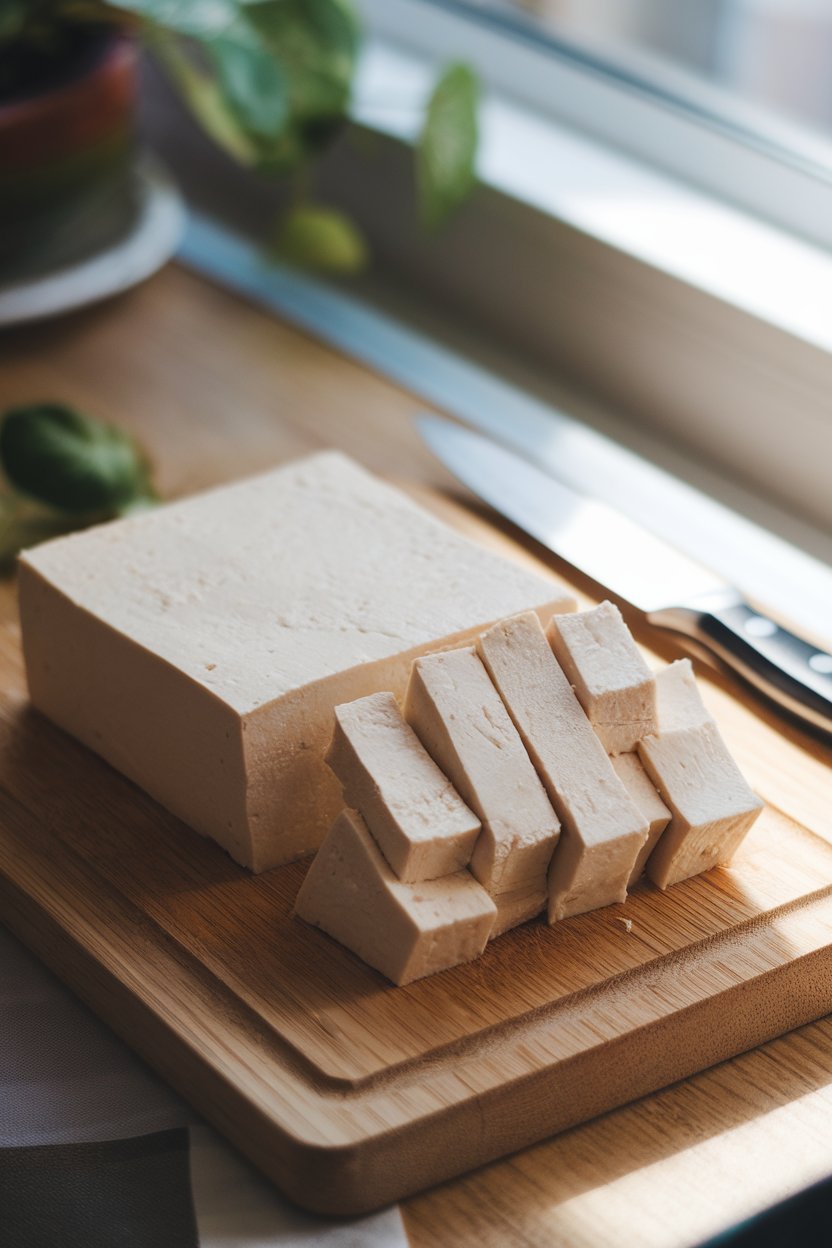
Tofu provides complete plant protein and calcium when prepared with calcium sulfate. Pressing excess water improves texture, making it crisp up nicely in a skillet or oven. Marinate briefly to infuse flavor before cooking.
22. Sardines (Cooked, Canned)
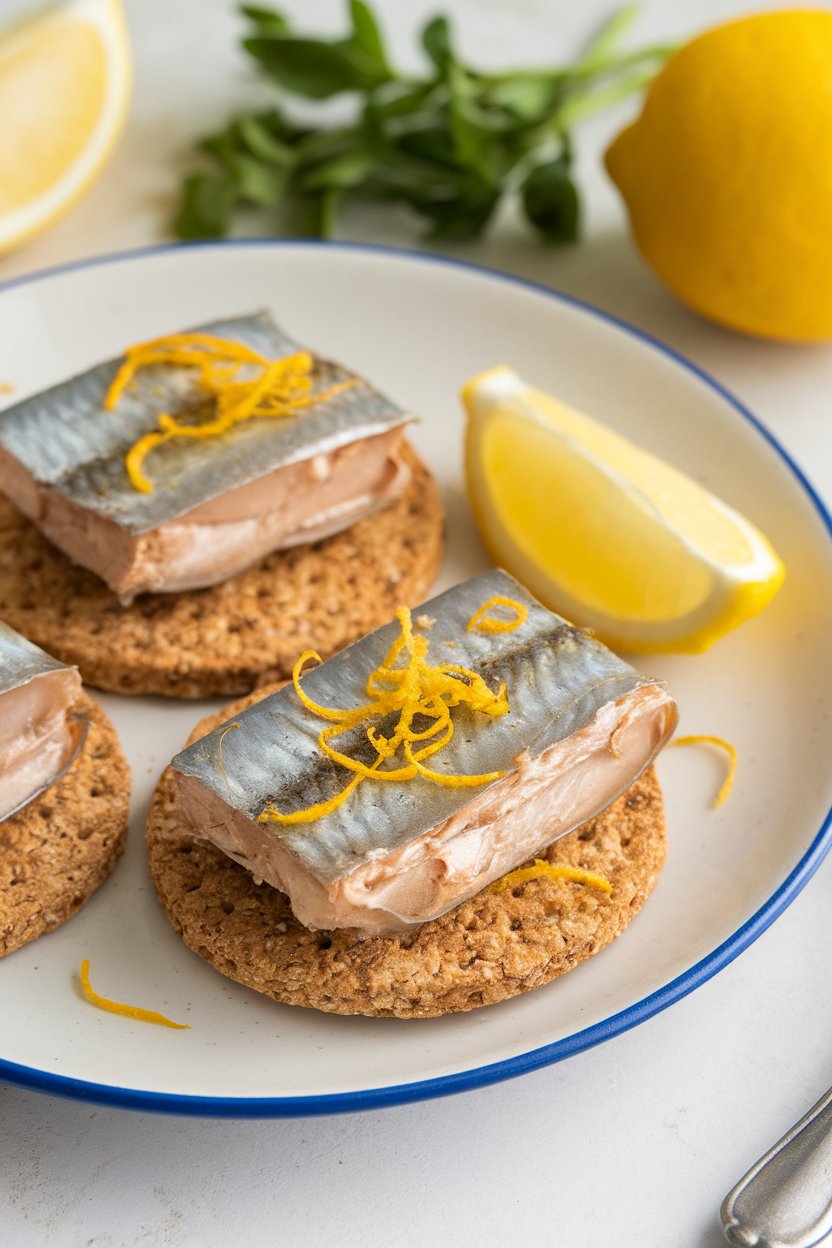
Sardines are rich in omega-3s, vitamin D, and calcium (if you eat the soft bones). They’re low on the food chain, which keeps mercury content minimal. Mash them into spreads or add whole fillets to salads for a quick protein boost.
23. Bell Peppers
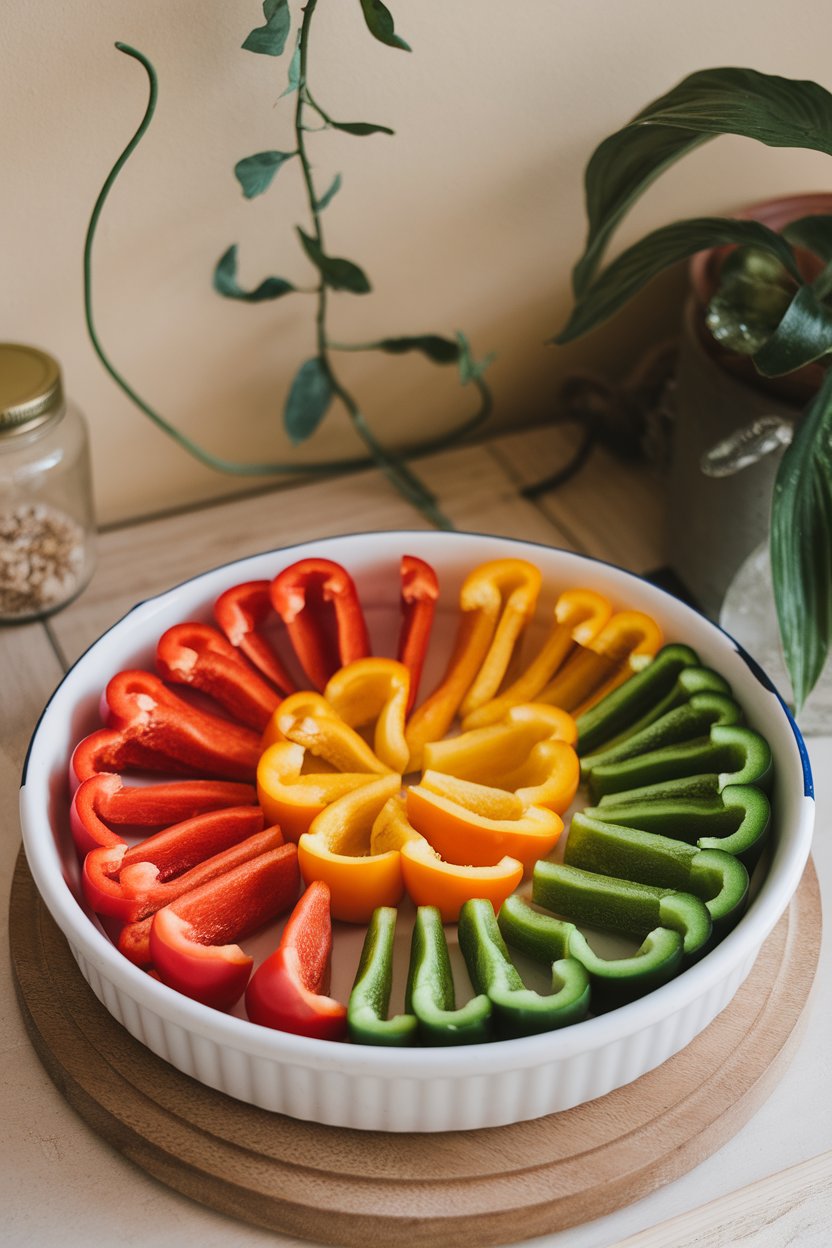
Colorful peppers deliver vitamin C and antioxidants like beta-carotene. Their crisp texture makes them perfect for raw snacking or quick stir-fries. Roast them to deepen sweetness and concentrate flavor.
24. Pearled Barley
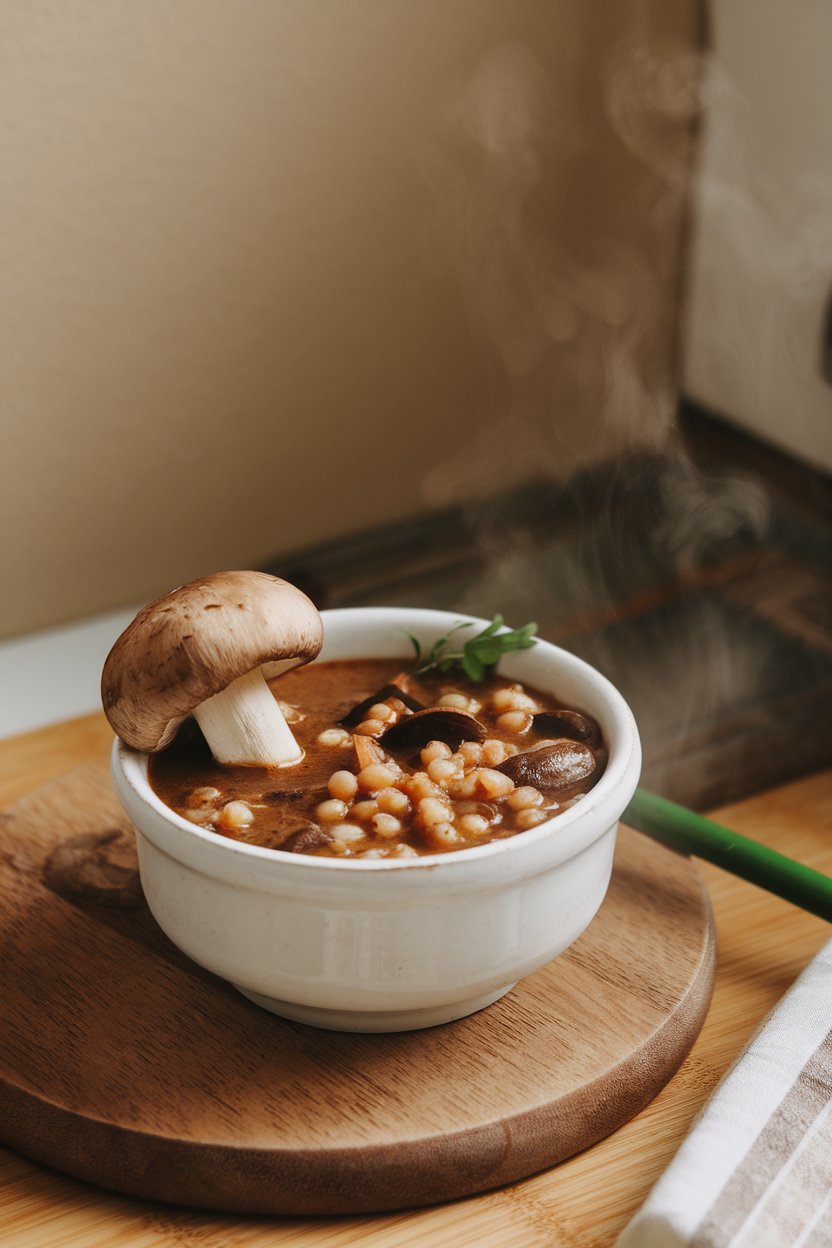
Barley contains beta-glucan fiber, known for supporting healthy cholesterol levels. Its chewy bite adds heartiness to soups and salads. Soak briefly to reduce cooking time on busy nights.
25. Tomatoes
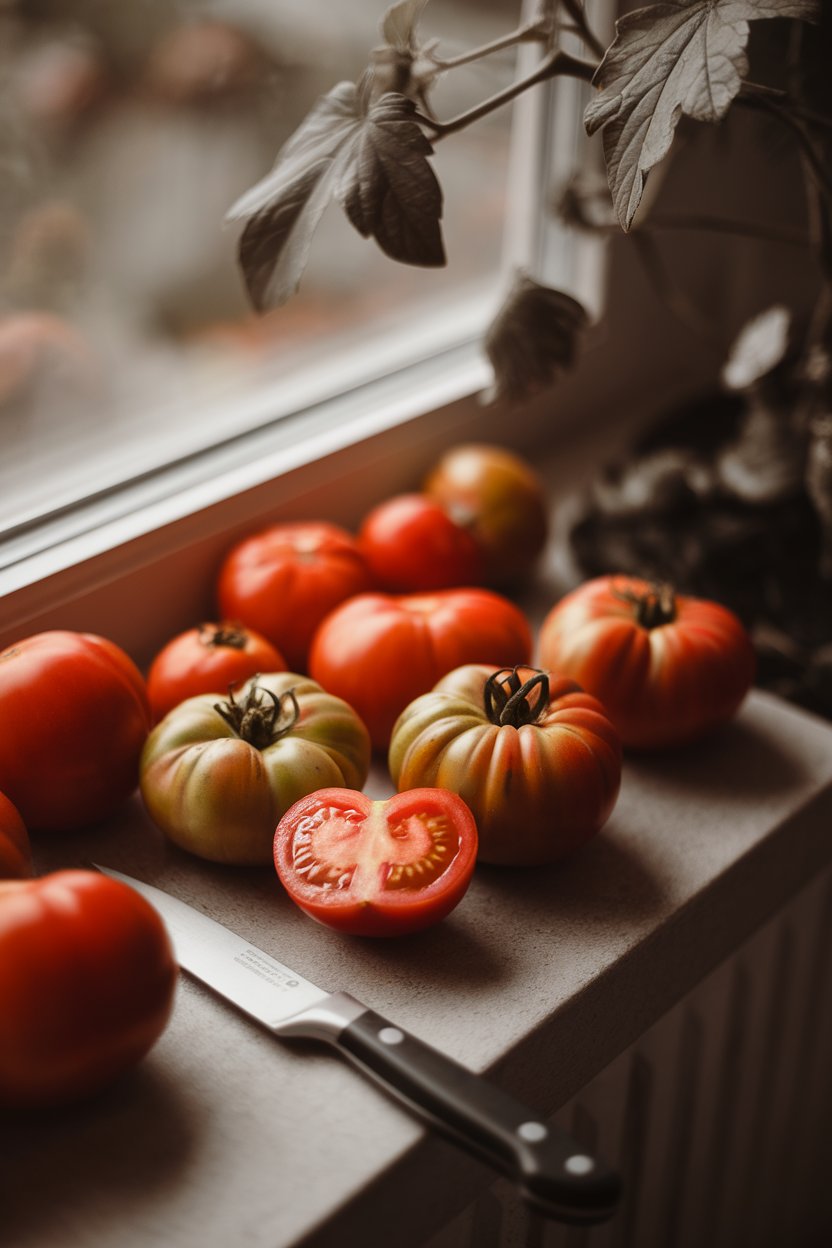
Tomatoes shine with lycopene, a pigment linked to heart and skin health. Cooking them in a little olive oil boosts lycopene absorption. Keep both fresh and canned versions on hand for versatility.
26. Flaxseed
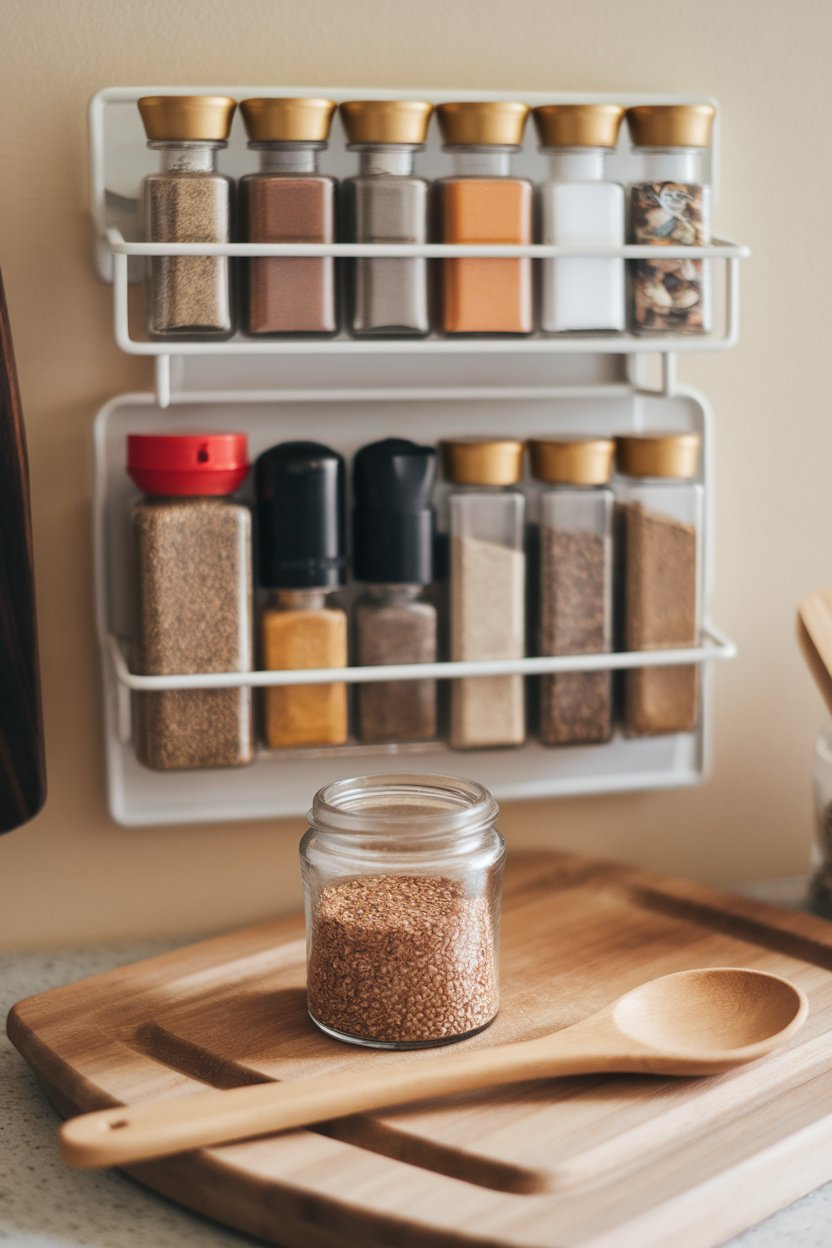
Ground flax supplies lignans, fiber, and plant-based omega-3s. Because whole seeds pass through undigested, grinding them unlocks nutrients. Stir into oatmeal, smoothies, or pancake batter for an easy boost.
27. Chicken Breast
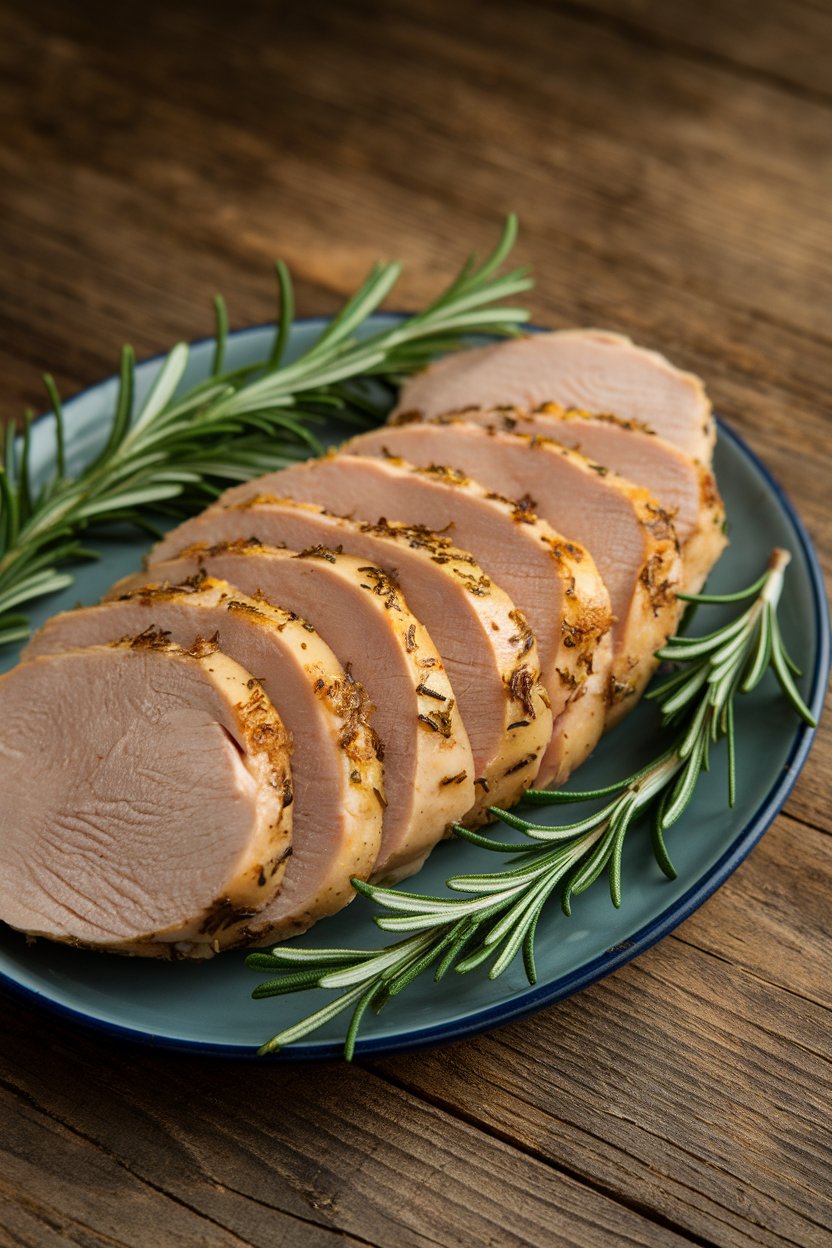
Lean chicken breast is a dependable source of high-quality protein with minimal saturated fat. Marinate with herbs and citrus for tender results. Batch-cook and freeze portions for quick salads or wraps.
28. Feta Cheese
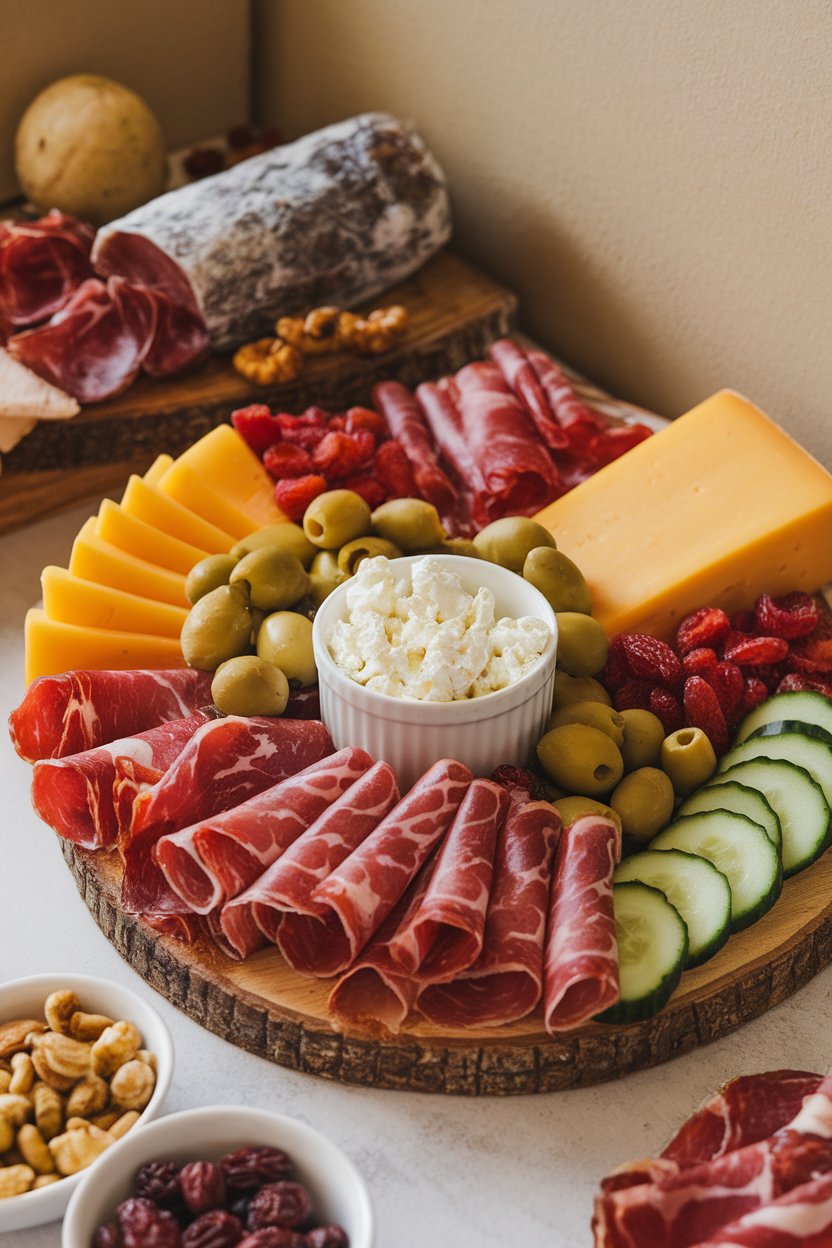
This brined cheese adds calcium and a tangy punch, so a little goes a long way. Opt for sheep’s-milk feta if you’re sensitive to cow’s milk. Rinse briefly under water to reduce saltiness if needed.
29. Brussels Sprouts
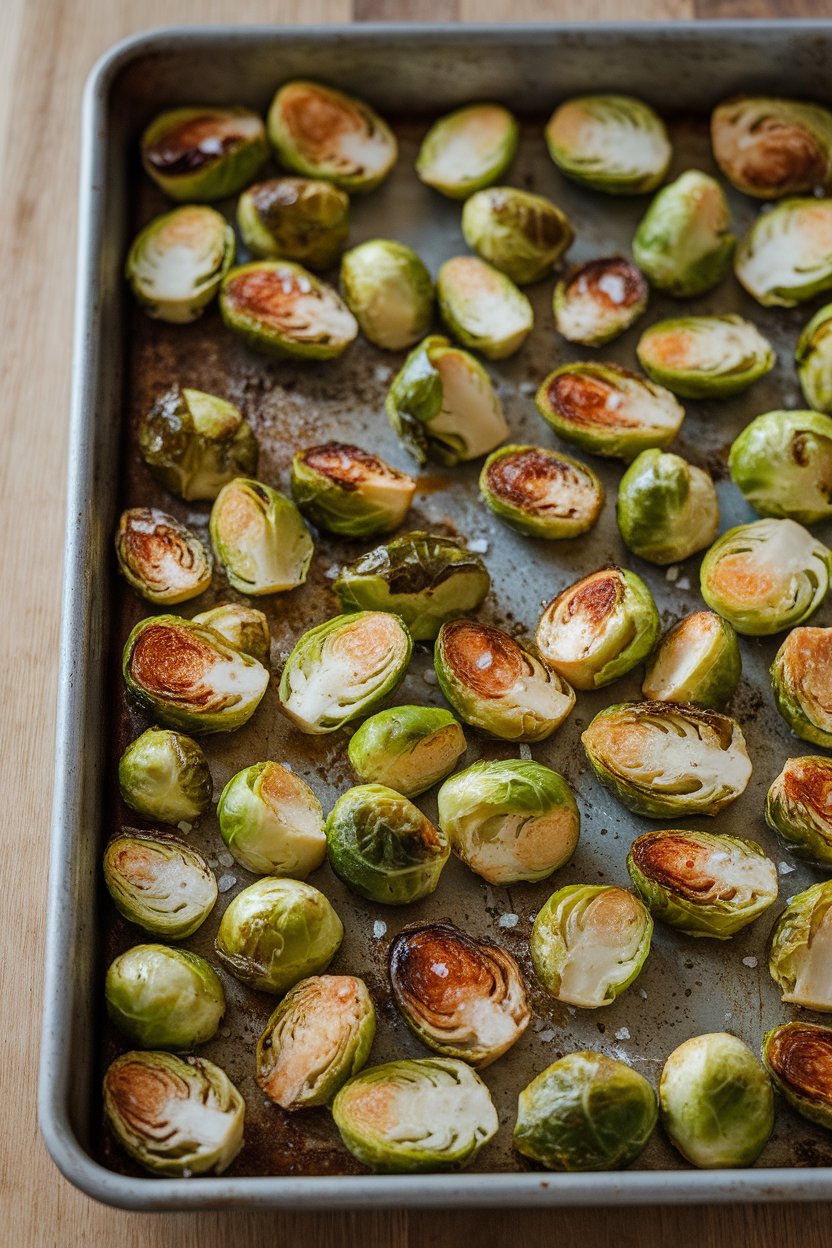
Roasted Brussels sprouts offer fiber and vitamin K plus sulforaphane, a compound under study for protective effects against certain cancers. Halve them for better crisping and toss with balsamic vinegar for depth. Leftovers reheat well in a skillet.
30. Kefir
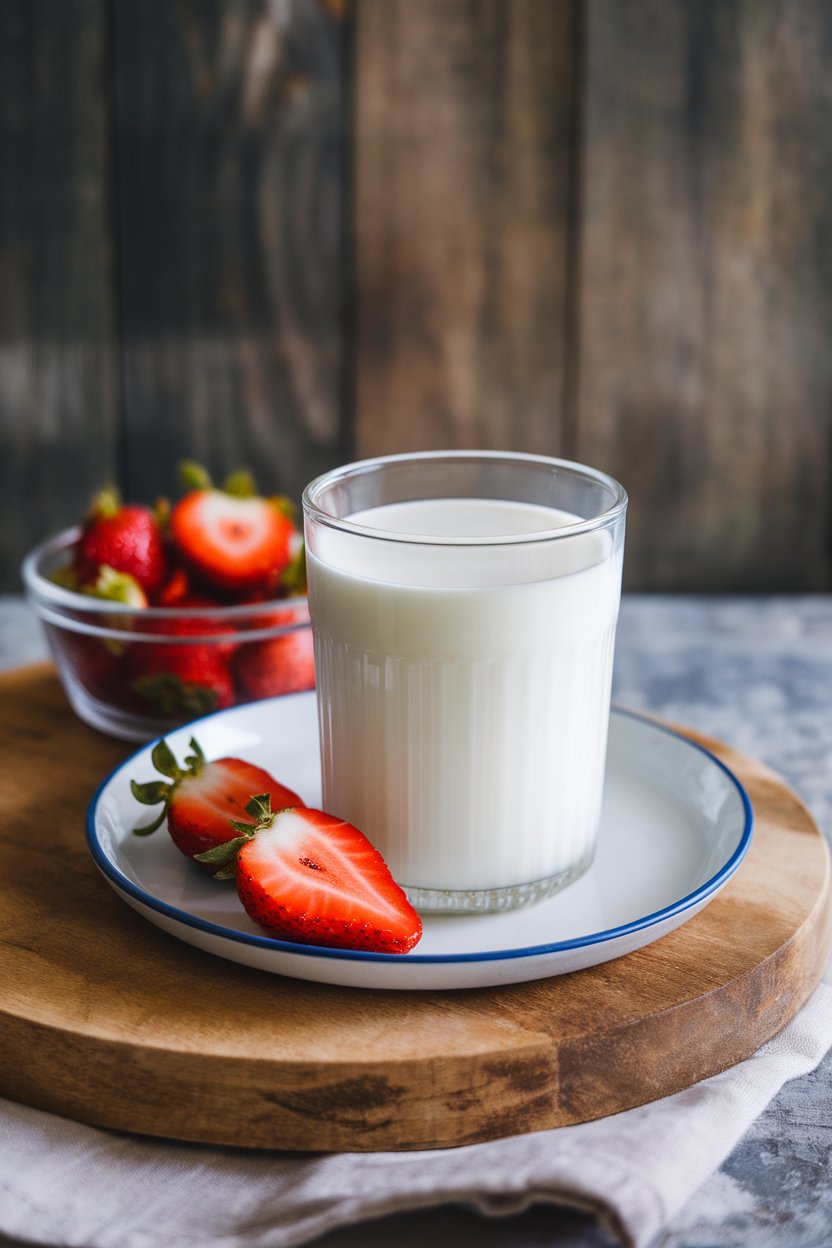
Kefir contains a diverse mix of probiotics that may benefit digestion and immunity. Its tangy taste sits between milk and yogurt. Blend it into smoothies or use in overnight oats for extra creaminess.
31. Grapefruit
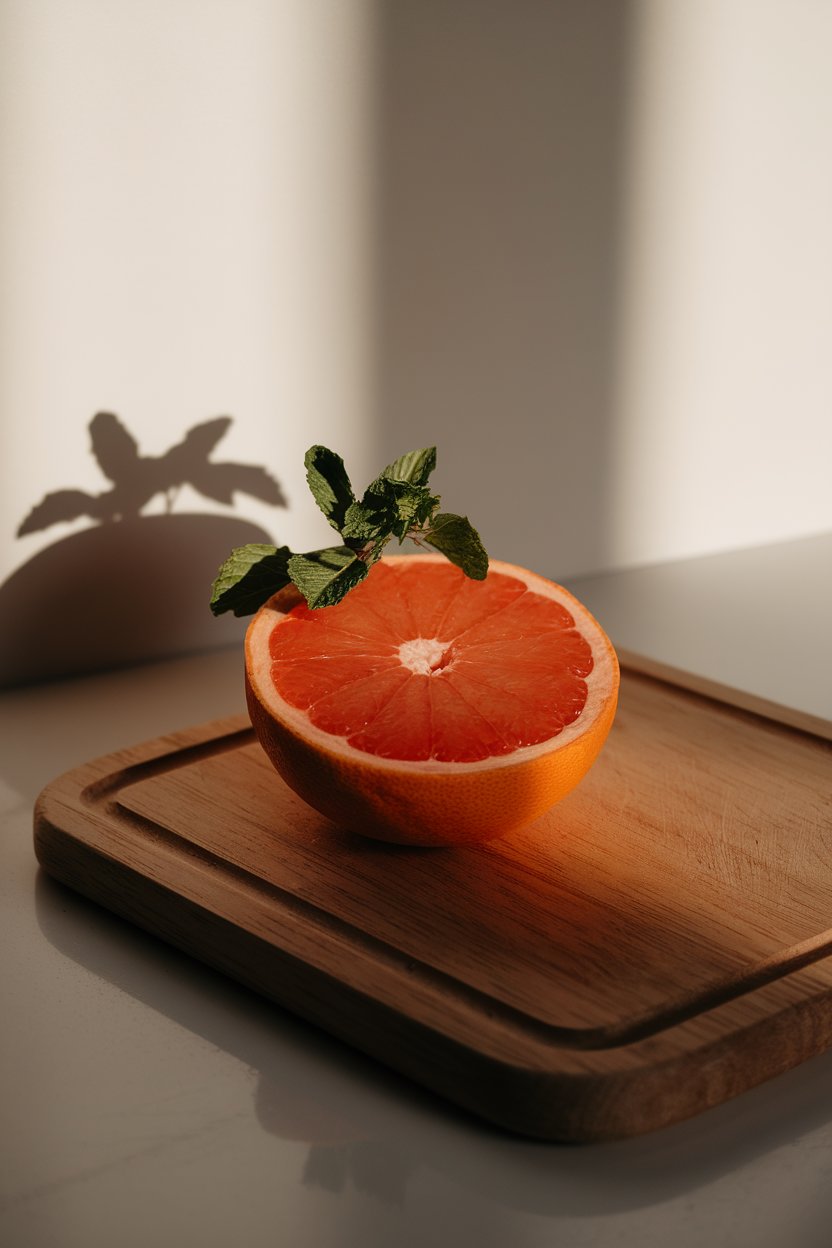
Grapefruit offers vitamin C and hydration while its slight bitterness can curb sweet cravings. Check medication interactions before adding it regularly. Enjoy broiled with a touch of cinnamon for a warm twist.
32. Black Beans
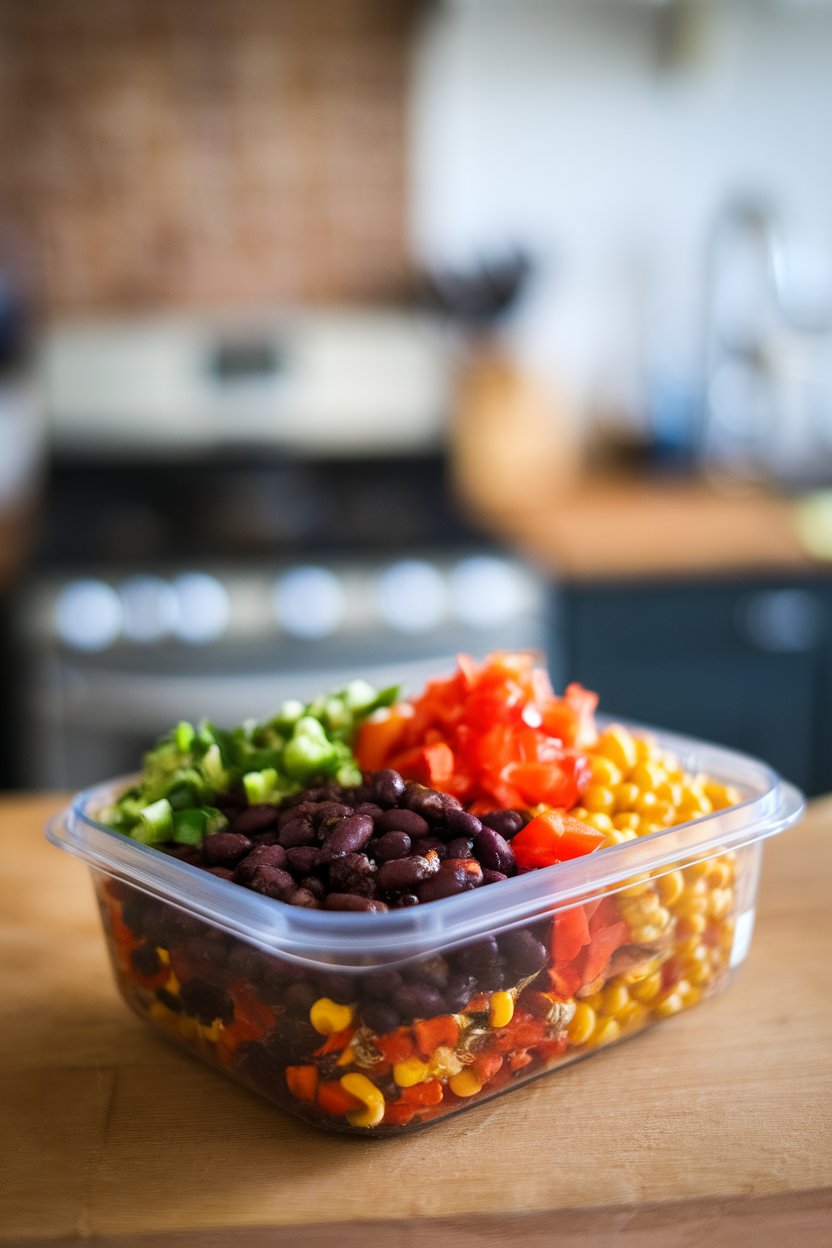
Black beans supply protein, iron, and fiber that supports stable energy. They pair perfectly with whole grains to complete amino acid needs. Canned beans save time; rinse them well to cut sodium.
33. Cauliflower
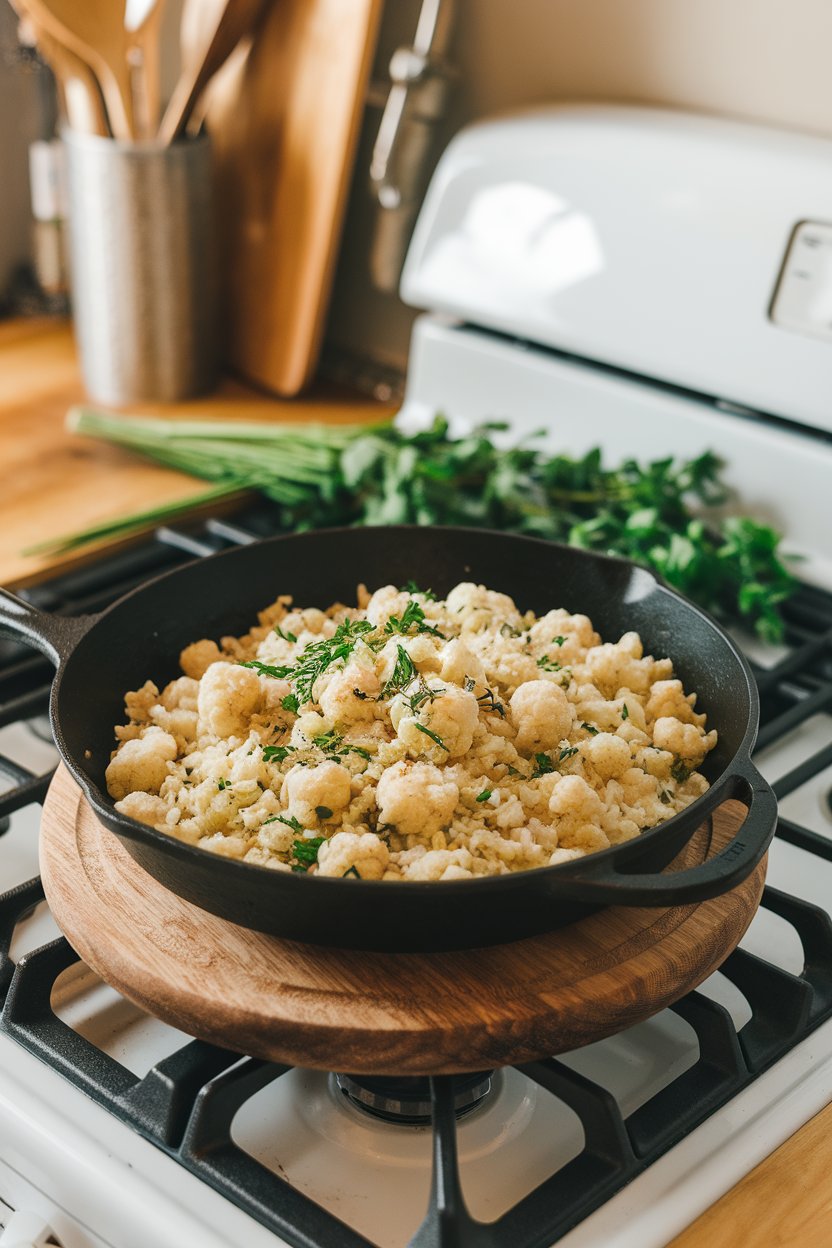
Cauliflower’s mild flavor adapts to mashes, rice substitutes, and roasted sides while delivering vitamin C and choline. Its versatility makes veggie-forward meals feel less repetitive. Roast florets until edges turn golden for the sweetest taste.
34. Tuna Steak (Cooked)
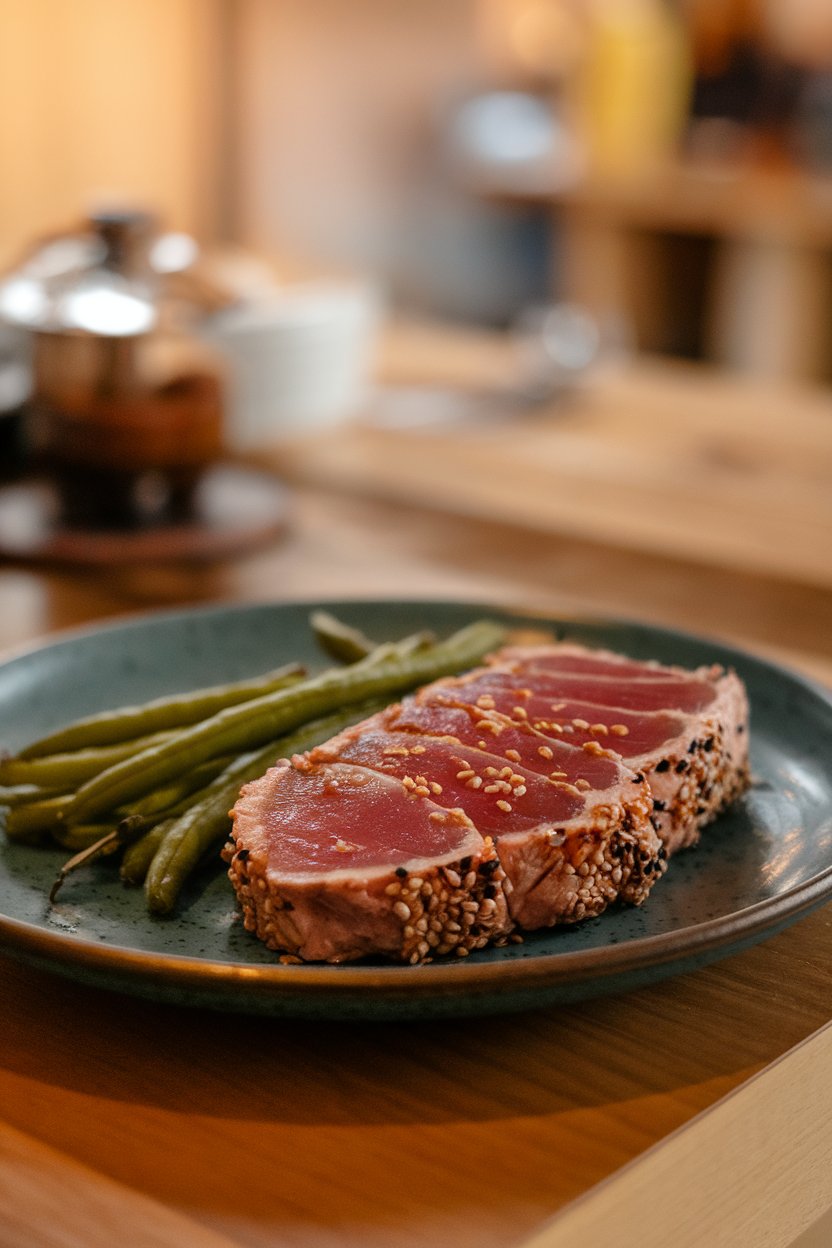
Tuna provides lean protein and selenium. Choosing skipjack or pole-caught varieties helps keep mercury exposure lower. Aim for well-done cooking if pregnant or breastfeeding to stay safe.
35. Mushrooms
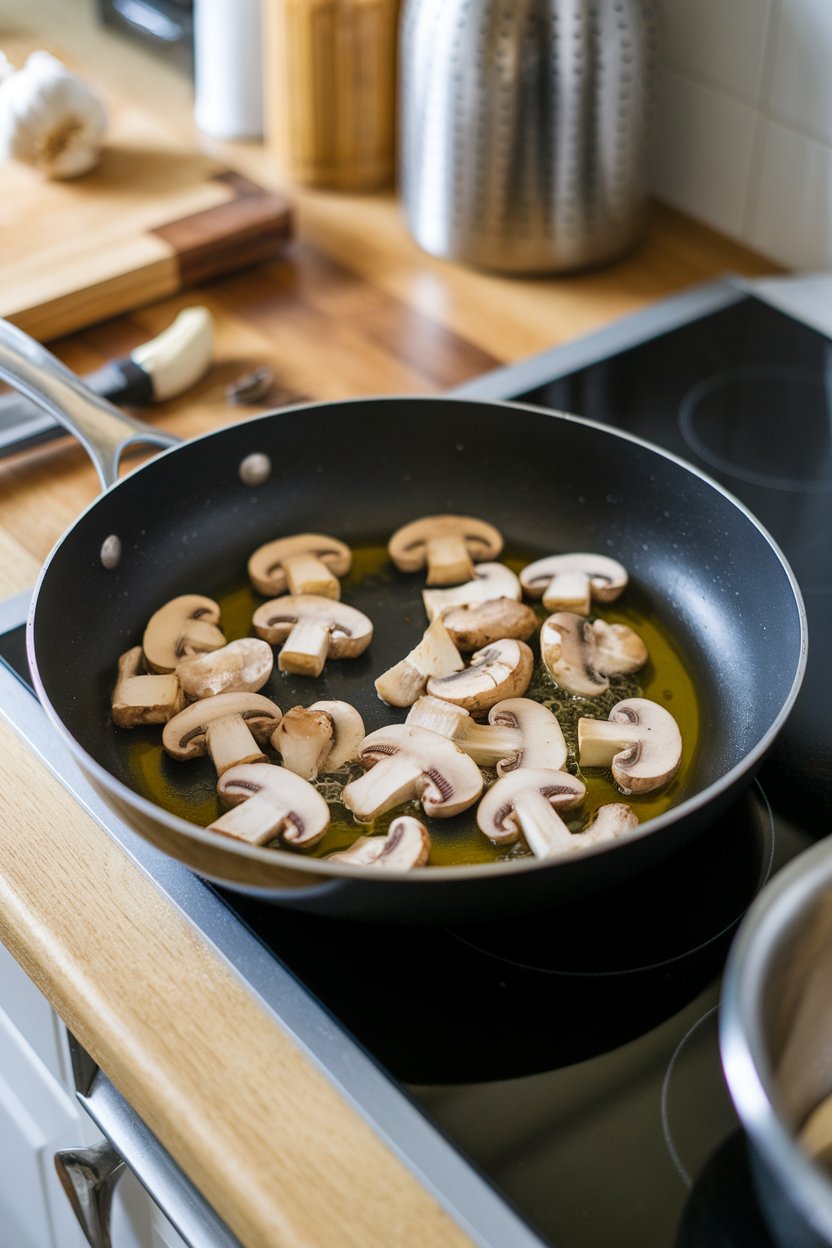
Mushrooms add umami flavor along with B-vitamins and the antioxidant ergothioneine. Expose them to sunlight for an extra vitamin D boost before cooking. They pair nicely with herbs like thyme and rosemary.
36. Extra-Virgin Olive Oil

The monounsaturated fat in olive oil supports heart health and helps absorb fat-soluble nutrients. Use it for low- to medium-heat cooking or as a finishing drizzle. Store in a cool, dark place to protect delicate antioxidants.
37. Raspberries
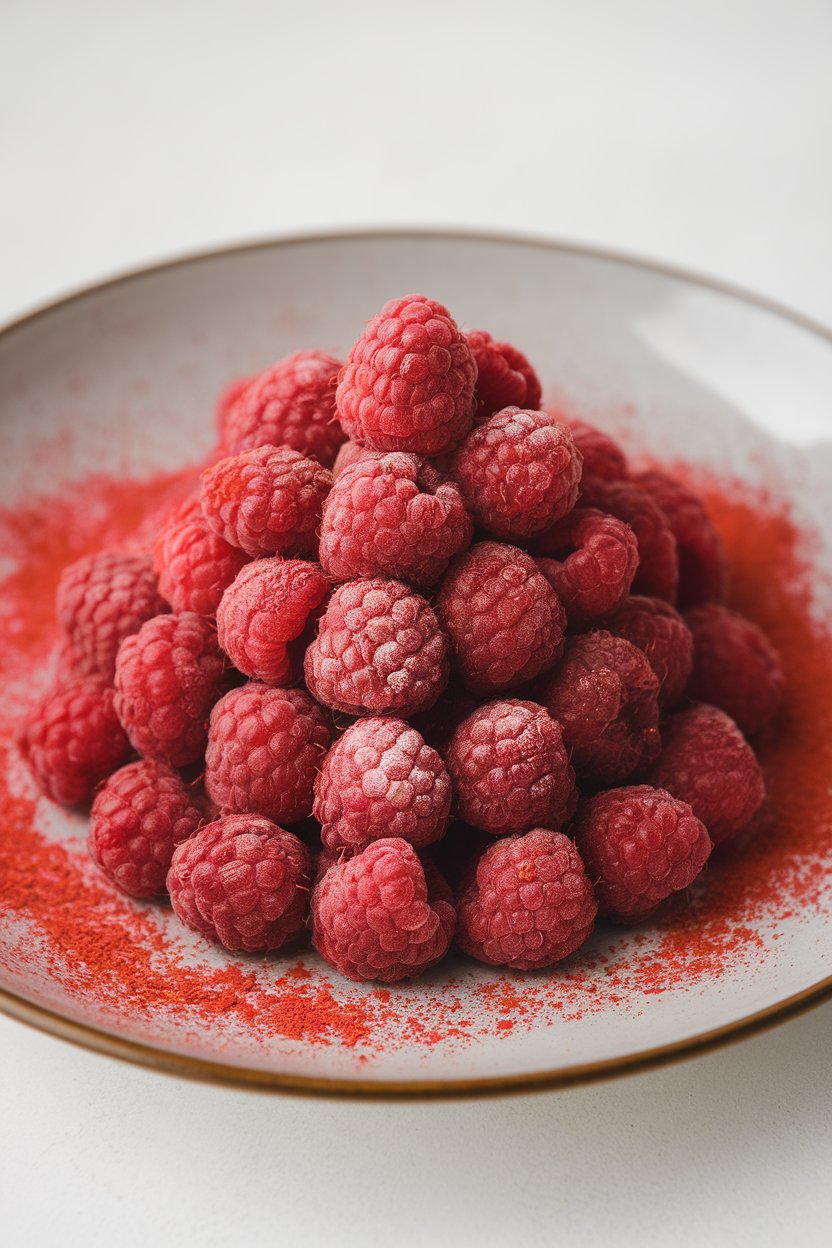
Raspberries top the berry list for fiber, offering eight grams per cup. Their tart-sweet flavor wakes up yogurt, salads, and oatmeal. Frozen berries retain nutrients and are budget-friendly year-round.
38. Dark Chocolate (70% Cacao or Higher)

Quality dark chocolate offers flavonoids that may aid blood flow and mood. Stick to small squares to keep added sugar modest. Pair with nuts or fruit for a satisfying treat.
39. Chia Seeds
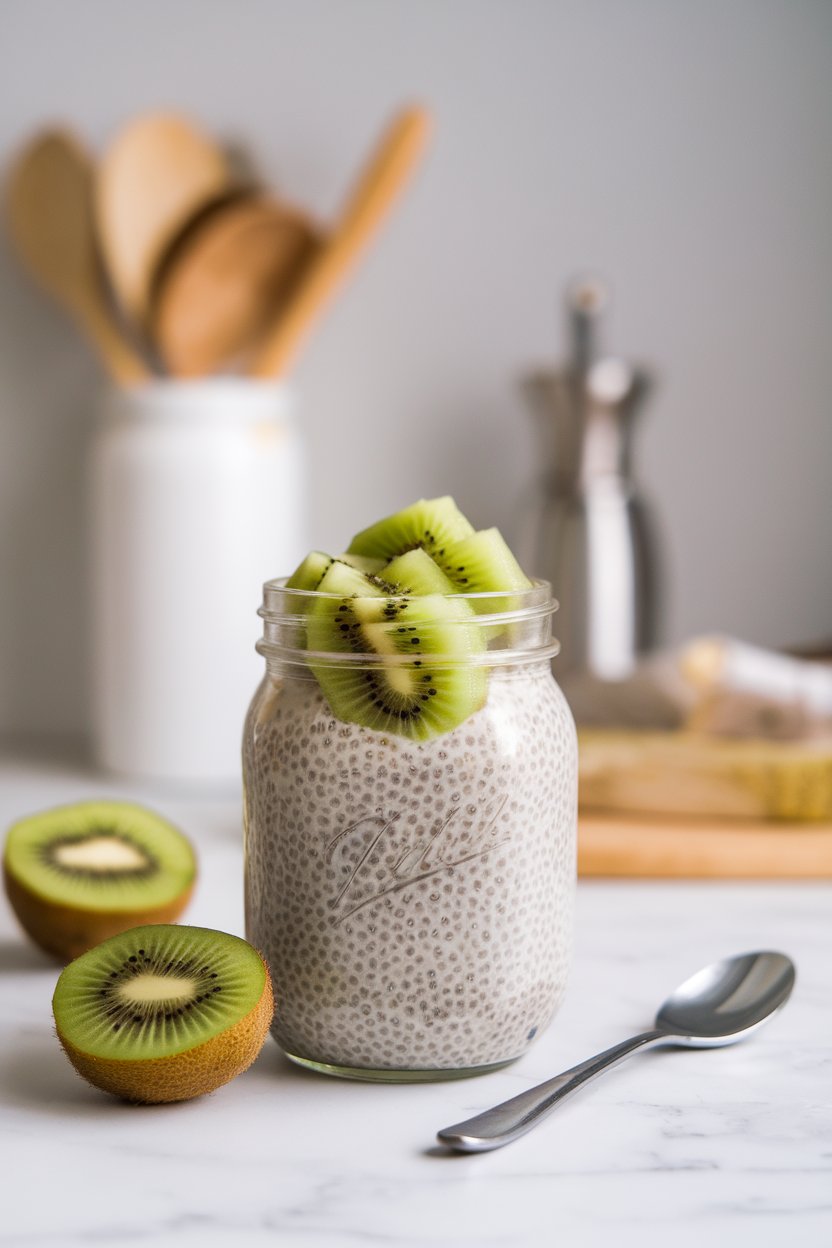
Chia seeds absorb liquid to form a gel, supplying omega-3s, fiber, and calcium. Stir them into yogurt or blend into smoothies for extra thickness. Soaking helps make nutrients more bioavailable.
40. Low-Fat Milk
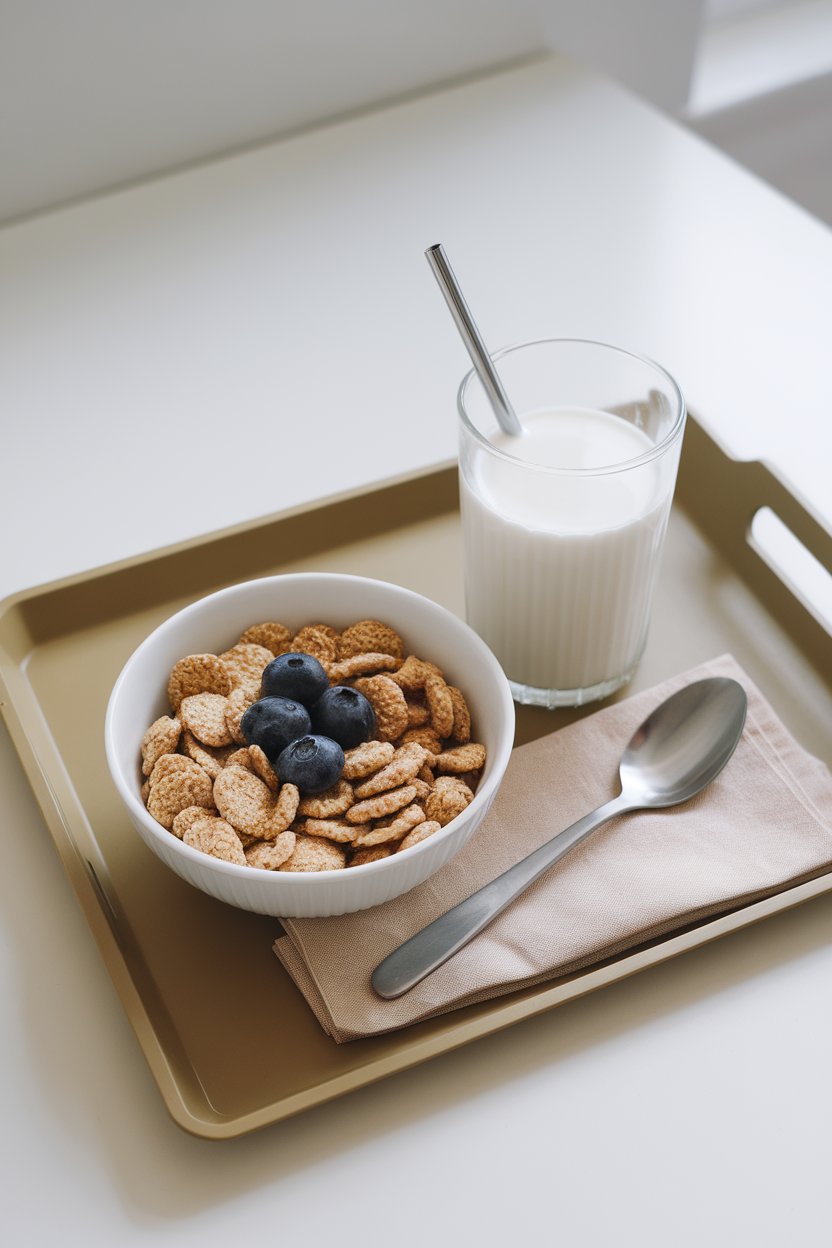
Milk provides complete protein, calcium, and vitamin B12 important for nerve function. Choosing low-fat keeps saturated fat moderate while preserving nutrients. Lactose-free versions work for those with sensitivities.
41. Watercress
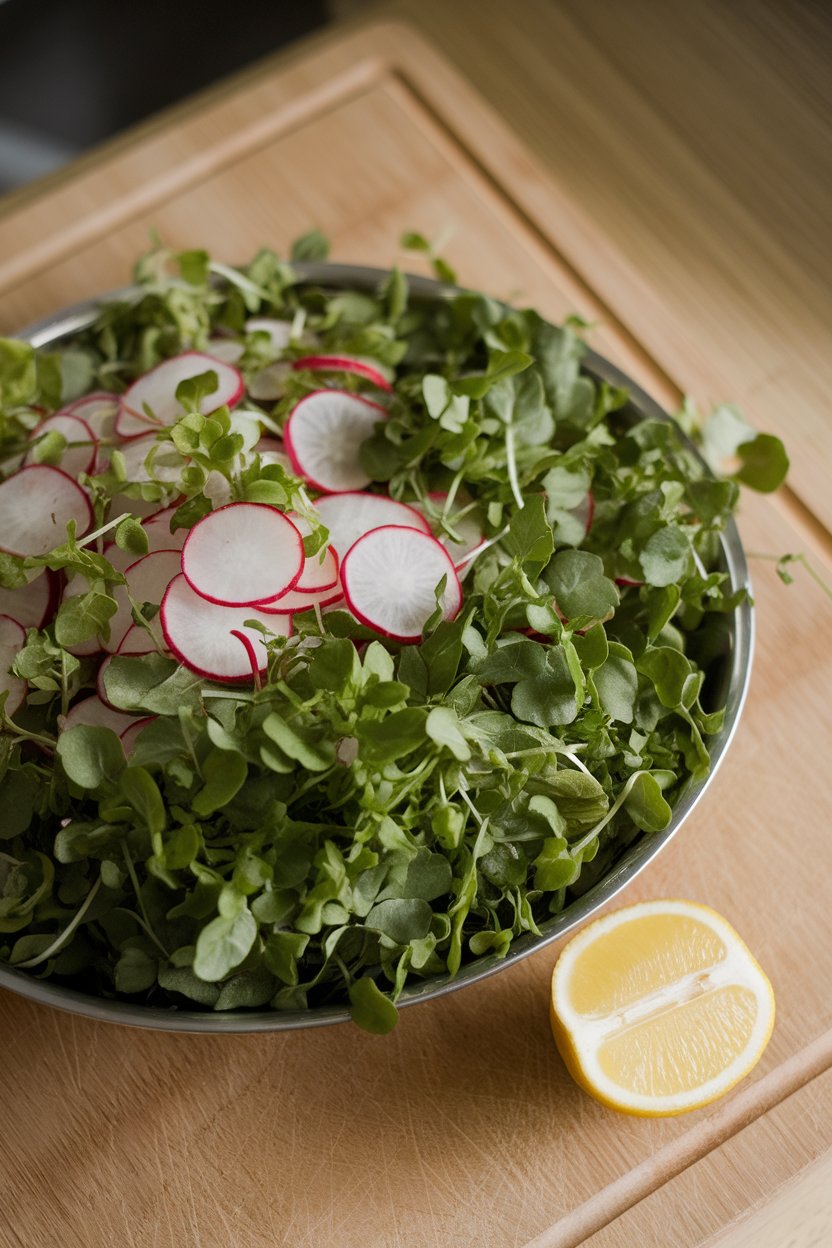
Often overlooked, peppery watercress ranks high for vitamins A and K and antioxidants that fight cellular stress. It makes an easy side salad or sandwich topper. Store stems in water like fresh herbs to keep them crisp.
42. Kiwi
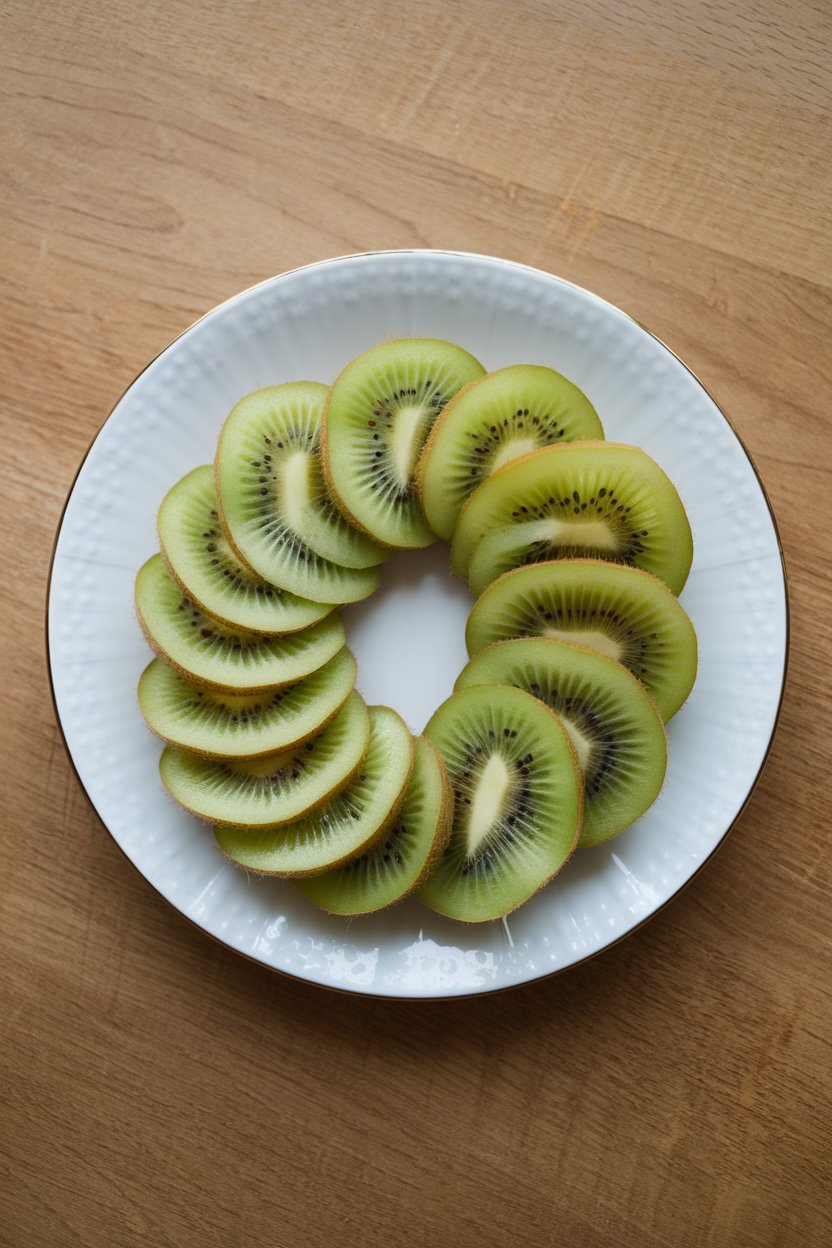
Kiwi offers more vitamin C per ounce than most citrus fruits and includes digestive-helping actinidin. Eat the fuzzy skin for extra fiber if you don’t mind the texture. It also adds a bright color pop to salads.
43. Pomegranate Seeds
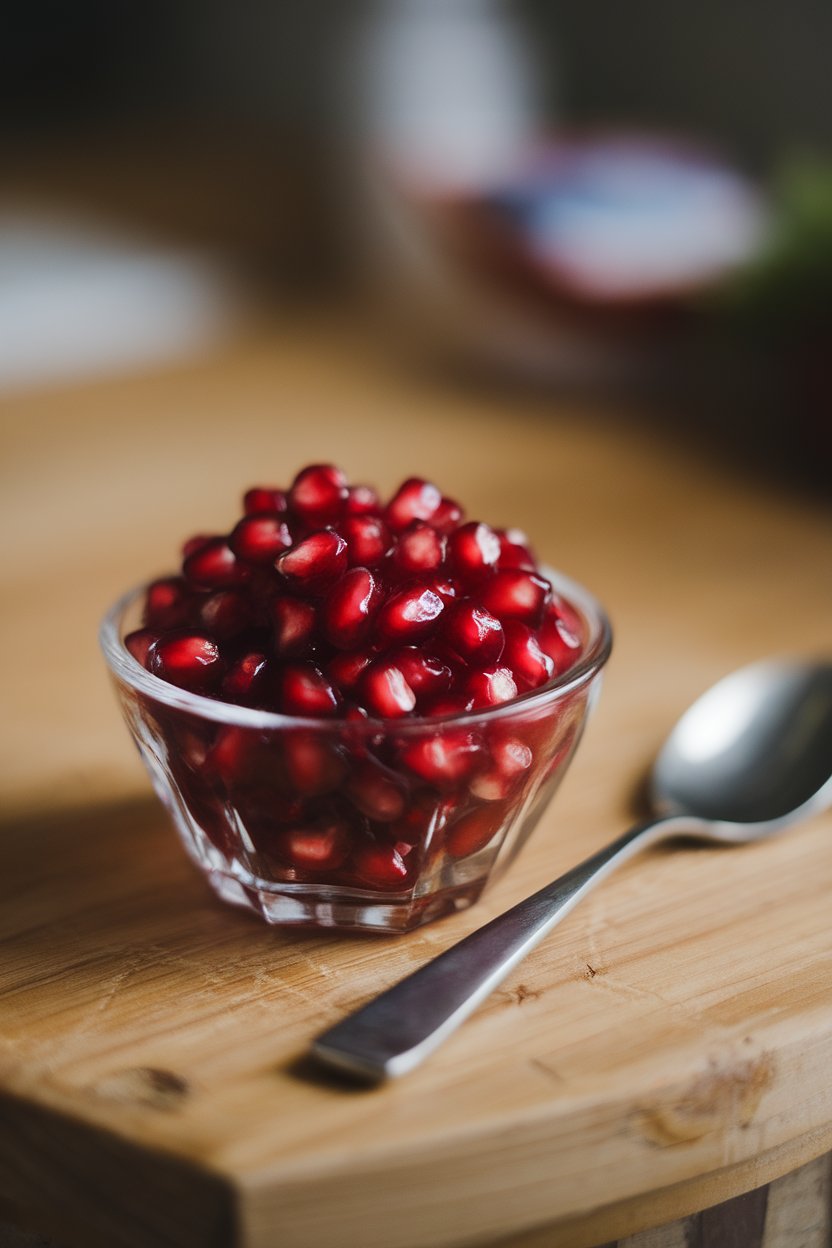
Pomegranate seeds deliver polyphenols linked to heart health and glowing skin. Their sweet-tart crunch livens up grain bowls, salads, and yogurt. Freeze any extras for later use in smoothies.
44. Walnuts
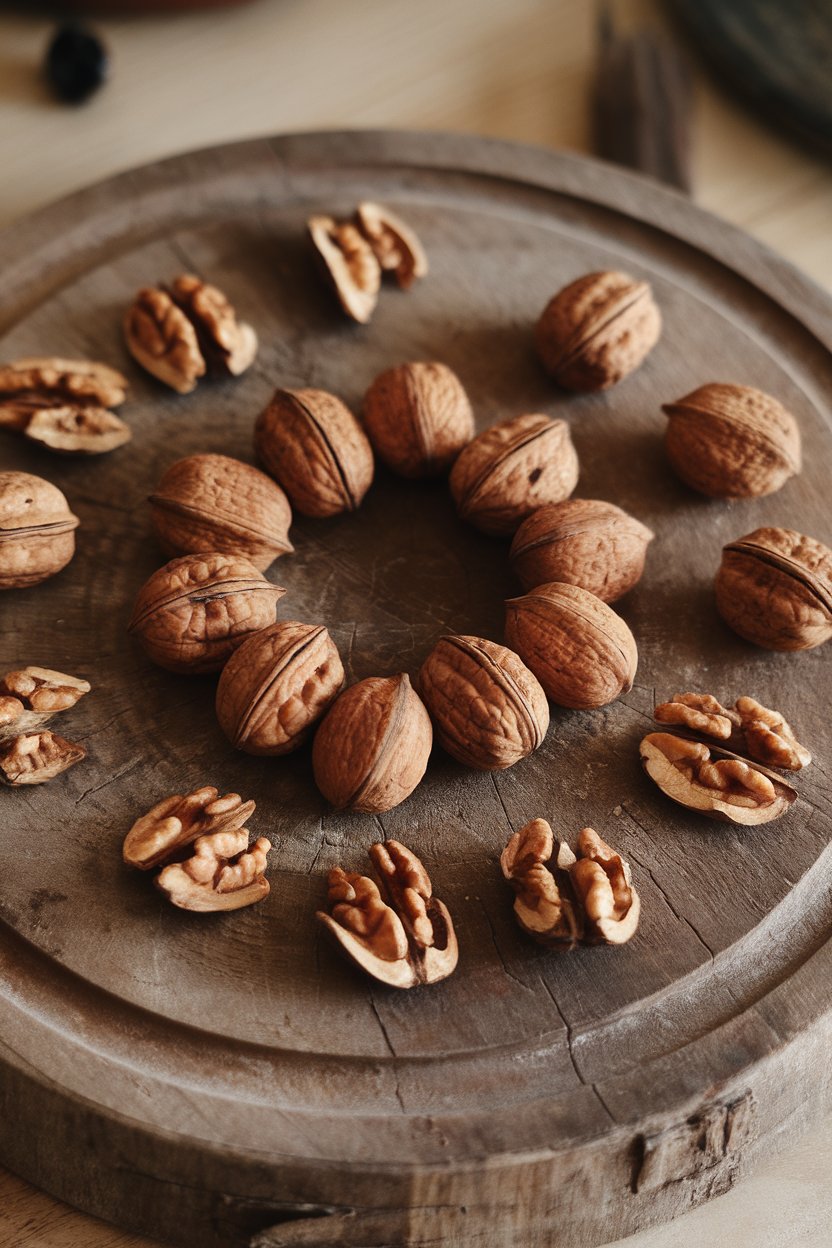
Walnuts pack alpha-linolenic acid, a plant-based omega-3, alongside protein and magnesium. A small handful can curb afternoon hunger. Toast lightly to heighten their nutty aroma.
45. Buckwheat
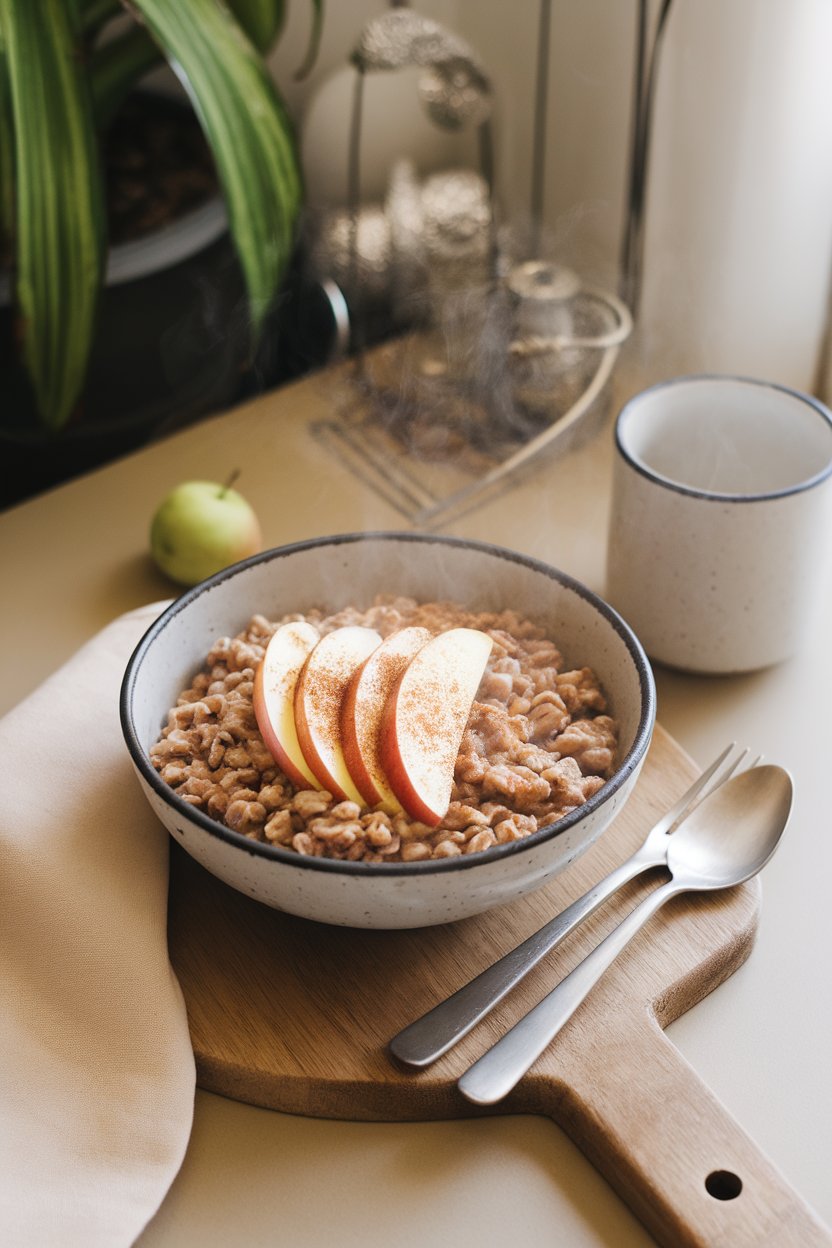
Despite its name, buckwheat is gluten-free and contains rutin, an antioxidant that may support circulation. Use it as a porridge, salad grain, or in pancakes. Its earthy taste pairs well with warming spices.
46. Shrimp (Cooked)
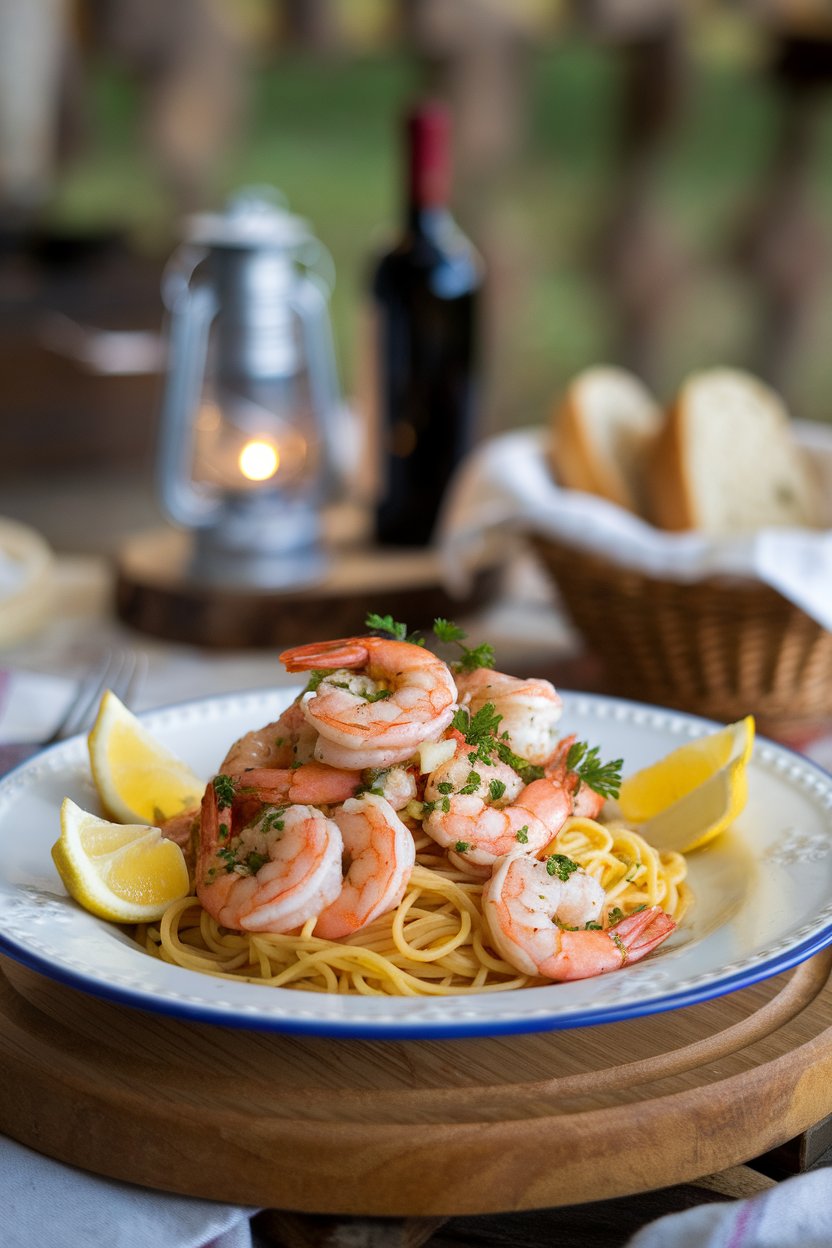
Shrimp provide lean protein, selenium, and iodine with minimal calories. Quick cooking makes them weeknight-friendly. Look for responsibly farmed or wild-caught options to support ocean health.
47. Papaya
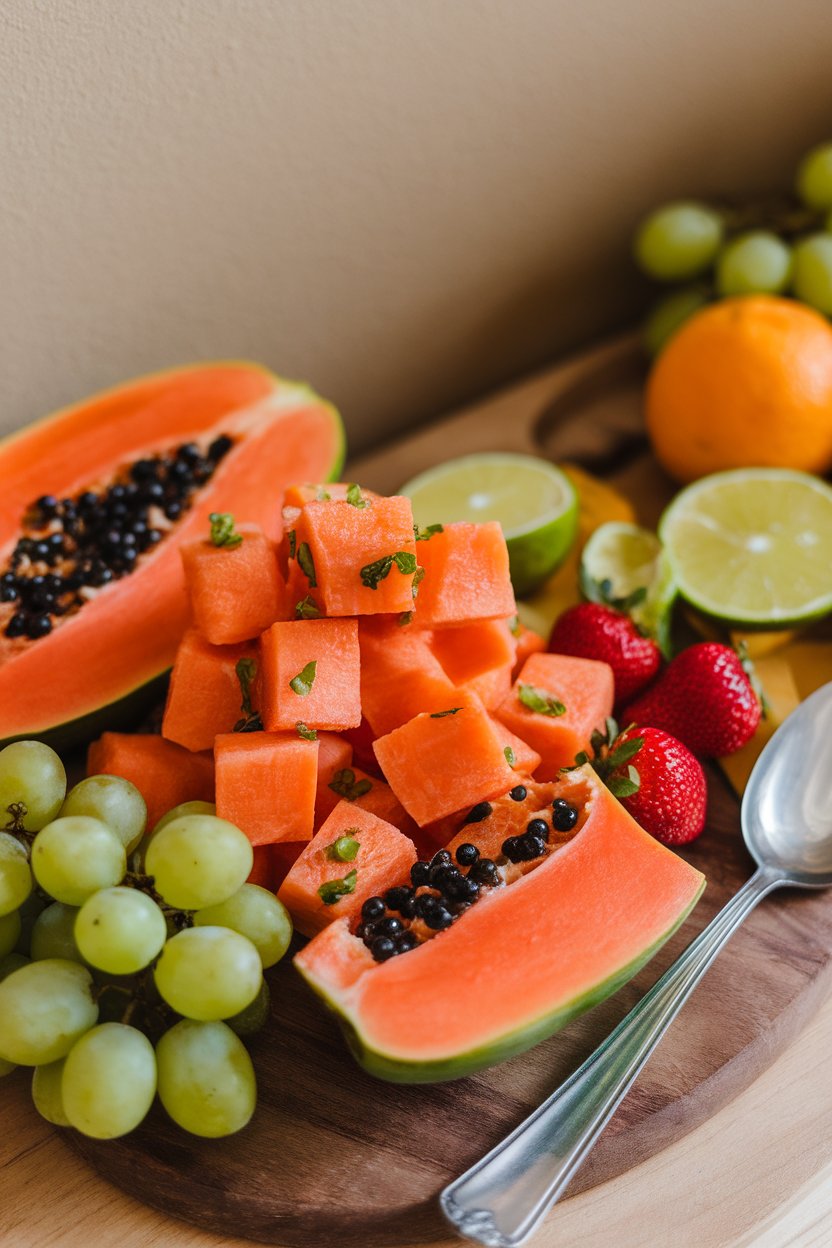
Papaya contains digestive enzyme papain and generous vitamin C. Its smooth texture works in smoothies or fruit salads. The black seeds are edible and add a peppery kick if you’re feeling adventurous.
48. Sunflower Seeds
Sunflower seeds offer vitamin E and selenium, key antioxidants for skin and immune support. Sprinkle them over salads or blend into homemade seed butter. Opt for unsalted versions to keep sodium low.
49. Whole Grain Bread
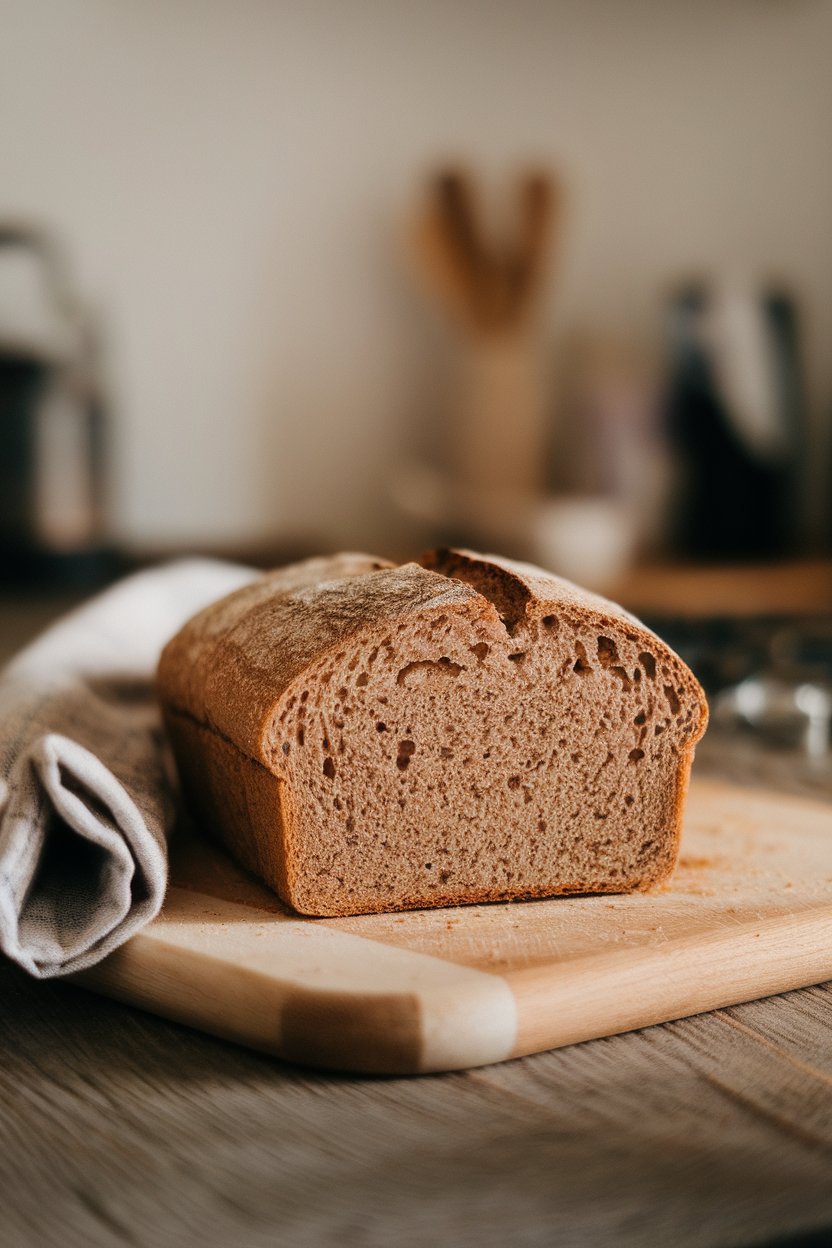
Hearty whole grain bread provides complex carbs plus fiber, B-vitamins, and iron. Look for loaves listing whole wheat or whole grains as the first ingredient. Freeze slices to prolong freshness and toast straight from frozen.
50. Turmeric
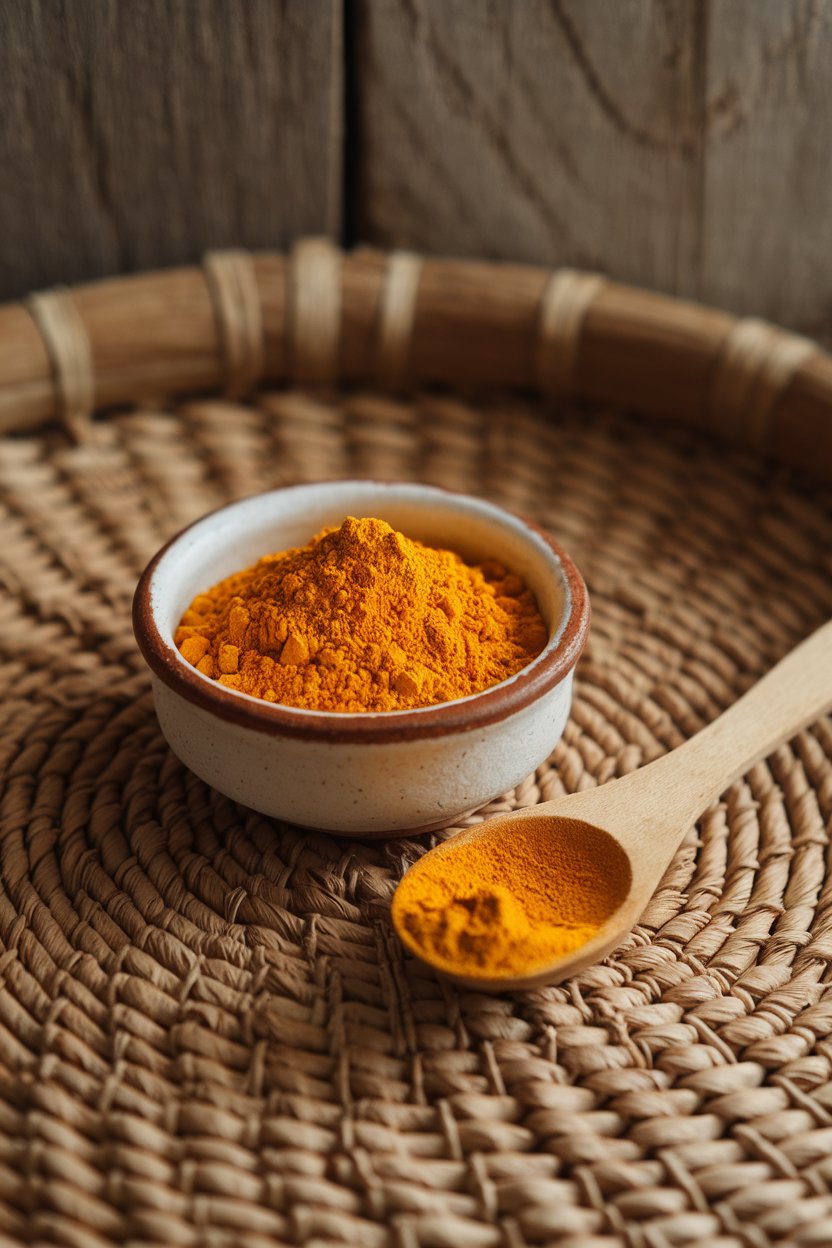
Curcumin, the active compound in turmeric, has anti-inflammatory potential. Pair it with black pepper to enhance absorption. Stir into soups, curries, or golden milk for warmth and color.
51. Hummus
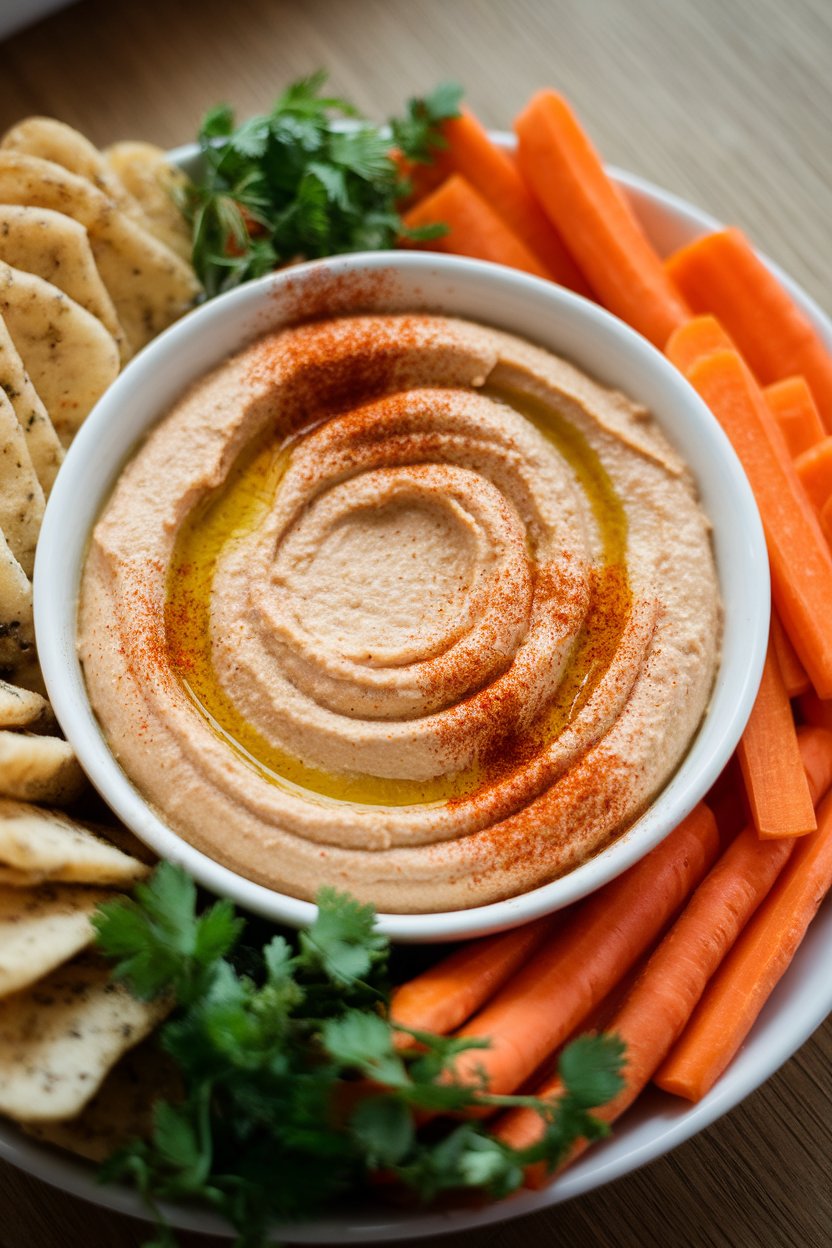
Classic hummus combines chickpeas, tahini, garlic, and lemon for protein, fiber, and healthy fats. Use it as a sandwich spread or veggie dip to replace higher-fat condiments. Make a batch on Sunday for easy snacking all week.
52. Red Cabbage
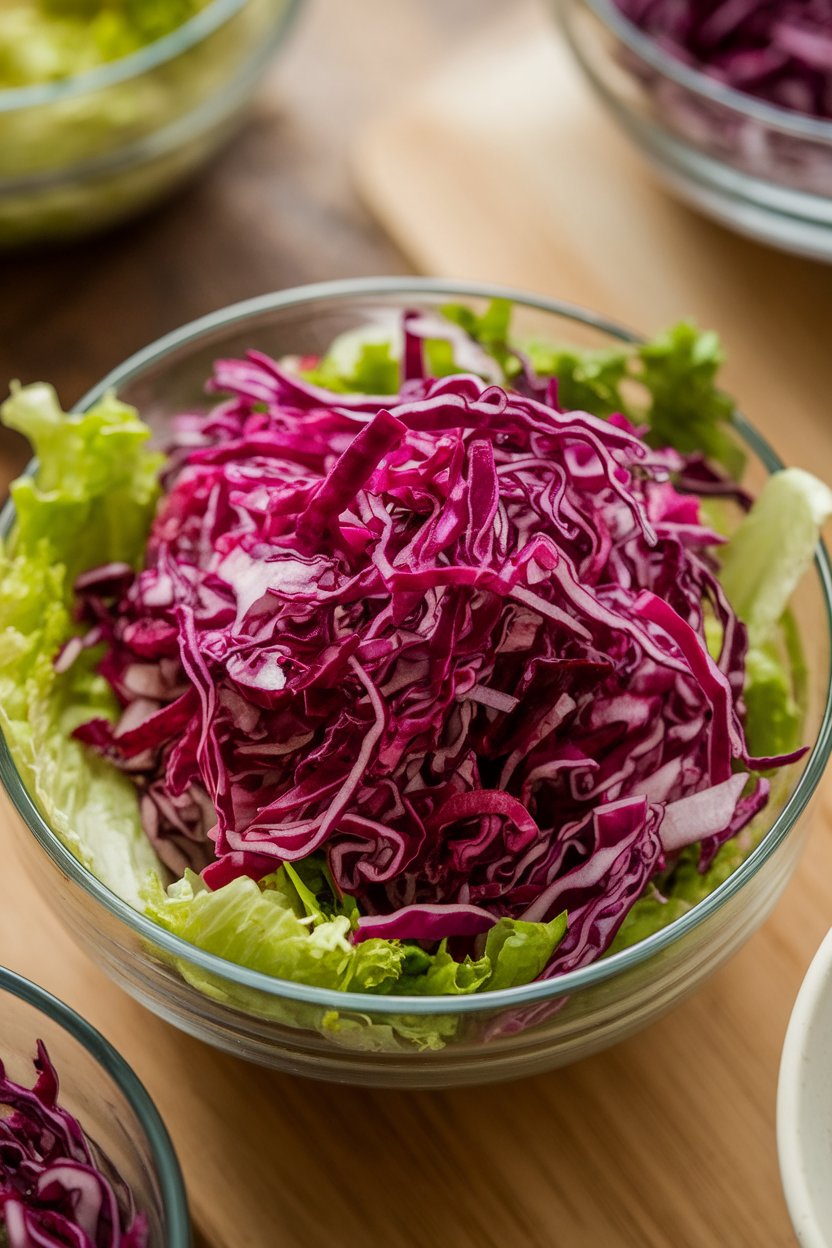
Red cabbage boasts anthocyanins and vitamin C, supporting collagen production and vascular health. Its crunch holds up well in make-ahead salads. A quick massage with salt softens the texture for raw preparations.
53. Oat Bran
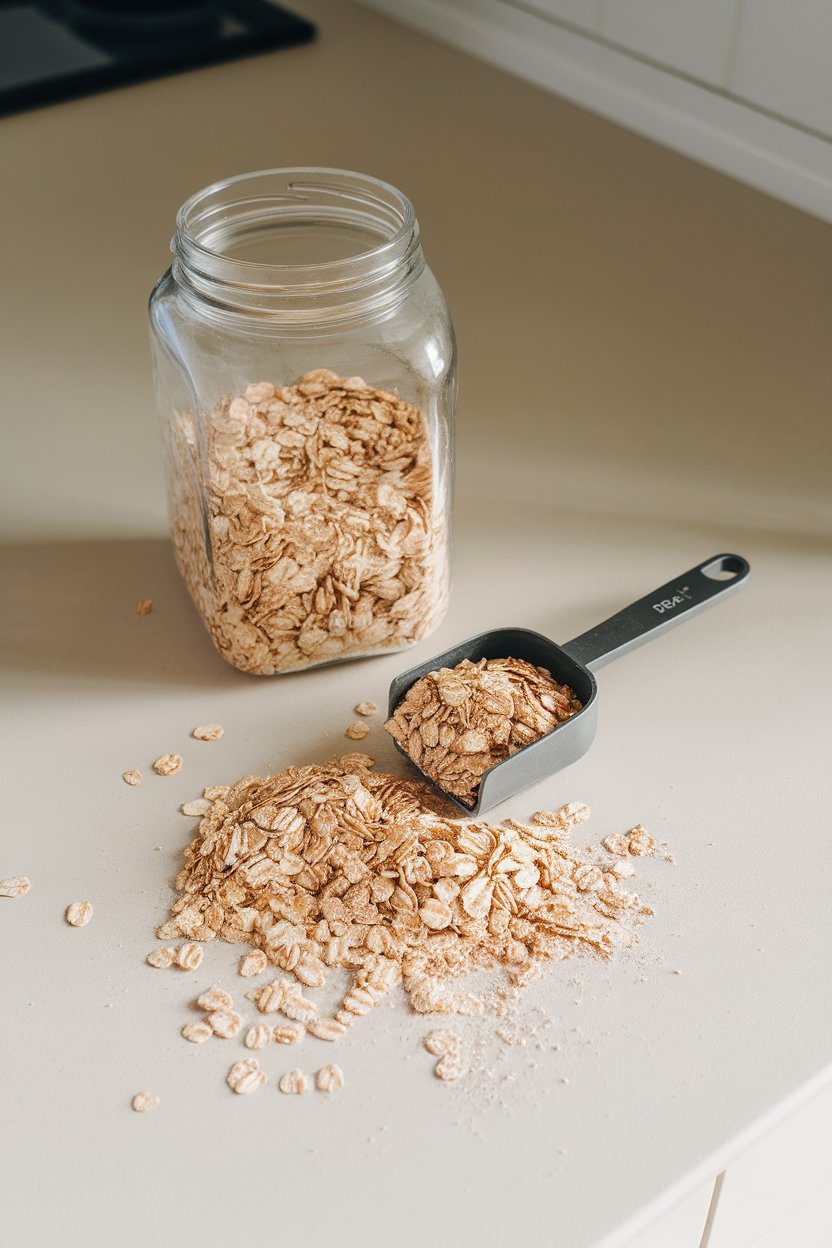
Oat bran delivers concentrated beta-glucan fiber to support cholesterol balance and fullness. Stir a spoonful into yogurt, smoothies, or baked goods. Its mild flavor blends seamlessly into most recipes.
54. Peanuts
Budget-friendly peanuts offer protein and resveratrol, an antioxidant also found in grapes. Natural peanut butter makes a quick spread for fruit or whole grain toast. Choose options without added oils or sugar.
55. Zucchini
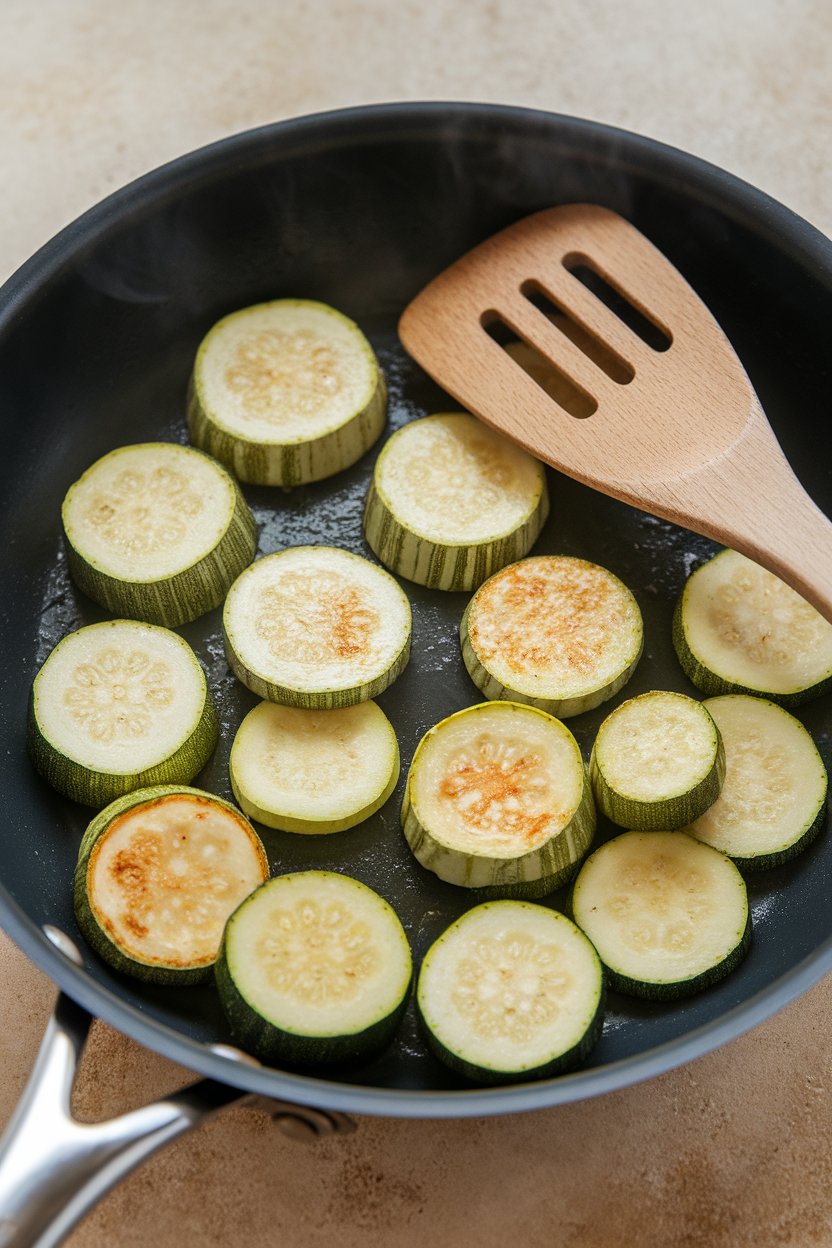
Zucchini is high in water and vitamin C while being low in calories—great for adding volume to meals. Spiralize it into noodles or grate into baked goods for moisture. The mild flavor pairs with herbs like basil and oregano.
56. Pineapple
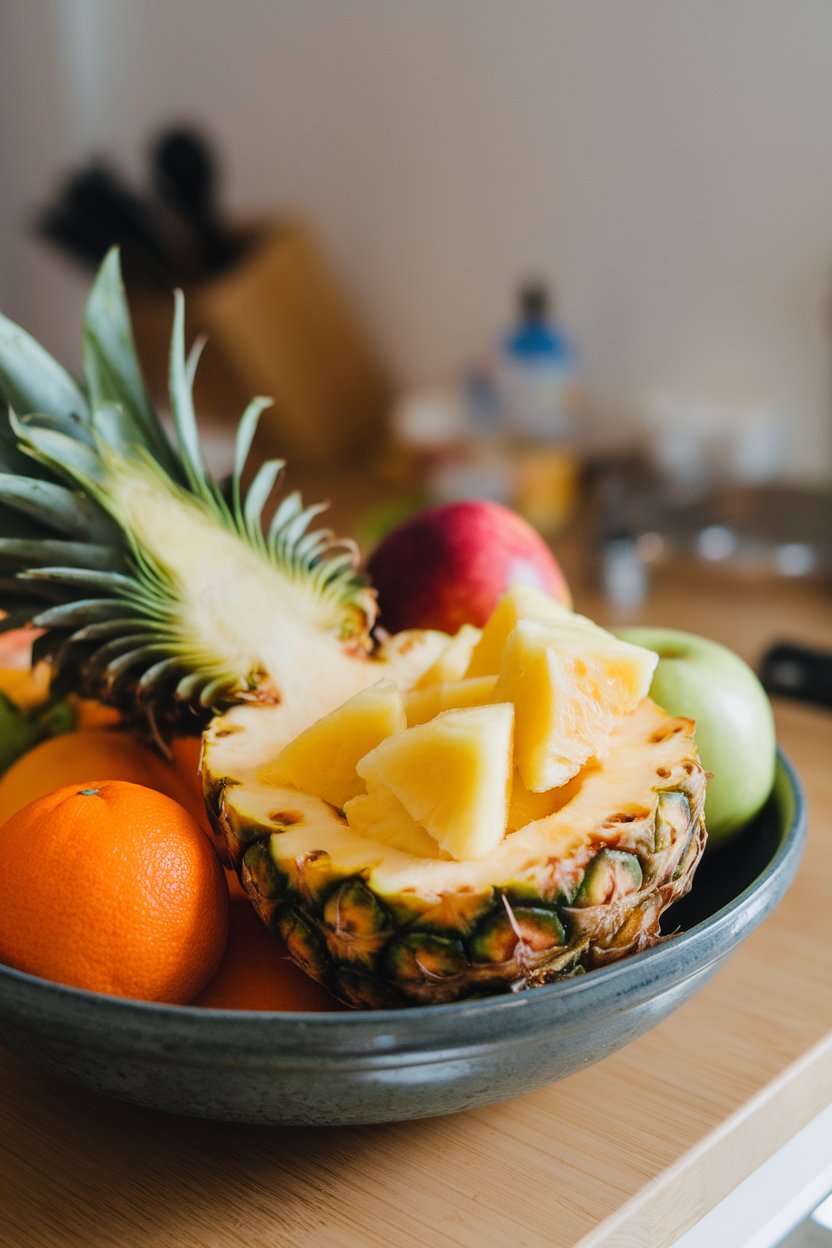
Pineapple supplies bromelain, an enzyme that may ease digestion and post-workout soreness. Its natural sweetness can replace sugary desserts. Grill rings for a caramelized treat with minimal effort.
57. Herbal Green Tea

Green tea contains catechins, antioxidants linked to metabolic and brain benefits. Brew it at 170-180°F to avoid bitterness. Sip it plain or with a splash of lemon for added vitamin C.
58. Yogurt Parfait
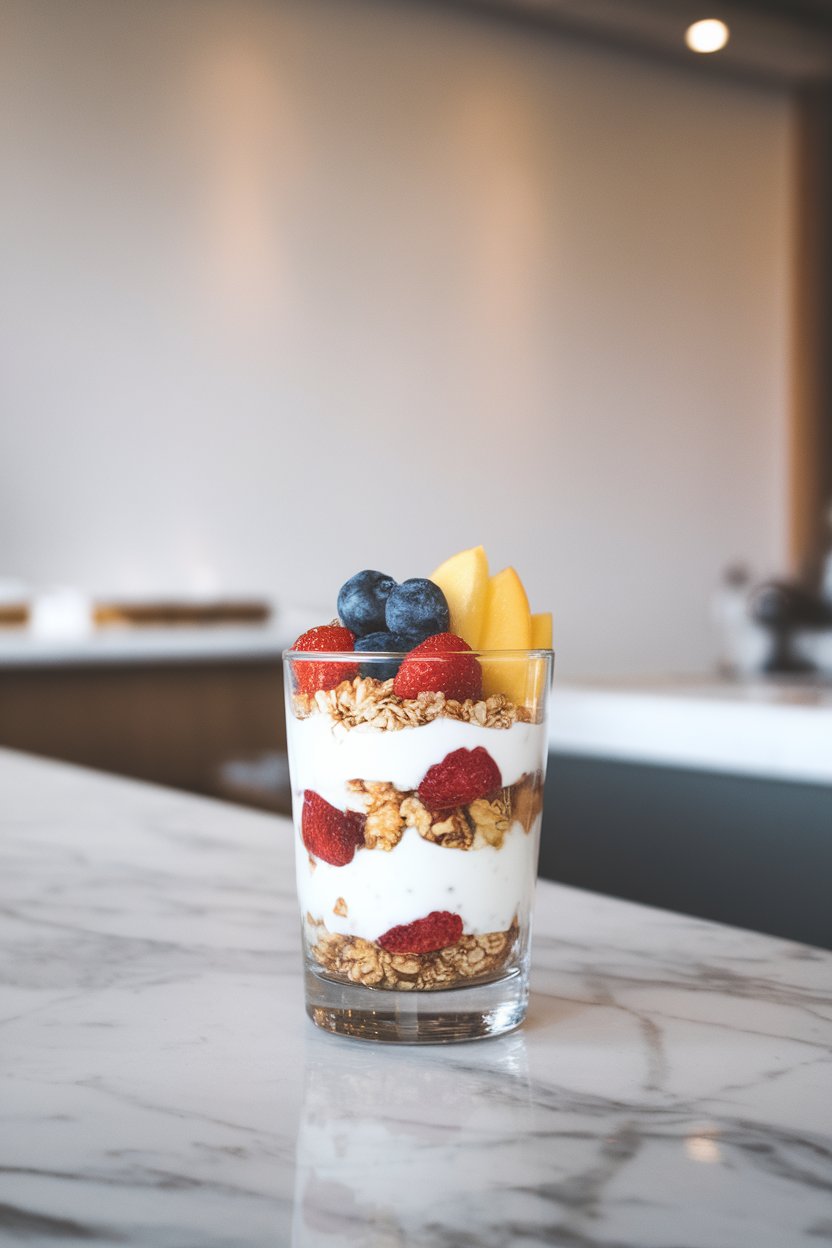
Layering yogurt with fruit and whole-grain granola creates a balanced snack combining protein, fiber, and healthy carbs. Assemble in a jar for an easy grab-and-go breakfast. Swap granola for nuts if you want less added sugar.
59. Mango
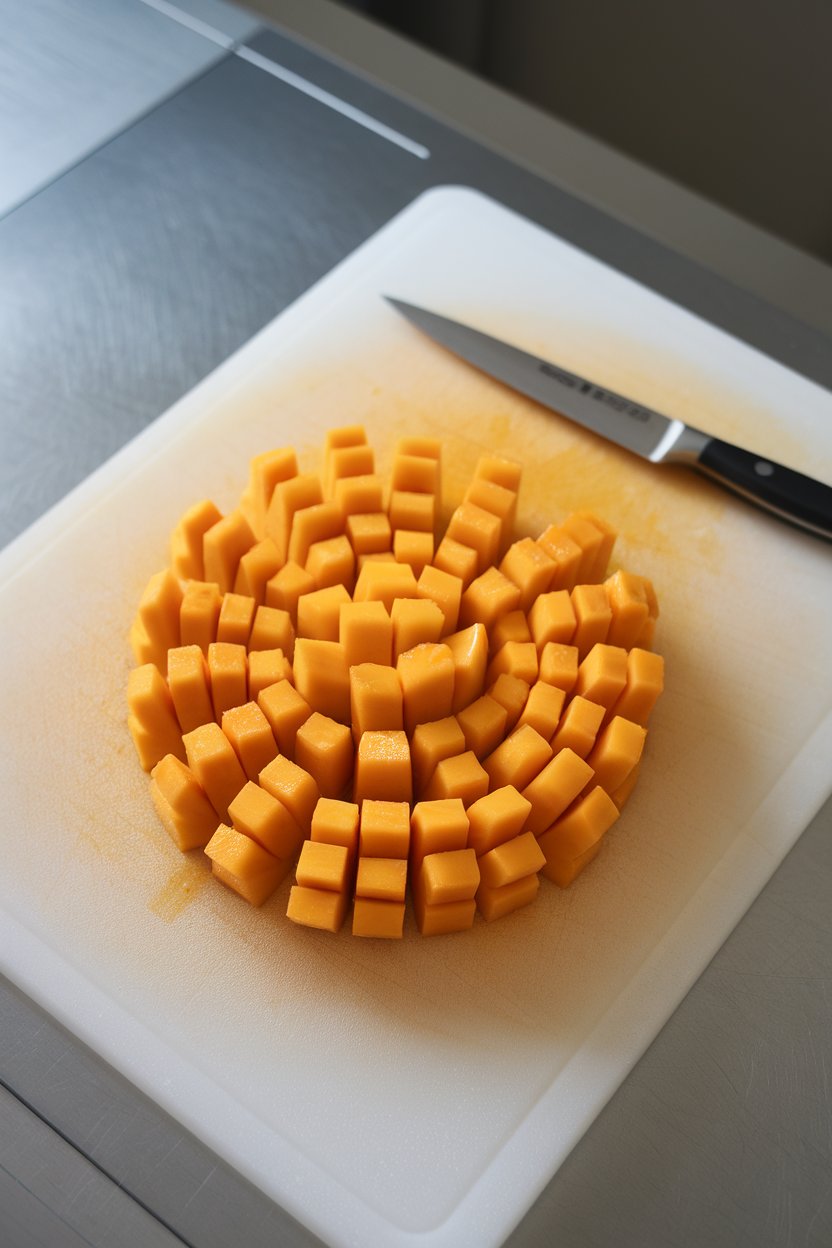
Mango is rich in vitamin A and soluble fiber, adding tropical flair to dishes. The fruit’s natural enzymes can also help tenderize meats when used in marinades. Freeze cubes for a naturally sweet smoothie base.
60. Seitan
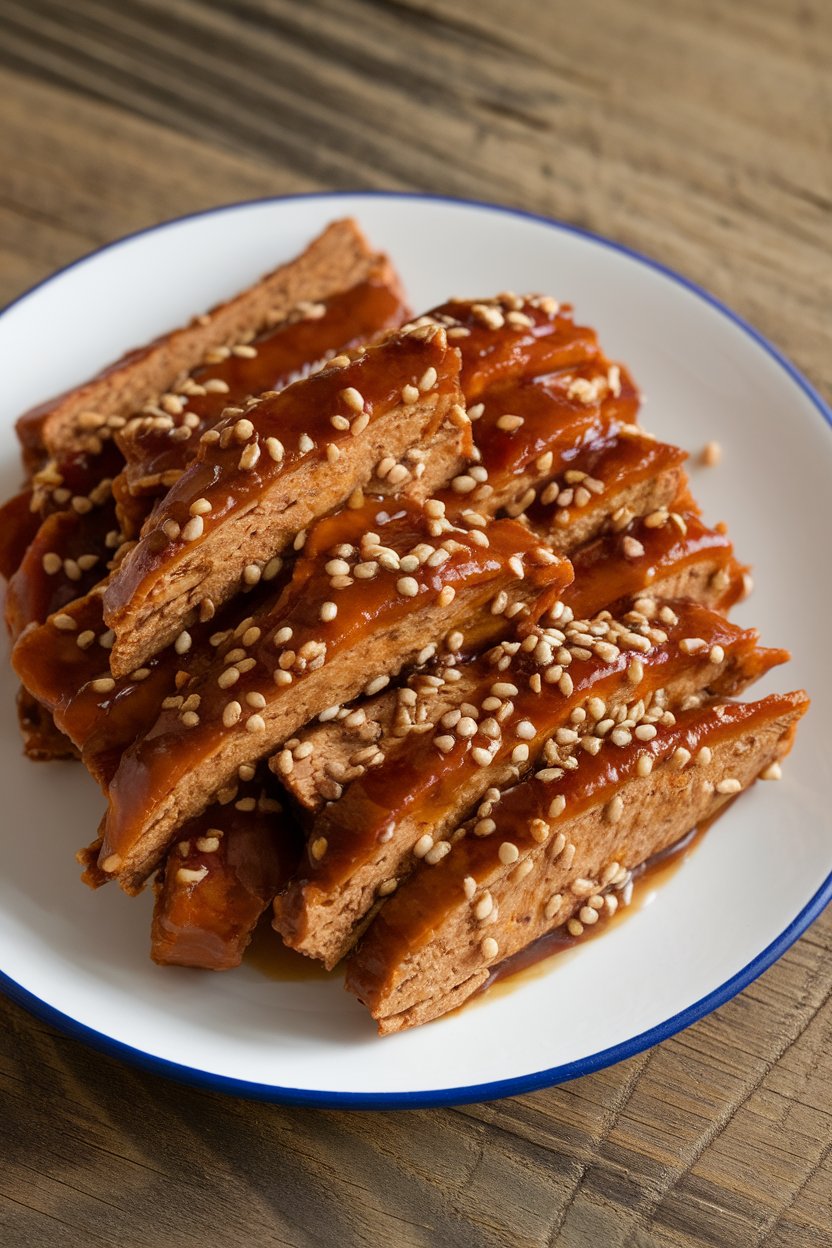
Made from wheat gluten, seitan boasts the highest protein concentration among plant-based meat alternatives. Its chewy texture mimics meat in stir-fries and sandwiches. Check labels for sodium levels and choose lower-salt options when possible.
61. Brown Basmati Rice
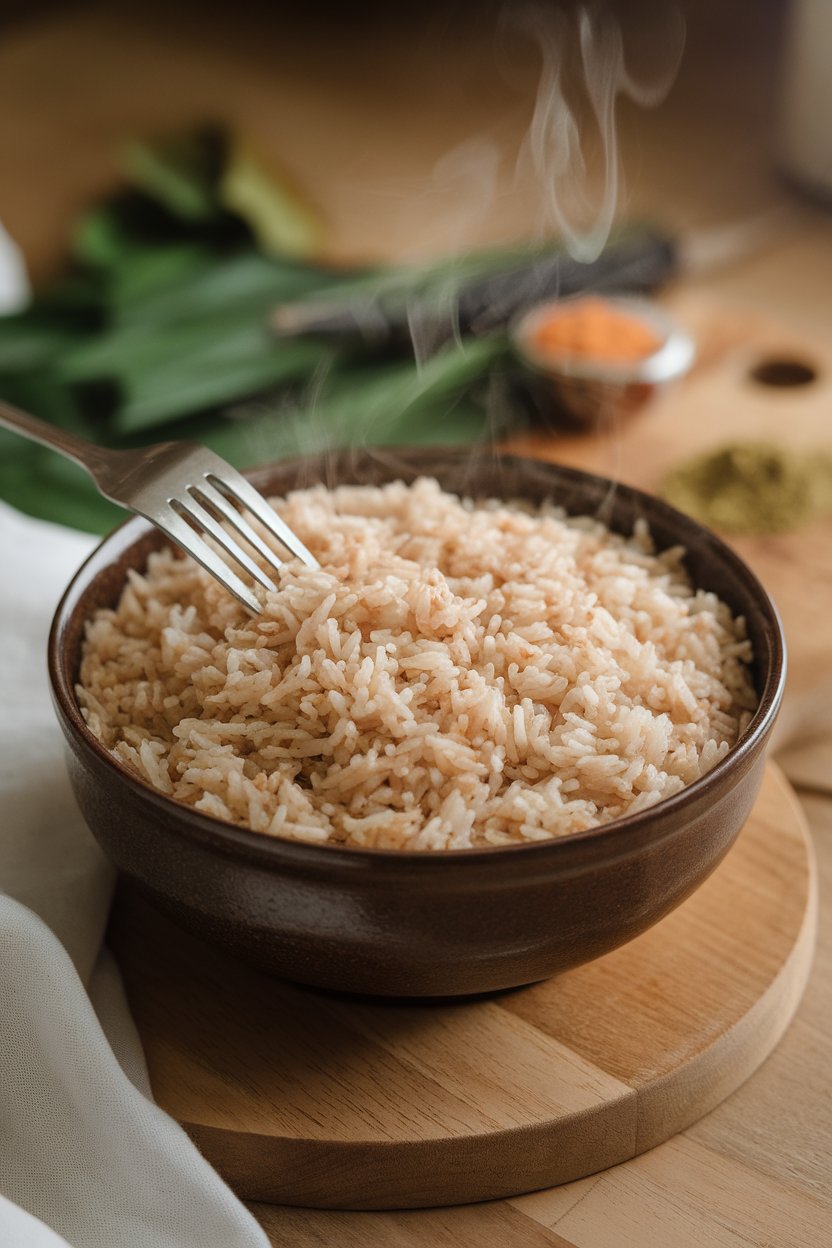
This aromatic rice keeps its nutty fragrance while offering extra fiber and nutrients compared to white basmati. Rinse until water runs clear for fluffy grains. It pairs beautifully with curries and grilled fish.
62. Collard Greens
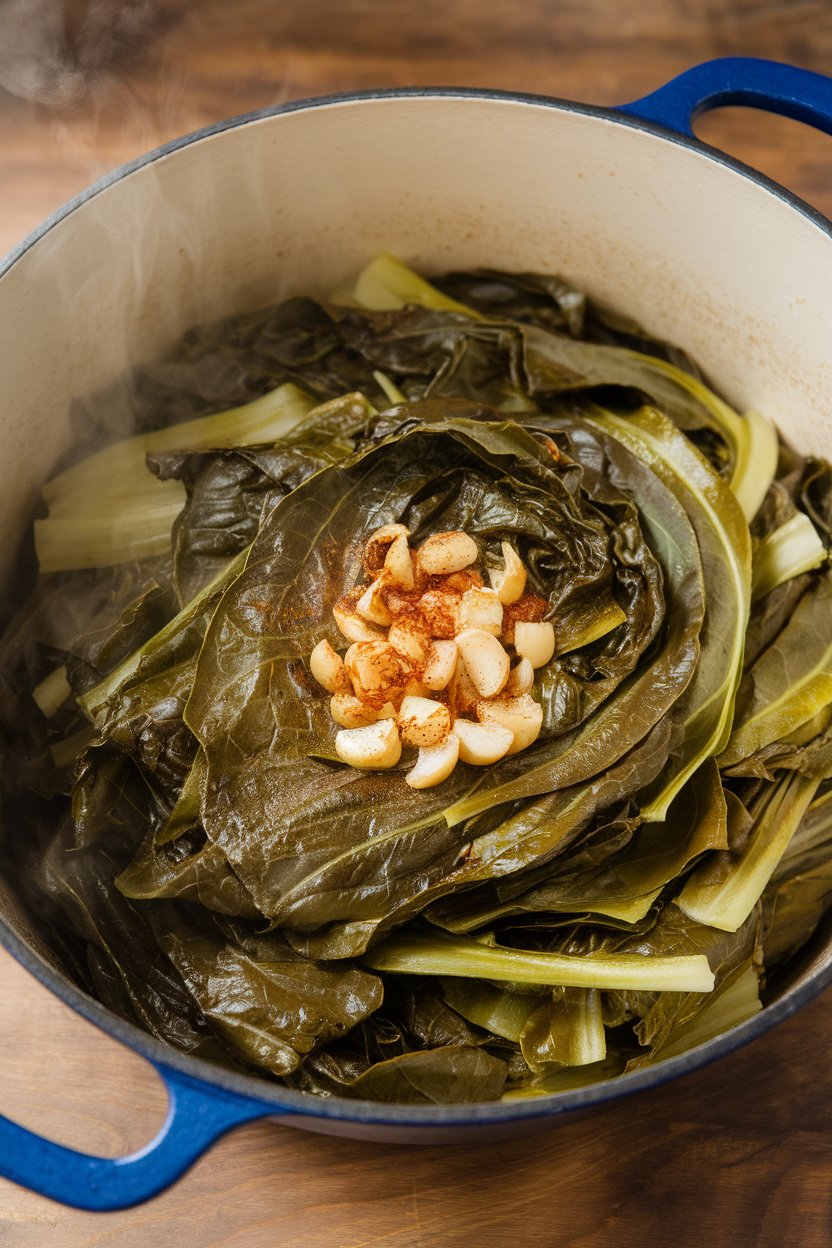
Collards provide calcium, vitamin K, and potent antioxidants. A quick blanch followed by a sauté tempers their toughness while preserving nutrients. They’re sturdy enough to wrap around fillings as a low-carb alternative to tortillas.
63. Pistachios

Pistachios deliver protein, potassium, and lutein, supporting eye health. The act of shelling slows snacking, which can help with portion awareness. Unsalted varieties keep sodium in check.
64. Farro
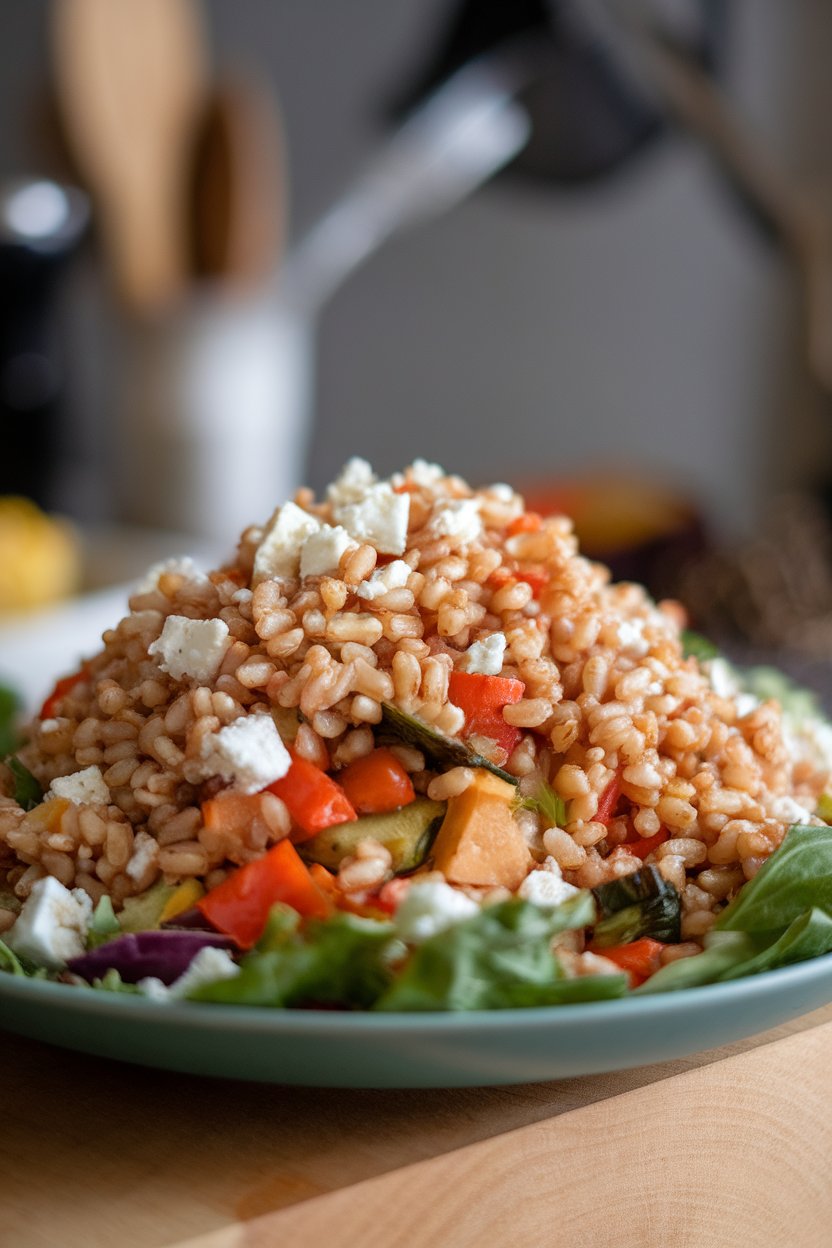
Farro’s chewy grains bring extra protein and magnesium to grain salads and soups. Soak overnight to reduce cooking time and improve digestibility. Its nutty profile pairs well with citrus dressings.
65. Water with Lemon

Hydration is foundational for energy, digestion, and skin health. Adding lemon provides a small dose of vitamin C and bright flavor that may encourage drinking more. Keep a pitcher in the refrigerator so chilled, flavorful water is always within reach.

Nathaniel Lee is an avid cook, drawing on his decades of home cooking and fine dining experience. He is a contributing chef at Mashed, and his recipes and contributions have been featured in Tasting Table, Edible Arrangements, Insanely Good Recipes, and The Daily Meal.