Creating balanced plates isn’t complicated, yet many of us still end up with extra starches, too-few veggies, or supersized portions. Small, consistent tweaks can keep energy steady, curb mindless snacking, and make mealtimes more satisfying. The 65 tips below focus on portion awareness, nutrient variety, and easy habits that fit busy schedules. Pick the ideas that resonate with you and watch how quickly they add up to real change.
Contents
- 1. Fill Half the Plate with Produce First
- 2. Use a Nine-Inch Plate Instead of a Twelve-Inch One
- 3. Keep Proteins Palm-Sized
- 4. Divide Starches into a Fist-Sized Scoop
- 5. Practice the “Garnish, Don’t Drown” Dressing Rule
- 6. Include at Least Three Colors Per Meal
- 7. Pre-Portion Snacks into Small Containers
- 8. Balance Each Plate with a Source of Healthy Fat
- 9. Swap Creamy Sauces for Pureed Veggies
- 10. Adopt the “Plate, Then Sit” Habit
- 11. Use Tall, Narrow Glasses for Caloric Drinks
- 12. Portion Grated Cheese with a Tablespoon
- 13. Build Meals Around Fiber First
- 14. Divide Restaurant Meals in Half Immediately
- 15. Incorporate Lean Protein at Breakfast
- 16. Apply the Two-Finger Butter Rule
- 17. Swap Half Your Pasta for Veggie Noodles
- 18. Choose Fruit for Natural Sweetness
- 19. Use Handful Rules for Nuts and Seeds
- 20. Start Meals with a Broth-Based Soup
- 21. Plate Food Away from the Television
- 22. Drink a Glass of Water Before Serving Seconds
- 23. Opt for Plain Yogurt and Add Your Own Fruit
- 24. Portion Cereal with a Measuring Cup
- 25. Roast Big Batches of Vegetables Once a Week
- 26. Use Smaller Serving Utensils
- 27. End Meals with Herbal Tea
- 28. Store Treats Out of Direct Sight
- 29. Weigh Raw Meat Once, Learn Visual Cues Later
- 30. Keep Cut Veggies at Eye Level in the Fridge
- 31. Experiment with Meatless Mondays
- 32. Split Dessert for Built-In Portion Control
- 33. Use the “Veggies on Every Surface” Sandwich Rule
- 34. Choose Clear Soup over Creamy Chowder at Restaurants
- 35. Keep Fruit in Bowls, Not Drawers
- 36. Opt for Open-Faced Burgers
- 37. Replace Sugary Beverages with Infused Water
- 38. Make Greek Yogurt the Base of Dips
- 39. Adopt the 20-Minute Rule before Extra Helpings
- 40. Dice Veggies Small to Blend into Sauces
- 41. Pre-Set Salad Plates Before Serving Main Dish
- 42. Use Ramekins for Indulgent Condiments
- 43. Grill or Bake Instead of Frying
- 44. Keep a Pitcher of Water on the Dinner Table
- 45. Choose Whole Fruit over Juice
- 46. Serve Family-Style Salad, Plate Other Foods Individually
- 47. Use Spices, Citrus, and Fresh Herbs for Flavor Punch
- 48. Blend Frozen Fruit into Smoothies Instead of Ice Cream
- 49. Leave a One-Inch Border Around the Plate Edge
- 50. Try Meat-Veggie Skewers for Built-In Balance
- 51. Eat Slowly and Put the Fork Down Between Bites
- 52. Choose Unsweetened Plant Milks
- 53. Match Portion Sizes to Activity Levels
- 54. Keep Breading Thin and Light
- 55. Build Grain Bowls with the 1-2-3 Formula
- 56. Keep Sugary Breakfast Toppings to Two Teaspoons
- 57. Top Pizza with Extra Veggies Before Baking
- 58. Practice “Veg-First” Buffet Browsing
- 59. Replace Half the Sugar in Baking with Pureed Fruit
- 60. Portion Ice Cream with a Teacup, Not a Cereal Bowl
- 61. Schedule Produce Prep Sessions
- 62. Keep a Food Scale Handy for Baking and Treats
- 63. Enjoy Alcohol with a Meal, Not Before
- 64. Plan “Leftovers Night” to Clear the Fridge
- 65. Reflect on Hunger and Fullness with a 1–10 Scale
1. Fill Half the Plate with Produce First
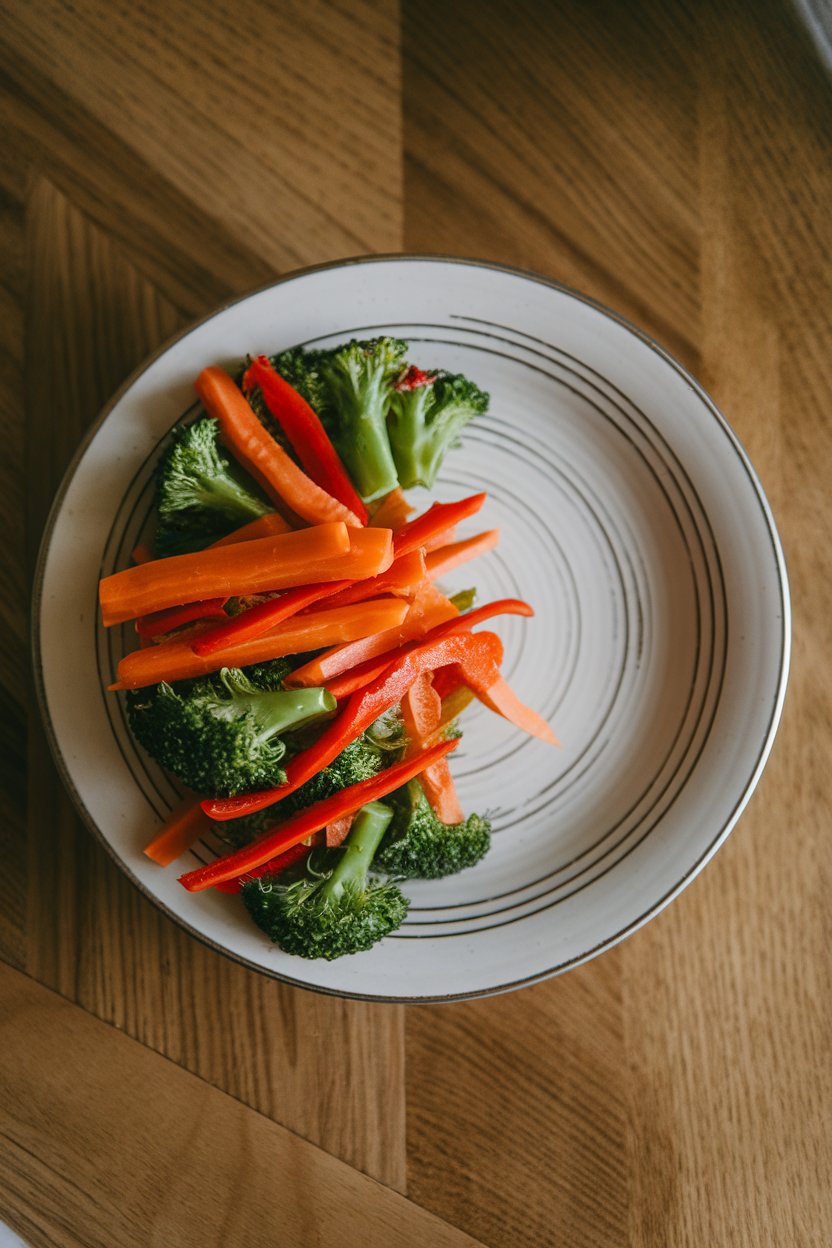
Starting with vegetables and fruit gives them top billing rather than afterthought status. The fiber and water in produce help you feel satisfied before you reach for heavier items. Once the plate is half-full of colorful plants, the remaining space for protein and starch naturally stays in check.
2. Use a Nine-Inch Plate Instead of a Twelve-Inch One
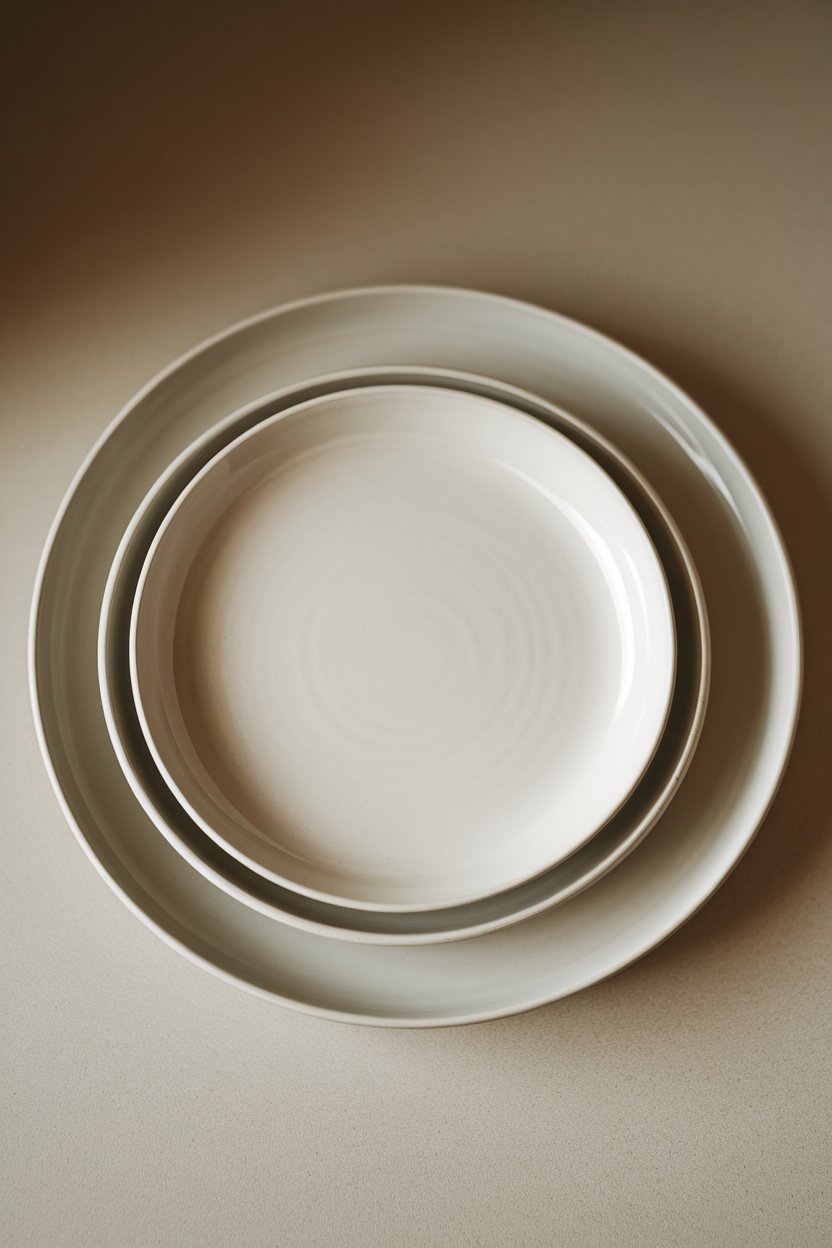
Research shows that shrinking plate size can cut total calories served without affecting fullness. A nine-inch dish still leaves plenty of room for balanced portions yet discourages piling on extra food just because space is available. This simple swap works at home and for lunch containers.
3. Keep Proteins Palm-Sized
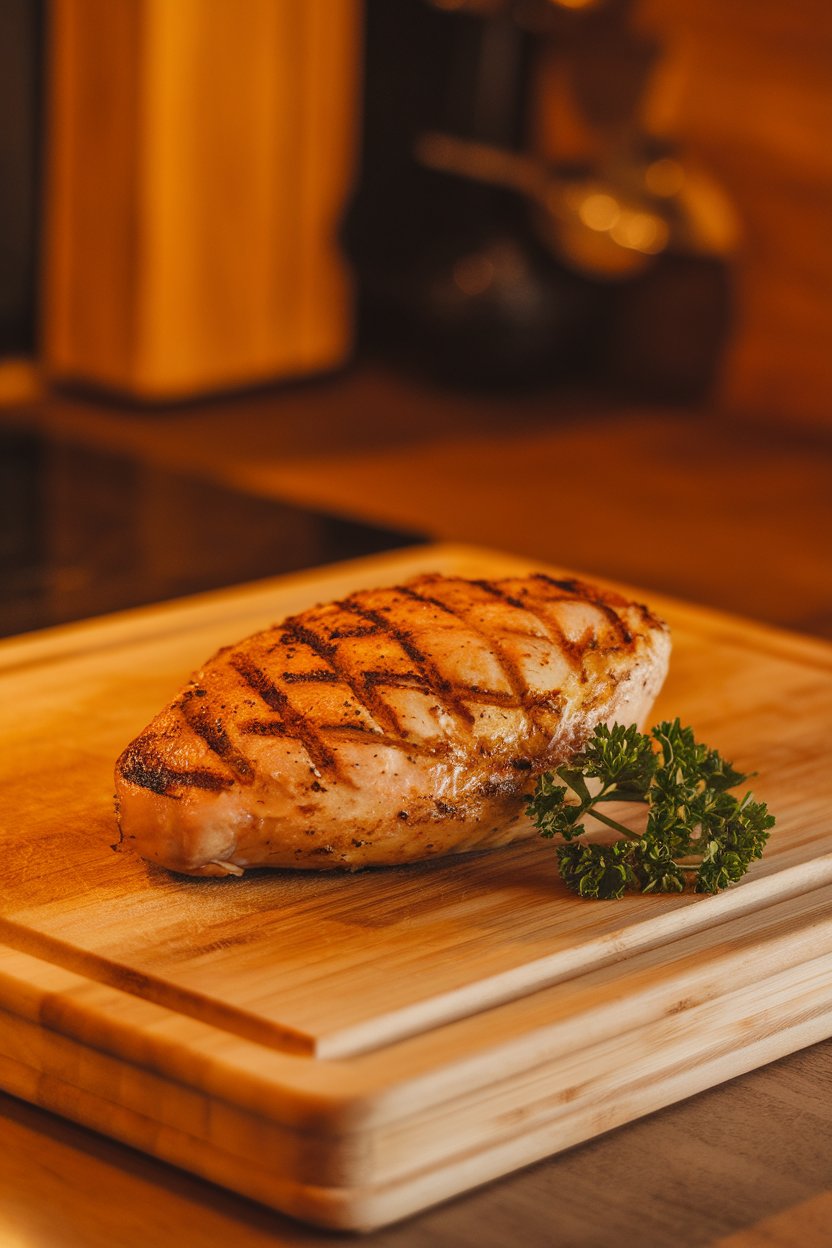
Aim for cooked meat, fish, or tofu portions that fit the width and thickness of your palm—about three to four ounces for most adults. This quick visual cue is more practical than weighing food at every meal. Pairing palm-sized protein with heaps of veggies makes plates feel abundant, not skimpy.
4. Divide Starches into a Fist-Sized Scoop
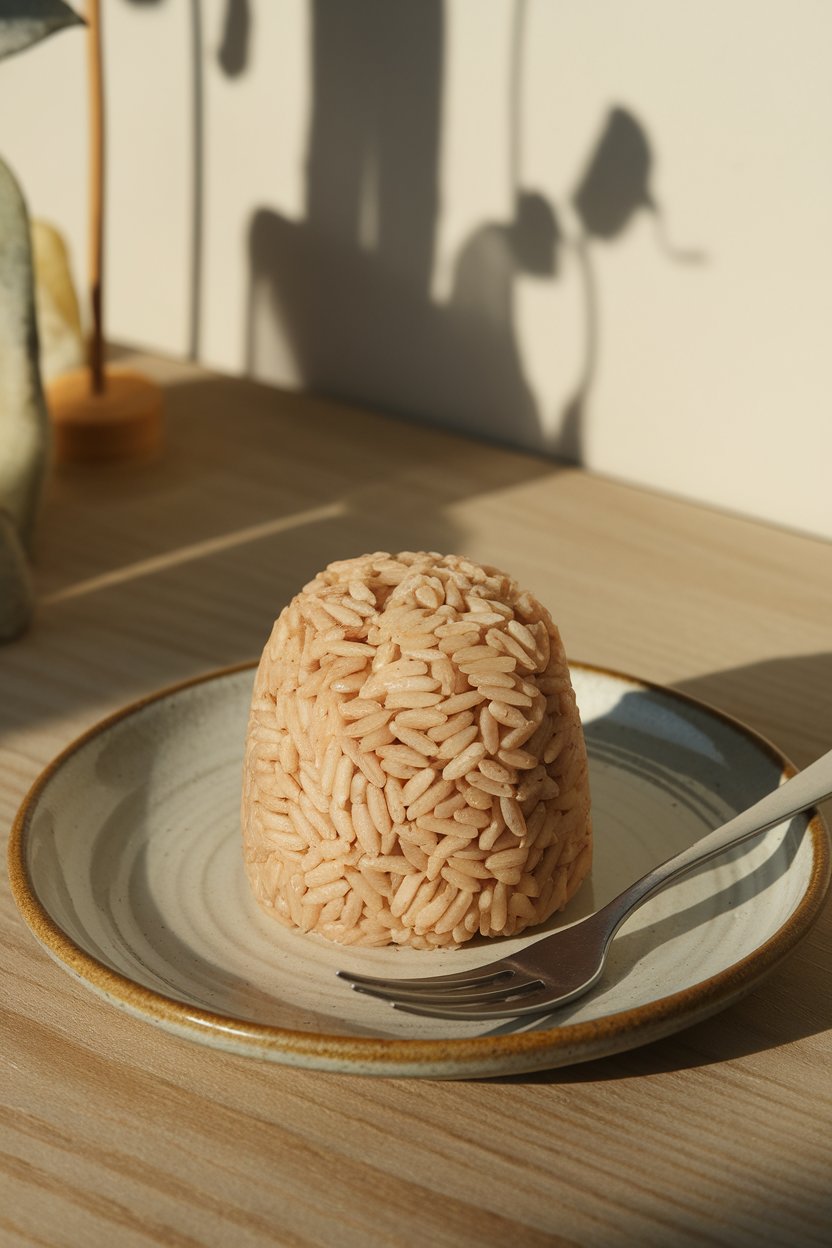
Whole grains and starchy sides fuel workouts and brainpower, yet they’re easy to over-serve. Limiting the portion to your closed fist—about one cup cooked—keeps blood sugar steady and leaves more space for micronutrient-rich foods. Choosing intact grains like quinoa or farro adds bonus fiber.
5. Practice the “Garnish, Don’t Drown” Dressing Rule
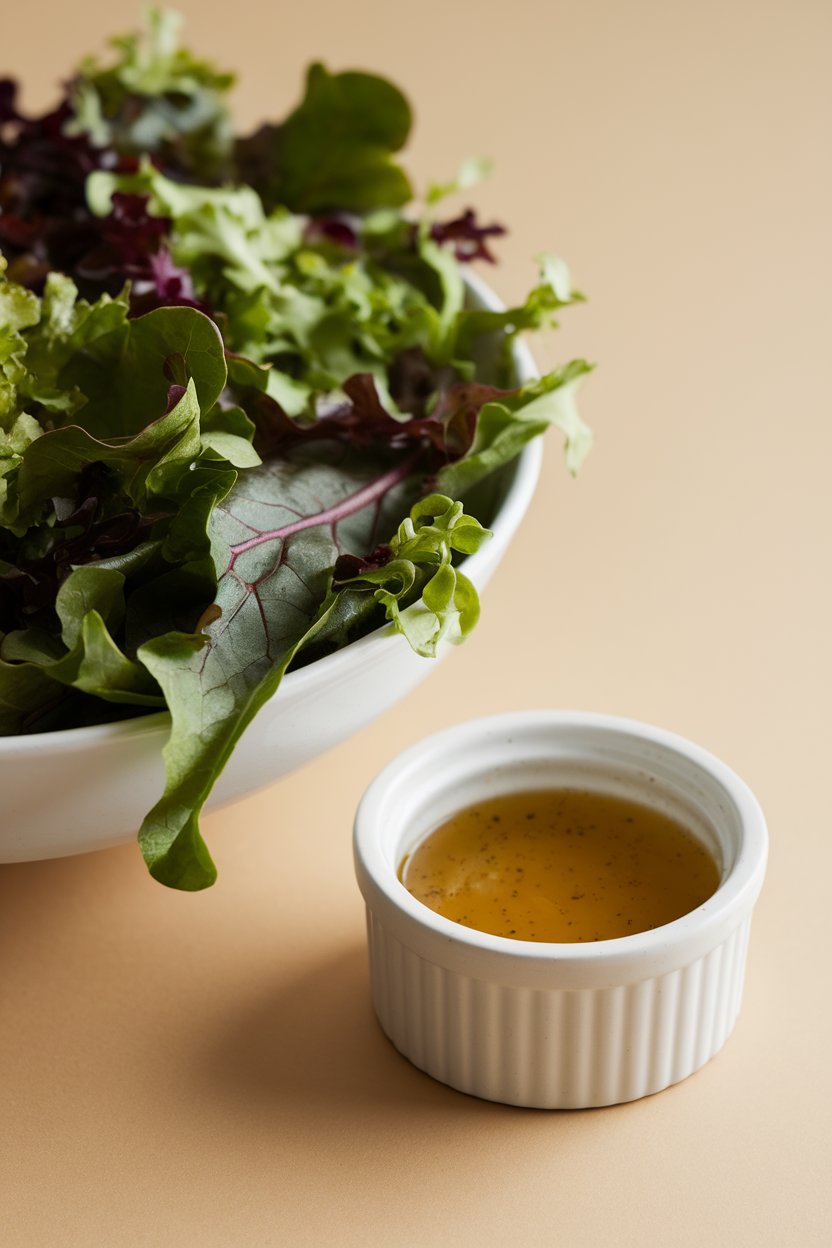
Salad dressings, sauces, and gravies can quietly double calorie counts. Measure two tablespoons at first, then toss thoroughly to coat leaves rather than pouring straight from the bottle. Bright herbs, citrus zest, or a splash of vinegar add flavor without extra fat or sugar.
6. Include at Least Three Colors Per Meal
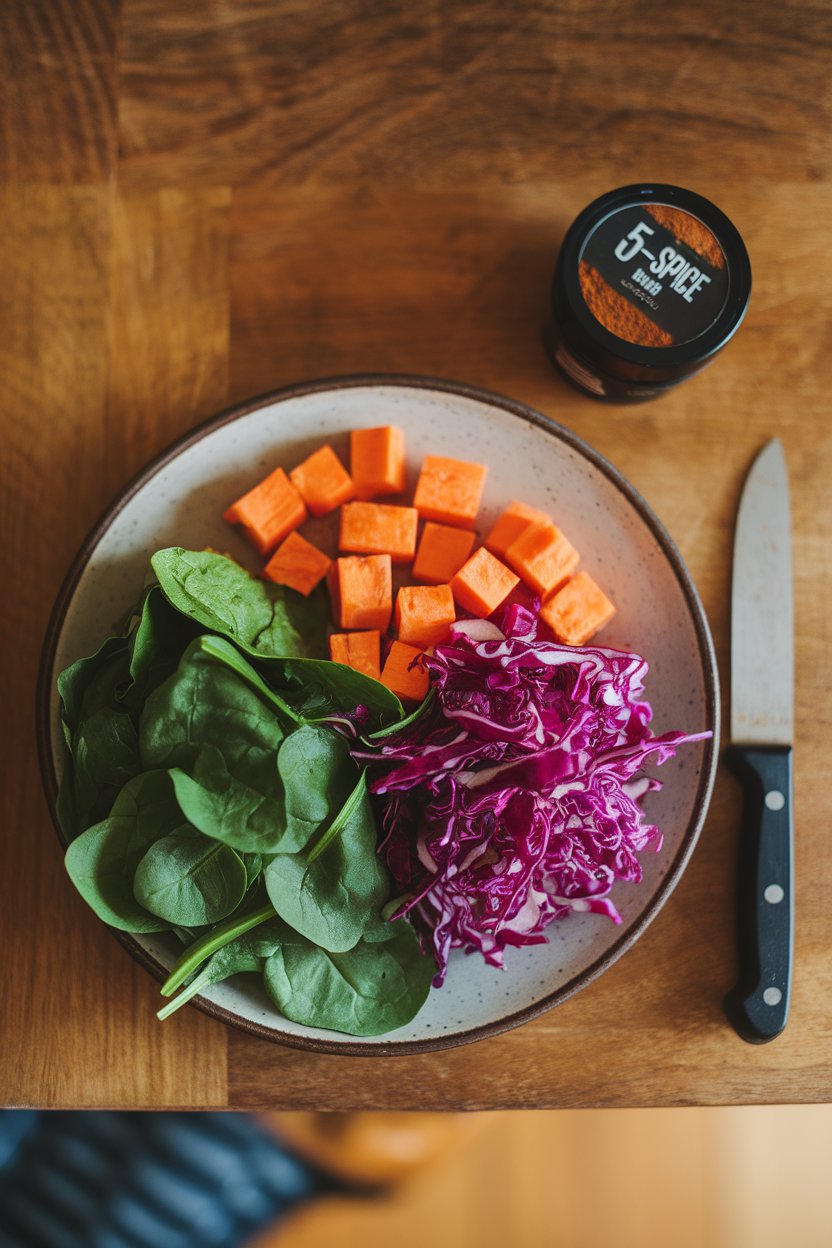
Color variety signals a spectrum of plant compounds that benefit immunity and recovery. Aim for three distinct hues—say, green, orange, and purple—each time you eat. This playful guideline naturally increases veggie intake and keeps meals visually exciting.
7. Pre-Portion Snacks into Small Containers
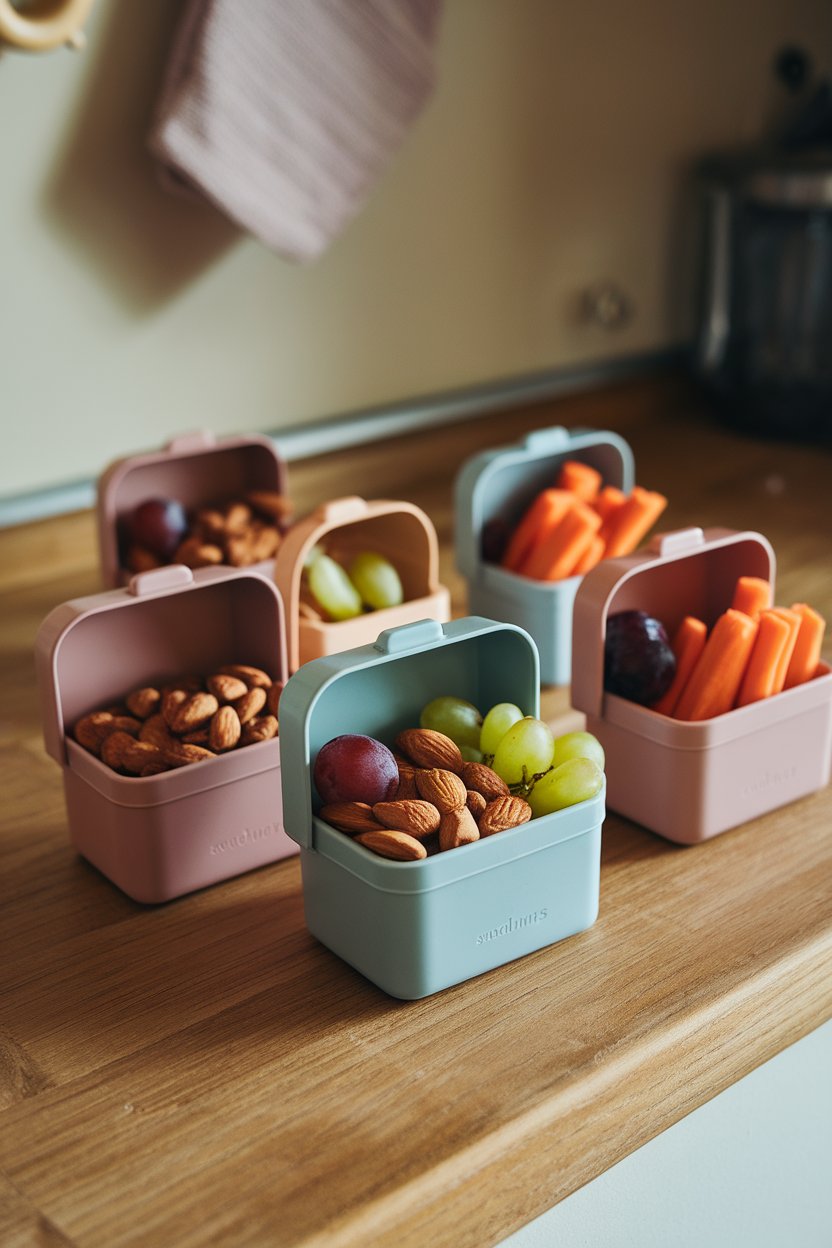
Nuts, dried fruit, and crackers pack nutrition and calories in equal measure. Dividing bulk packages into single-serve containers right after grocery shopping prevents mindless handfuls later. Clear lids let you see choices quickly, encouraging you to grab balanced options.
8. Balance Each Plate with a Source of Healthy Fat
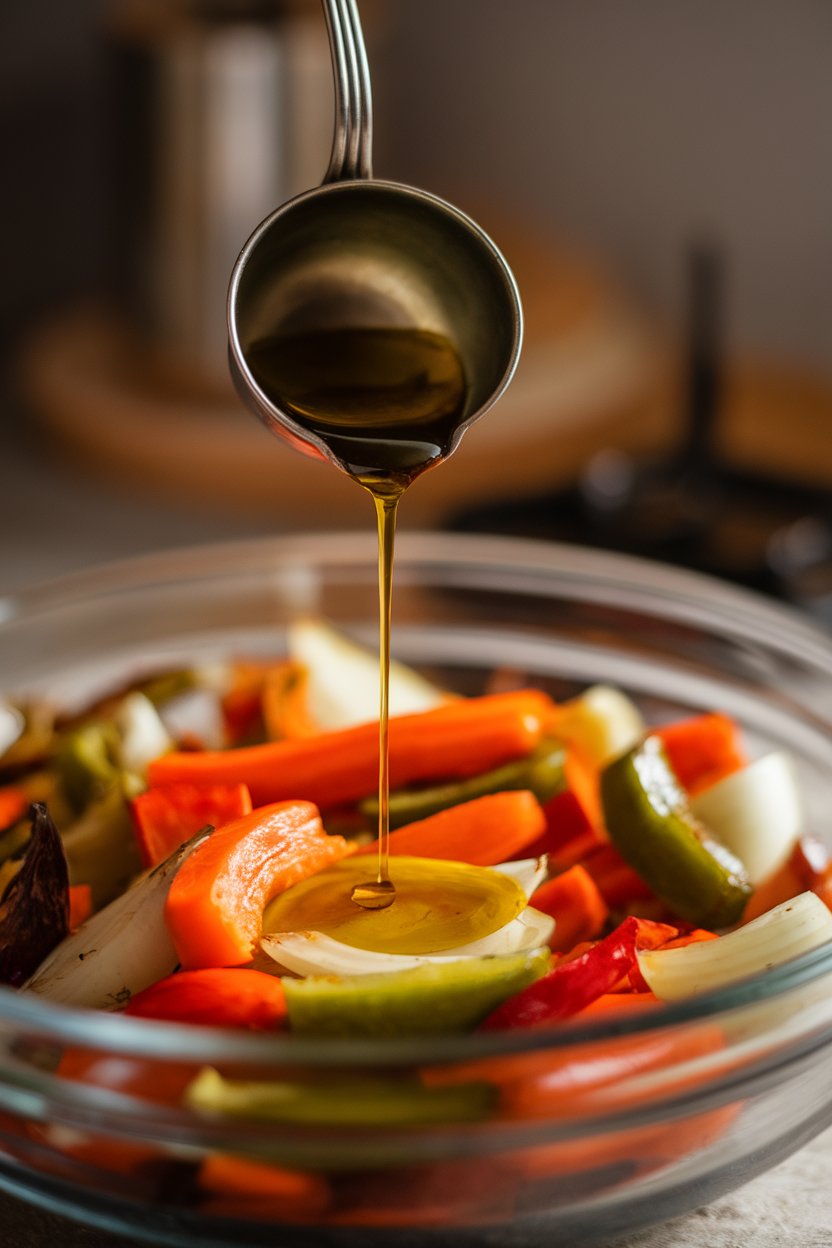
Healthy fats promote satiety and improve absorption of fat-soluble vitamins. Think a tablespoon of olive oil, a quarter of an avocado, or a small sprinkle of nuts. Keeping portions modest preserves calorie balance while still delivering flavor.
9. Swap Creamy Sauces for Pureed Veggies
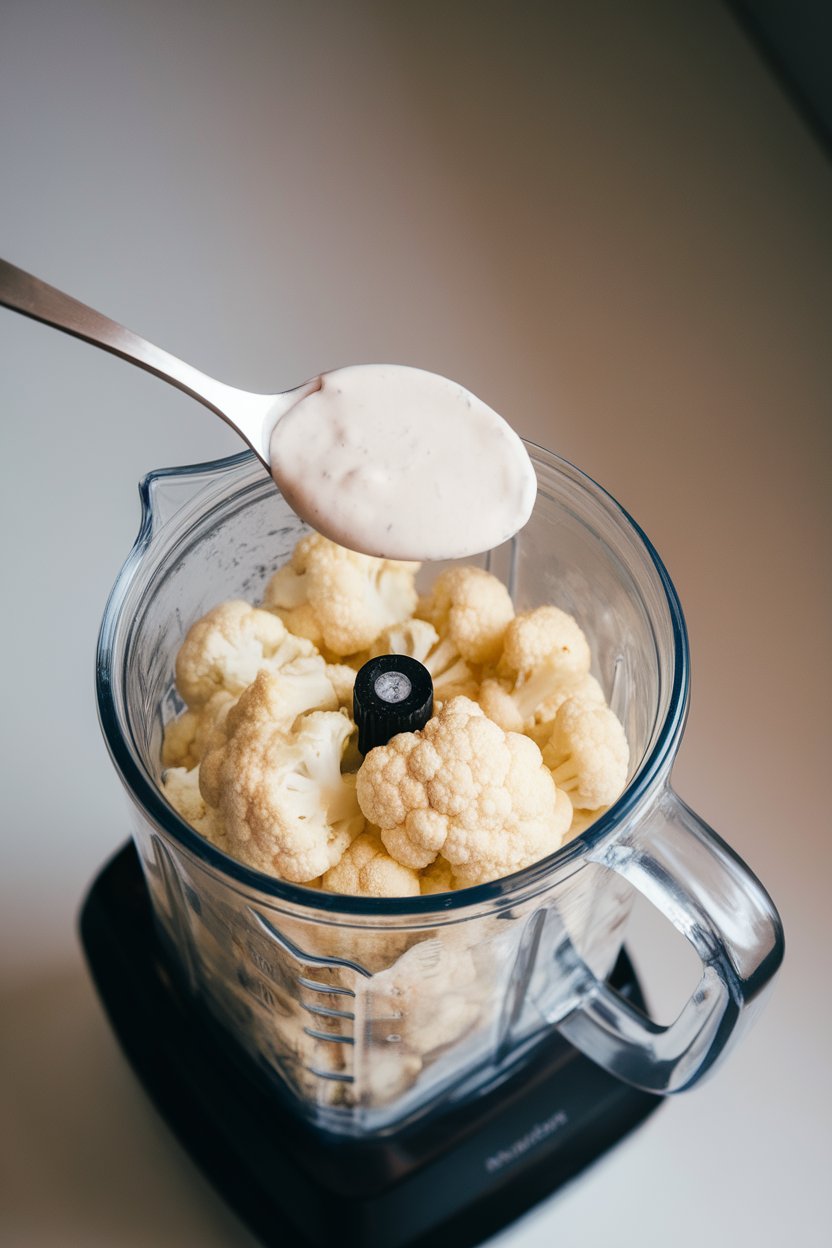
Blending cauliflower, butternut squash, or carrots with broth yields a silky sauce with far less fat than heavy cream. Use the puree to coat pasta or chicken for comfort food vibes without the weight. Flavor with garlic, herbs, or Parmesan to keep taste buds happy.
10. Adopt the “Plate, Then Sit” Habit
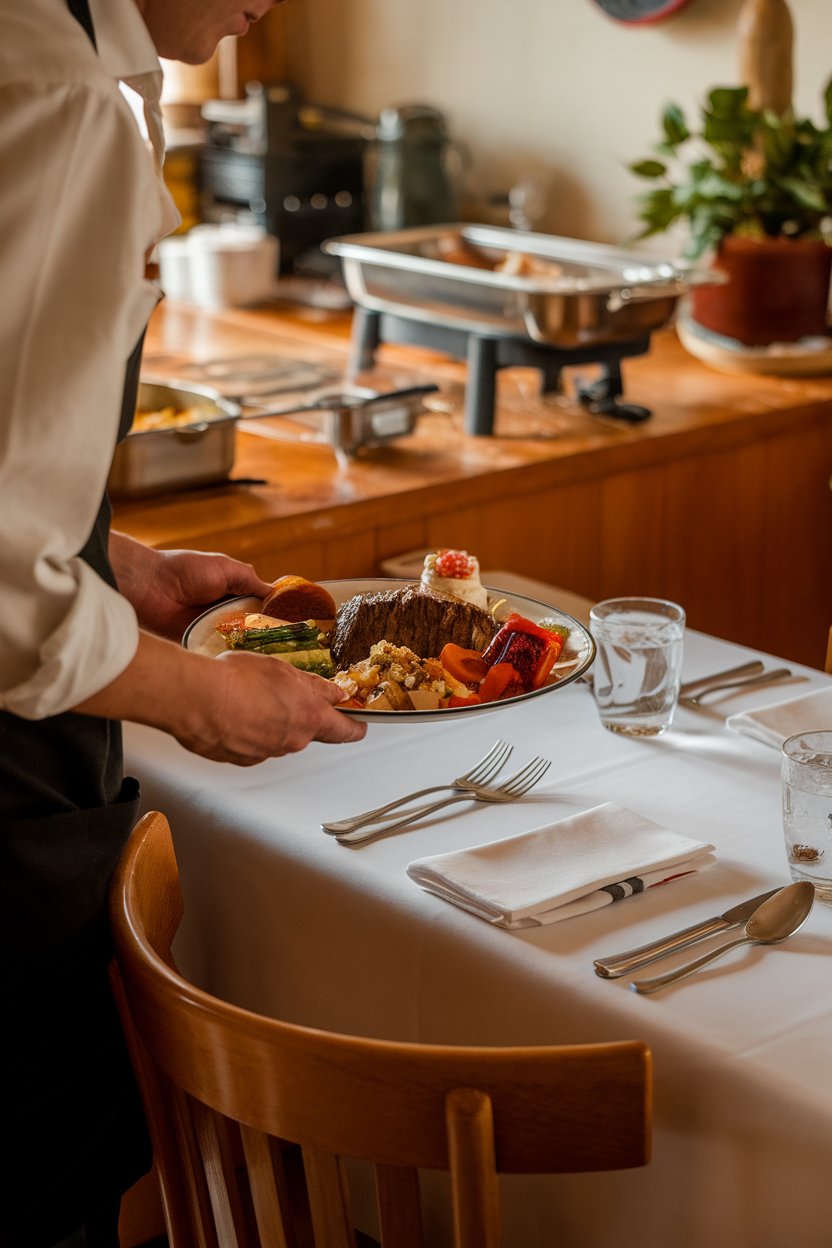
Keeping serving bowls in the kitchen limits automatic seconds. Plate the meal, head to the table, and check in with hunger cues before deciding on more. This small environmental tweak reduces overeating without willpower battles.
11. Use Tall, Narrow Glasses for Caloric Drinks
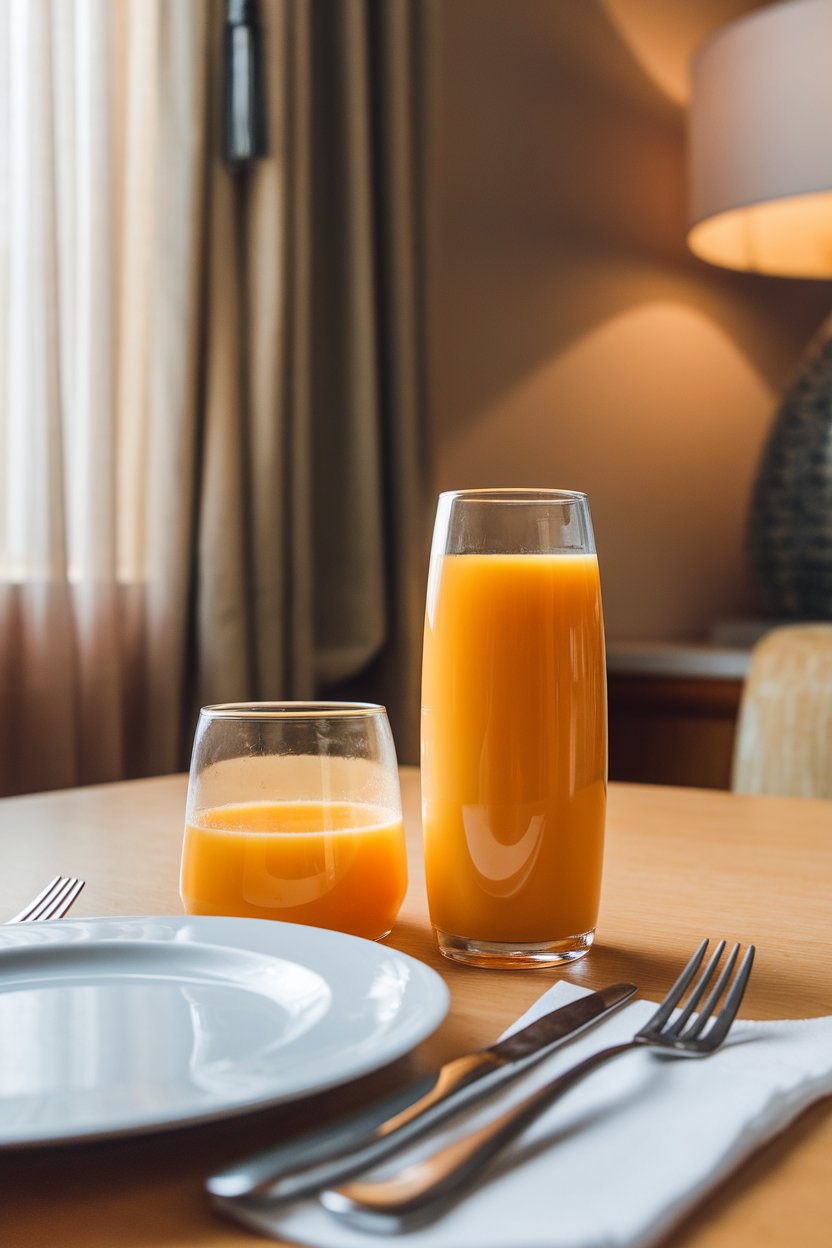
Studies show people pour less into tall glasses than short ones, even when they intend to serve equal amounts. Applying this optical illusion to juice or sweetened beverages trims extra sugar effortlessly. Pair the drink with a full glass of water to stay hydrated.
12. Portion Grated Cheese with a Tablespoon
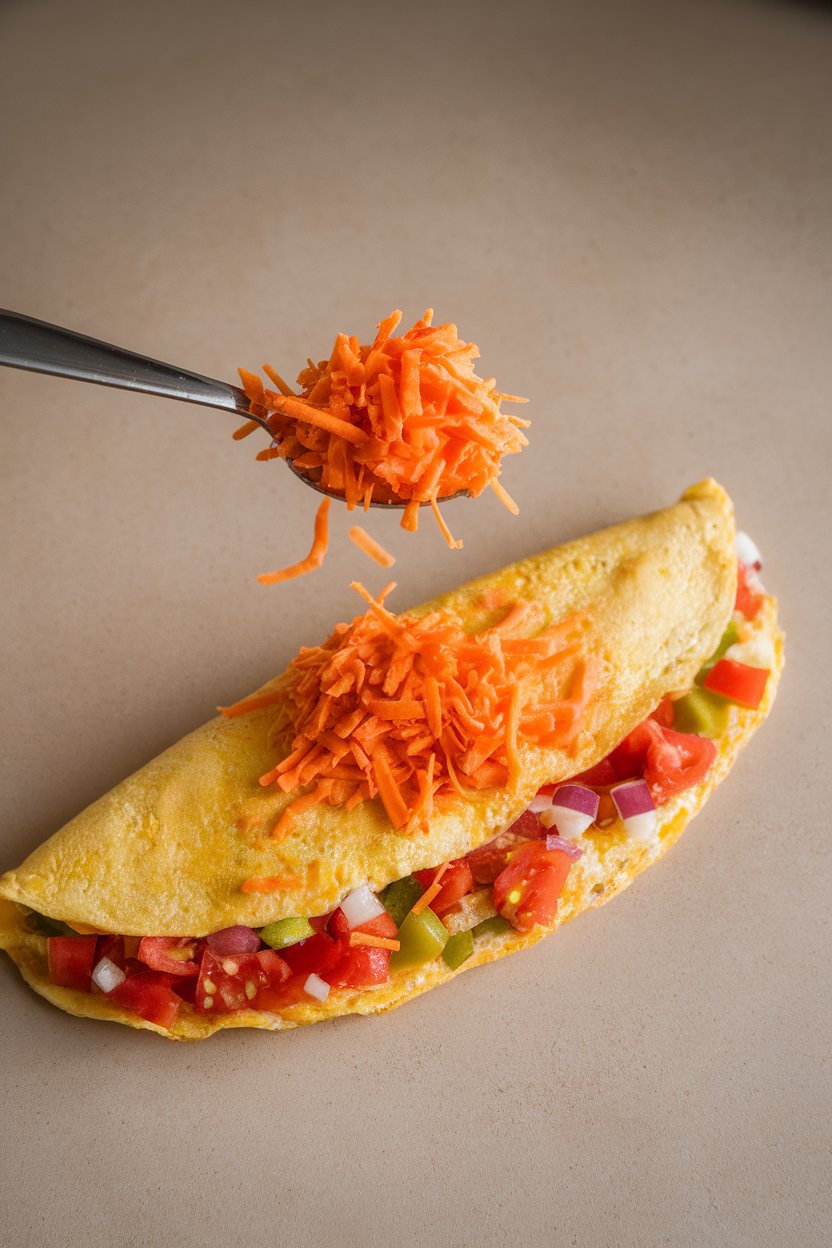
Cheese offers calcium and protein, yet a free-hand sprinkle can top 200 calories quickly. Measuring one to two tablespoons adds flavor while leaving room for vegetables and lean protein. Strong-tasting varieties like Parmesan pack more punch per bite.
13. Build Meals Around Fiber First
Fiber slows digestion and supports gut health. Base breakfast on oats, lunch on beans, and dinner on a hefty veggie mix before considering other components. Hitting 25–35 grams daily keeps you full and supports balanced blood sugar.
14. Divide Restaurant Meals in Half Immediately
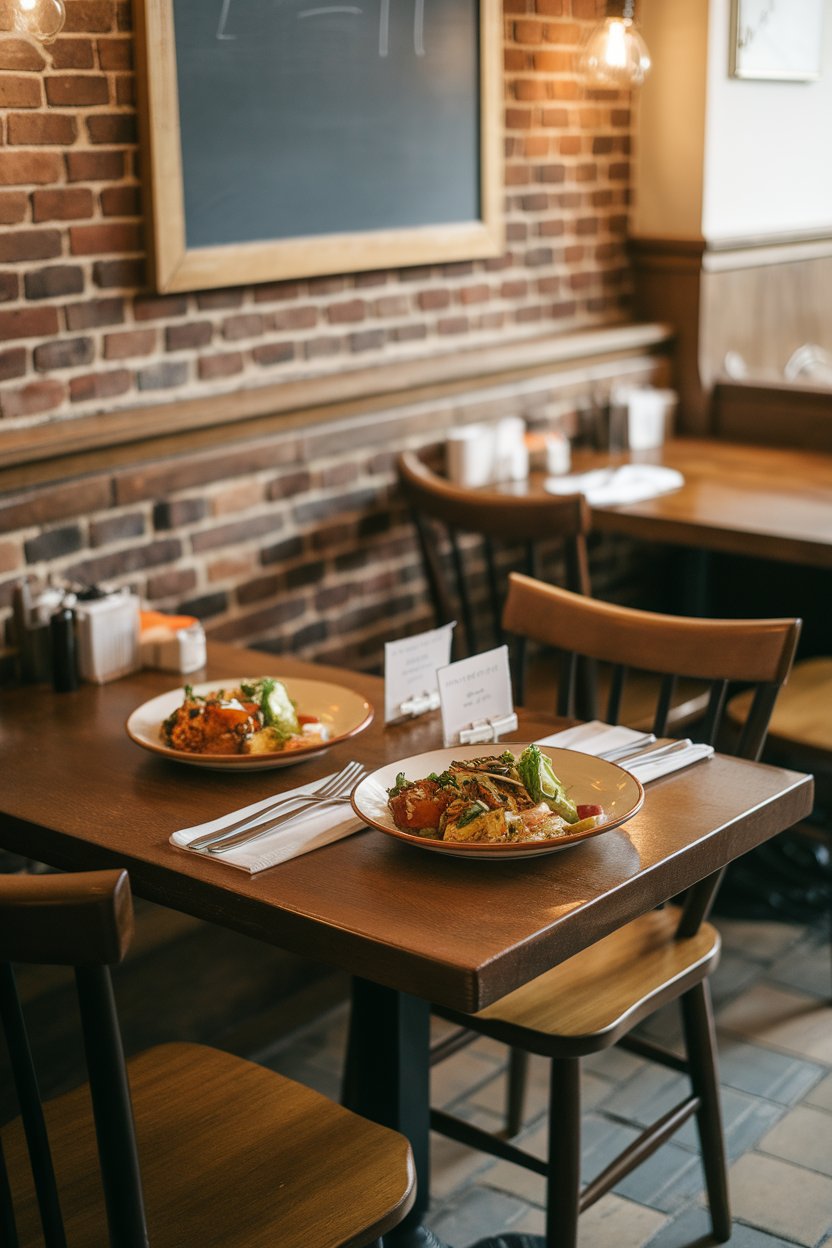
Portions at many eateries dwarf home servings. Boxing half as soon as the plate arrives keeps indulgence in check and stretches the cost over two meals. Enjoy the remaining portion slowly to savor flavors without feeling deprived.
15. Incorporate Lean Protein at Breakfast
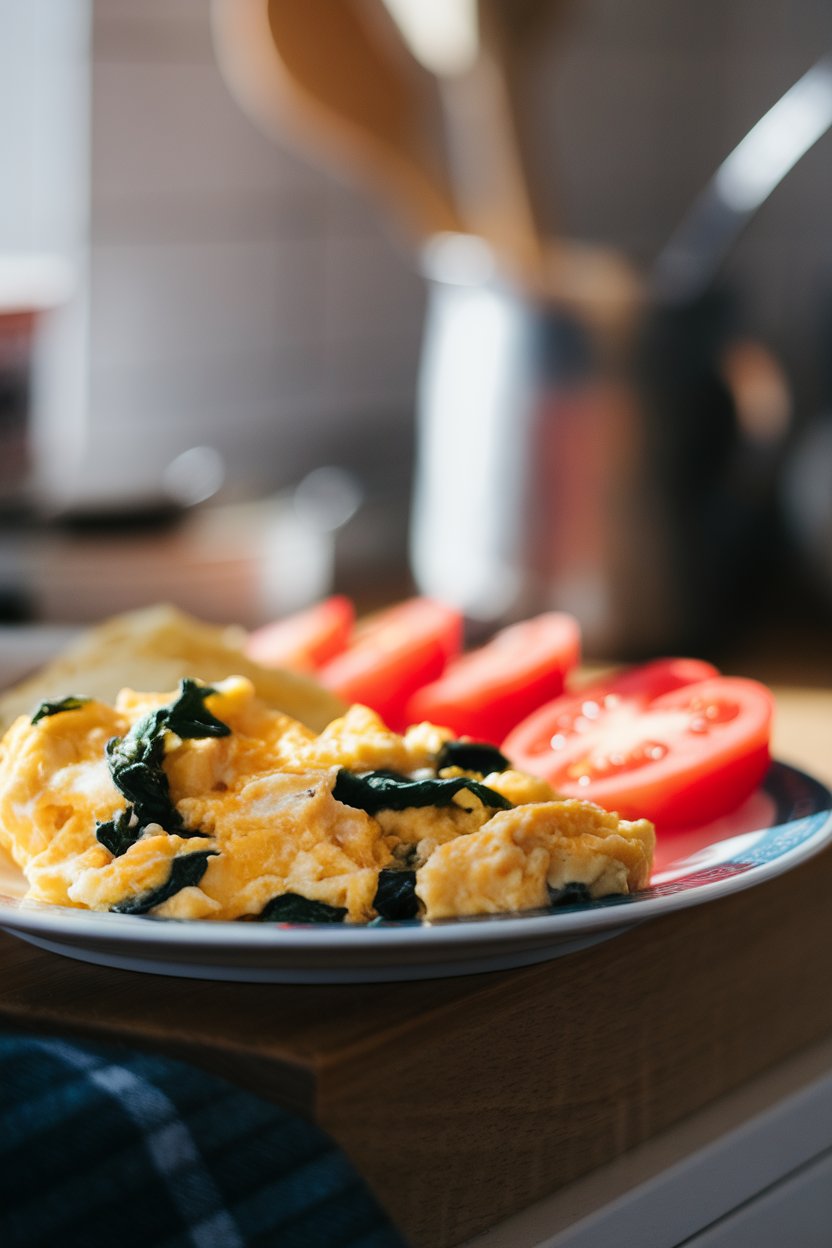
Starting the day with protein steadies hunger hormones and curbs late-morning snack cravings. Eggs, Greek yogurt, or cottage cheese fit effortlessly into many morning routines. Add produce for fiber and color to complete the plate.
16. Apply the Two-Finger Butter Rule
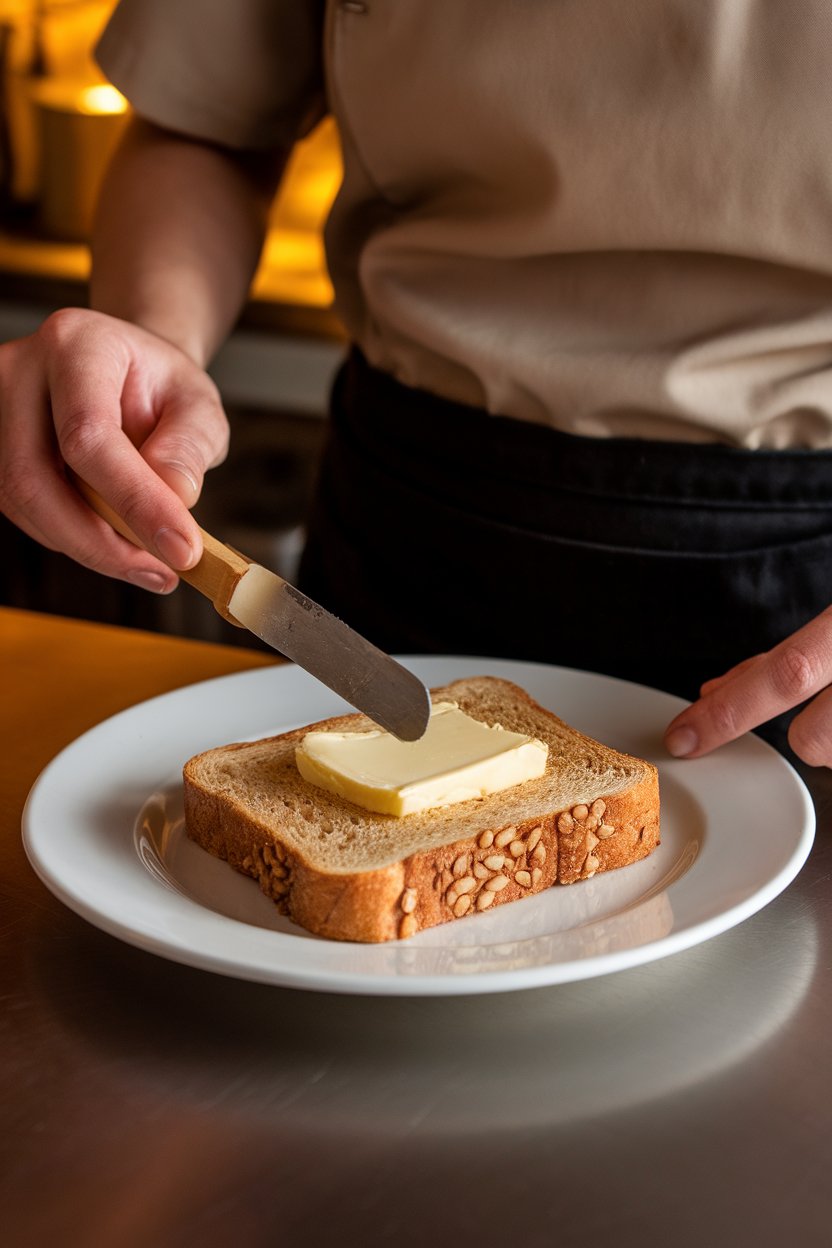
A standard butter pat equals about two teaspoons, neatly matching the width of two fingers. Keeping spreads to this size supplies richness without overshadowing other nutrients. Combine with avocado or fruit preserves for variety instead of piling on more butter.
17. Swap Half Your Pasta for Veggie Noodles
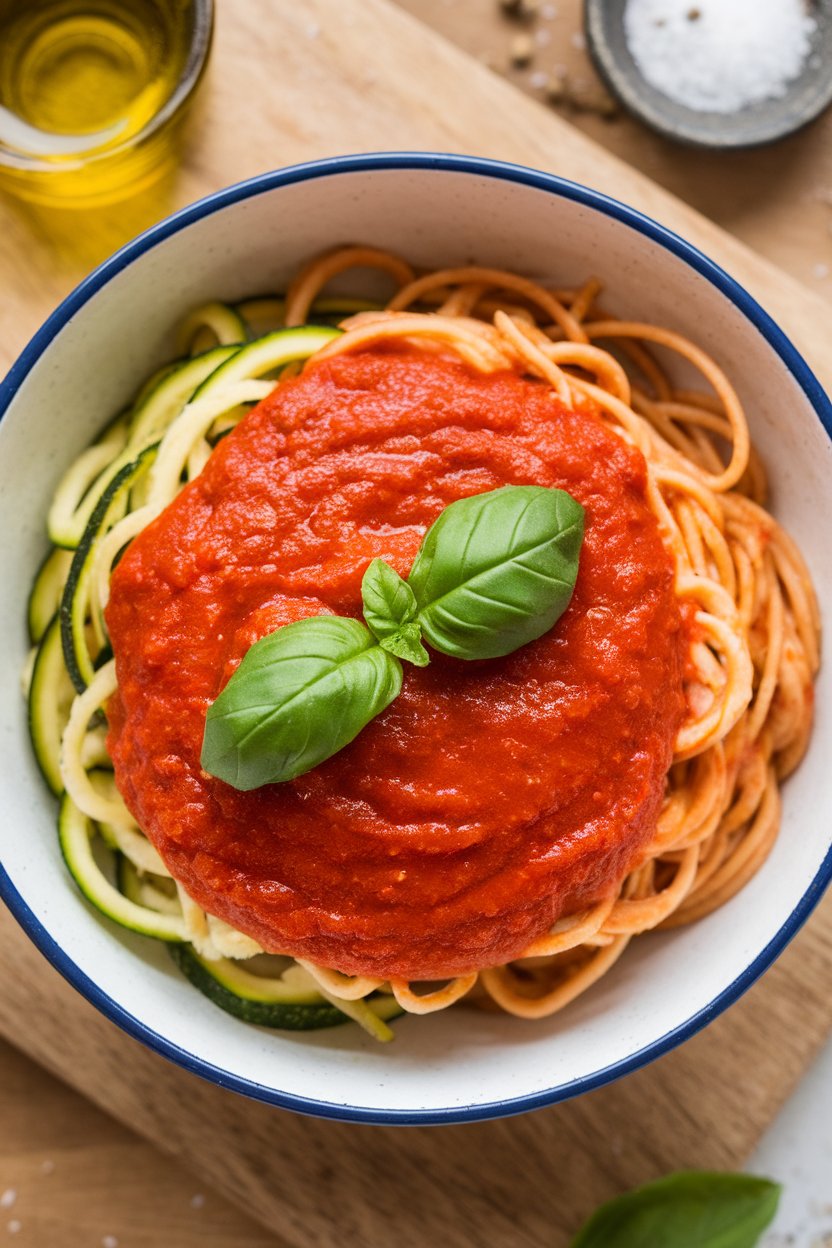
Replacing half the grain pasta with spiralized veggies doubles volume while trimming calories and carbs. The blend maintains familiar texture and soaks up sauce just as well. Experiment with zucchini, carrot, or butternut strands for seasonal twists.
18. Choose Fruit for Natural Sweetness

Satisfy dessert cravings with naturally sweet fruit and a touch of protein-rich yogurt. The vitamins, minerals, and fiber outperform refined sugar treats. Enjoy richer desserts on special occasions rather than nightly habits.
19. Use Handful Rules for Nuts and Seeds
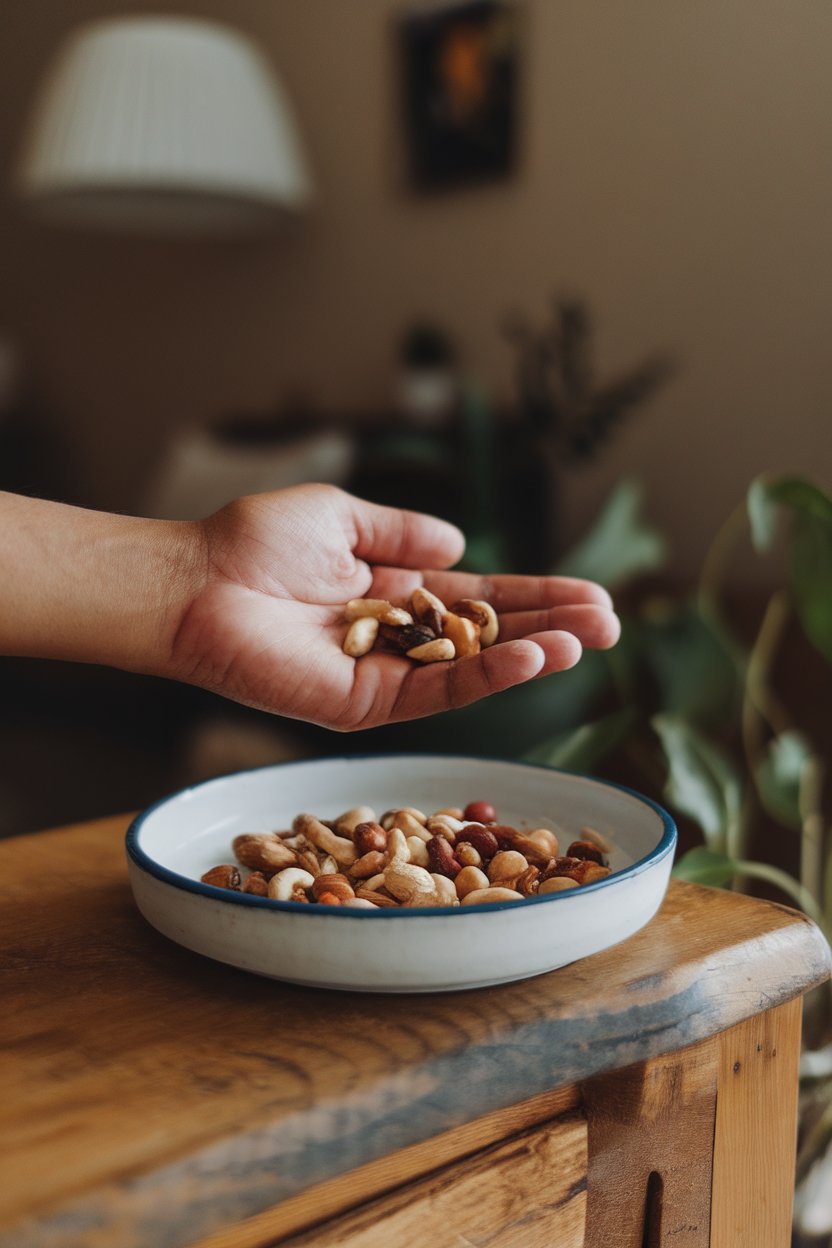
An adult handful—about one ounce—delivers healthy fats and plant protein. Any more can silently add hundreds of calories. Pre-measure into snack bags or sprinkle over salads for crunch without overdoing it.
20. Start Meals with a Broth-Based Soup
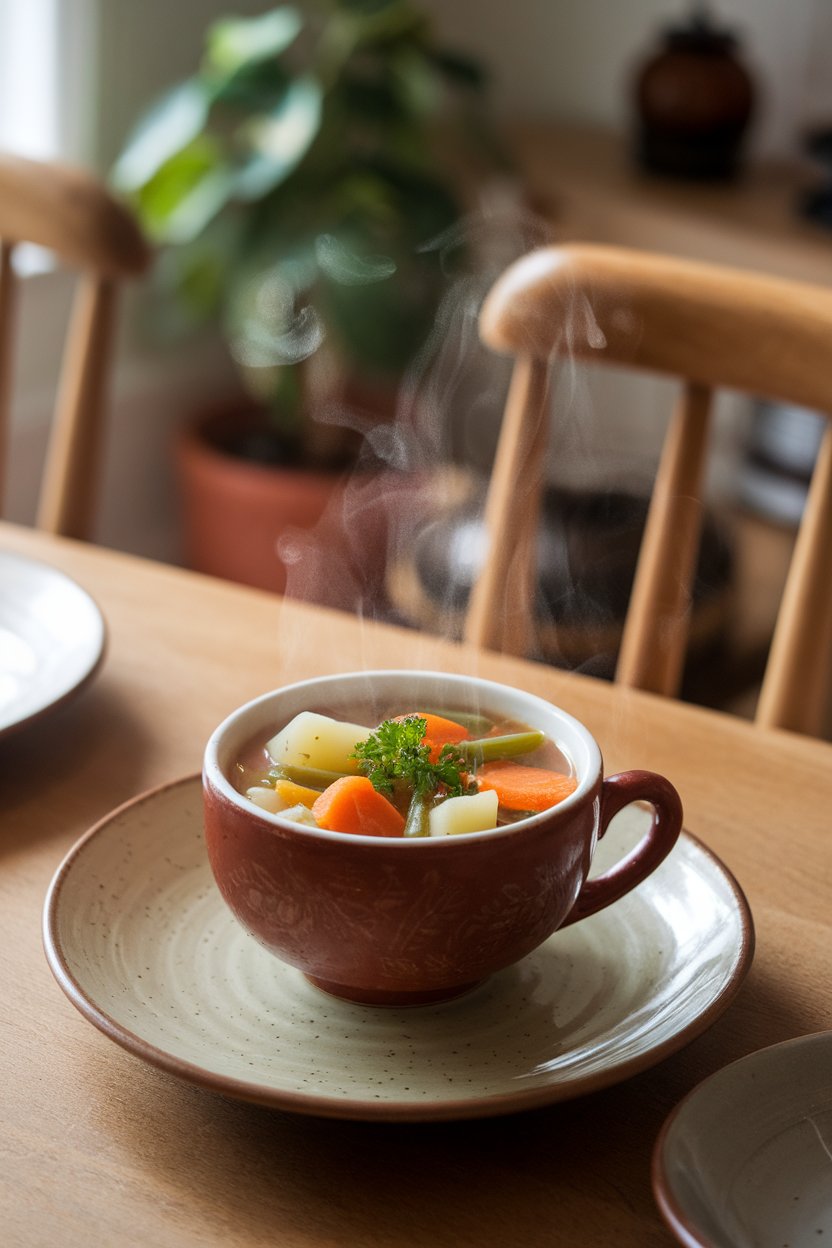
Light soups add fluid and fiber, promoting fullness ahead of the main dish. Broth over cream keeps calories minimal while still delivering warmth and flavor. A simple vegetable or miso soup is easy to prep and freeze in batches.
21. Plate Food Away from the Television
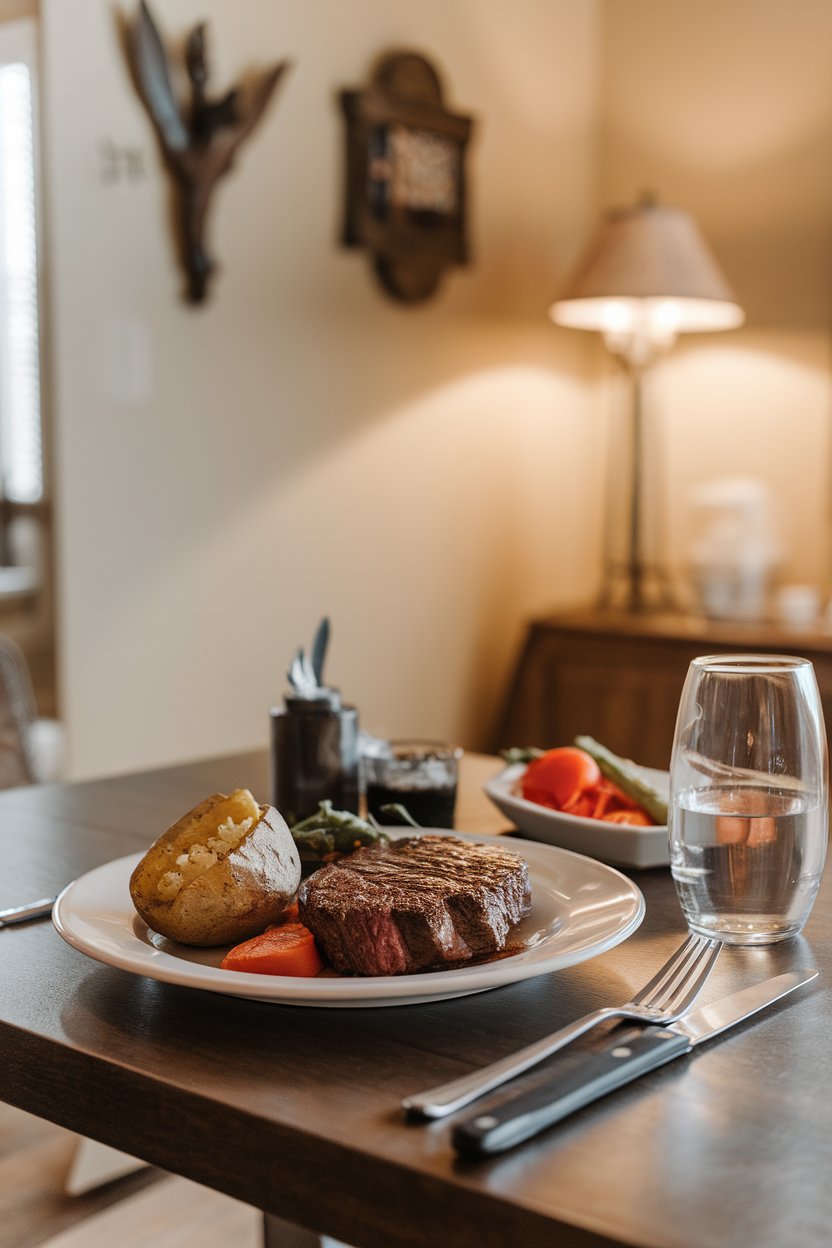
Eating while distracted makes it easy to ignore satiety signals. Sitting at a table invites mindful bites and better portion awareness. Turning screens off during meals also fosters conversation and relaxation.
22. Drink a Glass of Water Before Serving Seconds
Thirst often masquerades as hunger. Pausing for water allows time for fullness cues to reach the brain. If you’re still truly hungry after a few minutes, serve a modest second helping of vegetables first.
23. Opt for Plain Yogurt and Add Your Own Fruit
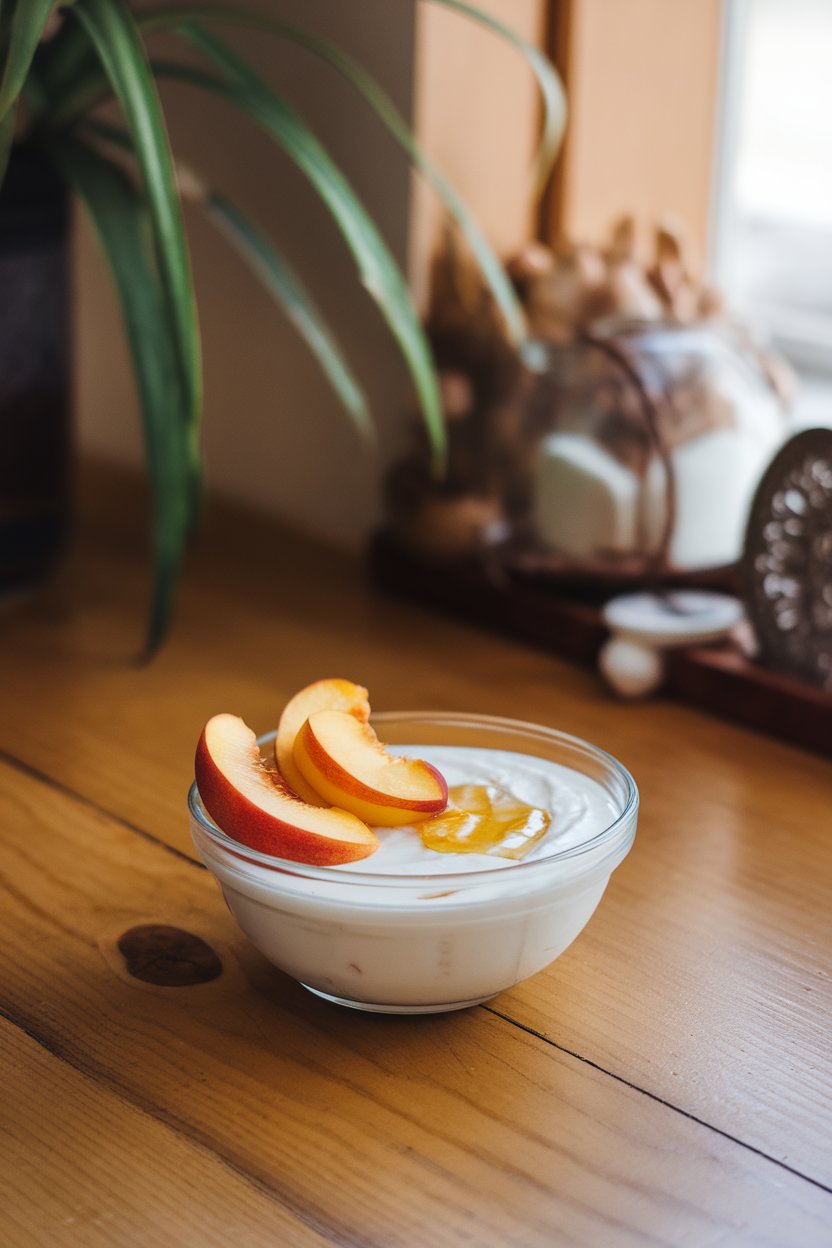
Flavored yogurts can hide as much sugar as dessert. Starting with plain versions and adding fresh fruit or a tiny swirl of honey keeps sweetness controlled. The protein in Greek yogurt balances natural sugars for a filling snack.
24. Portion Cereal with a Measuring Cup
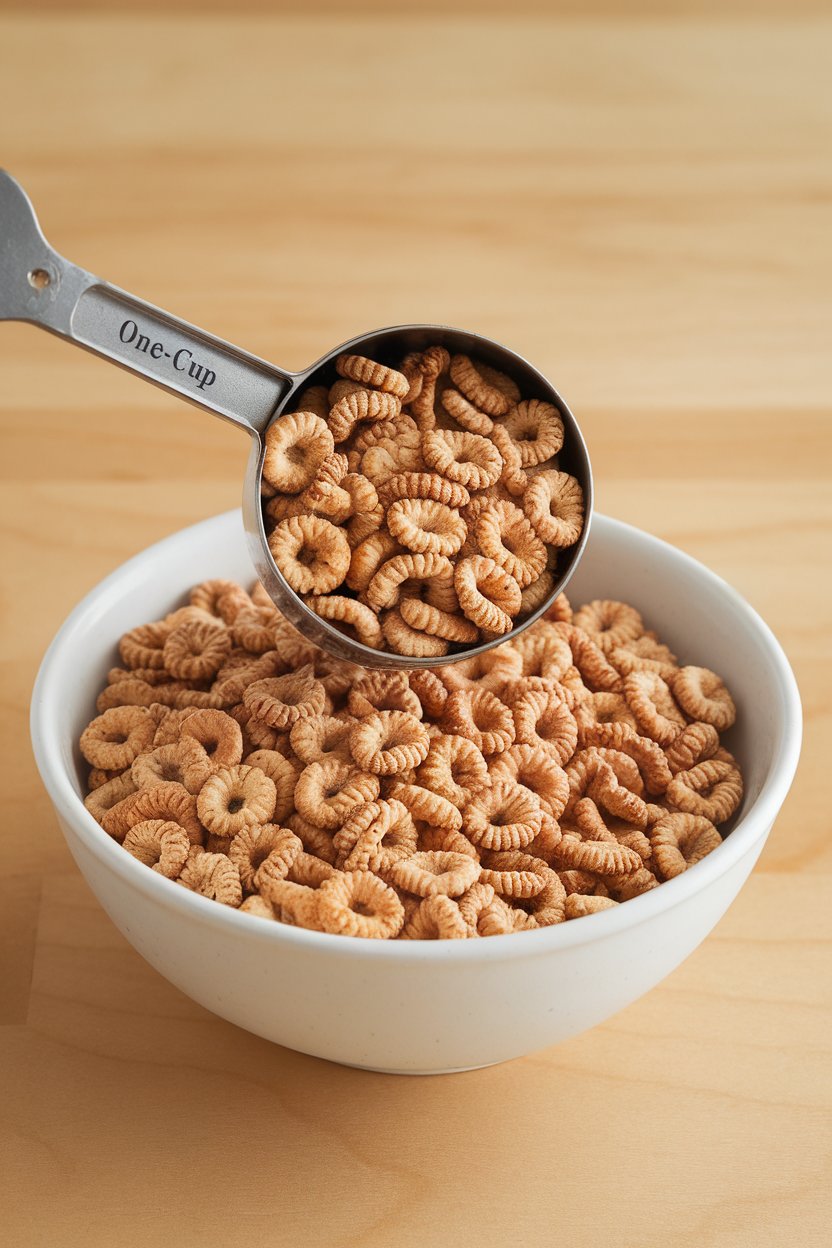
Breakfast cereal servings often look small in roomy bowls, encouraging over-pouring. Measuring once or twice trains the eye to the right amount. Pair cereal with protein—like milk or yogurt—and fruit to round out the meal.
25. Roast Big Batches of Vegetables Once a Week
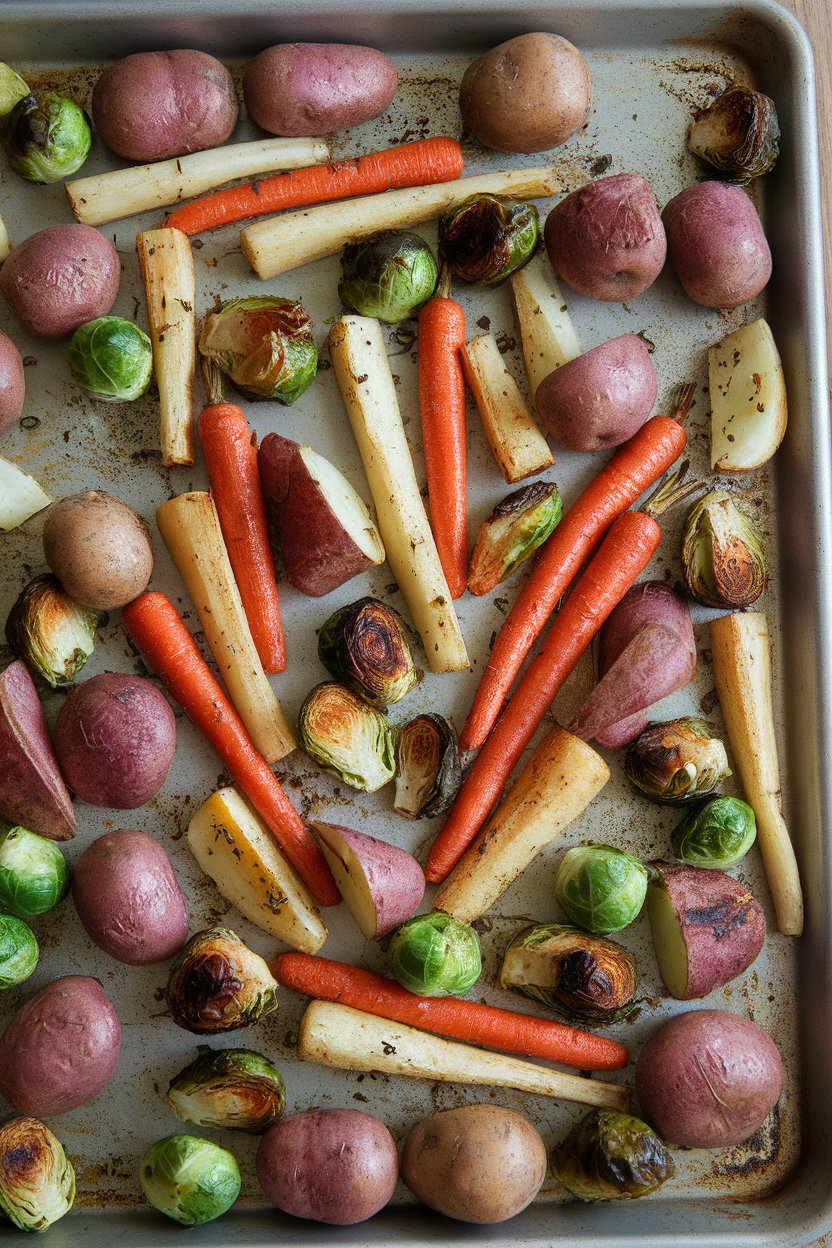
Having ready-to-eat veggies on hand makes it easy to fill half the plate later. Roast carrots, Brussels sprouts, and peppers with olive oil and herbs, then store in glass containers. Reheat or enjoy cold in salads for quick color and fiber.
26. Use Smaller Serving Utensils

Downsizing ladles and spoons reduces the volume dished out with each scoop. Two small spoonfuls look ample on a plate even though the total is lighter. This trick proves especially helpful for high-calorie sides like mac and cheese.
27. End Meals with Herbal Tea
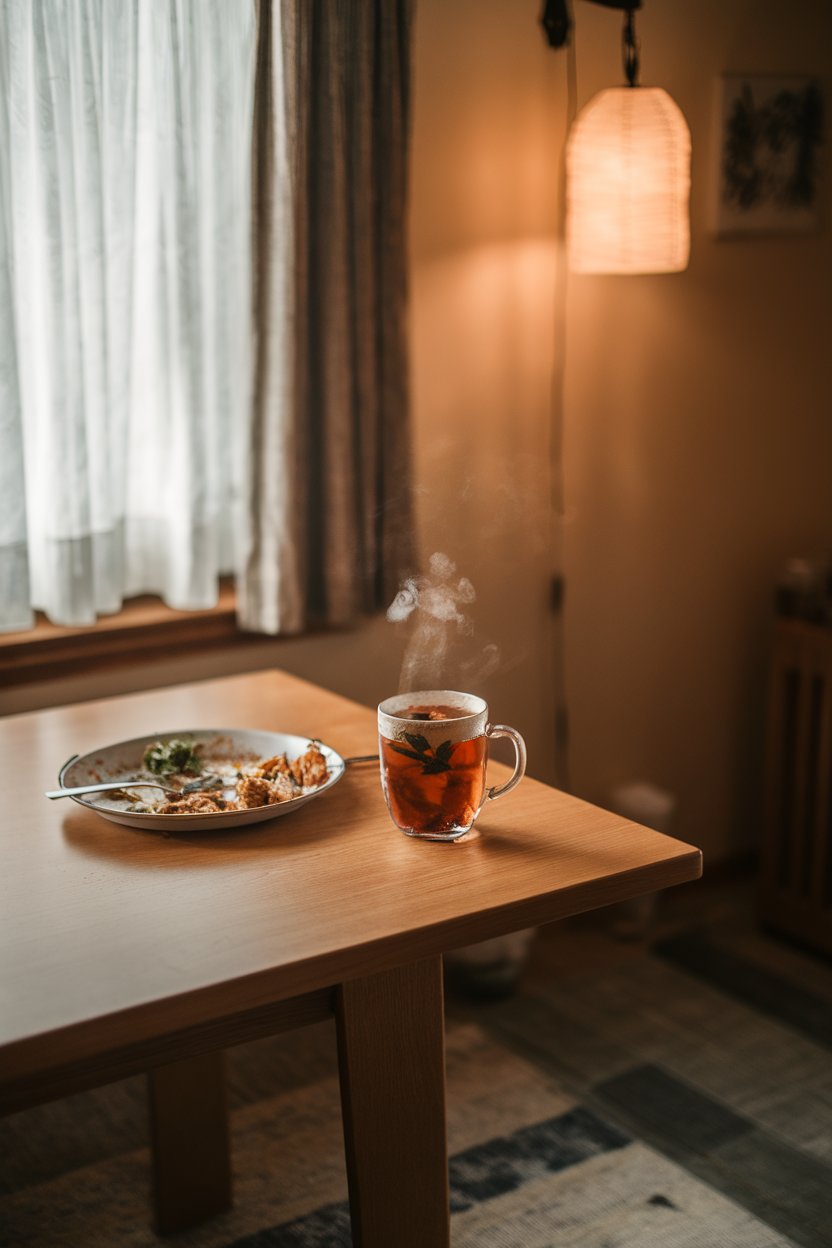
Finishing with tea signals that eating time is over and helps cleanse the palate. The ritual curbs the urge to nibble just because food is still nearby. Mint or ginger blends also aid digestion.
28. Store Treats Out of Direct Sight
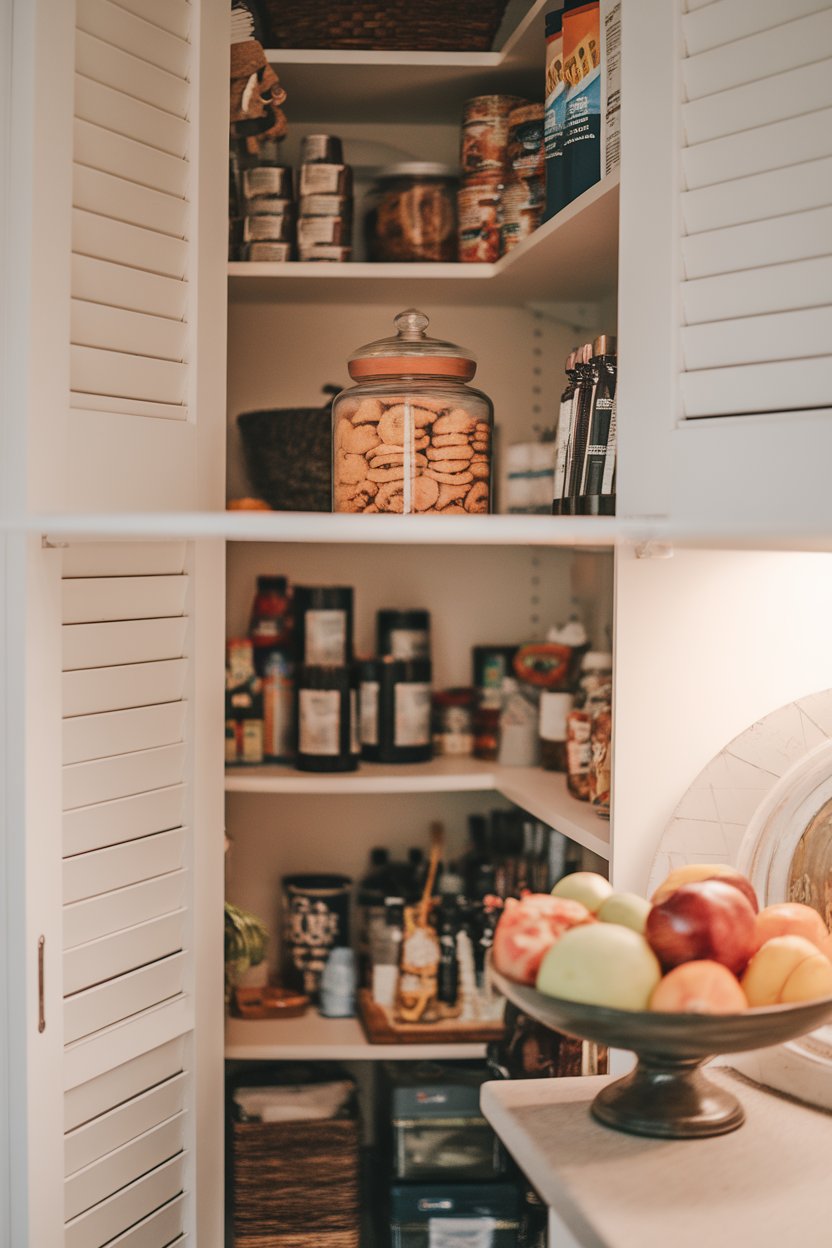
We’re more likely to eat foods we see first. Keeping fruit visible and hiding sweets a bit removes constant temptation. You don’t have to ban treats—just make them an intentional choice rather than an automatic one.
29. Weigh Raw Meat Once, Learn Visual Cues Later
Weighing protein a few times teaches what four ounces looks like. Soon you’ll recognize that a deck-of-cards size equals a standard serving. After that, the scale can stay in the cabinet for occasional check-ins.
30. Keep Cut Veggies at Eye Level in the Fridge
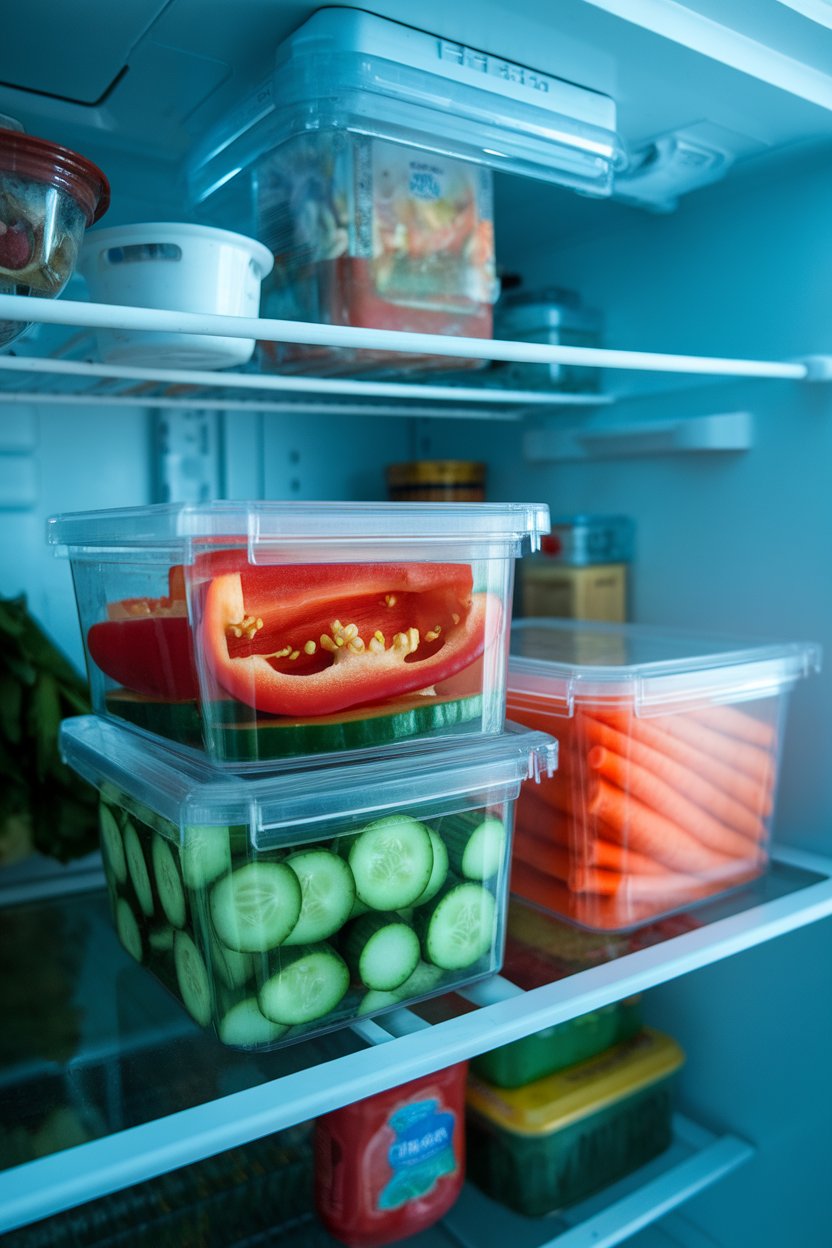
Convenience drives many food choices. Pre-cut veggies placed where they’re immediately visible become the first snack reached. Pair with hummus for a balanced grab-and-go option.
31. Experiment with Meatless Mondays
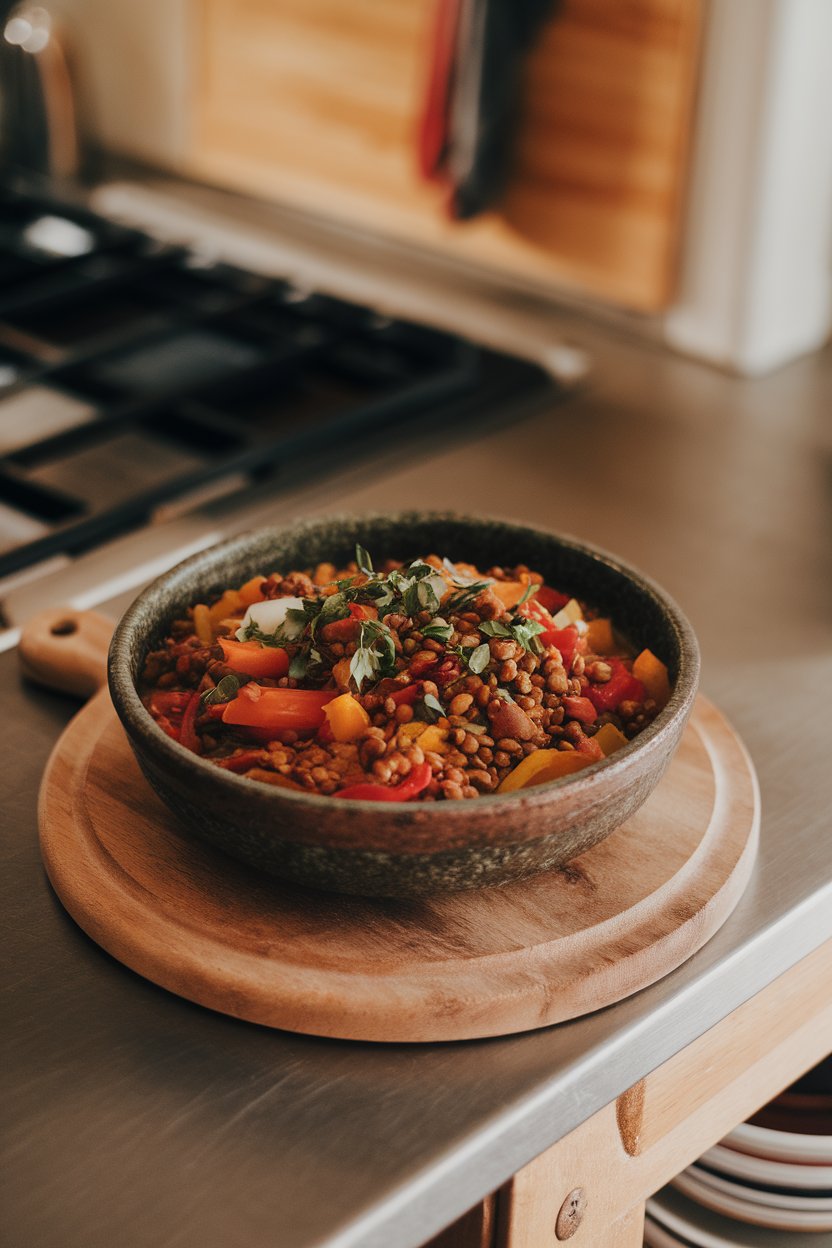
Setting aside one day a week for plant-focused meals nudges you to explore legumes, nuts, and seeds. Beans offer protein and fiber that keep portions satisfying without animal fats. Over time, plant proteins may slide into other days as well.
32. Split Dessert for Built-In Portion Control
Sharing a sweet treat halves calories yet still lets you enjoy the experience. Slow down to appreciate each bite rather than rushing through. Sometimes just a taste satisfies the craving.
33. Use the “Veggies on Every Surface” Sandwich Rule
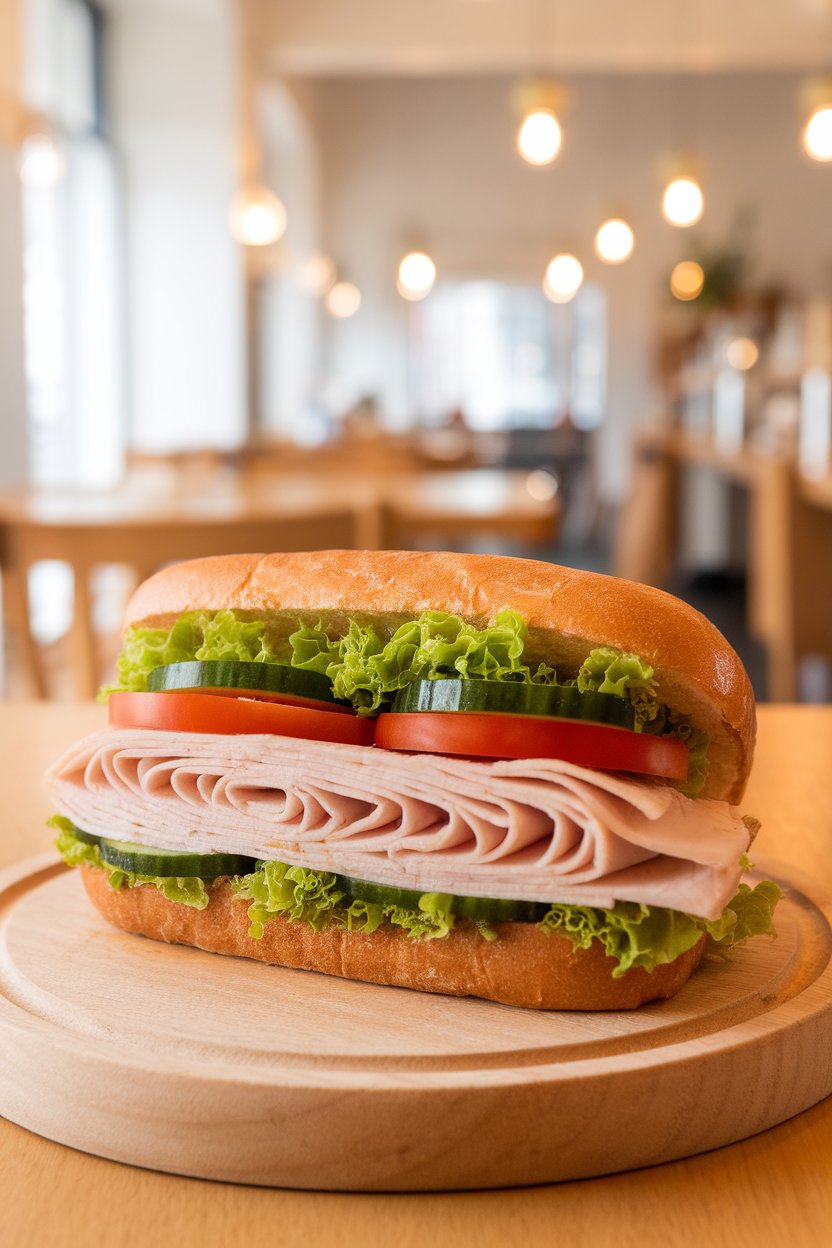
Layer crunchy produce on both the top and bottom of the filling so each bite contains plants. This bulks up volume, adds texture, and displaces extra cheese or meats. Whole-grain bread rounds out the fiber profile.
34. Choose Clear Soup over Creamy Chowder at Restaurants
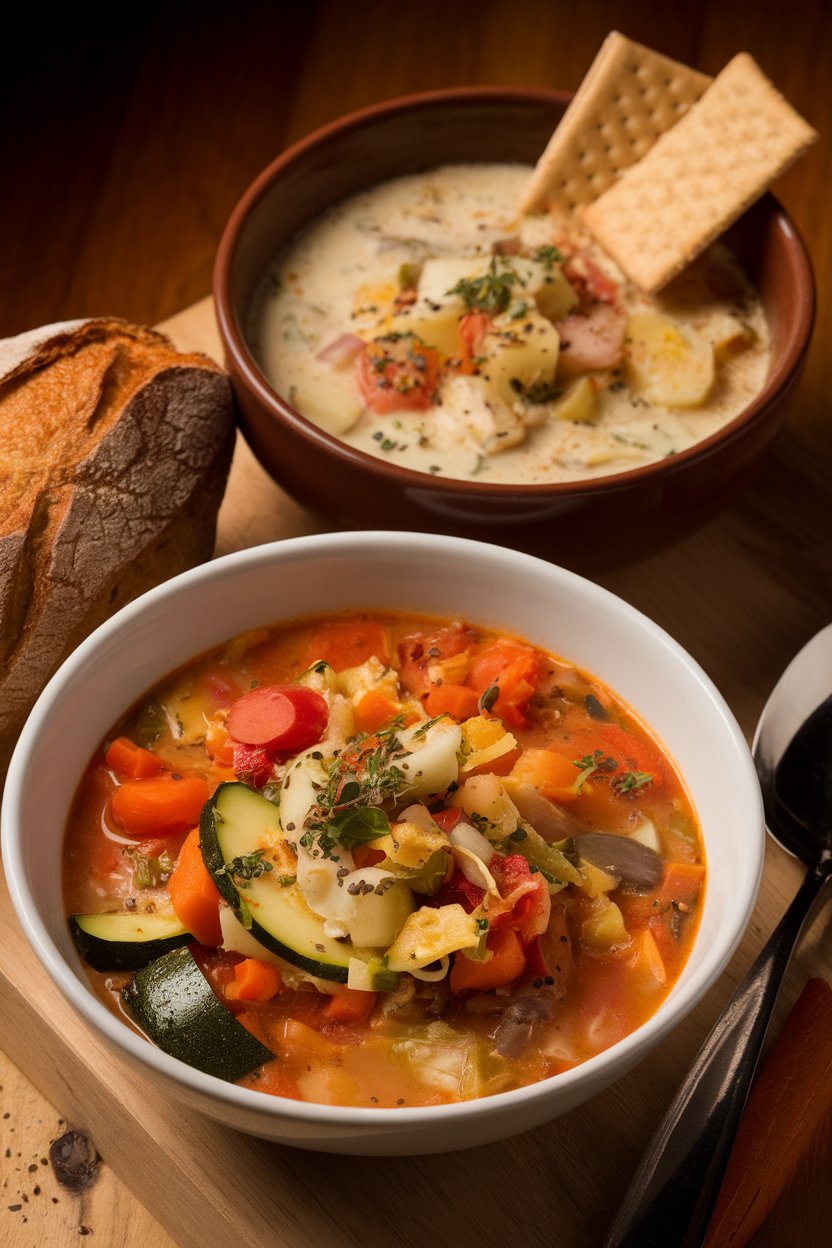
Clear soups usually clock in at half the calories of cream-based versions. Starting with broth fills the stomach with fluid and fiber, reducing hunger for richer entrées. You still enjoy a warm appetizer without feeling weighed down.
35. Keep Fruit in Bowls, Not Drawers
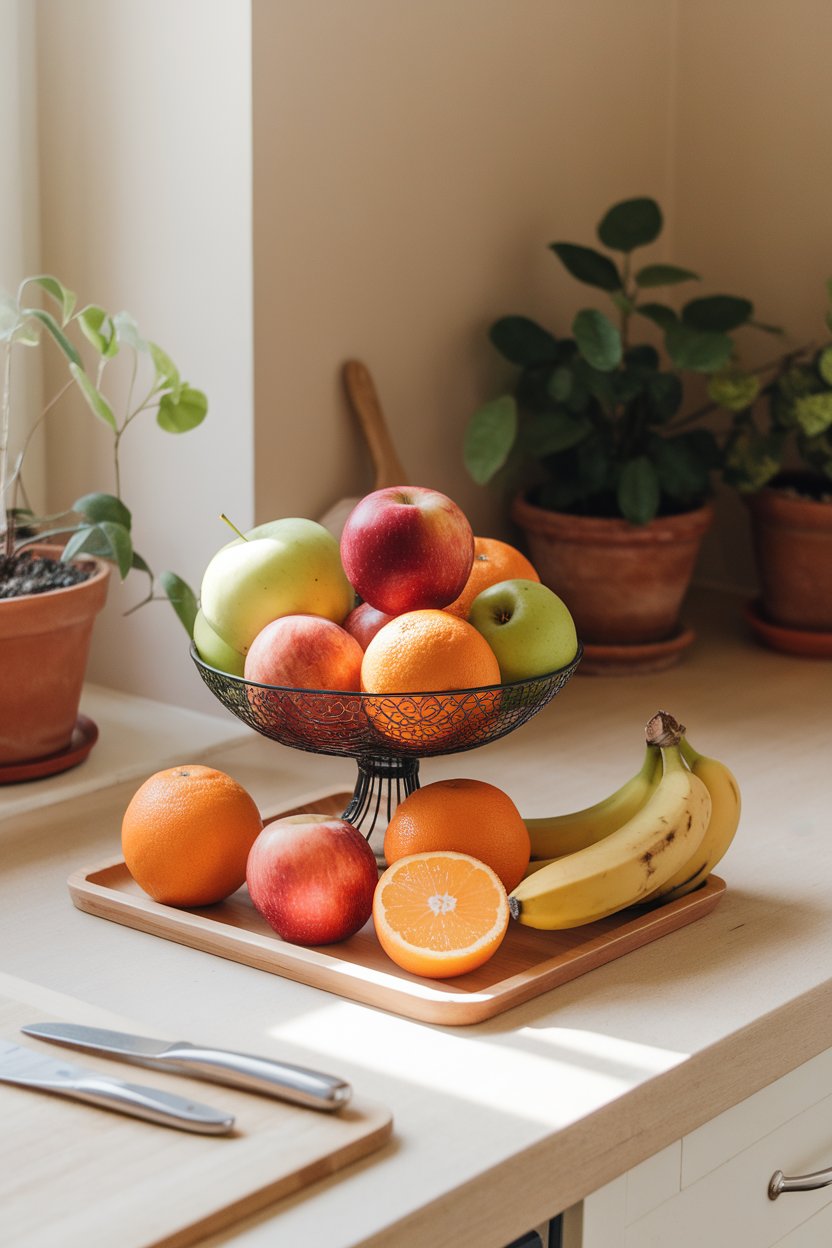
Visibility matters for healthy choices. Stashing fruit in drawers makes it easy to forget; a countertop display keeps produce in mind and within reach. Rotate items so ripest fruit sits on top, cutting waste and encouraging quick snacking.
36. Opt for Open-Faced Burgers
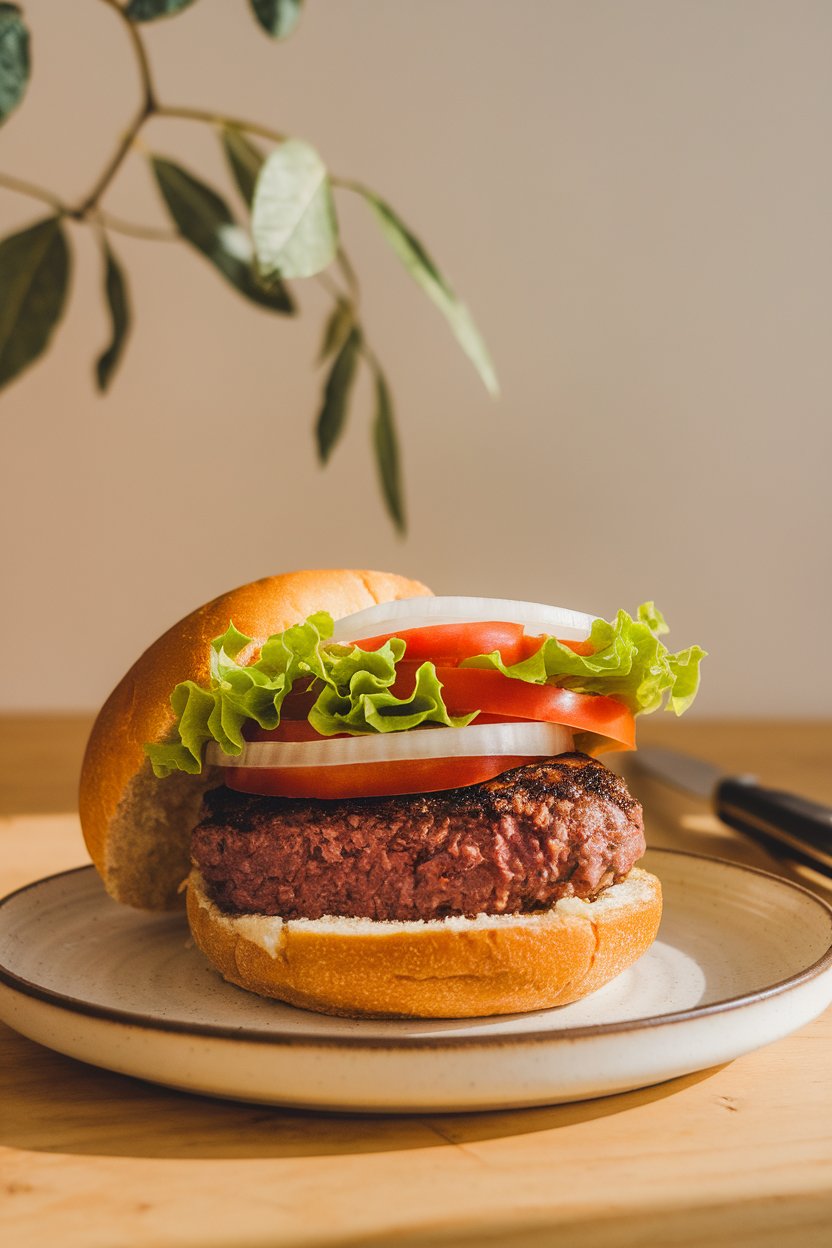
Skipping one slice of bread trims about 100 calories and reduces refined carbs. Load the patty with extra veggies and perhaps avocado to maintain satisfaction. Use a knife and fork if it’s too tall to pick up.
37. Replace Sugary Beverages with Infused Water
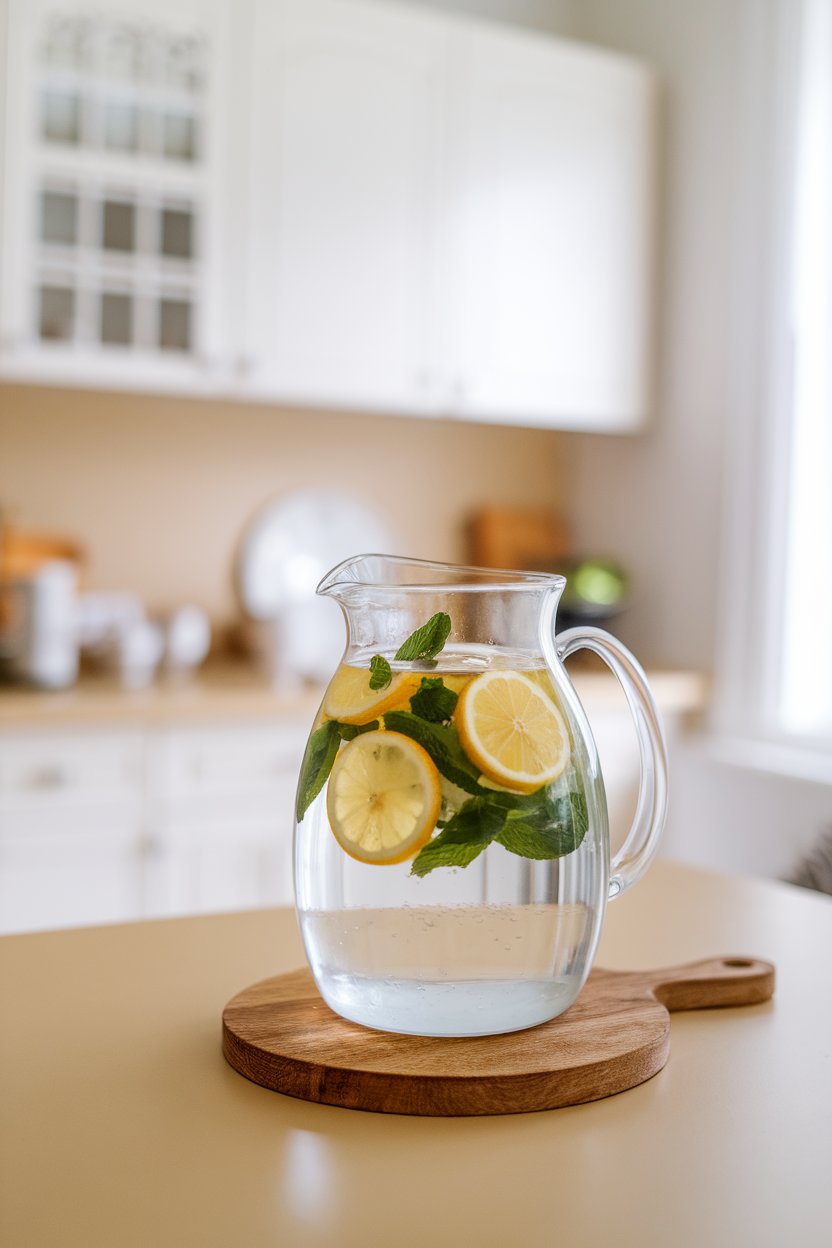
Flavorful water curbs the urge for soda or juice while keeping hydration high. Citrus, berries, or herbs add subtle taste without significant calories. Keep a pitcher chilling so it’s always an easy choice.
38. Make Greek Yogurt the Base of Dips
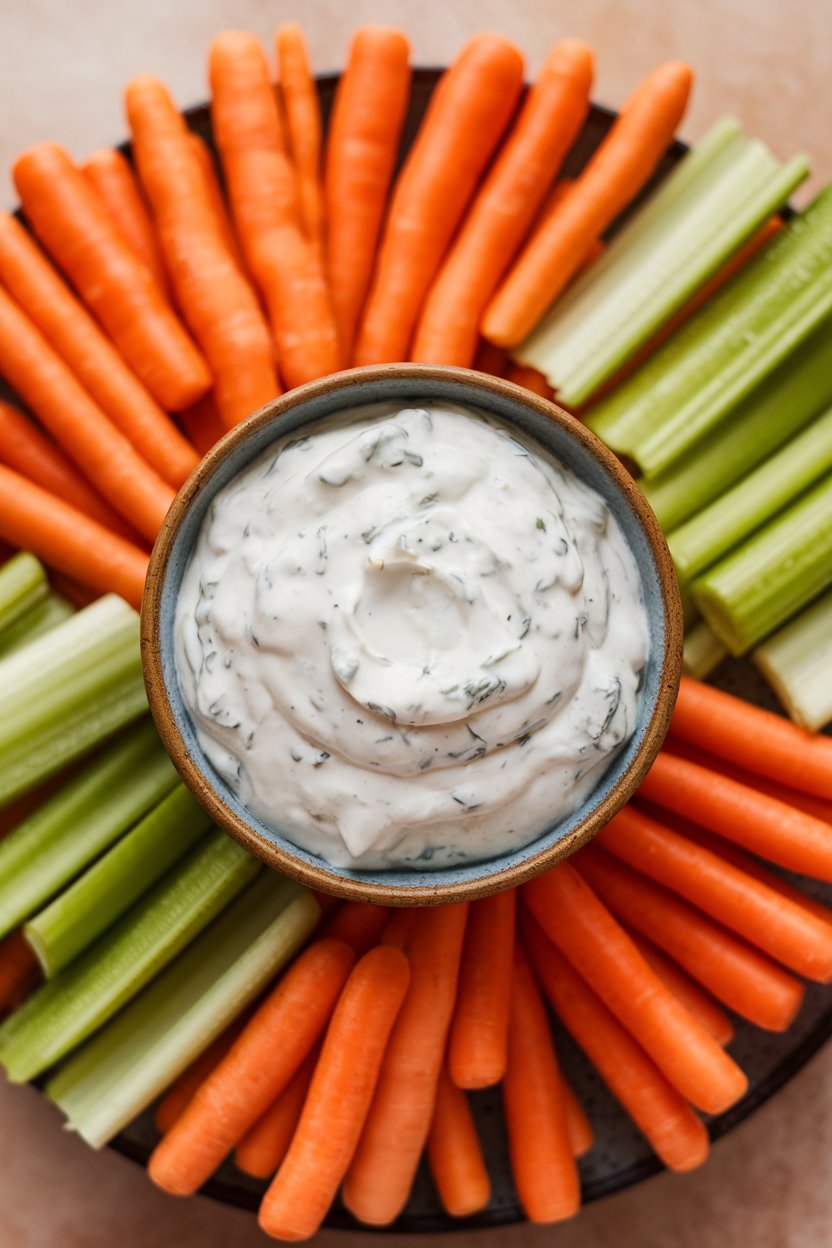
Re-creating classic dips with yogurt slashes saturated fat but preserves tangy flavor. Whisk in herbs, garlic, or spice blends for variety. Serve alongside baked pita chips or crudités for balanced snacking.
39. Adopt the 20-Minute Rule before Extra Helpings
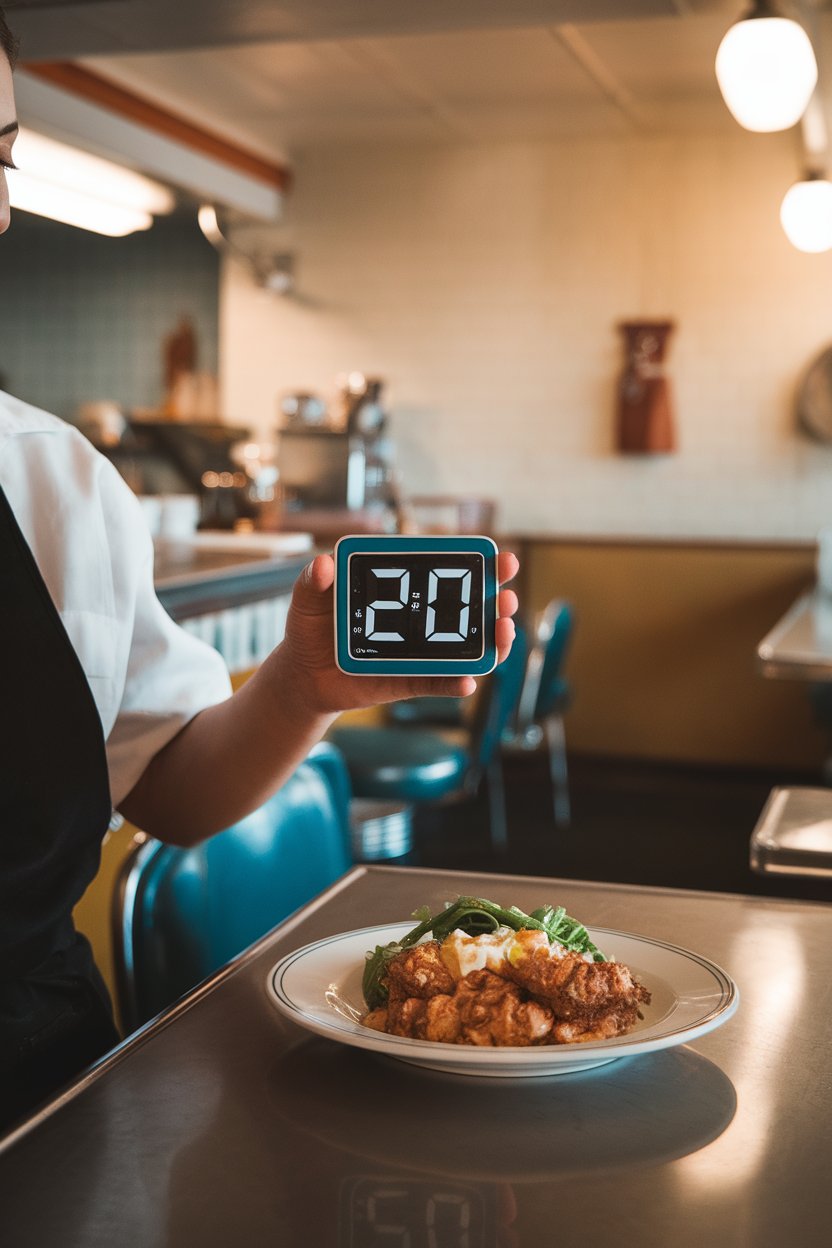
It takes about 20 minutes for fullness signals to register completely. Waiting before seconds prevents overconsumption driven by taste rather than true hunger. Distract yourself with conversation while the timer runs.
40. Dice Veggies Small to Blend into Sauces
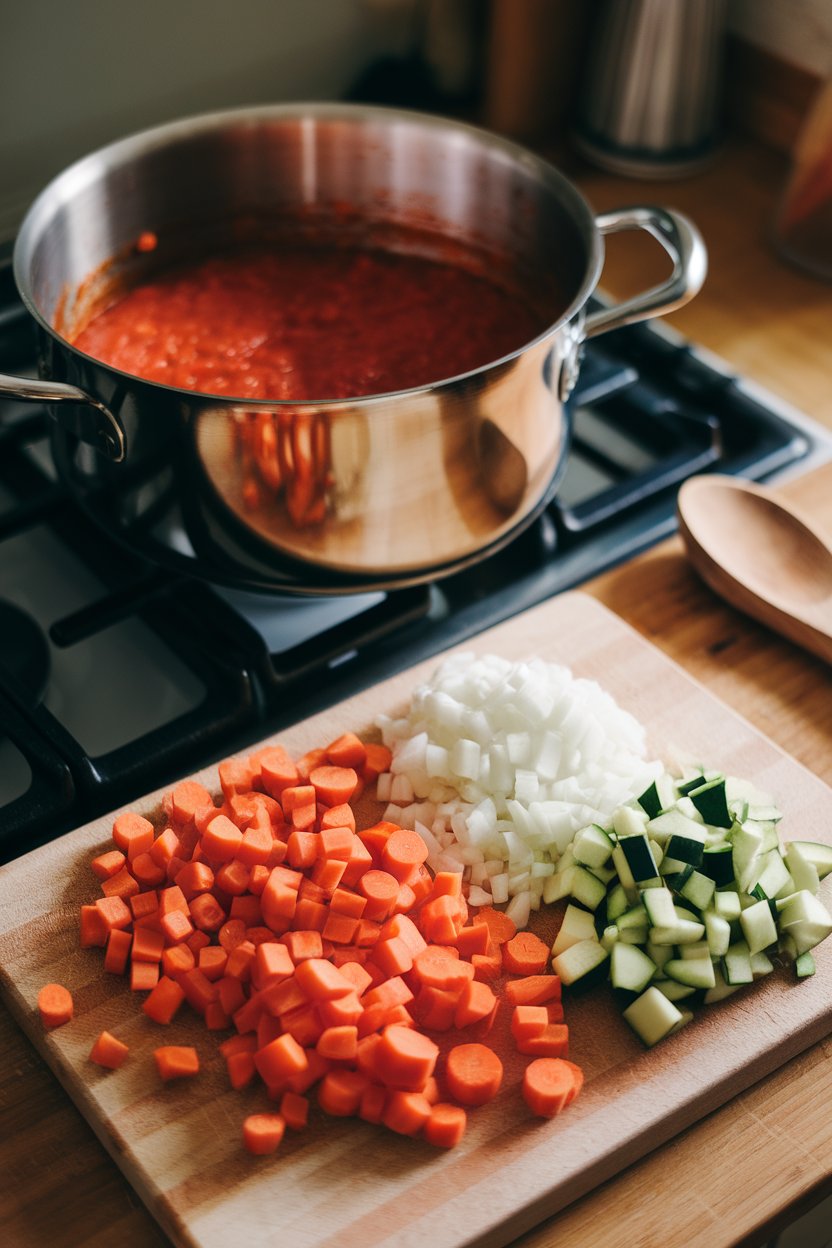
Minced vegetables virtually disappear into pasta sauces, chili, or sloppy joes, boosting nutrients without changing flavor. Kids and hesitant veggie eaters benefit from the texture camouflage. Bulked-up sauce stretches across extra meals, saving money, too.
41. Pre-Set Salad Plates Before Serving Main Dish
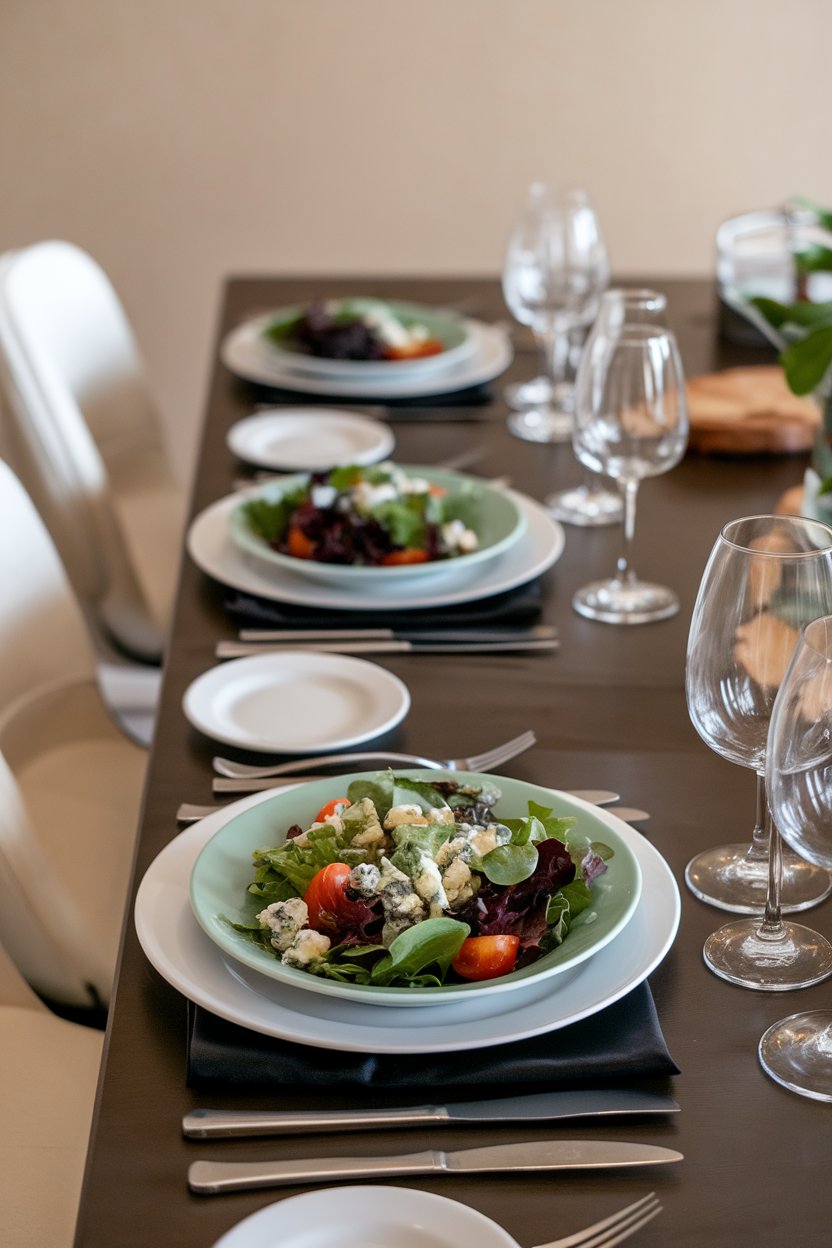
Leading with salad guarantees a produce serving. Munching on crunchy greens reduces hunger for heavier foods served later. Light vinaigrettes keep calories reasonable while adding zest.
42. Use Ramekins for Indulgent Condiments
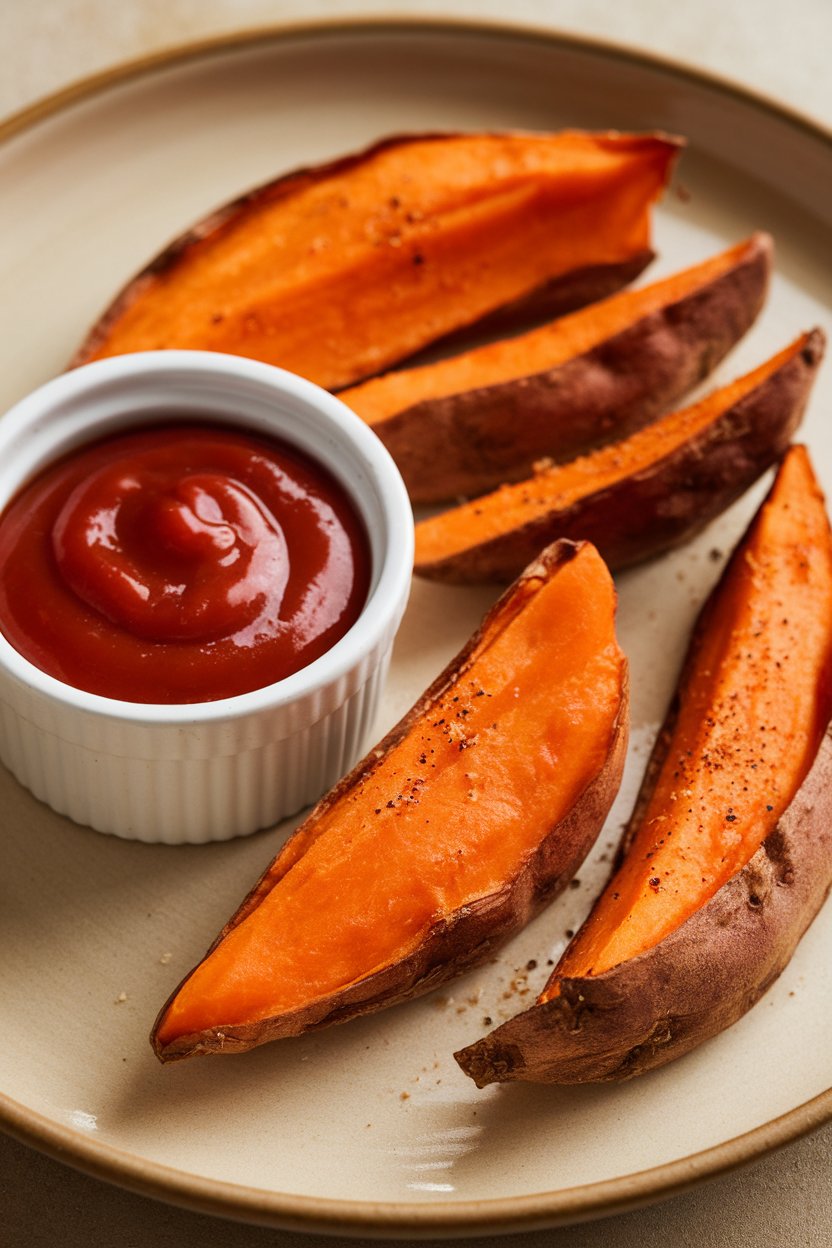
Squeezing sauces directly on food makes portions hard to gauge. A ramekin lets you visualize and limit the amount used. You’ll often find you need less than expected to satisfy flavor cravings.
43. Grill or Bake Instead of Frying
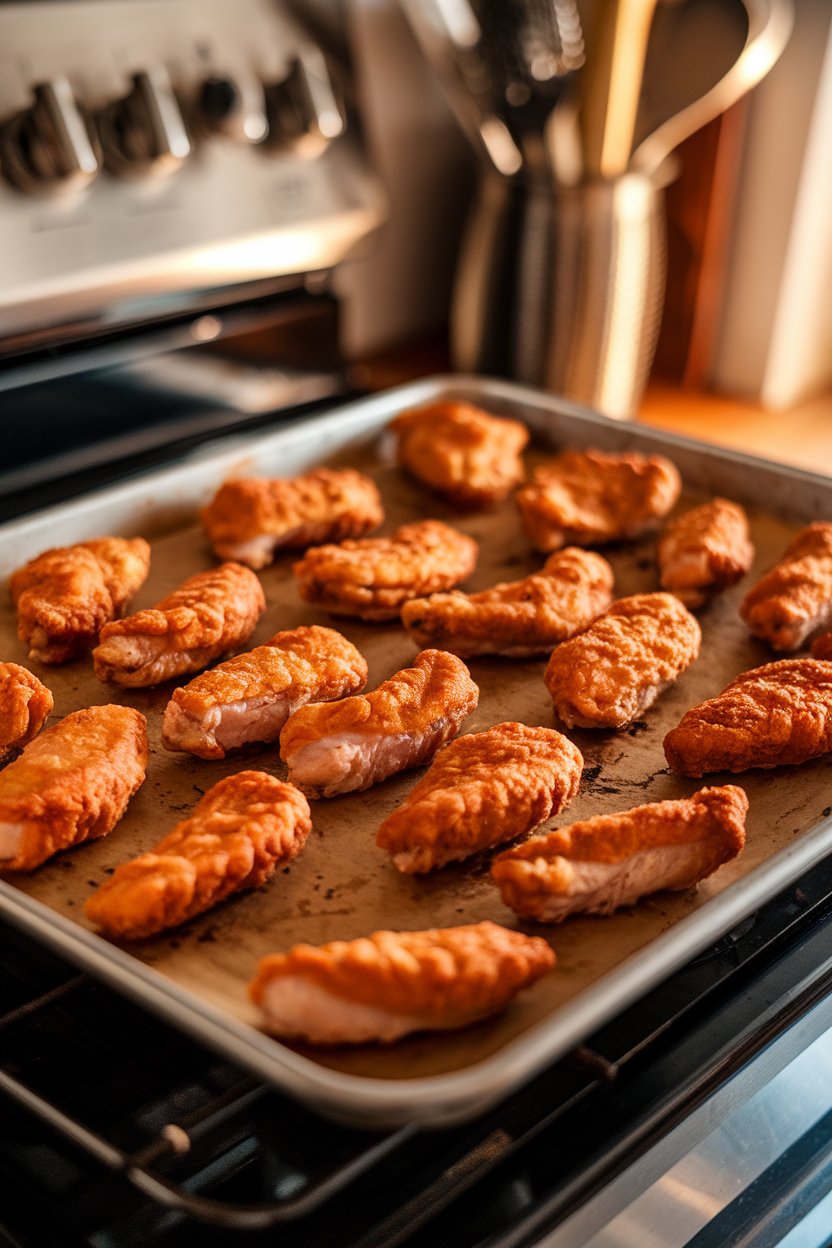
Dry-heat cooking methods reduce added oils while creating satisfying textures. Seasonings and marinades ensure crisp, flavorful results without batter or deep frying. Pair with roasted veggies for a nutrient-dense meal.
44. Keep a Pitcher of Water on the Dinner Table
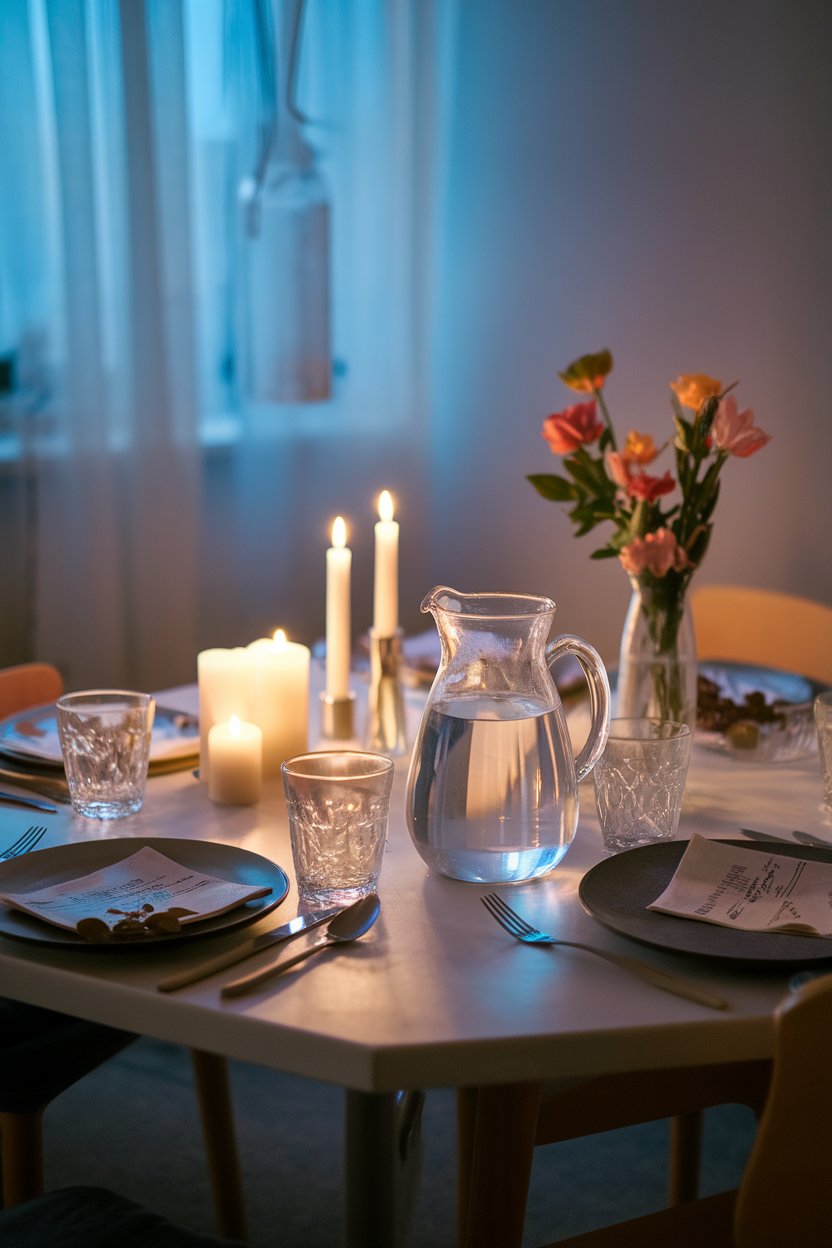
Ready access to water encourages sipping throughout the meal, aiding digestion and fullness. It also replaces the reflex to refill high-calorie drinks. Guests of all ages appreciate this simple hospitality touch.
45. Choose Whole Fruit over Juice
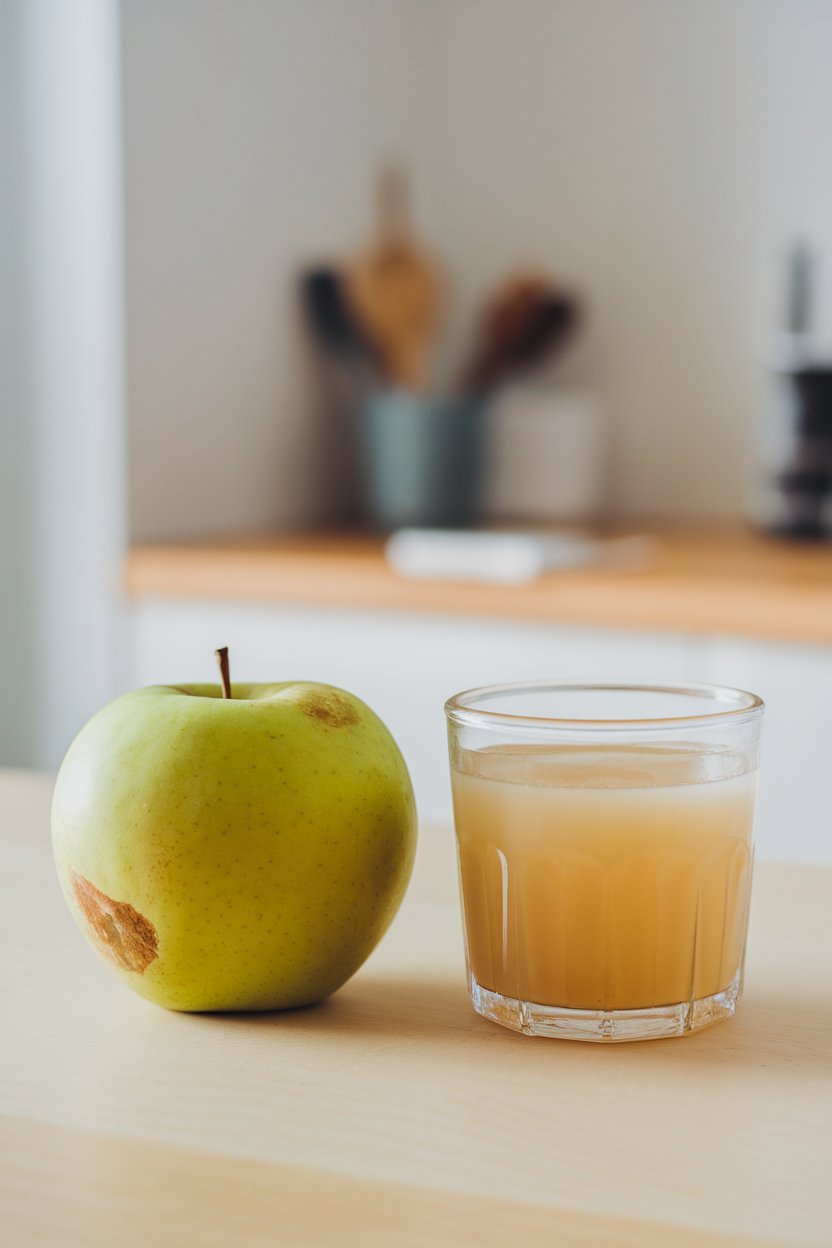
Eating fruit rather than drinking it keeps fiber intact, slowing sugar absorption and increasing satiety. Juice lacks the pulp that fills you up and can spike blood sugar quickly. Save juice for small servings when whole fruit isn’t practical.
46. Serve Family-Style Salad, Plate Other Foods Individually
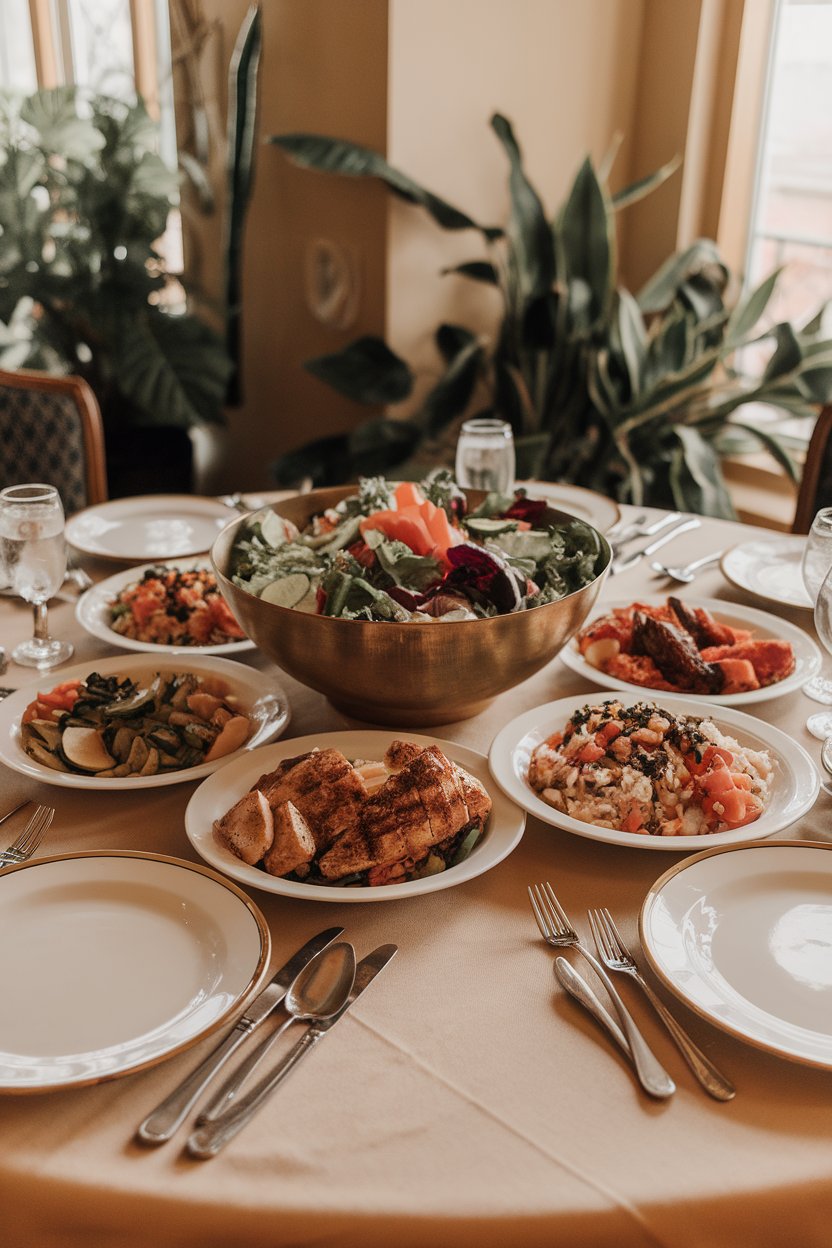
Making salad the shared centerpiece nudges everyone to take generous portions. Presenting calorie-dense items pre-portioned removes the urge for unlimited seconds. This setup balances freedom and structure at mealtime.
47. Use Spices, Citrus, and Fresh Herbs for Flavor Punch
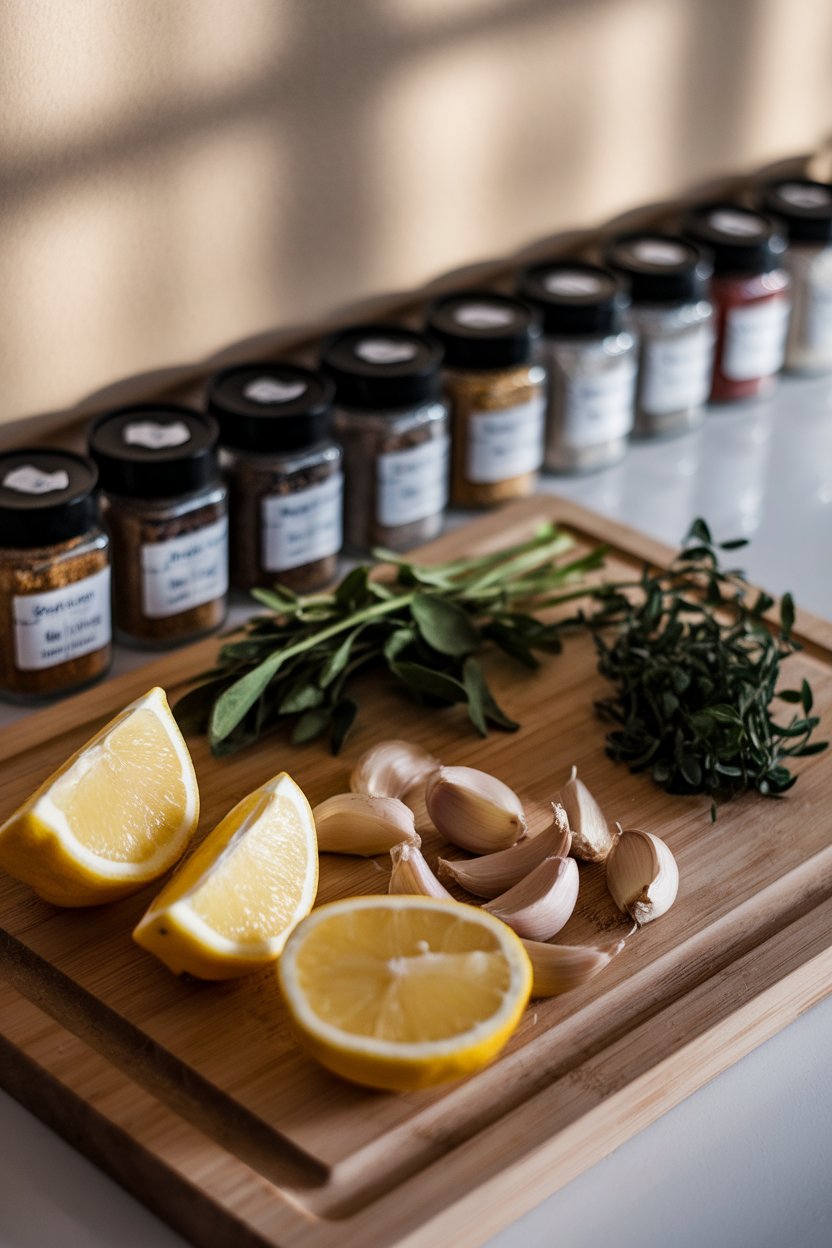
Lively seasonings elevate food without extra salt, sugar, or fat. A squeeze of lemon or a sprinkle of smoked paprika can transform plain veggies into crave-worthy sides. Stocking a diverse spice rack keeps healthy cooking exciting.
48. Blend Frozen Fruit into Smoothies Instead of Ice Cream
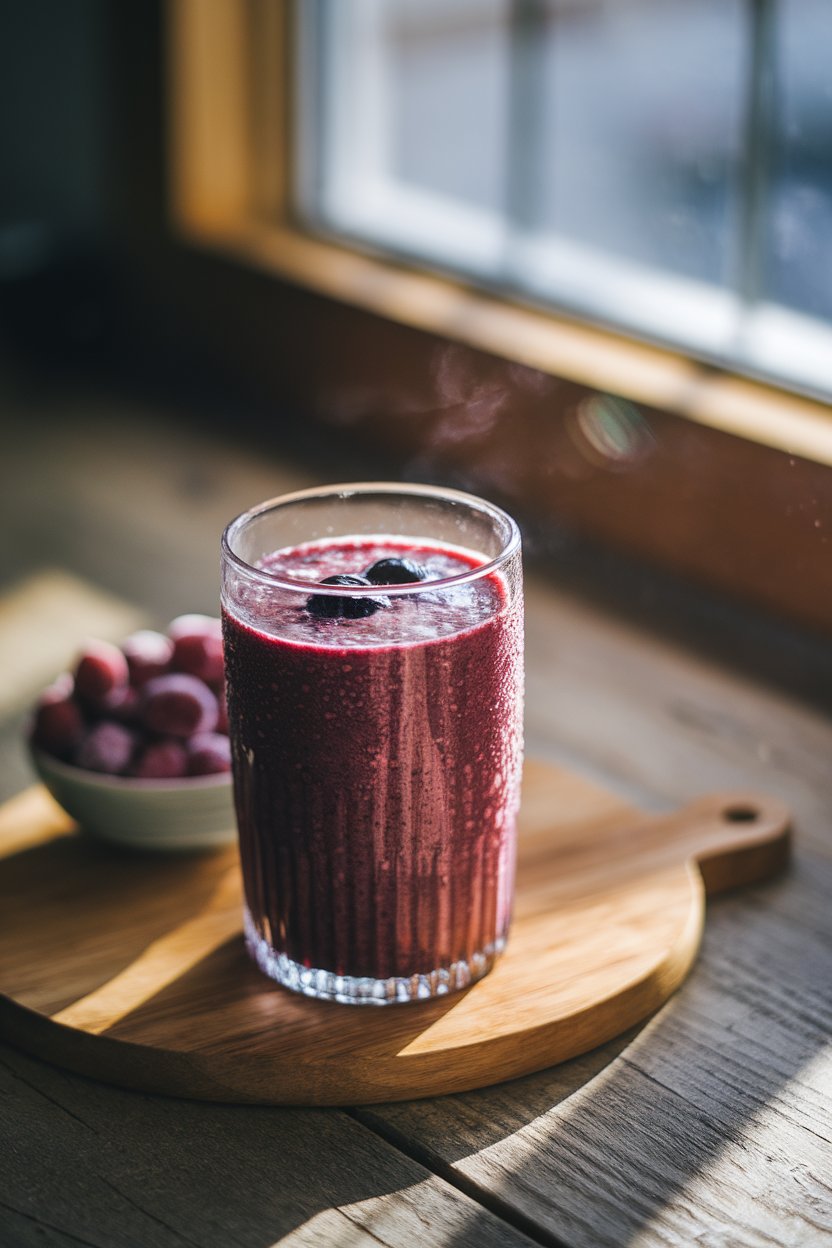
Frozen fruit yields a creamy texture similar to milkshakes with far fewer calories and added sugars. Include Greek yogurt or protein powder for staying power. Serve in a modest glass to keep portions aligned with snack needs.
49. Leave a One-Inch Border Around the Plate Edge
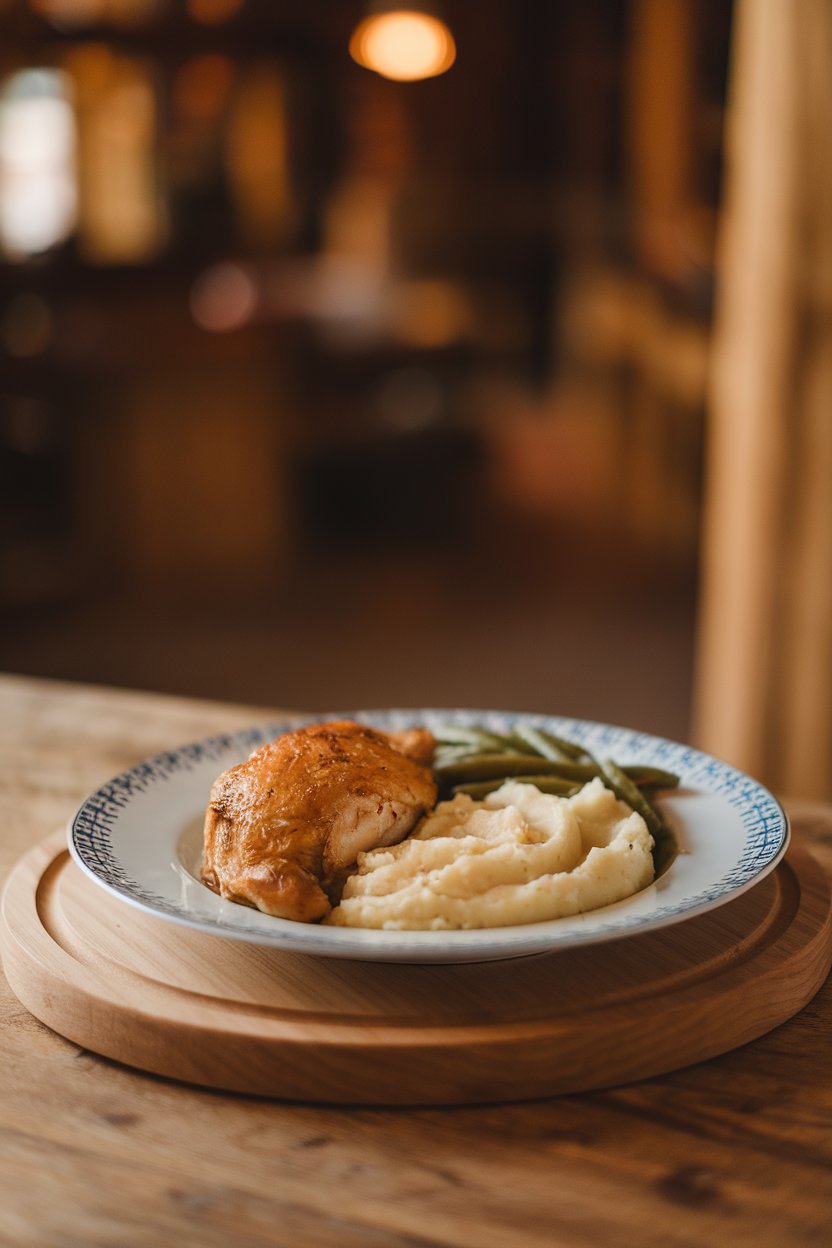
This plating technique tricks the eye into seeing a fuller portion while actually using less food. The presentation looks restaurant-quality and promotes mindful eating. It also curbs gravy and sauce overflow.
50. Try Meat-Veggie Skewers for Built-In Balance
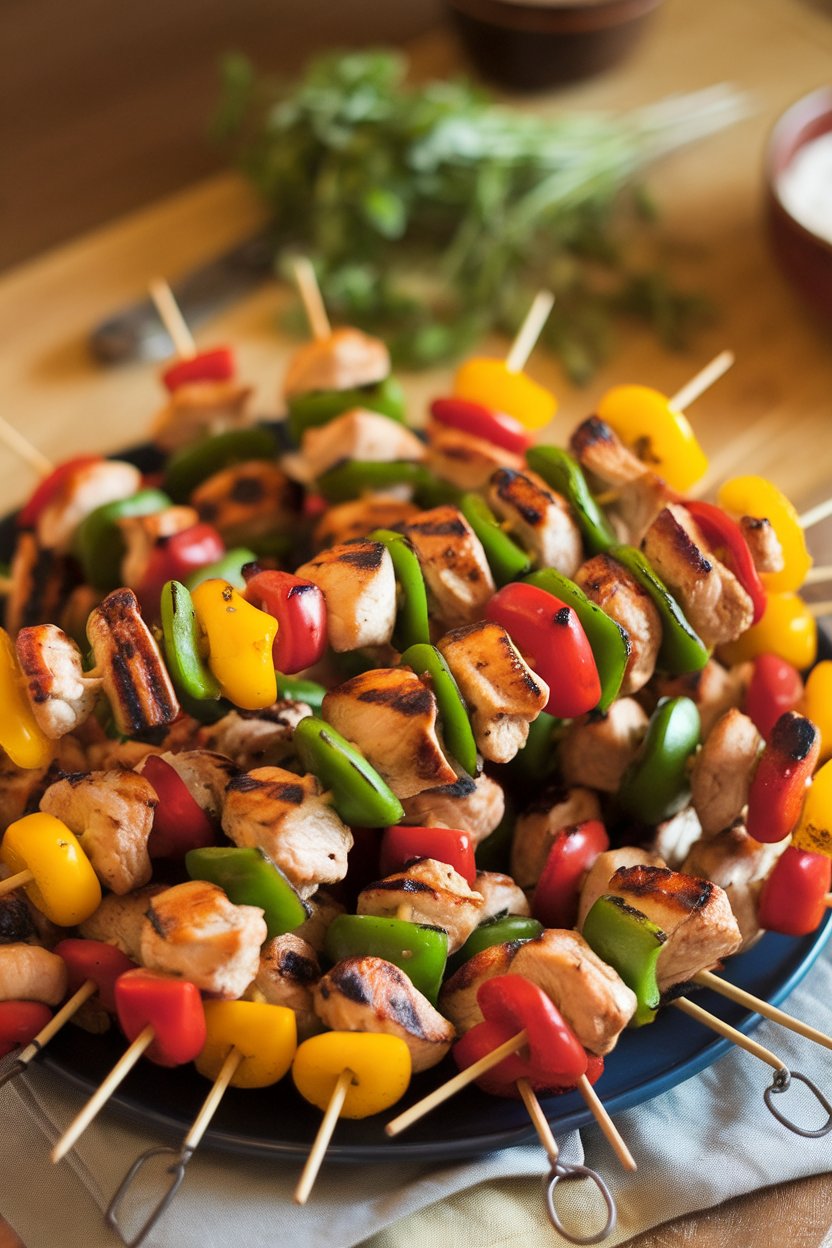
Alternating cubes of protein and vegetables ensures each bite delivers both nutrients. Skewers control portion size naturally and cook quickly. Pair with a grain salad for a complete meal.
51. Eat Slowly and Put the Fork Down Between Bites
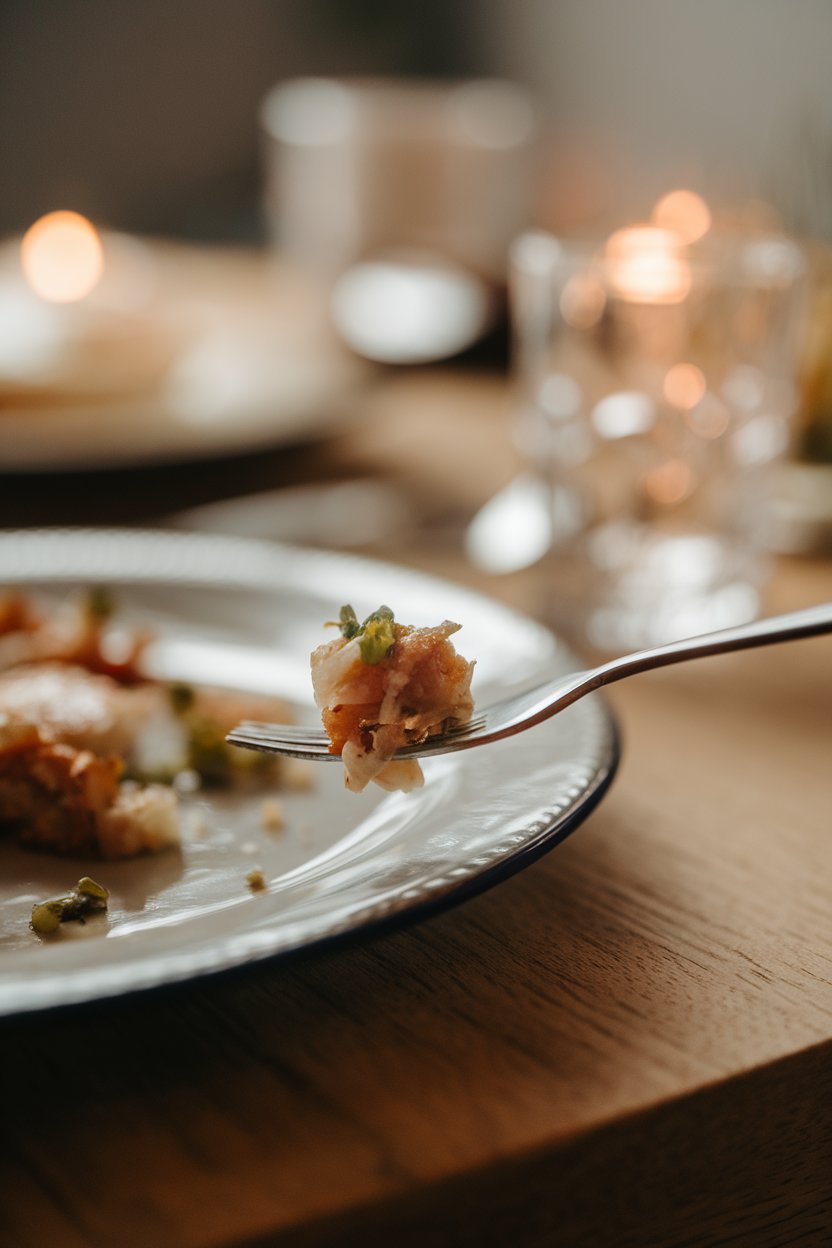
Chewing thoroughly enhances flavor enjoyment and allows satiety cues to develop. Setting utensils down gives the stomach time to tell the brain it’s had enough. Many diners find they finish less food yet feel equally satisfied.
52. Choose Unsweetened Plant Milks
Original versions of plant milks can contain surprising sugar amounts. Unsweetened alternatives lower total calories while still providing creaminess. Label-reading just once can lock in a habit that benefits every beverage and bowl of cereal.
53. Match Portion Sizes to Activity Levels
Nutrition needs rise with intense training and drop on lighter days. Adjusting carb and overall calorie portions up or down maintains weight equilibrium and energy. Listening to body cues alongside planned exercise guides smart serving choices.
54. Keep Breading Thin and Light
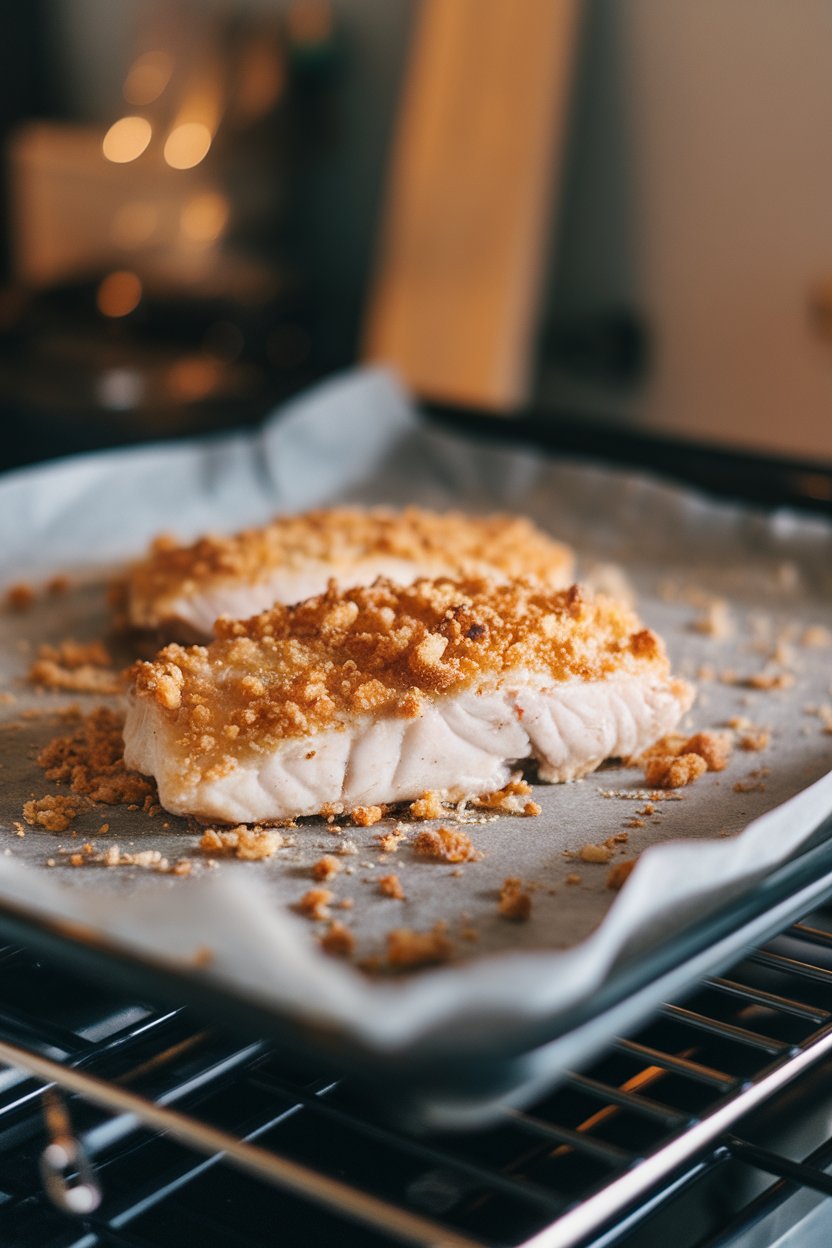
A dusting of whole-wheat breadcrumbs or cornmeal gives crunch without soaking up excess oil. Adding spices to the crumbs enhances taste so you won’t miss thicker batter. Serve with lemon wedges instead of creamy tartar sauces.
55. Build Grain Bowls with the 1-2-3 Formula
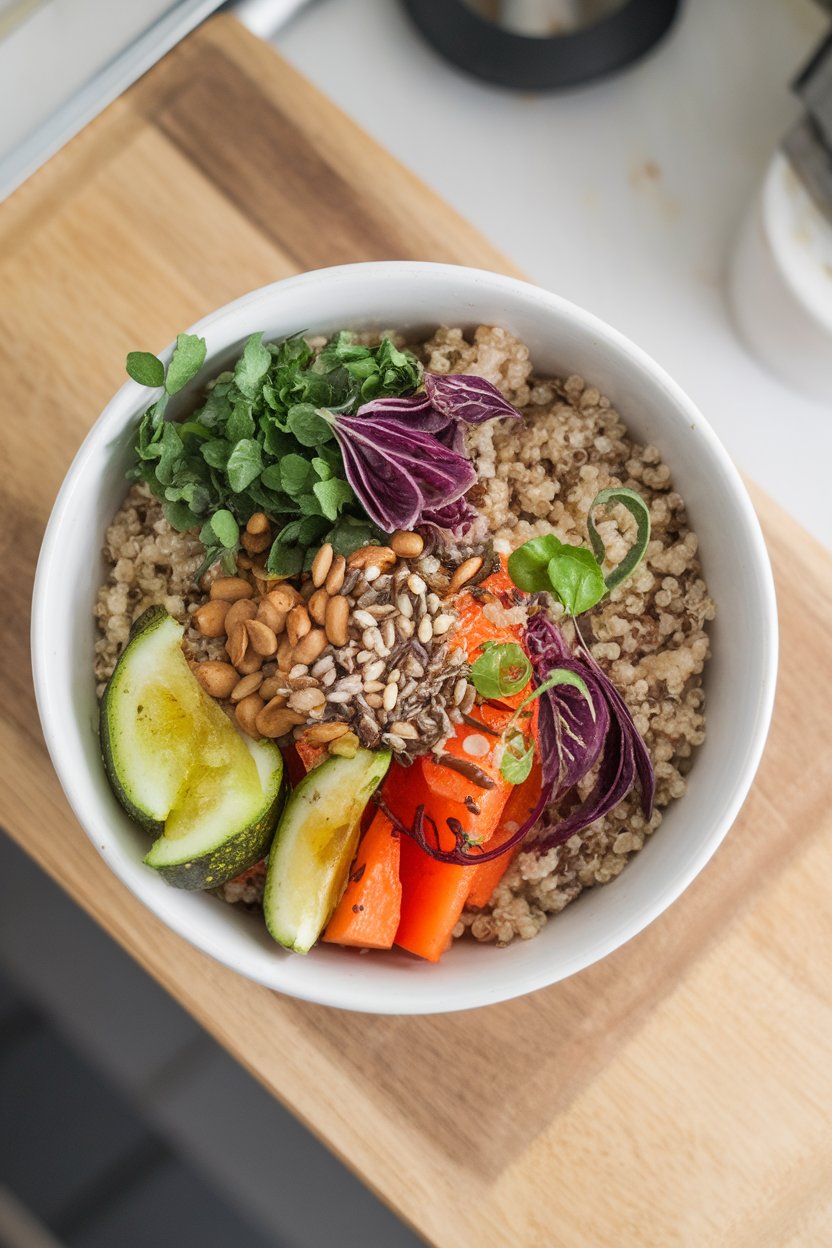
Start with one part whole grain, top with at least two parts vegetables, then finish with three flavorful extras—think salsa, seeds, or pickled onions. This ratio maximizes nutrient density while meeting taste expectations. The template works with leftovers for quick assembly.
56. Keep Sugary Breakfast Toppings to Two Teaspoons
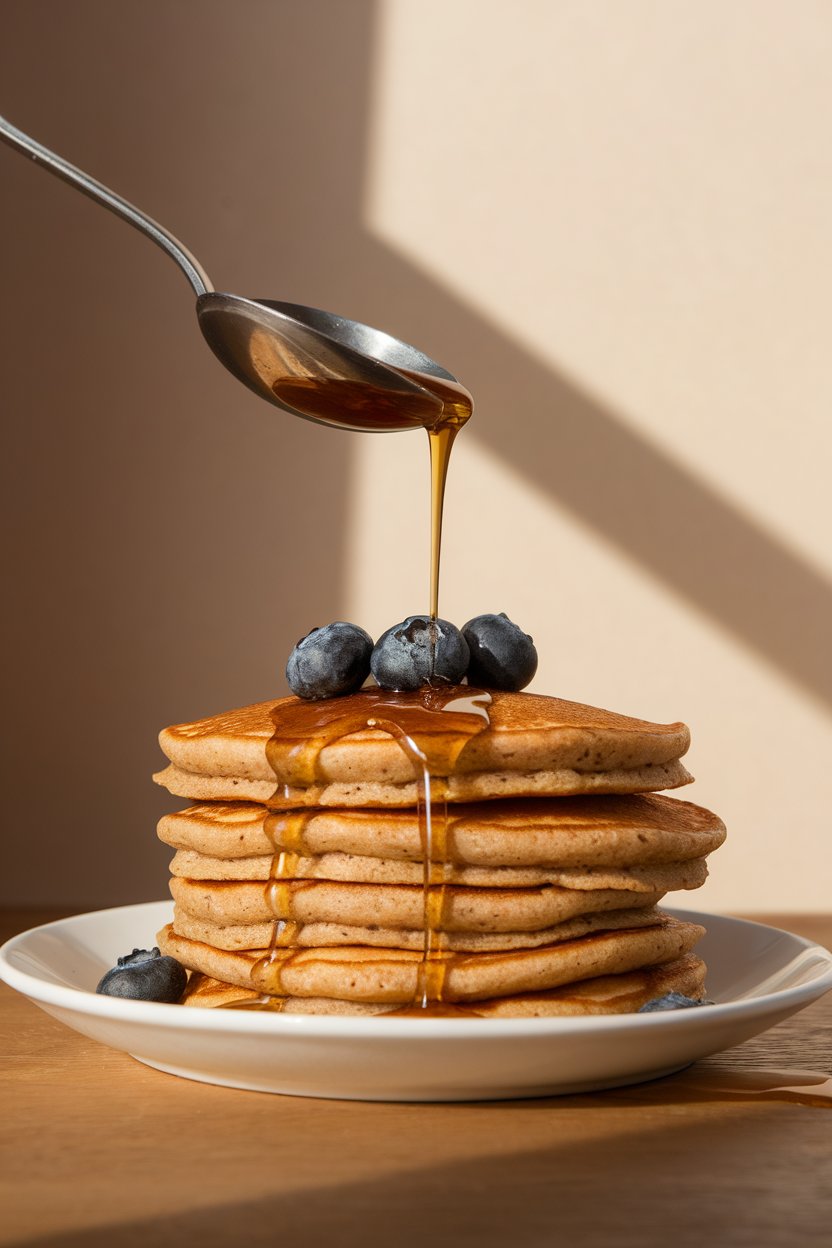
Pure maple syrup and honey bring antioxidants yet remain concentrated sugars. Limiting to two teaspoons imparts sweetness without turning breakfast into dessert. Fresh fruit compote offers color and fiber to stretch flavor further.
57. Top Pizza with Extra Veggies Before Baking
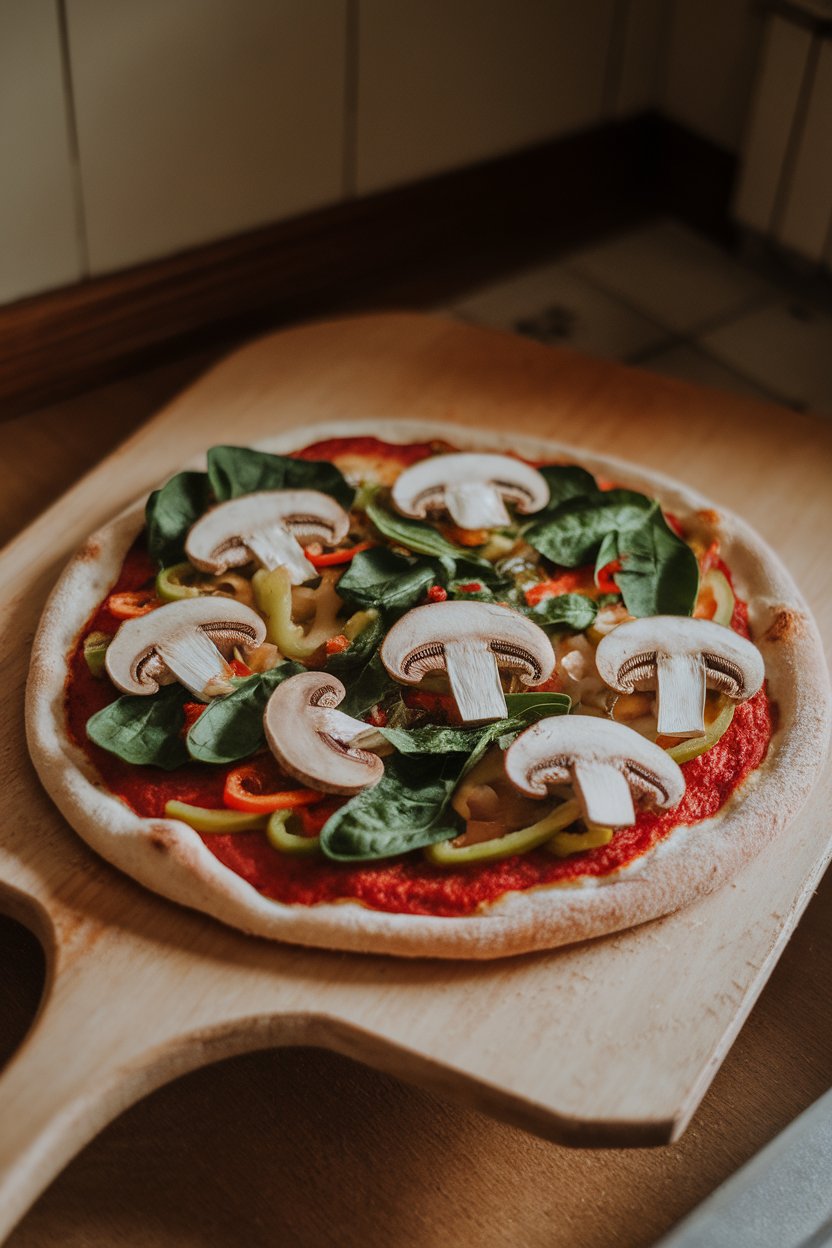
Doubling the vegetable layer reduces space for cheese while boosting vitamins. Pre-roasting watery veggies prevents soggy crusts and concentrates flavor. Enjoy two slices with a side salad for a restaurant-style portion at home.
58. Practice “Veg-First” Buffet Browsing
Loading produce early anchors the plate with low-calorie volume. By the time you reach richer offerings, limited space nudges smaller servings. Walk the entire buffet before spooning anything to plan balanced choices.
59. Replace Half the Sugar in Baking with Pureed Fruit
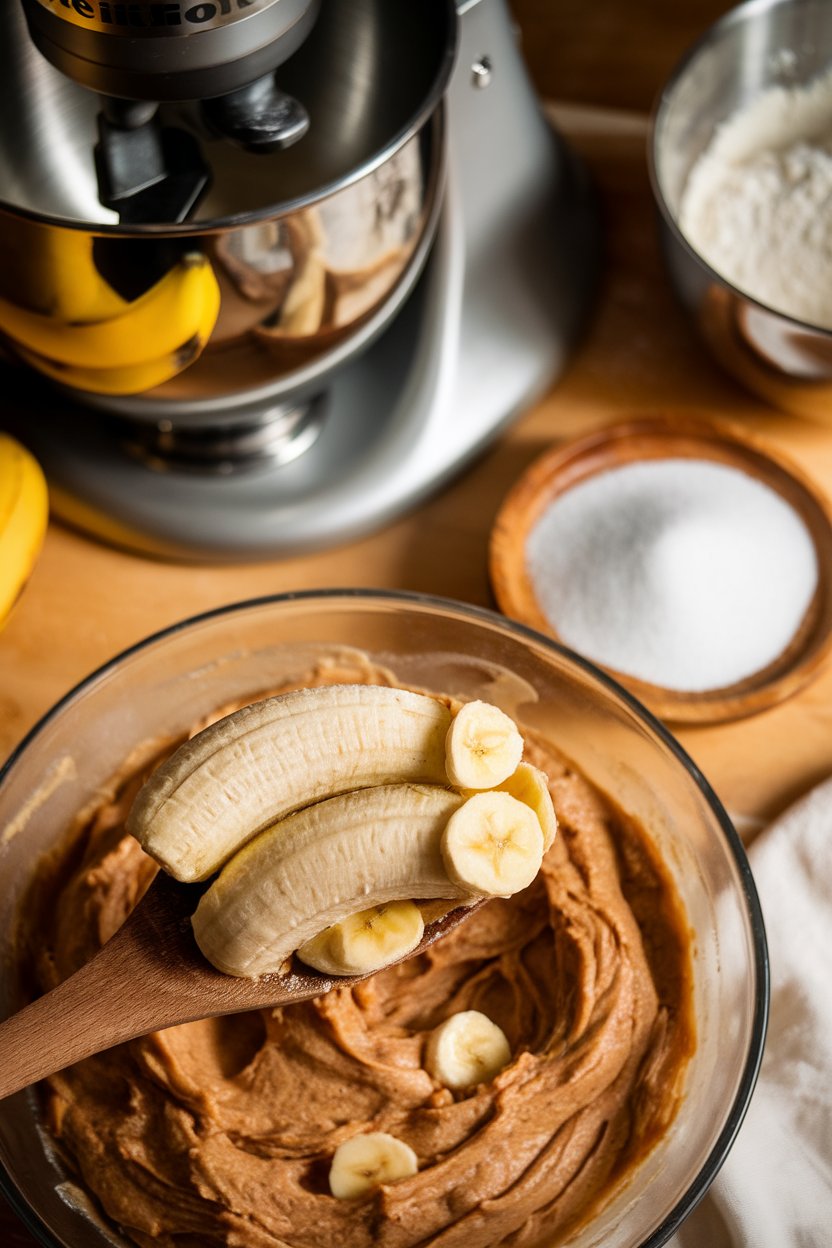
Applesauce, mashed bananas, or dates lend natural sweetness and moisture. Swapping out half the refined sugar cuts calories and boosts fiber. Expect a slightly denser crumb—still delicious with coffee or tea.
60. Portion Ice Cream with a Teacup, Not a Cereal Bowl

Downsizing dishware applies portion limits without rigid measuring. A teacup holds about half a cup—one standard ice-cream serving. Adding fruit or shaved dark chocolate elevates presentation and enjoyment.
61. Schedule Produce Prep Sessions
Blocking 30 minutes twice weekly to wash and chop produce makes weeknight cooking swift and stress-free. Prepared veggies become the default rather than the chore you skip. Consistency beats last-minute takeout in both nutrition and cost.
62. Keep a Food Scale Handy for Baking and Treats
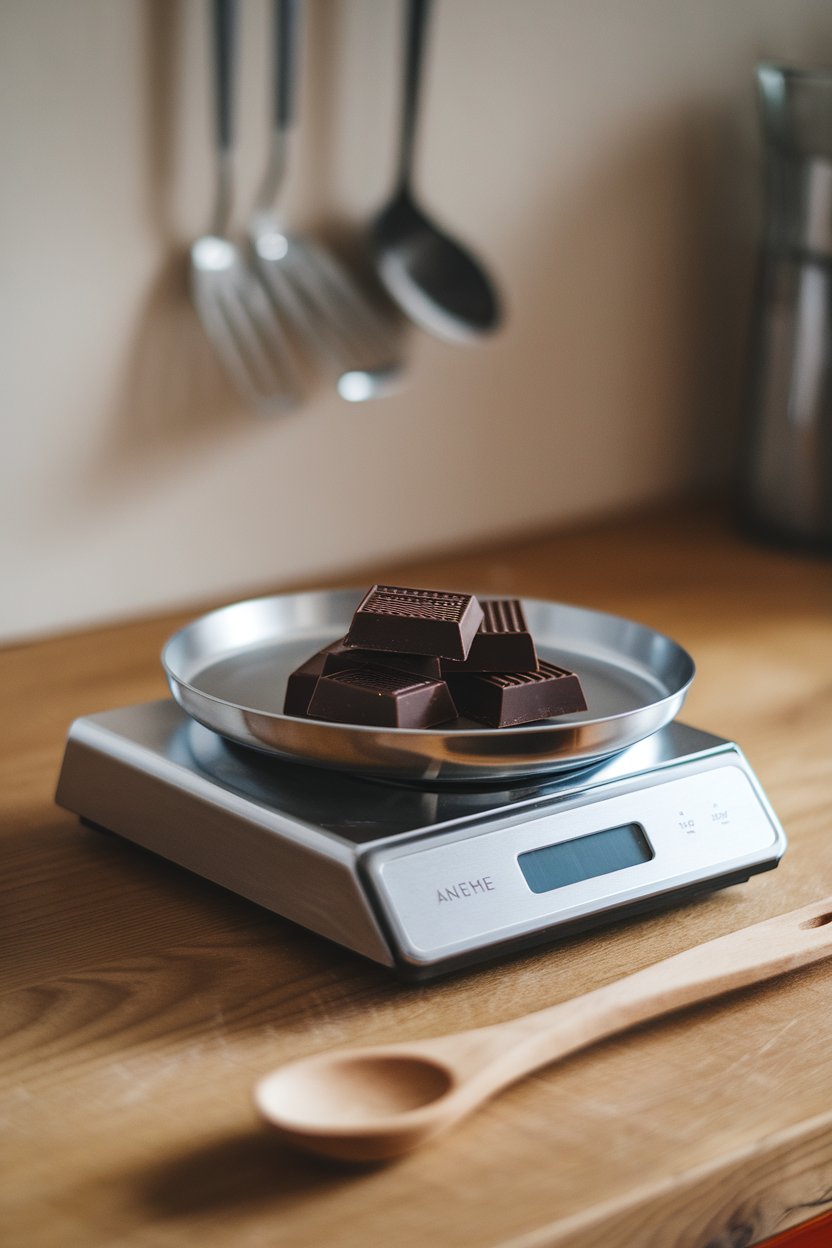
Sweets and baked goods are calorie-dense, so precision matters more than for leafy greens. Weighing chocolate chips, nuts, or flour keeps recipes accurate and portions sensible. Over time you’ll learn to eyeball amounts confidently.
63. Enjoy Alcohol with a Meal, Not Before
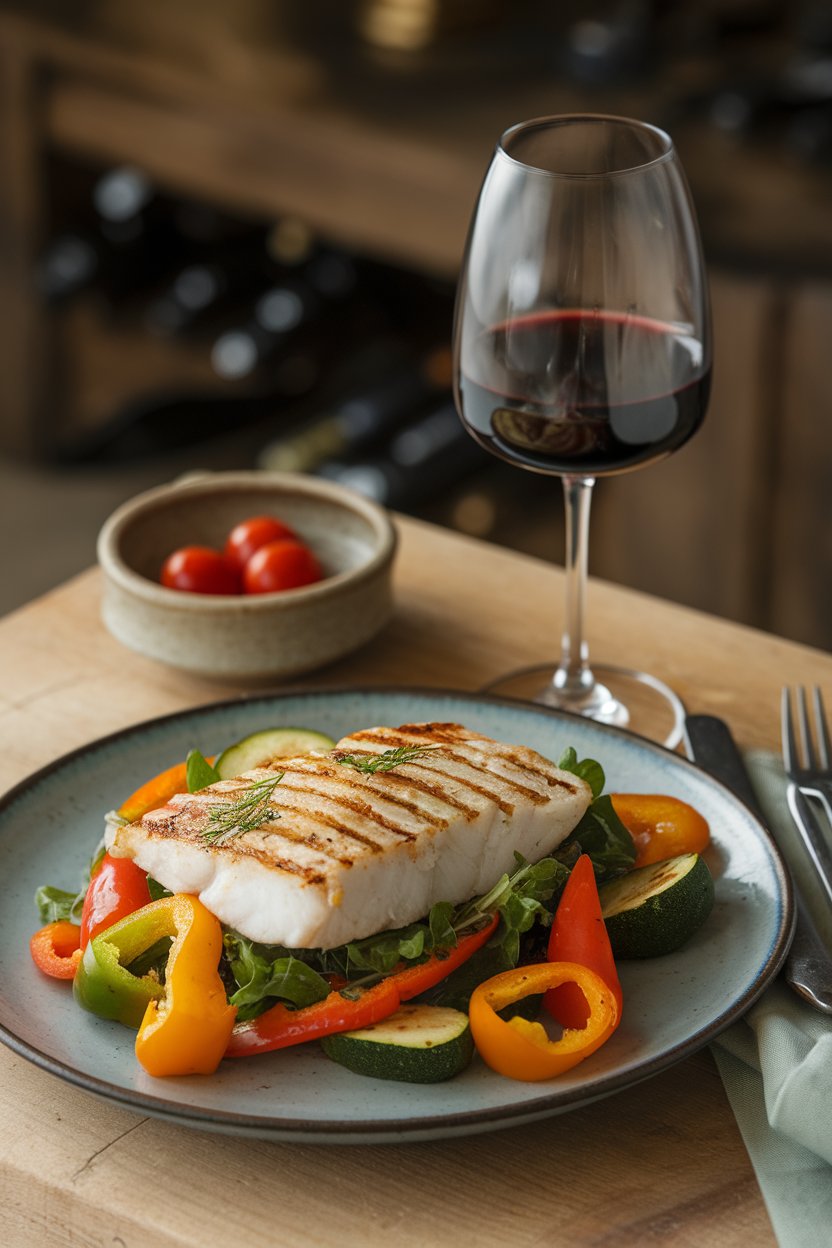
Sipping alcohol on an empty stomach can spark overeating later. Pairing wine or beer with food slows absorption and encourages sipping rather than gulping. Limiting to one standard drink also eases next-day recovery.
64. Plan “Leftovers Night” to Clear the Fridge
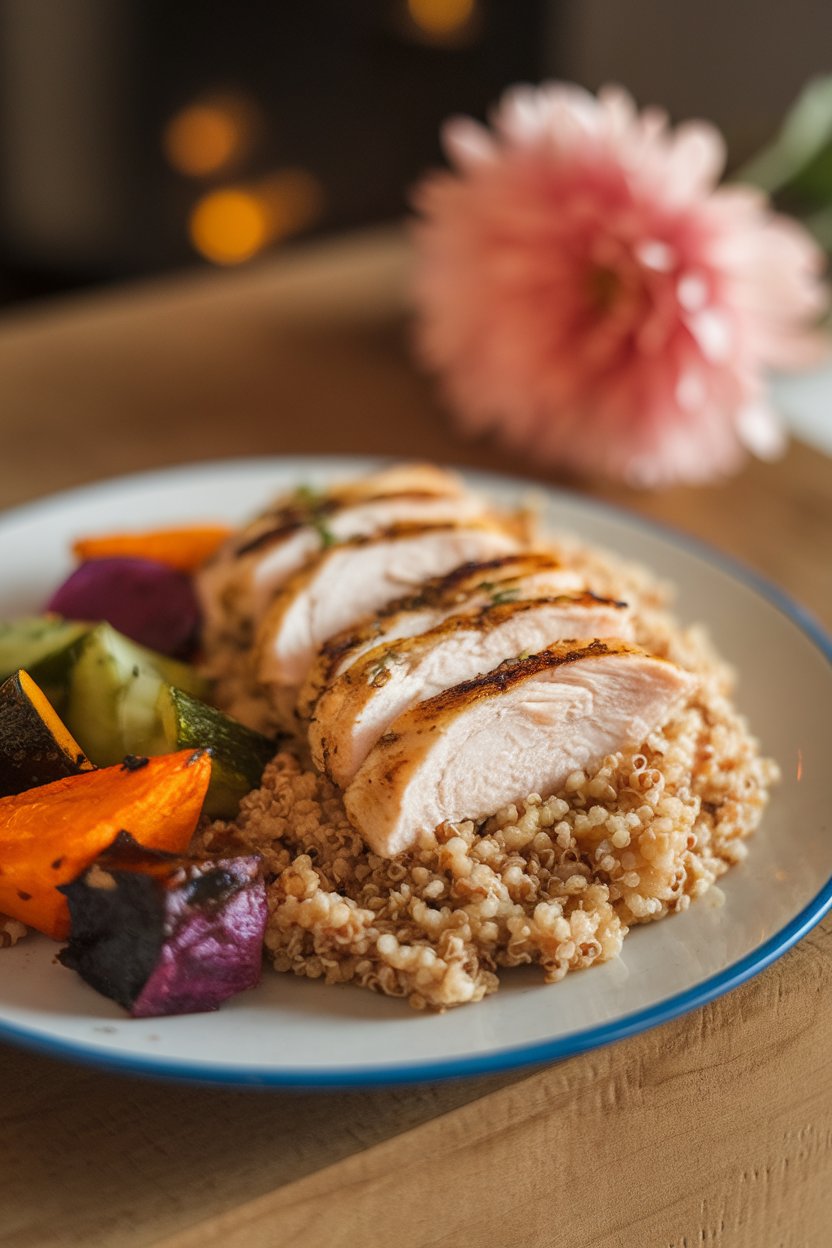
Designating one weekly dinner for leftovers prevents waste and keeps portions realistic since amounts are finite. Mix and match side dishes to create new flavor combos. This strategy also buys you an extra evening free from cooking.
65. Reflect on Hunger and Fullness with a 1–10 Scale
Checking in with physical cues before, during, and after eating builds awareness that guides portion sizes naturally. Aim to start meals around a 3 or 4 (hungry but not ravenous) and finish at about a 7 (comfortably satisfied). Over time, this mindful habit reduces overeating and fosters a healthy relationship with food.

Nathaniel Lee is an avid cook, drawing on his decades of home cooking and fine dining experience. He is a contributing chef at Mashed, and his recipes and contributions have been featured in Tasting Table, Edible Arrangements, Insanely Good Recipes, and The Daily Meal.