Clean eating isn’t a rigid diet—it’s a flexible way of choosing foods that make you feel good every day. By favoring minimally processed ingredients, planning ahead, and paying attention to portions, small habits quickly add up. The fifty ideas below can be mixed, matched, and revisited whenever you need inspiration. Pick a few this week, then build on your momentum for long-term success.
Contents
- 1. Start with Whole Foods First
- 2. Read Ingredient Lists, Not Just Calories
- 3. Shop the Perimeter of the Grocery Store First
- 4. Prep Produce Right After Shopping
- 5. Keep Healthy Snacks Visible
- 6. Drink a Glass of Water Before Other Beverages
- 7. Choose Whole Grains over Refined
- 8. Season with Herbs and Spices Instead of Excess Salt
- 9. Cook in Bulk on Sundays
- 10. Build Balanced Plates Using the ½-¼-¼ Rule
- 11. Practice Mindful Eating
- 12. Watch for Added Sugars
- 13. Swap Soda for Sparkling Water with Fruit
- 14. Pack Your Lunch
- 15. Eat the Rainbow
- 16. Include Lean Protein at Every Meal
- 17. Roast Instead of Fry
- 18. Learn Basic Portion Sizes
- 19. Use Smaller Plates and Bowls
- 20. Flavor with Healthy Fats Like Avocado and Olive Oil
- 21. Limit Processed Meats
- 22. Keep a Simple Food Journal
- 23. Plan Menus for the Week
- 24. Never Shop Hungry
- 25. Freeze Leftovers for Busy Days
- 26. Read Nutrition Labels for Sodium Content
- 27. Snack on a Small Handful of Nuts
- 28. Blend Smart Smoothies—Focus on Greens and Protein
- 29. Make Your Own Salad Dressings
- 30. Choose Seasonal Produce
- 31. Store Healthy Foods at Eye Level
- 32. Enjoy Dessert Mindfully Instead of Skipping It
- 33. Use Non-Stick Cookware to Reduce Extra Oil
- 34. Add Fermented Foods for Gut Health
- 35. Eat Before You’re Famished
- 36. Follow the 80/20 Guideline
- 37. Carry a Reusable Water Bottle Everywhere
- 38. Batch-Wash Salad Greens
- 39. Brighten Flavors with Citrus Instead of Extra Salt
- 40. Limit Alcohol to Special Occasions
- 41. Try Meatless Mondays
- 42. Experiment with Unfamiliar Vegetables
- 43. Learn Simple Knife Skills
- 44. Keep Canned Beans in the Pantry
- 45. Measure Cooking Oils
- 46. Listen to Hunger and Fullness Cues
- 47. Eat Slowly
- 48. Avoid Multitasking During Meals
- 49. Stock a Clean Pantry
- 50. Celebrate Small Wins
1. Start with Whole Foods First
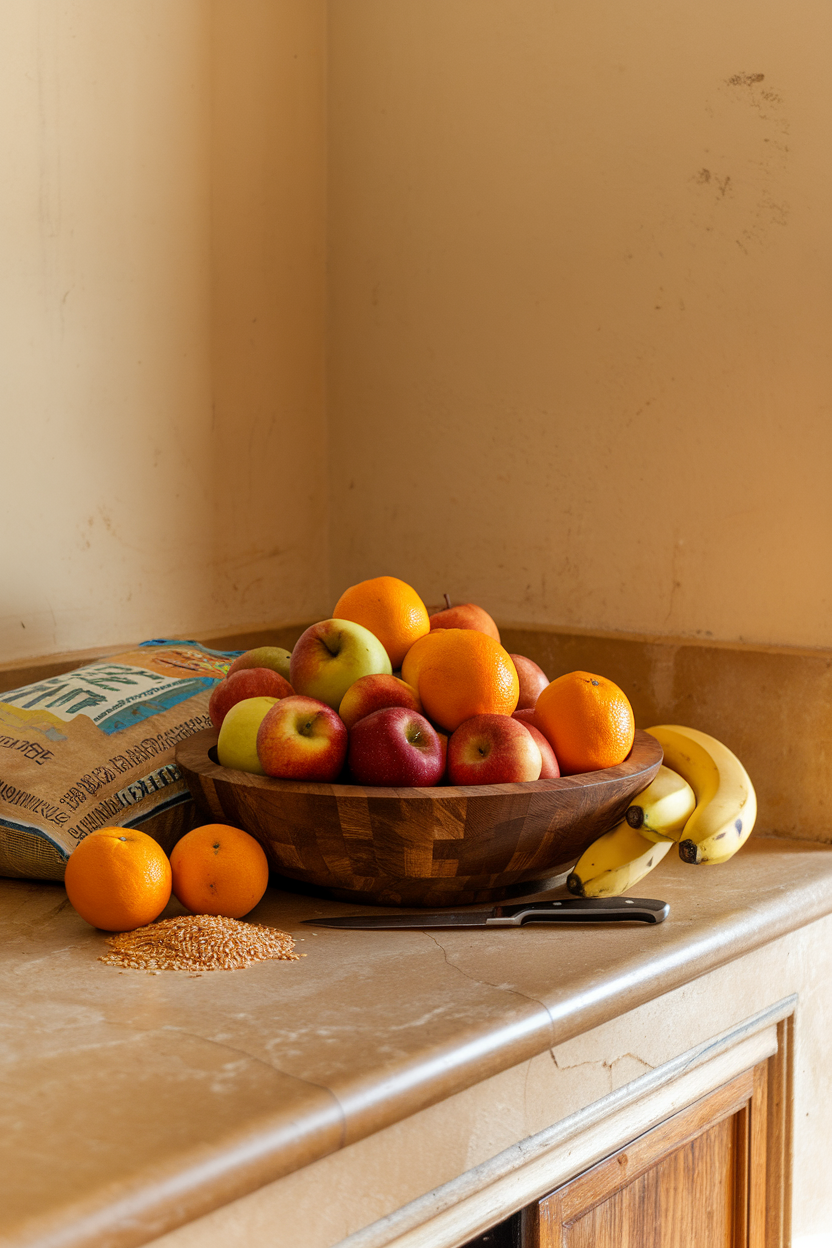
Base your meals around foods that look close to the way they grew—fruits, vegetables, whole grains, beans, nuts, and eggs. These ingredients supply fiber, vitamins, and minerals without added chemicals or excess sodium. When the bulk of your plate comes from whole foods, overall nutrition falls into place almost automatically.
2. Read Ingredient Lists, Not Just Calories
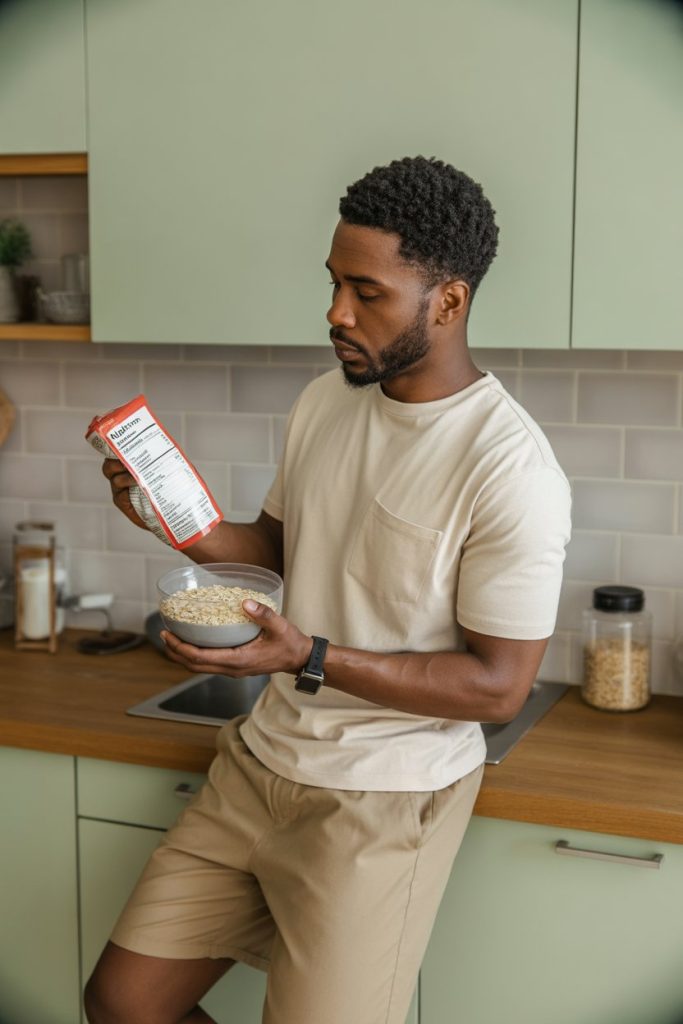
Scan the ingredient list before tossing packaged items into your cart. Short lists containing easily recognized foods usually signal fewer additives. If you spot words you wouldn’t cook with at home, think twice before buying.
3. Shop the Perimeter of the Grocery Store First
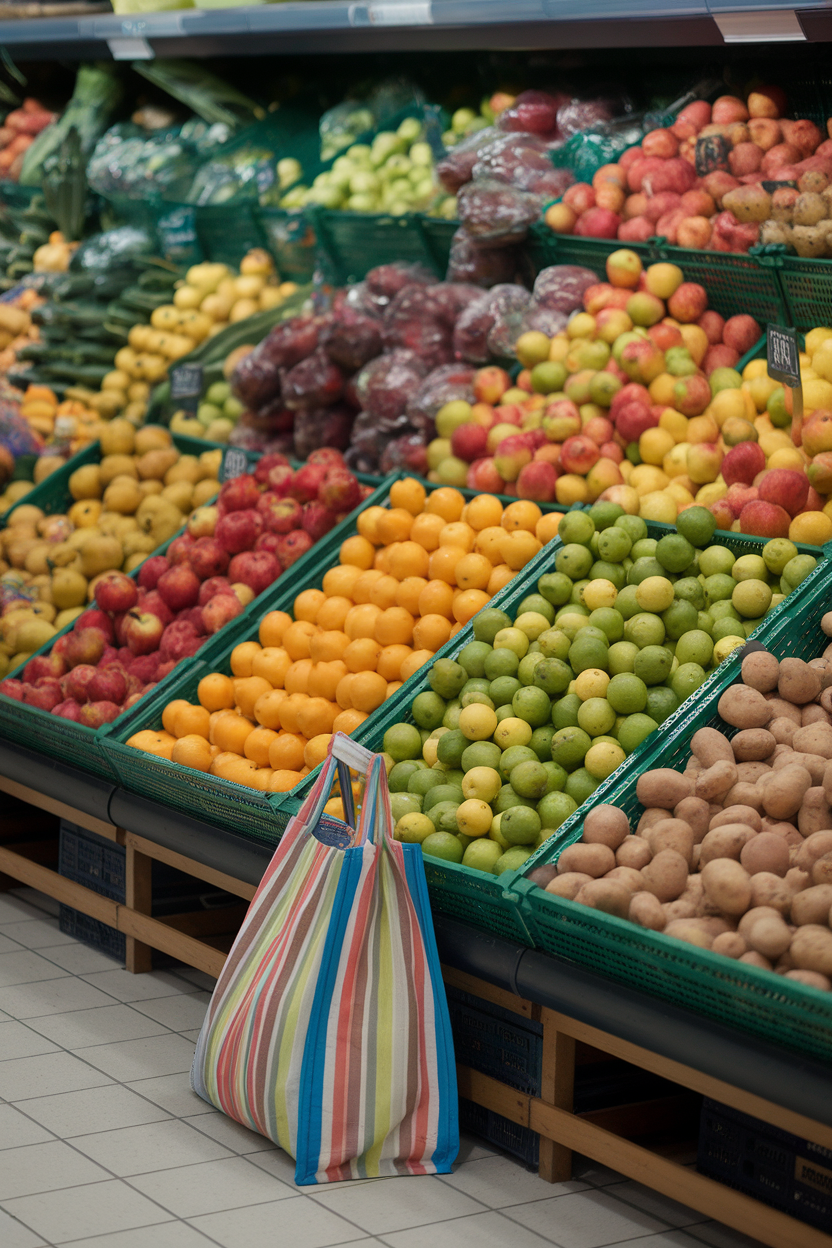
Fresh produce, dairy, and proteins are typically arranged around the edges of the market. Starting there helps fill your cart with nutrient-dense items before you reach the processed sections. You’ll spend less time debating over sugary cereals and more time choosing crisp veggies.
4. Prep Produce Right After Shopping
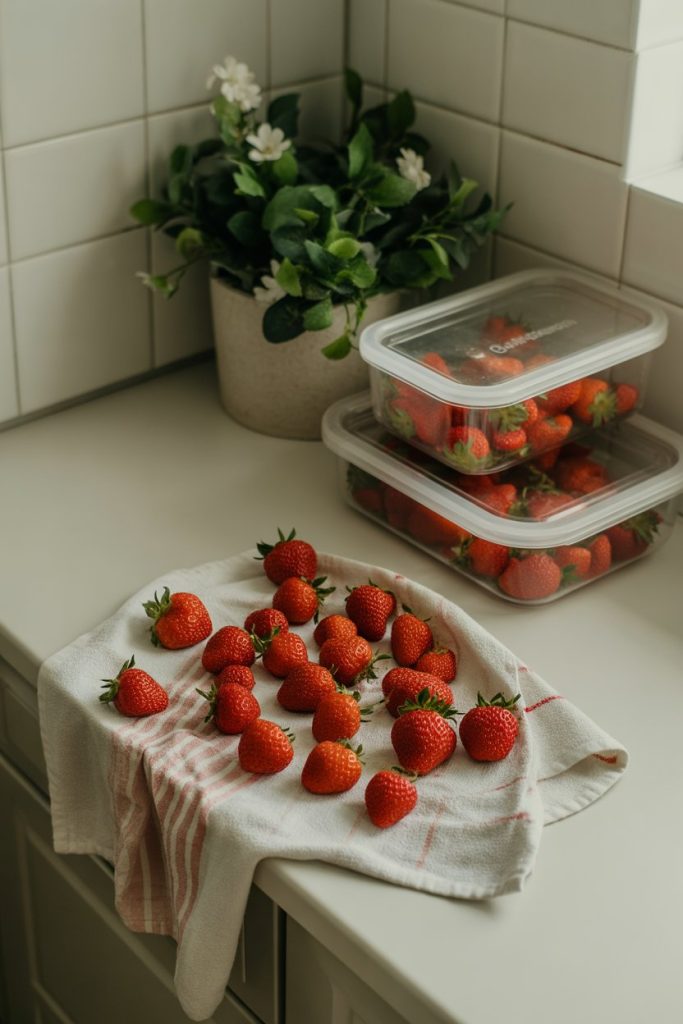
Wash, dry, and chop fruits and vegetables as soon as you unpack groceries. Ready-to-eat produce encourages snacking and saves weeknight prep time. It also prevents forgotten greens from wilting in the crisper.
5. Keep Healthy Snacks Visible
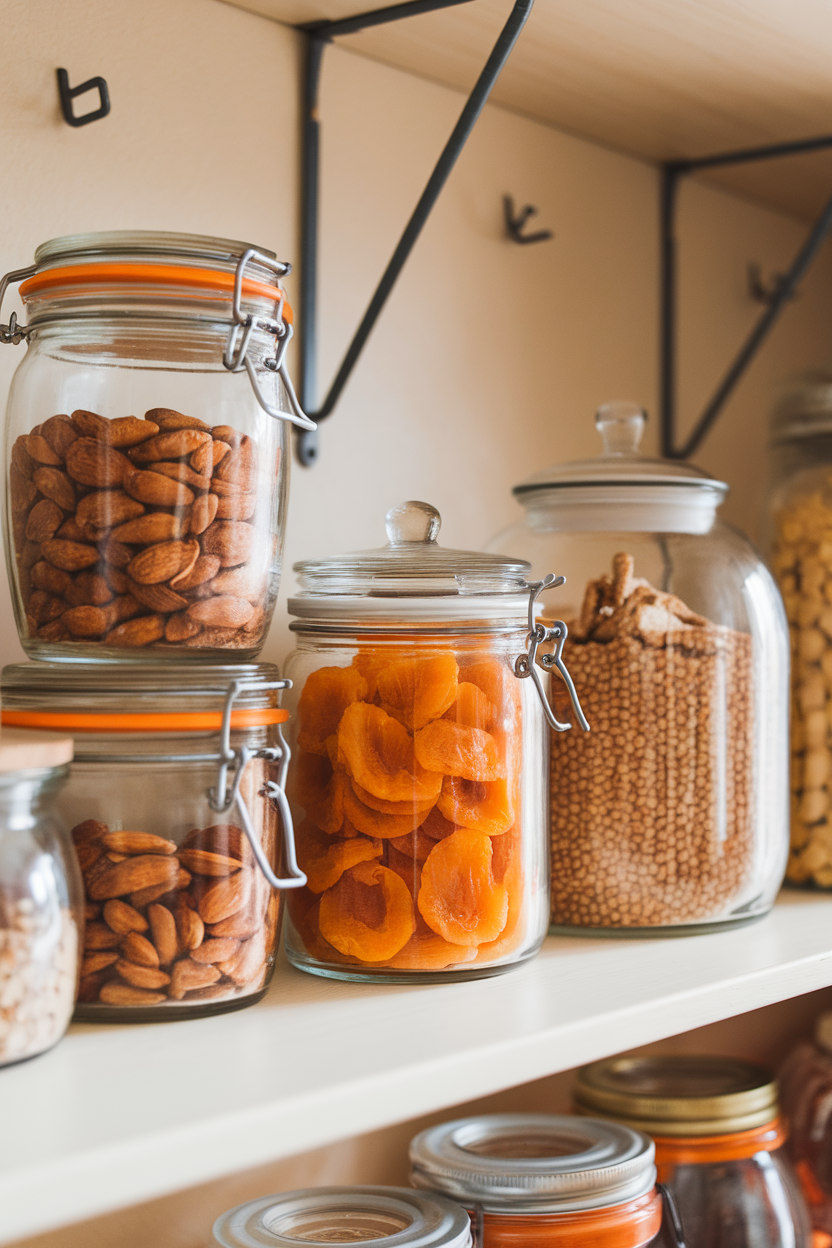
Place nourishing munchies where you’ll see them first: bowls on the counter or front-row fridge containers. Hiding chips behind a door makes them easier to skip. Visual cues gently nudge you toward smarter choices each day.
6. Drink a Glass of Water Before Other Beverages
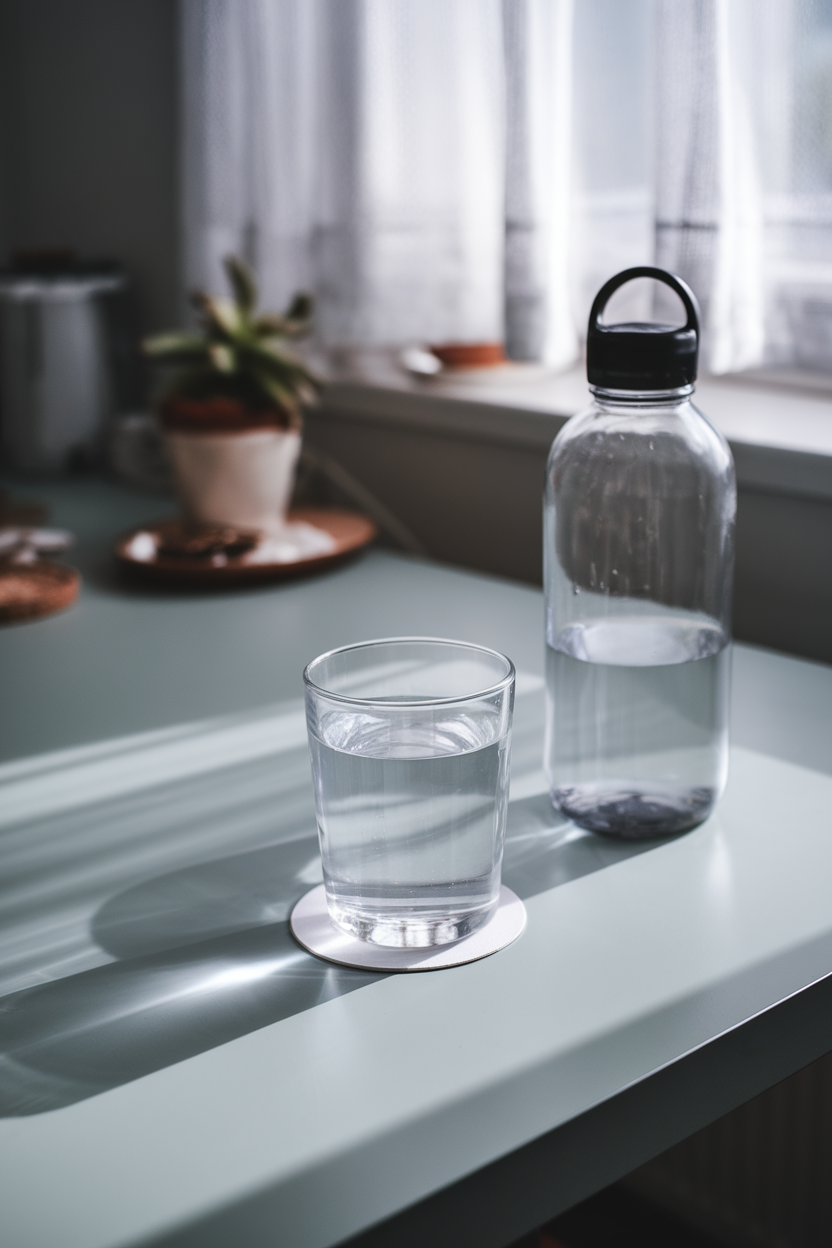
Hydration can feel like hunger, leading to extra snacking. Sipping water first often eases cravings and supports digestion. Flavor it with lemon or cucumber slices if plain water feels boring.
7. Choose Whole Grains over Refined
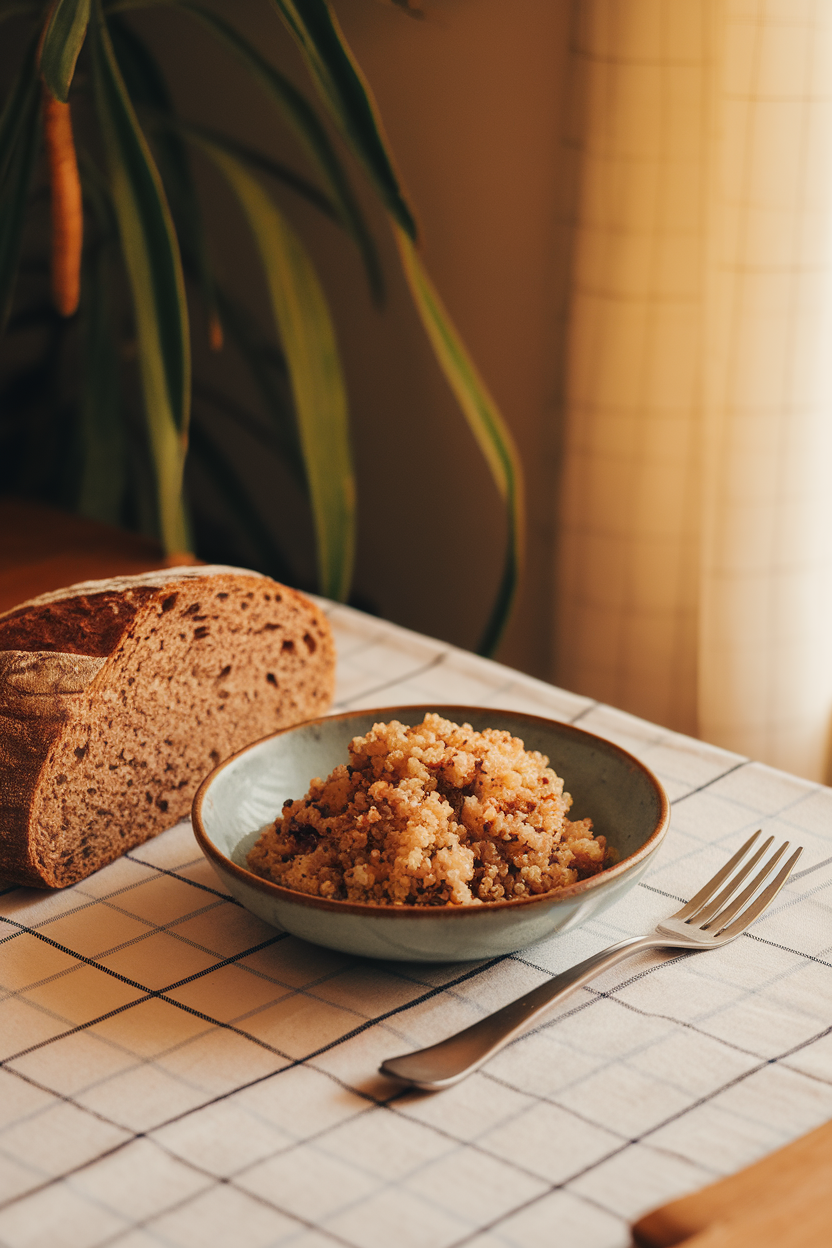
Whole grains retain the bran and germ, giving you extra fiber and B vitamins. Swap white rice for brown or quinoa, and try oats instead of sugary cereals. The extra fiber steadies blood sugar and keeps you full longer.
8. Season with Herbs and Spices Instead of Excess Salt
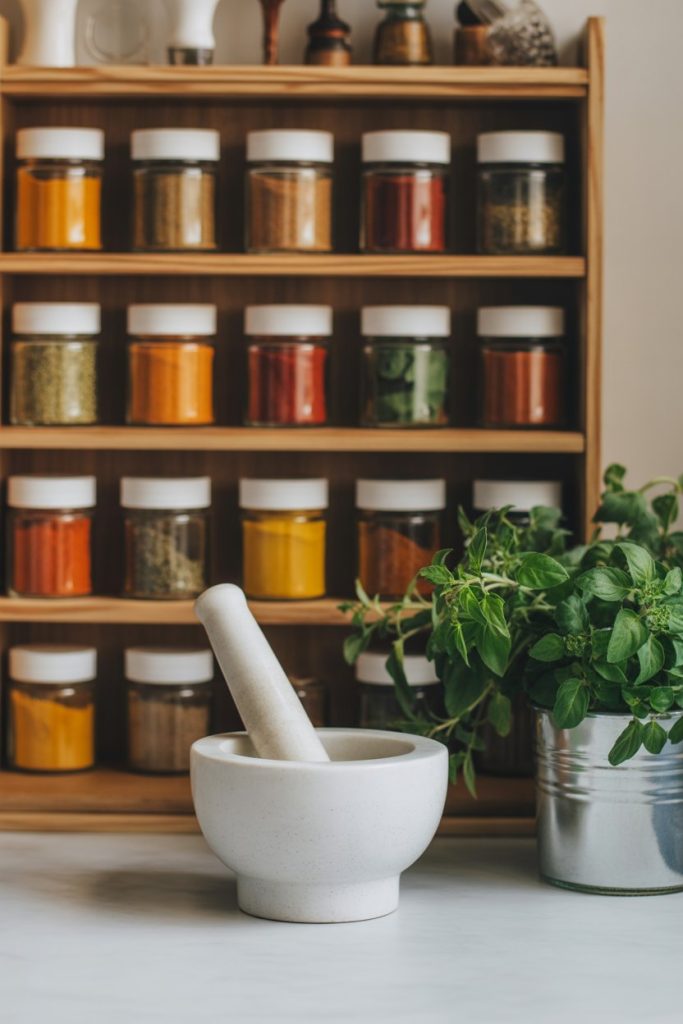
Dried and fresh herbs add layers of flavor while keeping sodium in check. Experiment with cumin, rosemary, or fresh basil to find new favorite combinations. Your taste buds adjust quickly, and you’ll begin to notice the subtle flavors of each ingredient.
9. Cook in Bulk on Sundays
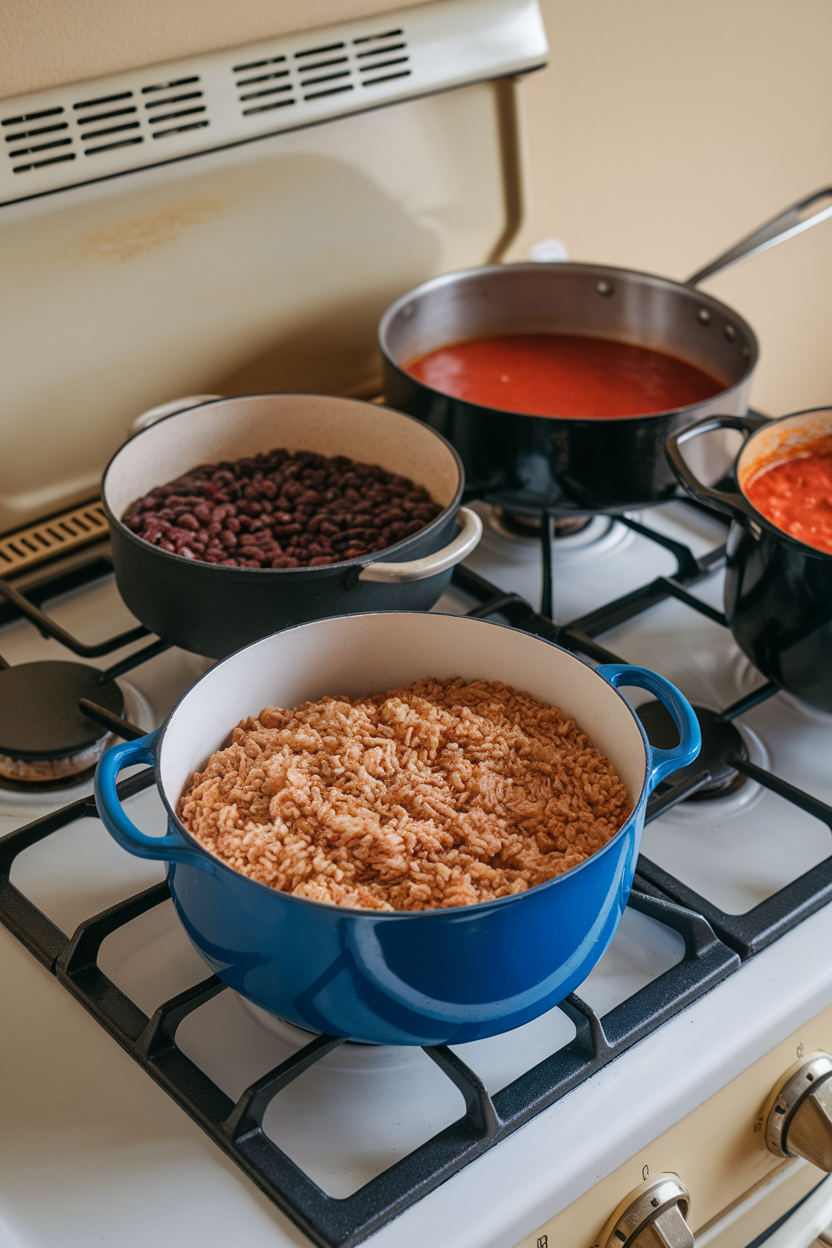
A weekend cooking session sets you up for effortless weekday meals. Prepare staples like grains, beans, and roasted vegetables, then store them in airtight containers. Mix and match through the week to create bowls, salads, and wraps in minutes.
10. Build Balanced Plates Using the ½-¼-¼ Rule
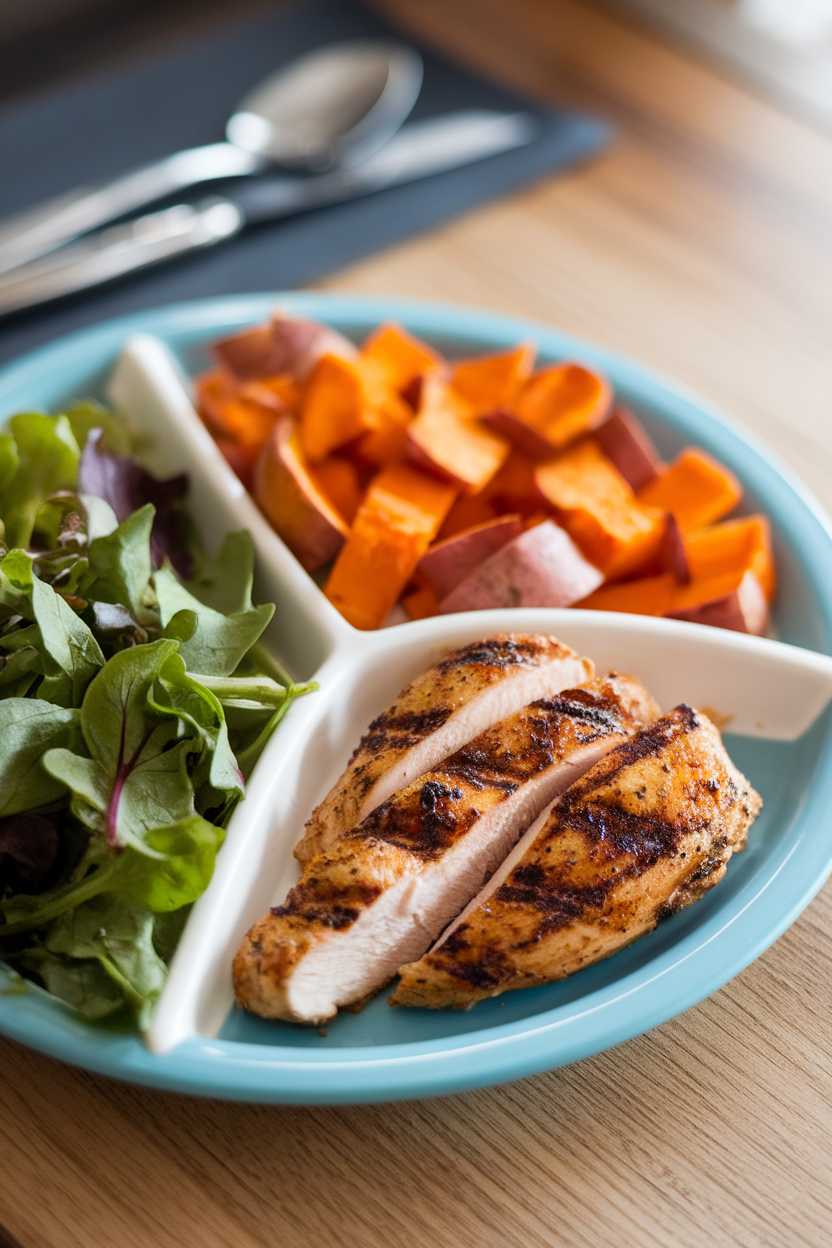
Fill half your plate with produce, a quarter with lean protein, and the last quarter with whole grains or starchy vegetables. This simple layout guarantees a mix of nutrients at every meal. It also helps portion sizes stay reasonable without strict weighing.
11. Practice Mindful Eating
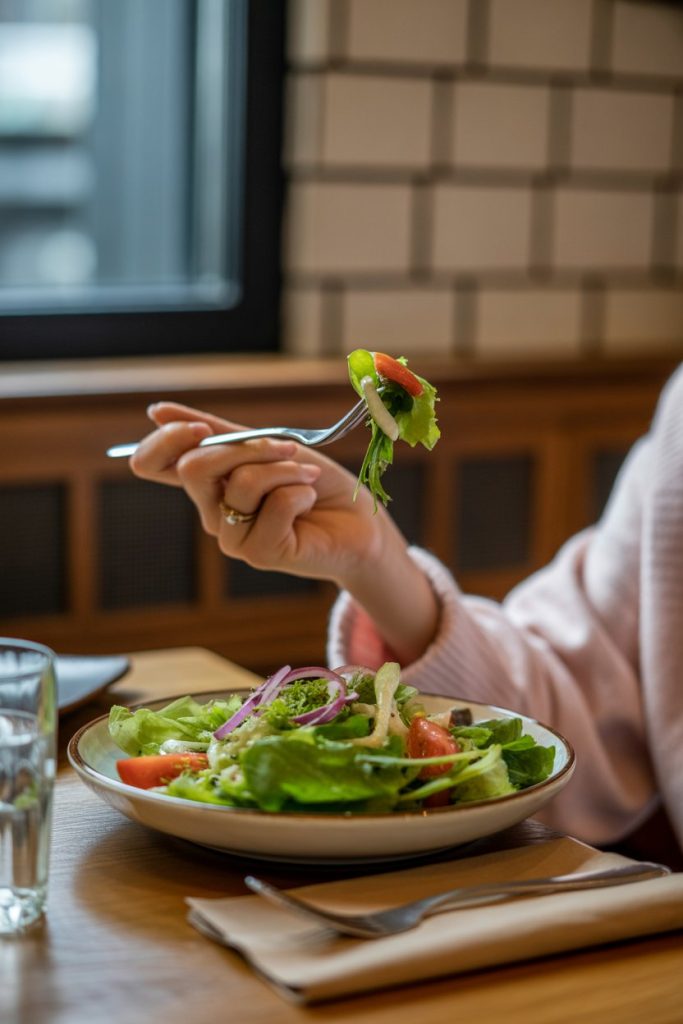
Slow down, chew thoroughly, and savor each bite. Mindful habits make it easier to notice fullness cues, preventing overeating. Turning off screens during meals keeps the focus on flavor and conversation.
12. Watch for Added Sugars
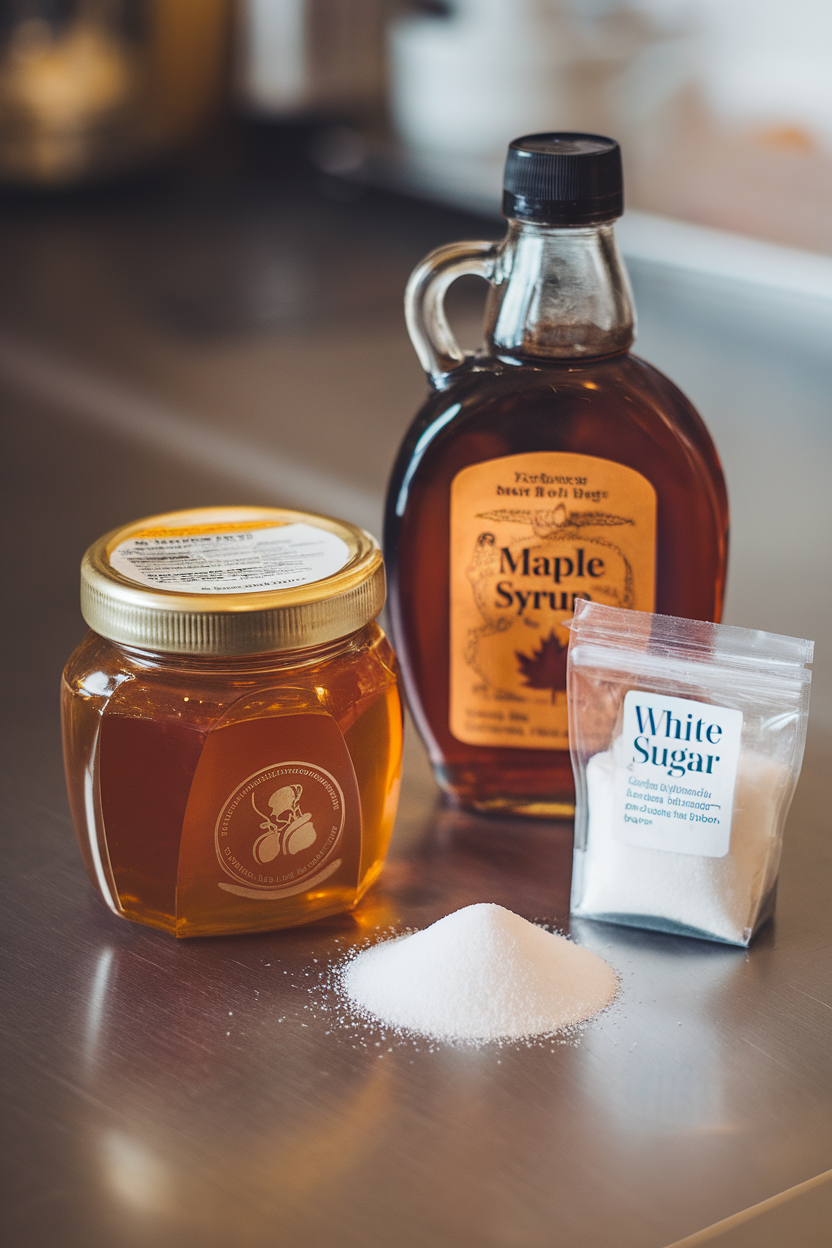
Sweeteners lurk in yogurt, sauces, and even bread. Scan labels for words ending in “-ose” or phrases like corn syrup. Prioritize foods with five grams or less of added sugar per serving when possible.
13. Swap Soda for Sparkling Water with Fruit

Carbonation scratches the same itch as soda without the sugar crash. Add frozen berries or citrus wedges for natural flavor. Over time, cravings for sugary drinks fade considerably.
14. Pack Your Lunch
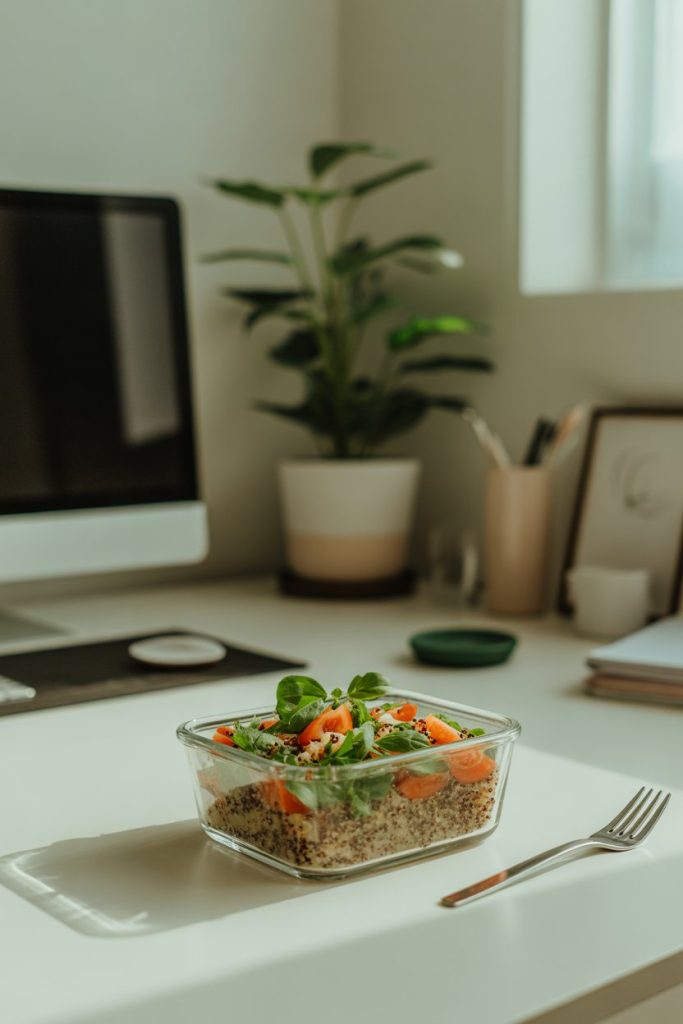
Homemade lunches let you control ingredients and portion sizes. They also save money compared with daily takeout. A little evening prep eliminates mid-day search for healthy options.
15. Eat the Rainbow
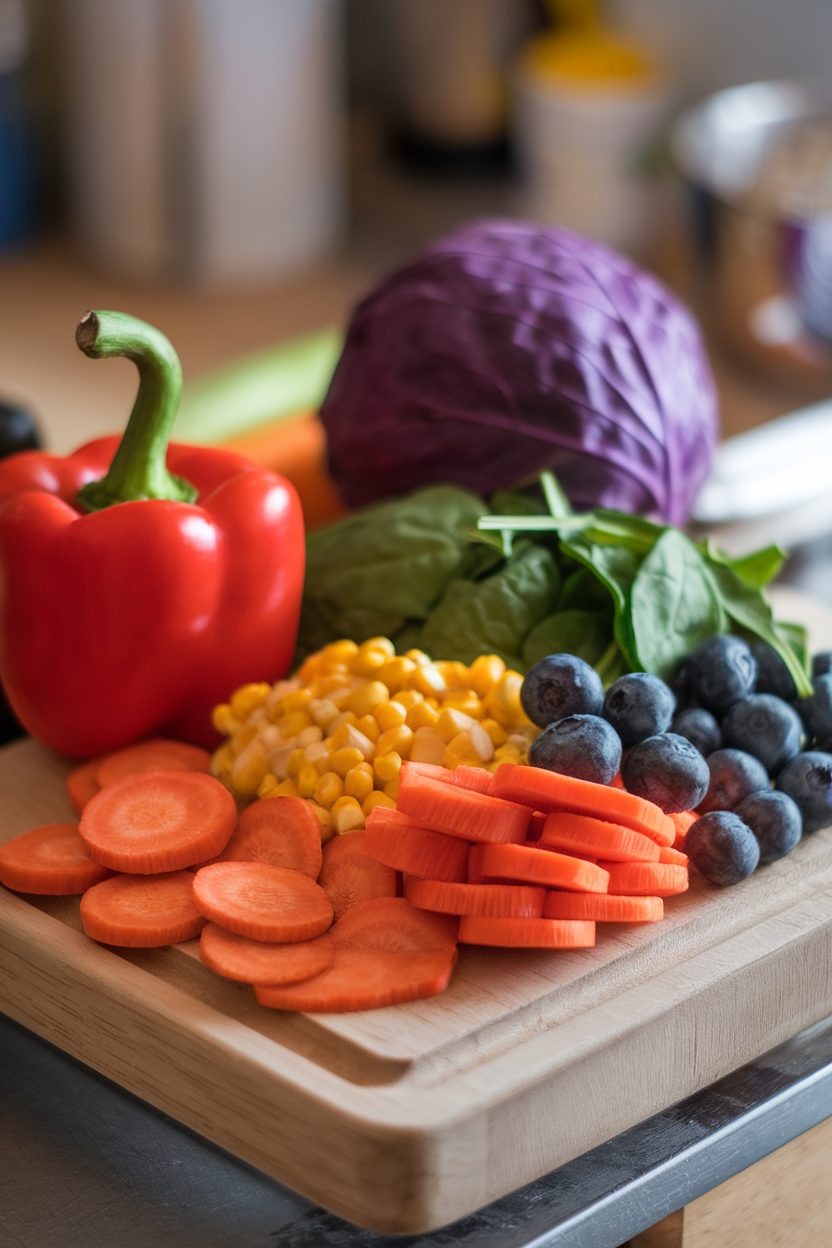
Different colors signal varied antioxidants and phytochemicals. Aim for at least three hues on your plate to cover a broad nutrient range. The visual appeal keeps meals exciting, too.
16. Include Lean Protein at Every Meal
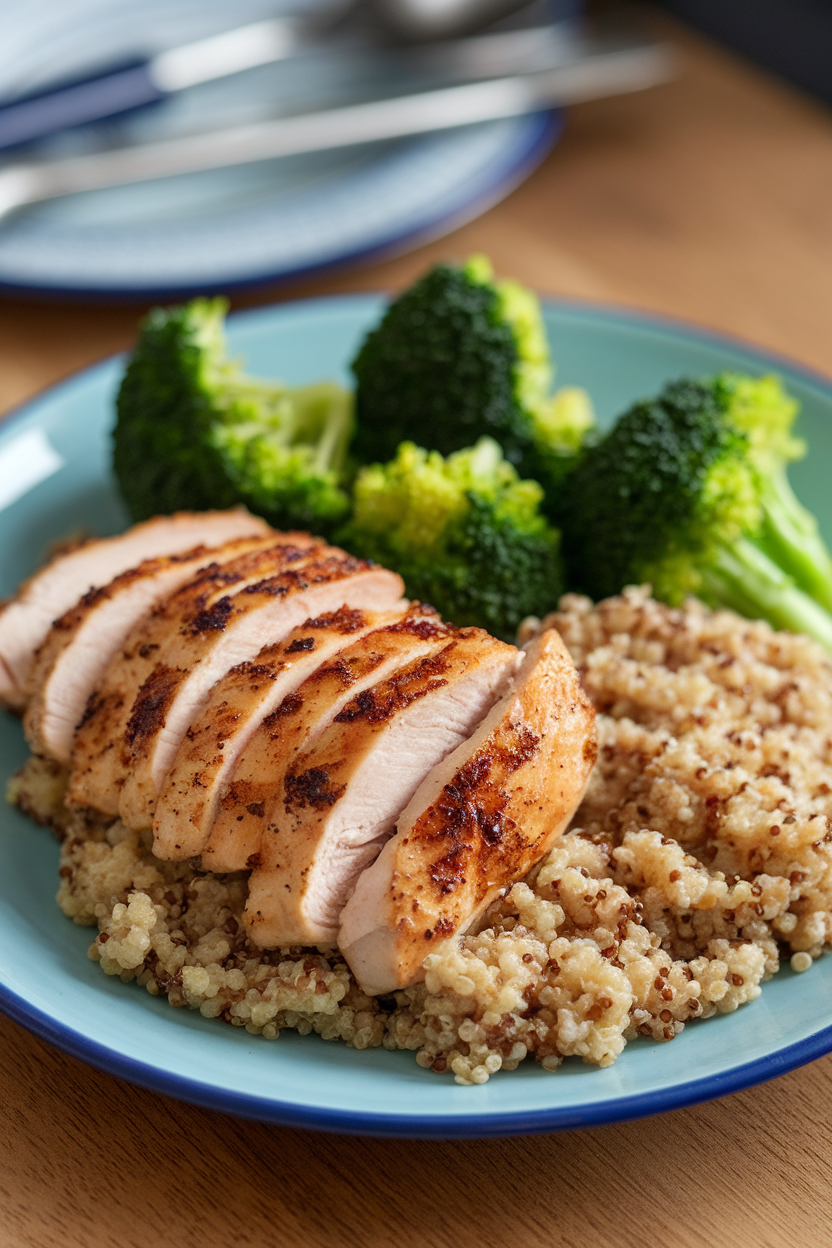
Protein supports muscle repair and satiety. Options like poultry, fish, legumes, tofu, and Greek yogurt fit most budgets and diets. Spreading protein intake throughout the day helps maintain stable energy.
17. Roast Instead of Fry
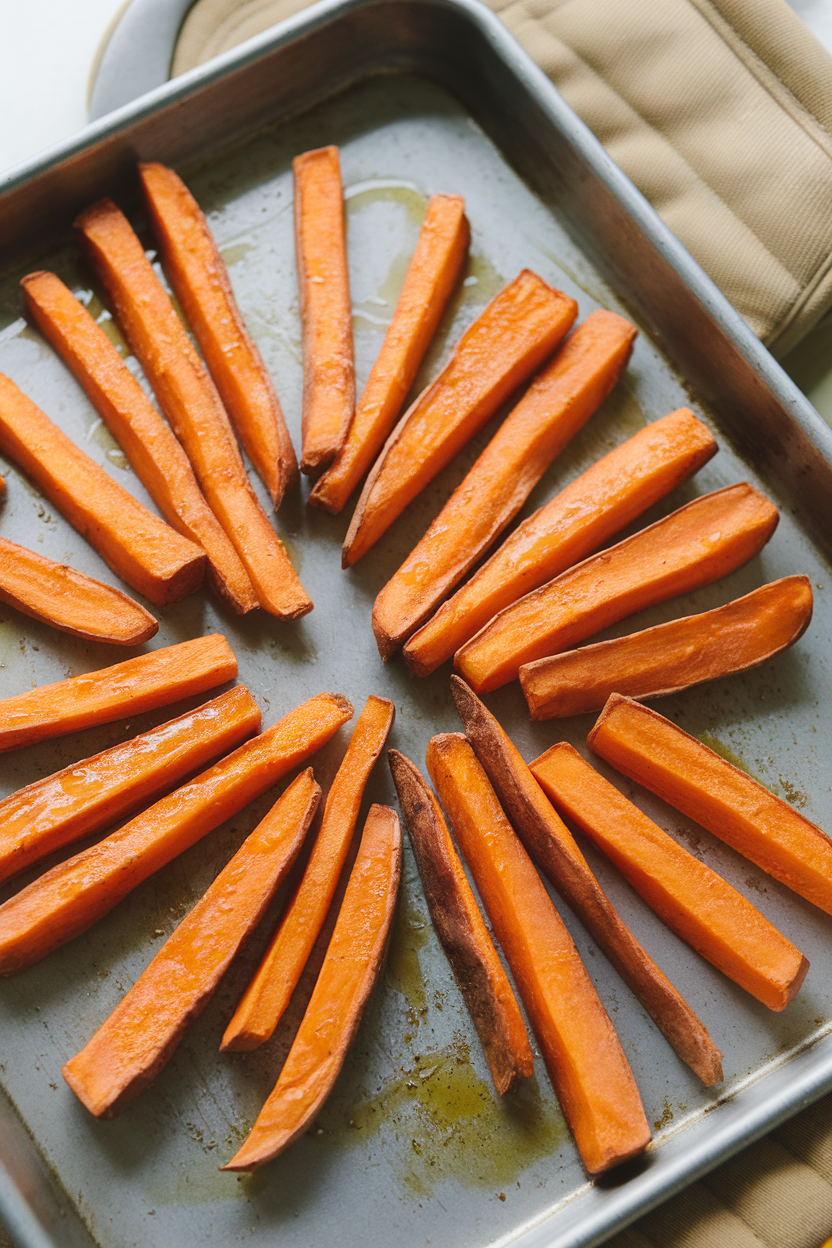
Dry heat concentrates flavors and creates crisp edges without a vat of oil. Toss veggies or lean meats in a light coating of healthy fat and seasonings, then bake until golden. Cleanup is simpler and your kitchen won’t smell like deep fry oil.
18. Learn Basic Portion Sizes
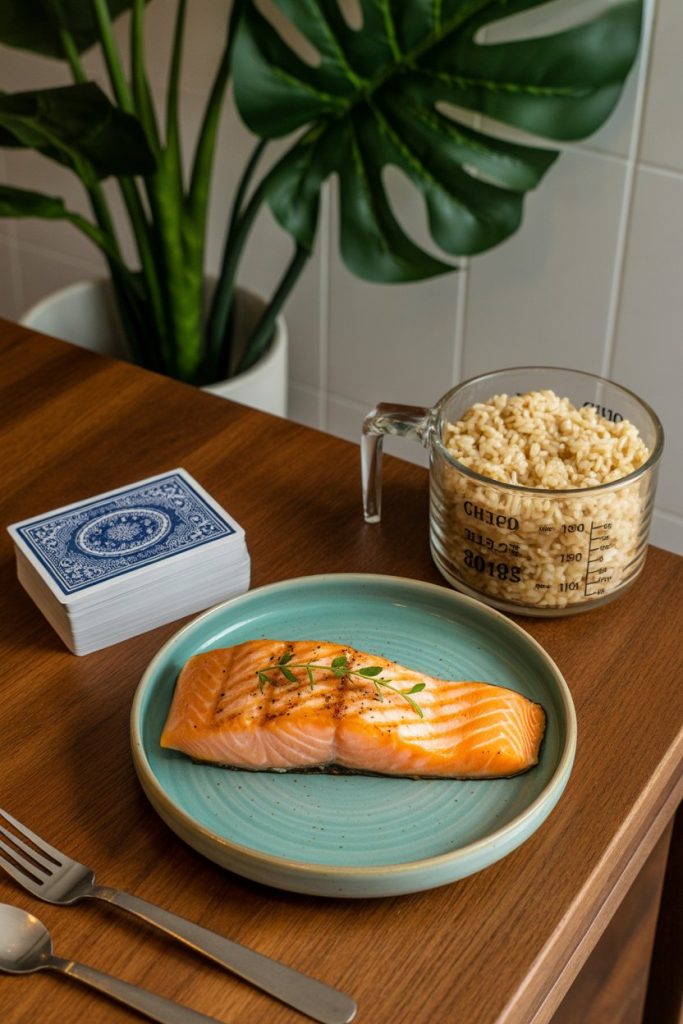
Visual cues such as a fist for veggies or a deck of cards for meat help gauge serving sizes without a scale. Familiarity prevents accidental overeating even with healthy foods. Adjust as needed for your activity level and goals.
19. Use Smaller Plates and Bowls
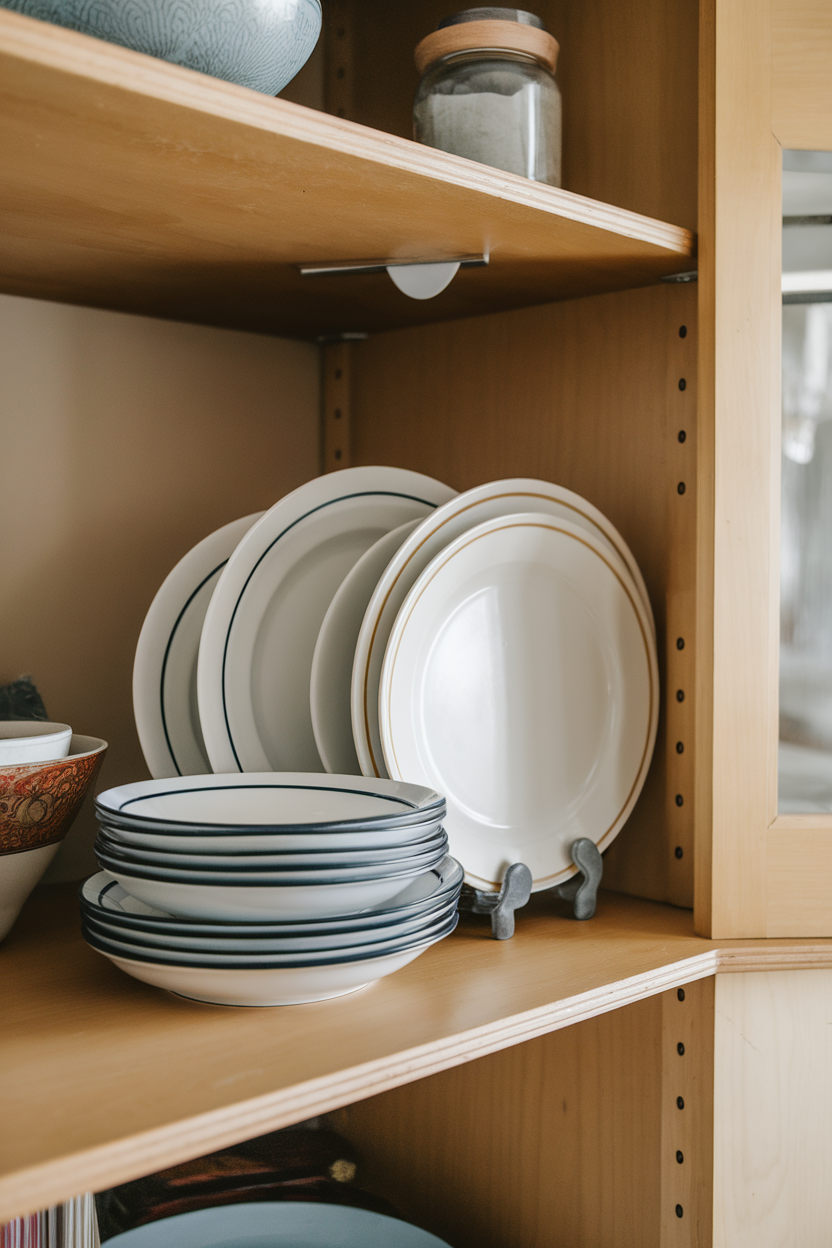
Plate size influences how much food looks like “enough.” Downsizing by even two inches often reduces portions naturally. You’ll feel satisfied because the plate still appears full.
20. Flavor with Healthy Fats Like Avocado and Olive Oil
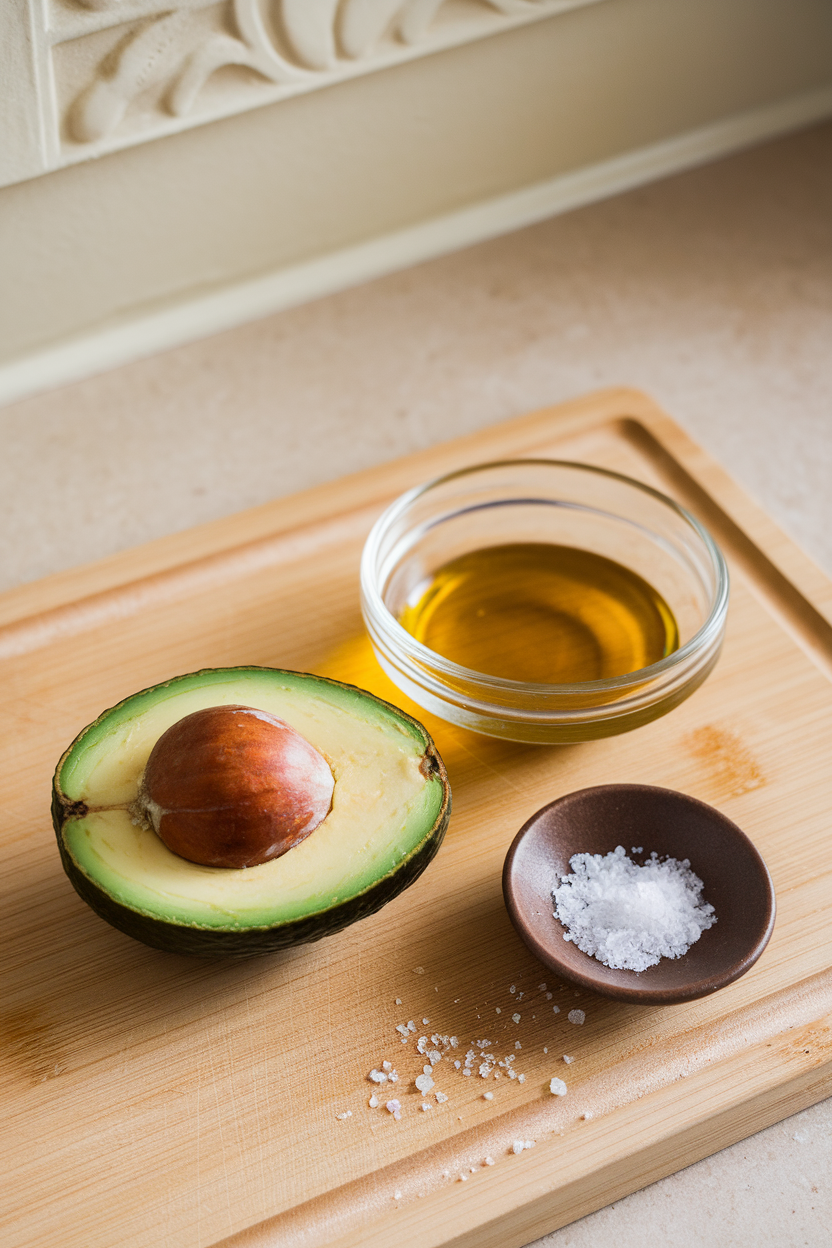
Monounsaturated fats support heart health and keep meals satisfying. Drizzle olive oil over roasted vegetables or mash avocado onto toast. A modest amount enhances flavor without excessive calories.
21. Limit Processed Meats
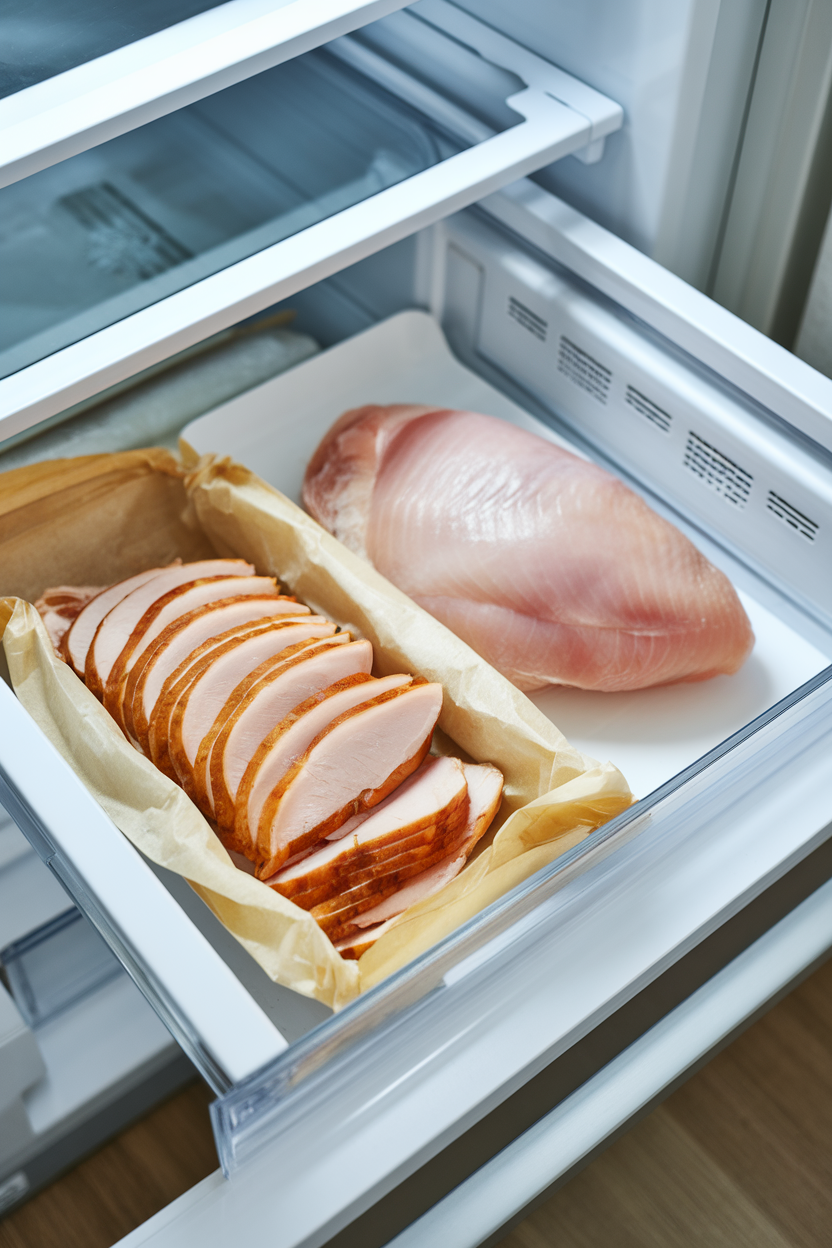
Hot dogs and cured deli meats often contain sodium and preservatives. Opt for freshly cooked poultry, fish, or bean spreads instead. When you do choose deli meat, look for “no nitrate” and low-sodium options.
22. Keep a Simple Food Journal
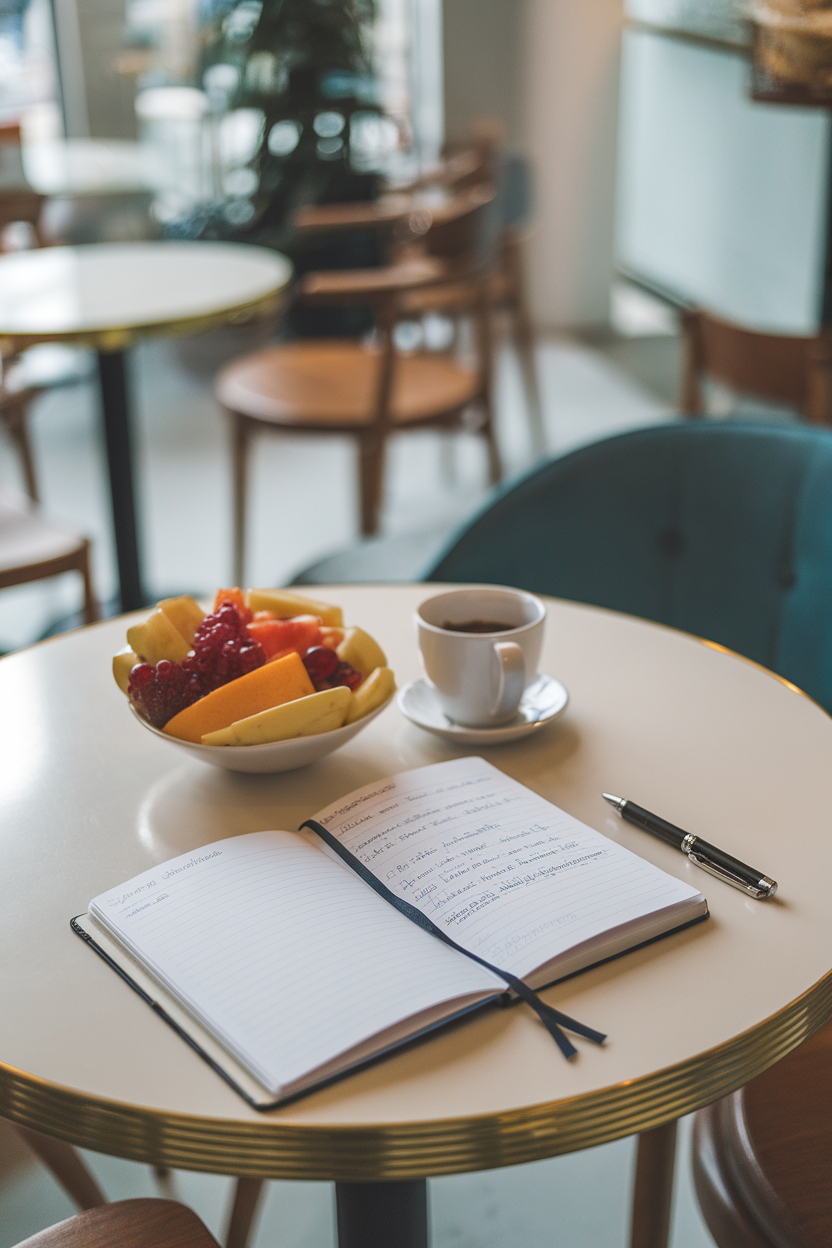
Writing down meals increases awareness of habits and emotional triggers. Even a short list in your phone can reveal patterns like afternoon mindless snacking. Use insights to make gradual tweaks rather than drastic overhauls.
23. Plan Menus for the Week
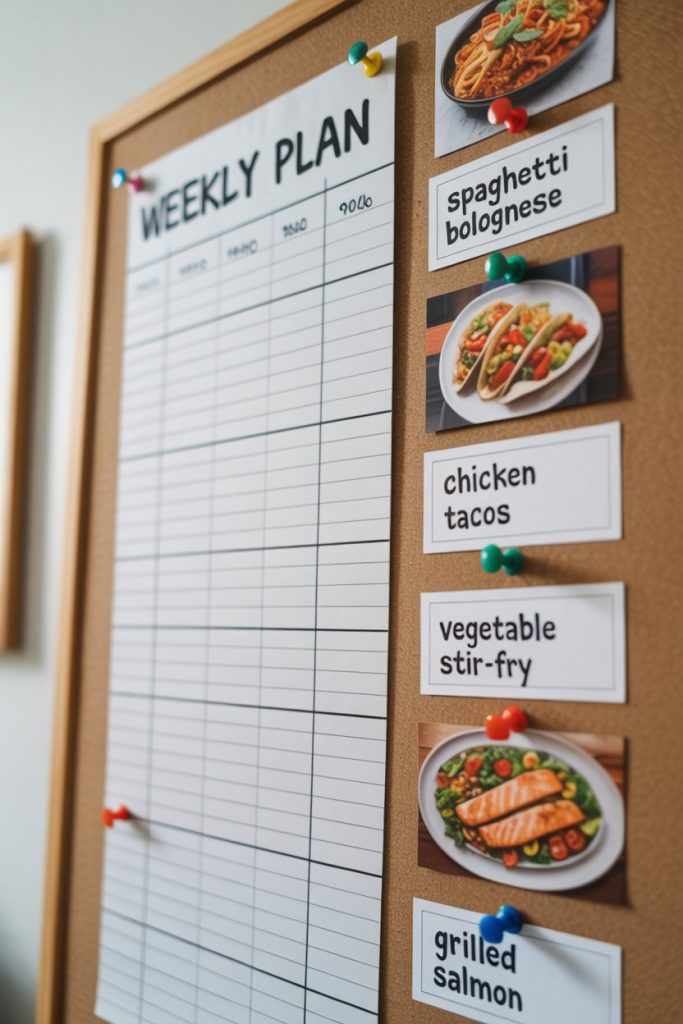
Mapping dinners ahead reduces stress and impulse takeout orders. Check your calendar for busy nights, then slot in quick recipes or leftovers. A plan also streamlines grocery shopping and cuts food waste.
24. Never Shop Hungry
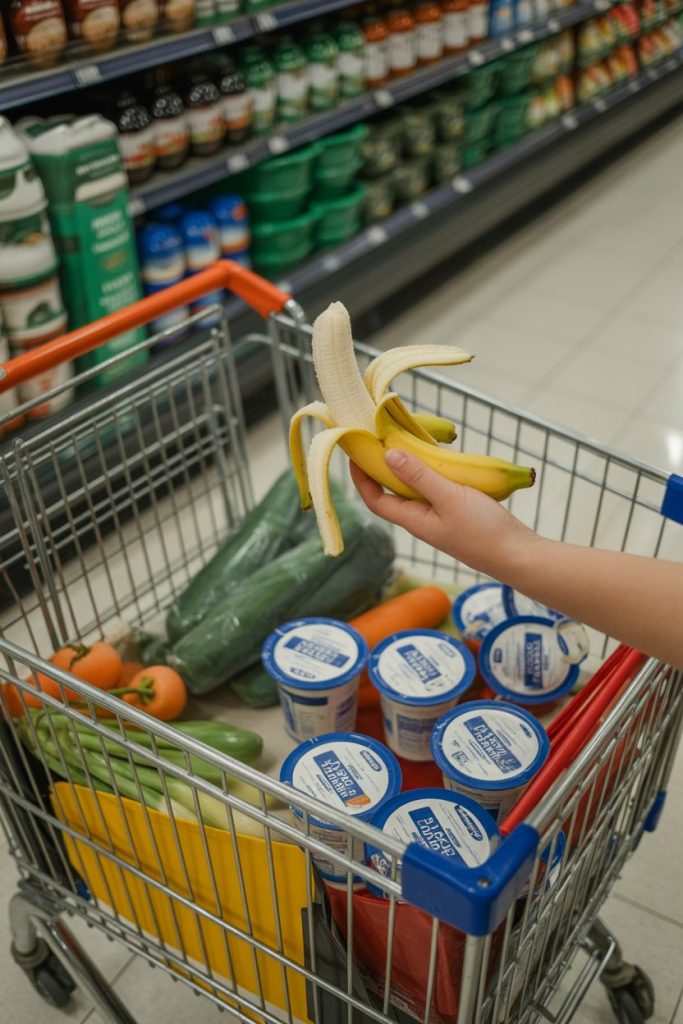
A small snack before hitting the store keeps cravings at bay. You’re less likely to load up on sugary or salty convenience items. Stick to your list and budget with a satisfied stomach.
25. Freeze Leftovers for Busy Days
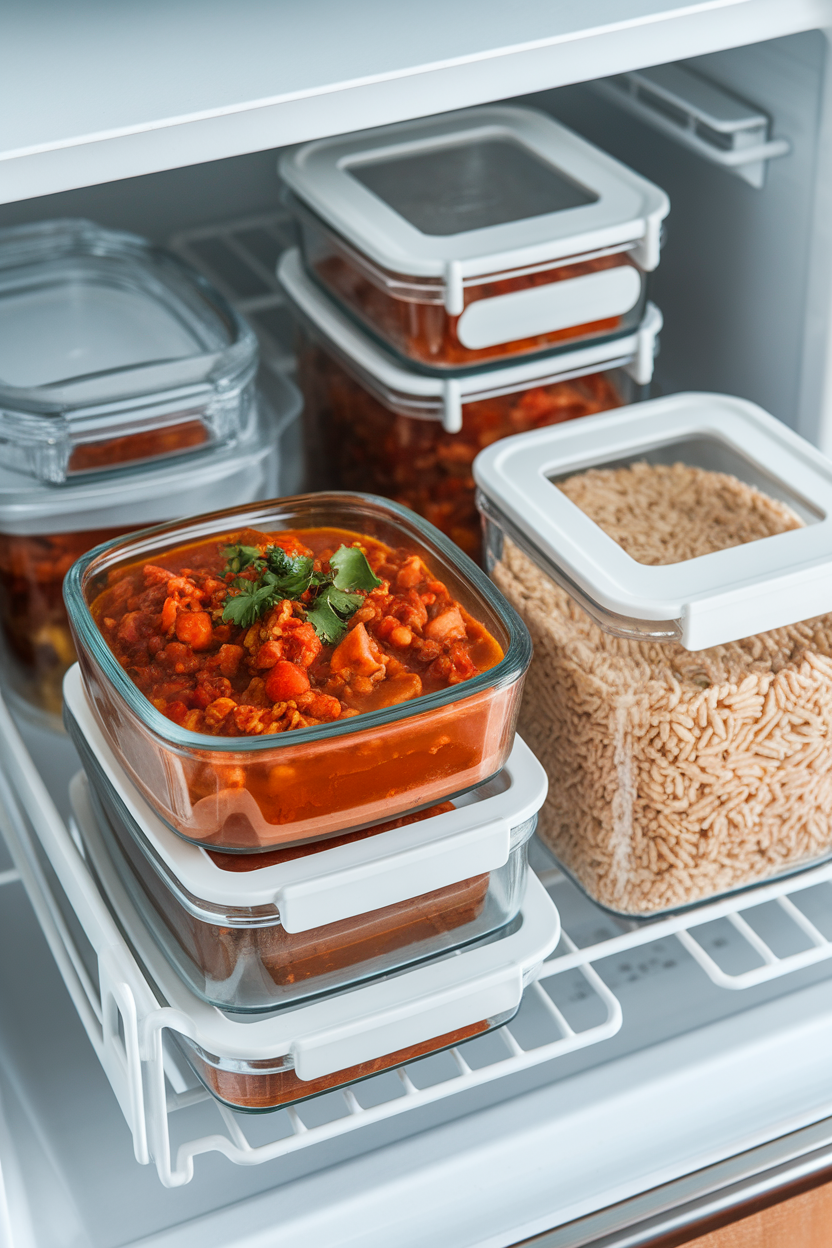
Portion soups, stews, and sauces into single servings, then freeze. A stocked freezer turns hectic evenings into heat-and-eat simplicity. Rotate older containers to the front so nothing gets lost in the frosty abyss.
26. Read Nutrition Labels for Sodium Content
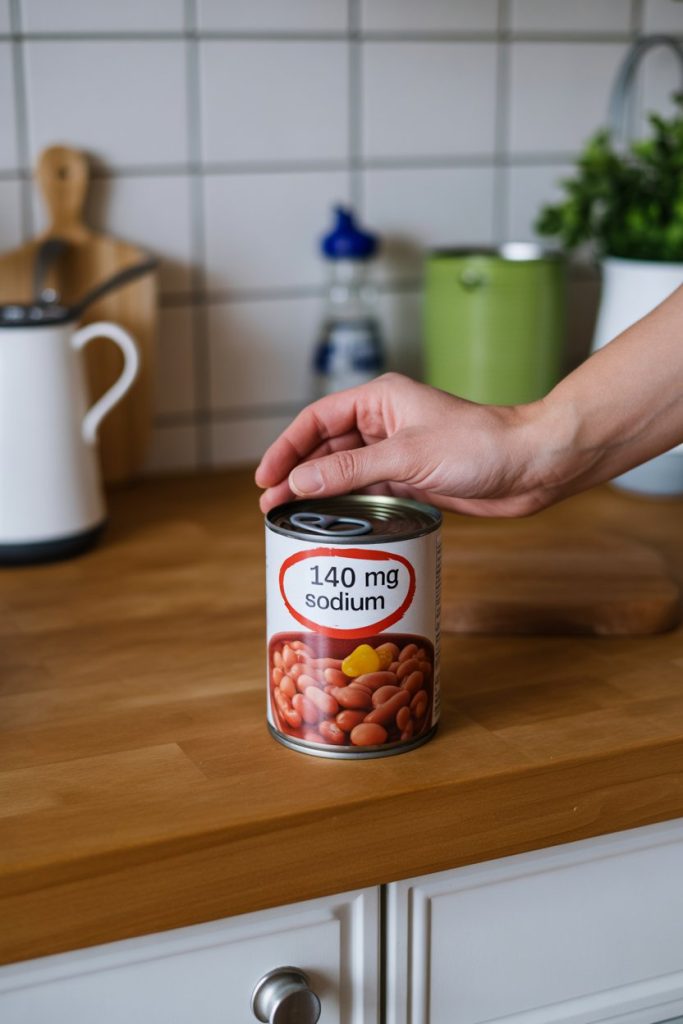
Sodium hides in broths, sauces, and bread. Look for items labeled “low-sodium” or “no salt added” whenever available. Season finished dishes with herbs and a pinch of sea salt to taste rather than relying on pre-salted products.
27. Snack on a Small Handful of Nuts
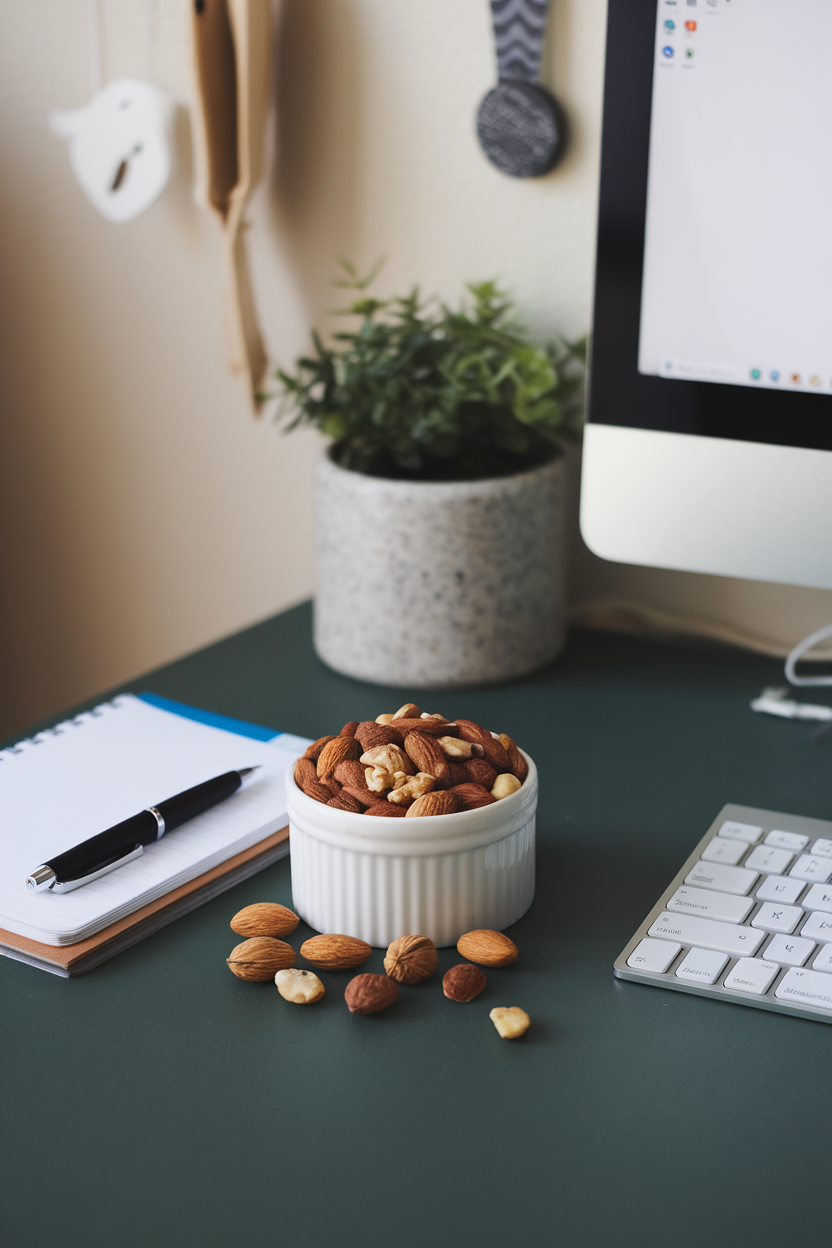
Nuts pack protein, healthy fats, and minerals into portable portions. Stick to about a quarter cup to keep calories balanced. Pair with fresh fruit for a satisfying mini-meal.
28. Blend Smart Smoothies—Focus on Greens and Protein
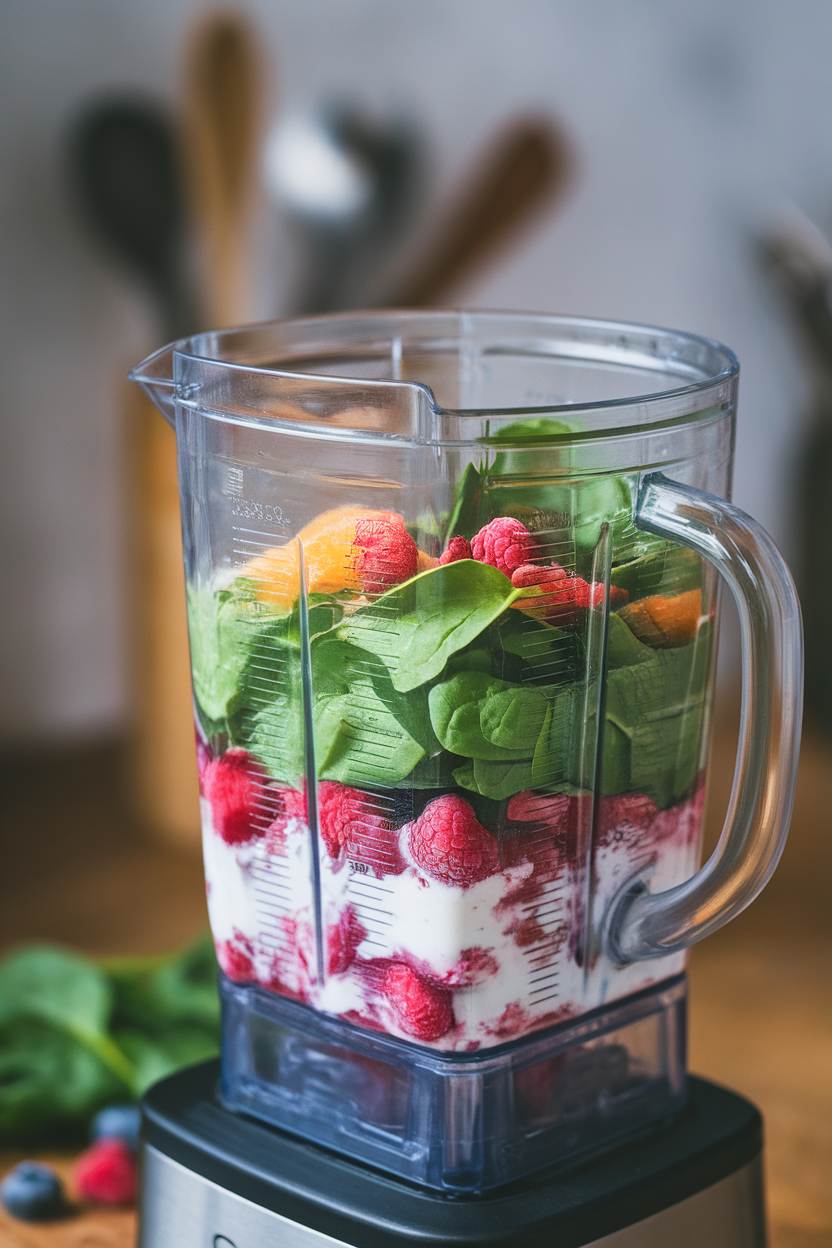
Use leafy greens, unsweetened fruit, and a protein source to avoid sugar-bomb drinks. A tablespoon of nut butter or a scoop of protein powder keeps you full longer. Measure ingredients to maintain reasonable serving sizes.
29. Make Your Own Salad Dressings
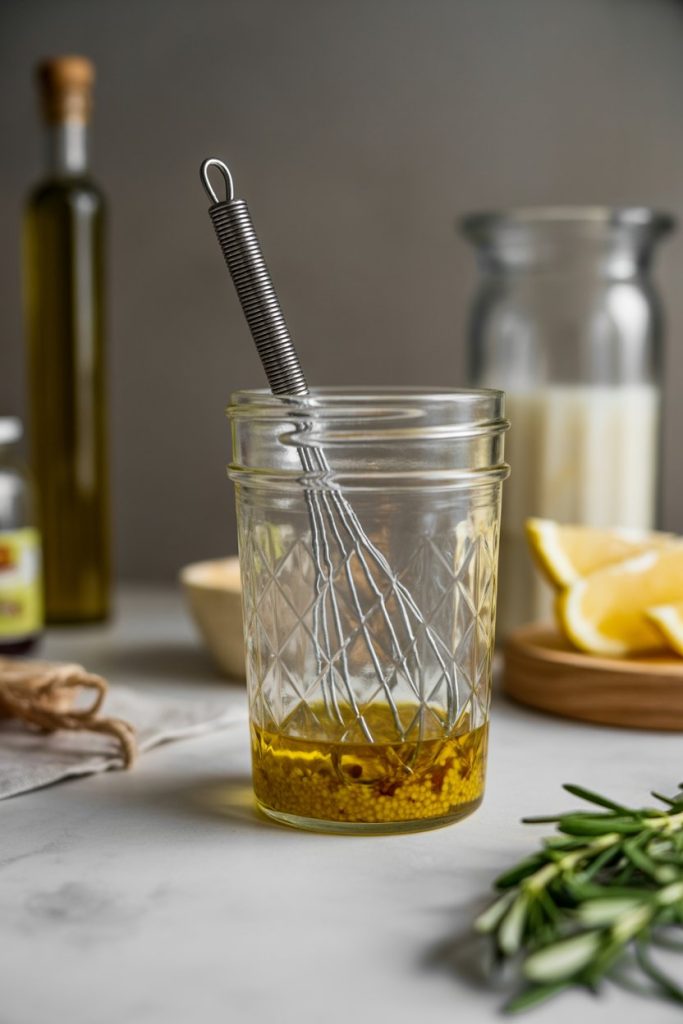
Store-bought dressings can pack hidden sugars and additives. Combine olive oil with vinegar or citrus, plus herbs and a dash of mustard for emulsification. Fresh dressings brighten salads and double as marinades.
30. Choose Seasonal Produce
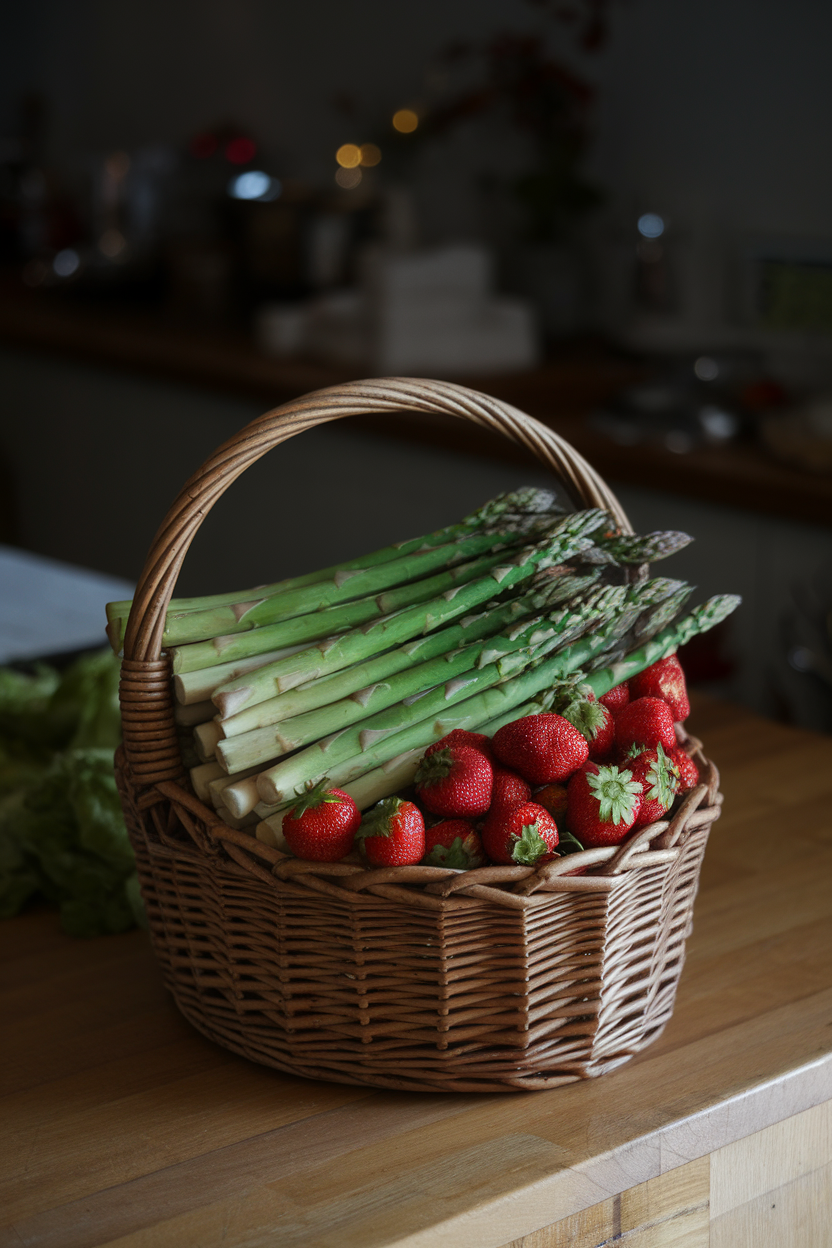
Seasonal fruits and veggies taste better and often cost less. They’re harvested at peak ripeness, offering superior nutrients and flavor. Rotate selections throughout the year to keep meals interesting.
31. Store Healthy Foods at Eye Level
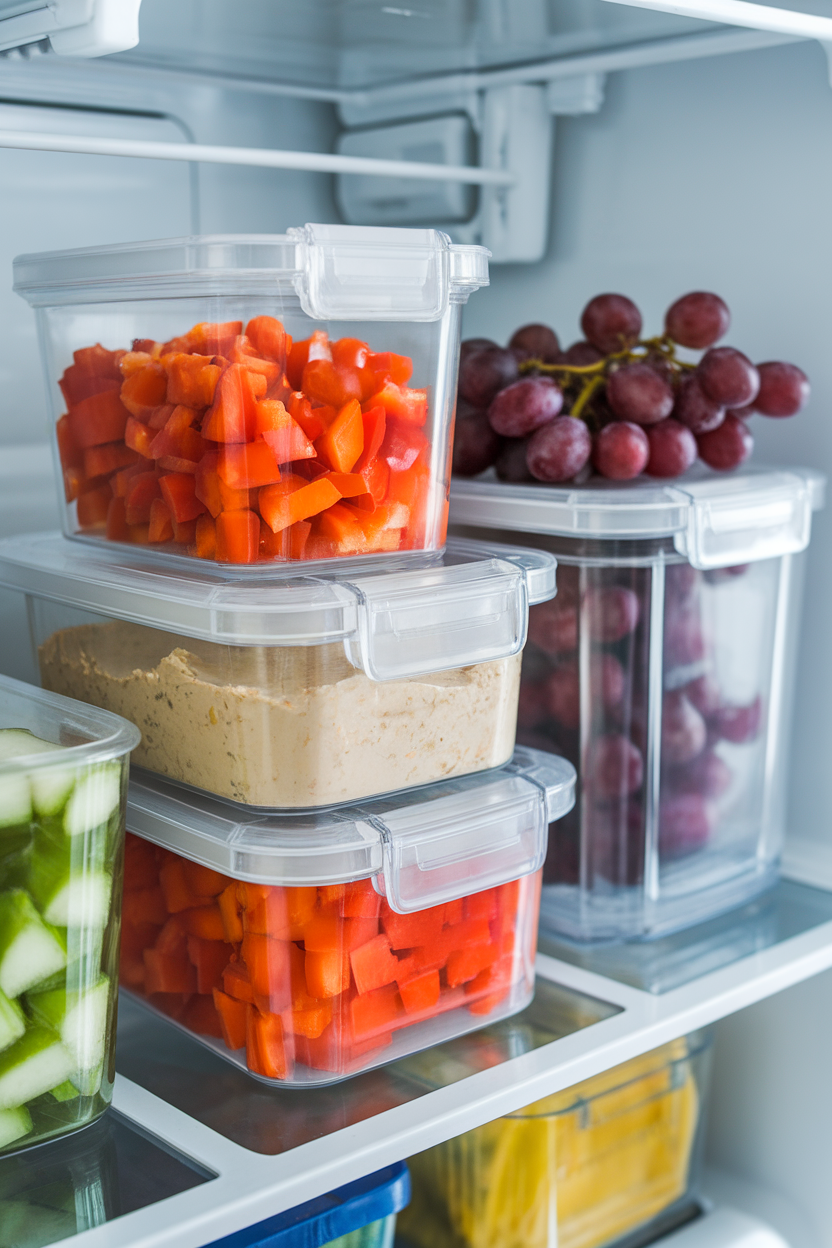
Visibility influences choices. Place produce, yogurt, and lean proteins where you’ll notice them first. Tuck less-ideal treats in opaque containers or lower shelves.
32. Enjoy Dessert Mindfully Instead of Skipping It
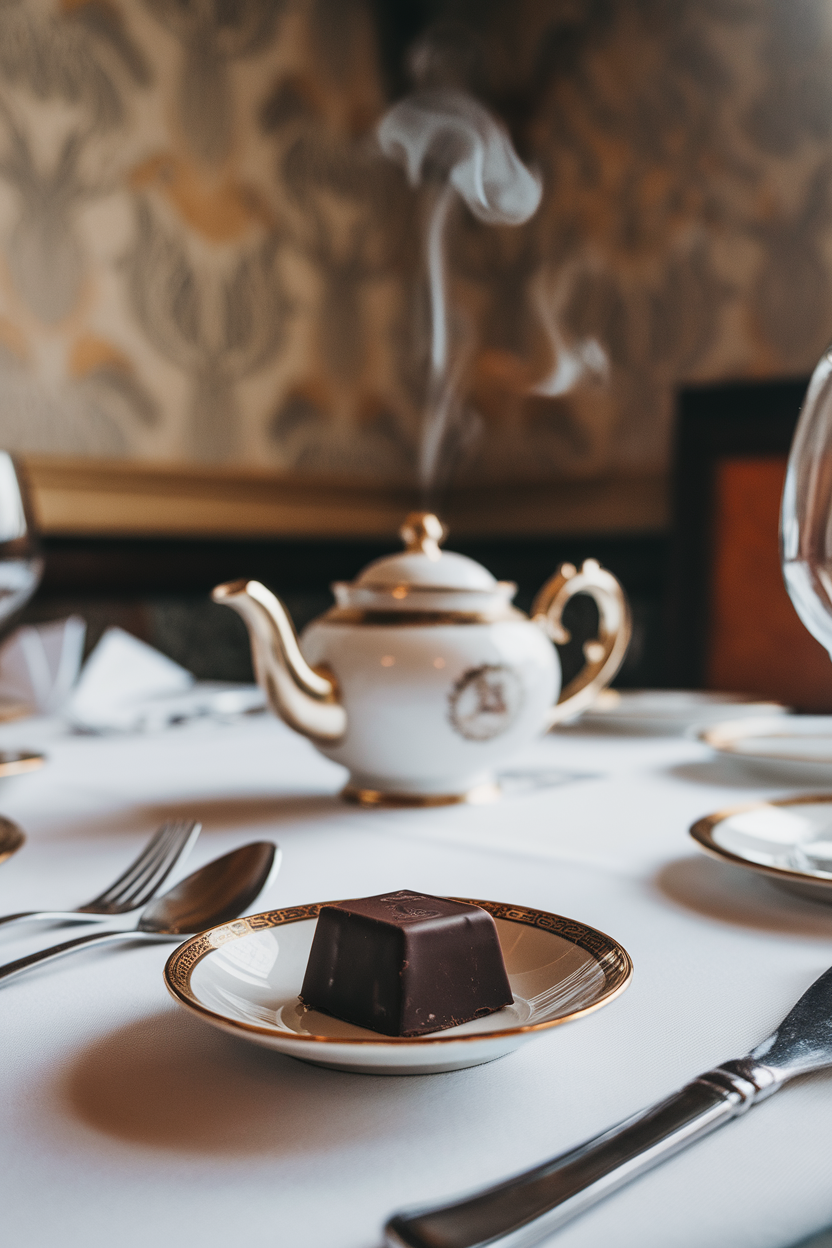
A modest treat can prevent feelings of deprivation. Focus on quality—rich dark chocolate or fresh berries—rather than mindlessly eating cookies from the bag. Savor the flavor and texture without distractions.
33. Use Non-Stick Cookware to Reduce Extra Oil
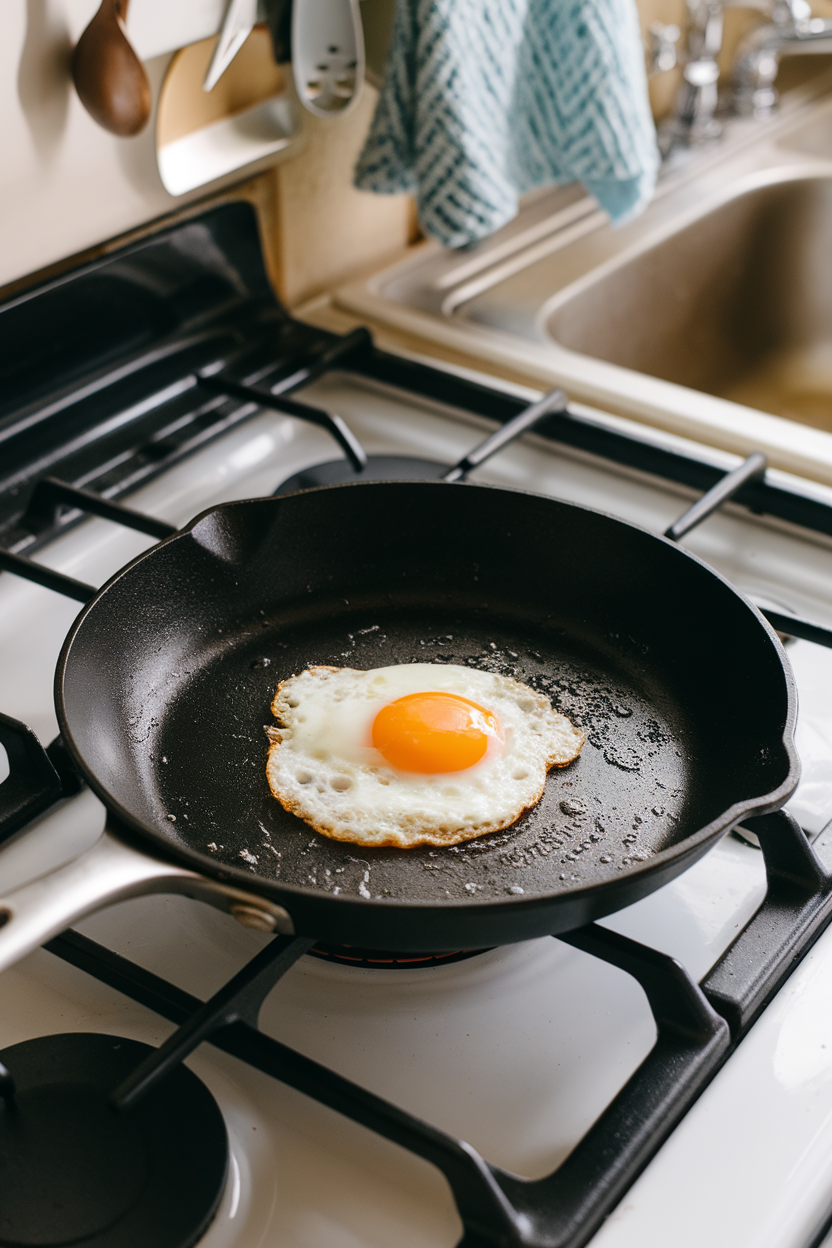
Quality non-stick surfaces allow you to sauté and fry with far less fat. Spritz pans lightly or use broth to prevent sticking. Replacing a heavy oil drizzle with a teaspoon here and there saves hundreds of calories each week.
34. Add Fermented Foods for Gut Health
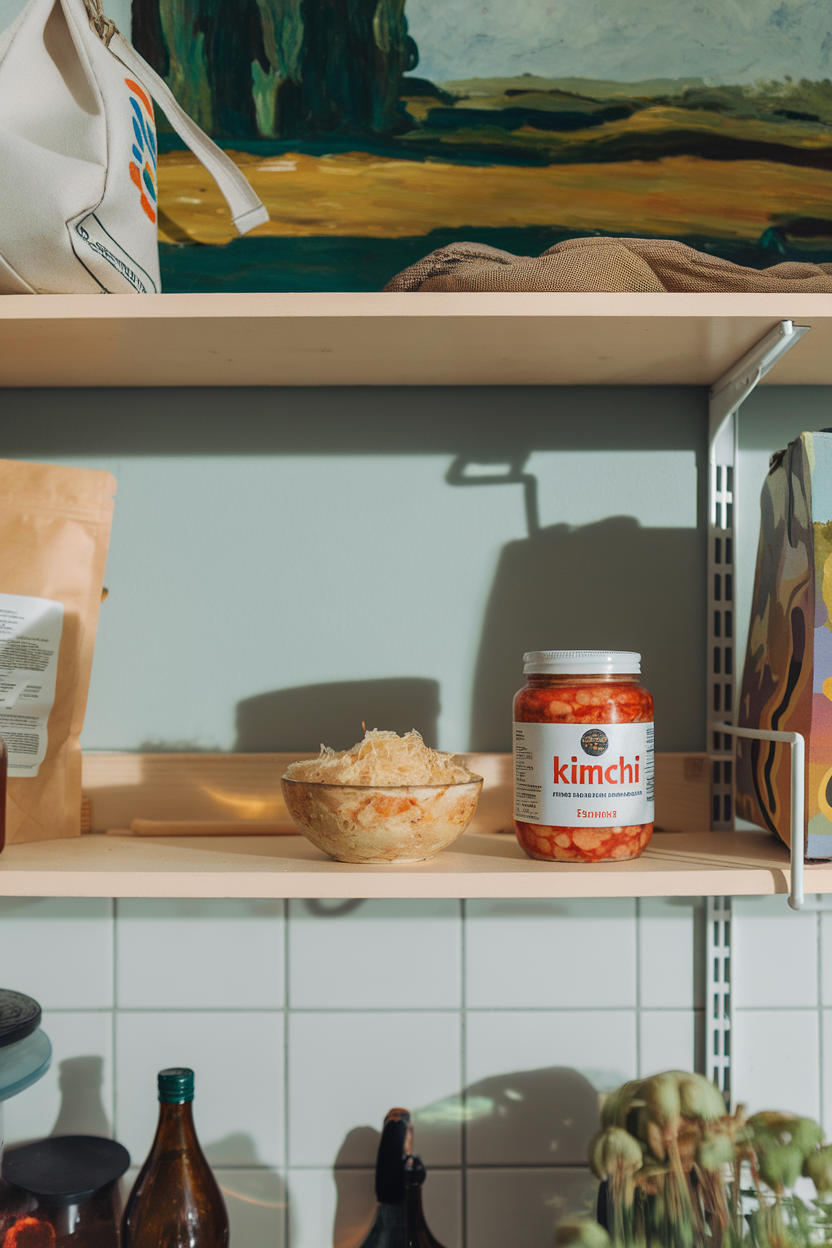
Yogurt, kefir, sauerkraut, and kimchi supply beneficial probiotics. A couple of tablespoons daily can diversify gut bacteria and aid digestion. Start slow to let your system adjust.
35. Eat Before You’re Famished
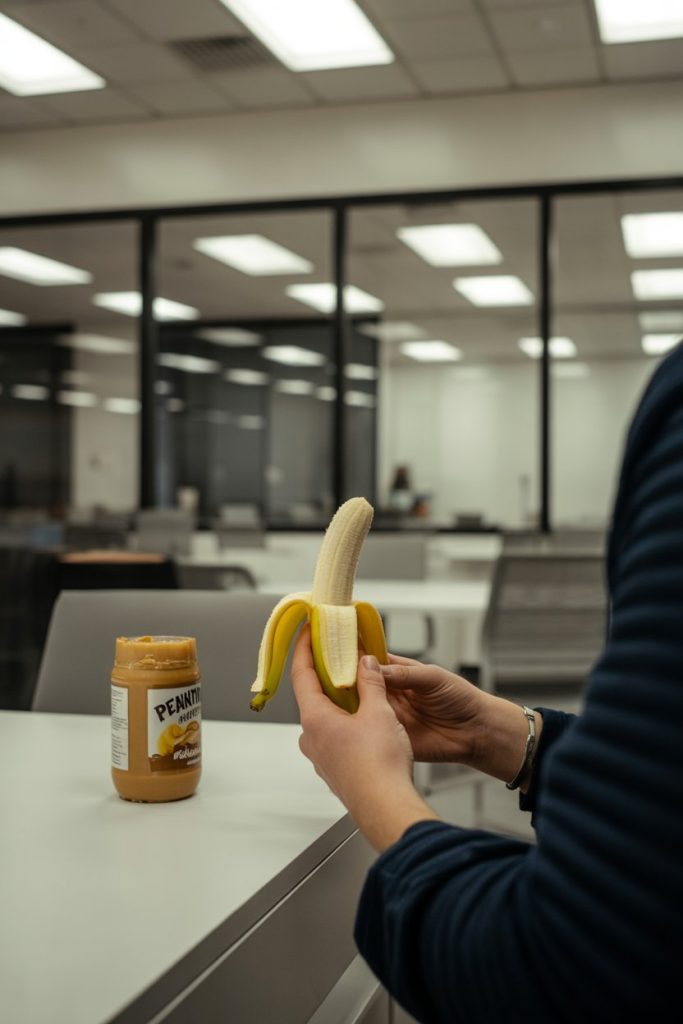
Waiting until you’re ravenous often leads to overeating and poorer choices. Planned mini-meals keep blood sugar steady. Notice early hunger signals and respond promptly.
36. Follow the 80/20 Guideline
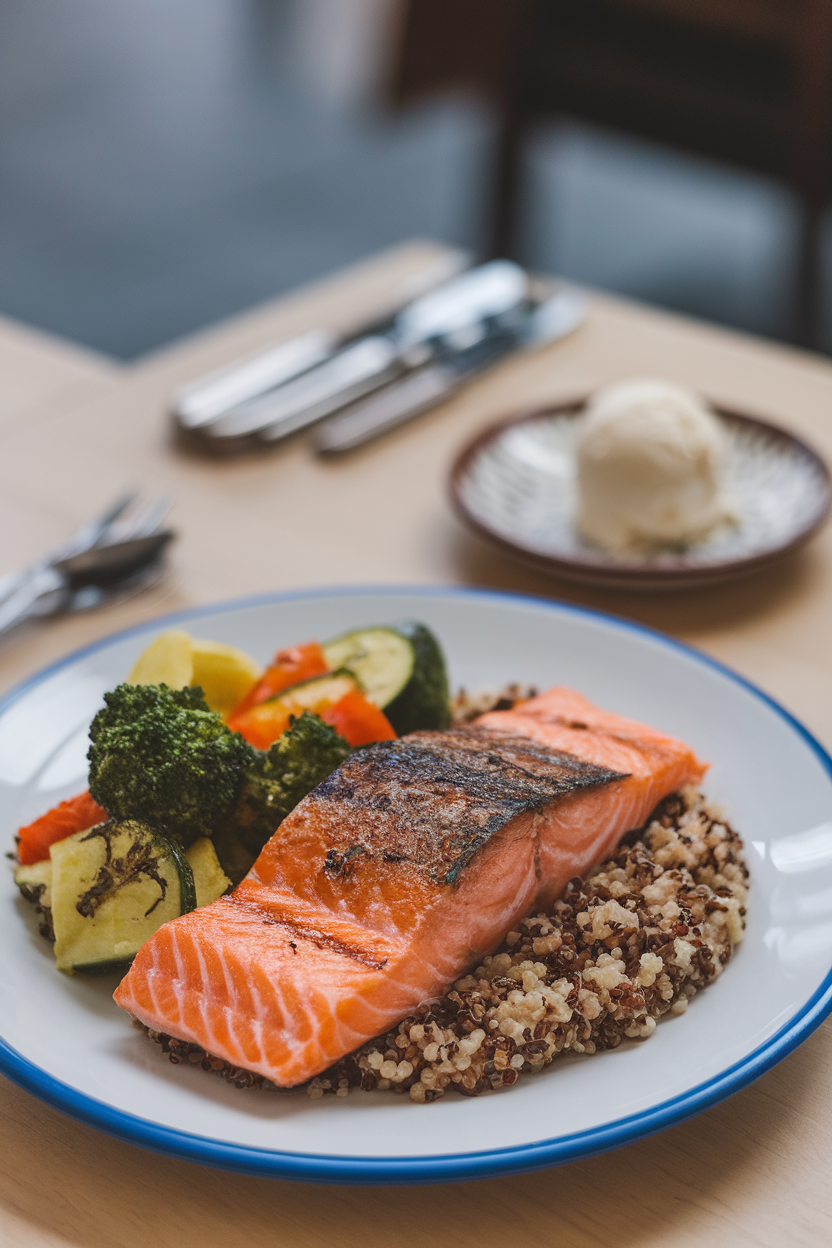
Enjoy nourishing foods roughly 80 percent of the time and allow indulgences the other 20 percent. Flexibility supports sustainability and social occasions. The approach removes guilt while preserving progress.
37. Carry a Reusable Water Bottle Everywhere
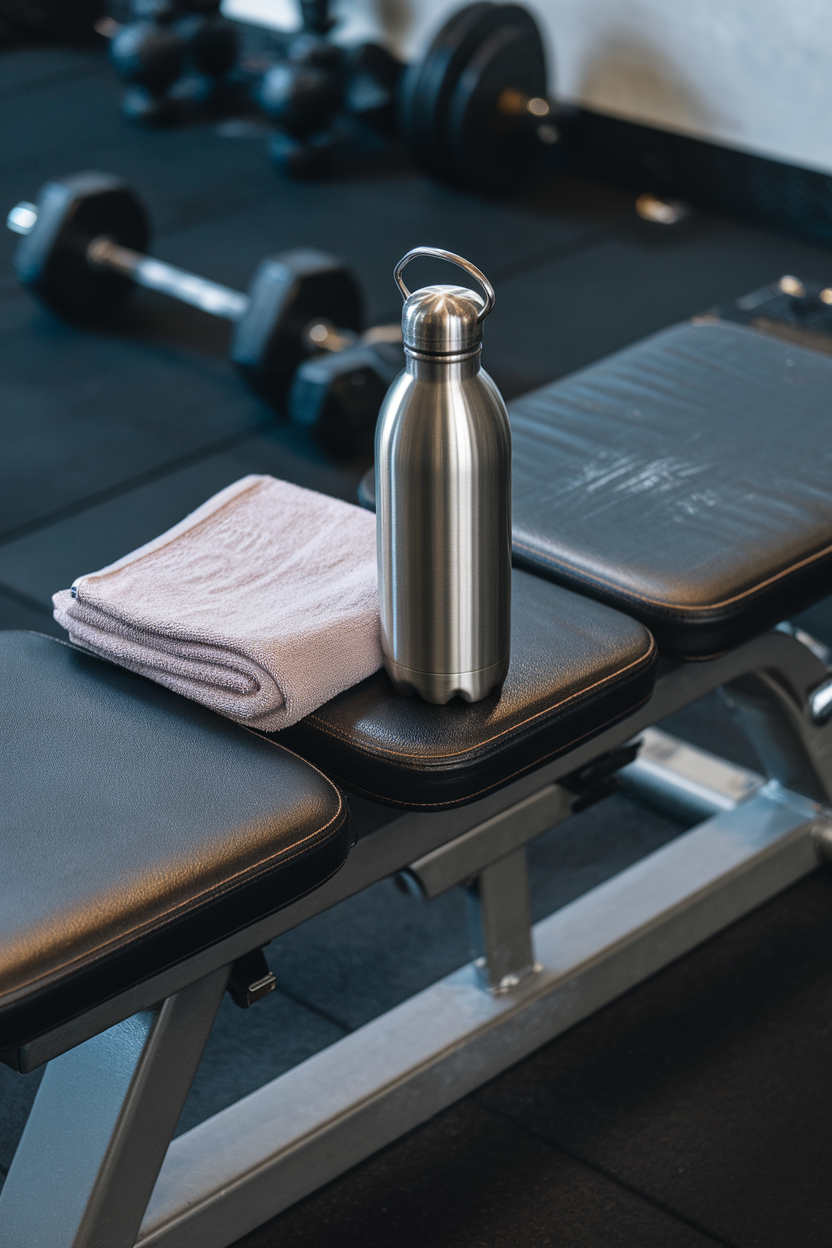
Easy access makes hydration automatic. Mark lines or set phone reminders to meet your daily target. Refilling beats buying sugary drinks and reduces plastic waste.
38. Batch-Wash Salad Greens
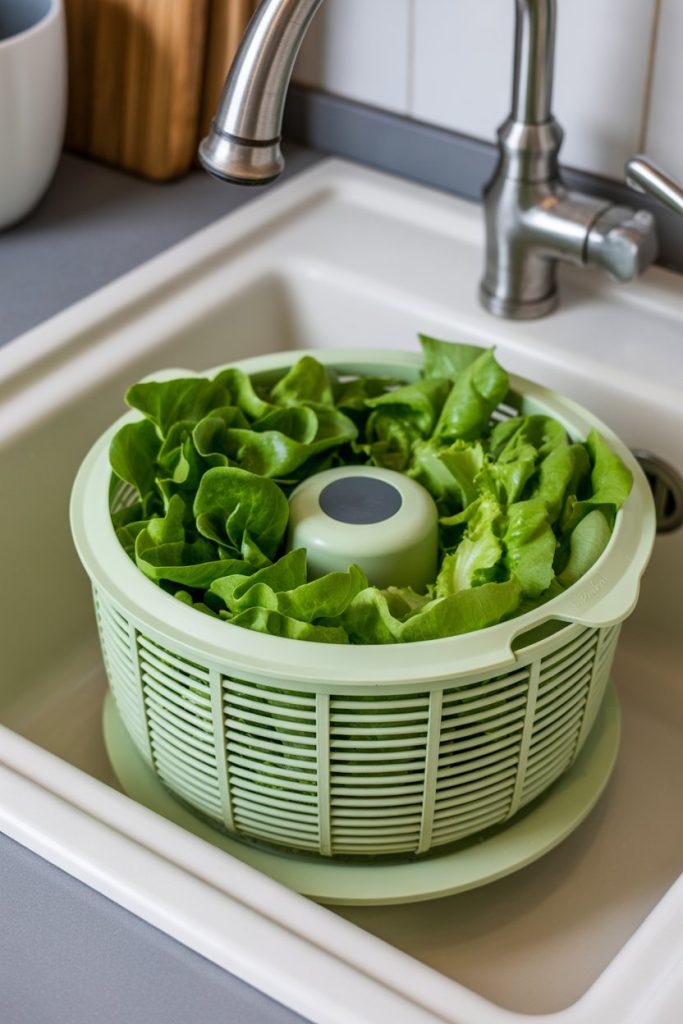
Rinse and dry a whole head of greens at once, then store in a paper-towel-lined container. Clean, dry leaves stay fresh longer and make salads quick. You’ll reach for them when they’re ready to eat.
39. Brighten Flavors with Citrus Instead of Extra Salt
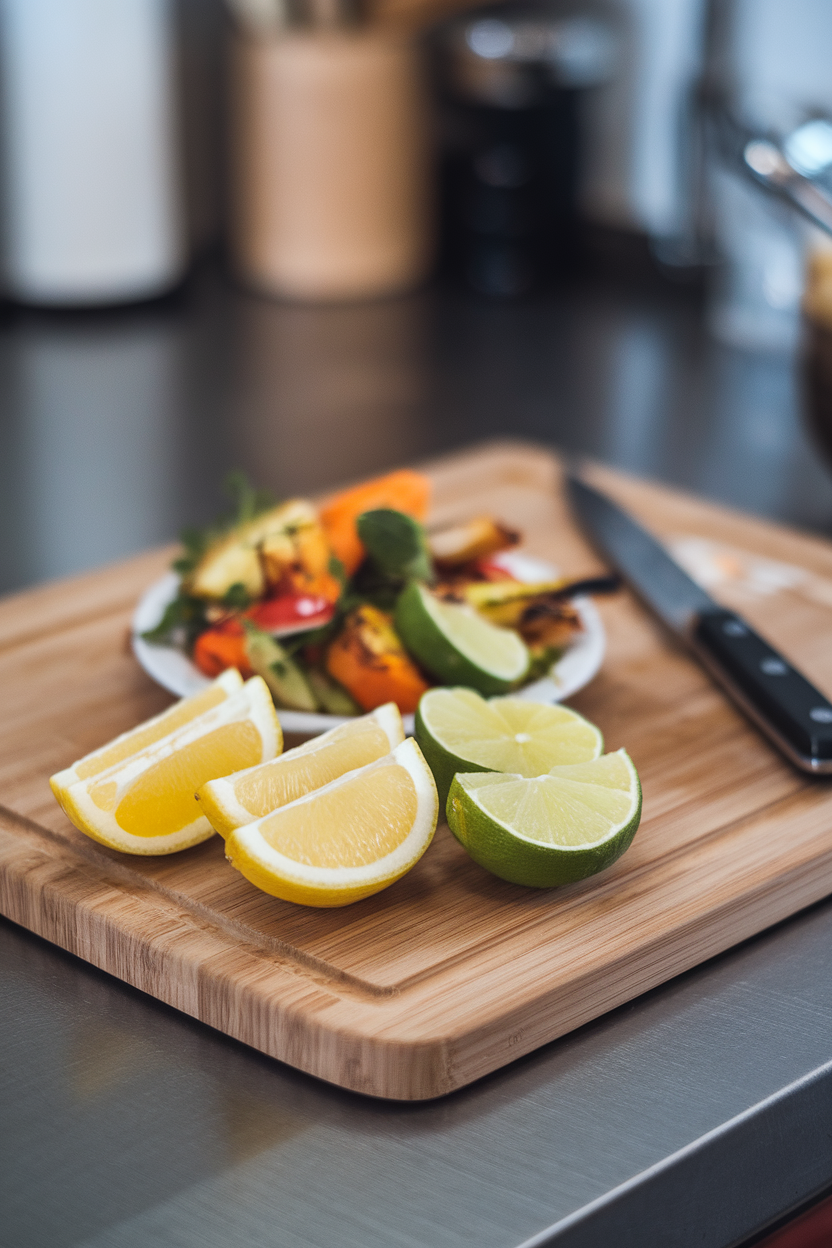
A squeeze of lemon wakes up everything from fish to sautéed greens. Acid balances flavors and can reduce the need for heavy sauces. Keep a few citrus fruits on hand for instant zest.
40. Limit Alcohol to Special Occasions
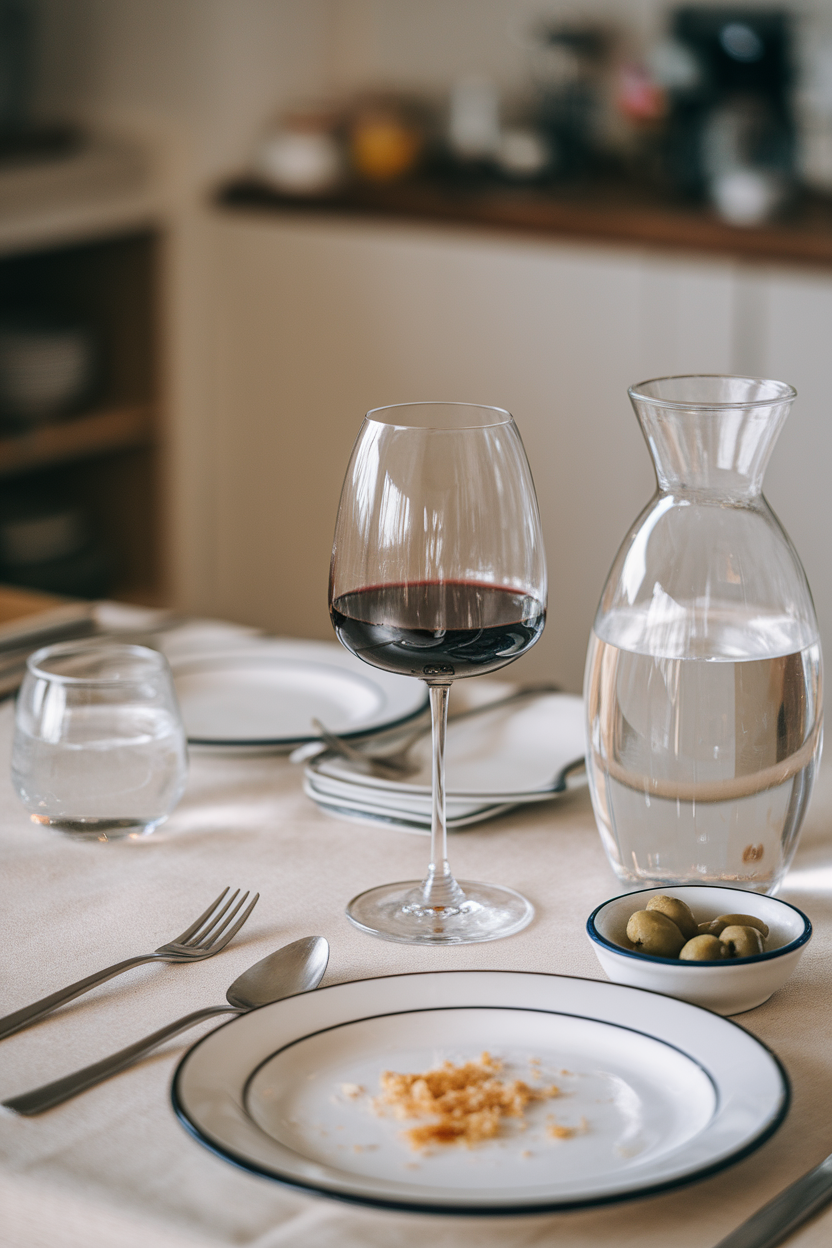
Alcohol delivers empty calories and can weaken resolve around snacks. Saving drinks for celebrations preserves both health goals and social enjoyment. Alternate each alcoholic beverage with water to stay hydrated.
41. Try Meatless Mondays
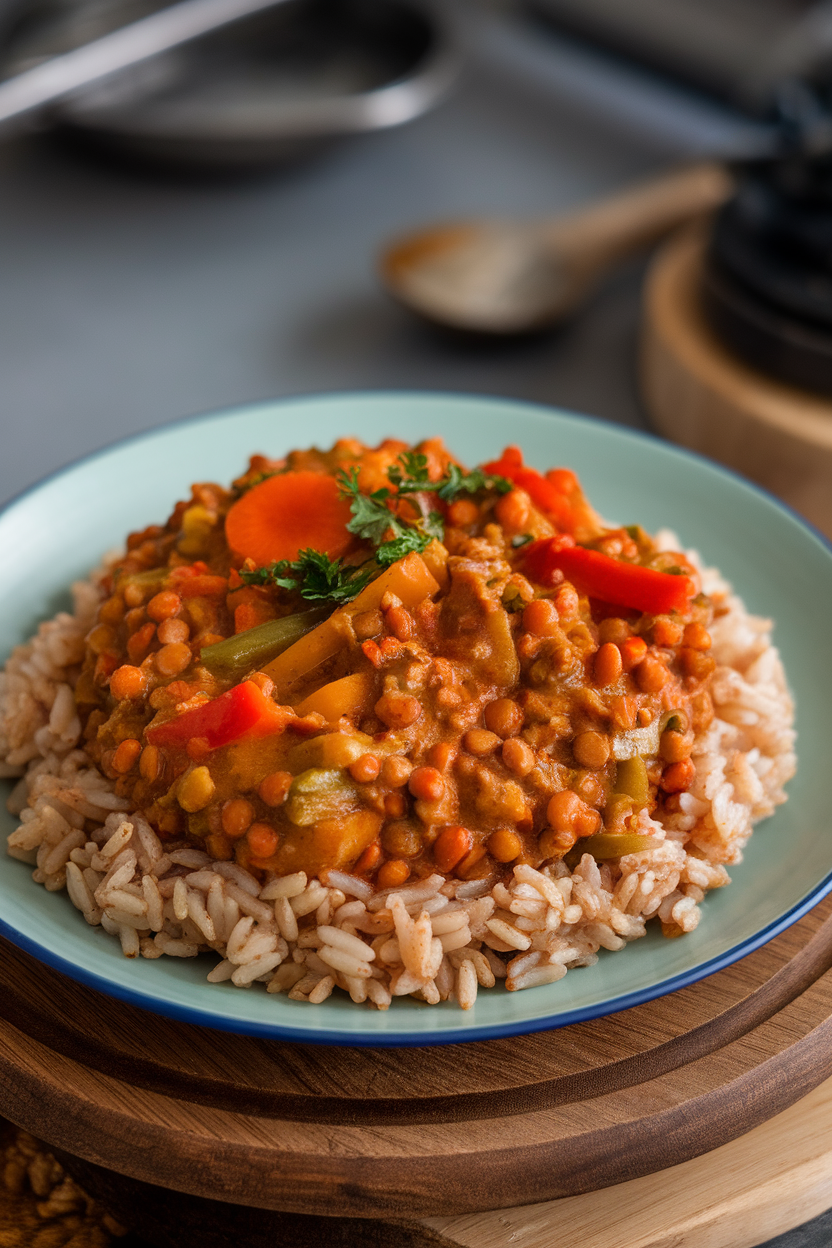
A plant-based day boosts fiber and lowers saturated fat intake. Explore beans, lentils, tofu, or tempeh as the star of the meal. You may discover new flavors and save a bit on groceries.
42. Experiment with Unfamiliar Vegetables
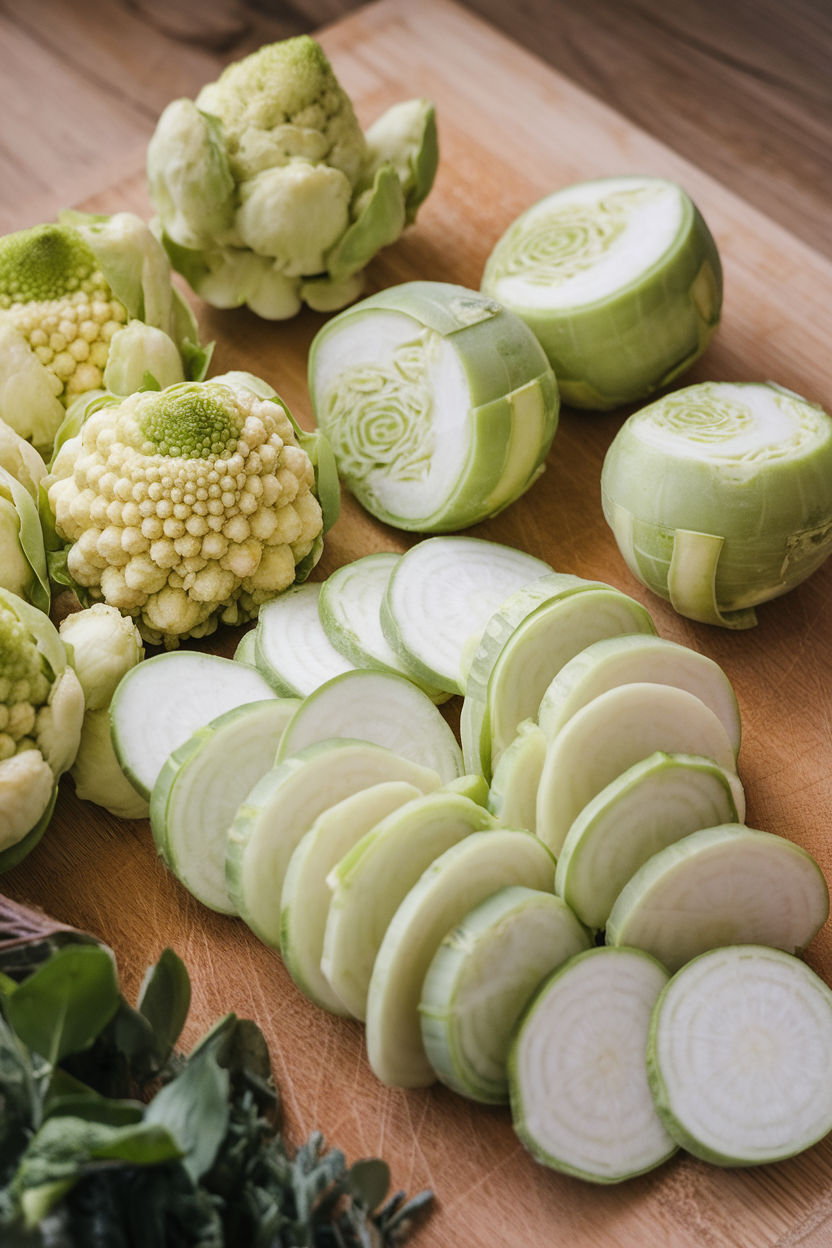
Variety prevents palate fatigue and broadens nutrient intake. Pick one produce item you’ve never tried each week. Roast, steam, or spiralize until you find a method you enjoy.
43. Learn Simple Knife Skills
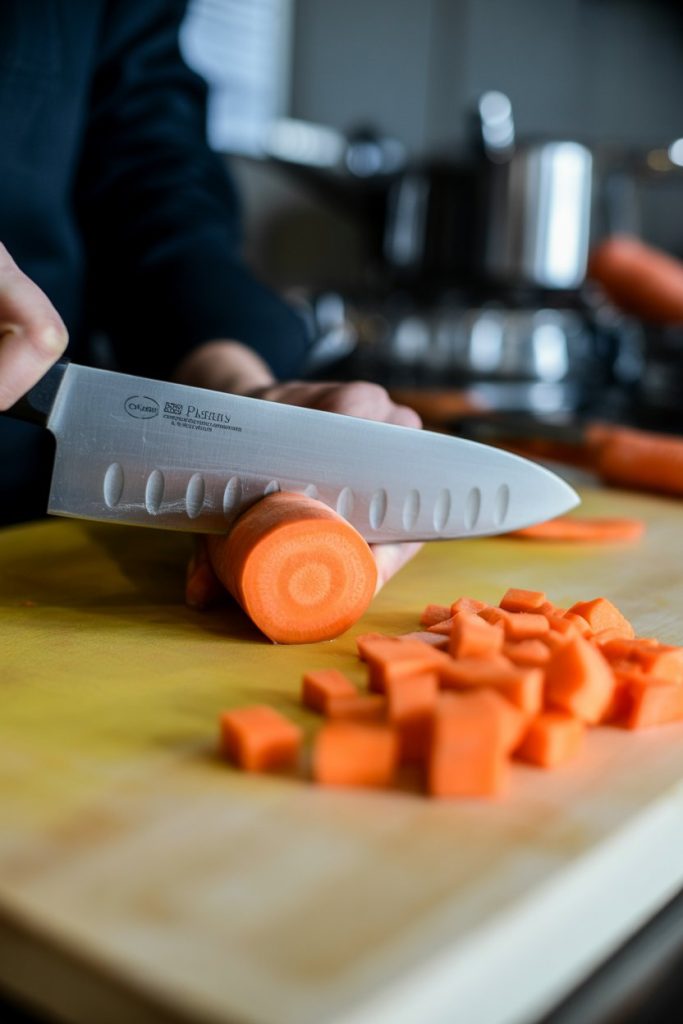
Confident chopping speeds up prep and makes veggies more inviting. Watch a short video or take a basic skills class. Even slices mean even cooking and better presentation.
44. Keep Canned Beans in the Pantry
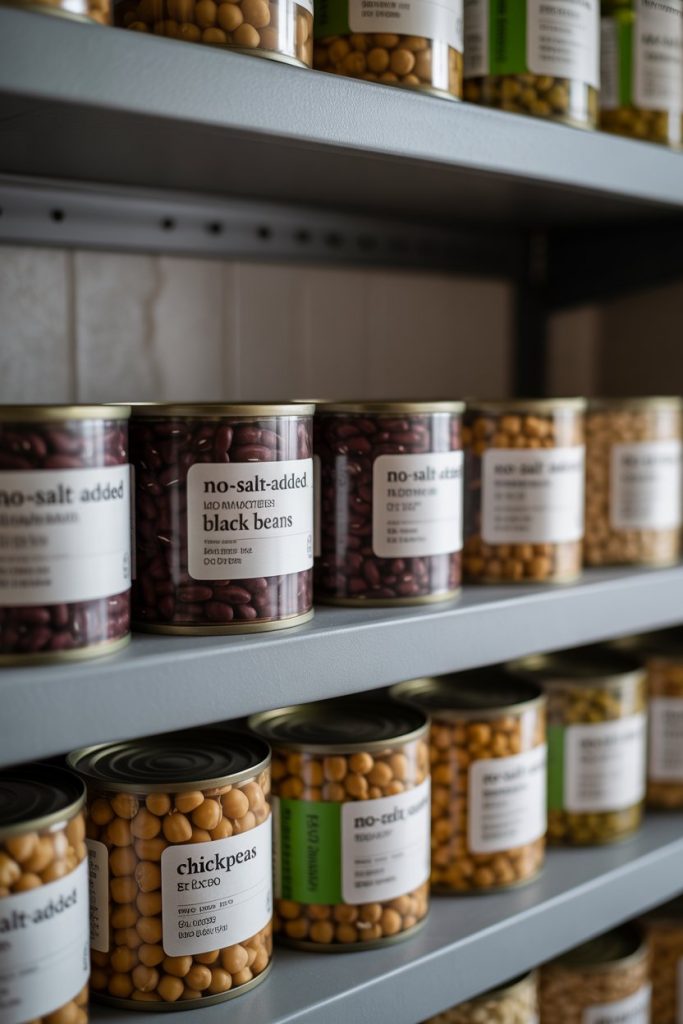
Rinsed canned beans are an instant protein and fiber boost for salads, soups, and tacos. Choose low-sodium varieties and drain to remove excess salt. They’re affordable, filling, and shelf-stable.
45. Measure Cooking Oils
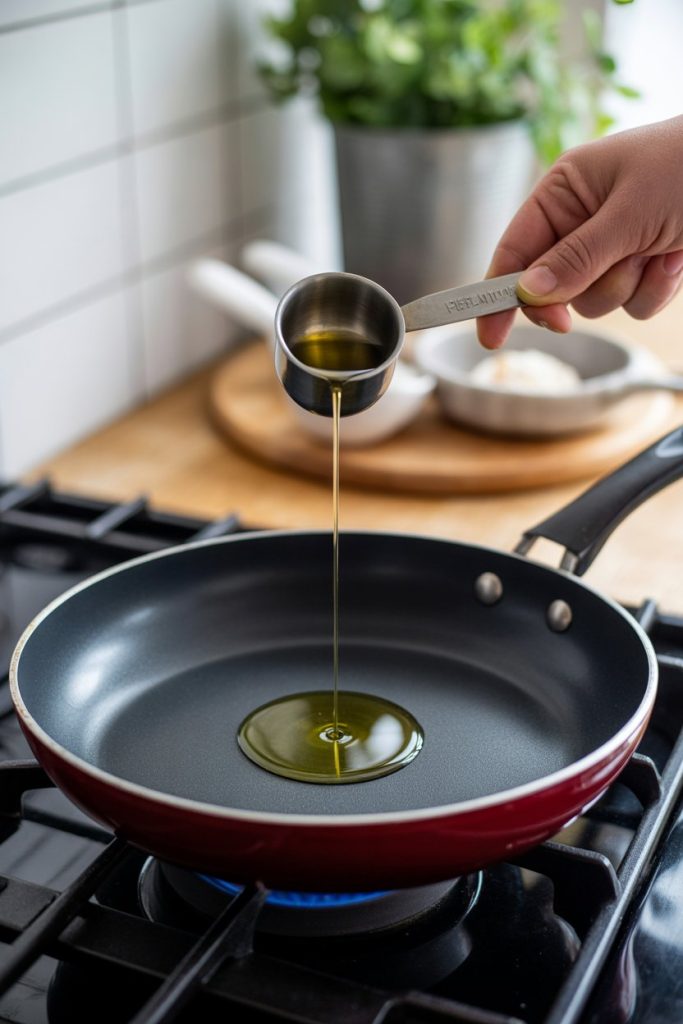
Free-pouring oil can double calories unintentionally. Use a spoon or spray bottle to control quantity. You’ll still get flavor and healthy fats without overshooting.
46. Listen to Hunger and Fullness Cues

Pause mid-meal to gauge how satisfied you feel. Stop eating when content rather than stuffed. Trusting your body’s signals fosters a balanced relationship with food.
47. Eat Slowly
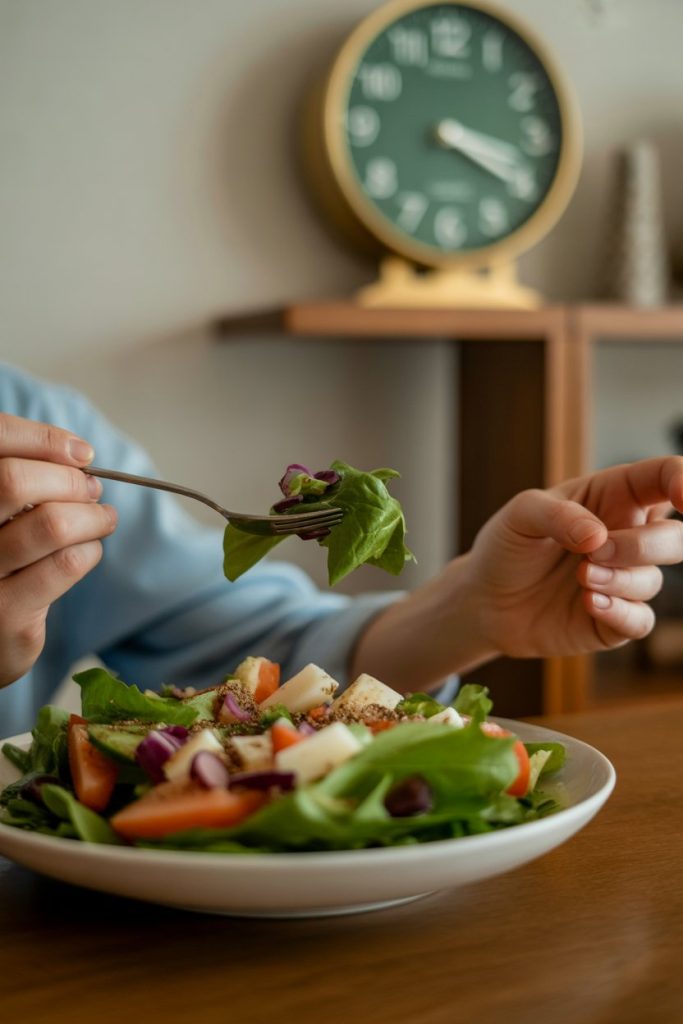
It takes about 20 minutes for fullness hormones to register. Setting down utensils between bites prolongs eating time. You’ll likely consume fewer calories while enjoying flavors more.
48. Avoid Multitasking During Meals
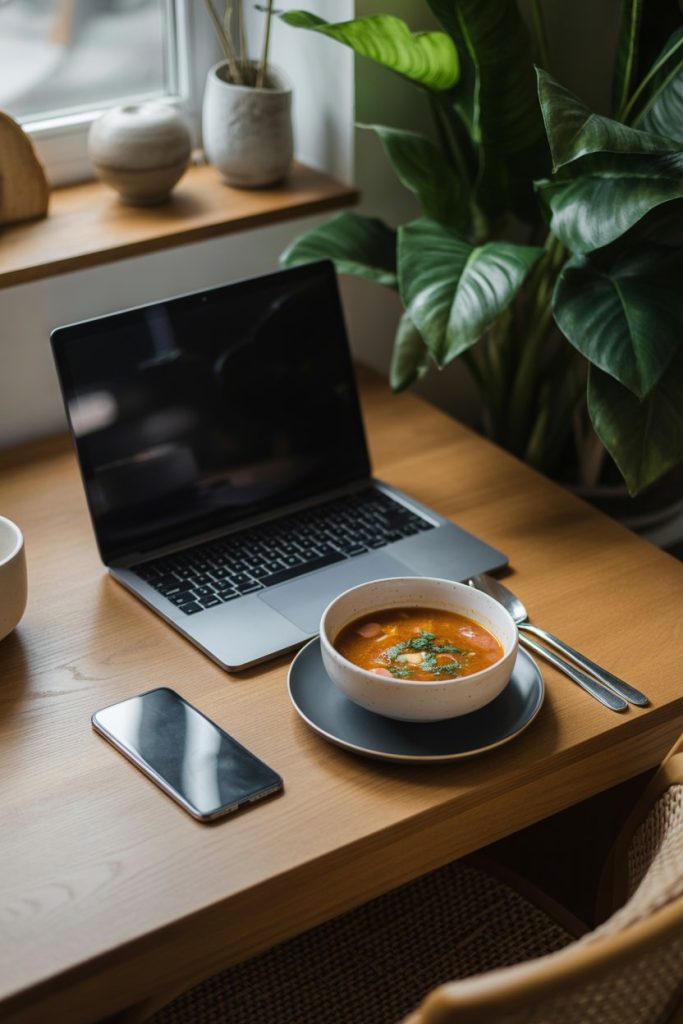
E-mails and television distract from taste and fullness cues. Create a calm eating environment—even if it’s only ten minutes—so your mind can focus on the meal. Mind-body connection supports better digestion and satisfaction.
49. Stock a Clean Pantry
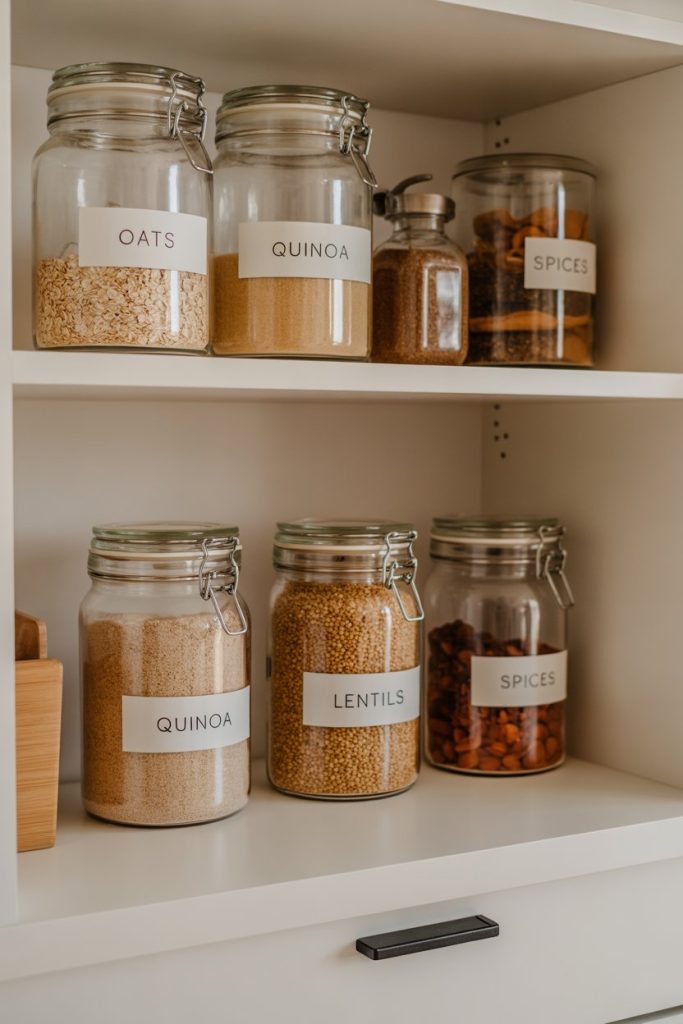
Having wholesome staples on hand prevents last-minute processed choices. Think whole grains, beans, nuts, seeds, and cooking essentials. Rotate items regularly to keep ingredients fresh and exciting.
50. Celebrate Small Wins
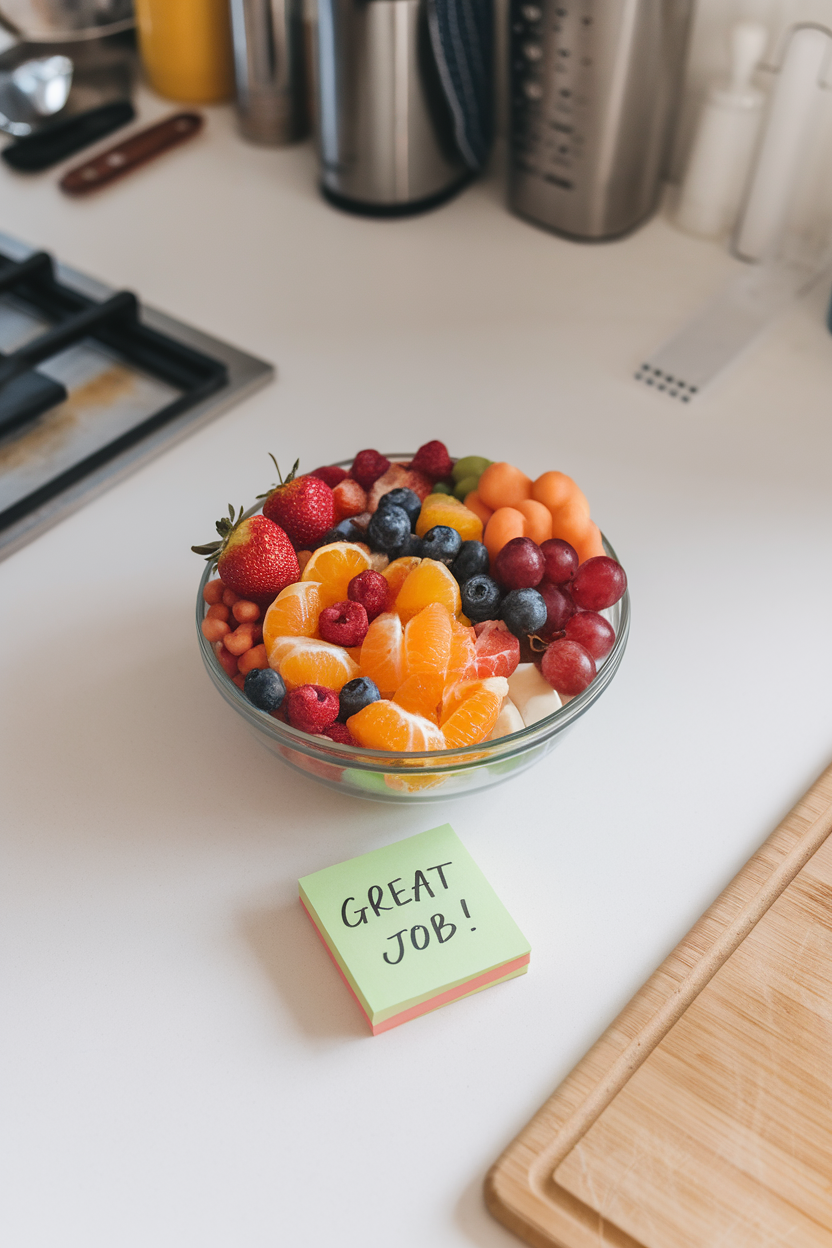
Acknowledge each positive choice—bringing lunch, skipping the vending machine, or cooking a new veggie. Small victories build confidence and momentum. Reward yourself with non-food treats like a new water bottle or relaxing bath.

Nathaniel Lee is an avid cook, drawing on his decades of home cooking and fine dining experience. He is a contributing chef at Mashed, and his recipes and contributions have been featured in Tasting Table, Edible Arrangements, Insanely Good Recipes, and The Daily Meal.