Trying a month-long clean eating challenge can feel overwhelming until you break it into small, doable steps. Pick one or two ideas a week, then add more once those become habits. Whether you focus on fresh produce, smarter snacks, or mindful cooking, these tips keep things interesting while nudging you toward wholesome choices. Below are 68 practical ideas—mix, match, and make them your own.
Contents
- 1. Swap Soda for Infused Water
- 2. Add Leafy Greens to Every Meal
- 3. Choose Whole Fruit over Juice
- 4. Prep Veggie Snack Packs
- 5. Go Meatless on Mondays
- 6. Use Whole-Grain Versions of Staples
- 7. Practice the 80% Full Rule
- 8. Bake, Don’t Fry
- 9. Plan a Rainbow Plate Challenge
- 10. Replace Cream Sauces with Nut-Based Ones
- 11. Snack on Air-Popped Popcorn
- 12. Fill Half Your Plate with Vegetables
- 13. Embrace One-Ingredient Snacks
- 14. Upgrade Sandwich Bread to Sprouted Grain
- 15. Cook One New Vegetable Each Week
- 16. Swap Creamy Dressings for Olive Oil & Lemon
- 17. Batch-Cook Beans from Scratch
- 18. Practice Portion-Controlled Treats
- 19. Eat Seasonally
- 20. Choose Plain Yogurt and Sweeten It Yourself
- 21. Drink Green Tea in Place of Sugary Coffee Drinks
- 22. Create a DIY Salad Jar Rotation
- 23. Flavor Food with Fresh Herbs
- 24. Use Smaller Plates
- 25. Incorporate Healthy Fats Daily
- 26. Make Your Own Salad Dressings
- 27. Practice Mindful Chewing
- 28. Replace Sugary Cereal with Overnight Oats
- 29. Keep Healthy Emergency Snacks in the Car
- 30. Season with Spices Instead of Salt
- 31. Limit Added Sugar to One Treat per Day
- 32. Cook with Broth Instead of Oil
- 33. Use Greek Yogurt in Place of Sour Cream
- 34. Practice Sunday Meal Planning
- 35. Choose Steamed or Grilled Entrées While Dining Out
- 36. Introduce Fermented Foods
- 37. Take a 15-Minute Post-Meal Walk
- 38. Make Smoothies with Vegetables First
- 39. Opt for Steel-Cut Oats Instead of Instant
- 40. Set Hydration Reminders
- 41. Limit Alcohol to Weekends or Special Events
- 42. Savor Dark Chocolate over Candy
- 43. Swap Mayo for Mashed Avocado
- 44. Use a Spiralizer for Veggie “Noodles”
- 45. Integrate Protein with Every Meal
- 46. Grow a Windowsill Herb Garden
- 47. Limit Highly Processed Meat
- 48. Experiment with Meatless Protein Sources
- 49. Make Your Own Trail Mix
- 50. Choose Fruit-Sweetened Desserts
- 51. Track Veggie Servings with a Tally System
- 52. Flavor Water with Frozen Fruit Cubes
- 53. Adopt a “No Phone at the Table” Rule
- 54. Pick Wild-Caught Fish When Possible
- 55. Keep a Food Journal for One Week
- 56. Try Cauliflower Rice
- 57. Serve Dressing on the Side
- 58. Combine Cardio with Meal Prep Music
- 59. Bake Fruit for Dessert
- 60. Add Seeds to Breakfast
- 61. Practice “Fridge Clean-Out” Stir-Fries
- 62. Make Your Own Nut Milk
- 63. Set a Kitchen Curfew
- 64. Include Bitter Greens
- 65. Replace Sugary Syrups with Real Fruit Compote
- 66. Use Citrus Zest for Flavor Boost
- 67. Prep a Weekly Grain Base
- 68. Celebrate Progress, Not Perfection
1. Swap Soda for Infused Water

Carbonated drinks often hide more sugar than dessert. Replace them with water flavored by orange slices, cucumber ribbons, or fresh herbs. The subtle taste keeps you hydrated and steers clear of artificial sweeteners. Keep a pitcher in the fridge so it’s the first thing you see when you open the door.
2. Add Leafy Greens to Every Meal
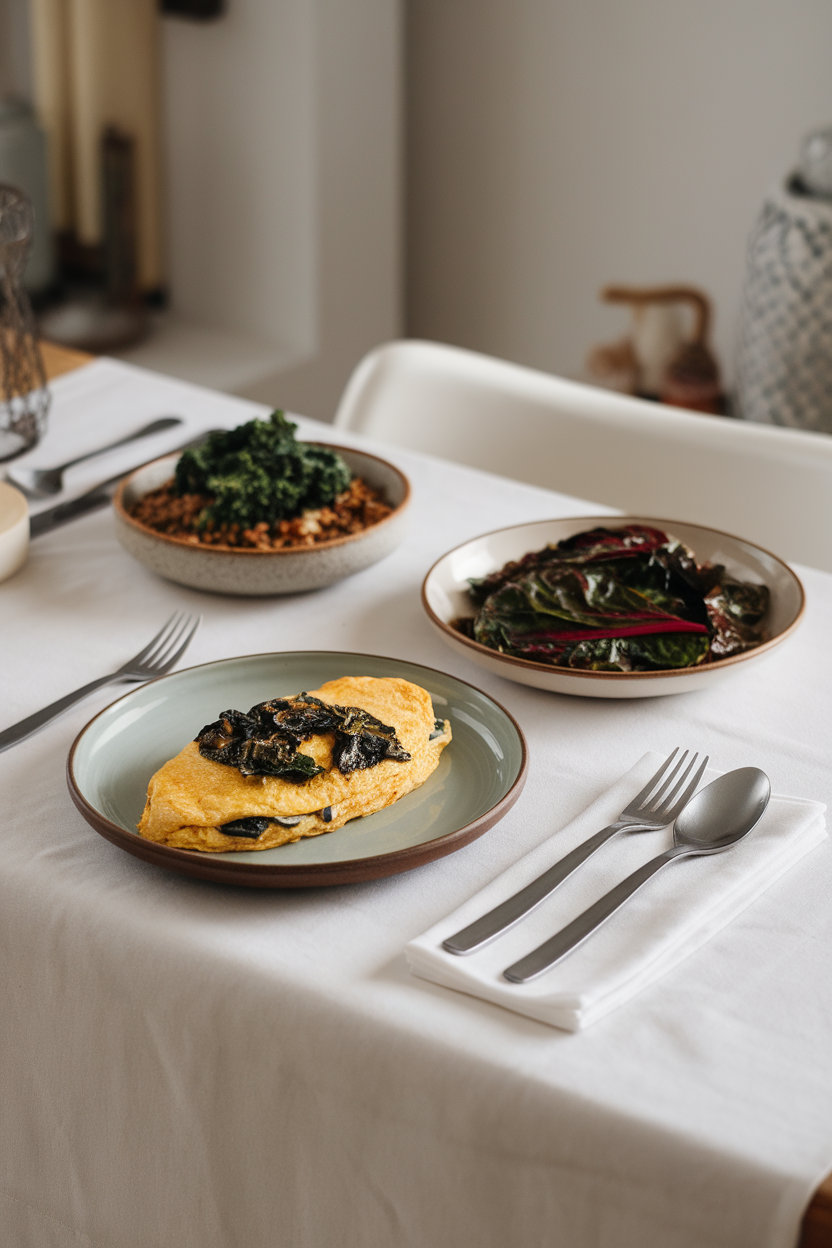
Spinach in smoothies, arugula under scrambled eggs, or kale stirred into pasta sauce—tiny tweaks add up quickly. Greens deliver fiber, iron, and a bundle of vitamins without many calories. Rotate varieties so you don’t get bored. Pre-wash and store in clear containers for grab-and-go convenience.
3. Choose Whole Fruit over Juice
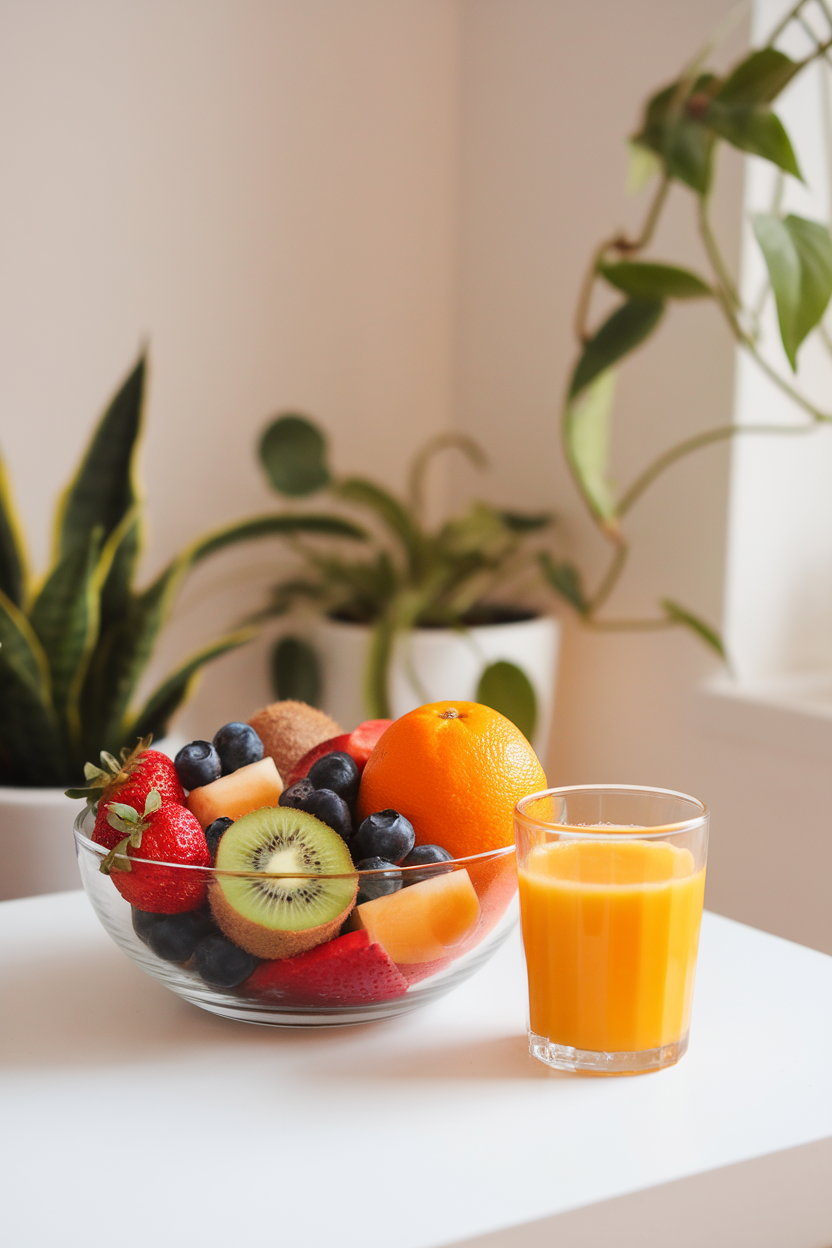
Juice strips out most fiber, which keeps blood sugar steady and helps you feel full. Eating the fruit itself takes longer to chew and offers more nutrients. If you crave juice, blend whole fruit with pulp instead of straining it. Start the day with an apple or a handful of berries before reaching for the juicer.
4. Prep Veggie Snack Packs
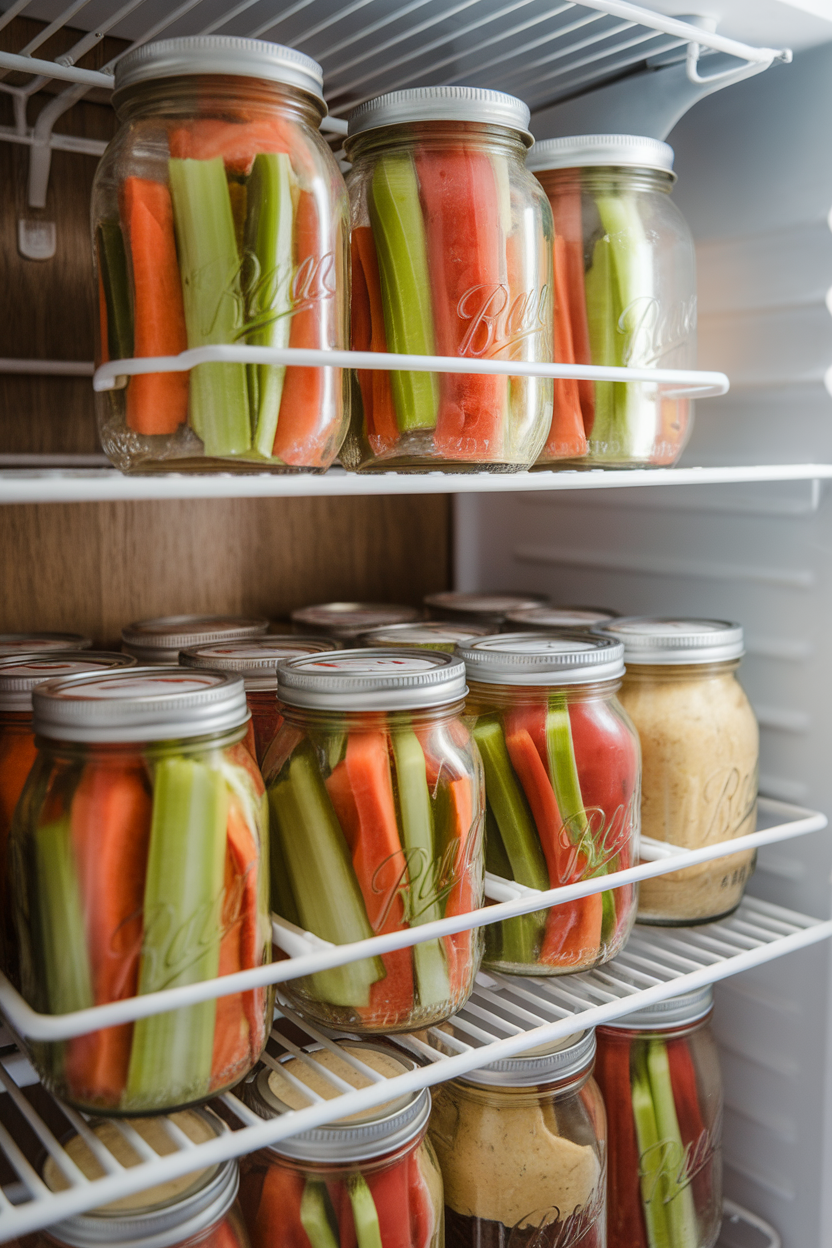
Ahead-of-time slicing makes produce just as easy to grab as chips. Portion hummus, yogurt dip, or guacamole to pair with the veggies. Having prepped snacks on hand prevents mindless grazing on less nutritious options. Refresh the stash twice a week so everything stays crisp.
5. Go Meatless on Mondays
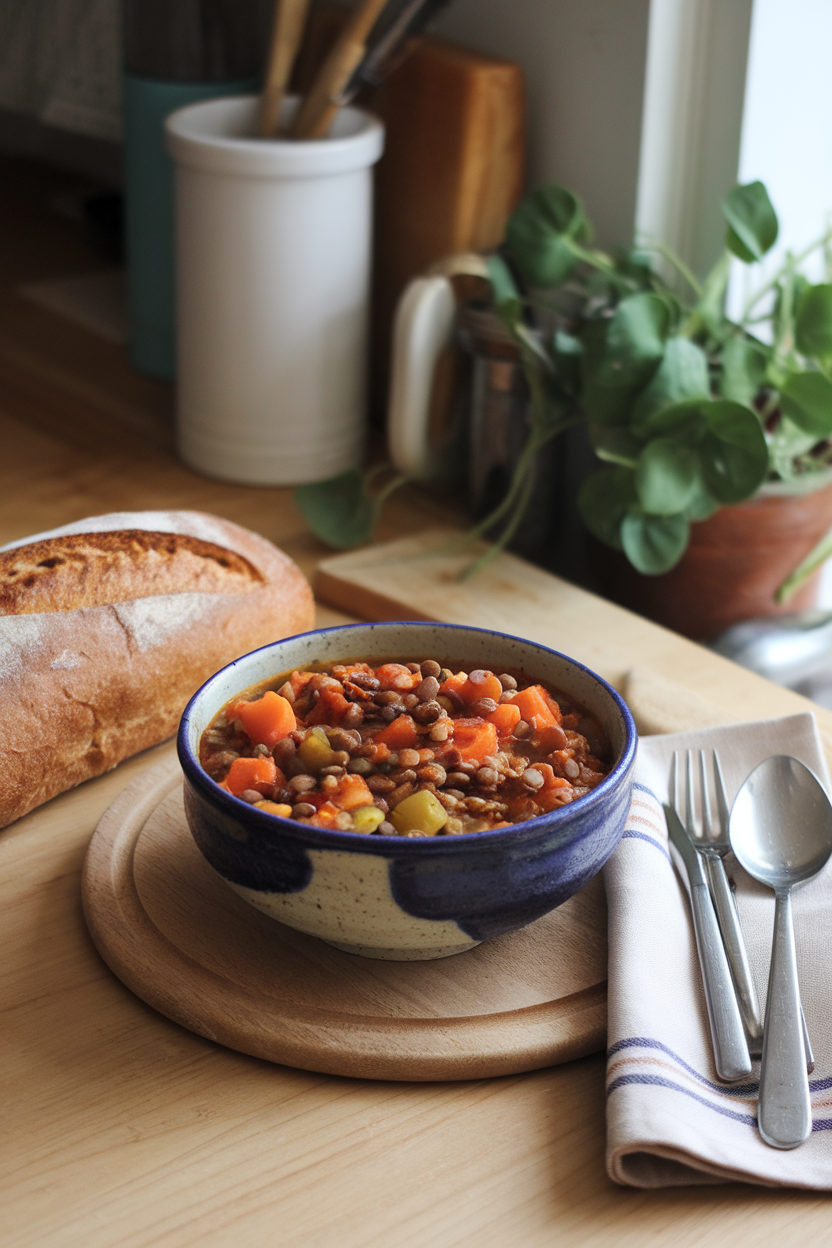
Setting one day aside for plant-based meals nudges you toward legumes, whole grains, and produce. This break can lower saturated fat intake and expand your recipe repertoire. Try lentil chili, chickpea curry, or black-bean tacos. You might discover new favorites worth repeating another night.
6. Use Whole-Grain Versions of Staples
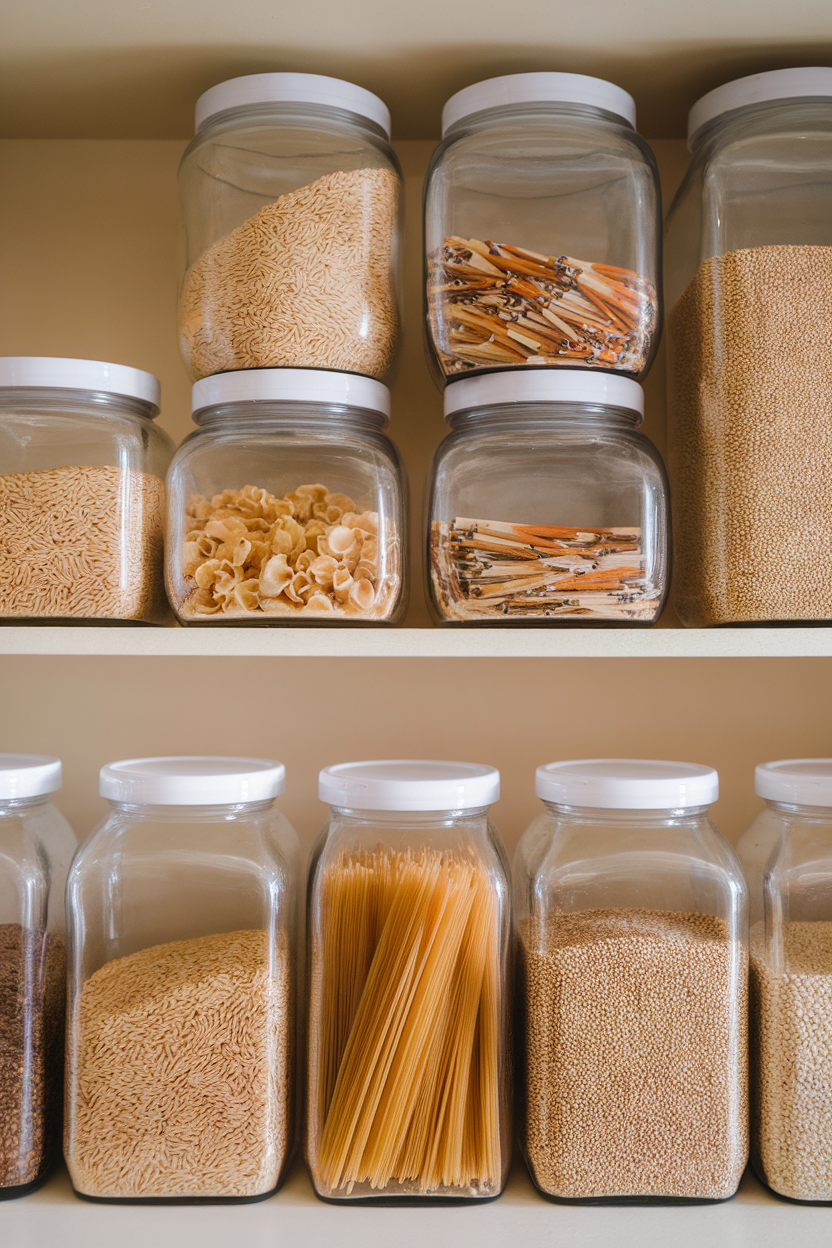
Swapping white rice or regular pasta for whole-grain alternatives bumps up fiber and minerals without changing meal structure. Cook a double batch to speed up weeknight dinners. If the texture feels heavy at first, mix half white and half whole grain until your palate adjusts. Over time, you’ll likely prefer the nutty flavor.
7. Practice the 80% Full Rule
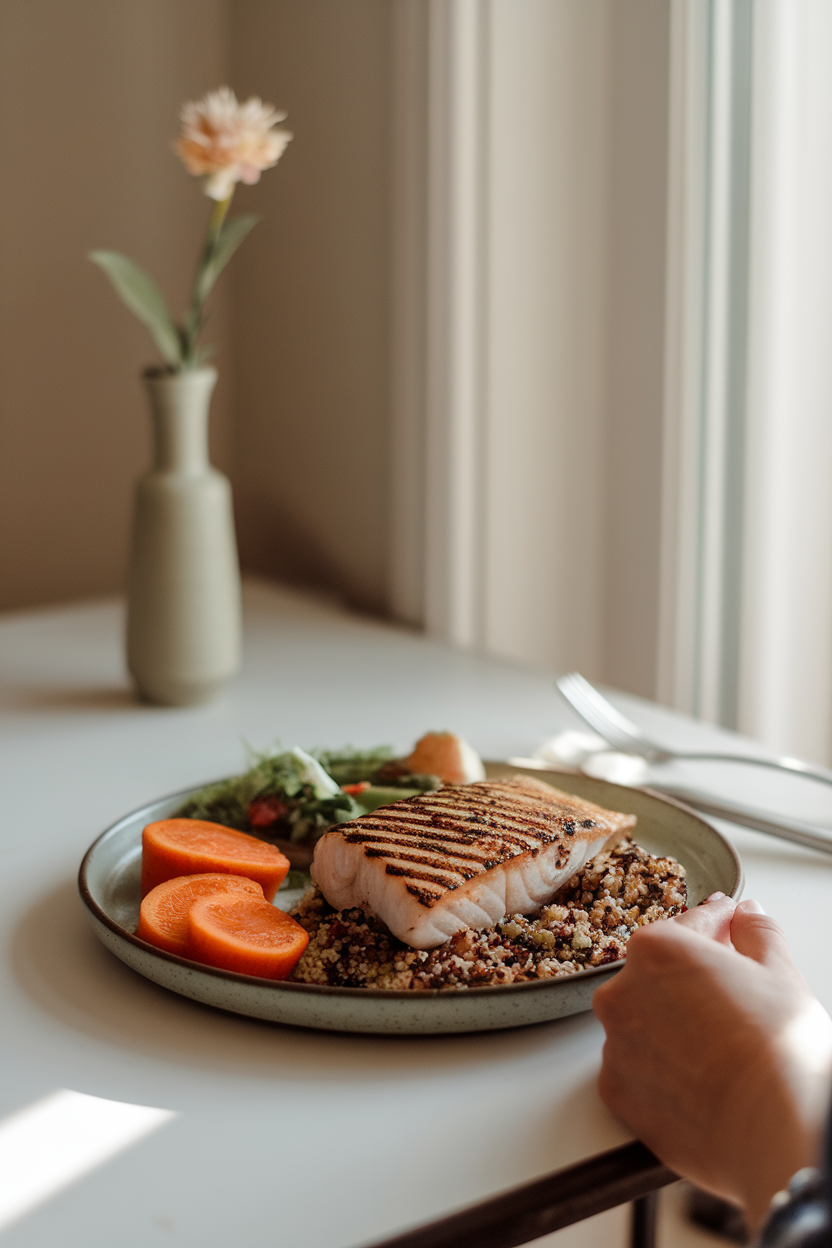
Instead of eating until uncomfortably stuffed, pause when you feel comfortably satisfied. Your stomach needs around 20 minutes to relay fullness signals. Slowing down, chewing thoroughly, and putting utensils down between bites help. This simple mindfulness technique can reduce calorie intake without any complicated tracking.
8. Bake, Don’t Fry
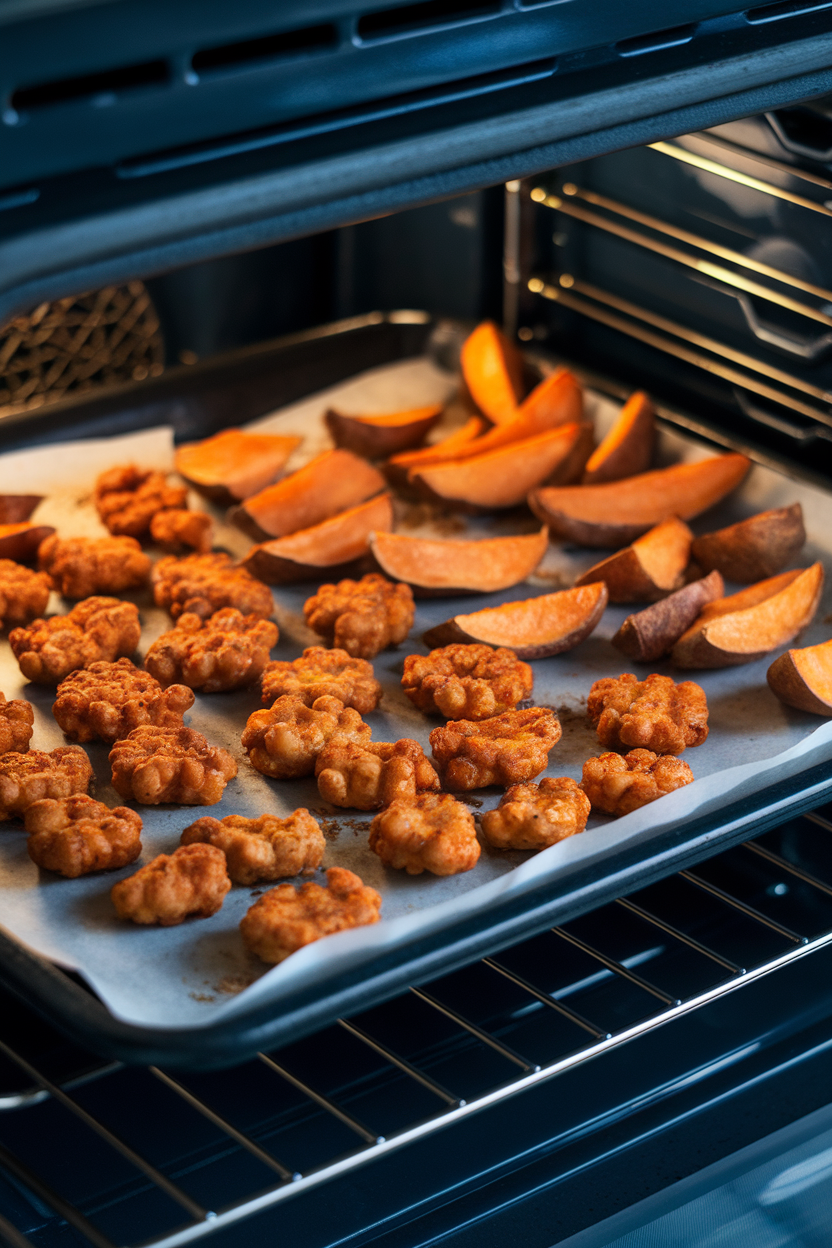
Baking uses far less oil than deep frying yet still yields satisfying crunch. Coat veggies, lean proteins, or legumes in a light drizzle of olive oil and your favorite spices. High-heat roasting caramelizes natural sugars for added flavor. Line pans with parchment for quicker cleanup.
9. Plan a Rainbow Plate Challenge
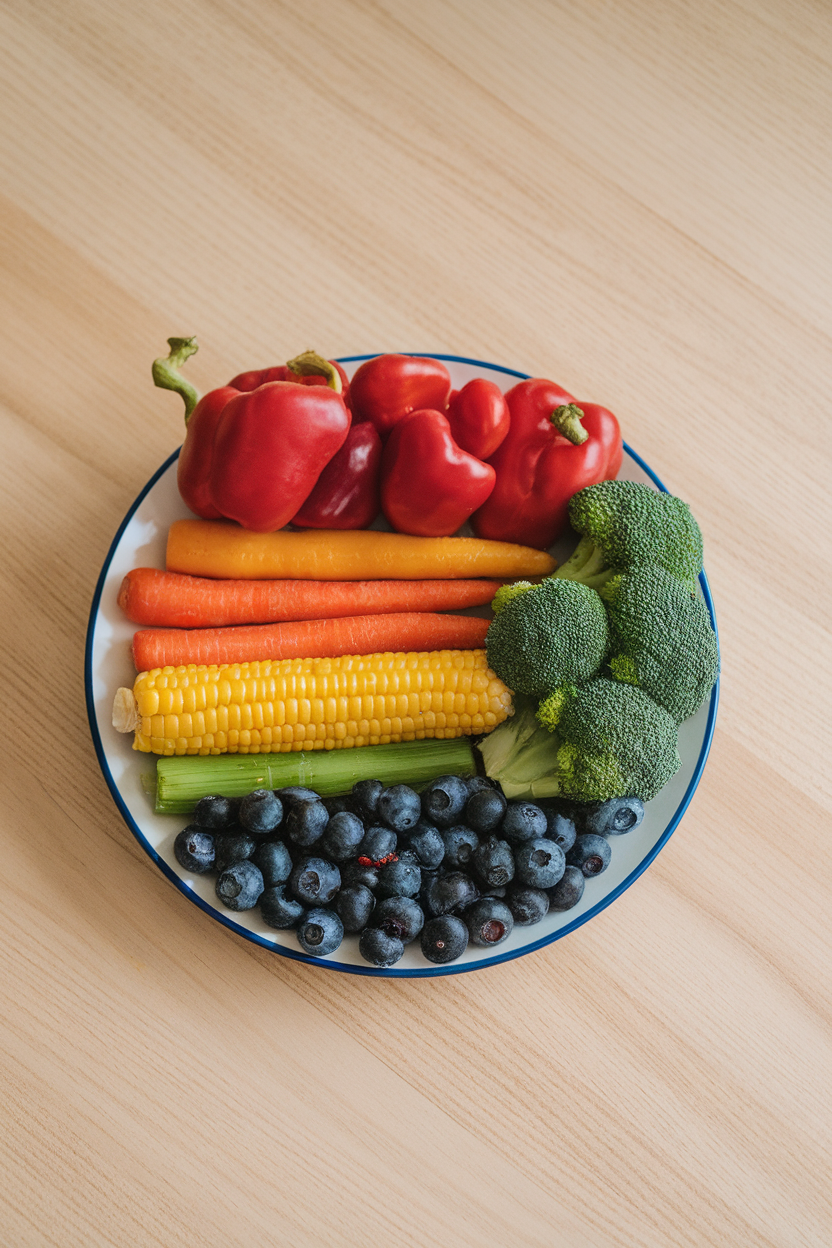
Eating multiple colors ensures a broader range of antioxidants and micronutrients. Make it a game: see how many hues you can fit into one meal. Kids often join in eagerly, turning healthy choices into fun competition. Snap a picture to track progress throughout the week.
10. Replace Cream Sauces with Nut-Based Ones
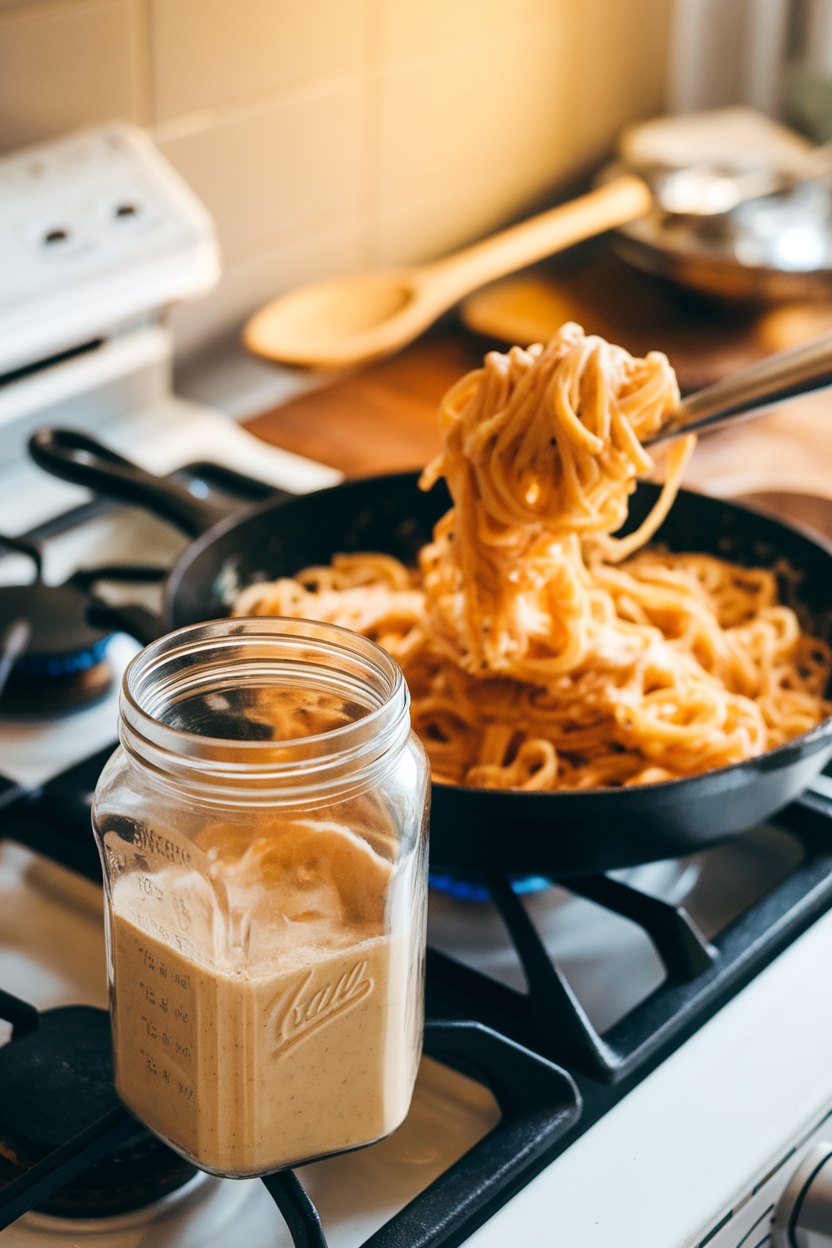
Soaked cashews blended with water yield a velvety sauce without dairy or artificial thickeners. Season with garlic, lemon juice, or nutritional yeast for depth. Pour it over pasta, roasted veggies, or grain bowls. The healthy fats keep you satisfied while slashing saturated fat.
11. Snack on Air-Popped Popcorn
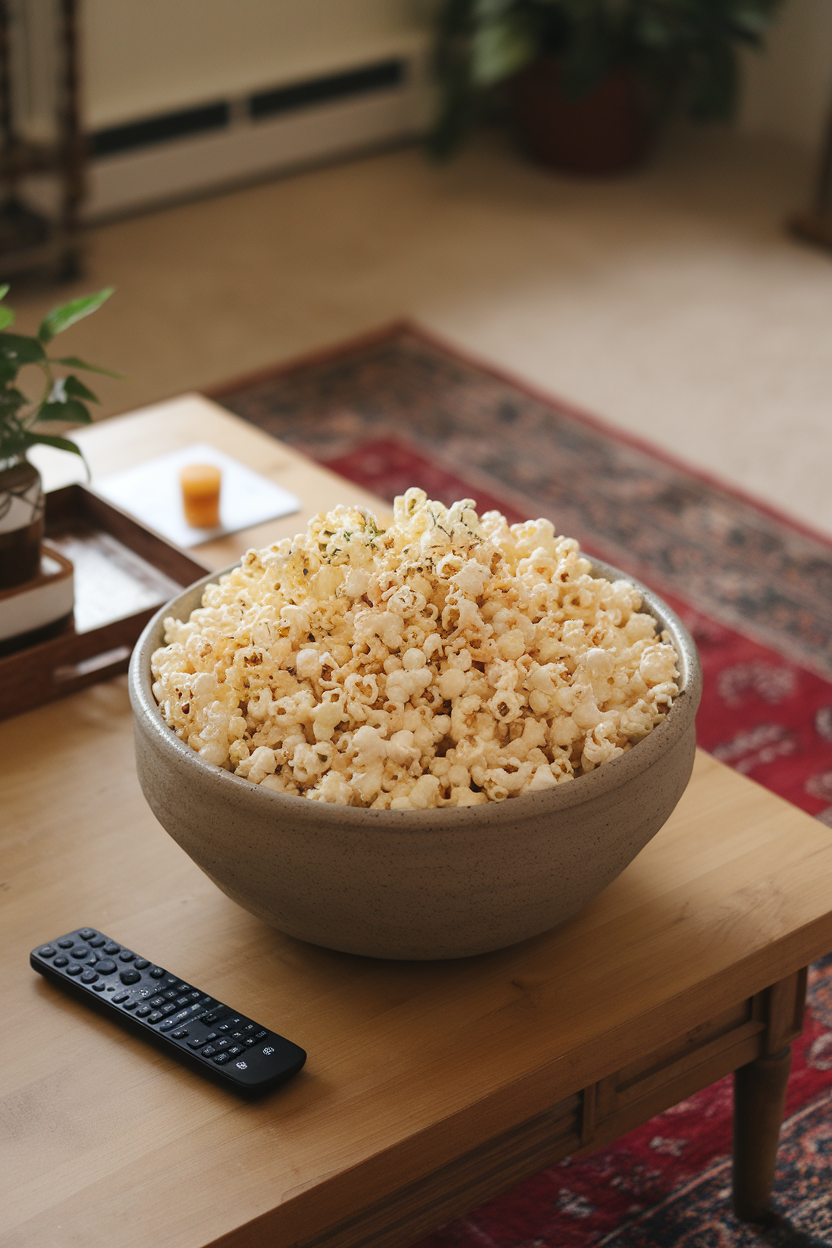
When prepared without butter and heavy salt, popcorn is a whole-grain snack high in fiber. Use an air popper or pop kernels in a covered pot with a teaspoon of olive oil. Sprinkle on smoked paprika, nutritional yeast, or cinnamon for flavor. Three cups contain about the same calories as a handful of chips but feel far more filling.
12. Fill Half Your Plate with Vegetables
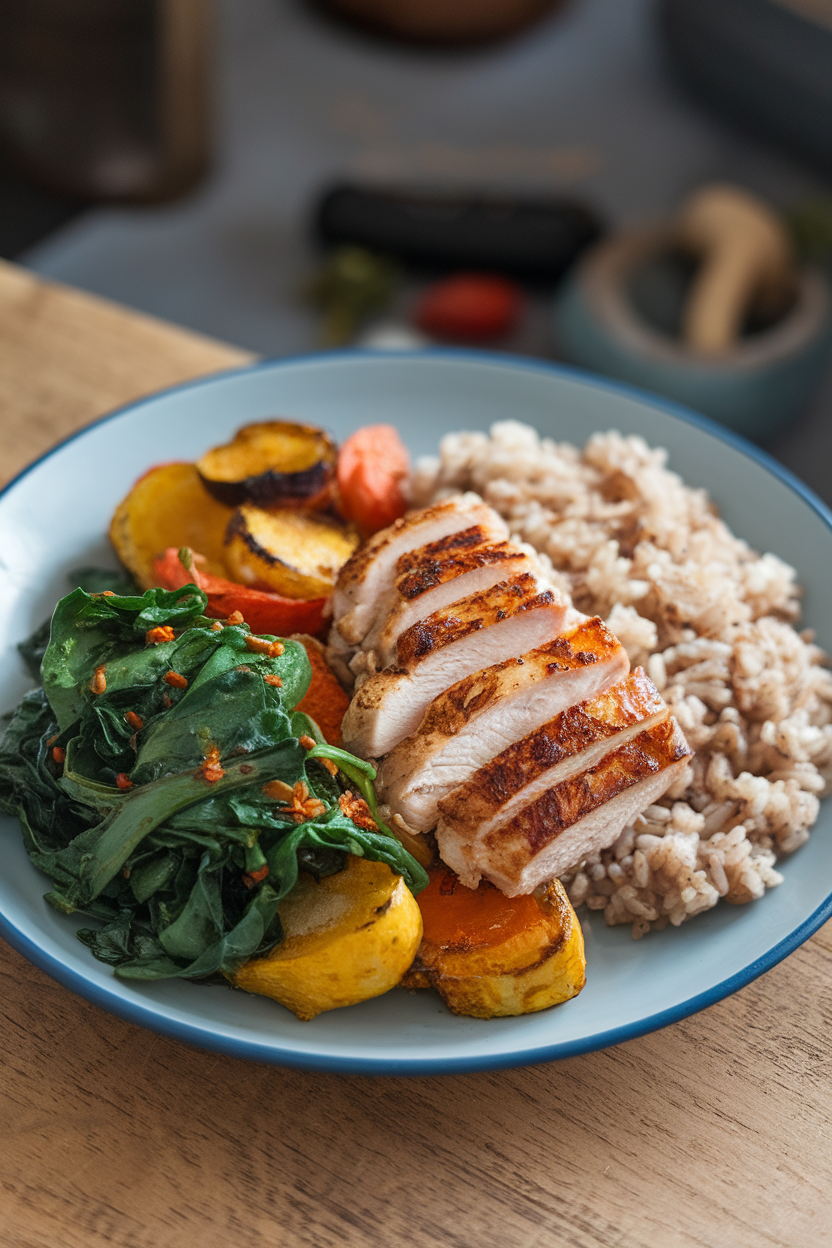
This visual guideline simplifies portion control without measuring. Vegetables add volume, color, and nutrition while keeping calories in check. Choose a mix of cooked and raw for interesting textures. Over time, the habit becomes second nature at restaurants and home alike.
13. Embrace One-Ingredient Snacks
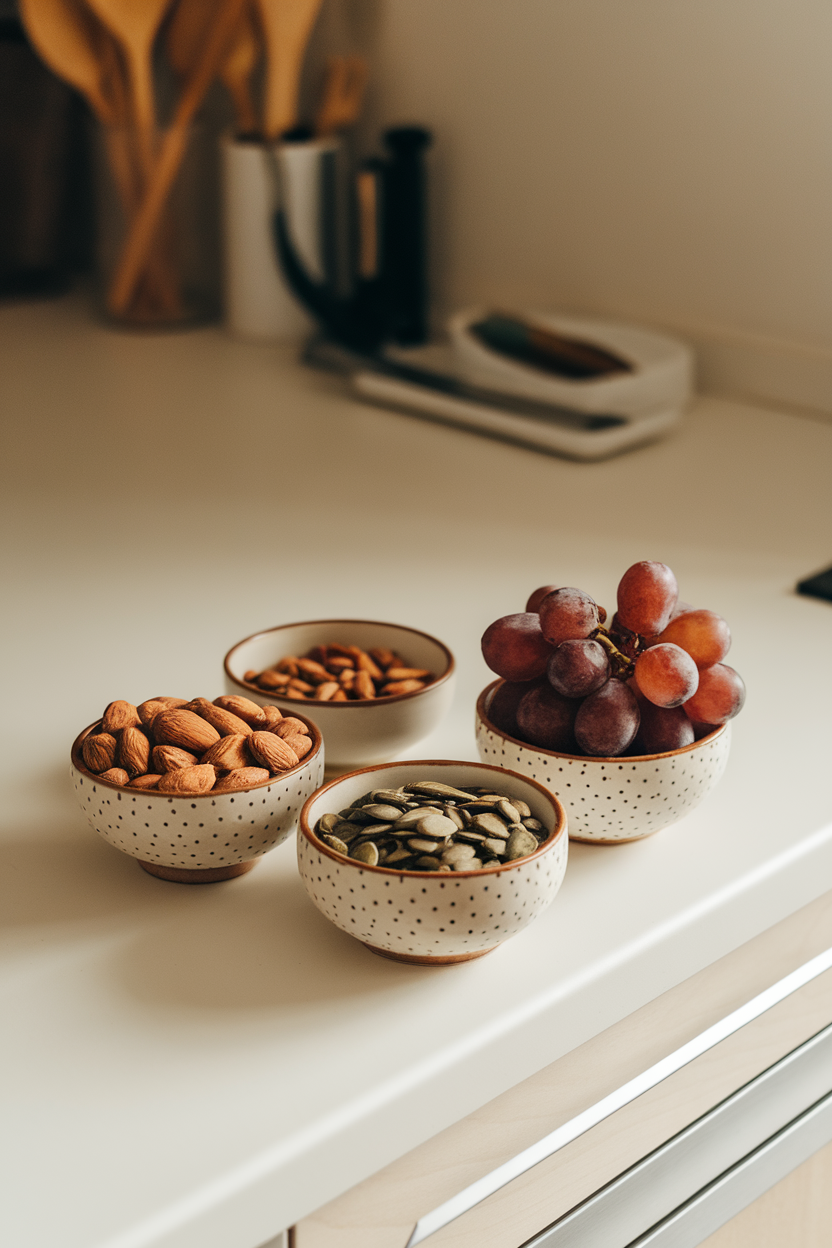
No label reading required—if there’s only one ingredient, you know exactly what you’re eating. Nuts, seeds, and fruit are portable and nutrient-dense. Portion nuts into quarter-cup servings to keep calories reasonable. Pair fruit with a handful of seeds for steadier blood sugar.
14. Upgrade Sandwich Bread to Sprouted Grain
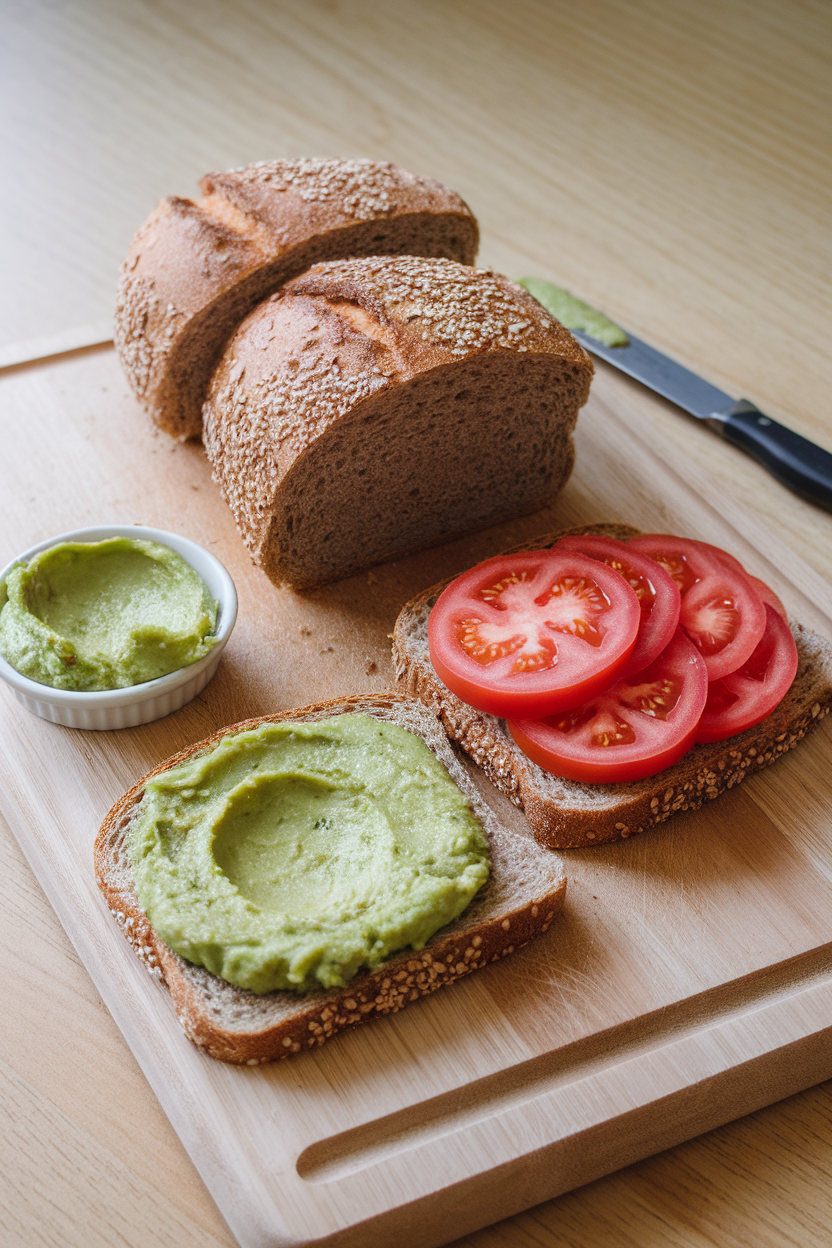
Sprouted grains are easier to digest and often pack more protein than standard whole-wheat loaves. They also lend a hearty texture that holds up to juicy fillings. Toast lightly, then layer on veggies, lean protein, or nut butter. Store leftovers in the freezer to maintain freshness without preservatives.
15. Cook One New Vegetable Each Week
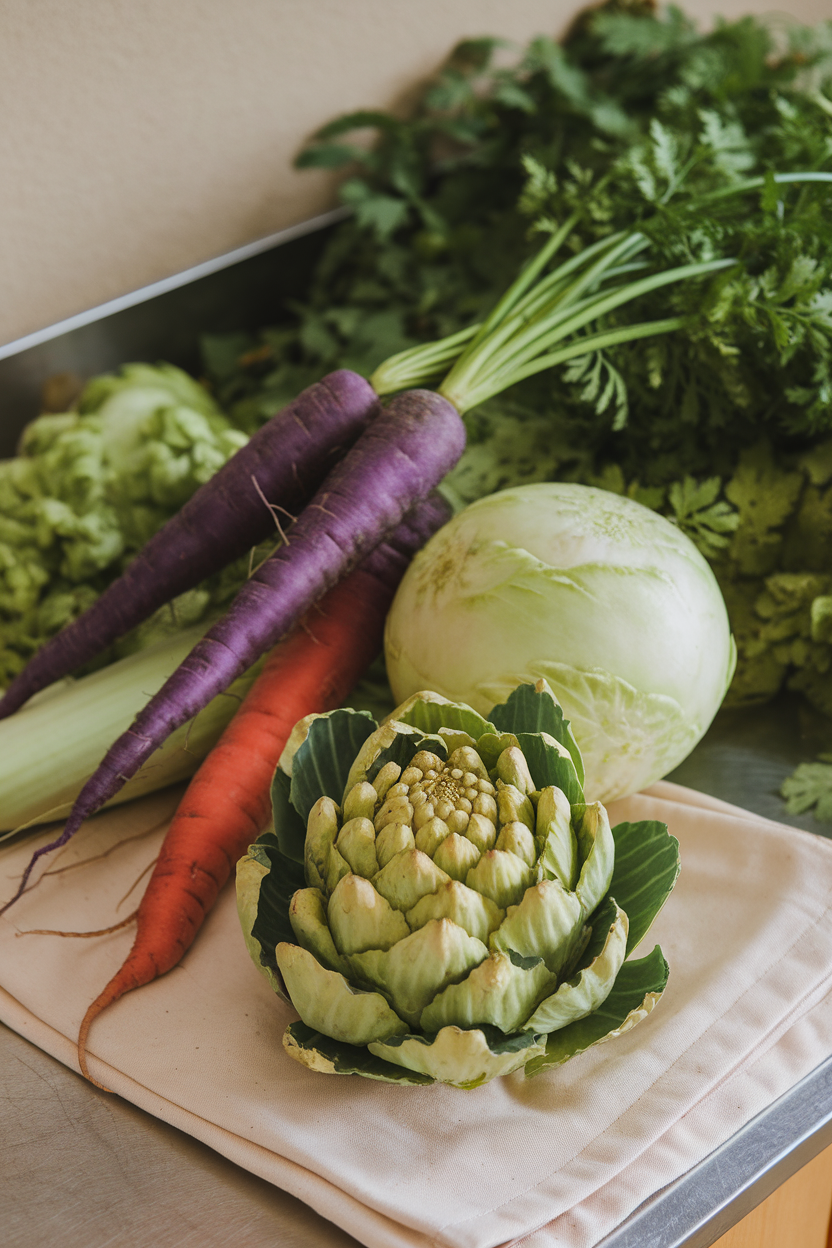
Novelty keeps healthy eating exciting. Pick something you’ve never tried—maybe bok choy or jicama—and search for simple recipes. Exploring new flavors broadens your nutrient intake and culinary confidence. Share discoveries with friends to inspire their own experiments.
16. Swap Creamy Dressings for Olive Oil & Lemon
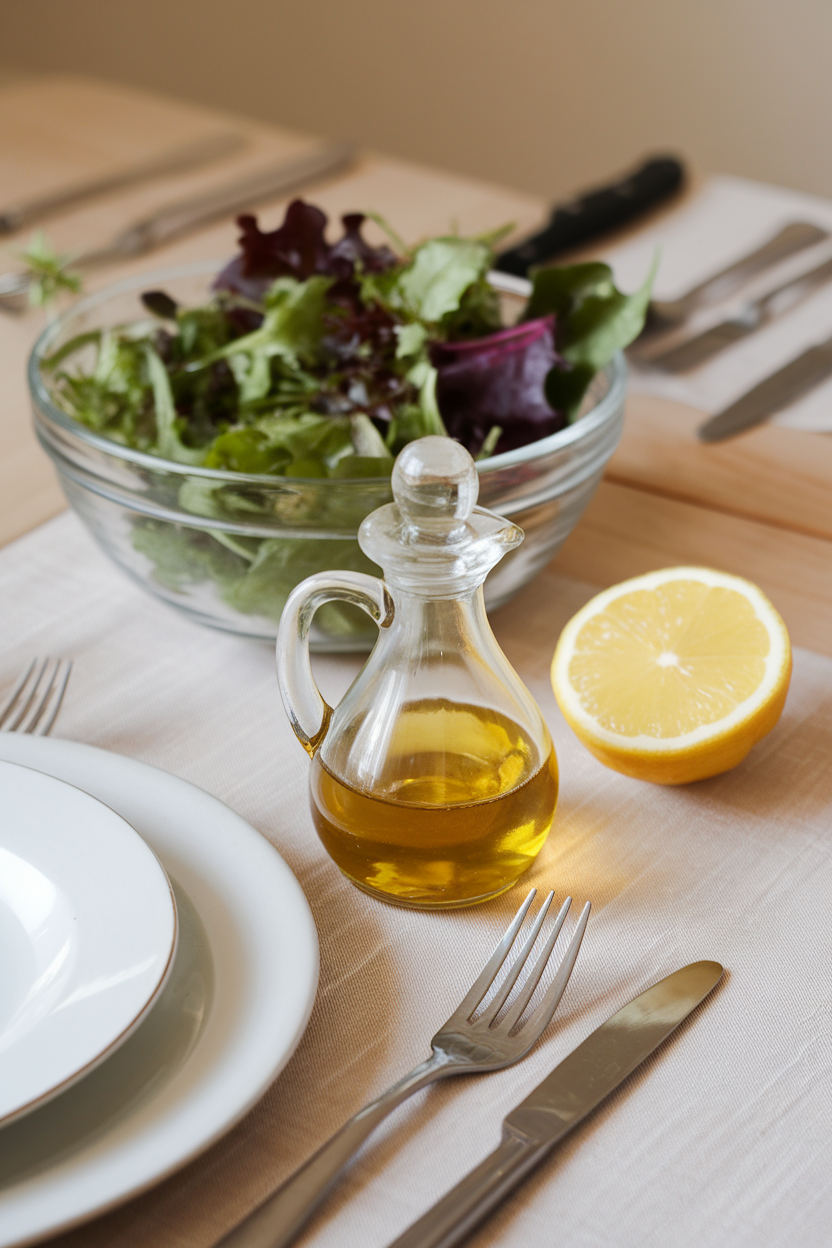
Simple vinaigrettes let fresh produce shine without masking flavor. Mix extra-virgin olive oil with fresh citrus juice, a pinch of salt, and cracked pepper. Shake in a small jar and drizzle just before serving. The healthy fats help you absorb fat-soluble vitamins from the salad.
17. Batch-Cook Beans from Scratch
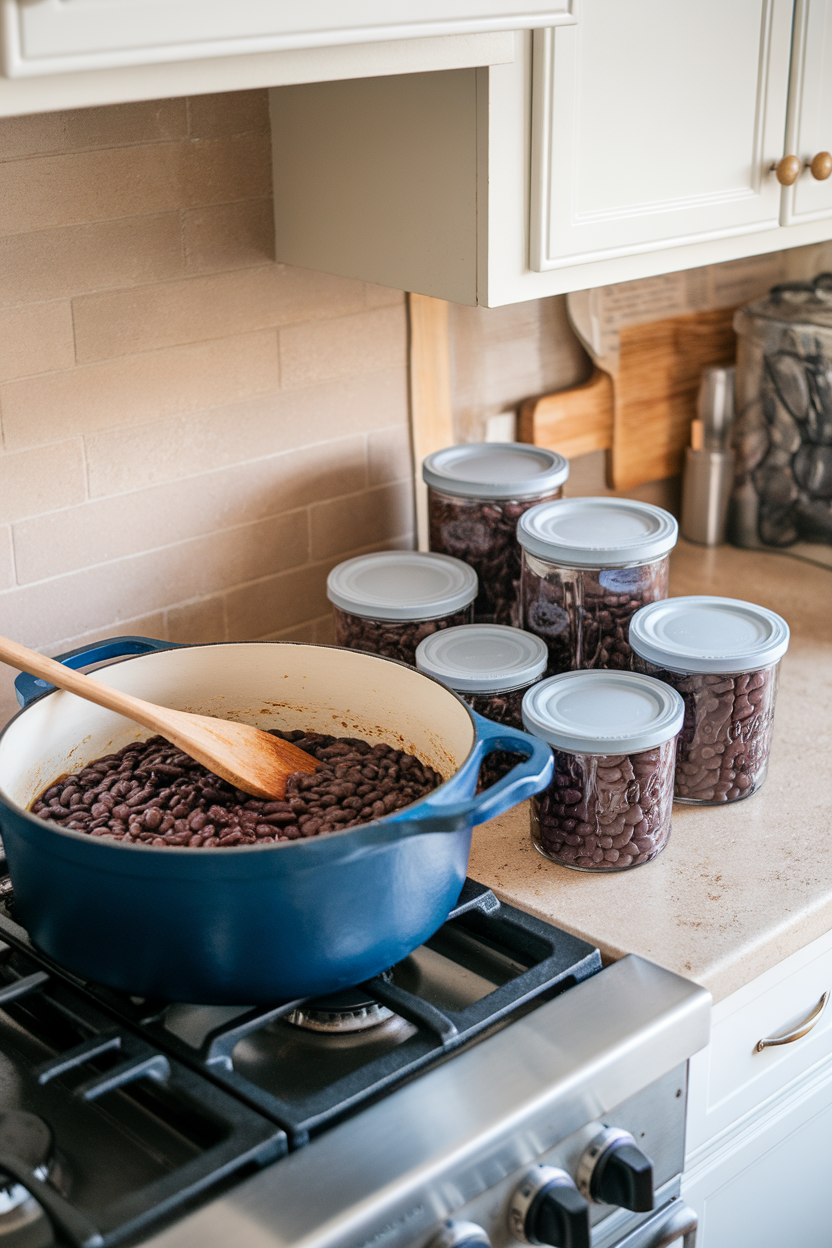
Dried beans cost less and contain less sodium than canned versions. Soak overnight, then simmer until tender; or use a pressure cooker for speed. Freeze in two-cup portions for quick additions to soups, salads, and tacos. Season lightly so the beans stay versatile for any cuisine.
18. Practice Portion-Controlled Treats
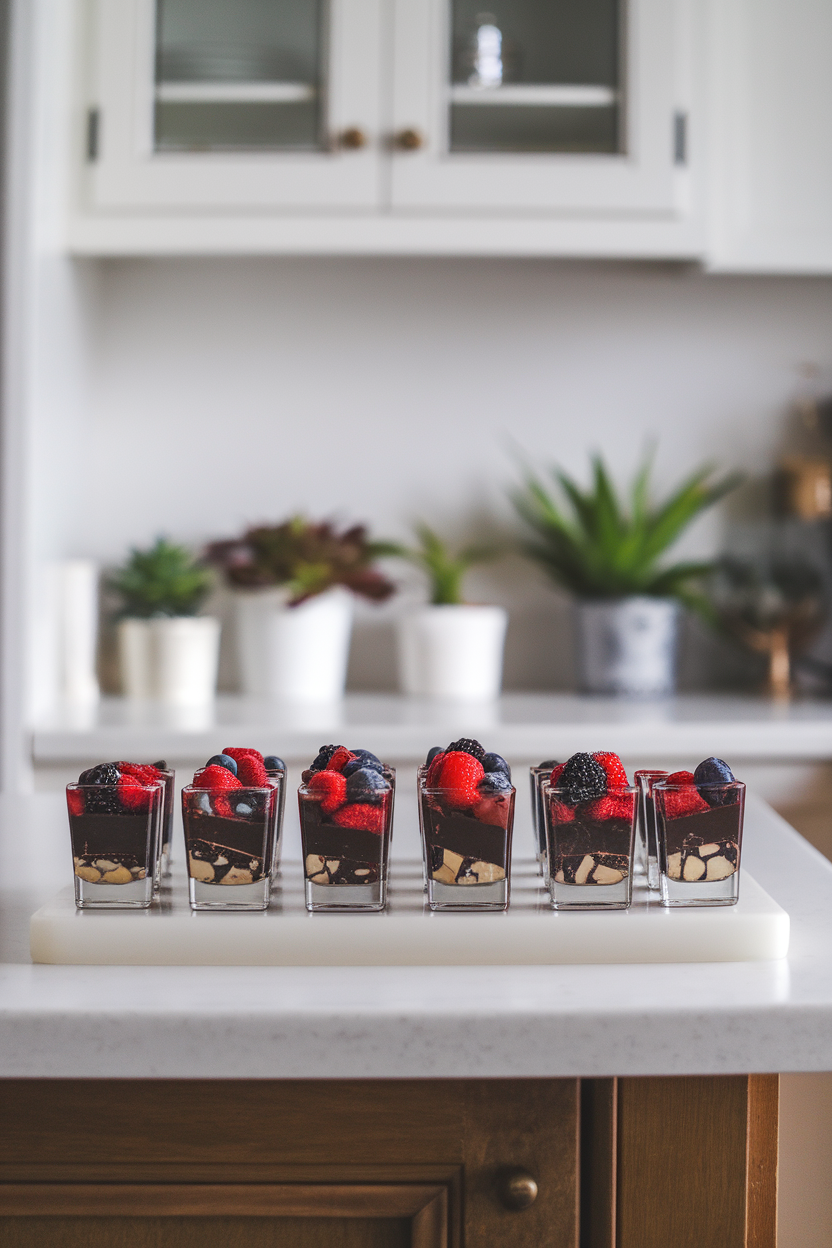
Deprivation often backfires, so keep small servings of sweets on hand. Pre-portion items like dark chocolate or date energy balls into mini containers. Enjoy slowly and mindfully to savor each bite. This approach satisfies cravings without derailing progress.
19. Eat Seasonally
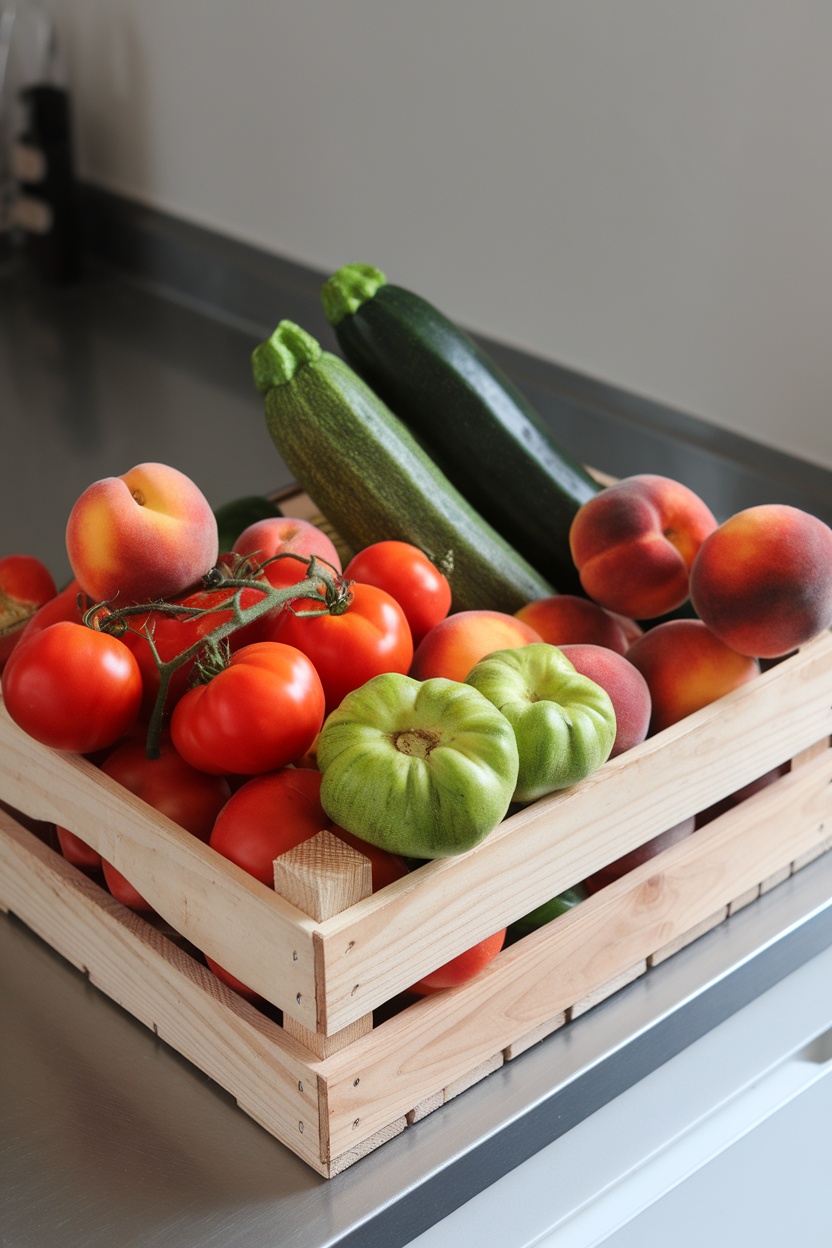
Seasonal produce is fresher, tastier, and often more affordable. Rotate menus around what’s at its peak—think asparagus in spring, berries in summer, or squash in fall. This habit naturally diversifies nutrients and reduces reliance on imported goods. Plus, flavors shine without extensive seasoning.
20. Choose Plain Yogurt and Sweeten It Yourself
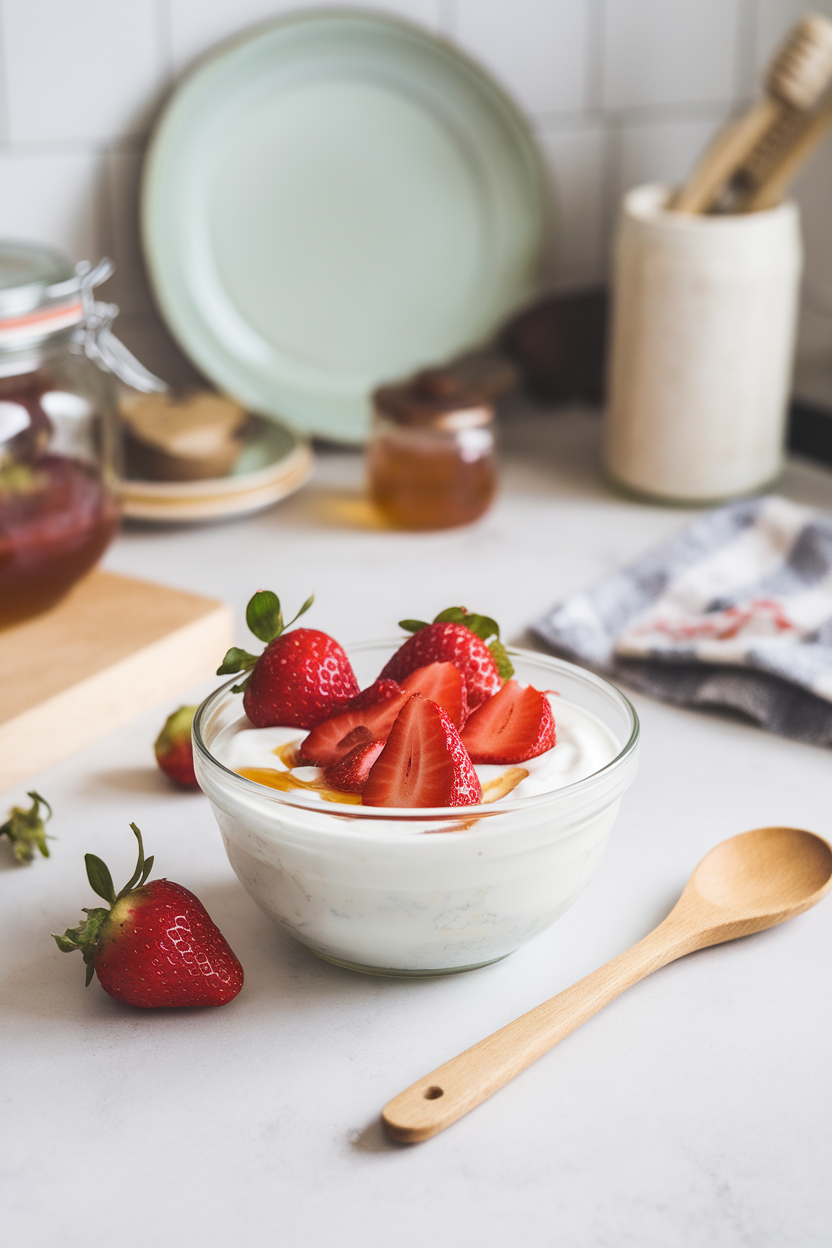
Flavored yogurts can contain as much sugar as ice cream. Starting with plain gives you control over sweetness and add-ins. Stir in fruit, a touch of honey, or chia seeds for texture. The protein keeps you full and fuels muscles post-workout.
21. Drink Green Tea in Place of Sugary Coffee Drinks

Green tea delivers antioxidants and a gentler caffeine lift than a syrup-laden latte. Steep for two to three minutes to avoid bitterness. If you miss creaminess, add a splash of almond milk. Over time, your palate adjusts to the subtler sweetness.
22. Create a DIY Salad Jar Rotation
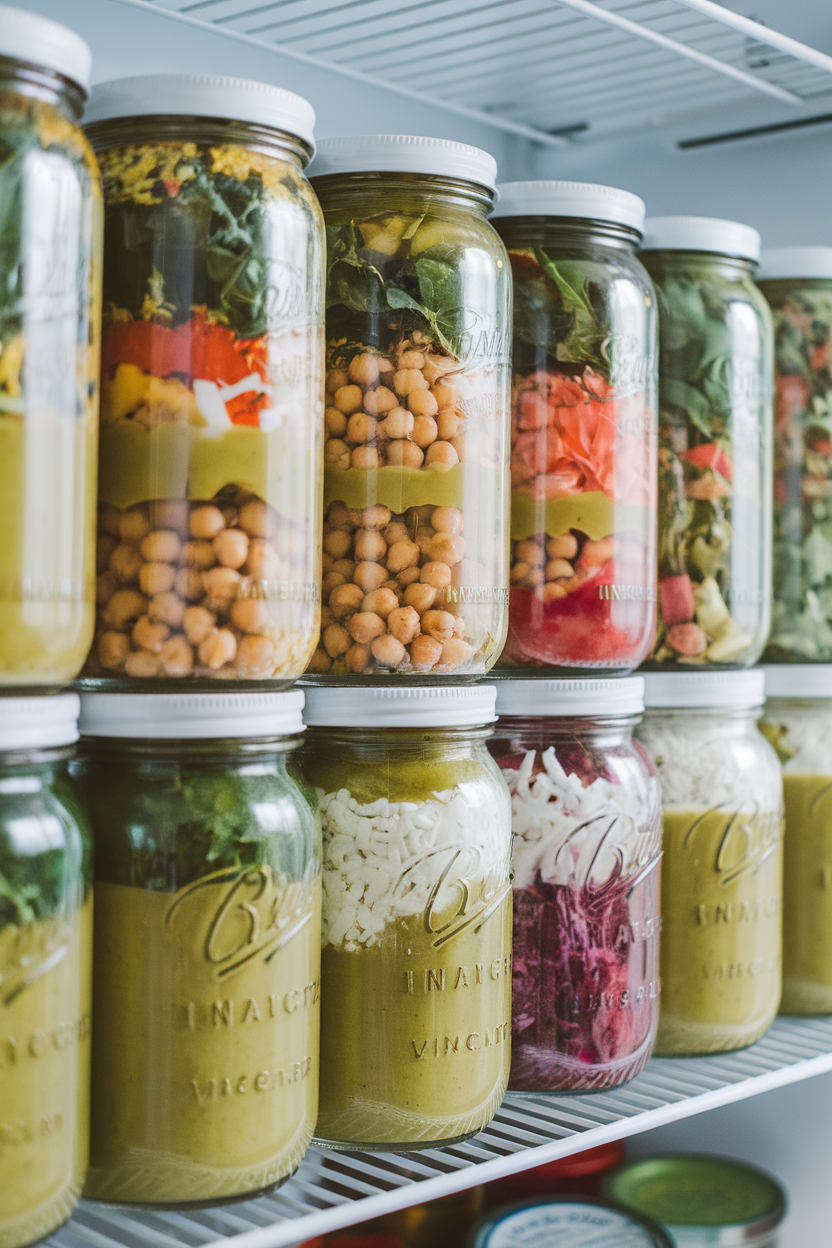
Layering ingredients keeps greens crisp until lunchtime. Build three to four jars at once for hassle-free weekdays. Just shake and pour into a bowl when ready to eat. Rotate proteins and dressings for variety without extra effort.
23. Flavor Food with Fresh Herbs
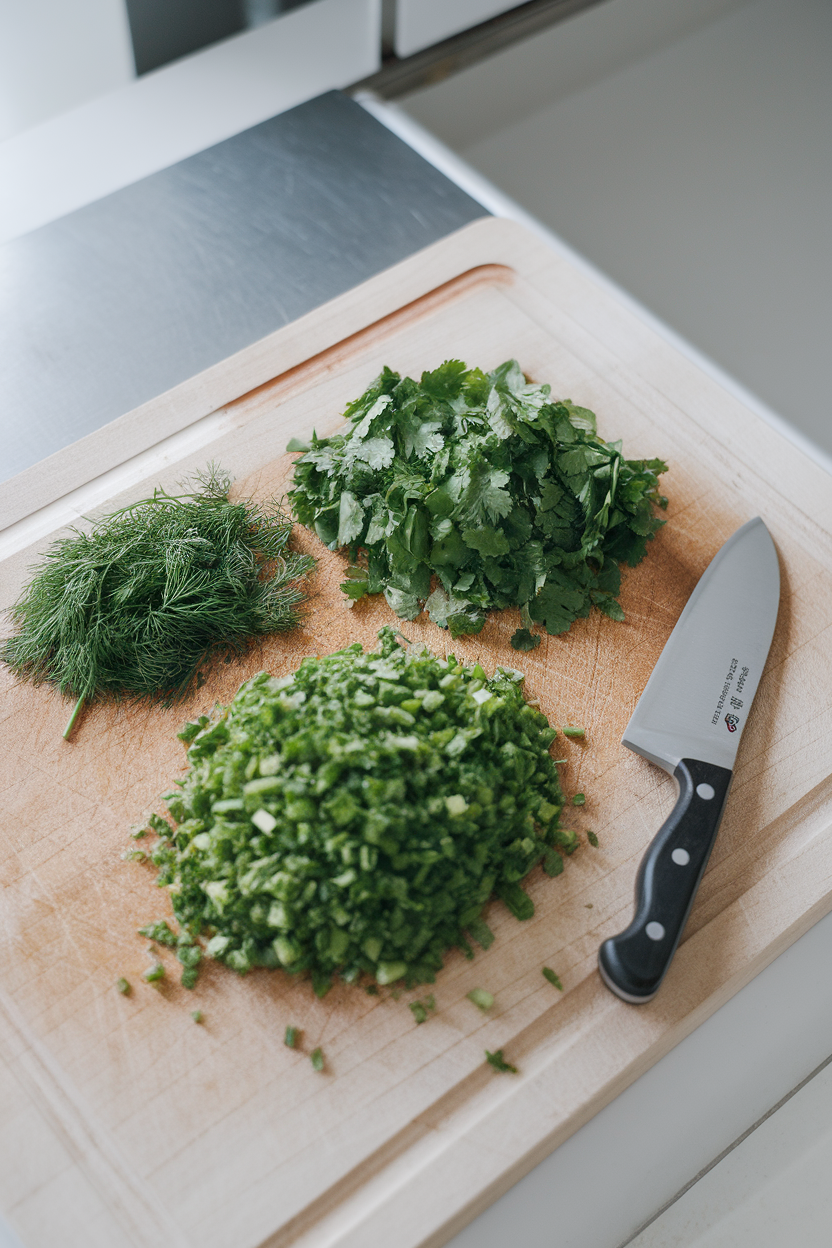
Herbs add brightness without salt, sugar, or fat. Grow a few pots on a windowsill or buy small bunches weekly. Sprinkle on salads, soups, and roasted veggies. Store stems in a jar of water in the fridge to extend freshness.
24. Use Smaller Plates
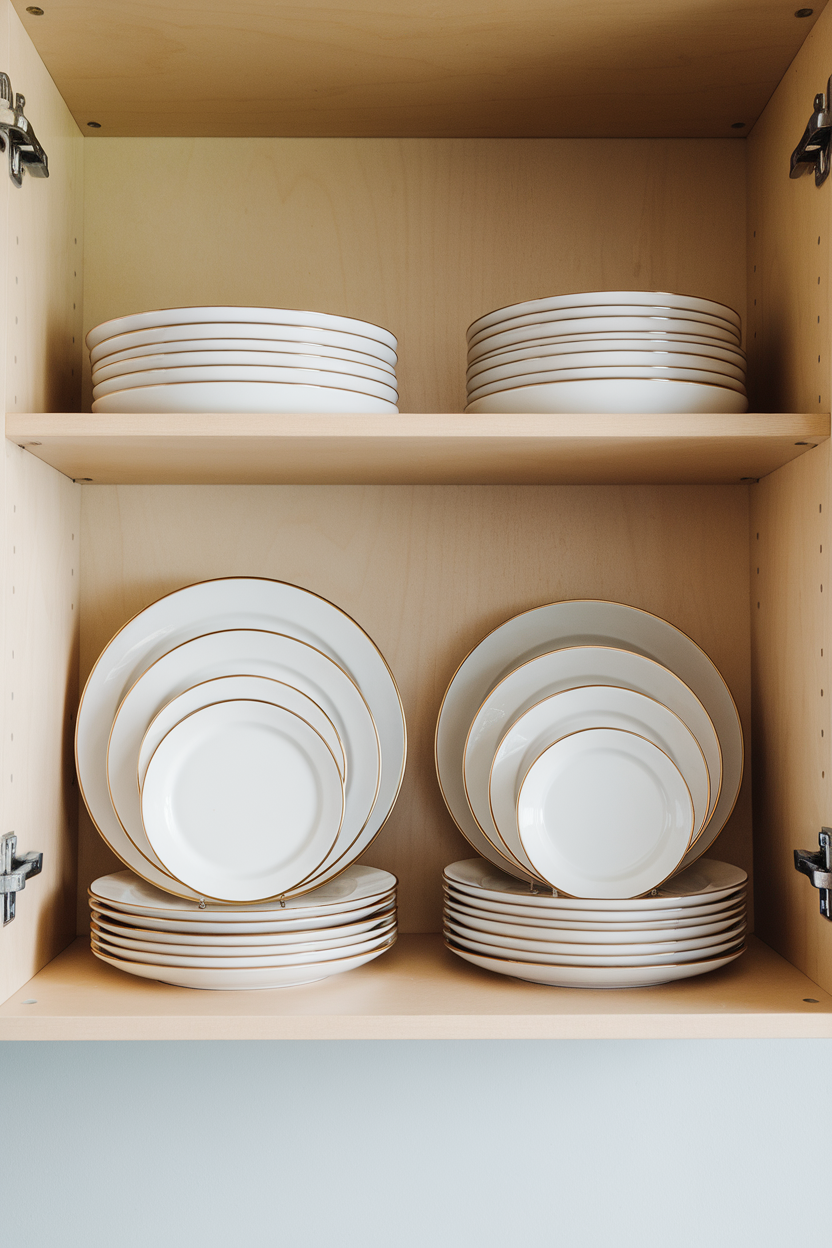
Visual cues influence how much we eat. Downsizing plate size can cut calories naturally by encouraging modest portions. Fill the smaller surface completely so the meal still looks abundant. This subtle trick works well for main dishes and desserts alike.
25. Incorporate Healthy Fats Daily
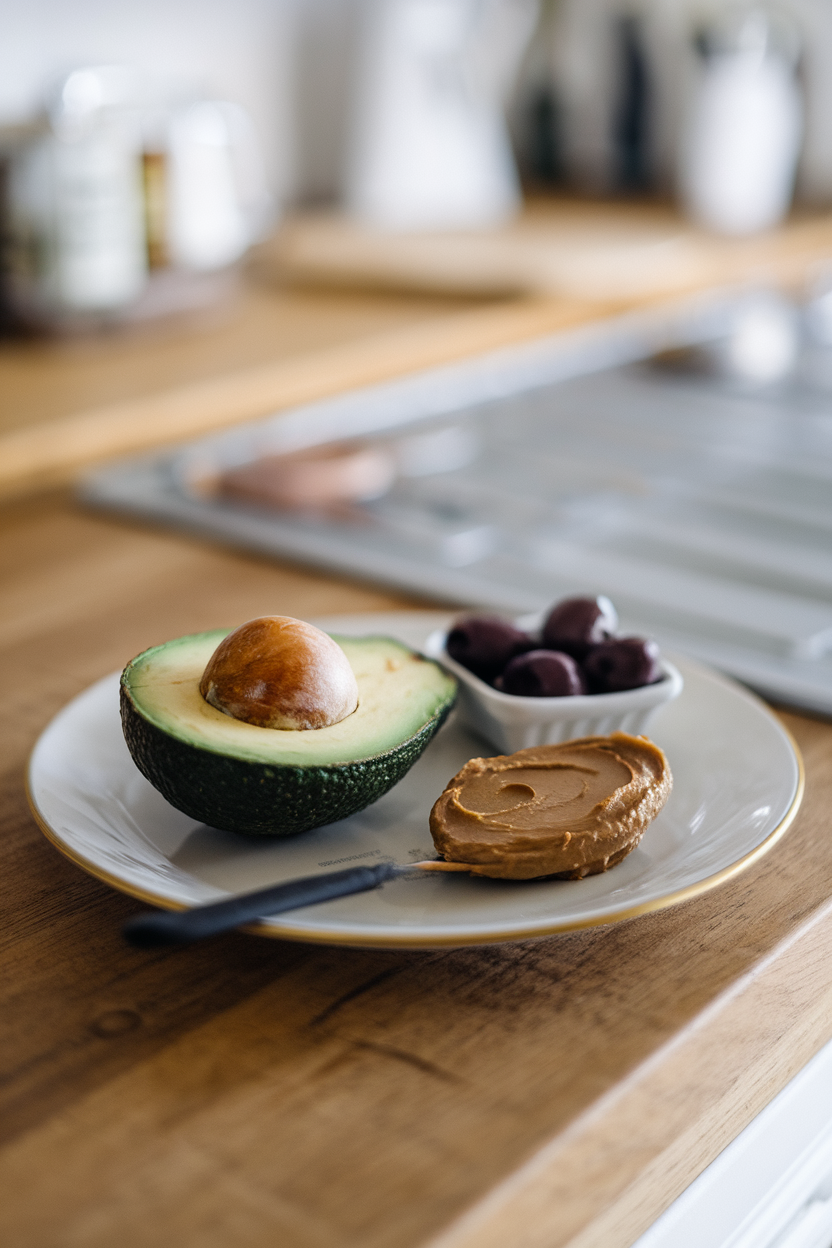
Monounsaturated and omega-3 fats support heart and brain health. Add avocado to toast, drizzle olive oil on veggies, or scatter walnuts over oatmeal. Healthy fats enhance flavor and promote satiety, reducing the urge to snack later. Just keep portions balanced because calories add up quickly.
26. Make Your Own Salad Dressings
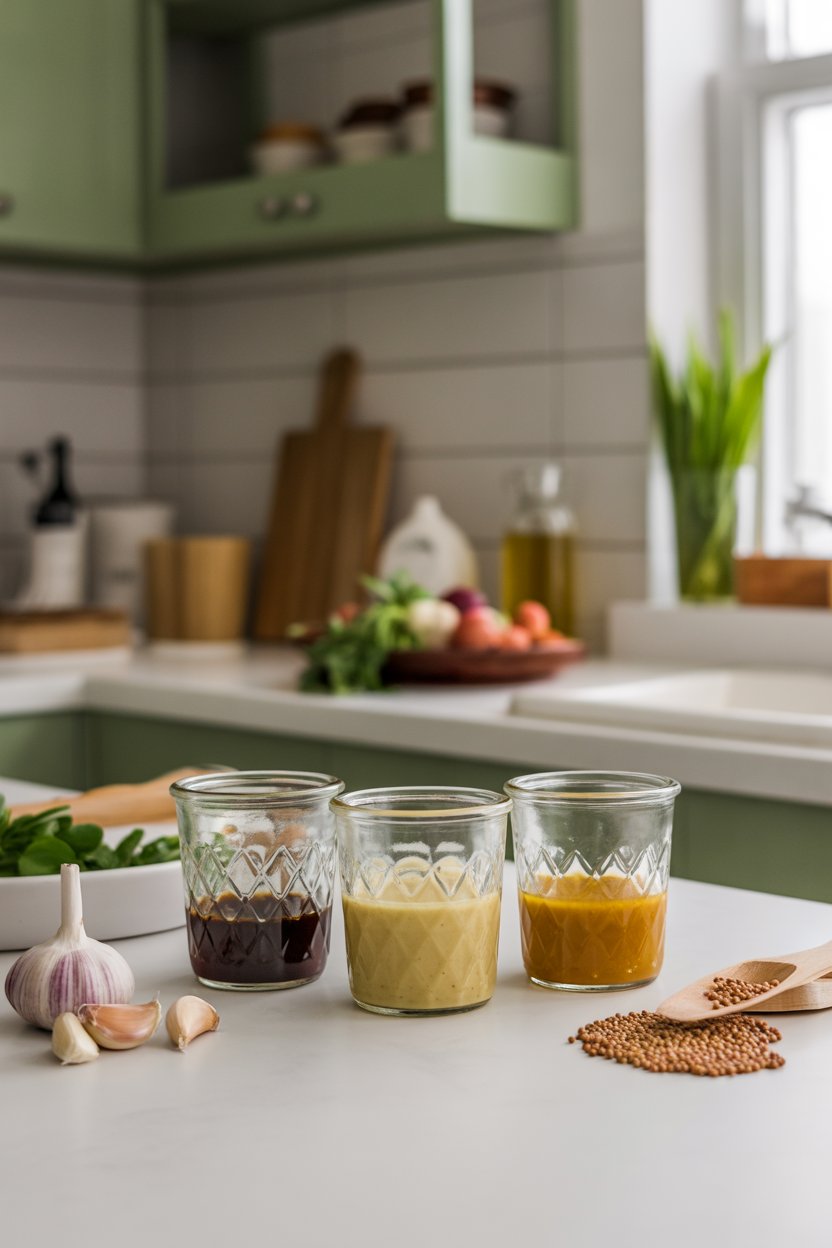
Store-bought dressings often contain hidden sugars and preservatives. Whisk together oil, vinegar, and seasonings in under five minutes. Make small batches to keep flavors fresh. Label jars with dates to stay organized.
27. Practice Mindful Chewing
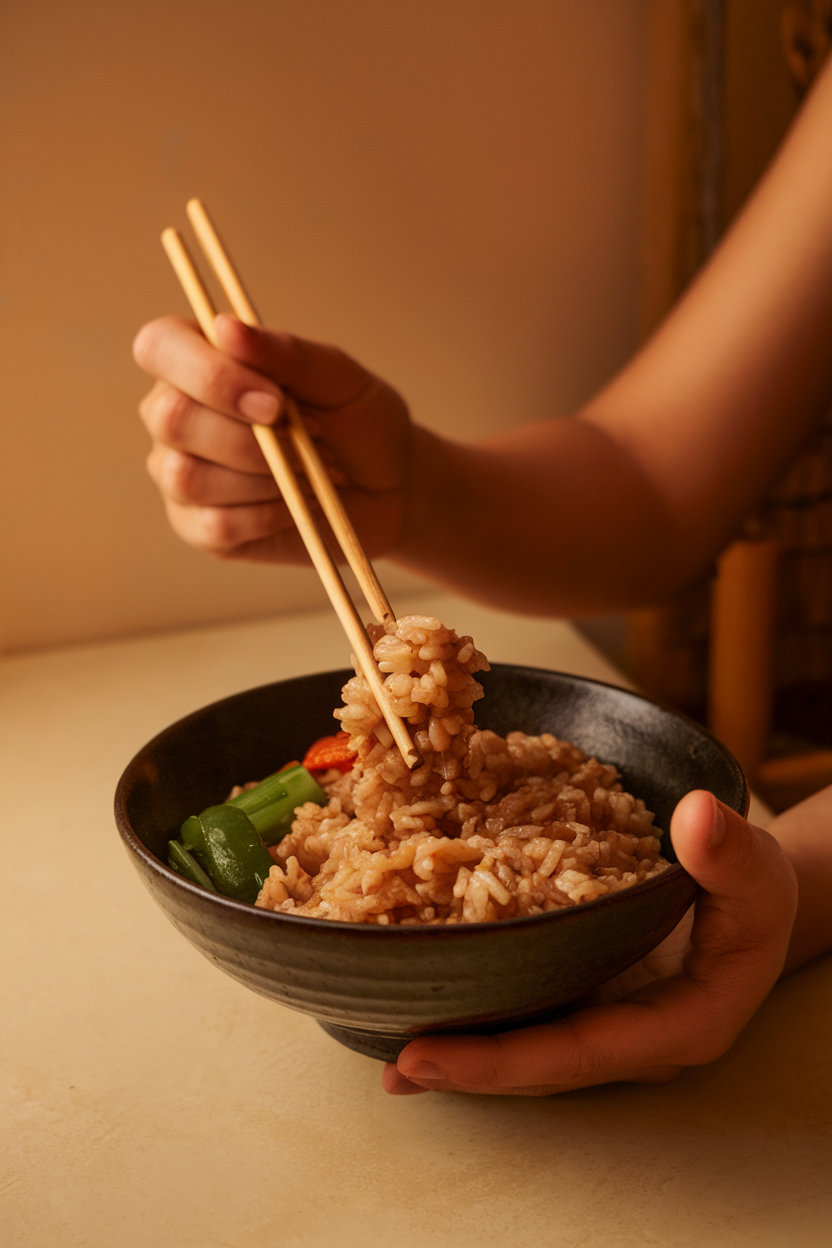
Chewing thoroughly breaks food down for better digestion and allows time for fullness signals. Aim for 20–30 chews per bite, setting utensils down between mouthfuls. Meals may last longer, yet you’ll often eat less. Mindful chewing also enhances taste appreciation.
28. Replace Sugary Cereal with Overnight Oats
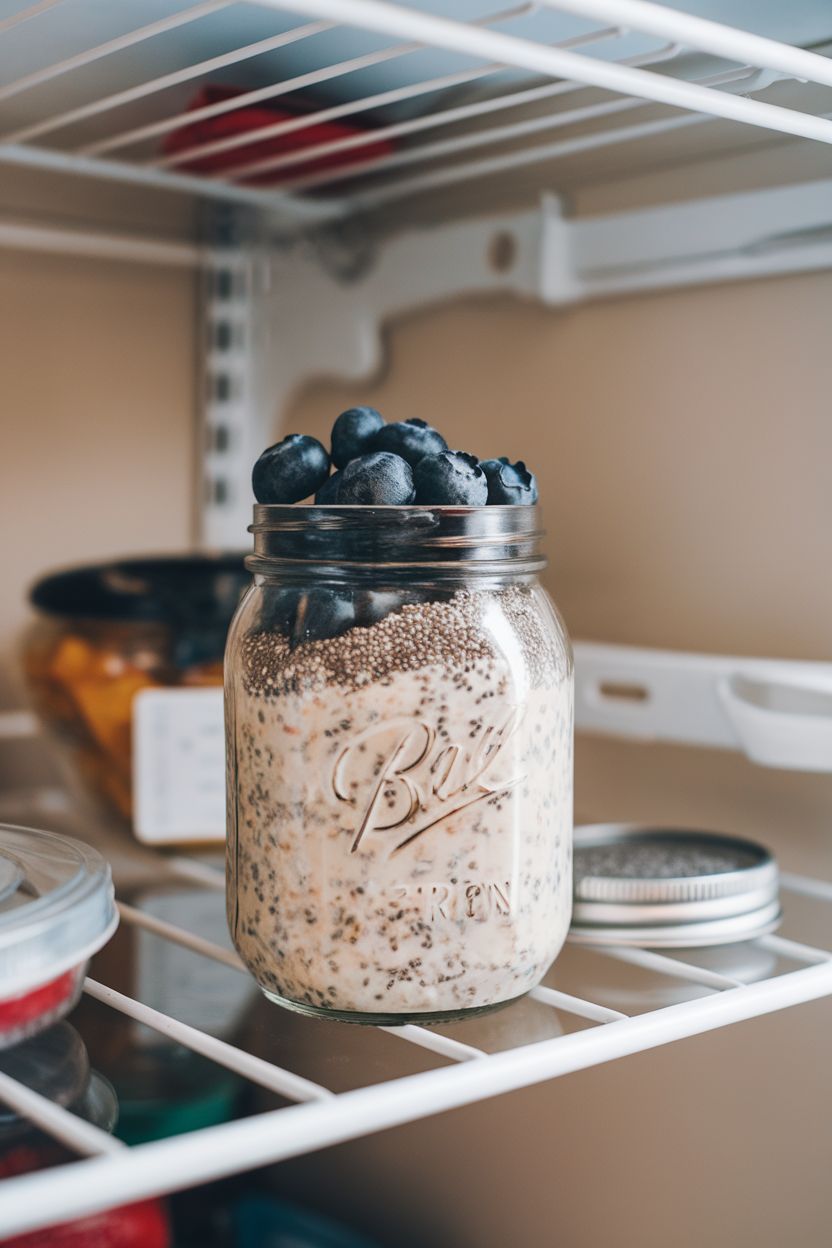
Mix rolled oats with milk, yogurt, and fruit the night before for a ready-to-eat breakfast. The fiber keeps blood sugar steady, while customizable add-ins prevent monotony. Prepare several jars on Sunday to streamline busy mornings. Warm briefly in the microwave if you prefer a cozy start.
29. Keep Healthy Emergency Snacks in the Car
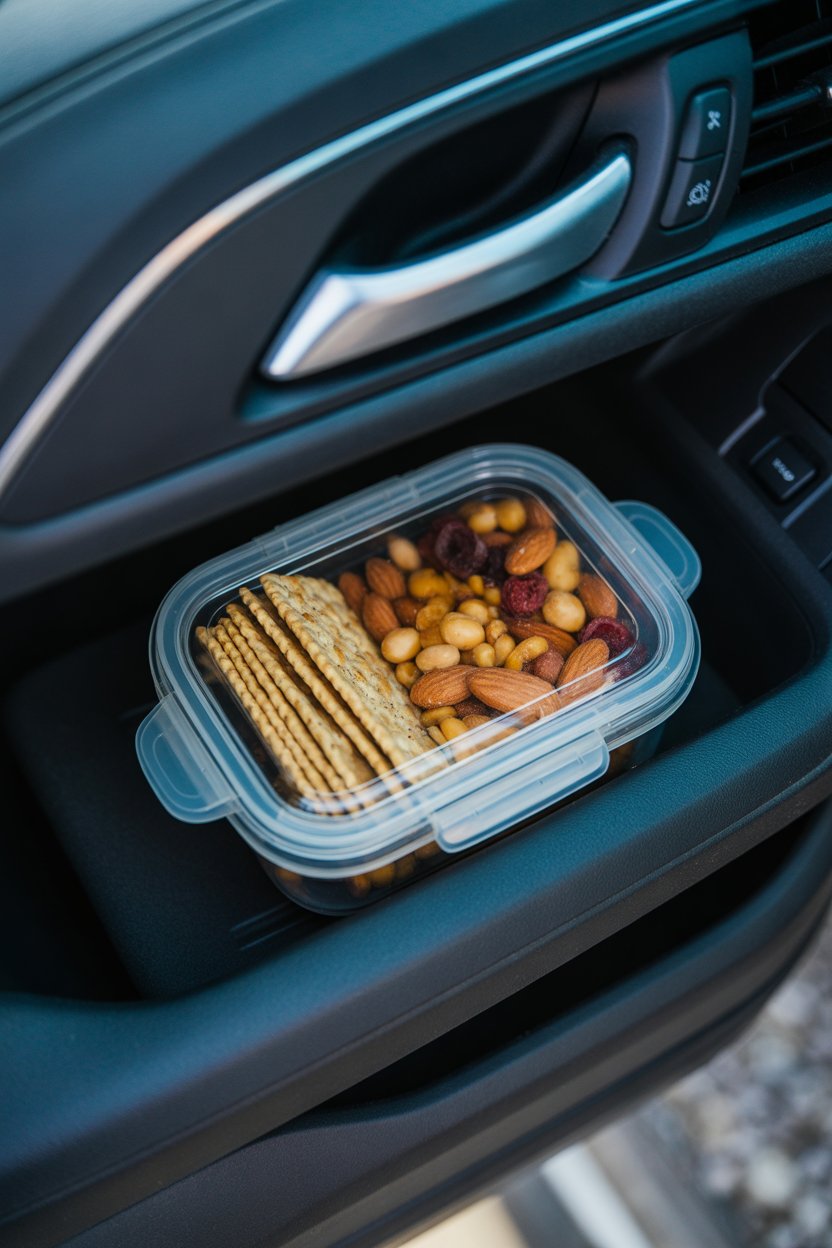
Traffic jams and long errands can derail eating plans. Stock shelf-stable snacks so fast-food temptation doesn’t win. Choose non-melting items that withstand temperature swings. Rotate inventory monthly to keep everything fresh.
30. Season with Spices Instead of Salt
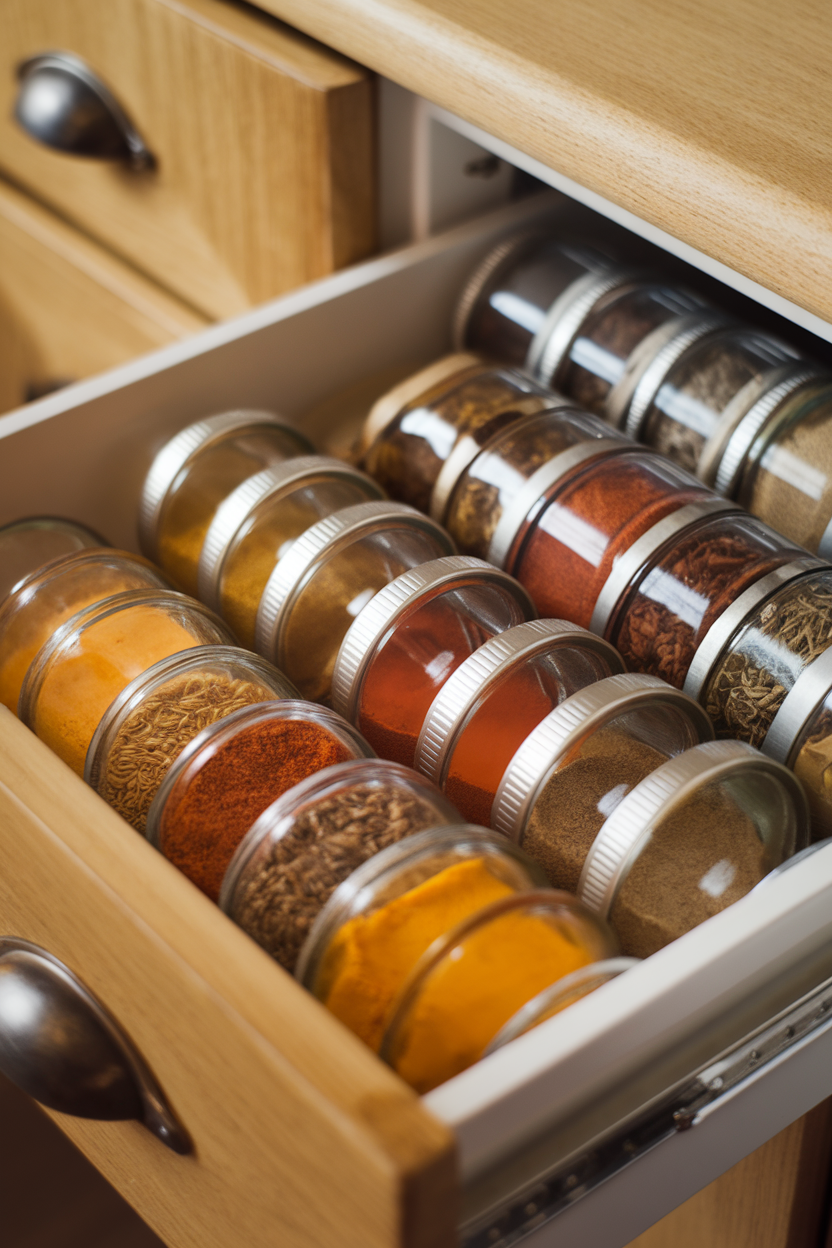
Excess sodium can contribute to bloating and high blood pressure. Spices build flavor complexity without extra salt. Experiment with global blends like za’atar or garam masala to keep meals exciting. Toast whole spices briefly to release aromatic oils.
31. Limit Added Sugar to One Treat per Day
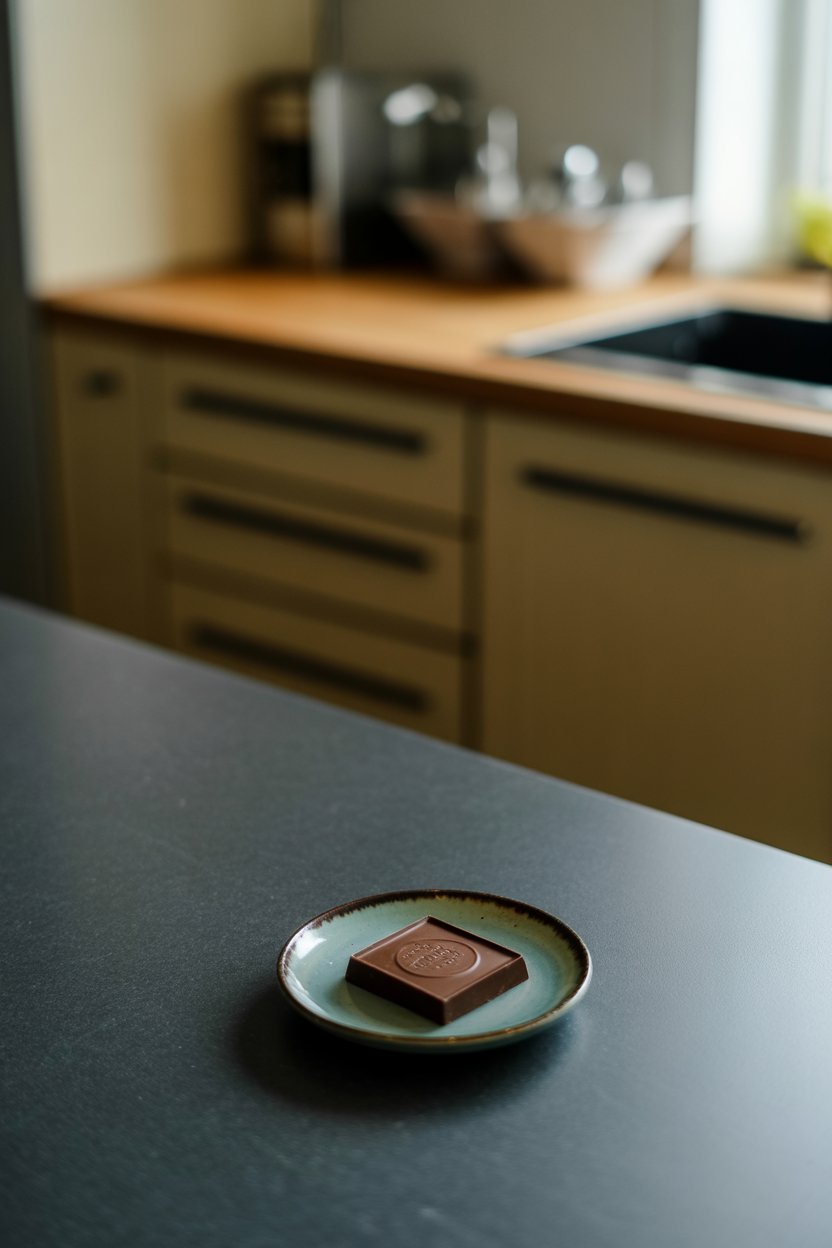
Setting a simple daily cap prevents sugar from sneaking into every snack. Reserve it for something truly enjoyable rather than hidden sugars in sauces or drinks. Read labels for added sweeteners like syrups and concentrates. Over time, your palate will favor naturally sweet foods instead.
32. Cook with Broth Instead of Oil
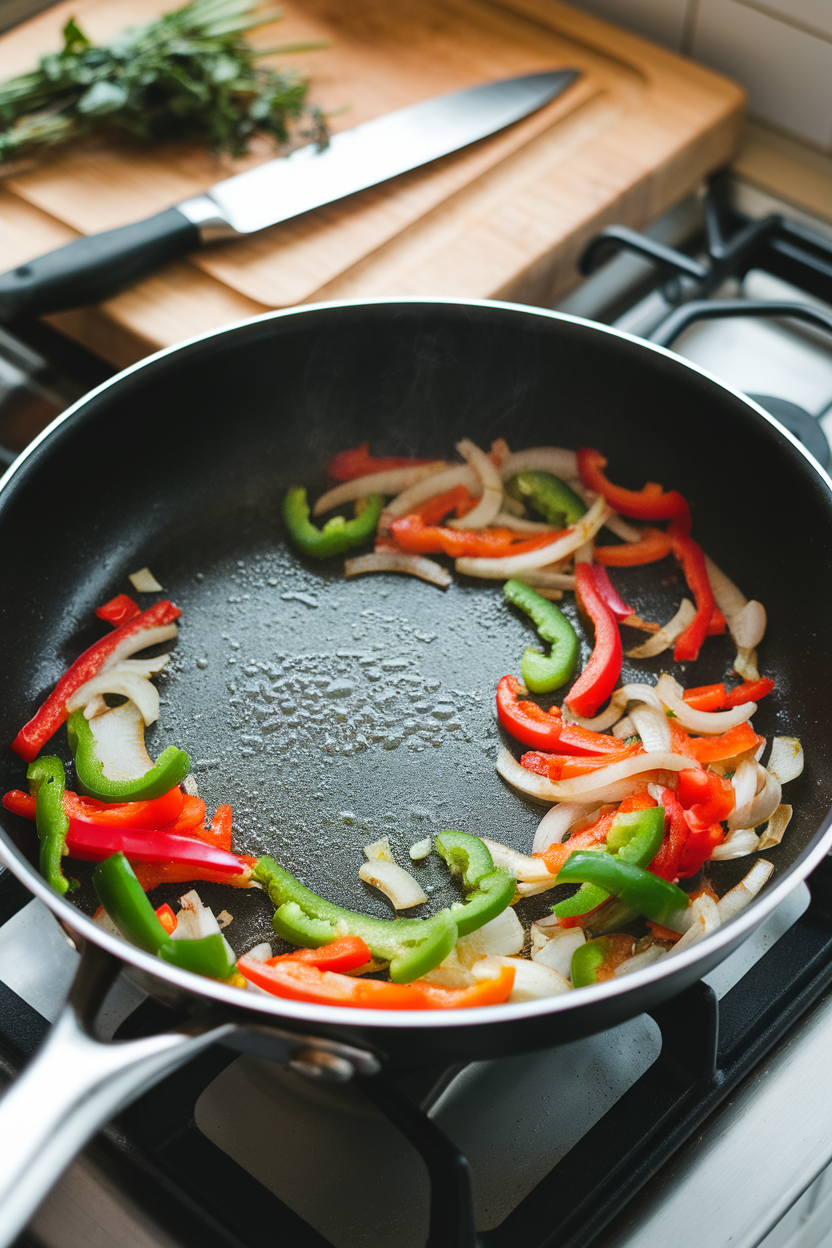
Deglazing pans with broth instead of oil cuts calories and fat while still preventing sticking. Vegetable or chicken broth adds savory depth. Keep cartons or homemade cubes in the freezer for convenience. This technique works well for stir-fries and quick sautés.
33. Use Greek Yogurt in Place of Sour Cream
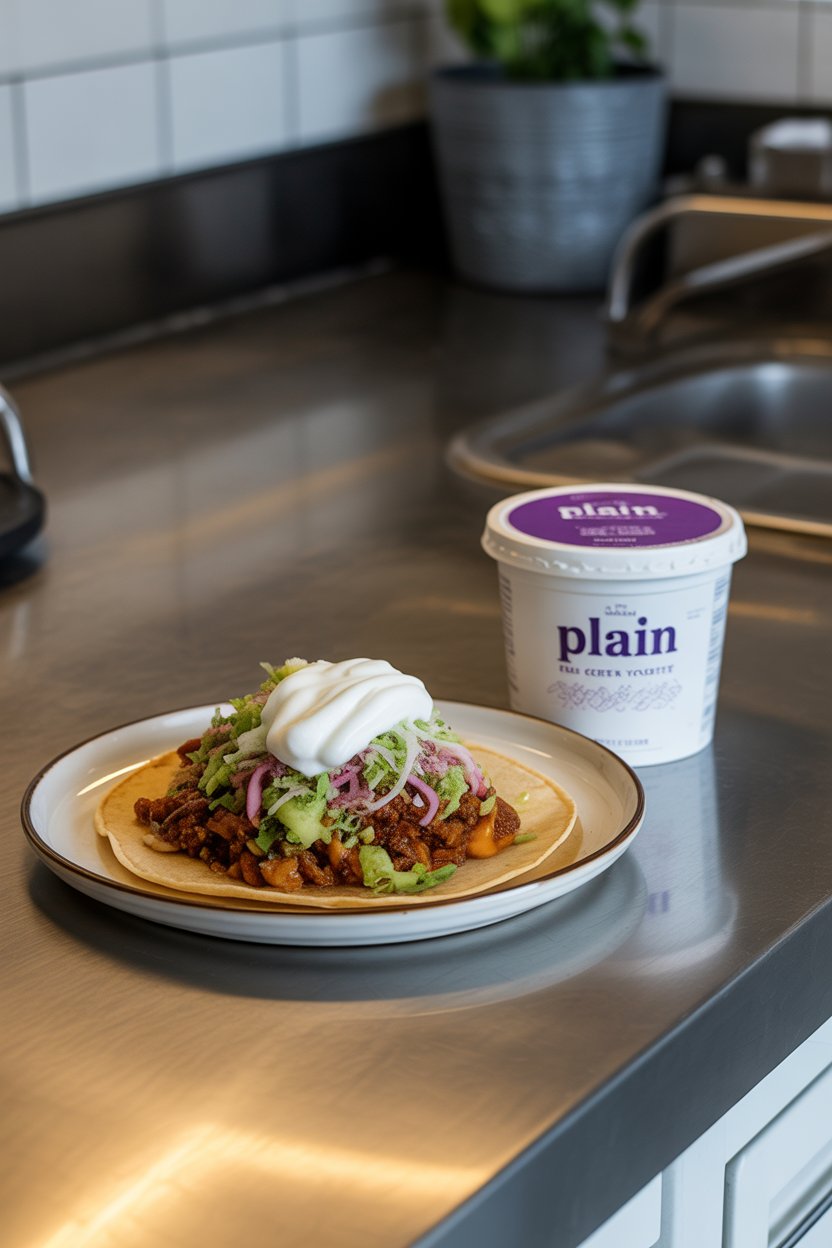
Greek yogurt offers similar tang with extra protein and less fat. Swap it seamlessly into dips, dressings, or baked potatoes. Choose full-fat or low-fat depending on preference; both work well. Stir before serving to maintain a smooth texture.
34. Practice Sunday Meal Planning
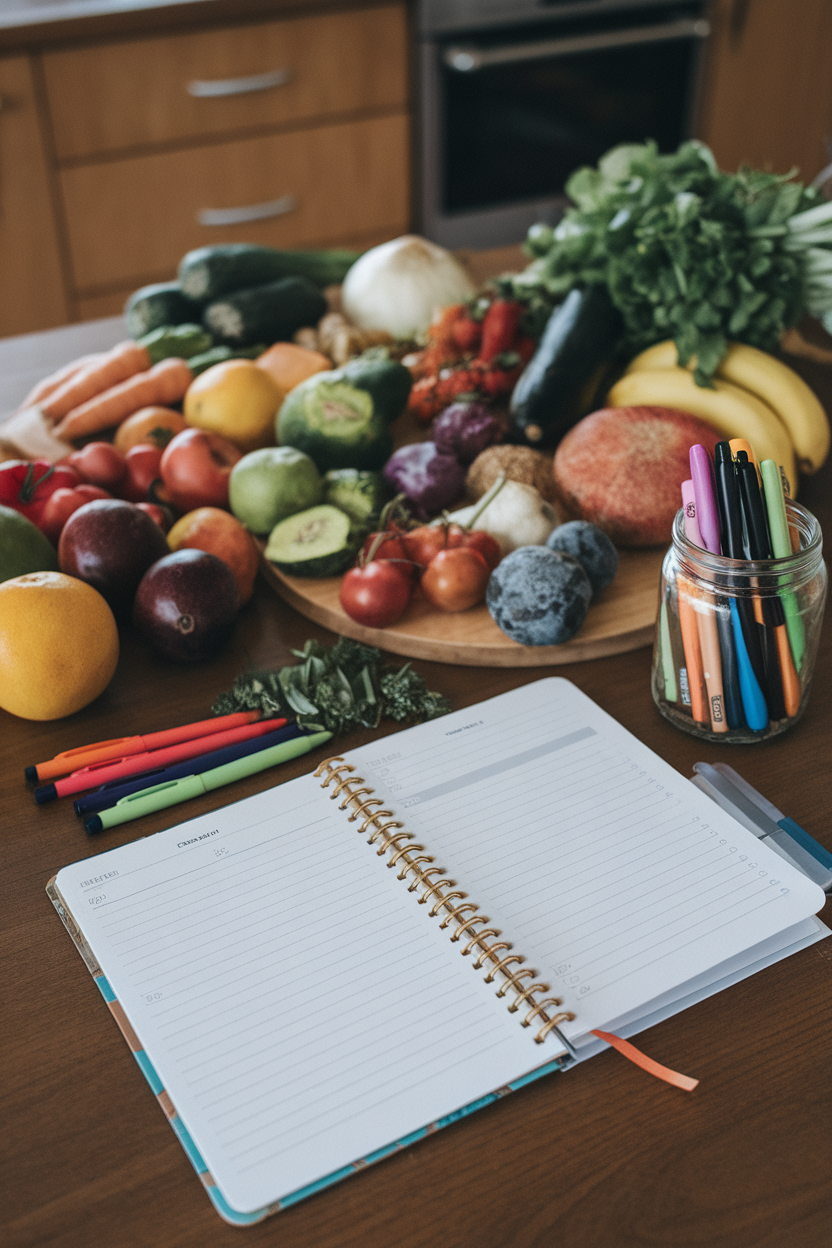
Spending 30 minutes mapping out dinners reduces midweek stress and impulse takeout. Check your calendar for busy nights and plan simple meals accordingly. Make a shopping list to avoid last-minute supermarket runs. Consistency is easier when the blueprint is ready.
35. Choose Steamed or Grilled Entrées While Dining Out
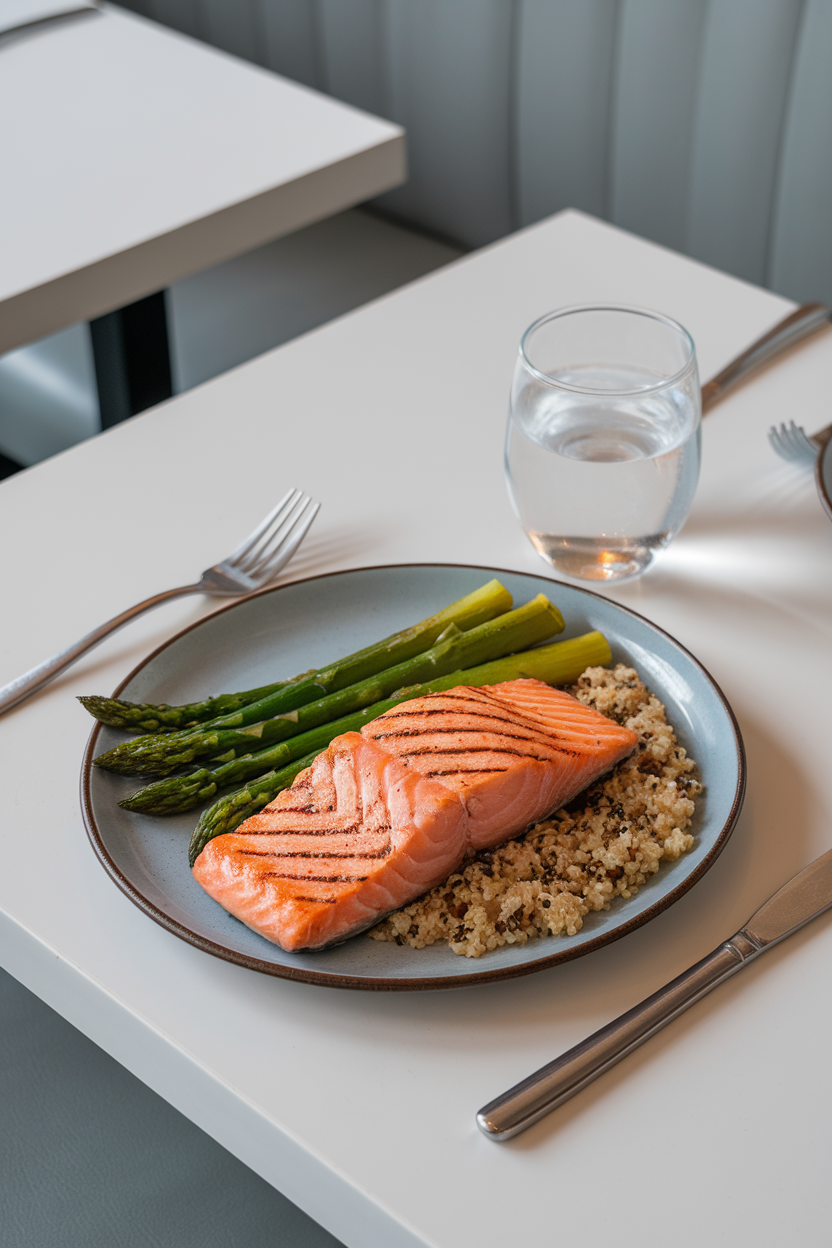
Restaurants often cook with more butter and salt than home kitchens. Grilled or steamed dishes usually involve less oil and fewer heavy sauces. Ask for dressings or sauces on the side to control portions. Pair with a side salad instead of fries for an extra veggie boost.
36. Introduce Fermented Foods
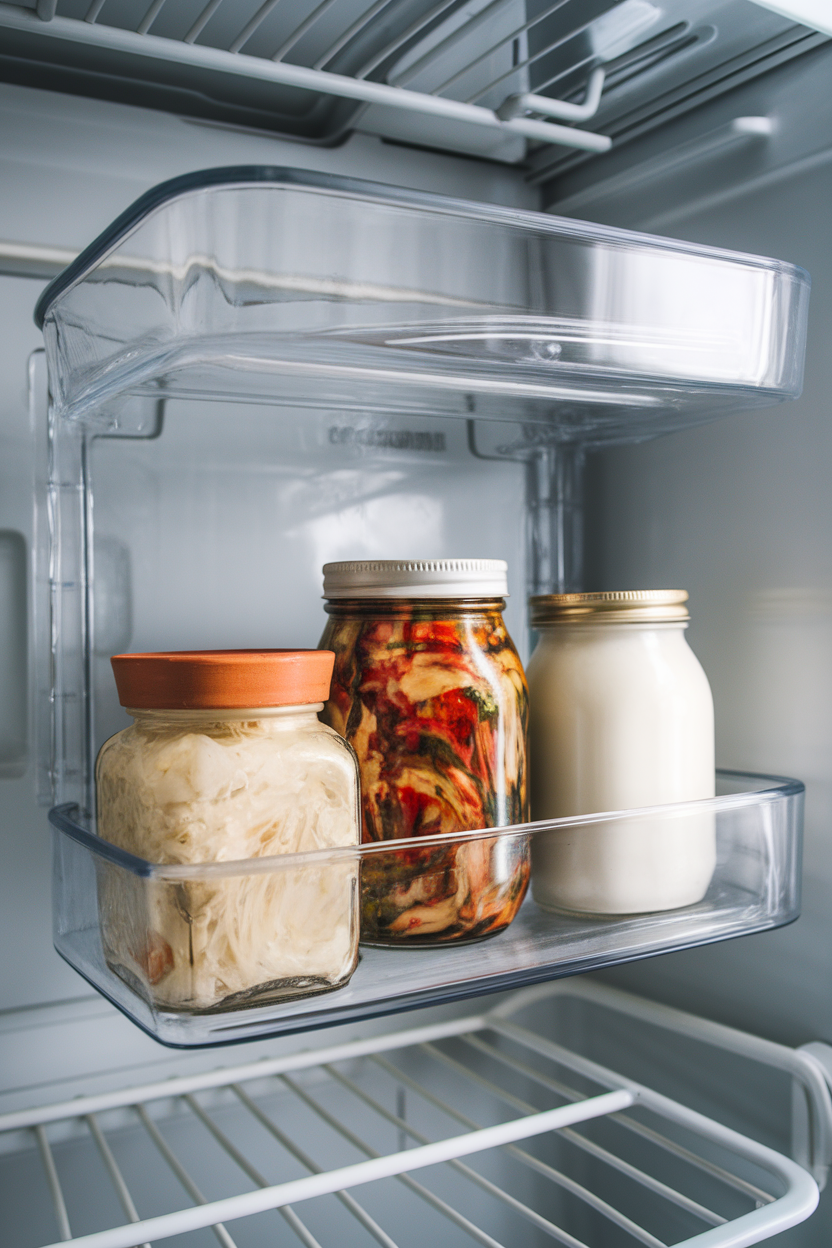
Fermented foods provide probiotics that support gut health. Start with a tablespoon of sauerkraut alongside meals or swap soda for fizzy kefir. Build tolerance slowly to avoid digestive surprises. Variety helps populate the microbiome with diverse beneficial bacteria.
37. Take a 15-Minute Post-Meal Walk

Light movement after eating aids digestion and moderates blood sugar spikes. A quick stroll around the block or office corridor counts. It’s also a mental cue that mealtime has ended, helping avoid nibbling. If weather misbehaves, march in place or stretch indoors.
38. Make Smoothies with Vegetables First
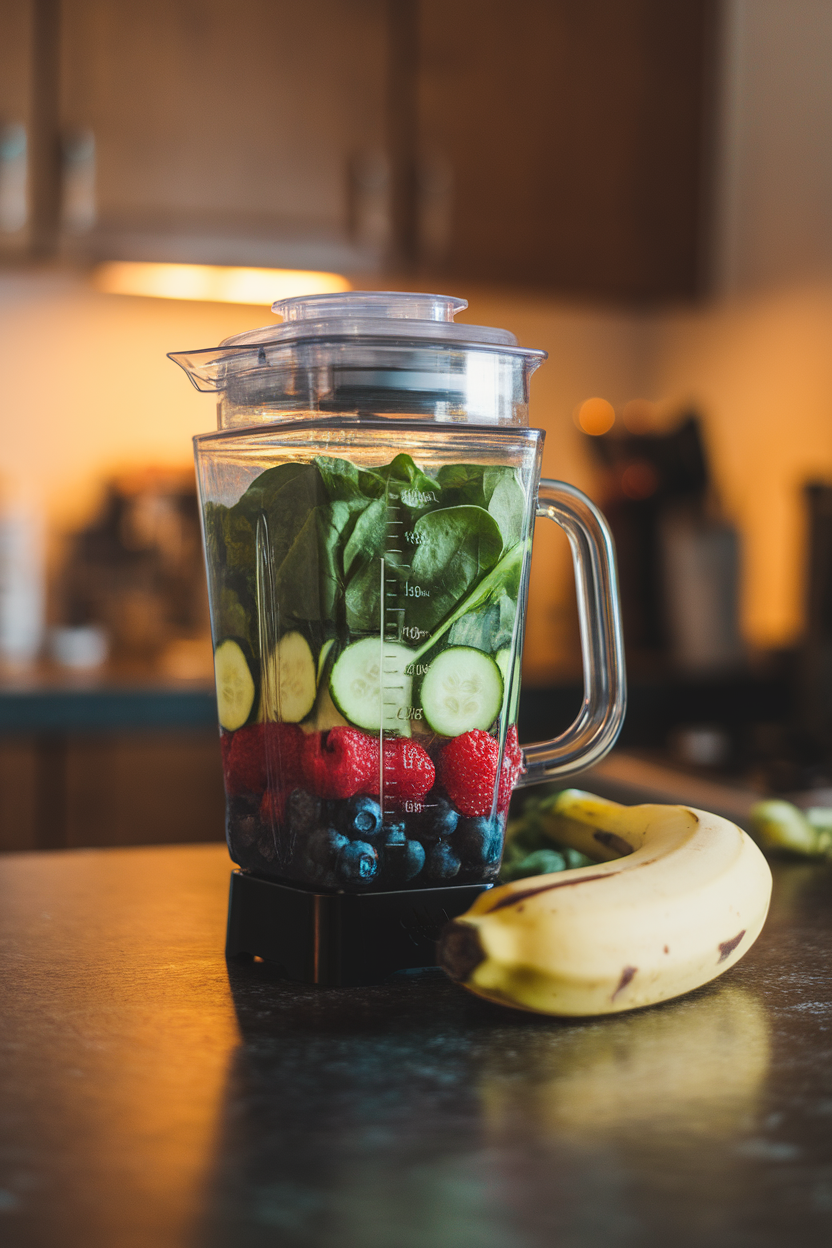
Starting with veggies ensures your smoothie’s sugar content stays reasonable. Leafy greens, zucchini, or cauliflower blend surprisingly well and keep texture creamy. Then add fruit for sweetness and Greek yogurt for protein. Stick to two cups of total produce to avoid calorie overload.
39. Opt for Steel-Cut Oats Instead of Instant
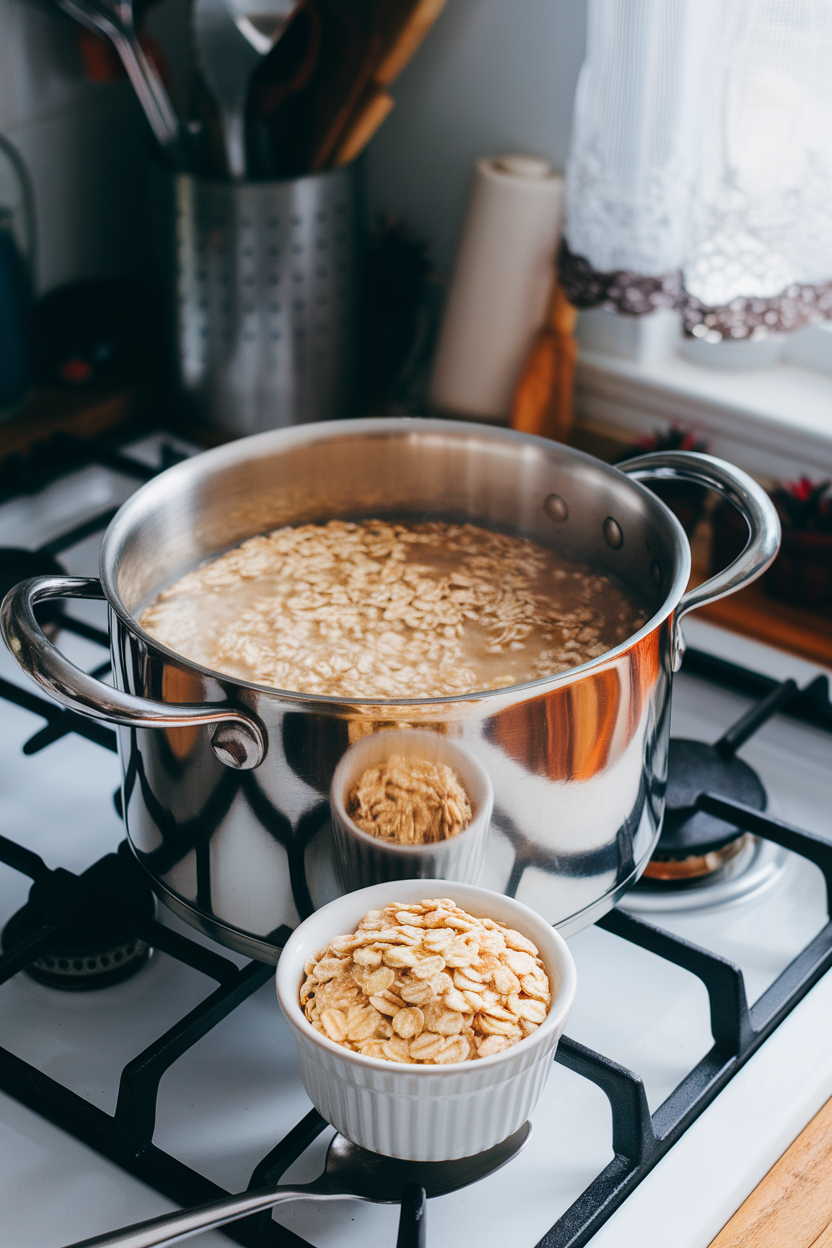
Steel-cut oats digest more slowly, providing prolonged energy and fewer blood sugar spikes. Batch-cook and refrigerate; they reheat easily with a splash of milk. Stir in cinnamon, nuts, and fruit for layers of flavor. Freeze extra portions in muffin tins for grab-and-go servings.
40. Set Hydration Reminders
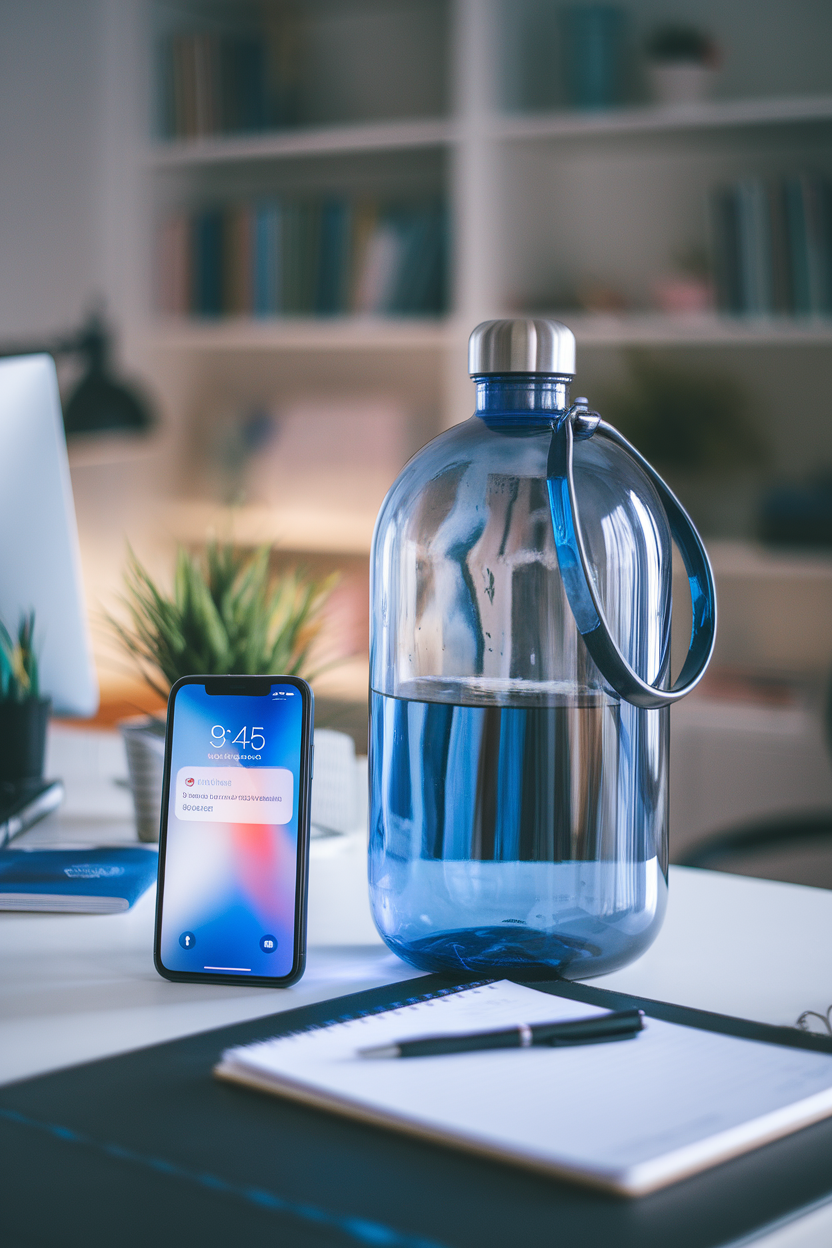
Thirst can masquerade as hunger. Use apps or calendar alerts to prompt sips throughout the day. Aim for roughly half your body weight in ounces, adjusting for activity levels. Flavor water naturally with herbs or citrus if plain feels dull.
41. Limit Alcohol to Weekends or Special Events

Alcohol supplies empty calories and can weaken food choices. Designate clear boundaries—perhaps two nights per week—so moderation feels intentional instead of restrictive. Alternate each alcoholic drink with water to stay hydrated. Track how sleep and mood improve with reduced intake.
42. Savor Dark Chocolate over Candy
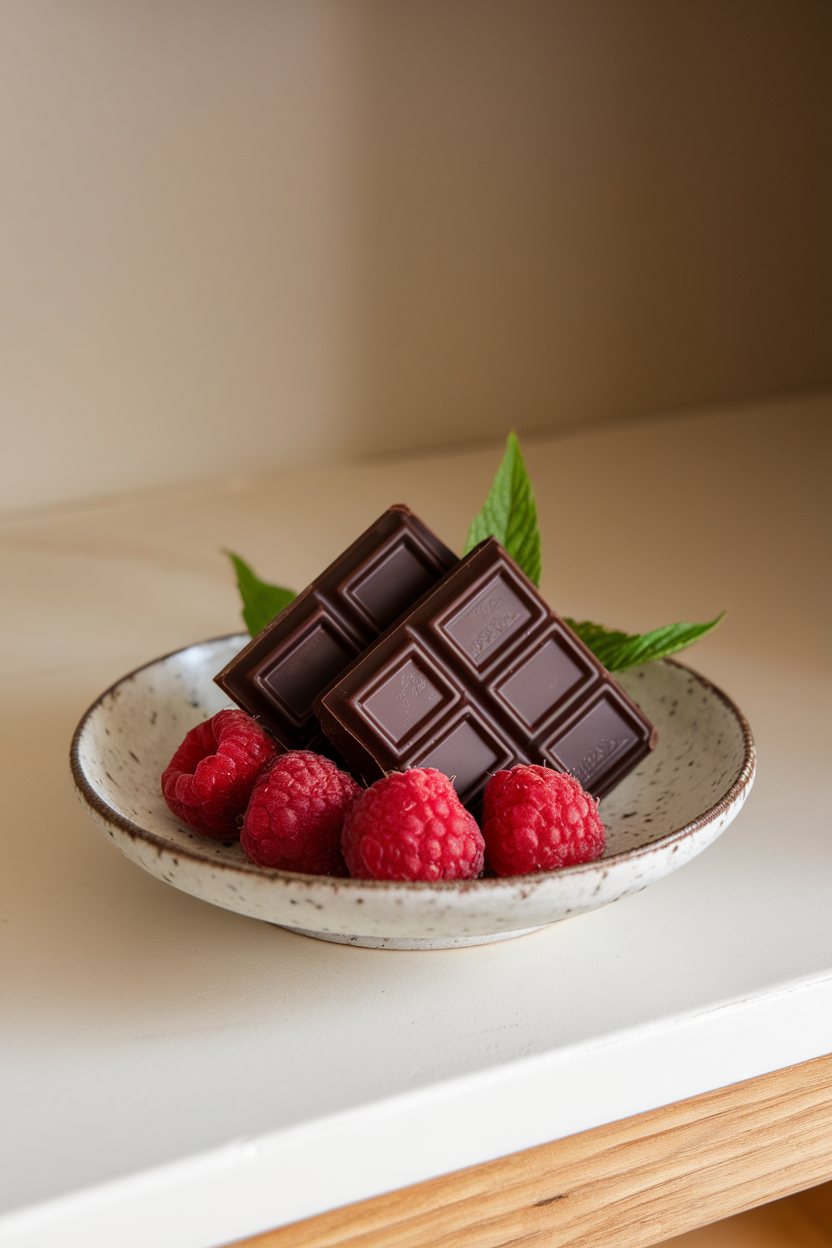
Higher cacao content offers antioxidants and richer flavor, meaning smaller amounts satisfy. Choose at least 70% cocoa solids and scan labels for minimal added sugar. Let each square melt slowly on your tongue. Pair with fruit for natural sweetness and fiber.
43. Swap Mayo for Mashed Avocado
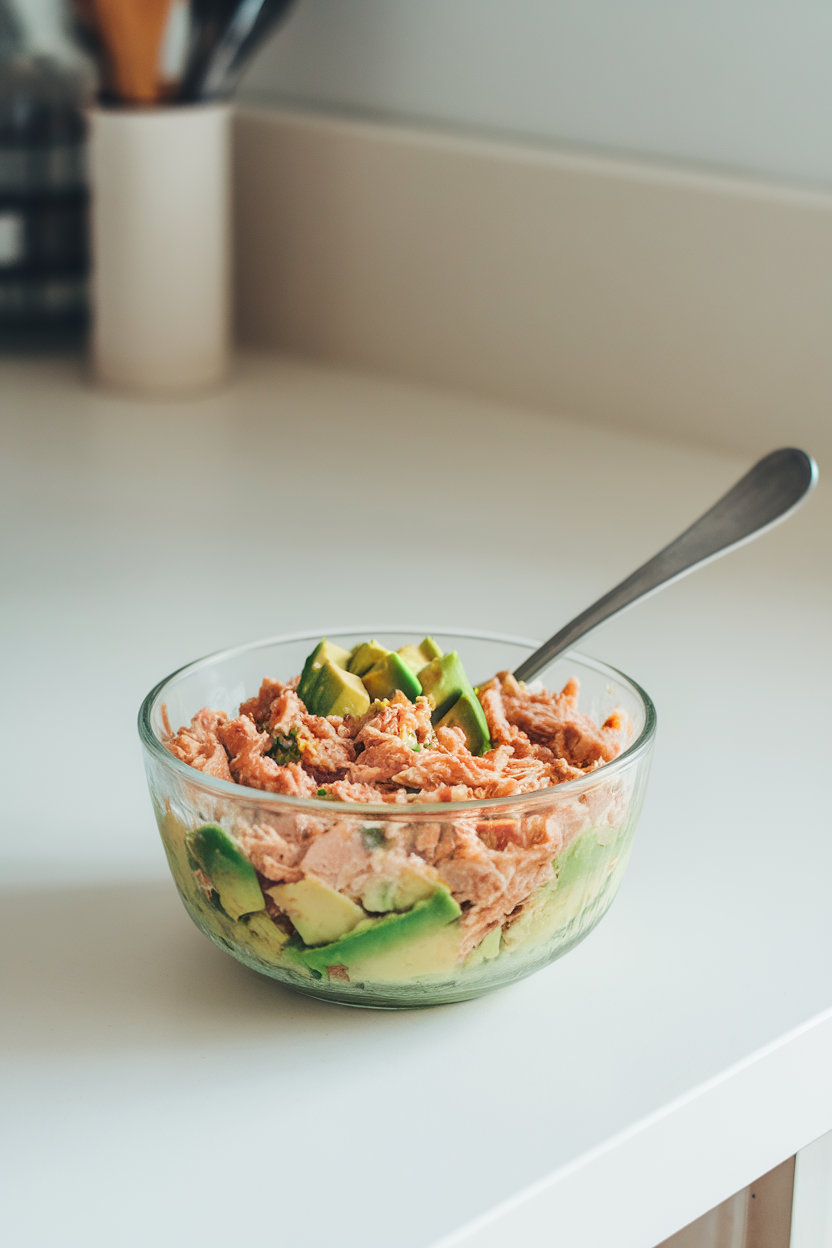
Avocado provides creamy texture along with potassium, fiber, and heart-healthy fats. Use it in sandwiches, potato salad, or deviled eggs. Brighten flavor with lemon juice and fresh herbs. The color signals guests that this is a lighter, fresher twist.
44. Use a Spiralizer for Veggie “Noodles”
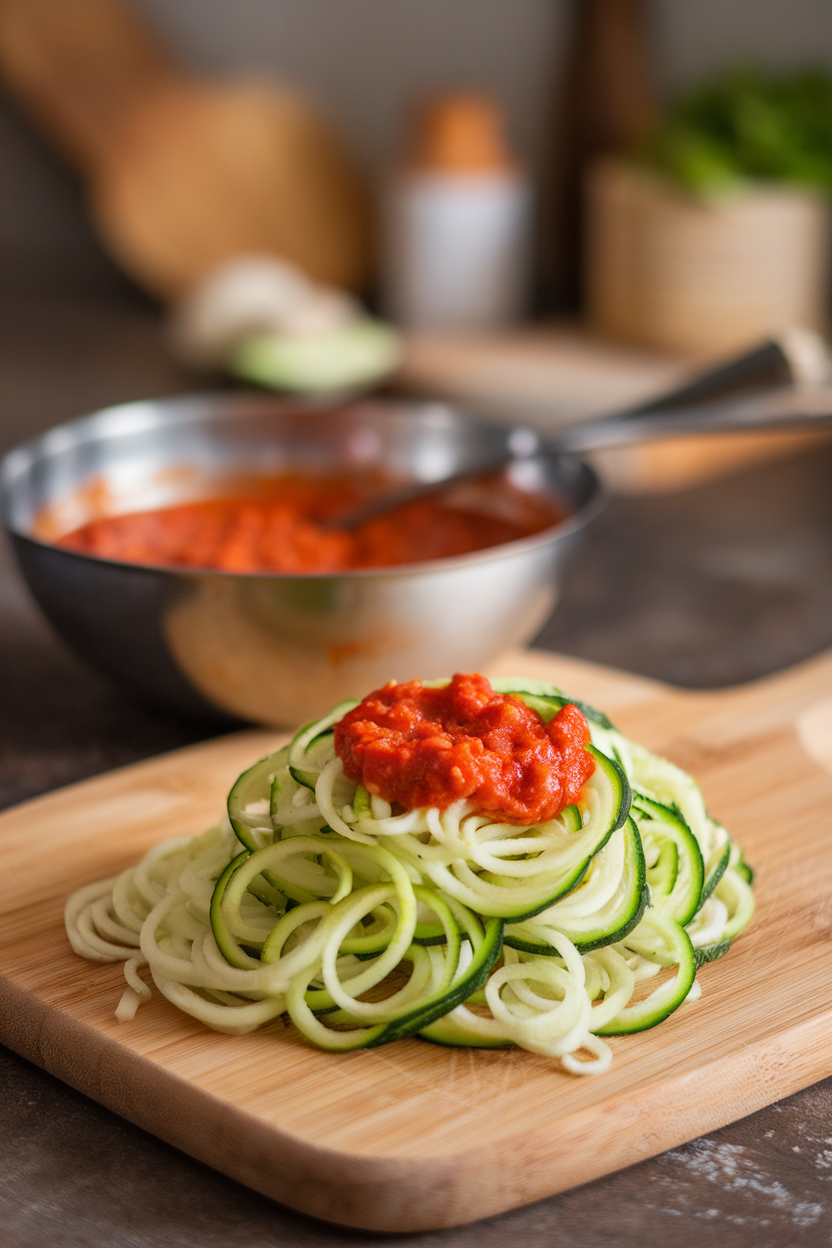
Replacing some or all pasta with spiralized veggies lowers carbs and adds micronutrients. Zucchini, sweet potato, and beet ribbons cook in just a couple of minutes. Toss lightly in sauce to avoid sogginess. Kids often enjoy the playful shapes.
45. Integrate Protein with Every Meal
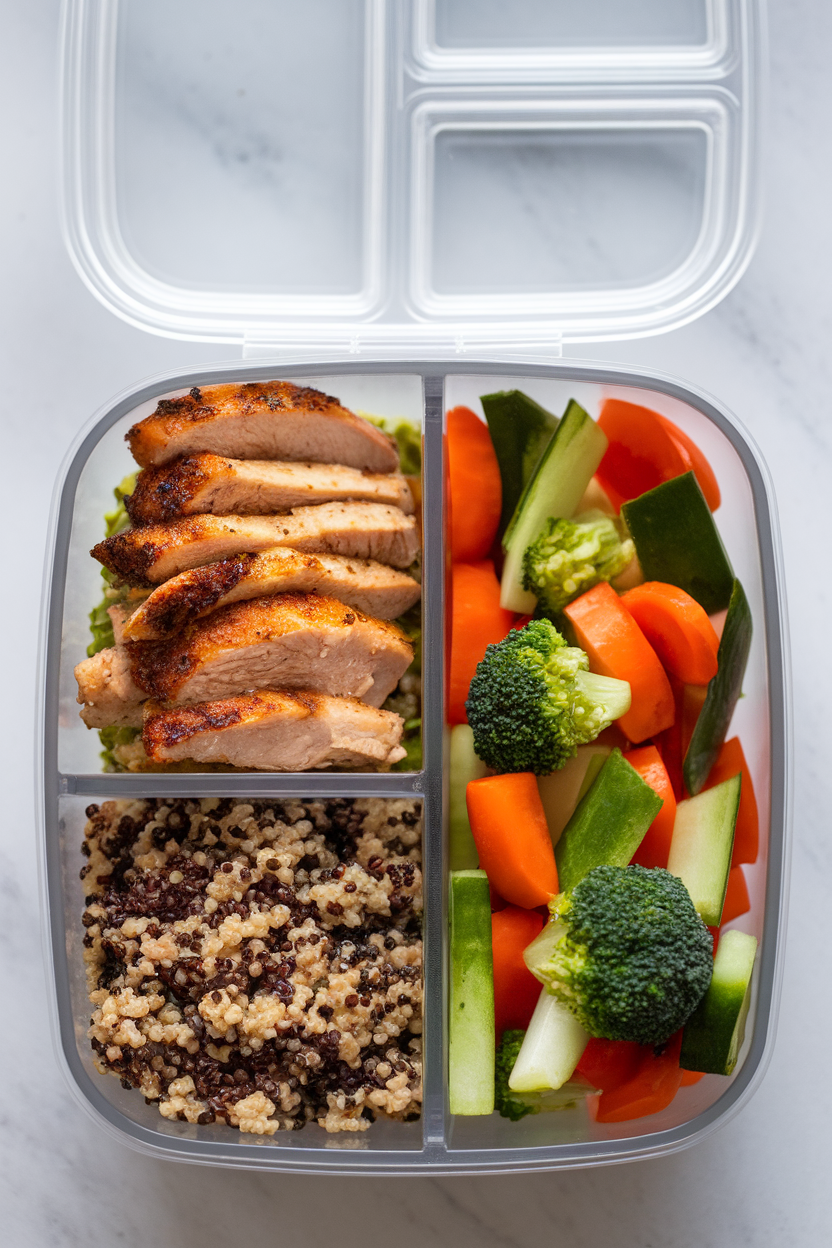
Protein supports muscle repair and steady energy. Include sources like eggs, legumes, fish, or tofu alongside carbs and fats. Roughly a palm-size serving per meal suits most people. Distribute intake across the day rather than loading up at dinner.
46. Grow a Windowsill Herb Garden
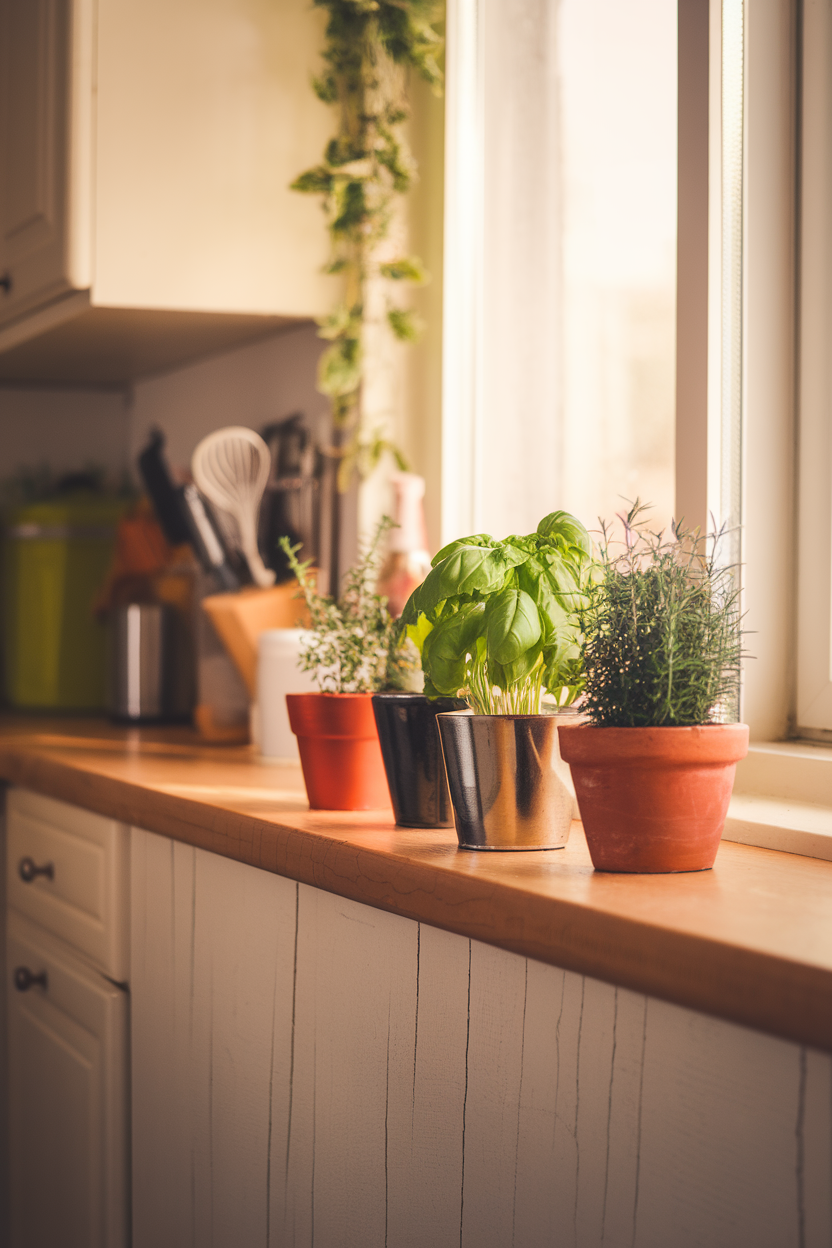
Fresh herbs become more accessible when they’re within arm’s reach. Clip just what you need, reducing waste and grocery bills. Caring for plants also fosters connection to your food. Most common herbs thrive in minimal space with regular watering.
47. Limit Highly Processed Meat
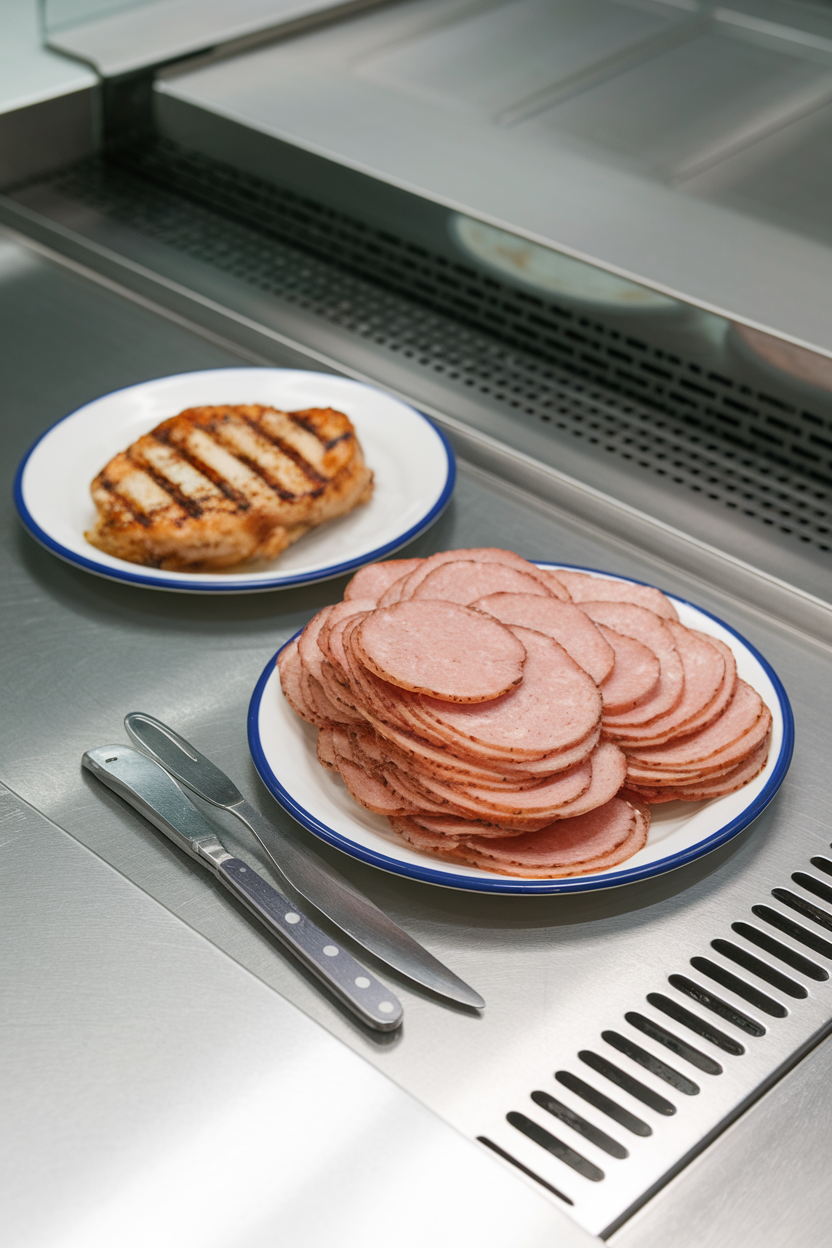
Sausages and cured meats often contain added nitrates, sodium, and preservatives. Opt for fresh poultry, fish, or plant proteins instead. If you do choose deli meat, look for low-sodium, nitrate-free versions and keep portions modest. Pair with plenty of vegetables to balance the meal.
48. Experiment with Meatless Protein Sources
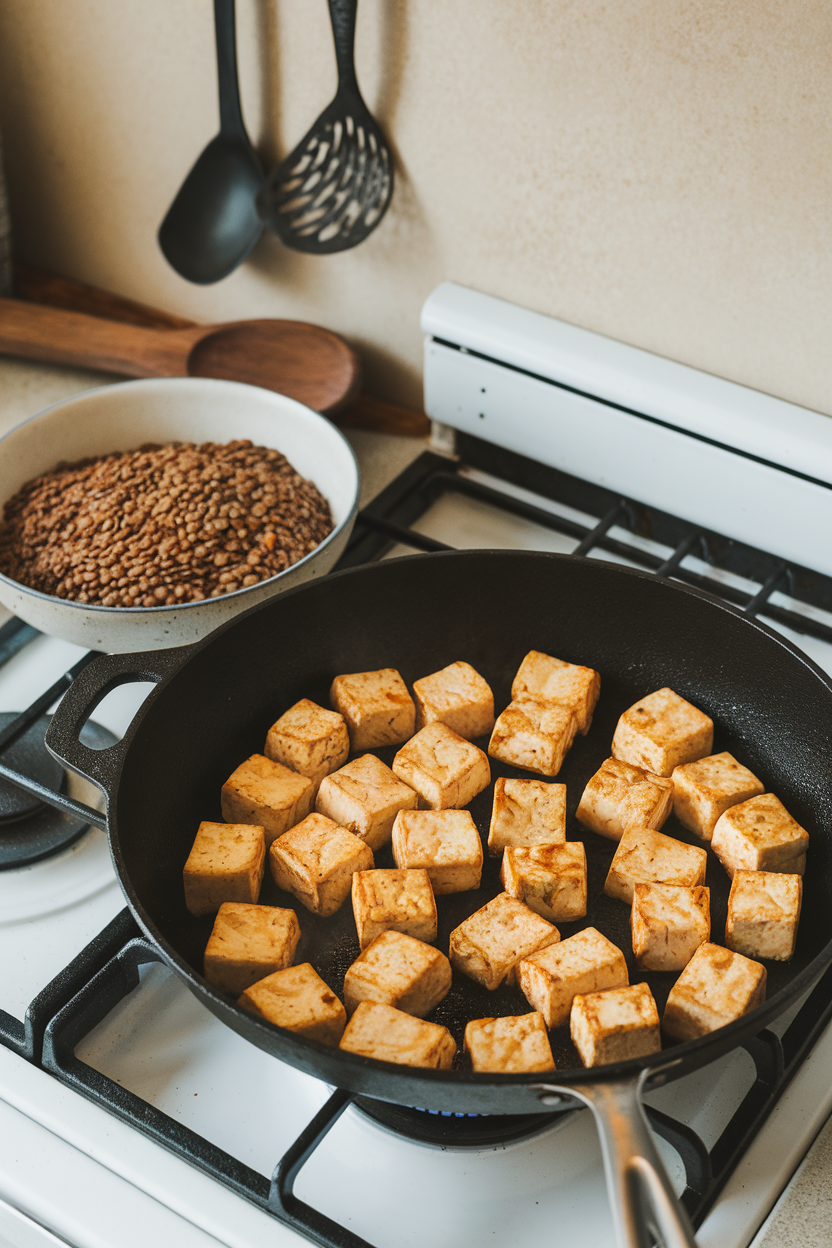
Tofu, tempeh, lentils, and edamame supply protein without cholesterol. Marinate tofu in soy sauce, garlic, and ginger for deeper taste. Lentils cook quickly and adapt to many cuisines. Rotate proteins for nutritional diversity and culinary inspiration.
49. Make Your Own Trail Mix
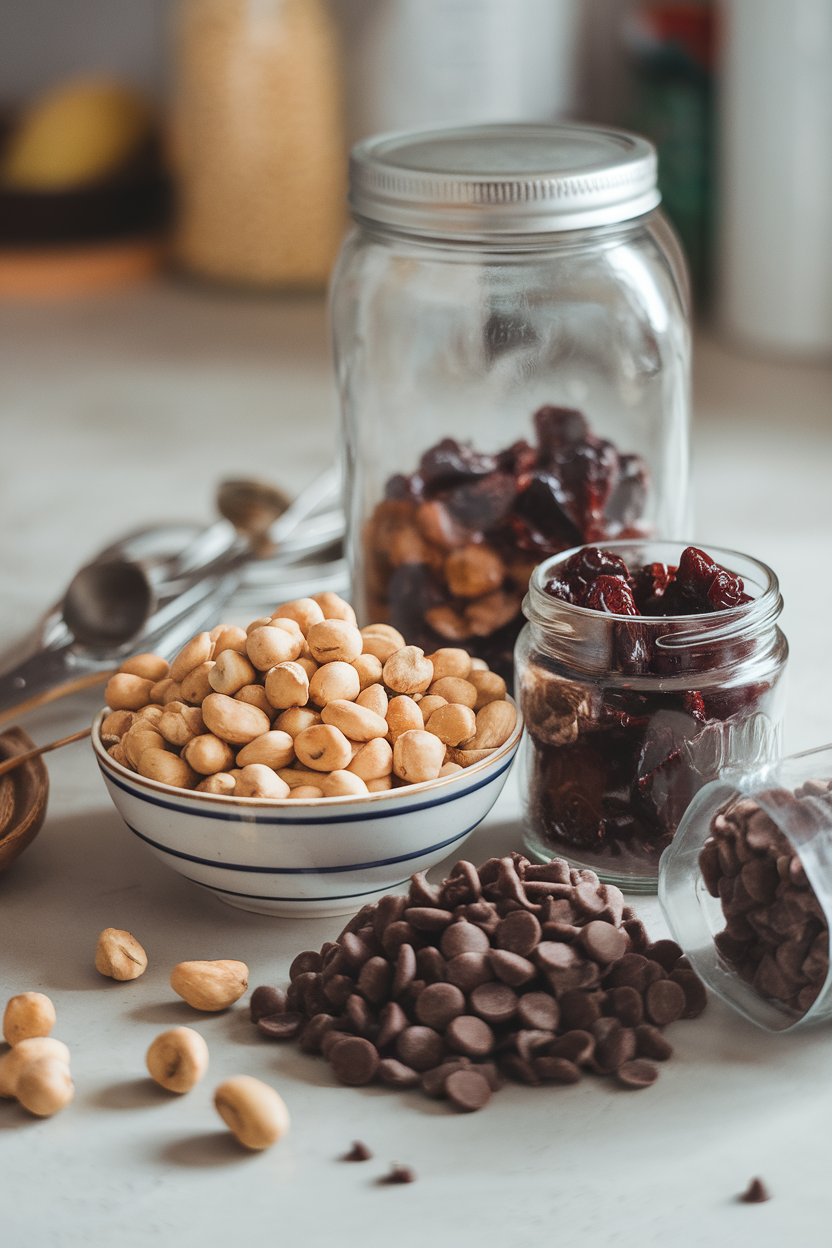
Store-bought mixes may sneak in added sugars or oils. Combining your preferred nuts, seeds, and fruit lets you control ratios and freshness. Toast nuts lightly to enhance flavor and keep portions old-school—about a quarter cup. Stash in small bags for easy snacks.
50. Choose Fruit-Sweetened Desserts
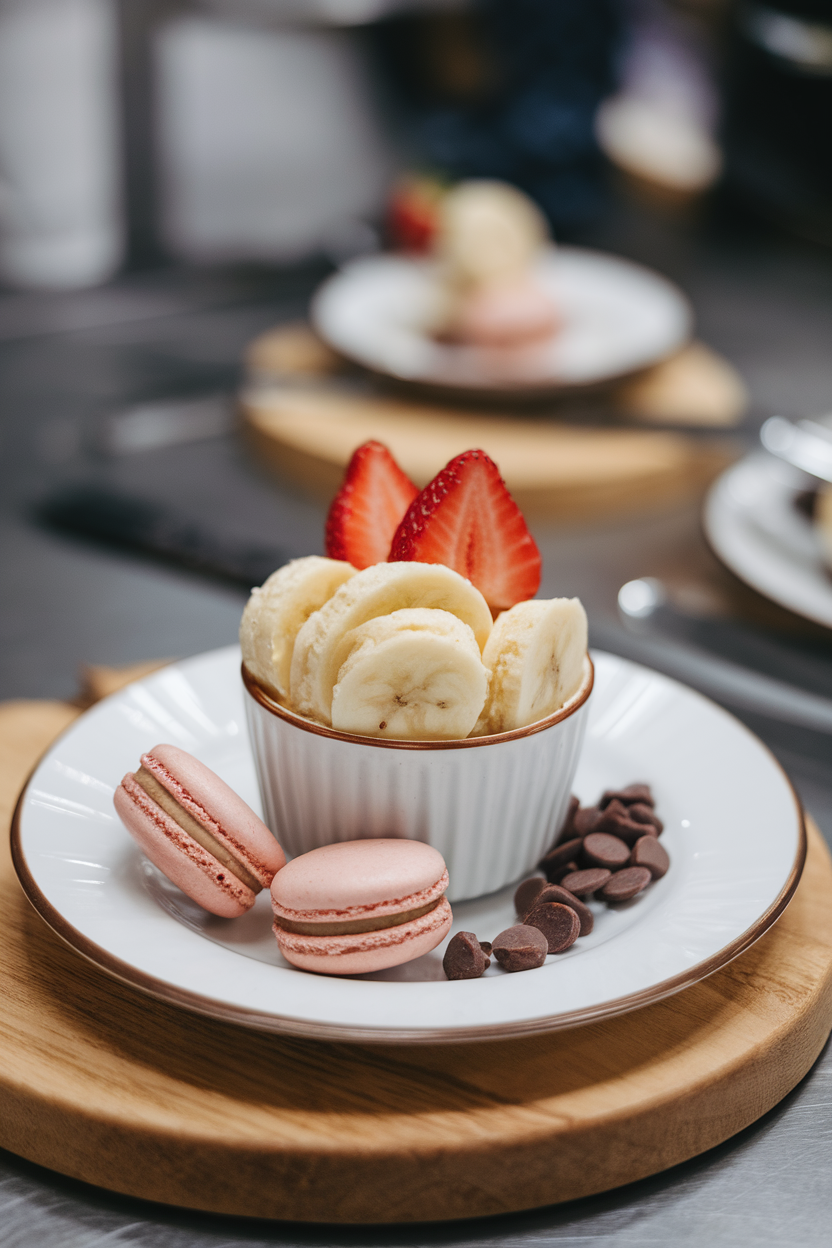
Blending frozen bananas yields a creamy base without added sugar. Stir in cocoa powder for a chocolate version or mango for tropical flair. Serve immediately for soft-serve consistency. It’s a satisfying way to end a meal on a naturally sweet note.
51. Track Veggie Servings with a Tally System
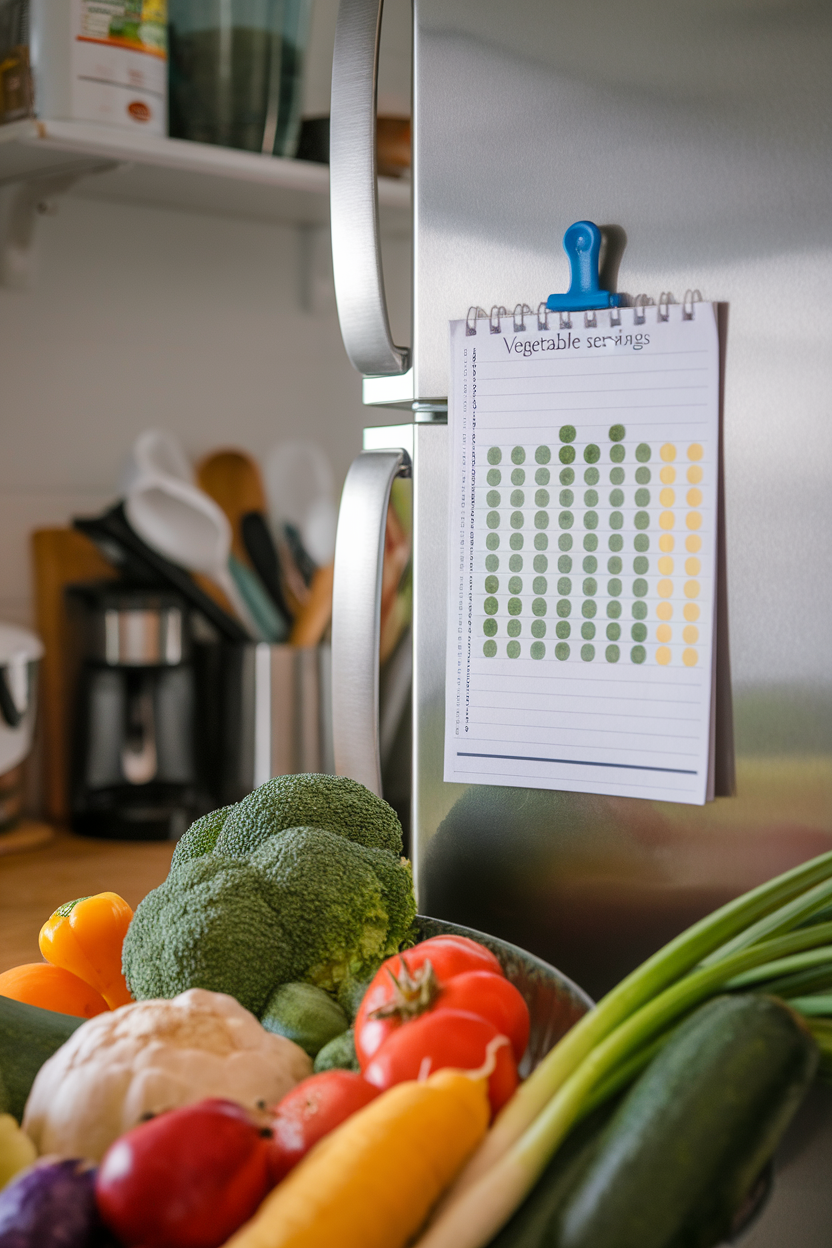
Visual cues reinforce goals and keep progress transparent. Mark each serving consumed throughout the day. Aim for a minimum of five tallies, adjusting upward as habits solidify. Celebrate small wins to stay motivated.
52. Flavor Water with Frozen Fruit Cubes
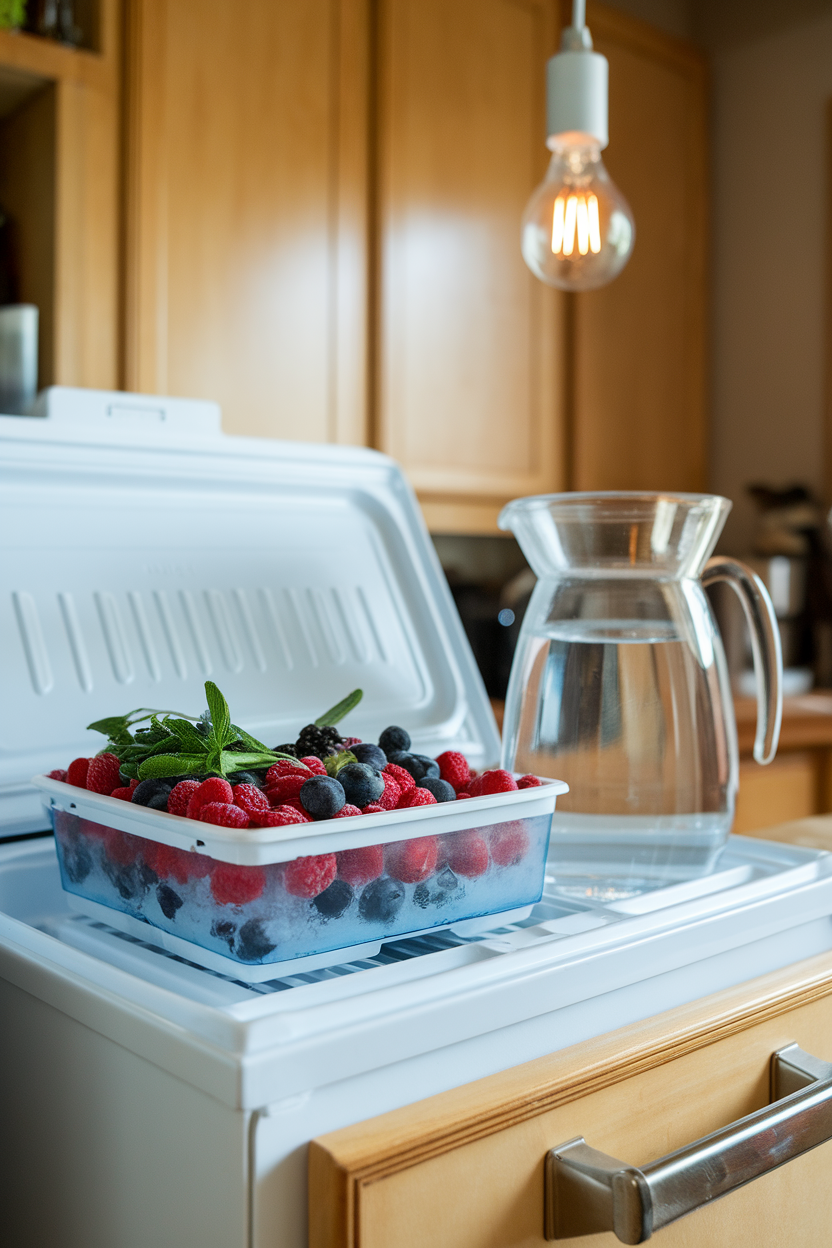
As fruity ice melts, it gradually sweetens your glass without added sugar. Prep trays weekly with blueberries, mint, or citrus segments. Kids often drink more water when colors swirl in their cups. It’s a simple hack for meeting hydration goals.
53. Adopt a “No Phone at the Table” Rule
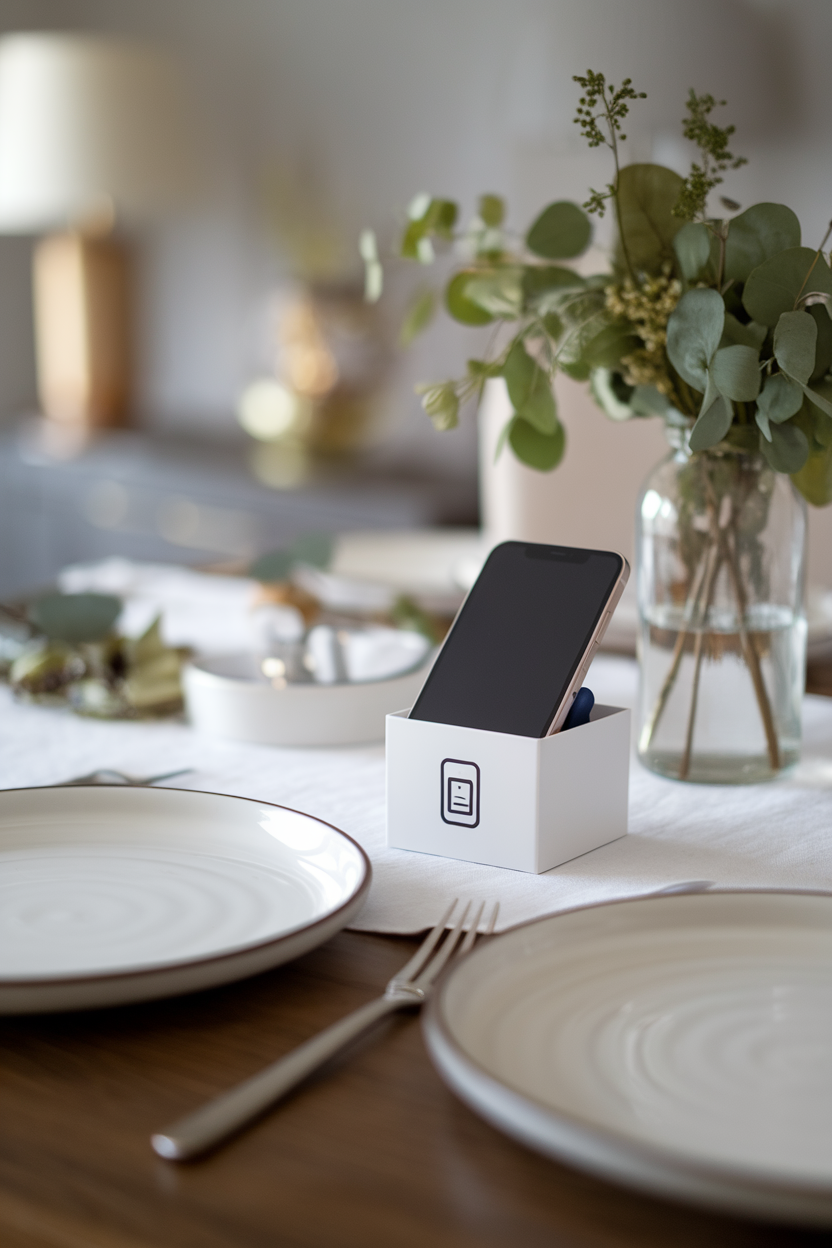
Distraction-free dining promotes slower eating and better digestion. Conversation or quiet reflection helps you notice hunger and fullness cues. Meals become more enjoyable when you give them full attention. Encourage household members to join in for shared accountability.
54. Pick Wild-Caught Fish When Possible
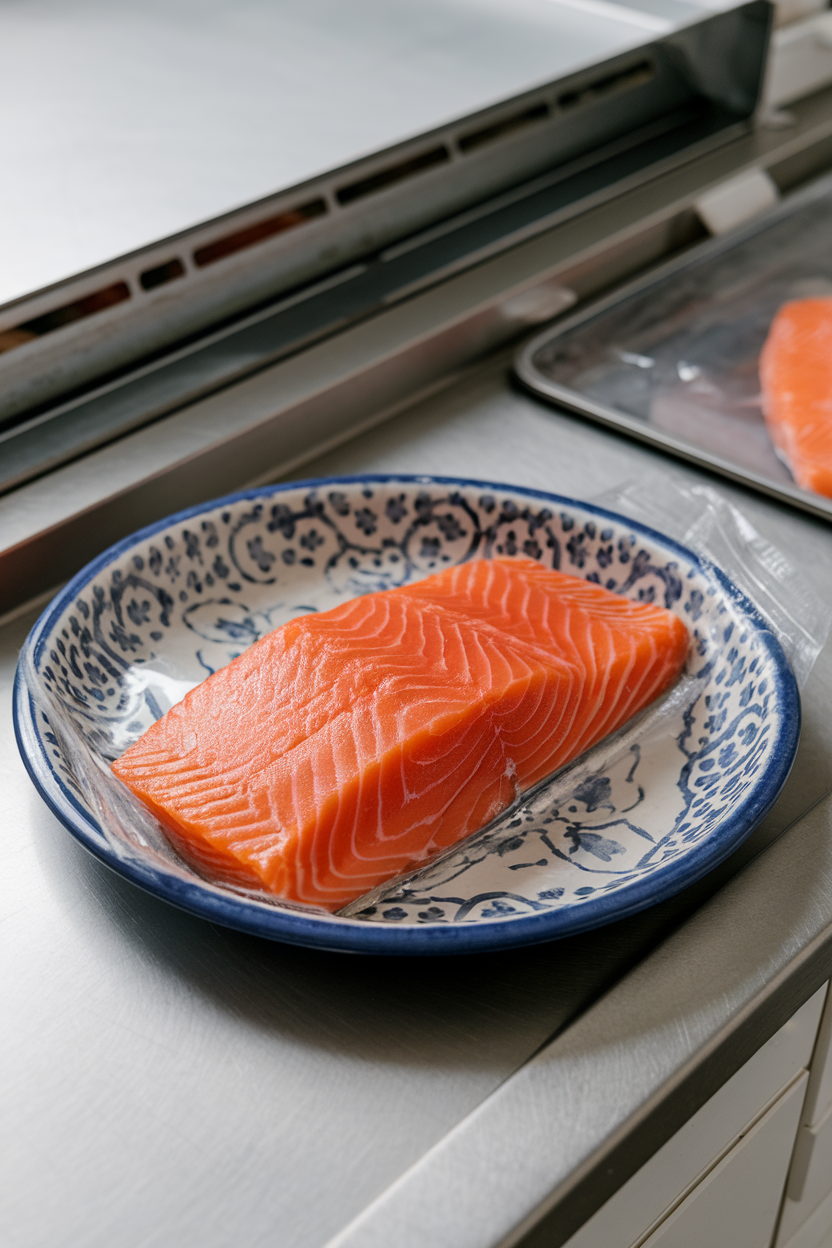
Wild fish generally contains fewer contaminants and more balanced omega-3 to omega-6 ratios. Check labels or ask vendors for sourcing details. Bake with herbs and lemon for a quick, clean entrée. Frozen wild fish is a cost-effective alternative to fresh.
55. Keep a Food Journal for One Week

Writing down meals and snacks reveals patterns you might overlook. Include emotions and hunger levels to spot stress-eating triggers. Review at week’s end to identify small, realistic improvements. Even short-term tracking can inspire lasting change.
56. Try Cauliflower Rice
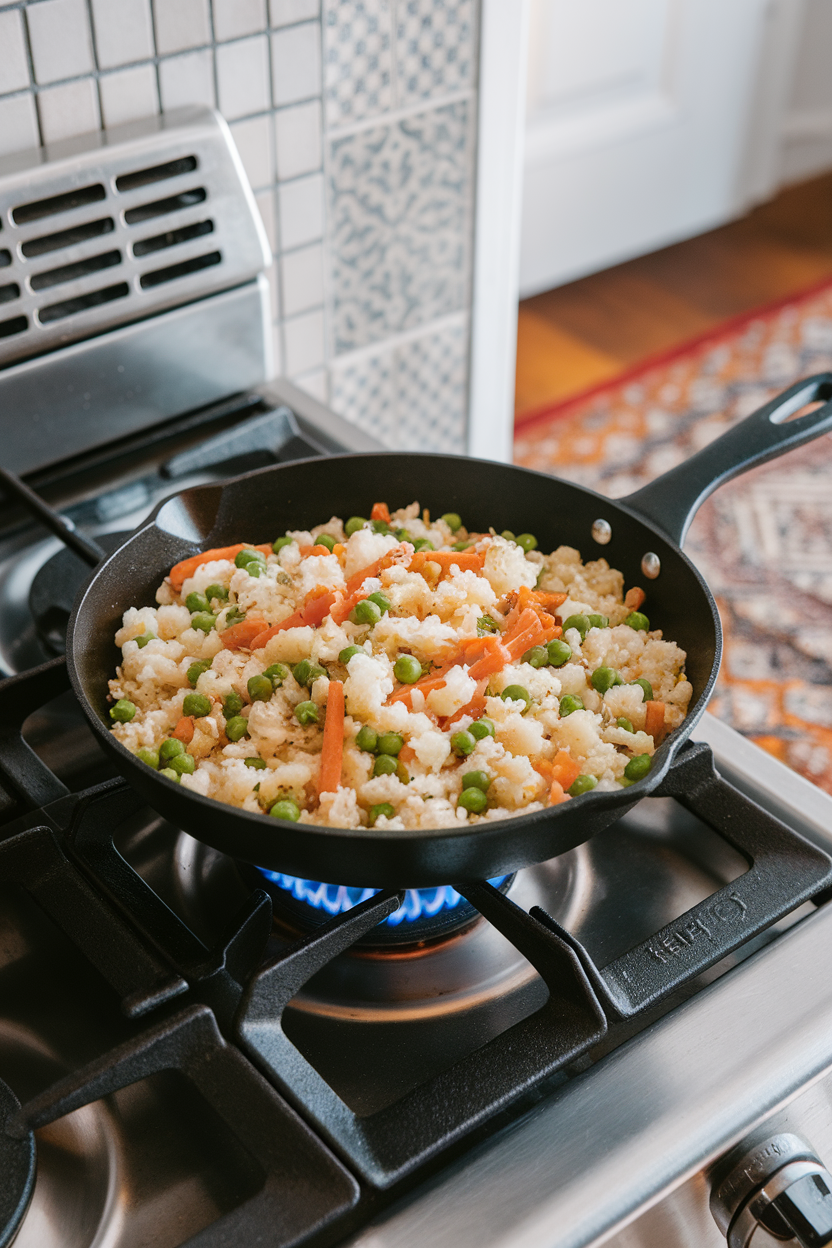
Pulsed cauliflower mimics rice texture with far fewer calories and carbohydrates. Sauté quickly to prevent mushiness. Use it as a base for stir-fries or burrito bowls. Mix half cauliflower and half regular rice at first if you prefer a gentler transition.
57. Serve Dressing on the Side
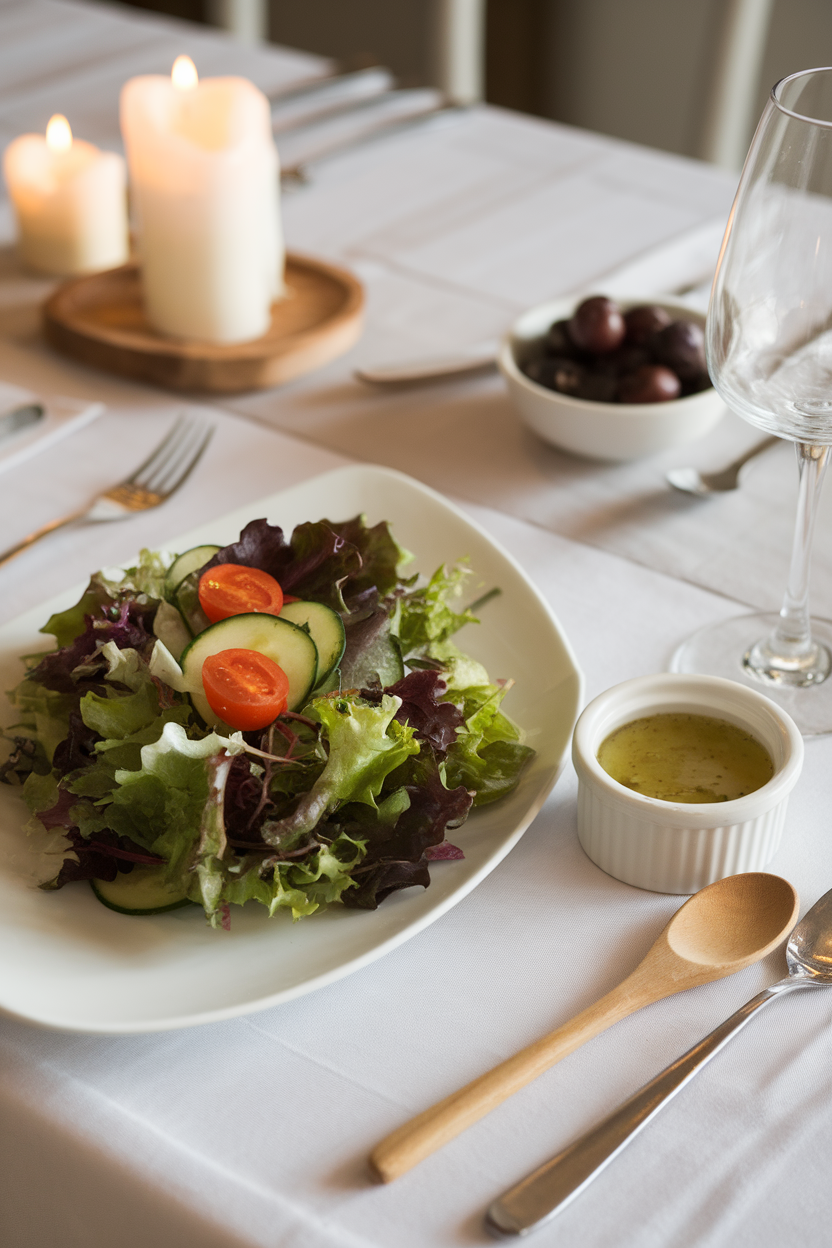
Restaurant salads can drown in high-calorie dressings. Dipping your fork lightly allows you to control quantity while still enjoying taste. Alternatively, drizzle sparingly and toss well for even coating. Leftover dressing stores for another meal.
58. Combine Cardio with Meal Prep Music
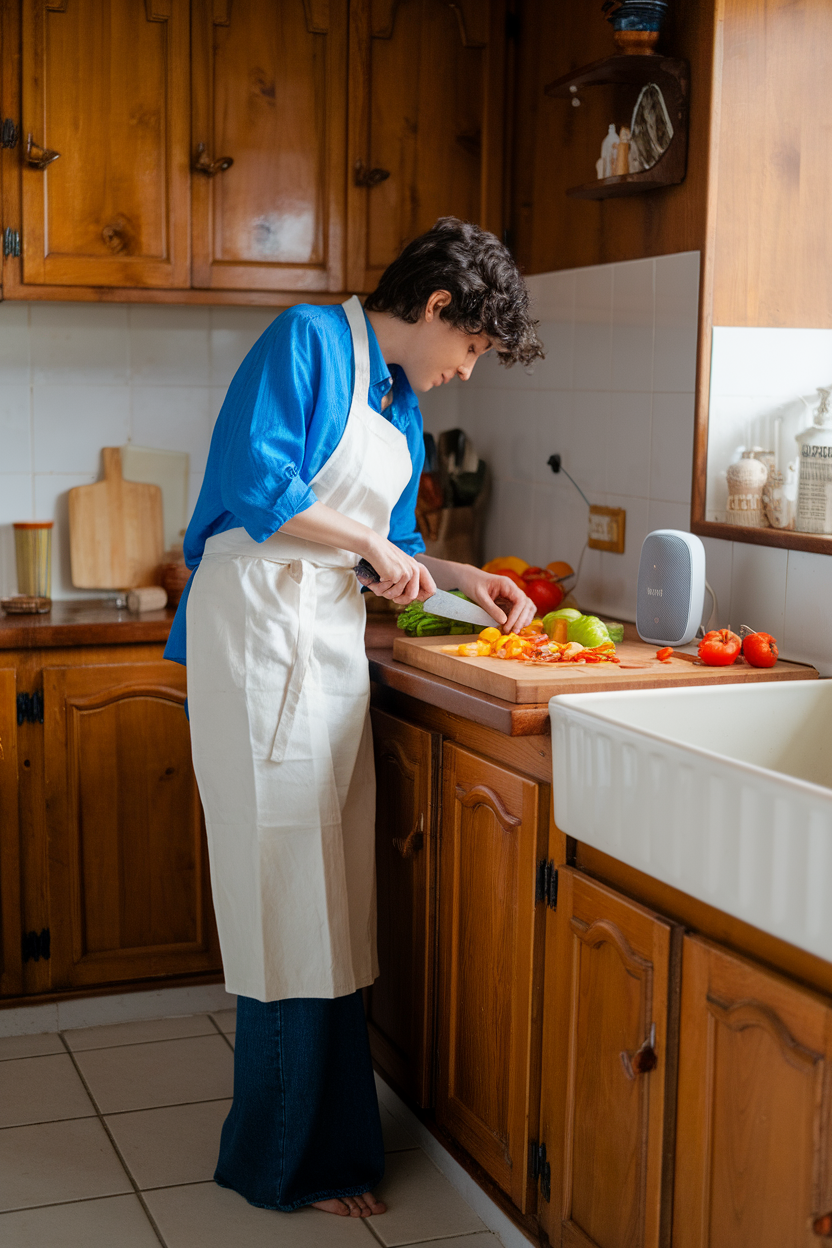
Turning meal prep into a mini workout keeps energy high and chores fun. Upbeat music encourages spontaneous movement like steps, squats, or calf raises between chopping. You’ll burn extra calories while assembling nutritious meals. Double win for health and happiness.
59. Bake Fruit for Dessert
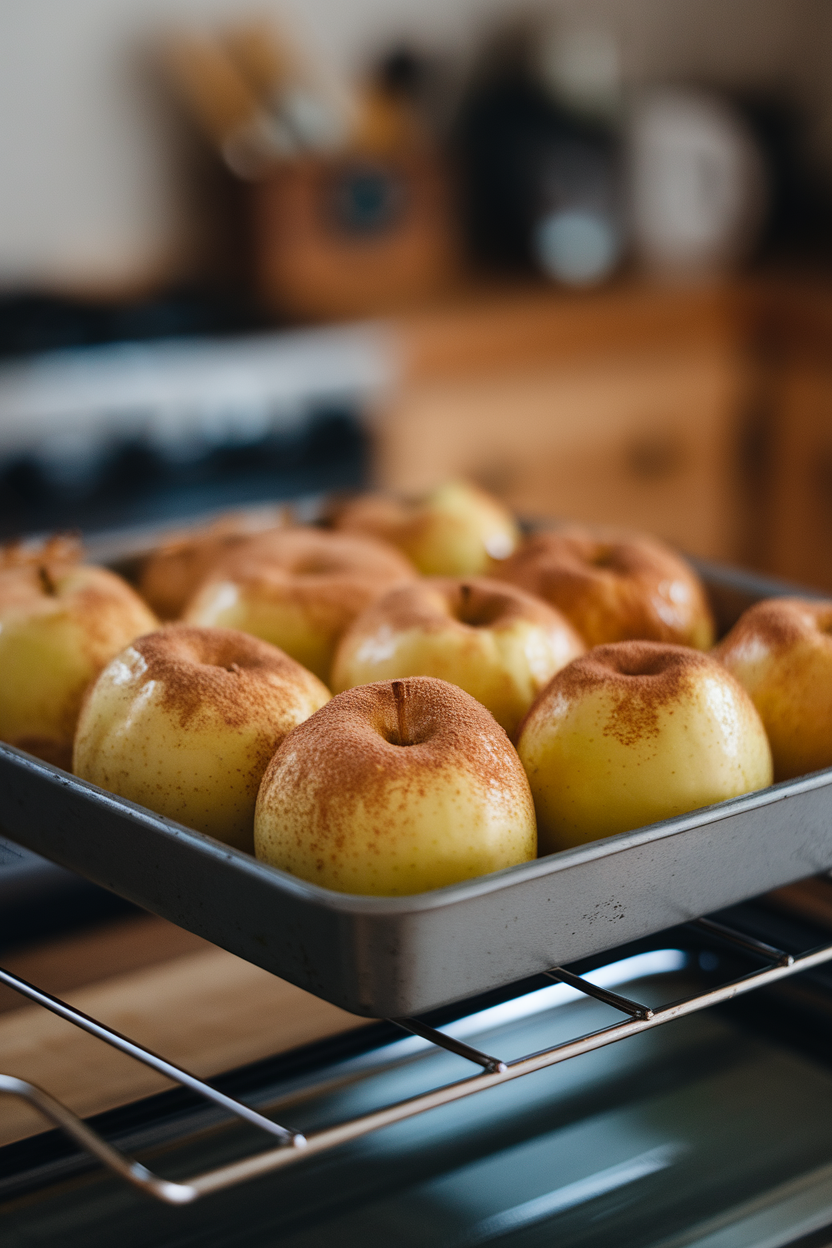
Heating fruit caramelizes natural sugars for a richer flavor without added sweeteners. Core apples or pears, fill with nuts and spices, then roast until tender. Serve warm with a spoonful of plain yogurt. It feels indulgent yet aligns perfectly with clean eating goals.
60. Add Seeds to Breakfast
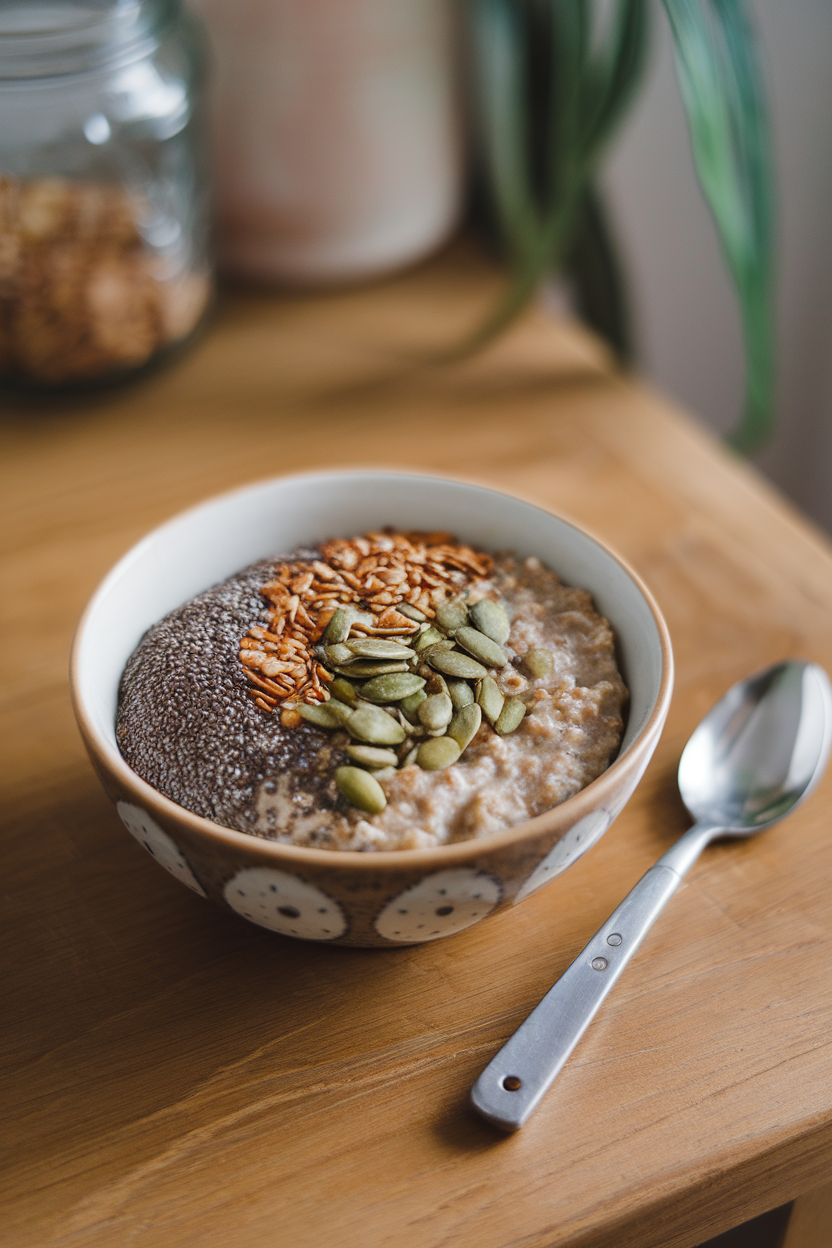
Seeds pack fiber, healthy fats, and minerals in tiny portions. Sprinkle a tablespoon of chia, flax, or hemp over cereal, yogurt, or smoothie bowls. Grind flax seeds for better nutrient absorption. Rotate varieties for broader benefits.
61. Practice “Fridge Clean-Out” Stir-Fries
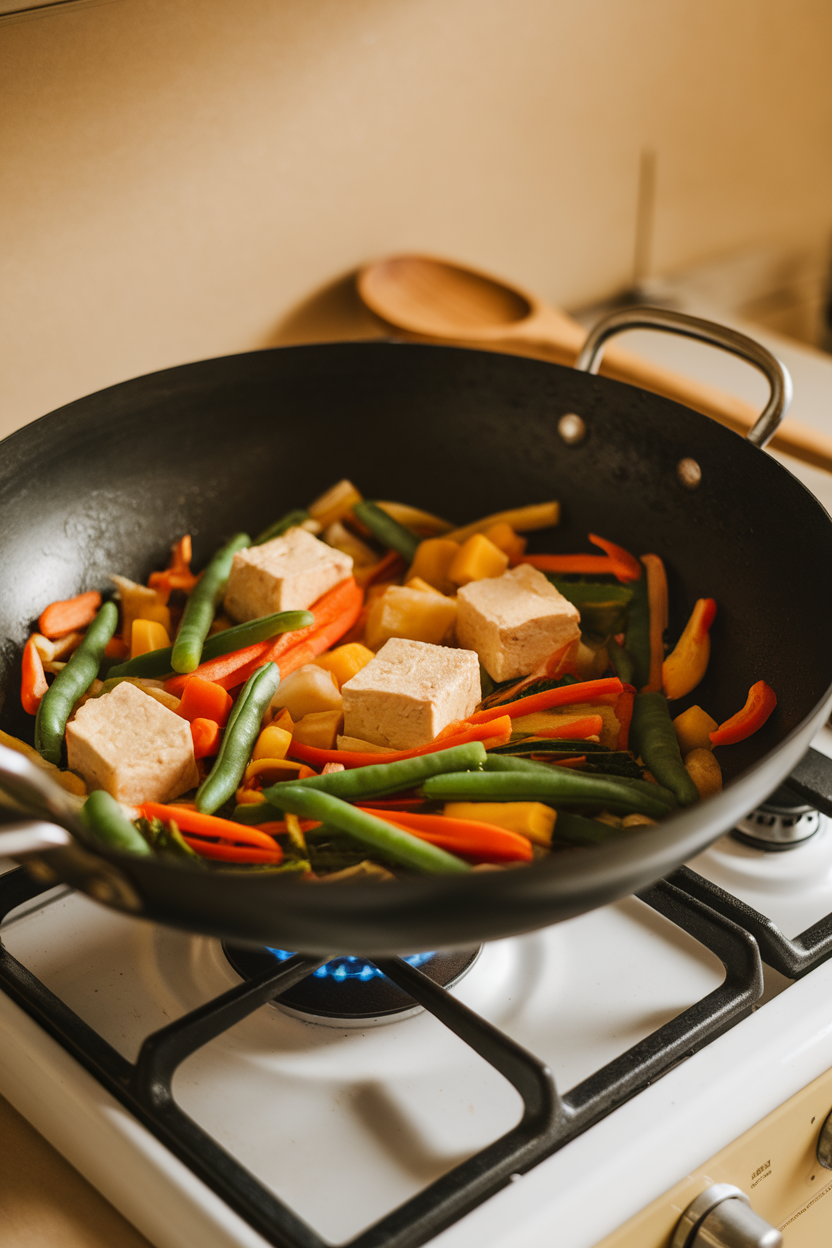
Before groceries spoil, toss odds and ends into a quick stir-fry. Add a simple sauce of soy, garlic, and ginger to unify flavors. This reduces food waste and encourages creativity. Keep a bag in the freezer for veggie scraps that cook up later.
62. Make Your Own Nut Milk
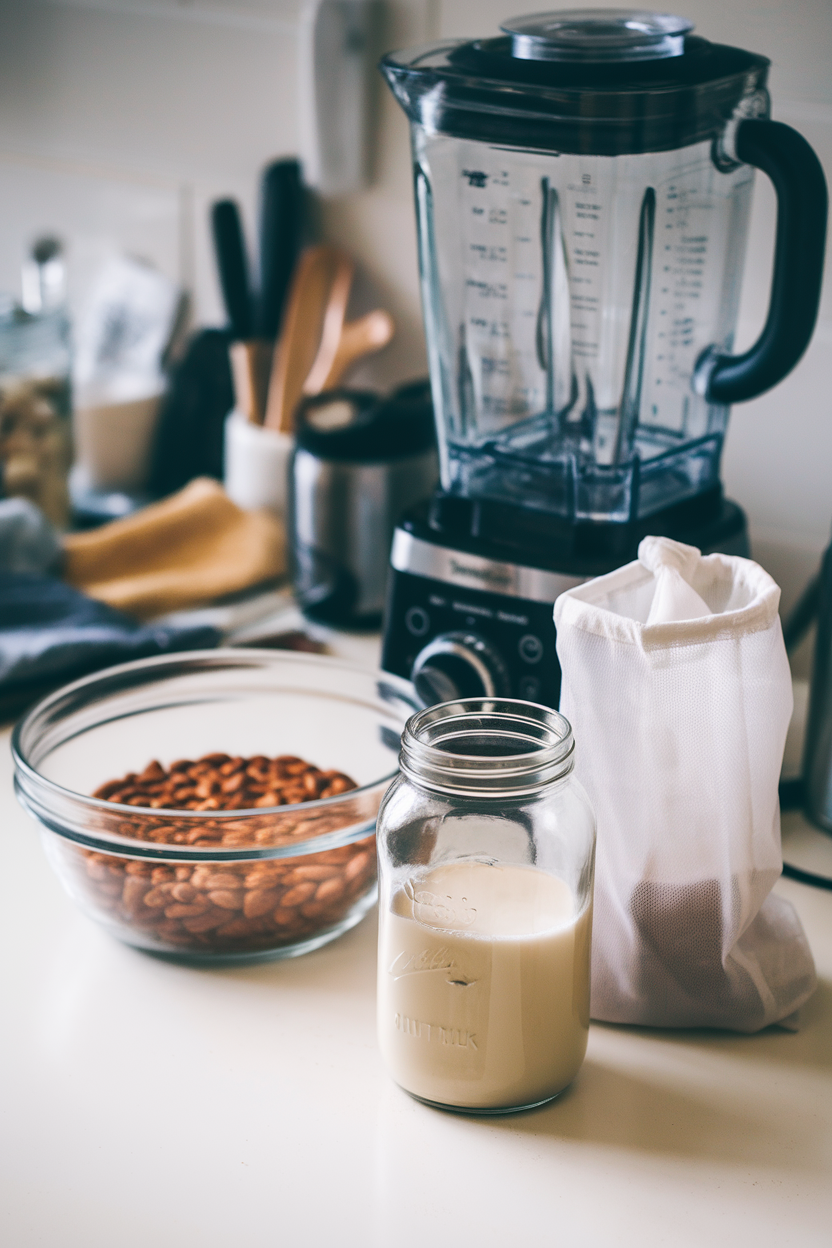
Homemade nut milk contains no gums, additives, or excess sugar. Soak almonds overnight, blend with water, and strain. Flavor lightly with vanilla or cinnamon if desired. The leftover pulp can become energy bites or muffin mix-ins.
63. Set a Kitchen Curfew
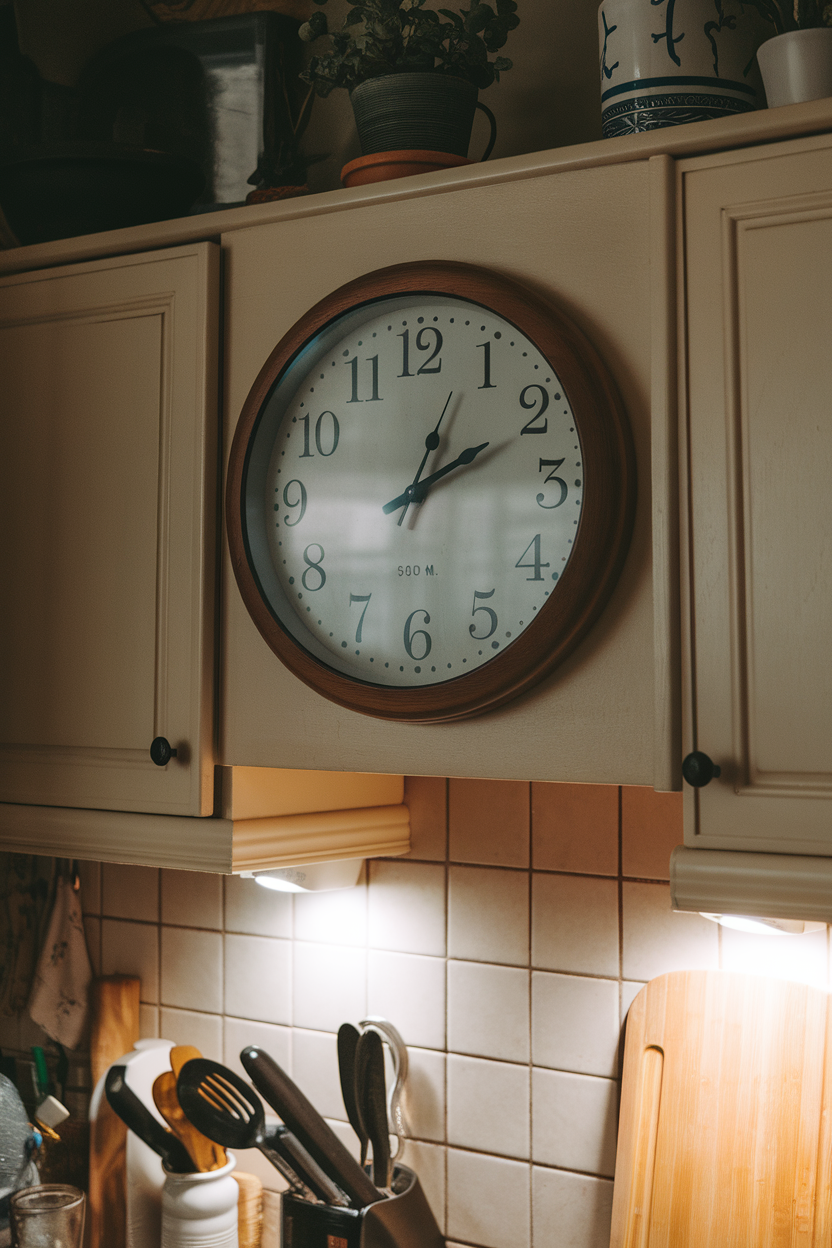
Establishing a cut-off time discourages late-night snacking linked to mindless calories. Adjust curfew around your schedule—typically two to three hours before bedtime. Brush teeth to signal dining’s done. Quality sleep often improves when digestion rests overnight.
64. Include Bitter Greens
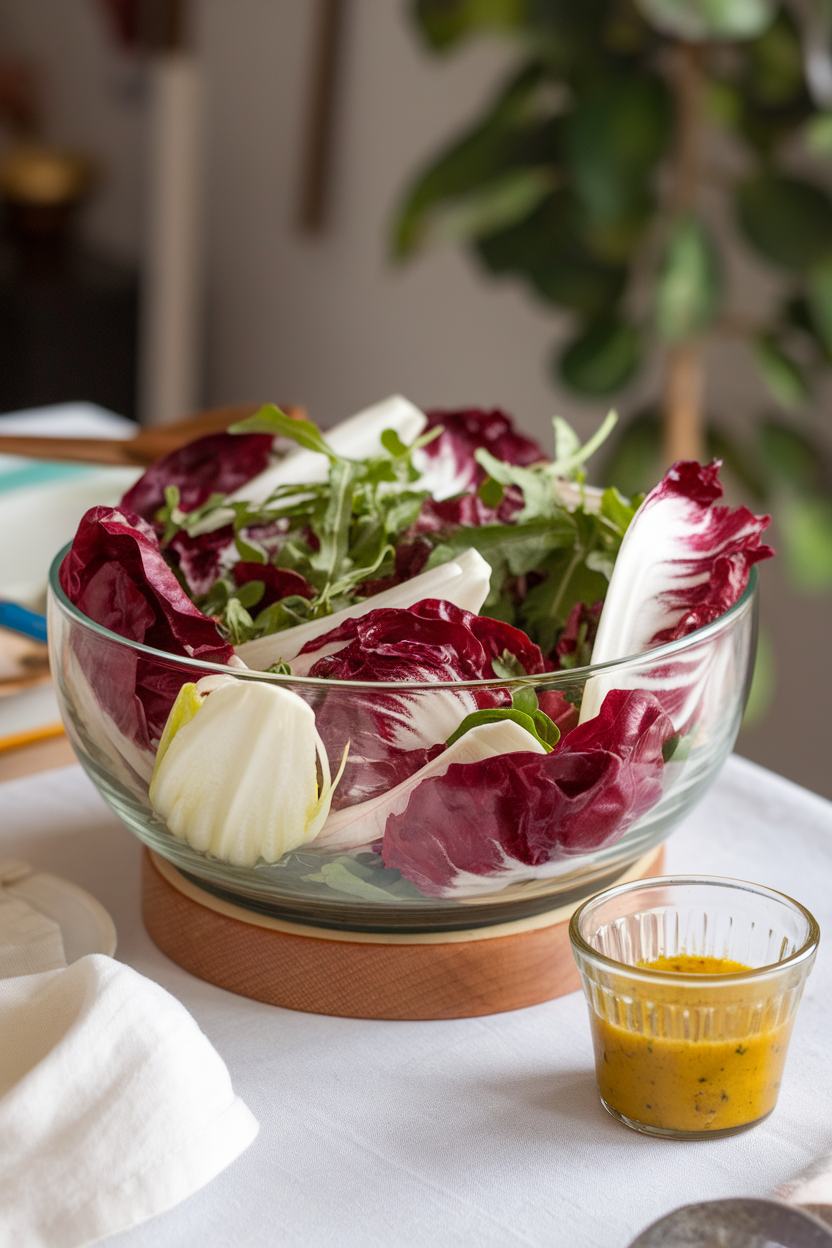
Bitter flavors stimulate digestive enzymes and diversify your palate. Combine with sweet elements like orange segments or balsamic glaze for balance. Gradually increase portion size as taste buds adapt. These greens often contain higher phytonutrient levels than milder lettuces.
65. Replace Sugary Syrups with Real Fruit Compote
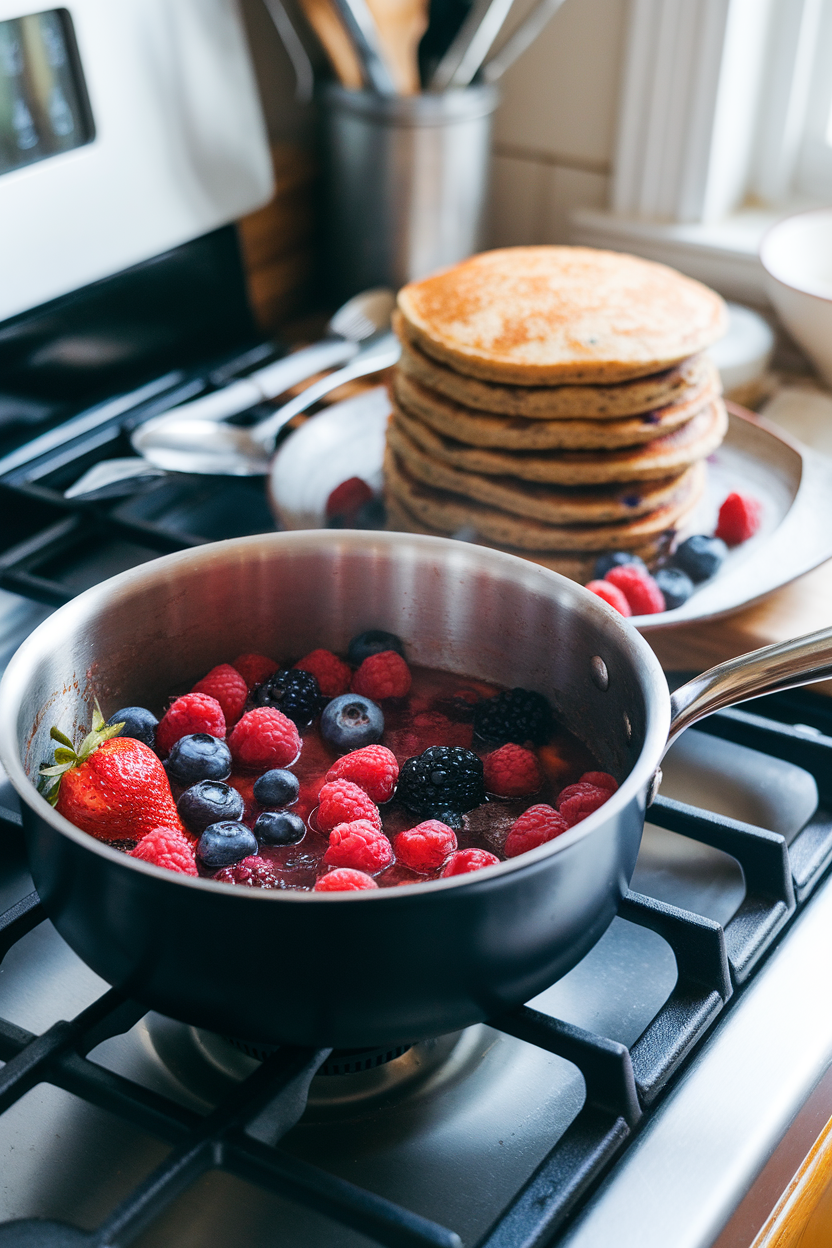
Cook down berries with a splash of water until they burst and thicken naturally. The result tops pancakes, yogurt, or oatmeal without refined sugar. Make extra and refrigerate for up to a week. Add chia seeds for a jam-like texture if desired.
66. Use Citrus Zest for Flavor Boost
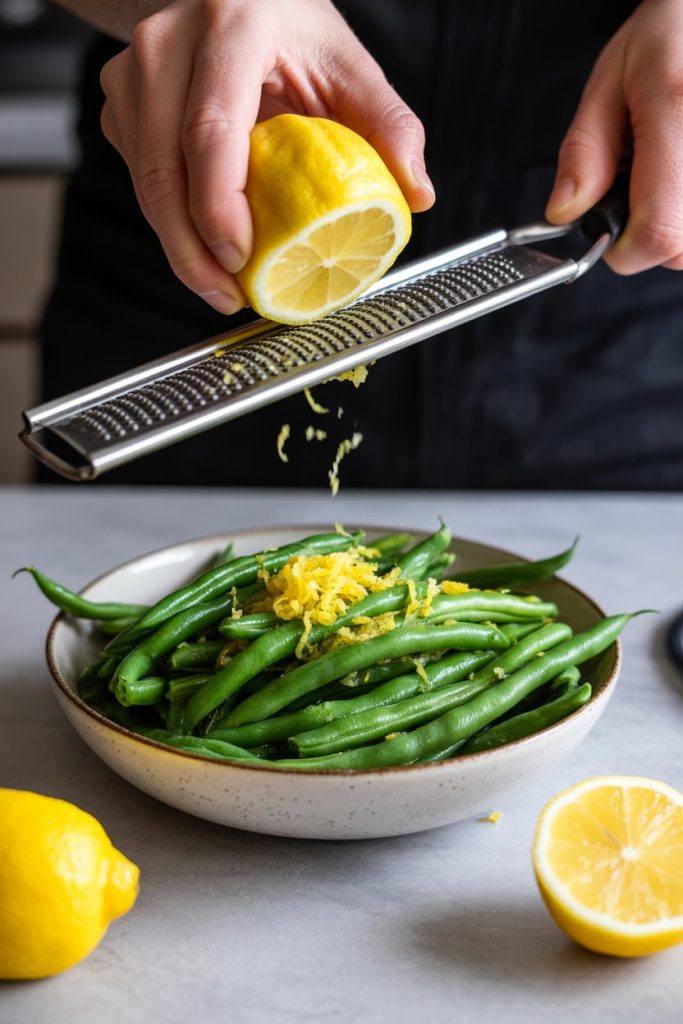
Zest packs intense aroma without liquid or calories. Sprinkle over vegetables, fish, or baked goods for a fresh pop. Freeze leftover zest in small portions so citrus never goes to waste. Rotate between lemon, lime, and orange for variety.
67. Prep a Weekly Grain Base
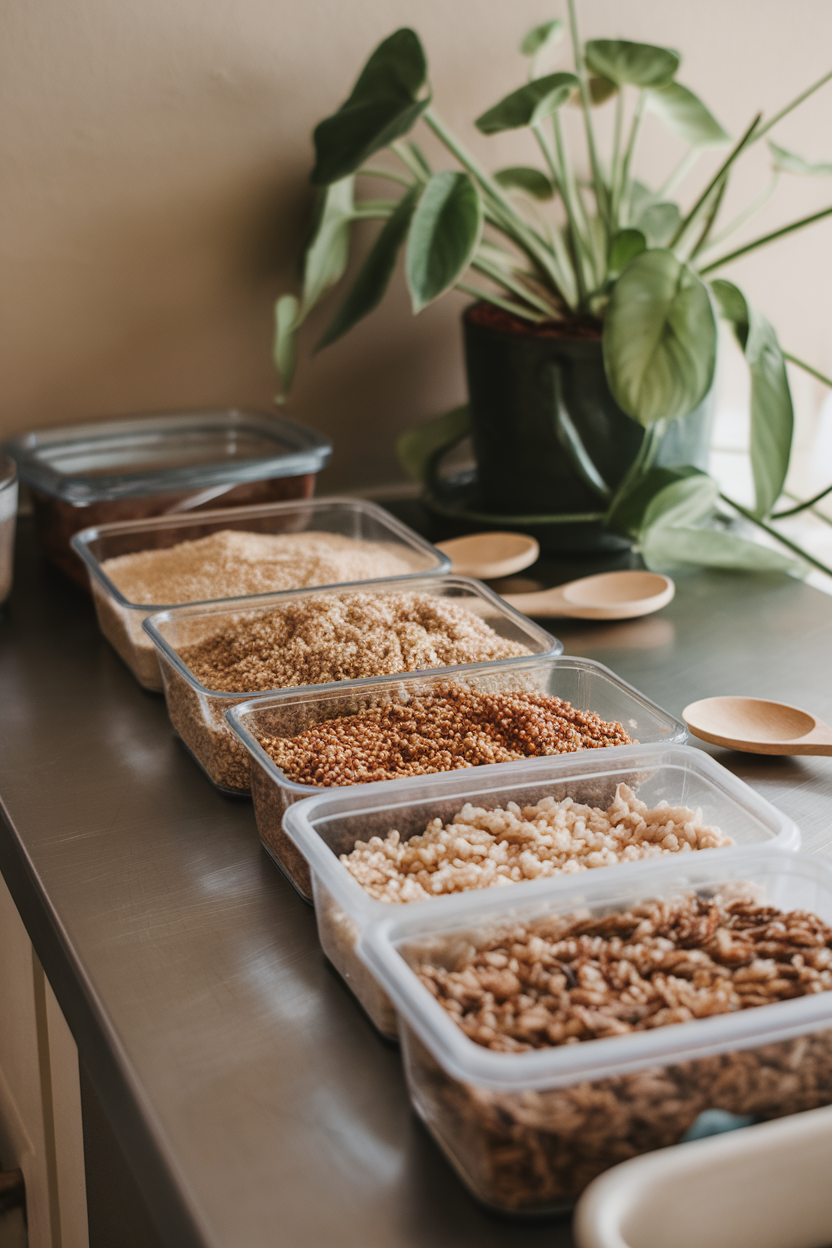
Having ready-to-use grains speeds up lunch bowls and stir-fries. Cook larger batches, cool quickly, and store in airtight containers up to five days. Mix and match with veggies and protein for endless combinations. Portion into freezer bags for longer storage.
68. Celebrate Progress, Not Perfection

Clean eating is a journey of consistent choices, not rigid rules. Acknowledge small victories—trying a new vegetable, cooking at home one extra night, or drinking more water. Recording achievements keeps motivation high and reinforces positive behavior. Remember, sustainable change grows from encouragement, not self-criticism.

Nathaniel Lee is an avid cook, drawing on his decades of home cooking and fine dining experience. He is a contributing chef at Mashed, and his recipes and contributions have been featured in Tasting Table, Edible Arrangements, Insanely Good Recipes, and The Daily Meal.