Building healthier habits starts in the grocery store. Stocking your kitchen with simple, minimally processed ingredients makes weeknight cooking faster and helps keep nutrition goals on track. The list below highlights 50 versatile staples broken into fruits, veggies, proteins, grains, and pantry boosters. Each item includes a quick note on why it earns a spot in a beginner-friendly clean eating cart.
Contents
- 1. Apples
- 2. Bananas
- 3. Blueberries
- 4. Strawberries
- 5. Oranges
- 6. Avocados
- 7. Lemons
- 8. Frozen Mixed Berries
- 9. Baby Spinach
- 10. Kale
- 11. Broccoli
- 12. Sweet Potatoes
- 13. Bell Peppers
- 14. Carrots
- 15. Zucchini
- 16. Cherry Tomatoes
- 17. Cucumbers
- 18. Red Onions
- 19. Skinless Chicken Breast
- 20. Extra-Lean Ground Turkey
- 21. Wild-Caught Salmon Fillets
- 22. Canned Light Tuna (in Water)
- 23. Eggs
- 24. Plain Greek Yogurt
- 25. Cottage Cheese
- 26. Firm Tofu
- 27. Canned Chickpeas
- 28. Lentils (Dry or Canned)
- 29. Black Beans (No-Salt-Added Cans)
- 30. Raw Almonds
- 31. Natural Peanut Butter
- 32. Chia Seeds
- 33. Quinoa
- 34. Rolled Oats
- 35. Brown Rice
- 36. Whole-Wheat Pasta
- 37. Extra-Virgin Olive Oil
- 38. Coconut Oil
- 39. Raw Pumpkin Seeds
- 40. Flaxseed Meal
- 41. Fresh Basil
- 42. Fresh Cilantro
- 43. Garlic
- 44. Ground Turmeric
- 45. Unsweetened Almond Milk
- 46. Low-Sodium Vegetable Broth
- 47. Apple Cider Vinegar
- 48. Dark Chocolate (70% Cacao or Higher)
- 49. Sprouted Whole-Grain Bread
- 50. Frozen Edamame
1. Apples
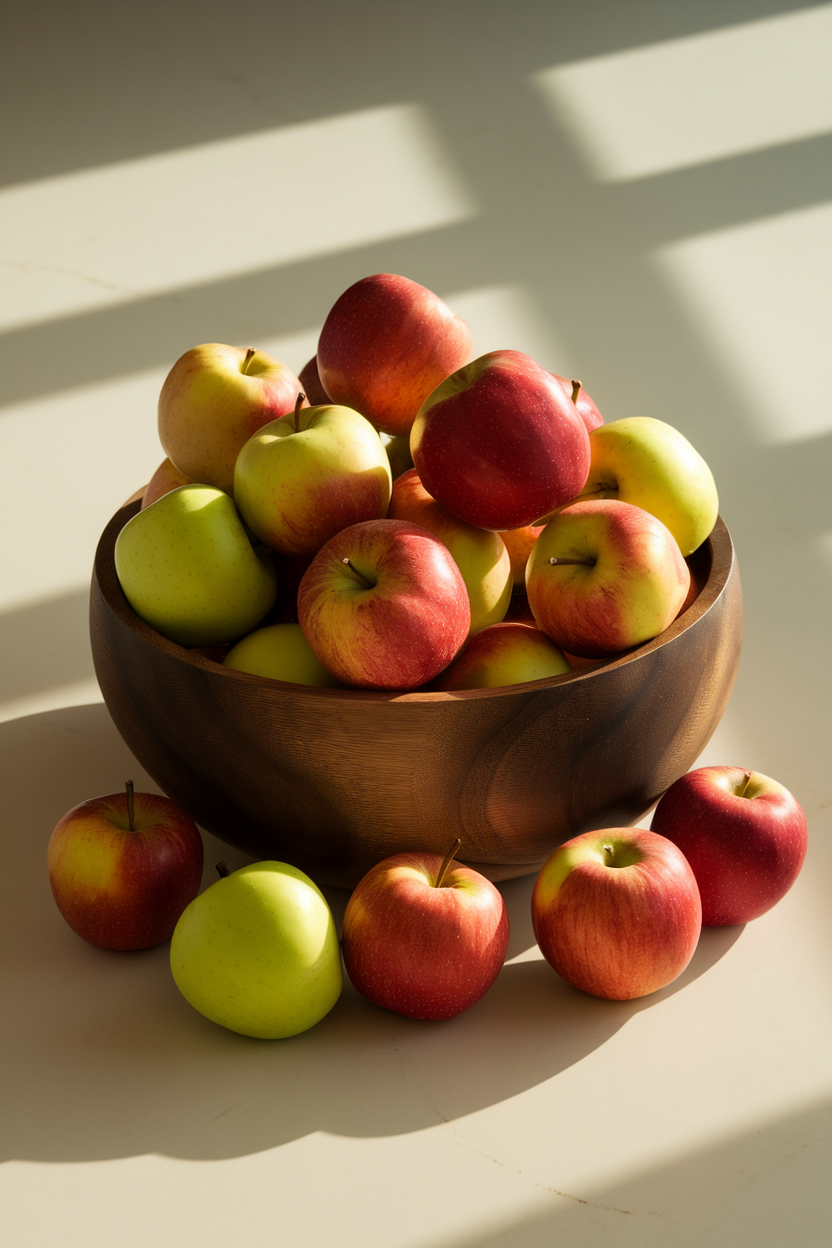
Apples add natural sweetness, fiber, and crunch to meals and snacks. Slice one into morning oatmeal, pair with nut butter, or dice into salads for a hint of tartness. Choose whole fruit over juice to keep the filling pectin intact. Store them in the crisper drawer so they stay firm longer.
2. Bananas
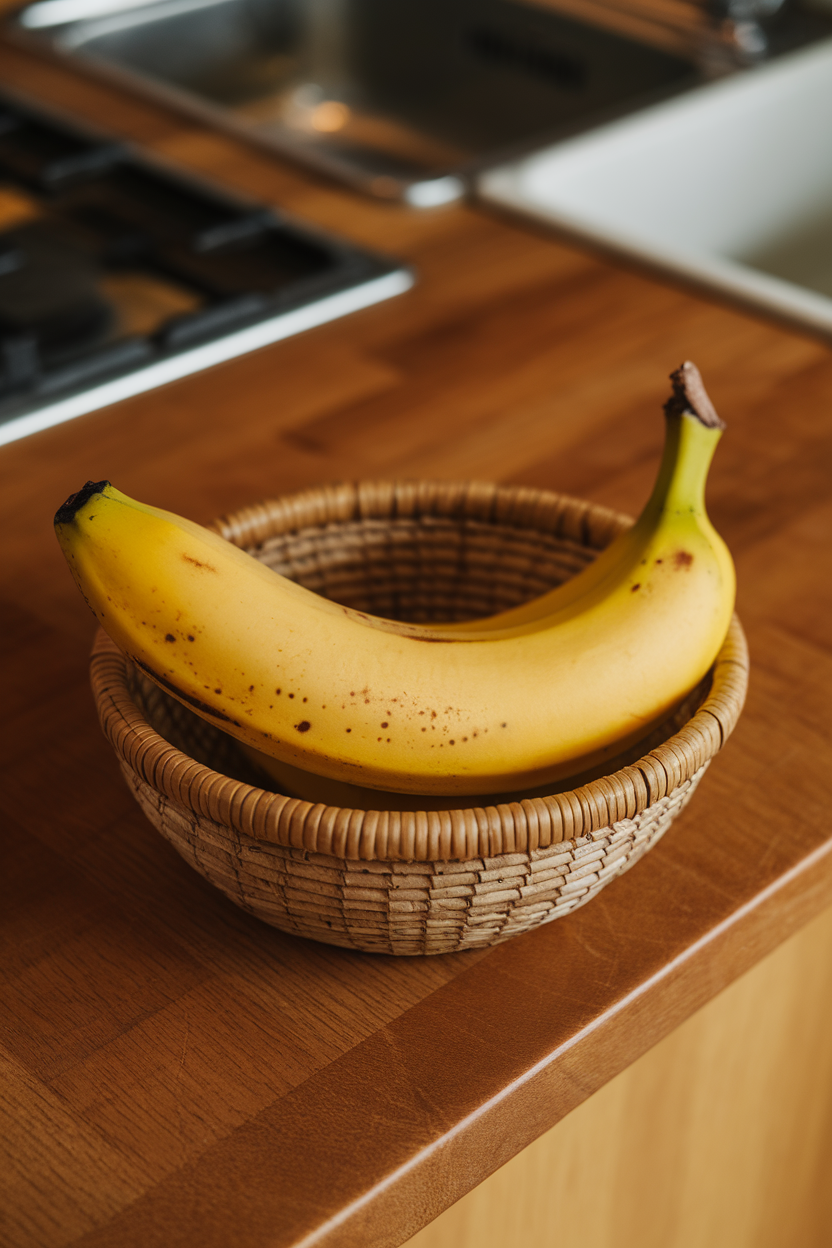
Bananas provide quick energy and potassium, making them an ideal pre-workout bite. Freeze chunks for naturally sweet smoothie bases or mash into pancake batter to cut down on added sugar. Even very ripe bananas are useful—blend them into “nice cream” for a fast dessert. Keep a bunch on the counter and grab as needed.
3. Blueberries
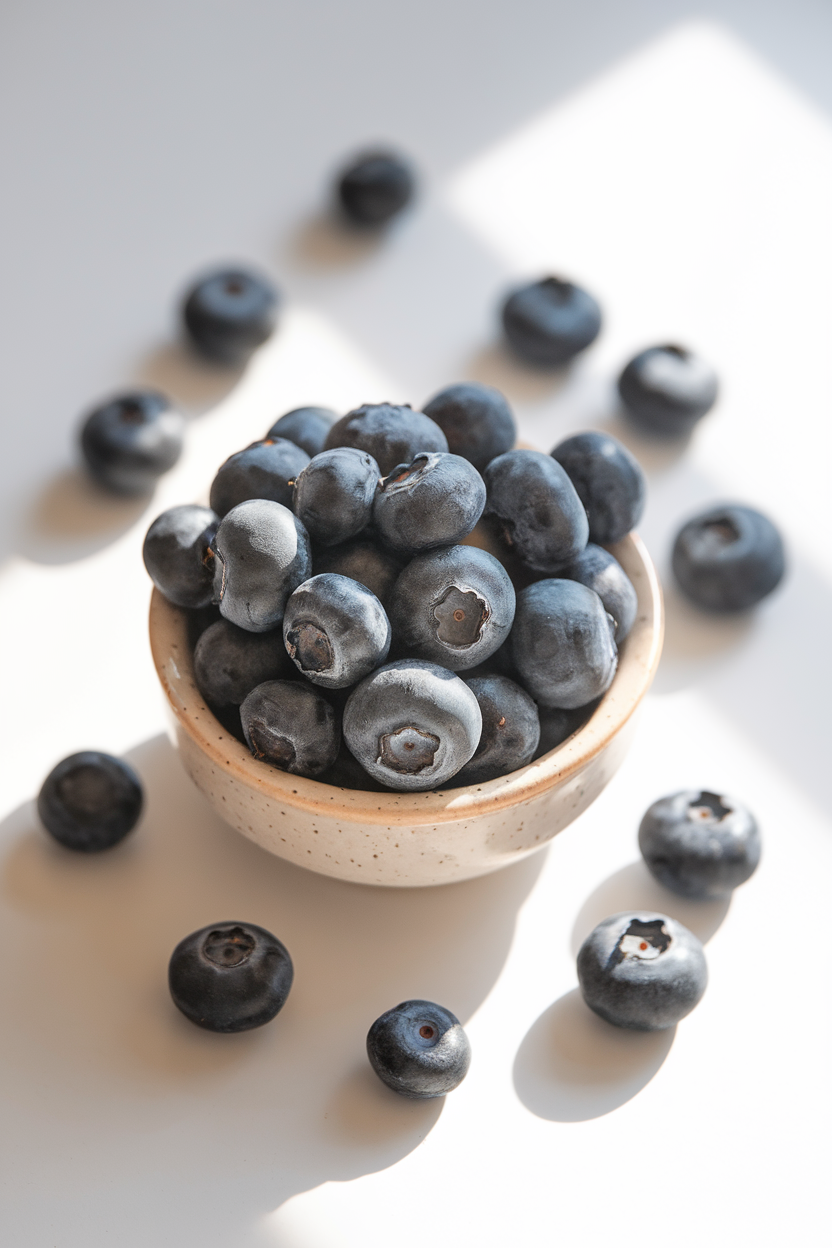
Tiny but mighty, blueberries pack antioxidants and Vitamin C. Sprinkle them over yogurt, stir into muffin batter, or eat straight by the handful. If fresh berries feel pricey, look for frozen unsweetened bags—they’re picked at peak ripeness and last for months. Either way, blueberries add color and nutrition to almost any dish.
4. Strawberries
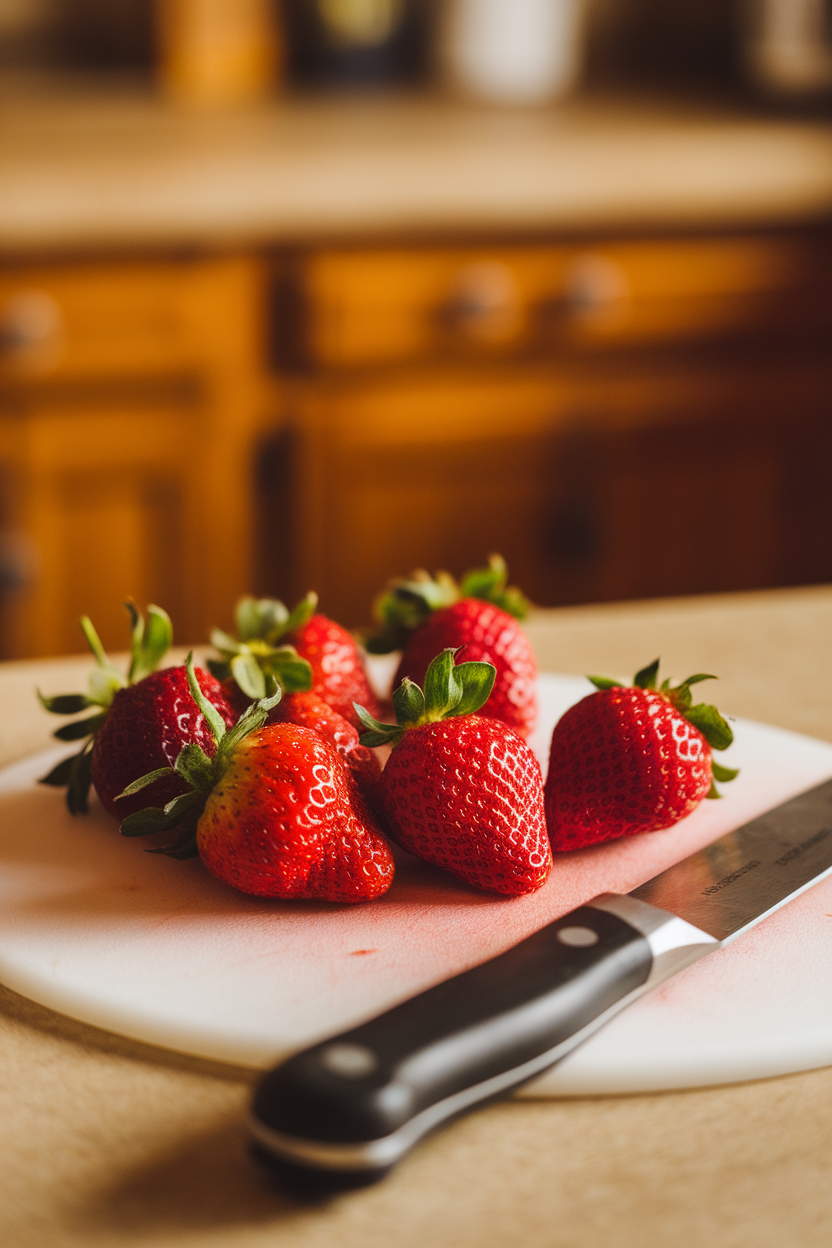
Juicy strawberries satisfy sweet cravings while staying low in calories. Slice them onto whole-grain toast with ricotta or blend into a protein shake for a berry boost. Their natural vitamin profile supports skin health and immunity. Rinse right before eating to keep them from turning mushy.
5. Oranges
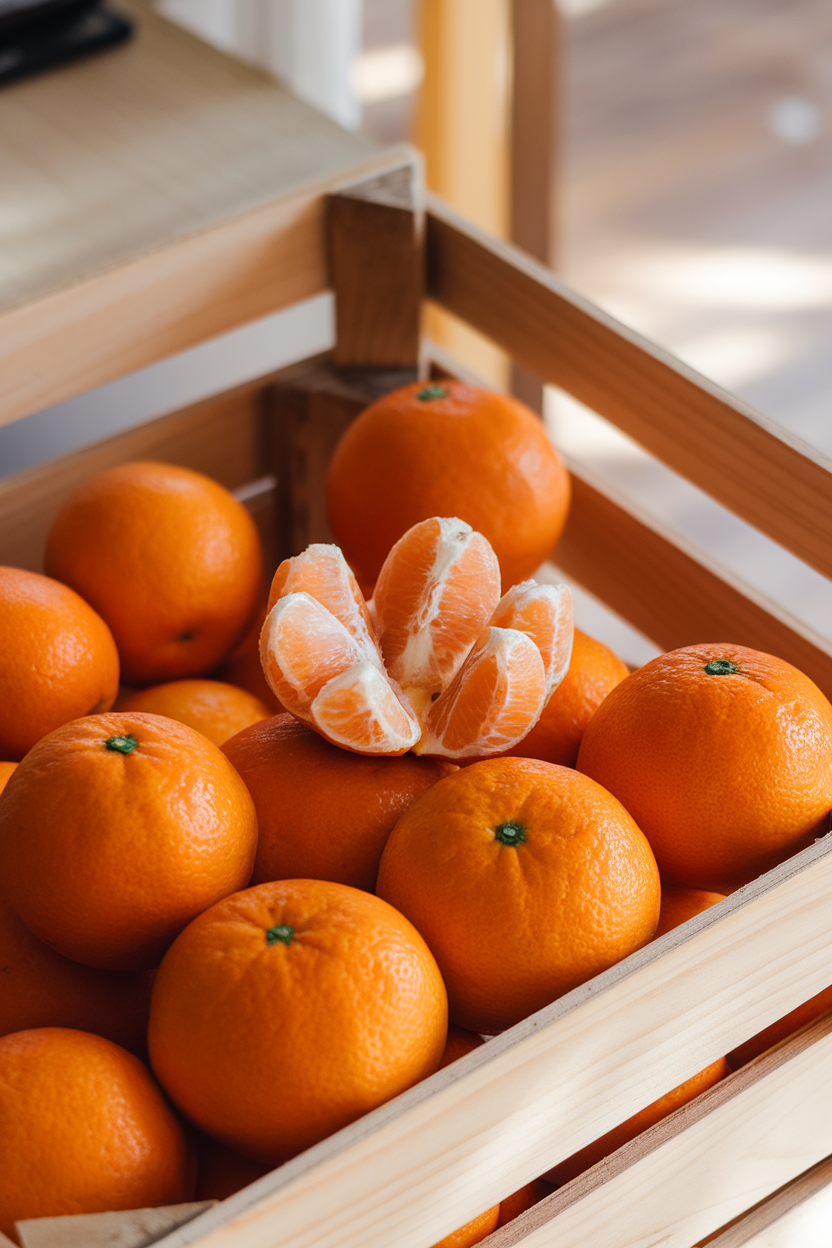
Oranges offer a fragrant dose of Vitamin C and refreshing juice. Pack one in a lunchbox for a self-contained snack or use the zest to brighten salad dressings. The pith supplies extra fiber, so nibble a bit of that white layer rather than stripping it all away. Store at room temperature if you’ll eat them soon, or refrigerate for longer life.
6. Avocados
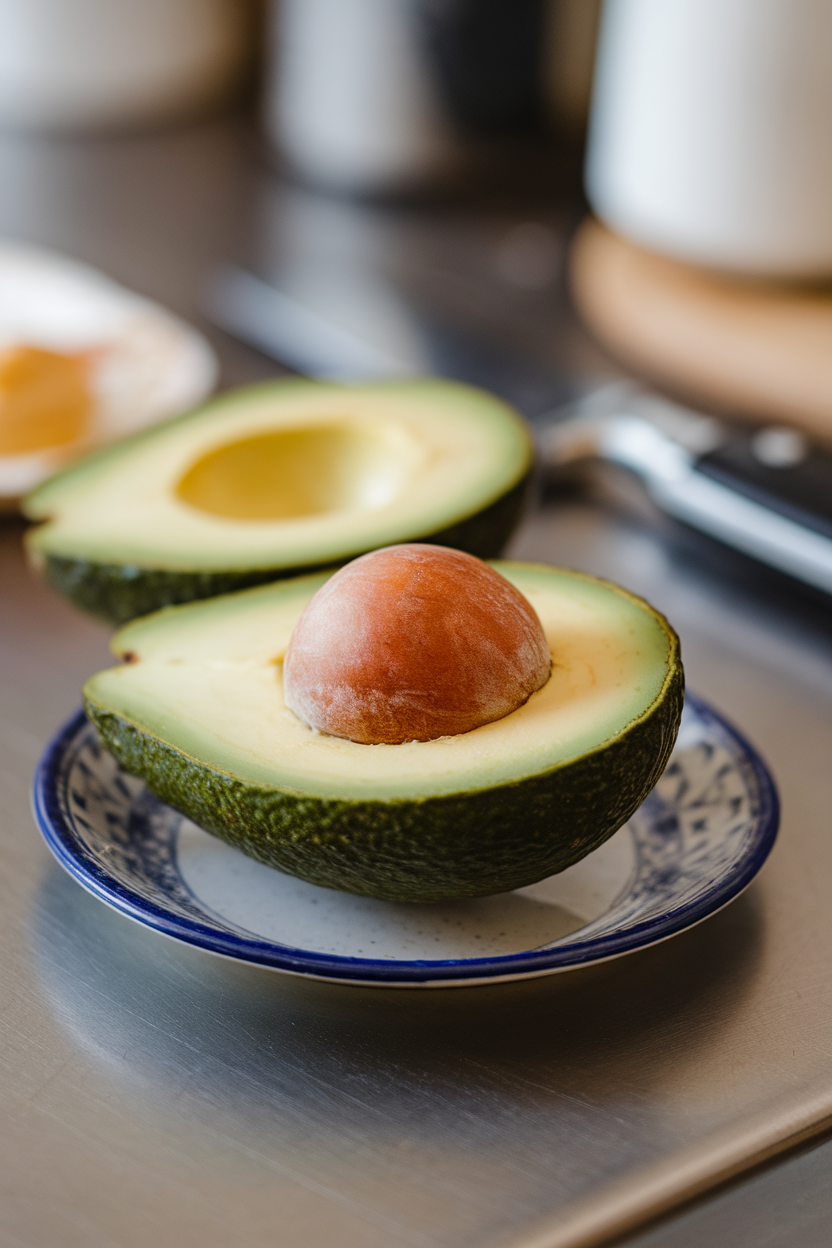
Creamy avocados deliver heart-healthy monounsaturated fats and a buttery texture. Mash onto whole-grain toast, cube for salads, or blend into smoothies for richness without dairy. A squeeze of lime over cut surfaces helps prevent browning. Buy a mix of firm and slightly soft fruit so ripeness is staggered during the week.
7. Lemons
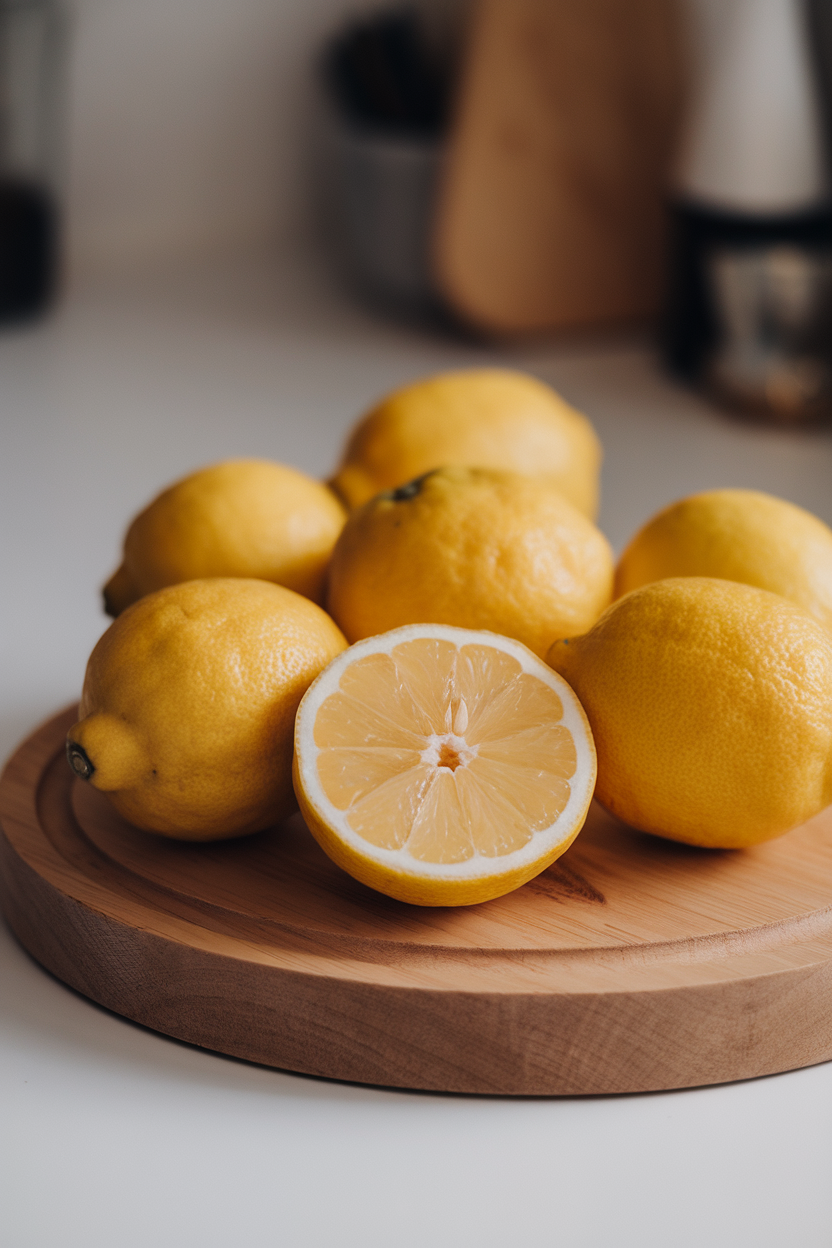
Lemons transform plain water, dressings, and cooked vegetables with fresh acidity. Their vitamin content supports immune function, while the zest elevates both sweet and savory recipes. Roll a lemon on the counter before cutting to release more juice. Keep a couple on hand for quick flavor boosts.
8. Frozen Mixed Berries
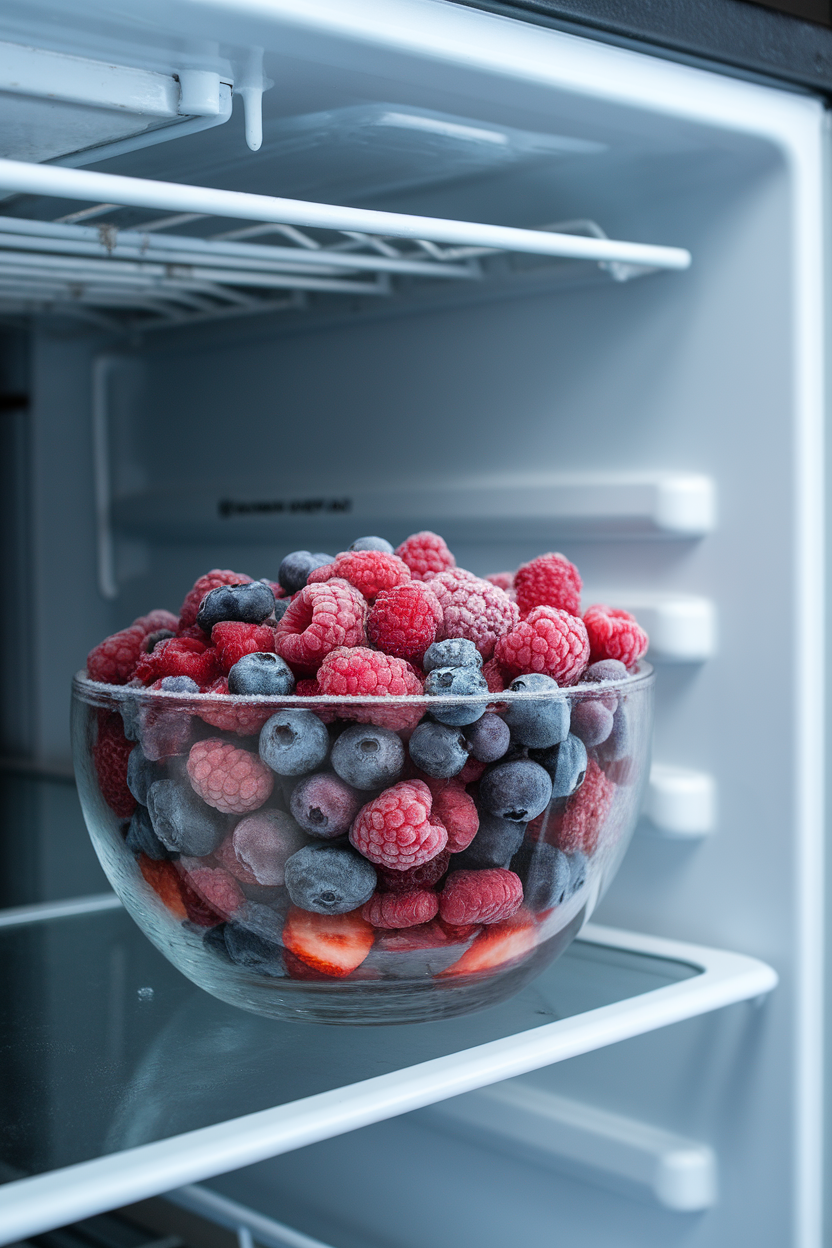
Frozen berry blends are cost-effective and ready year-round. They thicken smoothies, top oatmeal, and bake into wholesome crisps without added sugar. Because they’re flash-frozen, nutrients remain intact. Measure out what you need and return the bag to the freezer to avoid clumping.
9. Baby Spinach
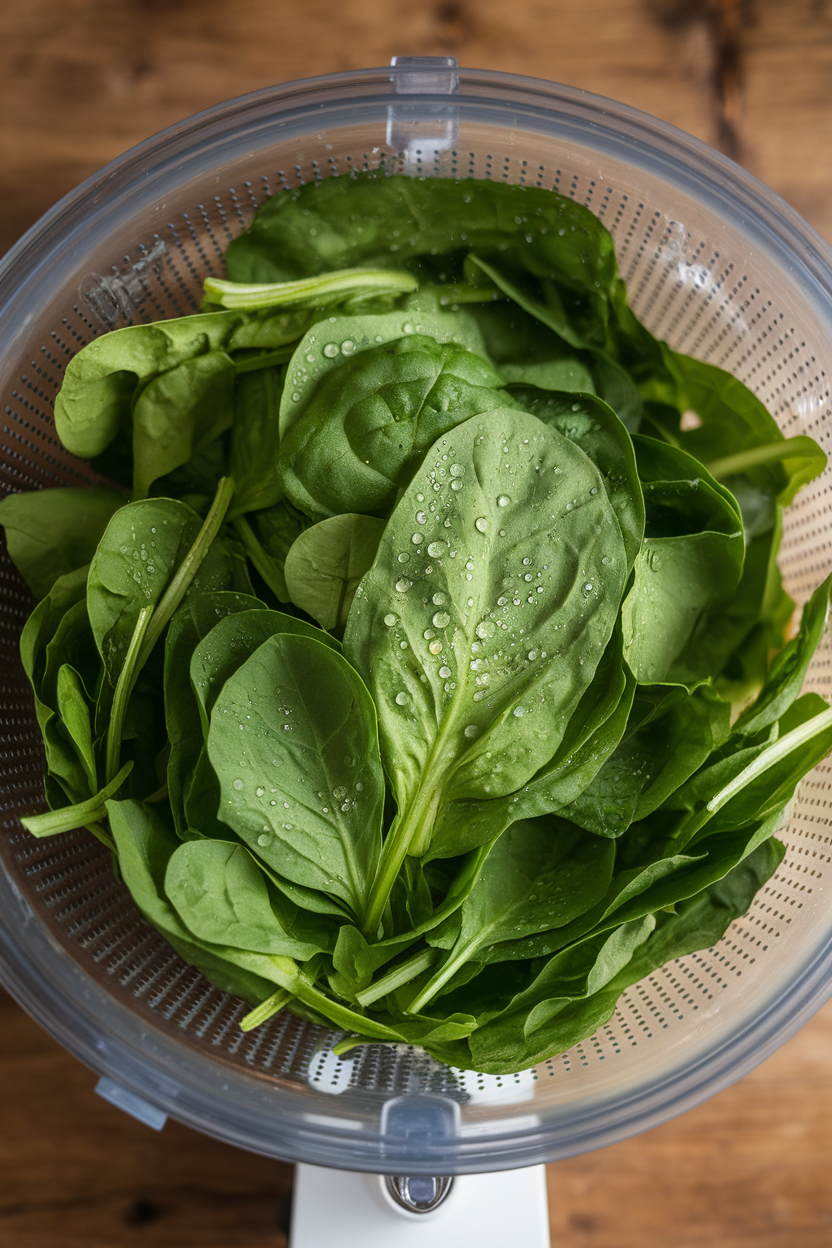
Baby spinach wilts quickly for stir-fries yet stays tender enough for salads. It supplies iron, folate, and vitamin K in a mild-tasting package that blends into smoothies undetected. Add a handful to scrambled eggs for a fast color and nutrient upgrade. Store in a breathable container lined with paper towel to extend freshness.
10. Kale
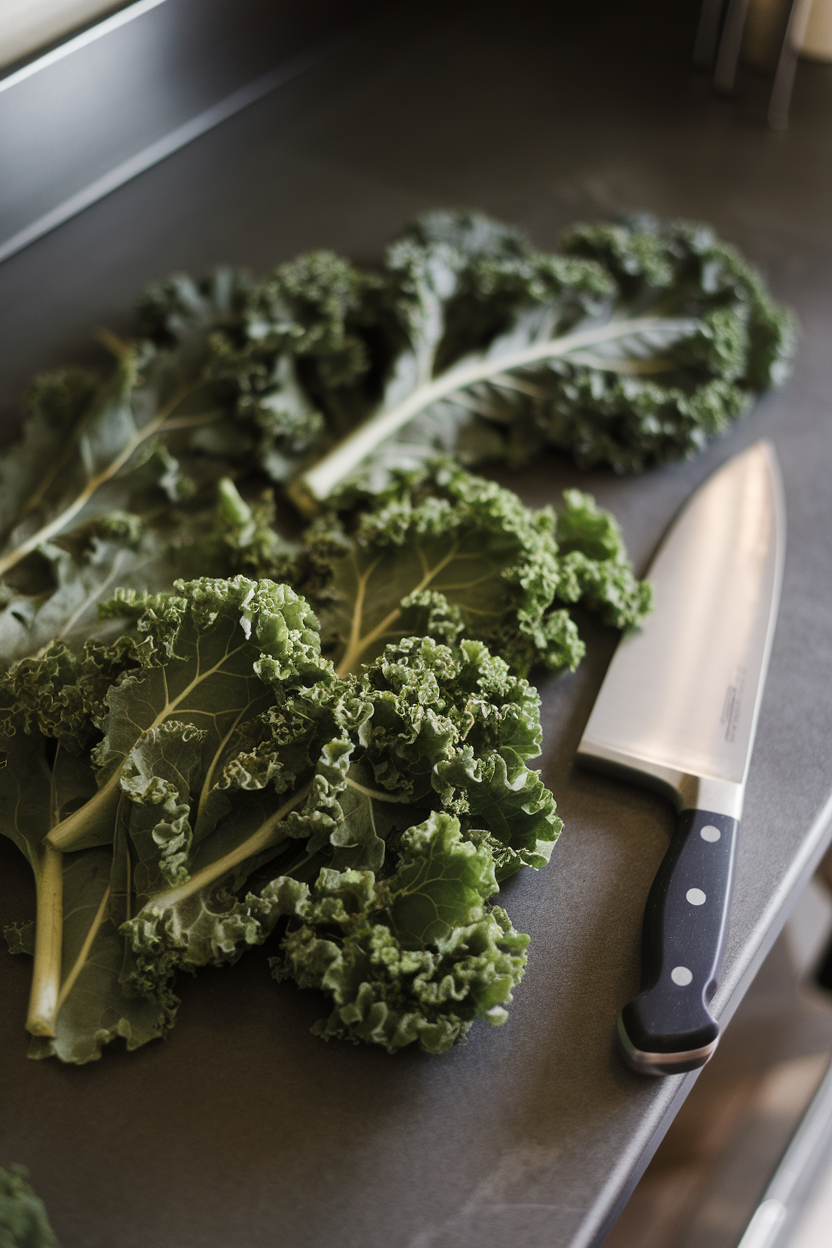
Kale brings hearty texture and a wealth of antioxidants to the plate. Massage the leaves with olive oil to soften them for raw salads or roast chips in the oven for a crunchy snack. Its sturdy structure stands up in soups and stews without turning limp. Remove thick stems before cooking for quicker, even wilting.
11. Broccoli
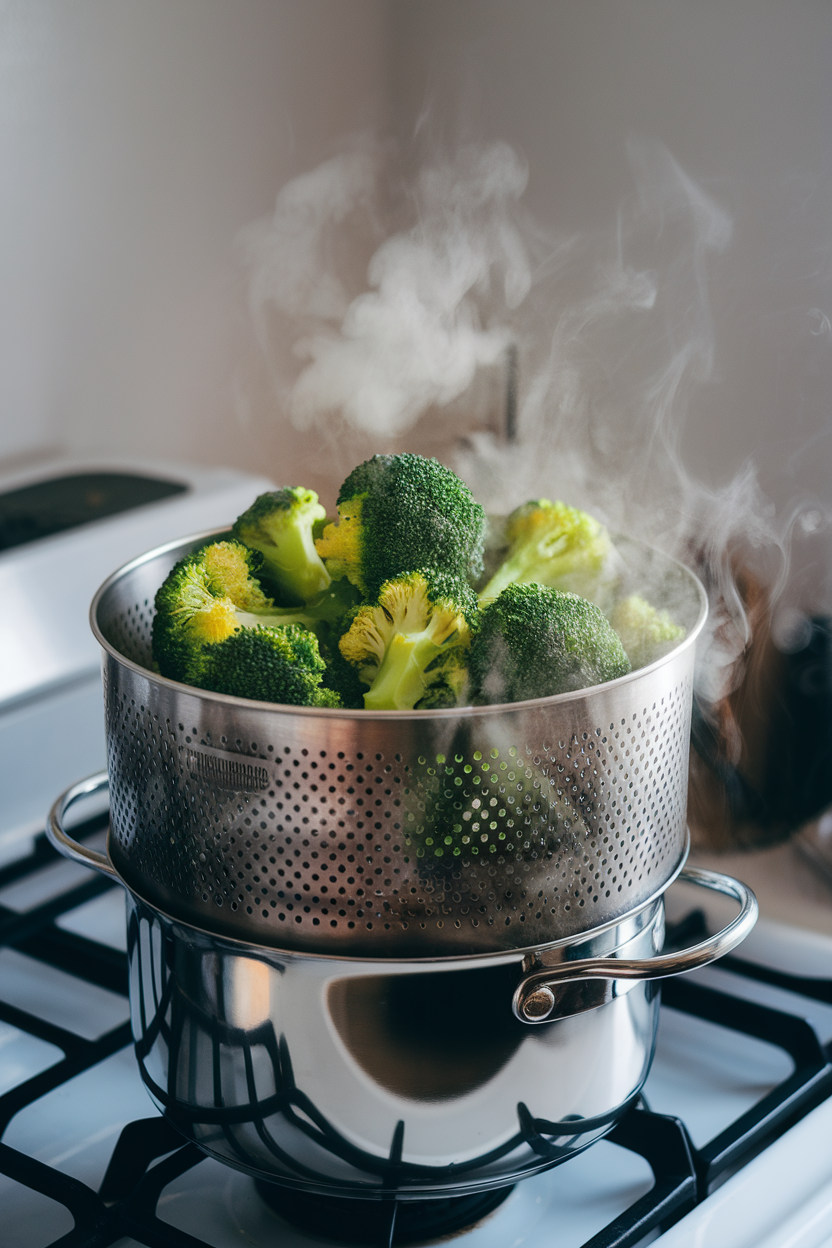
Broccoli provides fiber, vitamin C, and plant-based calcium. Light steaming keeps the florets tender-crisp and locks in nutrients. Toss with garlic and a drizzle of olive oil for an easy side dish. To save time, prep the stalks into coins and cook them alongside the florets instead of discarding.
12. Sweet Potatoes
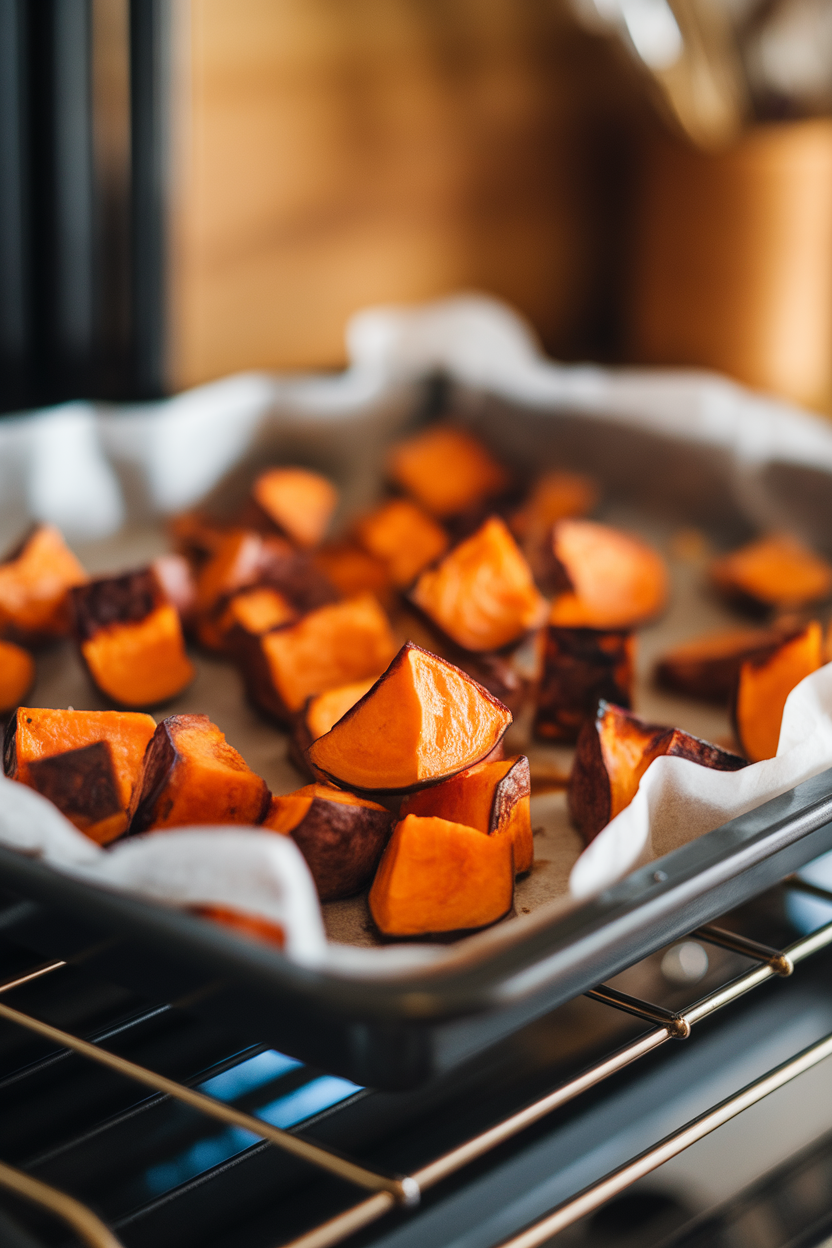
Sweet potatoes deliver complex carbs, beta-carotene, and natural sweetness. Roast a batch on Sunday to use in breakfasts, grain bowls, or tacos throughout the week. The fiber slows digestion, helping you stay satisfied longer. Leave skins on for extra nutrients and a rustic feel.
13. Bell Peppers
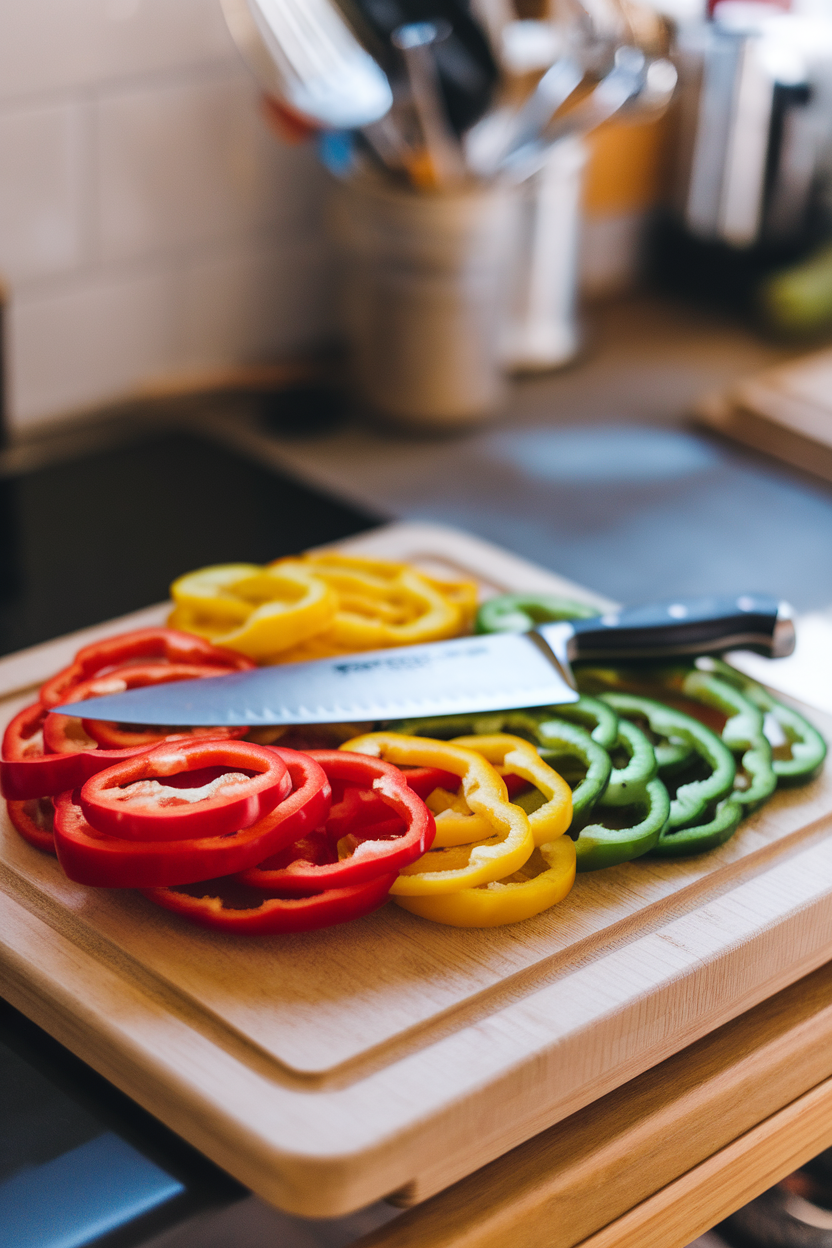
Colorful bell peppers pack crunch, vitamin C, and a sweet flavor. Slice raw for dipping, sauté into fajitas, or stuff and bake for an all-in-one entrée. Each color offers slightly different antioxidants, so mix hues for variety. Store in the fridge’s crisper drawer to maintain their snap.
14. Carrots
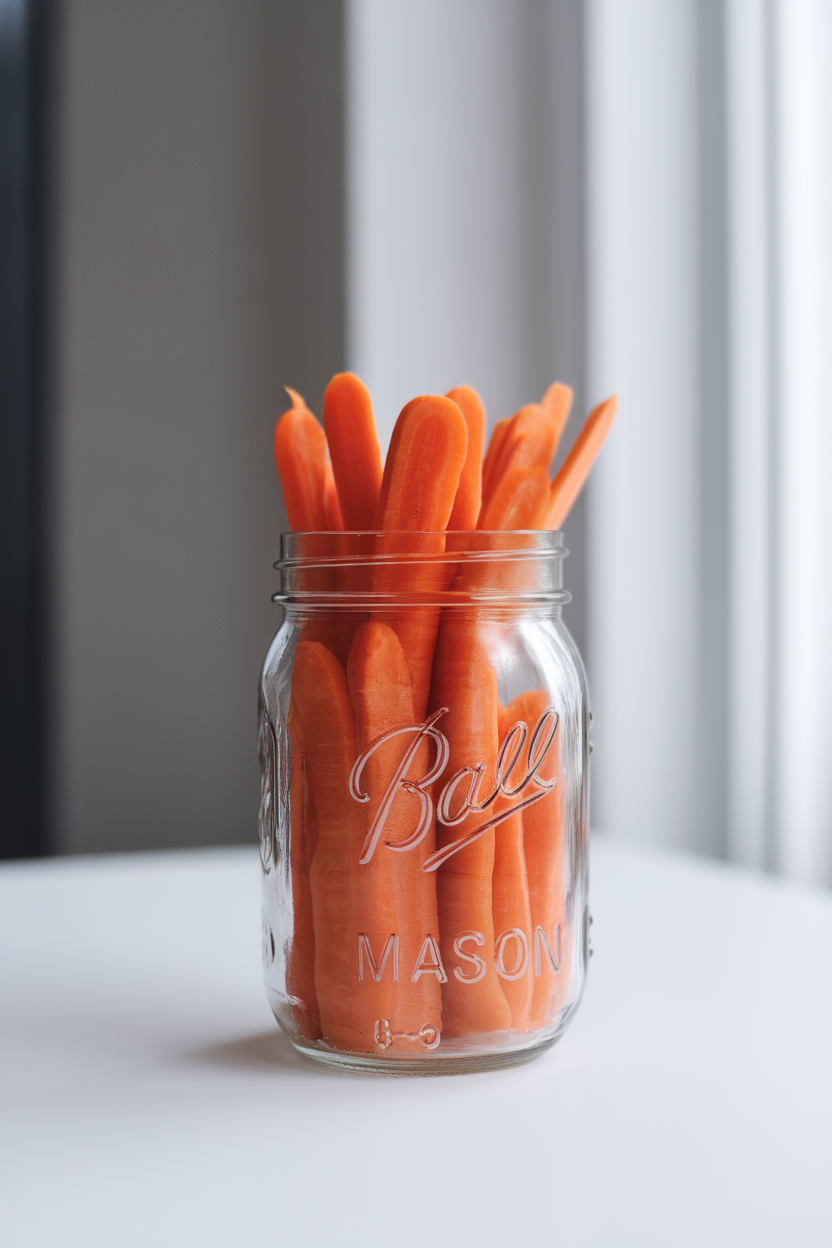
Carrots satisfy with natural sugars and a generous dose of beta-carotene. Snack on raw sticks, shred into slaws, or roast whole to deepen flavor. The humble carrot also blends smoothly into soups, adding body without cream. Keep them submerged in water in the fridge so they stay crisp.
15. Zucchini
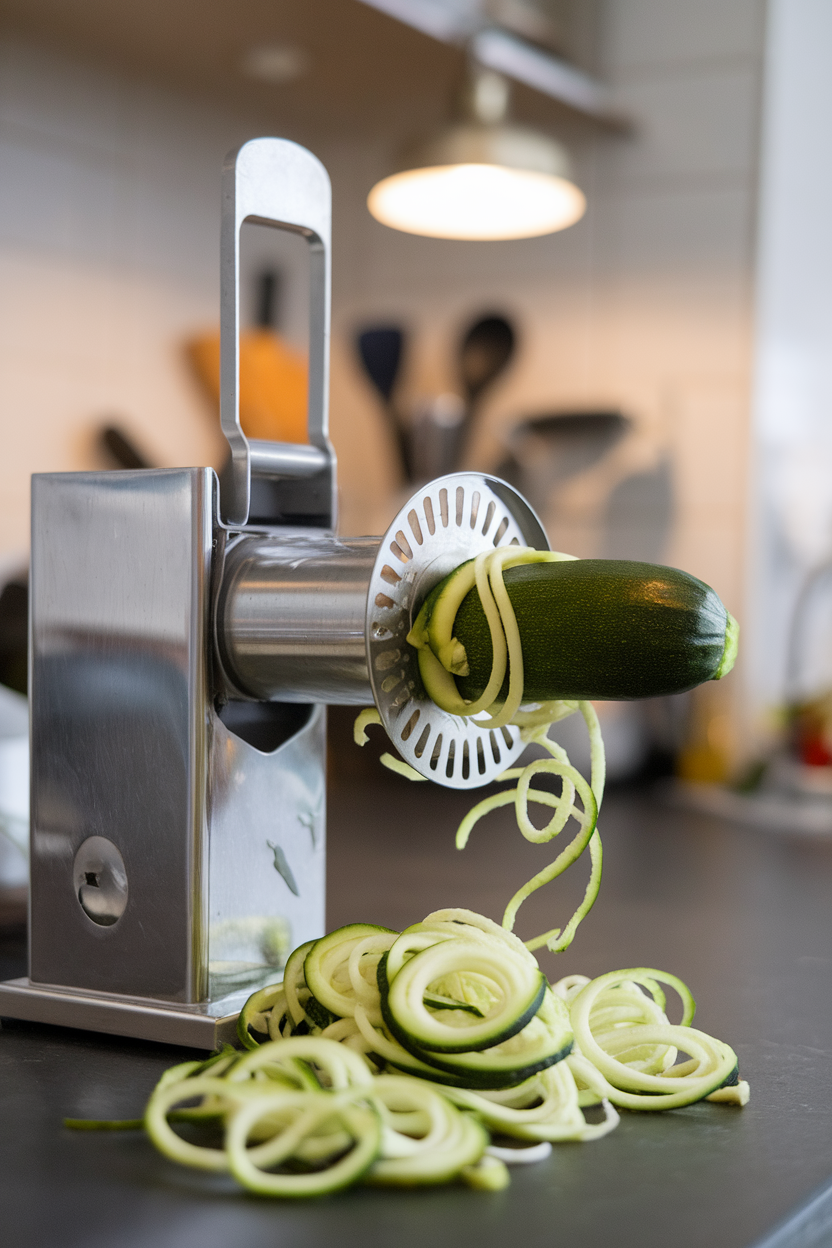
Zucchini is versatile enough for grilling, baking, or spiralizing into low-carb noodles. Its mild taste pairs well with tomato sauce, pesto, and light vinaigrettes. Grated zucchini adds moisture to muffins while cutting the need for excess oil. Choose firm squash with shiny skin for best texture.
16. Cherry Tomatoes
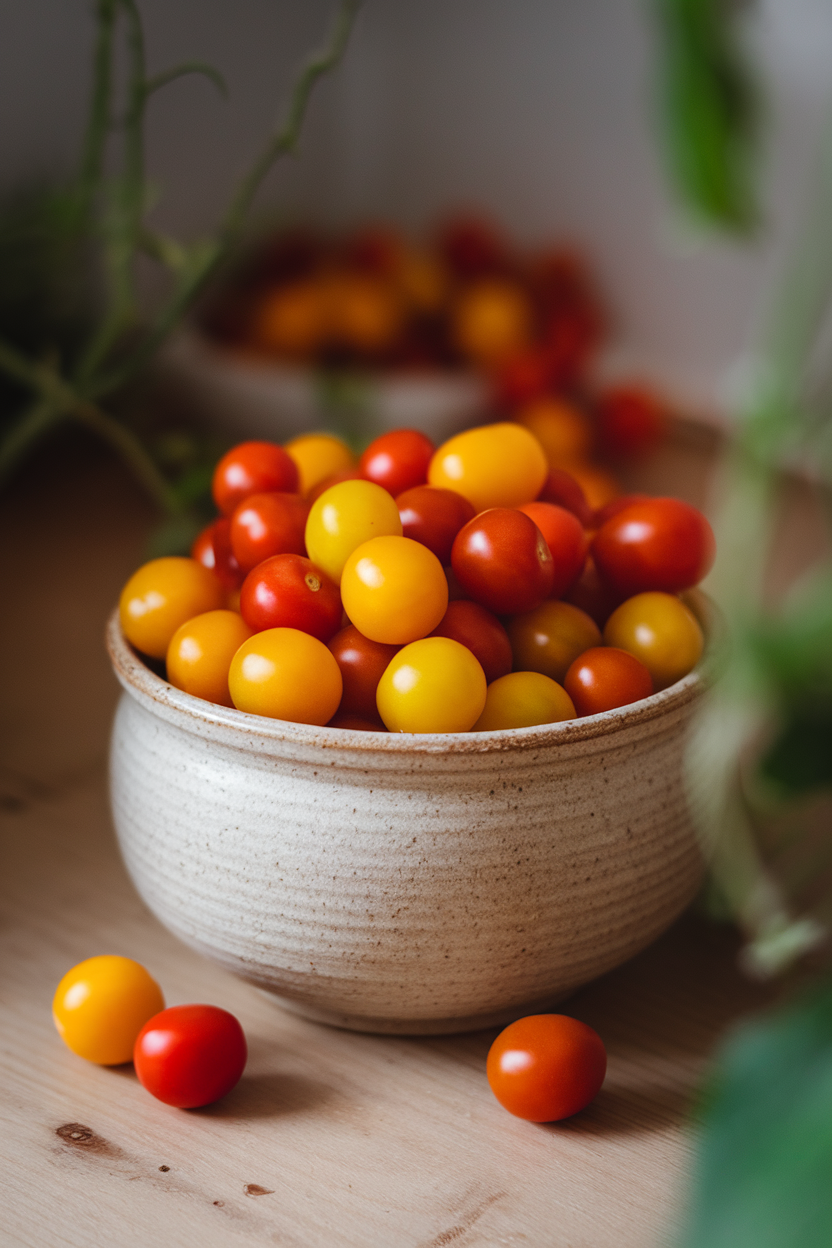
Cherry tomatoes burst with sweetness and lycopene in bite-sized form. Toss them into salads, roast for a quick pasta sauce, or skewer for kebabs. Because their skins are thin, they cook fast and require little prep. Keep them at room temperature for better flavor rather than refrigerating.
17. Cucumbers
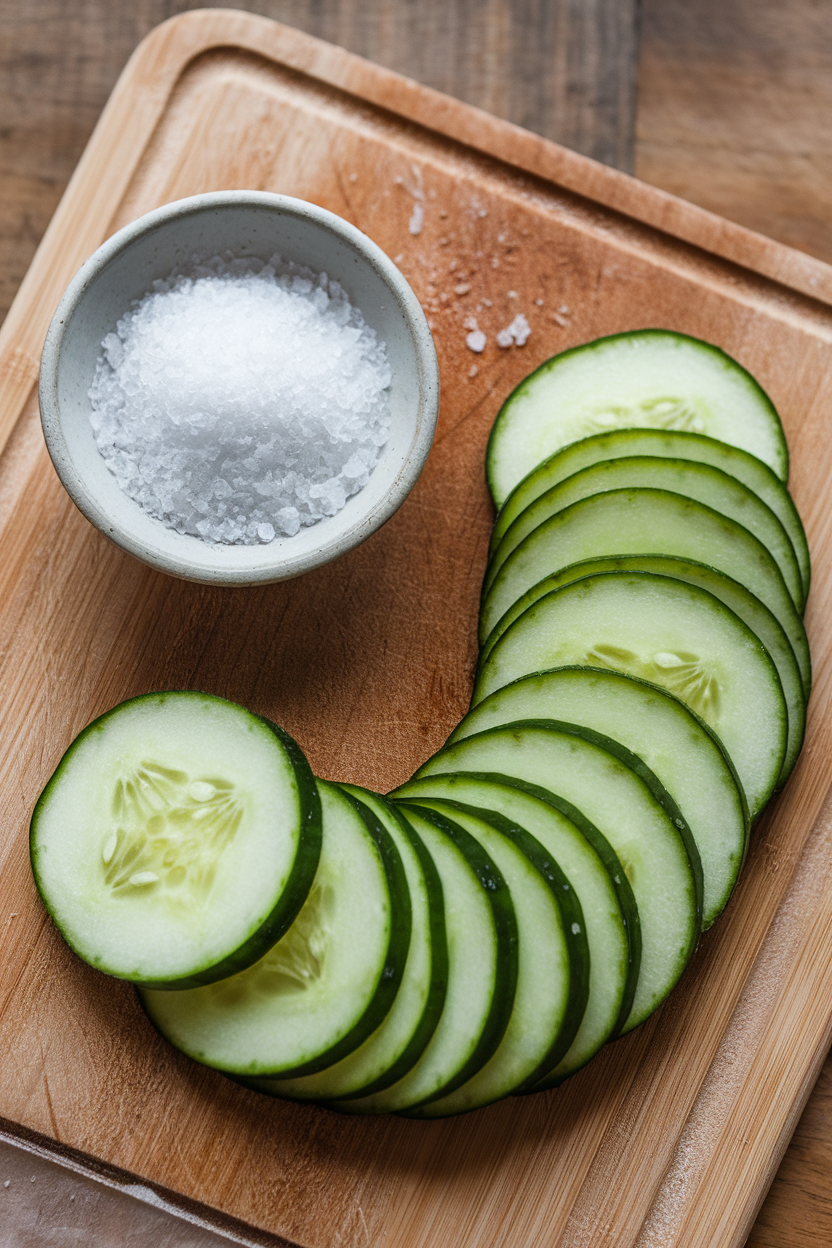
Cucumbers add refreshing crunch and hydration thanks to their high water content. Slice into sandwiches, dice for yogurt-based tzatziki, or infuse water for subtle flavor. Their mild taste blends seamlessly with herbs like mint or dill. Choose firm, unblemished skins for maximum freshness.
18. Red Onions
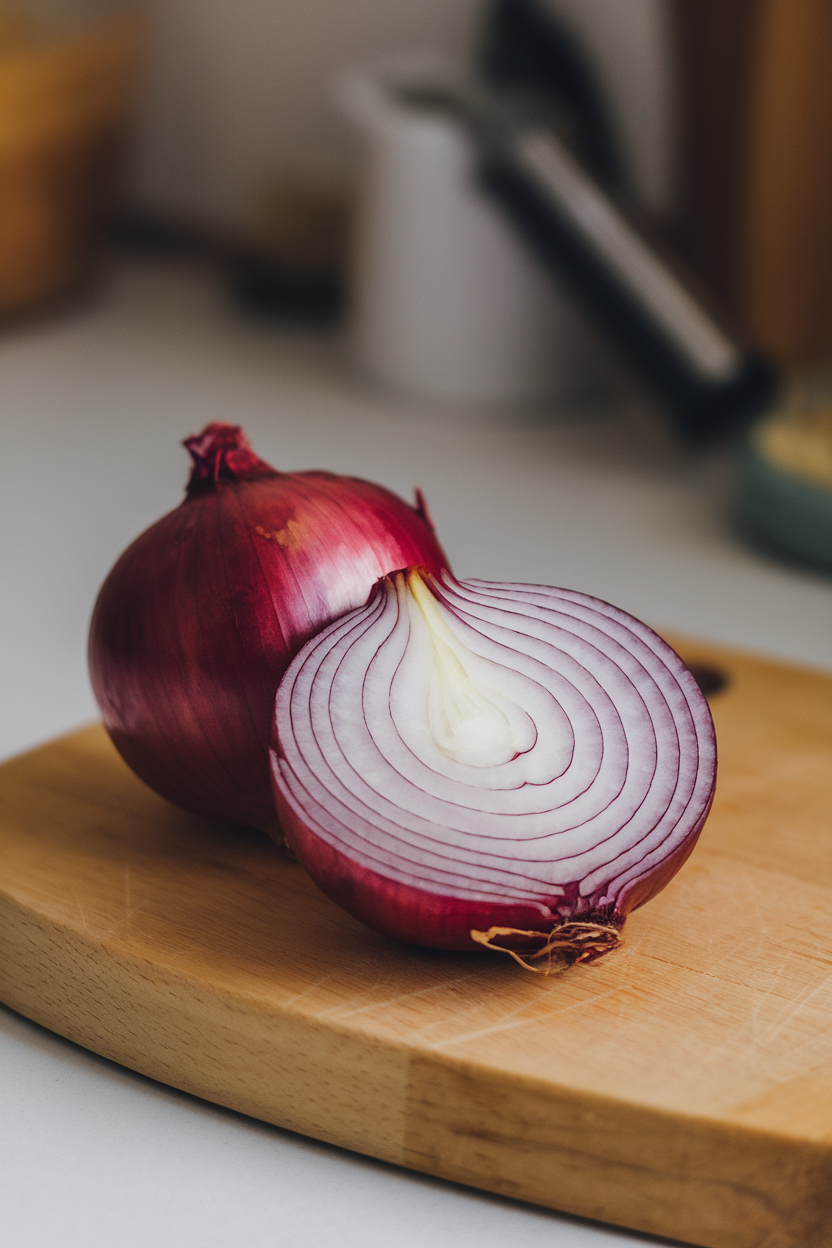
Red onions give dishes a pop of color and a slightly sweeter bite than yellow varieties. Soak thin slices in cold water for ten minutes to mellow sharpness before adding them raw to salads. Caramelize slowly for a jam-like topping that elevates burgers and grain bowls. Store whole onions in a cool, dry place away from potatoes.
19. Skinless Chicken Breast
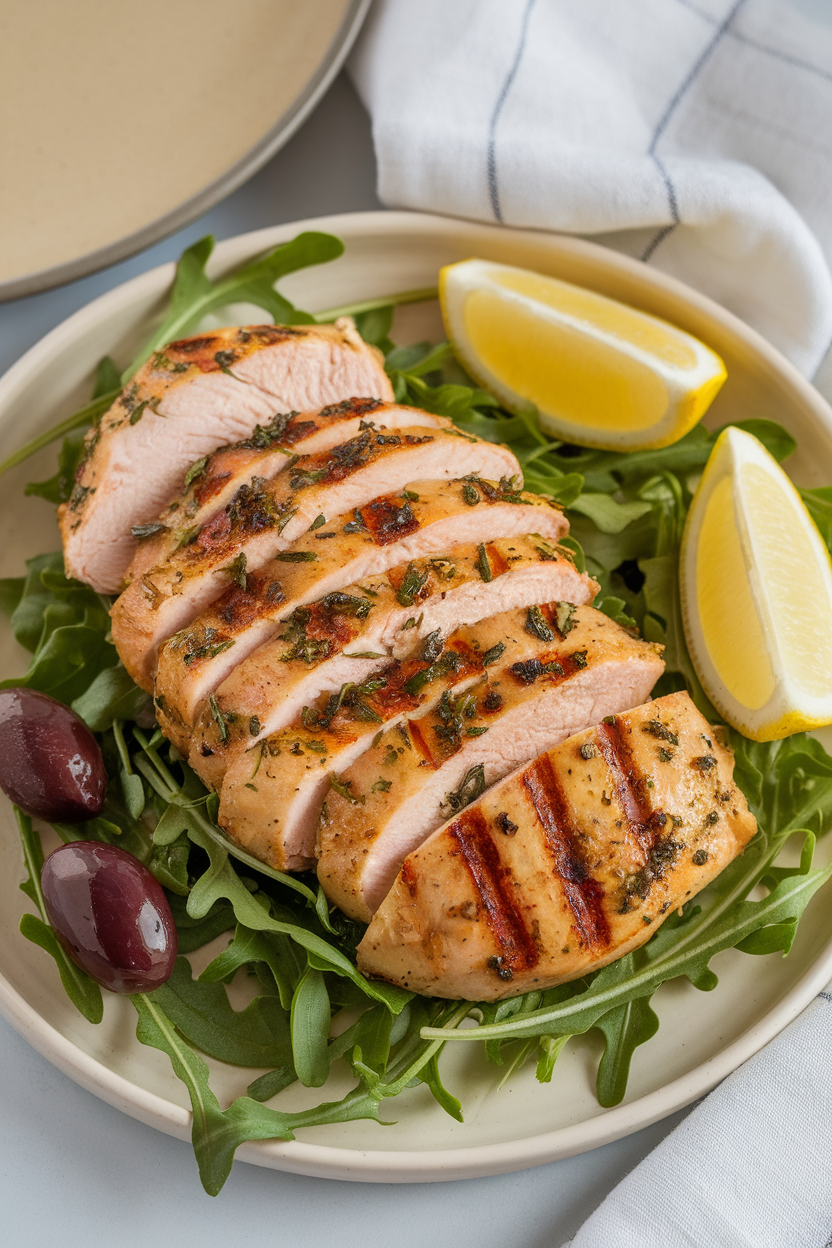
Lean chicken breast delivers quality protein with minimal fat. Marinate briefly to keep it juicy, then bake, grill, or sauté for quick meals. Cook extra portions to shred into salads and wraps during the week. Freezing single servings prevents boredom and cuts down on prep later.
20. Extra-Lean Ground Turkey
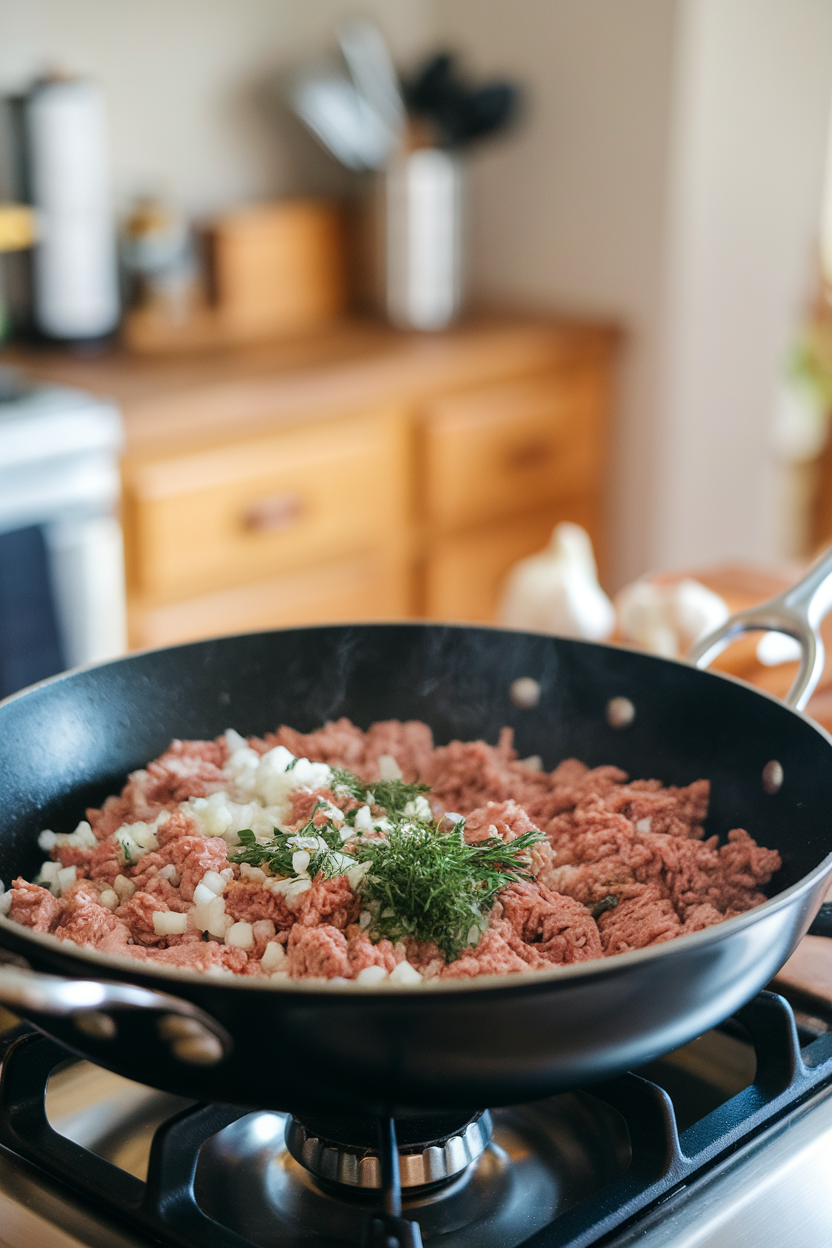
Ground turkey is a flexible alternative to beef in tacos, burgers, and pasta sauces. Season generously and avoid overcooking to keep it tender. Opt for 93% lean or higher for fewer saturated fats. It freezes well, so buy family packs and portion them out for convenience.
21. Wild-Caught Salmon Fillets
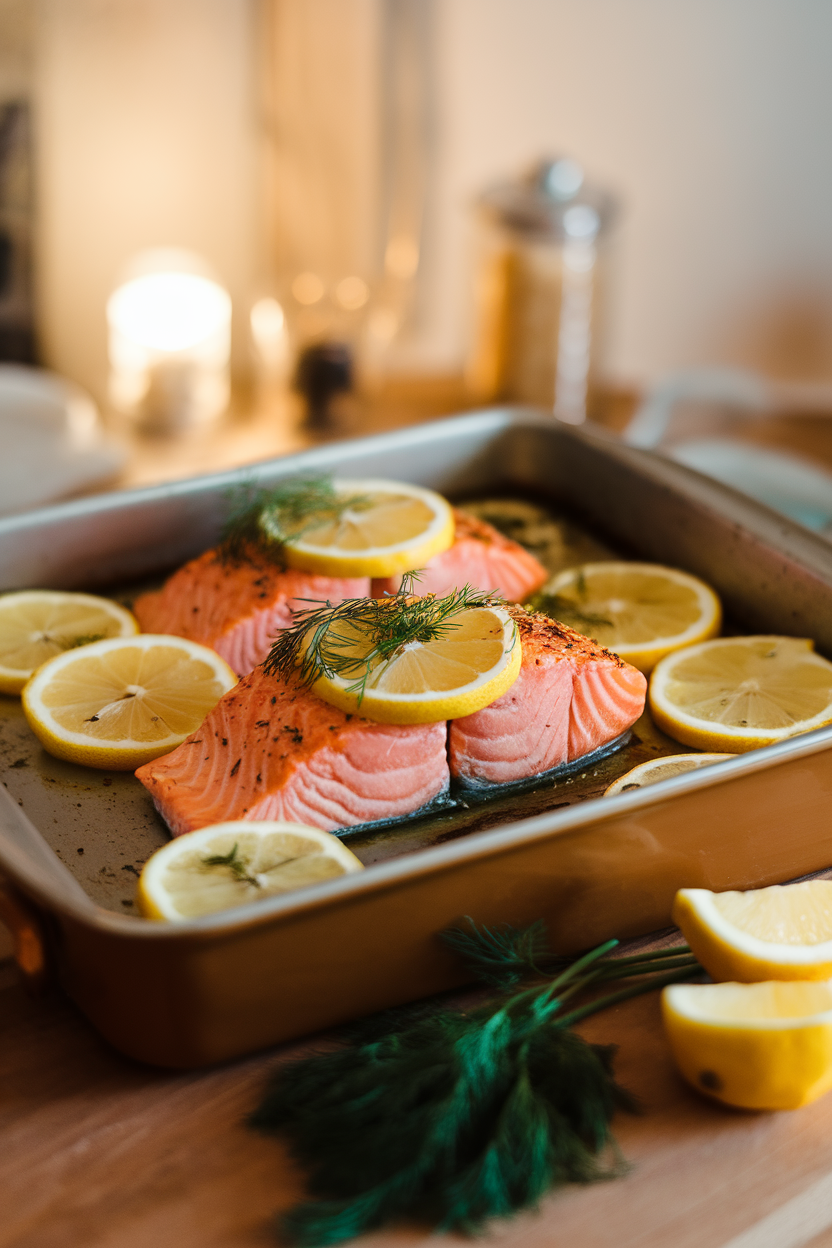
Salmon supplies omega-3 fatty acids that support heart and brain health. Bake or pan-sear until the flesh flakes easily, leaving the center moist. Leftovers make excellent protein additions to salads the next day. Look for wild-caught options to reduce exposure to antibiotics.
22. Canned Light Tuna (in Water)
Tuna offers shelf-stable protein ideal for quick lunches. Mix with mashed avocado instead of mayo for a cleaner take on tuna salad. Choose light (skipjack) varieties to keep mercury intake lower. Keep a can or two in your desk drawer for emergency meals.
23. Eggs
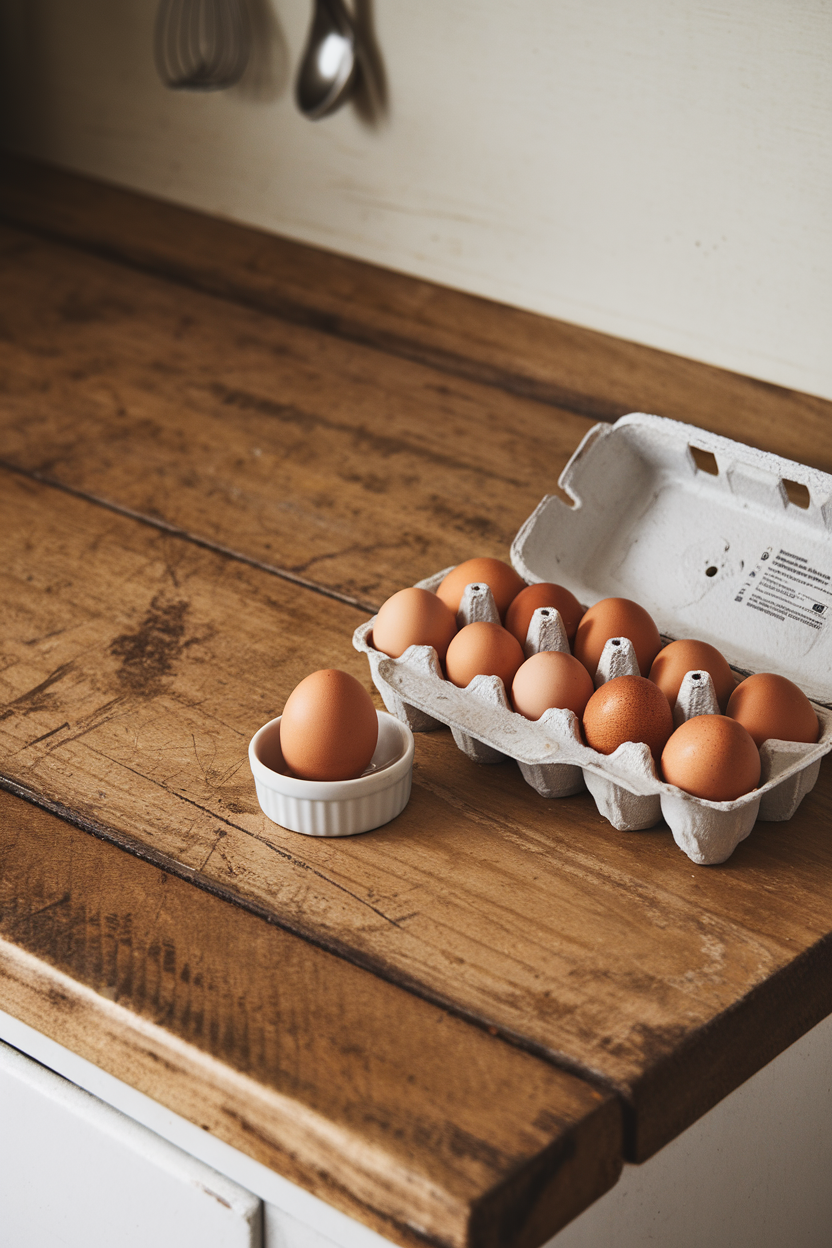
Eggs are budget-friendly protein powerhouses filled with choline and healthy fats. Scramble, poach, or bake into veggie frittatas for any meal of the day. Hard-boil a batch on Sunday to grab and go during busy mornings. Store them in their original carton to protect from fridge odors.
24. Plain Greek Yogurt
Greek yogurt brings creamy texture and probiotics without added sugars. Use it as a tangy base for smoothies, sauces, or overnight oats. Swap it for sour cream to lighten dips and baked potatoes. Choose plain varieties so you can sweeten naturally with fruit.
25. Cottage Cheese
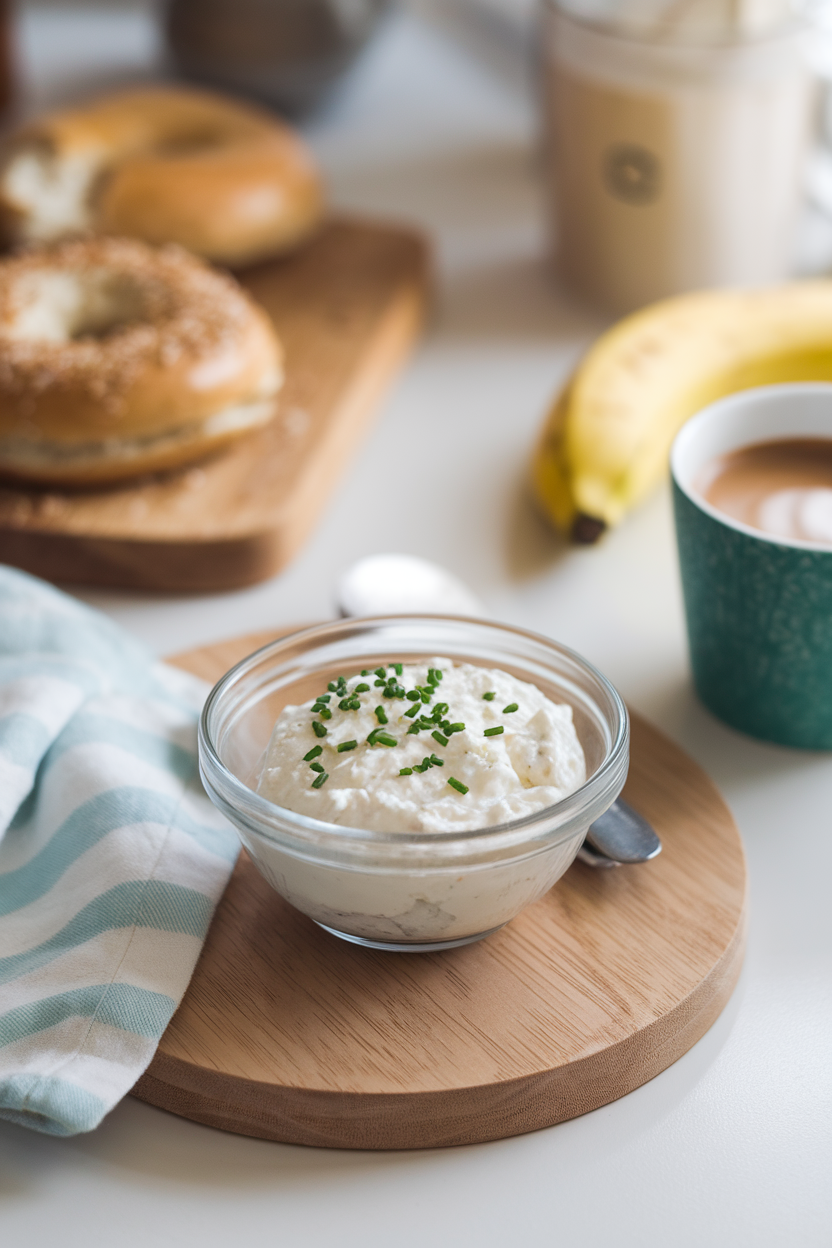
Cottage cheese offers casein protein that digests slowly, keeping you full for hours. Pair with pineapple or tomatoes for sweet or savory options. Its mild flavor blends smoothly into pancake batter for an extra protein punch. Opt for low-sodium tubs to reduce overall salt intake.
26. Firm Tofu
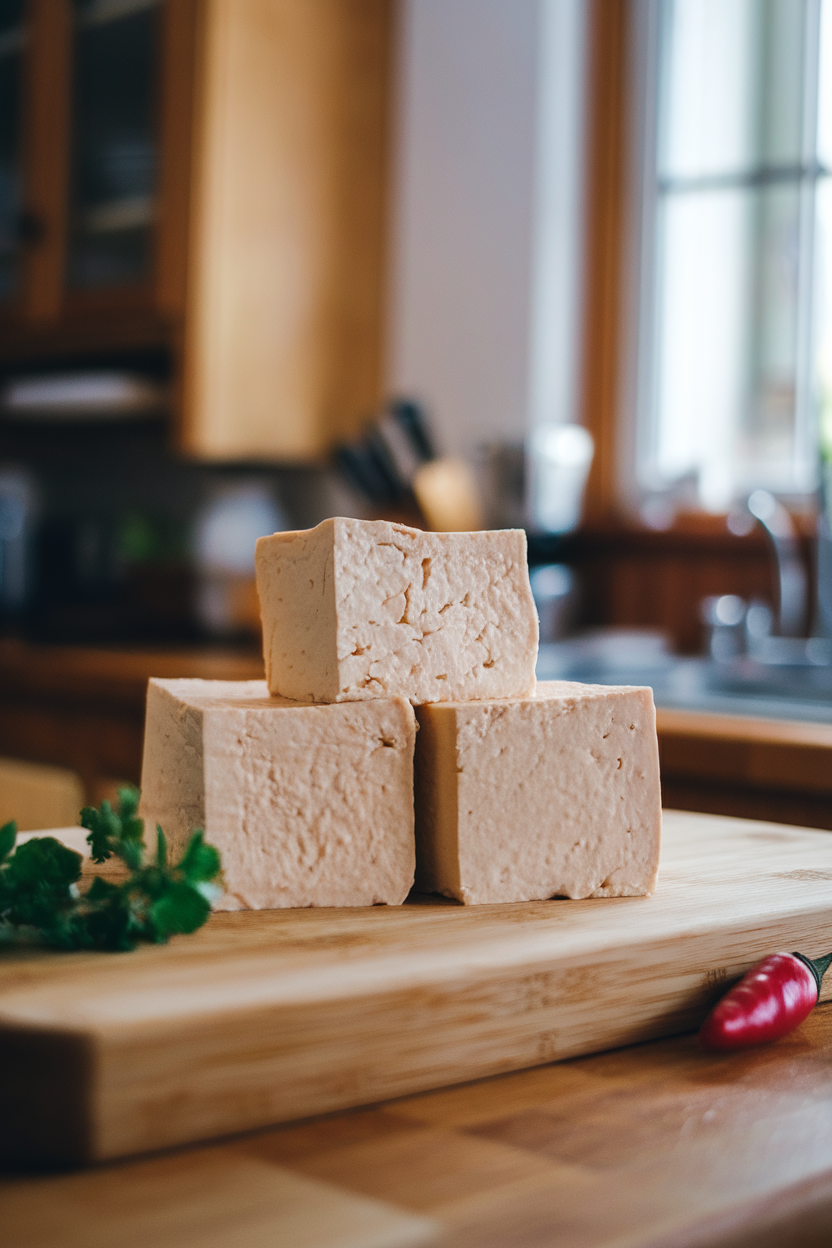
Tofu soaks up marinades and adapts to countless flavor profiles. Bake or stir-fry until golden for a plant-based protein that satisfies. Pressing out water beforehand helps achieve a crispy exterior. Keep a block in the fridge for meatless Monday inspiration.
27. Canned Chickpeas
Chickpeas provide fiber, protein, and a nutty taste that fits into salads, stews, and snacks. Roast them with spices for crunchy toppers or blend into homemade hummus. Rinsing removes excess sodium and helps with digestion. Stock a few cans for days you need dinner in minutes.
28. Lentils (Dry or Canned)
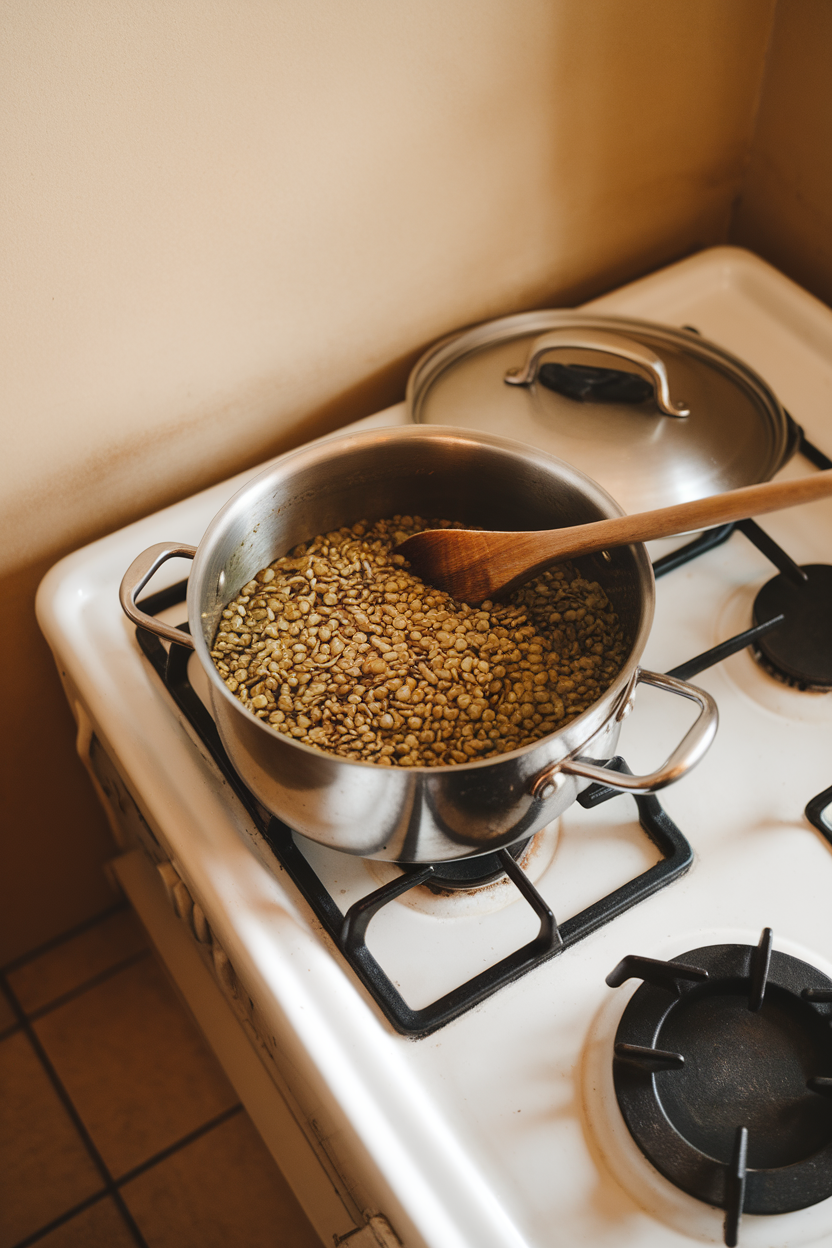
Lentils cook quickly compared with other legumes and bring earthy flavor plus iron. Simmer a big batch and freeze portions for soups or curries. They thicken sauces naturally, reducing the need for cream. Red lentils break down faster, making them perfect for hearty dahl.
29. Black Beans (No-Salt-Added Cans)
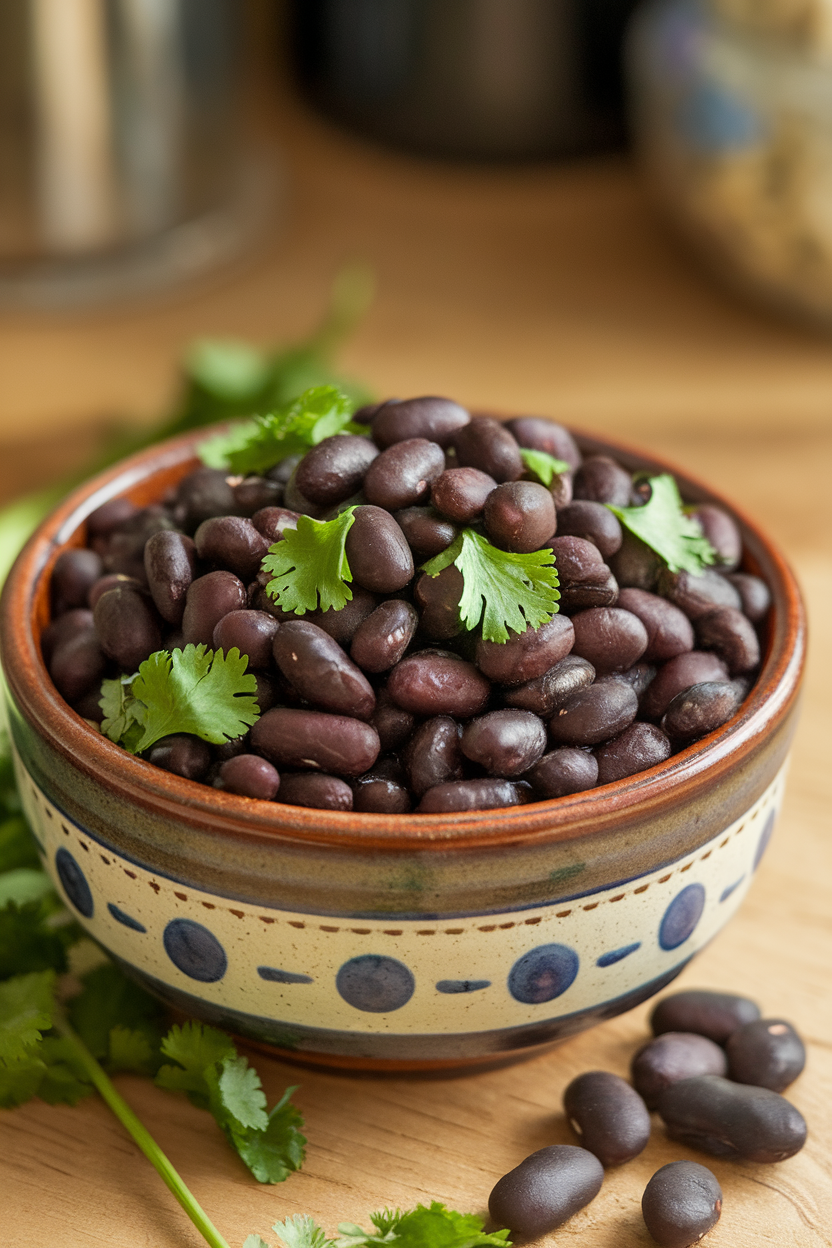
Black beans add satiety and a boost of plant protein to burrito bowls and salads. Look for no-salt-added cans and season them yourself for better flavor control. Their natural resistant starch supports gut health. Mash them with spices for speedy taco filling.
30. Raw Almonds
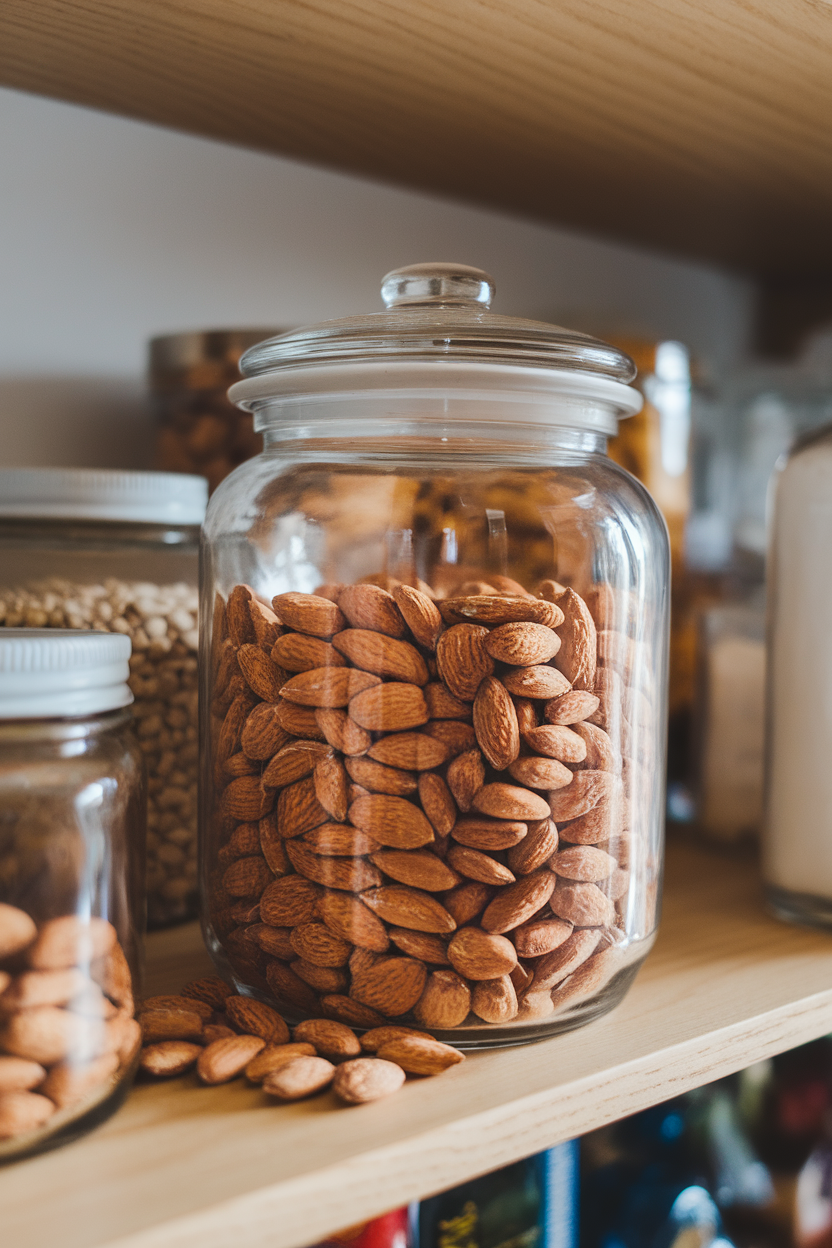
Almonds supply healthy fats, fiber, and vitamin E. A small handful curbs mid-afternoon hunger and pairs well with fruit. Toast briefly in a dry skillet to intensify flavor before adding to salads. Store in the freezer to keep oils from going rancid.
31. Natural Peanut Butter
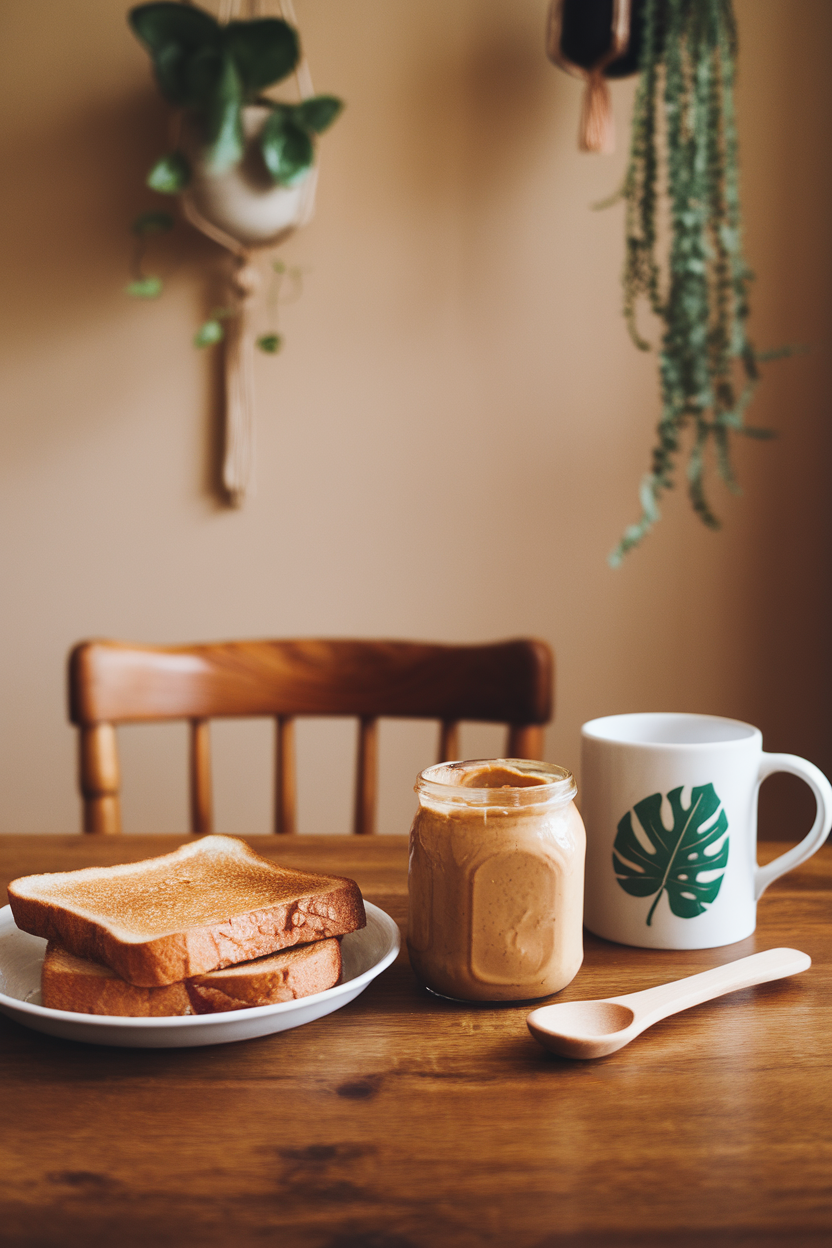
Natural peanut butter contains only peanuts (and maybe salt), avoiding added sugars or hydrogenated oils. Stir well to reincorporate oils, then spread on whole-grain toast or blend into smoothies. Its protein and healthy fats make it a satisfying snack. Refrigerate after opening to maintain freshness.
32. Chia Seeds
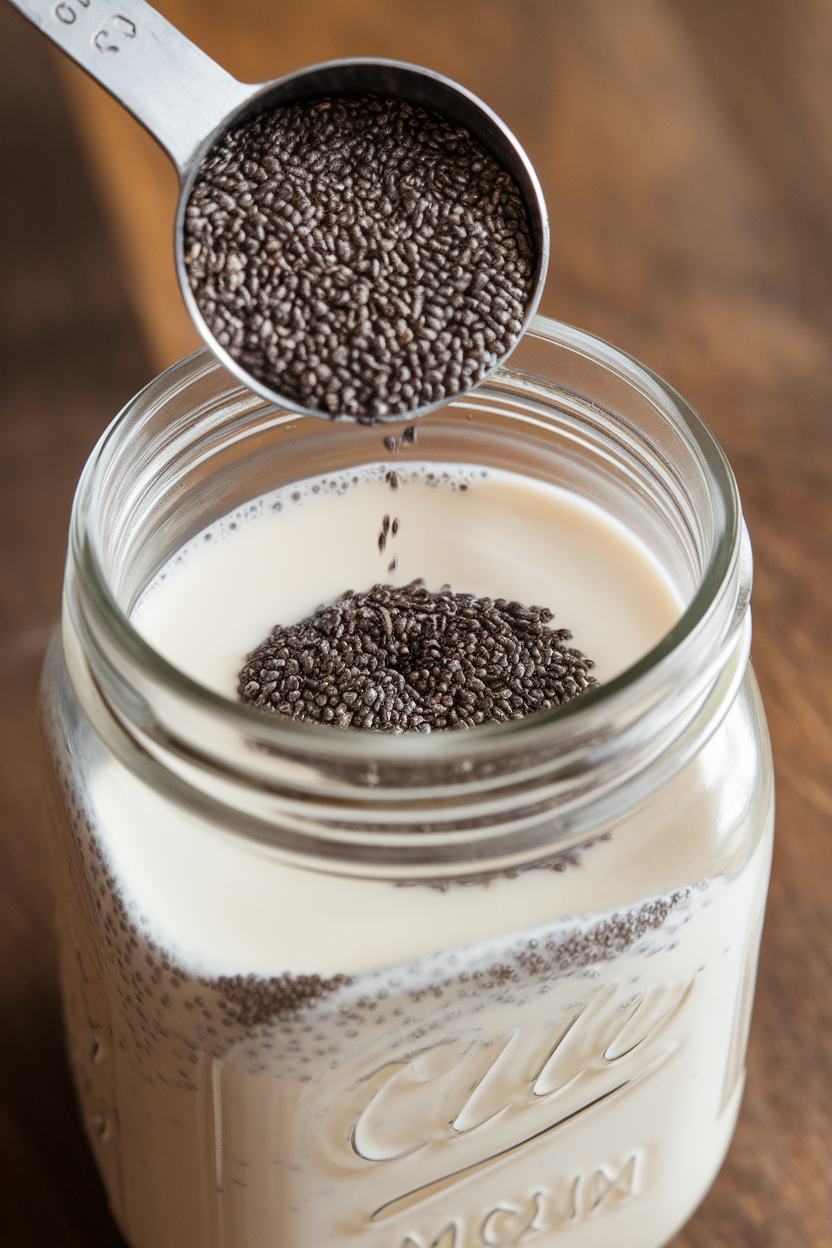
Chia seeds expand in liquid, creating a fiber-rich pudding that feels indulgent yet wholesome. They supply omega-3 fats and plant protein. Stir them into yogurt, overnight oats, or baked goods for texture. Keep them sealed in a cool cabinet to protect the oils.
33. Quinoa
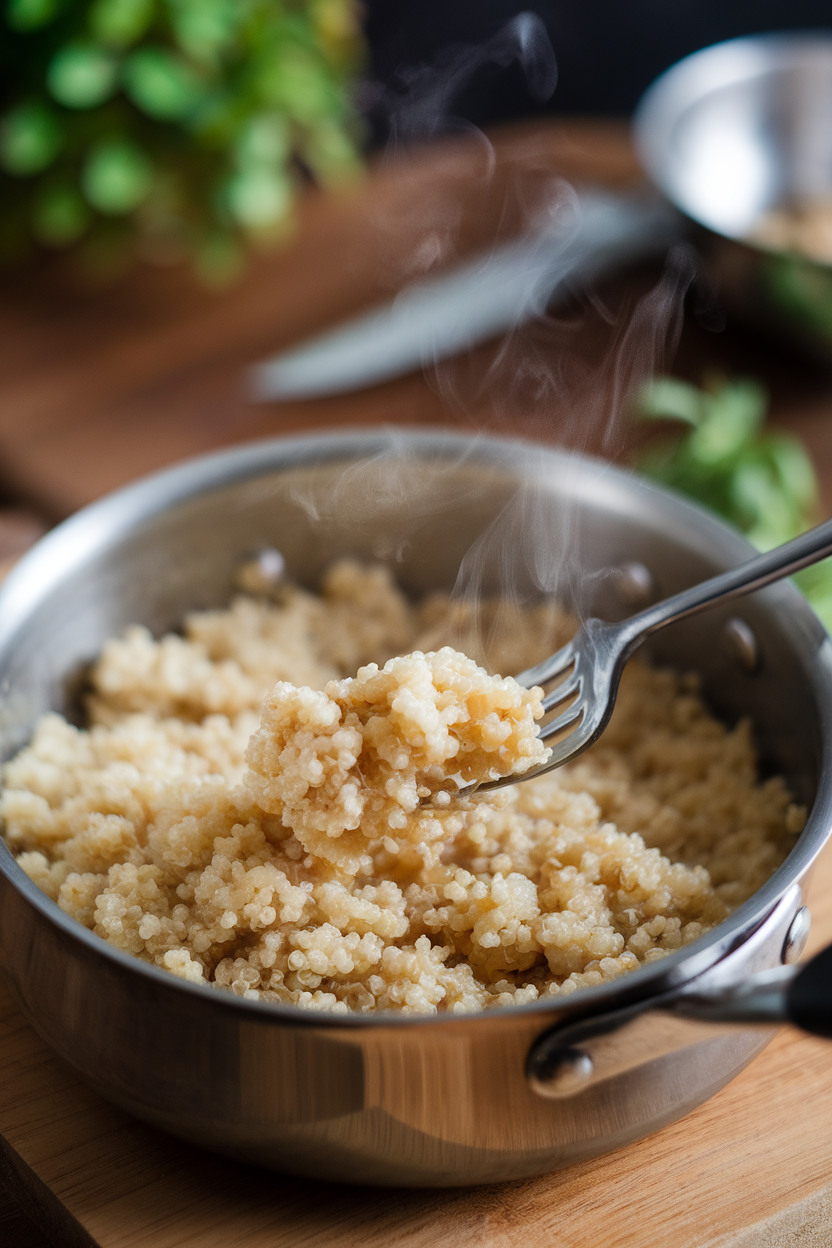
Technically a seed, quinoa cooks like a grain and contains all nine essential amino acids. Rinse before cooking to remove natural bitterness, then use it in place of rice. It absorbs flavors from broths, herbs, and dressings beautifully. Prepare extra and freeze flat in bags for quick side dishes.
34. Rolled Oats
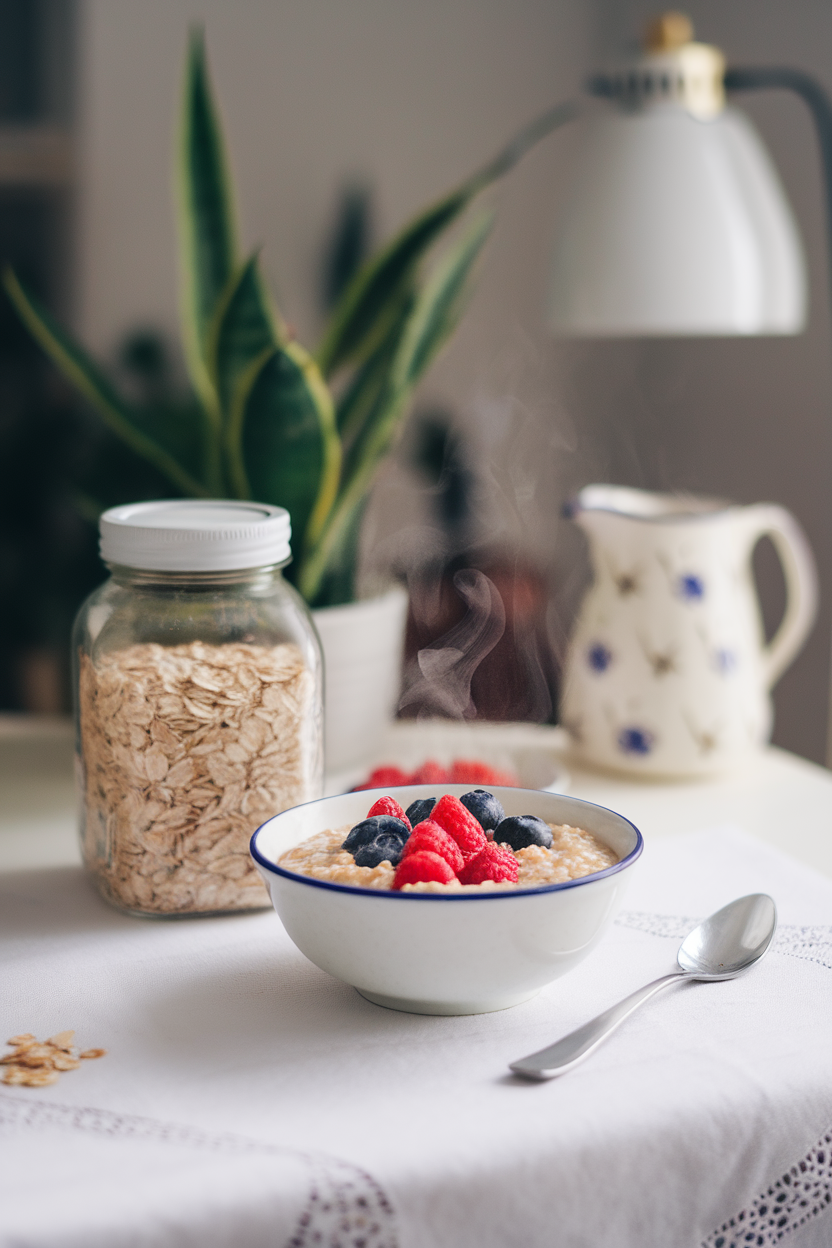
Rolled oats form the backbone of overnight oats, granola, and hearty porridge. Their soluble fiber helps manage cholesterol and keeps you full through the morning. Blend into flour for whole-grain baking without extra equipment. Store in an airtight container to protect against pantry pests.
35. Brown Rice
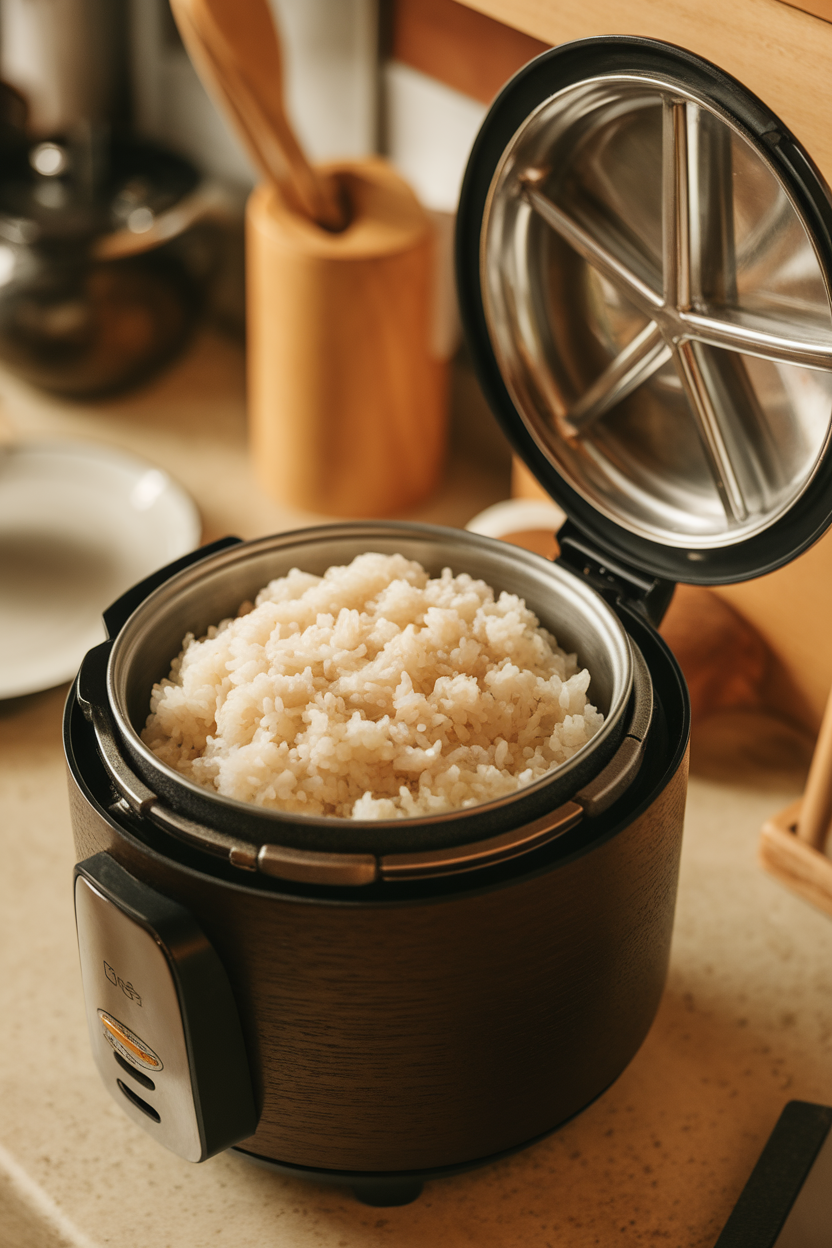
Brown rice offers more fiber and nutrients than its white counterpart thanks to the intact bran layer. It pairs well with stir-fries, curries, and salads. Cook a large batch and freeze in portioned containers for speedy weeknight bowls. Soaking for 30 minutes shortens cooking time and improves texture.
36. Whole-Wheat Pasta
Whole-wheat pasta brings a nutty flavor and extra fiber to classic dishes. Its firm texture holds up under hearty sauces loaded with vegetables and lean proteins. Cook until just al dente to prevent sogginess. Leftovers make excellent cold pasta salads for lunch.
37. Extra-Virgin Olive Oil
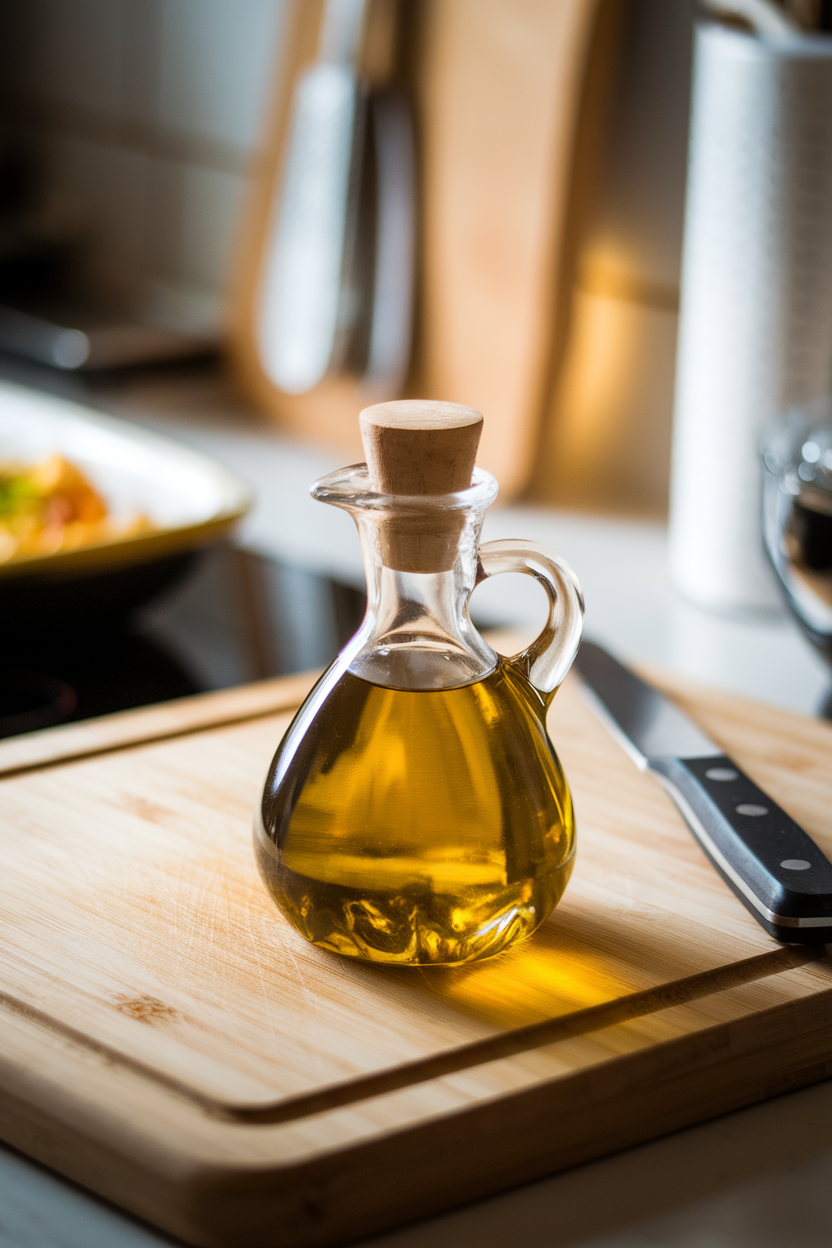
Extra-virgin olive oil lends fruity notes and heart-healthy monounsaturated fats. Drizzle over roasted vegetables or whisk into vinaigrettes. For sautéing at higher heat, keep it below smoking point to preserve flavor. Store in a dark cupboard to protect the delicate compounds from light.
38. Coconut Oil
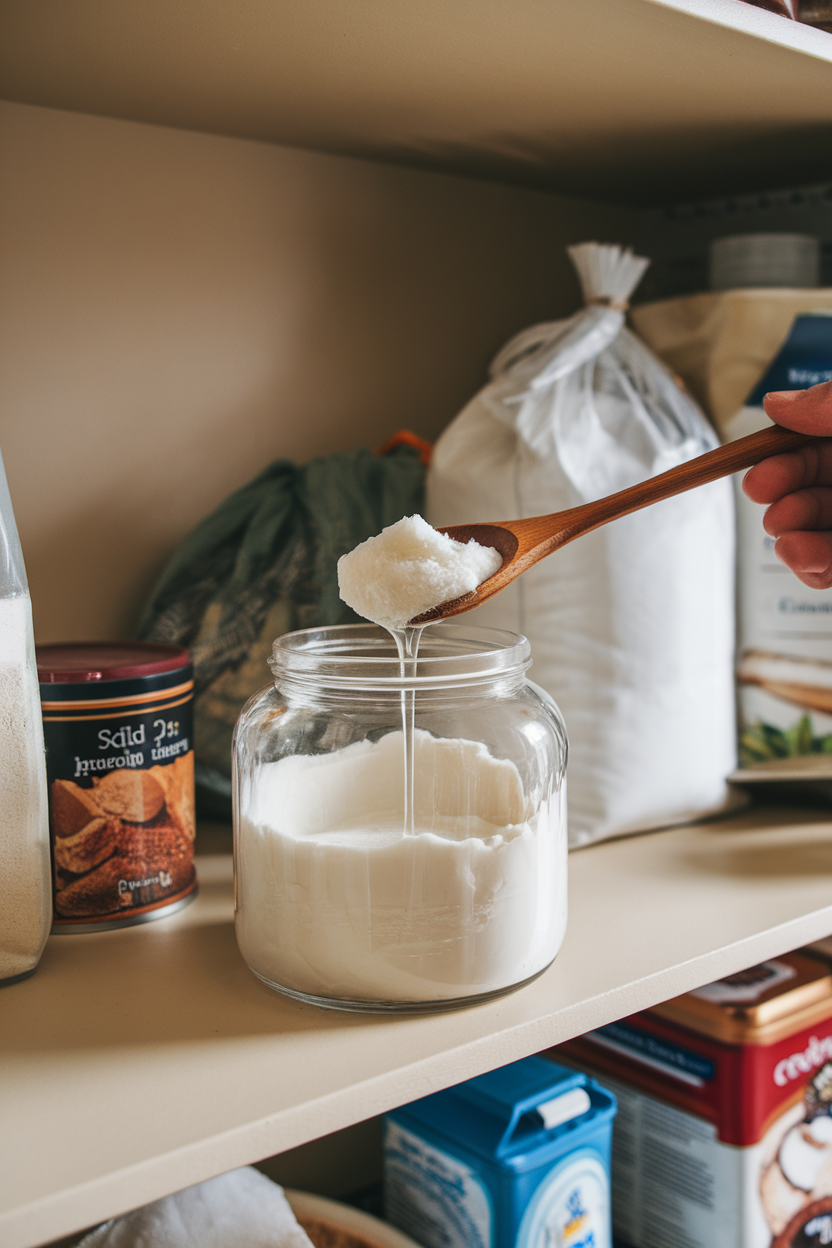
Coconut oil brings a subtle tropical aroma and works well in baking or medium-heat cooking. Its solid state at room temperature makes it a dairy-free swap for butter in some recipes. Use sparingly due to saturated fat content while enjoying the unique flavor. Keep the jar tightly sealed to avoid absorbing nearby odors.
39. Raw Pumpkin Seeds
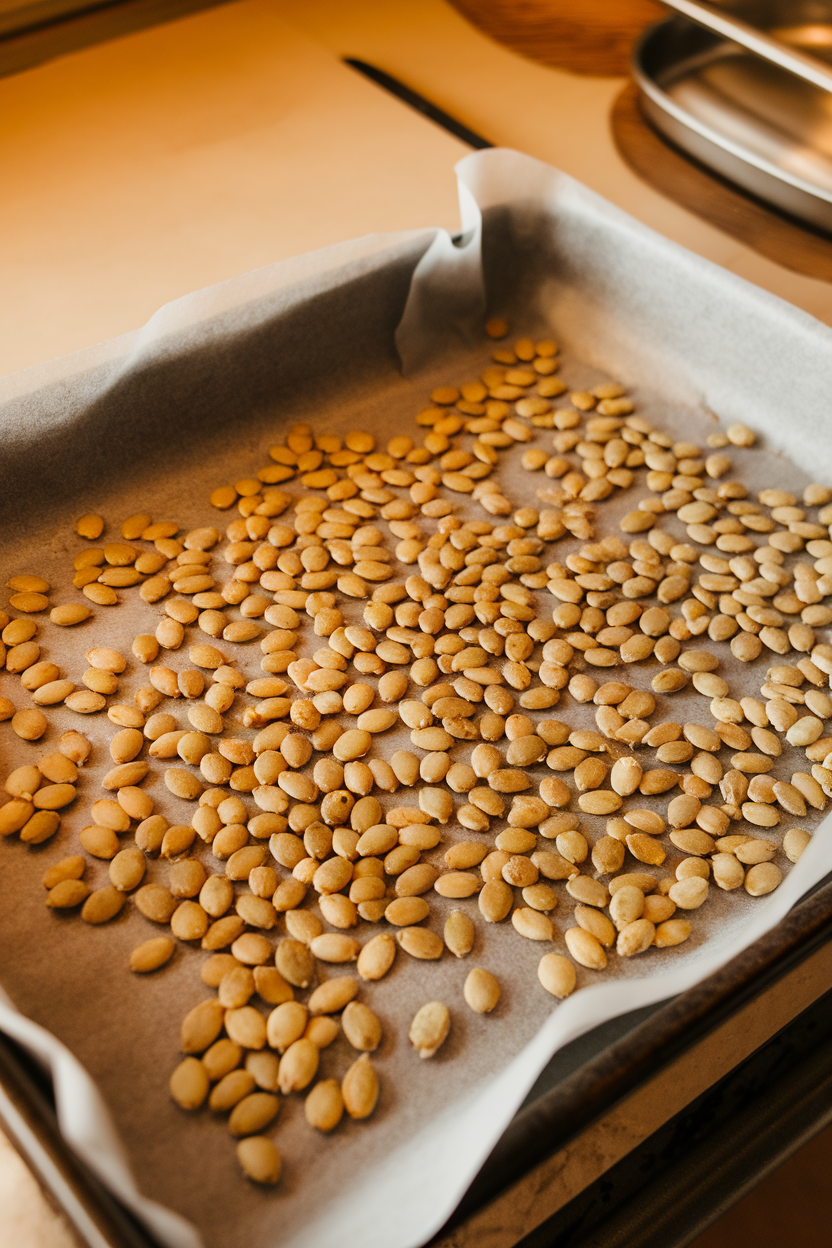
Pumpkin seeds, or pepitas, deliver magnesium, zinc, and protein in a crunchy package. Toast lightly with a sprinkle of sea salt for snack-time satisfaction. They add pleasant texture to salads, oatmeal, and homemade granola bars. Store in the refrigerator to retain freshness.
40. Flaxseed Meal
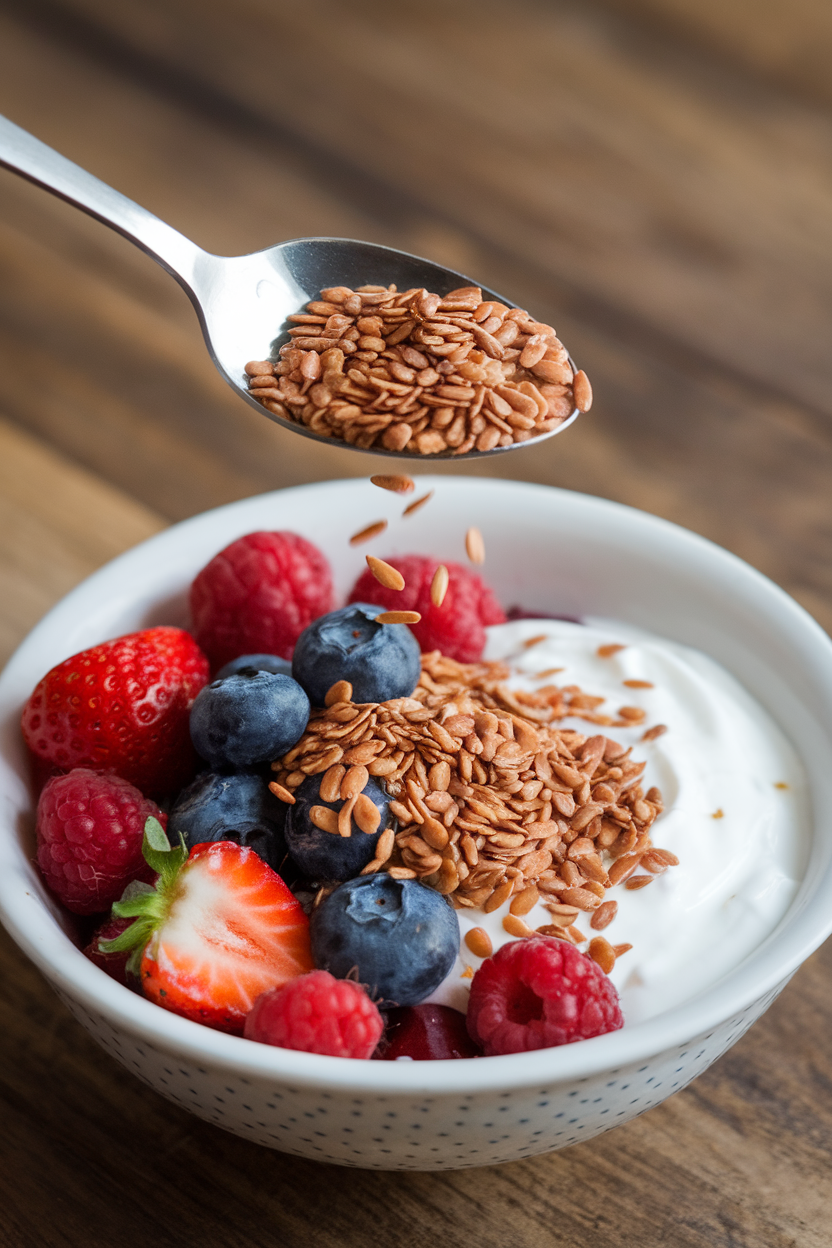
Ground flaxseed supplies plant-based omega-3s and soluble fiber. Because whole seeds may pass through undigested, choose meal or grind fresh for better nutrient absorption. Mix into smoothies, pancake batter, or use as an egg replacement in vegan baking. Keep refrigerated to prevent the oils from spoiling.
41. Fresh Basil
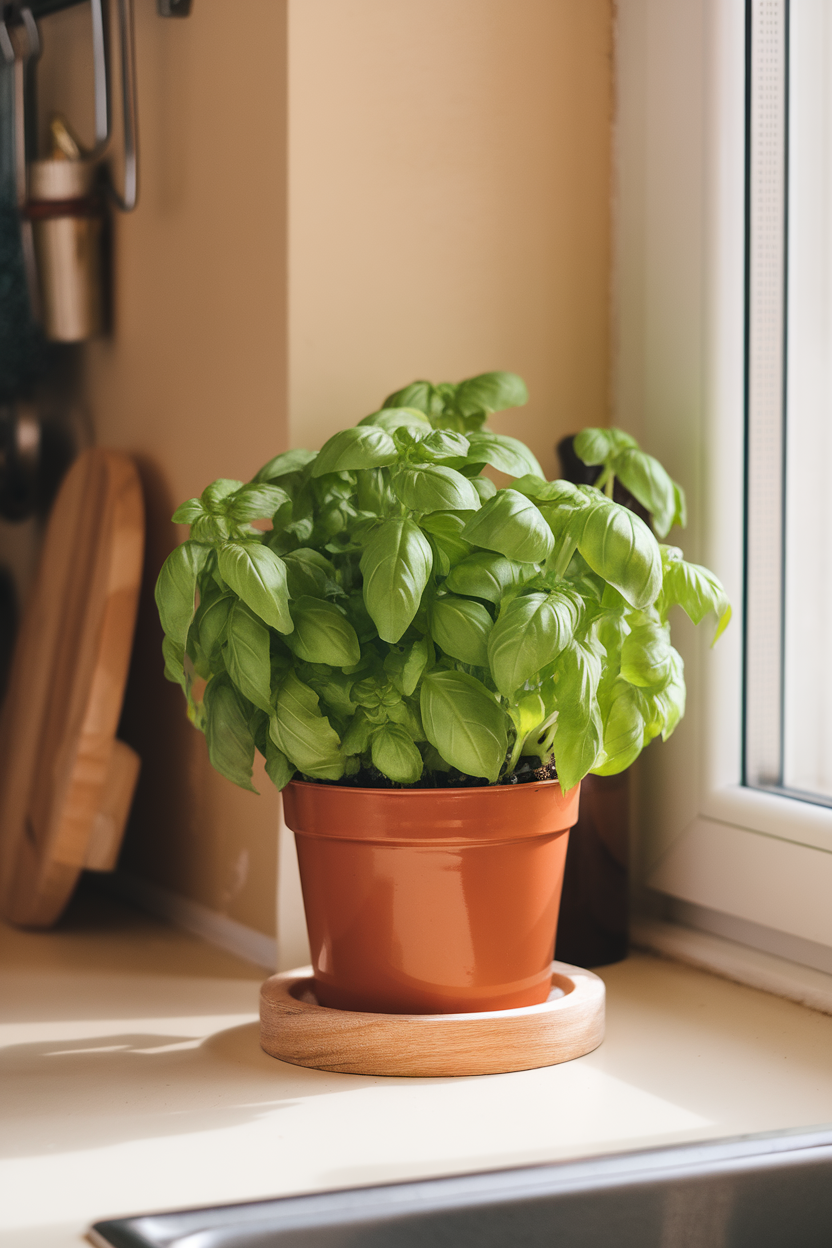
Basil brightens dishes with its signature aroma and antioxidants. Tear leaves into salads, blend into pesto, or top pizzas after baking for fresh flavor. Pinch off flower buds to encourage new growth if you’re keeping a plant. Store cut stems in a jar of water like flowers for longer life.
42. Fresh Cilantro
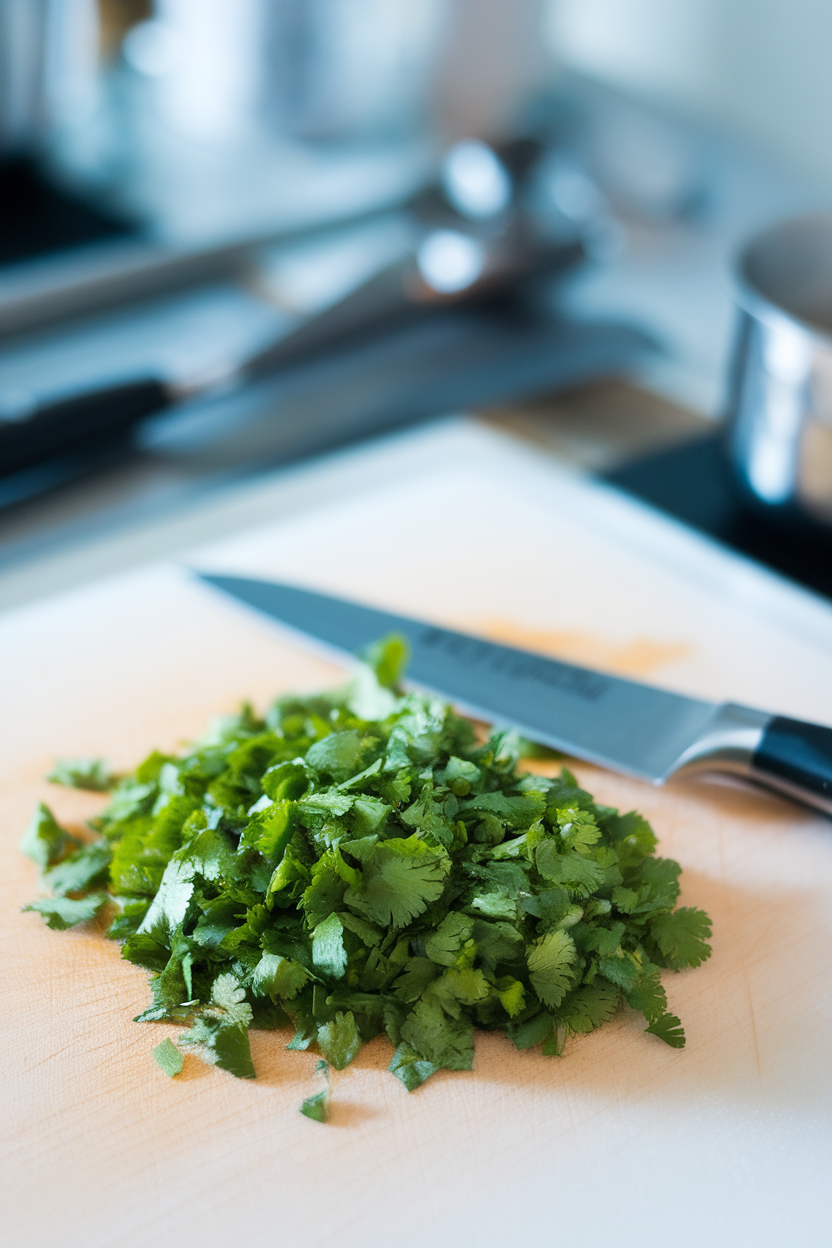
Cilantro adds brightness to salsas, curries, and grain bowls. Its delicate leaves bruise easily, so chop just before using. Some find it tastes soapy, making it an optional add-on when cooking for a group. Keep stems in water in the fridge and cover loosely with a plastic bag to keep leaves crisp.
43. Garlic
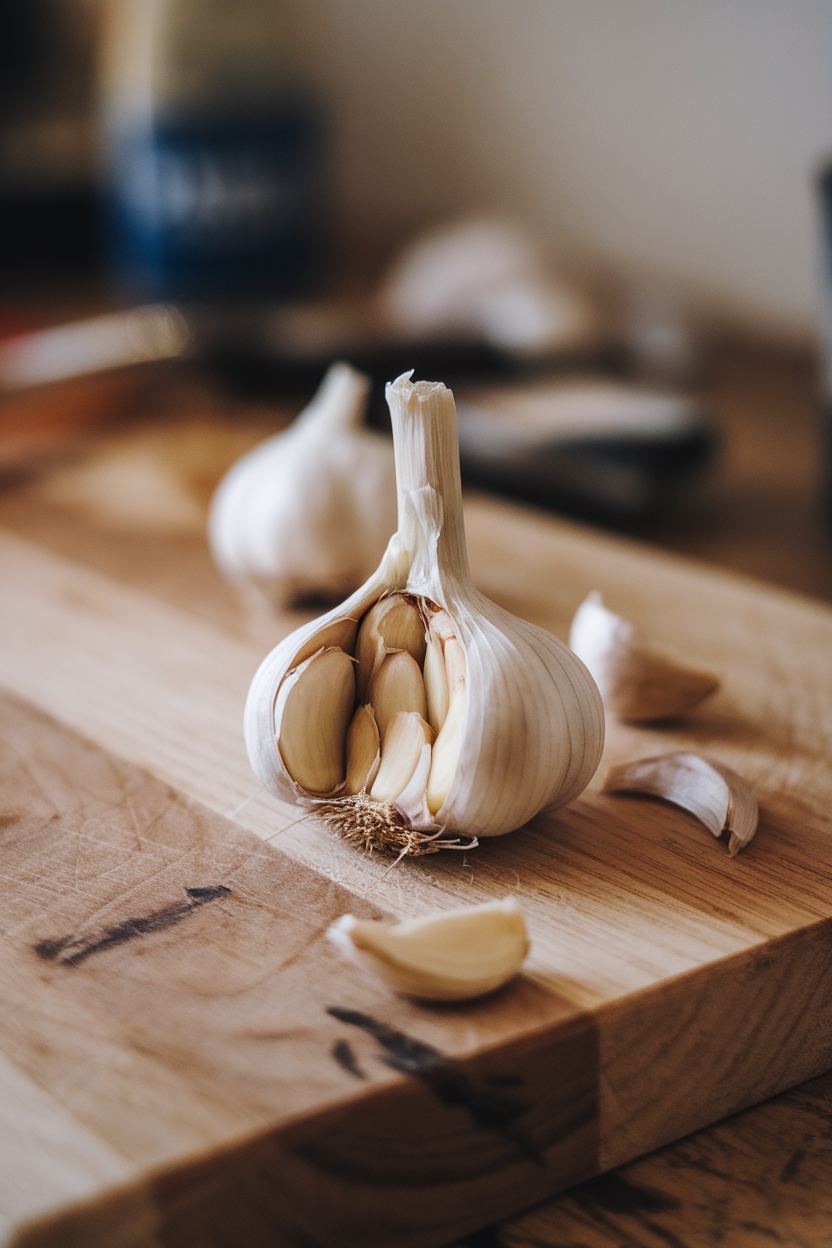
Fresh garlic brings bold flavor and beneficial allicin compounds to countless dishes. Sauté gently to avoid burning and turning it bitter. Roast whole heads to create a sweet, spreadable paste perfect for toast. Store bulbs in a dark, ventilated spot—not the fridge—to prevent sprouting.
44. Ground Turmeric
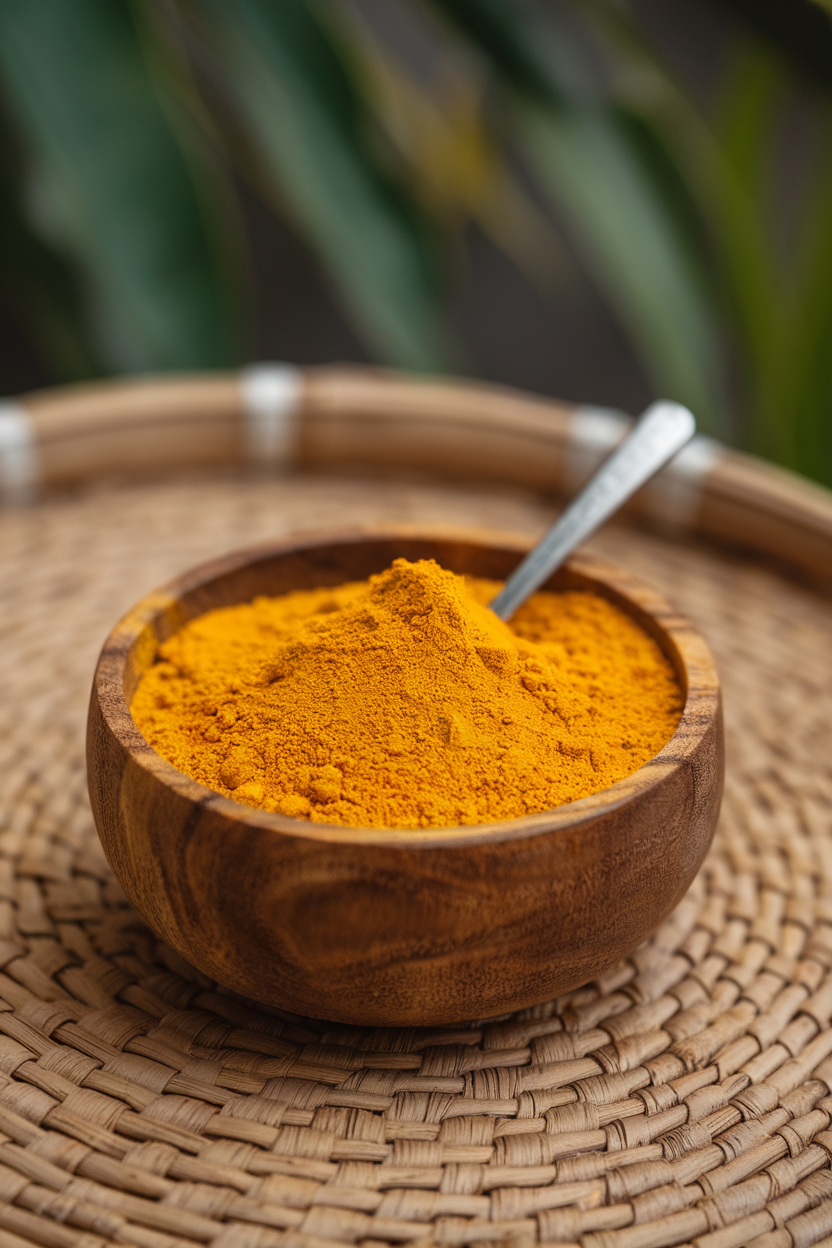
Turmeric’s golden hue and earthy flavor enliven soups, rice, and roasted vegetables. Pair it with a pinch of black pepper to enhance curcumin absorption. A small amount turns smoothies and lattes a cheerful yellow without overwhelming taste. Keep it sealed and away from heat to preserve potency.
45. Unsweetened Almond Milk
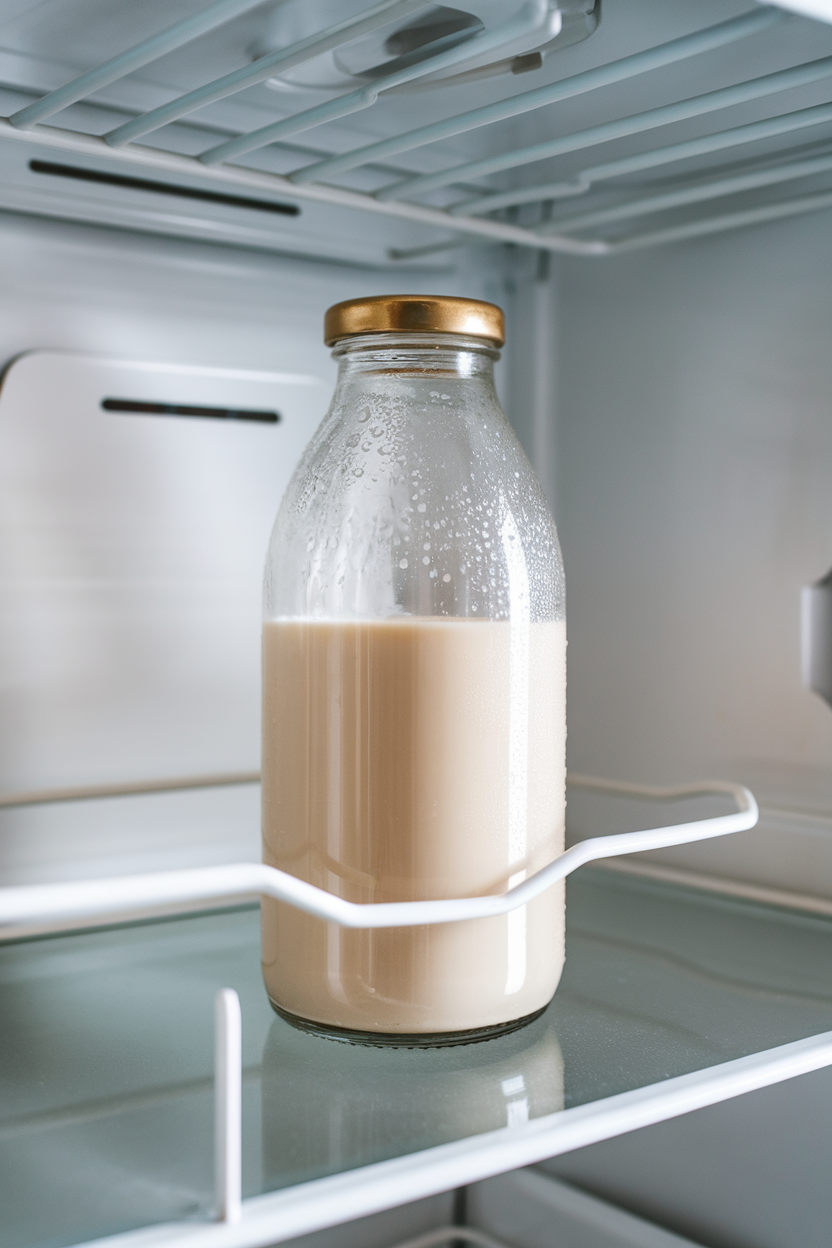
Almond milk serves as a low-calorie dairy alternative for cereals, smoothies, and baking. Choose unsweetened varieties to avoid hidden sugars and additives. Shake well before pouring as natural separation occurs. Once opened, use within a week for peak freshness.
46. Low-Sodium Vegetable Broth
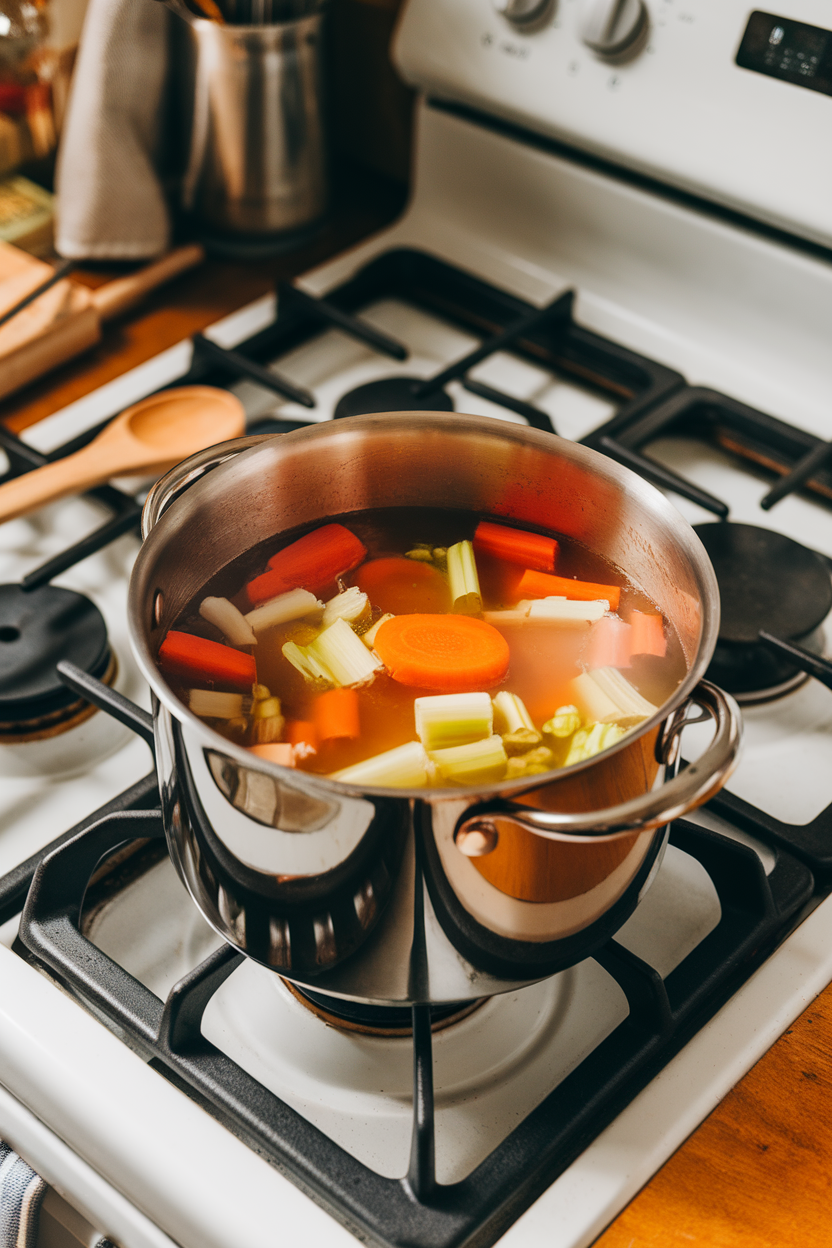
Vegetable broth forms the backbone of soups, stews, and sauces without relying on added salt. Use it to cook grains for extra flavor or deglaze pans after sautéing vegetables. Cartons keep in the pantry until opened, then refrigerate and finish within a week. Freeze leftover broth in ice cube trays for small recipe boosts.
47. Apple Cider Vinegar
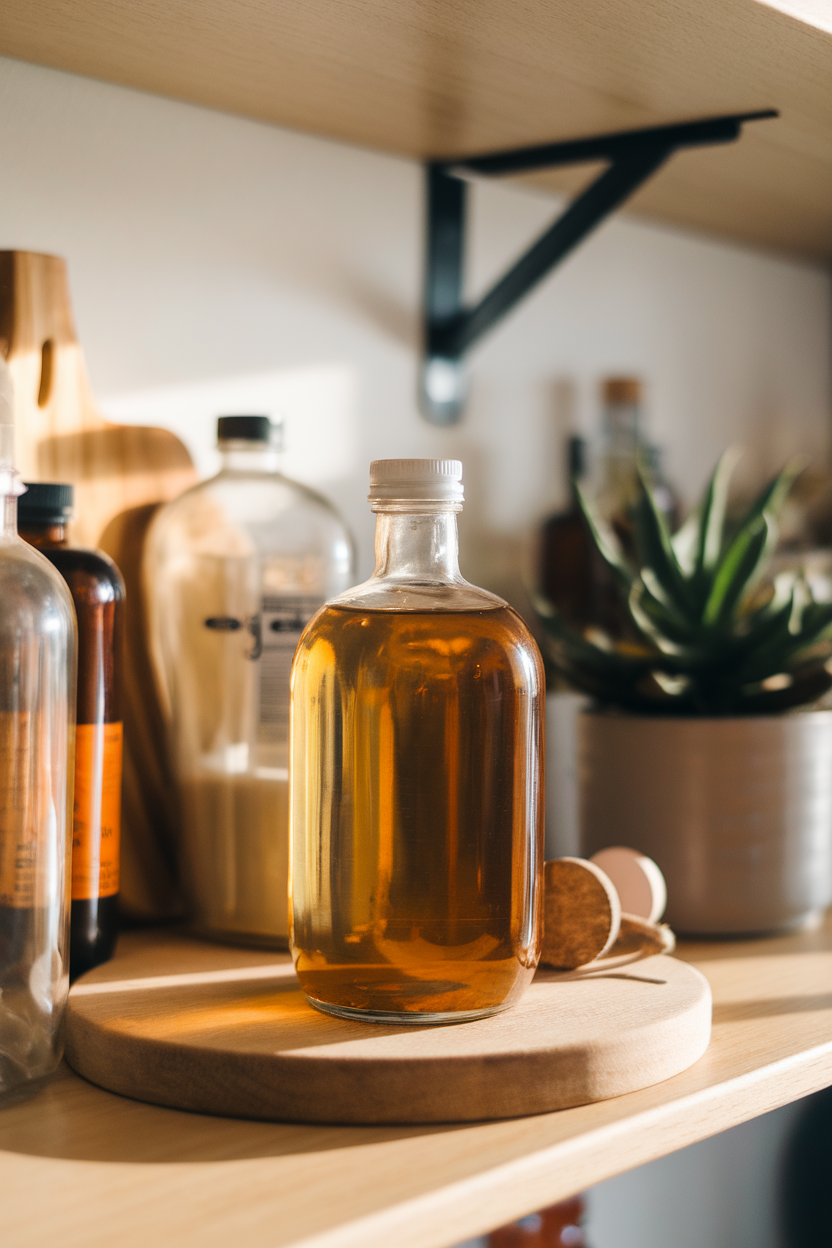
Raw apple cider vinegar adds tang to dressings, marinades, and quick pickles. A splash can brighten lentil soup or balance sweetness in sauces. Dilute with water if using as a morning tonic to protect tooth enamel. Store tightly sealed to maintain acidity.
48. Dark Chocolate (70% Cacao or Higher)
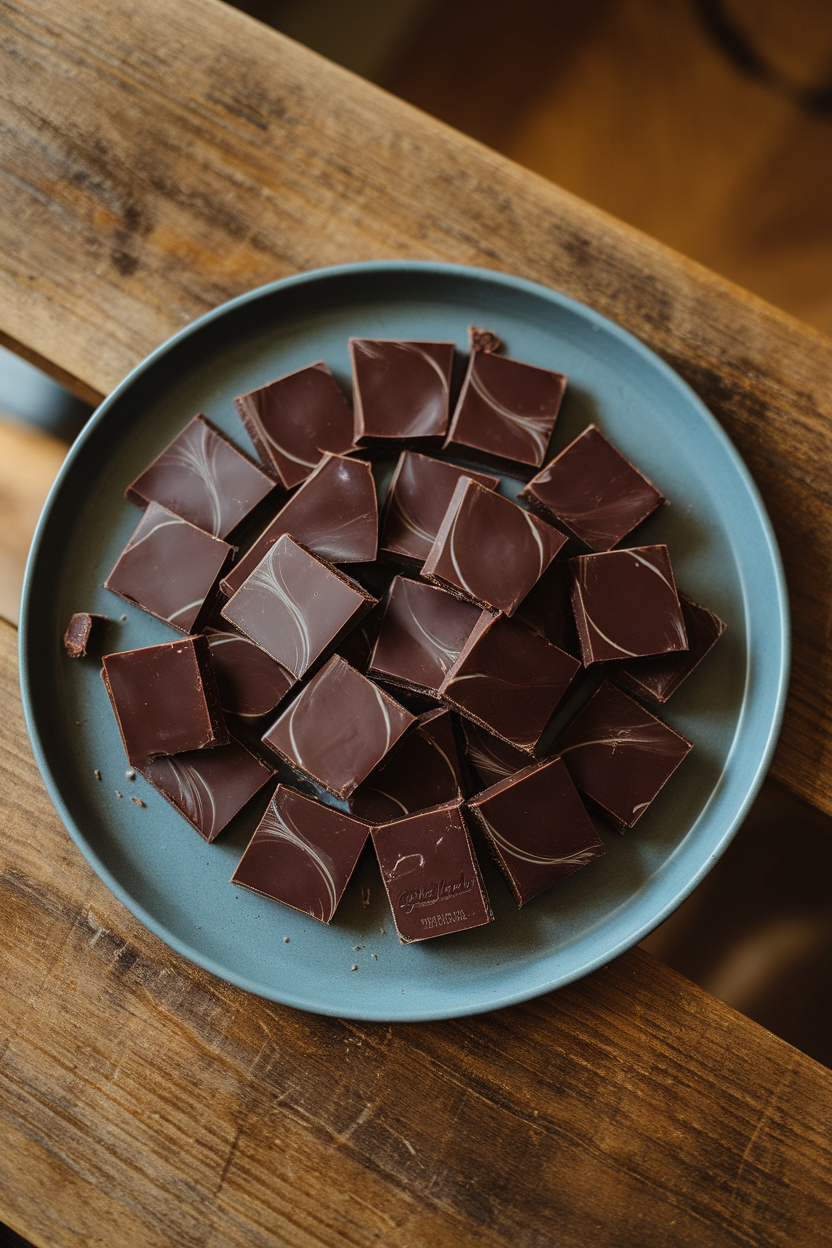
High-cacao dark chocolate offers antioxidants and intense flavor that curbs cravings with just a square or two. Melt into oatmeal, pair with fresh berries, or enjoy solo. Look for minimal added ingredients—ideally just cocoa, cocoa butter, and a small amount of sugar. Keep it in a cool, dry spot to prevent blooming.
49. Sprouted Whole-Grain Bread
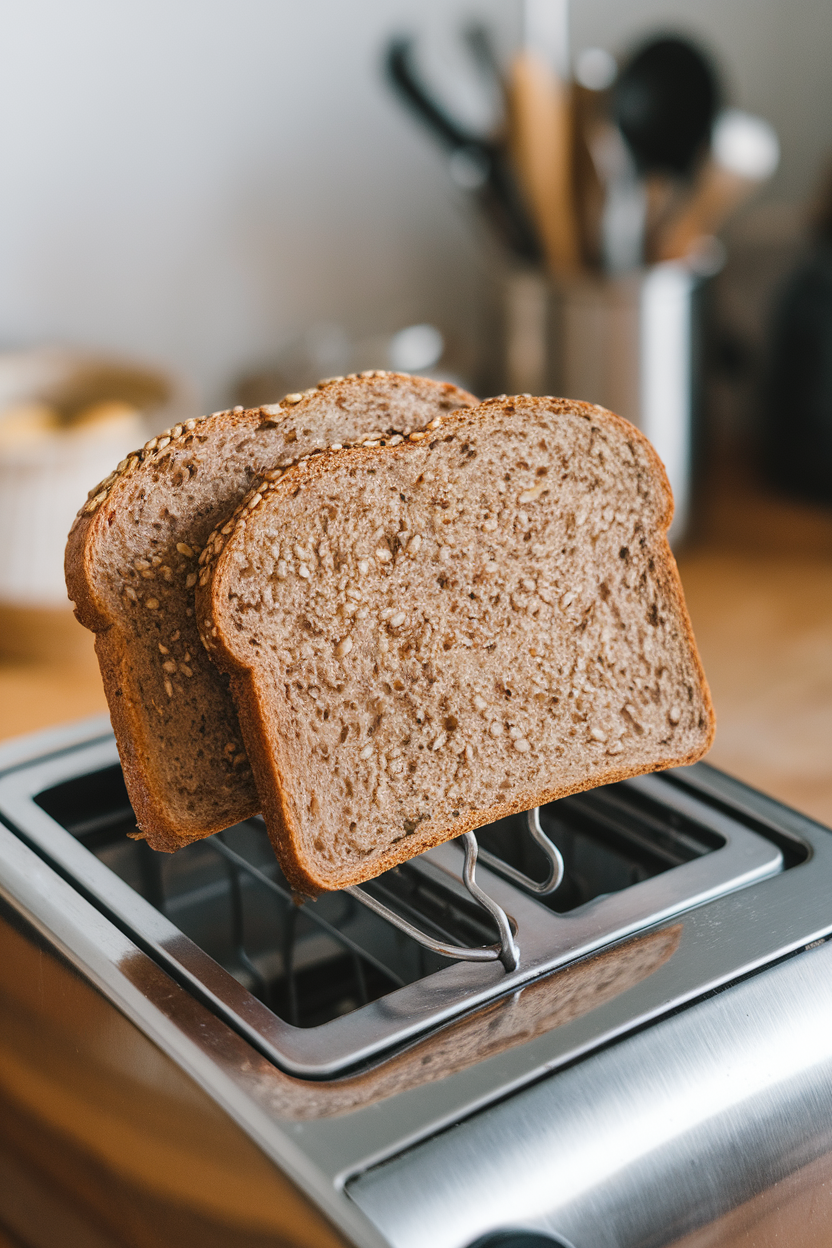
Sprouted bread is made from grains soaked until they germinate, improving digestibility and nutrient availability. Its hearty texture stands up to sandwich fillings and nut-butter toppings. Freeze the loaf and pop slices straight into the toaster to reduce waste. Check ingredient lists for added sugars and stick to simple formulations.
50. Frozen Edamame
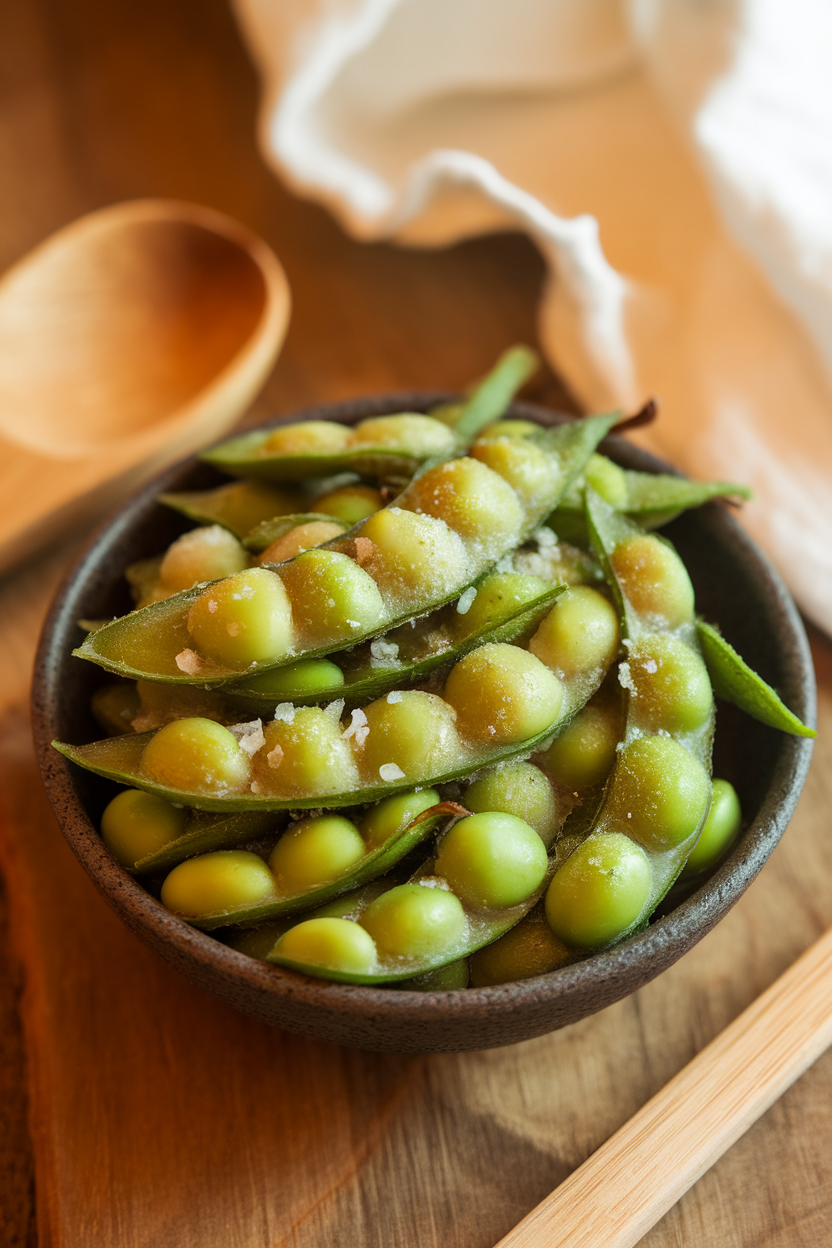
Edamame delivers complete plant protein and a pleasant bite straight from the freezer aisle. Microwave or boil for a few minutes, then season with sea salt or sesame oil. Toss into stir-fries or enjoy as an afternoon snack. Because it’s already blanched before freezing, cook time stays short.

Nathaniel Lee is an avid cook, drawing on his decades of home cooking and fine dining experience. He is a contributing chef at Mashed, and his recipes and contributions have been featured in Tasting Table, Edible Arrangements, Insanely Good Recipes, and The Daily Meal.