Clean eating doesn’t require fancy superfoods or a wallet-draining trip to the specialty market. Stocking up on simple, minimally processed staples keeps meals wholesome while letting your food budget breathe. Use the list below as a flexible guide—mix and match based on sales, seasonal produce, and personal taste. Everything here is easy to find in a typical supermarket and friendly to both weeknight cooking and meal prep.
Contents
- Fresh Fruits (9 items)
- Fresh Vegetables (10 items)
- Frozen Produce (5 items)
- Whole Grains (8 items)
- Canned & Jarred Pantry Staples (5 items)
- Legumes & Plant Proteins (8 items)
- Lean Animal Proteins (6 items)
- Dairy & Dairy Alternatives (4 items)
- Healthy Fats, Nuts & Seeds (5 items)
- Flavor Boosters & Fresh Herbs (5 items)
Fresh Fruits (9 items)
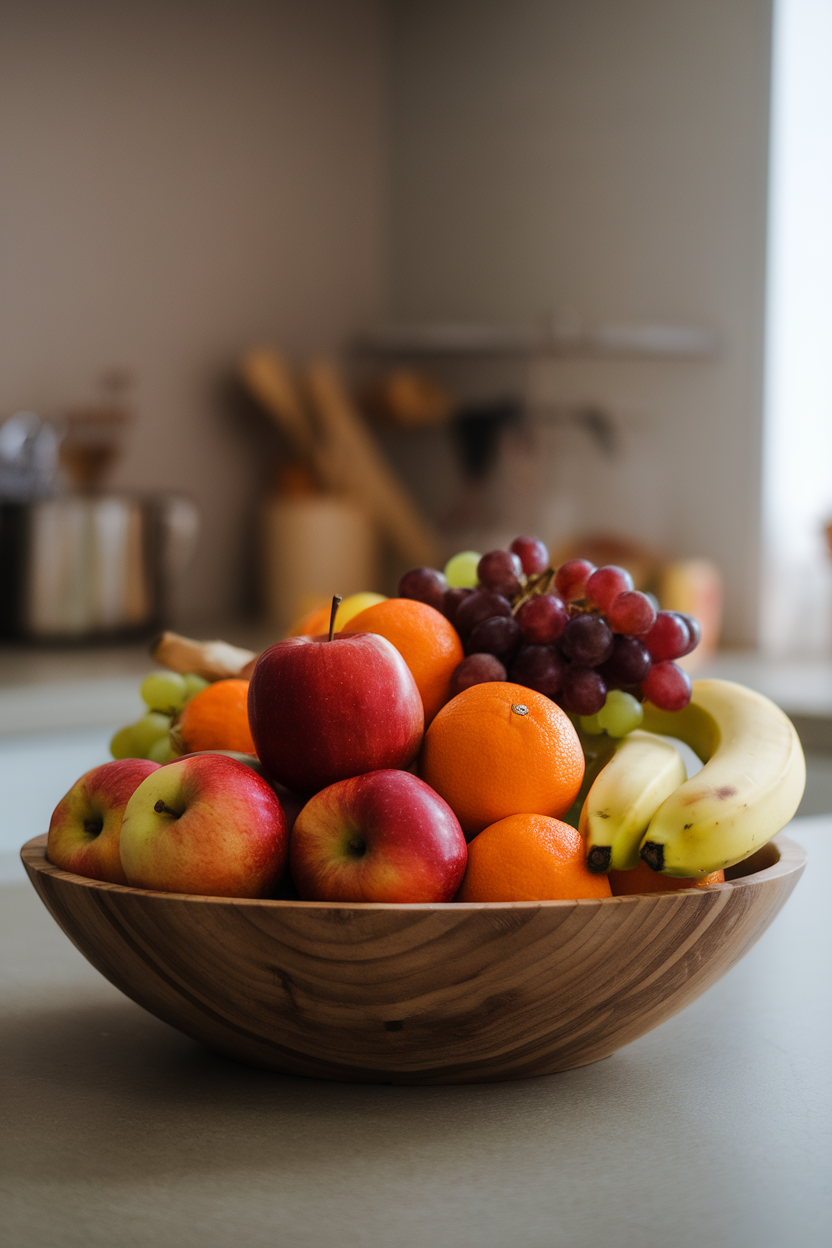
Seasonal fruit delivers vitamins, fiber, and natural sweetness without refined sugar. Buy whole pieces rather than pre-cut trays to stretch your dollar and reduce waste. When something is on sale—say, a bag of citrus in winter—freeze extra segments for smoothies. Aim for a colorful mix each week to cover a range of nutrients.
- Bananas
- Apples
- Oranges
- Grapes
- Pears
- Kiwis
- Mangoes
- Cantaloupe
- Lemons (for zesting and dressings)
Fresh Vegetables (10 items)
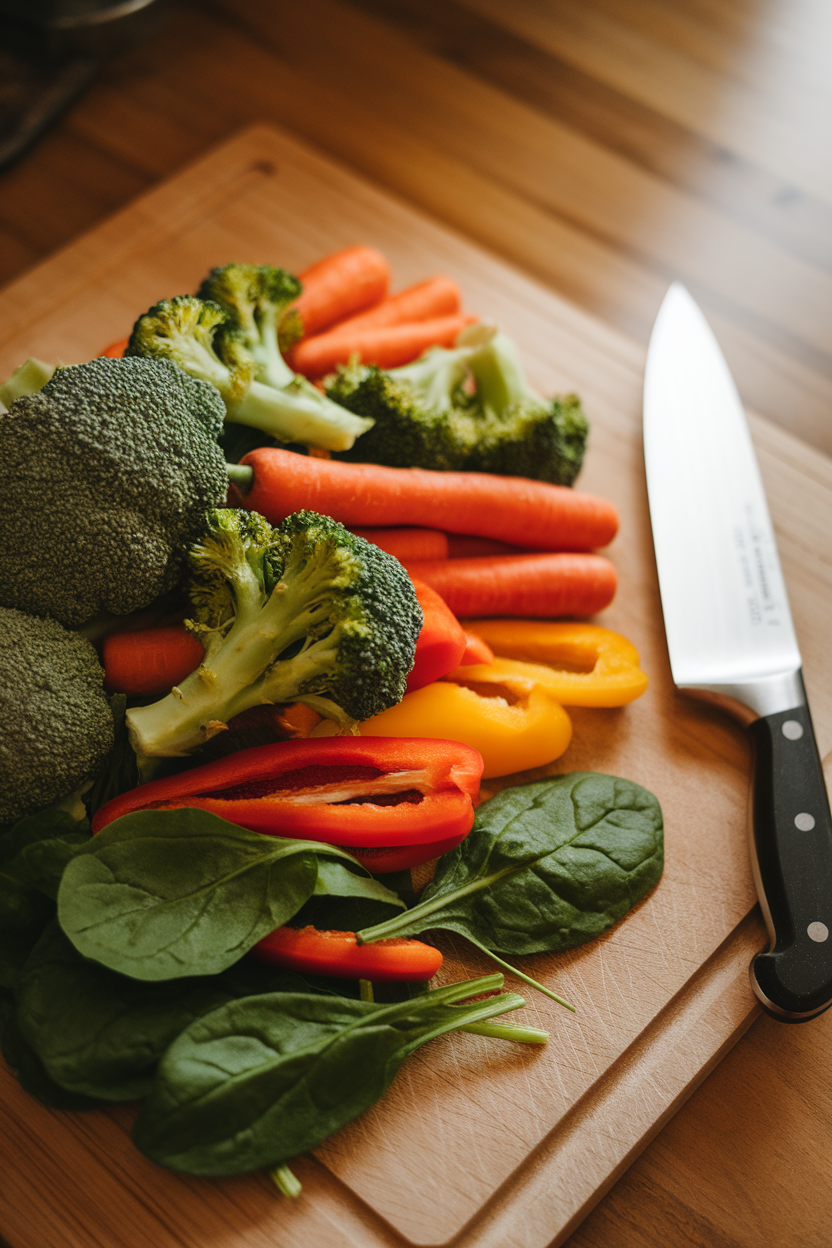
Vegetables form the backbone of clean eating, and many of the most nutritious options are refreshingly cheap. Focus on versatile picks you can roast, stir-fry, or eat raw. Buying whole heads of broccoli or bunches of carrots usually costs less than pre-trimmed versions. Keep tender greens toward the top of the fridge and use them early in the week to avoid spoilage.
- Broccoli crowns
- Carrots
- Bell peppers (any color)
- Spinach
- Sweet potatoes
- Zucchini
- Yellow onions
- Cucumbers
- Roma tomatoes
- Cauliflower
Frozen Produce (5 items)
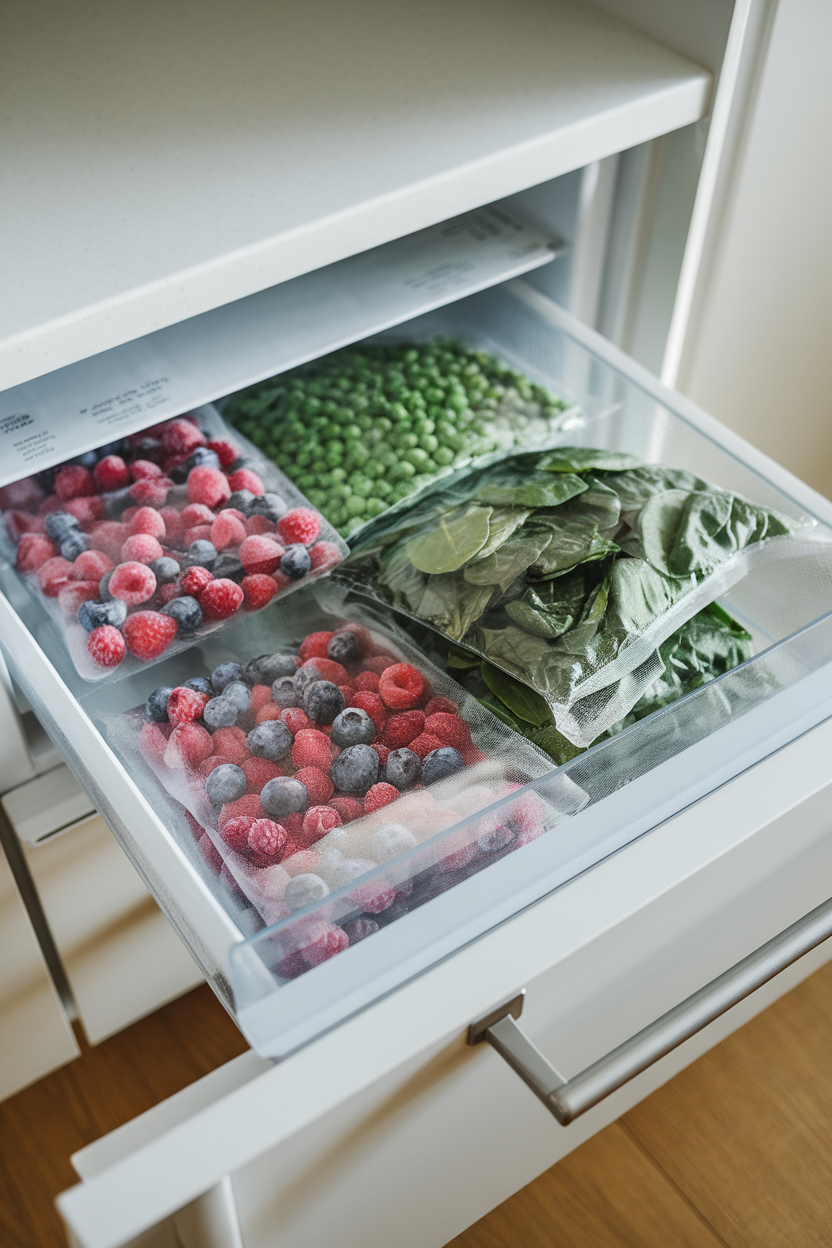
Frozen fruits and veggies are picked at peak ripeness, then flash-frozen to lock in nutrients. They’re a lifesaver when fresh options are pricey or past their prime. Choose plain varieties without added sauces or sugar to keep things clean. Portion out only what you need, seal the bag, and save the rest—perfect for minimal food waste.
- Frozen mixed berries
- Frozen spinach
- Frozen peas
- Frozen corn
- Frozen broccoli florets
Whole Grains (8 items)
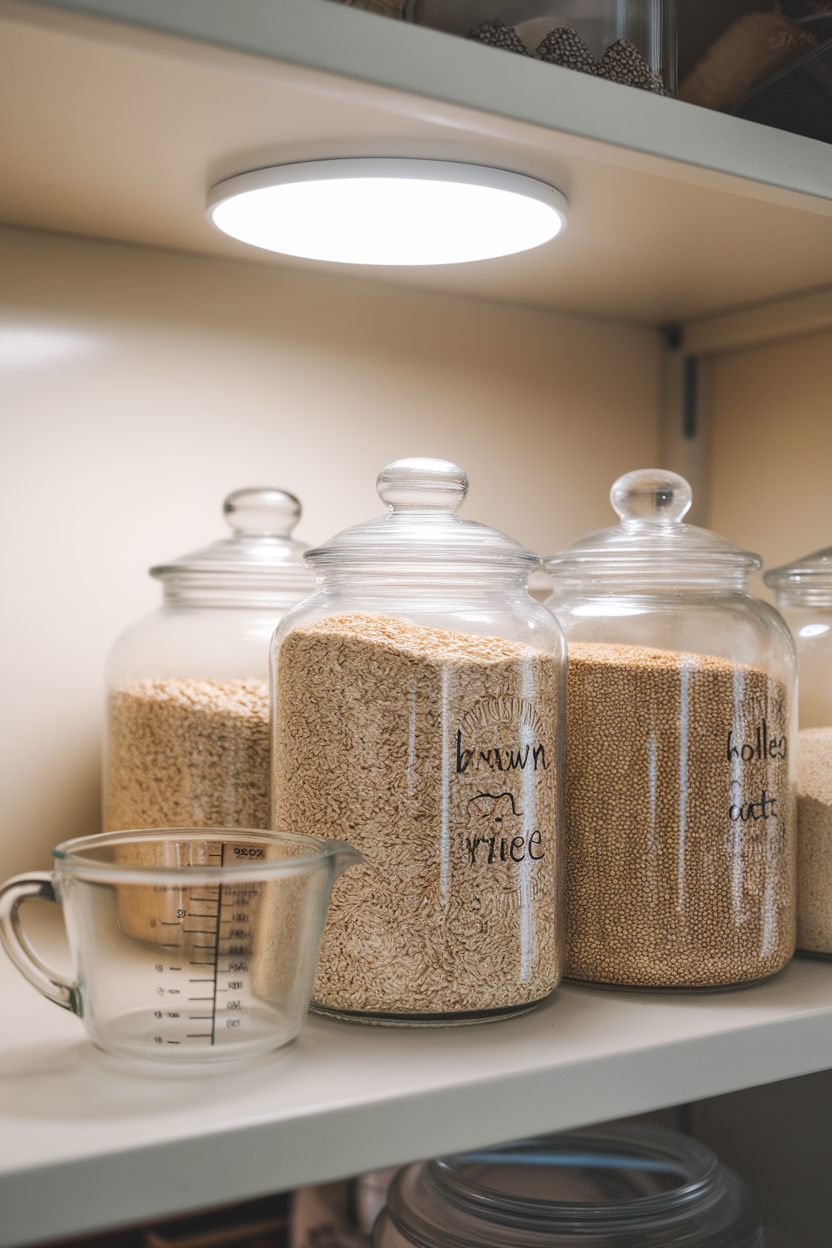
Whole grains provide lasting energy and pair well with nearly any protein or vegetable. Buying in bulk bins or large bags generally lowers the cost per serving. Store grains in airtight containers to keep them fresh and ward off pantry pests. Cook extra portions, then freeze in flat bags for quick weeknight sides.
- Rolled oats
- Brown rice
- Quinoa
- Whole-wheat pasta
- Barley
- Bulgur
- Popcorn kernels
- 100 % whole-wheat tortillas
Canned & Jarred Pantry Staples (5 items)
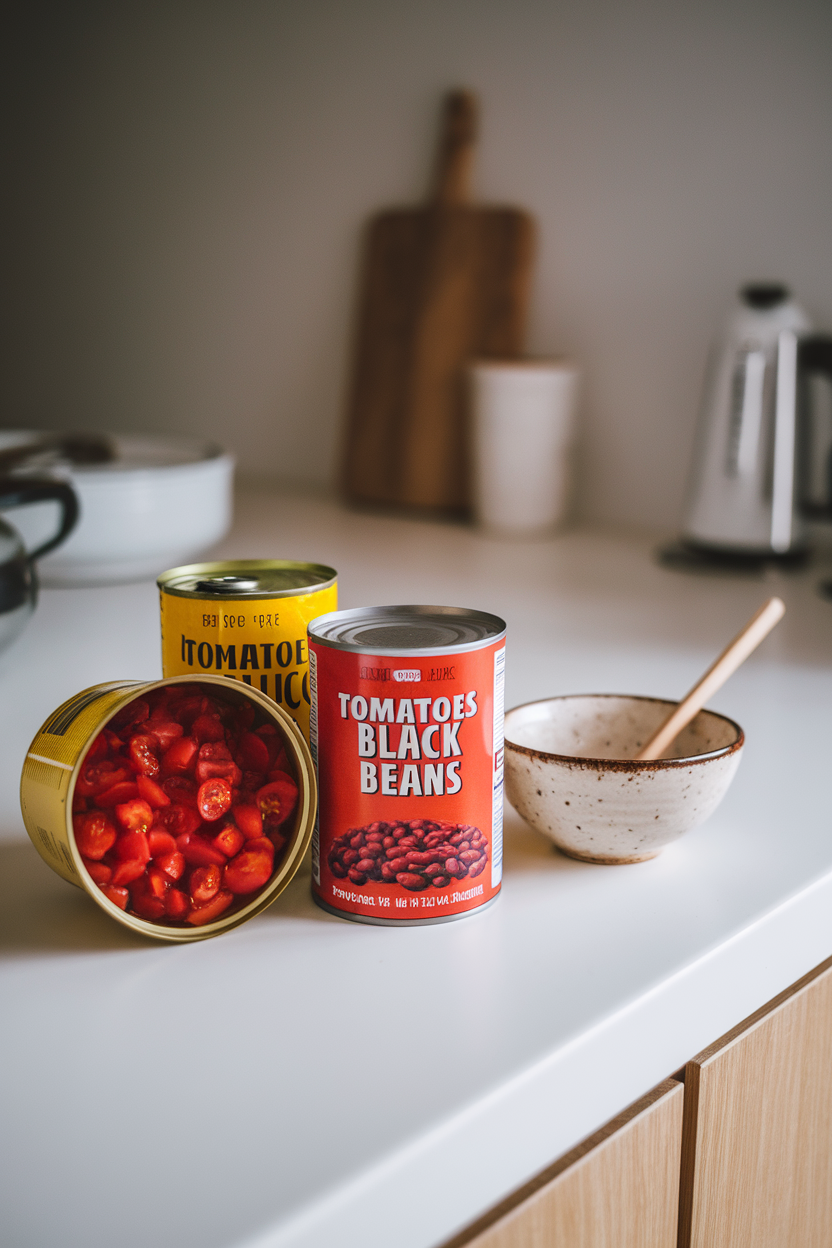
Shelf-stable cans stretch the budget and add convenience without sabotaging nutrition. Rinse beans to cut sodium, and choose low-salt or no-salt-added versions of tomatoes when possible. Keep a couple of each item on hand so you can whip up soups or stews on busy evenings. Rotate stock regularly to use older cans first.
- No-salt-added diced tomatoes
- Tomato paste
- Black beans
- Chickpeas
- Low-sodium vegetable broth
Legumes & Plant Proteins (8 items)
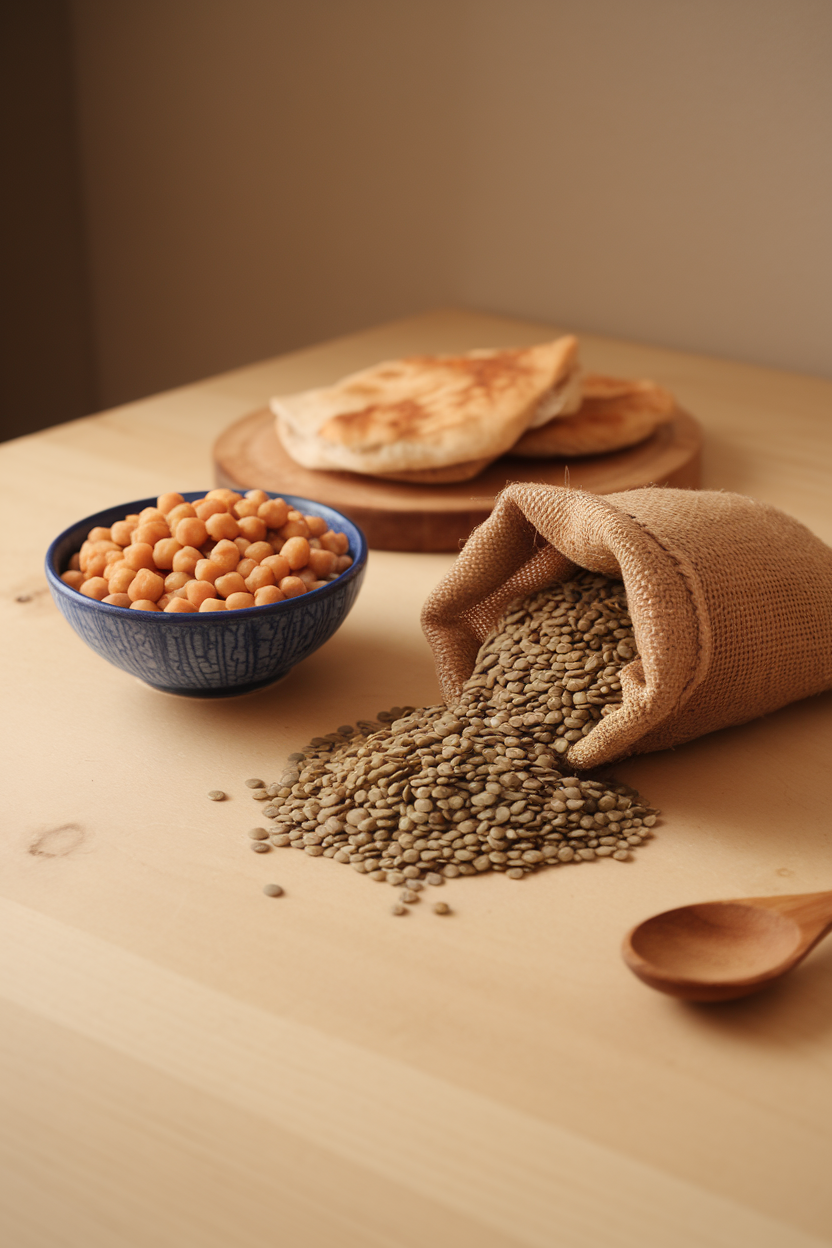
Dry beans, lentils, and soy products are some of the most affordable protein sources available. Soak large batches of beans overnight, cook, then freeze in two-cup portions for convenience. Tofu absorbs flavors from marinades and sauces, making it an adaptable choice for stir-fries or sheet-pan dinners. Rotate between different legumes each week to keep meals interesting.
- Dry brown lentils
- Dry green lentils
- Dry black beans
- Dry pinto beans
- Split peas
- Firm tofu
- Tempeh
- Edamame (frozen, shelled)
Lean Animal Proteins (6 items)
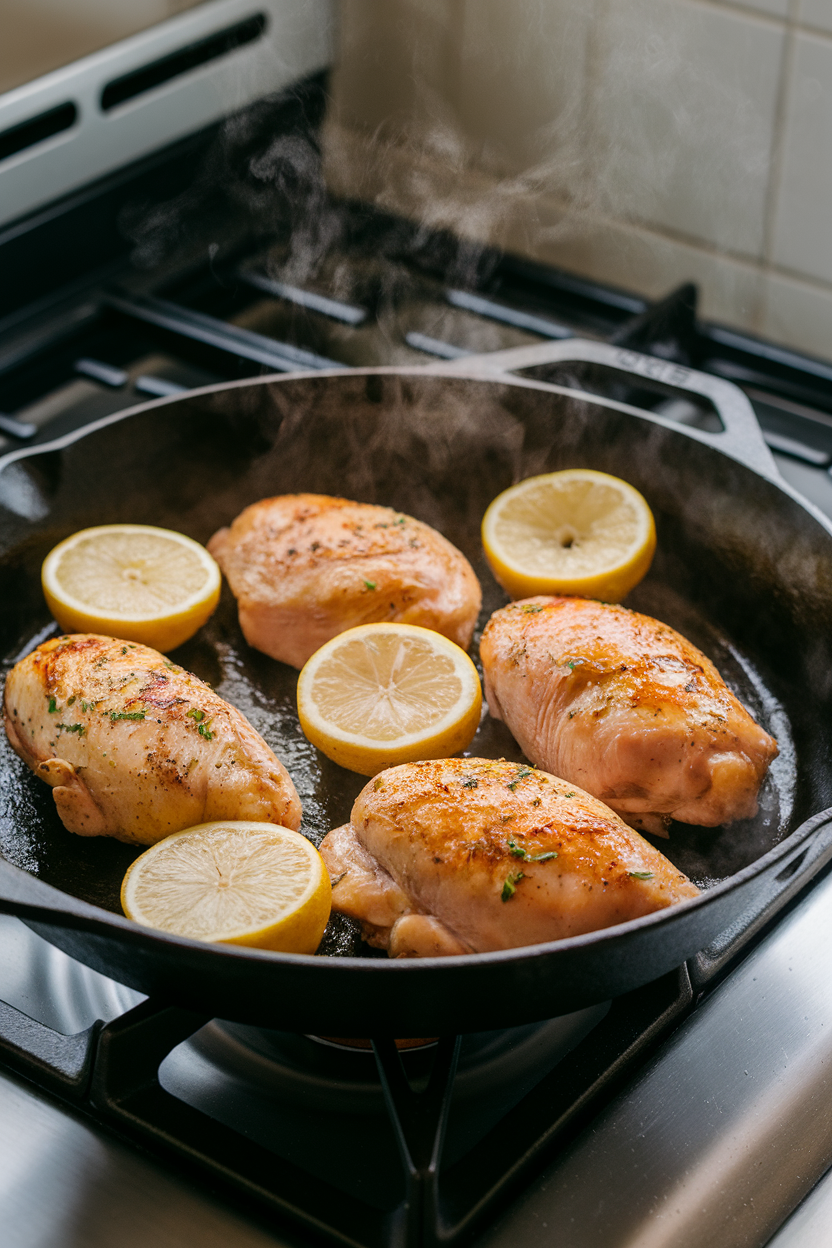
When meat or seafood fits your eating style, aim for lean cuts and shop the weekly sales. Buying larger family packs of chicken or turkey, then portioning and freezing, usually reduces cost per pound. Canned tuna offers quick protein for salads and sandwiches without breaking the bank. Always keep food-safety guidelines in mind during storage and thawing.
- Boneless skinless chicken breasts
- Chicken thighs (skin removed)
- 93 % lean ground turkey
- Canned light tuna in water
- Frozen salmon fillets
- Eggs
Dairy & Dairy Alternatives (4 items)
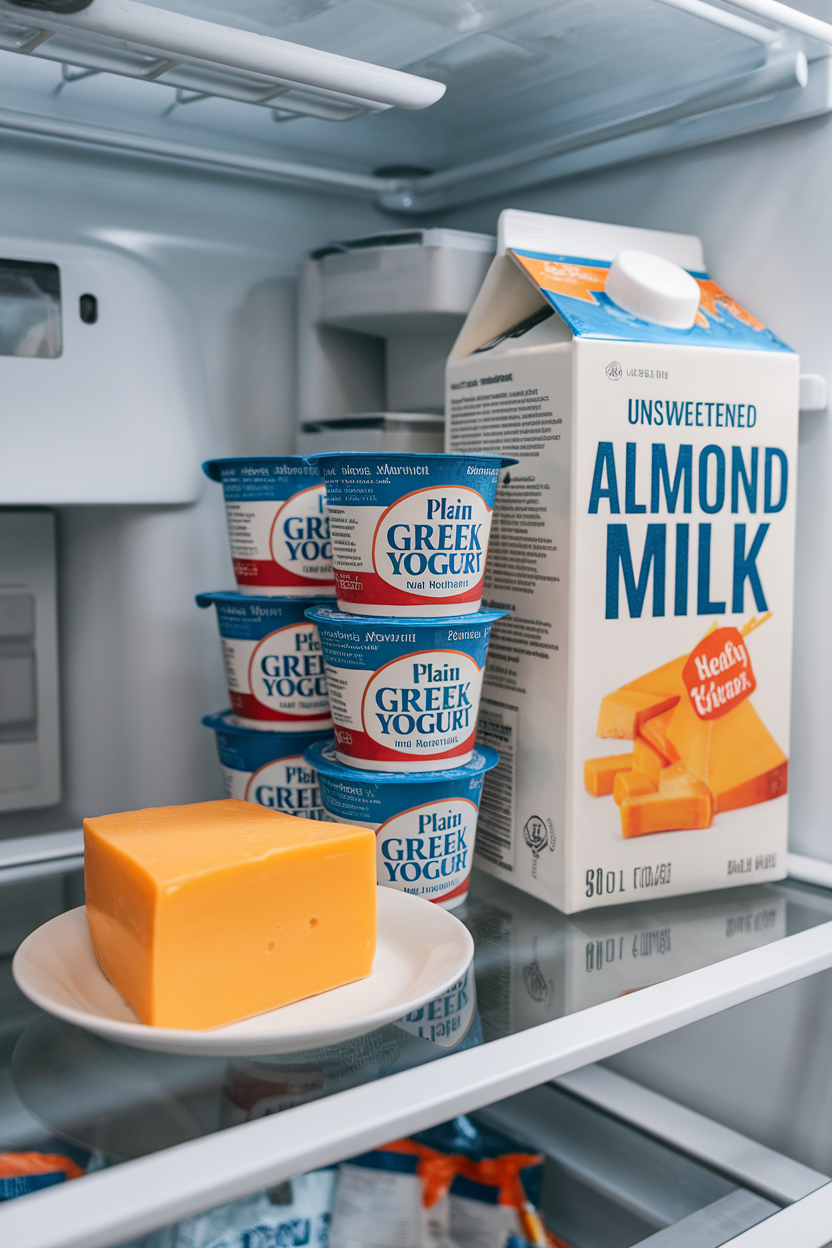
Dairy and alt-dairy products add calcium, protein, and flavor to everyday meals. Choose unsweetened versions to avoid extra sugar, and shred your own cheese rather than buying pre-shredded bags to save money. Plain yogurt doubles as a base for smoothies or savory sauces. Plant-based milks often go on sale, so watch those flyers.
- Plain Greek yogurt
- Cheddar cheese block
- Unsweetened almond milk
- Cottage cheese
Healthy Fats, Nuts & Seeds (5 items)
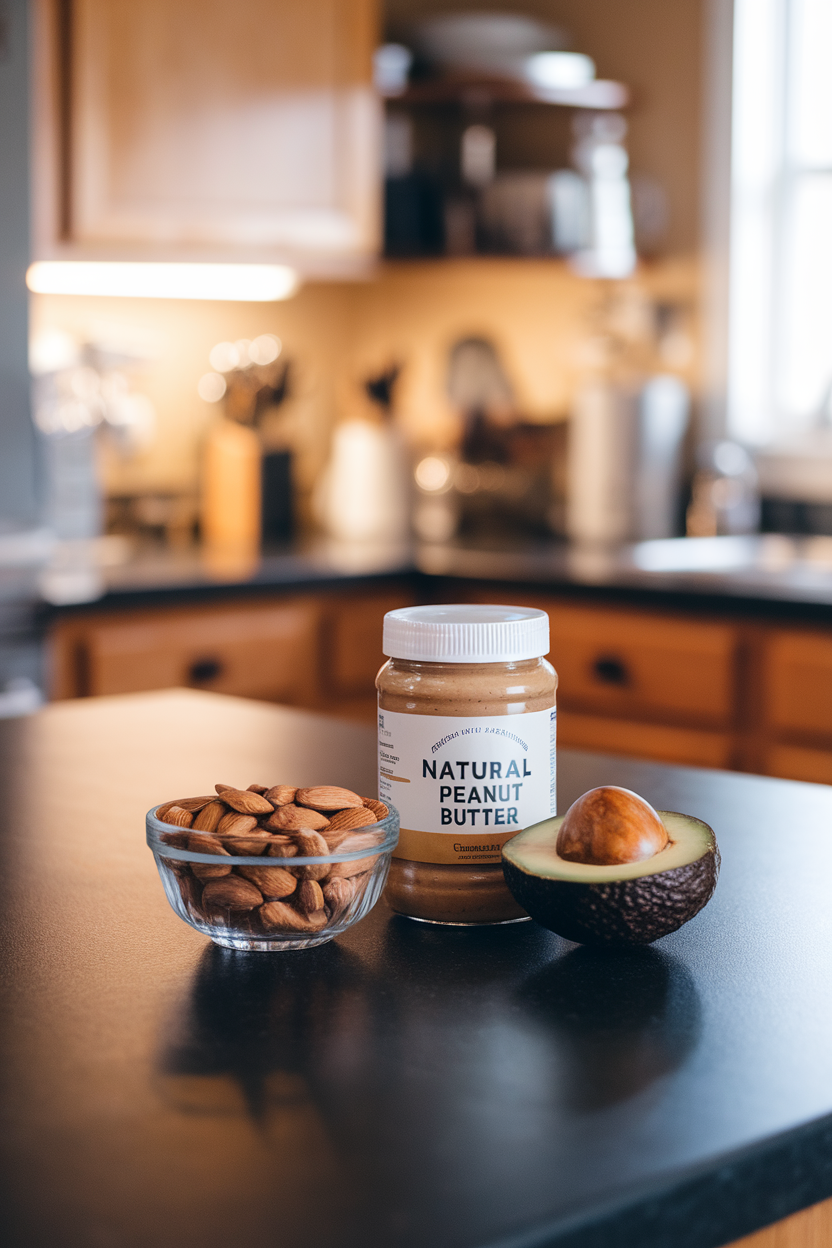
Healthy fats support satiety and nutrient absorption. Buy nuts and seeds from bulk bins to get only the amount you need and avoid stale leftovers. Natural nut butters with nothing but nuts and salt make quick toast toppers and sauce bases. Store nuts in the freezer to maintain freshness longer.
- Natural peanut butter
- Whole almonds
- Chia seeds
- Ground flaxseed
- Avocados
Flavor Boosters & Fresh Herbs (5 items)
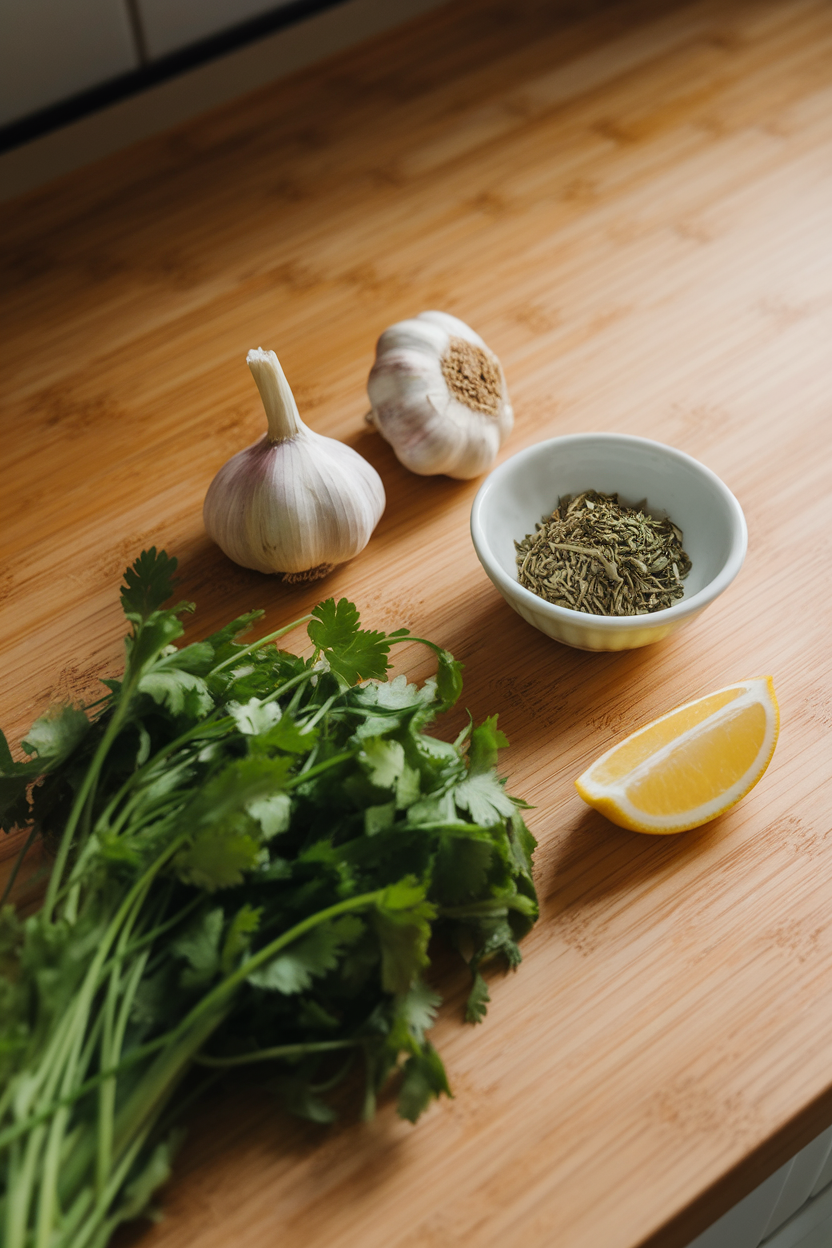
Big flavor keeps clean meals exciting, so a few strategic aromatics go a long way. Fresh herbs often cost less per ounce than bottled dressings and add brightness without extra sodium. Keep garlic and onions in a cool, dry place for a long shelf life. Zest citrus before juicing to capture every bit of usable flavor.
- Fresh parsley
- Fresh cilantro
- Garlic bulbs
- Dried oregano
- Lime juice (fresh limes)
With these 65 budget-friendly staples in your pantry, fridge, and freezer, wholesome cooking becomes far less complicated. Mix and match ingredients to create grain bowls, omelets, hearty soups, or sheet-pan dinners all week long—while still keeping grocery costs in check.

Nathaniel Lee is an avid cook, drawing on his decades of home cooking and fine dining experience. He is a contributing chef at Mashed, and his recipes and contributions have been featured in Tasting Table, Edible Arrangements, Insanely Good Recipes, and The Daily Meal.