Clean eating is about choosing foods that are as close to their natural state as possible while building habits that support sustainable health. The tips below focus on practical changes you can start making today—no fancy gadgets or restrictive fad diets. Pick a few ideas that resonate, try them for a week, then layer on more when you feel ready. Small, consistent adjustments add up to long-term results.
1. Start Your Day with Water

After a night of sleep, your body wakes up slightly dehydrated. Drinking a full glass of water as soon as you get up supports digestion and helps sharpen focus before coffee enters the picture. Add a squeeze of lemon for a gentle vitamin C kick and a pleasant flavor boost. Keeping the carafe on your bedside table makes the practice effortless.
2. Eat Whole Fruits Instead of Juice
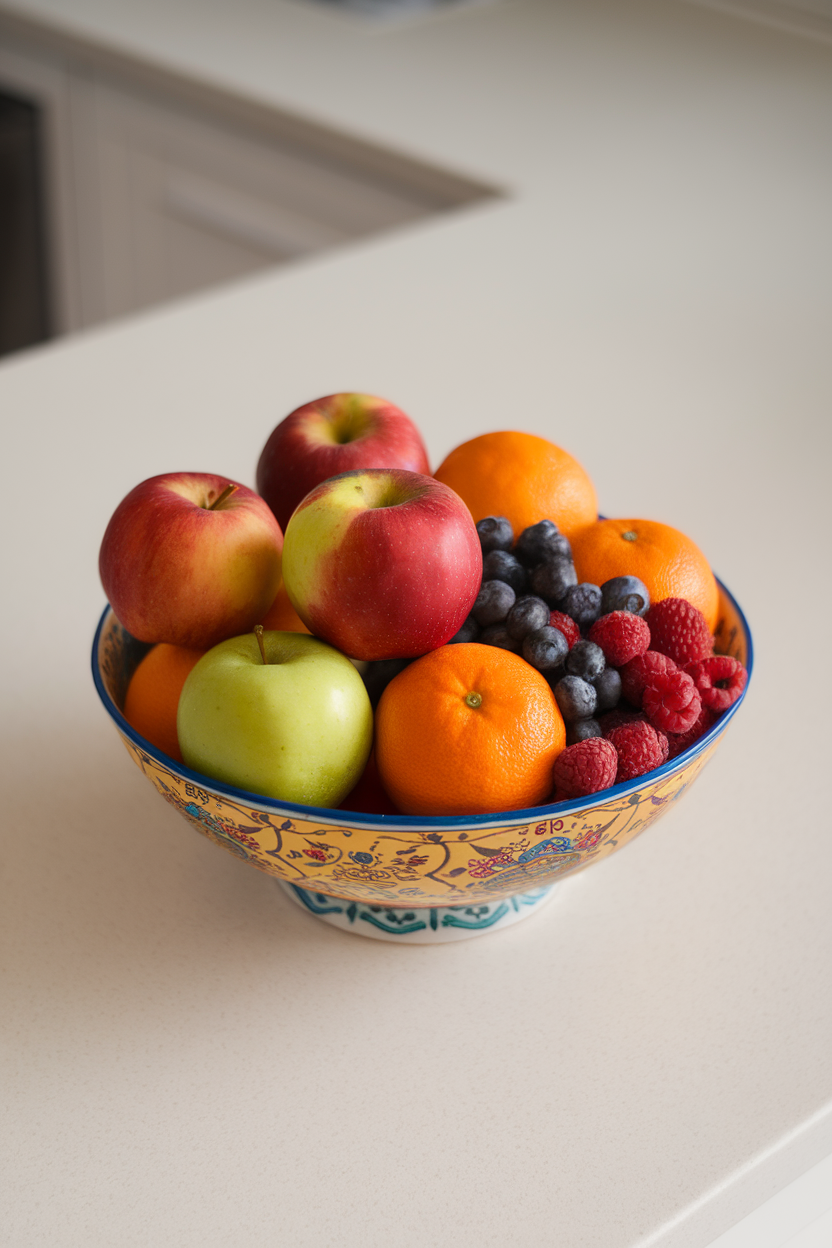
Juice strips away fiber that slows the release of natural sugars into the bloodstream. Whole fruit delivers vitamins, antioxidants, and that all-important fiber in one tidy package. Chewing also signals fullness to the brain, which helps with portion control. Keep pre-washed fruit at eye level in the refrigerator for easy grabbing.
3. Choose Seasonal Produce
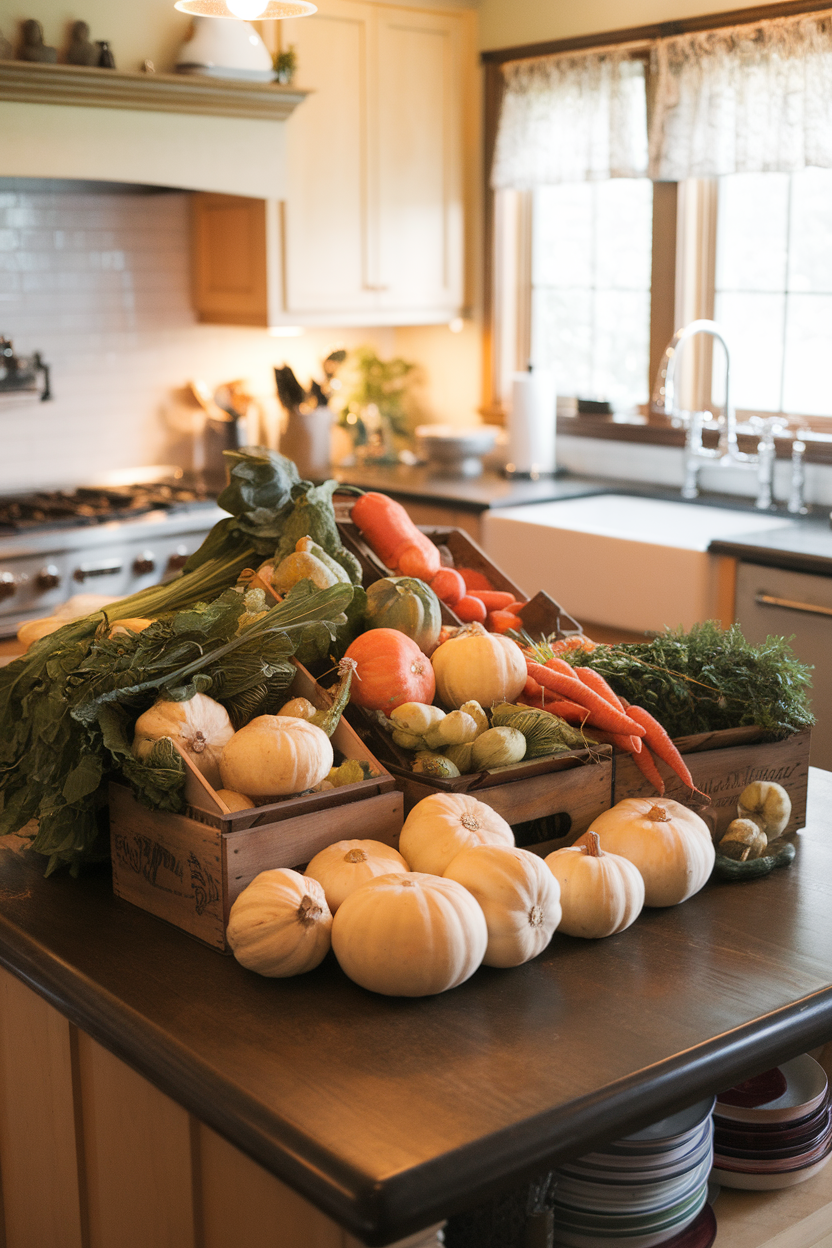
Produce harvested in its natural season tastes better and often contains more nutrients. It usually costs less because it hasn’t traveled halfway around the globe. Creating meals around what’s plentiful keeps your menu fresh and varied throughout the year. Check local harvest calendars or ask vendors at a market for guidance.
4. Swap Refined Grains for Whole Grains
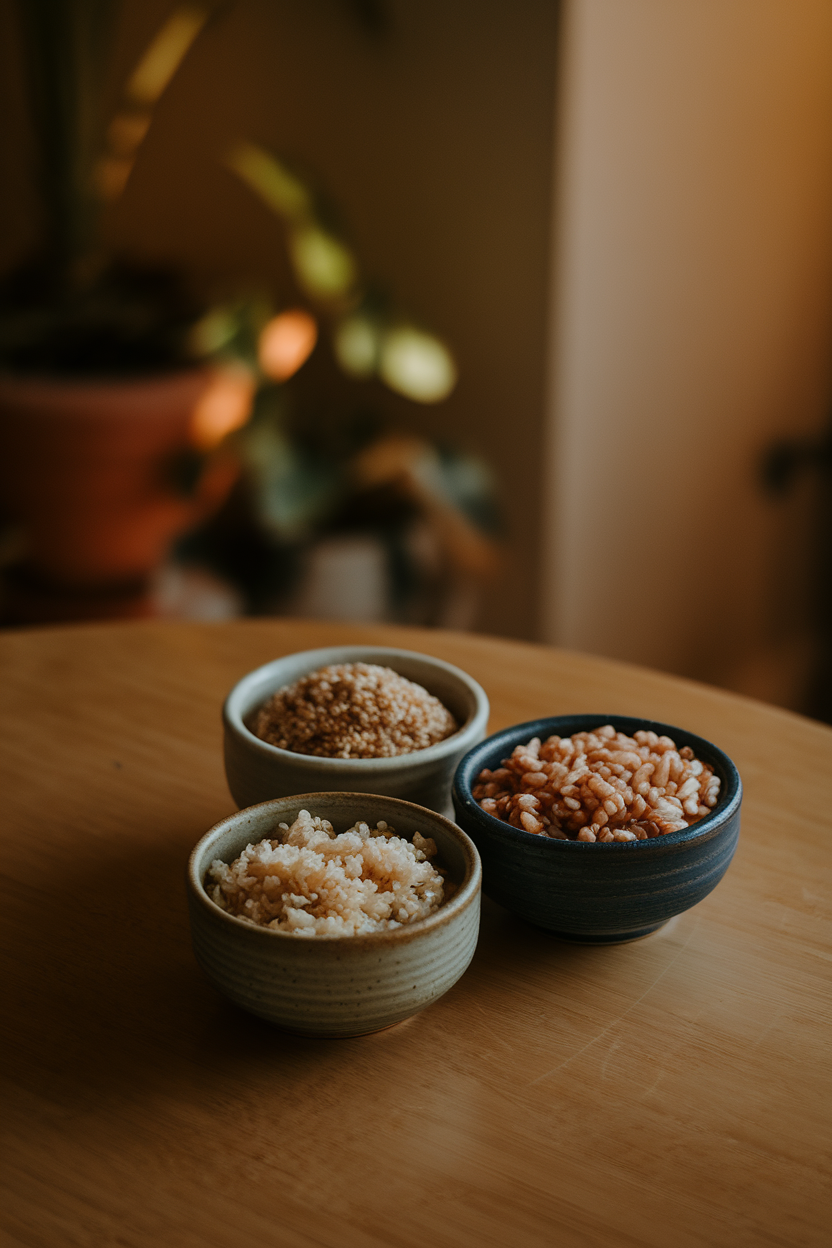
Whole grains retain the bran and germ, giving you extra fiber, B vitamins, and minerals. Refined grains lose these valuable parts during processing, which can lead to quick blood-sugar spikes. Start by replacing white rice with brown rice or mixing whole-wheat pasta into your favorite sauce. Gradual changes help taste buds adjust without fuss.
5. Prep Veggies in Advance
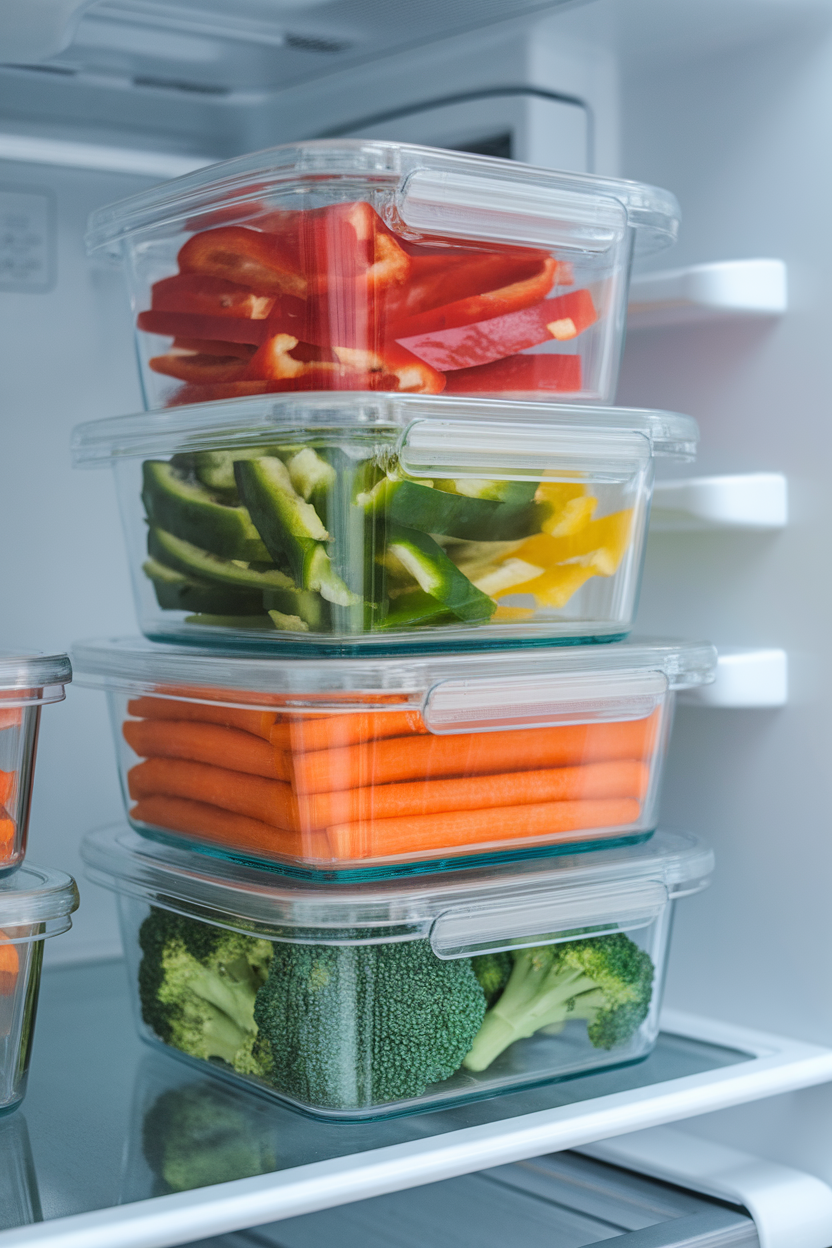
Washed and cut vegetables remove the barrier between intention and action on busy nights. Spend 30 minutes after grocery shopping chopping produce and storing it at eye level. Ready-to-eat veggies make stir-fries, salads, and snacks lightning fast. They also reduce the temptation to reach for processed convenience foods.
6. Cook with Heart-Healthy Fats

Olive oil, avocado oil, nuts, and seeds provide monounsaturated and polyunsaturated fats that support cardiovascular health. These fats enhance the absorption of fat-soluble vitamins such as A, D, E, and K. Swap out butter or margarine in sautéing for a drizzle of olive oil. A handful of walnuts makes a satisfying snack that fuels steady energy.
7. Limit Added Sugar

Excess added sugar can contribute to energy crashes and long-term metabolic issues. Check ingredient lists for hidden sources like corn syrup, dextrose, or rice syrup. Gradually reduce sweeteners in coffee or oatmeal to retrain your palate. Naturally sweet foods—such as ripe fruit—help satisfy cravings without refined sugar.
8. Read Ingredient Lists, Not Just Nutrition Panels
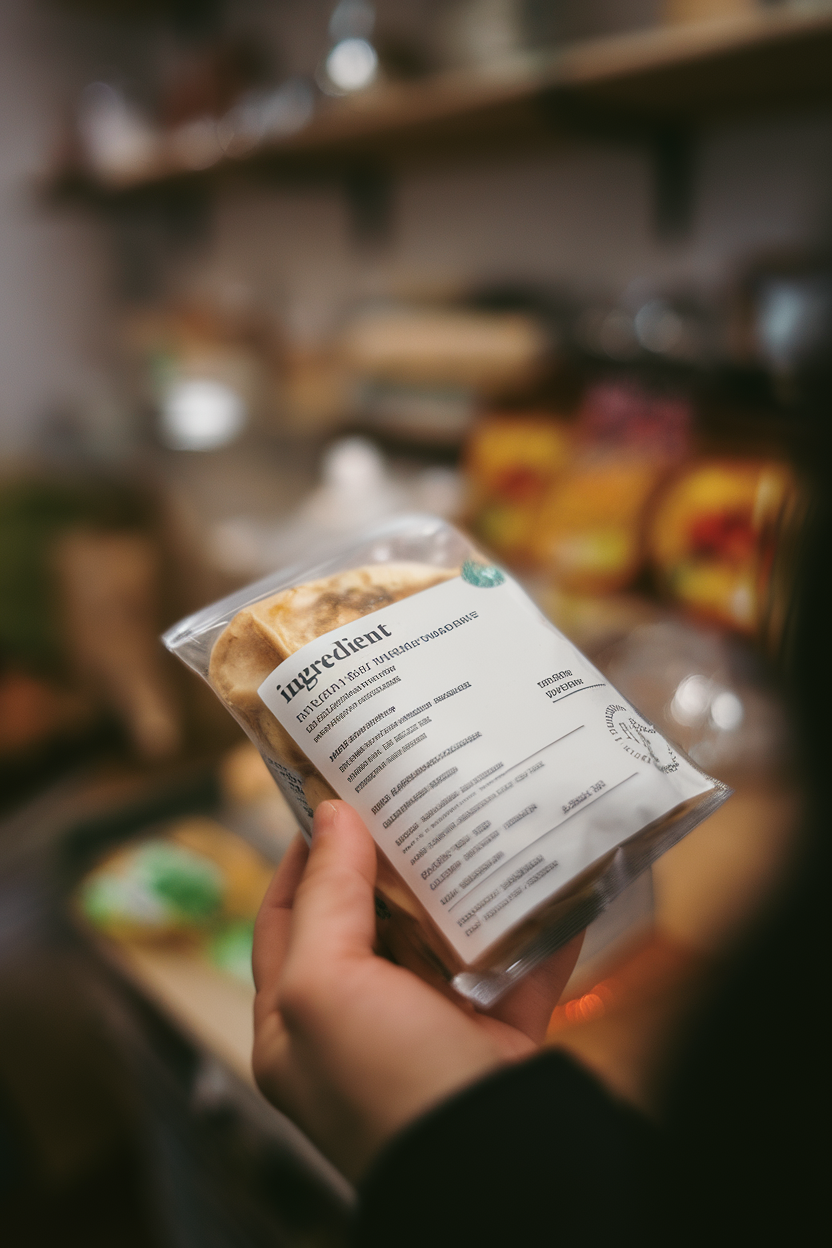
Five grams of sugar on a label can come from dates or from high-fructose corn syrup, and your body responds differently to each. Short ingredient lists with recognizable foods generally signal a cleaner product. If you need a chemistry degree to decode a label, consider leaving it on the shelf. Over time, scanning ingredients becomes second nature.
9. Opt for Lean Proteins

Lean meats, poultry without skin, fish, legumes, and tofu provide quality protein without excessive saturated fat. Protein keeps you feeling full and supports muscle repair after exercise. Rotate protein sources throughout the week for a broad nutrient spectrum. A food thermometer ensures meats reach safe internal temperatures without overcooking.
10. Flavor Meals with Herbs and Spices
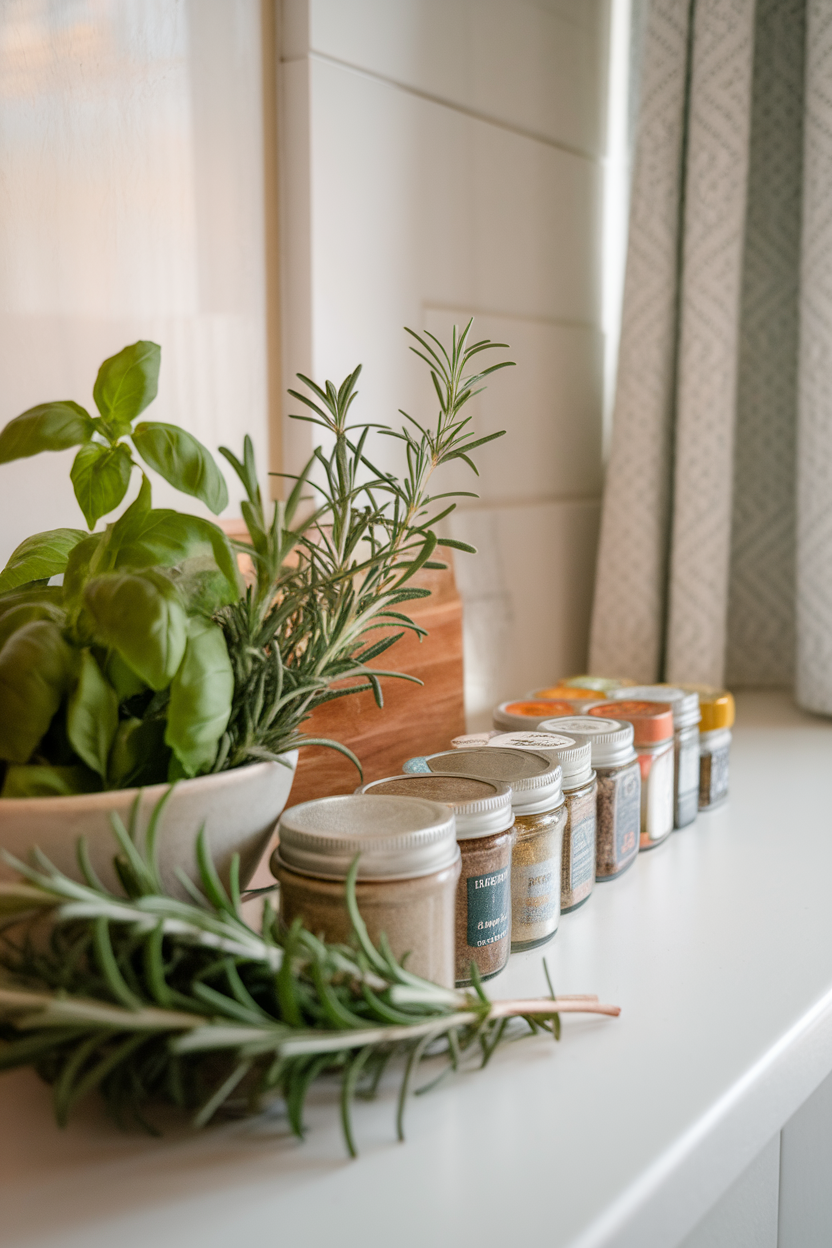
Sodium creeps into diets through store-bought sauces and seasoning mixes. Fresh herbs and single-ingredient spices deliver bold flavor and beneficial phytonutrients without added salt or sugar. Keep a small windowsill herb garden for easy snipping. Toast whole spices in a dry pan to amplify their aroma before grinding.
11. Keep Healthy Snacks Visible

When nutrient-dense snacks are within arm’s reach, you’re less likely to grab chips or candy. Portion nuts into small jars or bags to prevent mindless overeating—they pack a caloric punch. Pair fruit with a protein source, such as yogurt, for balanced energy. Visibility is a powerful nudge toward better choices.
12. Batch-Cook Legumes
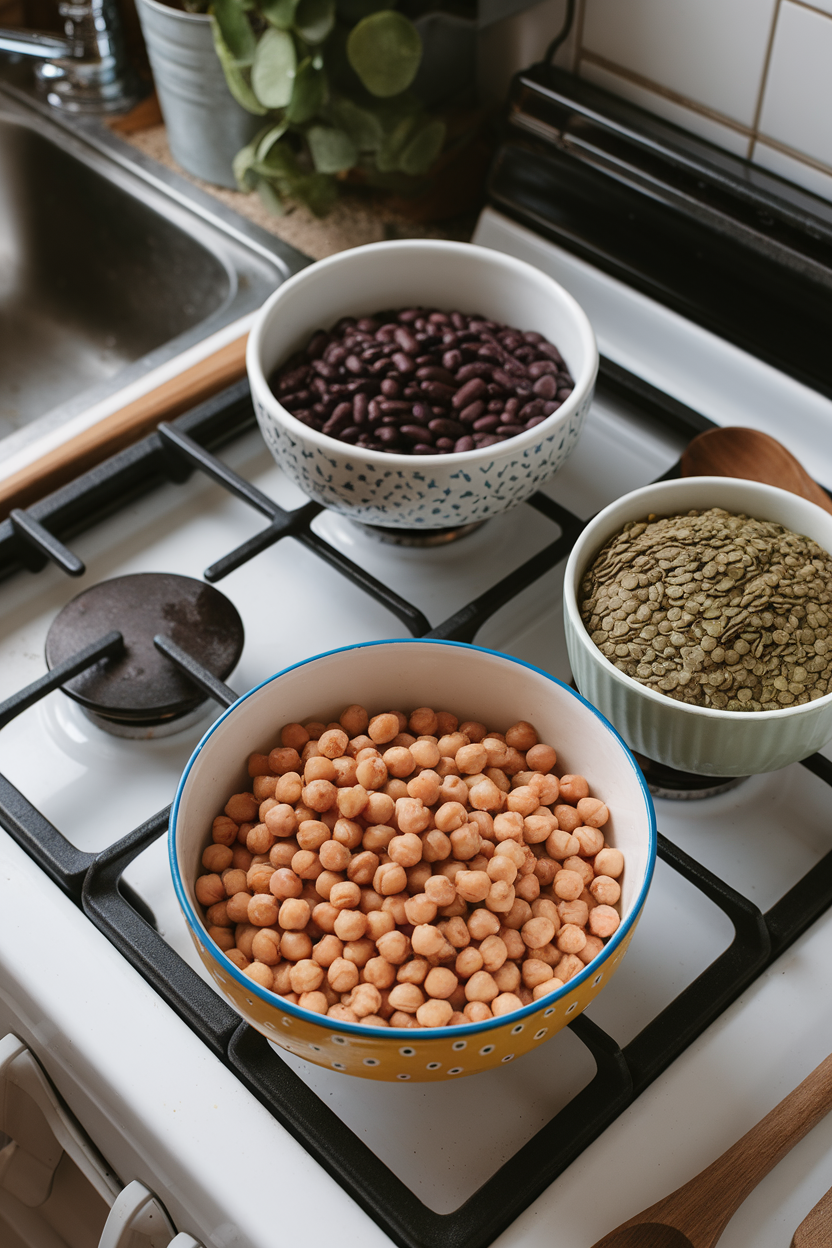
Beans and lentils are economical, fiber-rich, and freeze beautifully. Cooking a large pot once a week means quick burritos, salads, and soups are always possible. Adding kombu or soaking overnight helps reduce cooking time and improves digestibility. Cool cooked legumes before transferring to freezer bags labeled with the date.
13. Practice Mindful Eating

Eating while distracted often leads to overconsumption and less enjoyment. Sit down, savor each bite, and pay attention to flavors and textures. Put your fork down between bites to slow the pace. You’ll notice satiety signals sooner, which can naturally reduce calorie intake.
14. Use Portion Awareness
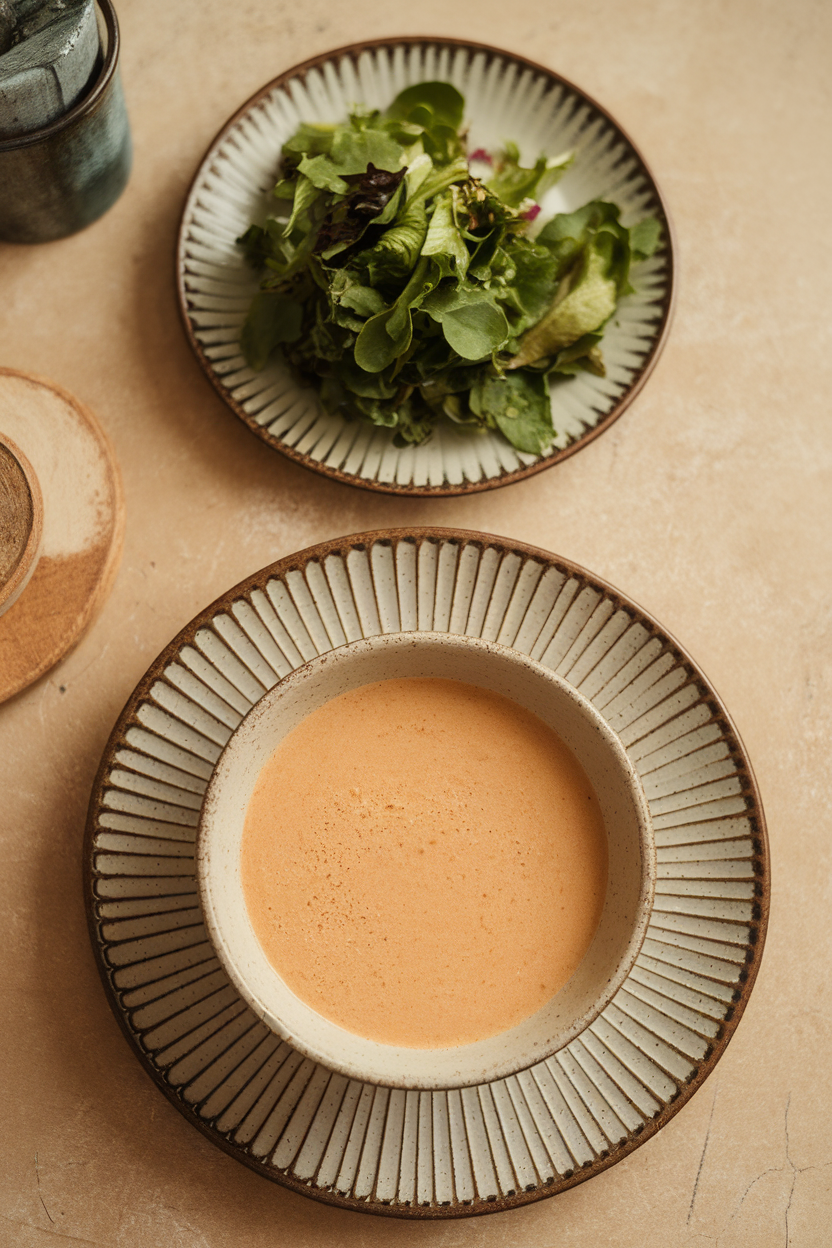
Restaurants often serve portions large enough for two. Learning correct serving sizes helps you gauge how much fuel your body needs. Using smaller plates or bowls tricks the eye into seeing a fuller dish, curbing unnecessary seconds. Measuring cups can re-train perception until eyeballing becomes reliable.
15. Replace Refined Carbs with Complex Carbs

Complex carbohydrates digest more slowly, providing sustained energy and stabilizing blood sugar. Whole-grain bread, oats, and sweet potatoes offer vitamins, minerals, and fiber absent in refined options. Swap white toast for oats at breakfast or choose quinoa over white rice at dinner. Your energy levels will stay steadier throughout the day.
16. Include Healthy Fats Daily
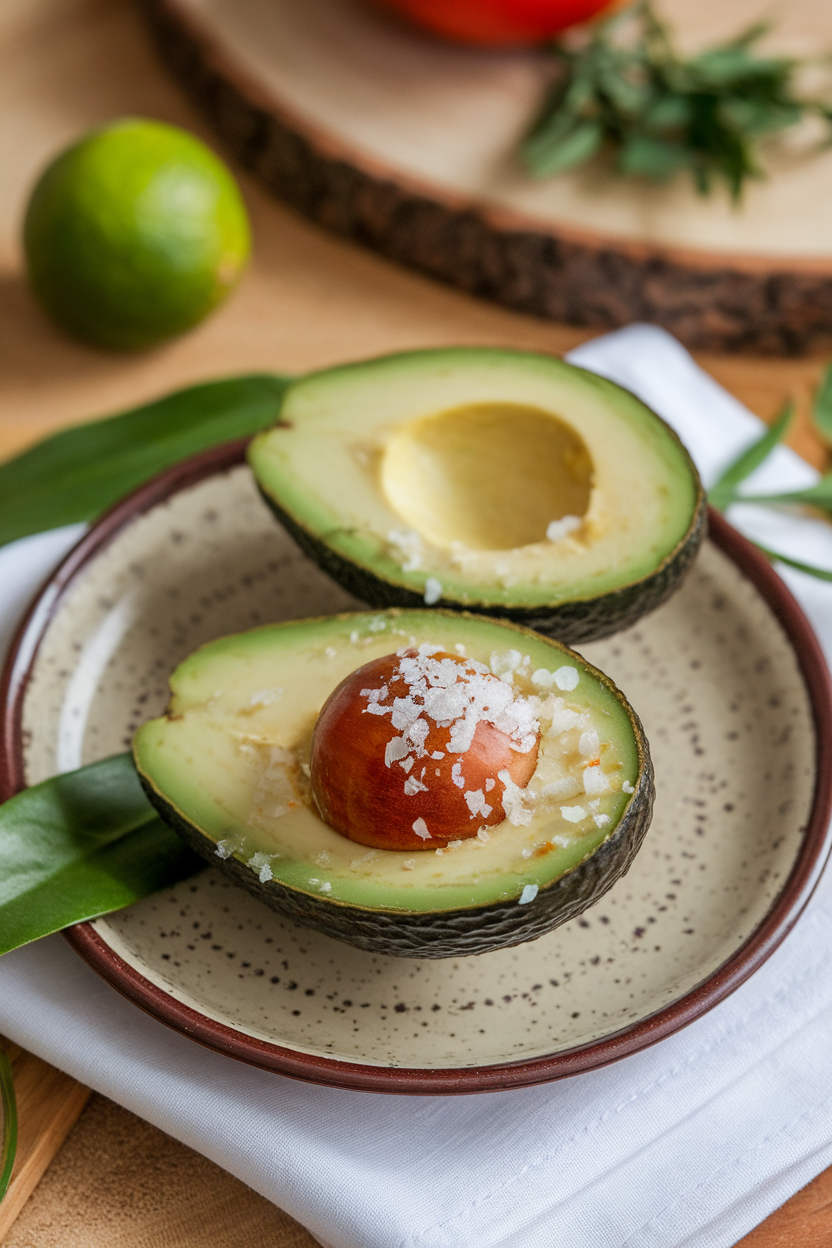
Dietary fat is essential for hormone production and brain function. Avocados, nuts, seeds, and cold-water fish provide omega-3 and monounsaturated fats beneficial to heart health. Adding a quarter of an avocado to a salad enhances both flavor and nutrient absorption. Balance fat intake by watching overall portion sizes.
17. Eat the Rainbow
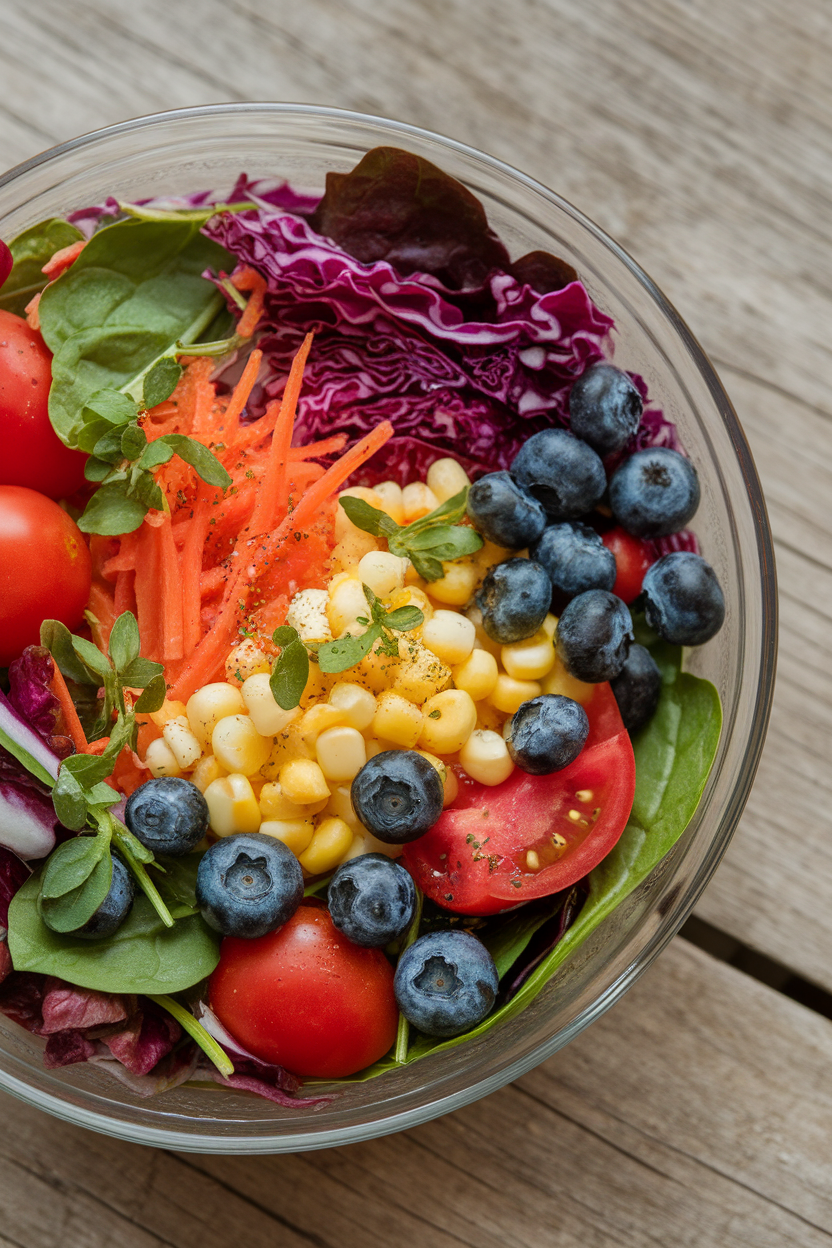
Different colors in produce correspond to unique phytonutrients. By filling your plate with a spectrum of hues, you cover a wider range of vitamins and antioxidants. Aim for at least three colors at every meal. Kids often enjoy the visual appeal and may be more willing to try new vegetables.
18. Steam or Roast Instead of Frying

Frying adds extra oil and calories while sometimes creating harmful compounds at high temperatures. Steaming preserves nutrients, and roasting intensifies natural sweetness without excessive fat. Toss veggies with a light drizzle of olive oil and herbs before roasting for crisp edges. Air-frying can also be a lighter alternative to deep-frying.
19. Avoid Artificial Sweeteners
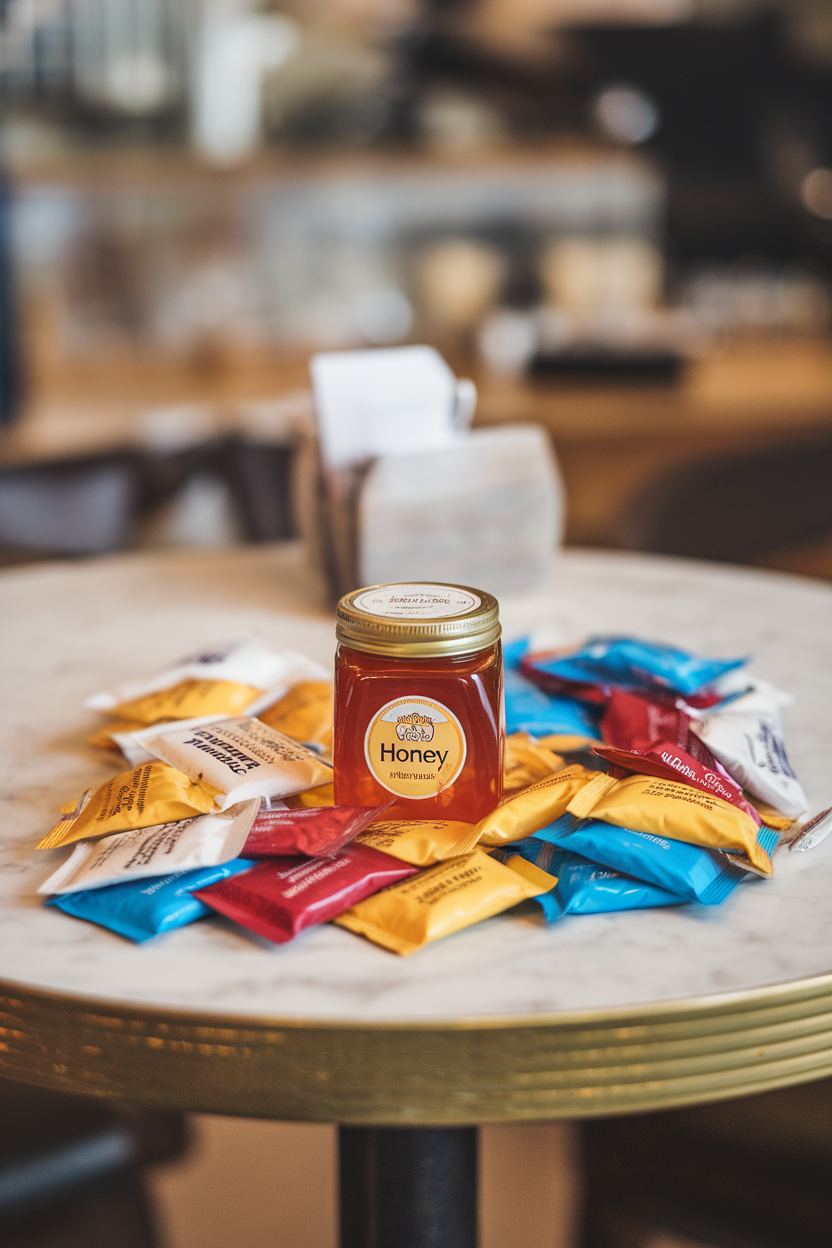
Research suggests artificial sweeteners can alter gut microbiota and may perpetuate cravings for sweet foods. Opt for natural options like small amounts of honey or fruit purée when sweetness is essential. Gradual reduction allows taste buds to reset. Unsweetened beverages become more palatable over time.
20. Choose Lower-Sodium Products
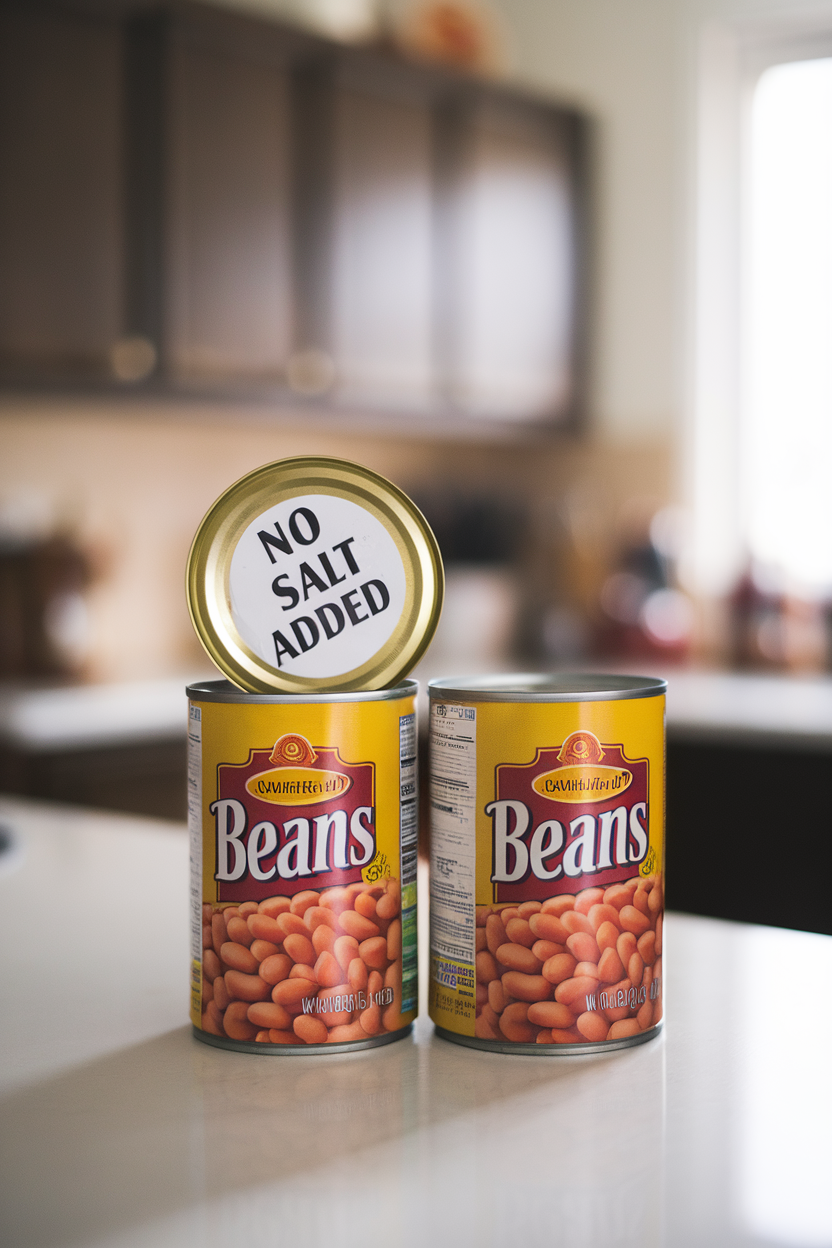
Excess sodium can elevate blood pressure and cause fluid retention. Compare brands and choose those with 140 milligrams of sodium or less per serving when possible. Rinse canned beans and vegetables under running water to remove some of the salt. Season meals with citrus juice, herbs, and spices for flavor without extra sodium.
21. Stay Hydrated with Herbal Teas

Plain water is ideal, but herbal teas add variety and additional plant compounds. Mint, rooibos, and chamomile are naturally caffeine-free and can soothe digestion or encourage relaxation. Brew an entire pot and store it in the fridge for a refreshing chilled drink. Avoid bottled versions with added sugar.
22. Incorporate Fermented Foods

Fermented foods like kimchi, sauerkraut, kefir, and yogurt contain beneficial probiotics that support gut health. A balanced microbiome aids nutrient absorption and immune function. Start with one to two tablespoons of fermented veggies alongside meals to allow your body to adjust. Always buy unpasteurized varieties to ensure live cultures.
23. Make Your Own Salad Dressings

Store-bought dressings can hide added sugars, oils low in nutrients, and preservatives. A basic vinaigrette needs only oil, acid, mustard, and seasonings, taking two minutes to shake together. Homemade versions allow control over ingredients and portion sizes. Store in the fridge for up to a week and give a quick shake before each use.
24. Pack Your Lunch

Bringing lunch from home bypasses hidden fats, sugars, and sodium found in grab-and-go meals. It also saves money and reduces food waste by using leftovers creatively. Invest in a compartmentalized container to keep items fresh and visually appealing. Preparing two or three lunches at once cuts weekday morning stress.
25. Grow a Small Herb Garden
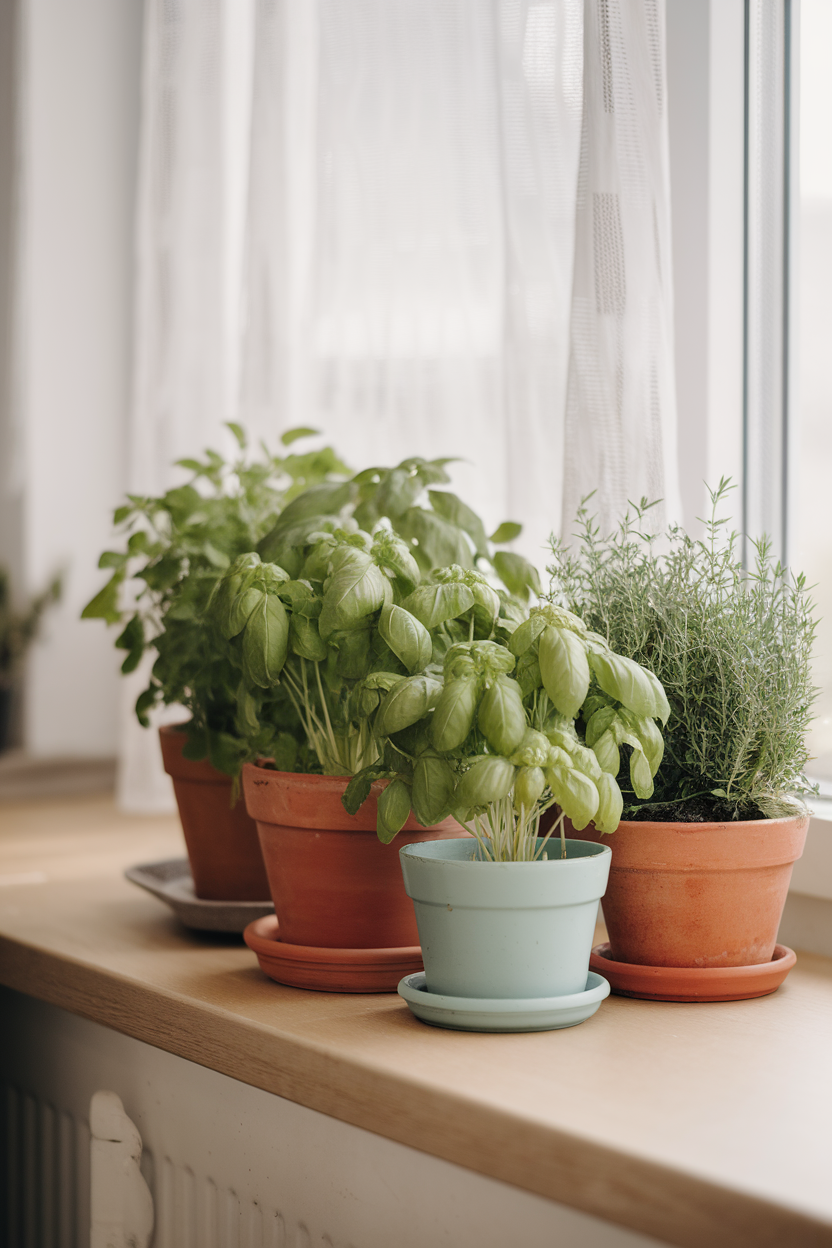
Fresh herbs brighten flavor without extra salt or calories. A windowsill garden provides convenient access and encourages experimentation with new seasonings. Even apartment dwellers can grow hardy herbs like rosemary in small containers. Snip what you need, rinse, and toss directly into dishes just before serving.
26. Pass on Ultra-Processed Meats

Sausages, hot dogs, and many deli meats often contain nitrates, excess sodium, and fillers. Frequent consumption has been linked to higher risks of cardiovascular disease and some cancers. Choose fresh poultry or fish, or roast your own meat and slice it for sandwiches. If deli meat is unavoidable, ask for low-sodium, nitrate-free varieties.
27. Shop the Perimeter of the Grocery Store

The outer aisles typically house fresh produce, dairy, eggs, and meat—foods that require refrigeration and are less processed. Inner aisles can be treasure chests of whole grains and legumes but also contain most packaged snacks and sweets. Start your shopping tour along the perimeter to fill the cart with nutrient-dense staples first. A shorter list for middle aisles helps prevent impulse buys.
28. Keep a Food Journal
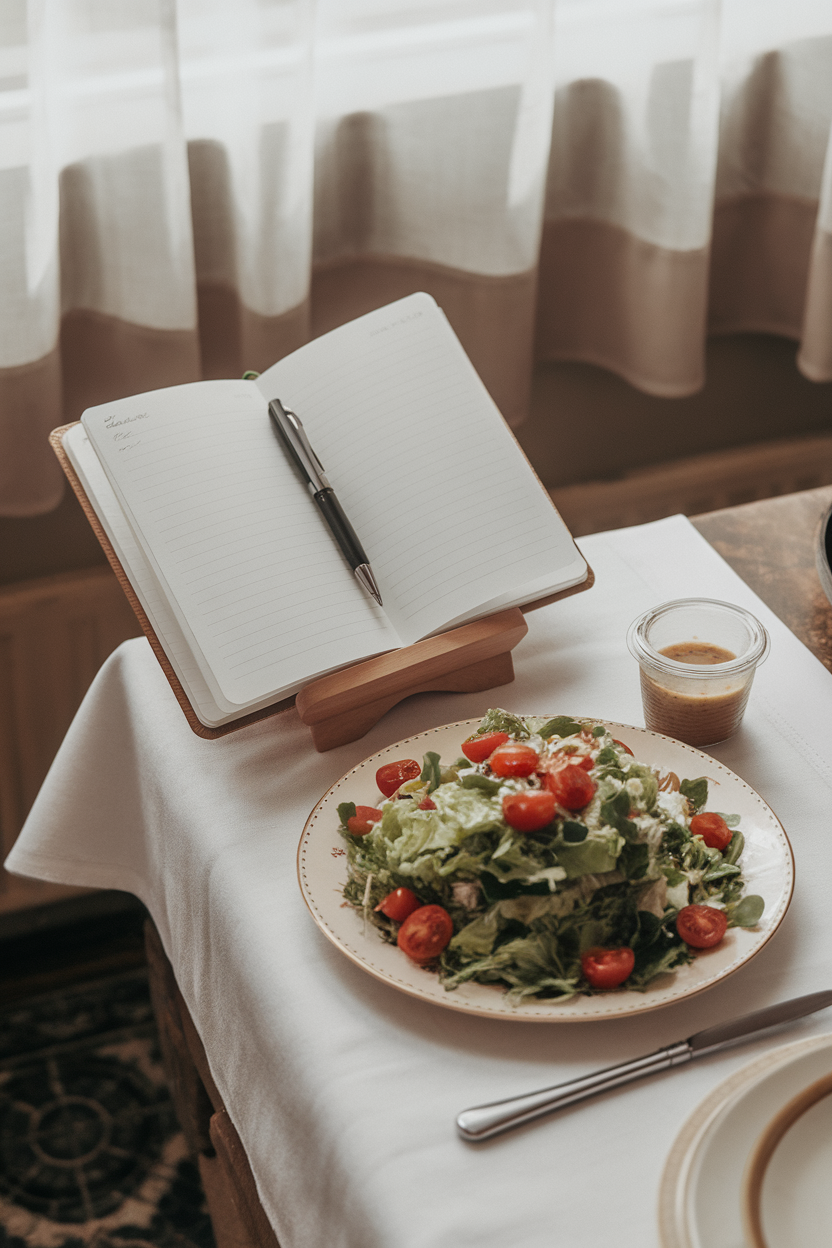
Writing down what you eat boosts awareness of habits you might overlook when relying on memory. Patterns like late-night snacking or inadequate protein at breakfast become clear on paper. Review entries weekly to celebrate improvements and spot areas needing attention. Digital apps can simplify tracking if paper isn’t your style.
29. Plan Meals Weekly
A simple plan guides grocery shopping, reduces weeknight stress, and limits last-minute takeout. Include quick fallback meals for unexpected schedule changes. Posting the plan where everyone can see it encourages household participation and accountability. Over time, building a rotation of favorite clean recipes streamlines the process.
30. Try Meatless Mondays
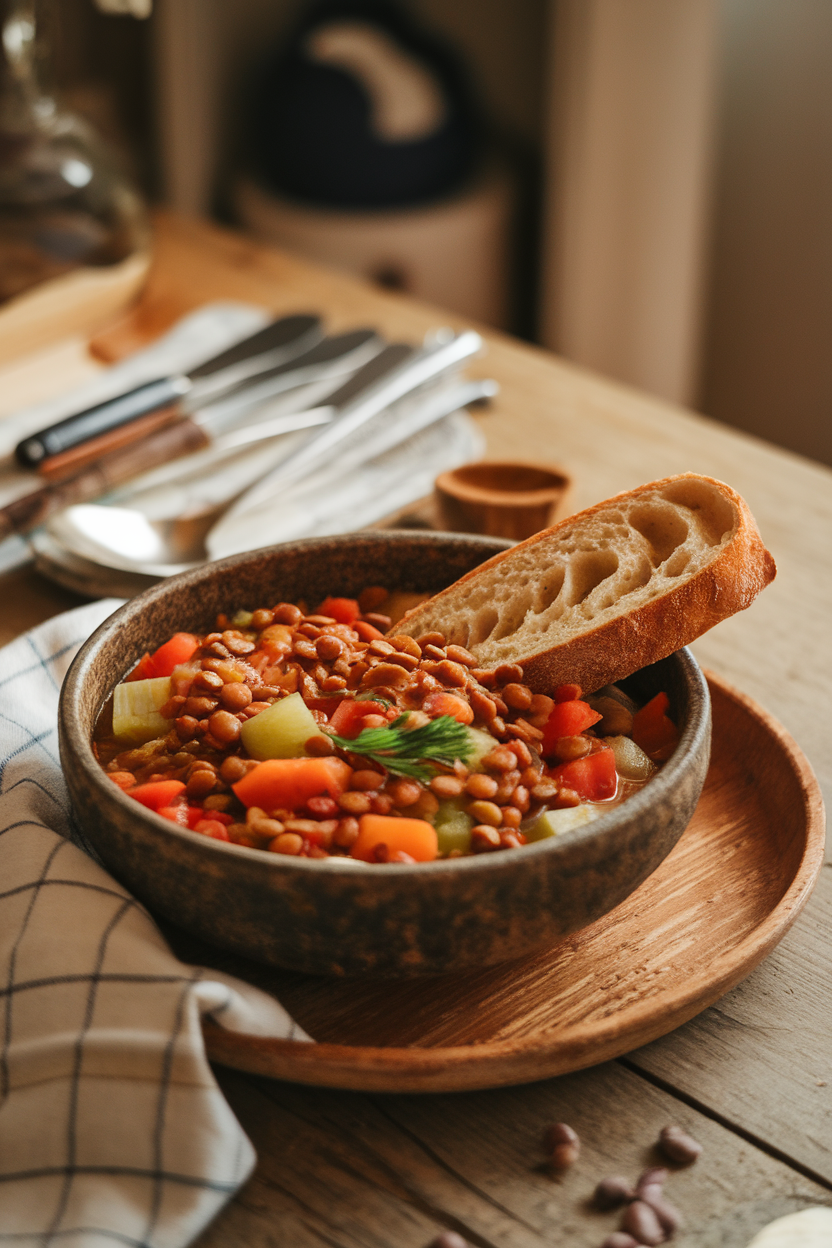
Reducing meat one day a week lowers saturated fat intake and introduces new plant-based proteins. Beans, lentils, tofu, and tempeh deliver satisfying texture and plenty of nutrients. This small step benefits both health and environmental sustainability. Check blogs or cookbooks for creative vegetarian main dishes to keep the habit interesting.
31. Use Smaller Plates and Bowls
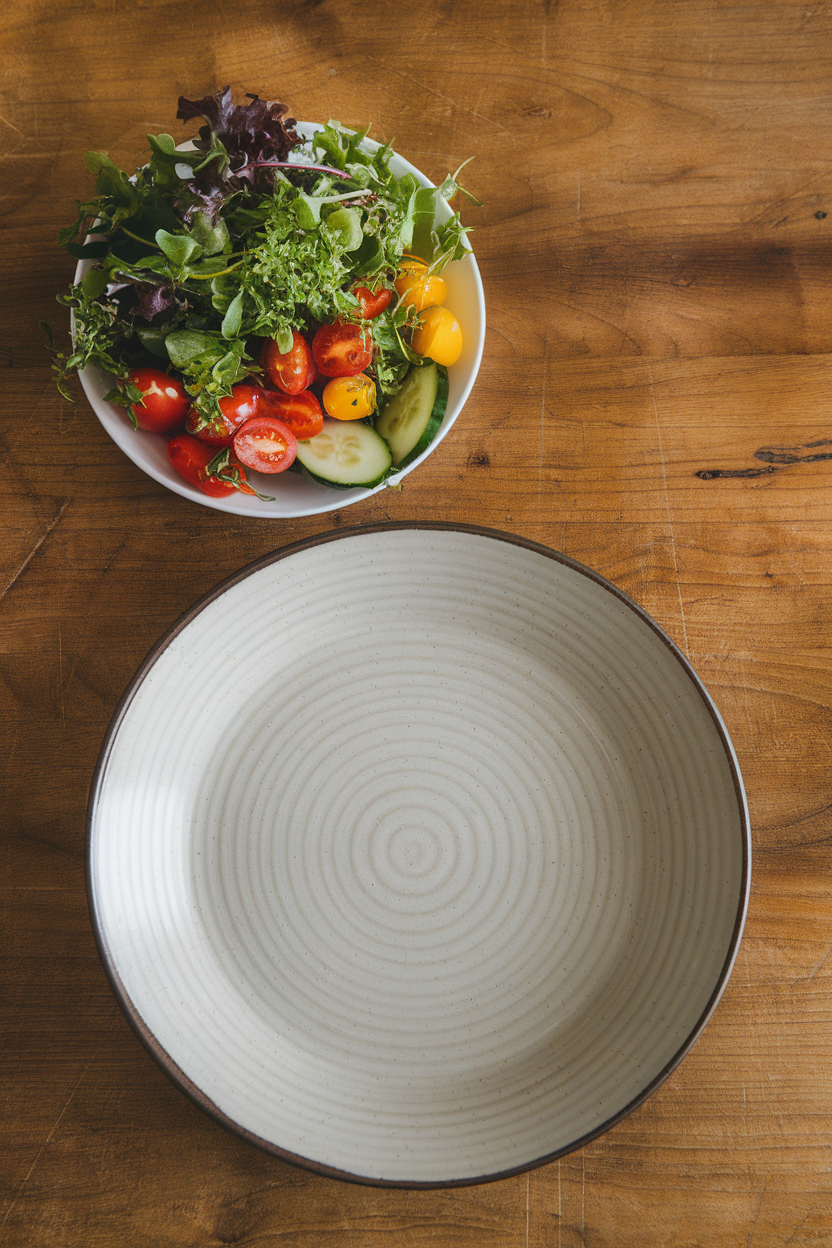
Visual cues strongly influence how full we feel. A modest serving looks abundant on a petite plate, encouraging satisfaction with less. Research shows people may unknowingly consume fewer calories using this strategy. Combine it with mindful eating for best results.
32. Slow Down at Meals
Satiety signals take roughly 20 minutes to reach the brain. By slowing your pace, you give your body time to register fullness, preventing overeating. Put utensils down between bites and chew thoroughly. Enjoying conversation or music makes the experience more pleasurable and relaxed.
33. Limit Alcohol

Alcohol adds empty calories and can disrupt sleep quality, which influences hunger hormones the next day. Choose lower-sugar options like dry wine or substitute with mocktails. Setting a weekly limit or designating alcohol-free days keeps consumption in check. Hydrate with water between drinks to reduce overall intake.
34. Look for Foods with Five Ingredients or Fewer
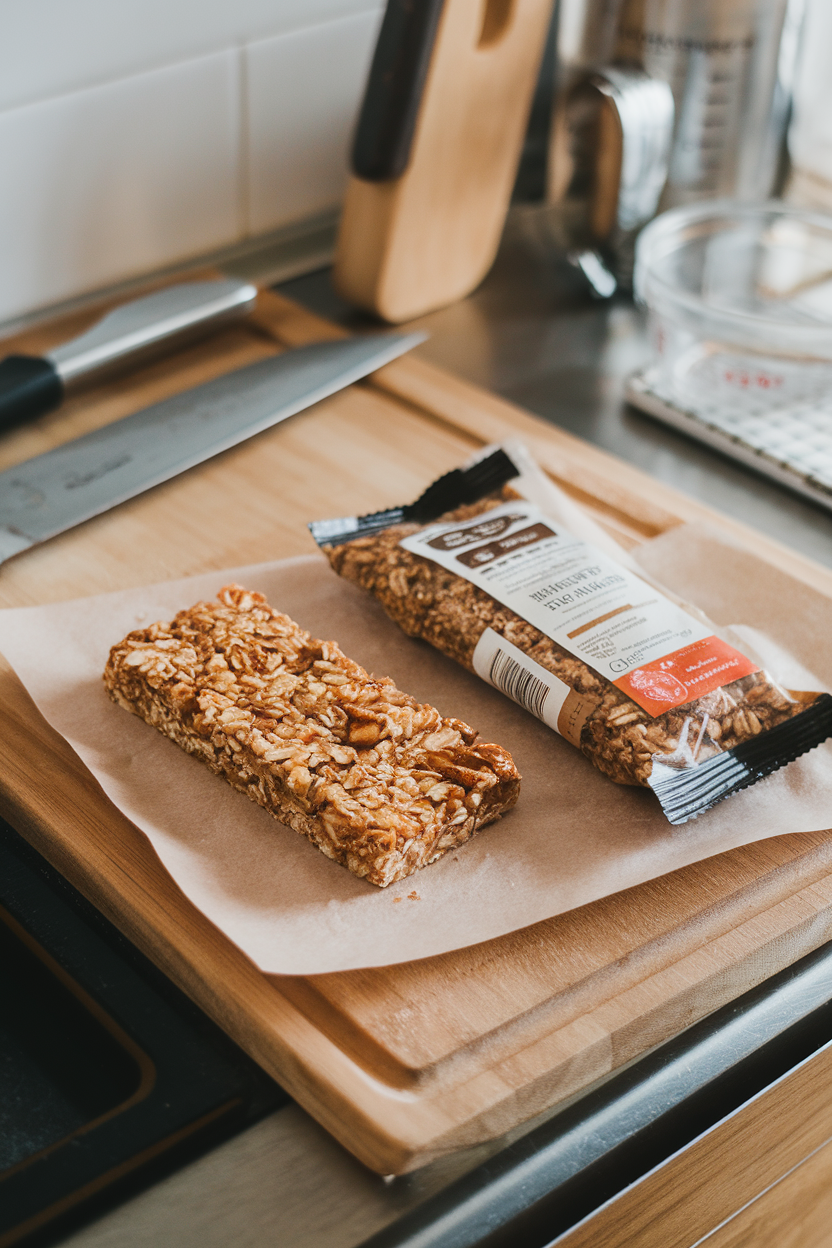
Short ingredient lists often mean less processing and fewer additives. This rule works well for bread, snack bars, and nut butters. Recognizable ingredients like oats, nuts, and honey beat tongue-twister preservatives every time. Simplicity helps you identify food intolerances more easily as well.
35. Choose Sustainable Seafood
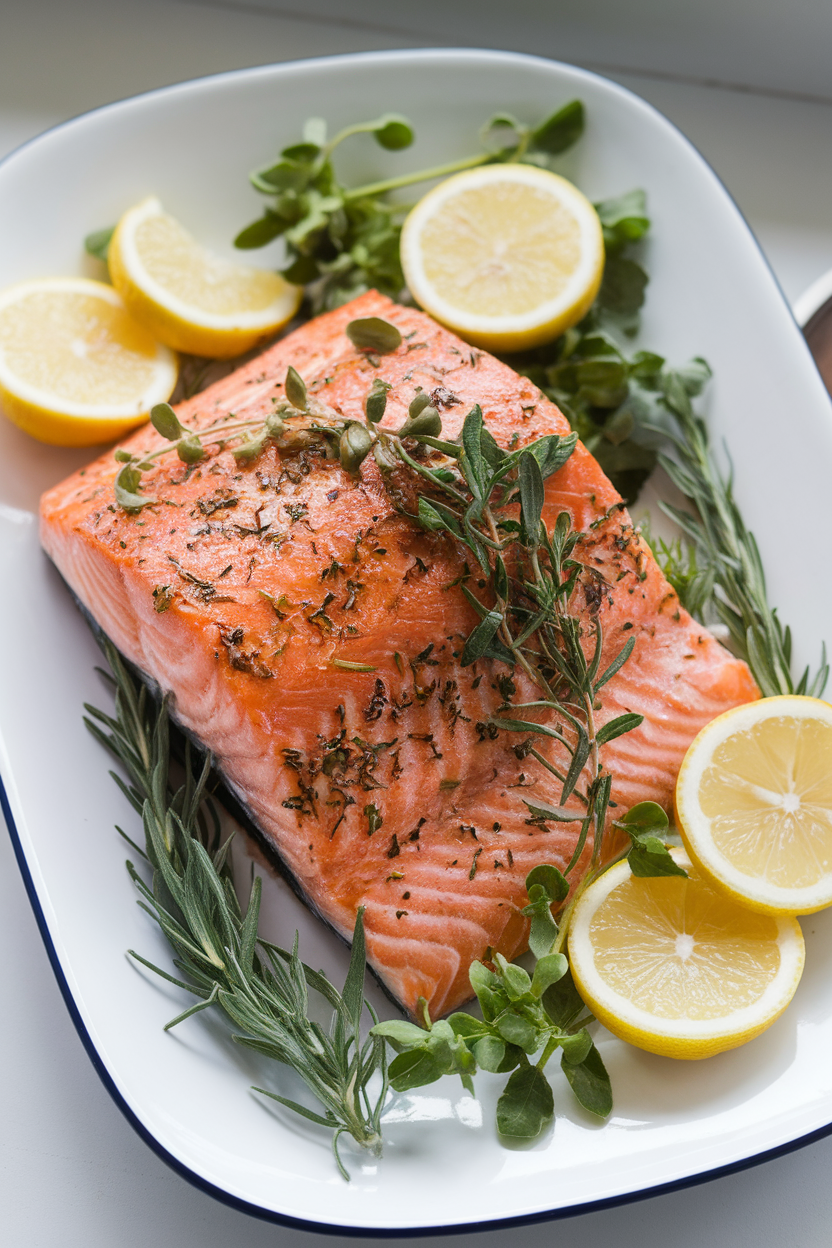
Wild-caught or responsibly farmed seafood supports ocean health and delivers higher omega-3 content in many cases. Check guides from reputable organizations for best choices in your region. Frozen sustainable fish often costs less and retains nutrients well. Baking or grilling with citrus and herbs keeps flavors bright and clean.
36. Don’t Skip Breakfast
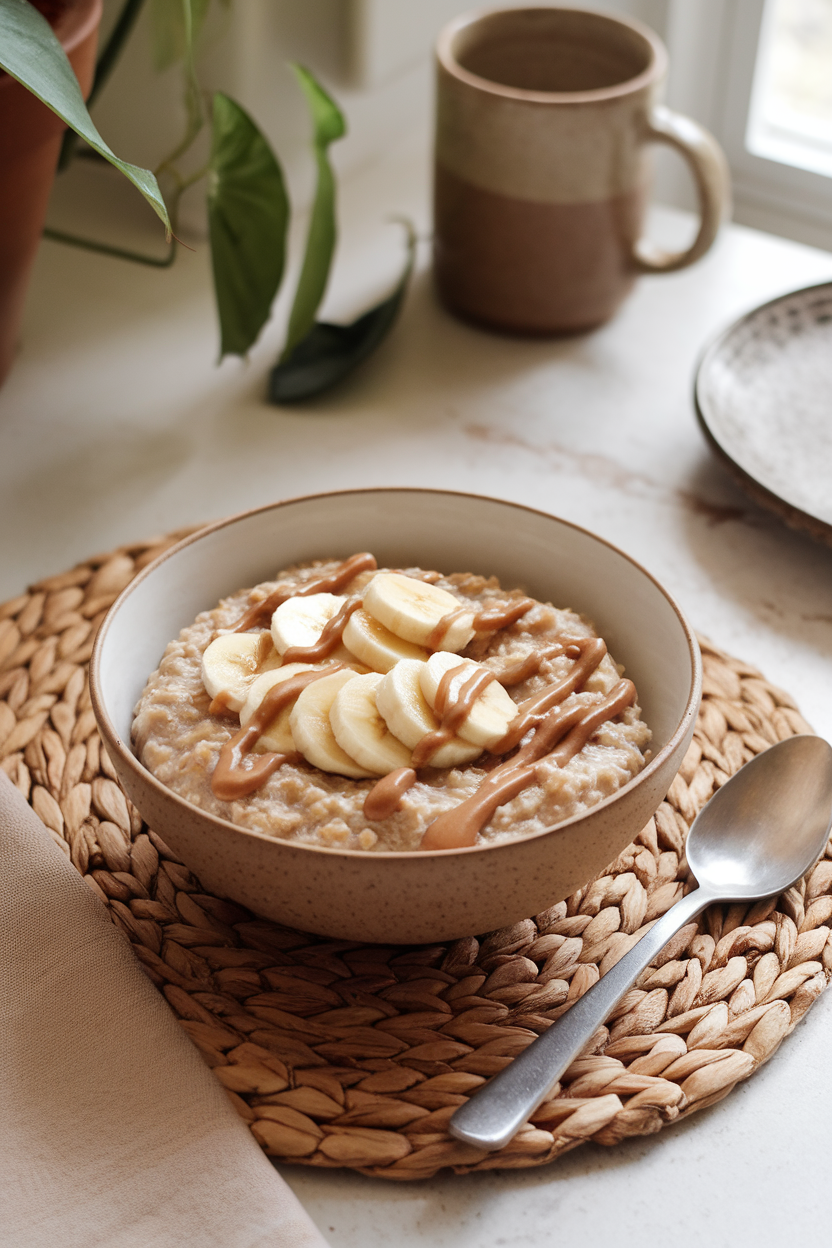
A balanced breakfast stabilizes blood sugar and curbs mid-morning cravings. Aim for a mix of complex carbs, protein, and healthy fat—think oatmeal with nuts and fruit or eggs with whole-grain toast. If mornings are hectic, prep overnight oats or freezer breakfast burritos. Consistency sets a positive tone for the day ahead.
37. Blend Veggies into Smoothies
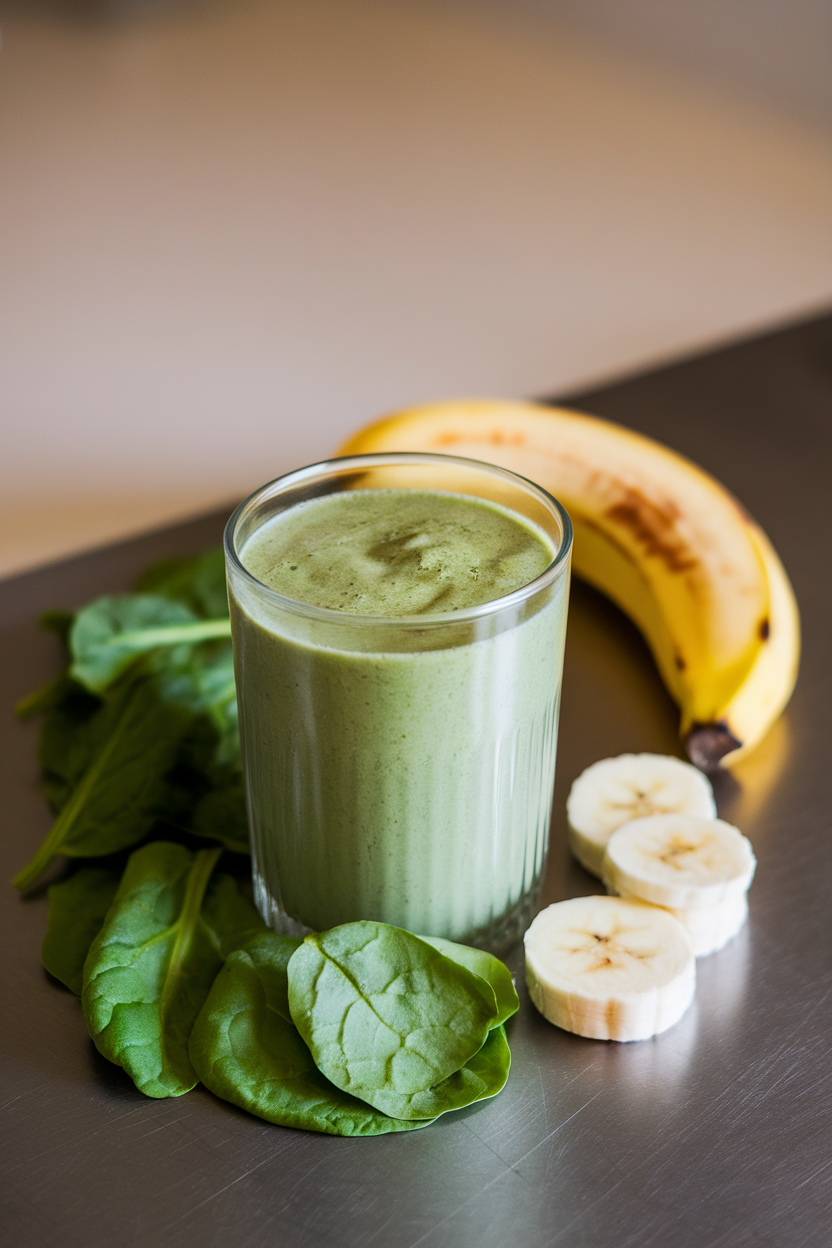
Leafy greens, cauliflower, or zucchini add fiber and nutrients without overpowering fruit flavors. Frozen vegetables create a thick texture and chill the drink without ice. Start with a handful of spinach and graduate to bolder choices like kale. Monitor portion sizes; liquid calories can add up quickly.
38. Check Labels for Trans Fats
Even tiny amounts of industrial trans fats can raise LDL cholesterol and lower HDL cholesterol. Look for “partially hydrogenated oils” in ingredient lists and avoid products containing them, even if the nutrition panel claims zero grams. Governments have restricted these fats, but they still appear in imported or older products. Switching to minimally processed snacks is a safer bet.
39. Snack on Seeds
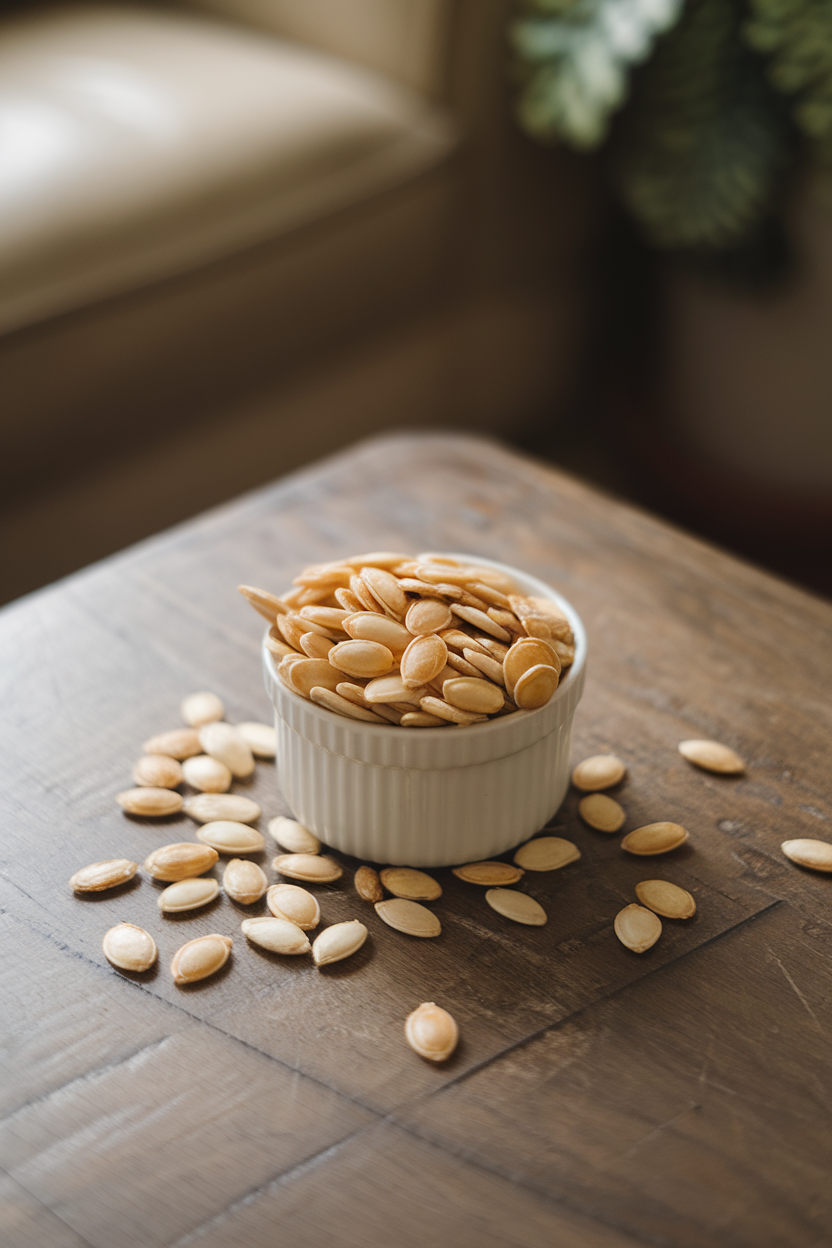
Seeds like pumpkin, sunflower, chia, and flax offer plant-based omega-3s, protein, and minerals such as magnesium and zinc. They’re easy to sprinkle on yogurt, salads, or oatmeal for crunch and nutrition. Roasting seeds at home with light seasoning enhances flavor without extra additives. Store them in the fridge to preserve healthy oils.
40. Choose Unsweetened Dairy or Alternatives
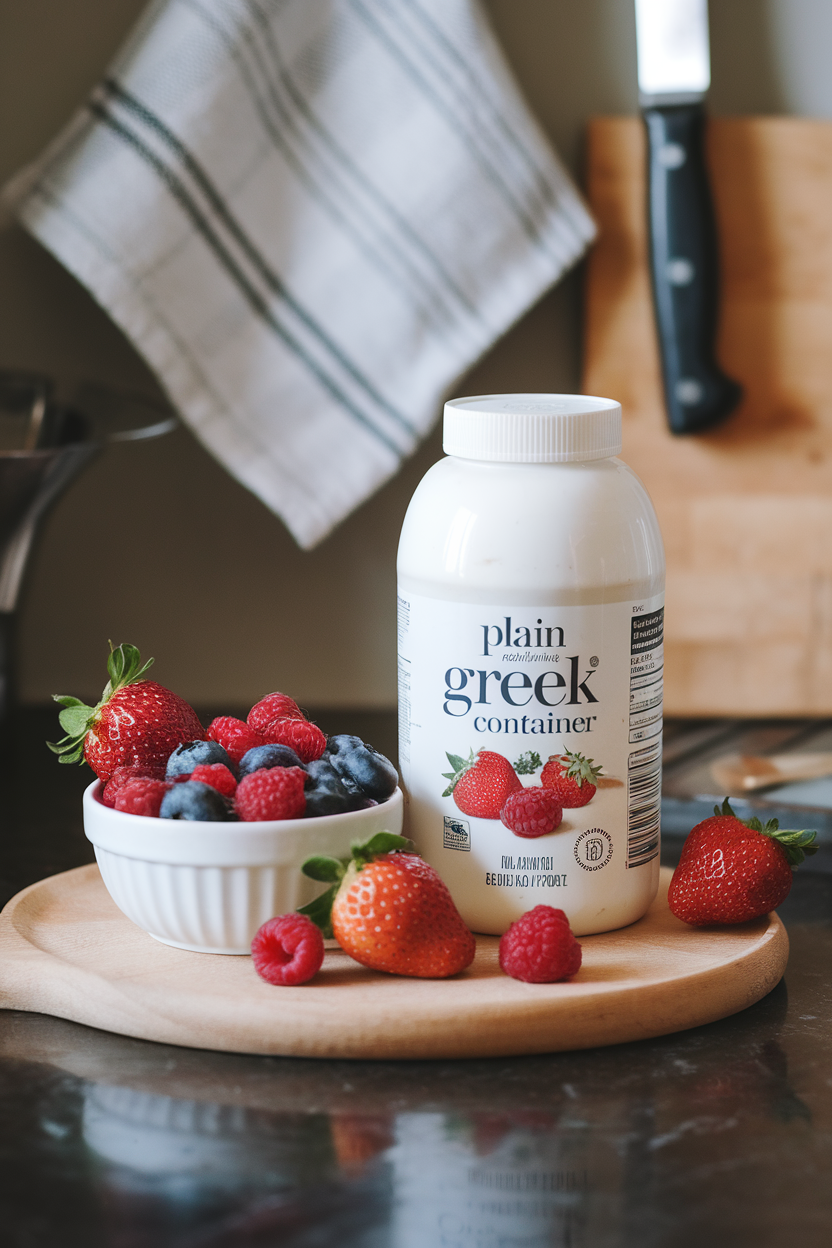
Flavored yogurts and plant milks can hide surprising amounts of sugar. Selecting unsweetened versions lets you control sweetness and keeps added sugar in check. Add fresh fruit or a drizzle of honey if desired. Calcium-fortified almond or soy milk works well for those avoiding dairy.
41. Keep Healthy Frozen Produce
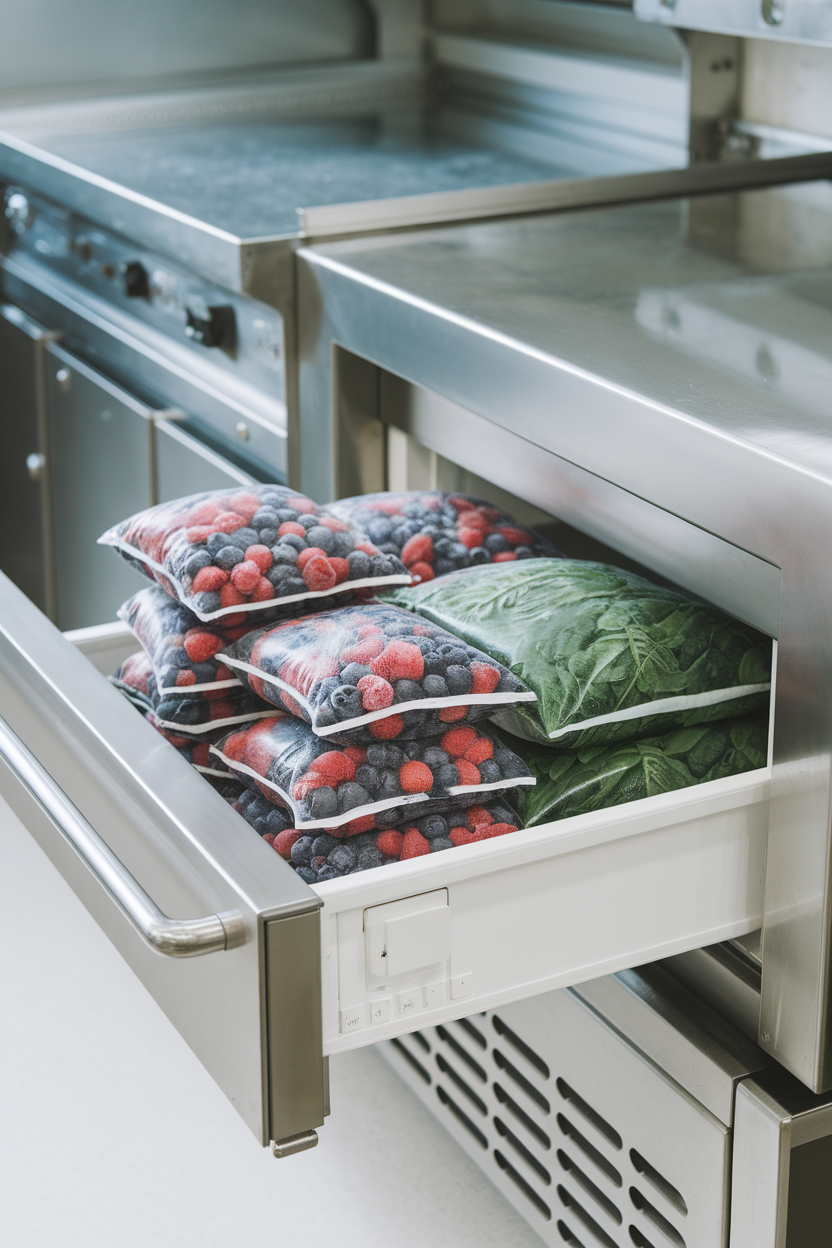
Frozen fruits and vegetables are flash-frozen at peak ripeness, locking in nutrients. They shorten prep time and reduce spoilage, especially for out-of-season items. Stocking your freezer means smoothies, stir-fries, or soups are always within reach. Rinse frozen veggies briefly to remove ice crystals before cooking.
42. Experiment with Ancient Grains
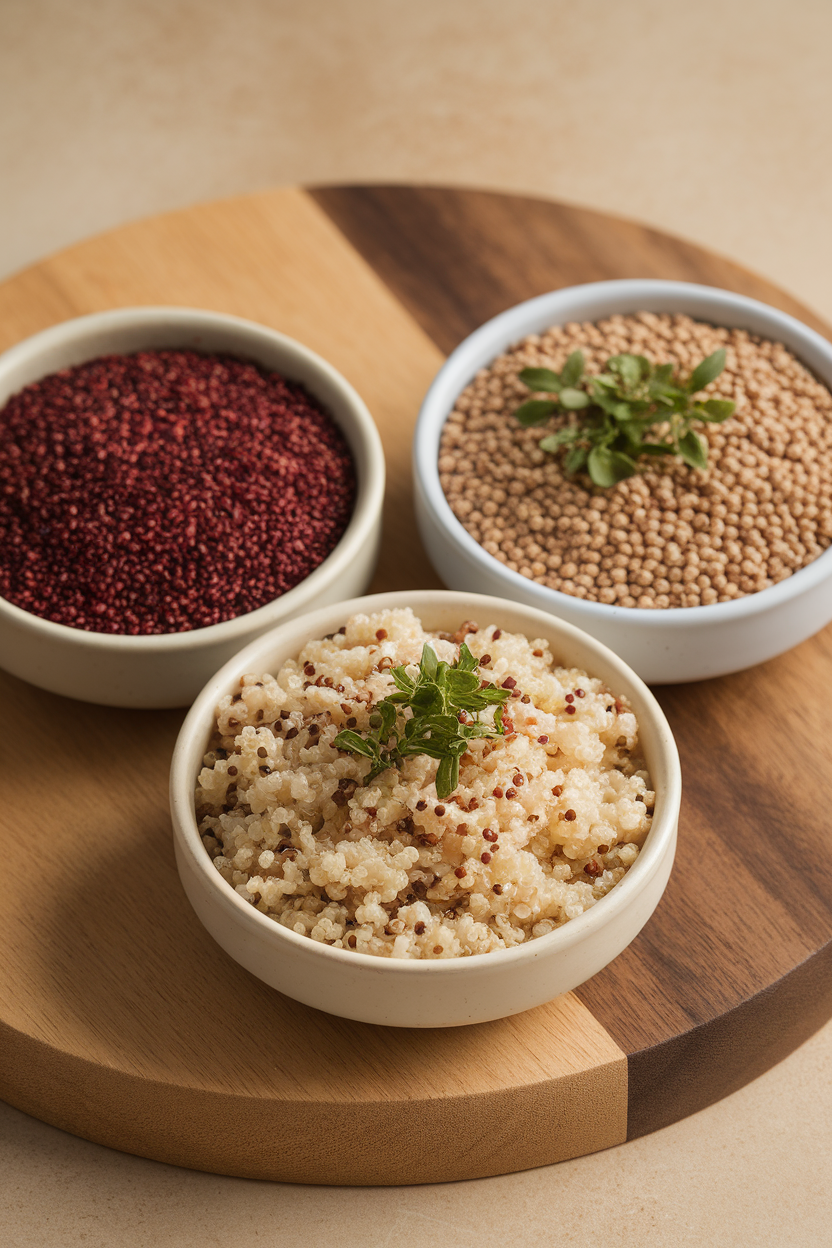
Ancient grains supply diverse amino acids, fiber, and a nutty flavor profile that livens up meals. Quinoa cooks in about 15 minutes and doubles as a base for salads or warm bowls. Farro and freekeh add chewy texture to soups and stews. Rotating grains broadens nutrient intake and keeps menus exciting.
43. Use Natural Sweeteners Sparingly

Honey, maple syrup, and fruit purées contain beneficial compounds absent from refined sugar but still impact blood glucose. Treat them as occasional flavor enhancers rather than daily staples. Measuring before pouring helps keep portions modest. Combining spices like cinnamon or vanilla can enhance perceived sweetness without extra sugar.
44. Listen to Hunger and Fullness Cues

Eating on autopilot overrides the body’s natural regulatory signals. Pause mid-meal and ask yourself how hungry you still feel. Stopping at comfortable fullness, not stuffed, supports weight management and digestion. Keeping a level 1–10 hunger scale in mind can help guide decisions.
45. Bake Instead of Deep-Fry
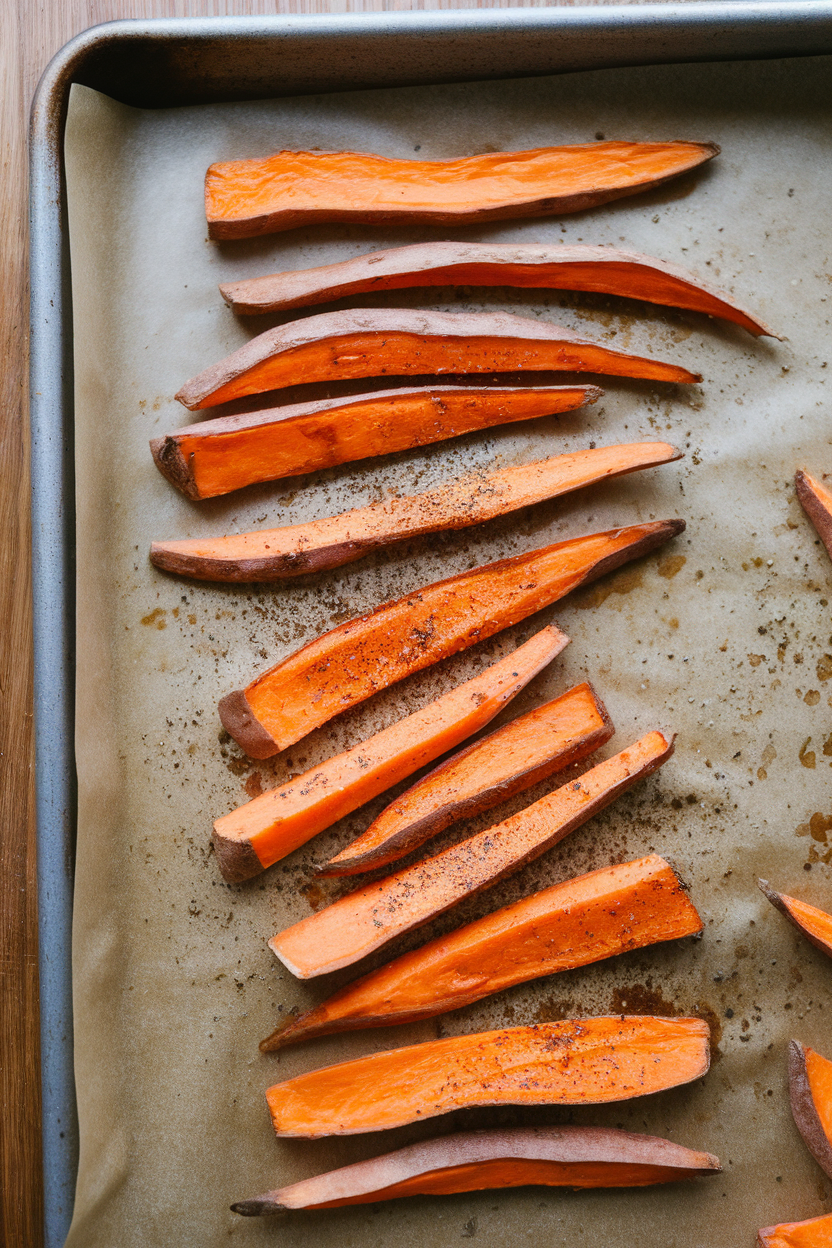
Baking uses far less oil, cutting calories while still delivering satisfying crunch. Coat foods with a thin layer of oil and place on a wire rack for extra crispness. Turning once mid-bake helps brown all sides evenly. Spices like paprika, garlic powder, or cumin add flavor without additional fat.
46. Add Leafy Greens to Every Meal

Greens such as spinach, kale, and arugula pack vitamins A, C, and K along with minerals like iron. Fold them into omelets, blend into smoothies, or pile onto sandwiches. Keeping a pre-washed mix in the fridge simplifies the task. Quick sautéing with garlic makes a tasty side in under five minutes.
47. Make Healthy Swaps When Dining Out
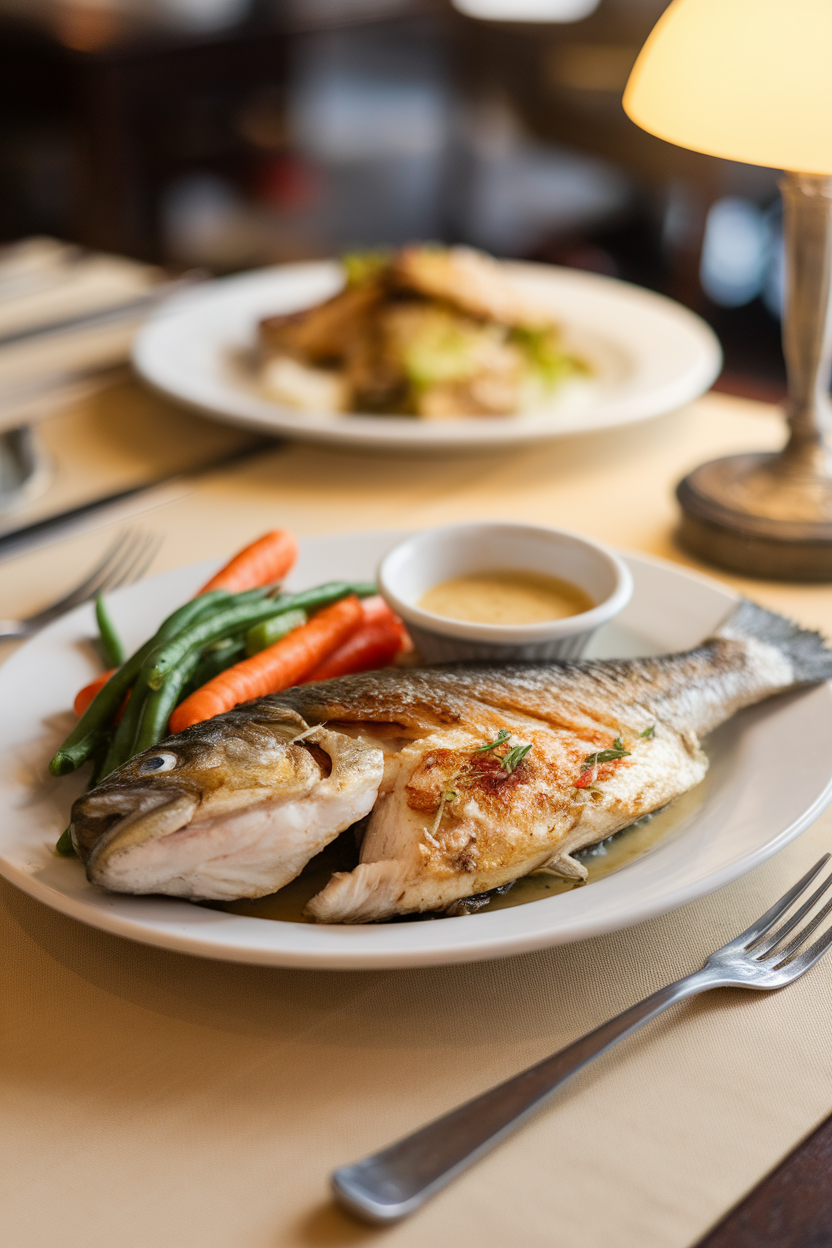
Request dressings and sauces on the side to control portions and opt for grilled or baked proteins instead of fried. Substitute fries with a side salad or extra vegetables. Many restaurants accommodate simple adjustments when asked politely. Focusing on lean protein and colorful produce keeps meals aligned with clean-eating goals.
48. Enjoy Dark Chocolate in Moderation

Dark chocolate rich in cocoa provides flavonoids that may support cardiovascular health. A small square or two can satisfy sweet cravings without derailing progress. Look for bars with at least 70 percent cocoa and minimal added sugar. Pairing with fruit adds fiber and further curbs overindulgence.
49. Follow Safe Food-Handling Practices

Clean eating also means eating safely. Wash hands before and after handling raw proteins, use separate cutting boards for meat and produce, and refrigerate leftovers promptly. Harmful bacteria can undo the health benefits of even the freshest foods. A kitchen thermometer ensures meats reach safe internal temperatures.
50. Celebrate Progress, Not Perfection
Sustainable change thrives on positive reinforcement. Acknowledge each win, whether it’s drinking more water this week or adding an extra serving of vegetables. Occasional indulgences are part of real life and don’t negate overall progress. Keep moving forward by setting new, realistic goals that build on your successes.

Nathaniel Lee is an avid cook, drawing on his decades of home cooking and fine dining experience. He is a contributing chef at Mashed, and his recipes and contributions have been featured in Tasting Table, Edible Arrangements, Insanely Good Recipes, and The Daily Meal.