Healthy habits don’t have to be complicated. A handful of tiny tweaks—repeated day after day—can snowball into big results for energy, mood, and longevity. The seventy tips below are all practical, budget-friendly, and totally doable even on a packed schedule.
Contents
- 1. Prep a Week’s Worth of Veggies at Once
- 2. Line Berry Containers with Paper Towels
- 3. Keep Healthy Snacks at Your Desk
- 4. Drink Water Before Your Morning Coffee
- 5. Swap Soda for Sparkling Water with Fruit
- 6. Use Smaller Plates to Guide Portions
- 7. Build Meals Around Whole Grains
- 8. Double Recipes and Freeze Leftovers
- 9. Keep Fresh Herbs in a Glass of Water
- 10. Cook Dried Beans in Bulk and Freeze Portions
- 11. Make Your Own Salad Dressings
- 12. Shop with a Detailed List
- 13. Read Ingredient Labels First, Nutrition Facts Second
- 14. Store Indulgent Treats Out of Sight
- 15. Start Dinner with a Side Salad
- 16. Roast Instead of Frying
- 17. Invest in a High-Powered Blender
- 18. Pack Lunch the Night Before
- 19. Season with Spices, Not Excess Salt
- 20. Toss Leafy Greens into Smoothies
- 21. Choose Plain Yogurt and Sweeten It Yourself
- 22. Pre-Portion Nuts to Avoid Mindless Munching
- 23. Bake with Mashed Banana Instead of Added Sugar
- 24. Replace White Pasta with Whole-Wheat or Legume Varieties
- 25. Eat Seasonal Produce
- 26. Keep Cut Citrus Wedges in the Fridge
- 27. Use Avocado in Place of Mayo
- 28. Put Your Fork Down Between Bites
- 29. Schedule Meatless Mondays
- 30. Keep a Vibrant Fruit Bowl on the Counter
- 31. Batch-Roast Sweet Potatoes
- 32. DIY Trail Mix without Added Candy
- 33. Freeze Overripe Fruit for Smoothies
- 34. Keep a One-Week Food Journal
- 35. Choose Steel-Cut Oats Over Instant
- 36. Spiralize Vegetables for Noodle Dishes
- 37. Grill Fish Once a Week
- 38. Stock Low-Sodium Broth
- 39. Swap Sour Cream for Greek Yogurt
- 40. Grow Windowsill Herbs
- 41. Use Olive Oil Spray for Light Coating
- 42. Challenge Yourself to a Rainbow Plate Daily
- 43. Swap Chips for Air-Popped Popcorn
- 44. Keep Single-Serve Hummus Cups Handy
- 45. Blend Frozen Cauliflower into Soup
- 46. Buy Pre-Washed Greens if Time Is Tight
- 47. Marinate Proteins Overnight
- 48. Flavor Water with Cucumber and Mint
- 49. Pre-Portion Dark Chocolate Squares
- 50. Keep Homemade Soup Jars in the Freezer
- 51. Sprinkle Chia Seeds on Breakfast
- 52. Swap Tortillas for Lettuce Wraps
- 53. Roast Chickpeas for a Crunchy Snack
- 54. Prepare Overnight Oats
- 55. Bake Egg Cups for Grab-and-Go Breakfasts
- 56. Schedule a Weekly Grocery Trip
- 57. Reach for Fruit When Craving Dessert
- 58. Let a Slow Cooker Handle Lean Stews
- 59. Shred a Rotisserie Chicken for Quick Protein
- 60. Stock Tuna Packets for Emergency Protein
- 61. Save Vegetable Scraps for Homemade Stock
- 62. Follow an 80/20 Balance Rule
- 63. Check Menus Online Before Dining Out
- 64. Ask for Dressing on the Side
- 65. Split Large Entrées
- 66. Carry an Emergency Snack Kit
- 67. Stick to Regular Meal Times
- 68. Eat Without Screens
- 69. Keep a Few Healthy Frozen Meals on Hand
- 70. Celebrate Progress, Not Perfection
1. Prep a Week’s Worth of Veggies at Once
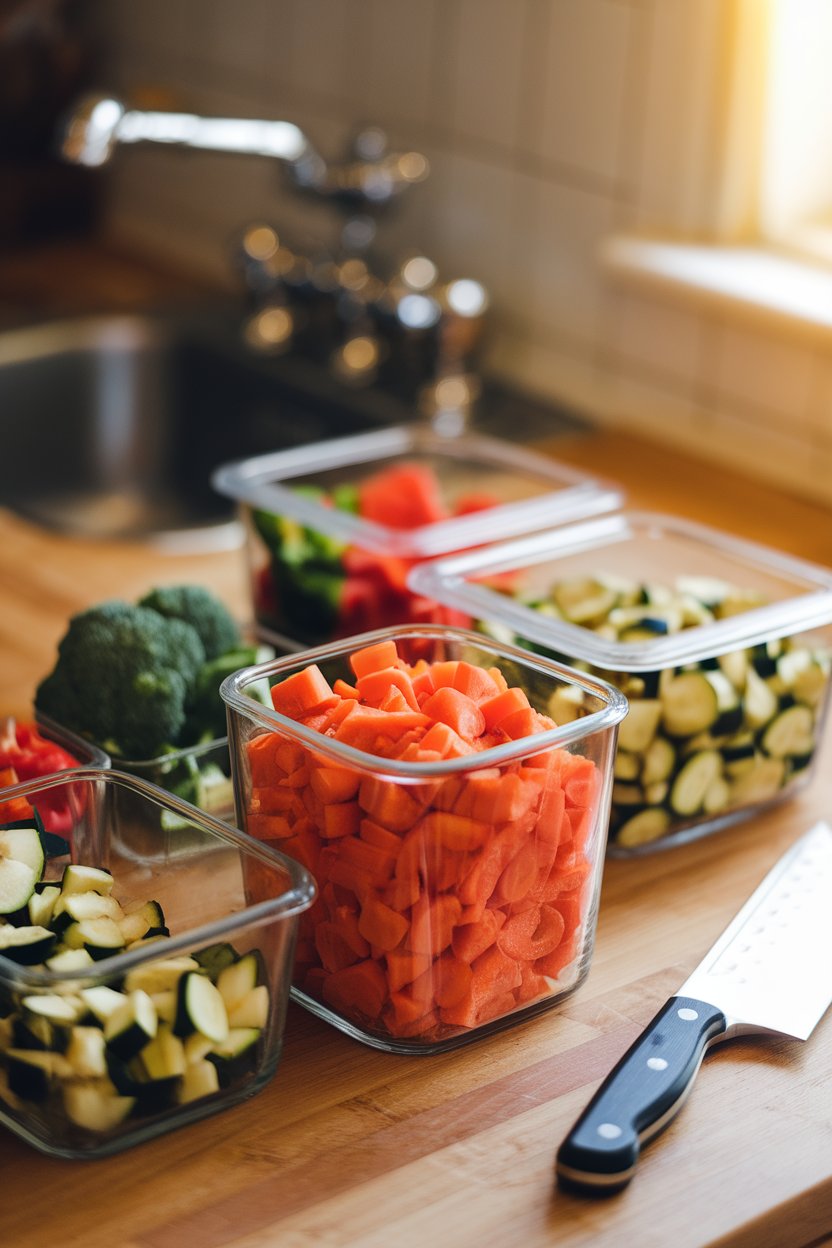
Wash, chop, and store produce right after shopping so colorful veggies are ready for quick meals or snacks. Seeing ready-to-use greens and peppers in clear containers nudges you to grab them instead of packaged snacks. It also cuts weekday cooking time in half.
2. Line Berry Containers with Paper Towels
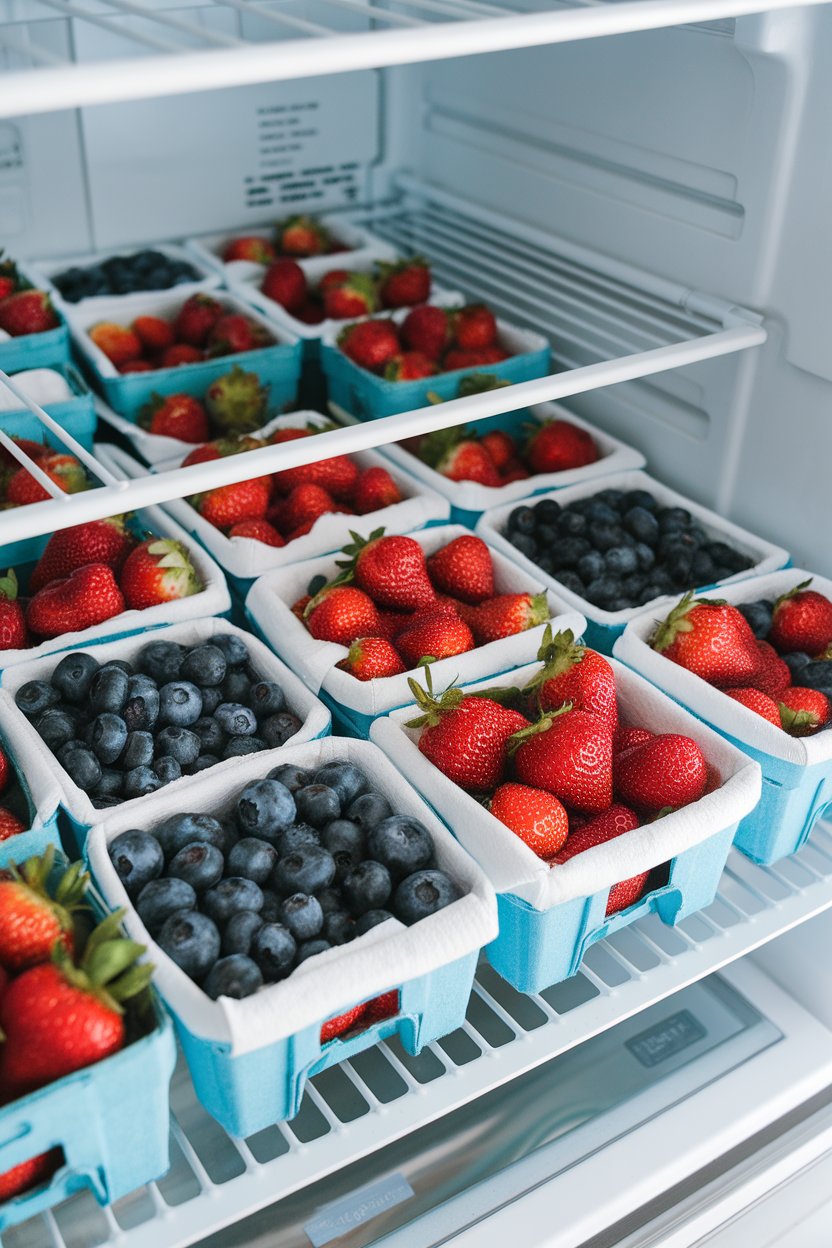
Moisture is the enemy of fresh berries. A paper towel absorbs condensation and keeps fruit firm for several extra days. Less spoilage means more antioxidant-rich snacks.
3. Keep Healthy Snacks at Your Desk
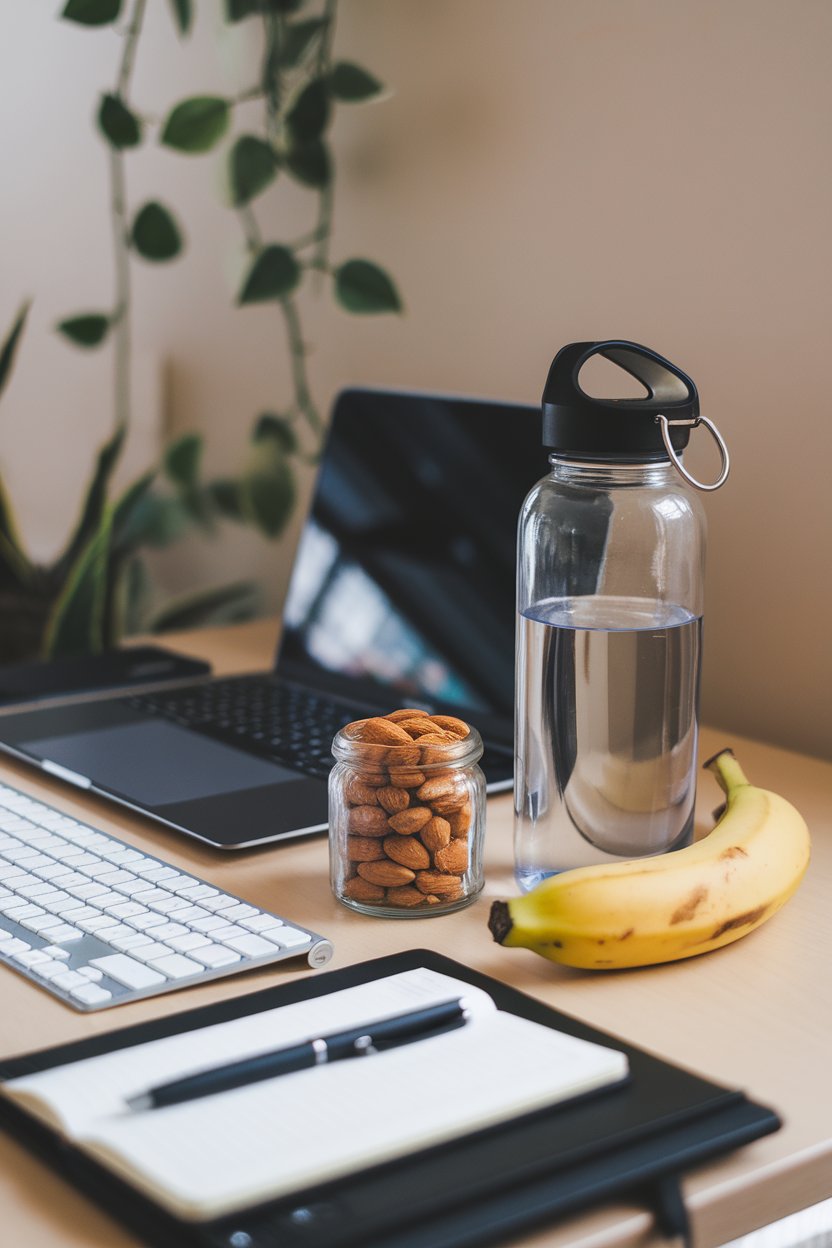
Stash nuts, fruit, or whole-grain crackers within reach to curb the vending-machine impulse. Having good options visible reduces the mental load of decision-making. Your afternoon energy levels stay steadier, too.
4. Drink Water Before Your Morning Coffee
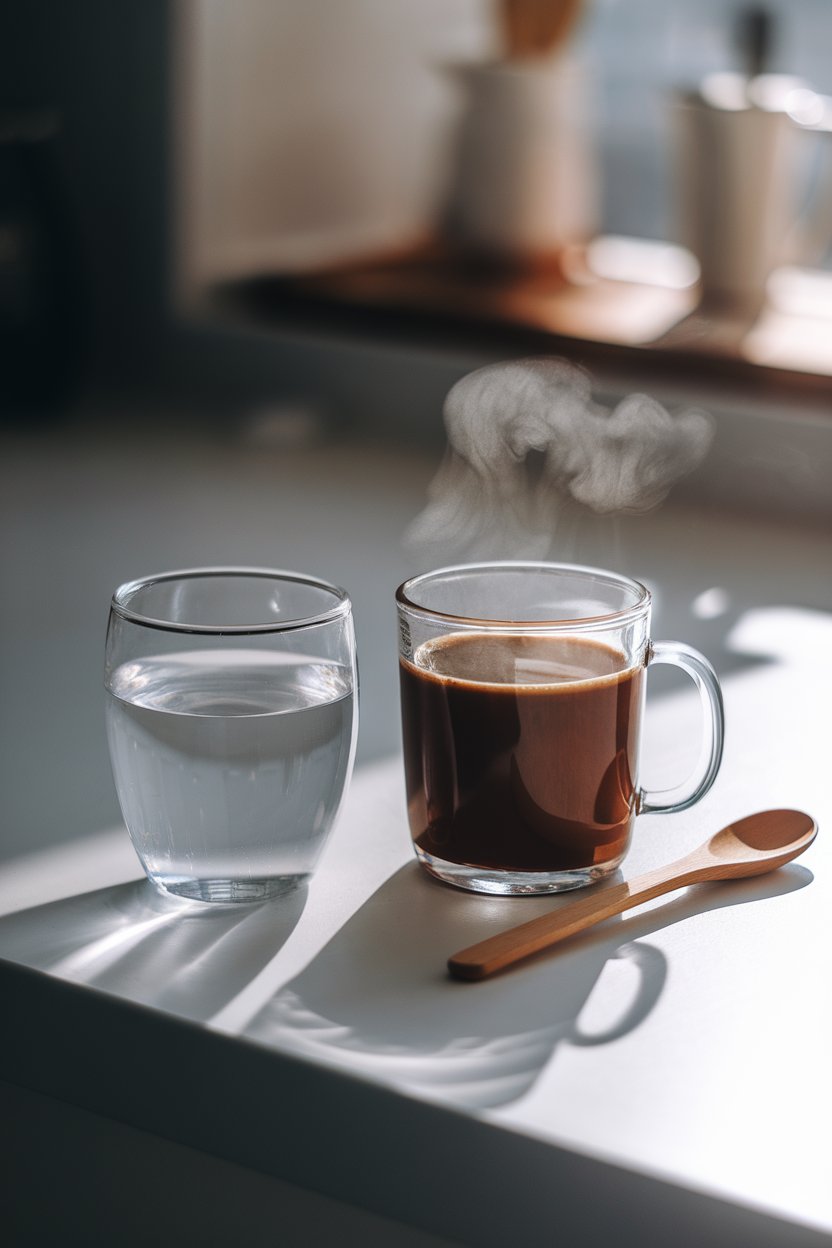
Rehydrating after sleep supports digestion and helps you wake up naturally. A full glass of water first thing can make that first cup of coffee less dehydrating. It’s a simple ritual that takes less than a minute.
5. Swap Soda for Sparkling Water with Fruit

Bubbly water gives the same fizz without the sugar crash. Adding citrus, berries, or cucumber keeps flavors interesting. Over time your taste buds adjust and sugary sodas lose their appeal.
6. Use Smaller Plates to Guide Portions
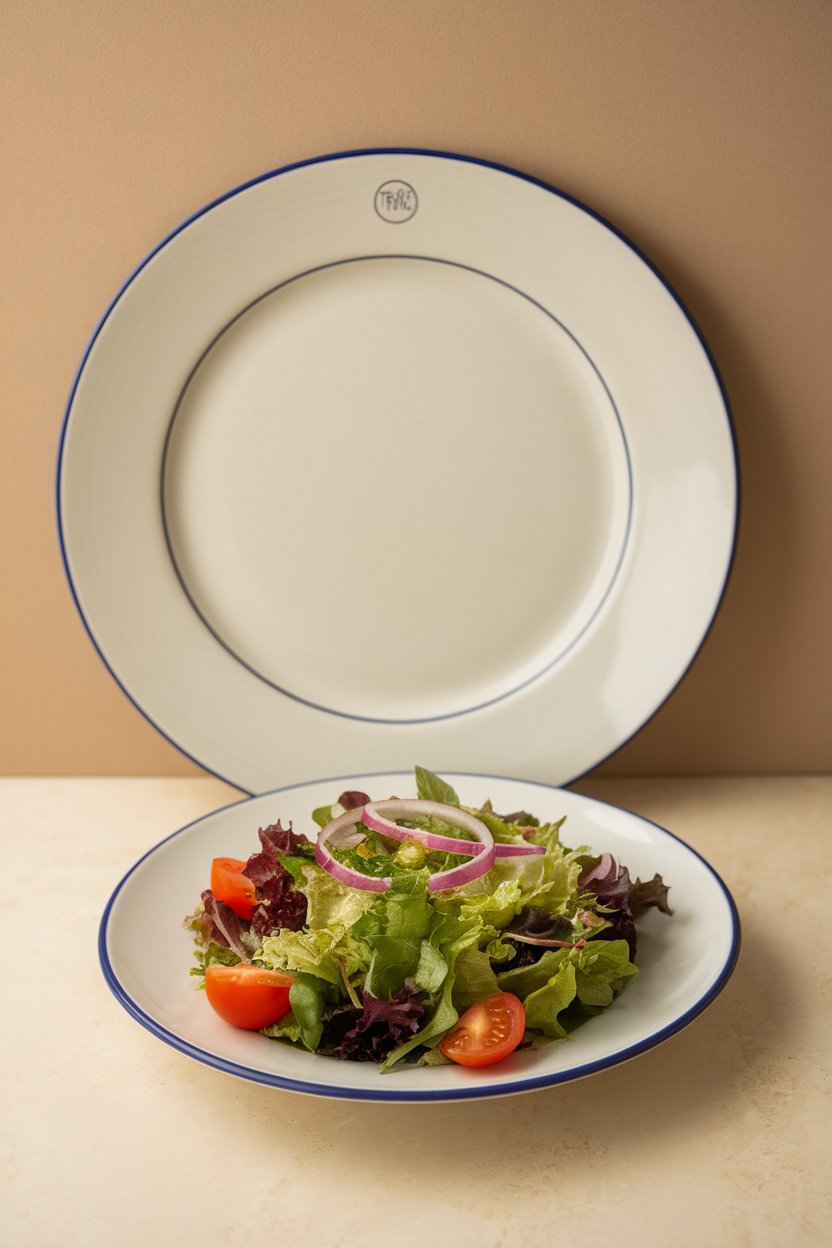
A nine-inch plate creates the illusion of a fuller meal, which naturally curbs overeating. This simple optical trick can cut hundreds of calories over the course of a week. You’ll still feel satisfied because the visual cue matters more than we realize.
7. Build Meals Around Whole Grains
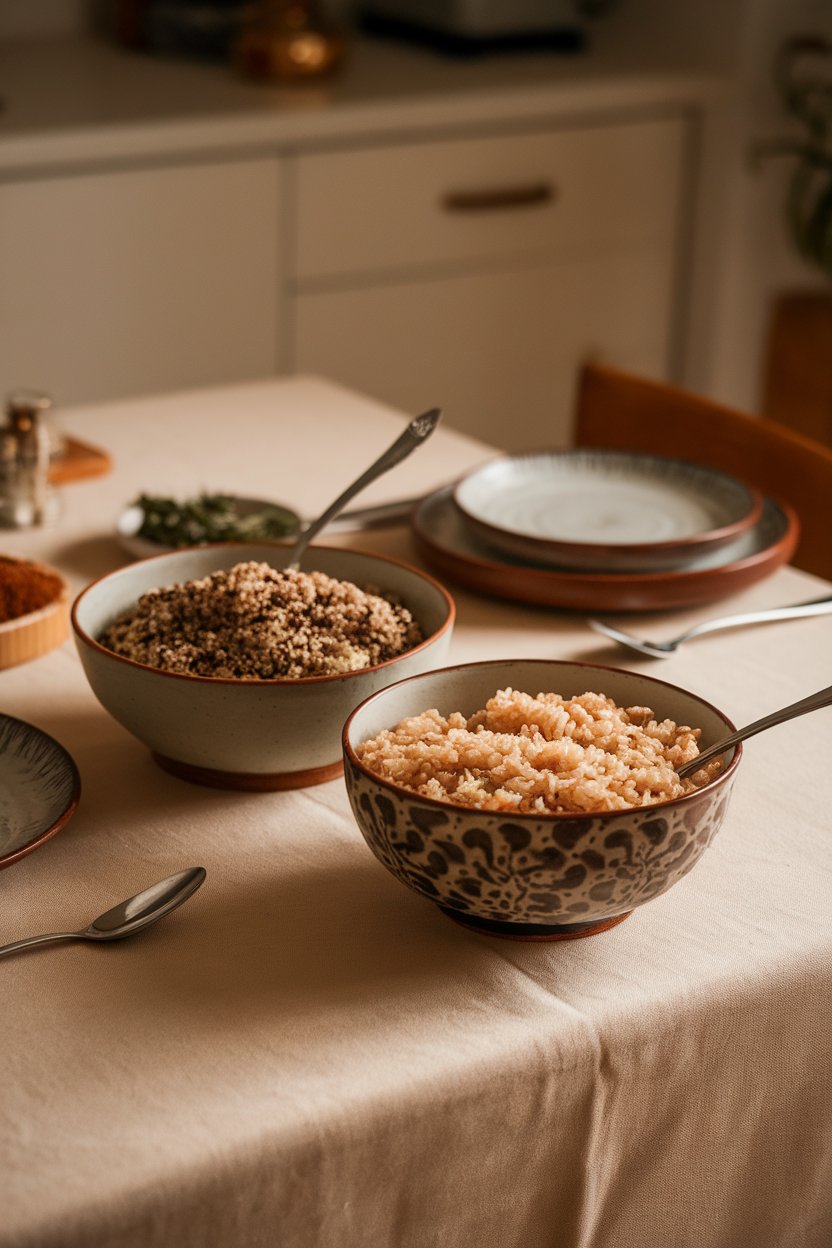
Swapping refined grains for quinoa, farro, or brown rice ups your fiber and mineral intake. Whole grains digest more slowly, helping keep blood sugar steady. They also add a nutty taste and satisfying texture.
8. Double Recipes and Freeze Leftovers
Cooking in bulk once means two or three easy dinners later. Frozen portions beat takeout when time is tight. Flavor often improves after resting in the freezer, especially for stews and sauces.
9. Keep Fresh Herbs in a Glass of Water
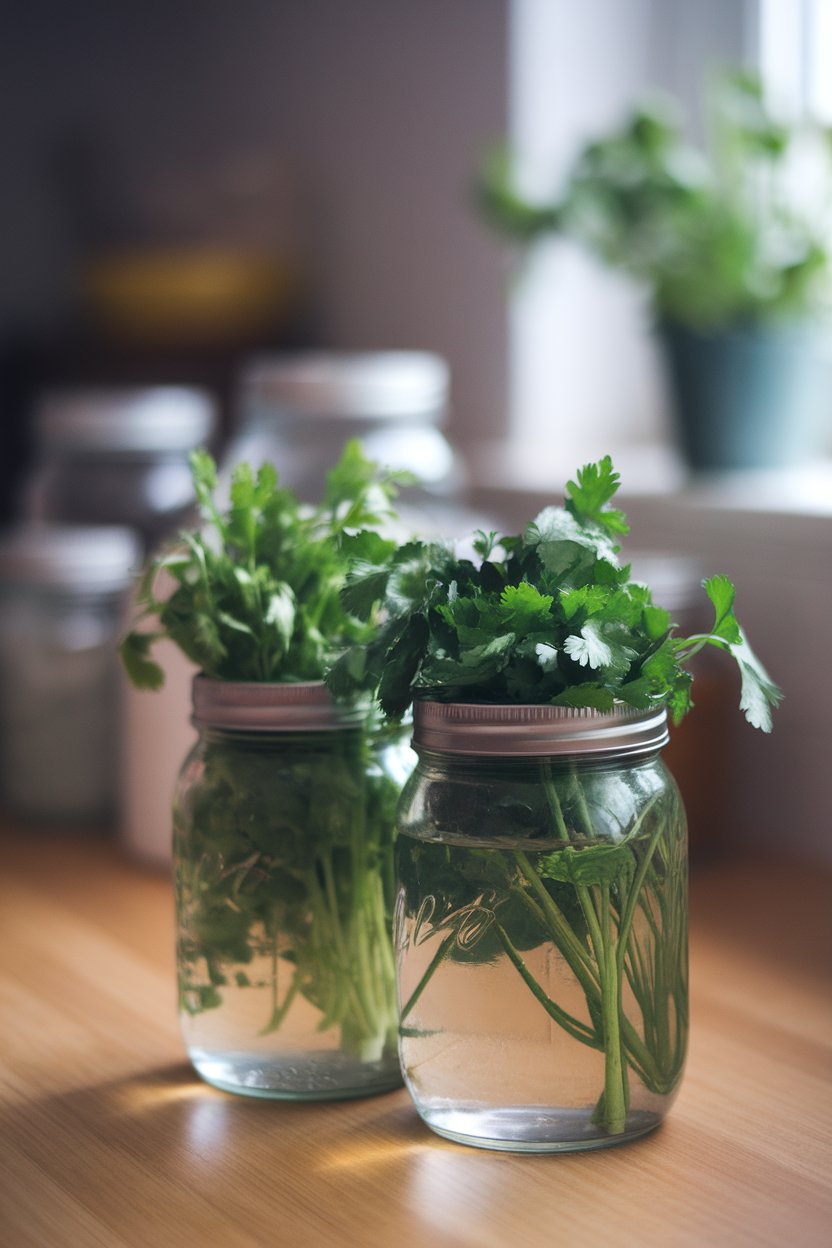
Treat herbs like tiny bouquets to extend their life by several days. Cover loosely with a produce bag for extra humidity. Fresher herbs translate to more vibrant flavor, reducing the need for heavy sauces.
10. Cook Dried Beans in Bulk and Freeze Portions
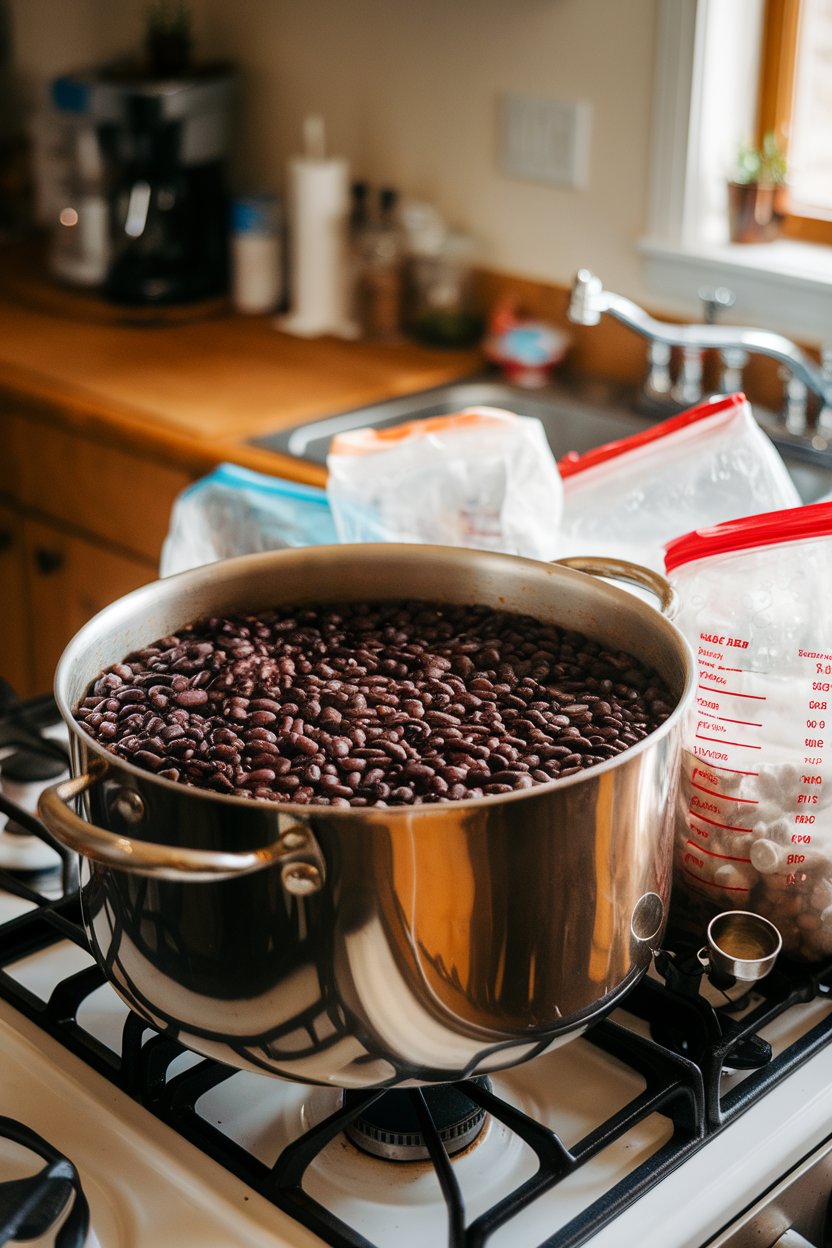
Dried beans cost pennies per serving and taste better than canned versions. Freezing them flat in thin layers lets you break off only what you need. They thaw quickly and are sodium-free.
11. Make Your Own Salad Dressings
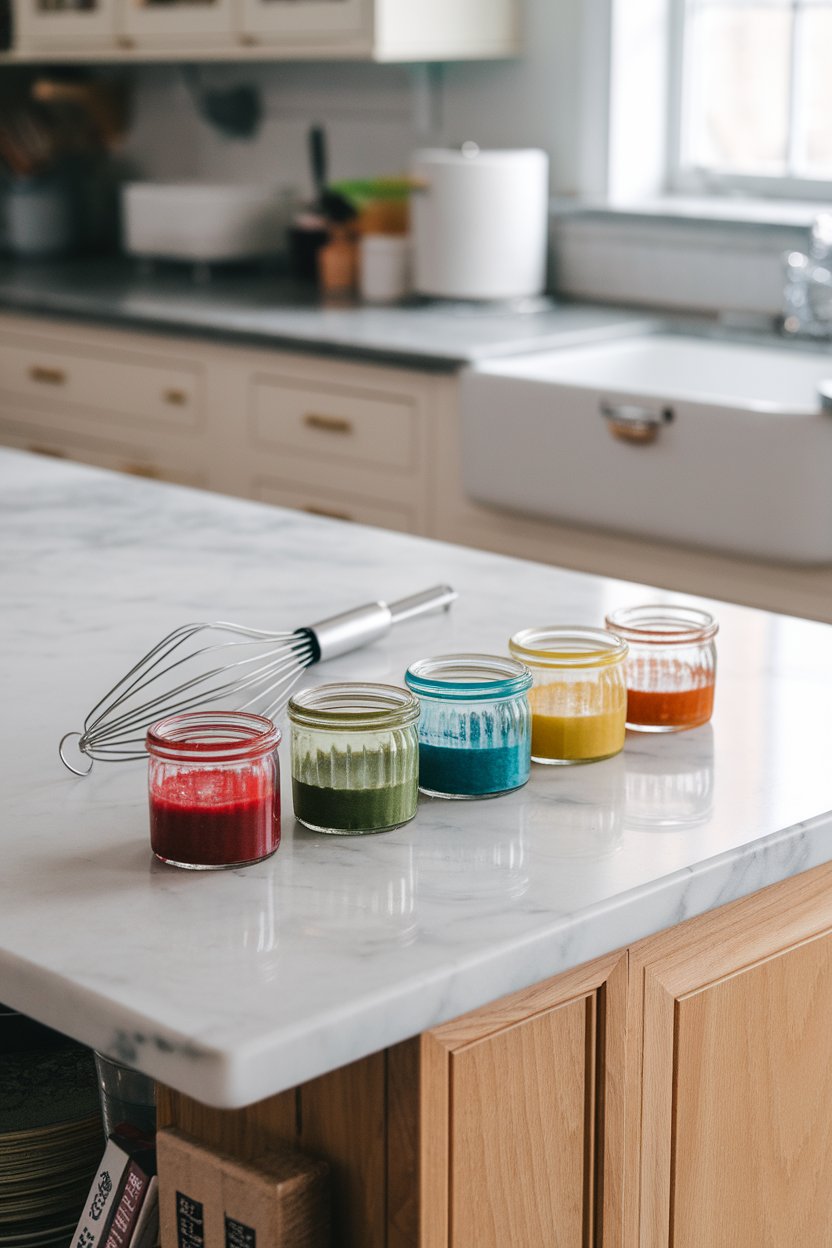
A basic ratio of three parts olive oil to one part acid plus herbs beats bottled dressings loaded with preservatives. Shake and store in the fridge for up to a week. Homemade versions cost less and spotlight fresh flavors.
12. Shop with a Detailed List
A list keeps impulse buys low and ensures you leave with ingredients that fit your plan. Organize it by store sections to save time. Sticking to a list can trim both calories and expenses.
13. Read Ingredient Labels First, Nutrition Facts Second
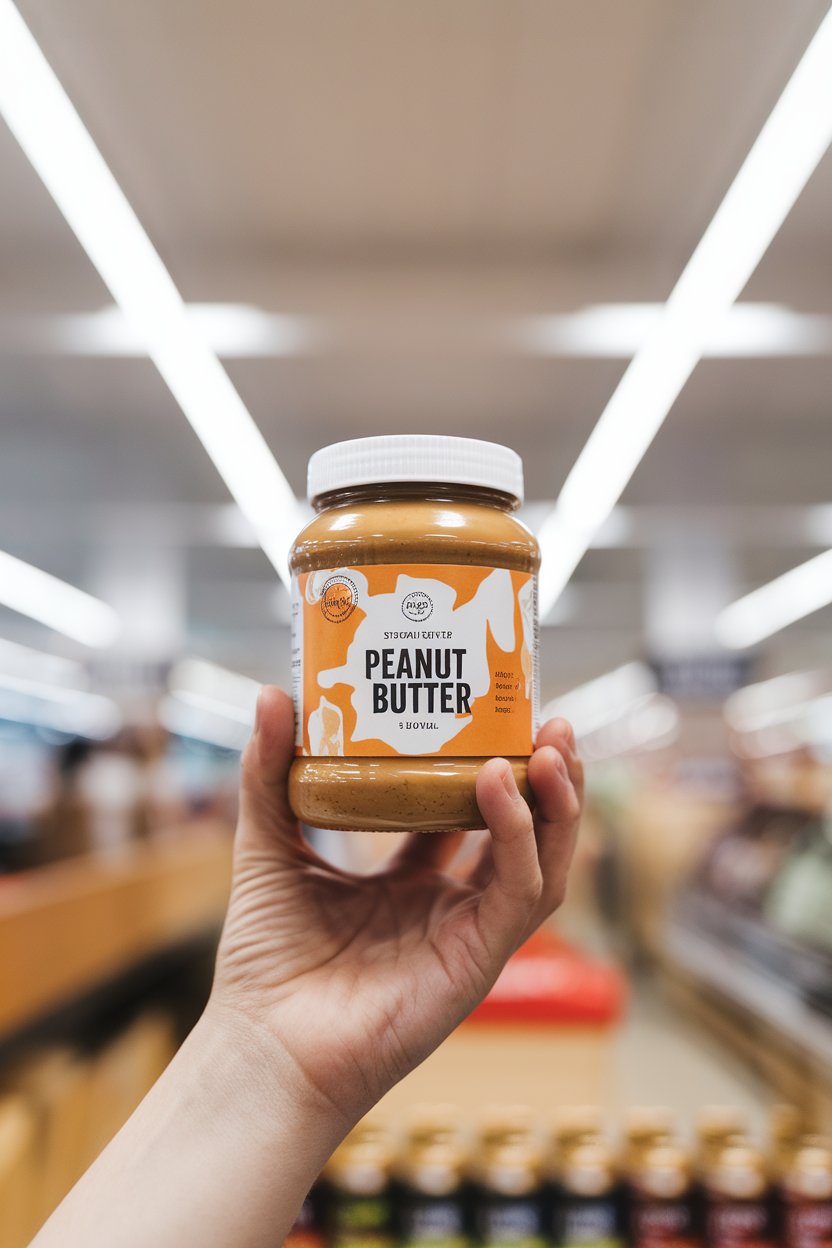
If the ingredient list is short and recognizable, the product is usually a solid choice. Long lists of additives often signal unnecessary sugars or oils. Let simplicity guide your cart.
14. Store Indulgent Treats Out of Sight
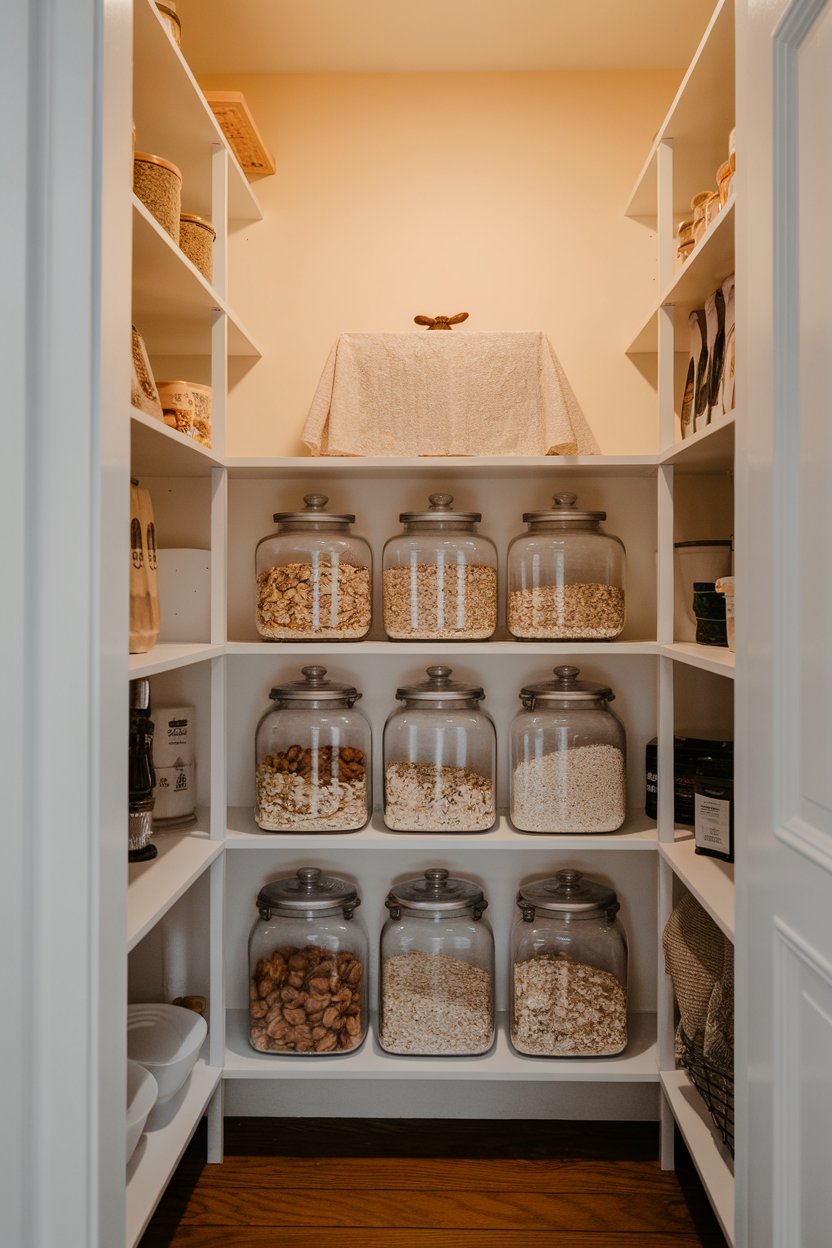
Out of sight truly means out of mind in busy moments. You’re more likely to grab visible, convenient foods first. Keep fruit and healthy snacks front and center for effortless better choices.
15. Start Dinner with a Side Salad
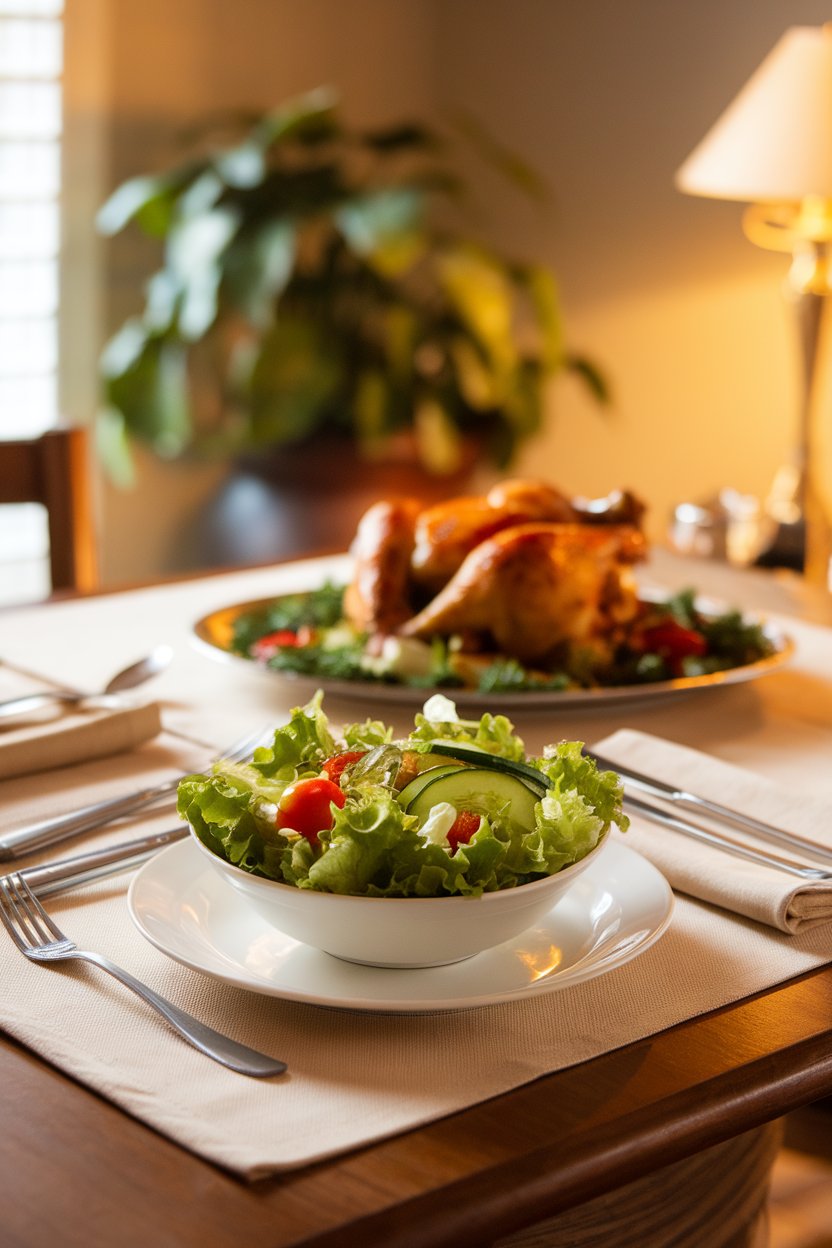
Beginning meals with fiber-rich greens helps curb hunger and aids digestion. It also ensures you squeeze in an extra serving of veggies without noticing. Dress lightly with olive oil and vinegar to keep it fresh and bright.
16. Roast Instead of Frying
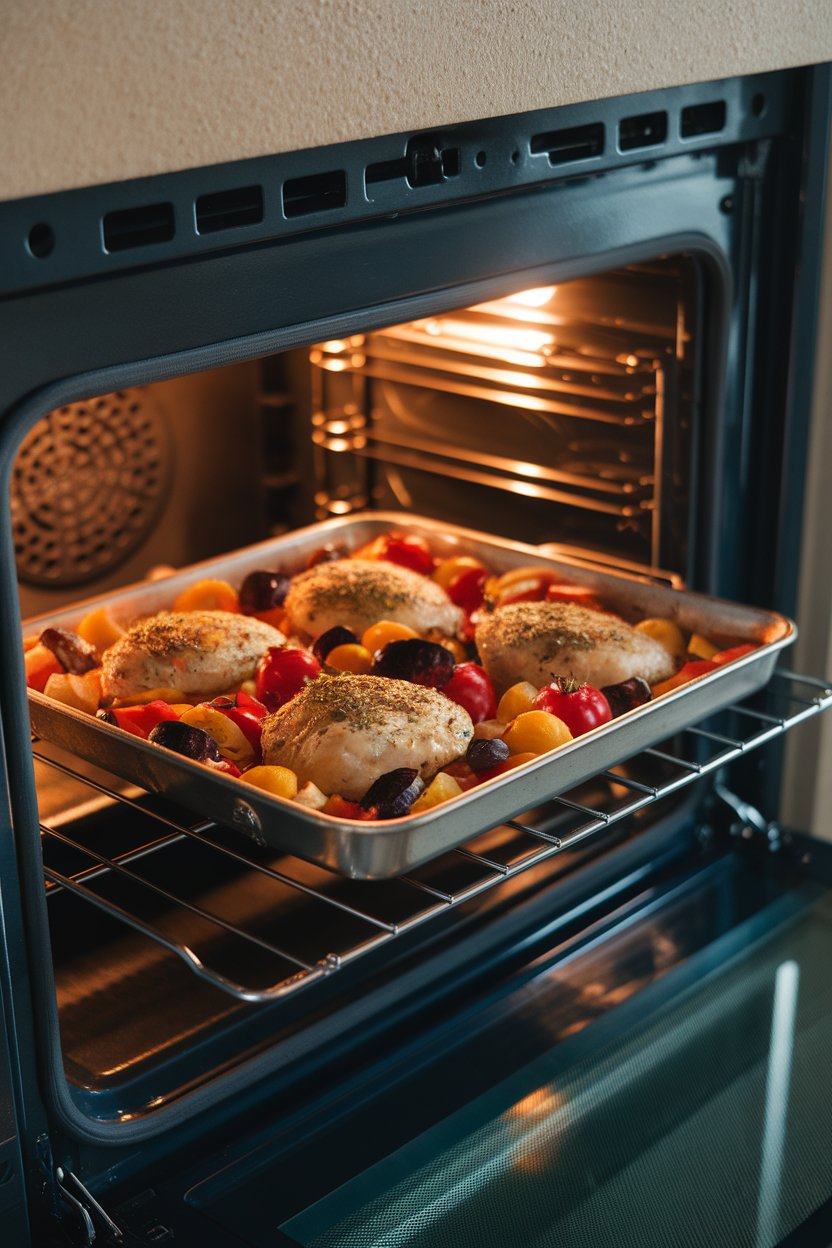
Dry heat caramelizes natural sugars, adding depth without extra breading or oil. Roasted food requires less active cooking time, freeing you to prep a salad or relax. Cleanup is simpler, too.
17. Invest in a High-Powered Blender
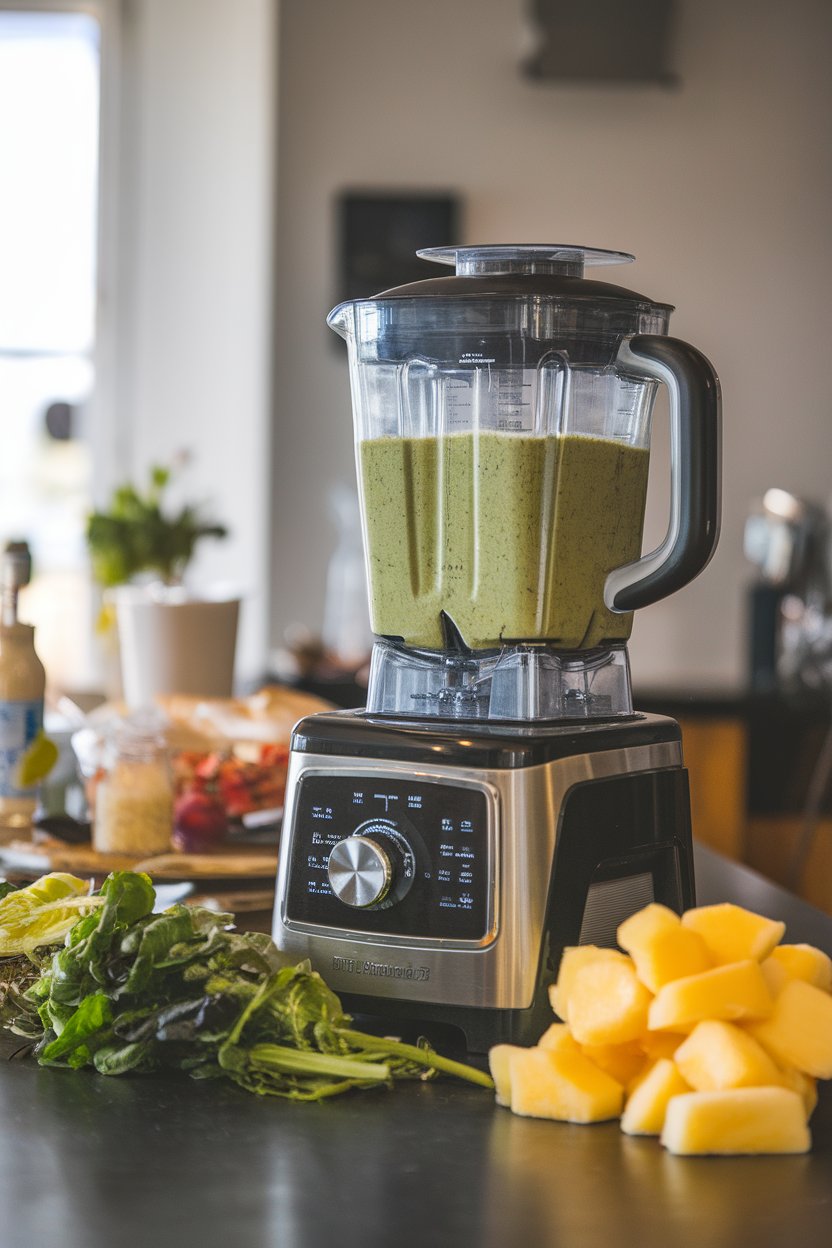
A good blender turns fibrous produce into silky drinks, making it easier to pack vitamins into breakfast. It also whips up soups, dips, and nut butters. Think of it as a gateway gadget for eating more plants.
18. Pack Lunch the Night Before
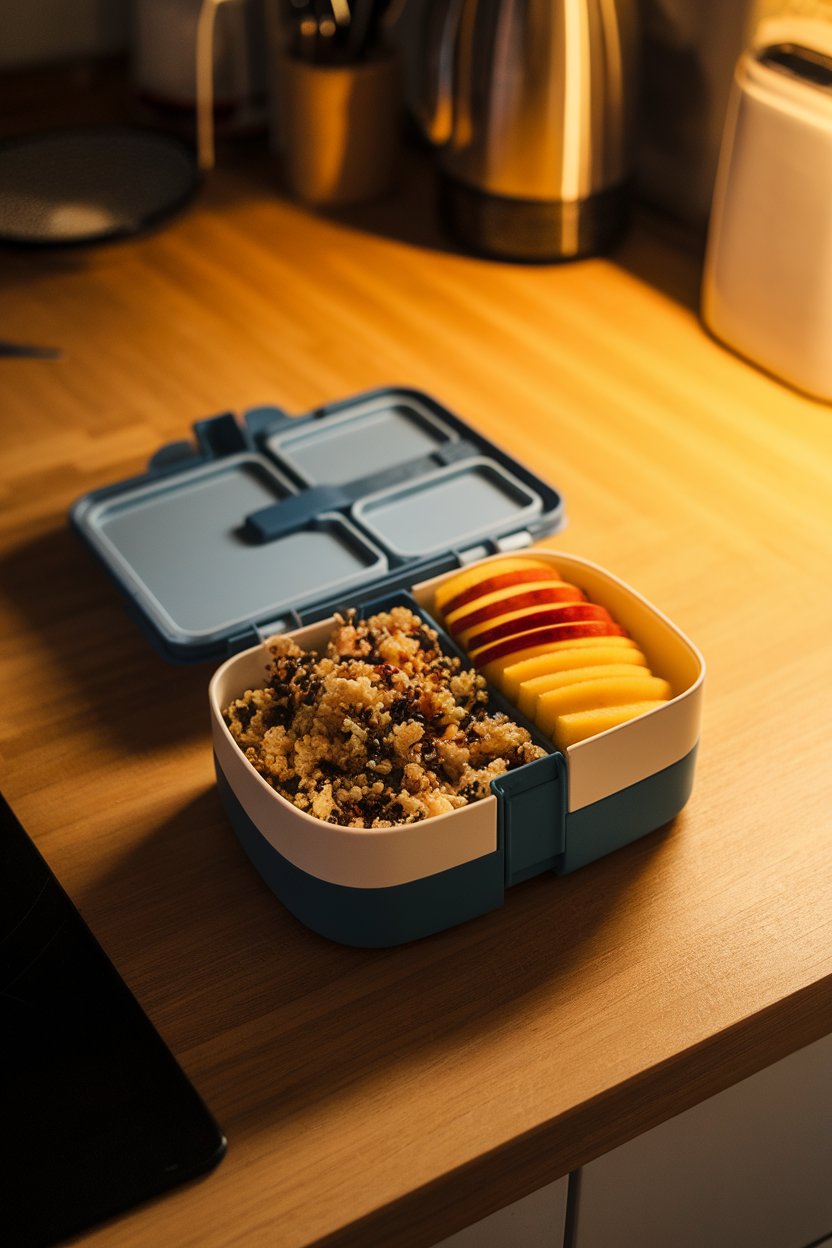
Mornings are hectic, so prepping at night eliminates excuses. A balanced midday meal keeps energy steady and tempers afternoon cravings. You’ll save money compared with restaurant lunches, too.
19. Season with Spices, Not Excess Salt
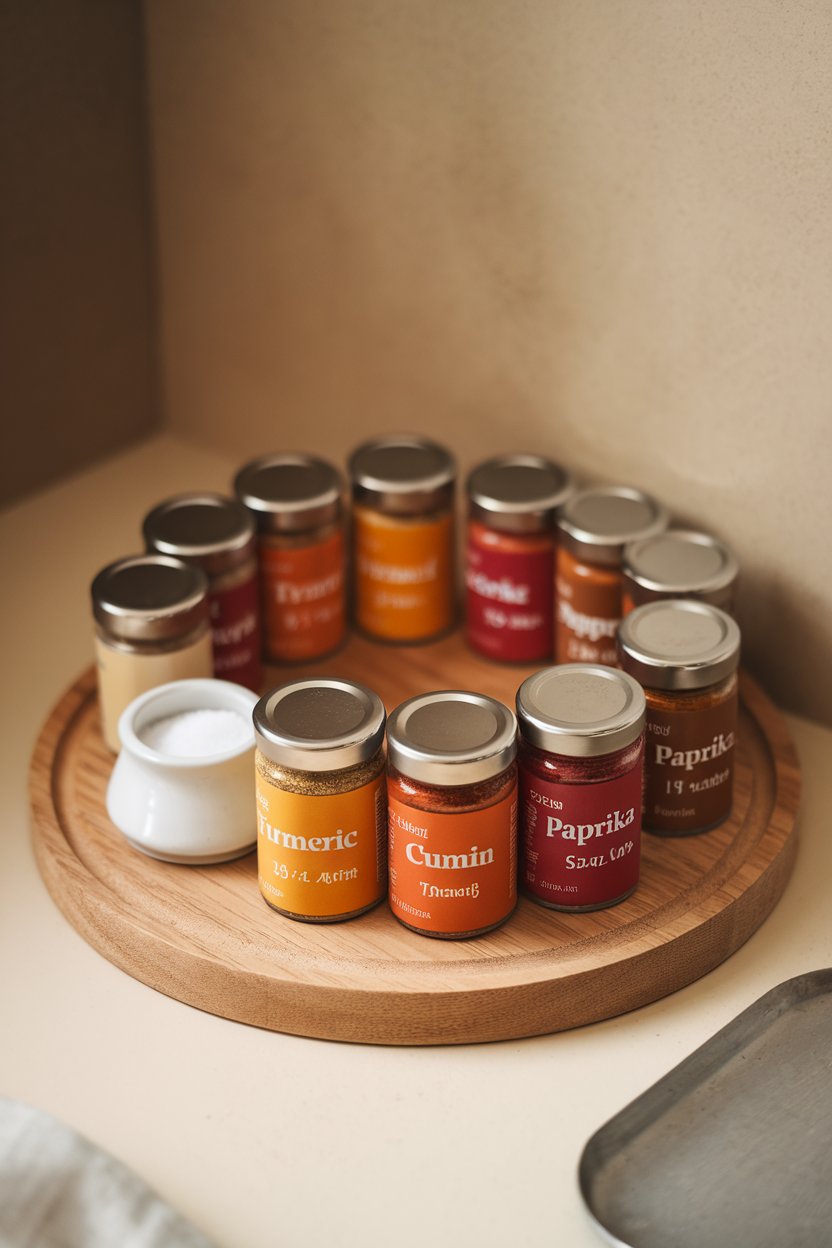
Spices add complexity without bumping up sodium. Experimenting with blends keeps taste buds excited and meals varied. Your heart and kidneys will appreciate the lower salt load.
20. Toss Leafy Greens into Smoothies
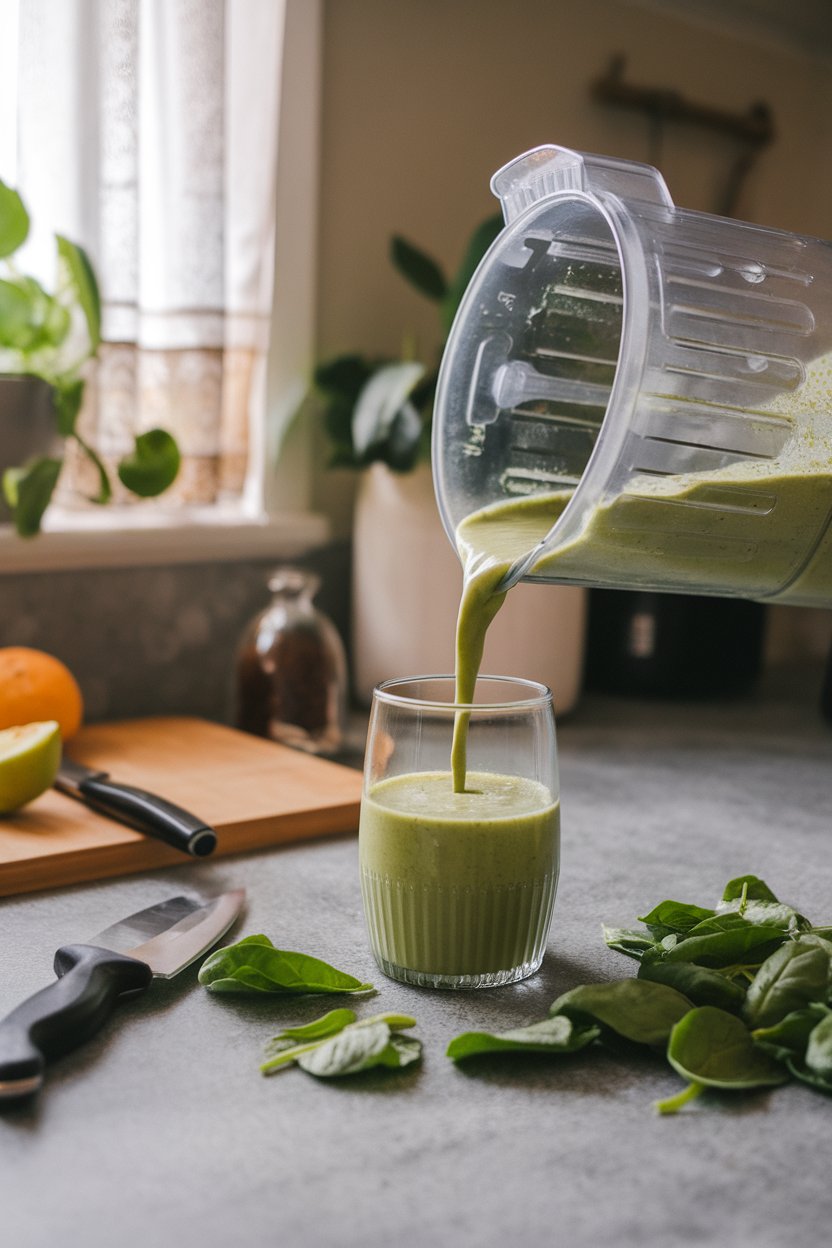
Spinach and kale disappear flavor-wise behind fruit, yet add fiber, iron, and antioxidants. It’s an effortless way to hit daily vegetable goals. Start with a small handful and work up to more.
21. Choose Plain Yogurt and Sweeten It Yourself
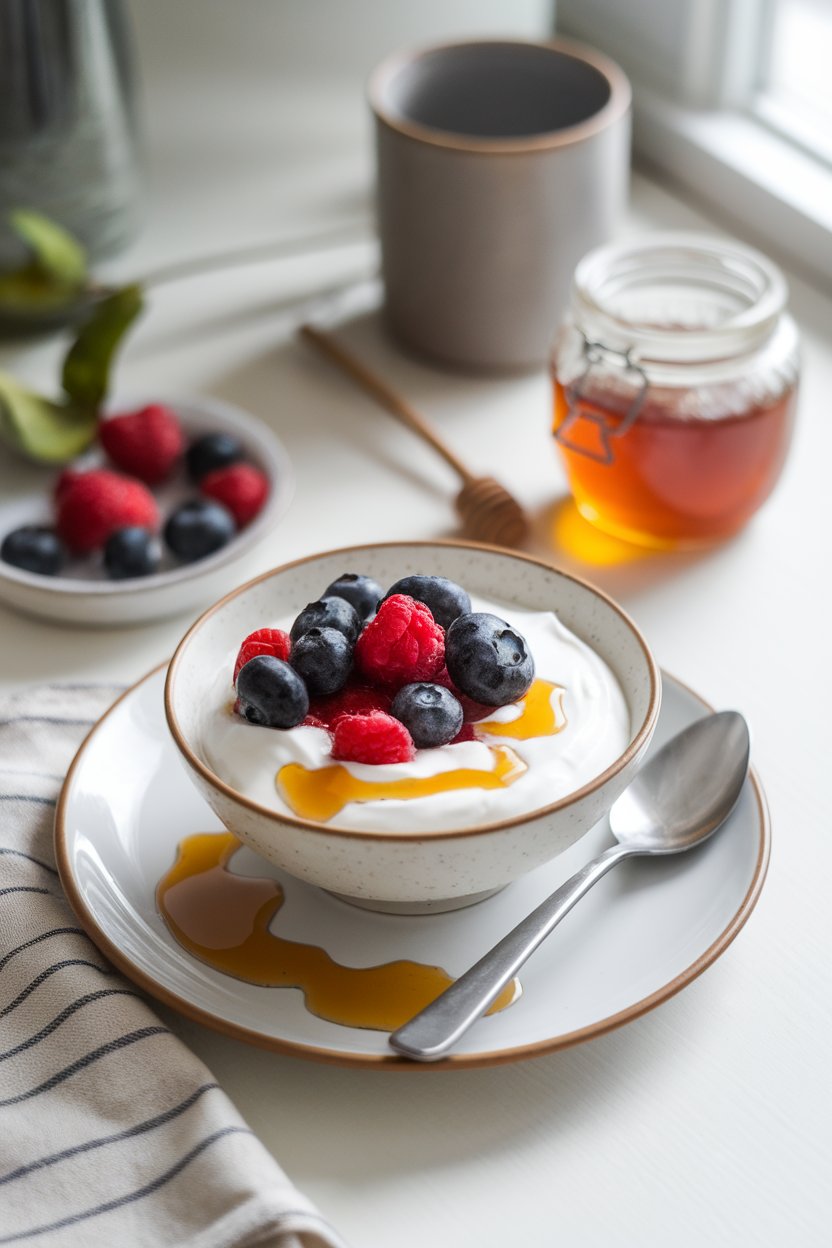
Flavored yogurts often hide surprising amounts of sugar. Adding fruit or a tiny bit of honey lets you control sweetness. The protein punch remains while sugar levels stay reasonable.
22. Pre-Portion Nuts to Avoid Mindless Munching
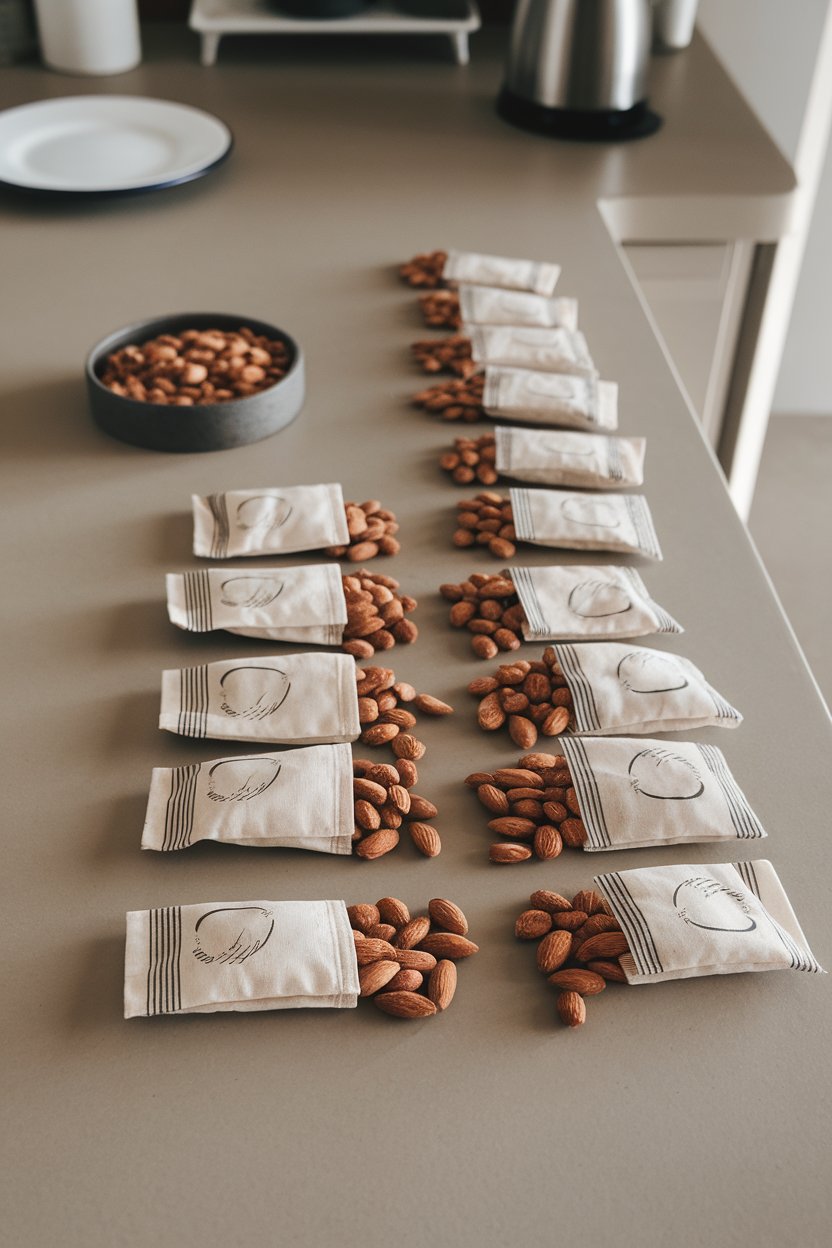
Healthy fats are great, yet easy to overeat straight from the jar. Single servings help you enjoy crunch and satiety without overshooting calories. Keep bags in your car, desk, or purse for convenient snacking.
23. Bake with Mashed Banana Instead of Added Sugar
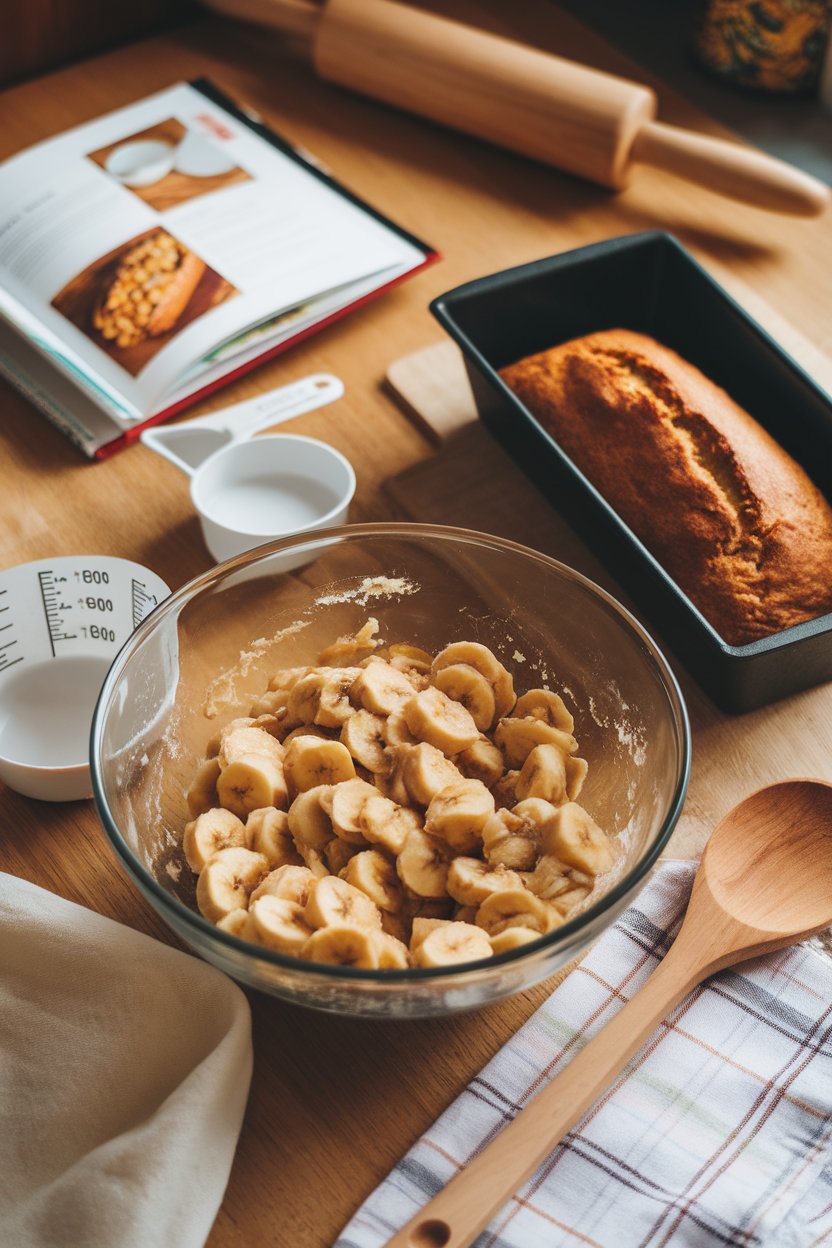
Ripe bananas lend natural sweetness plus potassium and fiber. They also add moisture, reducing the need for extra oil. It’s a tasty swap in muffins, pancakes, and quick breads.
24. Replace White Pasta with Whole-Wheat or Legume Varieties
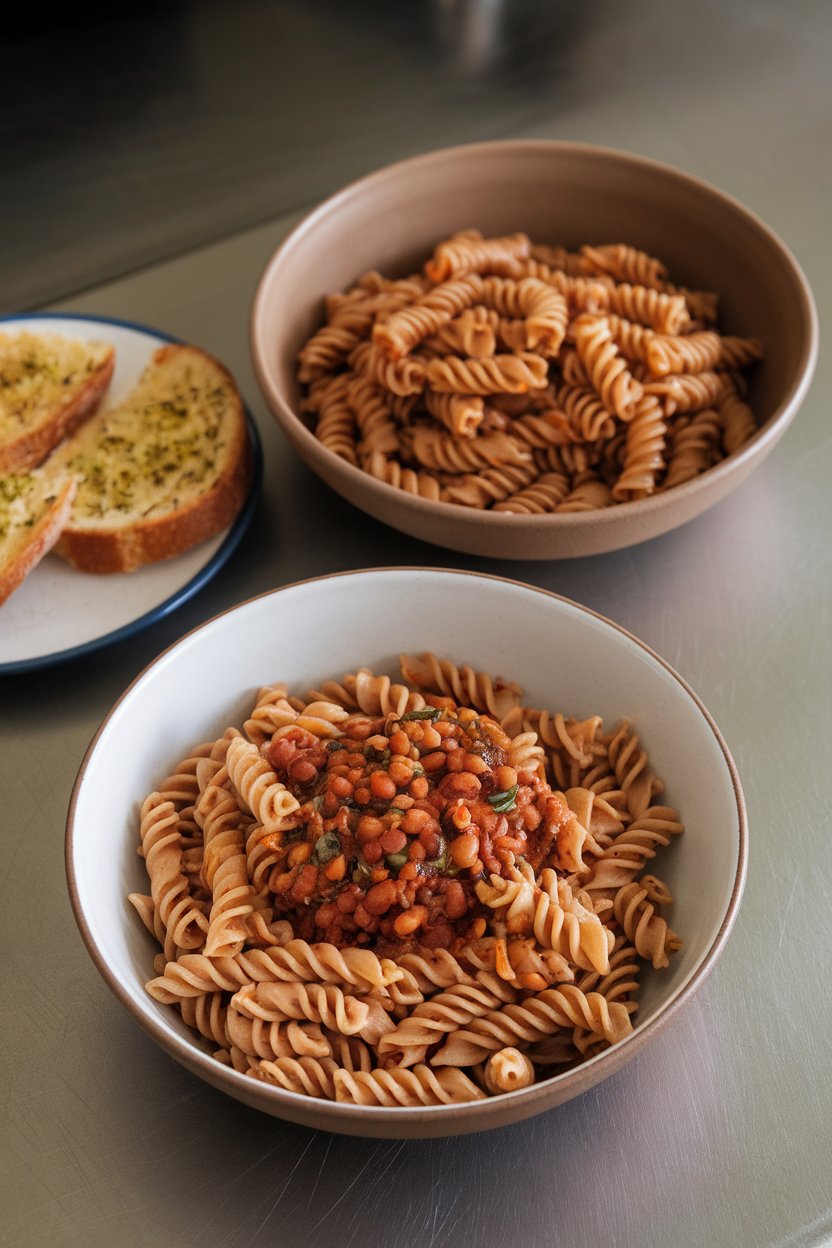
Whole-grain and legume pastas pack more protein and fiber, keeping you fuller longer. The hearty texture stands up well to chunky vegetable sauces. Try mixing half regular with half alternative pasta to ease the transition.
25. Eat Seasonal Produce
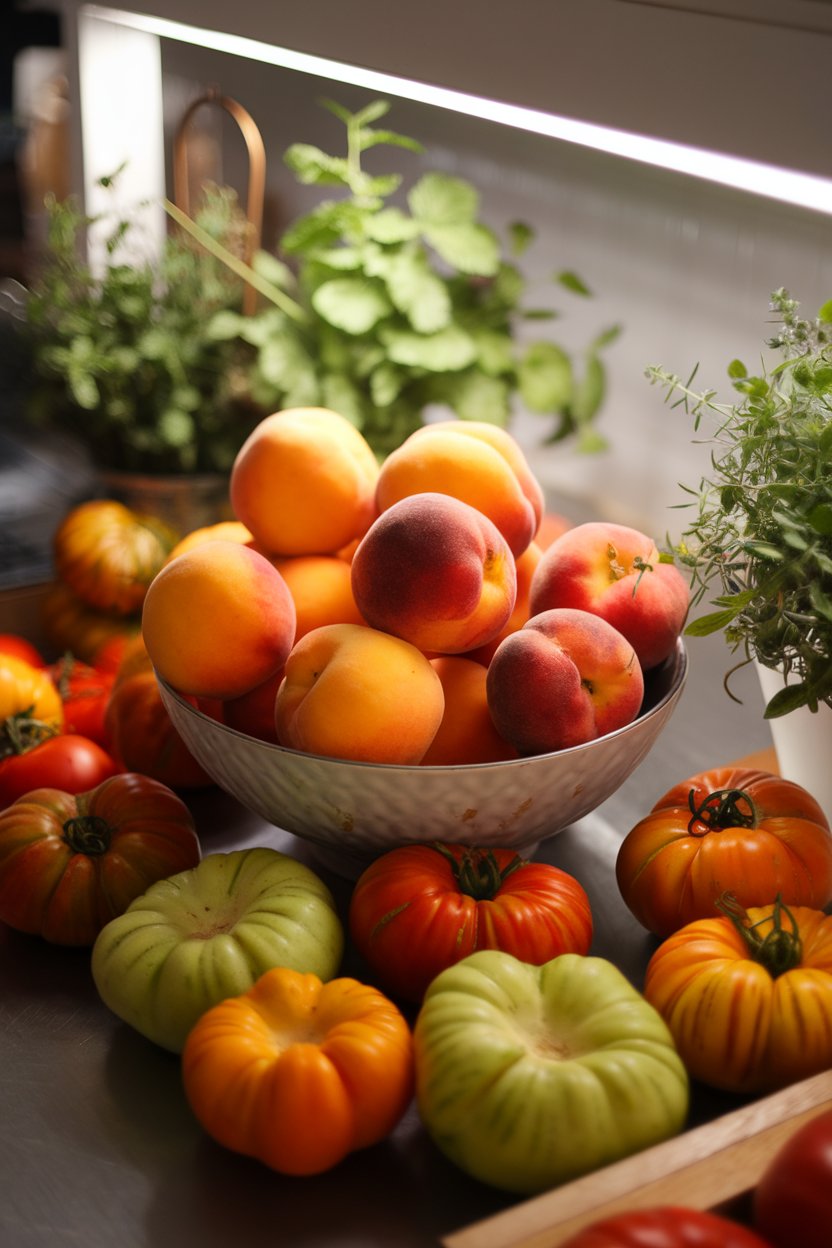
Seasonal fruits and vegetables taste better and often cost less due to abundance. They also contain peak nutrient levels. Let the calendar inspire your meal planning for built-in variety.
26. Keep Cut Citrus Wedges in the Fridge
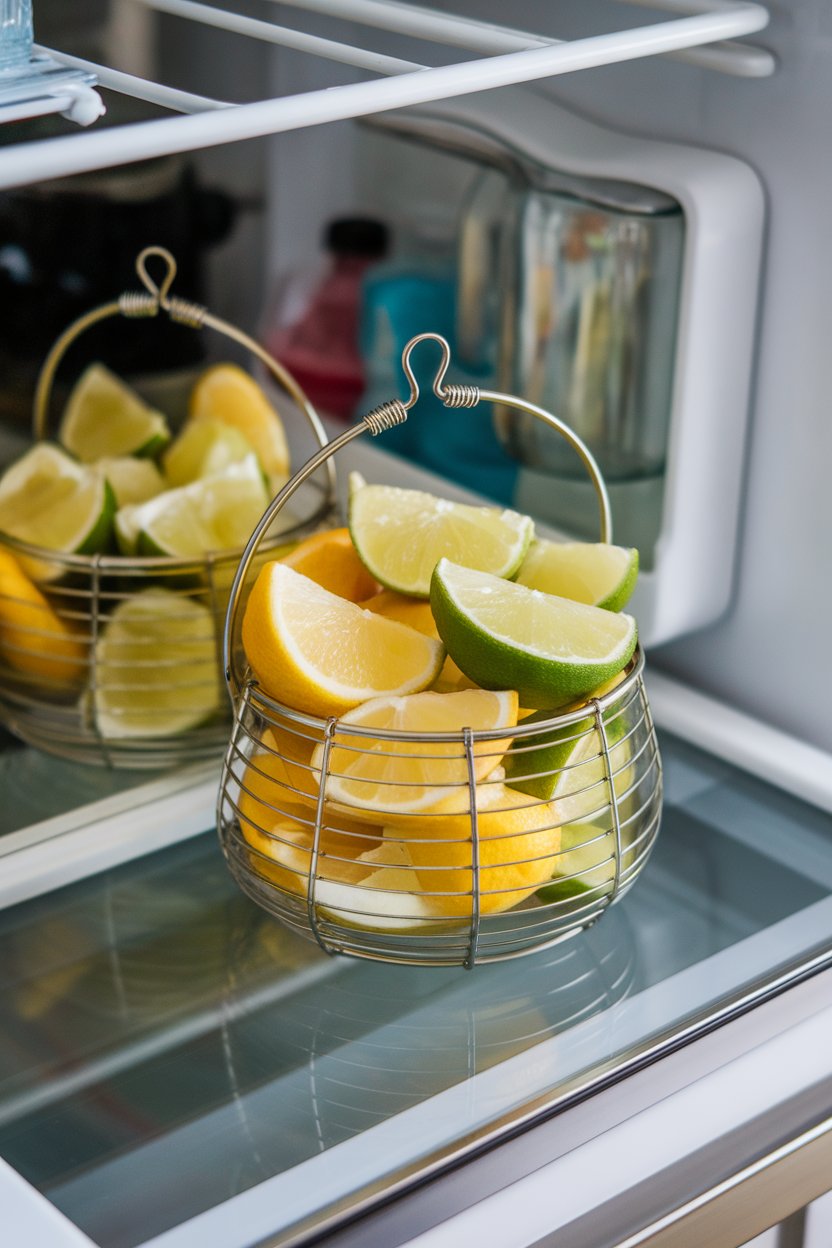
A quick squeeze of citrus brightens everything from water to steamed veggies. Pre-cut wedges remove one small barrier to using them daily. Vitamin C intake gets a handy bump, too.
27. Use Avocado in Place of Mayo
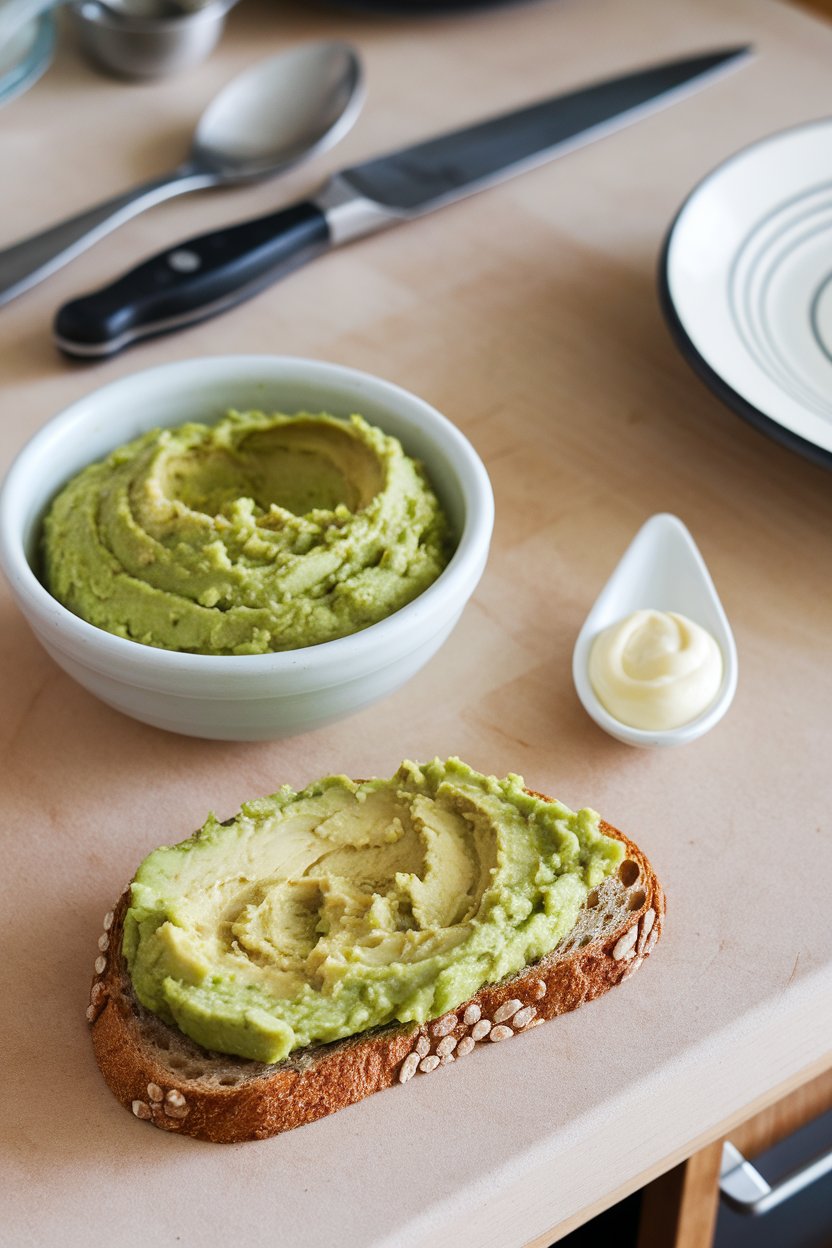
Creamy avocado delivers heart-healthy fats and fiber. It’s perfect in tuna salad, sandwiches, and wraps. The subtle flavor allows herbs and spices to shine.
28. Put Your Fork Down Between Bites
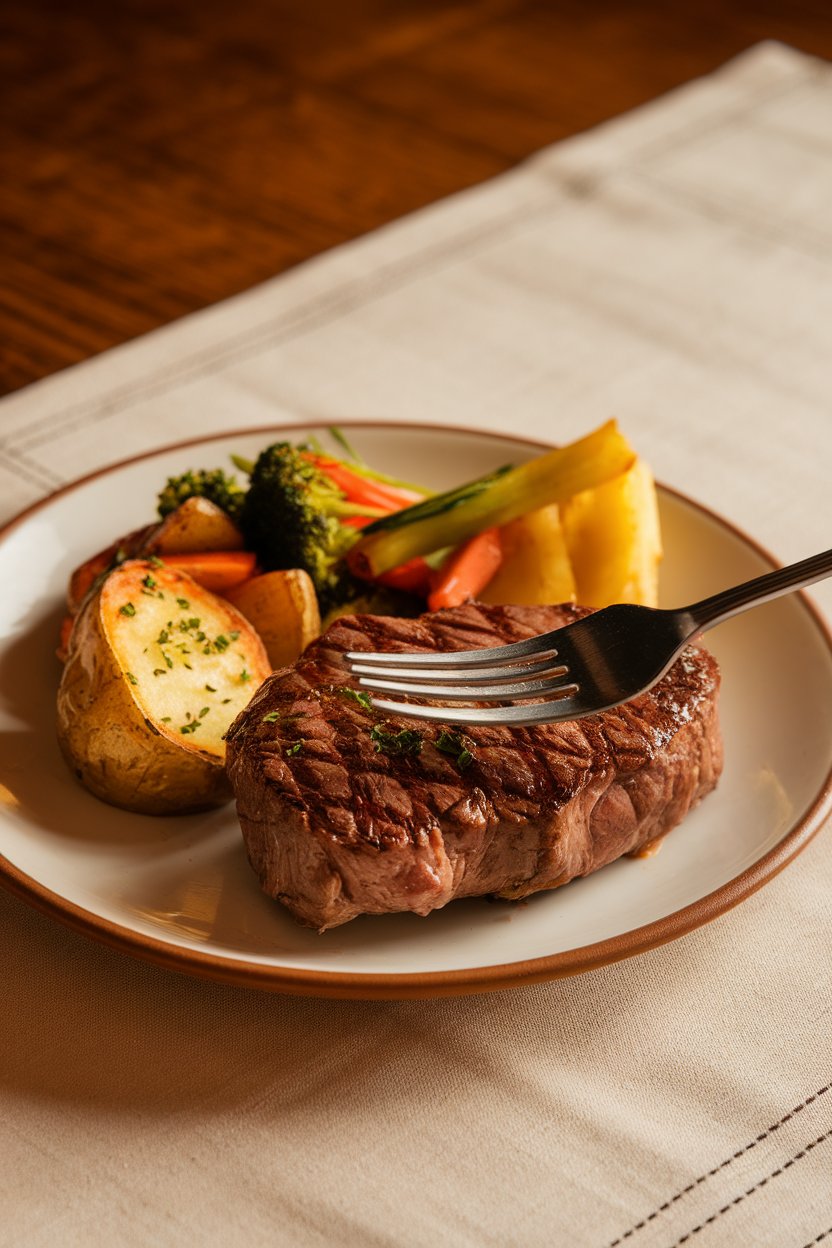
This mindful pause slows eating, giving satiety cues time to register. You’ll likely eat less yet feel just as satisfied. Meals become more enjoyable when you actually taste each bite.
29. Schedule Meatless Mondays
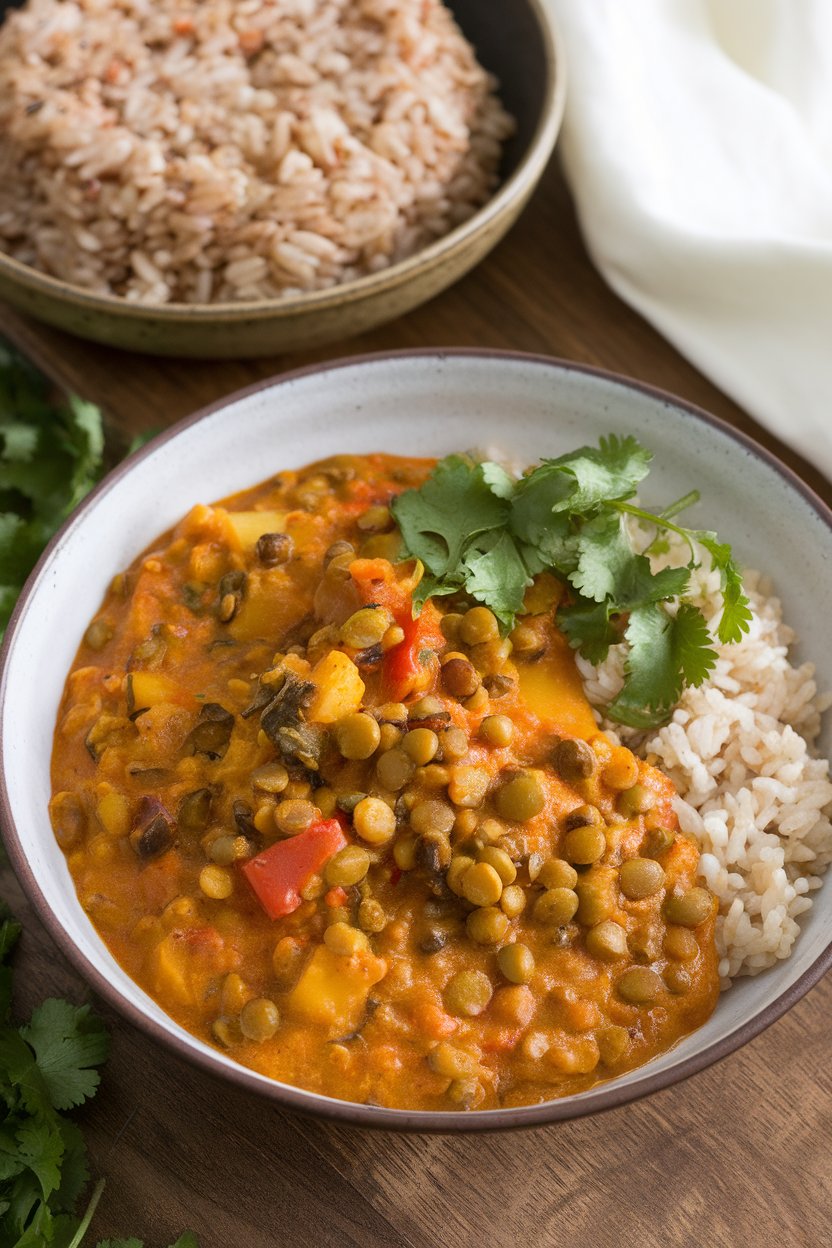
One plant-focused day a week encourages creativity with beans, lentils, and veggies. It can reduce saturated fat intake and lighten your environmental footprint. Kids often embrace the routine when it has a catchy name.
30. Keep a Vibrant Fruit Bowl on the Counter
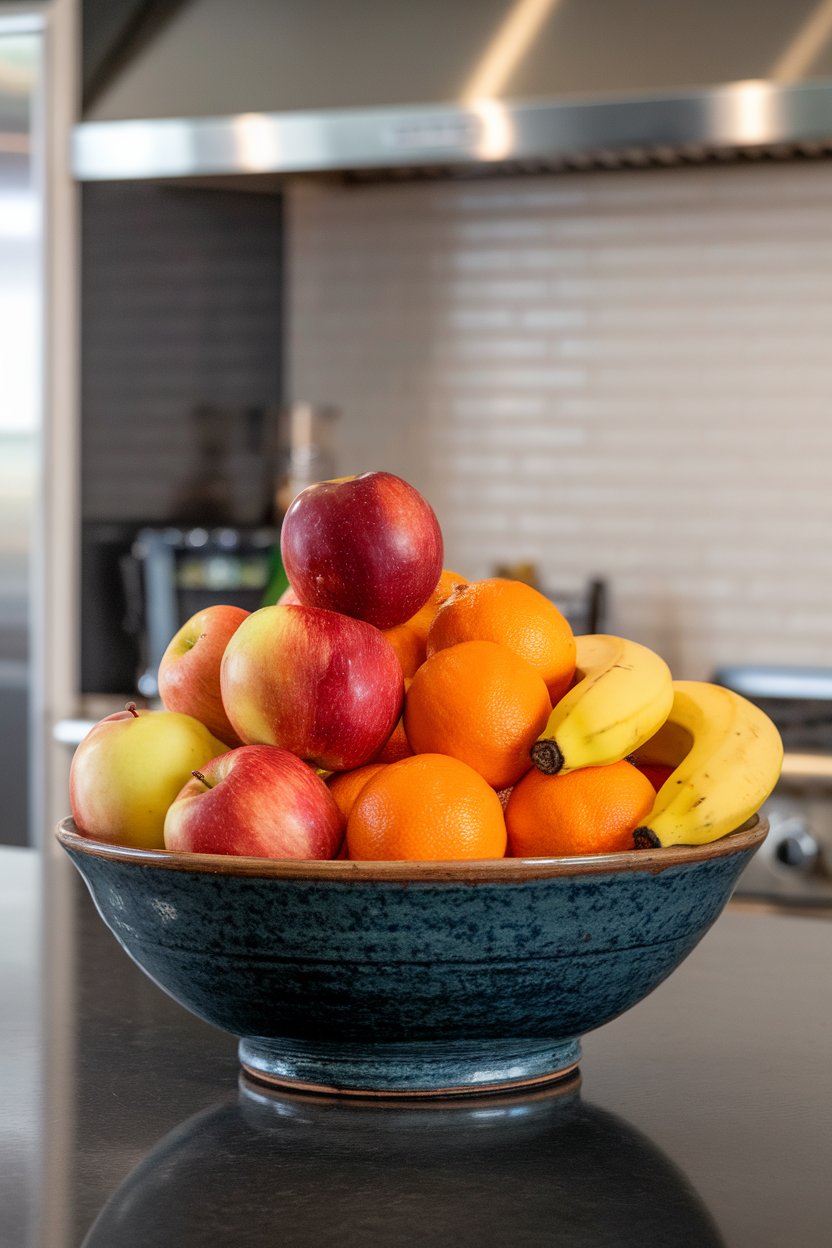
Visible produce reminds everyone to grab nature’s fast food. Colorful fruit also doubles as cheerful decor. Just rotate older items to the top so nothing languishes.
31. Batch-Roast Sweet Potatoes
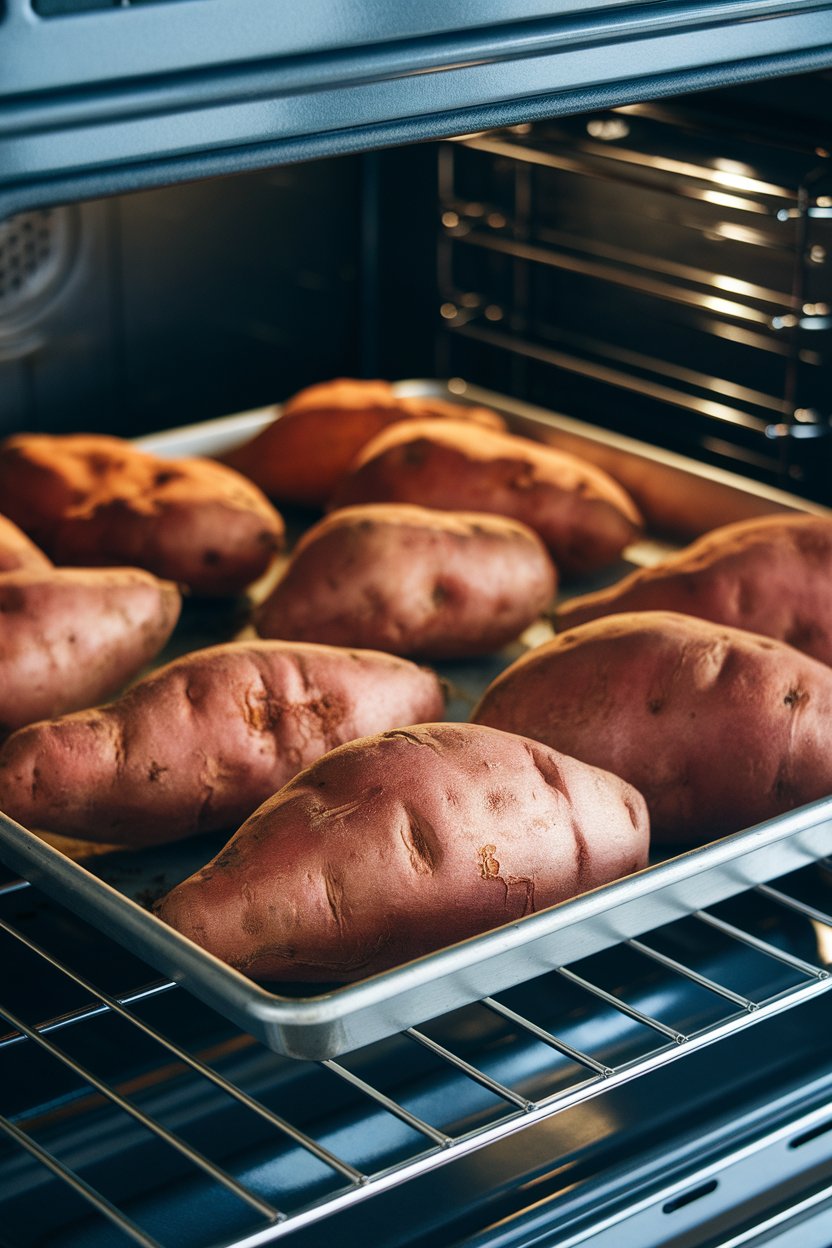
Roasted sweet potatoes reheat beautifully for breakfasts, salads, or quick sides. Their natural sweetness satisfies sugar cravings in a nutrient-dense way. Store them whole and peel as needed to prevent drying out.
32. DIY Trail Mix without Added Candy
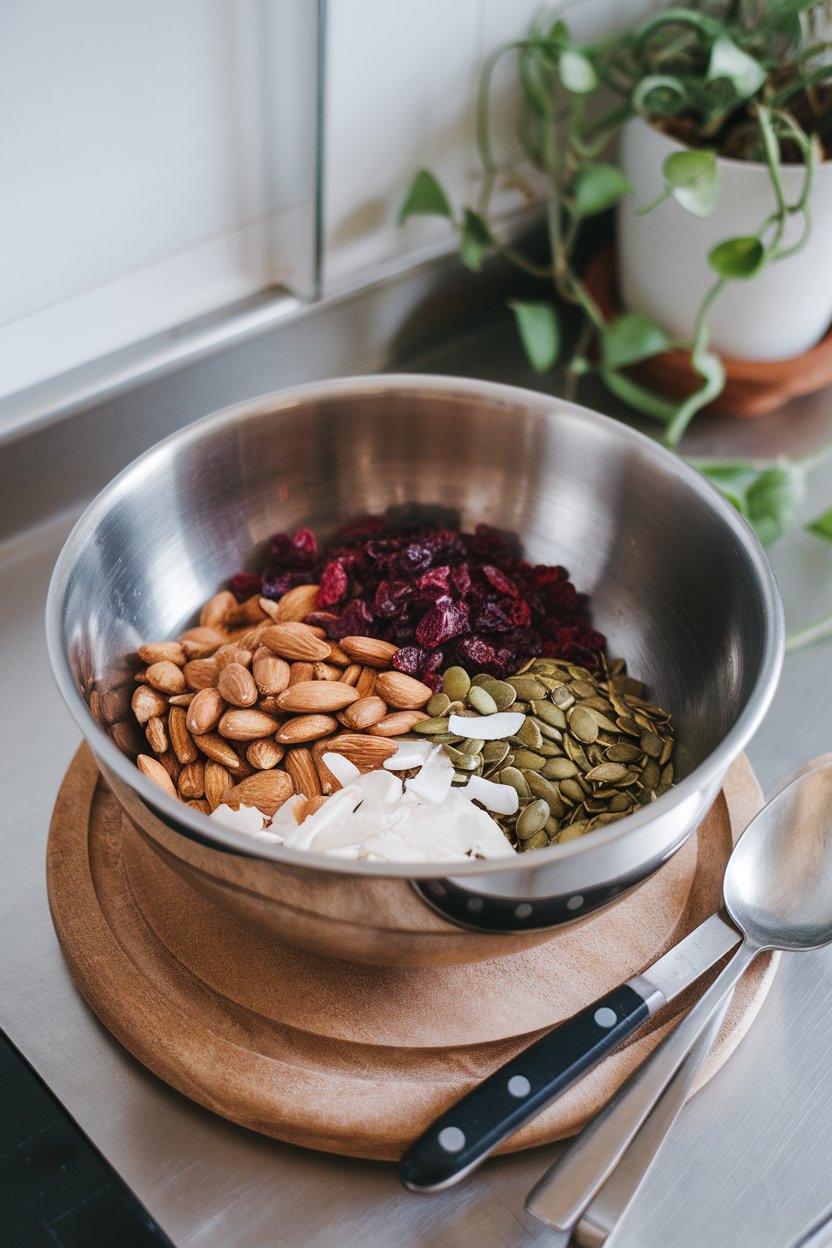
Controlling ingredients keeps sugar and sodium in check. Include raw nuts, unsweetened dried fruit, and a sprinkle of dark chocolate chips if desired. Portion into small jars for on-the-go fuel.
33. Freeze Overripe Fruit for Smoothies
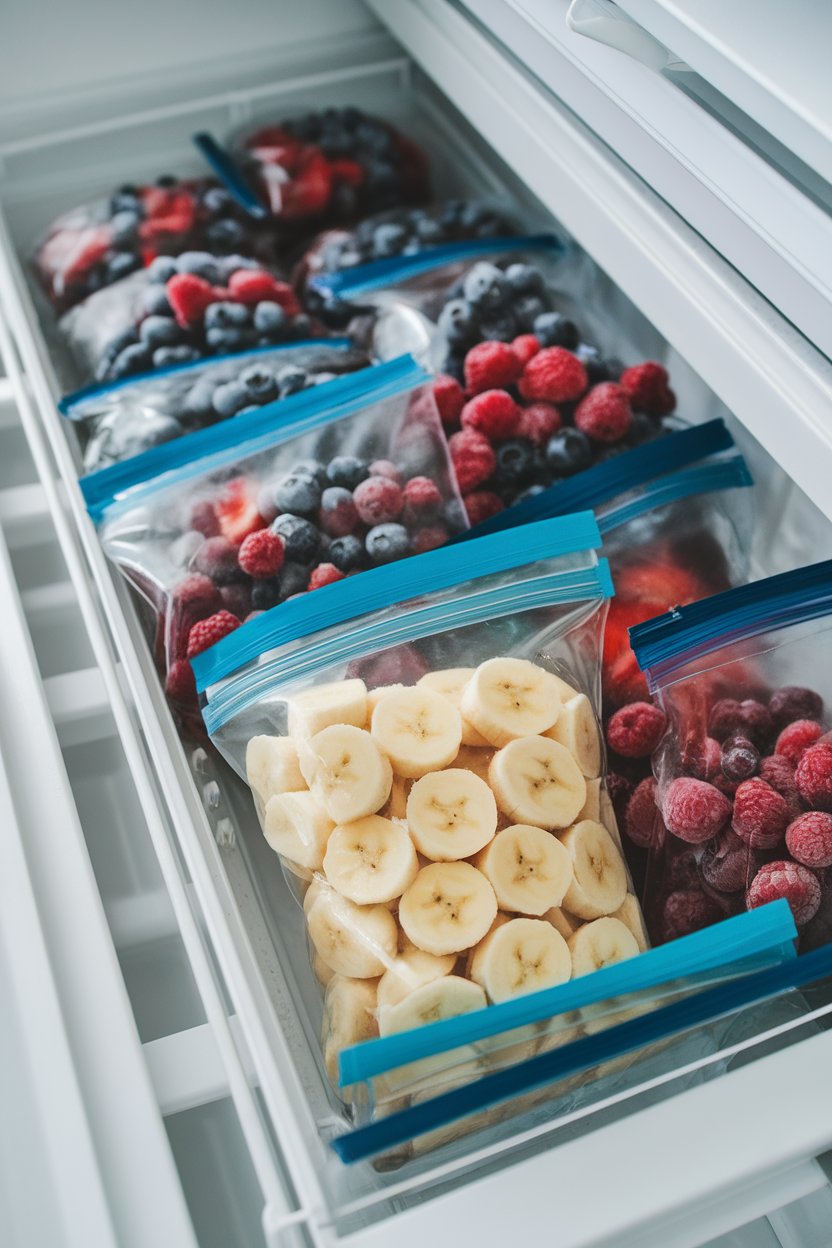
Frozen fruit acts as both sweetener and ice, yielding thick, frosty drinks. It also saves produce that might otherwise be tossed. Less waste, more flavor—win-win.
34. Keep a One-Week Food Journal
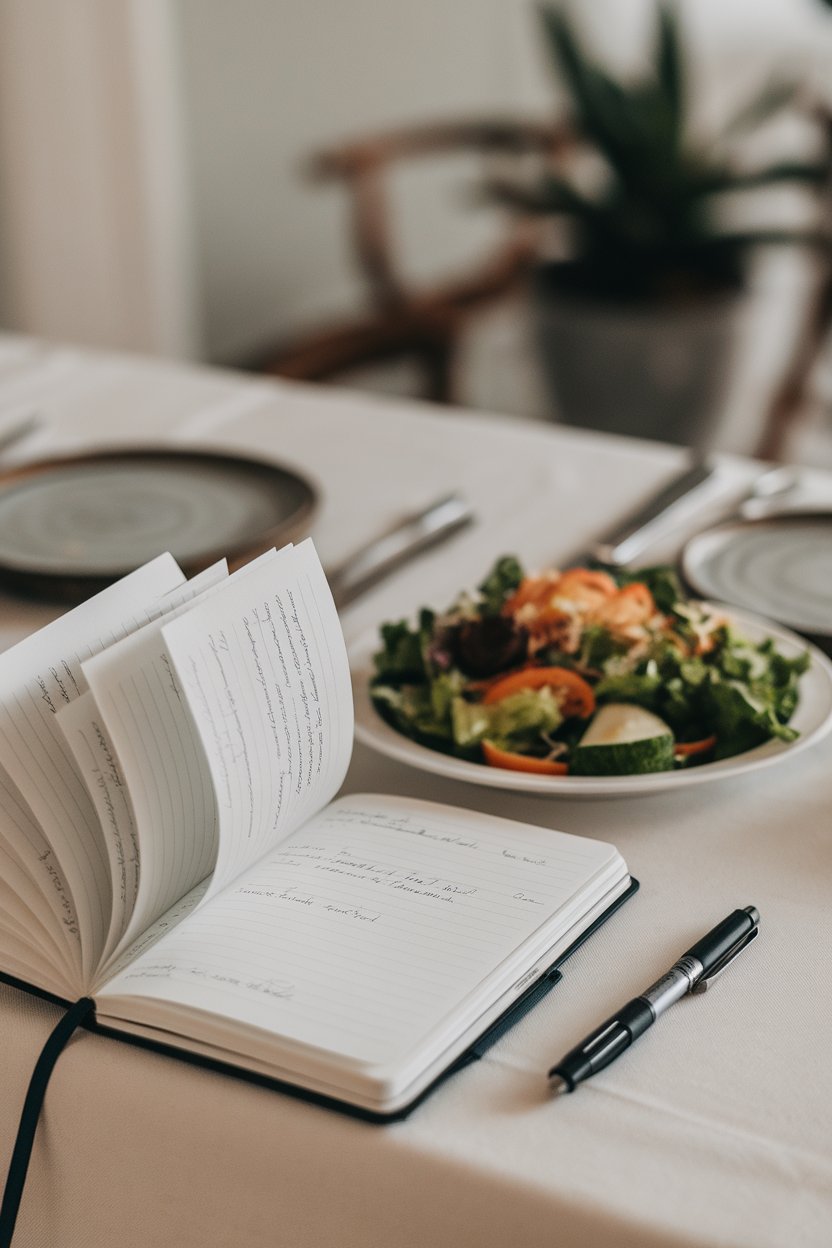
Writing down meals highlights patterns you may overlook, like afternoon sugar spikes. Awareness alone often sparks healthier choices. Review entries at week’s end and set one or two small goals.
35. Choose Steel-Cut Oats Over Instant
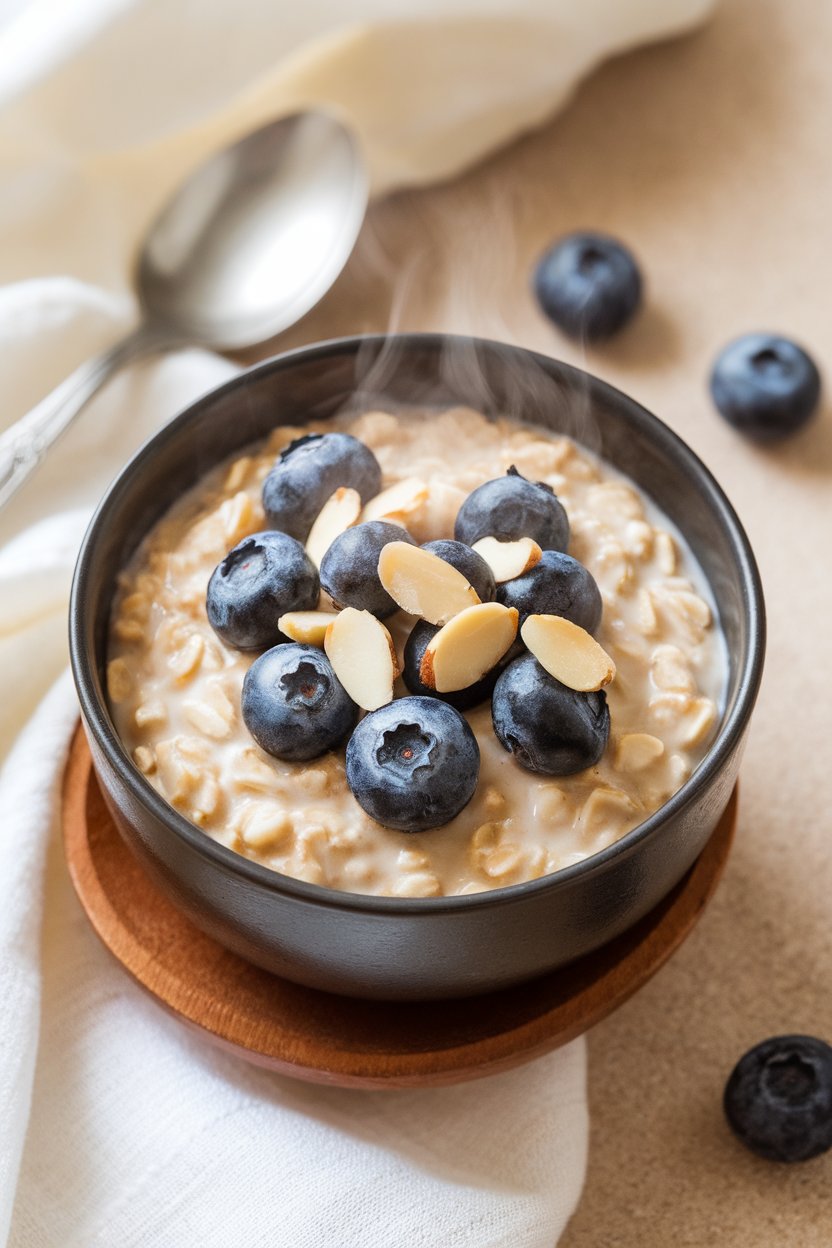
Steel-cut oats are less processed, giving them a lower glycemic impact. Their hearty texture feels more satisfying, too. Cook a big batch and reheat portions for speedy mornings.
36. Spiralize Vegetables for Noodle Dishes
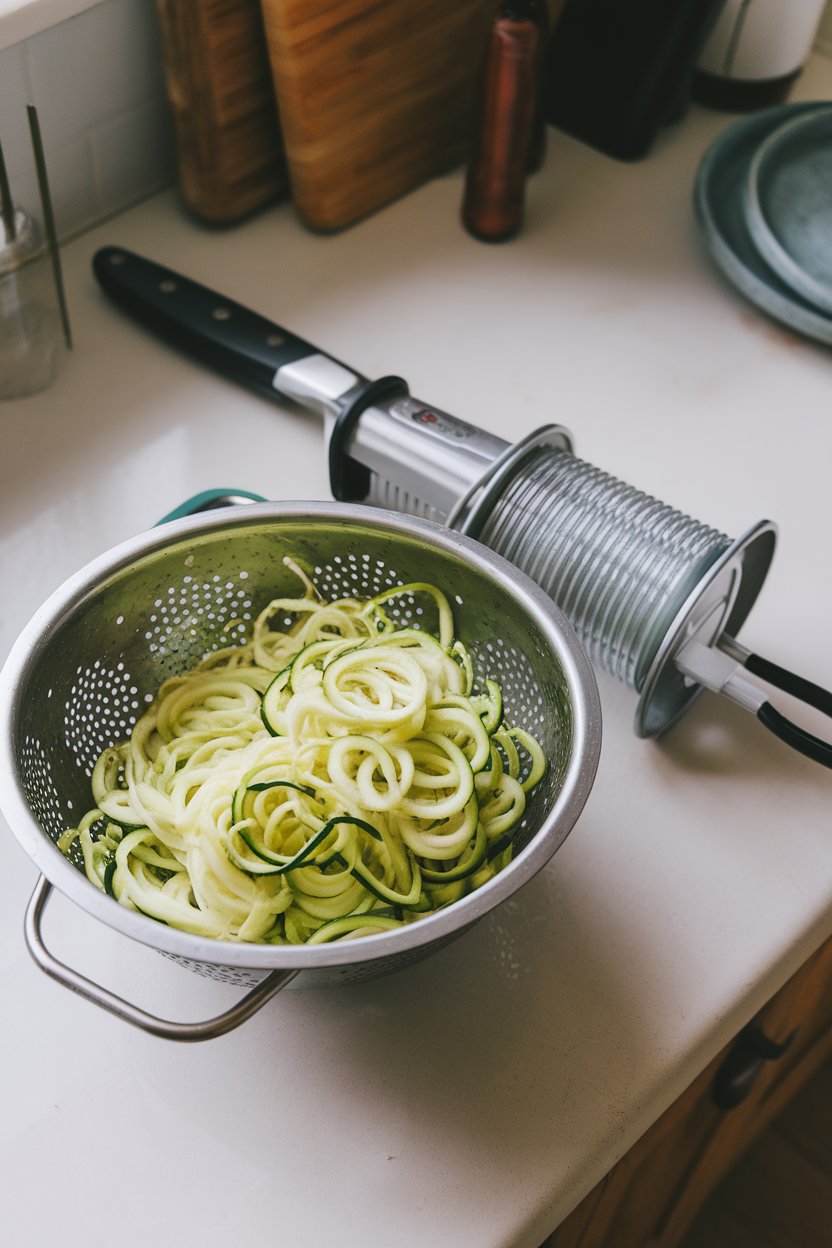
Zoodles and other veggie spirals lighten up pasta night without sacrificing fun. They soak up sauces beautifully while adding vitamins and fiber. Pair with a small amount of whole-grain pasta if you prefer a hybrid approach.
37. Grill Fish Once a Week
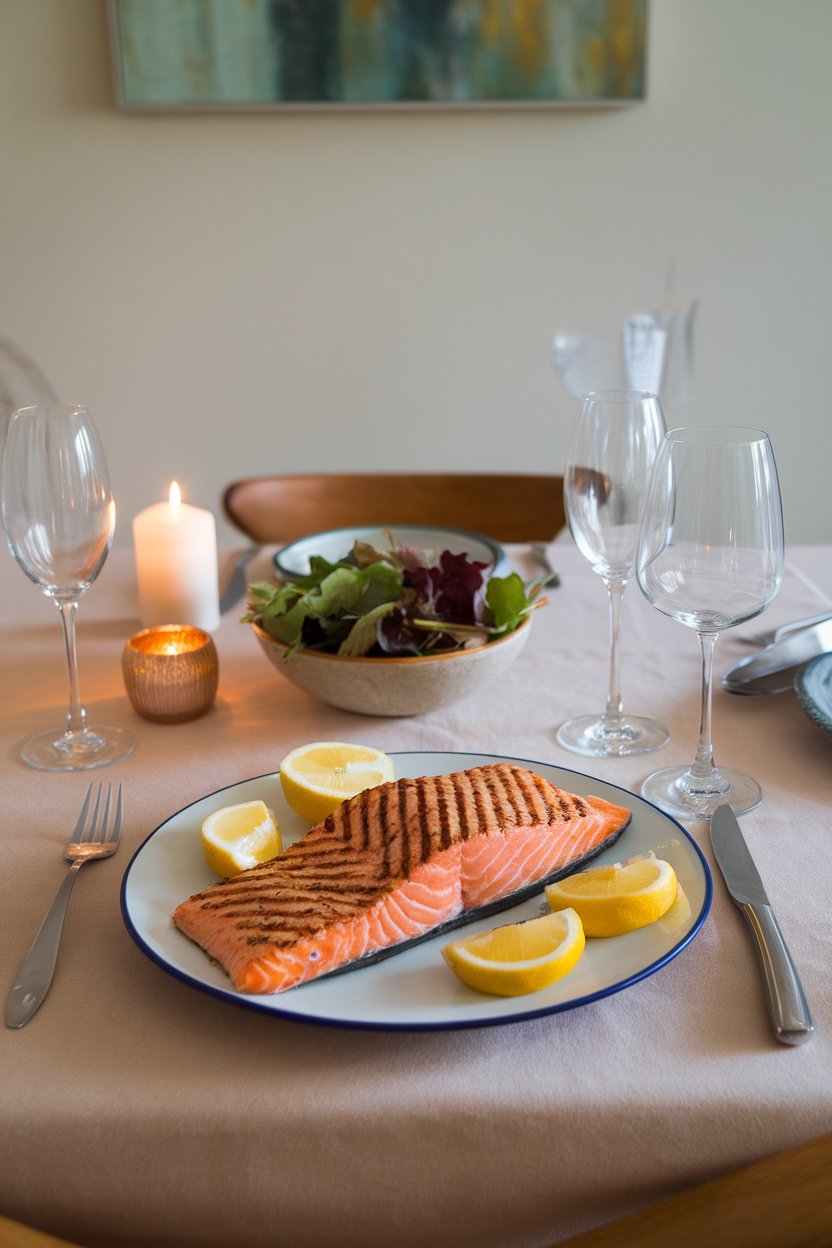
Fatty fish like salmon and sardines supply omega-3s that support brain and heart health. Grilling keeps prep simple and flavors clean. Keep a frozen fillet stash for quick thawing.
38. Stock Low-Sodium Broth
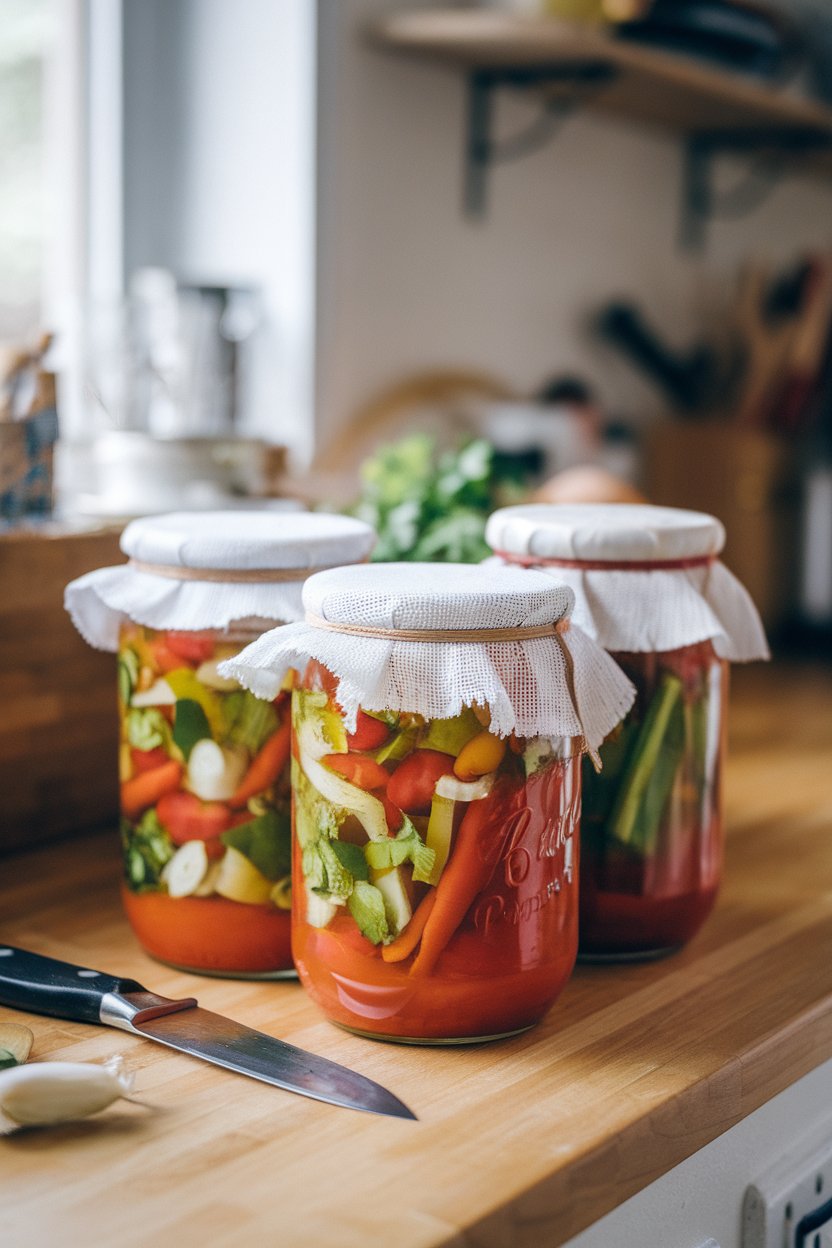
Broth boosts flavor in grains, soups, and stir-fries without extra fat. Low-sodium versions let you control seasoning. Freeze in ice cube trays for quick single-use portions.
39. Swap Sour Cream for Greek Yogurt
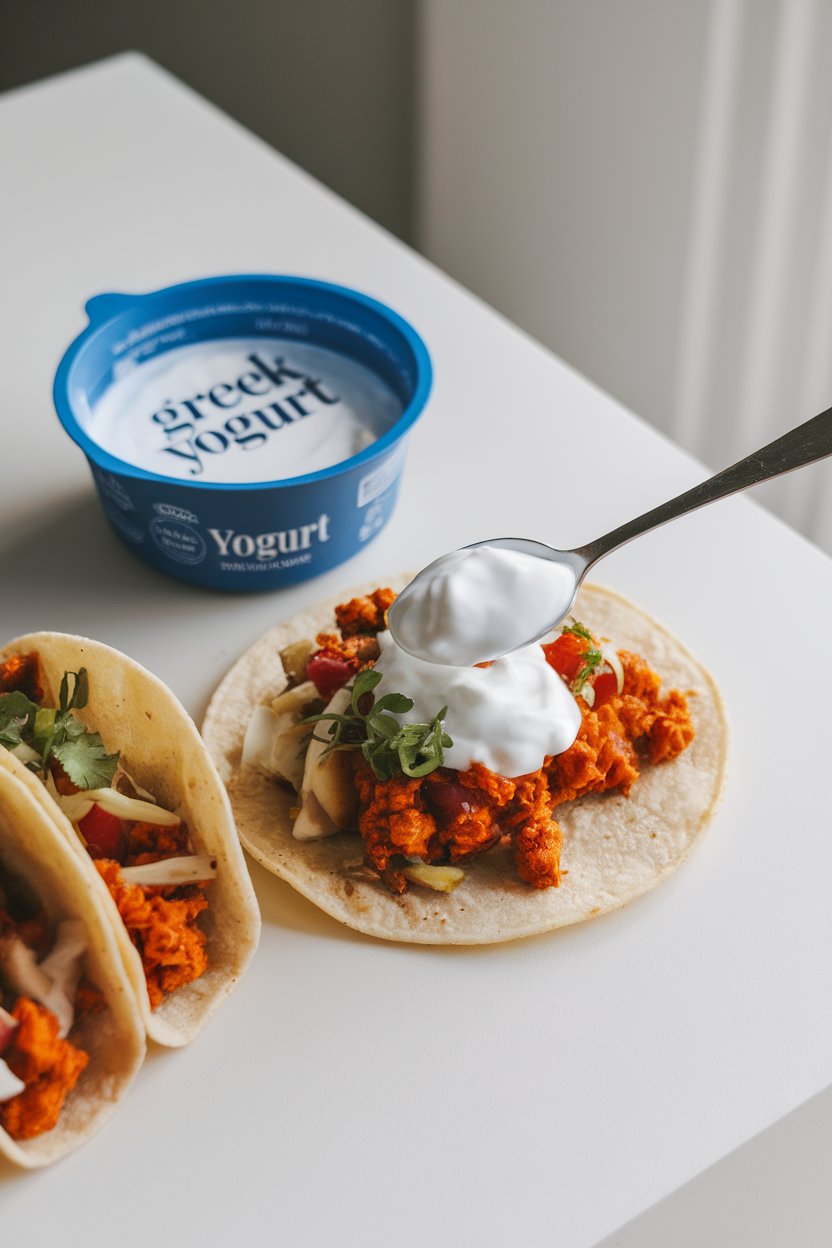
Greek yogurt offers similar tang with added protein and less saturated fat. It also works in baking and creamy dressings. Taste buds rarely notice the difference after a try or two.
40. Grow Windowsill Herbs
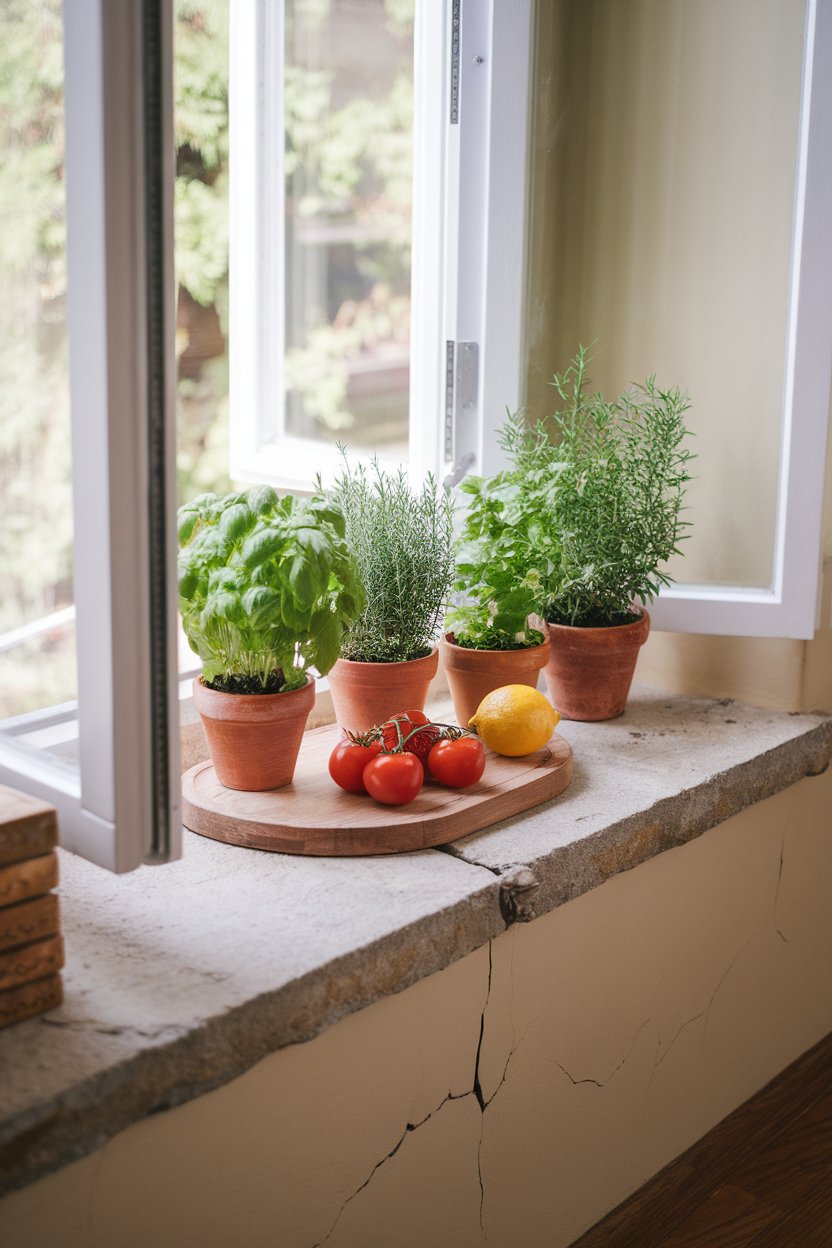
Fresh herbs at arm’s length inspire spontaneous seasoning. Snipping only what you need cuts waste and grocery costs. Even small apartments can host a mini garden.
41. Use Olive Oil Spray for Light Coating
A quick spray delivers just enough fat to aid roasting without drenching food. It also prevents sticking on grills and skillets. Portion control becomes effortless.
42. Challenge Yourself to a Rainbow Plate Daily
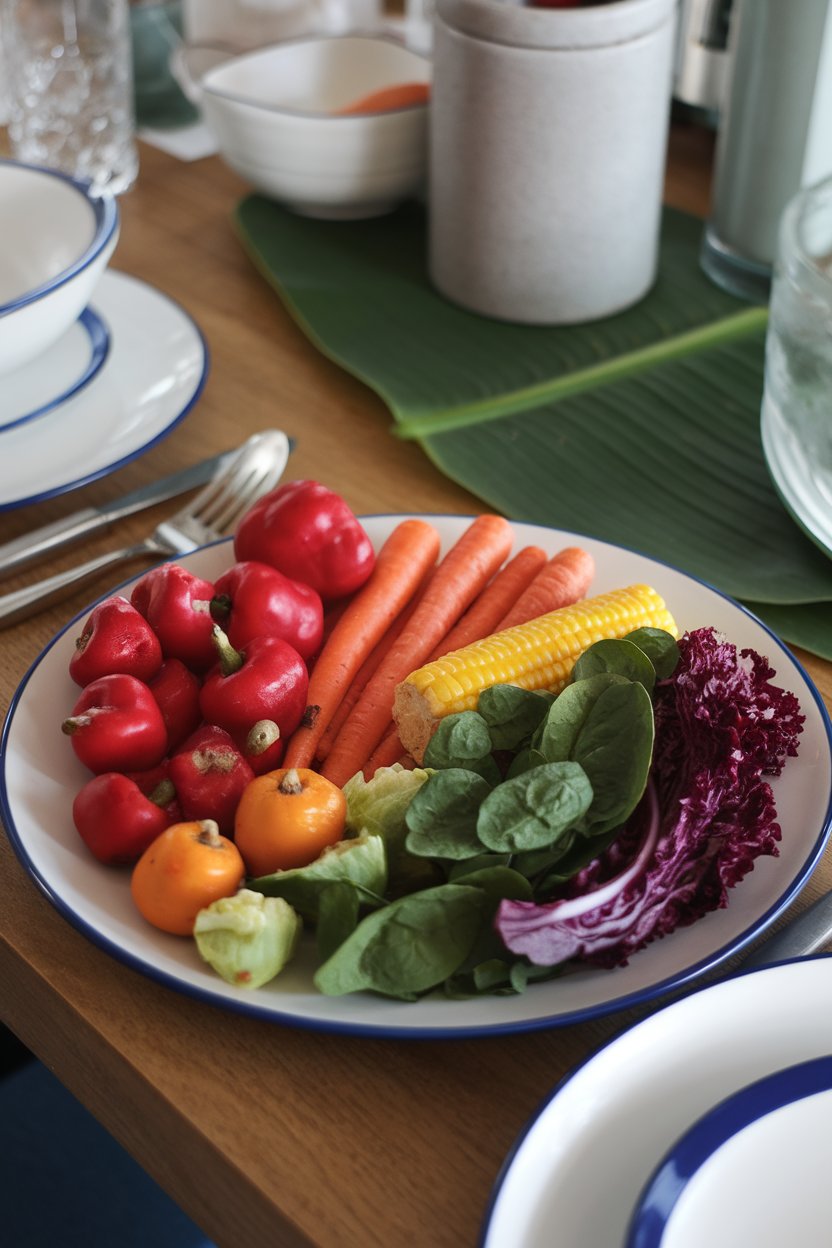
Different colors signal different phytonutrients, so eating the spectrum broadens your nutrient intake. Kids love the visual game aspect. Use the rule at lunch or dinner to keep it manageable.
43. Swap Chips for Air-Popped Popcorn
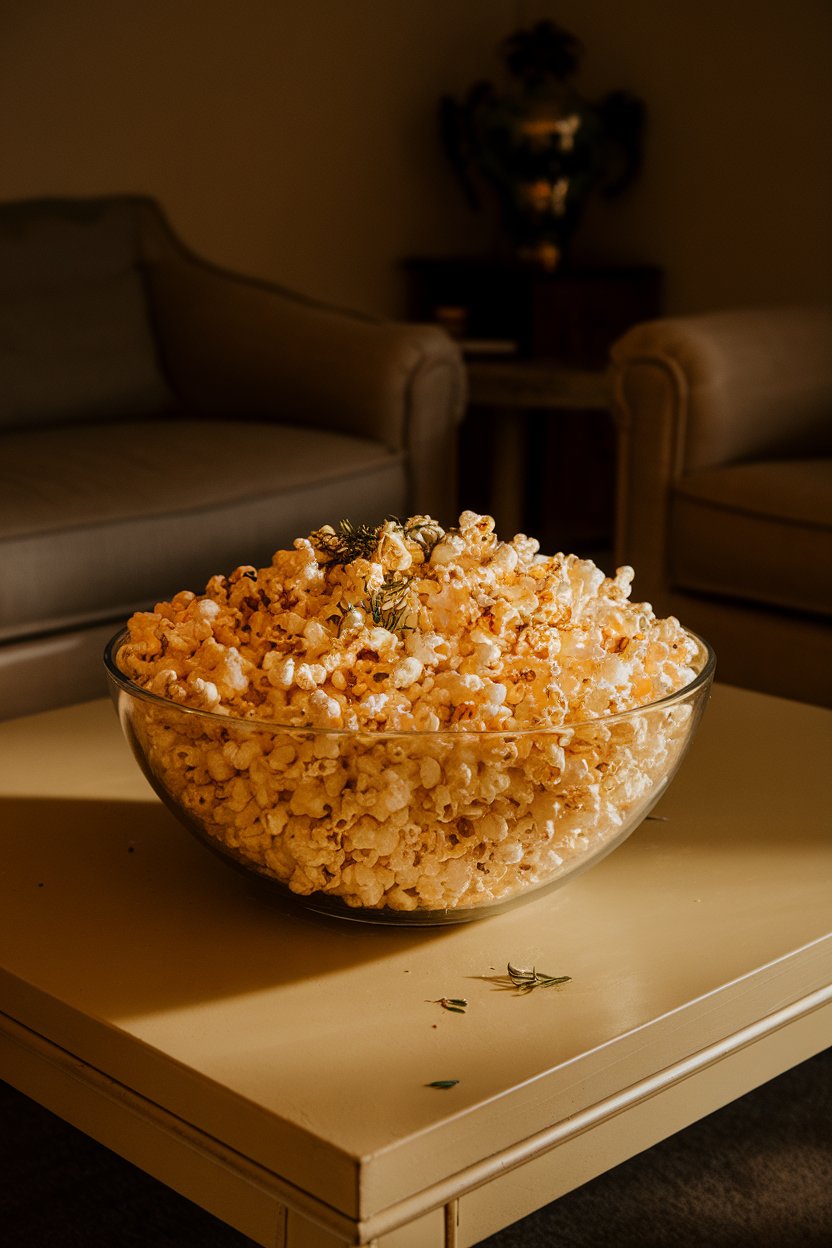
Popcorn offers whole-grain crunch with far fewer calories than potato chips. Season with smoked paprika or nutritional yeast for extra flavor. A countertop popper or stovetop method avoids added chemicals.
44. Keep Single-Serve Hummus Cups Handy
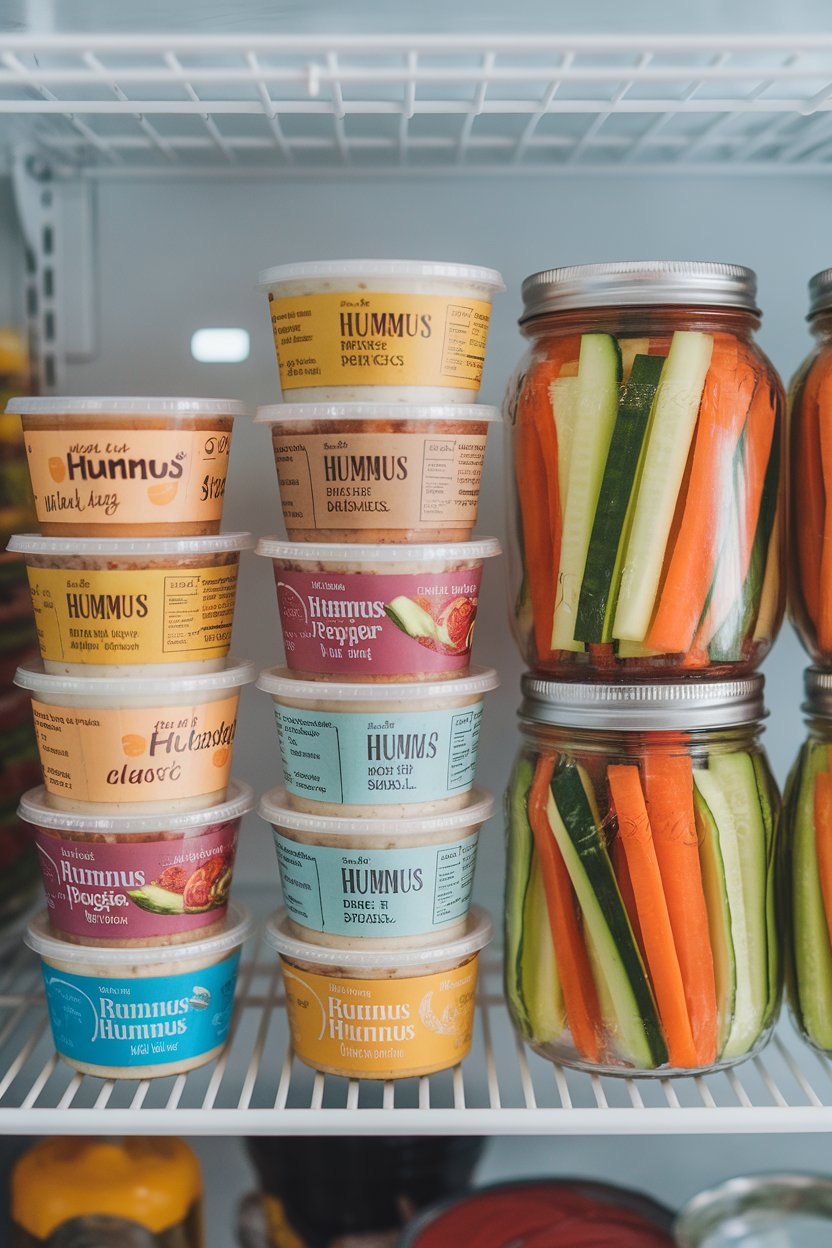
Portioned dips simplify snack decisions and maintain freshness. Pair with carrots or whole-grain crackers for balanced carbs and protein. It’s grab-and-go goodness for busy afternoons.
45. Blend Frozen Cauliflower into Soup
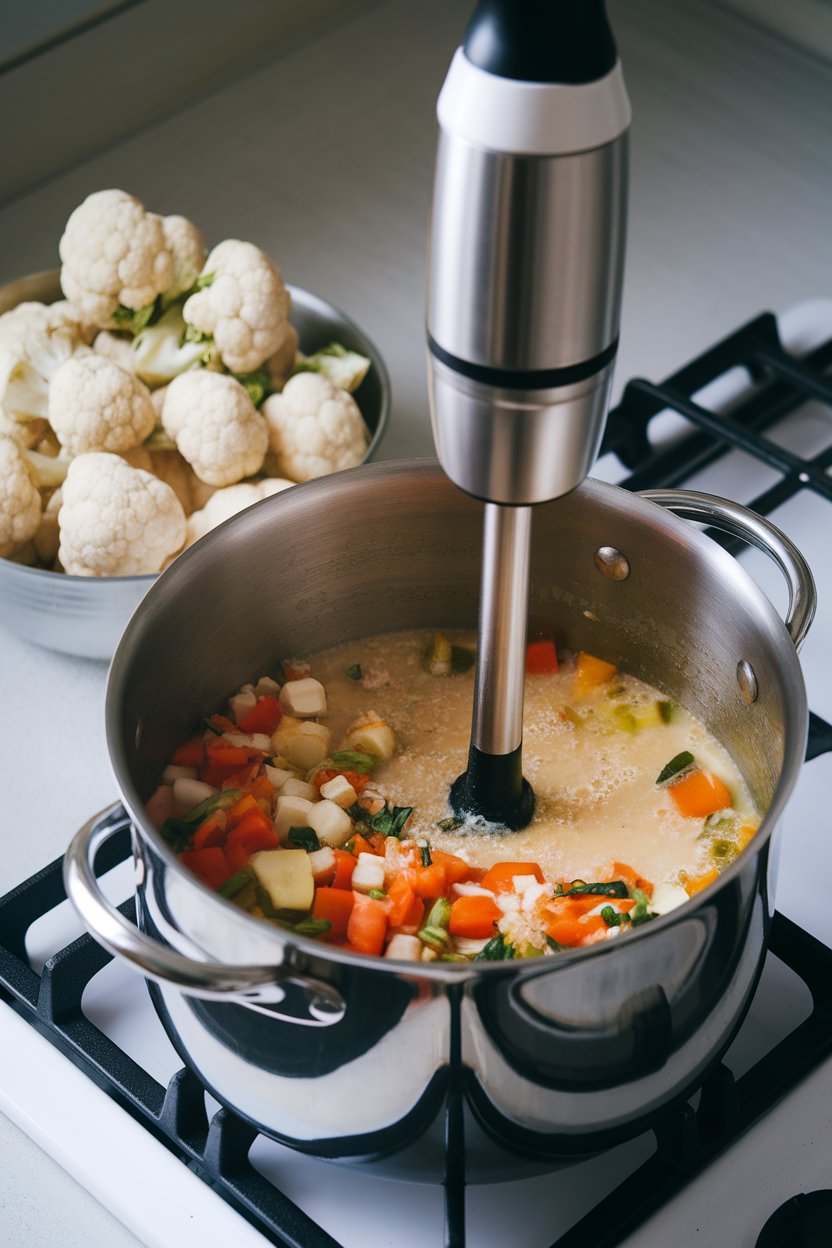
Cauliflower thickens soups and smoothies without altering flavor. It sneaks extra vitamins and a creamy mouthfeel in dairy-free dishes. Keep a bag in the freezer for easy use.
46. Buy Pre-Washed Greens if Time Is Tight
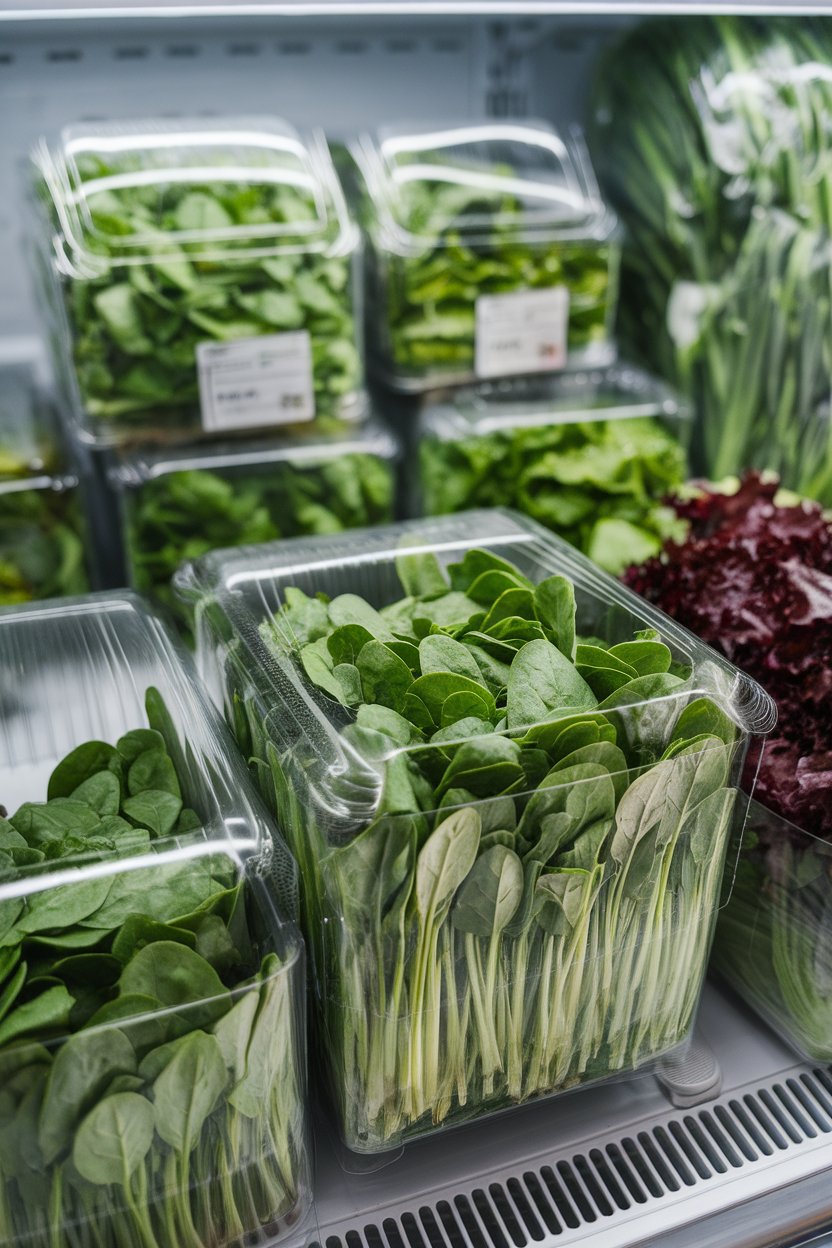
Slightly higher cost beats letting whole heads wilt in the crisper. Convenience increases the chance you’ll eat a salad or throw greens into a stir-fry. Rinse quickly to refresh and you’re set.
47. Marinate Proteins Overnight
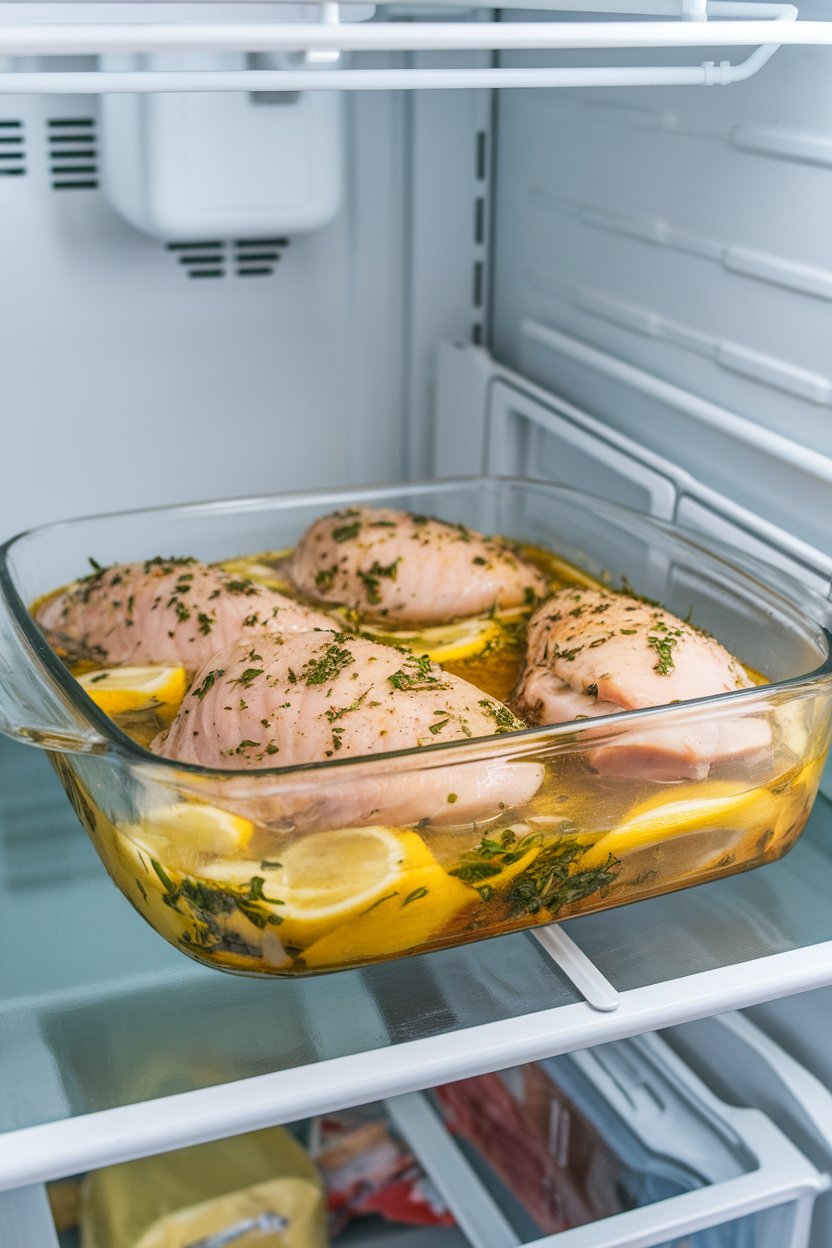
Longer marinating means deeper flavor and more tender meat, allowing for leaner cuts. It streamlines next-day cooking to just heat and eat. Include a bit of acid like lemon juice to aid digestion.
48. Flavor Water with Cucumber and Mint
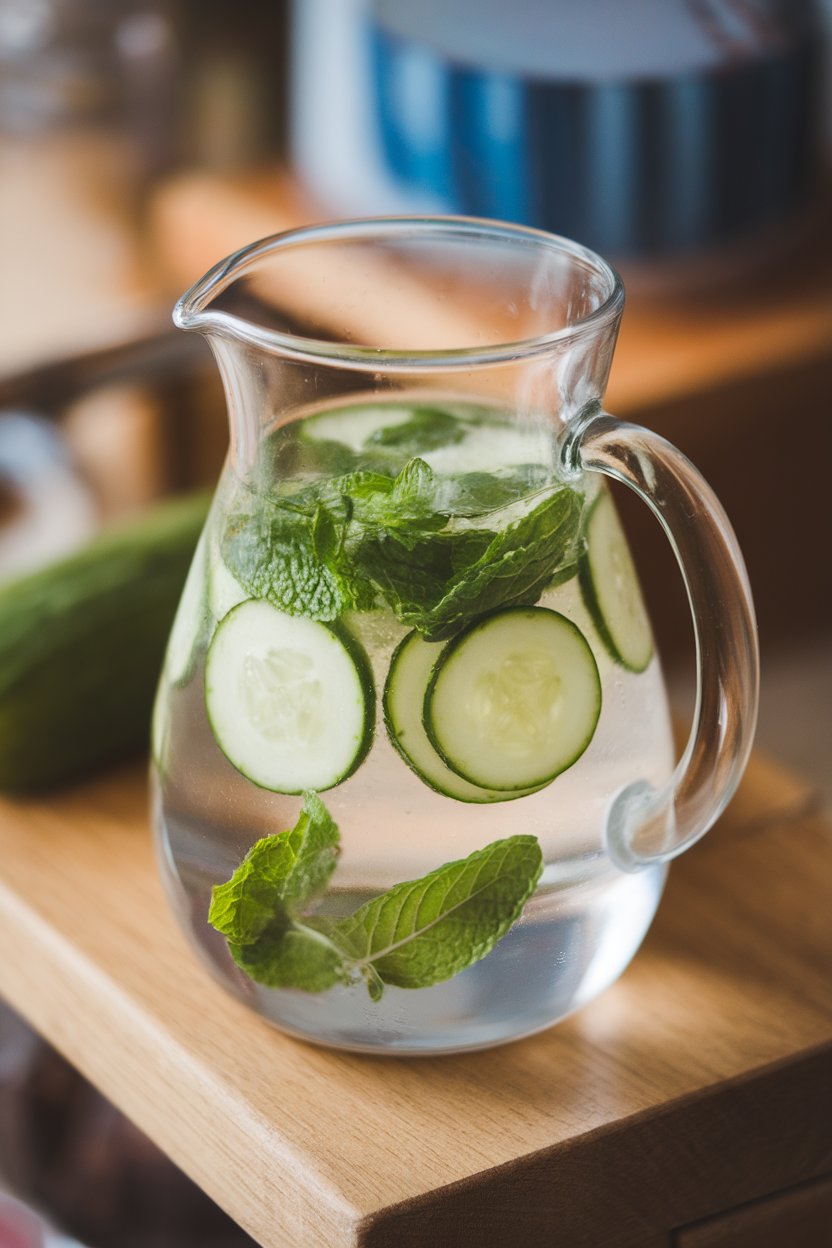
Infused water feels spa-like and encourages extra sips. Cucumber adds a refreshing note while mint awakens the senses. Keep a pitcher in the fridge and refill throughout the day.
49. Pre-Portion Dark Chocolate Squares
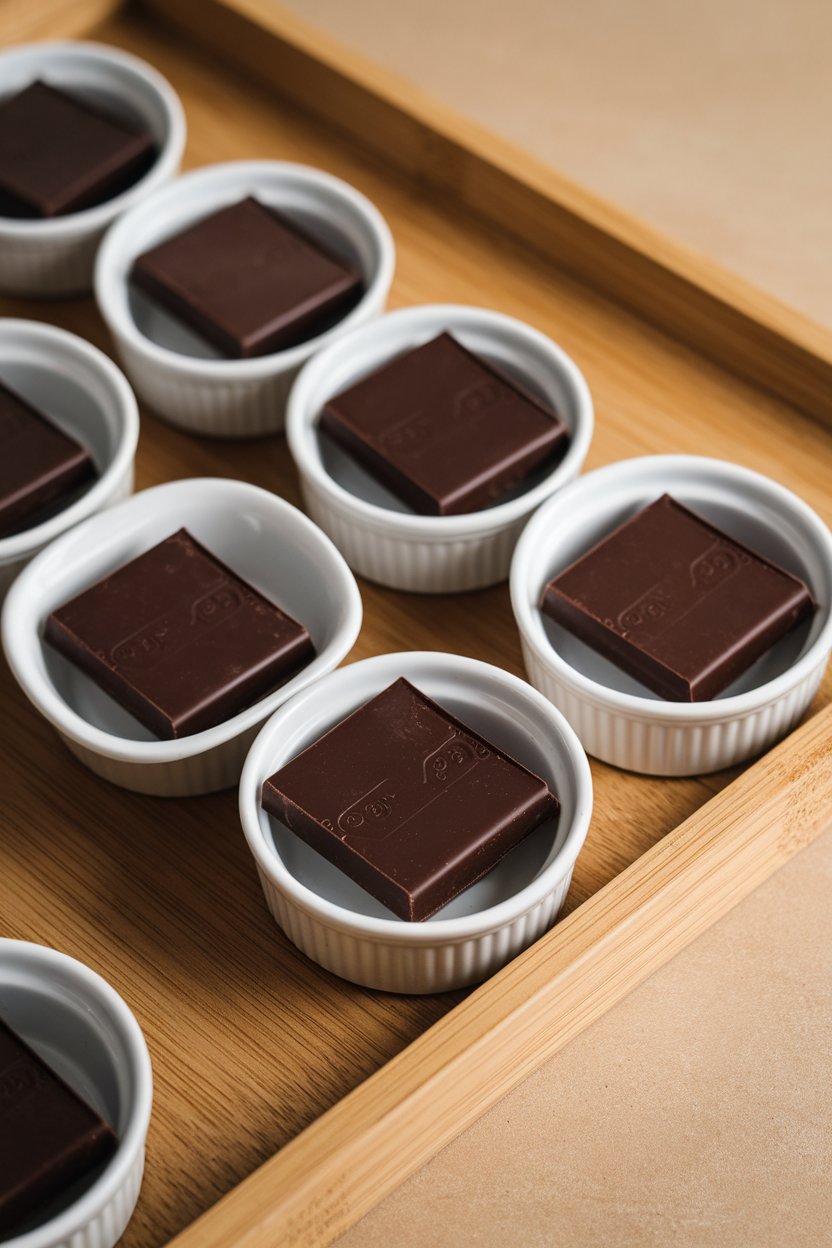
Intense cocoa flavor satisfies dessert cravings quickly. Small servings make indulgence intentional rather than mindless. Look for 70 percent cacao or higher for antioxidant perks.
50. Keep Homemade Soup Jars in the Freezer
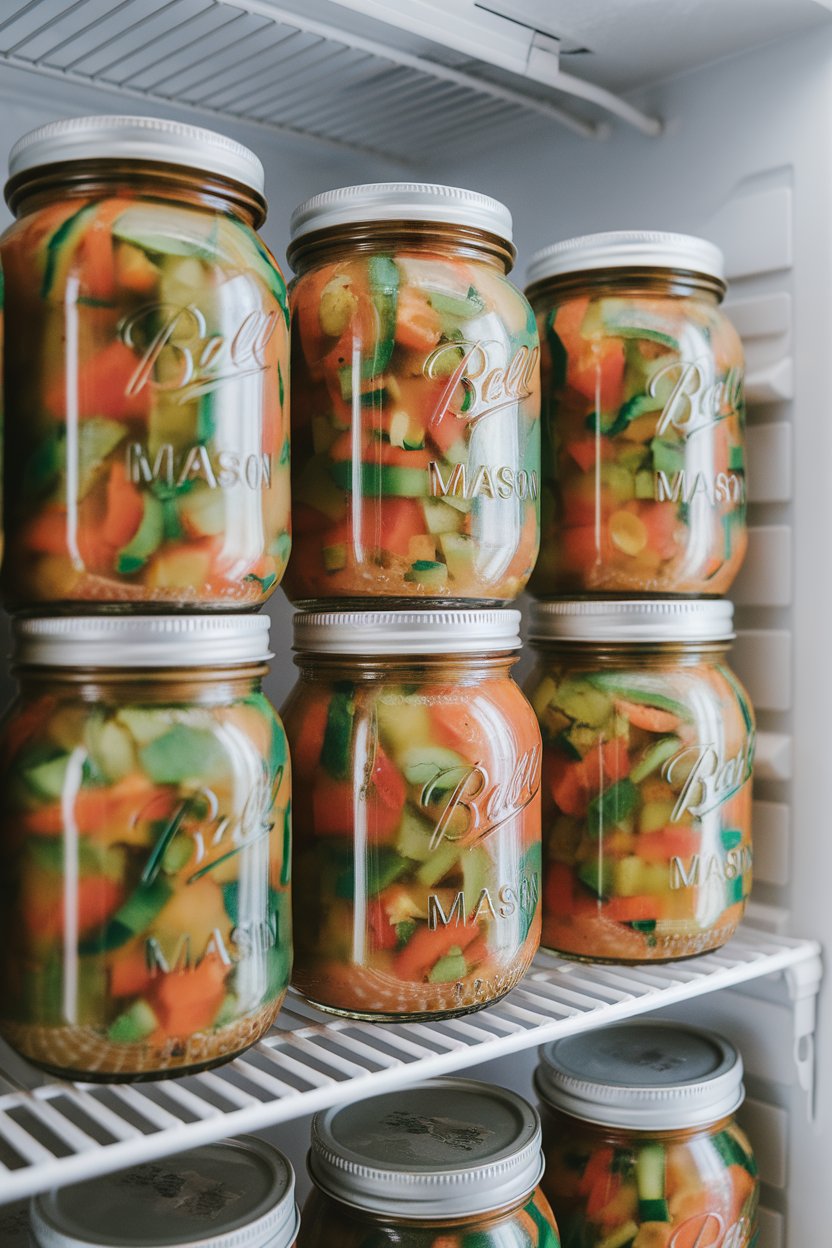
Soup reheats straight from frozen and makes an easy, comforting meal. Using jars avoids plastic and stacks neatly. Rotate flavors to avoid palate boredom.
51. Sprinkle Chia Seeds on Breakfast
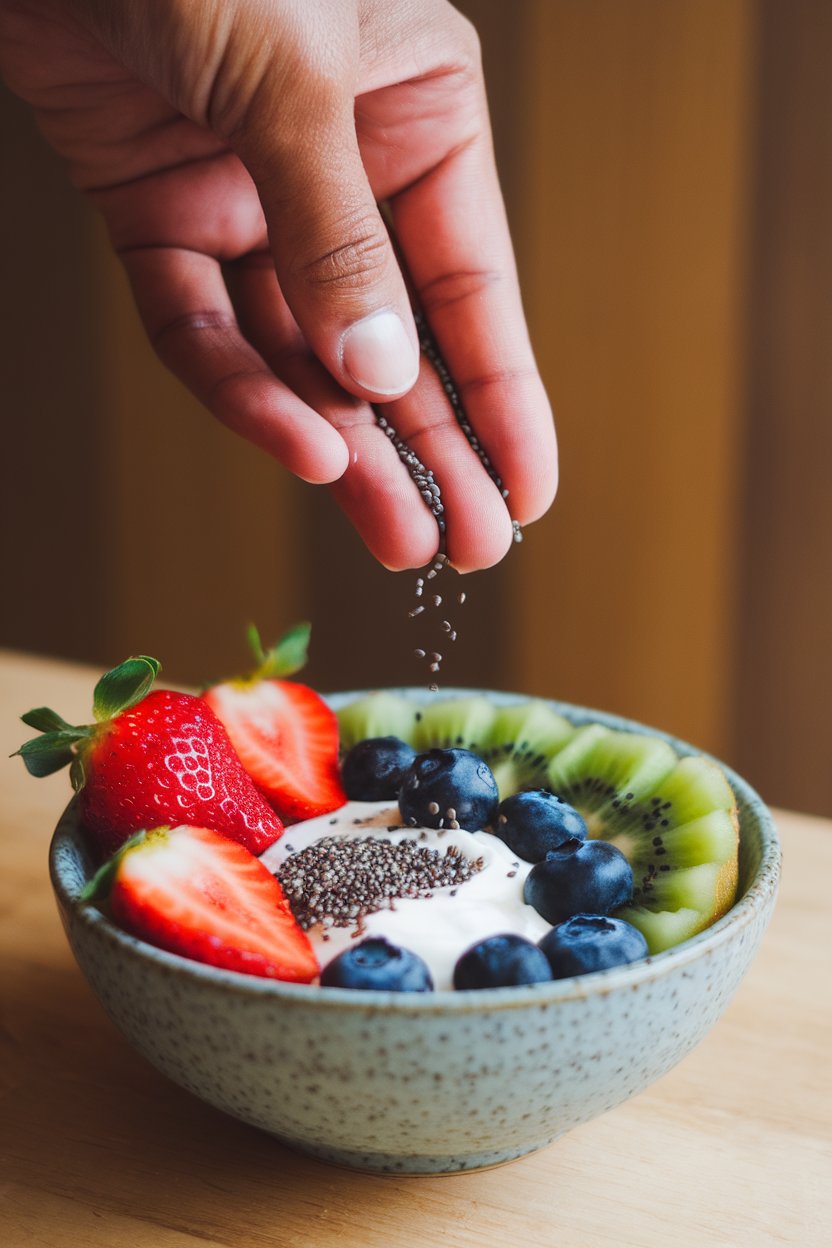
Chia delivers plant-based omega-3s and thickens dishes naturally. The tiny seeds stay crunchy when dry but gel nicely in liquids. Just one tablespoon adds fiber and protein without changing flavor.
52. Swap Tortillas for Lettuce Wraps
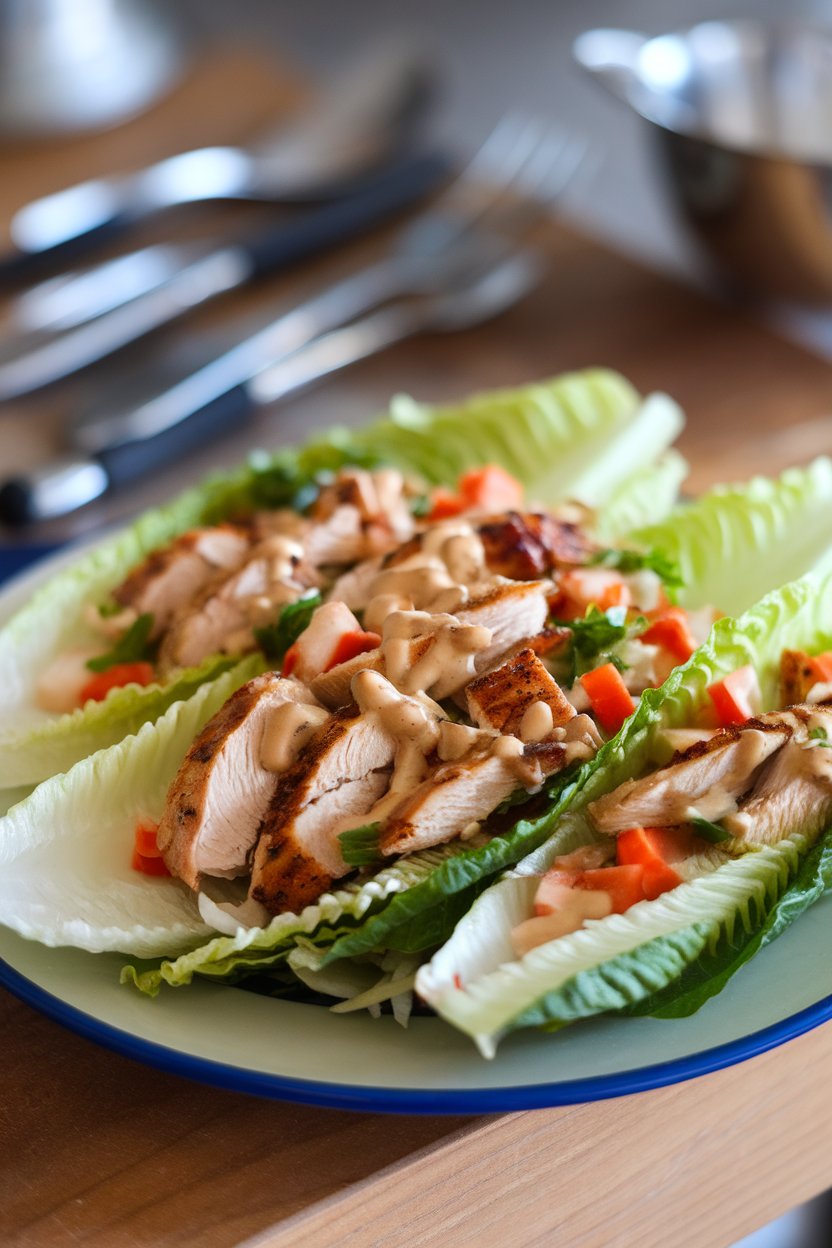
Lettuce wraps lower carbs while adding hydration and crunch. They’re especially refreshing in warm weather. Butter lettuce or romaine hearts hold fillings best.
53. Roast Chickpeas for a Crunchy Snack
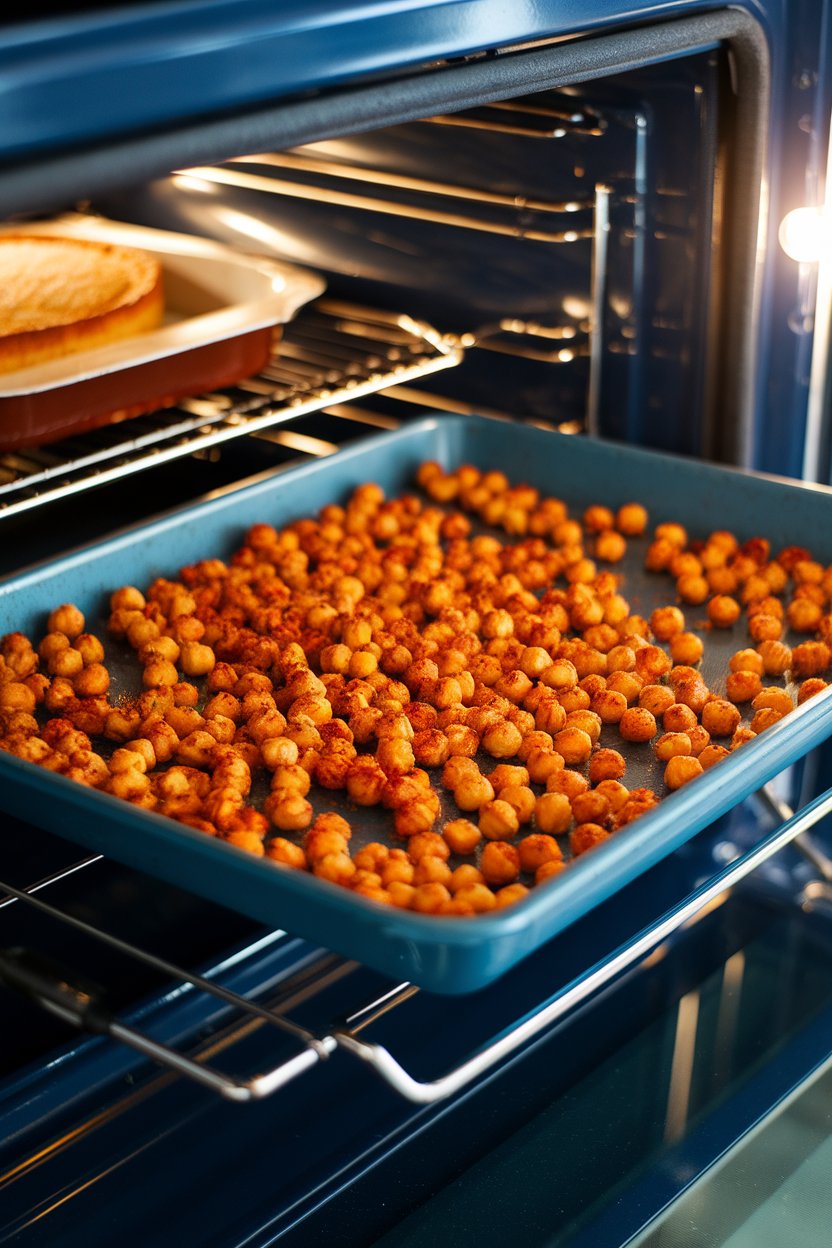
Crunchy chickpeas mimic the texture of chips with fiber and protein benefits. Toss with olive oil and spices, then bake until crisp. Store in an airtight jar for up to a week.
54. Prepare Overnight Oats
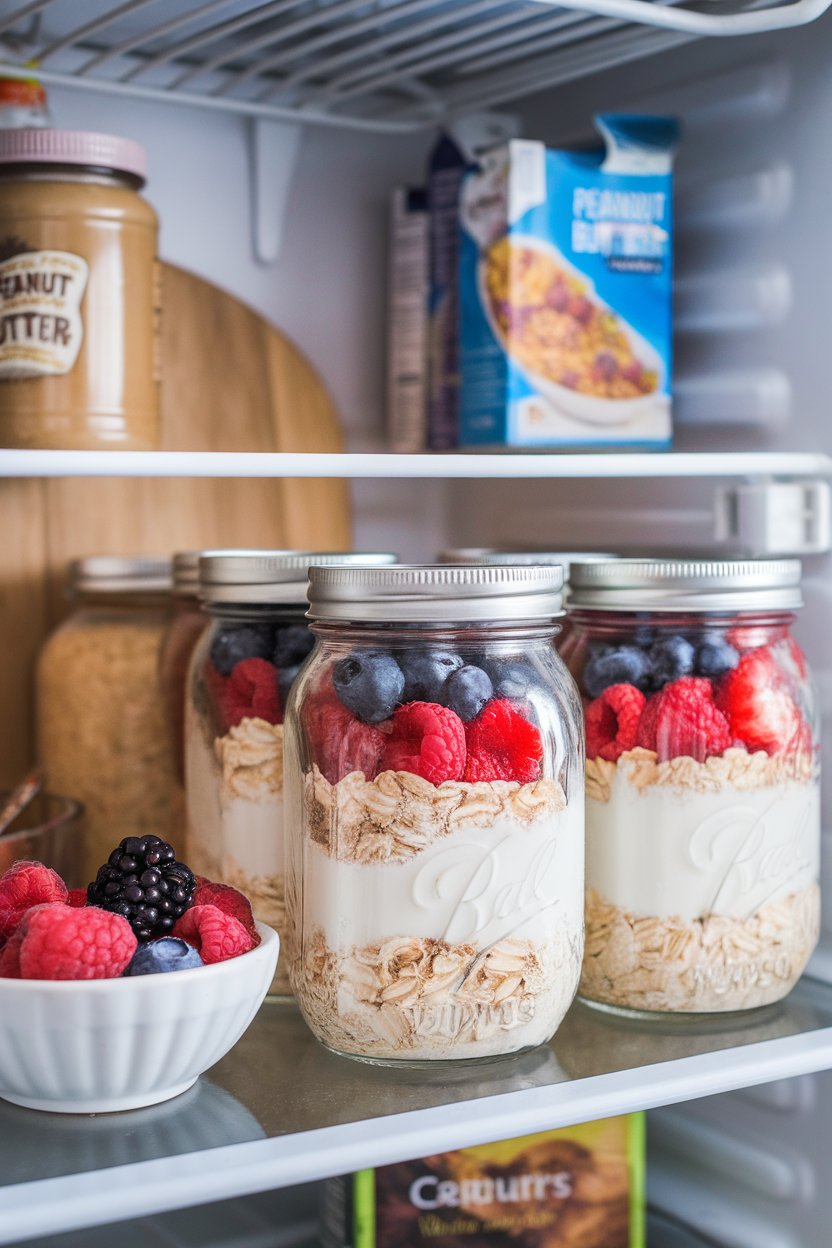
Soaking oats overnight softens them without cooking, saving time at dawn. The chilled texture feels like dessert but fuels like breakfast. Customize with spices, fruits, or nut butter.
55. Bake Egg Cups for Grab-and-Go Breakfasts
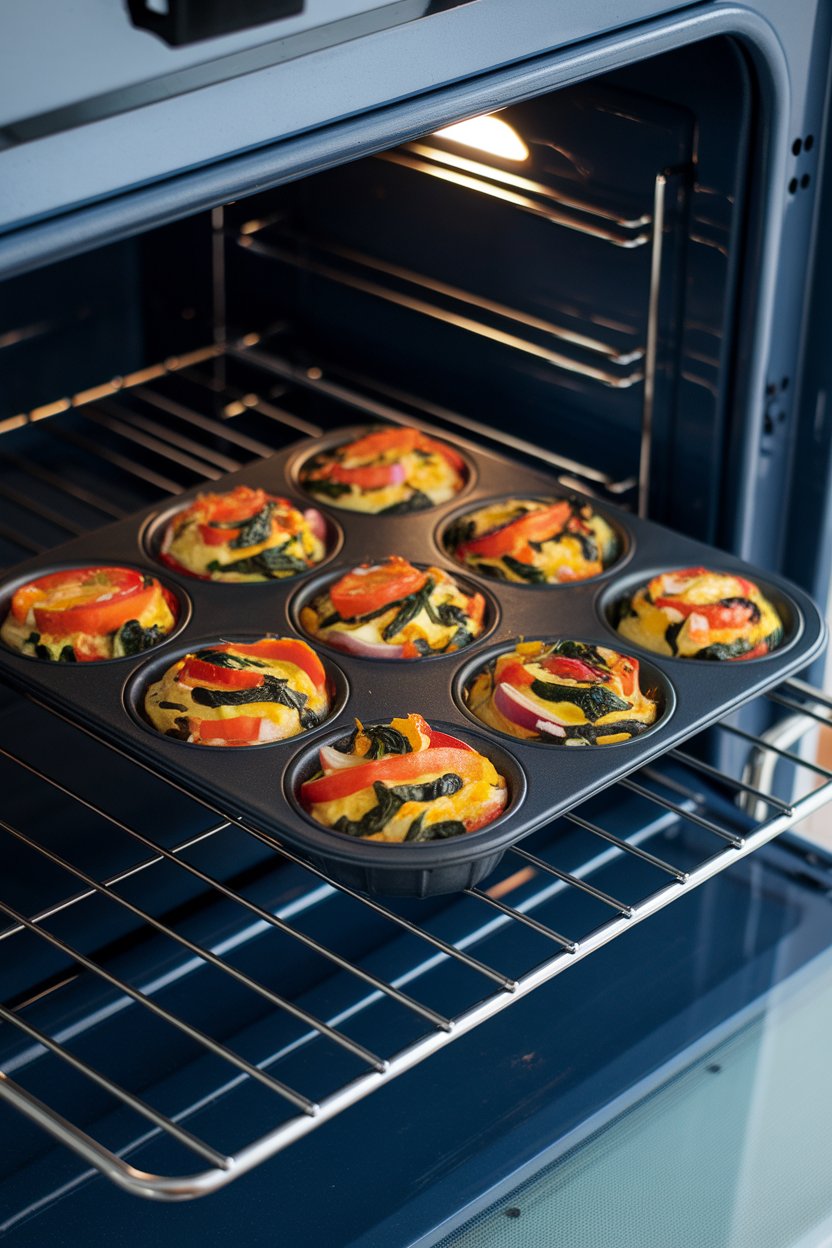
Whisked eggs, veggies, and cheese bake into portable protein bites. They reheat in seconds and freeze well. Bake a dozen on Sunday and breakfast is sorted for days.
56. Schedule a Weekly Grocery Trip
Consistent shopping keeps kitchens stocked with fresh staples. It prevents last-minute fast-food runs when pantries run bare. Choose a day that reliably suits your routine.
57. Reach for Fruit When Craving Dessert
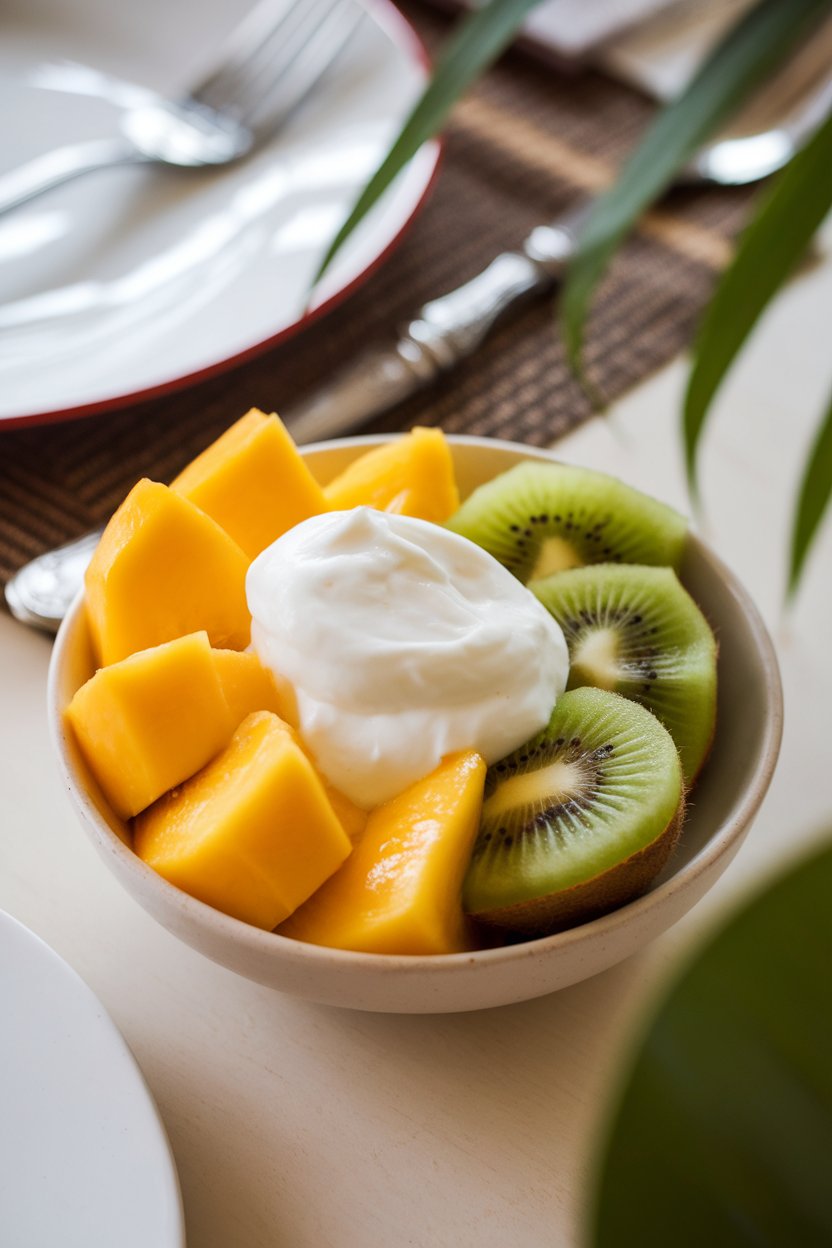
Natural sugars satisfy sweet teeth alongside fiber and vitamins. Pair fruit with a bit of protein or healthy fat to stay full longer. Over time, fruit tastes sweeter as your palate resets.
58. Let a Slow Cooker Handle Lean Stews
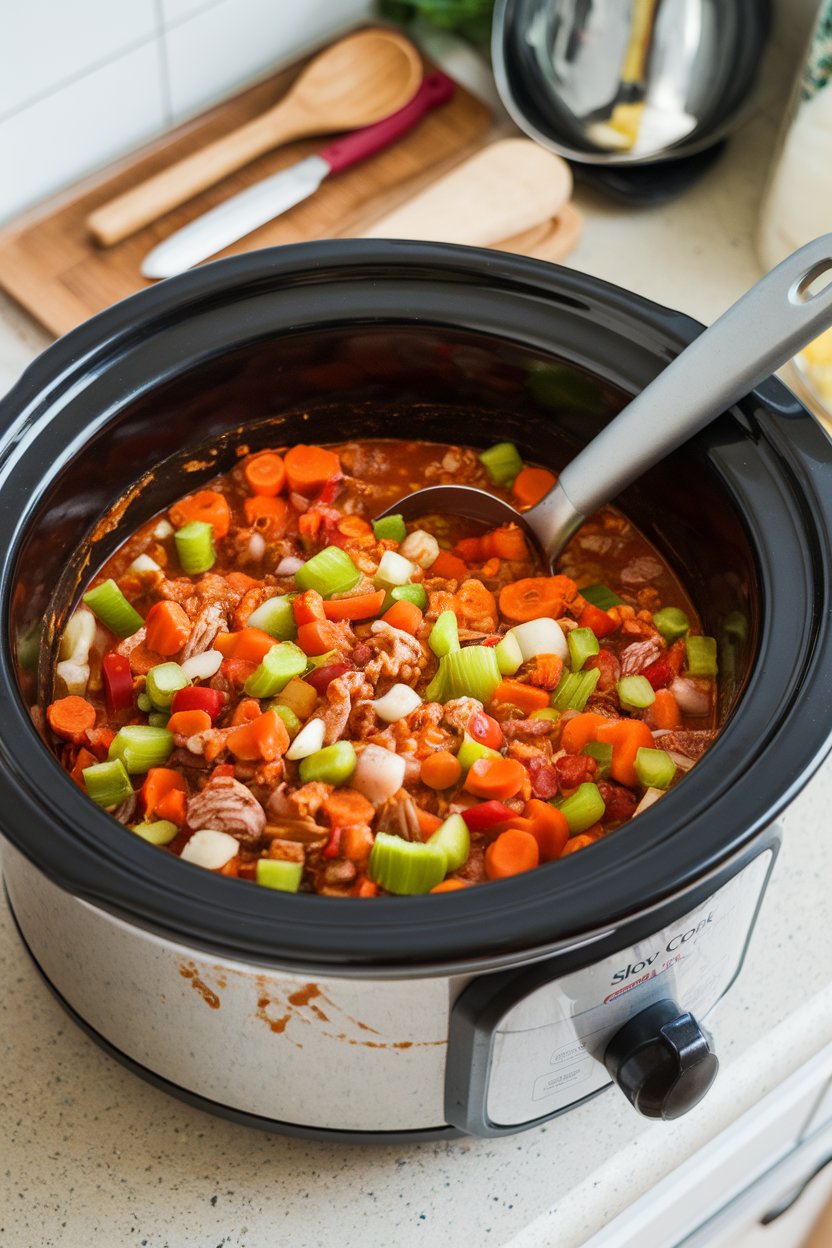
Low-and-slow cooking tenderizes lean meats without added fat. You can load the pot in the morning and return to a ready meal. Make extra for freezer portions.
59. Shred a Rotisserie Chicken for Quick Protein
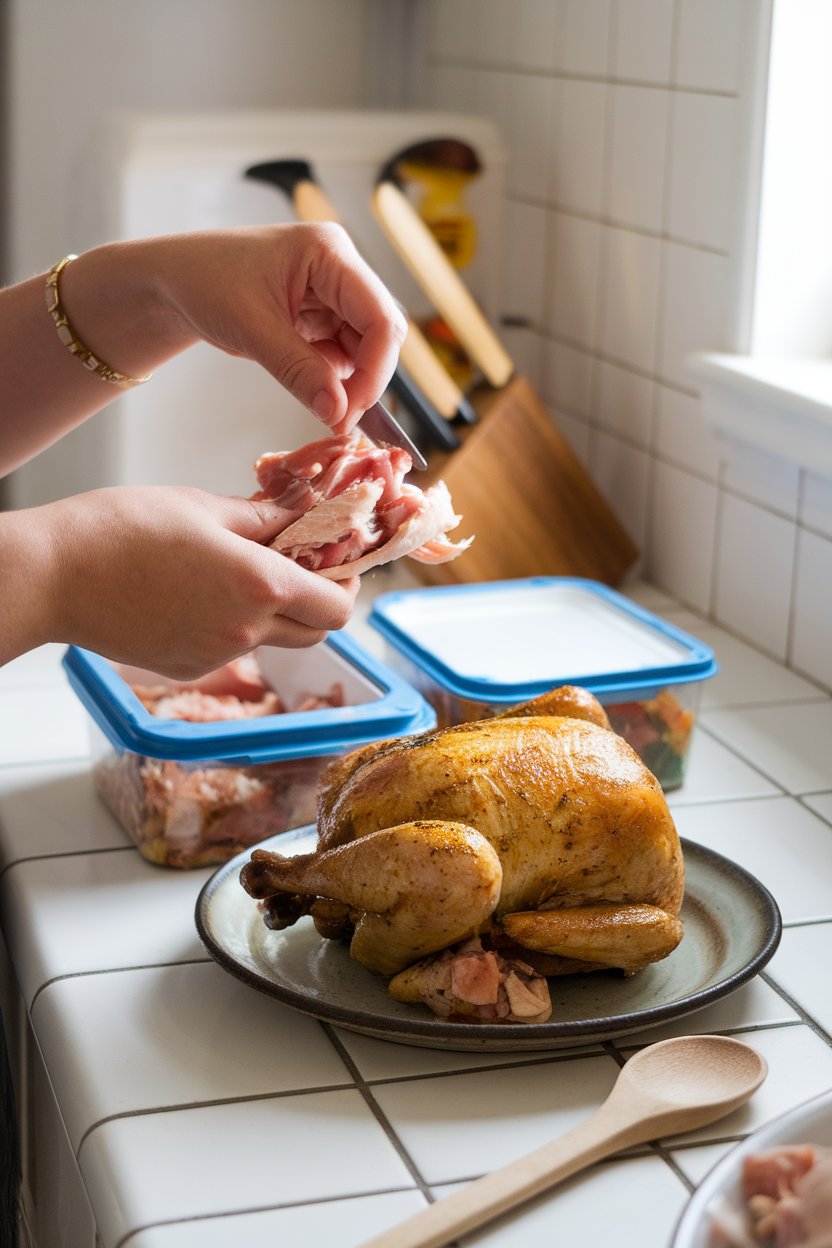
Store-bought rotisserie chickens shave an hour off dinner prep. Shredded meat works in salads, wraps, soups, or tacos. Freeze half if you won’t use it within three days.
60. Stock Tuna Packets for Emergency Protein
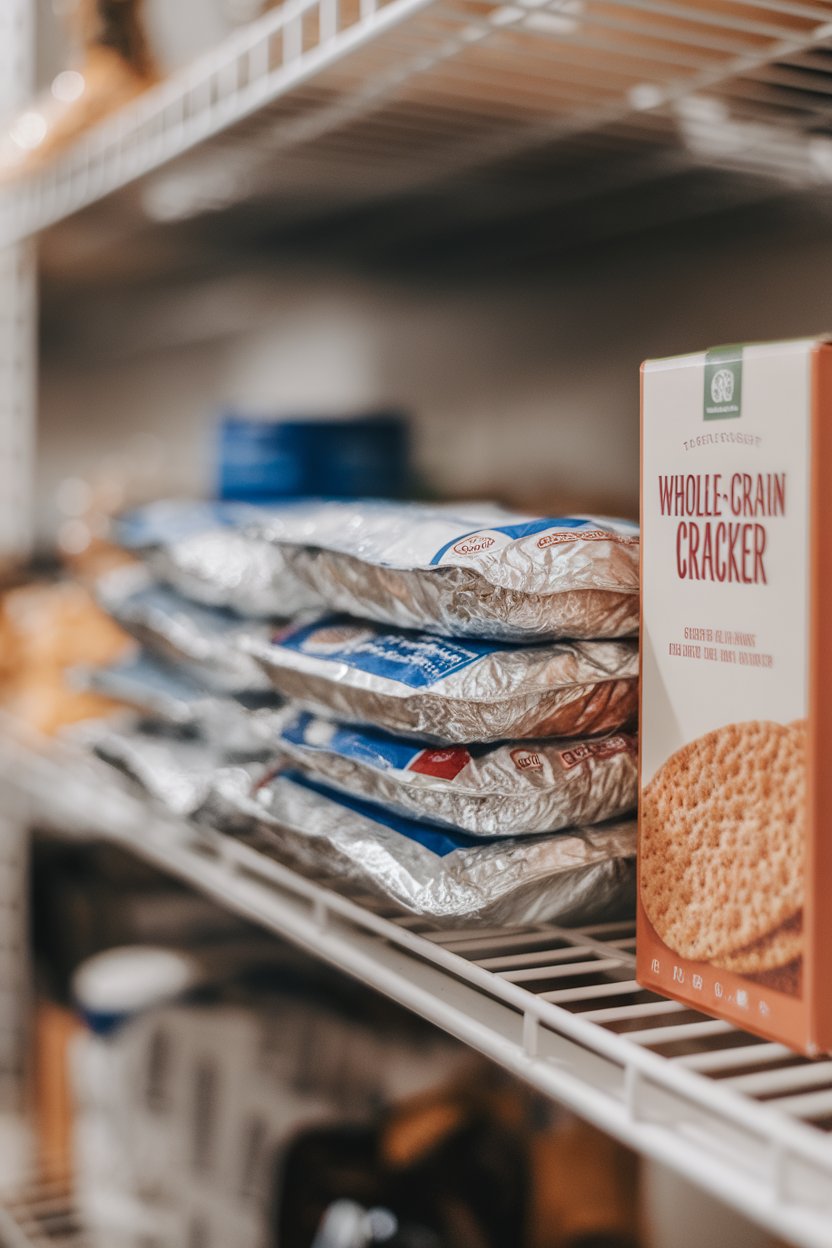
Single-serve tuna requires no can opener or draining. It’s rich in lean protein and omega-3s. Stir into a quick salad or eat straight from the packet when time is scarce.
61. Save Vegetable Scraps for Homemade Stock
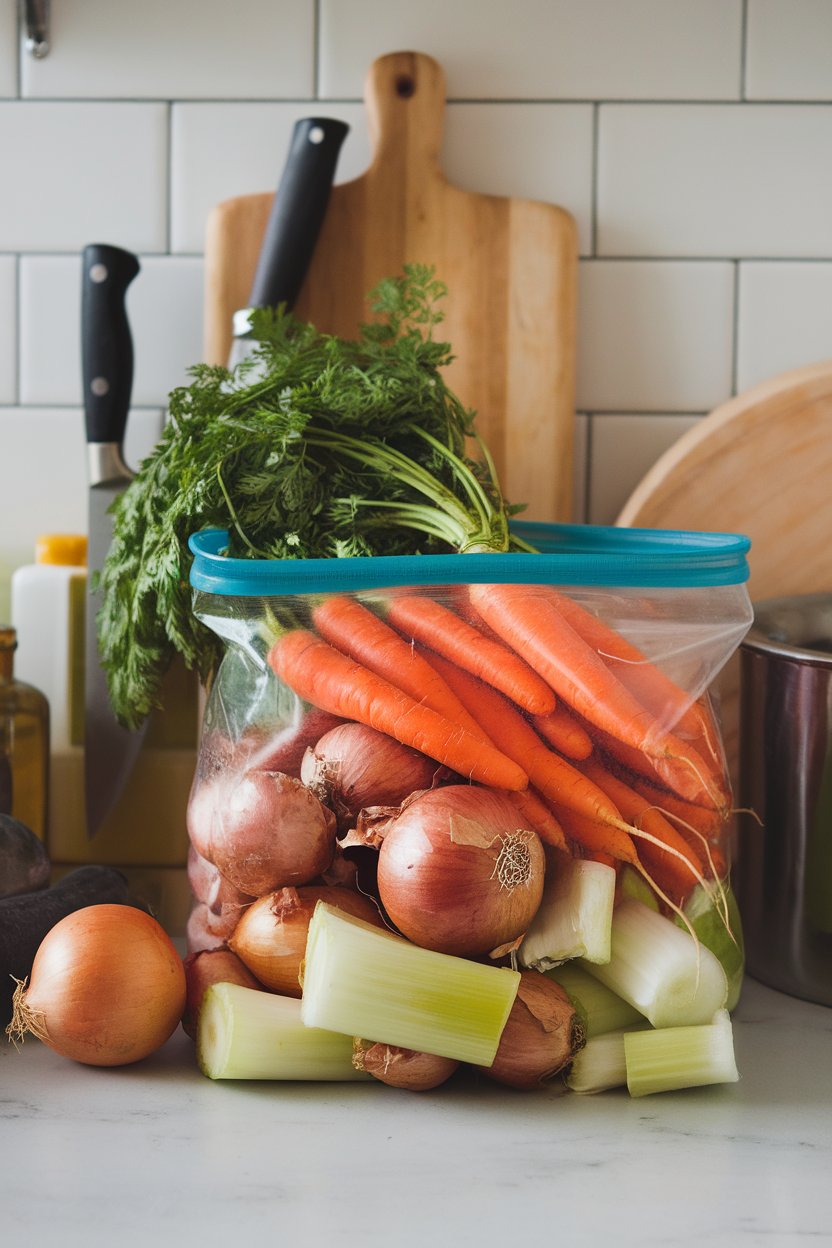
Collect clean scraps in a freezer bag until full, then simmer into flavorful broth. This reduces waste and extracts every nutrient possible. Season after straining to control salt.
62. Follow an 80/20 Balance Rule
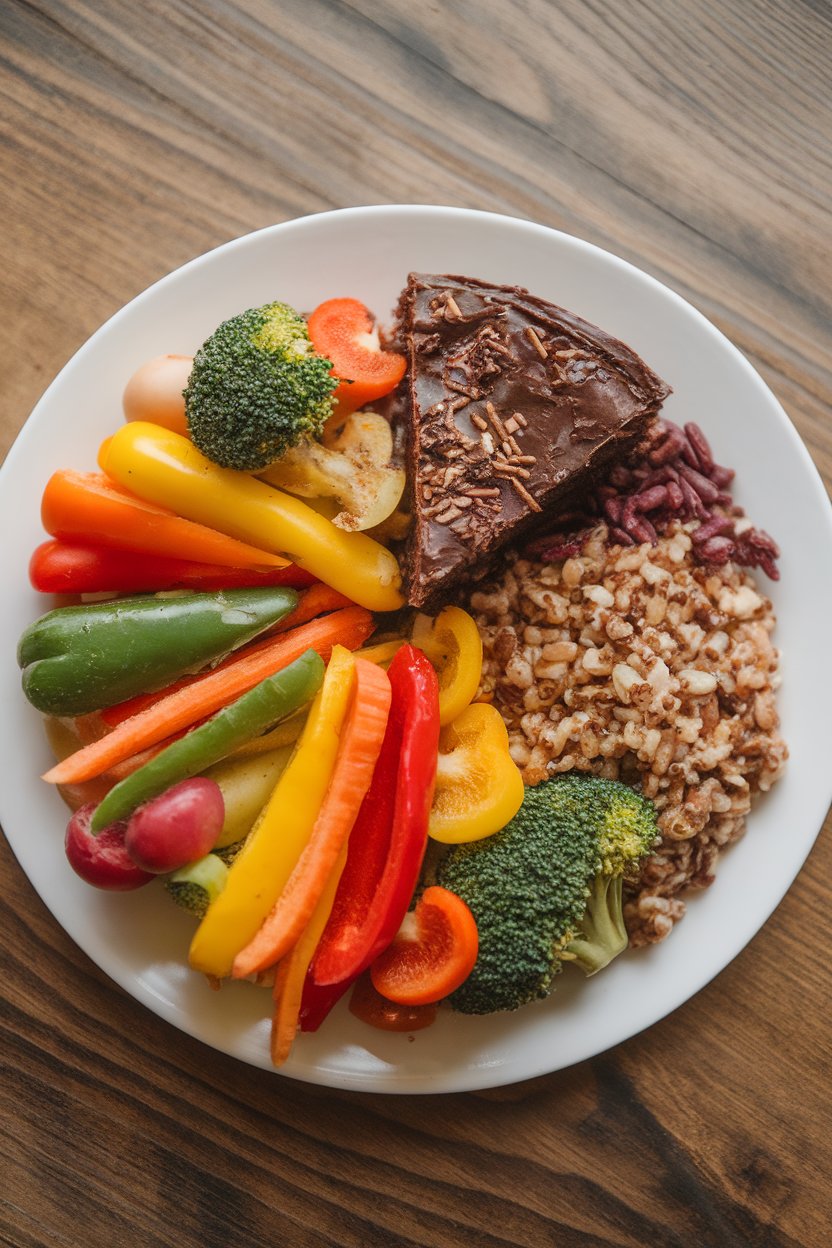
Eating nutrient-dense foods most of the time leaves room for guilt-free treats. The guideline feels flexible instead of restrictive, making long-term adherence easier. Track weekly rather than meal-by-meal for perspective.
63. Check Menus Online Before Dining Out
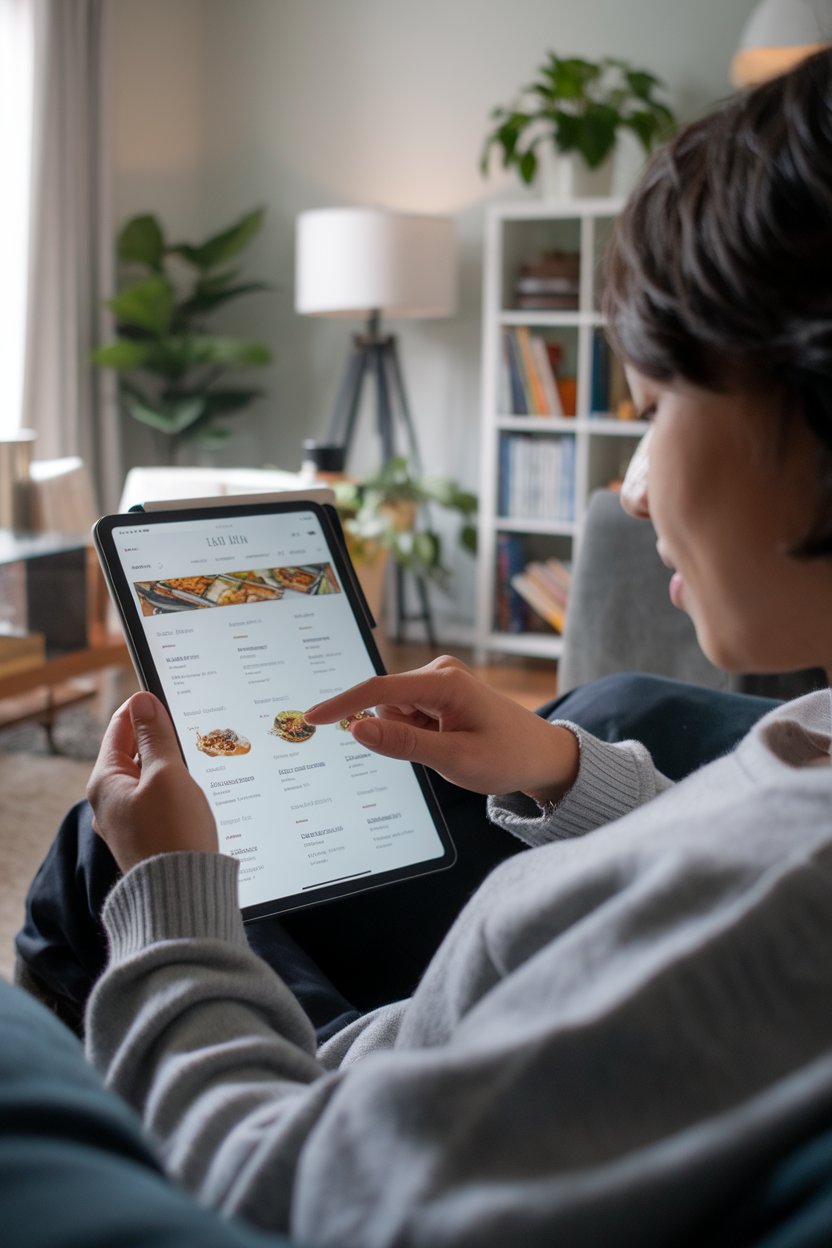
Previewing dishes lets you plan a balanced choice without on-the-spot pressure. You’ll avoid impulse ordering of the fried special. Knowledge equals empowerment.
64. Ask for Dressing on the Side
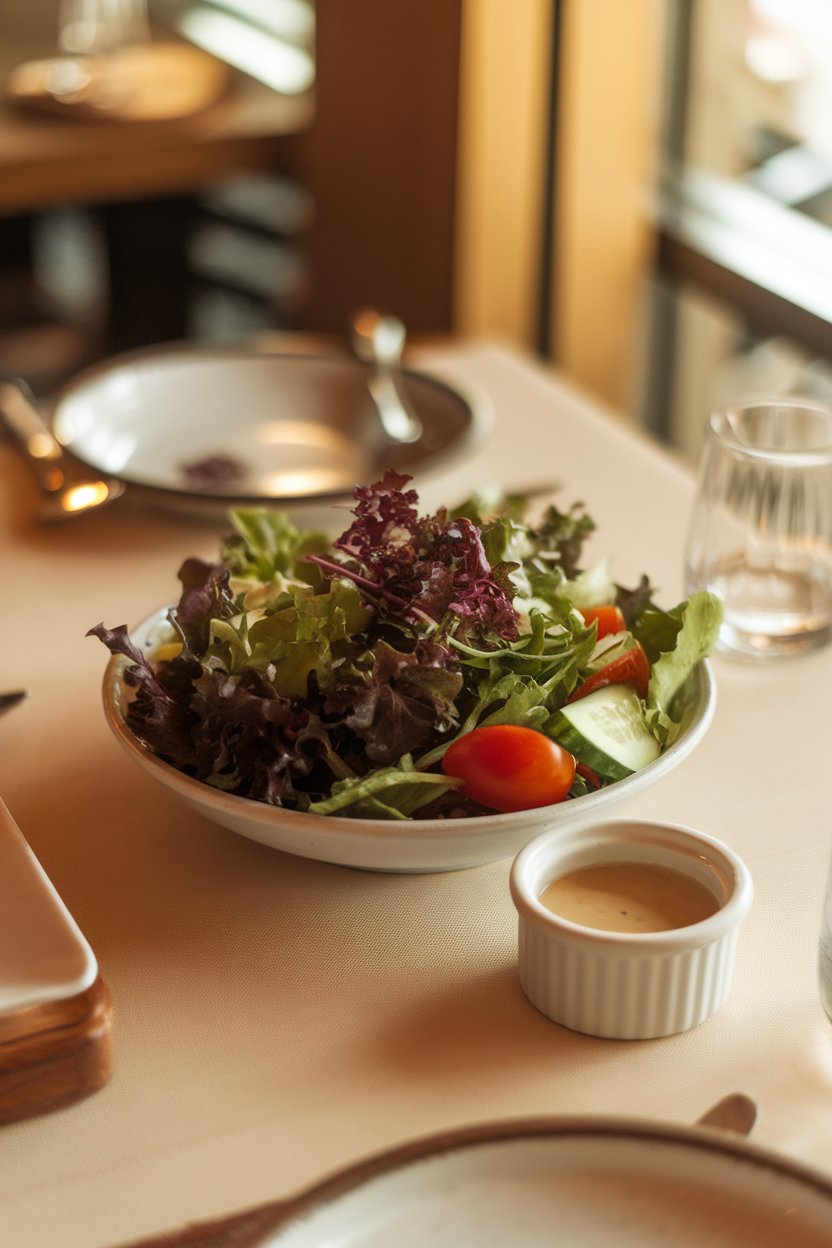
Controlling dressing amounts can cut several tablespoons of oil or sugar. Dip the fork lightly before each bite for flavor without overload. Your greens stay crisp, too.
65. Split Large Entrées
Portions at many restaurants dwarf home servings. Sharing saves calories and money while still letting you enjoy dining out. Order an extra side of veggies to complete the meal.
66. Carry an Emergency Snack Kit
Traffic jams, long errands, or flight delays won’t derail your eating plan when backup snacks are handy. Aim for items that tolerate temperature changes, like nuts or oatmeal cups. Replace consumed items right away.
67. Stick to Regular Meal Times
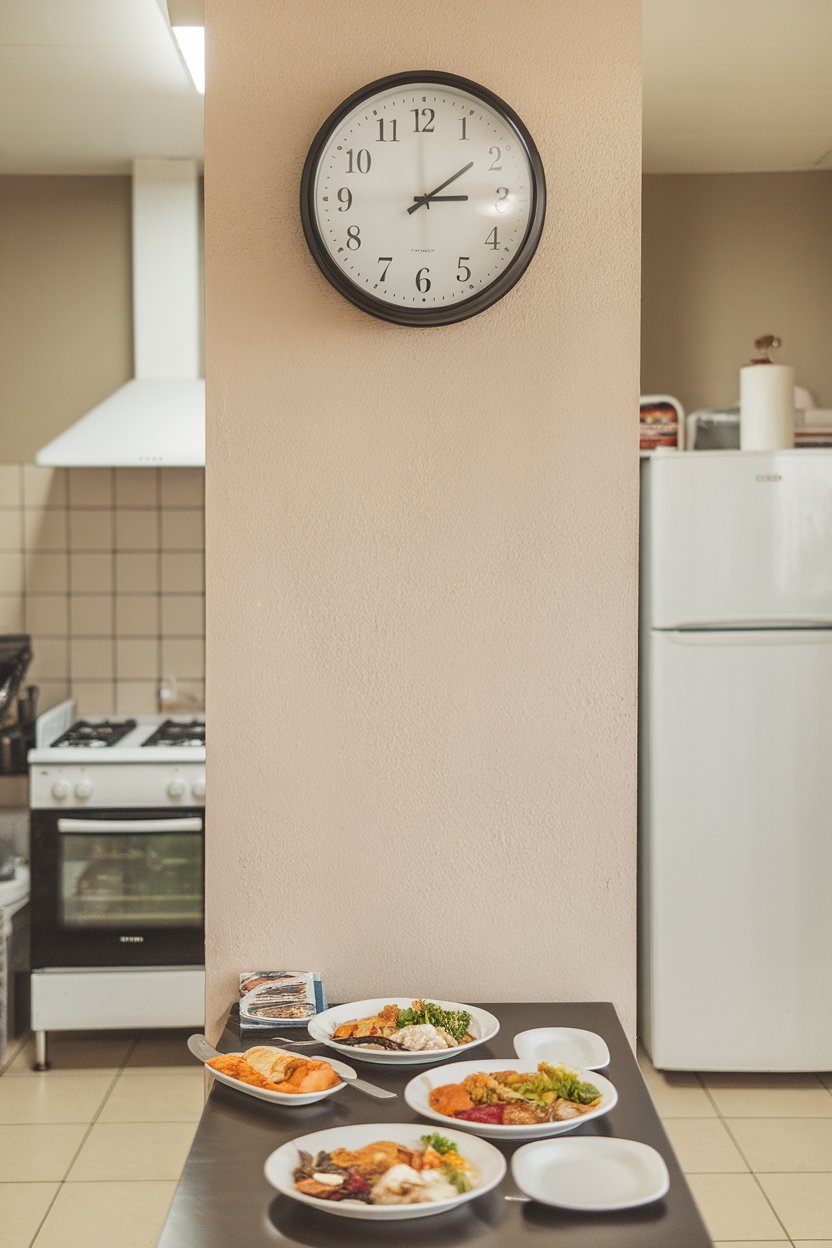
A predictable rhythm trains hunger cues and stabilizes blood sugar. Skipping meals often leads to overeating later. Consistency makes planning and digestion smoother.
68. Eat Without Screens
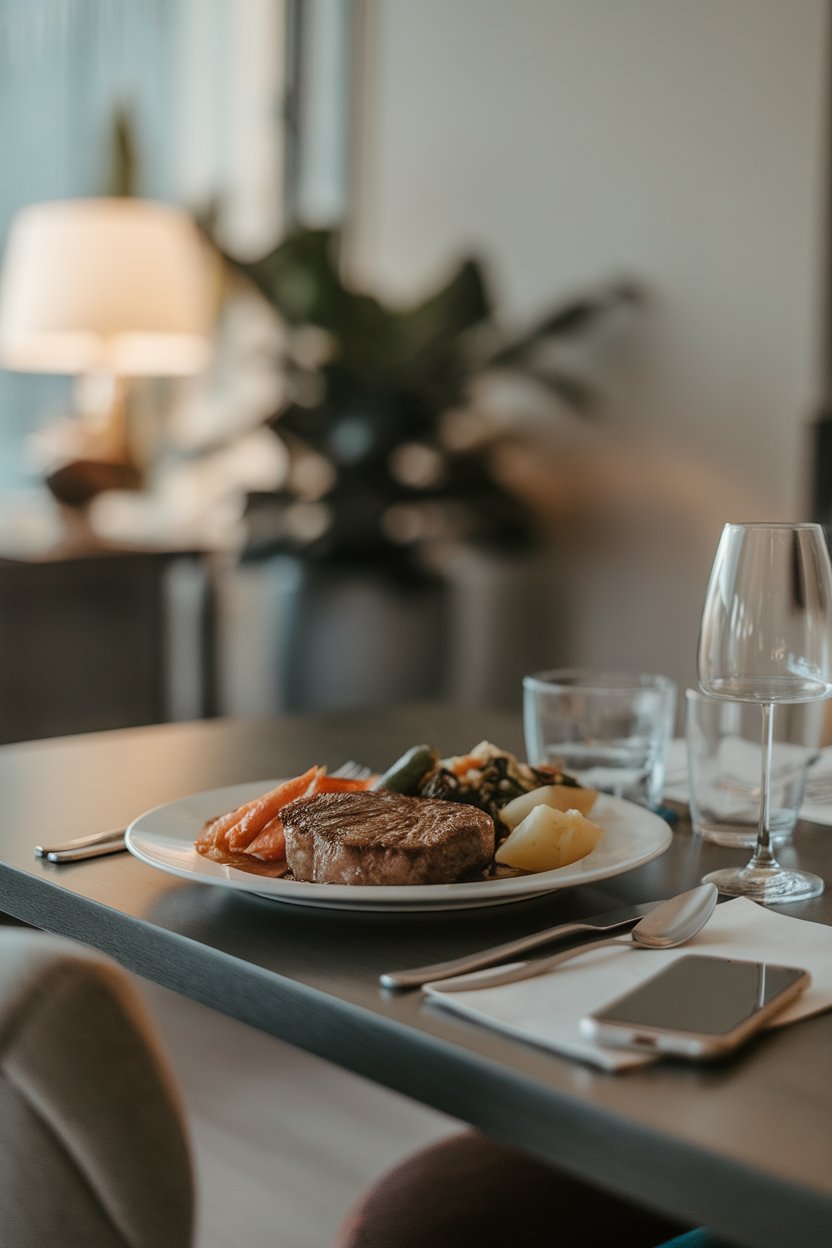
Distraction-free meals help you notice fullness signals earlier. They also foster mindfulness and enjoyment of flavors. Even ten undisturbed minutes can make a difference.
69. Keep a Few Healthy Frozen Meals on Hand
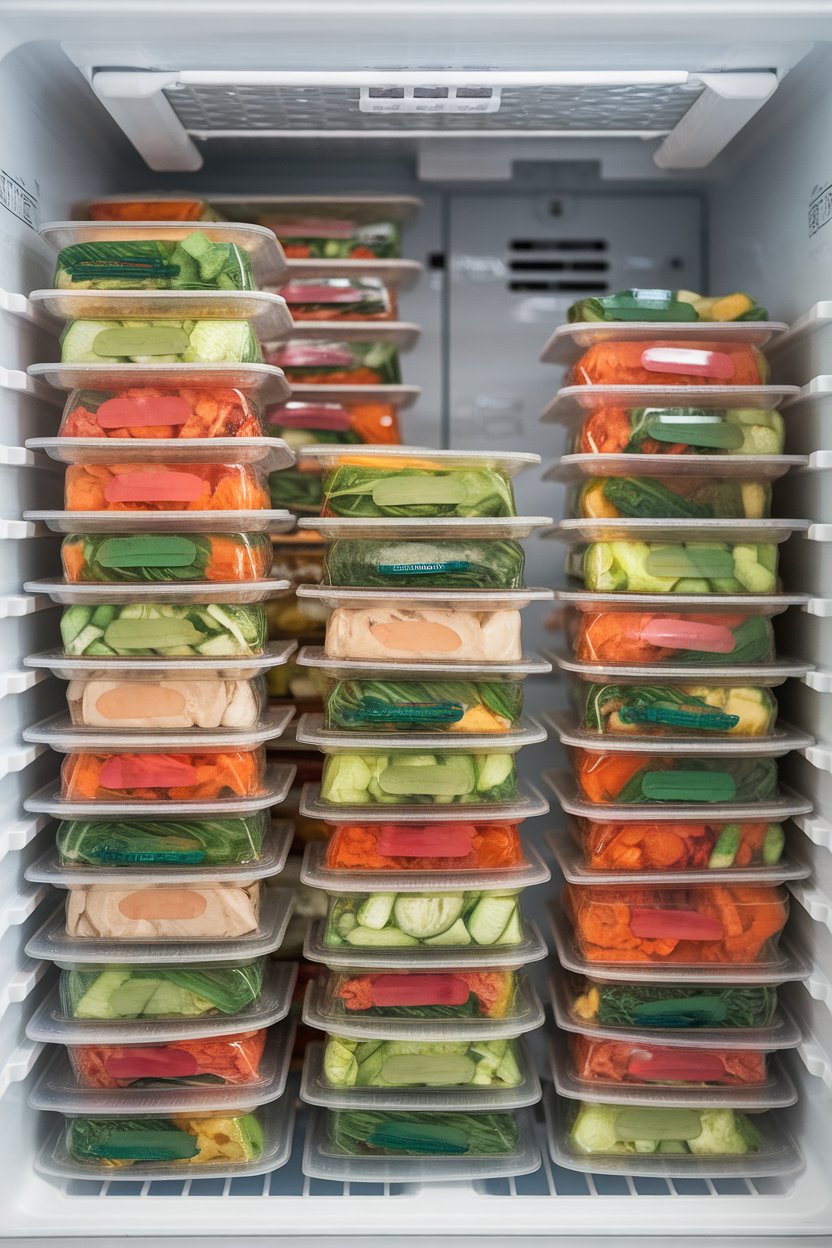
Look for options with simple ingredients and reasonable sodium. A backup meal prevents fast-food runs during hectic evenings. Round it out with a side salad or extra vegetables.
70. Celebrate Progress, Not Perfection
Small victories build momentum and confidence. A flexible mindset keeps healthy eating enjoyable and sustainable. Every choice is a chance to nourish your body and keep moving toward your goals.

Nathaniel Lee is an avid cook, drawing on his decades of home cooking and fine dining experience. He is a contributing chef at Mashed, and his recipes and contributions have been featured in Tasting Table, Edible Arrangements, Insanely Good Recipes, and The Daily Meal.