Stocking a kitchen with wholesome staples makes it much easier to prepare nourishing dishes throughout the week. The foods below are minimally processed, rich in nutrients, and versatile enough for countless recipes. Mix and match them to build salads, grain bowls, soups, and quick snacks that taste good and feel good.
Contents
- 1. Fresh Spinach
- 2. Baby Carrots
- 3. Sweet Potatoes
- 4. Avocados
- 5. Broccoli Crowns
- 6. Red Bell Peppers
- 7. Cucumbers
- 8. Cherry Tomatoes
- 9. Kale
- 10. Bananas
- 11. Blueberries
- 12. Apples
- 13. Steel-Cut Oats
- 14. Quinoa
- 15. Brown Rice
- 16. Dry Lentils
- 17. Black Beans (Canned, No-Salt-Added)
- 18. Chickpeas
- 19. Edamame (Frozen)
- 20. Tofu (Extra-Firm)
- 21. Tempeh
- 22. Skinless Chicken Breasts
- 23. Ground Turkey (93 % Lean)
- 24. Eggs
- 25. Wild-Caught Salmon Fillets
- 26. Canned Light Tuna in Water
- 27. Cooked Shrimp (Frozen, Tail-Off)
- 28. Plain Greek Yogurt
- 29. Cottage Cheese (Low-Fat)
- 30. Unsweetened Almond Milk
- 31. Extra-Virgin Olive Oil
- 32. Natural Peanut Butter
- 33. Raw Almonds
- 34. Walnuts
- 35. Chia Seeds
- 36. Ground Flaxseed
- 37. Pumpkin Seeds (Pepitas)
- 38. Cinnamon
- 39. Fresh Garlic
- 40. Fresh Ginger
- 41. Fresh Basil
- 42. Lemons
- 43. Apple Cider Vinegar
- 44. Low-Sodium Vegetable Broth
- 45. Dijon Mustard
- 46. Rolled Oats
- 47. Barley
- 48. Whole-Grain Tortillas
- 49. Unsweetened Cocoa Powder
- 50. Dates
- 51. Plain Popcorn Kernels
- 52. Salsa (No Added Sugar)
- 53. Nutritional Yeast
- 54. Dark Chocolate (70 % Cacao or Higher)
- 55. Herbal Tea Variety
1. Fresh Spinach
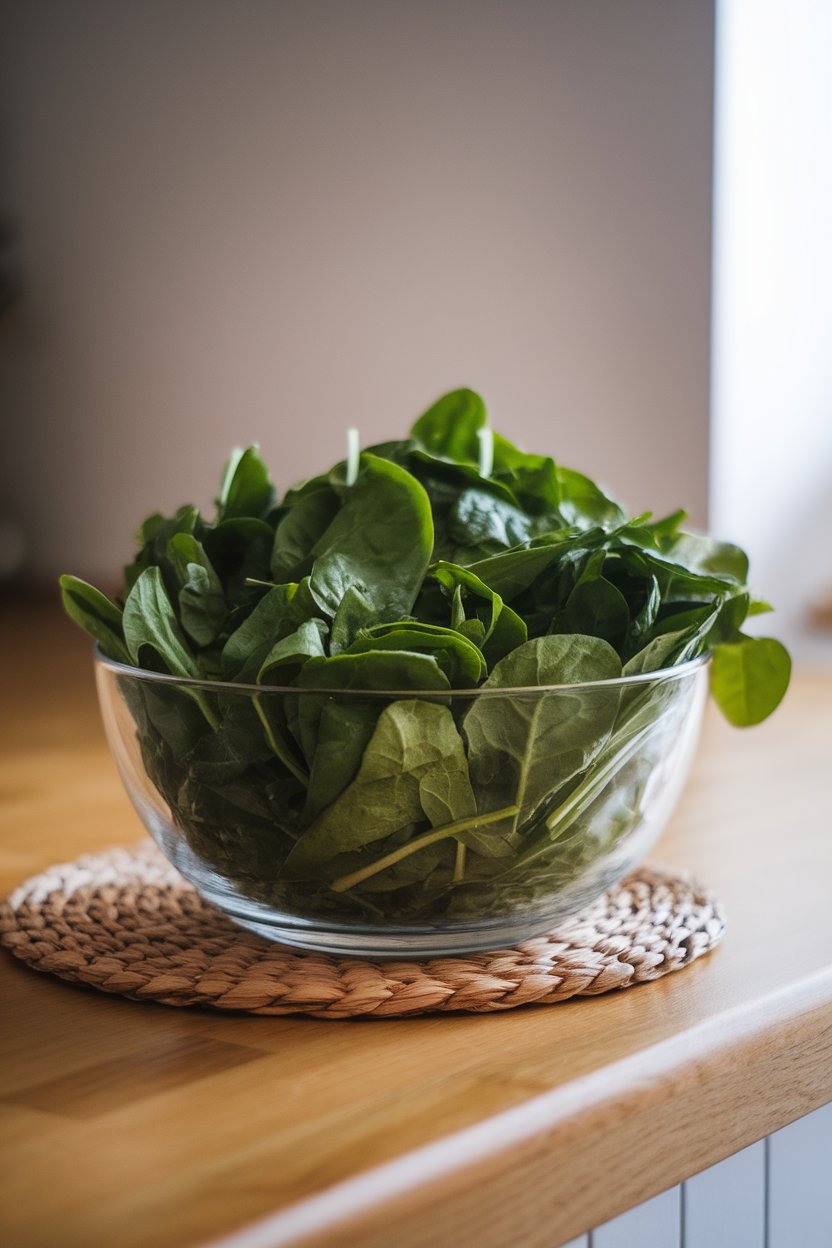
Tender spinach leaves slip seamlessly into smoothies, salads, omelets, and sautés. One packed cup delivers iron, folate, and vitamin K with hardly any calories. Rinse just before use to keep the leaves crisp for up to a week.
2. Baby Carrots
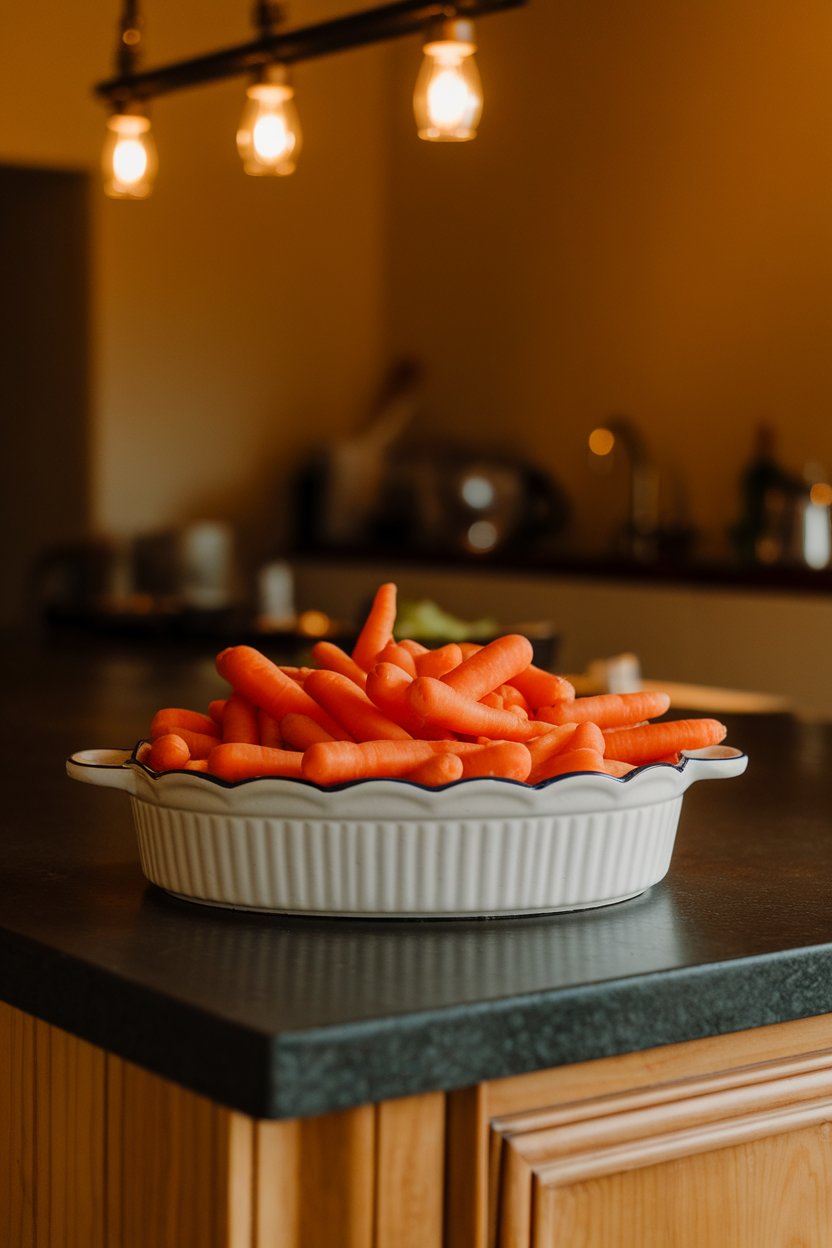
Baby carrots are a snack-time hero thanks to their natural sweetness and crunch. They’re ready to eat straight from the bag, sparing you any chopping when time is tight. Pair them with hummus or roast them with a touch of olive oil for an easy side.
3. Sweet Potatoes
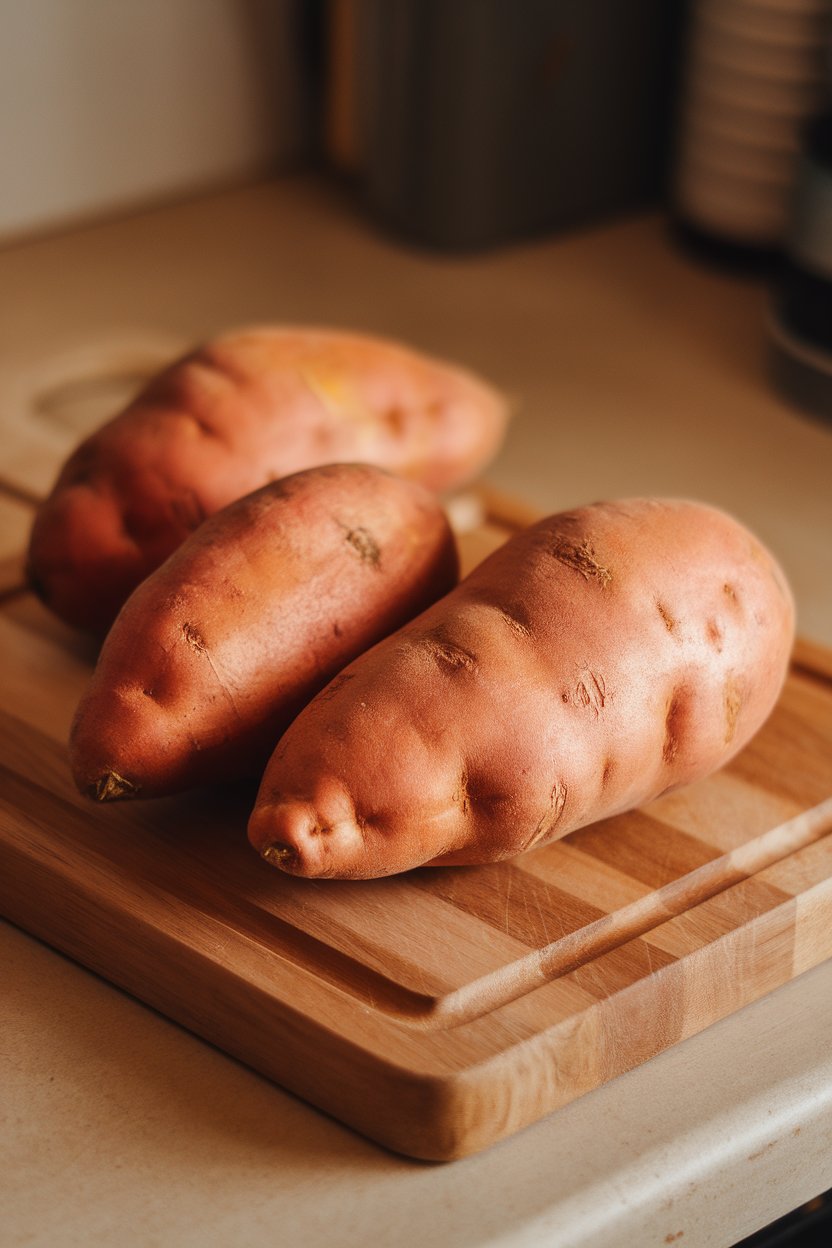
Orange-fleshed sweet potatoes provide beta-carotene, fiber, and slow-releasing carbohydrates. They bake well, mash smoothly, and even work in breakfast hashes. Store them in a cool, dark place—not the fridge—to keep them firm.
4. Avocados
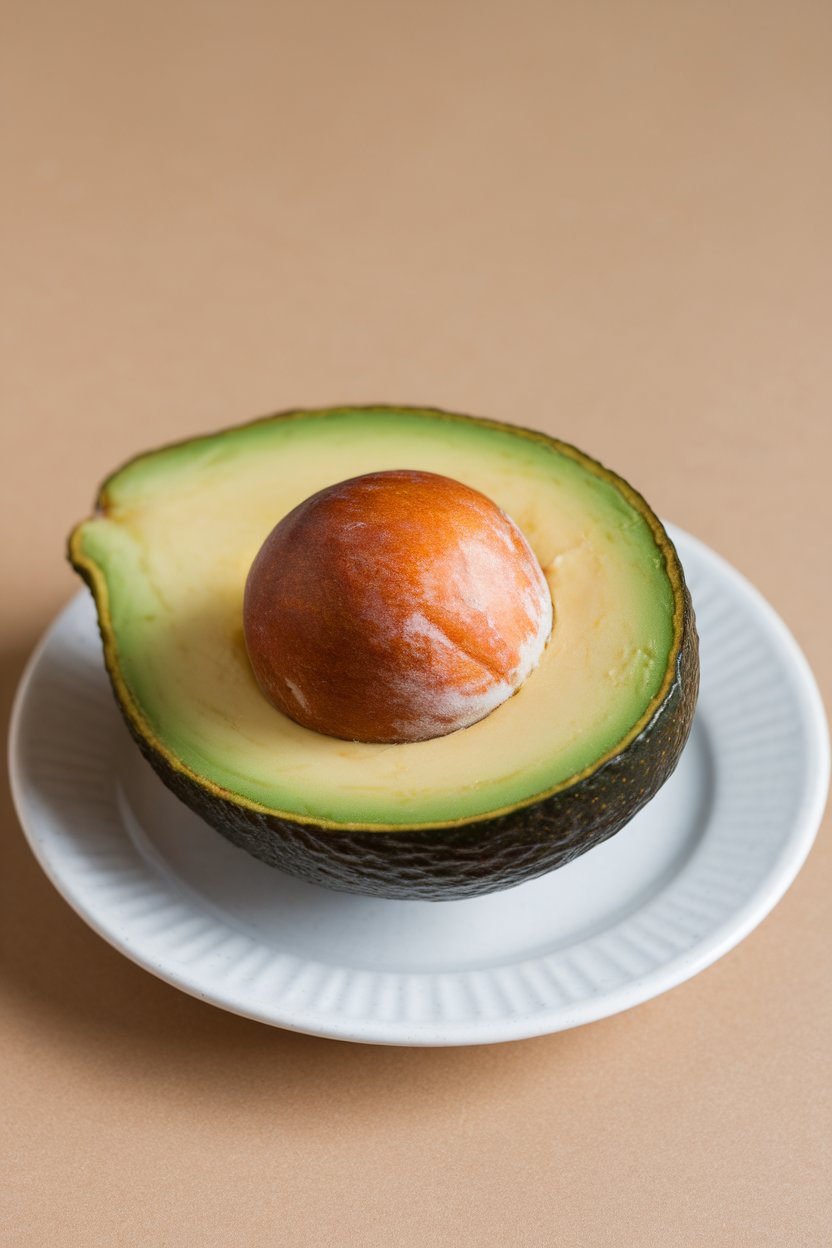
Rich in heart-friendly monounsaturated fat, avocados lend a silky texture to salads, toast, and smoothies. A squeeze of lime over the cut surface slows browning. Choose fruit that yields slightly to gentle pressure for immediate use.
5. Broccoli Crowns
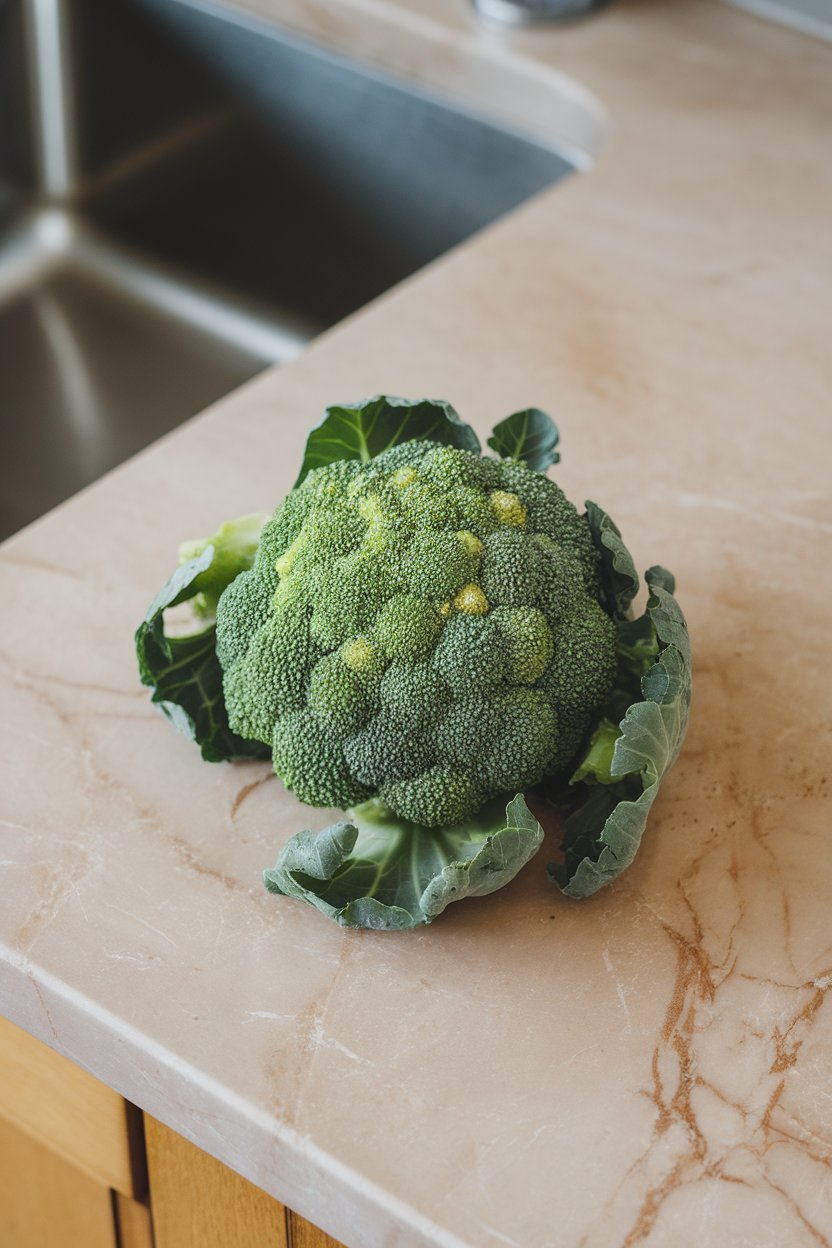
Broccoli is loaded with vitamin C, fiber, and plant compounds linked to enhanced detox pathways. Steam it for crisp-tender florets or roast at high heat for caramelized edges. The stalks are edible too—just peel and slice them thin.
6. Red Bell Peppers
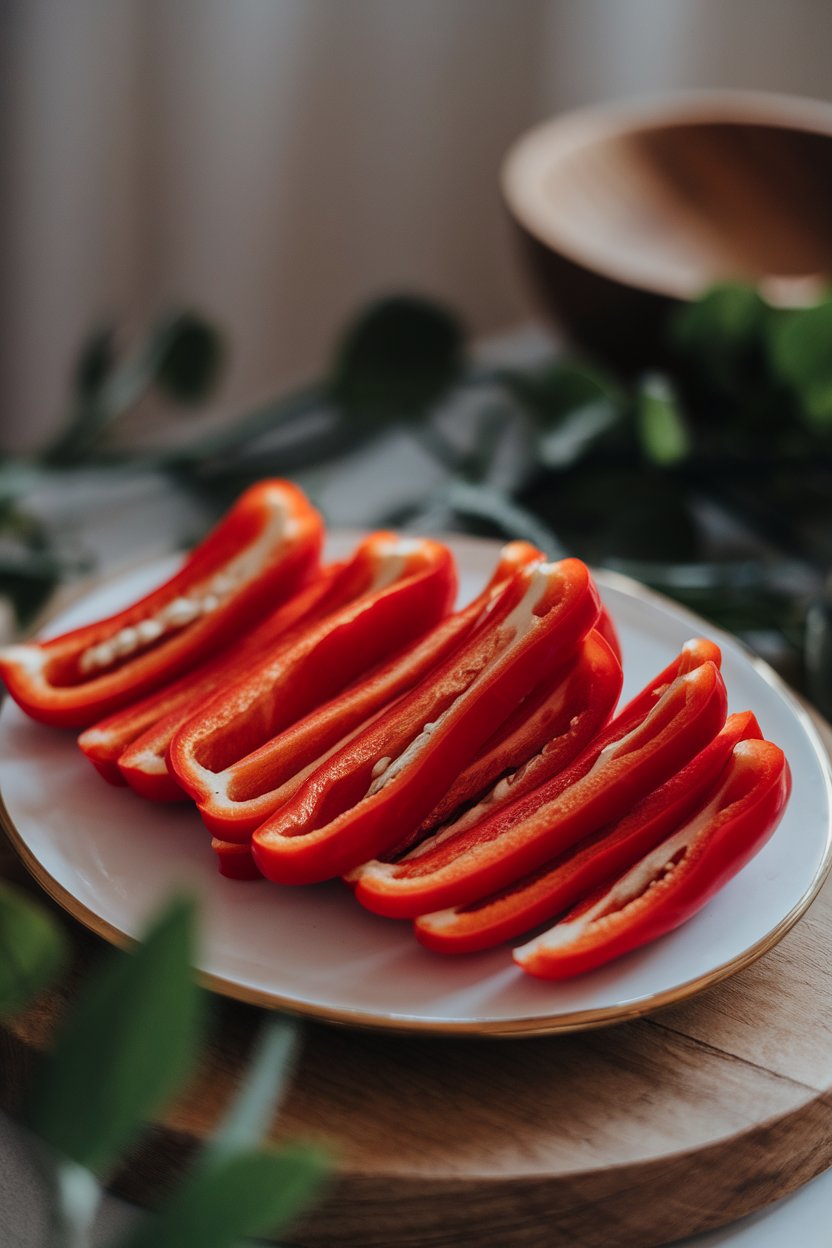
Red peppers boast almost twice the vitamin C of an orange and add vibrant color to any dish. Their natural sweetness shines in raw salads, stir-fries, and sheet-pan dinners. Keep them whole in the crisper drawer to extend freshness.
7. Cucumbers
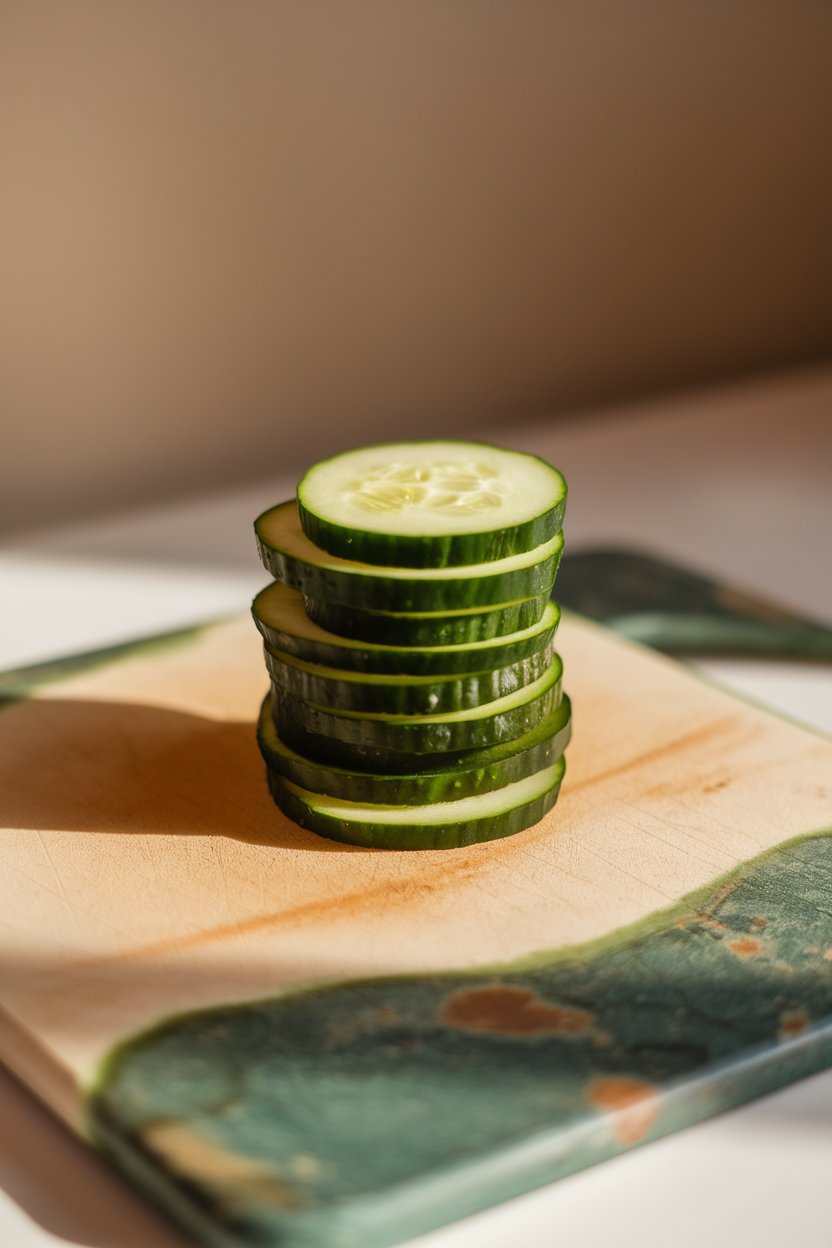
High water content makes cucumbers refreshing and hydrating. Add slices to water pitchers, toss cubes into grain bowls, or blend them into chilled soups. Leave the skin on for extra fiber and phytonutrients.
8. Cherry Tomatoes
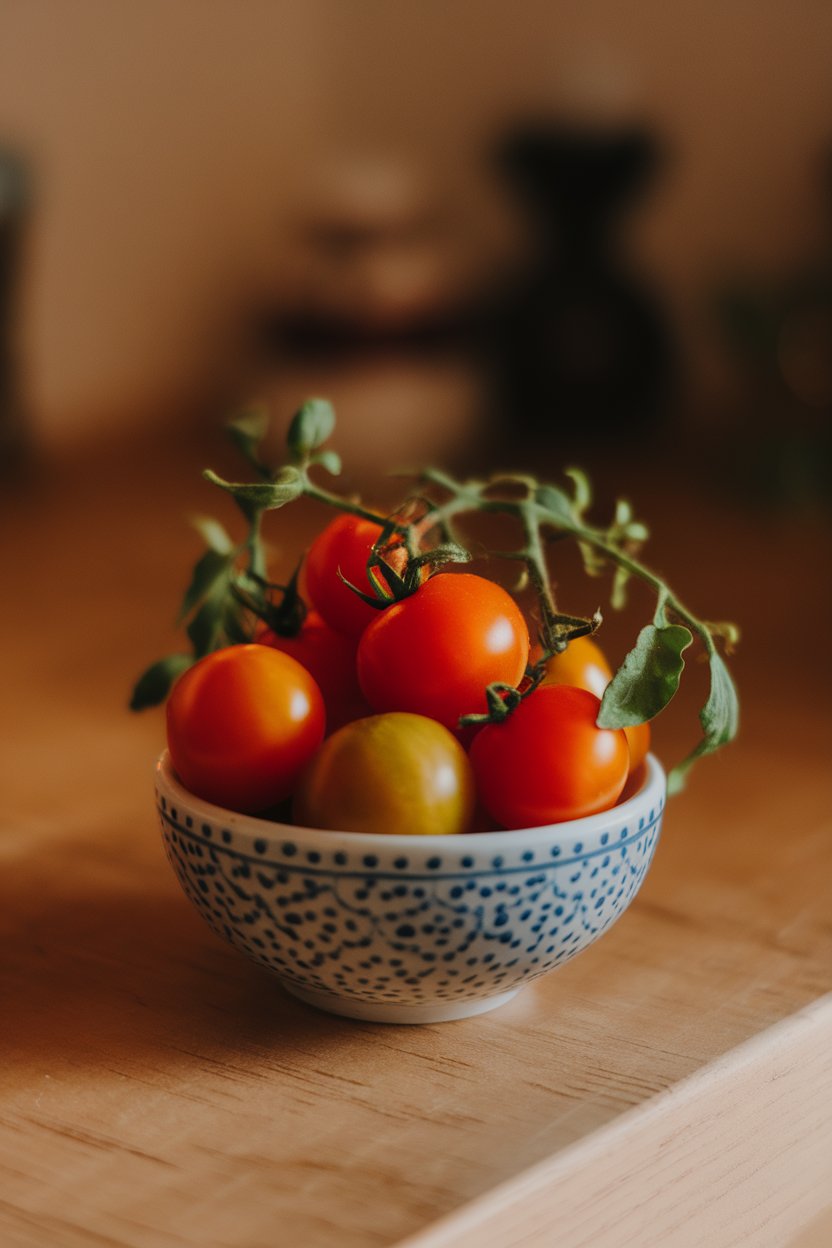
These bite-size tomatoes burst with antioxidants like lycopene. Because they’re naturally sweet, they liven up salads and snack plates without extra seasoning. Store them at room temperature—not in the fridge—for the best flavor.
9. Kale
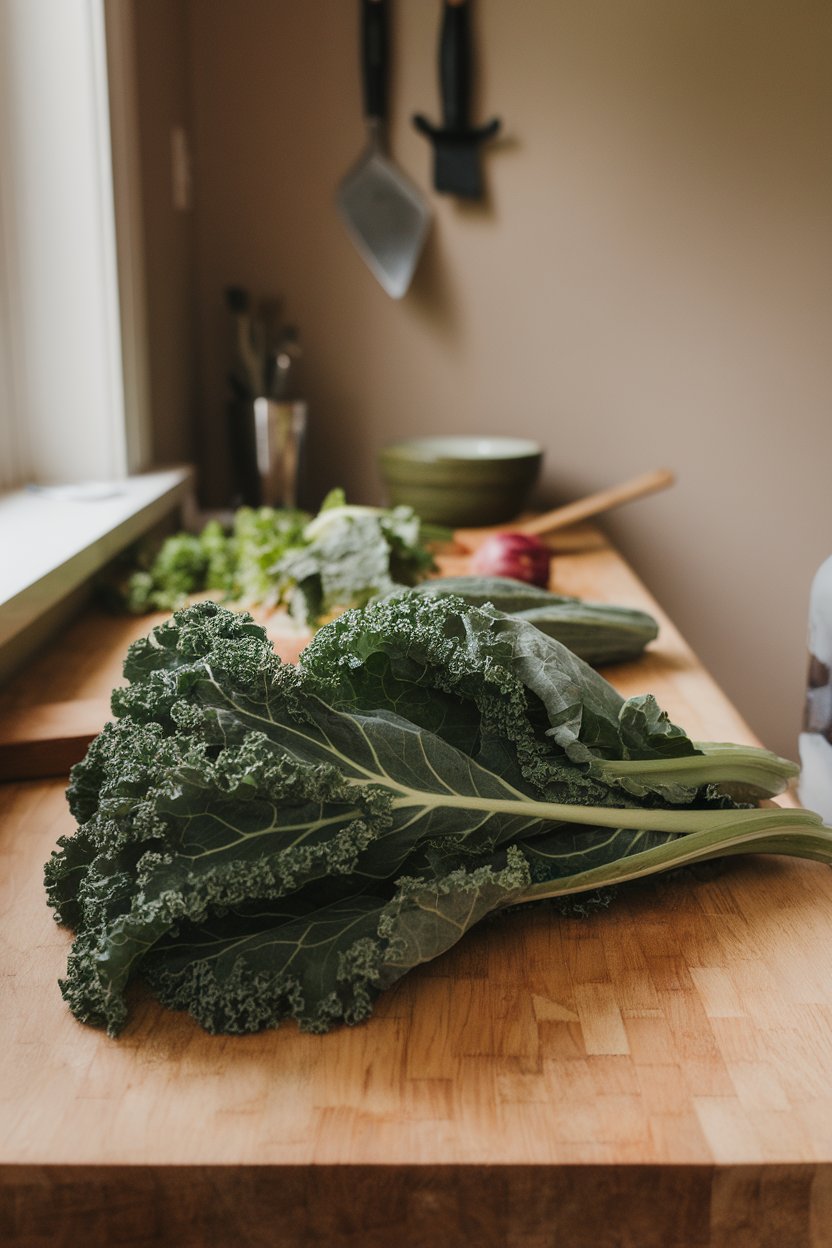
Kale’s sturdy texture stands up to heat, making it excellent for soups and sautés. Massage raw leaves with a drizzle of olive oil to soften them for salads. A single cup provides ample vitamins A, C, and K.
10. Bananas
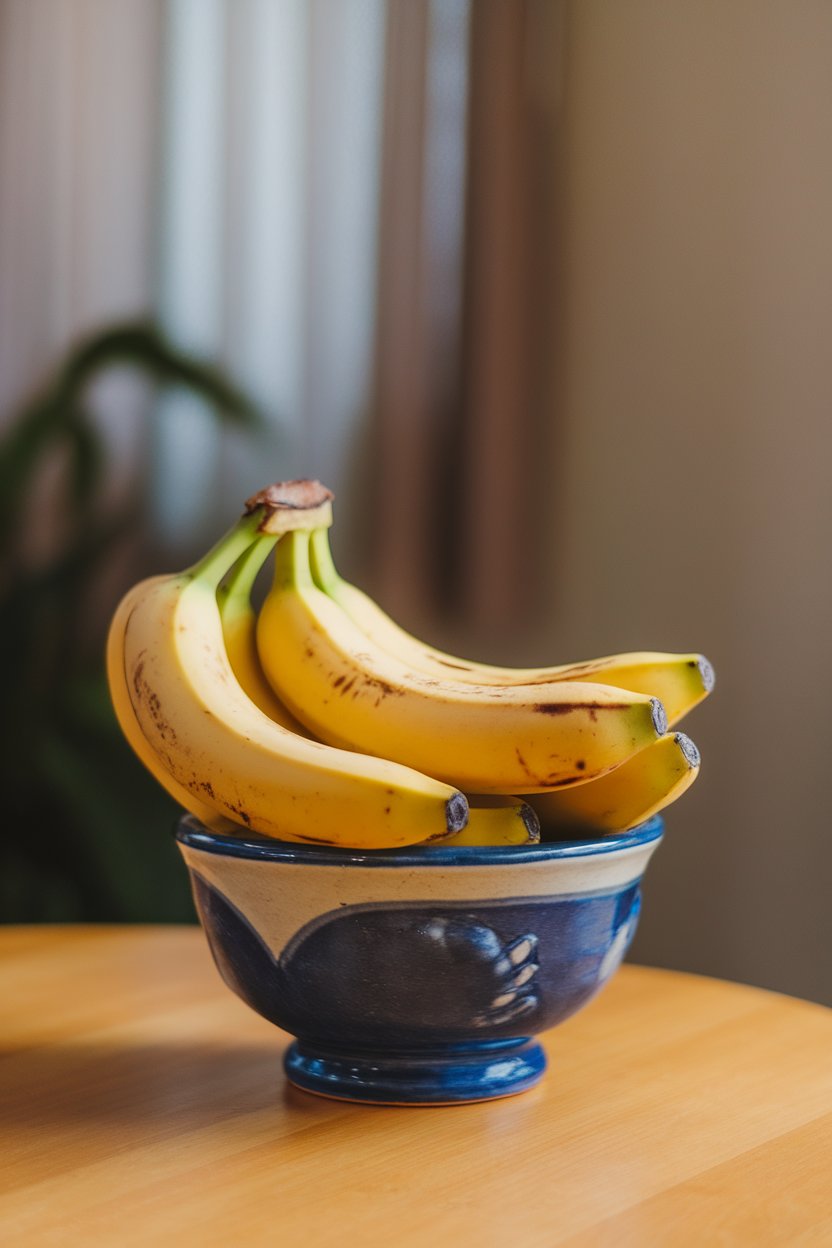
Bananas offer quick-acting energy along with potassium that helps regulate blood pressure. They sweeten smoothies naturally and bake into muffins without added sugar. Freeze overripe ones to blend into “nice cream.”
11. Blueberries
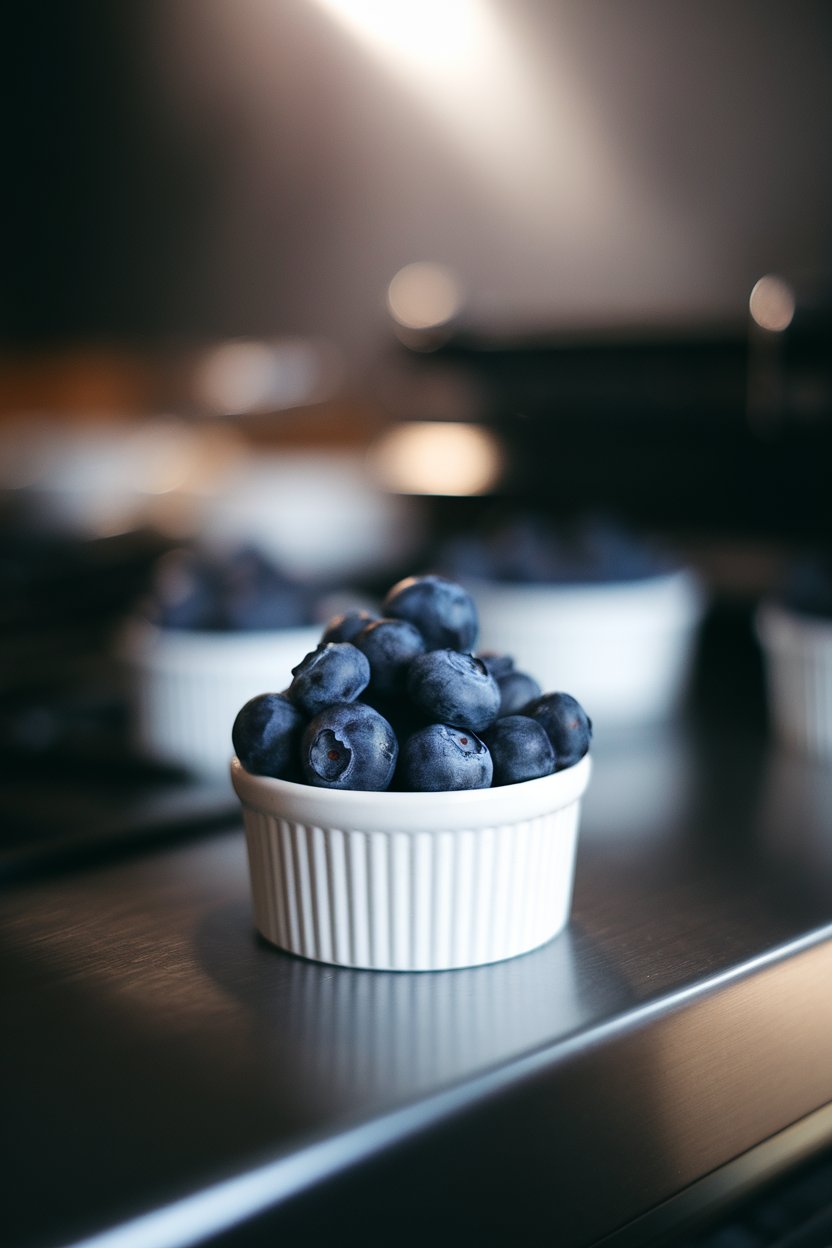
Blueberries rank high on the list of antioxidant-rich fruits. They keep well in the fridge for up to a week and freeze beautifully for off-season smoothies. Sprinkle them over oatmeal or yogurt for a colorful nutrient boost.
12. Apples
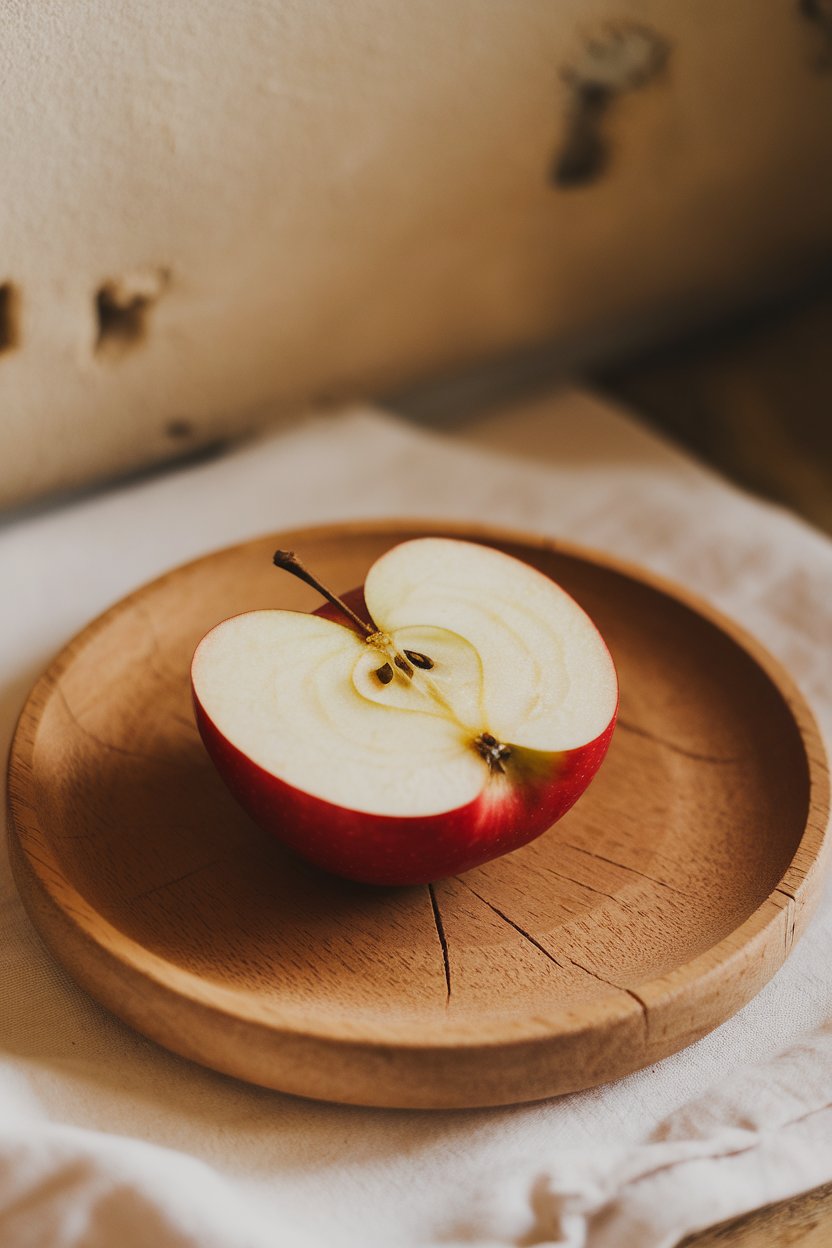
With soluble fiber in the flesh and insoluble fiber in the skin, apples support digestive health and steady blood sugar. Different varieties allow you to mix up textures and flavors throughout the year. A quick rinse is all they need before crunching in.
13. Steel-Cut Oats
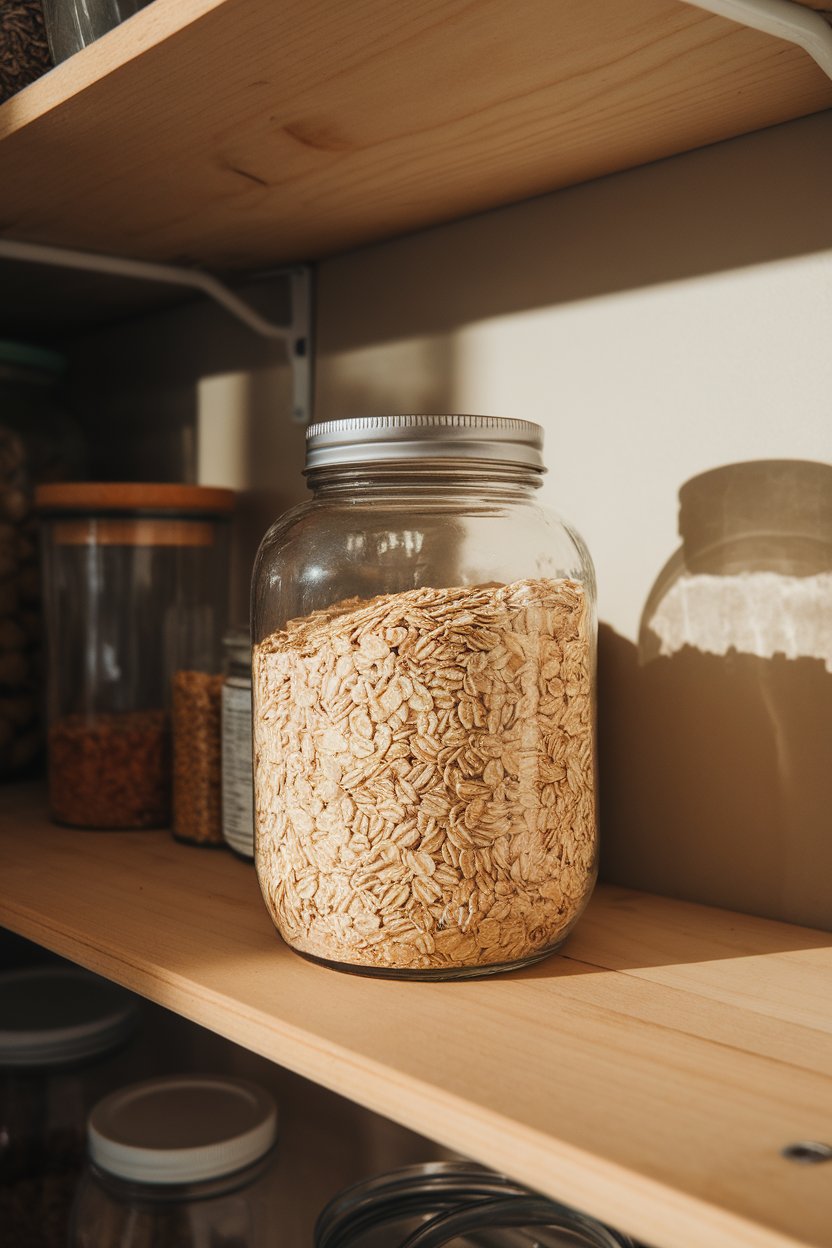
Steel-cut oats cook into a toothsome porridge that keeps hunger at bay for hours. The grains are less processed than instant oatmeal, preserving more texture and nutrients. Batch-cook a pot on Sunday and reheat portions through the week.
14. Quinoa
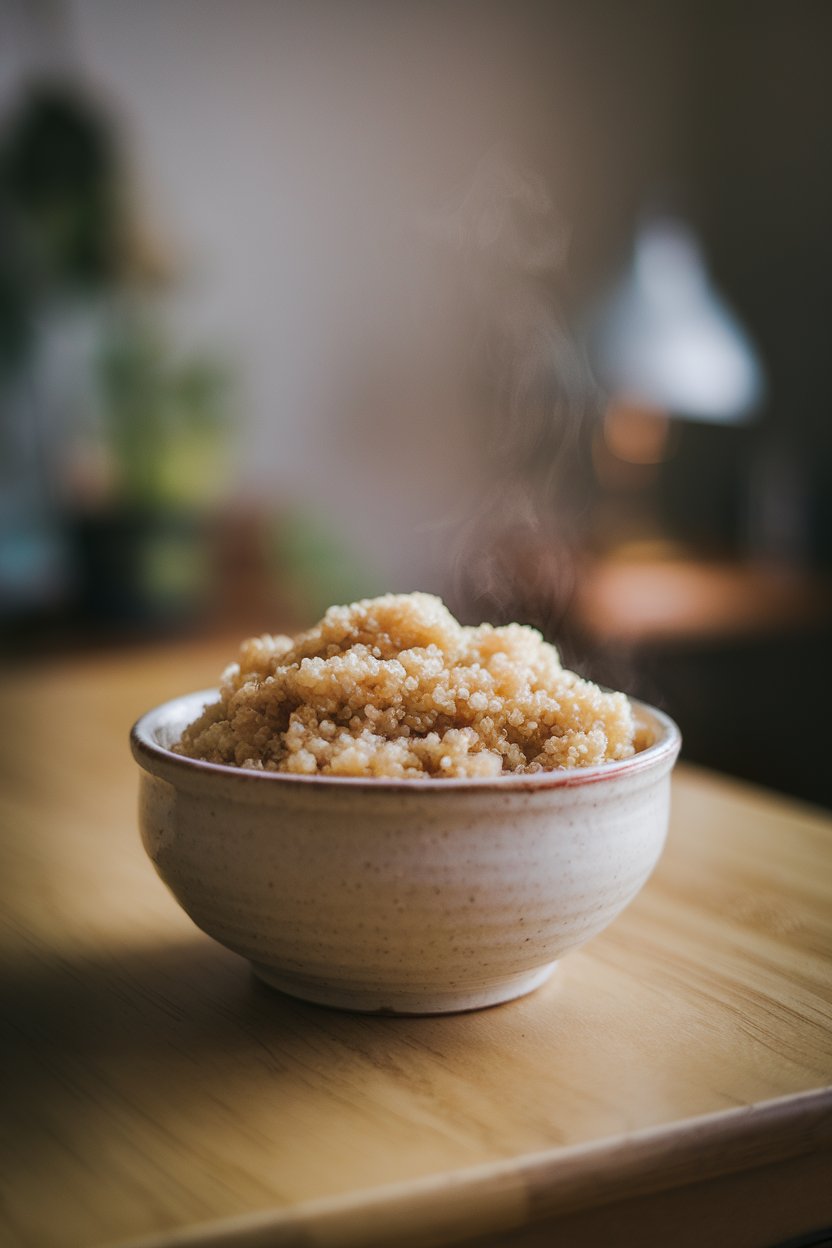
Quinoa is a complete plant protein containing all nine essential amino acids. Its mild, nutty taste pairs well with roasted vegetables, herbs, or a squeeze of lemon. Rinse the grains before cooking to remove natural saponins that can taste bitter.
15. Brown Rice
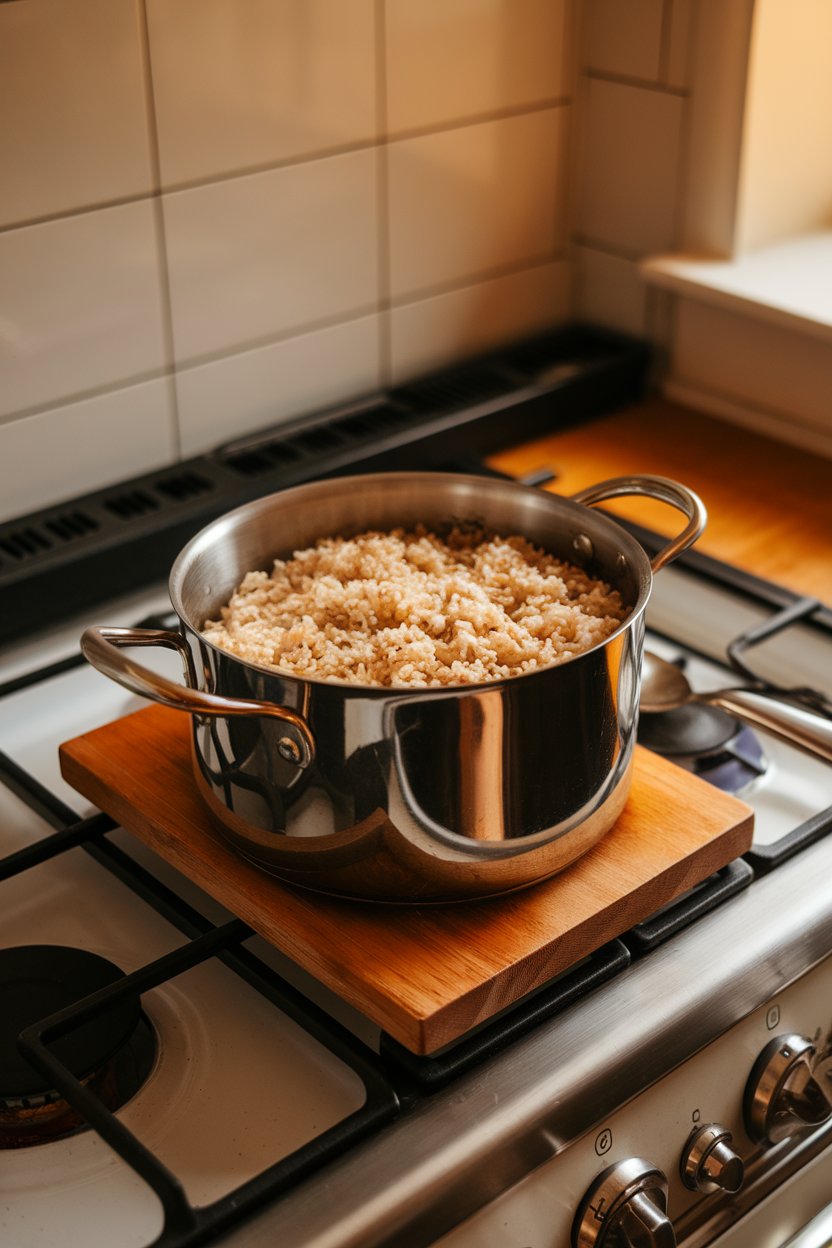
Chewy brown rice supplies complex carbohydrates and extra fiber compared with white rice. Keep a container in the fridge to speed up fried rice or grain bowl dinners. A 2-to-1 water-to-rice ratio usually yields tender grains.
16. Dry Lentils
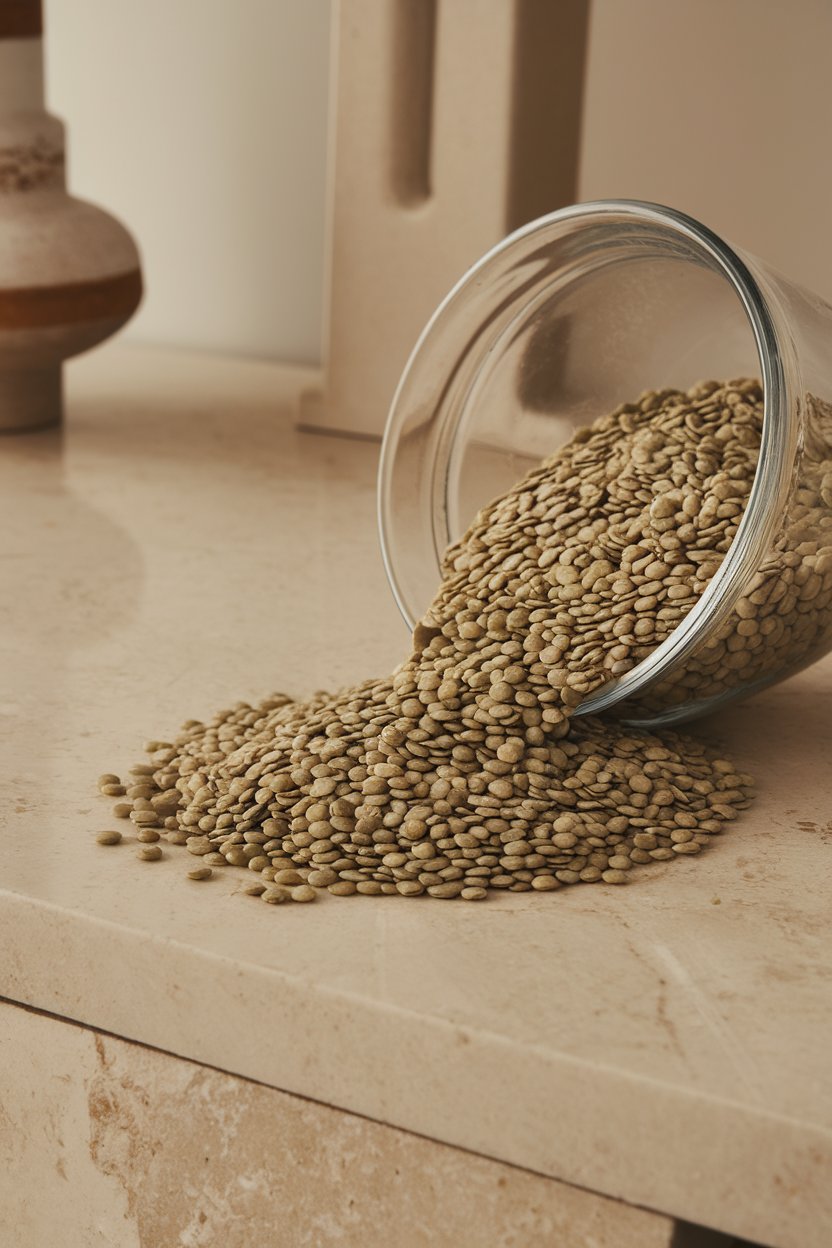
Lentils don’t require soaking and cook in under 30 minutes, making them a speedy plant-protein choice. They absorb spices readily for soups, salads, and curries. One cup cooked delivers roughly 18 grams of protein and plenty of iron.
17. Black Beans (Canned, No-Salt-Added)
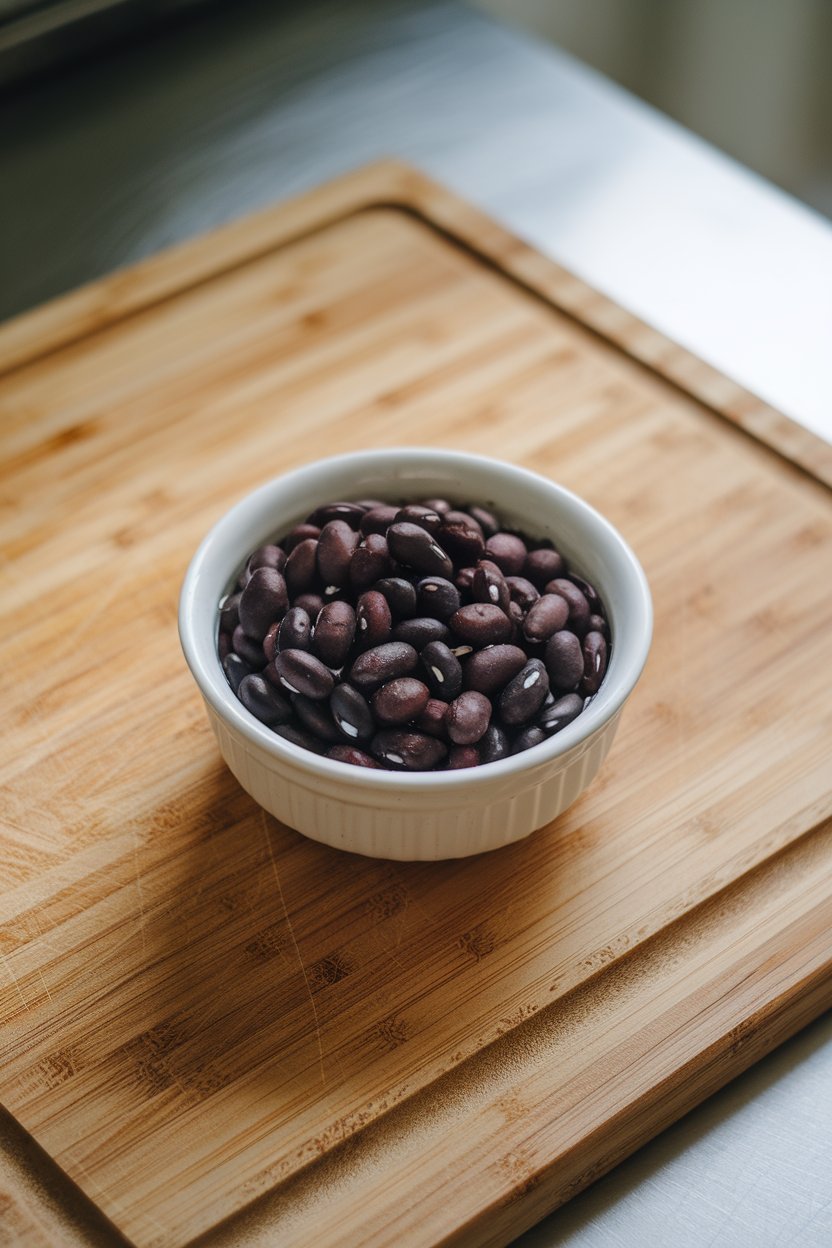
Canned black beans slash prep time while retaining fiber, folate, and protein. Rinse under running water to wash away excess sodium. Fold them into tacos, chili, or veggie burgers for hearty texture.
18. Chickpeas
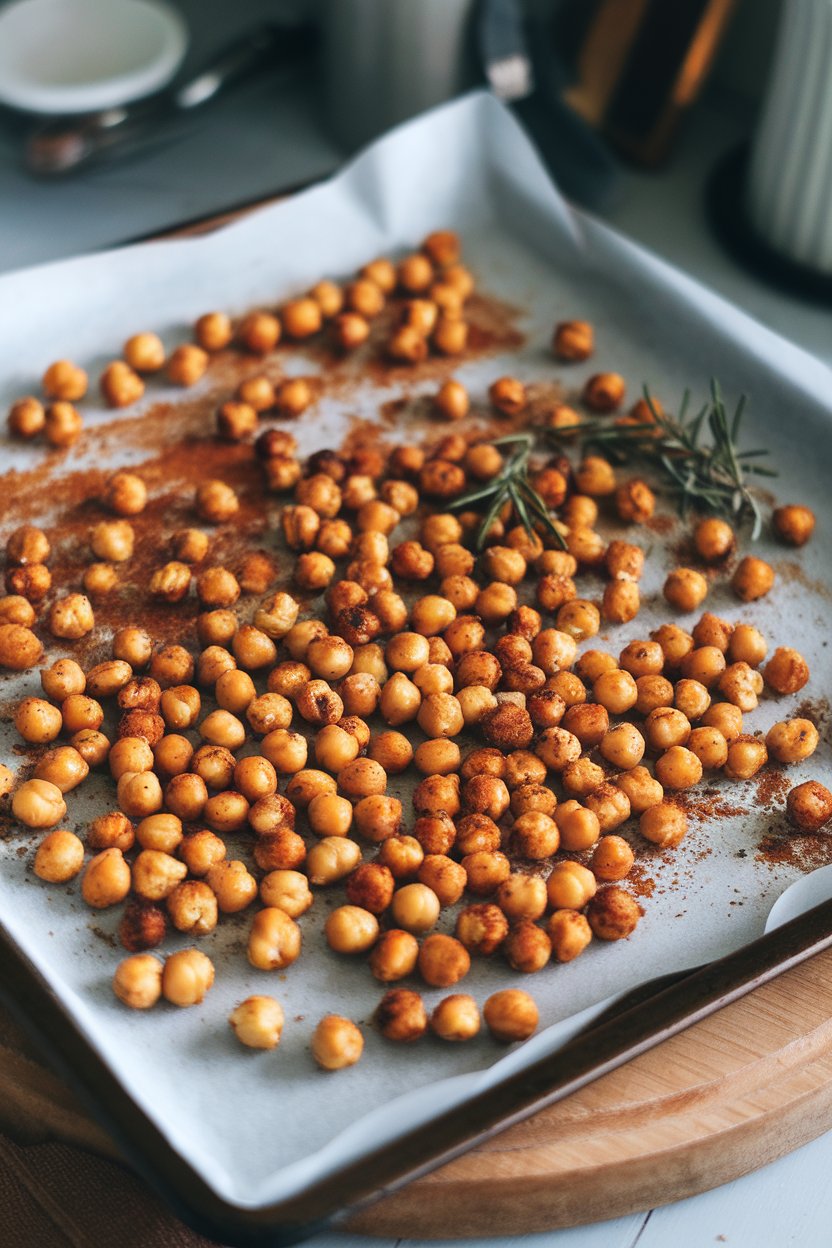
Chickpeas adapt to both savory and sweet recipes—from creamy hummus to crunchy salad toppers. Roasting them with spices intensifies their nutty flavor. They’re also a smart plant source of zinc and magnesium.
19. Edamame (Frozen)
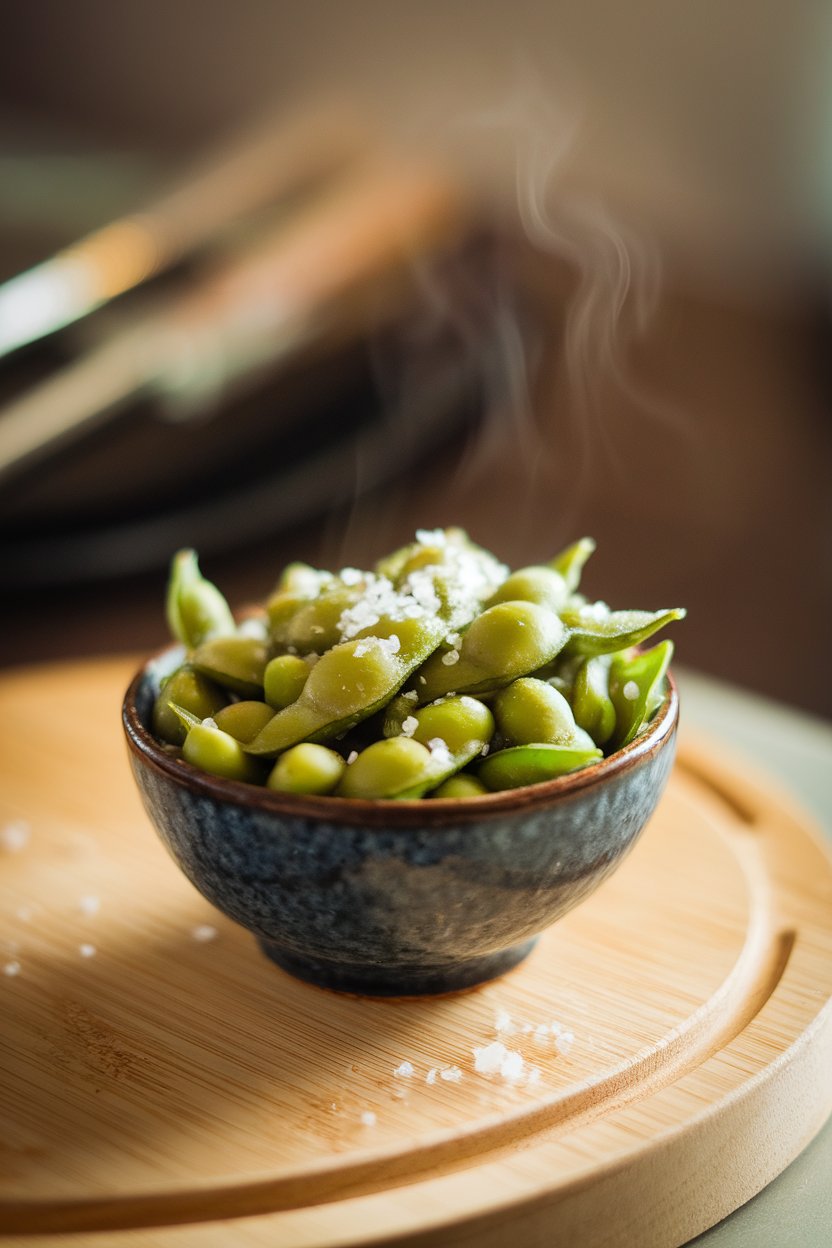
Frozen edamame heats up in minutes and brings complete protein plus calcium. Add the bright green beans to stir-fries, salads, or grain bowls. Because they’re harvested young, their flavor is mild and slightly sweet.
20. Tofu (Extra-Firm)
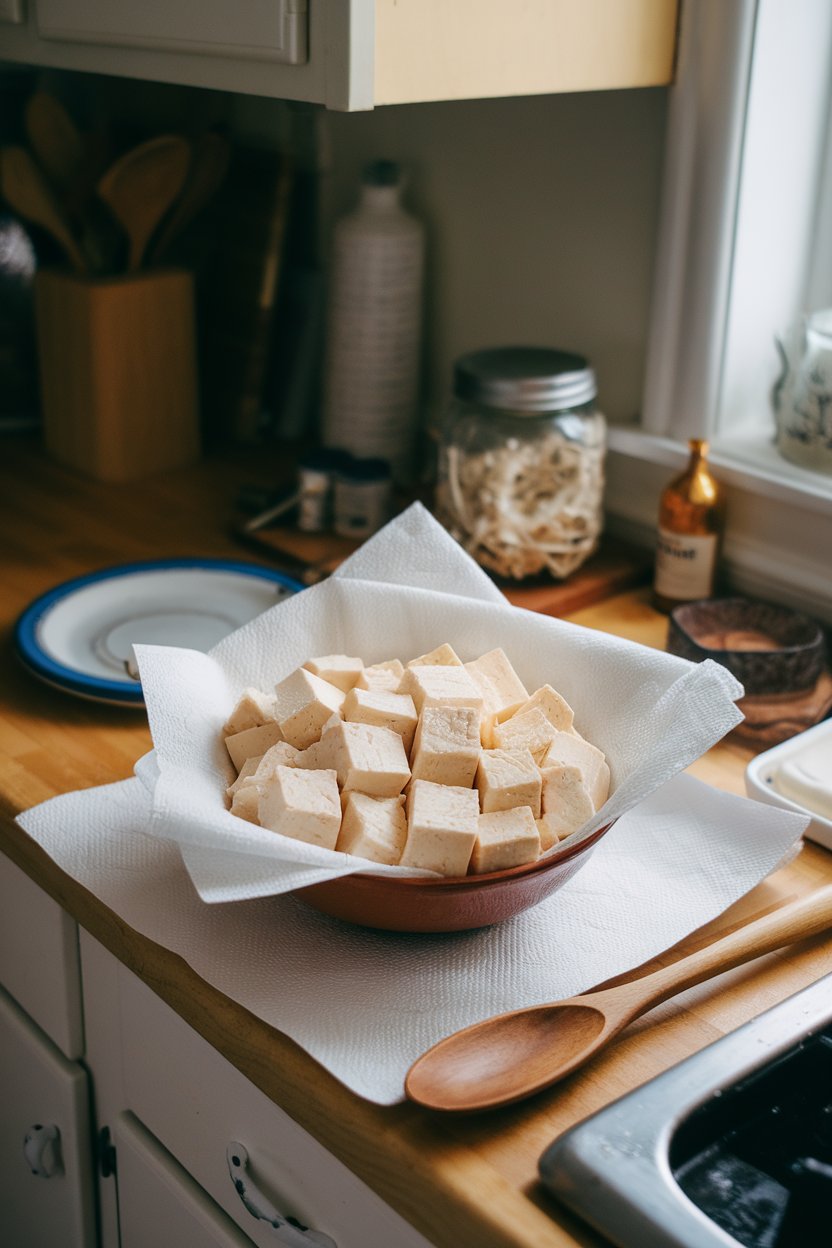
Extra-firm tofu holds its shape in stir-fries and grills, making it ideal for meatless meals. Pressing out moisture before cooking helps the cubes crisp nicely. Its neutral taste happily absorbs marinades.
21. Tempeh
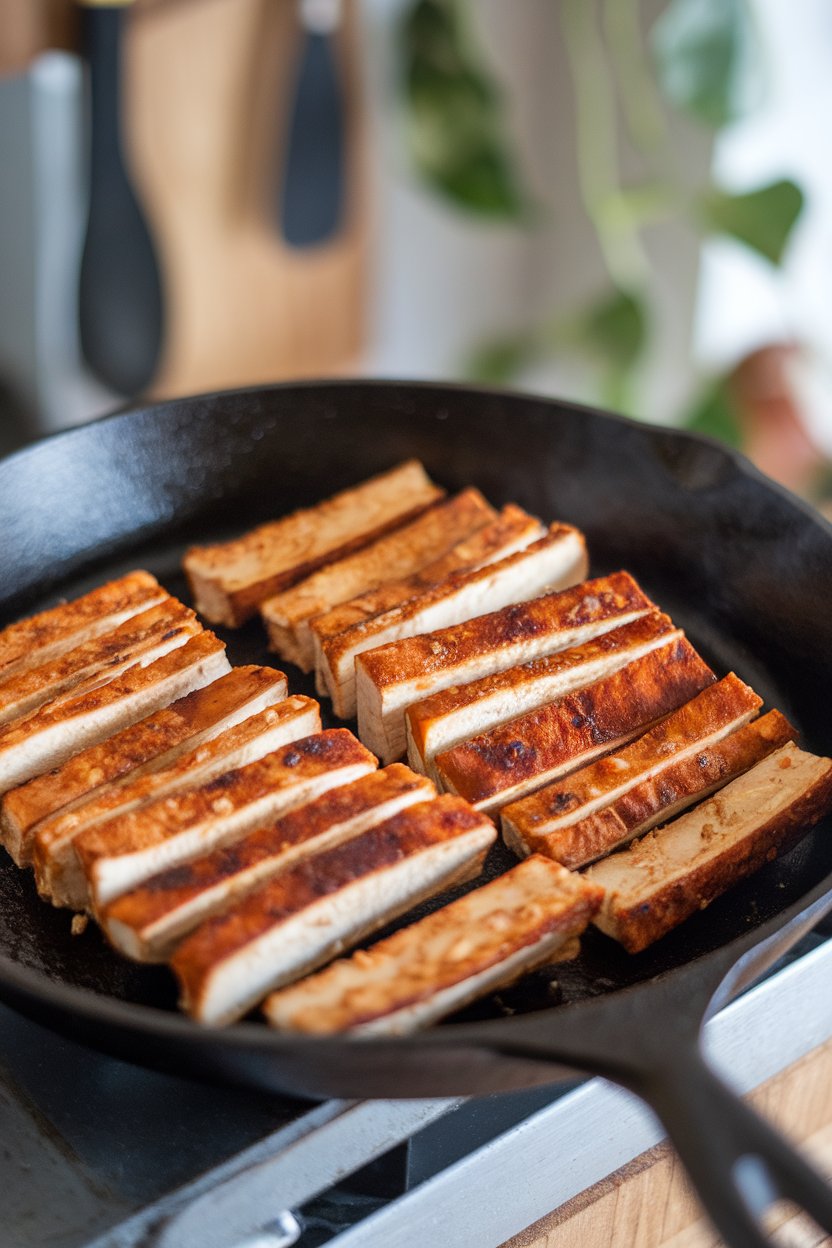
Fermented soybeans in tempeh offer gut-friendly probiotics alongside dense protein. A brief steam reduces any slight bitterness before marinating. Crumble or slice it for tacos, sandwiches, and noodle dishes.
22. Skinless Chicken Breasts
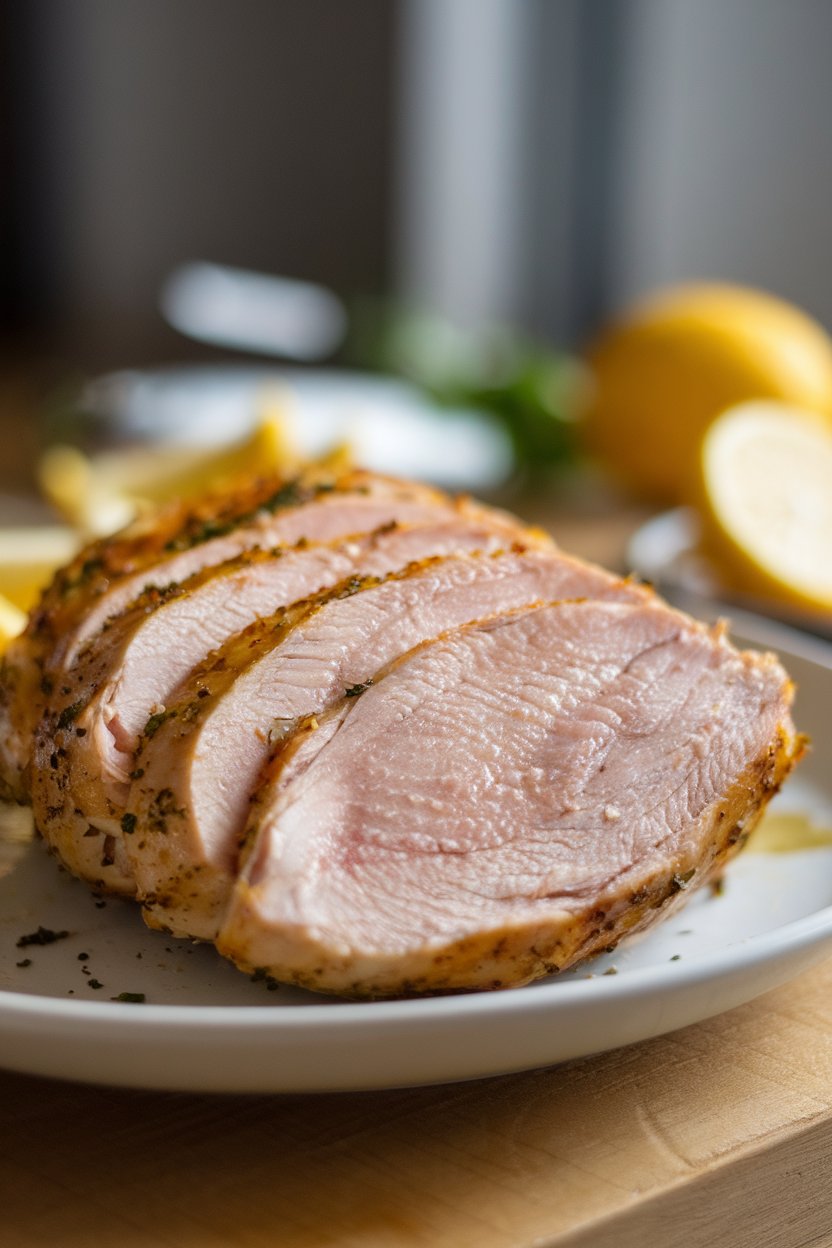
Lean chicken breasts supply high-quality protein without much saturated fat. Season and bake a batch for the week to simplify lunches and salads. They freeze well, so feel free to stock up when they’re on sale.
23. Ground Turkey (93 % Lean)
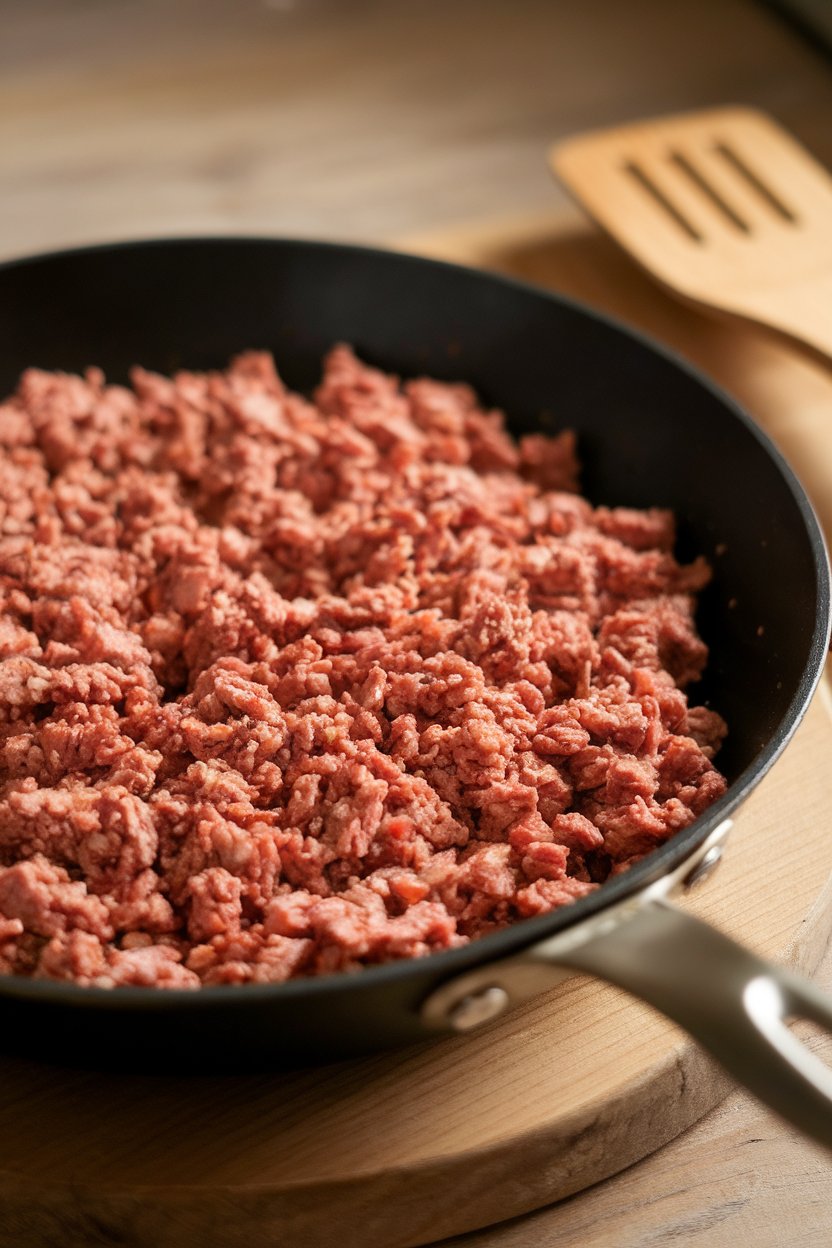
Ground turkey lightens up classic dishes like chili or meatballs while maintaining meaty flavor. Look for 93 % lean to balance juiciness and heart health. Brown in batches to ensure even caramelization.
24. Eggs
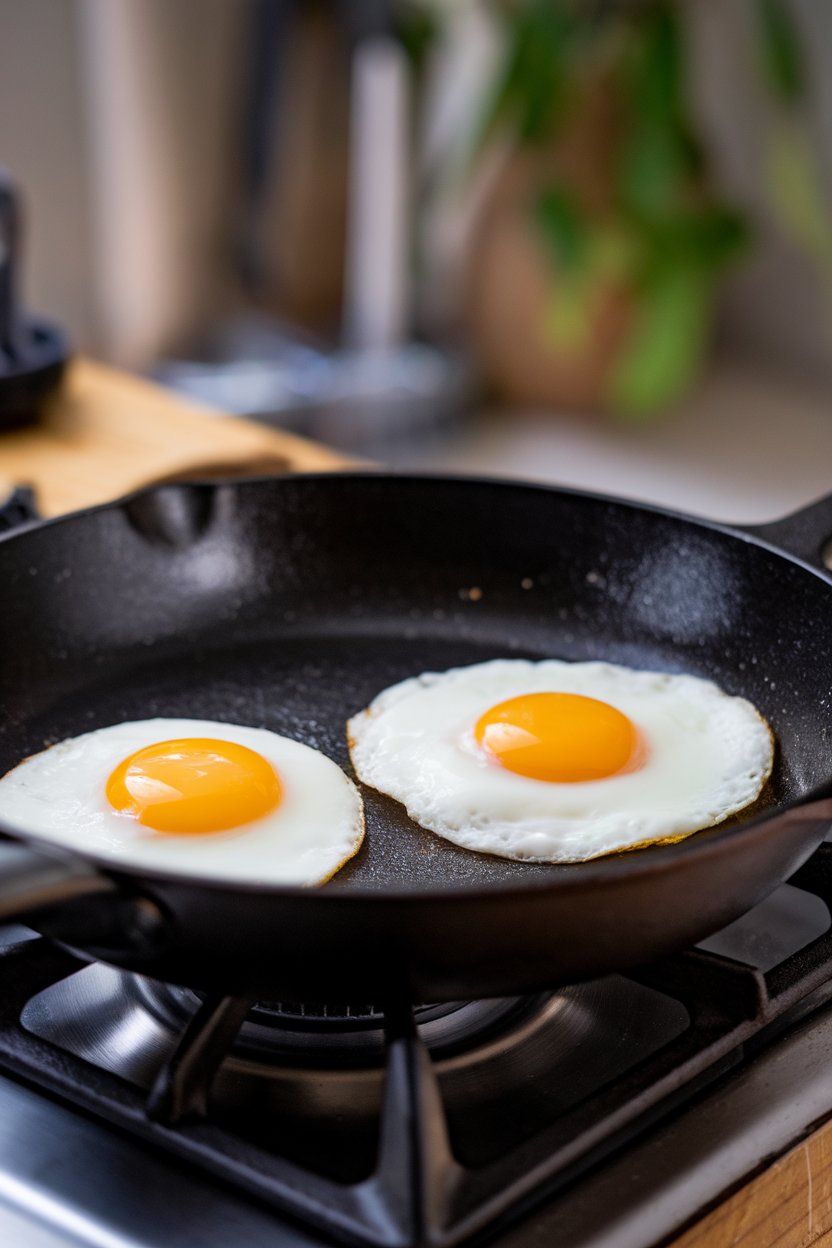
Eggs are budget-friendly powerhouses of protein, choline, and vitamin D. Keep a dozen on hand for quick scrambles, frittatas, or hard-boiled snacks. Store them in the main body of the fridge where temperature stays steady.
25. Wild-Caught Salmon Fillets
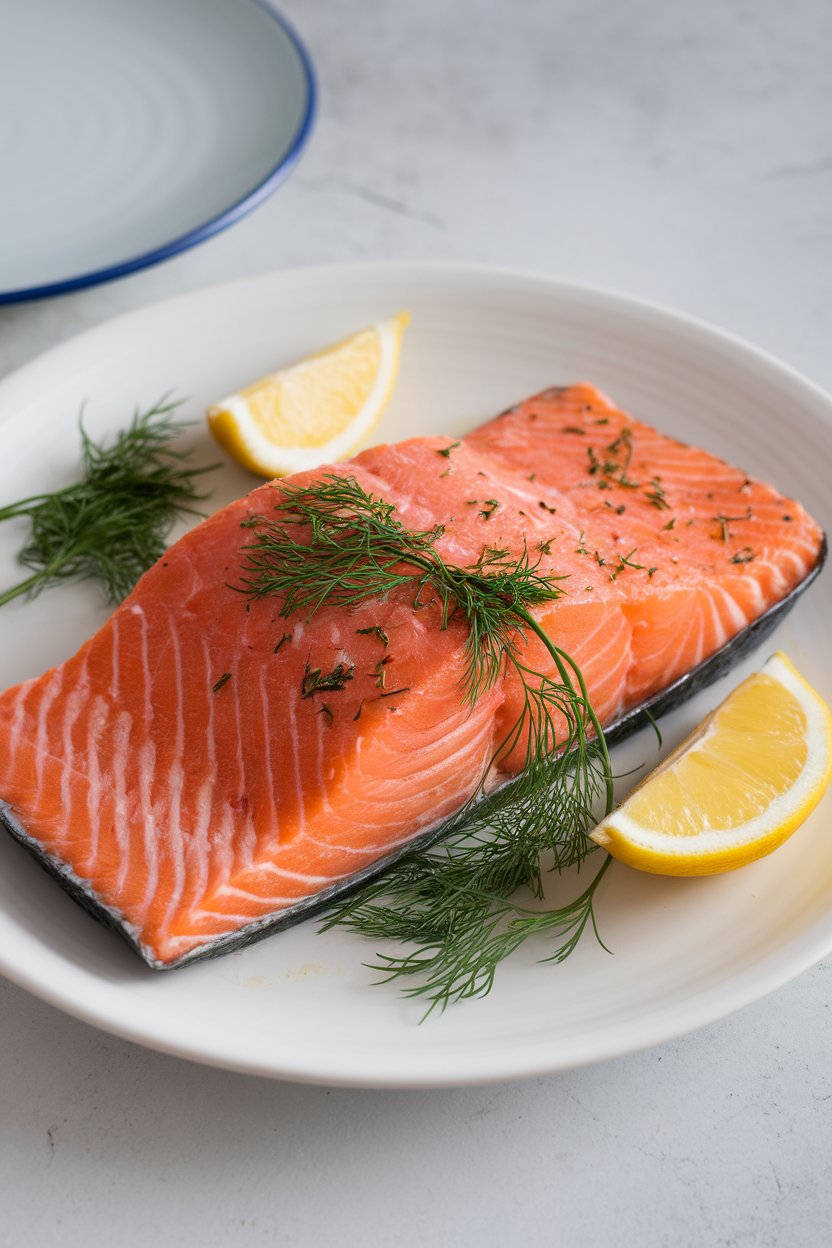
Salmon delivers omega-3 fats that support brain and heart health. Bake or pan-sear until the flesh flakes easily, about 12–15 minutes. Leftover pieces elevate salads or grain bowls the next day.
26. Canned Light Tuna in Water
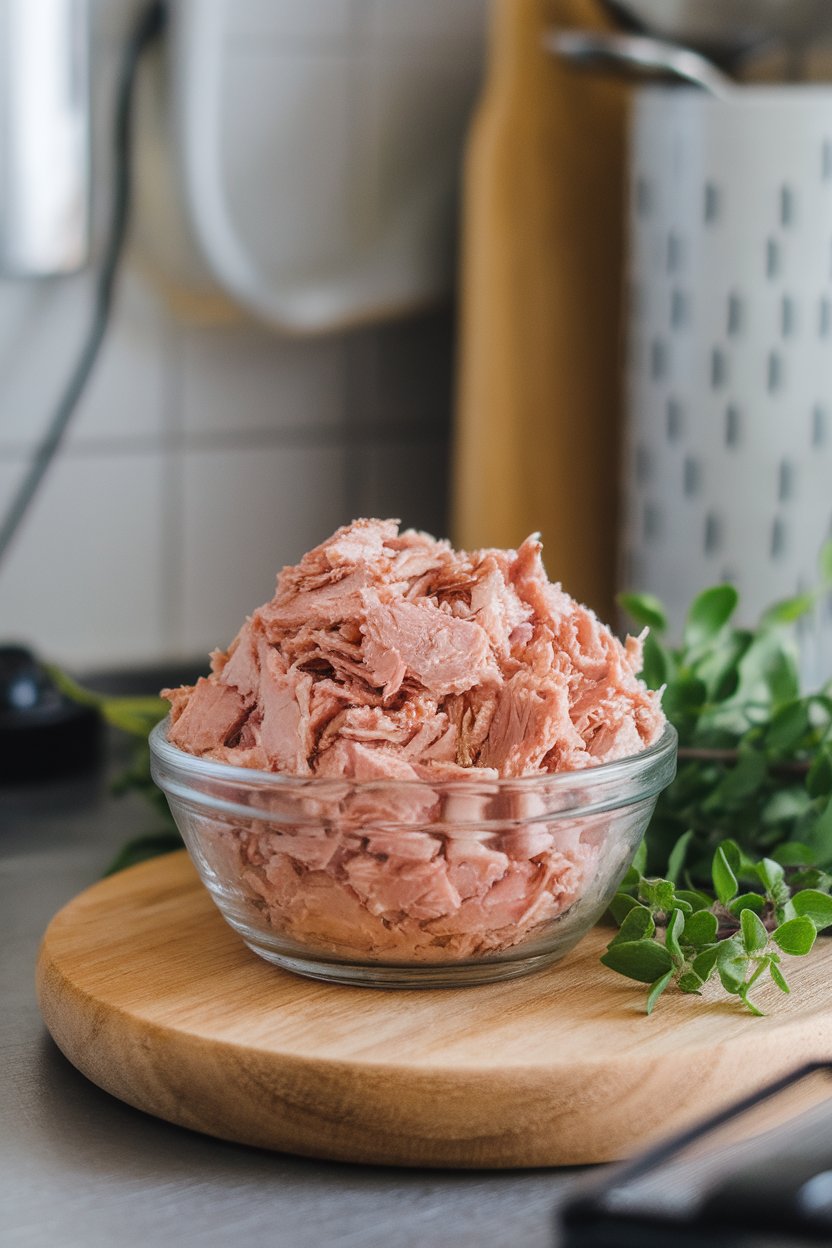
Light tuna offers convenient, shelf-stable protein with lower mercury than albacore. Mix with Greek yogurt and herbs for a lighter salad filling. Keep a couple of cans in your pantry for busy evenings.
27. Cooked Shrimp (Frozen, Tail-Off)
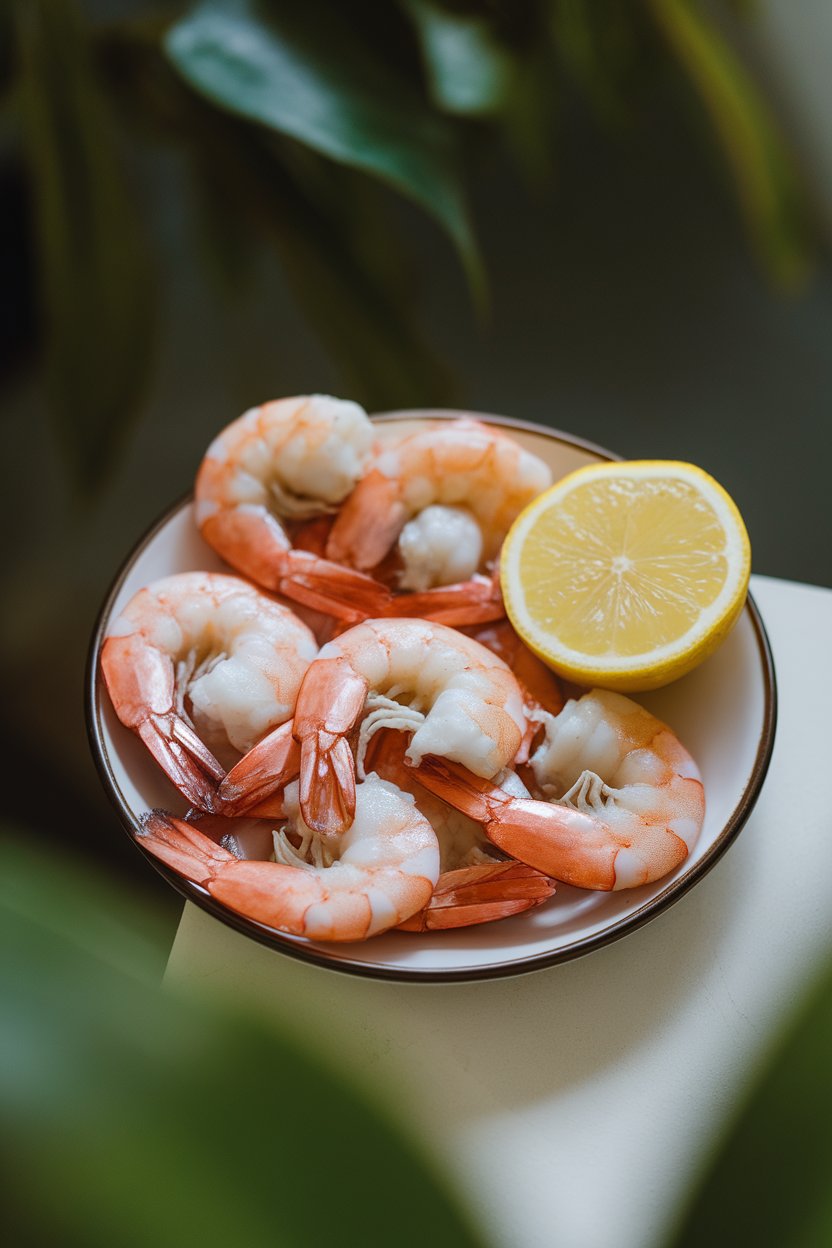
Pre-cooked shrimp defrosts quickly under cold water, making speedy stir-fries and tacos a breeze. The mild flavor pairs well with citrus, garlic, or chili sauce. Look for packages without added phosphates to avoid an overly briny taste.
28. Plain Greek Yogurt
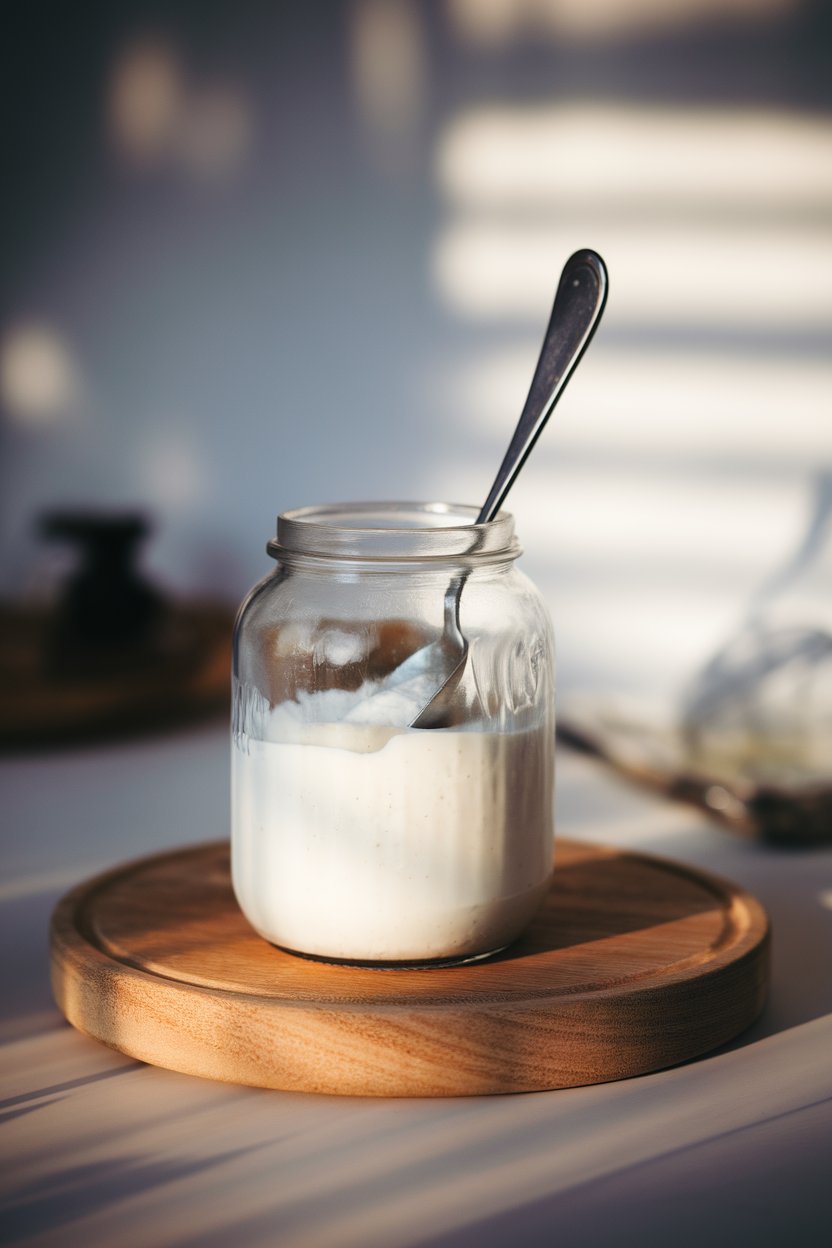
Greek yogurt is strained for extra protein and a creamy texture that can replace sour cream or mayo. Choose plain to skip added sugars and sweeten to taste with fruit or honey. The live cultures support gut health.
29. Cottage Cheese (Low-Fat)
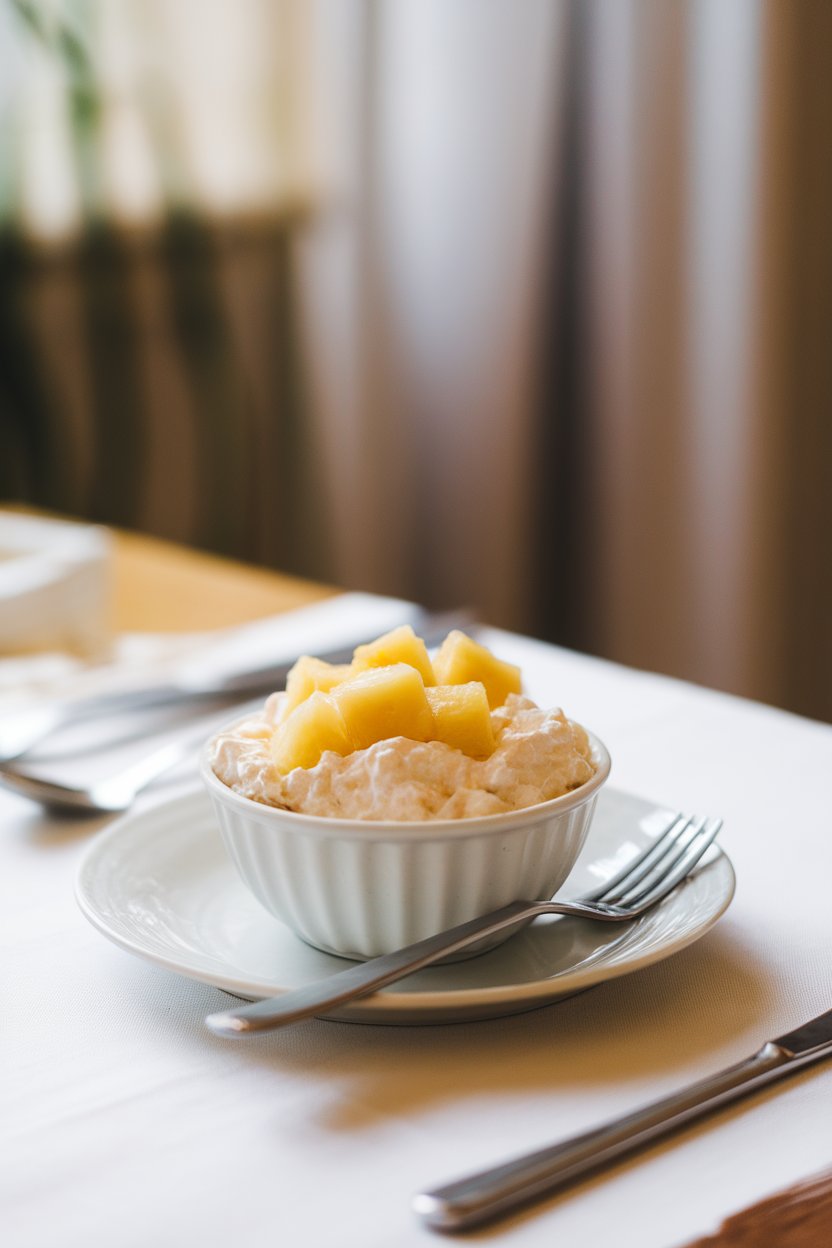
Low-fat cottage cheese offers casein protein that digests slowly, keeping you full longer. Enjoy it sweet with fruit or savory with cracked pepper and herbs. Its calcium content supports bone strength.
30. Unsweetened Almond Milk
This plant milk is low in calories and works well in smoothies, cereal, and baking. Fortified versions add calcium and vitamin E. Shake the carton before pouring to distribute any settled solids.
31. Extra-Virgin Olive Oil
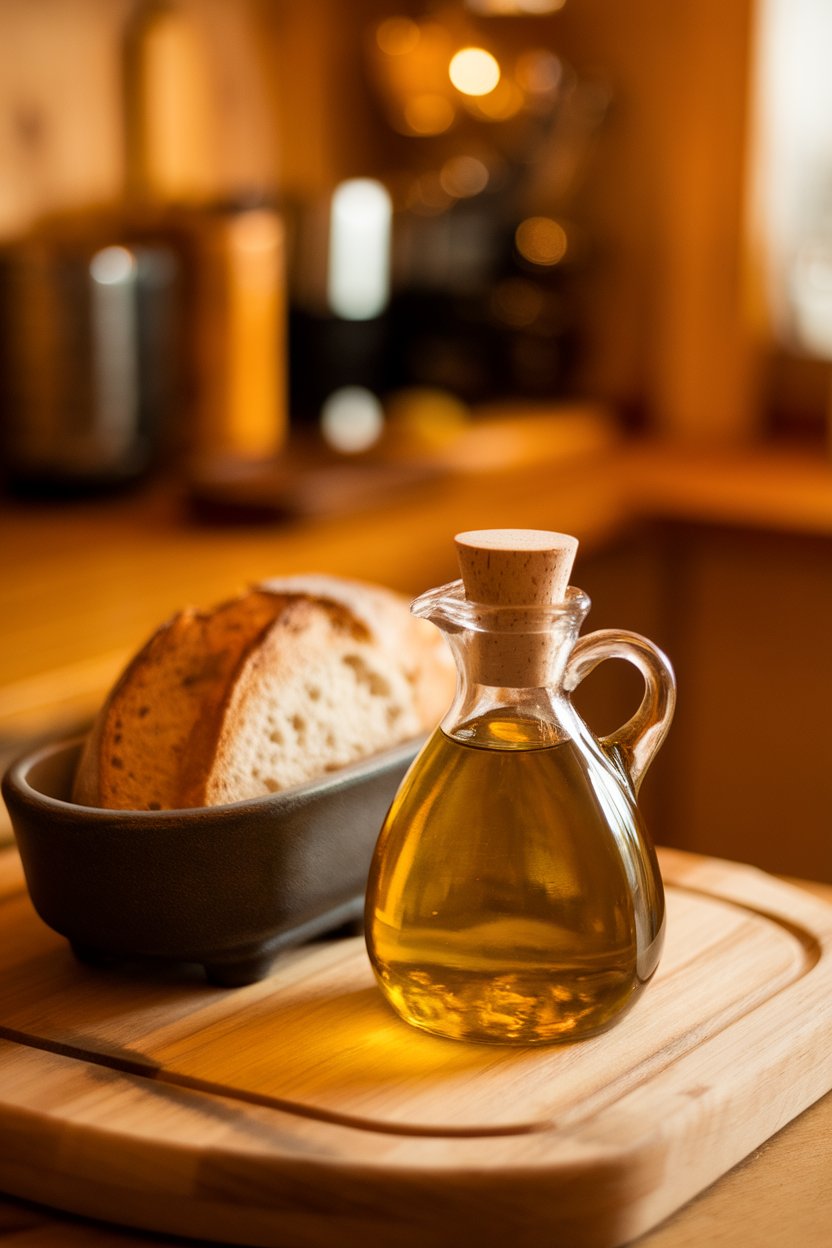
Cold-pressed olive oil contains heart-supportive polyphenols and versatile flavor. Use it for salad dressings, low-temperature sautéing, and finishing drizzles. Store away from heat and light to preserve freshness.
32. Natural Peanut Butter
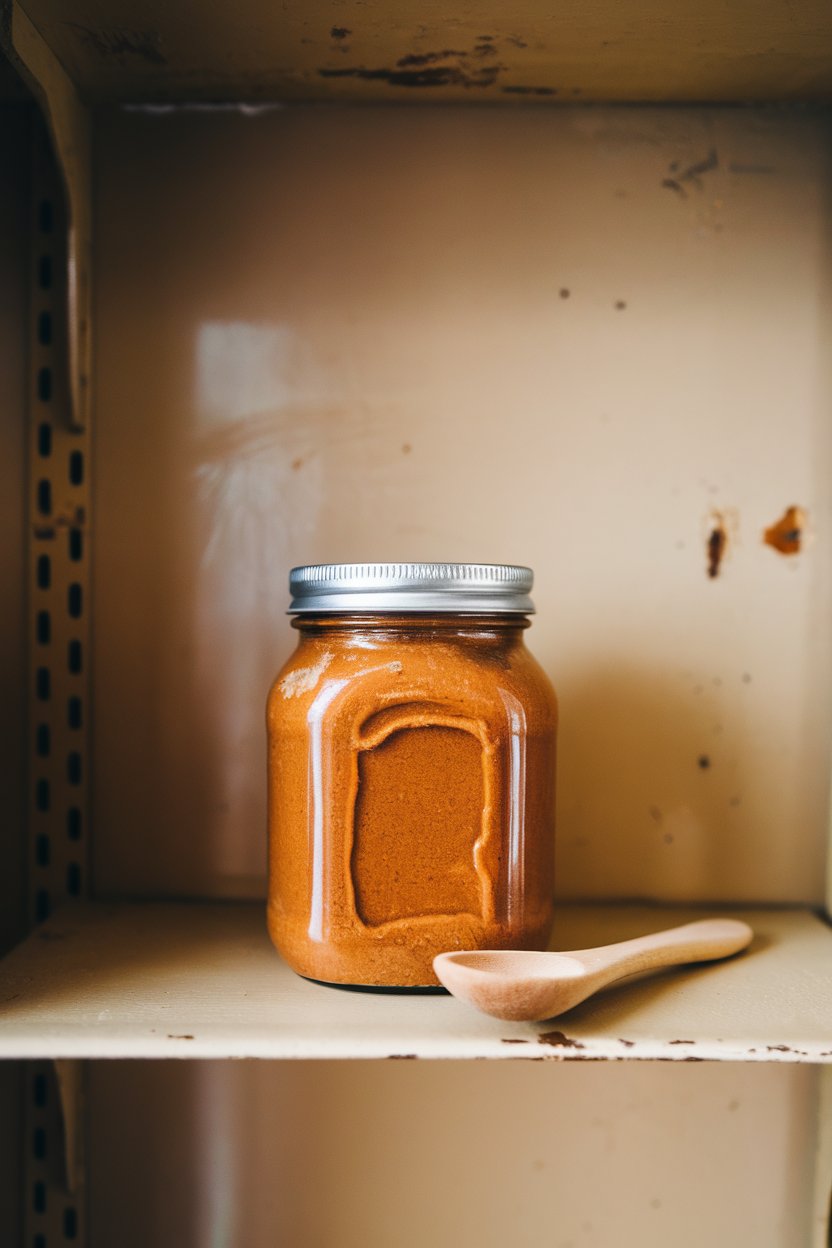
Made from just peanuts—sometimes a pinch of salt—this spread supplies healthy fats and protein. Stir the oil back in, then refrigerate to slow future separation. Smear it on apple slices or blend into sauces for noodle dishes.
33. Raw Almonds
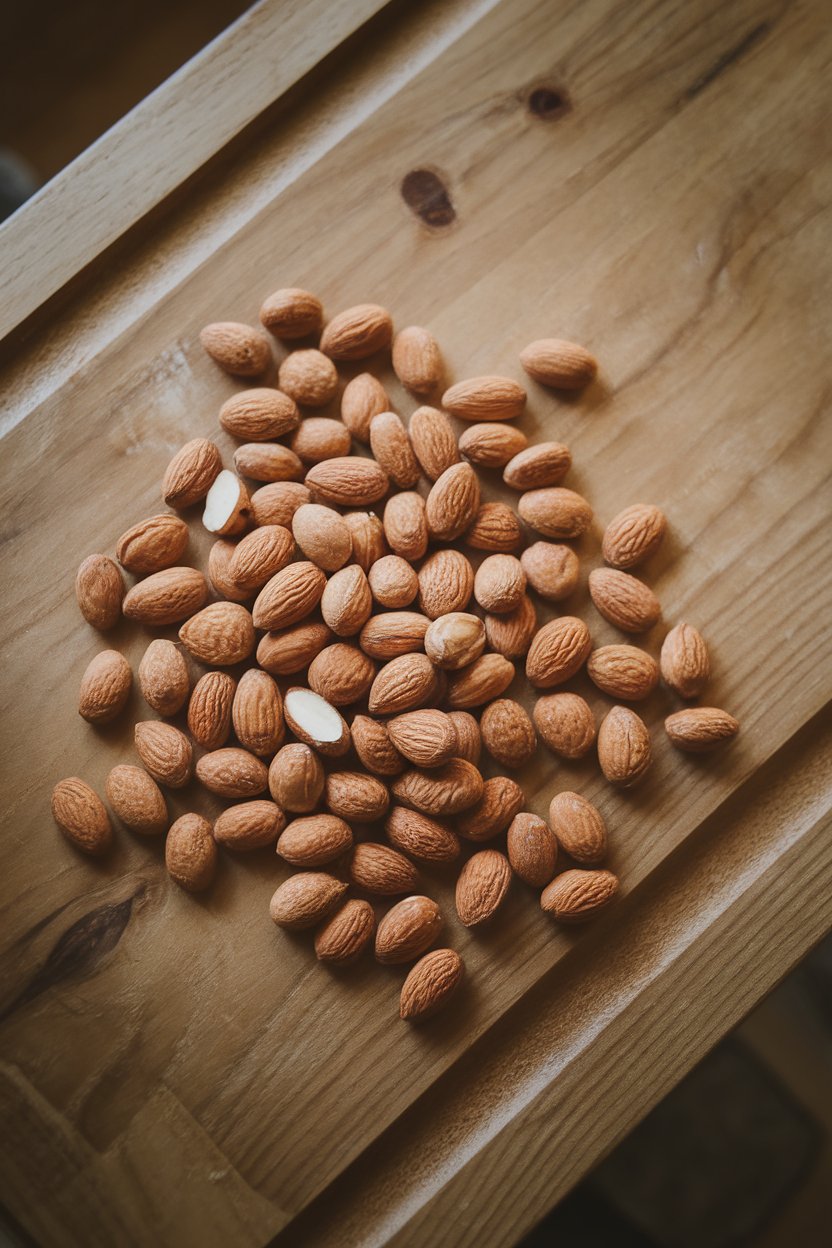
Almonds provide vitamin E, magnesium, and satisfying crunch. Portion out small bags for grab-and-go snacks to avoid overdoing calories. Toast them lightly to amplify their nutty aroma.
34. Walnuts
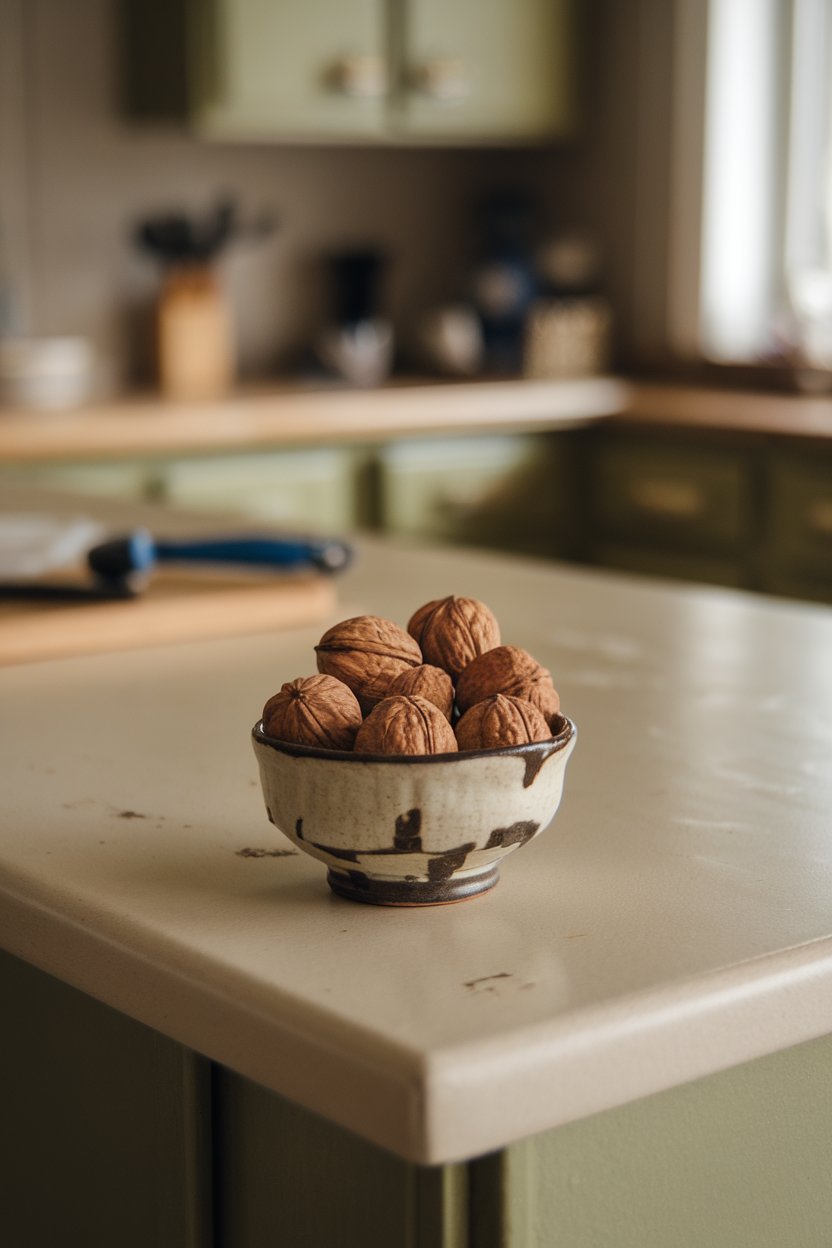
Walnuts are one of the few nuts rich in plant-based omega-3 fats. Their earthy taste pairs nicely with oats, salads, and roasted vegetables. Keep them in the freezer to prevent the oils from turning rancid.
35. Chia Seeds
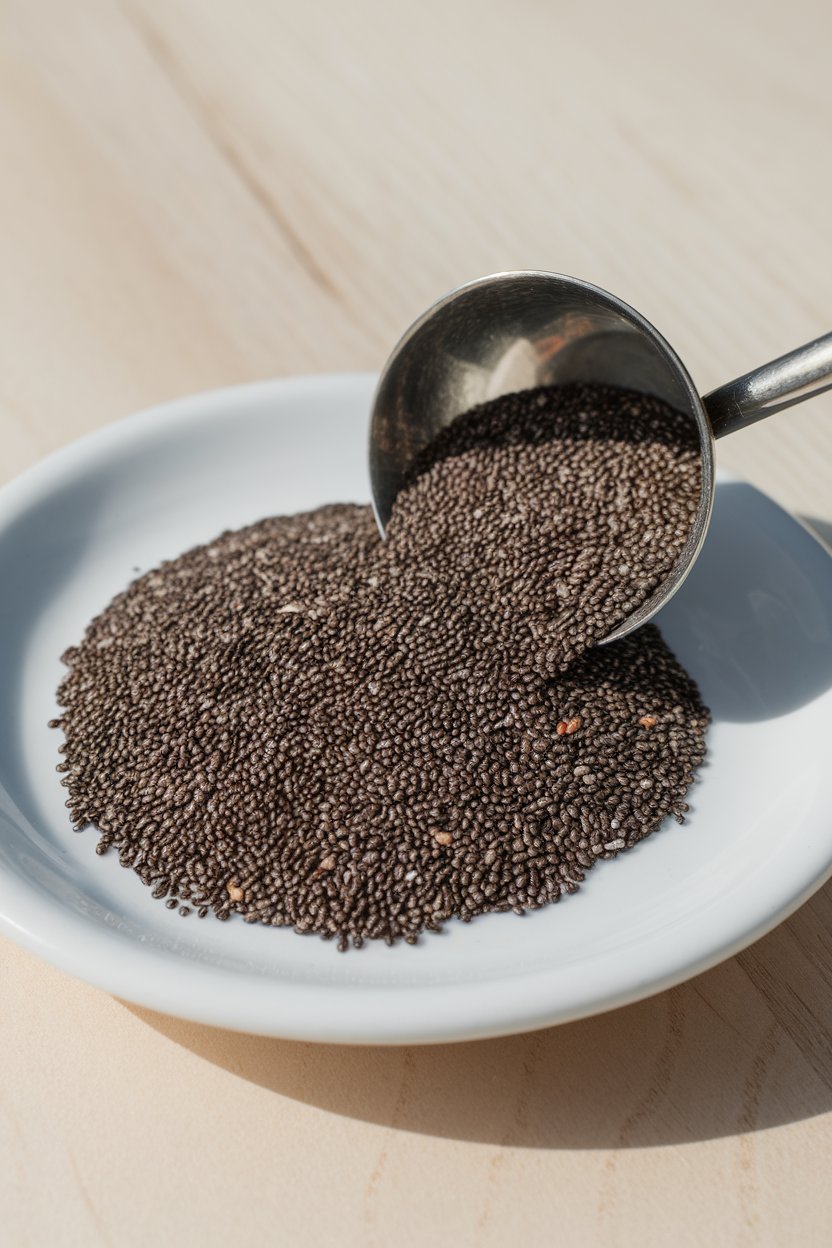
These tiny seeds swell when soaked, creating a pudding-like texture great for breakfasts or desserts. They supply fiber, protein, and omega-3s in a neutral-flavored package. Sprinkle them over yogurt or blend into smoothies for extra thickness.
36. Ground Flaxseed
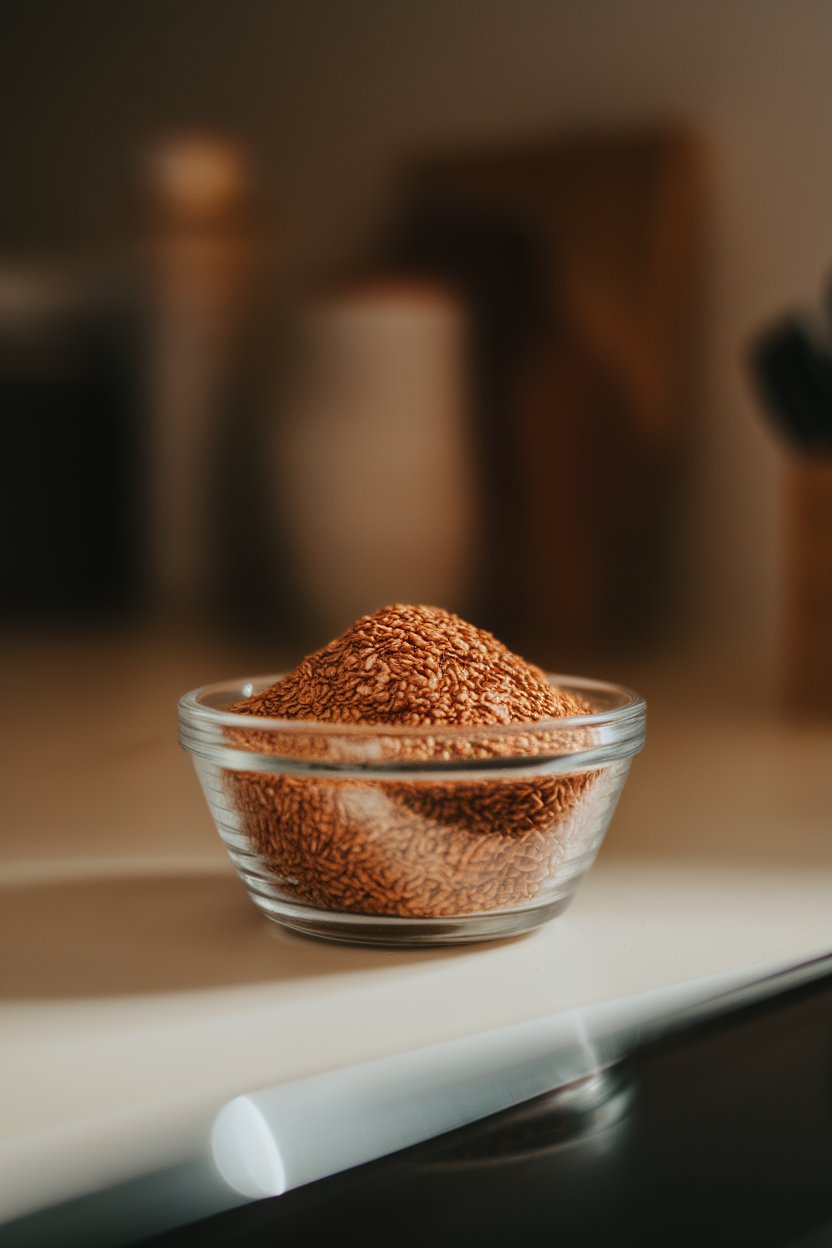
Grinding flaxseeds unlocks their omega-3 fats and lignans for better absorption. Stir a tablespoon into oatmeal or pancake batter for a nutty accent. Store the meal in the fridge or freezer to protect the delicate oils.
37. Pumpkin Seeds (Pepitas)
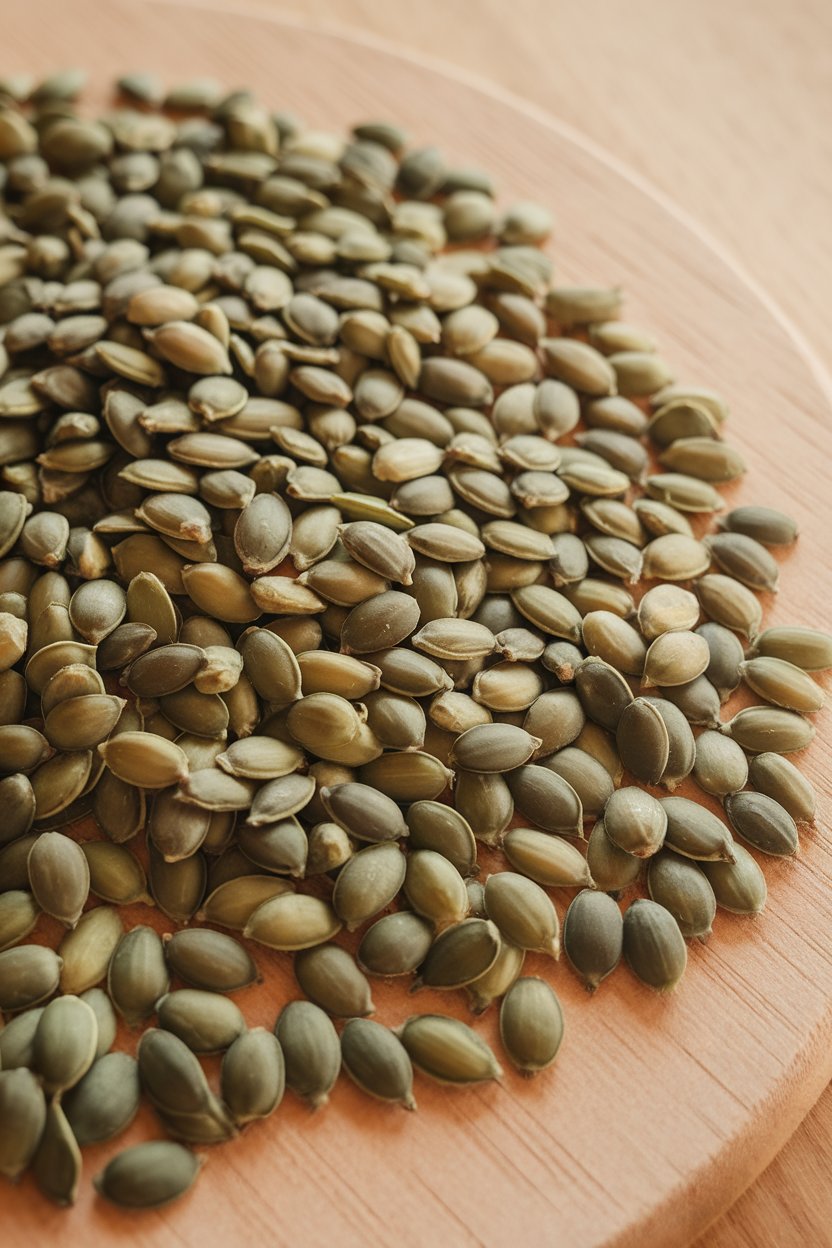
Pepitas contribute plant-based iron, zinc, and protein with a pleasant crunch. Roast them briefly with a pinch of sea salt for a quick snack. They also make a tasty garnish for soups and salads.
38. Cinnamon
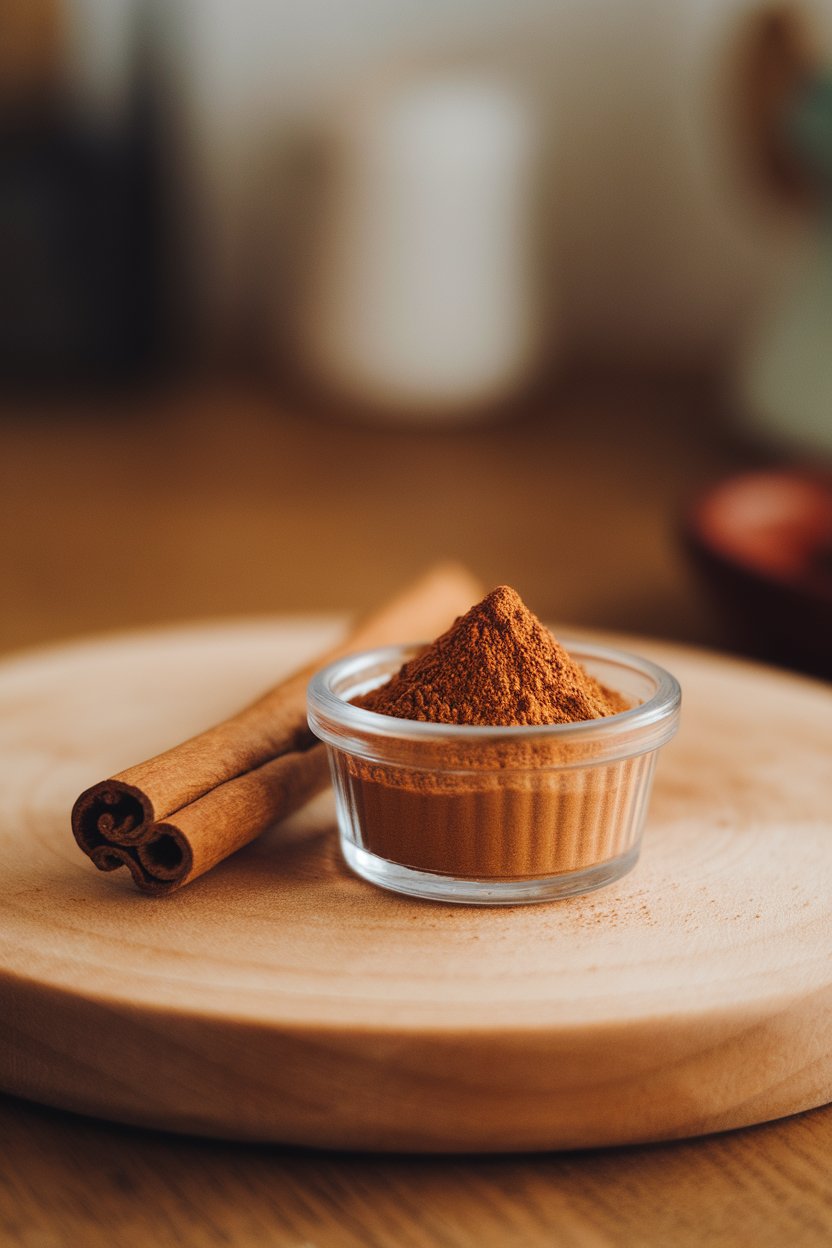
Cinnamon naturally sweetens dishes without added sugar and may aid blood-sugar control. Stir it into coffee, oatmeal, or roasted sweet potatoes. Keep the spice jar tightly sealed to maintain aroma.
39. Fresh Garlic
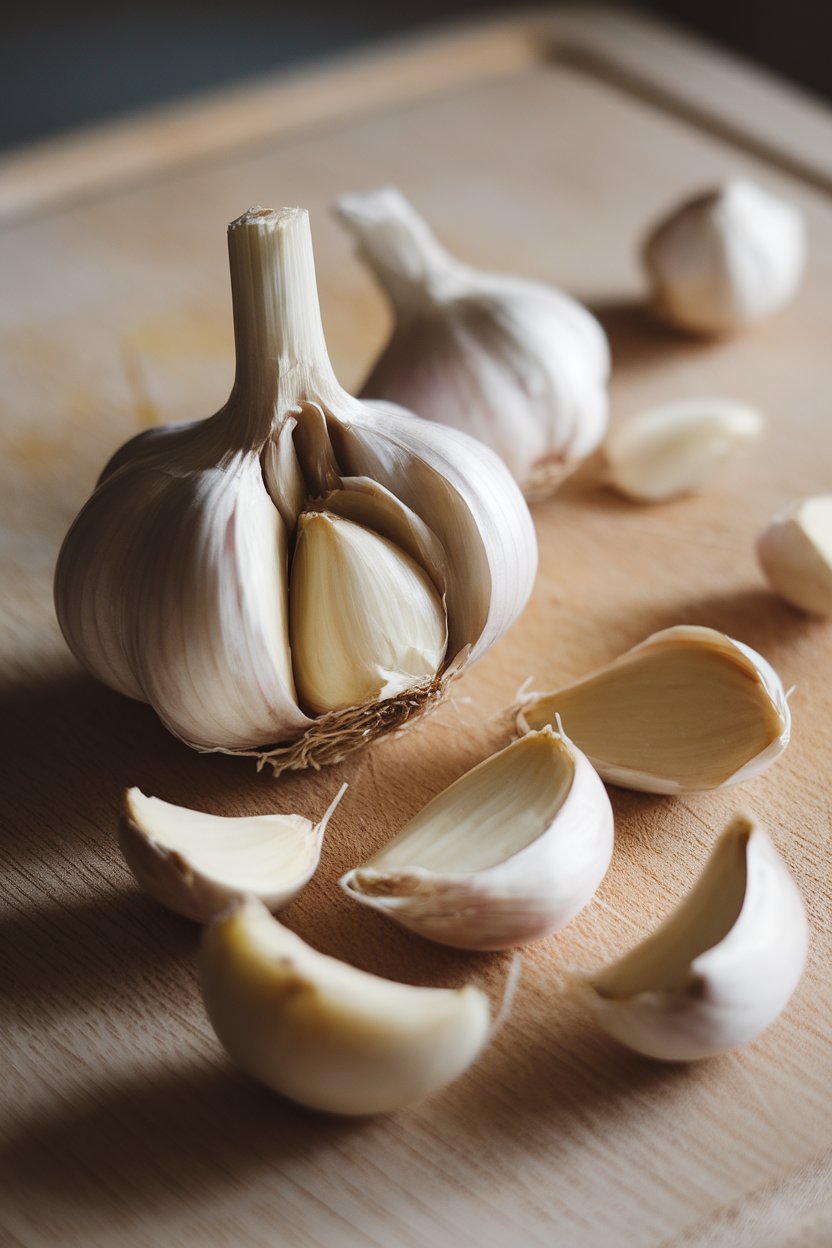
Garlic heightens flavor while delivering allicin, a compound linked to immune support. Smash a clove, let it sit a moment to activate enzymes, then sauté. Its pungency mellows into sweetness with longer cooking.
40. Fresh Ginger
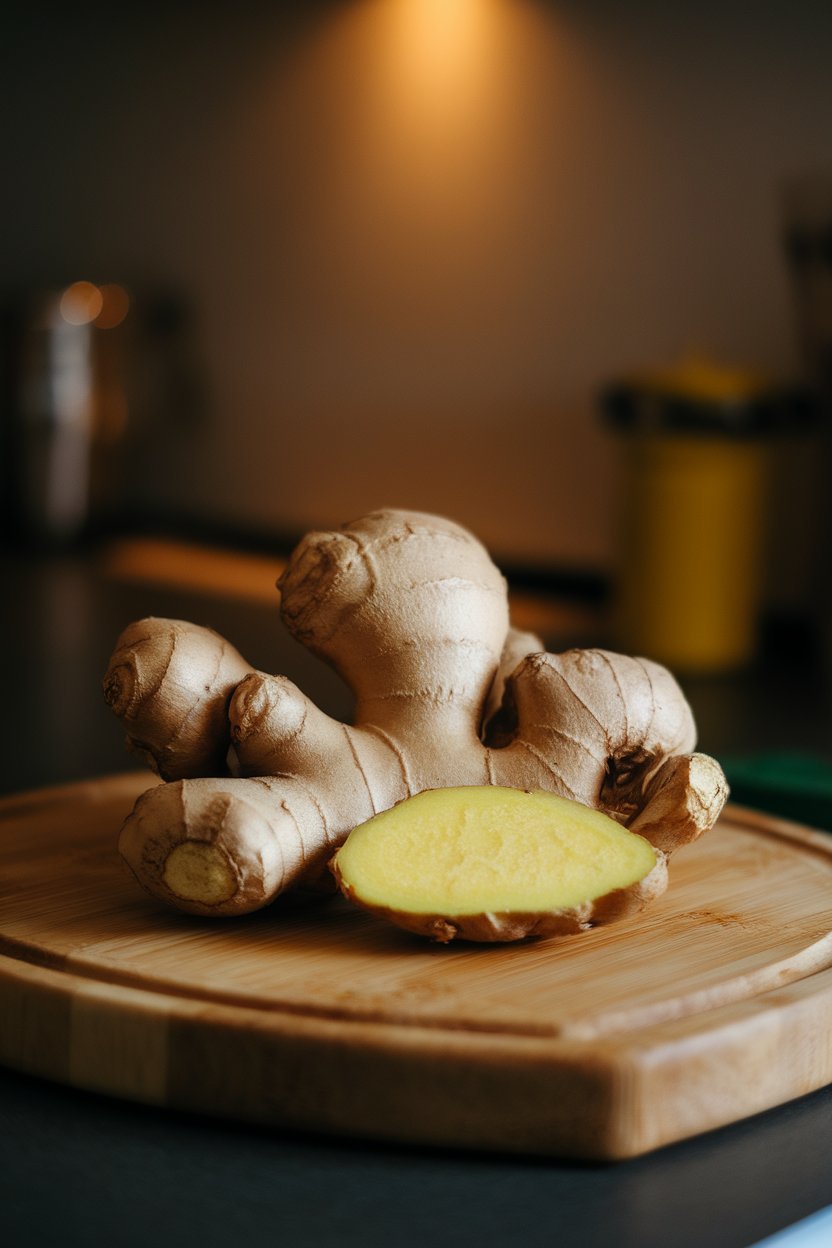
Ginger brings zesty spice and potential anti-inflammatory benefits. Mince it for stir-fries, grate it into tea, or add thin coins to soups. Freeze peeled chunks to make grating easier and extend shelf life.
41. Fresh Basil

Basil’s sweet aroma lifts pasta, salads, and sandwiches. Keep the stems in water like a bouquet and cover loosely with a produce bag to keep the leaves vibrant. Tear rather than chop to avoid bruising.
42. Lemons
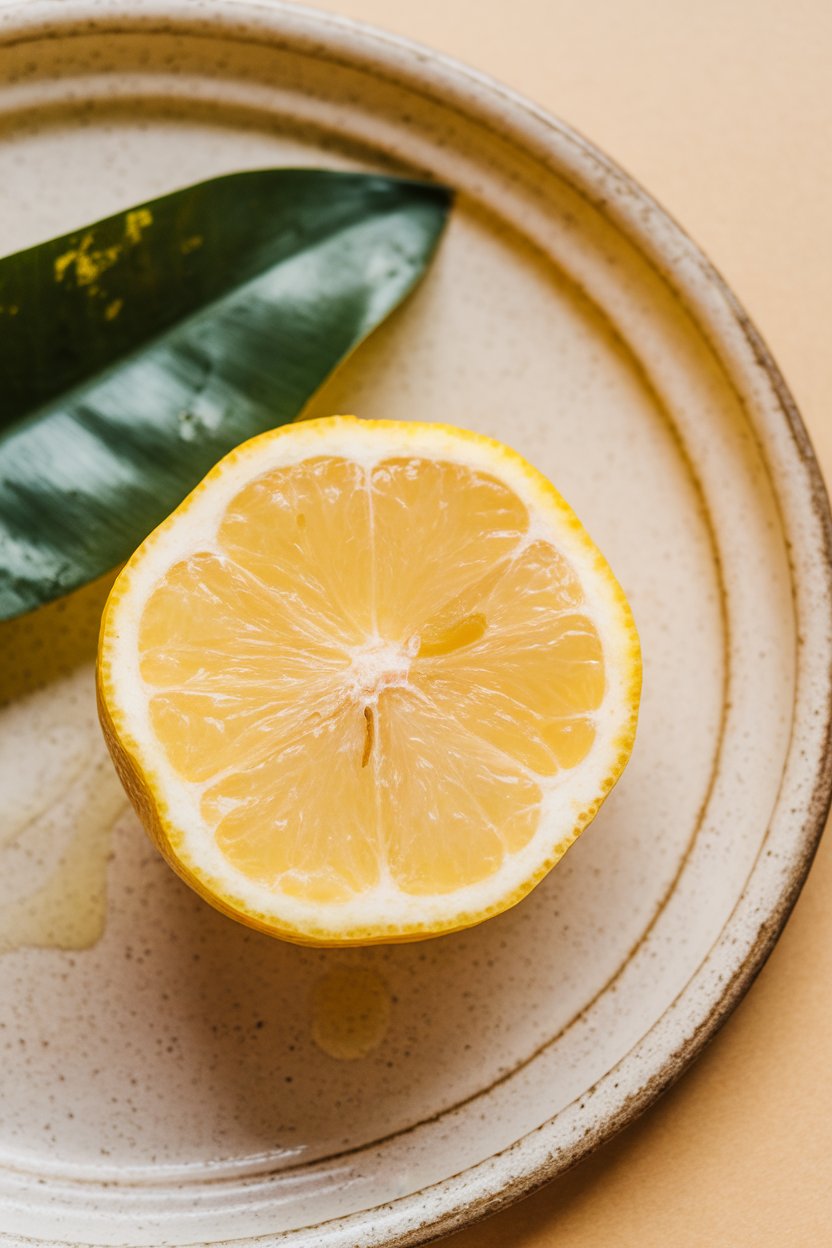
Lemon juice and zest add brightness to both savory and sweet dishes. They also enhance iron absorption from plant foods. Store lemons in the fridge crisper to retain juiciness for weeks.
43. Apple Cider Vinegar
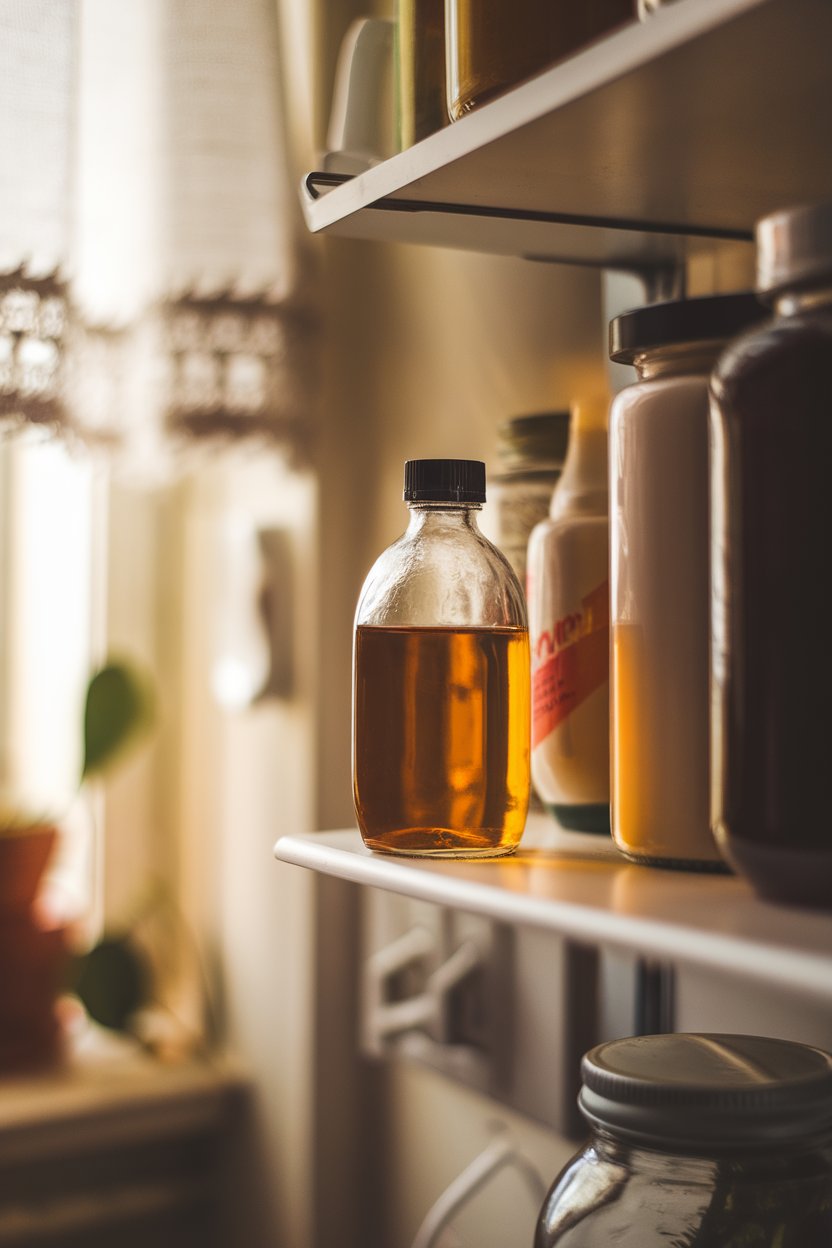
Tangy apple cider vinegar sharpens dressings and marinades while requiring little sodium. Dilute a splash in water for quick pickled onions or drizzle over sautéed greens. Unfiltered versions contain the “mother,” a harmless cloud of enzymes.
44. Low-Sodium Vegetable Broth
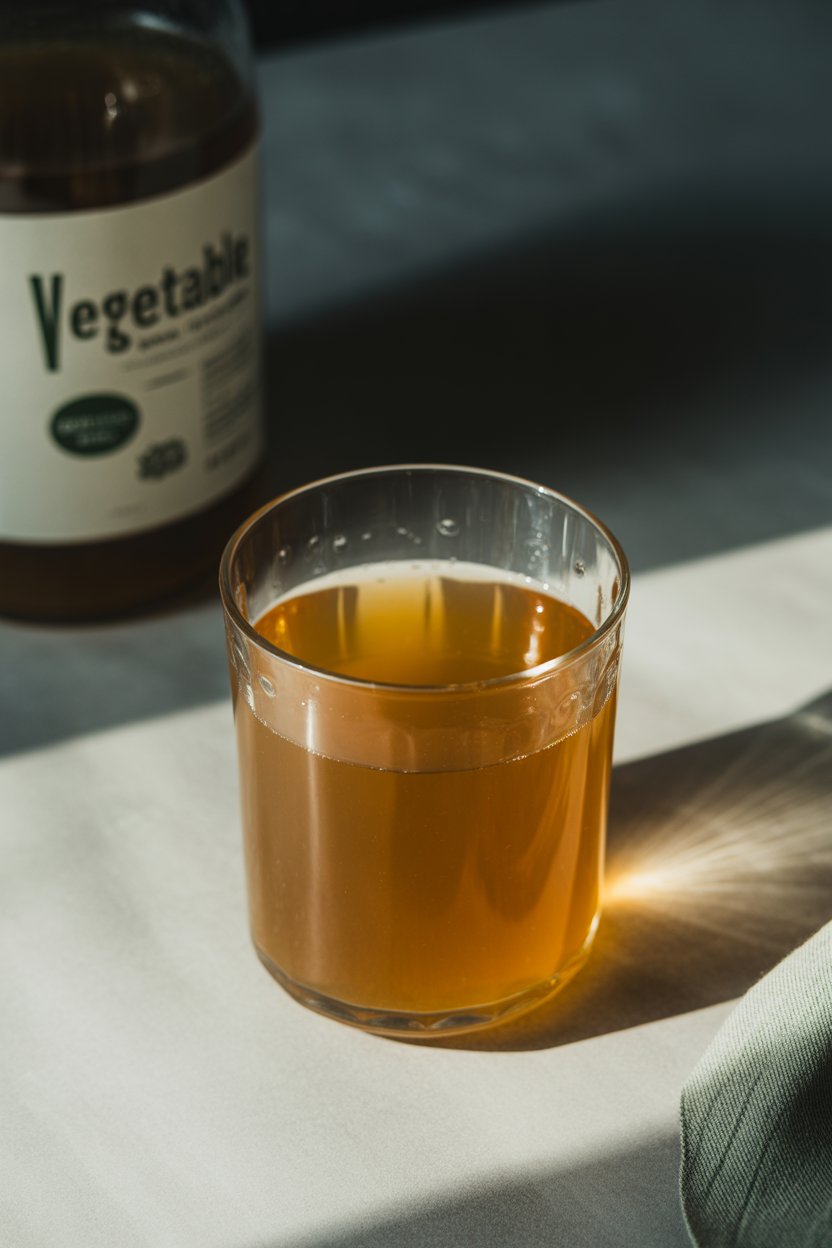
Having broth on hand streamlines soups, stews, and grain cooking. Choose low-sodium to maintain flavor control while reducing salt intake. Freeze leftover broth in ice-cube trays for small, convenient portions.
45. Dijon Mustard
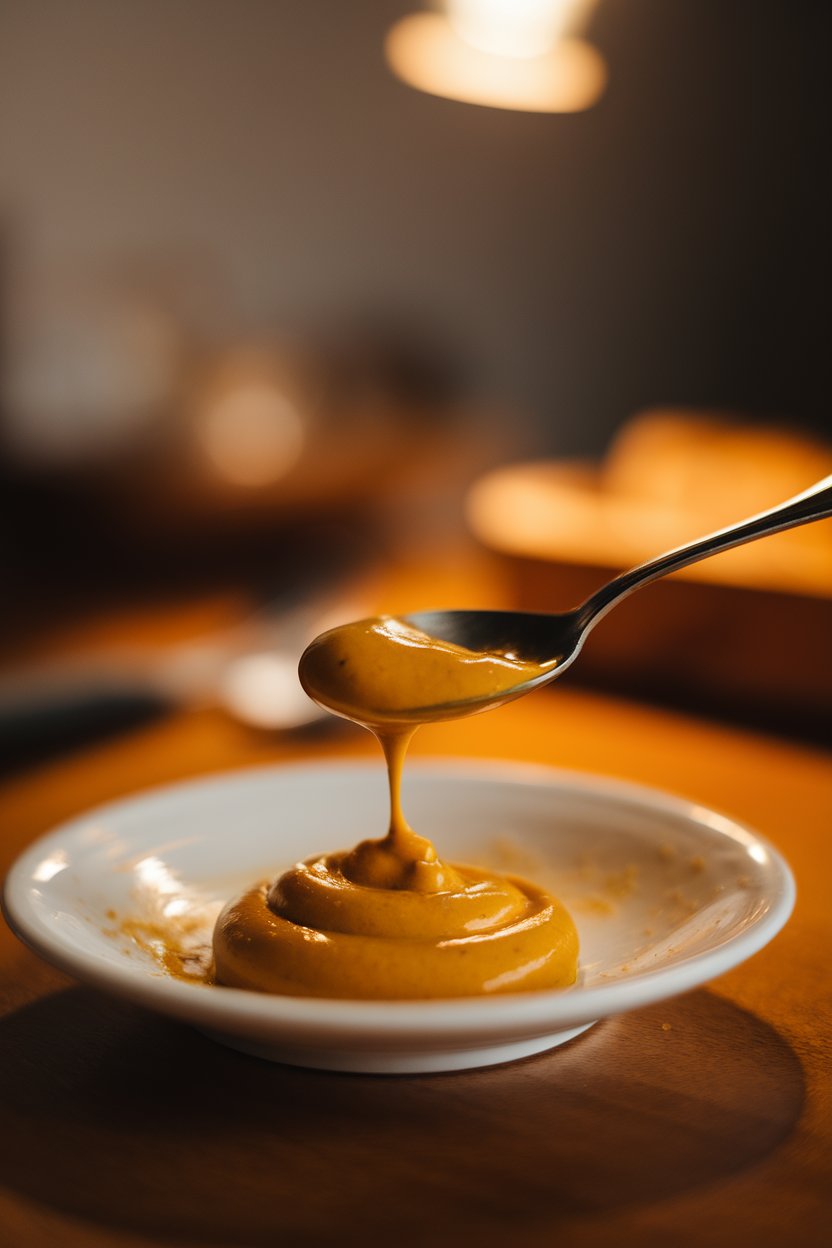
Dijon adds punchy depth to vinaigrettes and marinades with minimal calories. Its mustard seeds supply trace minerals and a slight heat that wakes up simple dishes. Refrigerate after opening to keep the flavor sharp.
46. Rolled Oats
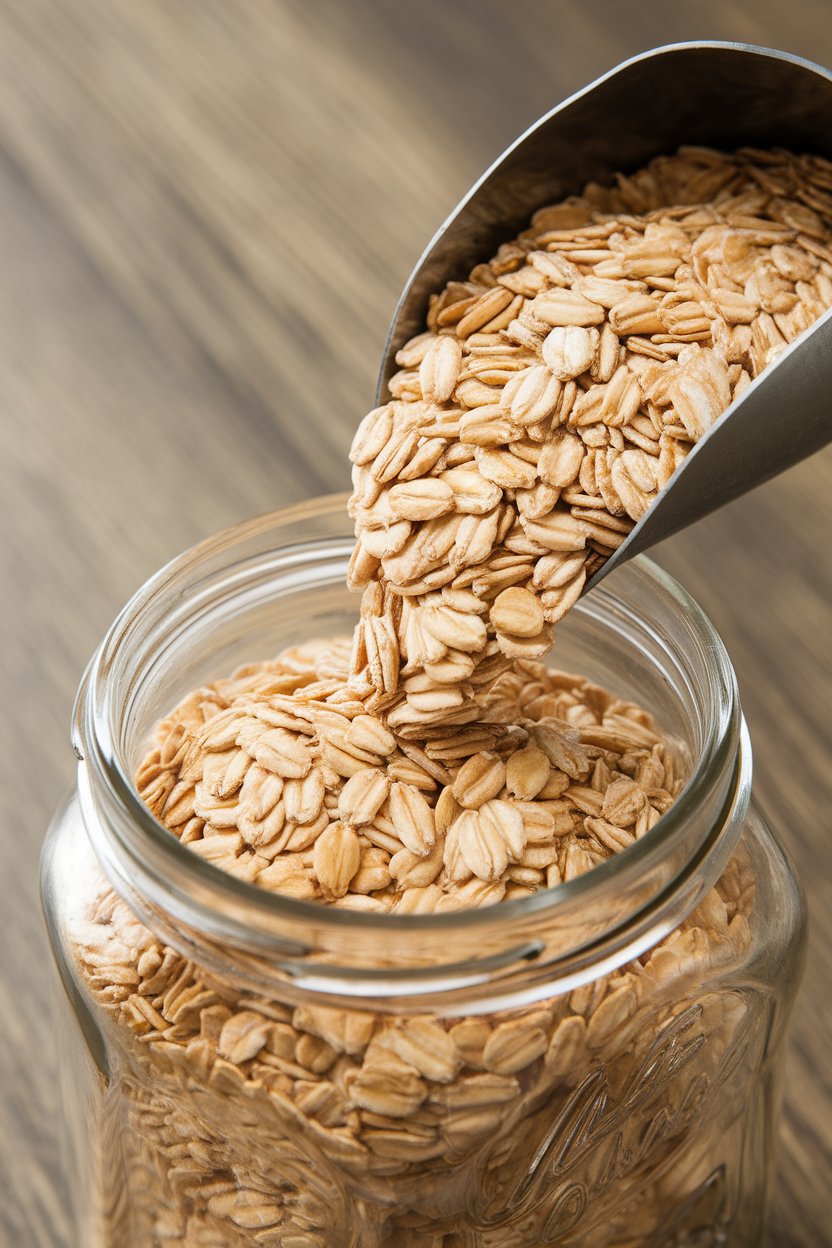
Rolled oats cook faster than steel-cut while still offering soluble fiber that supports heart health. Use them for overnight oats, granola, or as a binder in meatballs. Keep a tight lid to prevent pantry moths.
47. Barley
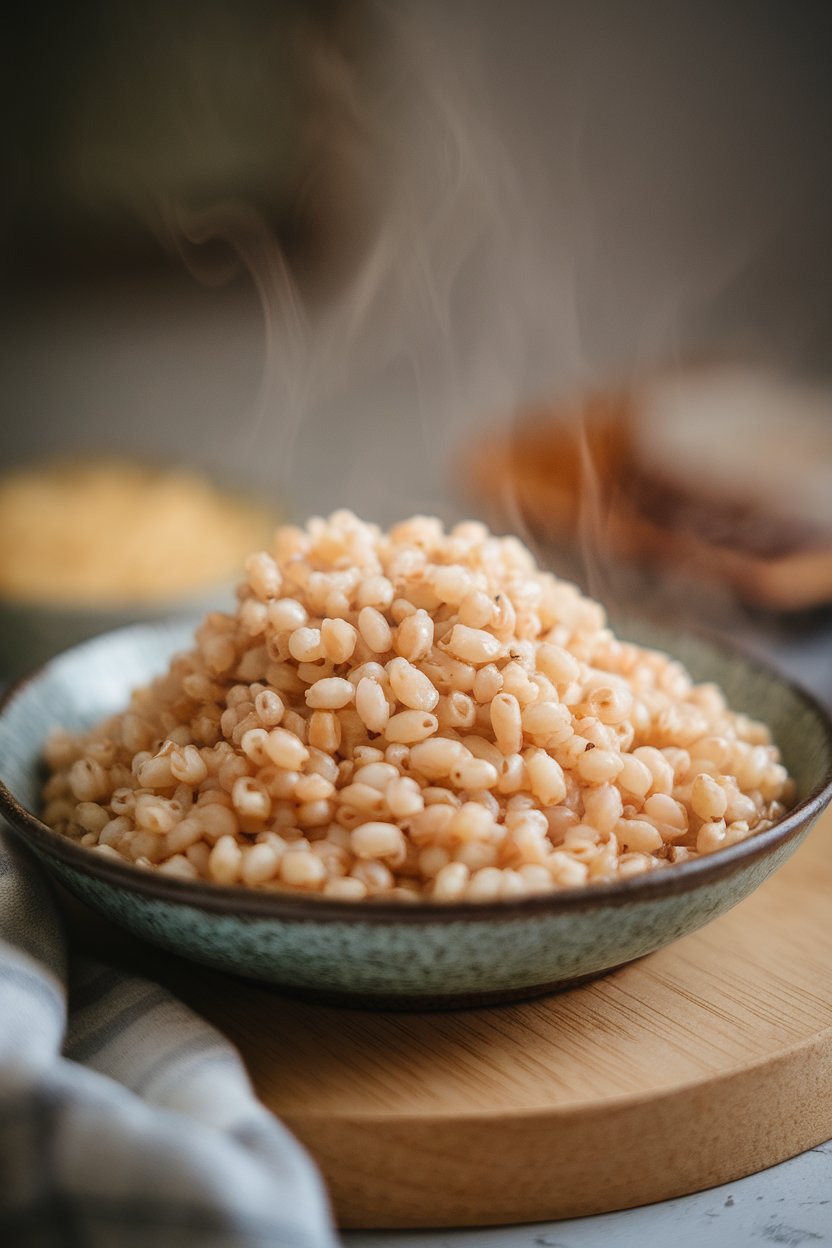
Barley’s chewy texture and nutty taste enrich soups and grain salads. It contains beta-glucan fiber linked to healthy cholesterol levels. Soak overnight for quicker stovetop cooking.
48. Whole-Grain Tortillas
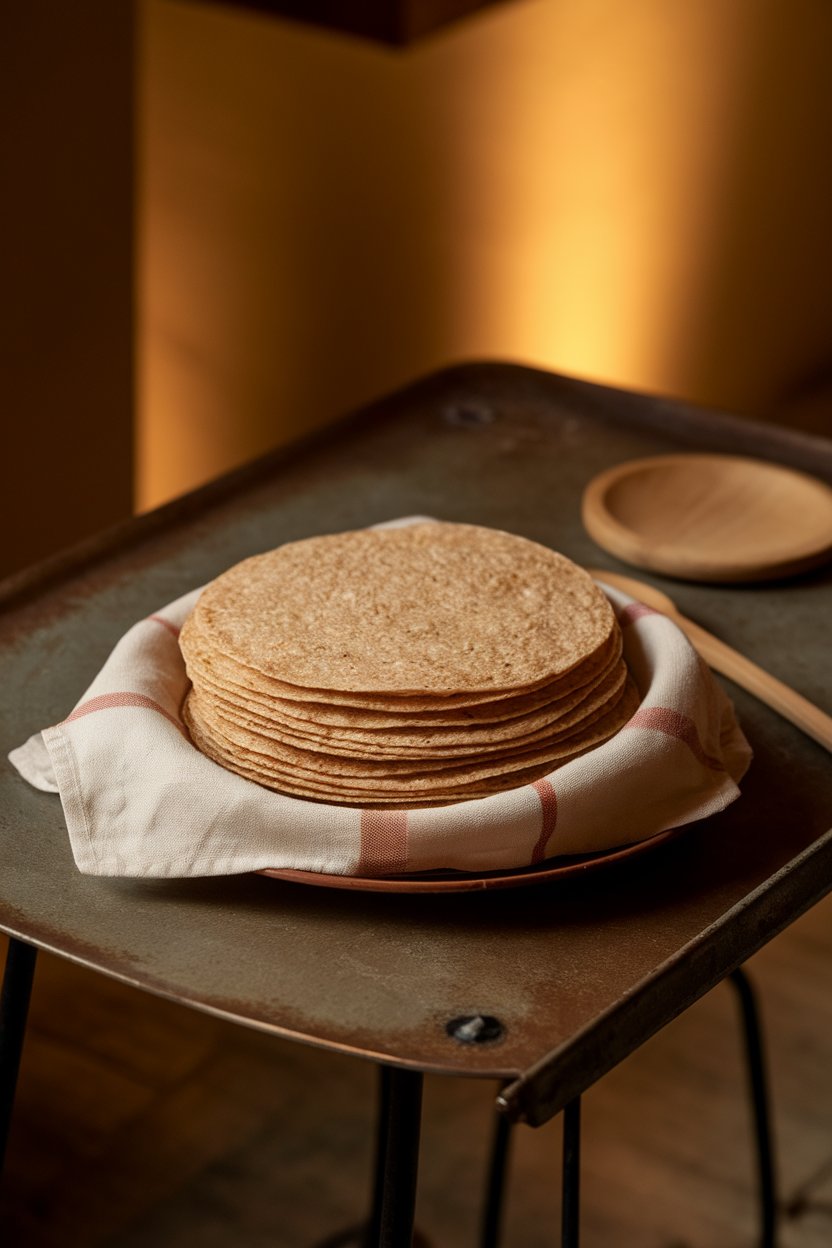
Tortillas made with whole grains create quick wraps, quesadillas, and personal pizzas. Look for varieties with at least three grams of fiber per serving. Warm them briefly in a dry skillet to enhance pliability.
49. Unsweetened Cocoa Powder
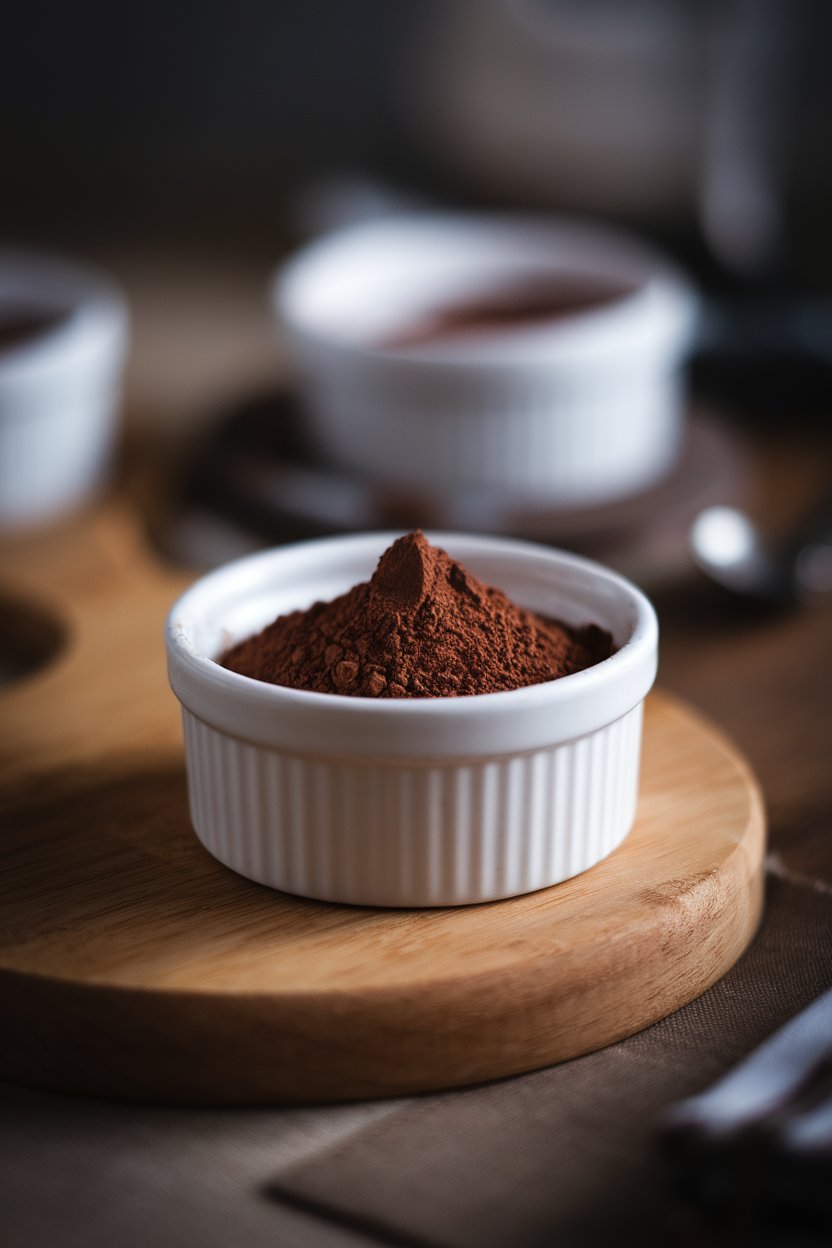
Cocoa powder supplies antioxidants and rich chocolate flavor without added sugar or fat. Whisk it into smoothies, chia pudding, or homemade energy bites. Store in a cool, dry cupboard to prevent clumping.
50. Dates
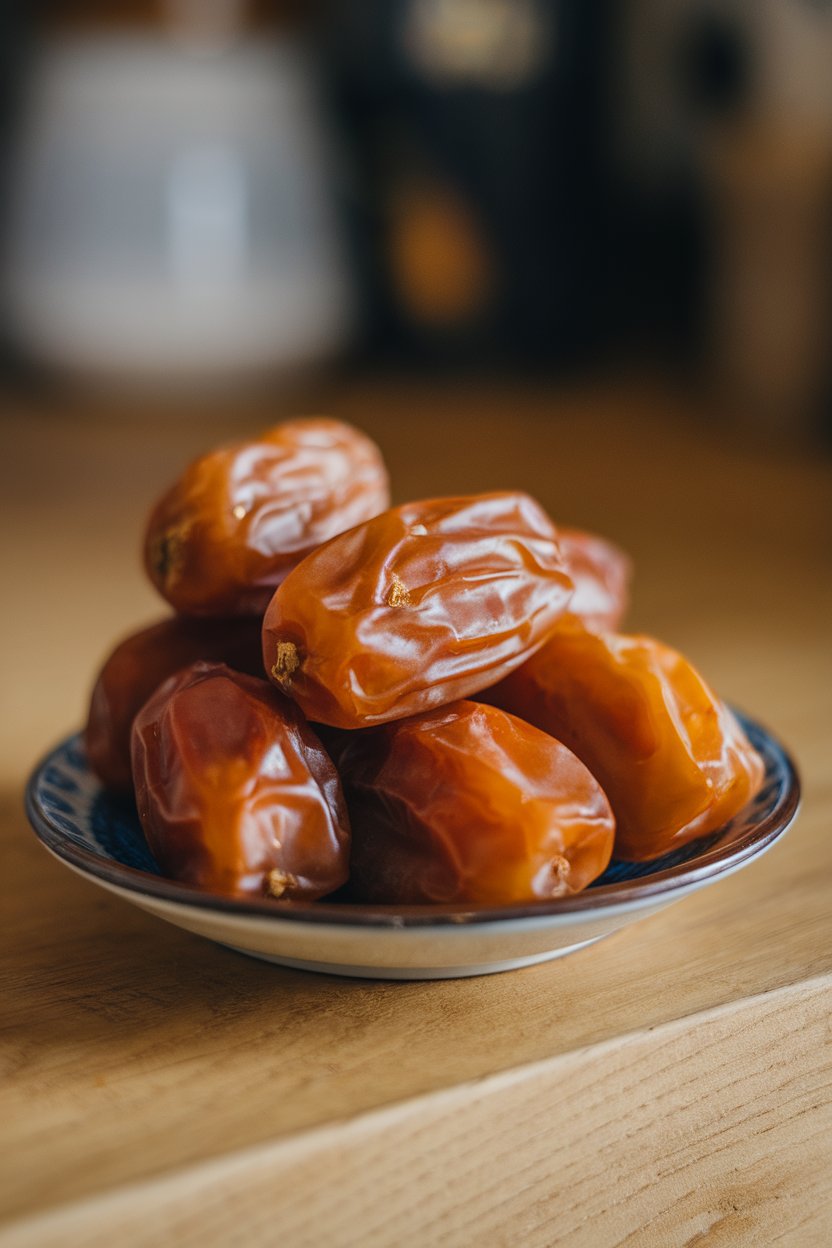
Naturally sweet dates replace refined sugar in snacks and baking while adding potassium and fiber. Blend them into energy balls or chop into oatmeal. Keep them sealed to maintain their soft chewiness.
51. Plain Popcorn Kernels
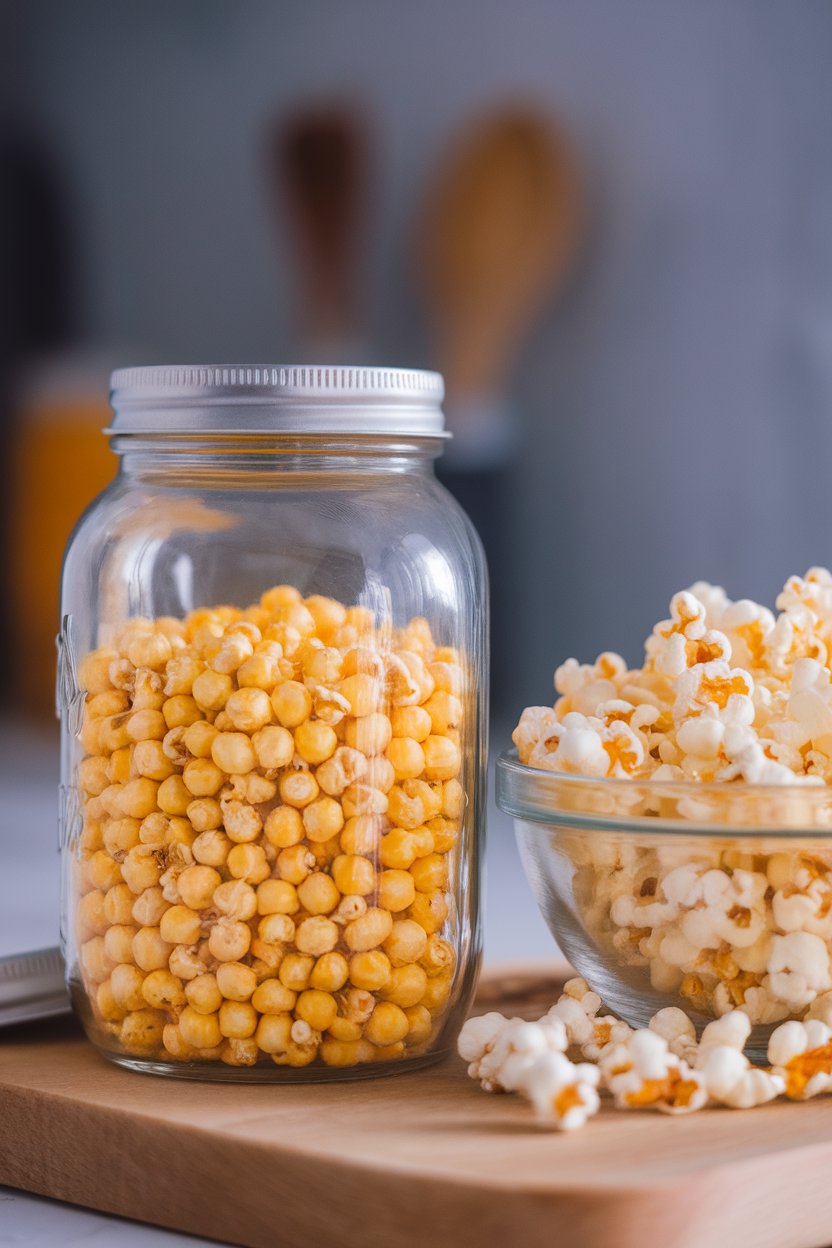
Air-popped popcorn counts as a whole grain and makes a light, crunchy snack. Flavor it with a drizzle of olive oil and herbs instead of butter to keep it clean. Store kernels in an airtight container to preserve popping power.
52. Salsa (No Added Sugar)
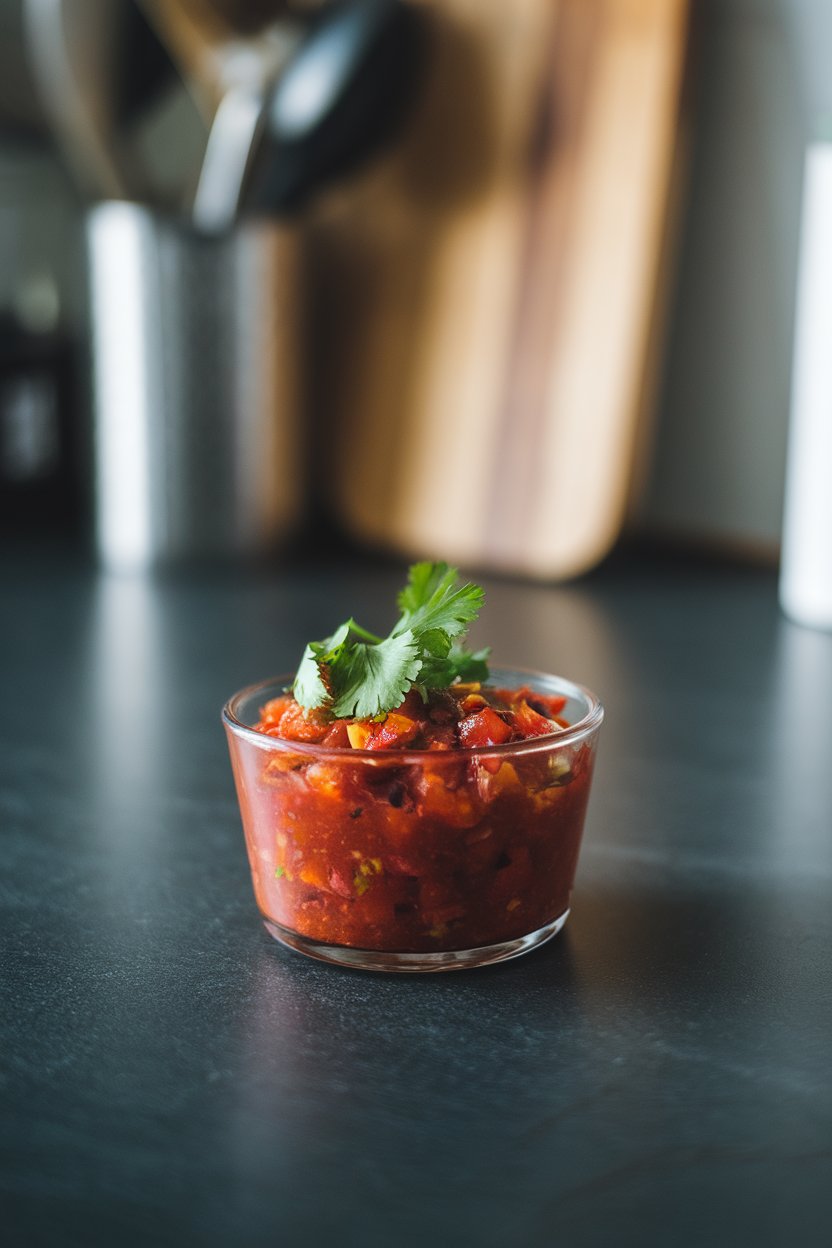
Salsa freshens eggs, grain bowls, and grilled proteins with minimal calories. Check labels for simple ingredients—tomatoes, onions, peppers, and spices. A jar in the fridge can rescue many bland meals.
53. Nutritional Yeast
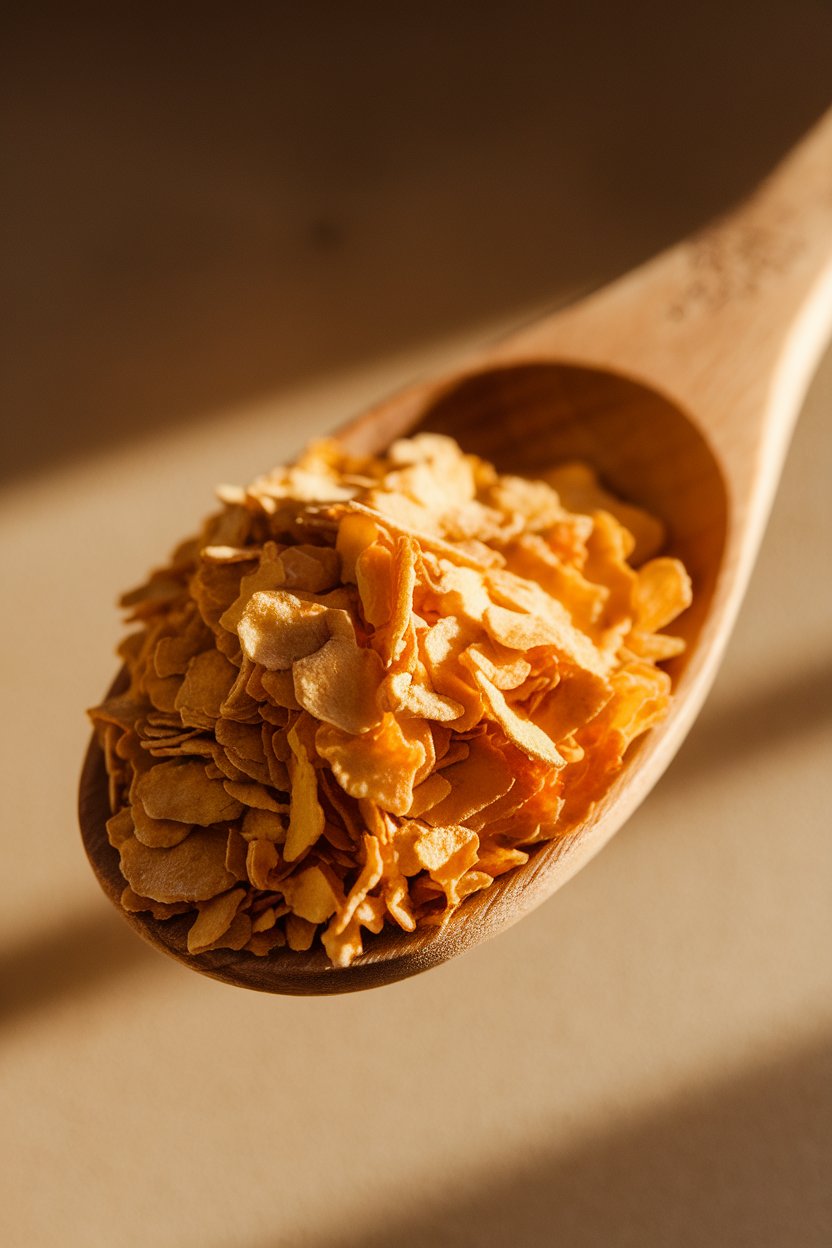
These savory flakes lend a cheesy flavor plus B vitamins, including B12 in fortified versions. Sprinkle over popcorn or stir into sauces for dairy-free richness. Keep the container tightly sealed to avoid moisture clumps.
54. Dark Chocolate (70 % Cacao or Higher)
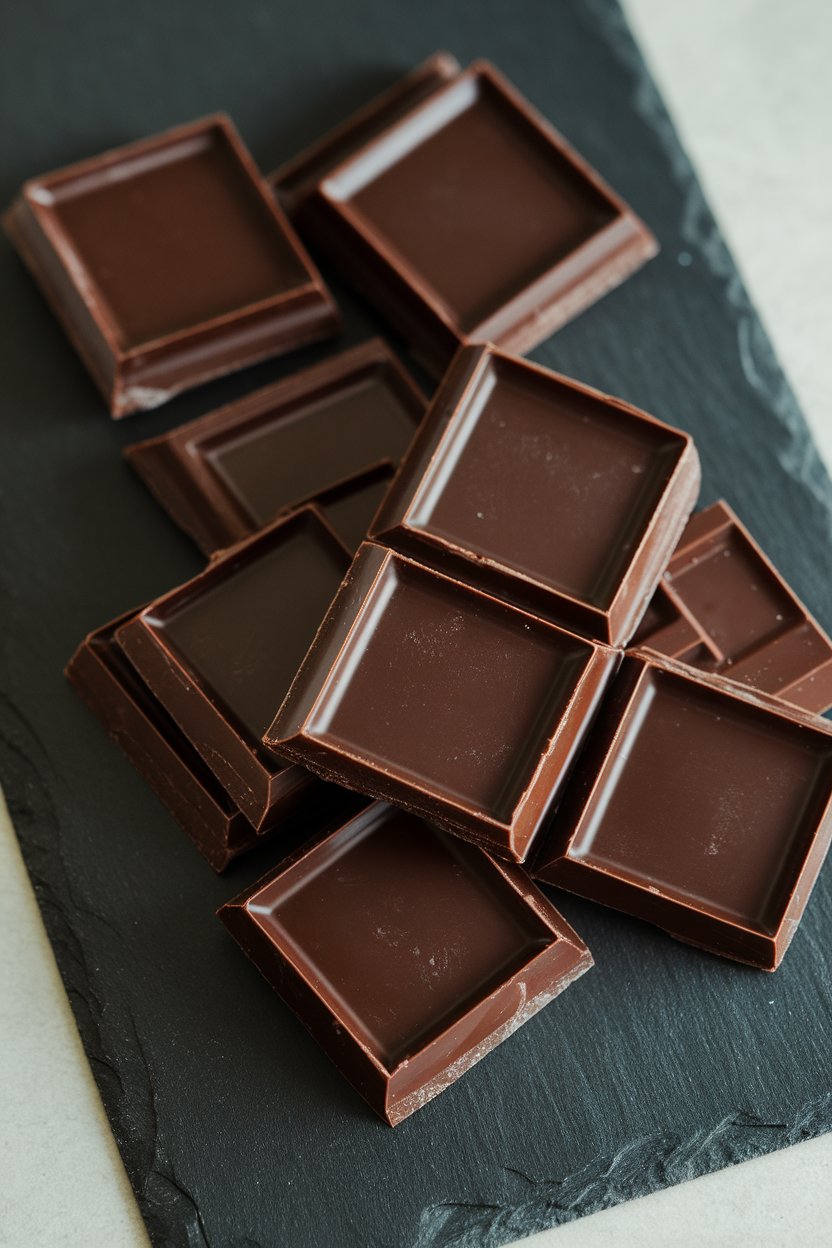
Rich dark chocolate satisfies cravings with less sugar than milk varieties and provides magnesium and antioxidants. Enjoy a square or two mindfully after meals. Store it in a cool spot, away from fragrant foods.
55. Herbal Tea Variety
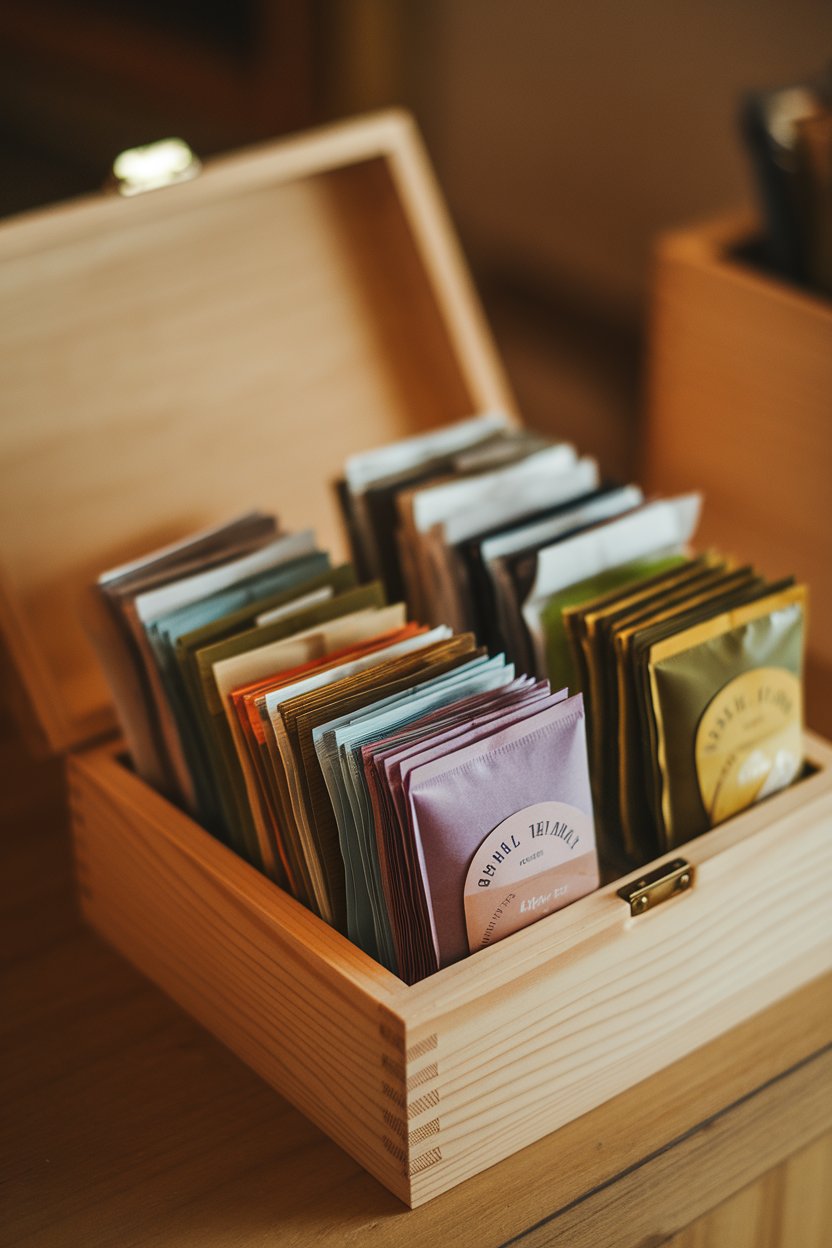
Herbal teas offer caffeine-free hydration and soothing rituals. Options like peppermint, chamomile, and rooibos each bring unique flavors and plant compounds. Keep a range on hand for after-dinner winding down.

Nathaniel Lee is an avid cook, drawing on his decades of home cooking and fine dining experience. He is a contributing chef at Mashed, and his recipes and contributions have been featured in Tasting Table, Edible Arrangements, Insanely Good Recipes, and The Daily Meal.