Clean eating isn’t a rigid diet—it’s a collection of habits that put whole, minimally processed foods at the center of the plate. Small changes, when practiced day after day, add up to steady progress and a happier relationship with food. Explore these seventy practical tips and pick the ones that fit your lifestyle right now. Come back for the rest whenever you’re ready for a new challenge.
Contents
- 1. Stock Your Pantry with Whole Foods
- 2. Plan Meals for the Week
- 3. Read Ingredient Labels Carefully
- 4. Choose Whole Grains Over Refined
- 5. Fill Half Your Plate with Vegetables
- 6. Hydrate with Water First
- 7. Swap Sugary Drinks for Infused Water
- 8. Cook in Batches
- 9. Use Heart-Healthy Oils
- 10. Limit Ultra-Processed Snacks
- 11. Keep Healthy Snacks Visible
- 12. Build Balanced Breakfasts
- 13. Eat Mindfully
- 14. Slow Down at Mealtime
- 15. Pack Lunches from Home
- 16. Include Lean Protein in Every Meal
- 17. Embrace Meatless Mondays
- 18. Double the Veggies in Recipes
- 19. Choose Seasonal Produce
- 20. Try New Herbs and Spices
- 21. Roast Instead of Fry
- 22. Steam or Sauté Veggies Lightly
- 23. Make Smoothies with Veggies
- 24. Use Smaller Plates
- 25. Skip Added Sugars in Coffee or Tea
- 26. Make Your Own Salad Dressings
- 27. Freeze Leftovers for Busy Days
- 28. Keep Fruit Washed and Ready
- 29. Add Nuts and Seeds for Crunch
- 30. Choose Plain Yogurt
- 31. Swap White Flour for Whole-Wheat
- 32. Limit Alcohol Intake
- 33. Eat the Rainbow
- 34. Keep a Food Journal
- 35. Prioritize Fiber
- 36. Prepare Overnight Oats
- 37. Try One New Vegetable Each Week
- 38. Rinse Canned Beans
- 39. Choose Low-Sodium Broths
- 40. Make Your Own Trail Mix
- 41. Keep Healthy Fats in Moderation
- 42. Bake with Applesauce or Mashed Banana
- 43. Avoid Artificial Sweeteners
- 44. Read Restaurant Menus Ahead
- 45. Divide Restaurant Portions
- 46. Say No to Bread Baskets
- 47. Grill Lean Proteins
- 48. Spice Up Water with Herbs
- 49. Get Enough Sleep
- 50. Manage Stress Healthfully
- 51. Eat Protein After Workouts
- 52. Keep Healthy Snacks in Your Bag or Car
- 53. Listen to Hunger Cues
- 54. Don’t Shop Hungry
- 55. Stick to the Perimeter of the Grocery Store
- 56. Grow Small Herbs at Home
- 57. Use Broth Instead of Oil for Sautéing
- 58. Limit Packaged Desserts
- 59. Make Soup Loaded with Vegetables
- 60. Incorporate Fermented Foods
- 61. Respect Food Allergies and Intolerances
- 62. Keep Colorful Veggies at Eye Level in the Fridge
- 63. Experiment With Legumes
- 64. Share Meals With Friends or Family
1. Stock Your Pantry with Whole Foods

A pantry full of staples such as whole grains, beans, nuts, and seeds makes clean cooking easier on busy days. Buy in bulk when possible, then transfer items to airtight containers so they stay fresh and visible. With the basics on hand, you’re less likely to fall back on highly processed convenience foods. Rotate stock regularly to avoid waste.
2. Plan Meals for the Week
Sitting down once a week to map out breakfasts, lunches, and dinners removes weekday guesswork. It also helps you create an accurate grocery list, which saves money and reduces impulse buys. Include leftovers in the plan so nothing languishes in the fridge. Flexibility matters, so leave one or two slots open for spontaneous cravings or social plans.
3. Read Ingredient Labels Carefully
Short ingredient lists typically signal less processing. Scan for added sugars, hydrogenated oils, and artificial colors, and compare brands for the simplest option. Over time, label reading becomes second nature and guides you toward smarter purchases. If an ingredient sounds like a chemistry experiment, look for an alternative.
4. Choose Whole Grains Over Refined
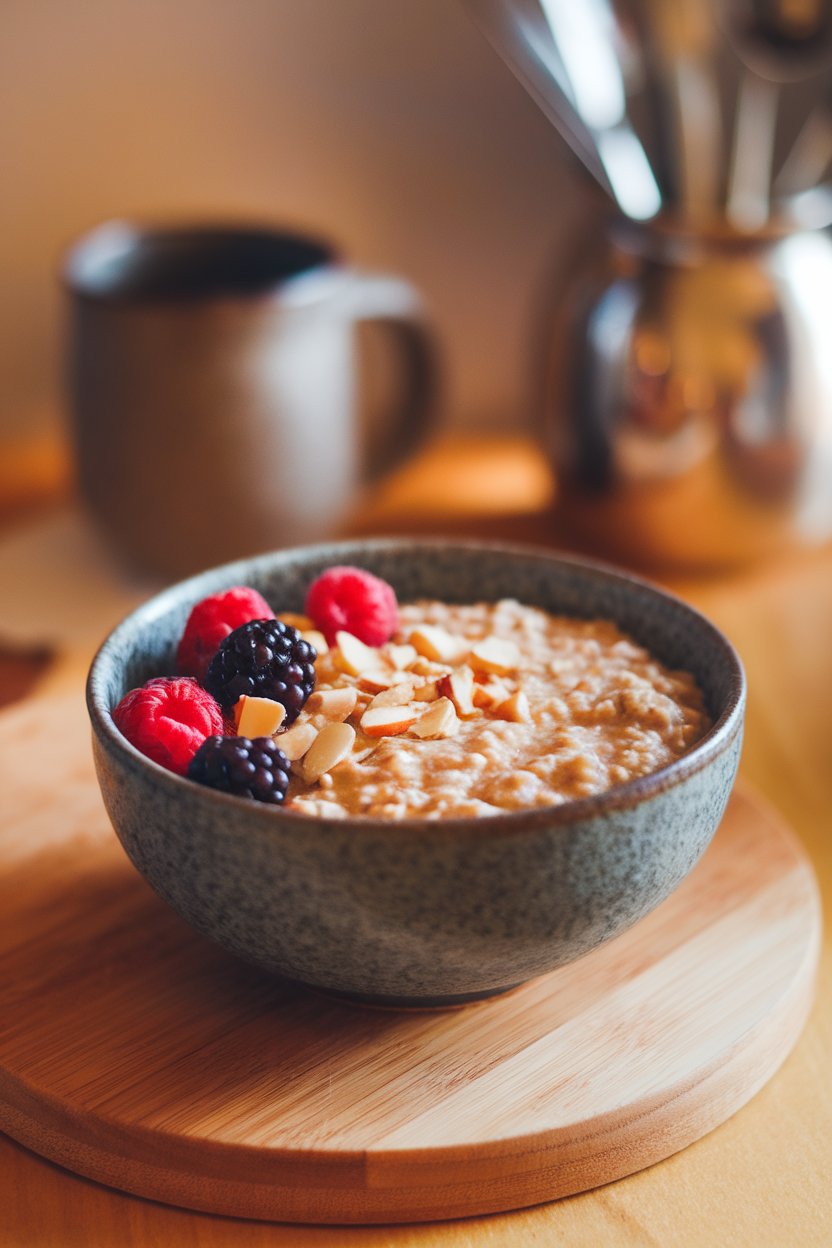
Whole grains retain the bran and germ, offering fiber, vitamins, and steady energy. Swap white rice for brown or wild rice, and trade regular pasta for whole-wheat or legume-based noodles. Even small substitutions, like popcorn in place of chips, boost nutrient intake. Your taste buds adjust quickly once whole grains become the norm.
5. Fill Half Your Plate with Vegetables
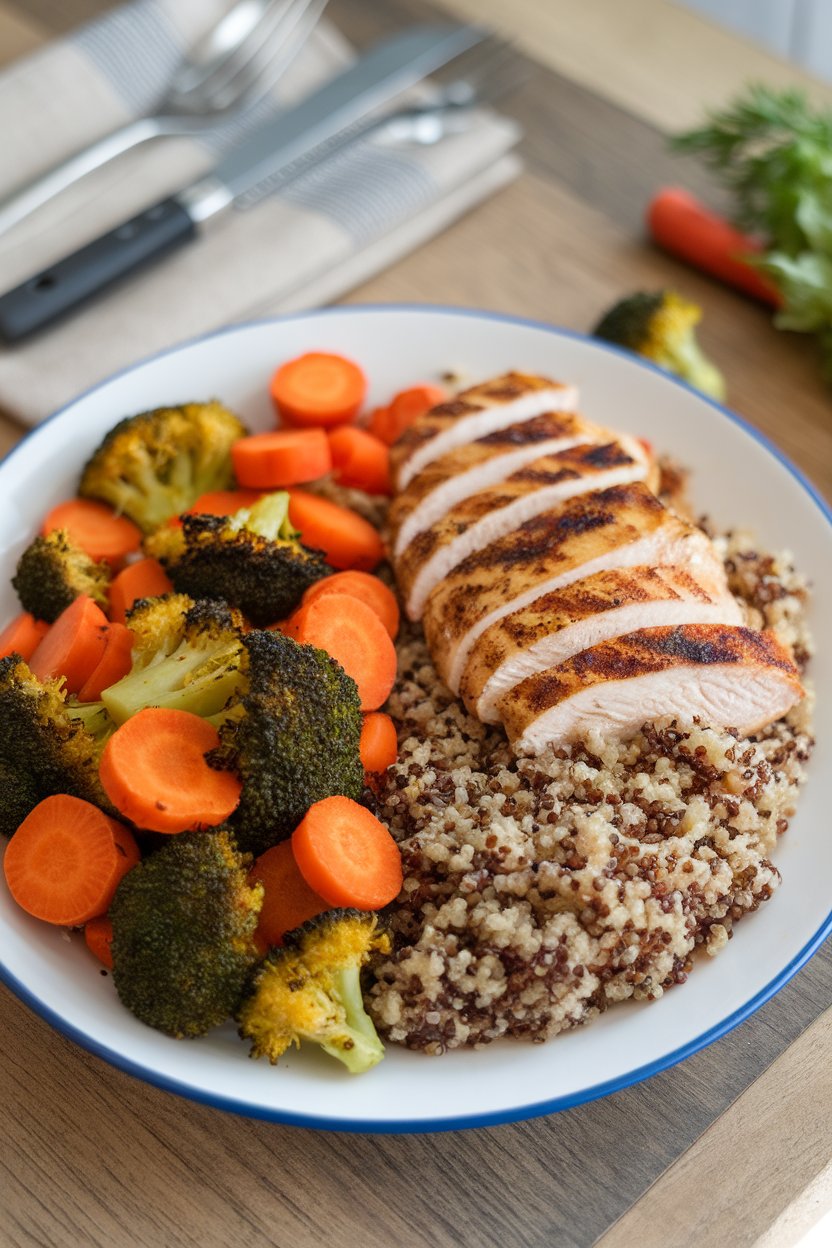
Vegetables bring fiber, antioxidants, and color to every meal. By dedicating half the plate to produce, you automatically crowd out less nutritious options. Mix raw and cooked veggies for variety in texture and flavor. Season boldly with herbs and citrus to keep things interesting.
6. Hydrate with Water First

Thirst often masquerades as hunger, nudging you toward unnecessary snacks. Drinking a glass of water before meals and between coffee refills supports digestion and keeps energy stable. If plain water feels boring, add fruit, herbs, or a splash of 100 % juice for subtle flavor. Keep a refillable bottle within arm’s reach at all times.
7. Swap Sugary Drinks for Infused Water
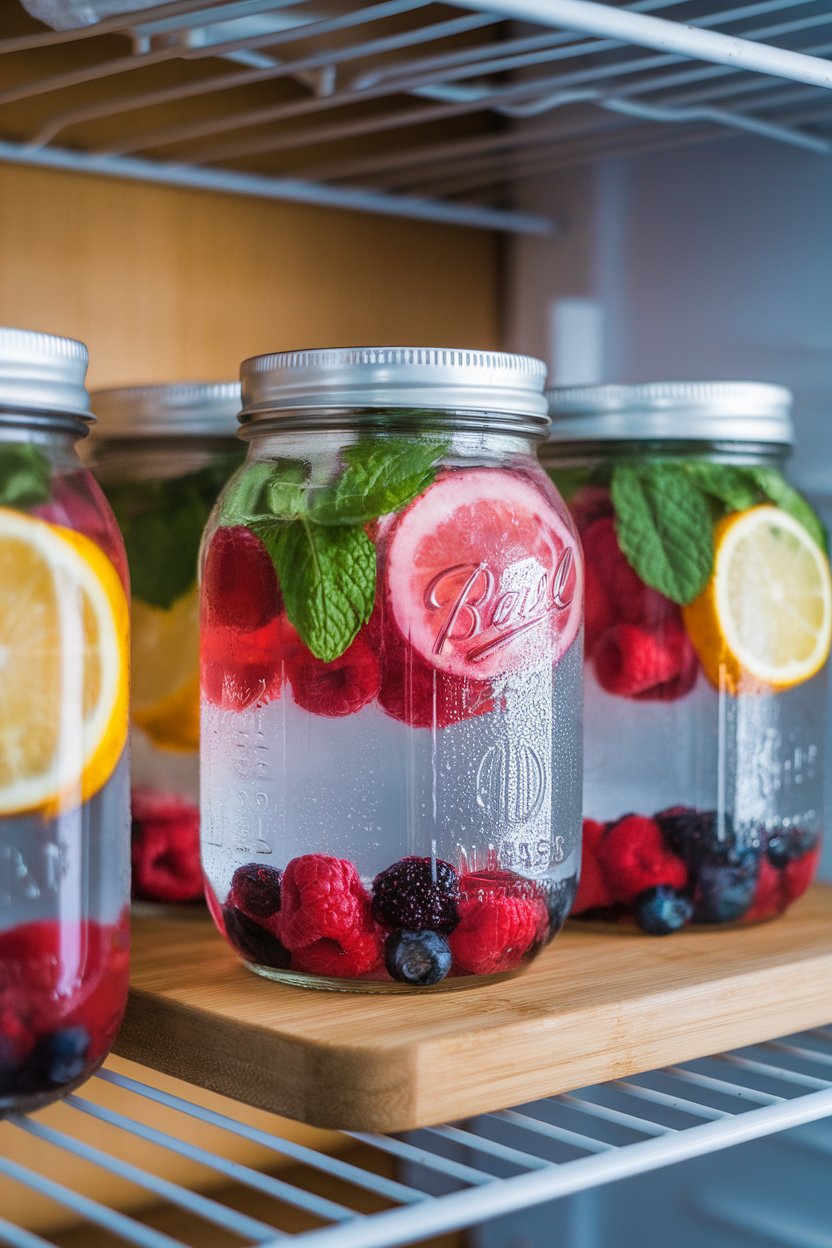
Sodas and sweetened teas can quietly add hundreds of calories and a heavy dose of added sugar. Infused water satisfies flavor cravings without the crash that follows a sugary beverage. Experiment with combinations like strawberry-basil or pineapple-mint to keep things fresh. Make a big batch in the evening so it’s ready for the next day.
8. Cook in Batches
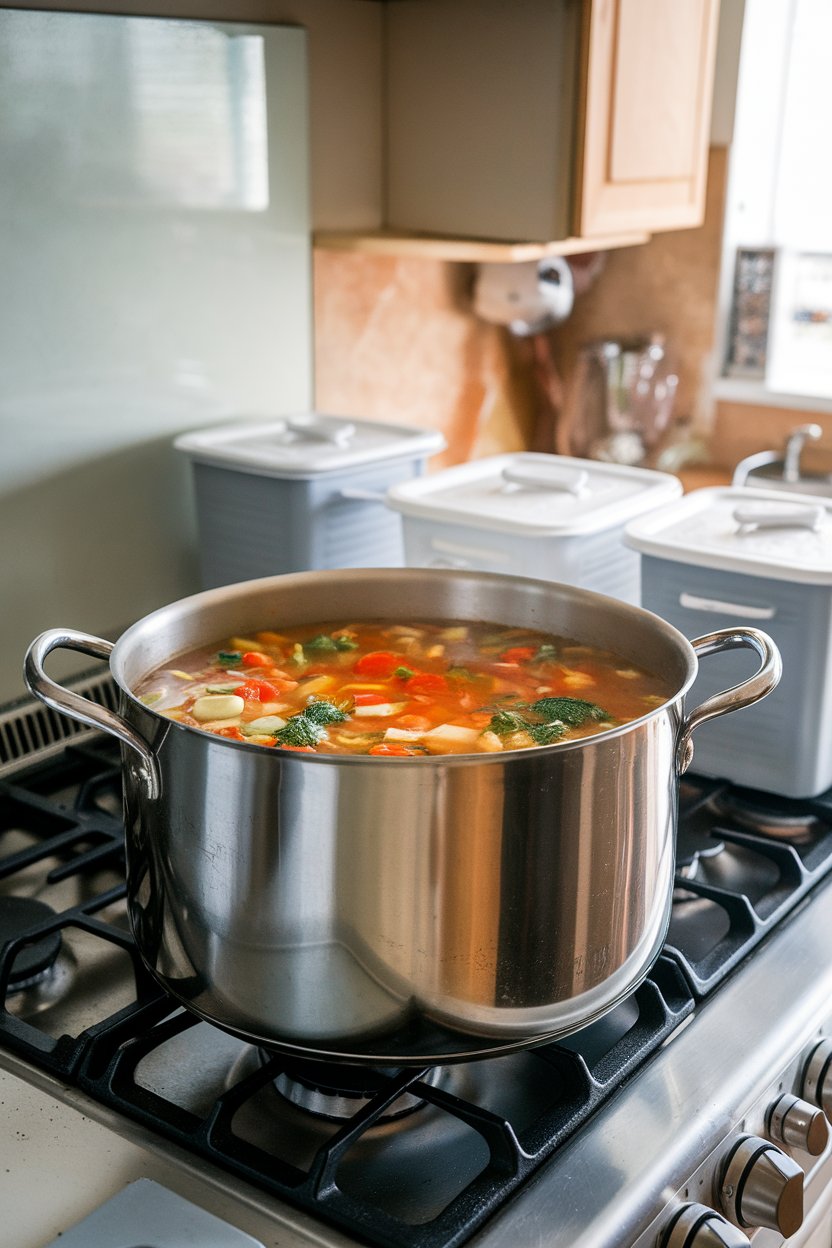
Batch cooking turns Sunday afternoon into a week’s worth of grab-and-go meals. Prepare soups, stews, roasted veggies, or grilled chicken in large quantities, then portion into single servings. Having ready-to-eat options reduces reliance on takeout. Label containers with dates so nothing gets lost in the fridge.
9. Use Heart-Healthy Oils

Extra-virgin olive oil, avocado oil, and cold-pressed canola oil provide monounsaturated fats that support cardiovascular health. Keep high-heat options for sautéing and reserve olive oil for dressings or low-temperature cooking. Store oils away from direct light to maintain freshness. Measure with a spoon to avoid accidental over-pours.
10. Limit Ultra-Processed Snacks
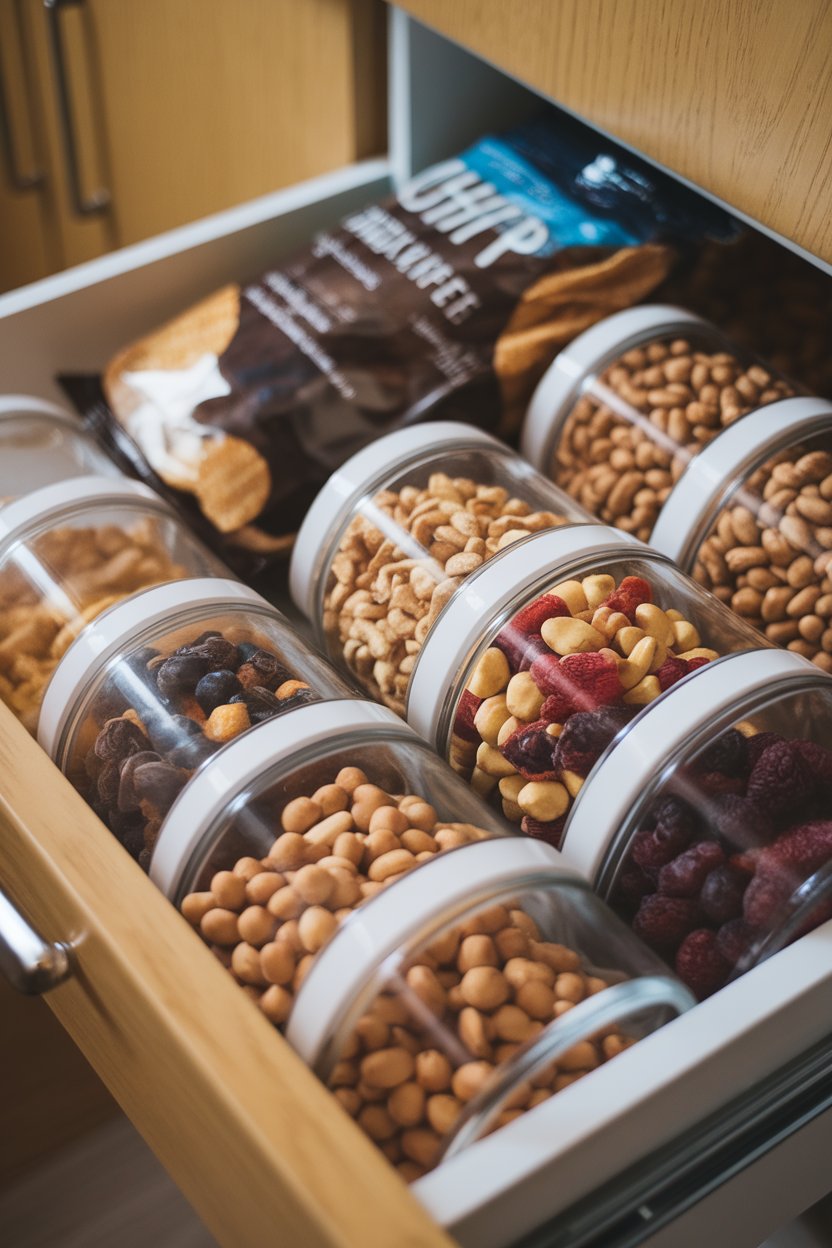
Ultra-processed snacks often deliver refined grains, added sugars, and preservatives in each bite. Reach for nuts, seeds, or air-popped popcorn when cravings strike. If store-bought granola bars appeal, choose those with recognizable ingredients and minimal sweeteners. Keeping healthier nibbles at eye level makes the smart choice the easy choice.
11. Keep Healthy Snacks Visible
Out of sight often means out of mind, even for nutritious foods. Position washed fruit on the center shelf and stash chopped veggies in clear containers. When hunger hits, the vibrant colors lure you toward wholesome options. Hide sugary treats on higher shelves or behind closed containers if you choose to keep them in the house.
12. Build Balanced Breakfasts
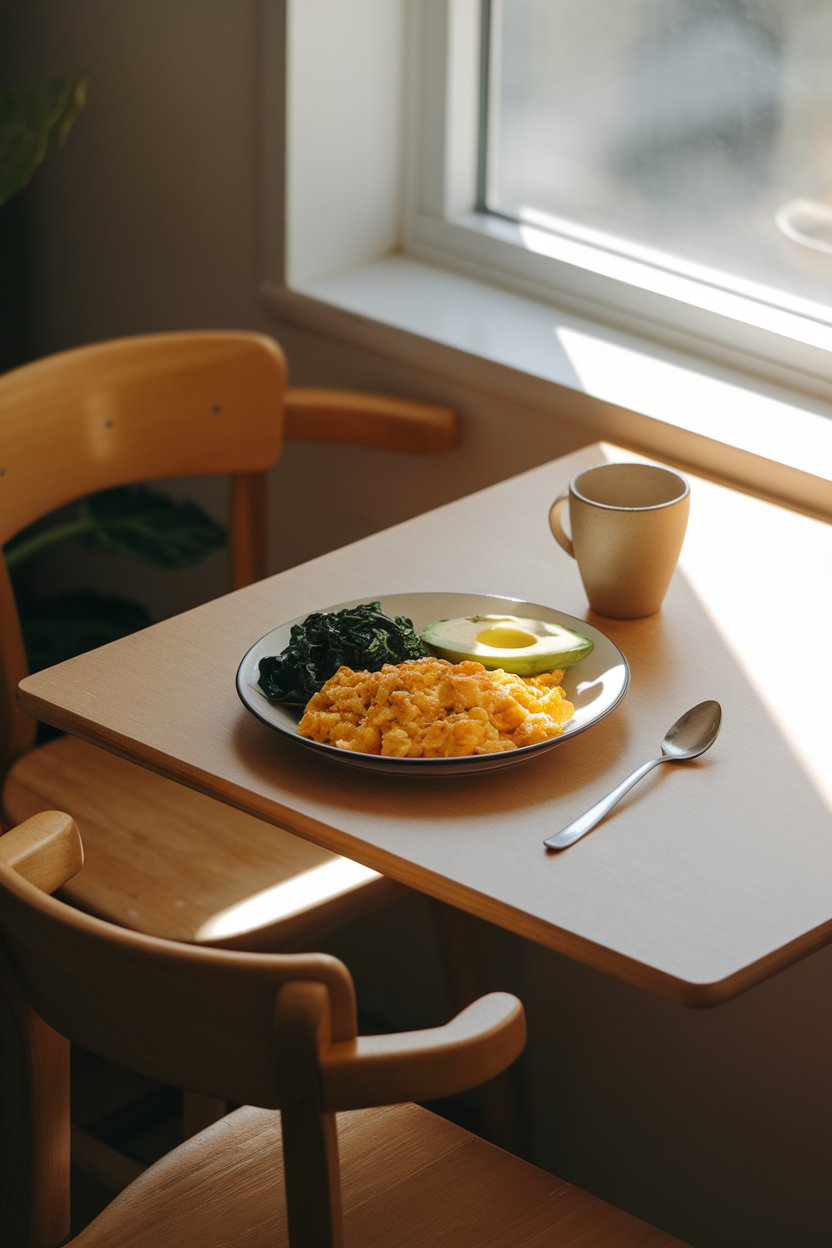
A breakfast that includes protein, complex carbohydrates, and healthy fats sets a steady tone for the day. Greek yogurt with fruit and nuts, veggie omelets, or overnight oats tick all the boxes. Skipping breakfast can lead to mid-morning energy dips and larger portions later. Prep ingredients the night before to streamline busy mornings.
13. Eat Mindfully
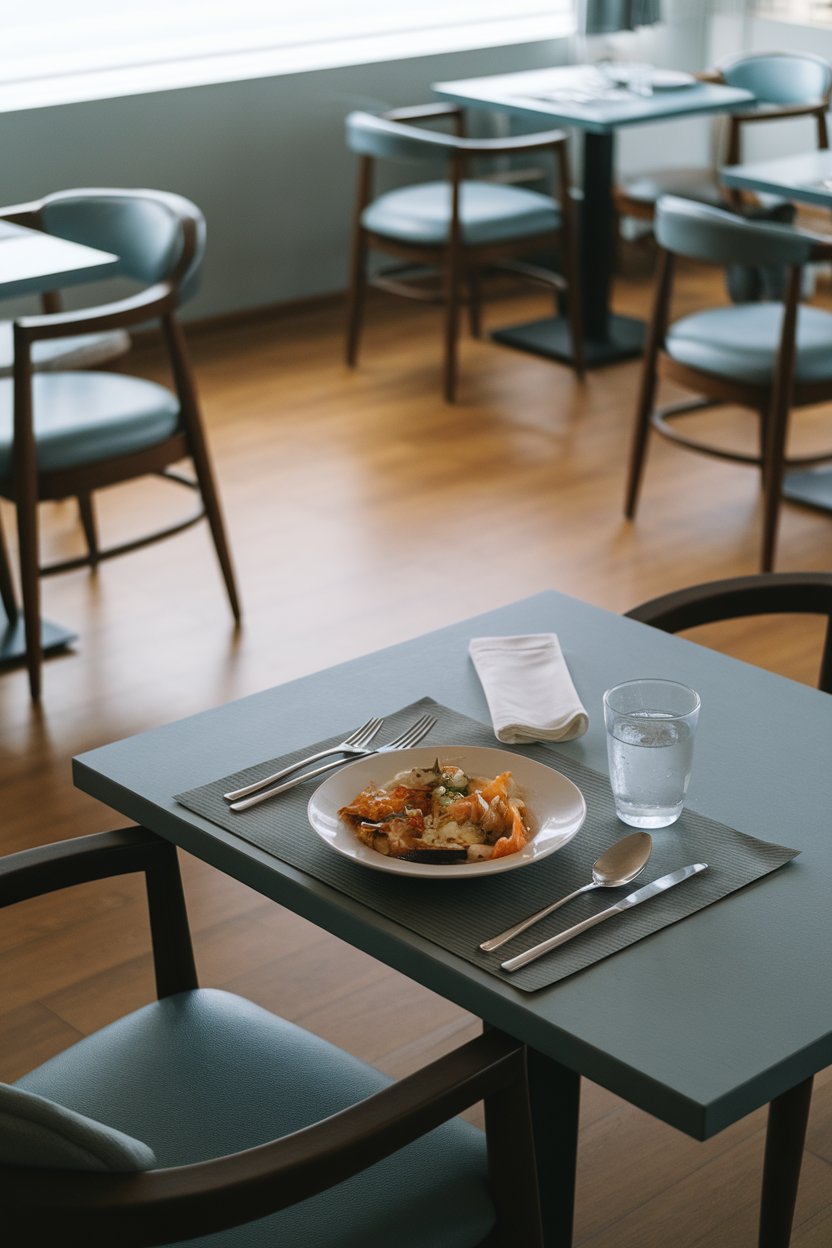
Mindful eating means paying attention to flavors, textures, and hunger levels rather than multitasking at the table. Turn off screens, put away phones, and savor each bite. This simple shift often leads to smaller portions and greater satisfaction. It also turns meals into a restful pause instead of a rushed pit stop.
14. Slow Down at Mealtime
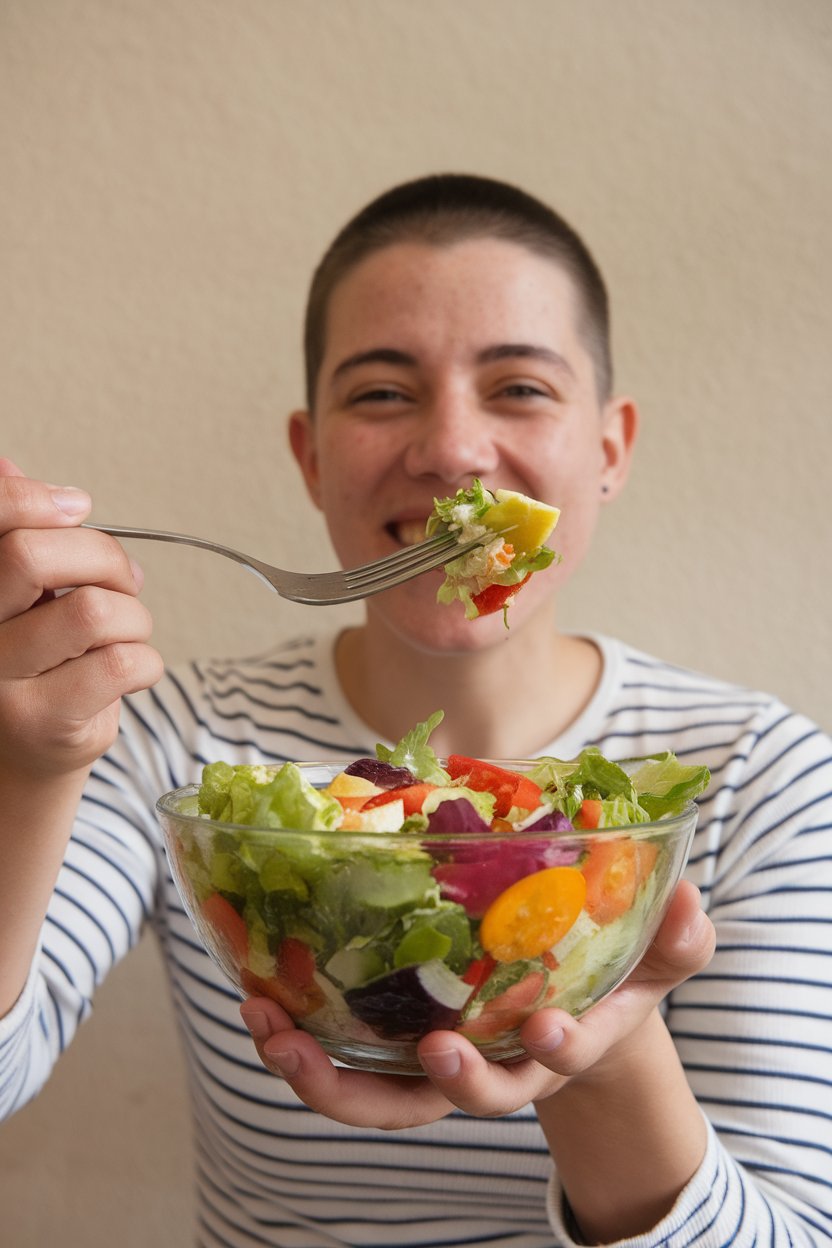
Your brain needs roughly twenty minutes to register fullness. Chew thoroughly and set utensils down between bites to stretch the meal’s pace. Enjoy conversation if dining with others, or focus on aromas and flavors when eating solo. Slower eating supports digestion and reduces overeating.
15. Pack Lunches from Home
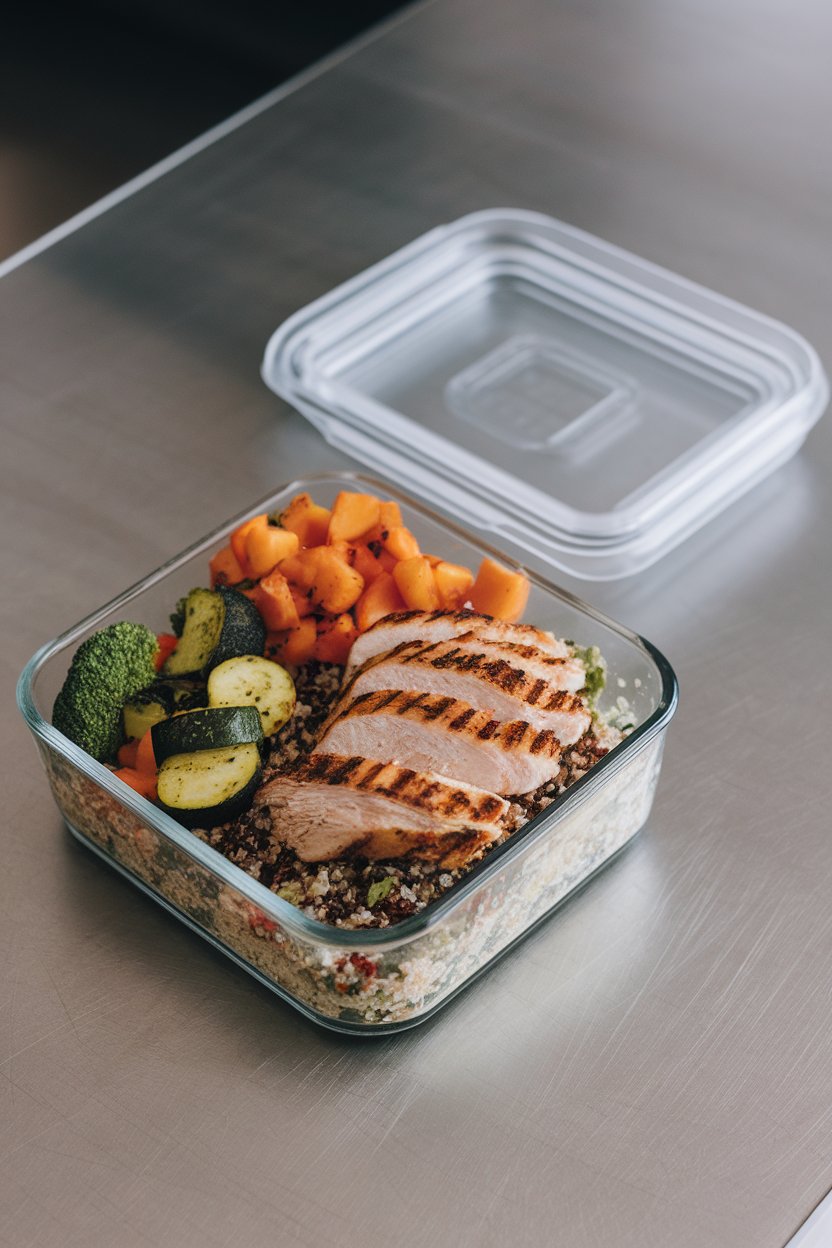
Homemade lunches allow full control over ingredients and portions. Spend a few minutes each evening assembling tomorrow’s meal so mornings remain calm. Include a lean protein, whole grain, and plenty of produce for balance. A small frozen ice pack keeps everything fresh until it’s time to eat.
16. Include Lean Protein in Every Meal
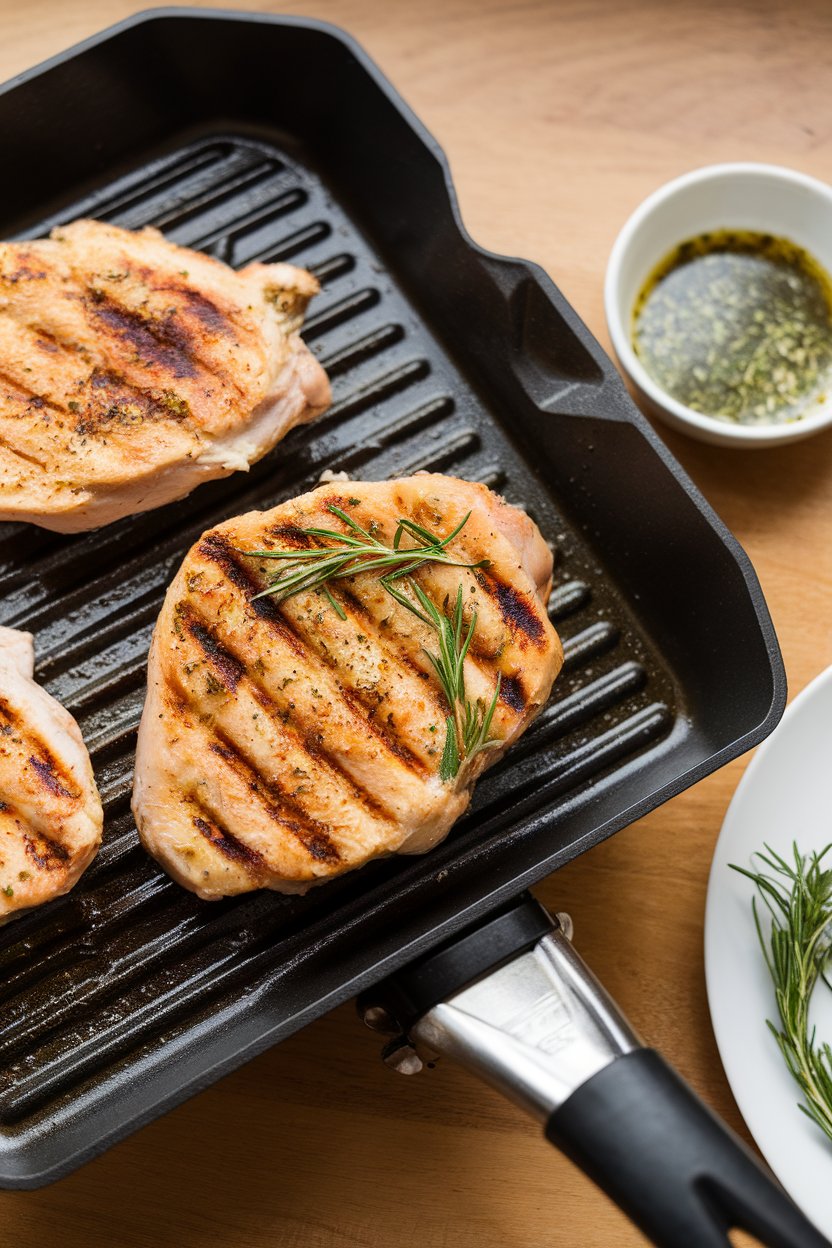
Protein supports muscle maintenance and helps you feel full for longer. Lean choices like skinless poultry, fish, tofu, or beans fit seamlessly into clean recipes. Spread intake evenly throughout the day instead of loading it all at dinner. This steadies blood sugar and keeps cravings in check.
17. Embrace Meatless Mondays
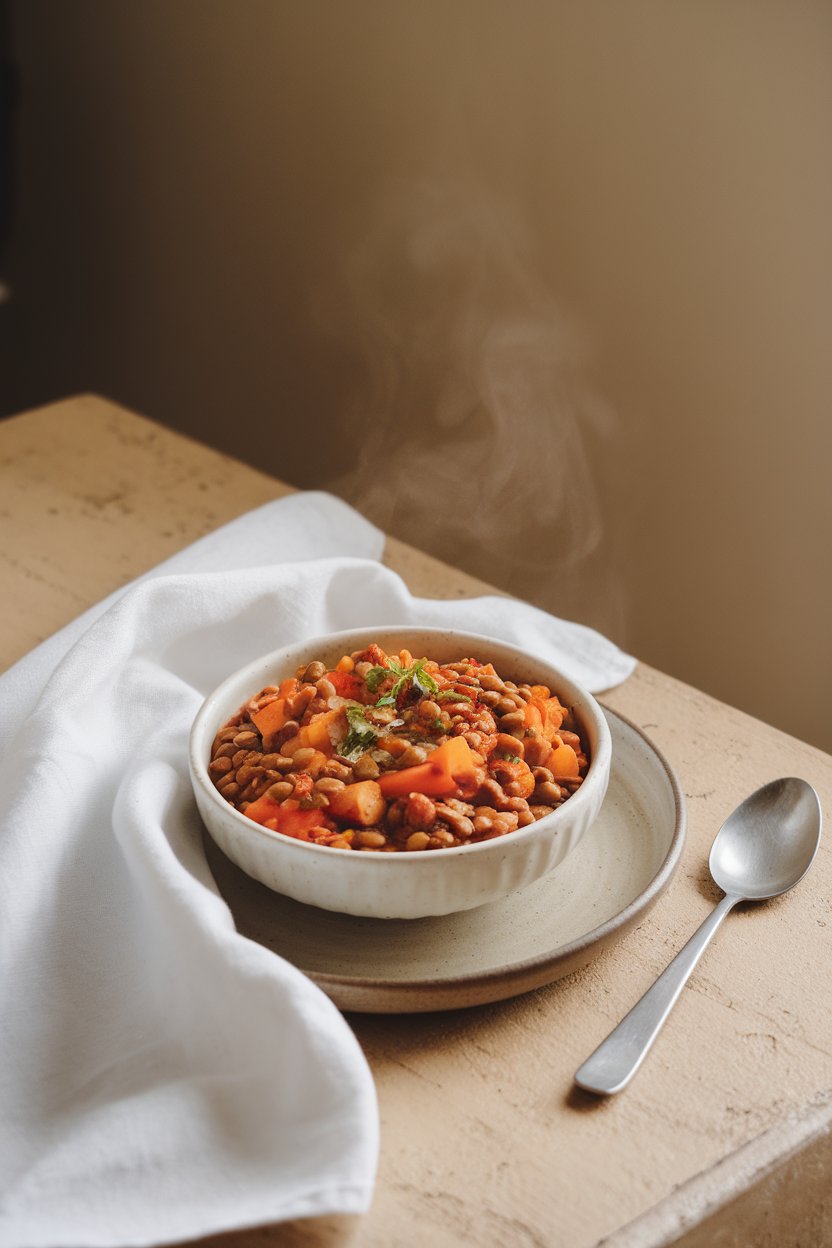
Adding one plant-based day each week broadens your nutrient intake and introduces new flavors. Lentils, chickpeas, and black beans provide ample protein while keeping saturated fat low. Experiment with global cuisines—think Indian dals or Mediterranean mezze—for inspiration. Over time, plant-based meals may find their way into other days, too.
18. Double the Veggies in Recipes
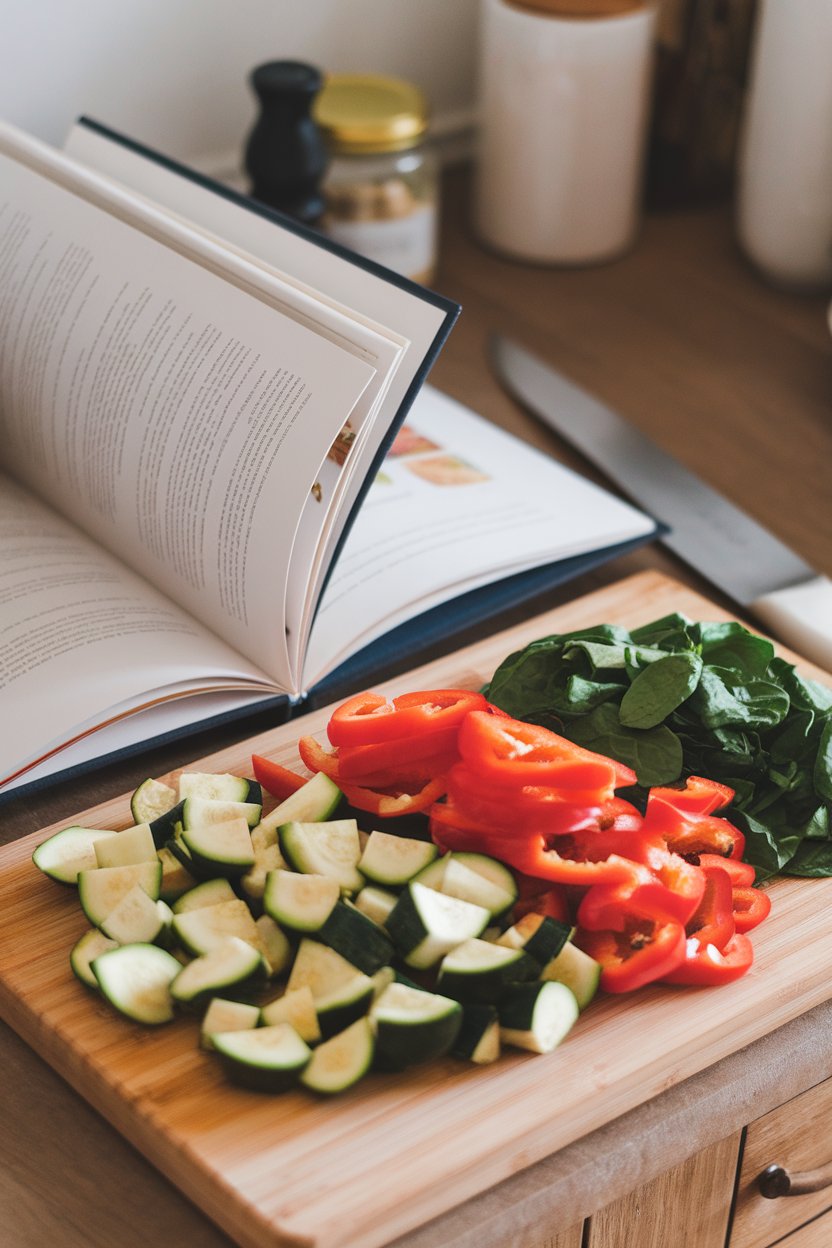
Most recipes accept extra vegetables without complaint. Folding extra greens into pasta sauce or adding diced bell peppers to chili boosts volume and nutrition. The dish still tastes familiar, yet each serving delivers more fiber and vitamins. It’s an effortless strategy to reach daily produce goals.
19. Choose Seasonal Produce
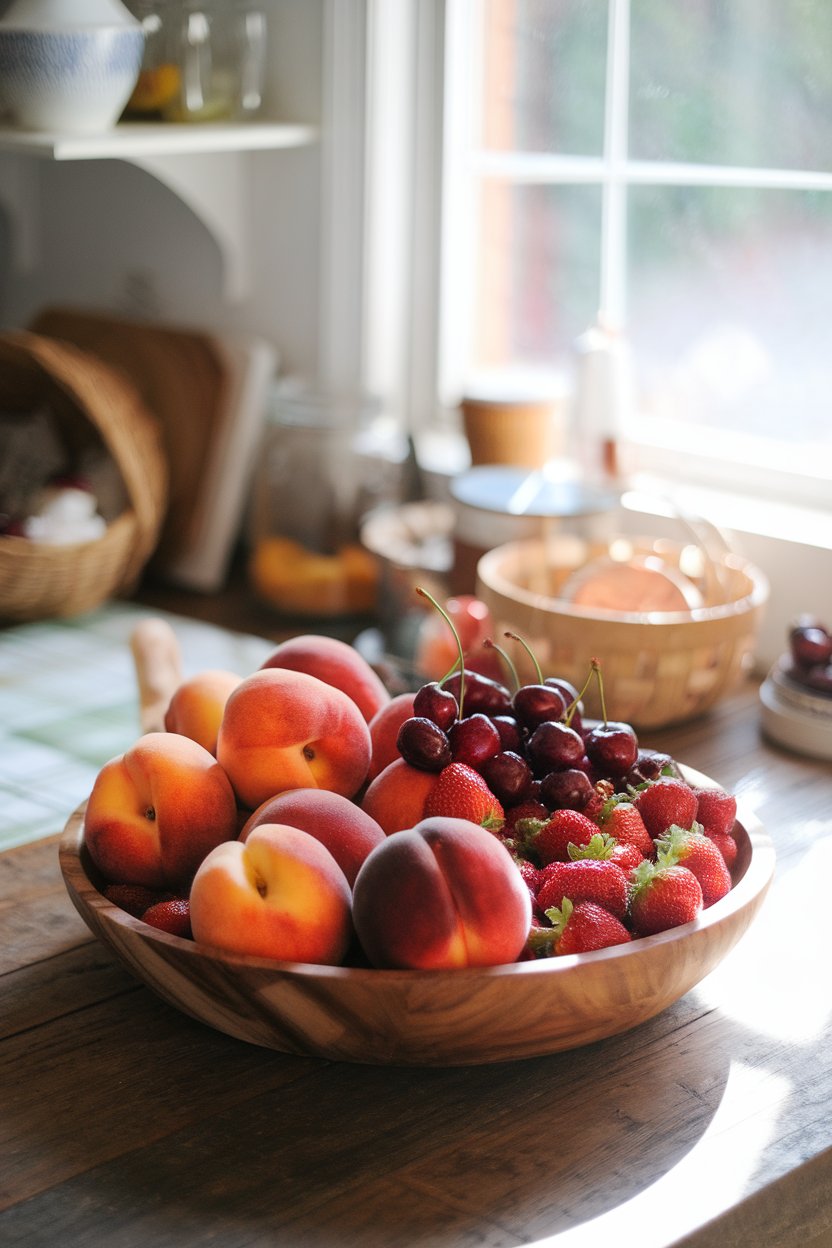
Seasonal produce often carries better flavor, higher nutrient levels, and a lower price tag. Farmers’ markets and store signage can guide your choices if you’re unsure what’s in peak season. Rotating produce with the calendar keeps meals exciting. It also encourages culinary creativity as you adapt recipes to new ingredients.
20. Try New Herbs and Spices
Sodium isn’t the only way to flavor food. Fresh herbs and spices bring depth, aroma, and beneficial antioxidants. Keep a few favorites in regular rotation and add one unfamiliar spice every couple of weeks. Toast spices briefly in a dry pan to unlock their full potential.
21. Roast Instead of Fry
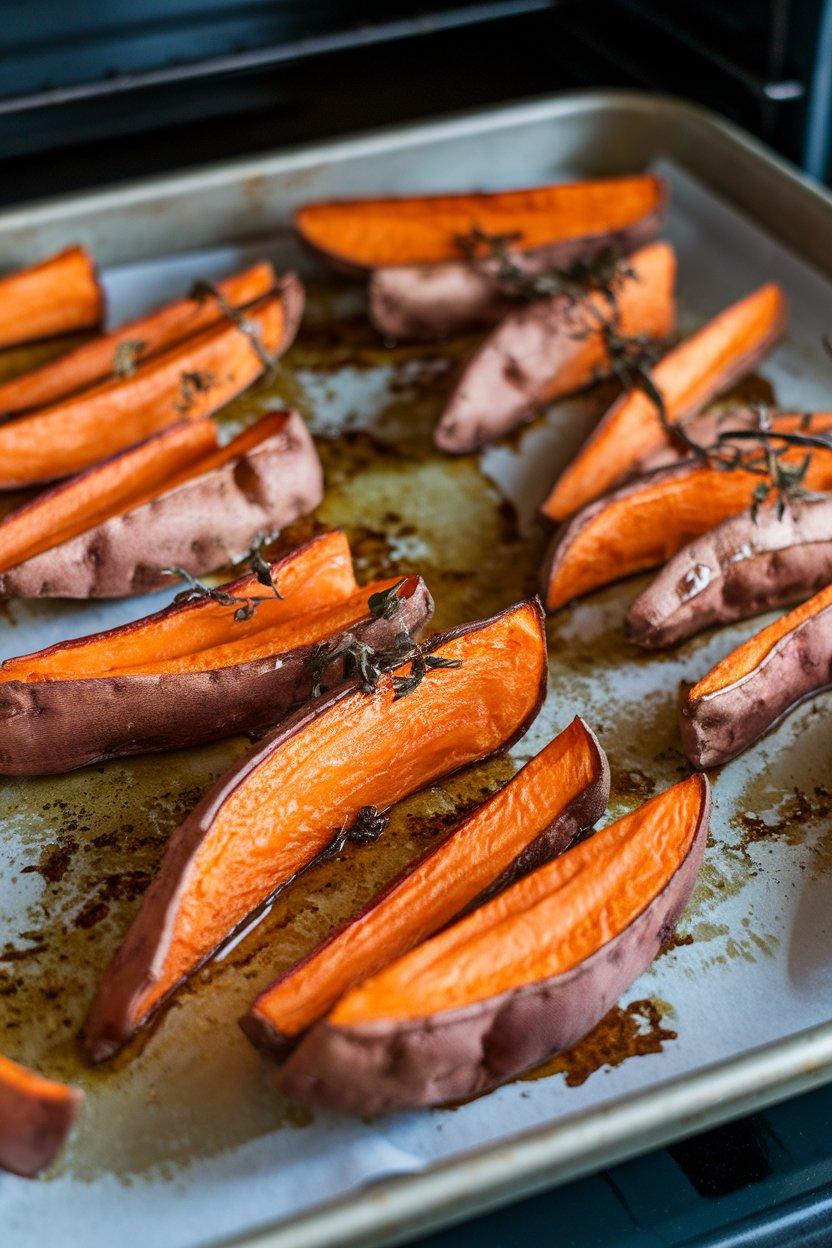
Roasting concentrates natural sugars and creates crisp edges without a vat of oil. A simple coating of oil, salt, and pepper is often enough to transform vegetables or lean proteins into something crave-worthy. Higher oven temperatures deliver golden results quickly. Clean-up is easy when you line pans with parchment.
22. Steam or Sauté Veggies Lightly
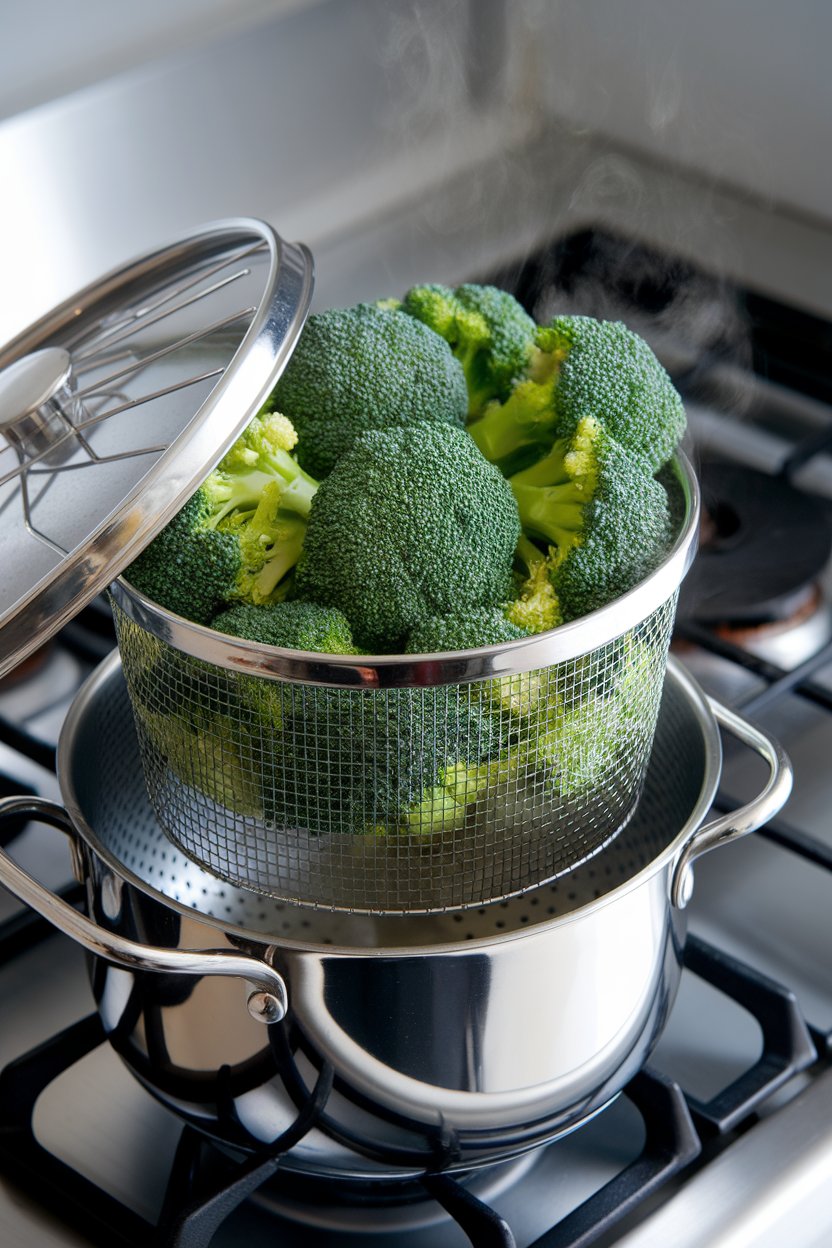
Overcooked vegetables lose both nutrients and appeal. Quick steaming or a brief sauté preserves crunch, color, and vitamins. Finish with a drizzle of citrus or a sprinkle of sesame seeds for instant brightness. Cooking just until tender keeps flavors lively.
23. Make Smoothies with Veggies
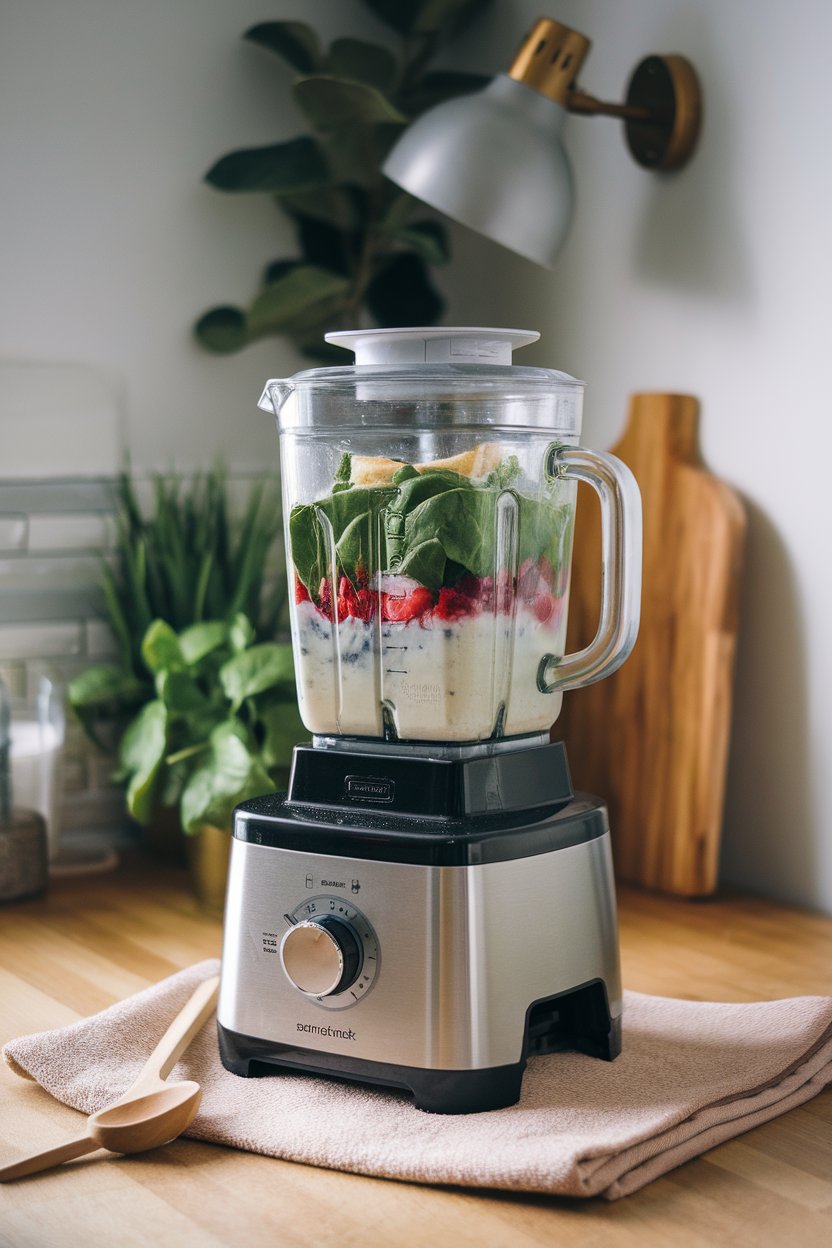
Spinach, frozen cauliflower, or zucchini blend seamlessly with fruit, letting you sip your greens without noticing. Use unsweetened milk alternatives or water as the liquid base to keep sugar low. Adding a spoonful of nut butter or protein powder turns smoothies into a balanced meal. Experiment with textures until you find a combo you love.
24. Use Smaller Plates
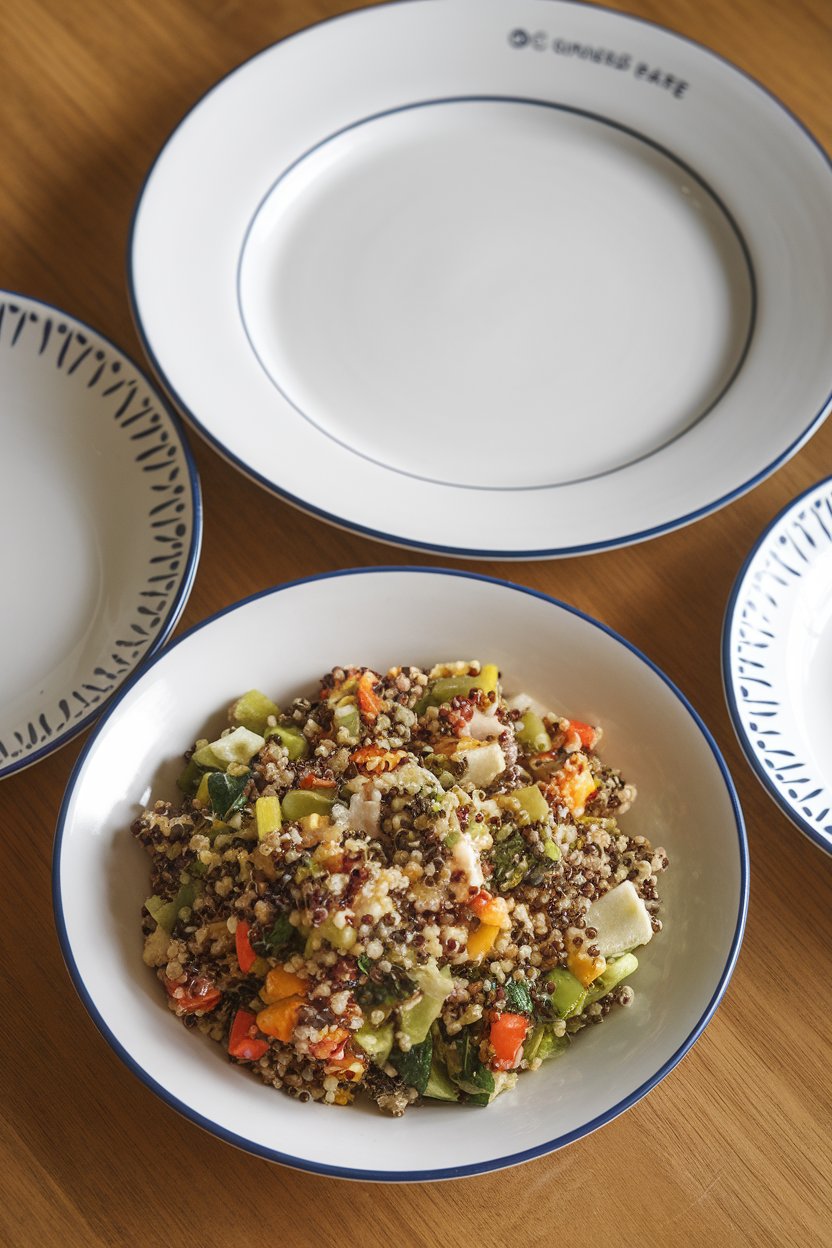
A plate’s size subtly influences how much food feels satisfying. Switching to a nine-inch plate can cut overall intake while keeping visual fullness intact. This optical trick works well for calorie-dense dishes like pasta. Pair with mindful eating for maximum impact.
25. Skip Added Sugars in Coffee or Tea

Sweeteners in morning beverages accumulate quickly over time. Start by reducing sugar one teaspoon at a time until you can appreciate the drink’s natural notes. Flavor with cinnamon, nutmeg, or a dash of pure vanilla extract for extra interest. Your taste buds will recalibrate within a couple of weeks.
26. Make Your Own Salad Dressings

Bottled dressings often hide added sugars, excess sodium, and stabilizers. A simple ratio of three parts oil to one part acid, plus seasonings, creates a fresh dressing in seconds. Experiment with balsamic, citrus, or rice vinegar to keep salads exciting. Store leftovers in a sealed jar and shake before each use..
27. Freeze Leftovers for Busy Days
Freezing leftovers prevents food waste and provides instant meals for hectic evenings. Cool dishes completely before freezing to maintain texture. Label containers with the date and contents so you can find them quickly. Thaw overnight in the refrigerator for best results.
28. Keep Fruit Washed and Ready
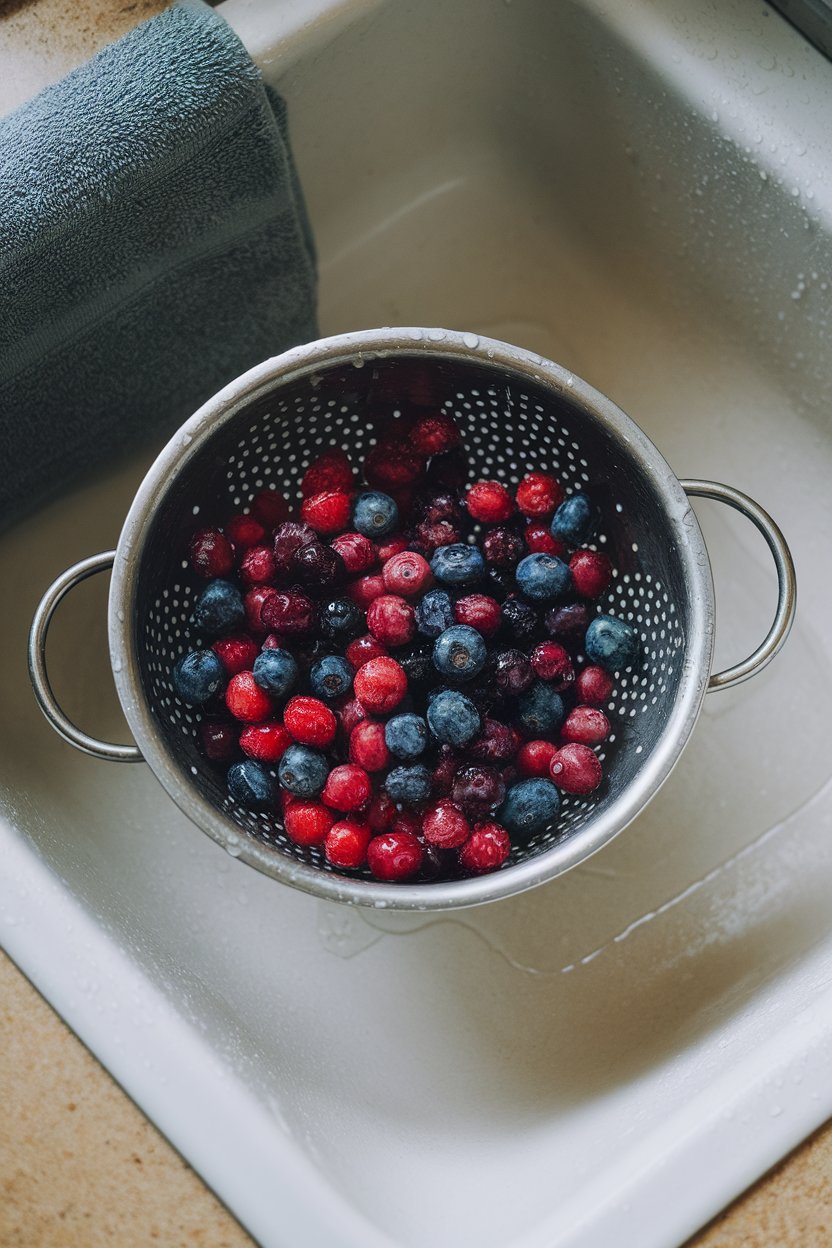
Convenience influences snacking habits. Washing fruit as soon as you bring it home means it’s ready whenever hunger strikes. Dry thoroughly before storing to extend shelf life. A colorful fruit bowl doubles as cheerful kitchen décor.
29. Add Nuts and Seeds for Crunch
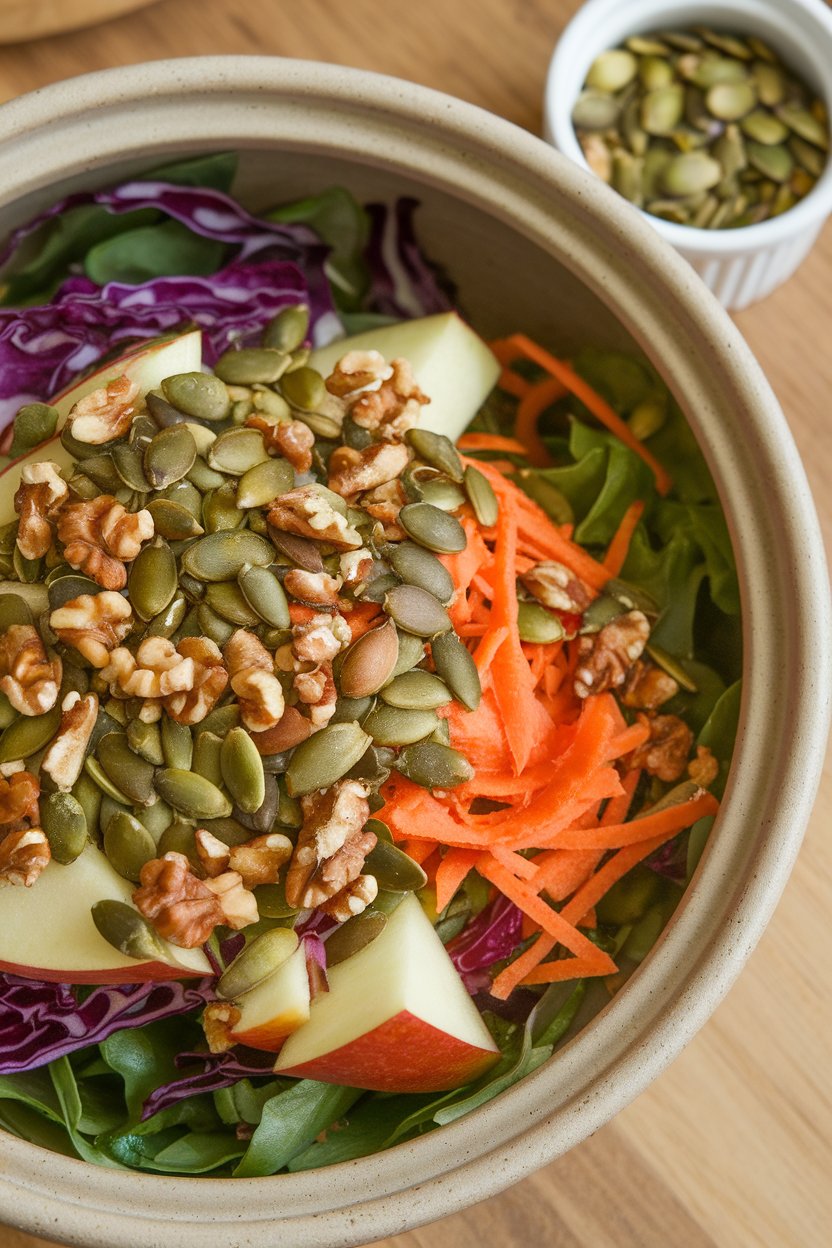
Nuts and seeds supply healthy fats, plant protein, and a satisfying crunch. Sprinkle them on oatmeal, salads, and stir-fries or blend into dressings. Keep portions to a small handful to manage calories. Toasting briefly in a dry pan intensifies their flavor.
30. Choose Plain Yogurt

Flavored yogurts can contain as much sugar as dessert. Starting with plain yogurt lets you control sweetness with fresh fruit or a light drizzle of honey. The protein content keeps you full, while probiotics support gut health. Opt for low-fat or whole milk versions depending on your dietary needs.
31. Swap White Flour for Whole-Wheat

Whole-wheat flour retains the grain’s bran and germ, upping fiber and micronutrients. Start by swapping half the white flour in recipes and adjust as you get used to denser textures. Whole-wheat pastry flour works well in muffins and pancakes for a lighter crumb. Store flour in the freezer to prevent rancidity.
32. Limit Alcohol Intake

Alcohol adds empty calories and can lower inhibitions, leading to late-night snacking. Alternate any alcoholic beverage with water or seltzer to stay hydrated and slow your pace. Set a weekly limit that aligns with your overall health goals. Non-alcoholic mocktails keep social occasions festive without the extra calories.
33. Eat the Rainbow
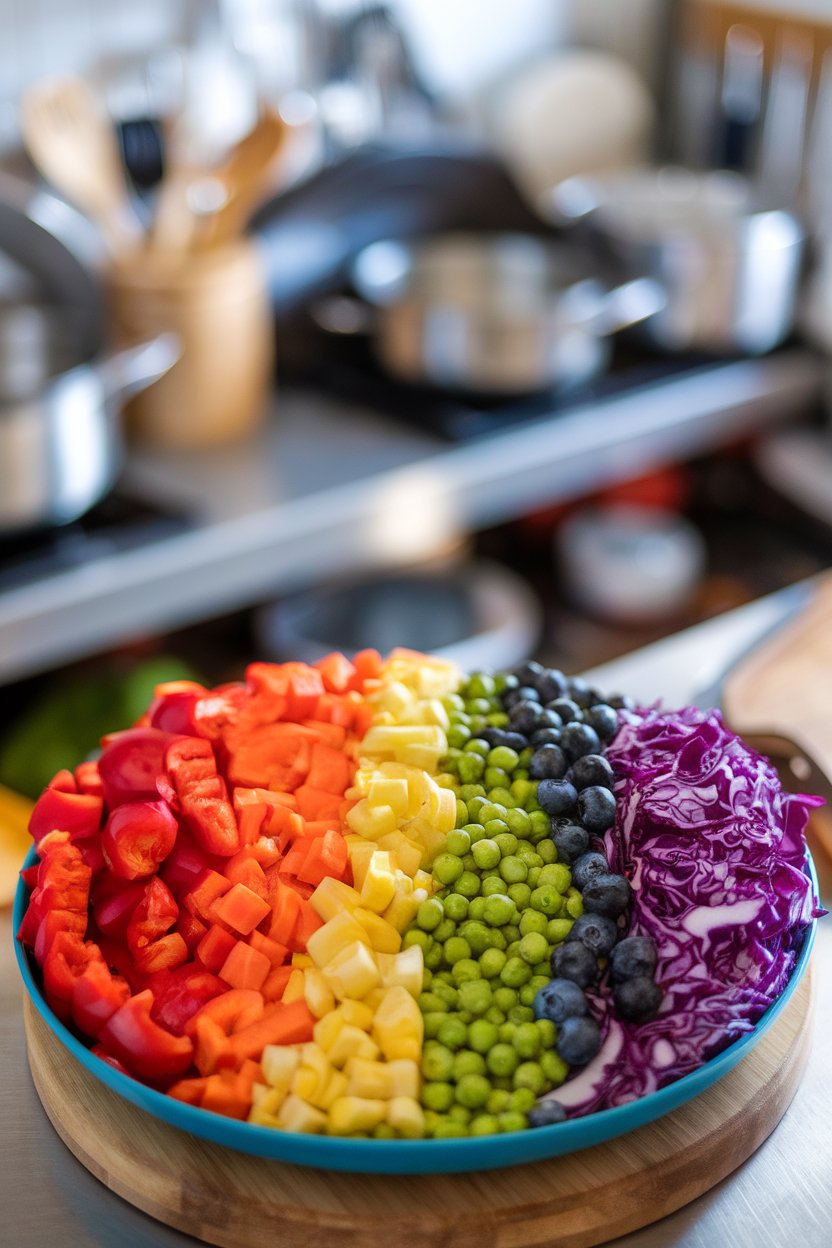
Different colors indicate different phytonutrients, so variety matters. Aim to include at least three colors at each meal for a broad spectrum of antioxidants. Kids often enjoy the visual aspect of colorful plates, making it a family-friendly strategy. Challenge yourself to try a new hue each week.
34. Keep a Food Journal

Recording meals and snacks increases awareness of eating patterns and emotional triggers. Review entries to spot trends, such as skipping lunch and overeating later. Digital apps work well, but pen and paper can feel more mindful. Celebrate positive changes you notice along the way.
35. Prioritize Fiber
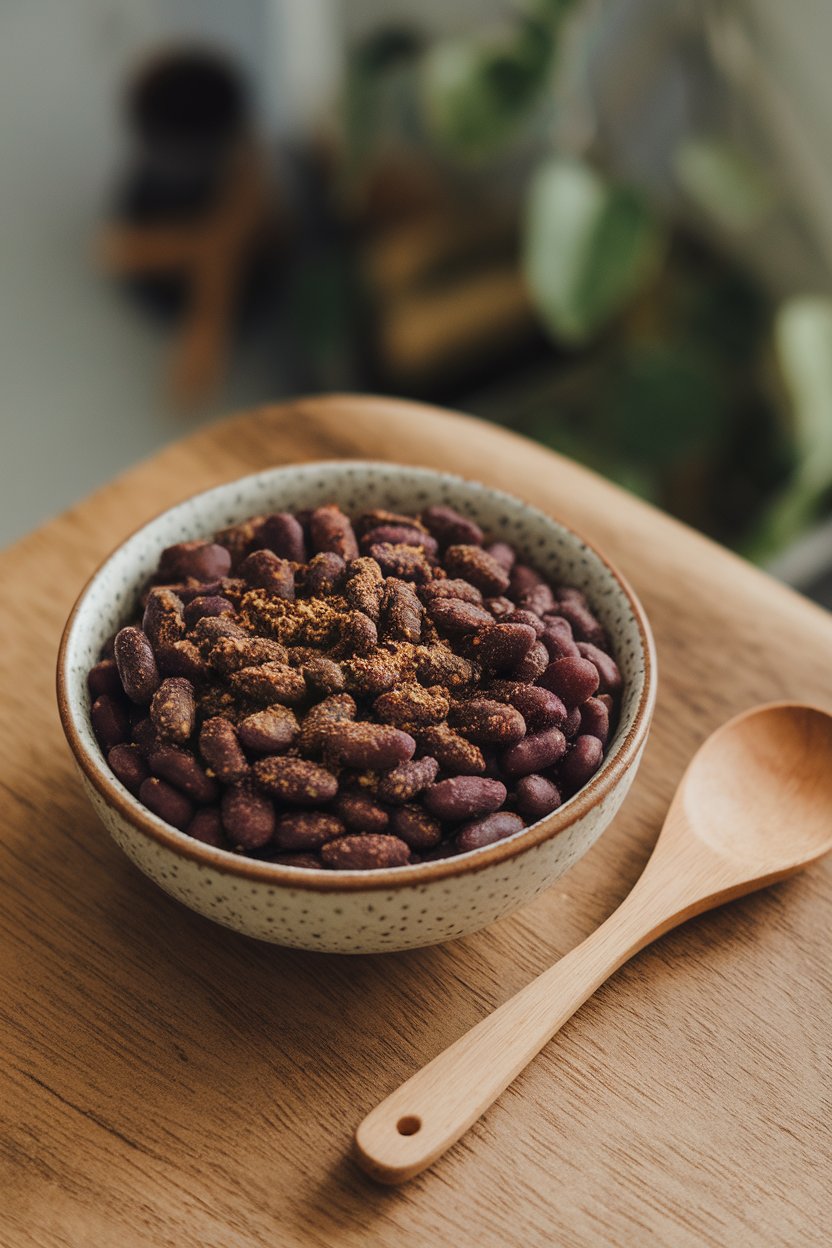
Fiber supports digestion, helps manage cholesterol, and promotes fullness. Sources include beans, lentils, whole grains, fruits, and vegetables. Increase fiber gradually and drink plenty of water to avoid discomfort. Aim for at least 25–30 grams daily for most adults.
36. Prepare Overnight Oats
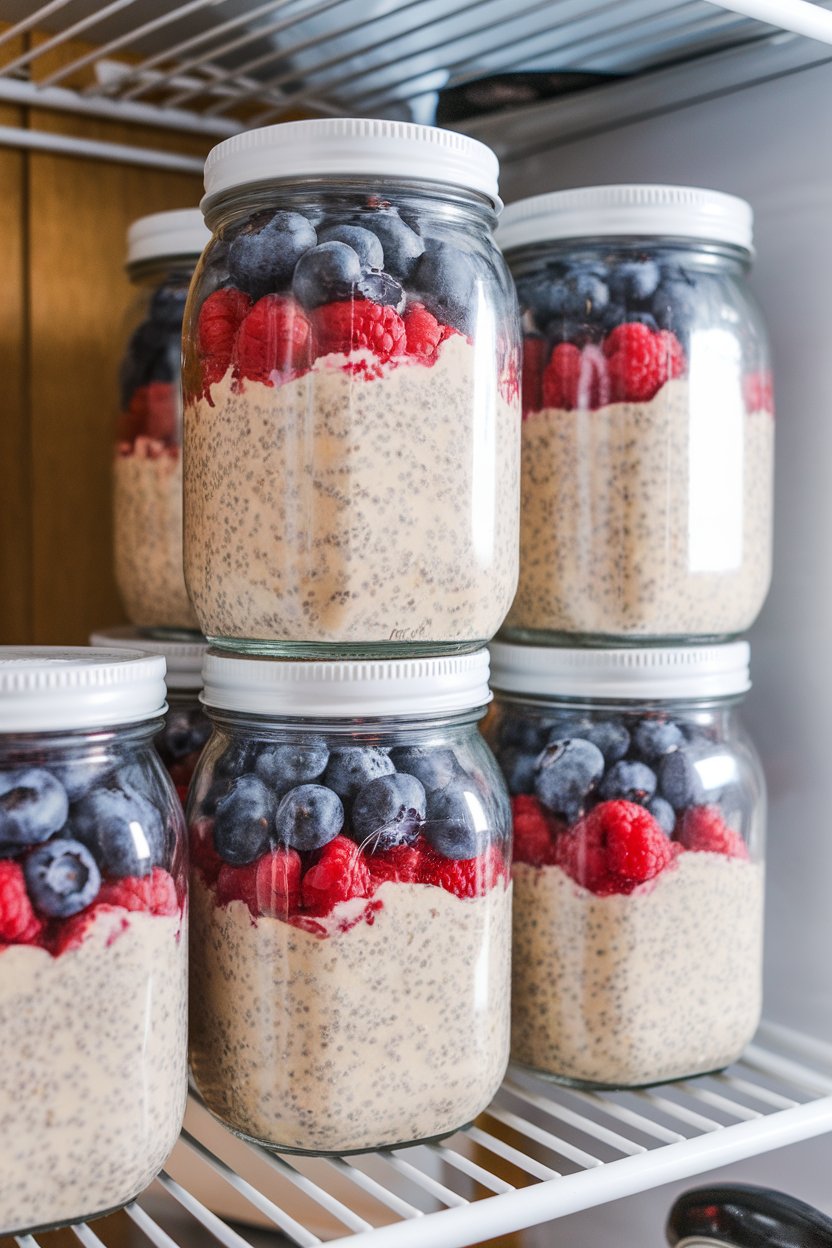
Overnight oats combine rolled oats with milk or yogurt, softening while you sleep. In the morning, just add toppings like nuts, fruit, or a drizzle of maple syrup. The grab-and-go nature makes them perfect for hectic mornings. Prep several jars at once to cover the workweek.
37. Try One New Vegetable Each Week
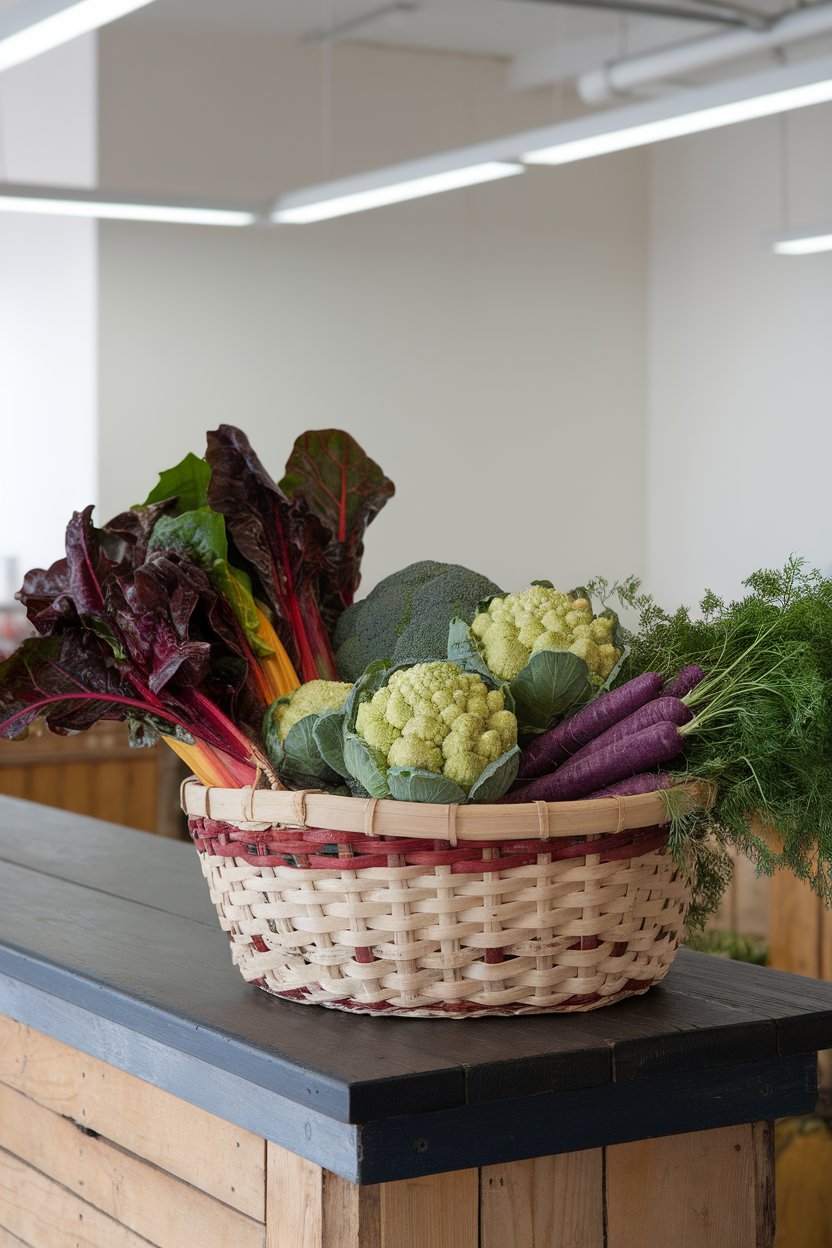
Adding unfamiliar produce keeps meals exciting and expands your nutrient profile. Browse the grocery store or farmers’ market for something you’ve never cooked before. Look up simple recipes to spotlight the new vegetable’s natural flavor. Over time, your culinary repertoire blossoms.
38. Rinse Canned Beans
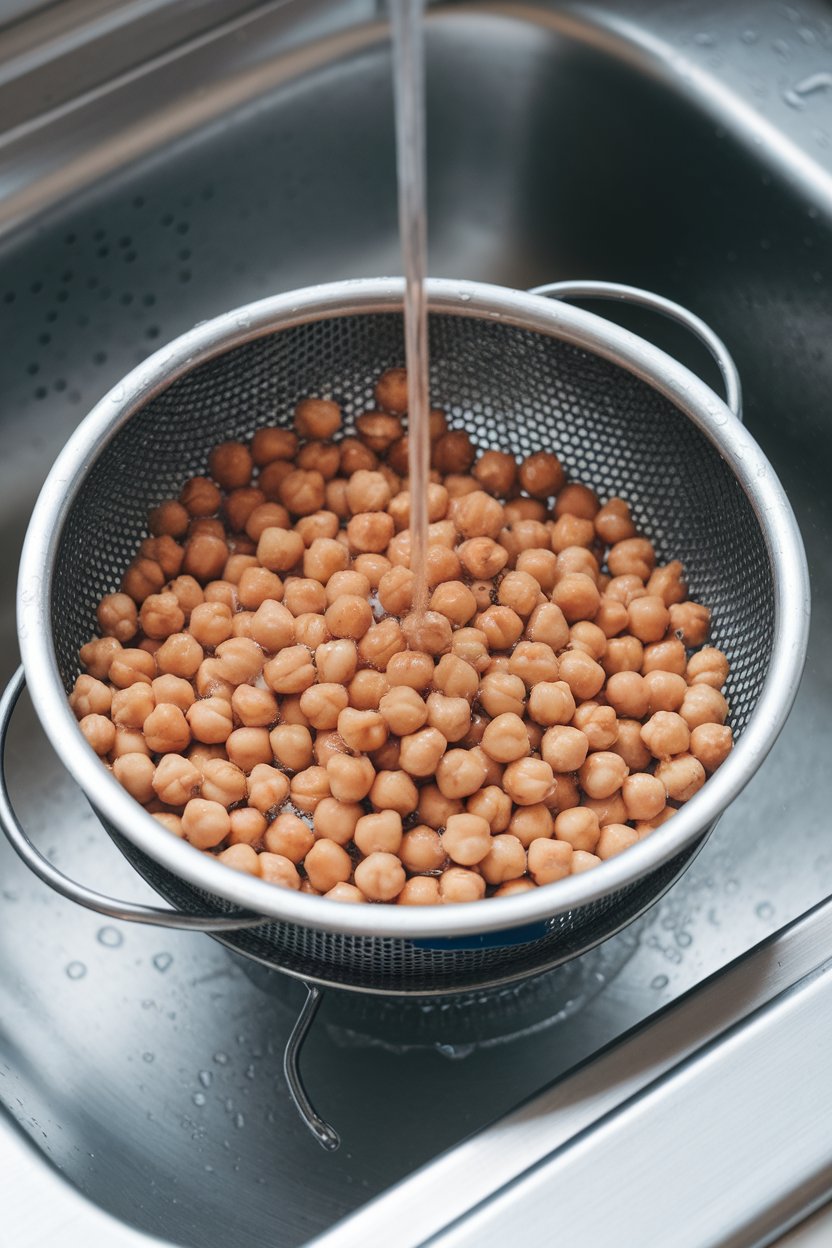
Draining and rinsing canned beans removes excess sodium and the starchy liquid that can cause digestive discomfort. Once rinsed, beans adapt to salads, soups, and grain bowls. Keep a variety on hand for speedy plant-based protein. If time allows, cook dry beans in bulk and freeze for later.
39. Choose Low-Sodium Broths

Broth forms the base of many soups and sauces, so sodium can add up quickly. Low-sodium or no-salt-added versions let you season to taste. Enhance flavor with herbs, garlic, and a squeeze of lemon instead of reaching for salt. Homemade stock is another excellent option when time permits.
40. Make Your Own Trail Mix
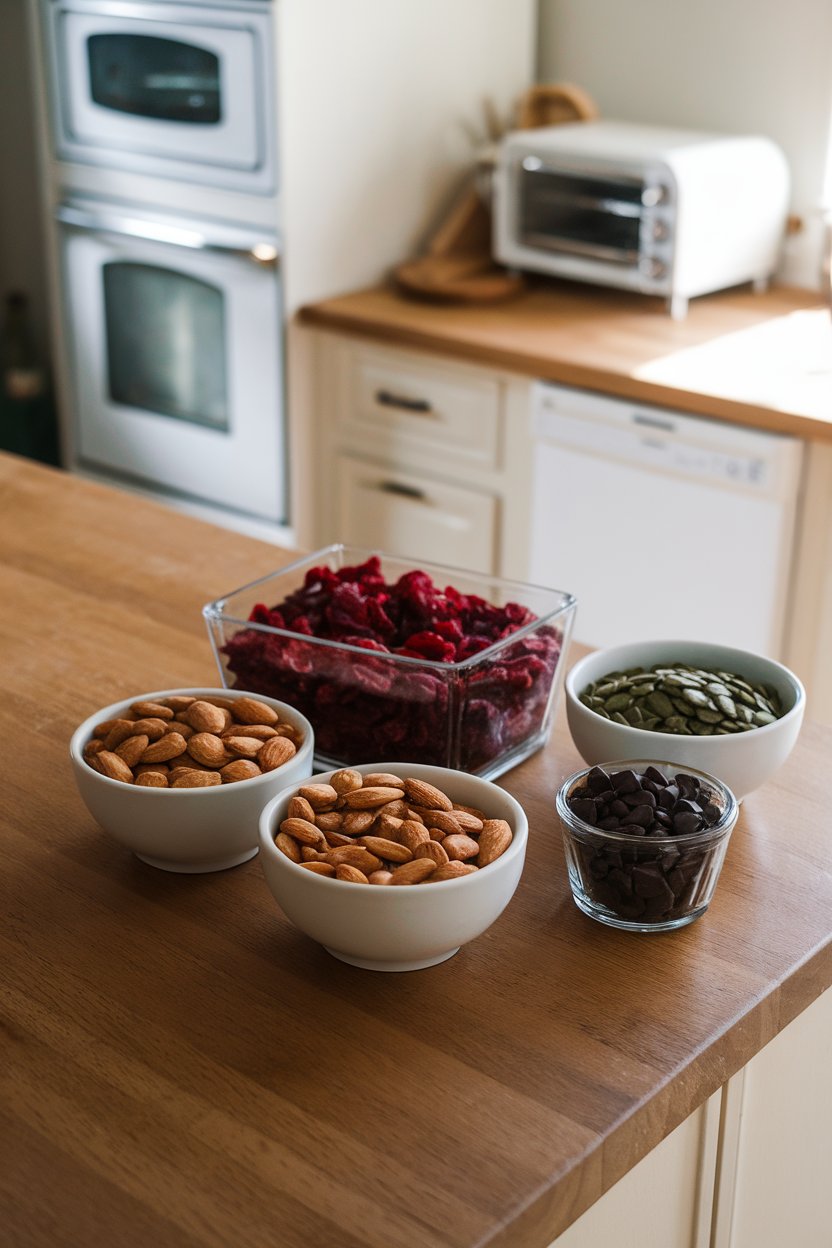
Custom trail mix skips the extra sugar and preservatives often found in packaged blends. Combine raw or roasted nuts with unsweetened dried fruit and a small sprinkle of dark chocolate for balance. Portion servings into small bags to prevent mindless munching. Store in a cool, dry place to maintain freshness.
41. Keep Healthy Fats in Moderation
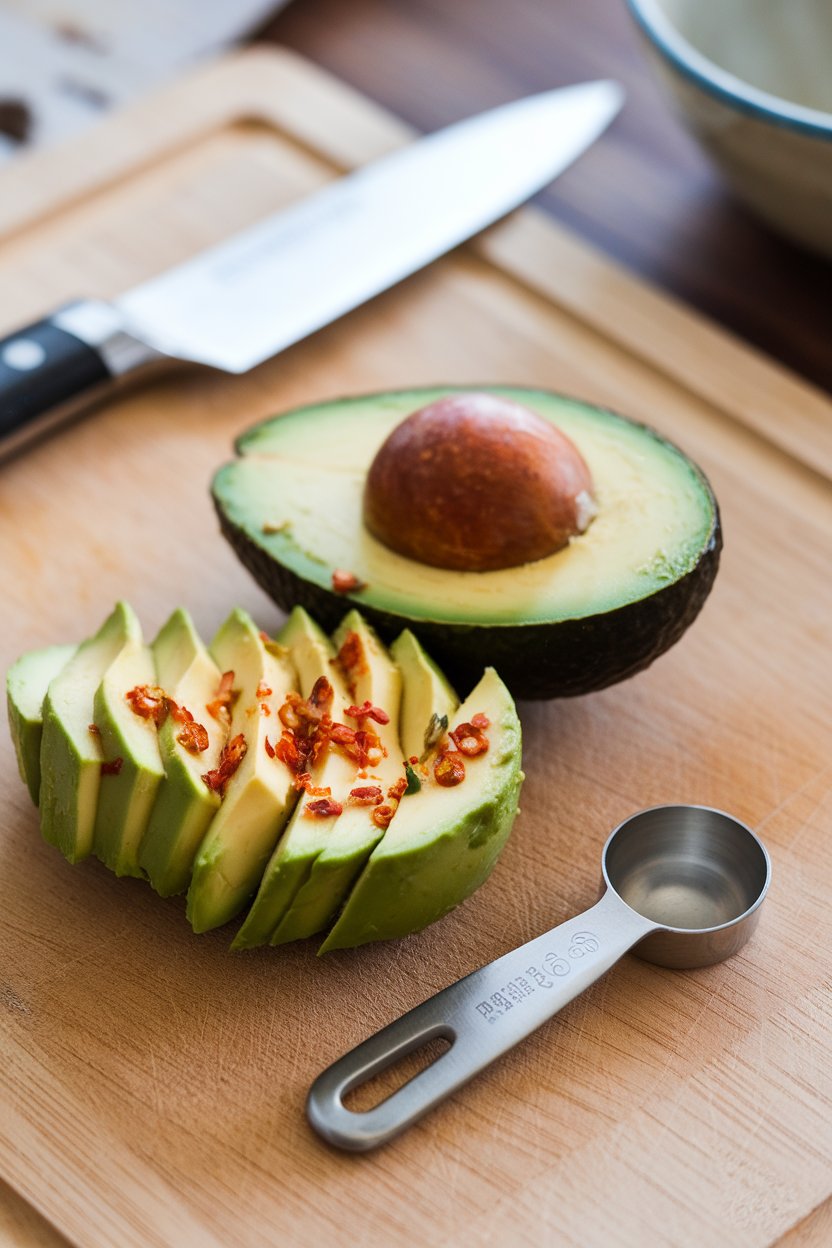
Avocados, nuts, and seeds provide important fatty acids, yet calories add up quickly. Measure out servings rather than eating straight from the container. Pair healthy fats with fiber and protein to create balanced meals. Their rich texture makes dishes feel satisfying with smaller portions.
42. Bake with Applesauce or Mashed Banana
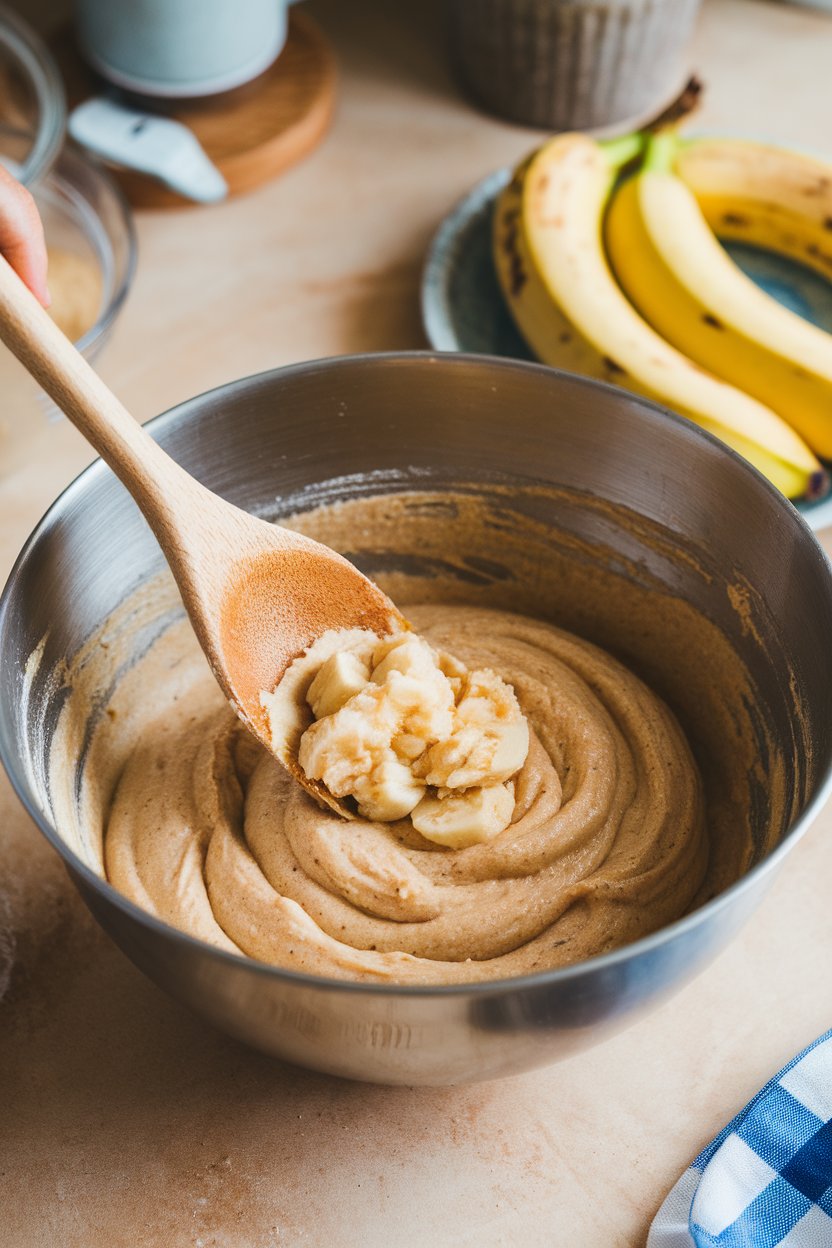
Fruit purées replace part of the oil or sugar in baked goods, cutting calories and adding natural sweetness. Start by swapping half the fat, then experiment with larger amounts. The moisture keeps muffins and quick breads tender. Reduce oven temperature slightly to prevent over-browning.
43. Avoid Artificial Sweeteners
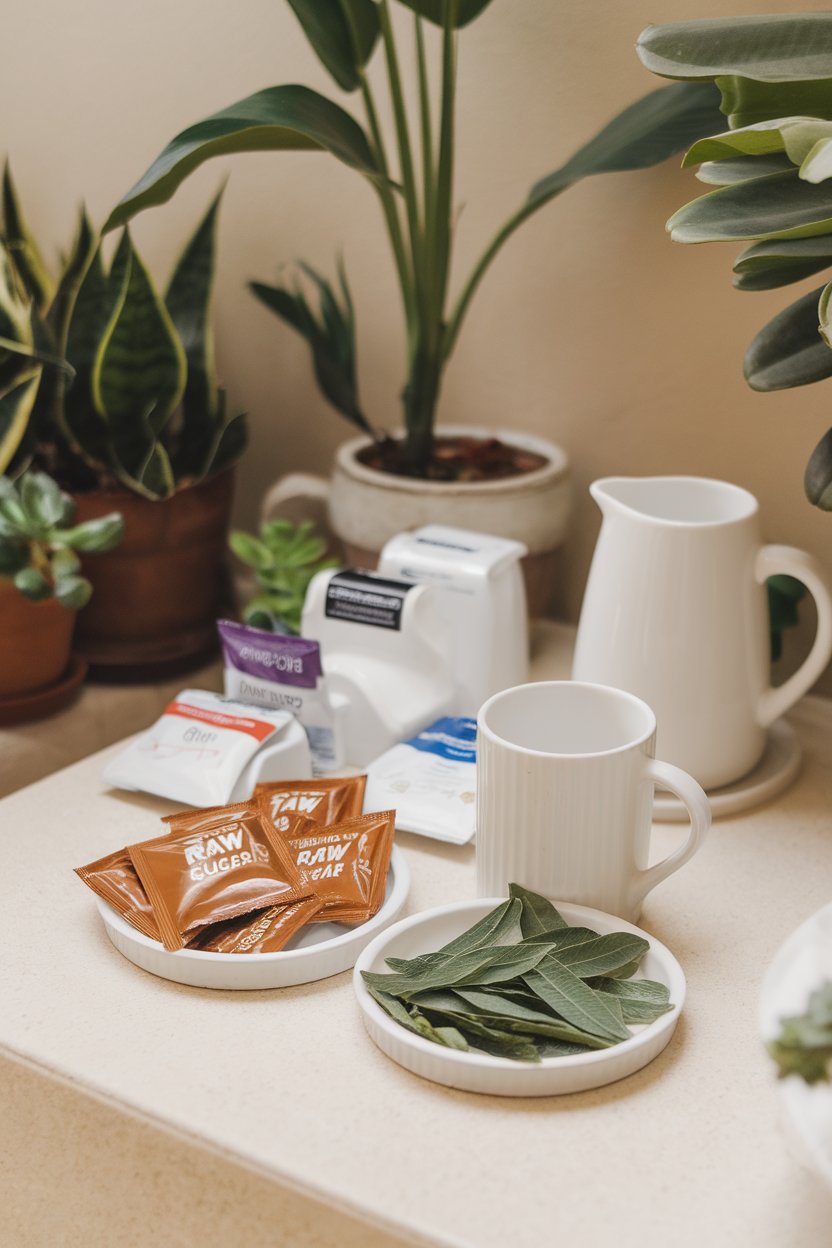
Some artificial sweeteners can trigger cravings for more sweetness and upset digestive balance in sensitive individuals. Gradually reducing overall sweetness preference often feels more sustainable. Reach for naturally sweet foods like fruit or a hint of honey instead. Over time, you’ll notice subtle flavors that were masked before.
44. Read Restaurant Menus Ahead
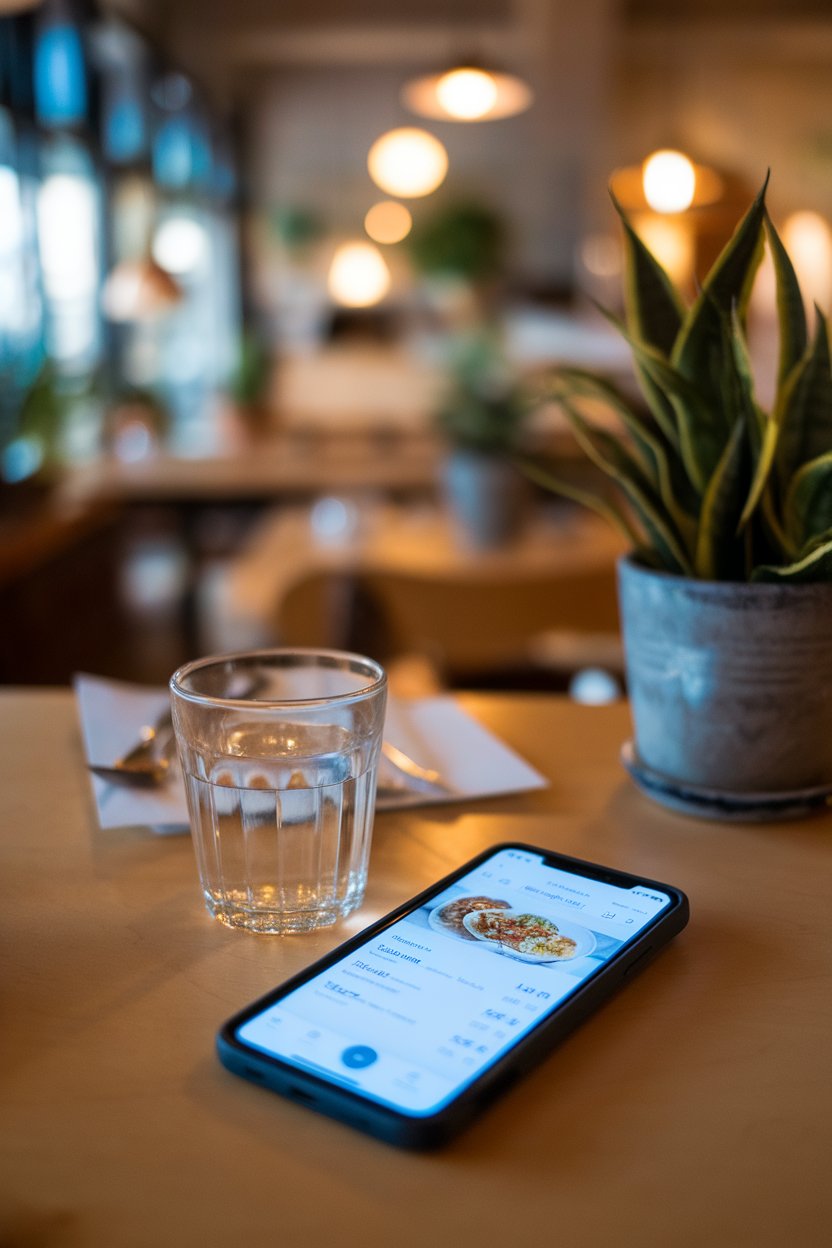
Scanning menus online helps you identify lighter choices before arriving hungry. Look for dishes featuring grilled proteins, vegetables, and whole grains. Planning ahead reduces stress and last-minute indecision. If nutrition information is available, compare a few options to see which aligns best with your goals.
45. Divide Restaurant Portions
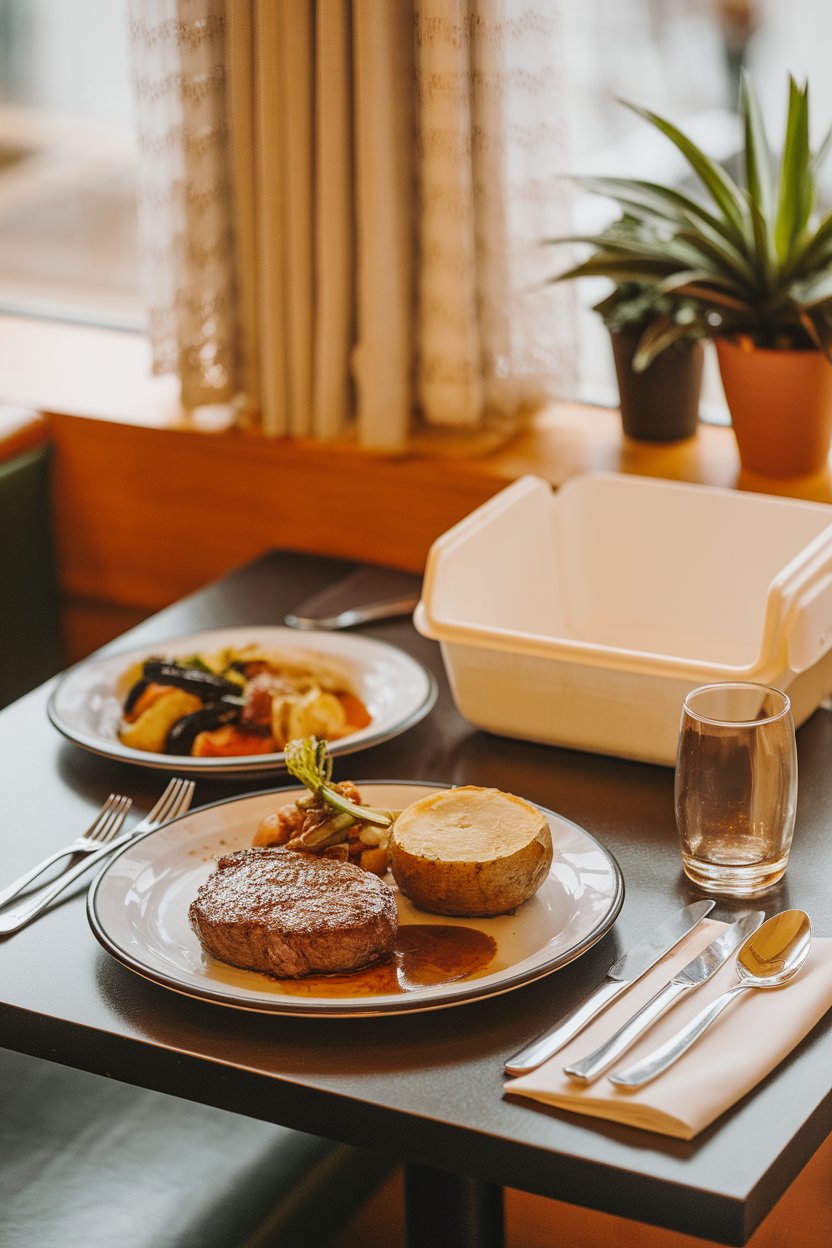
Many eateries serve portions that dwarf recommended servings. Ask for a to-go box when the meal arrives and pack up half before you start eating. Sharing entrées with a friend works just as well. Enjoying a reasonable serving leaves room for a side salad or a small dessert if desired.
46. Say No to Bread Baskets
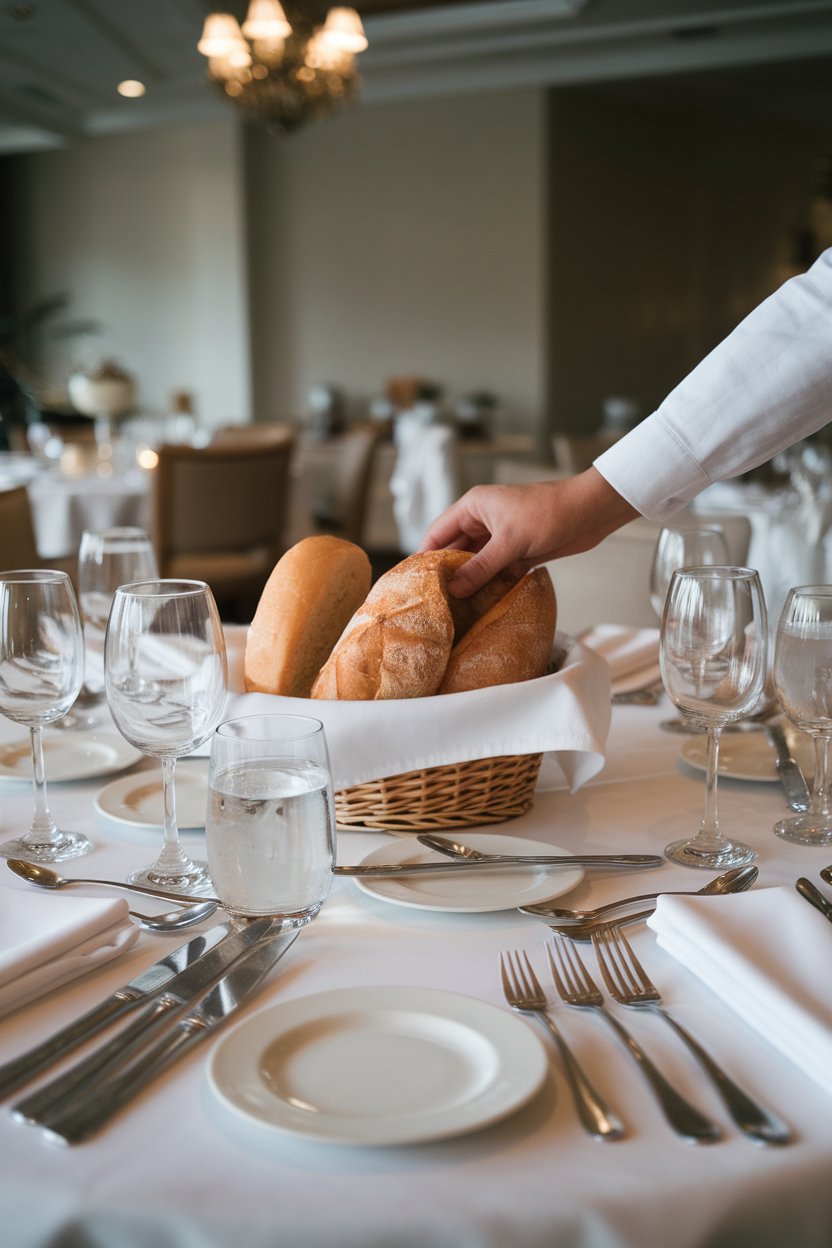
Free bread can spoil your appetite and add refined carbs before the main event arrives. Politely decline, or request veggie sticks instead if available. Saving hunger for your entrée helps maintain balanced portion sizes. If bread is a favorite, allocate room for a slice and skip less-desired items later.
47. Grill Lean Proteins

Grilling allows excess fat to drip away while imparting smoky flavor that requires minimal seasoning. Marinate meats in herbs, citrus, and a splash of olive oil for added moisture. Indoor grill pans work well when outdoor space is limited. Pair with grilled vegetables for a complete meal.
48. Spice Up Water with Herbs
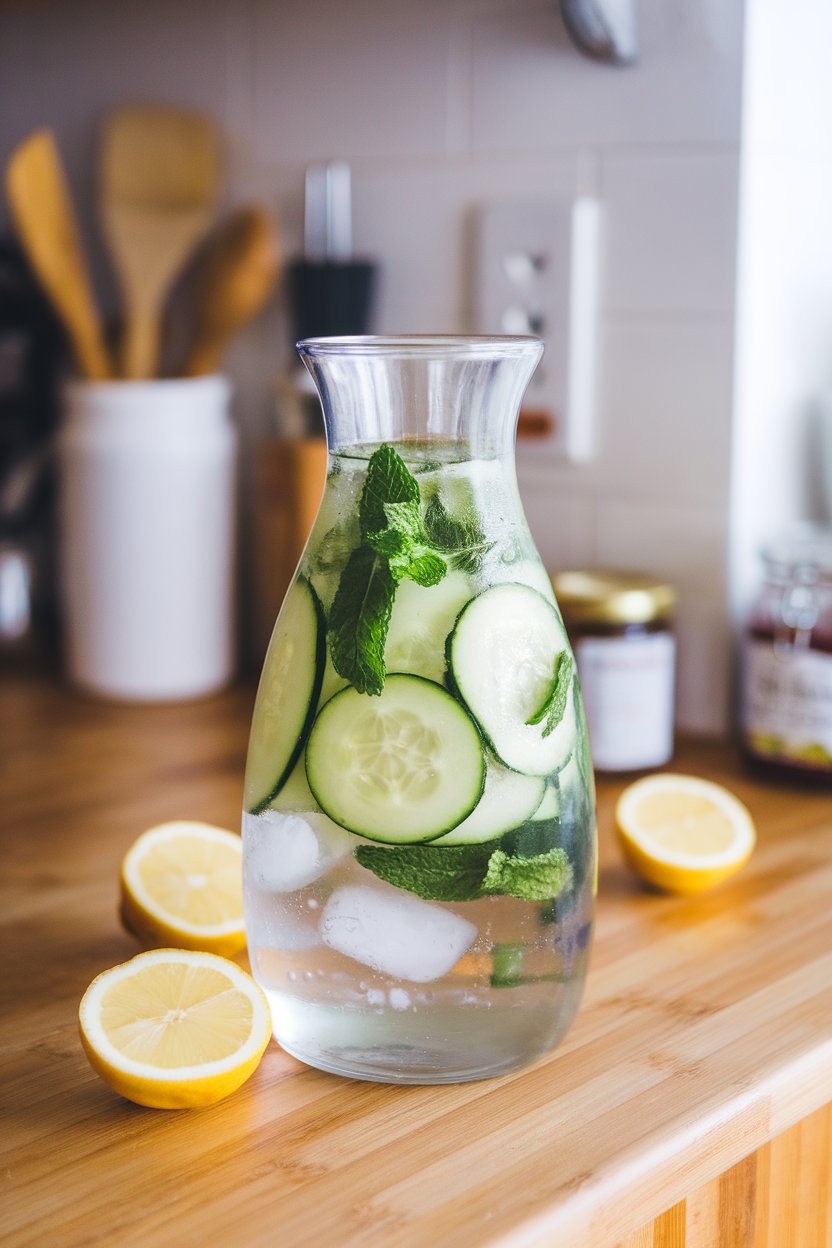
Fresh herbs turn plain water into a refreshing beverage that feels special. Try combinations like rosemary-grapefruit or basil-strawberry for variety. Keep a pitcher in the fridge so flavors meld and the drink stays chilled. Herbal water can replace sugary sodas at gatherings without feeling like a downgrade.
49. Get Enough Sleep

Short sleep disrupts hunger hormones, often leading to late-night snacking and bigger cravings the next day. Aim for seven to nine hours to keep energy and willpower steady. Establish a calming bedtime routine by dimming lights and limiting screens. Quality rest supports every other healthy habit you cultivate.
50. Manage Stress Healthfully

Stress can trigger emotional eating and impulsive food choices. Incorporate calming practices like deep breathing, meditation, or gentle stretching to keep cortisol in check. Even five-minute breaks throughout the day make a difference. When stress peaks, pause for a short walk instead of raiding the pantry.
51. Eat Protein After Workouts
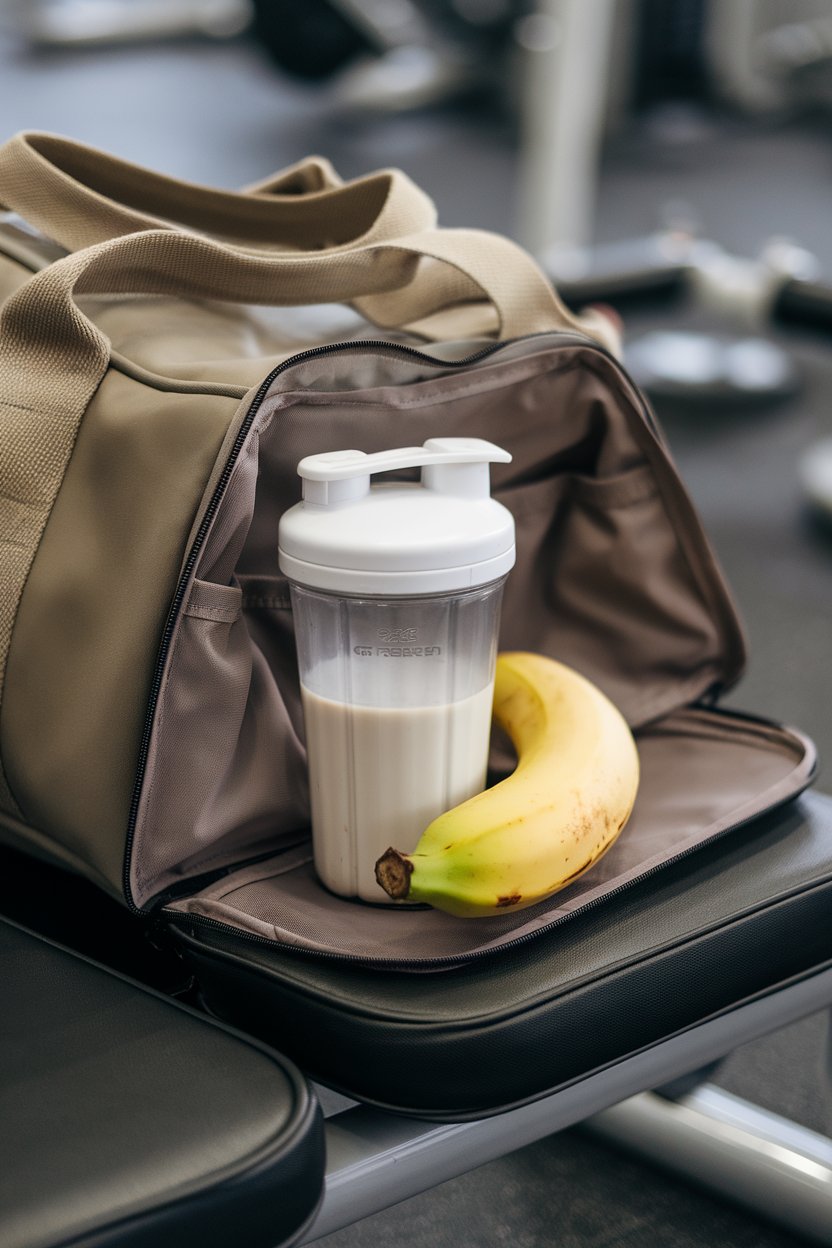
Post-exercise protein supports muscle recovery and curbs excessive hunger later. Combine it with a bit of carbohydrate—such as fruit—to replenish glycogen stores. Whole-food options like yogurt and berries work just as well as shakes. Aim to refuel within an hour of finishing your workout.
52. Keep Healthy Snacks in Your Bag or Car
Long commutes or errands often intersect with hunger, tempting you toward fast food. Portion-controlled snacks like nuts, whole-grain crackers, or fruit leather fend off sudden cravings. Rotate stock frequently so supplies stay fresh. Having options on hand keeps clean eating intact outside the house.
53. Listen to Hunger Cues

Physical hunger builds gradually and can be satisfied by a range of foods, whereas emotional hunger arrives suddenly and fixates on specific items. Pause for a moment to assess which feeling is present before grabbing a snack. Drinking water or taking a brief walk can clarify signals. Over time, responding accurately becomes second nature.
54. Don’t Shop Hungry
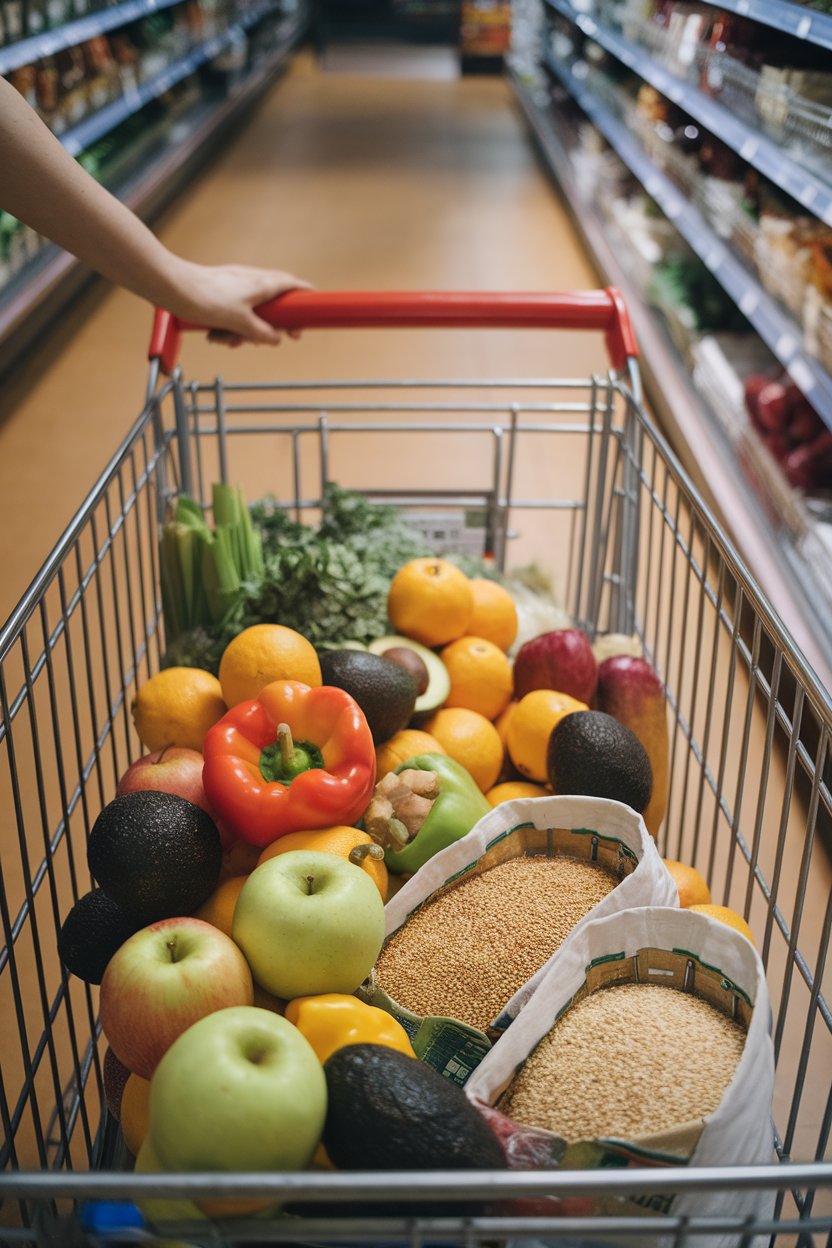
Shopping on an empty stomach often leads to impulse purchases of high-calorie, low-nutrient foods. Eat a small snack or meal beforehand to keep decisions rational. Stick to a list to stay focused and efficient. Your wallet and pantry will thank you.
55. Stick to the Perimeter of the Grocery Store

Whole foods like produce, dairy, eggs, and lean meats usually reside around a store’s edges. Venturing into center aisles for specific staples is fine, but lingering can invite packaged temptations. Plan your route to cover perishable sections first, then dash down only the aisles you truly need. This habit speeds up the trip as well.
56. Grow Small Herbs at Home
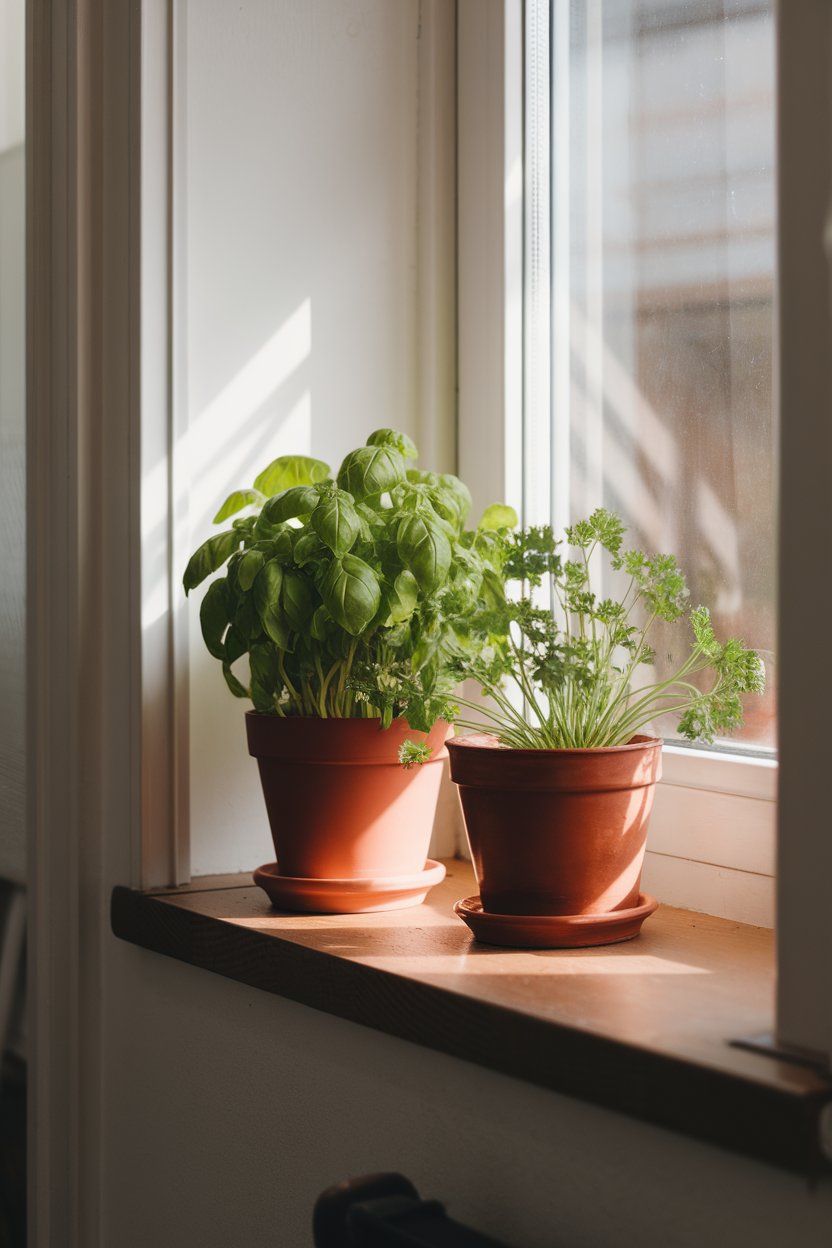
Fresh herbs brighten dishes and reduce dependency on salt. A few pots on a sill or balcony supply constant flavor upgrades. Snip only what you need so nothing wilts in the drawer. Gardening—even on a micro scale—also connects you to the origins of your food.
57. Use Broth Instead of Oil for Sautéing
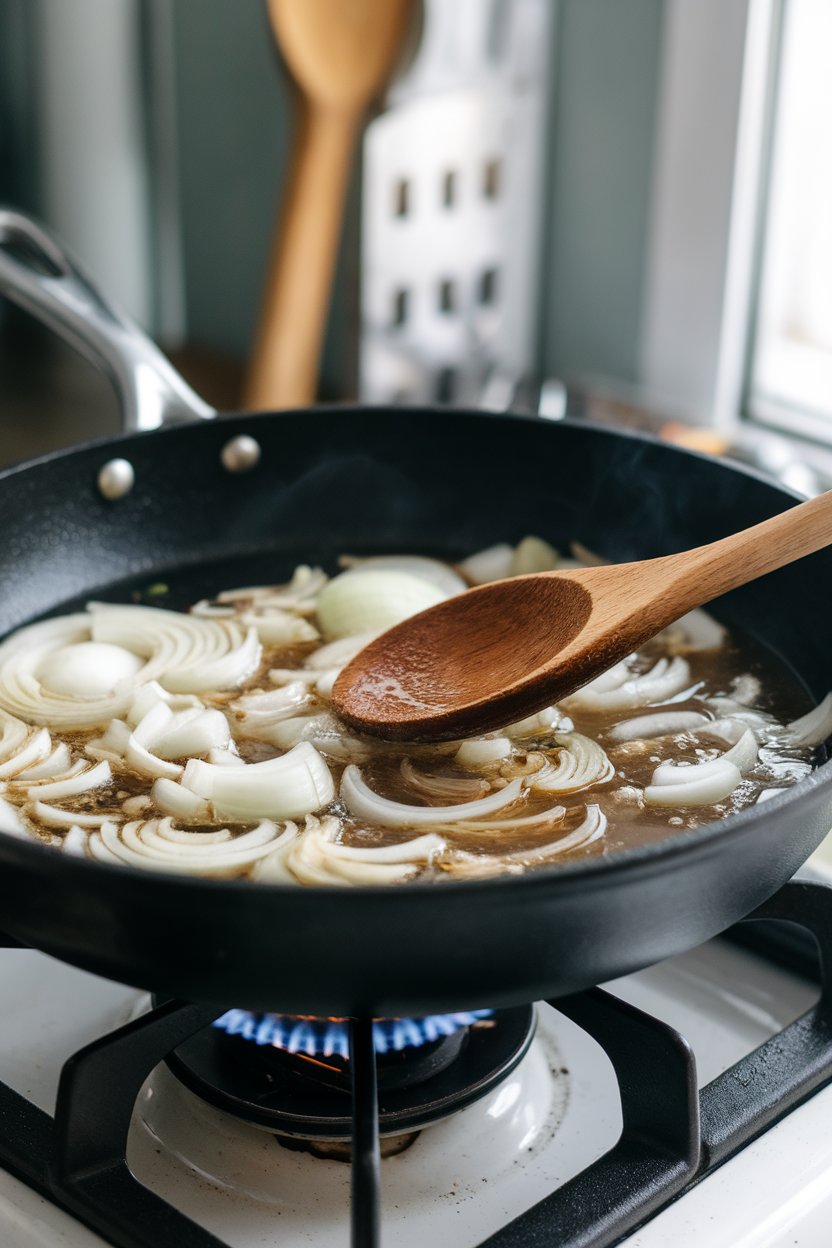
Vegetable or chicken broth keeps dishes moist while saving calories from added fats. Splash in small amounts as needed to prevent sticking. This technique works especially well for onions, peppers, and mushrooms. Finish with a tiny drizzle of quality oil for flavor, if desired.
58. Limit Packaged Desserts
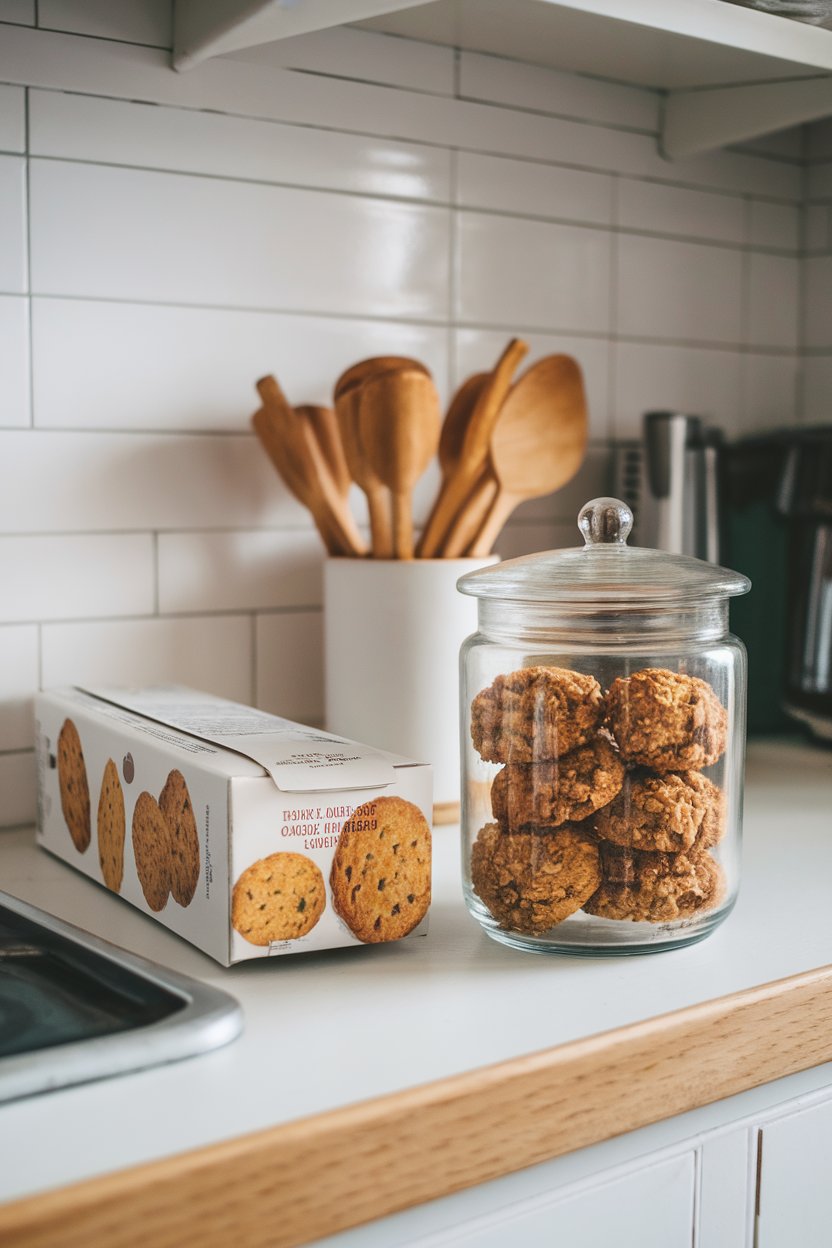
Pre-packaged treats often rely on refined sugars, oils, and preservatives for shelf life. Baking at home lets you control ingredients and portion sizes. Freeze extra cookies or brownies so you’re not tempted to eat them all at once. When purchasing sweets, read labels and choose items with simple, recognizable ingredients.
59. Make Soup Loaded with Vegetables

Soup is a clever vehicle for surplus produce and whole grains. Start with aromatic veggies, add broth, then simmer until flavors meld. Puree part of the soup for a thicker texture without cream. Batch cook and freeze portions for quick lunches.
60. Incorporate Fermented Foods
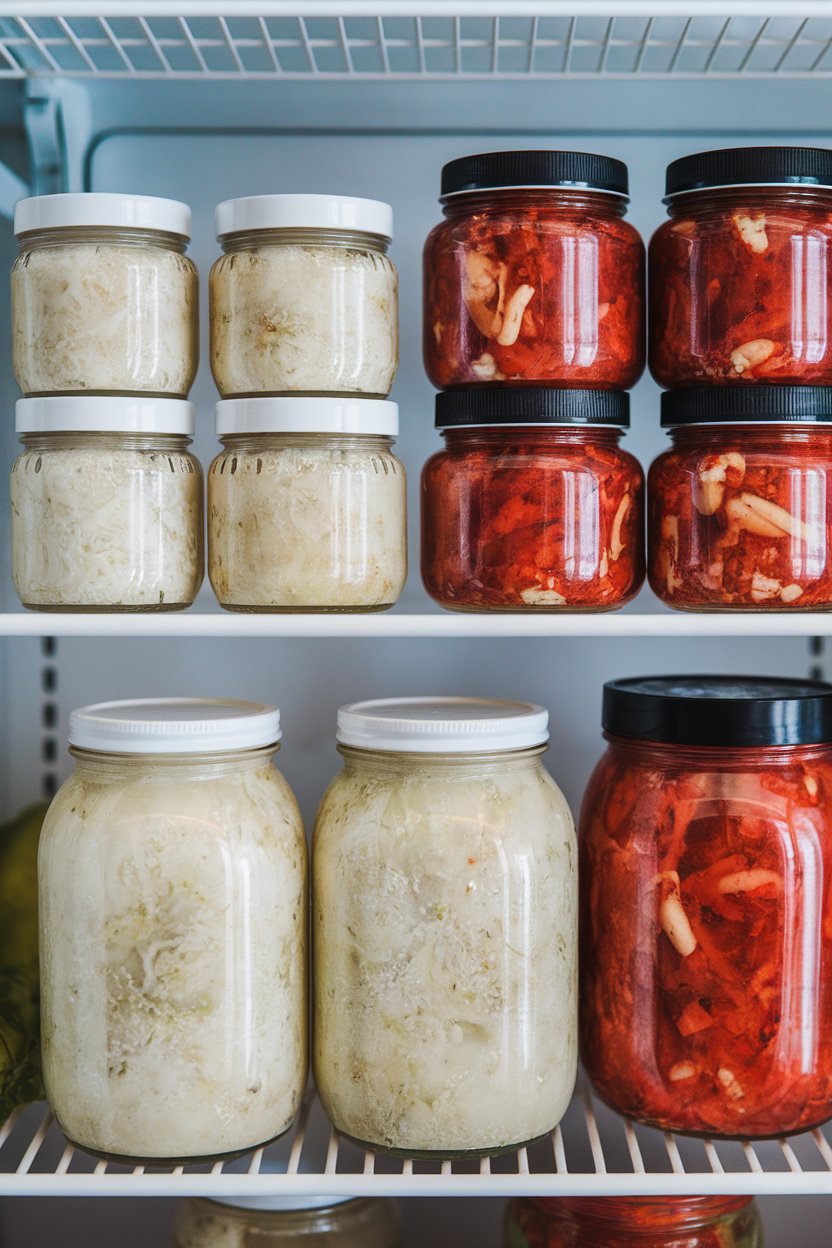
Fermented foods like sauerkraut, kimchi, kefir, and miso contribute probiotics that support gut health. Add a spoonful alongside meals instead of relying solely on supplements. Start slowly if you’re new to fermented flavors to allow your digestive system to adjust. Store in the fridge to maintain beneficial cultures.
61. Respect Food Allergies and Intolerances
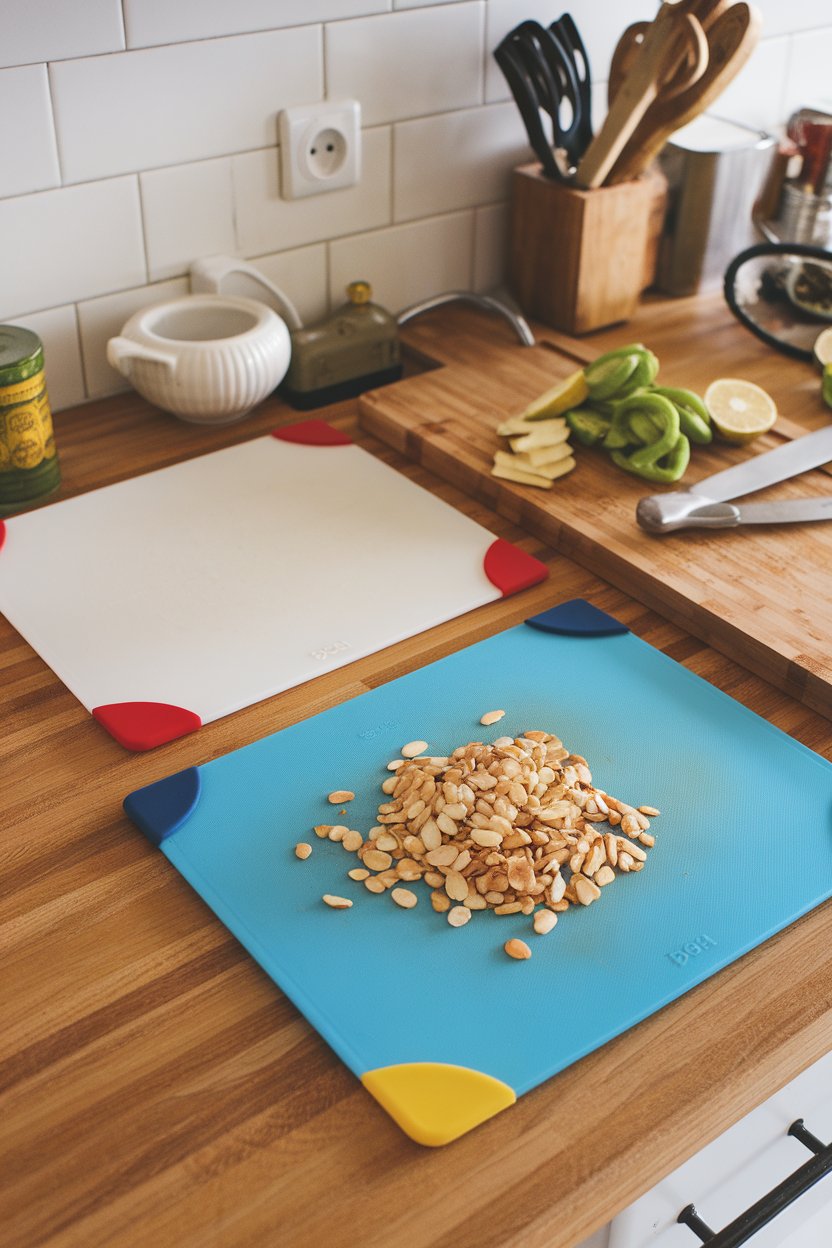
Ignoring adverse reactions can lead to discomfort and nutrient malabsorption. Seek professional guidance to confirm any suspected allergies or intolerances. Substitute offending foods with nutrient-dense alternatives to keep meals balanced. Clear labeling and separate prep areas prevent cross-contact in shared kitchens.
62. Keep Colorful Veggies at Eye Level in the Fridge
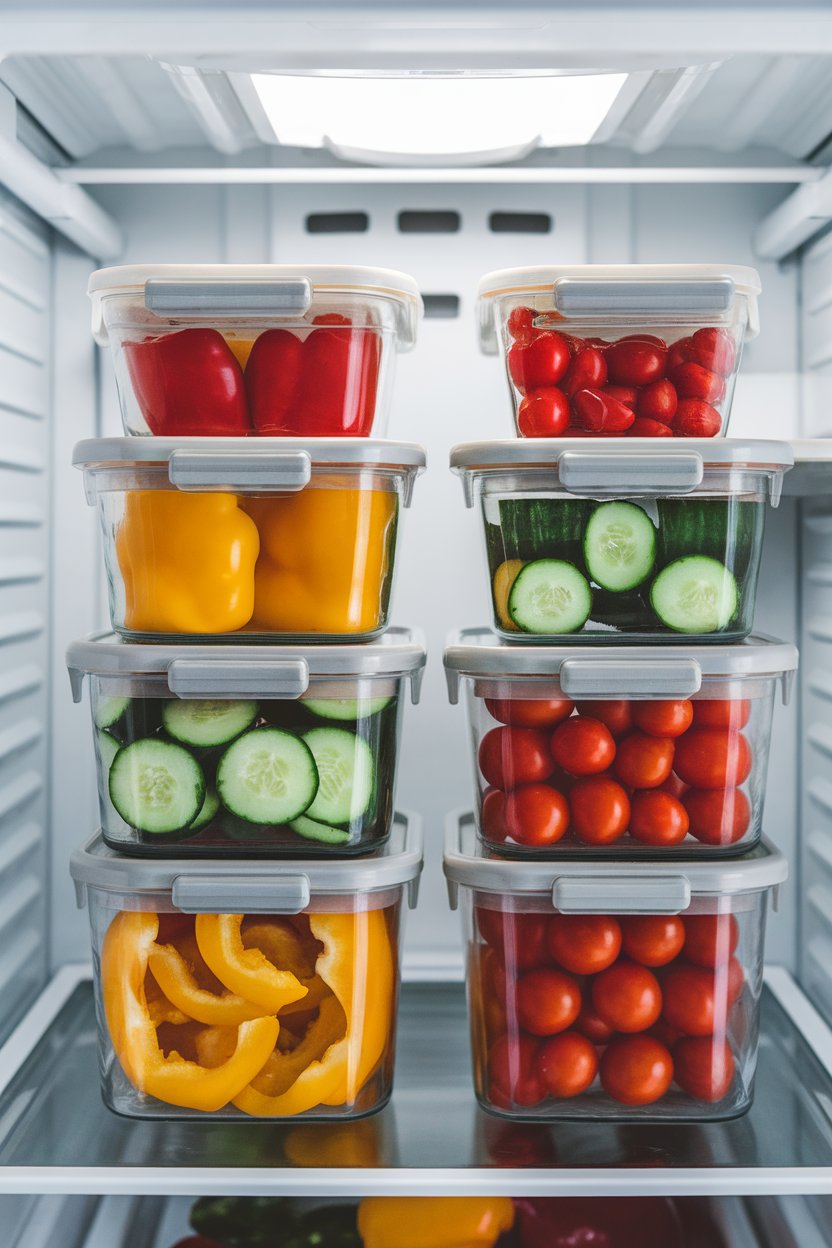
Visibility drives consumption. Storing bright, ready-to-eat vegetables where you can see them increases the likelihood they’ll end up on your plate. Use clear containers so contents stay enticing. Rotate new produce to the front to ensure older items get used first.
63. Experiment With Legumes
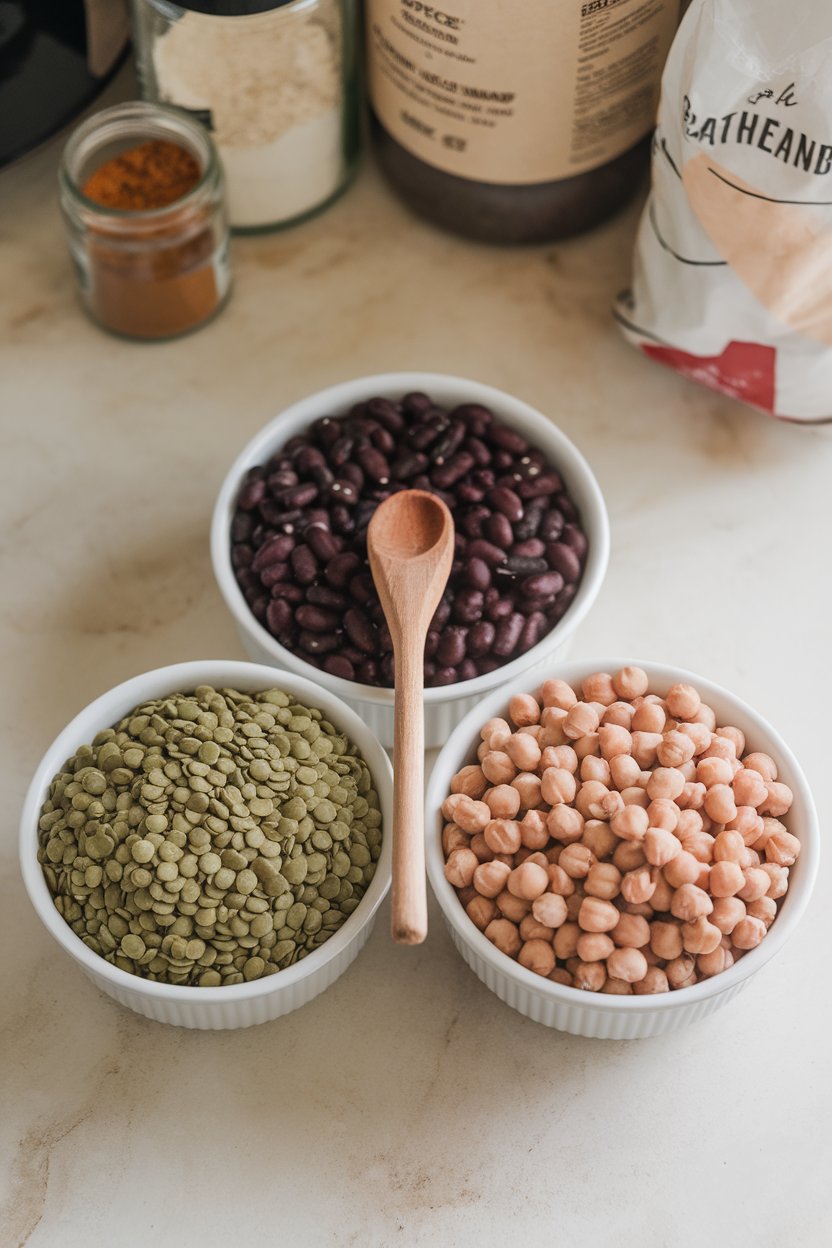
Beans, lentils, and peas provide protein, fiber, and budget-friendly versatility. Replace some or all of the meat in tacos, burgers, or stews with legumes. Canned options speed up weeknight cooking, while dried varieties are economical when cooked in batches. Season boldly to highlight their earthy flavor.

Eating together encourages slower dining and meaningful conversation. Shared meals also expose everyone to new dishes and encourage healthier choices. Rotate cooking duties to prevent burnout and broaden culinary skills. The social element turns clean eating into an enjoyable ritual rather than a solitary task.

Nathaniel Lee is an avid cook, drawing on his decades of home cooking and fine dining experience. He is a contributing chef at Mashed, and his recipes and contributions have been featured in Tasting Table, Edible Arrangements, Insanely Good Recipes, and The Daily Meal.