Planning a full week of wholesome, unprocessed meals can feel easier when you follow a clear theme. The ideas below cover different cooking styles, dietary needs, and flavor profiles, giving you plenty of inspiration to mix and match. Each plan can be repeated as-is or adapted to match seasonal produce and personal preferences. Pick one, write out a shopping list, and enjoy seven straight days of truly satisfying food.
Contents
- 1. Mediterranean Fresh Week
- 2. Plant-Powered Rainbow Week
- 3. Protein-Packed Breakfast Week
- 4. Low-Glycemic Week
- 5. Omega-3 Focus Week
- 6. Seasonal Farm Stand Week
- 7. 30-Minute Meals Week
- 8. Meal-Prep Mason Jar Week
- 9. Sheet-Pan Simplicity Week
- 10. Flexitarian Balance Week
- 11. Gluten-Free Week
- 12. Dairy-Light Week
- 13. Low-Sodium Week
- 14. High-Fiber Week
- 15. Herb Garden Week
- 16. Legume Lovers Week
- 17. Root Vegetable Week
- 18. Tropical Flavor Week
- 19. Spice Route Week
- 20. Fermented Favorites Week
- 21. Comfort Food Reboot Week
- 22. Heart-Healthy Week
- 23. Gut-Friendly Week
- 24. Budget-Smart Week
- 25. Farmers Market Week
- 26. Batch-Cooking Week
- 27. Mindful Macro Week
- 28. Low-Waste Week
- 29. Anti-Inflammatory Week
- 30. Minimalist Ingredients Week
- 31. Energy-Boost Week
- 32. Family-Friendly Week
- 33. Global Street Food Week
- 34. Slow Cooker Week
- 35. Quick Lunchbox Week
- 36. Summer Hydration Week
- 37. Winter Warmers Week
- 38. Spring Greens Week
- 39. Autumn Harvest Week
- 40. Pescatarian Week
- 41. Power Smoothie Week
- 42. Whole30-Inspired Week
- 43. Low-Carb Veggie Week
- 44. Rainbow Bowls Week
- 45. Healthy Comfort Bowls Week
- 46. One-Pot Wonders Week
- 47. Bean & Grain Bowls Week
- 48. Mild Spice Week
- 49. Indoor Grill-Pan Week
- 50. Balanced Brunch Week
1. Mediterranean Fresh Week
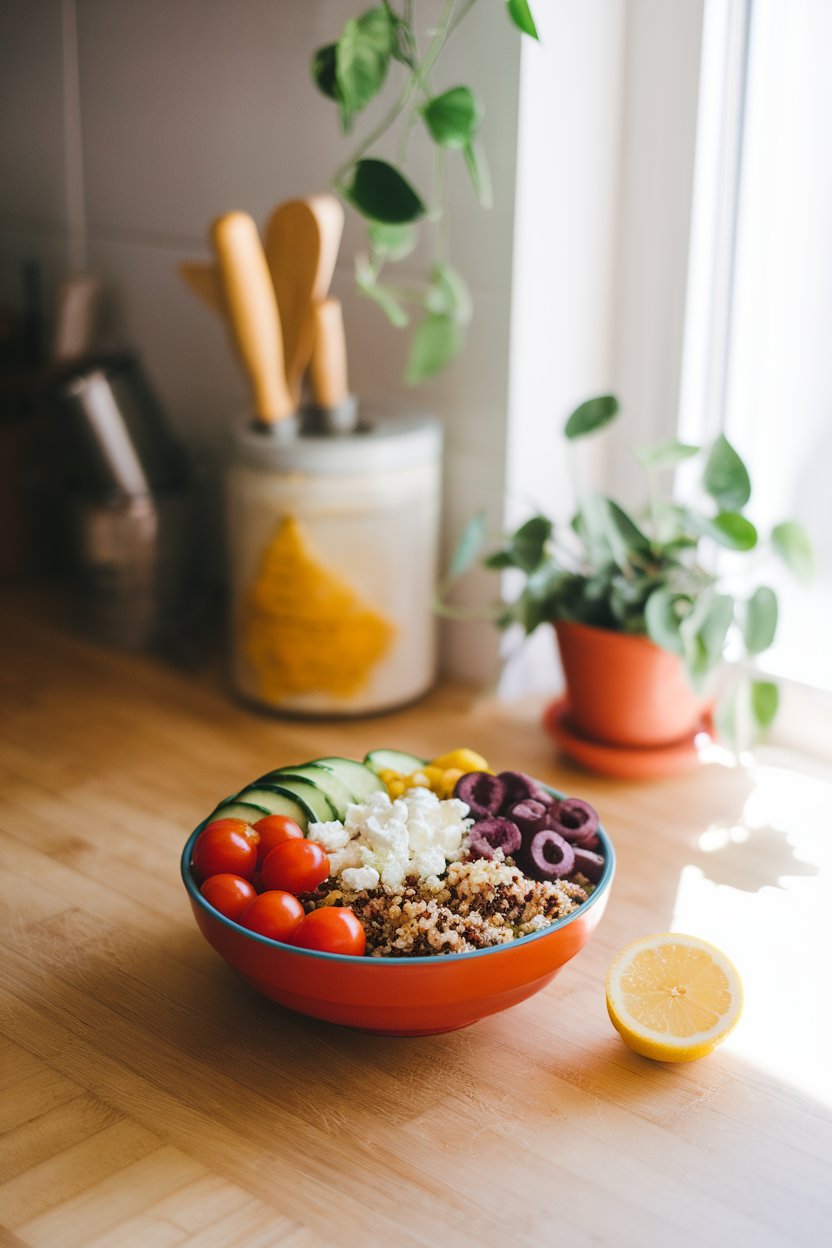
Center your meals around olive oil, herbs, vegetables, seafood, and whole grains. Breakfast might be Greek yogurt with berries, lunch a chickpea-cucumber salad, and dinner grilled salmon with roasted vegetables. Snack on fresh fruit and lightly salted nuts to keep hunger in check.
2. Plant-Powered Rainbow Week
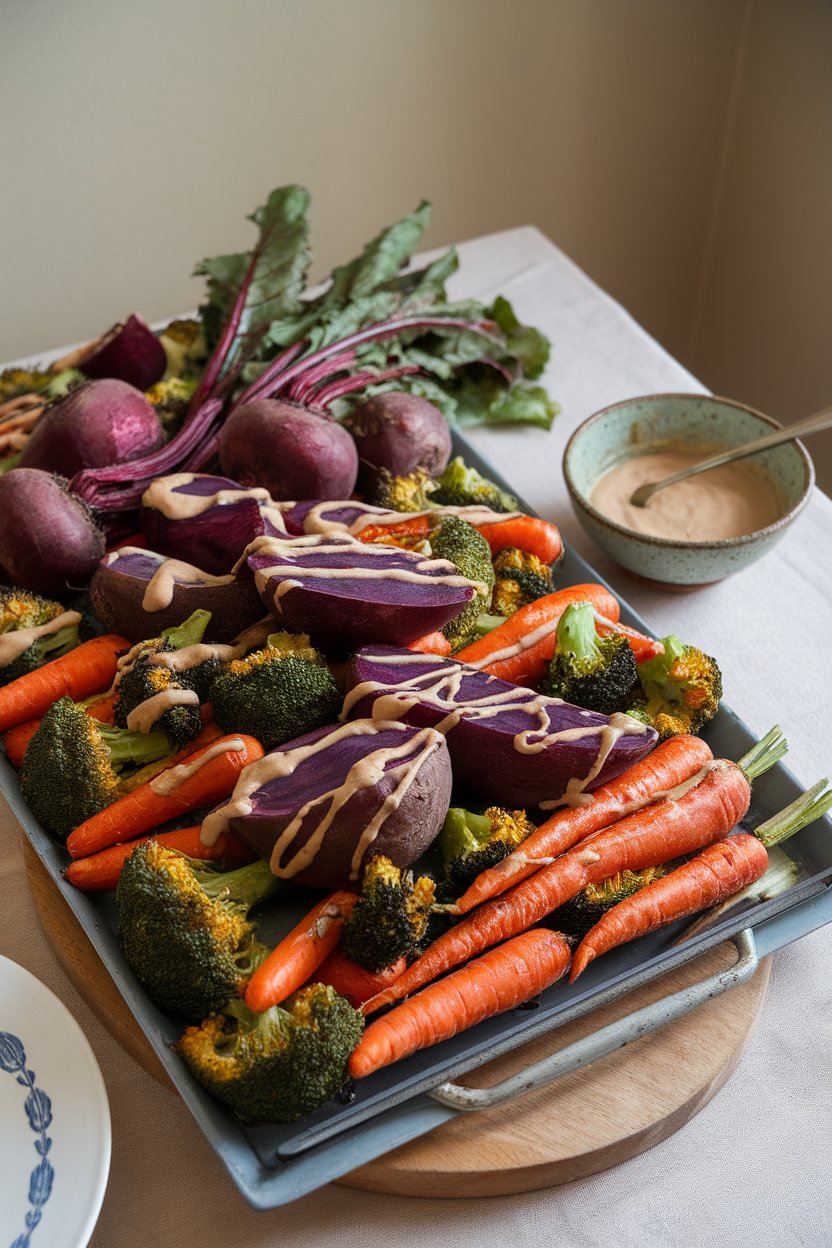
Aim to eat five different colors of produce each day for a variety of phytonutrients. Build bowls with brown rice, roasted veggies, and a dollop of hummus for quick lunches. Finish dinners with fruit-based desserts like baked apples or grilled pineapple.
3. Protein-Packed Breakfast Week
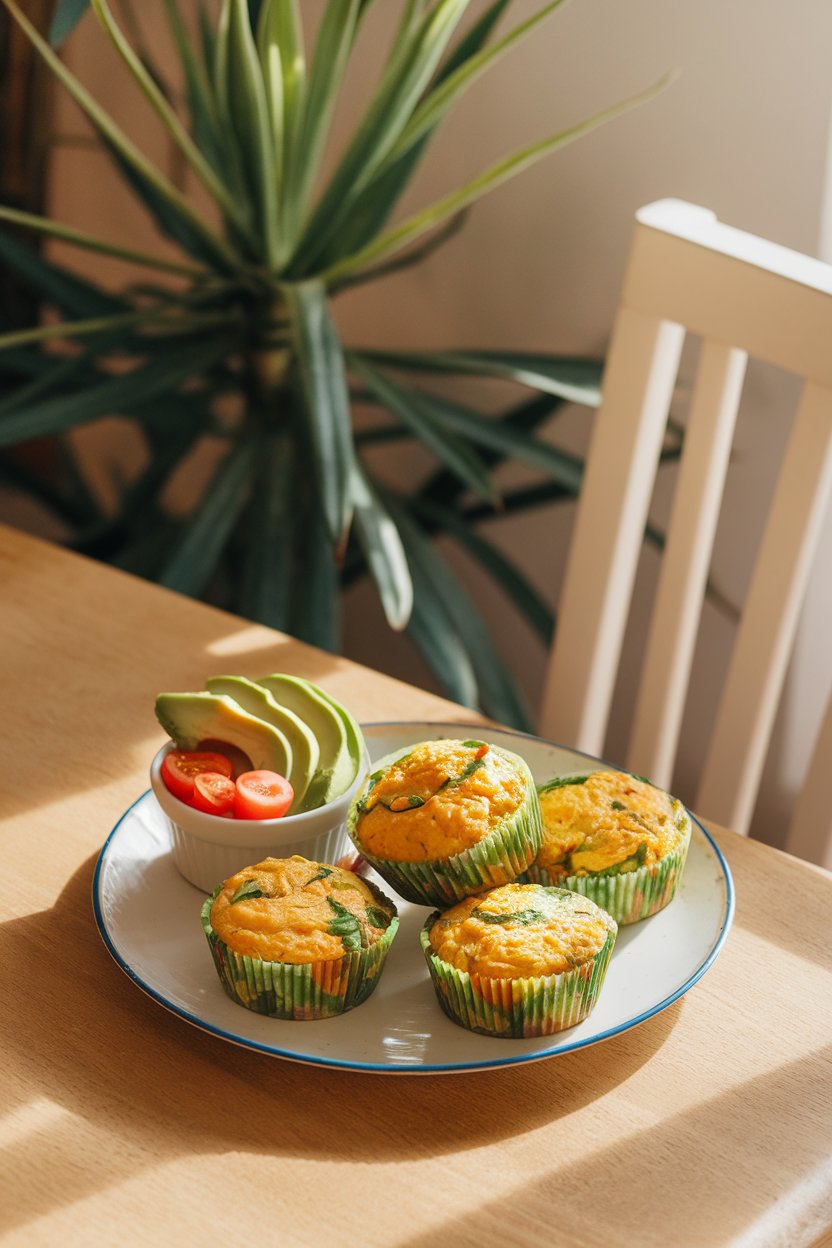
Front-loading protein keeps energy steady all morning long. Prep egg muffins, overnight chia pudding, and cottage cheese with melon for grab-and-go options. Pair lighter lunches and dinners with leafy salads and lean proteins like turkey or tofu.
4. Low-Glycemic Week
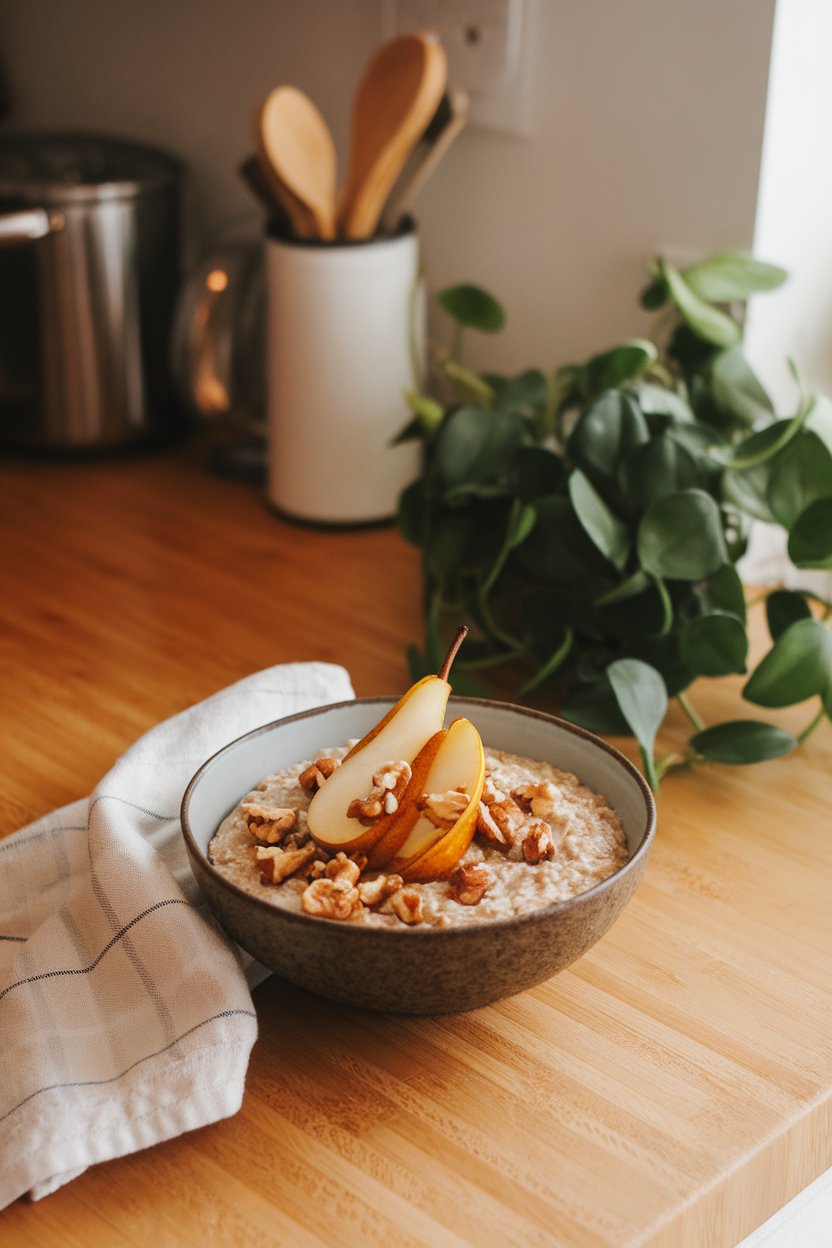
Focus on foods that release glucose slowly, such as oats, lentils, and non-starchy vegetables. Swap white rice for barley or quinoa and choose berries for fruit servings. Keep added sugars to a minimum and stay hydrated with unsweetened herbal teas.
5. Omega-3 Focus Week
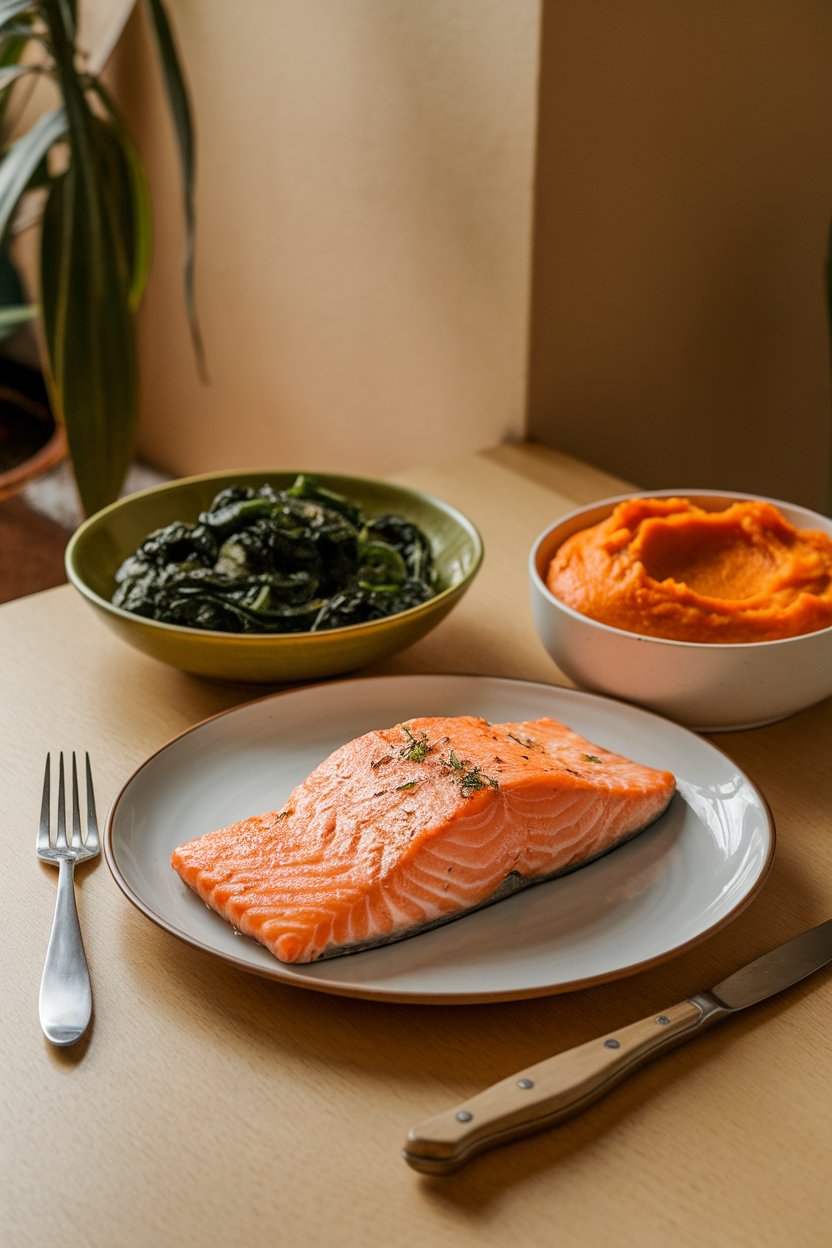
Incorporate fatty fish like salmon, sardines, and trout at least three times during the week. Sprinkle ground flaxseed on breakfast bowls and add walnuts to salads for plant-based sources. These healthy fats support brain function and keep meals satisfying.
6. Seasonal Farm Stand Week
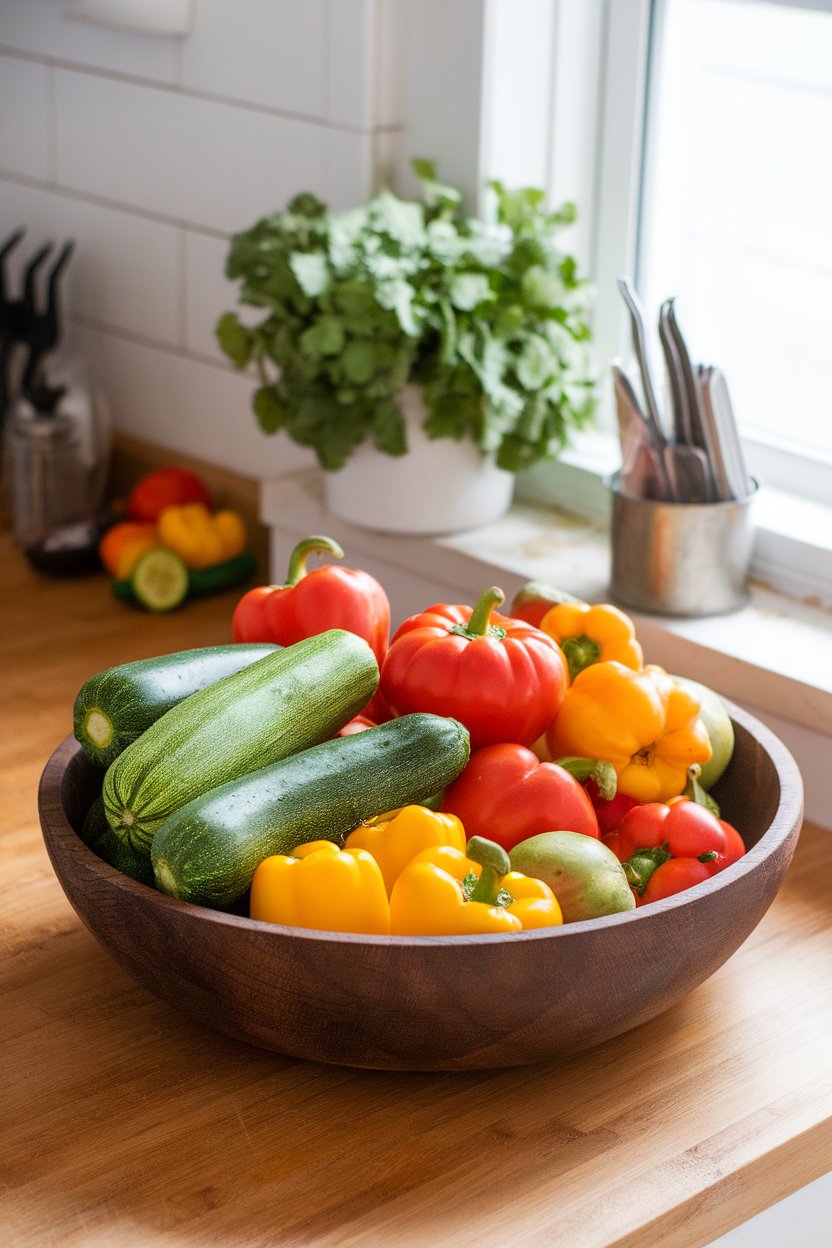
Pick up whatever looks best at a local market and build meals around those finds. Quick sautés, sheet-pan roasts, and simple grain salads highlight natural flavors. Because the produce is local and freshly harvested, seasoning can stay minimal.
7. 30-Minute Meals Week
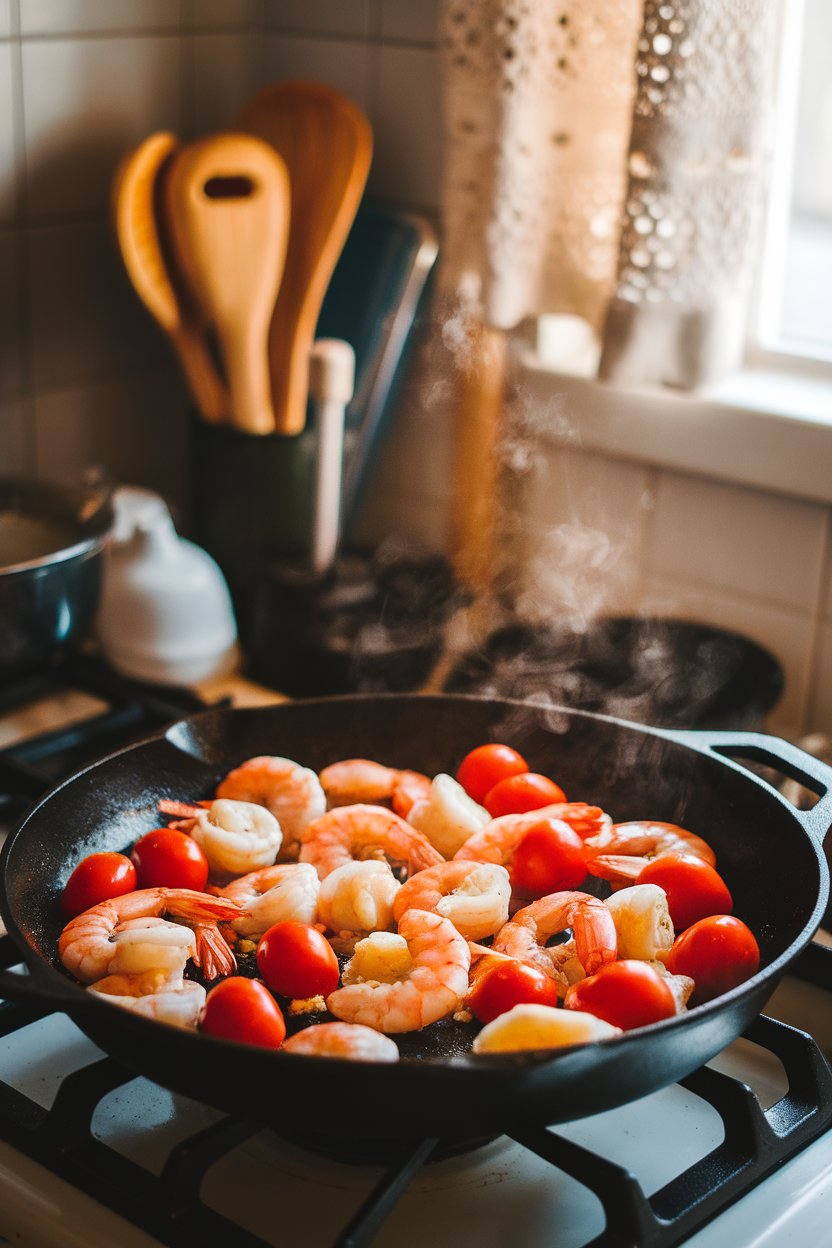
Every recipe on this plan clocks in under half an hour from prep to plate. Stock the pantry with quick-cook staples like couscous and canned beans. A bit of batch chopping on Sunday shaves even more time off hectic evenings.
8. Meal-Prep Mason Jar Week
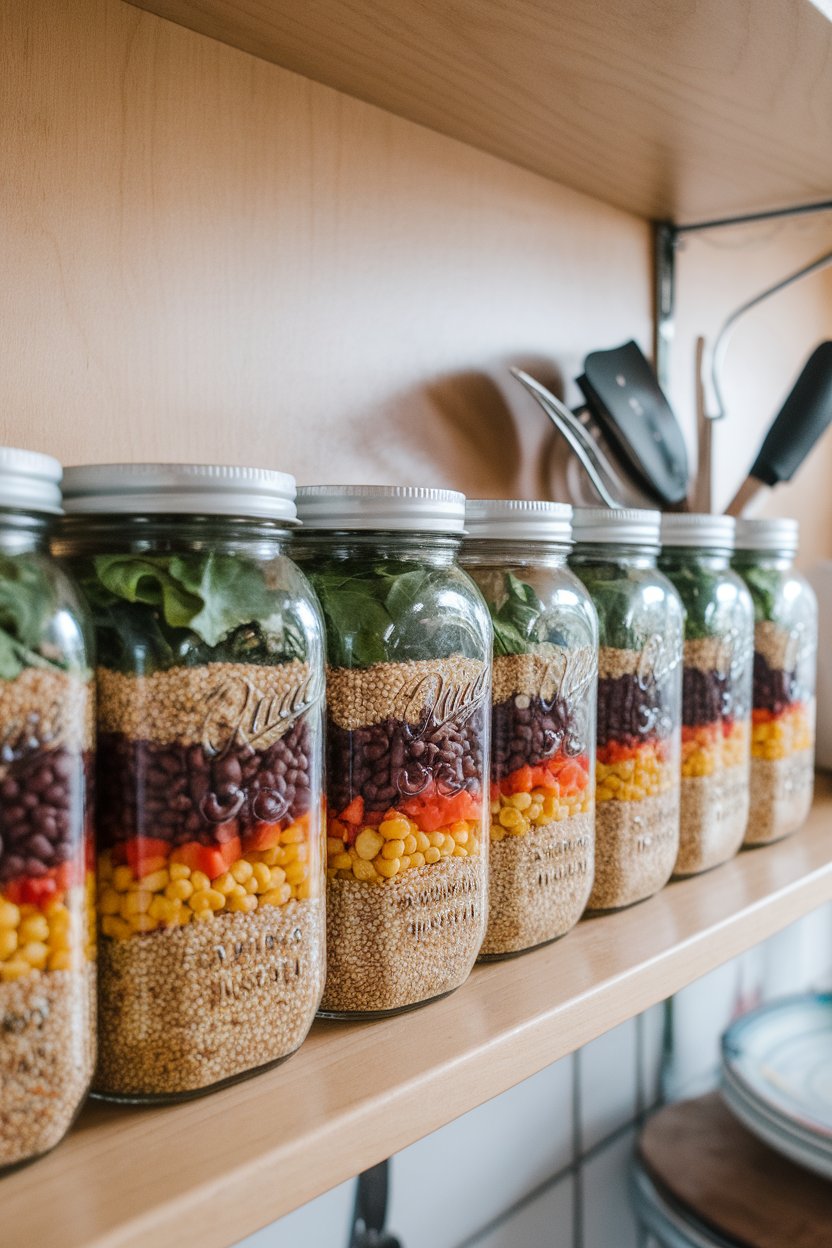
Layer salads, overnight oats, and parfaits in jars so lunches and snacks are ready to grab. Keep wet ingredients like dressings or yogurt at the bottom to prevent soggy greens. Each evening, empty a jar onto a plate, add protein if needed, and dinner is served.
9. Sheet-Pan Simplicity Week
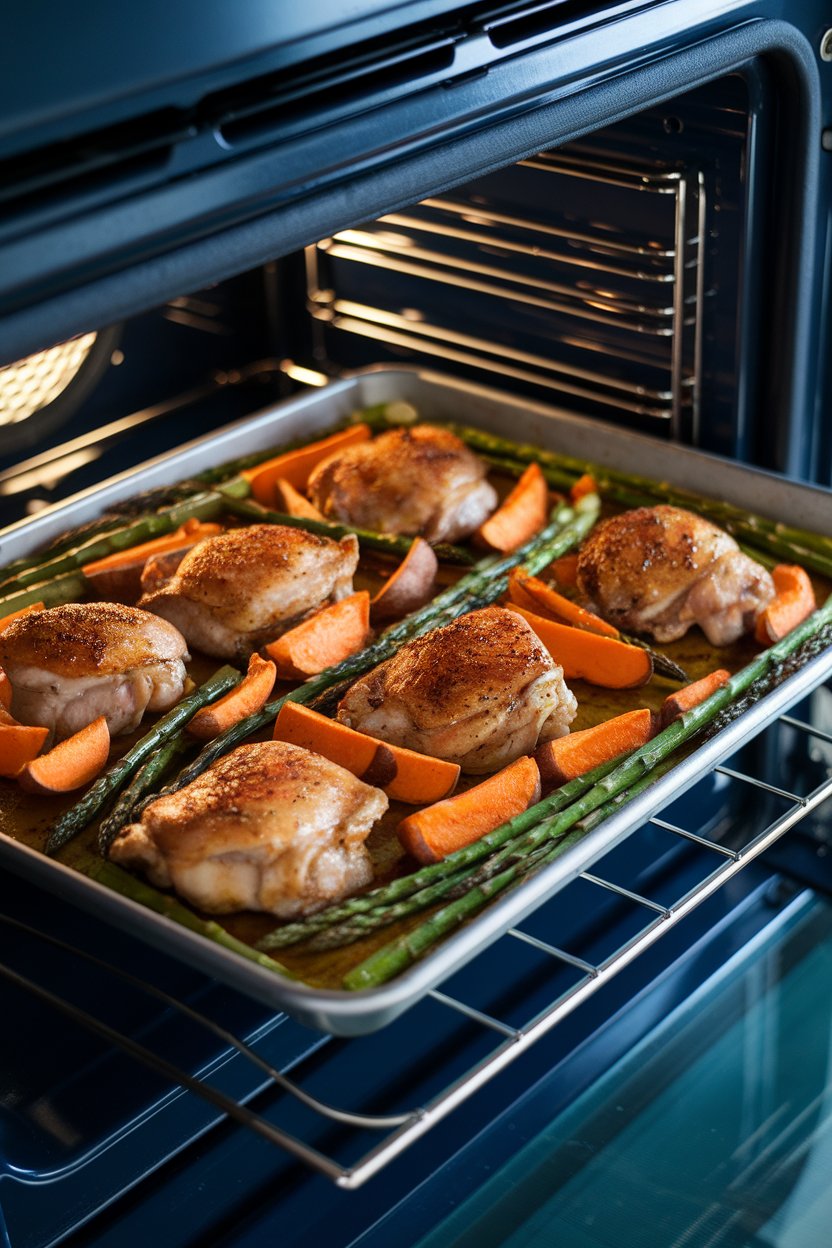
Prepare one dish per night by roasting protein and vegetables together. Vary sauces—think lemon herb, garlic paprika, or sesame ginger—to keep flavors fresh. Cleanup is a breeze, leaving more time to relax after dinner.
10. Flexitarian Balance Week
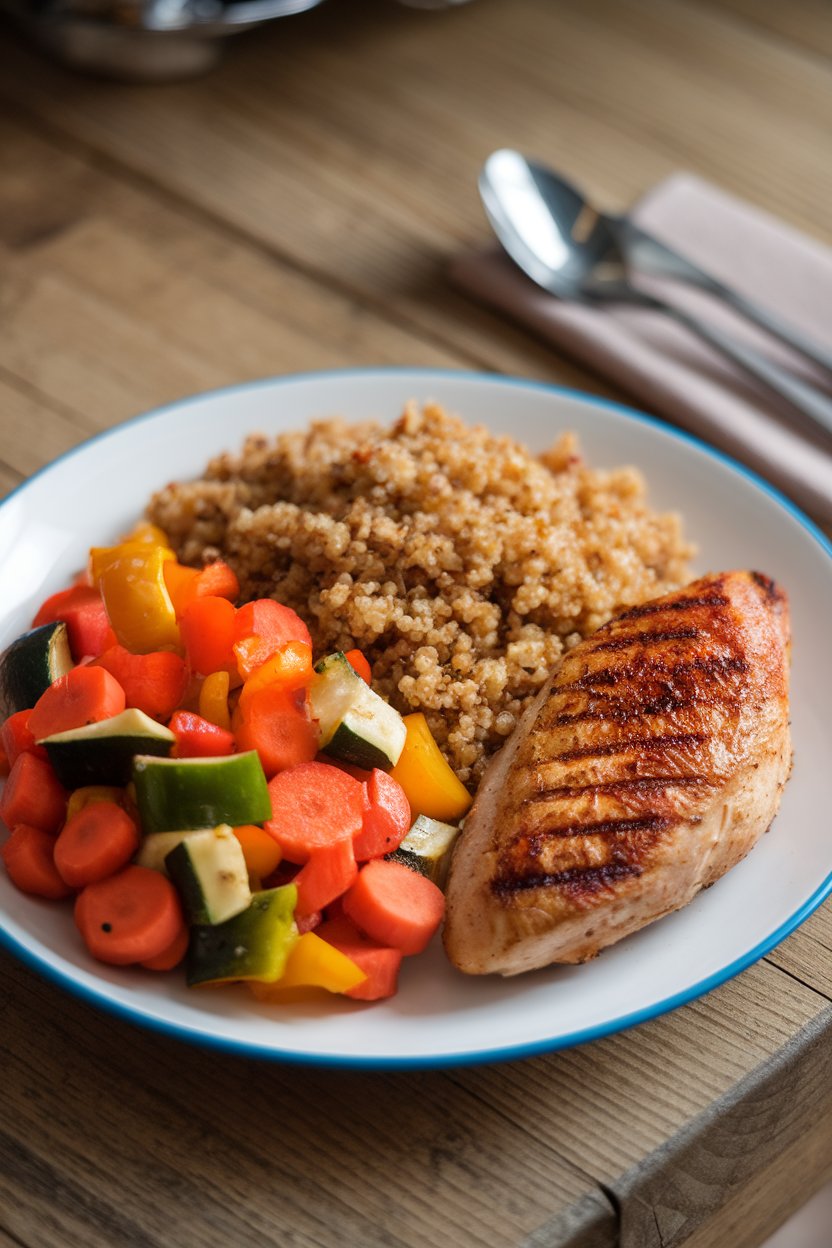
Alternate plant-based and animal-protein meals, aiming for meatless Monday, Wednesday, and Friday. Keep servings of meat modest while loading up on legumes and whole grains. This approach reduces saturated fat intake without feeling restrictive.
11. Gluten-Free Week
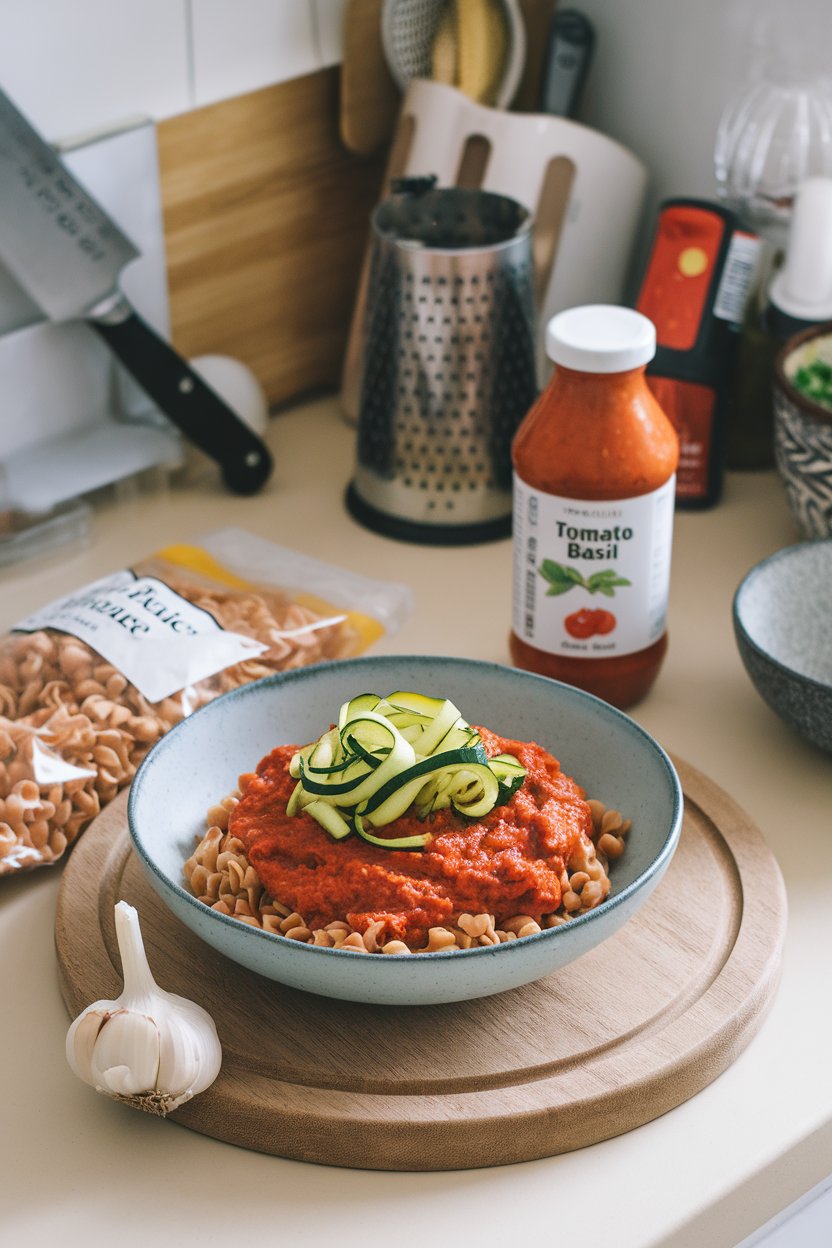
Base meals on naturally gluten-free foods like rice, potatoes, quinoa, and corn tortillas. Check labels on sauces and condiments to avoid hidden wheat. Enjoy treats such as almond-flour banana muffins for satisfying snacks.
12. Dairy-Light Week
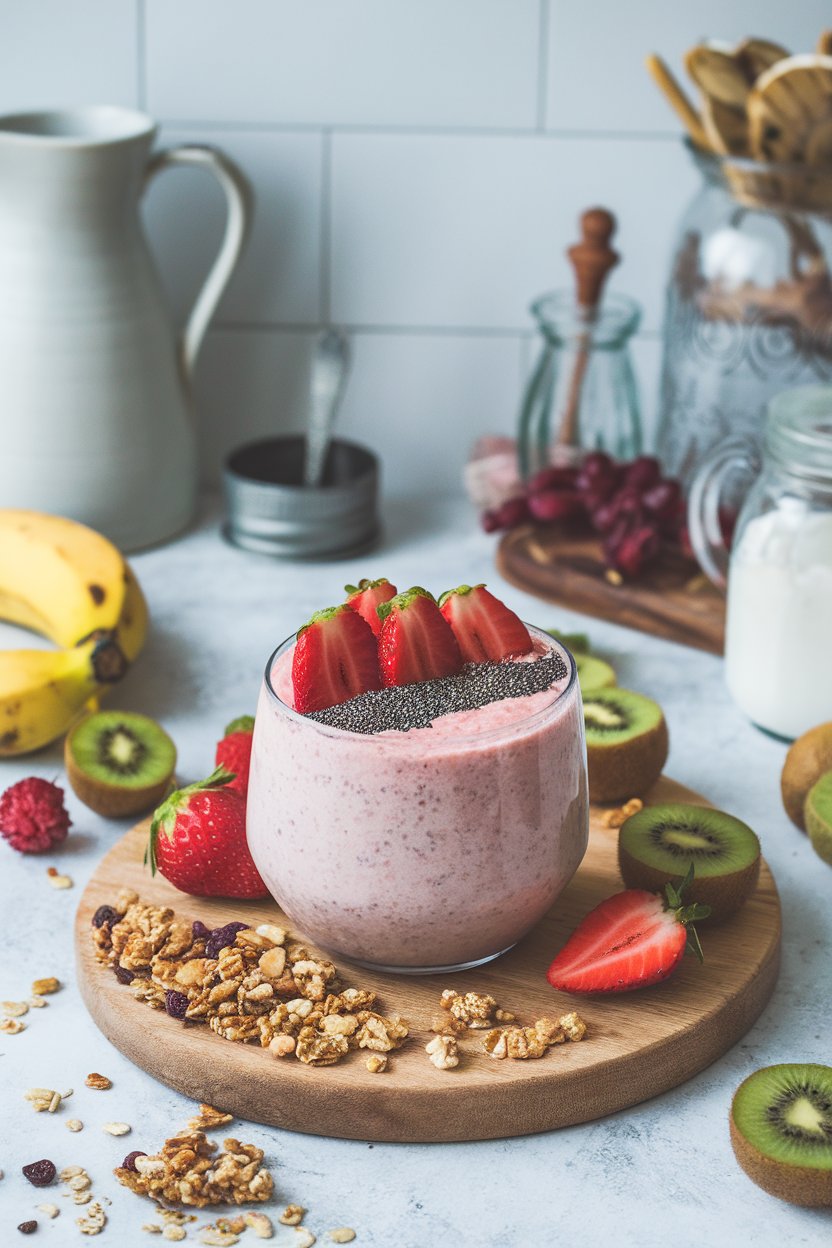
Cut back on cheese and creamy sauces by swapping in plant milks and cashew-based dressings. Nutritional yeast adds a nutty, cheese-like flavor to pesto or popcorn. Calcium comes from dark leafy greens, fortified milks, and canned salmon with bones.
13. Low-Sodium Week
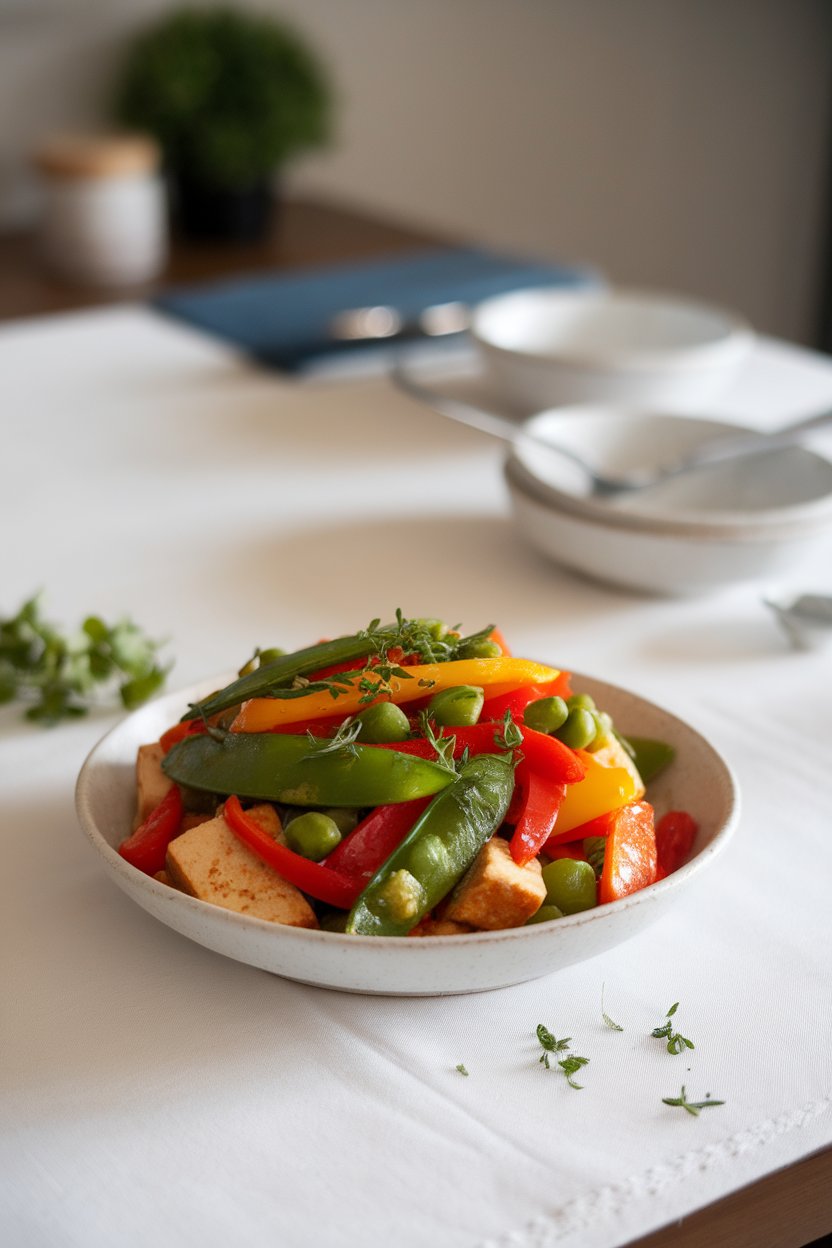
Highlight herbs, citrus, and spices instead of salt. Cook beans from scratch, rinse canned ones thoroughly, and choose unsalted nuts. Tracking daily intake helps keep total sodium under 1,500 mg.
14. High-Fiber Week
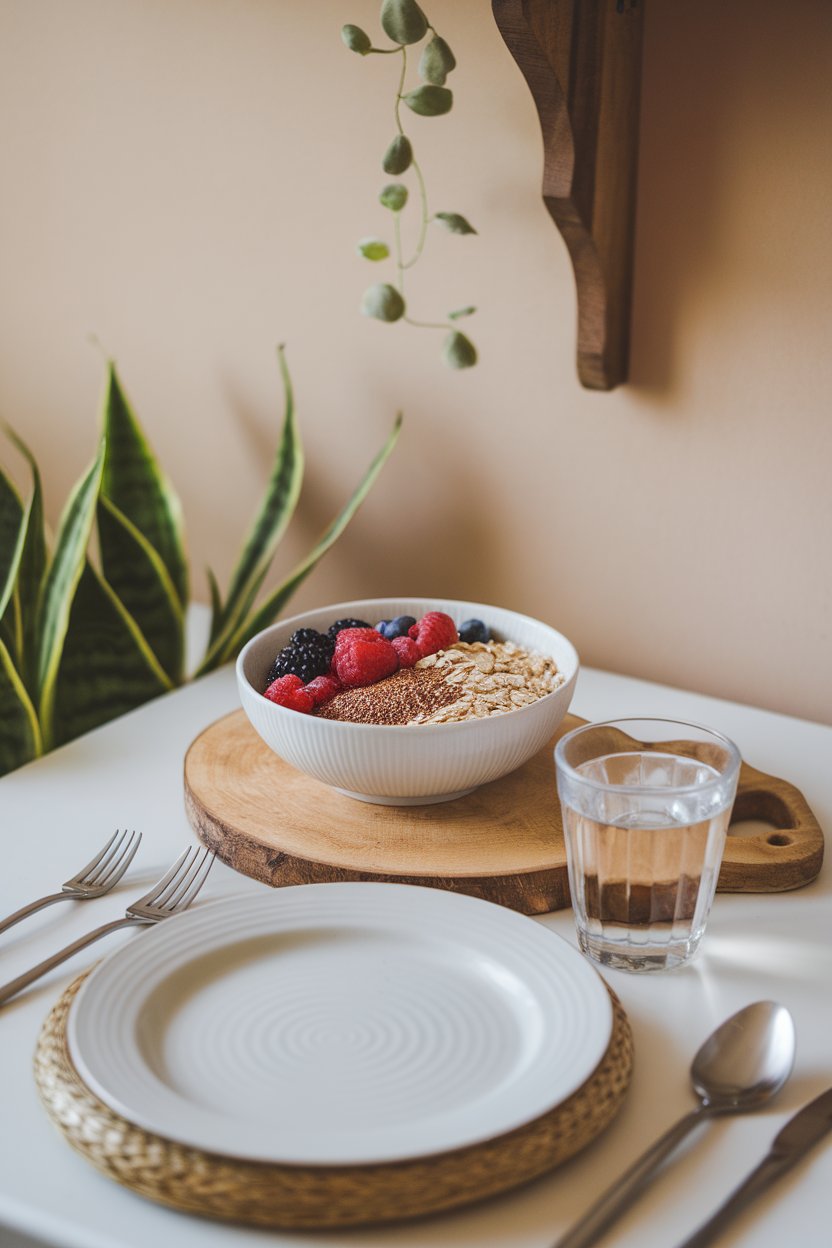
Start each morning with steel-cut oats or bran cereal to hit targets early. Add lentil soups, roasted chickpeas, and plenty of vegetables to round out lunches and dinners. Increase water intake to help fiber do its job comfortably.
15. Herb Garden Week
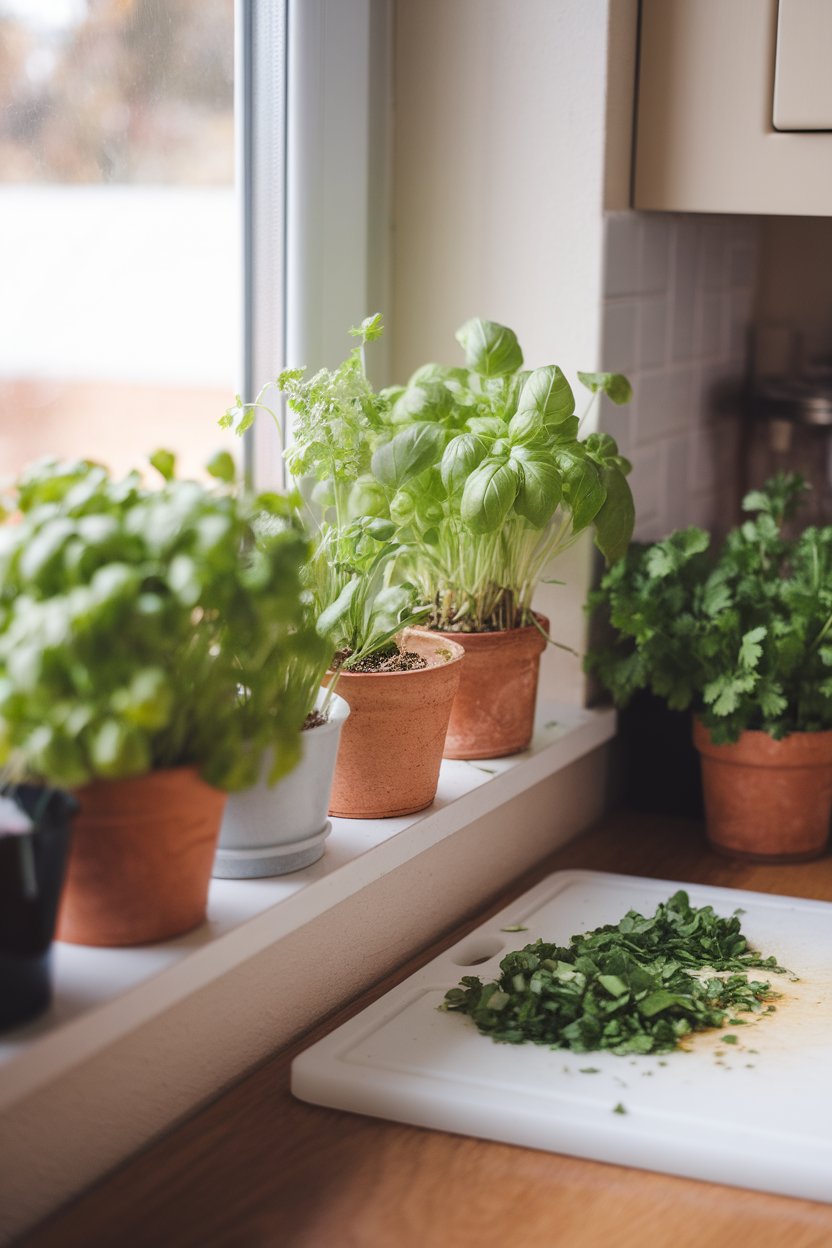
Fresh herbs turn simple ingredients into aromatic meals. Toss parsley into tabbouleh, blend cilantro into green sauce, and garnish grilled fish with dill. Growing a few pots at home keeps costs low and flavors bright.
16. Legume Lovers Week
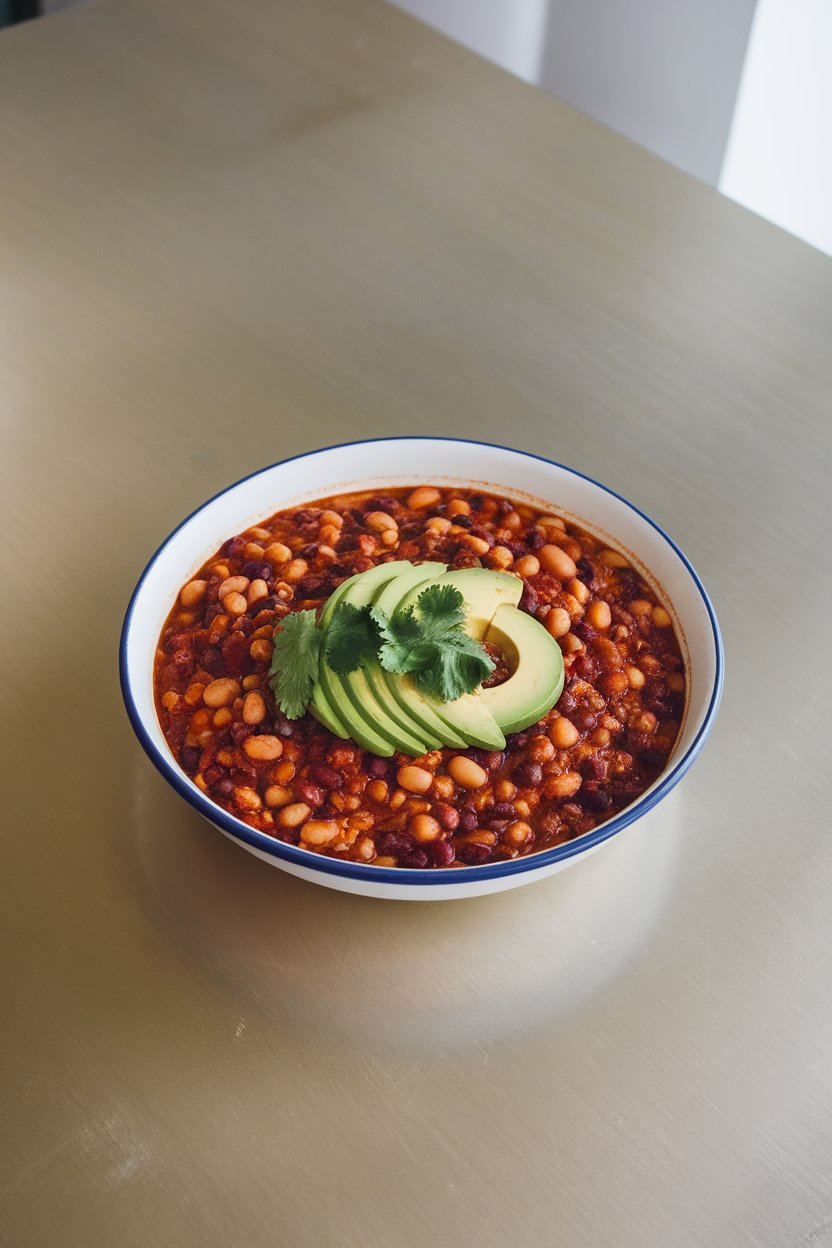
Beans, lentils, and peas take center stage, providing protein, fiber, and complex carbs. Cook a big batch of lentils for salads, tacos, and soups throughout the week. Vary seasonings—cumin one night, Italian herbs the next—to stay interested.
17. Root Vegetable Week
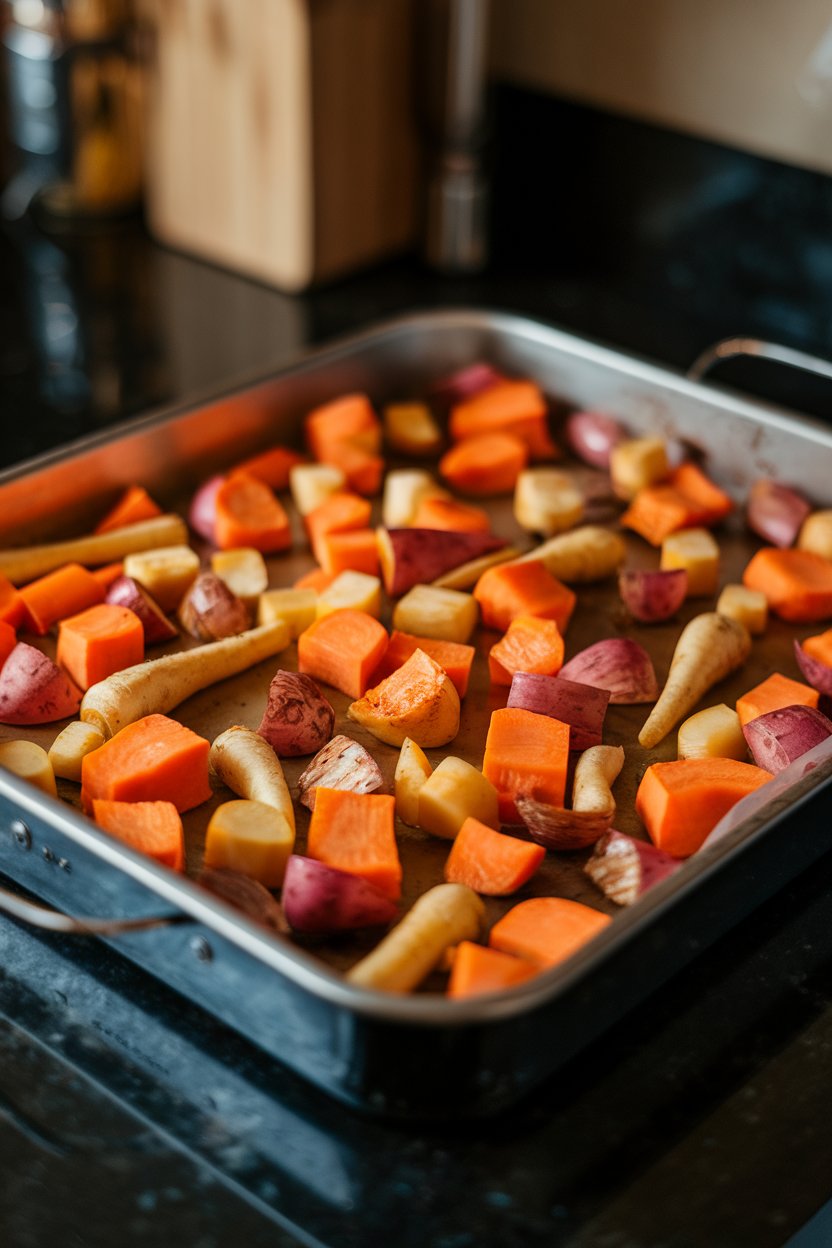
Turn earthy roots into mash, fries, and comforting stews. Sweet potato toast makes a fun alternative to bread at breakfast. Roasted beet hummus adds color and nutrients to midday snacks.
18. Tropical Flavor Week
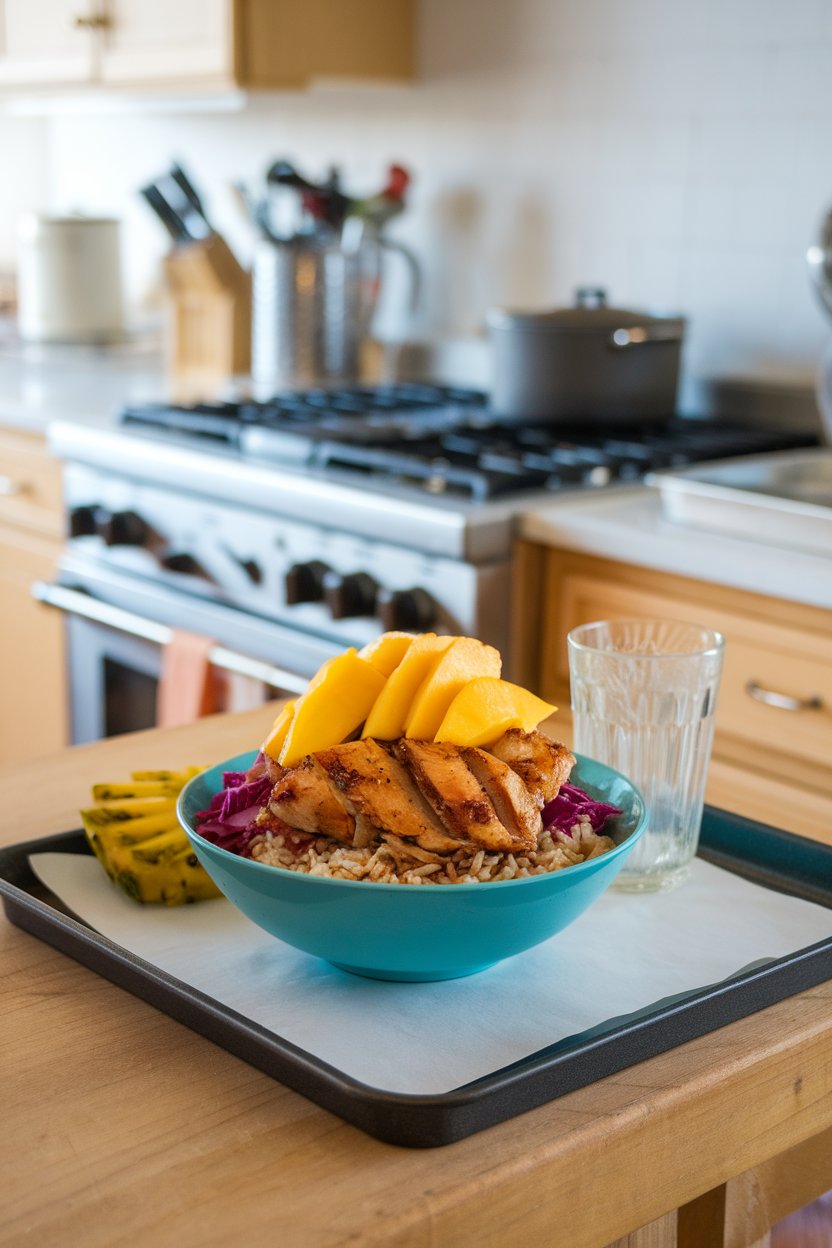
Bring sunshine to the plate with mango salsa, coconut milk curries, and lime-marinated fish. Frozen pineapple makes creamy smoothies without any added sugar. Finish the week with a refreshing papaya boat filled with Greek yogurt.
19. Spice Route Week
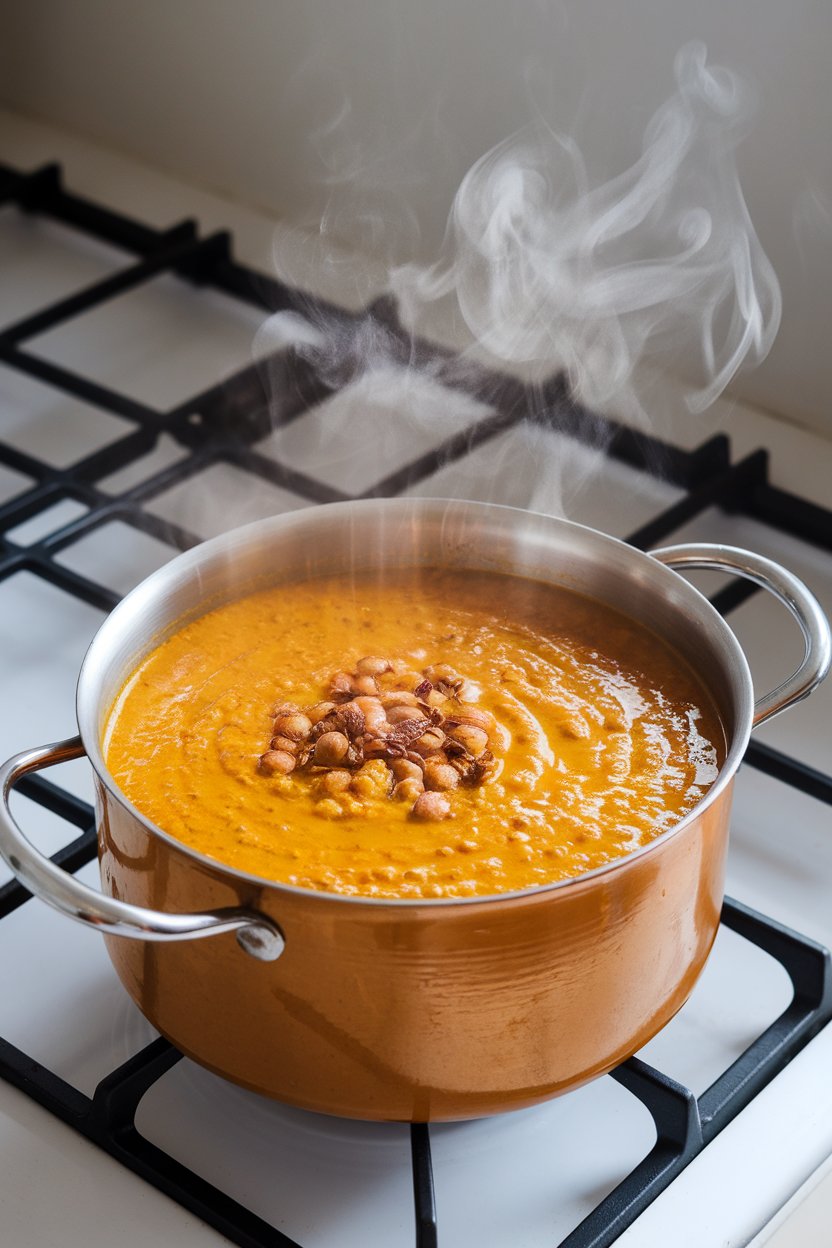
Curry powders, garam masala, smoked paprika, and chipotle keep taste buds excited. Spices amp up flavor without extra calories or sodium. Toast them briefly before cooking to deepen their aroma.
20. Fermented Favorites Week
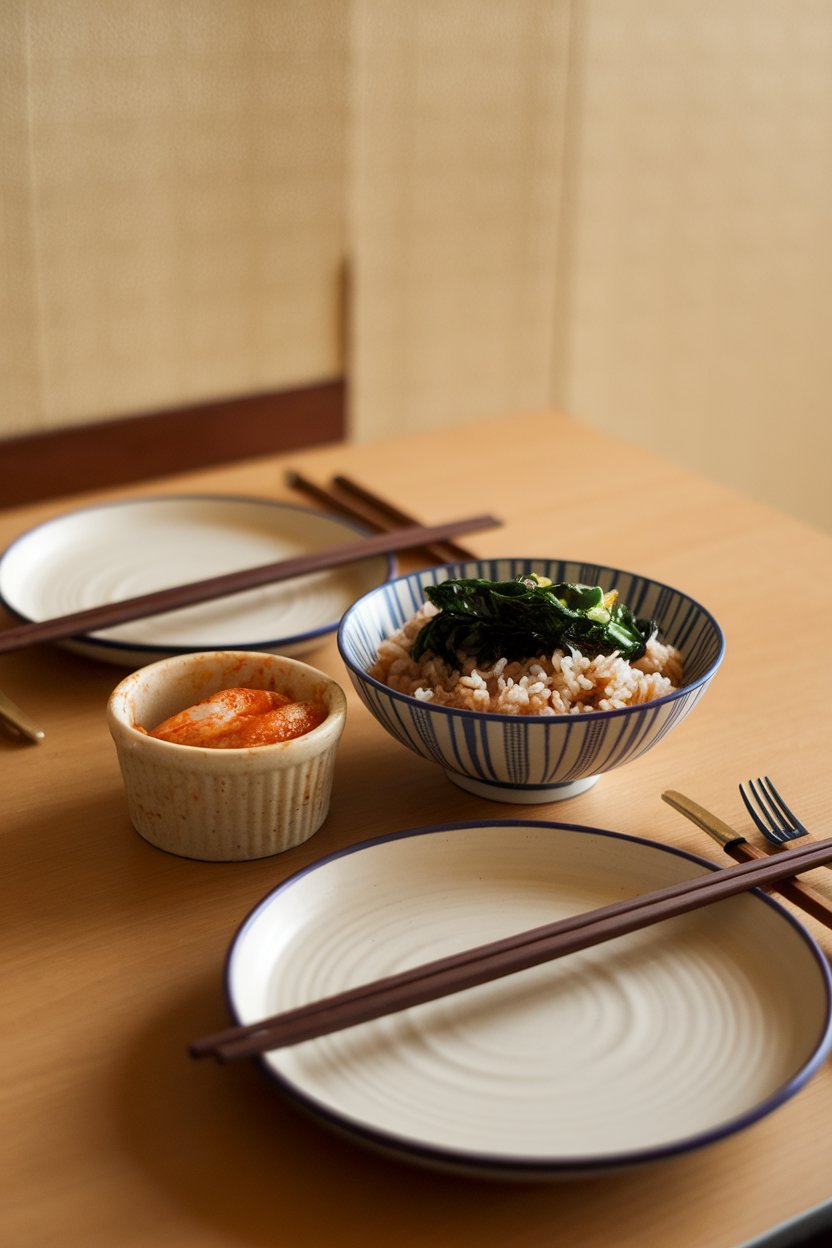
Add kimchi, sauerkraut, miso, and kefir to daily meals for beneficial probiotics. Use miso in salad dressings and soups, and stir sauerkraut into grain bowls. Pair fermented foods with plenty of fiber to support gut health.
21. Comfort Food Reboot Week
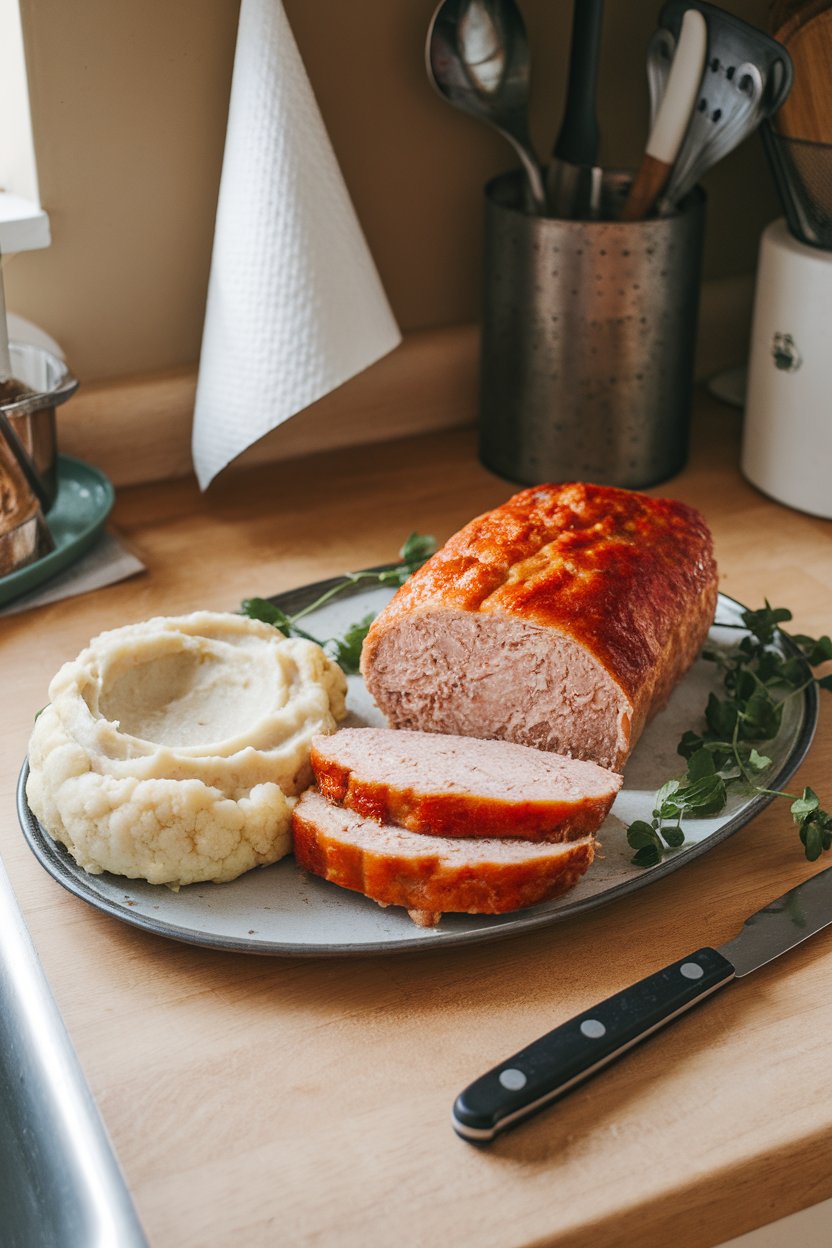
Classic dishes get a healthy twist—think veggie-loaded mac and cheese made with whole-wheat pasta and butternut squash sauce. Baked sweet potato “fries” replace their deep-fried cousins. Portions stay reasonable, so no flavor is sacrificed.
22. Heart-Healthy Week
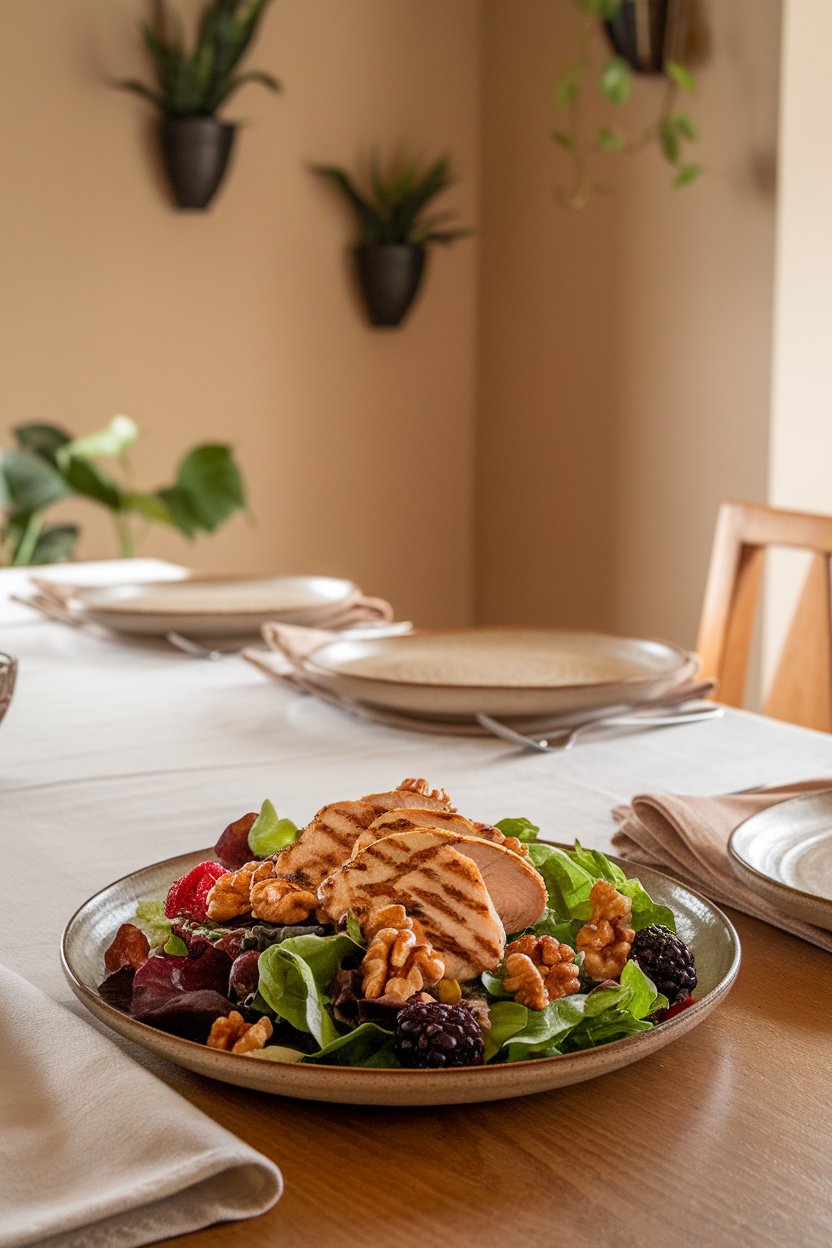
Focus on lean proteins, soluble fiber, and healthy fats such as olive oil and avocado. Keep saturated fat low by swapping butter for olive oil in cooking. Include oats at breakfast and bean soups at lunch for steady cholesterol support.
23. Gut-Friendly Week
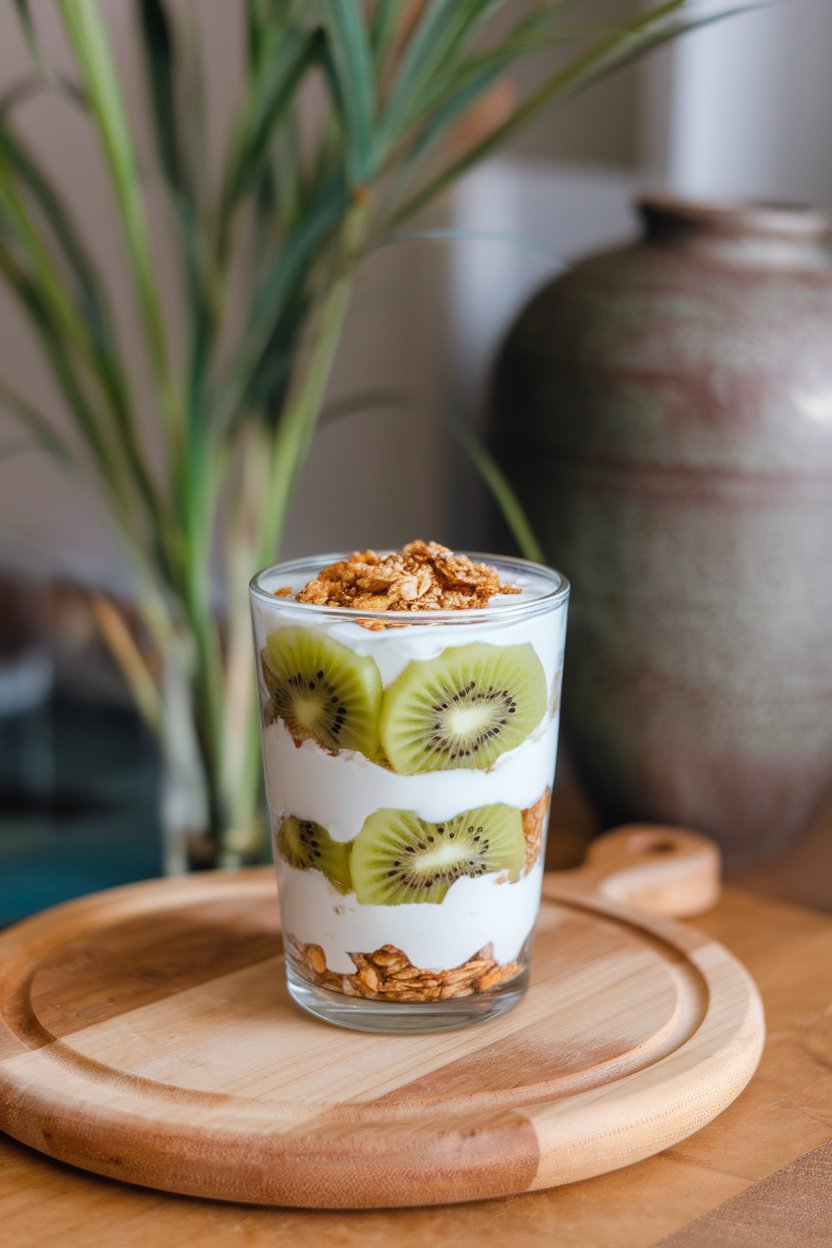
Pair probiotic foods with plenty of prebiotic fiber from bananas, onions, and asparagus. Bone broth, ginger tea, and low-sugar kombucha make soothing beverages. Avoid artificial sweeteners that can upset the digestive system.
24. Budget-Smart Week
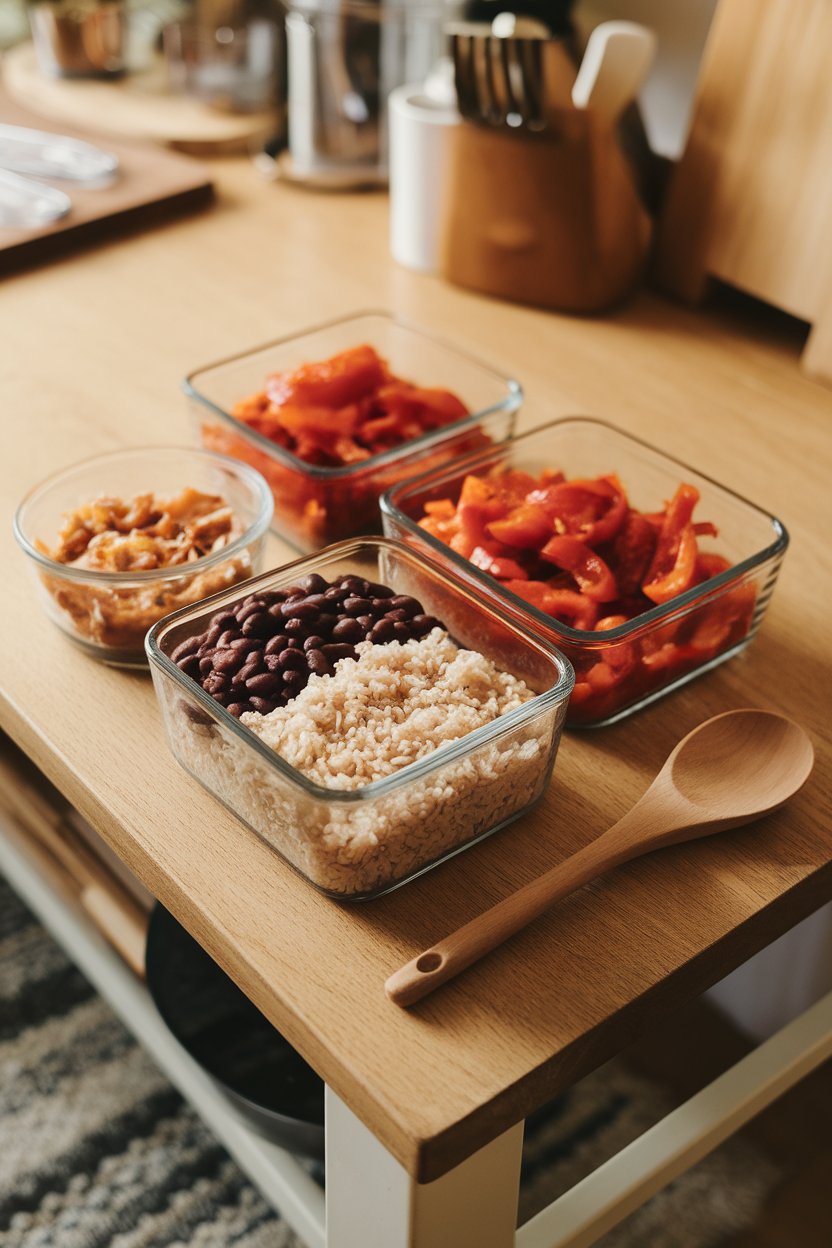
Staples like dried beans, rolled oats, and frozen veggies keep costs down. Buy whole chickens and whole vegetables, then break them down yourself. Leftovers become soups or wraps, minimizing waste.
25. Farmers Market Week
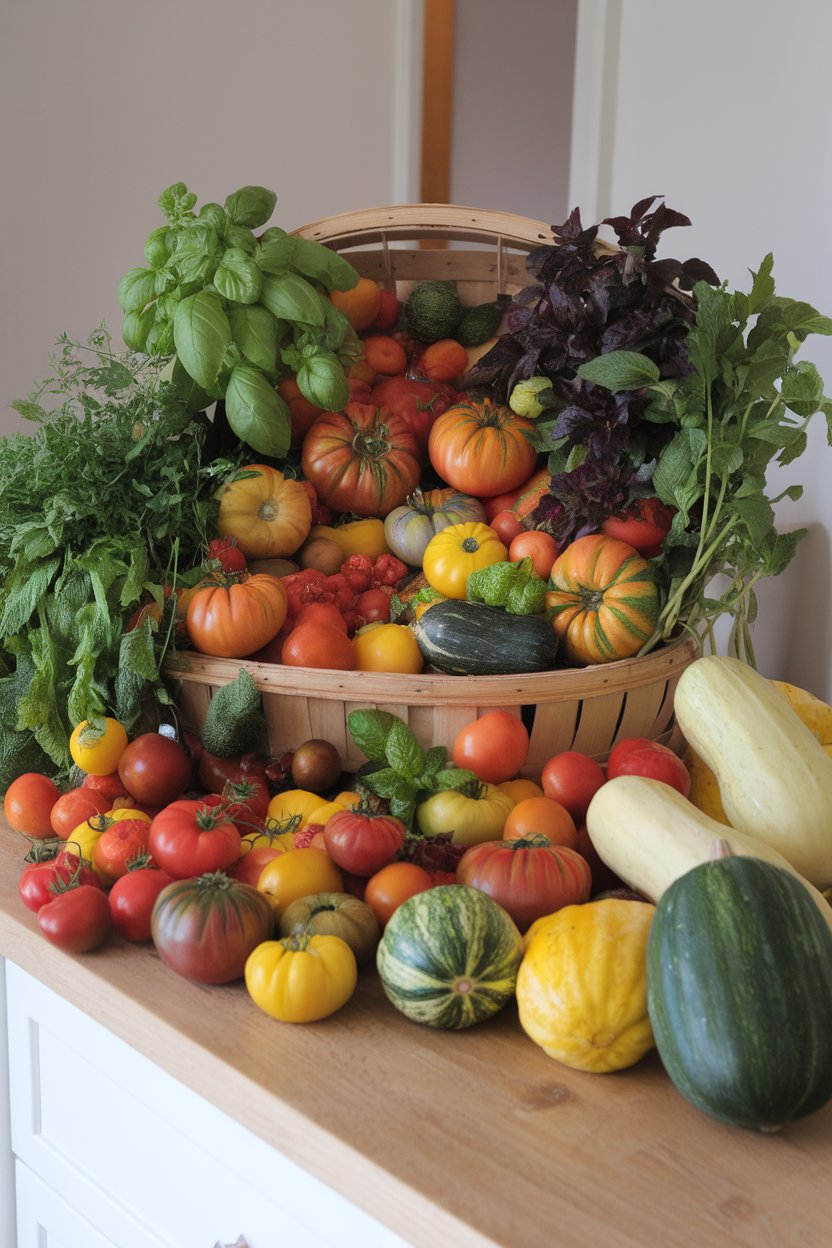
Base each dinner on one standout market find. A tomato-cucumber salad can anchor Monday, while zucchini noodles headline Tuesday. This plan keeps variety high and supports local growers.
26. Batch-Cooking Week
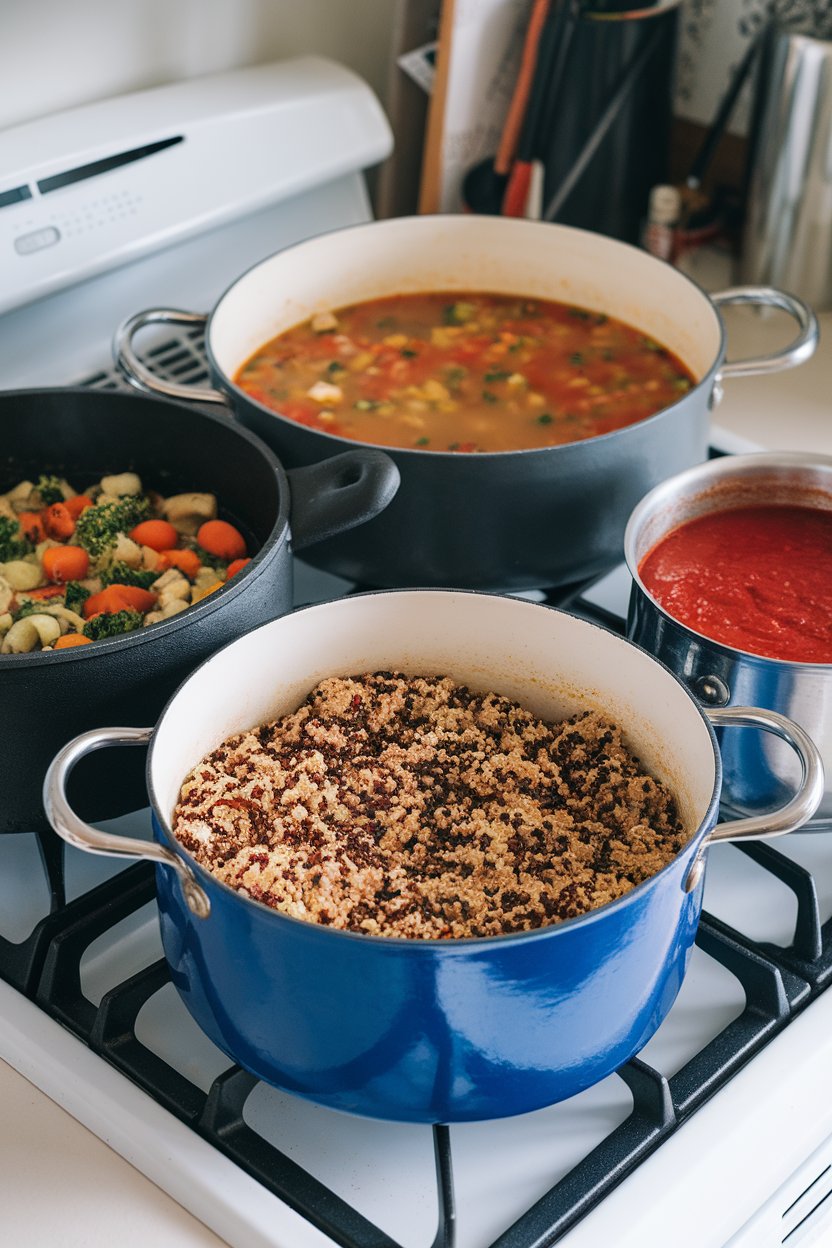
Spend two hours on Sunday preparing large quantities of grains, proteins, and sauces. Mix and match components during the week for quick meals. For example, quinoa can be served with chili one night and tossed into a salad the next.
27. Mindful Macro Week
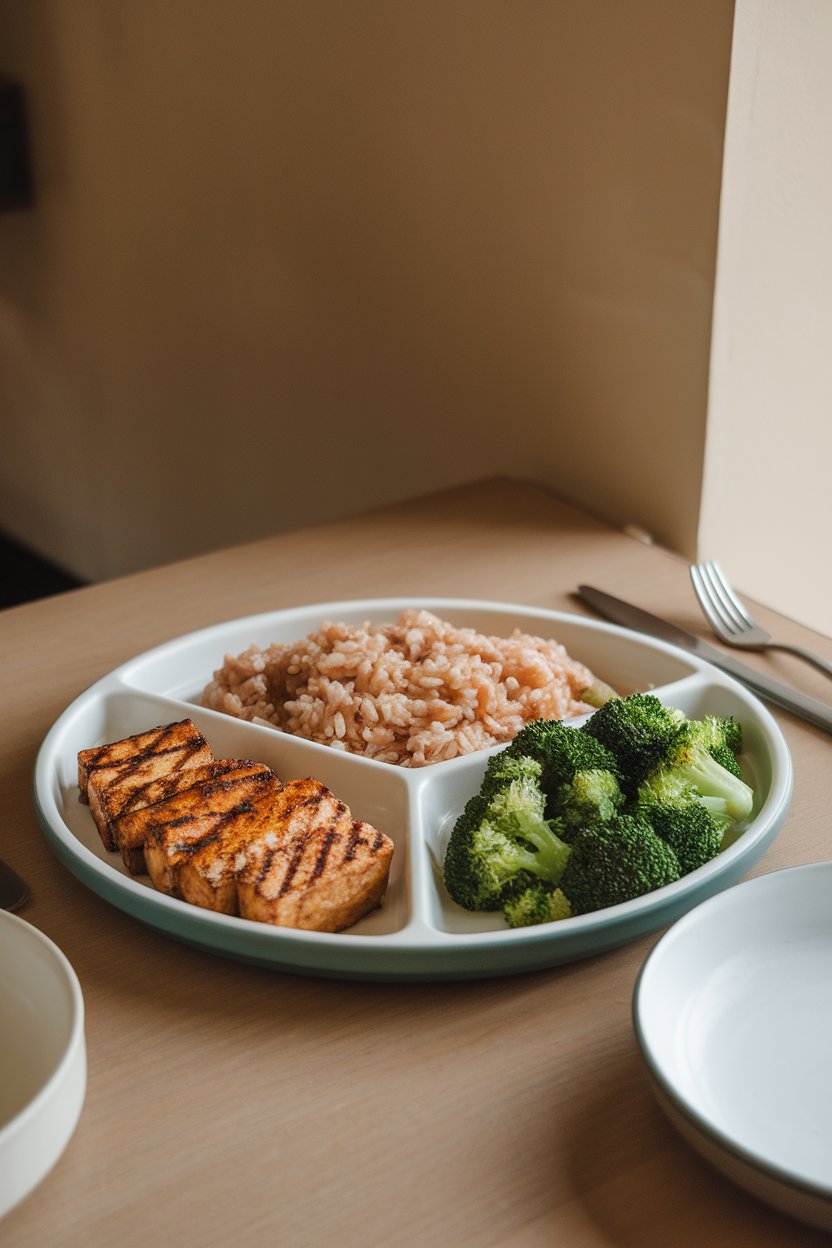
Track approximate ratios of carbohydrates, protein, and fat at each meal using a simple plate visual. Whole foods make counting effortless—think salmon, sweet potatoes, and veggies. Adjust portions gently rather than weighing every bite for a relaxed approach.
28. Low-Waste Week
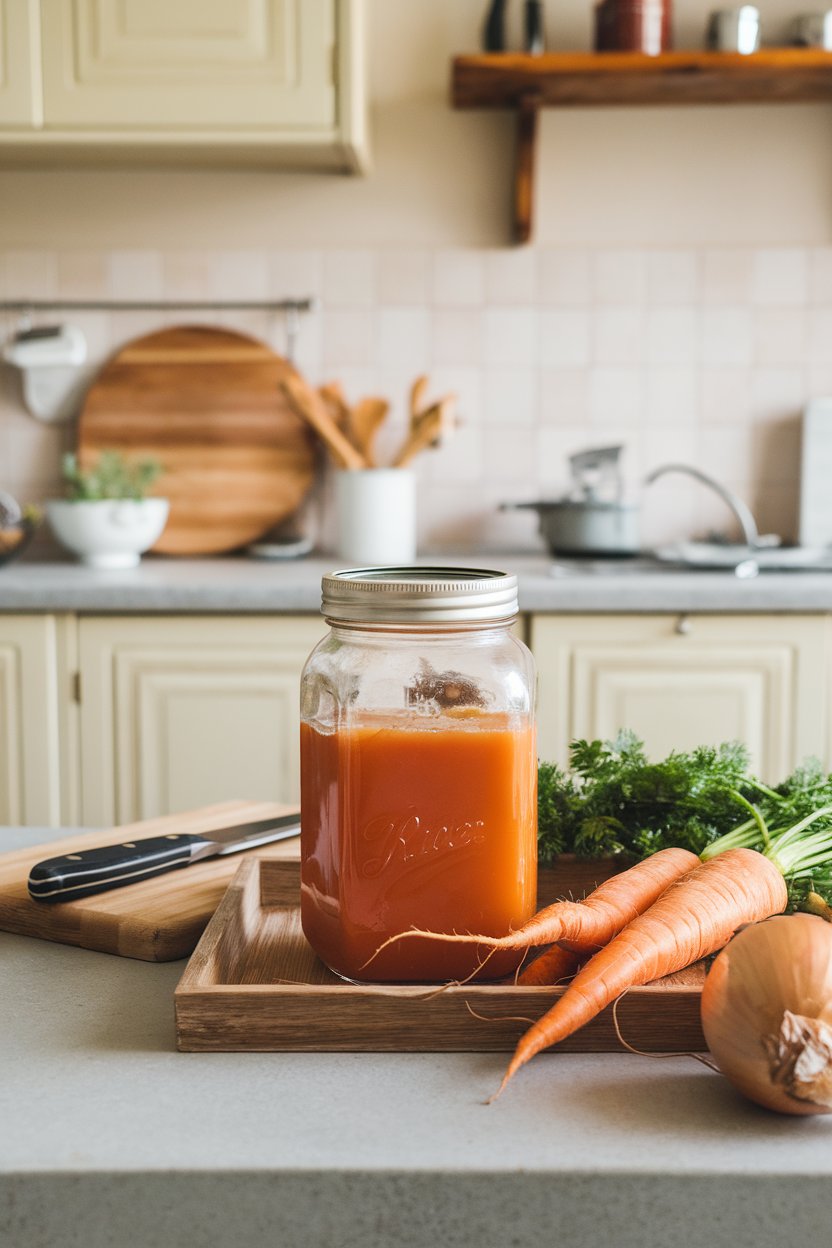
Plan meals so ingredients overlap, reducing scraps. Turn broccoli stems into slaw, and freeze herb stems for stock. Compost peels that can’t be used, closing the loop.
29. Anti-Inflammatory Week
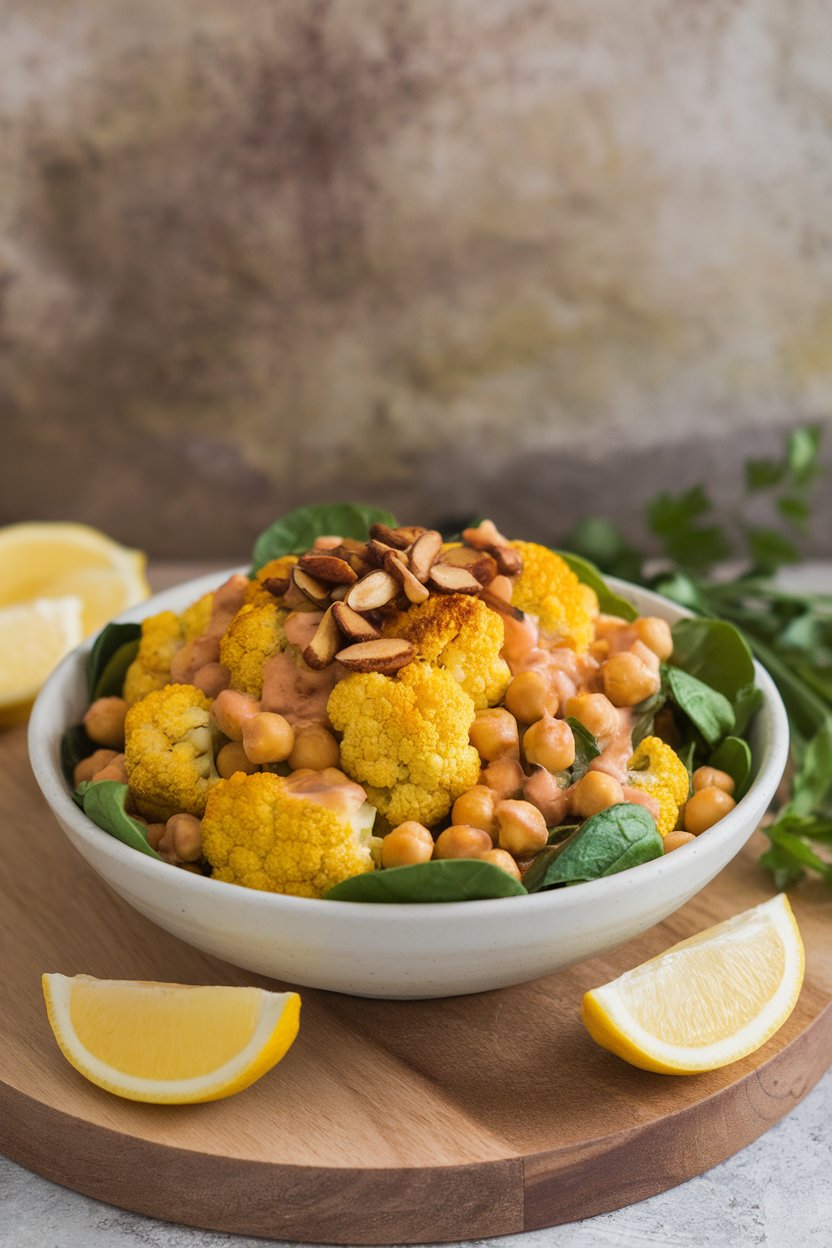
Fill plates with berries, leafy greens, fatty fish, and spices like turmeric and ginger. Limit refined carbs and heavily processed meats. Green tea makes a soothing, antioxidant-rich beverage in place of sugary drinks.
30. Minimalist Ingredients Week
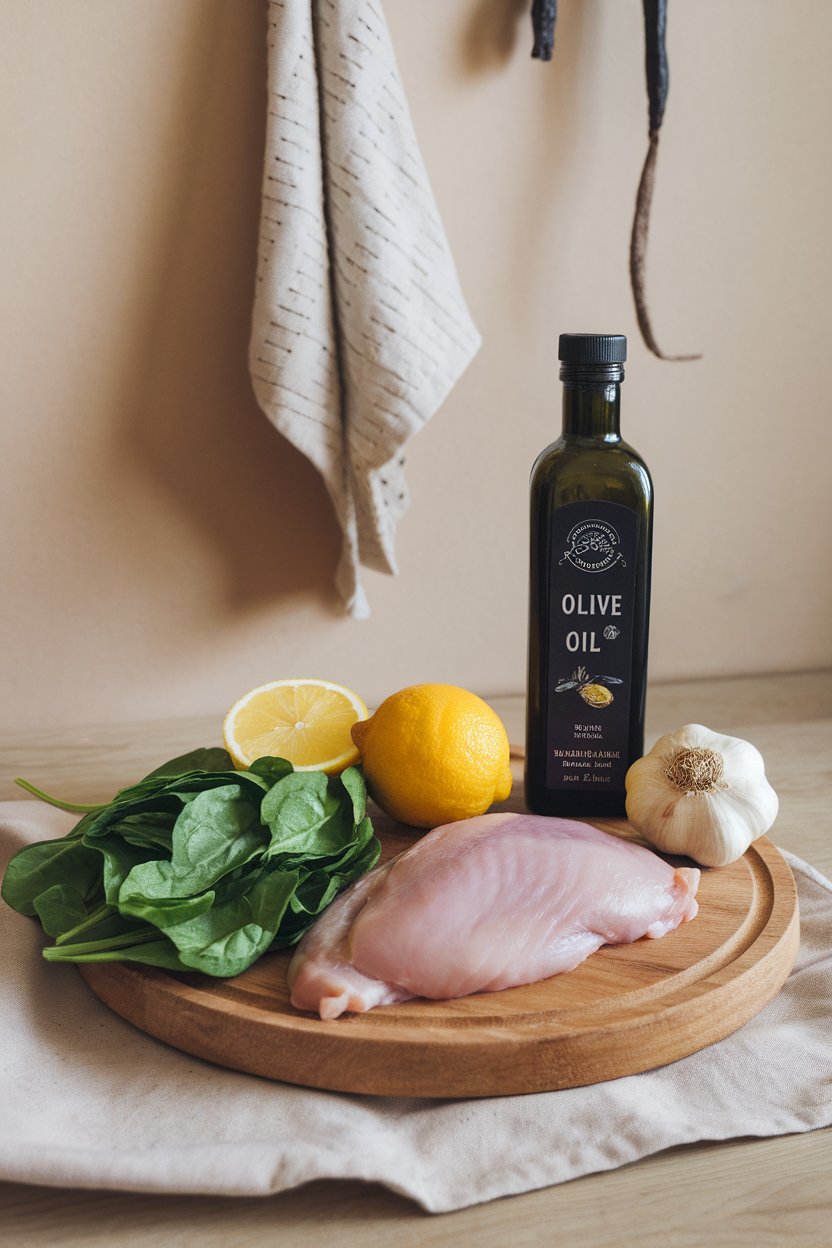
Each recipe uses five core ingredients or fewer, streamlining shopping and cooking. Quality becomes key, so choose fresh herbs and good olive oil. Seasonings like salt, pepper, and dried spices don’t count toward the limit.
31. Energy-Boost Week
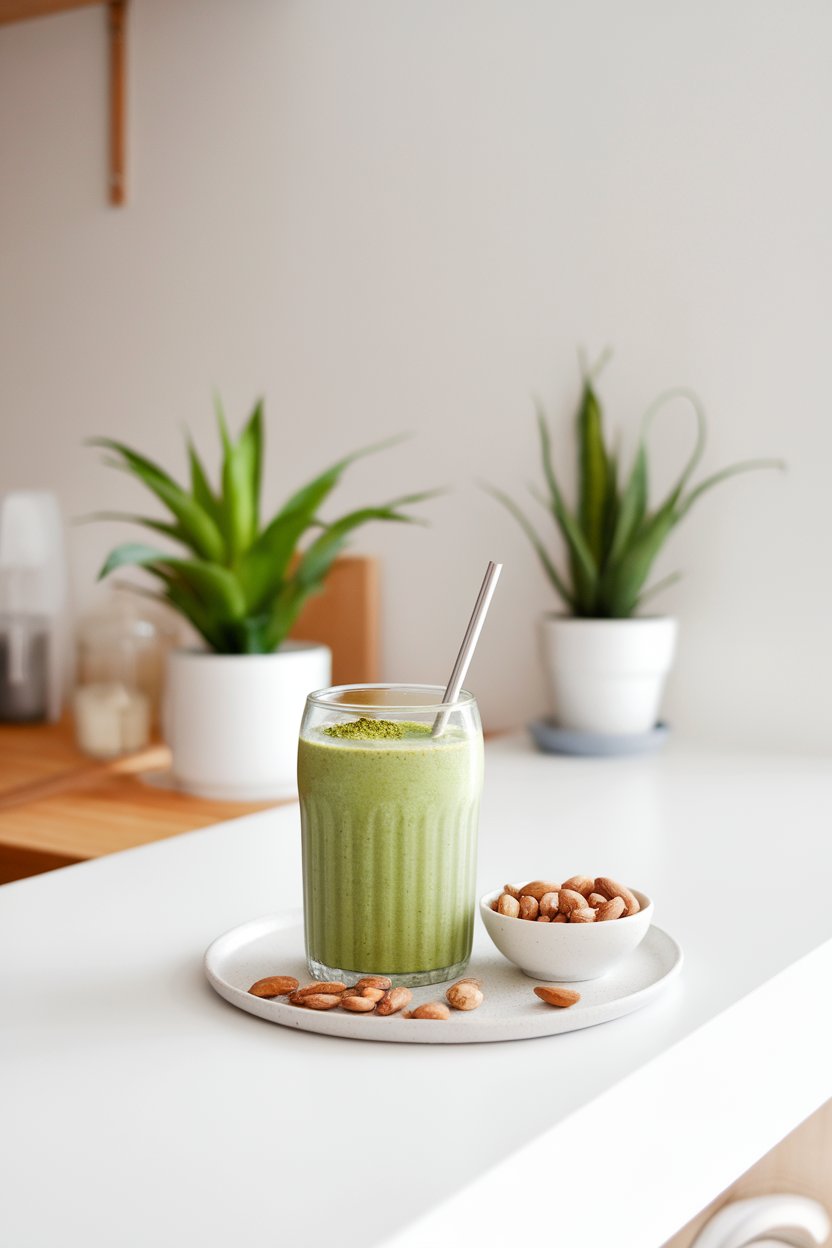
Combine complex carbohydrates, healthy fats, and lean proteins in every meal to sustain stamina. Mid-afternoon snacks include apple slices with nut butter or homemade trail mix. Stay hydrated with infused water containing citrus and mint.
32. Family-Friendly Week
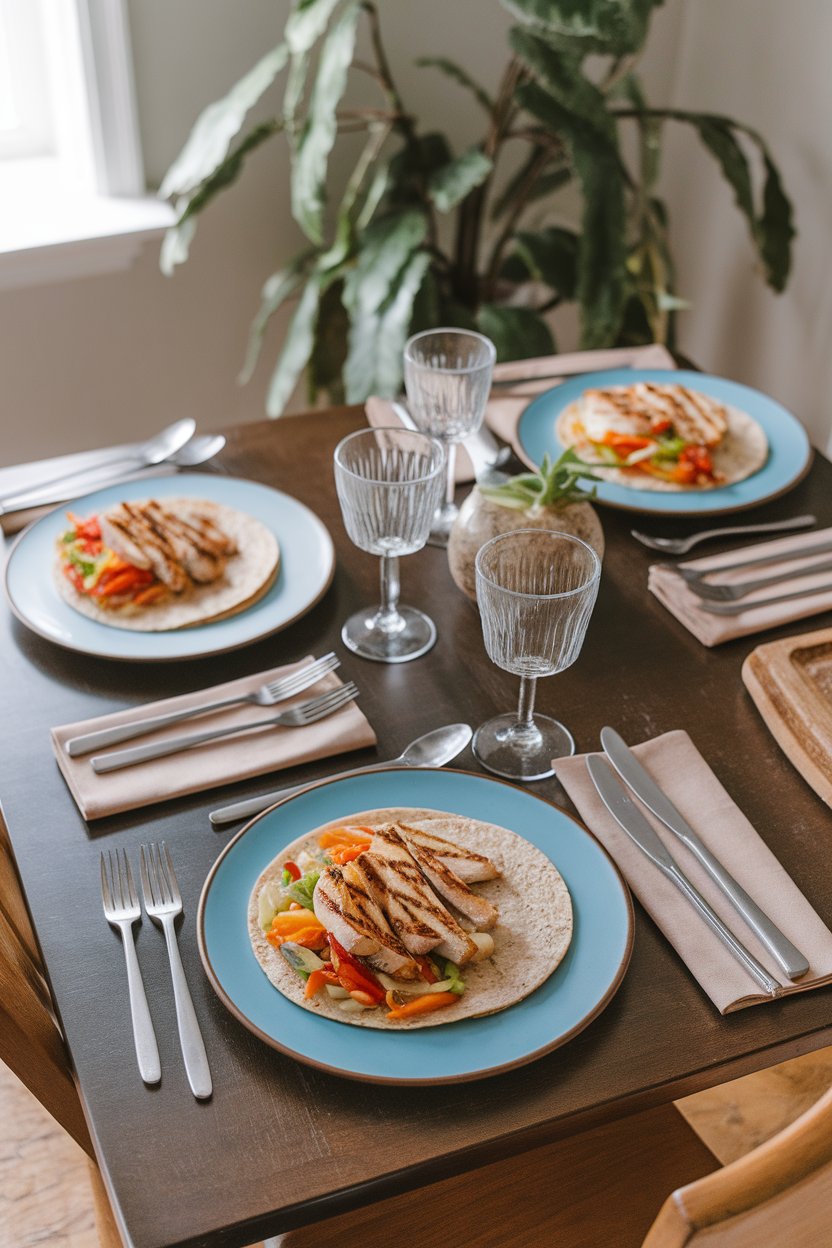
Meals rely on build-your-own formats like taco bars and grain bowls, so kids can customize. Sneak shredded zucchini into turkey meatballs for extra veg. Keep spices mild but offer hot sauce on the side for adults.
33. Global Street Food Week
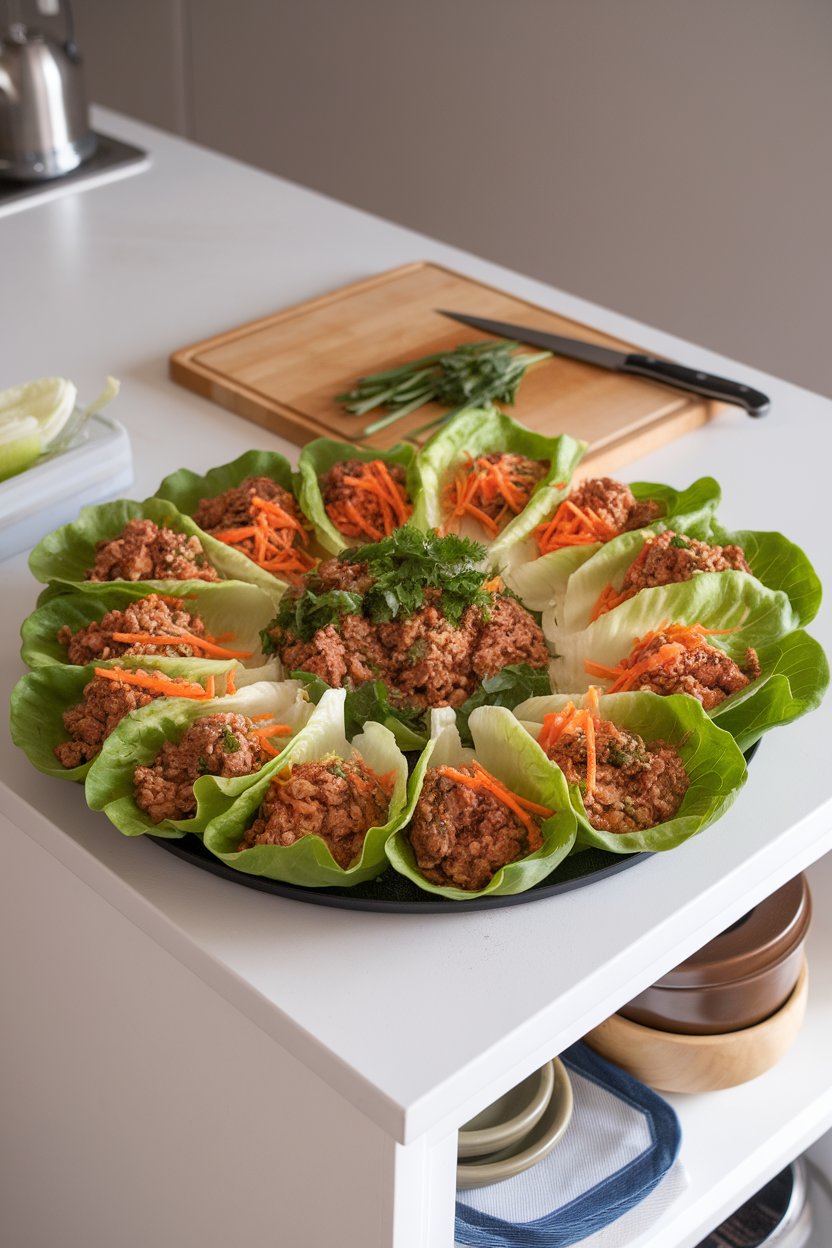
Travel by tastebud with dishes inspired by global markets: Vietnamese lettuce wraps, Mexican elote-style corn (light on mayo), and Greek souvlaki skewers. Focus on grilling, steaming, or quick sautéing to keep preparations light. Fresh salsas and herb sauces add zing without heaviness.
34. Slow Cooker Week
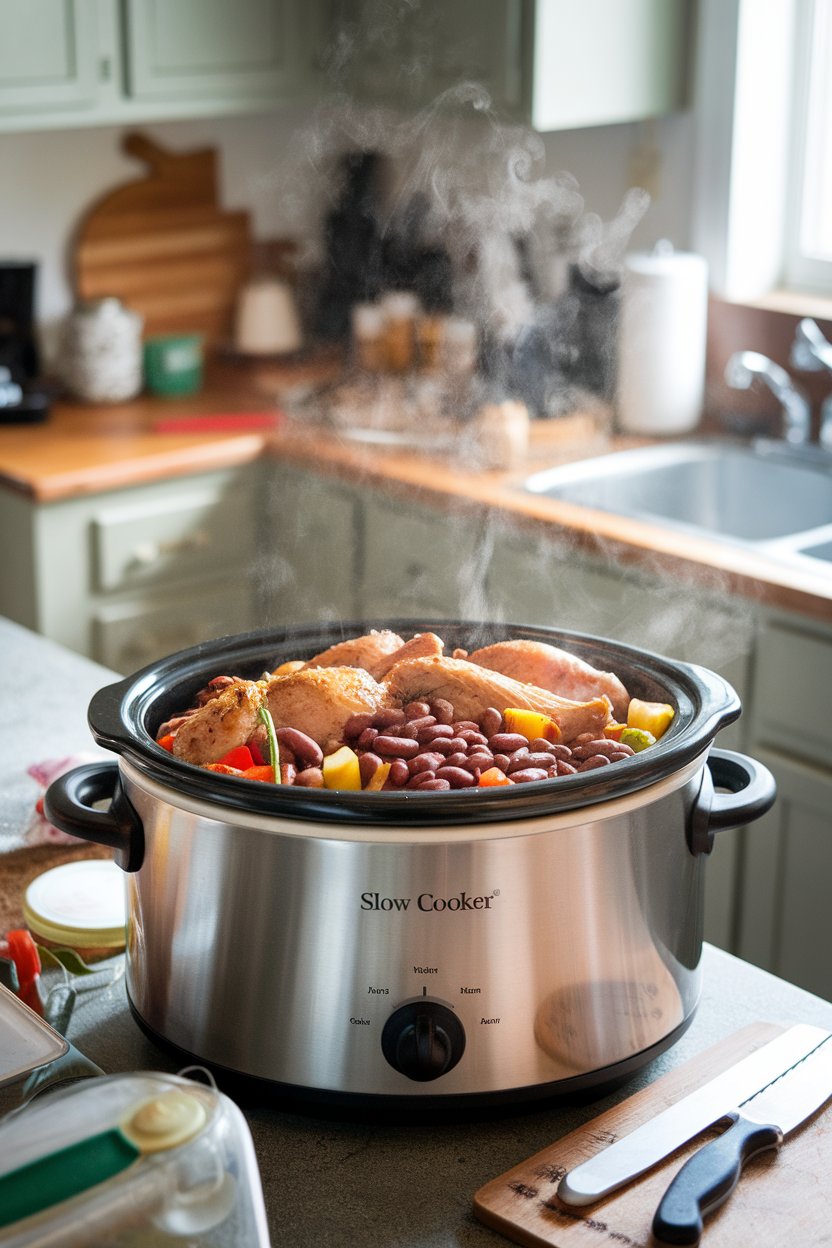
Set meals in the morning and come home to savory aromas. Hearty stews, shredded chicken tacos, and lentil curries all work well. Portion leftovers into containers for effortless lunches.
35. Quick Lunchbox Week
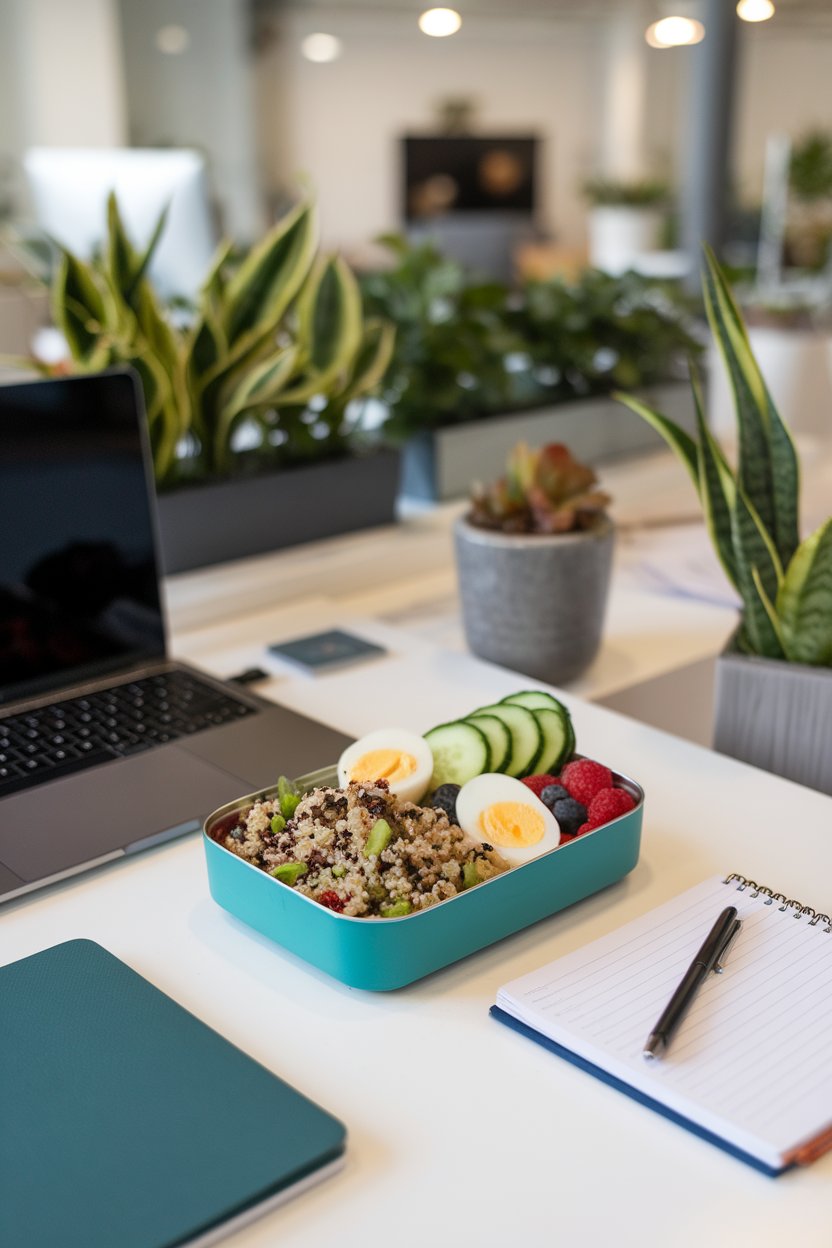
Plan portable meals that taste good chilled or at room temperature. Include a mix of complex carbs, protein, and fruit to stay fueled until dinner. Silicone muffin cups keep components separate and crisp.
36. Summer Hydration Week
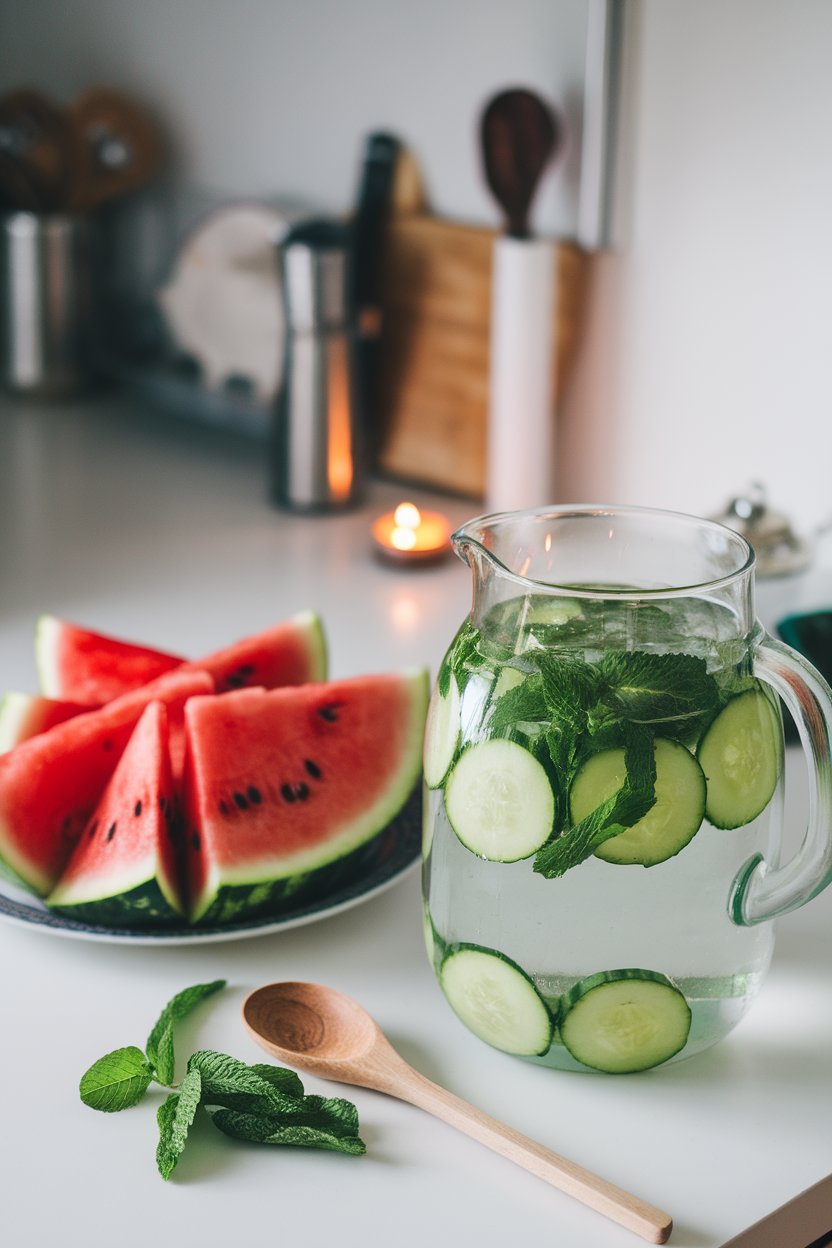
Water-rich foods like cucumbers, melons, and tomatoes star in every meal. Cold soups such as gazpacho replace heavier starters. Lightly salted nuts help maintain electrolyte balance during hot days.
37. Winter Warmers Week
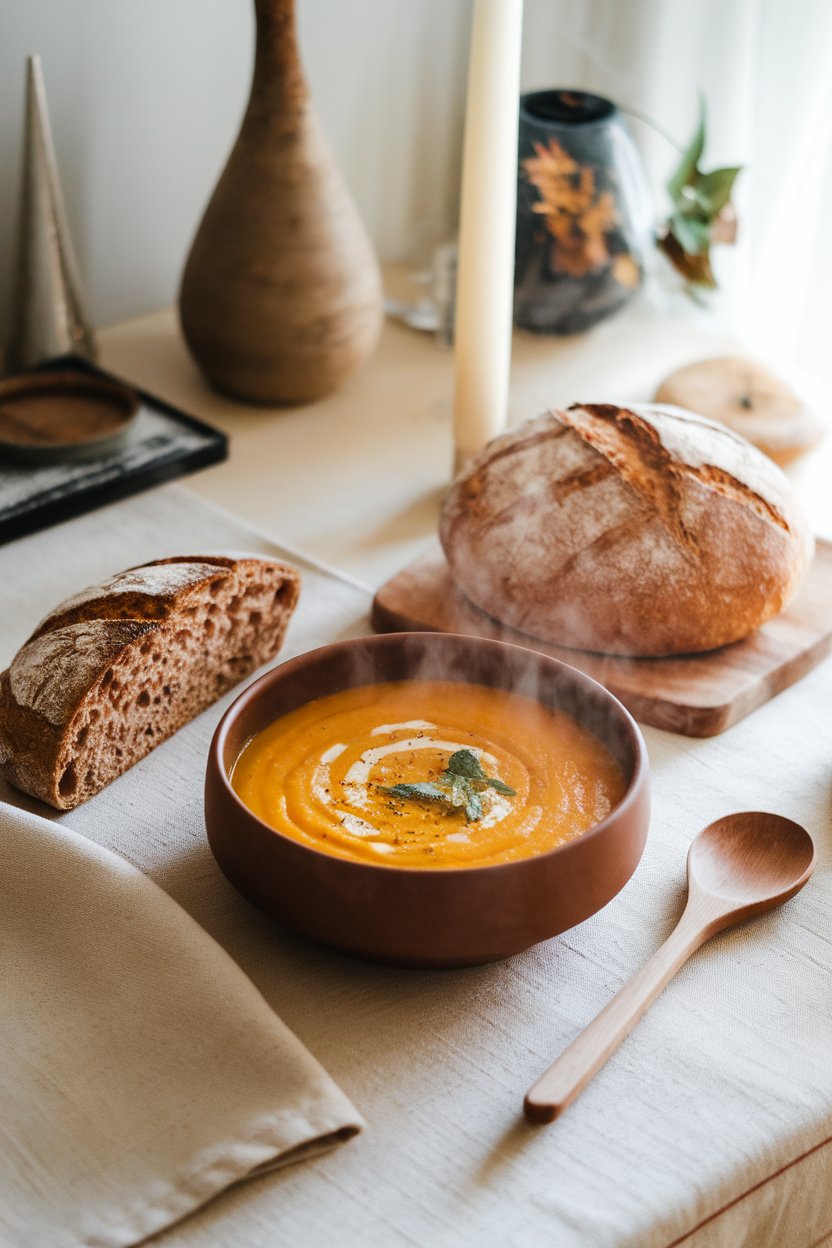
Embrace stews, roasted root veggies, and spiced teas to chase away the chill. Overnight slow-cooker oatmeal greets you on frosty mornings. Use seasonal produce like Brussels sprouts and citrus for peak nutrients.
38. Spring Greens Week
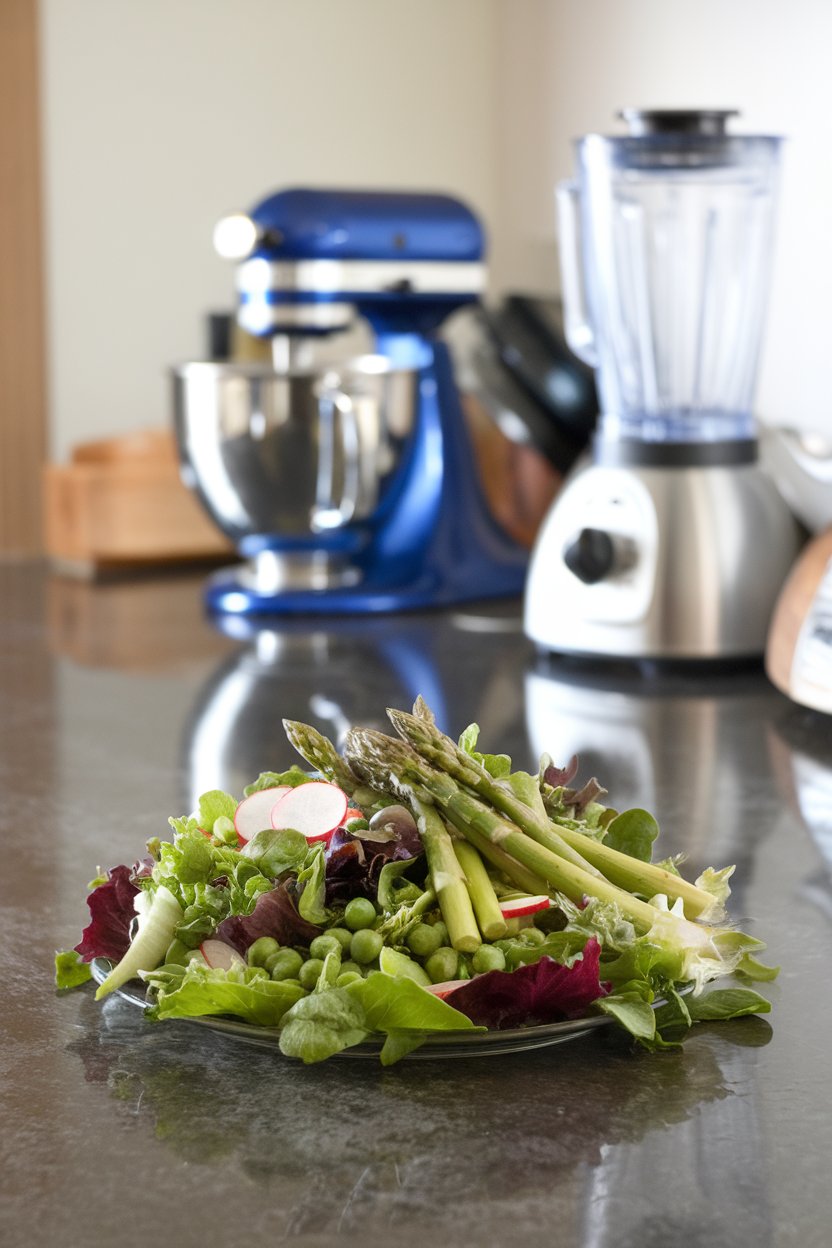
Celebrate tender greens such as arugula, spinach, and baby kale. Add poached eggs on top for a simple dinner. Herb-heavy pestos brighten pasta made from chickpea flour for extra protein.
39. Autumn Harvest Week
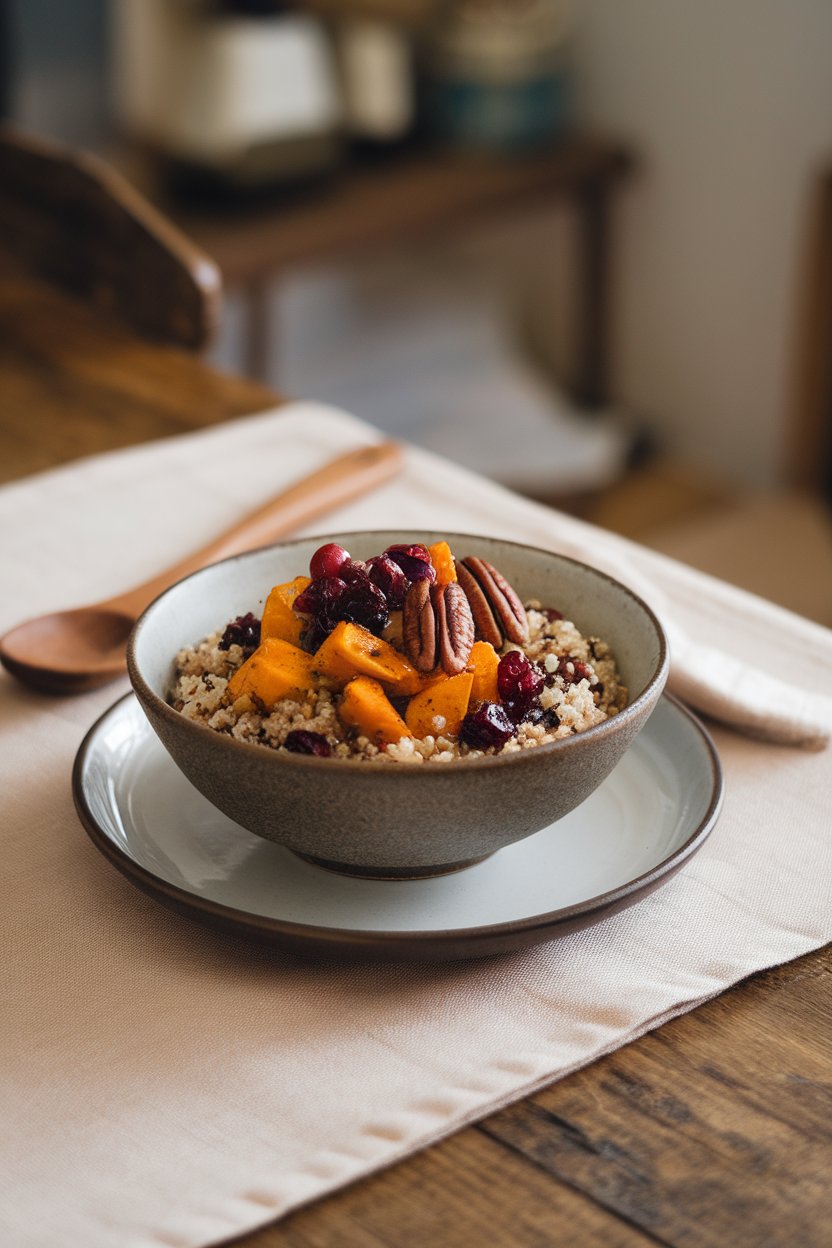
Highlight squash, apples, and dark leafy greens. Spice-roasted pumpkin seeds serve as crunchy salad toppers. Finish meals with baked cinnamon apples for a cozy, refined-sugar-free dessert.
40. Pescatarian Week
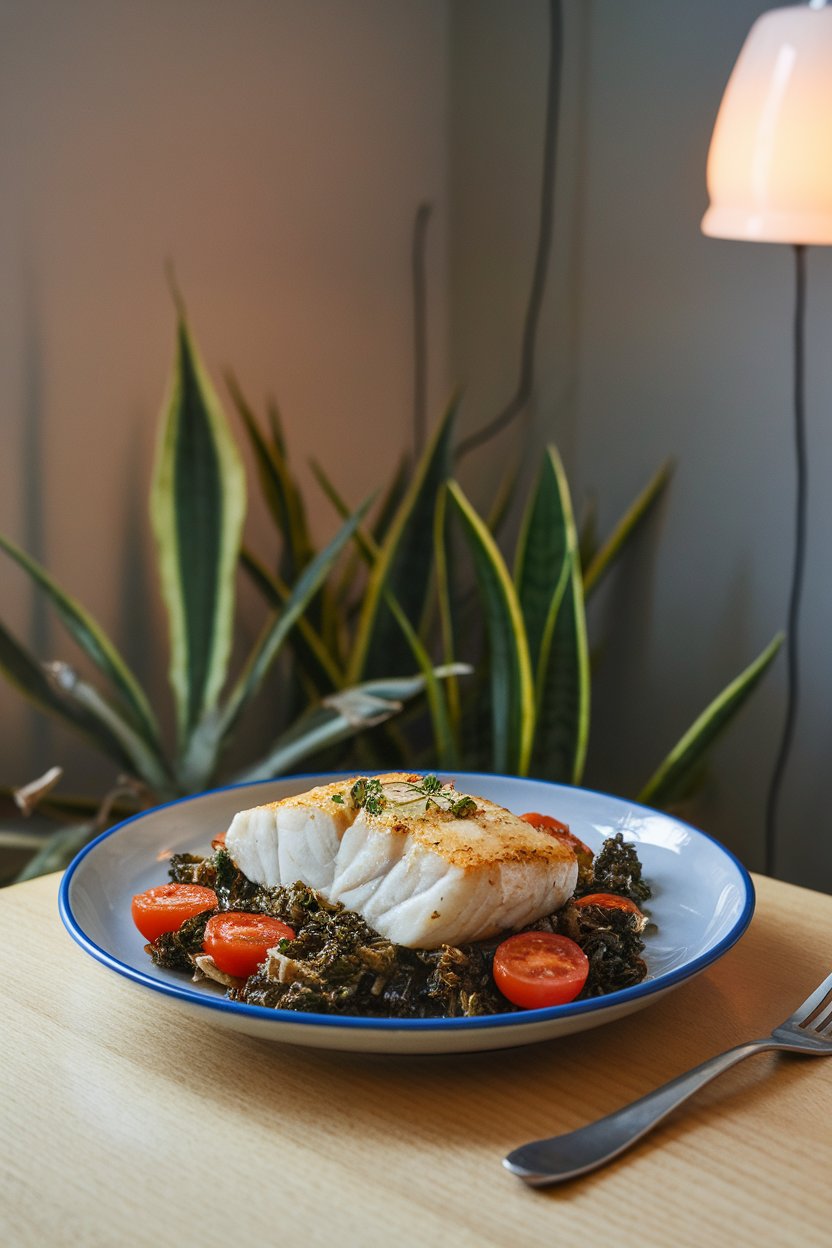
Seafood provides lean protein and healthy fats, while plant dishes fill the remaining meals. Rotate salmon, shrimp, and white fish to keep mercury intake modest. Complement with whole grains and bright citrus dressings.
41. Power Smoothie Week
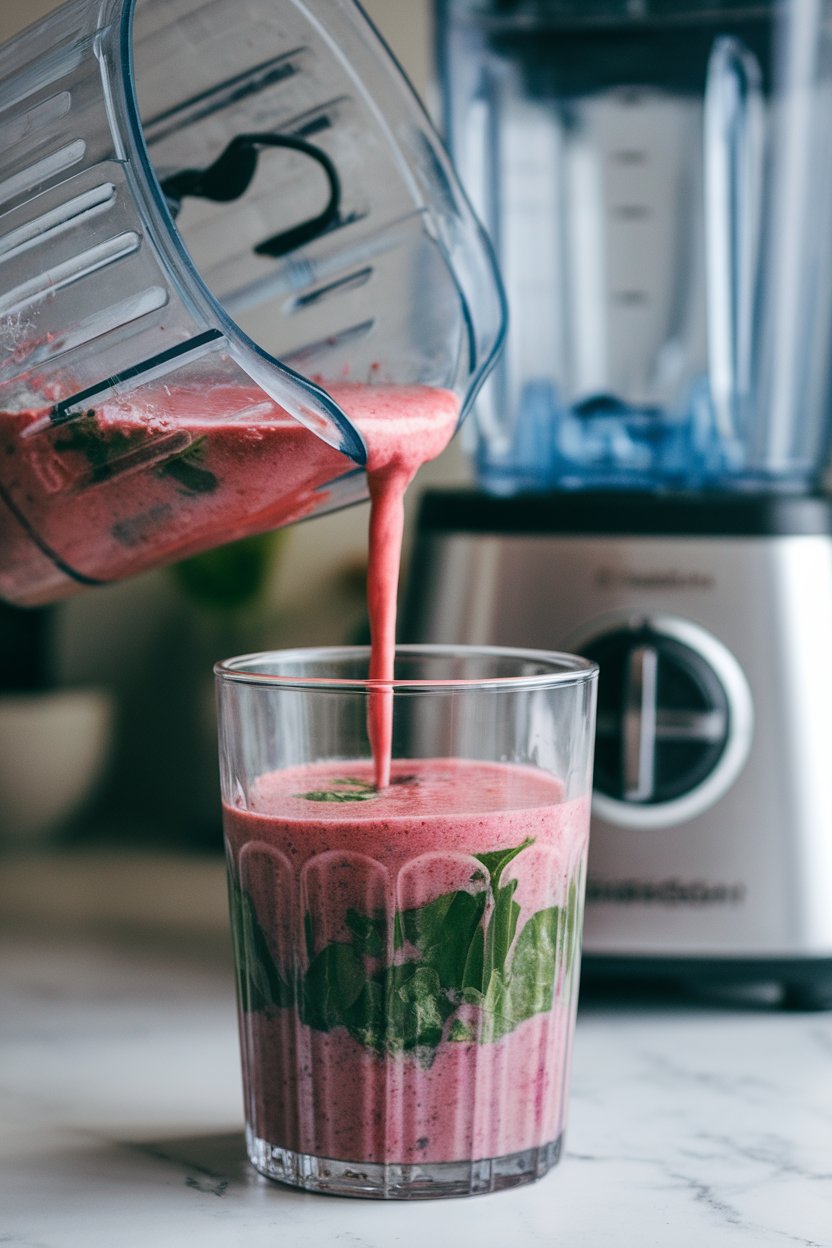
Replace one meal each day with a balanced smoothie containing greens, fruit, protein powder, and healthy fat like almond butter. Freeze pre-portioned bags of ingredients for fast mornings. Chew a few bites between sips to aid digestion.
42. Whole30-Inspired Week
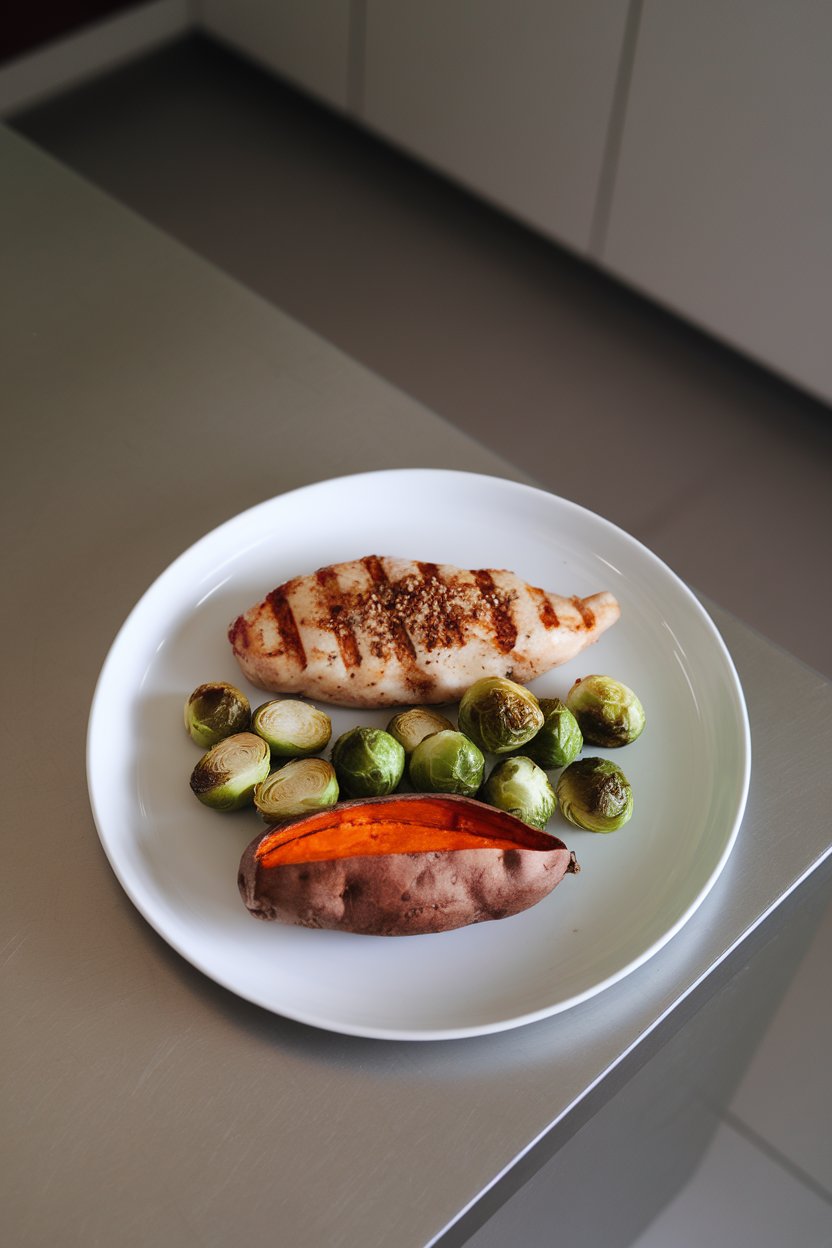
Focus on whole foods while skipping grains, legumes, and added sugars. Prepare zucchini noodles with meat sauce, egg bakes, and lettuce-wrapped burgers. Keep compliant snacks like hard-boiled eggs and raw nuts handy.
43. Low-Carb Veggie Week
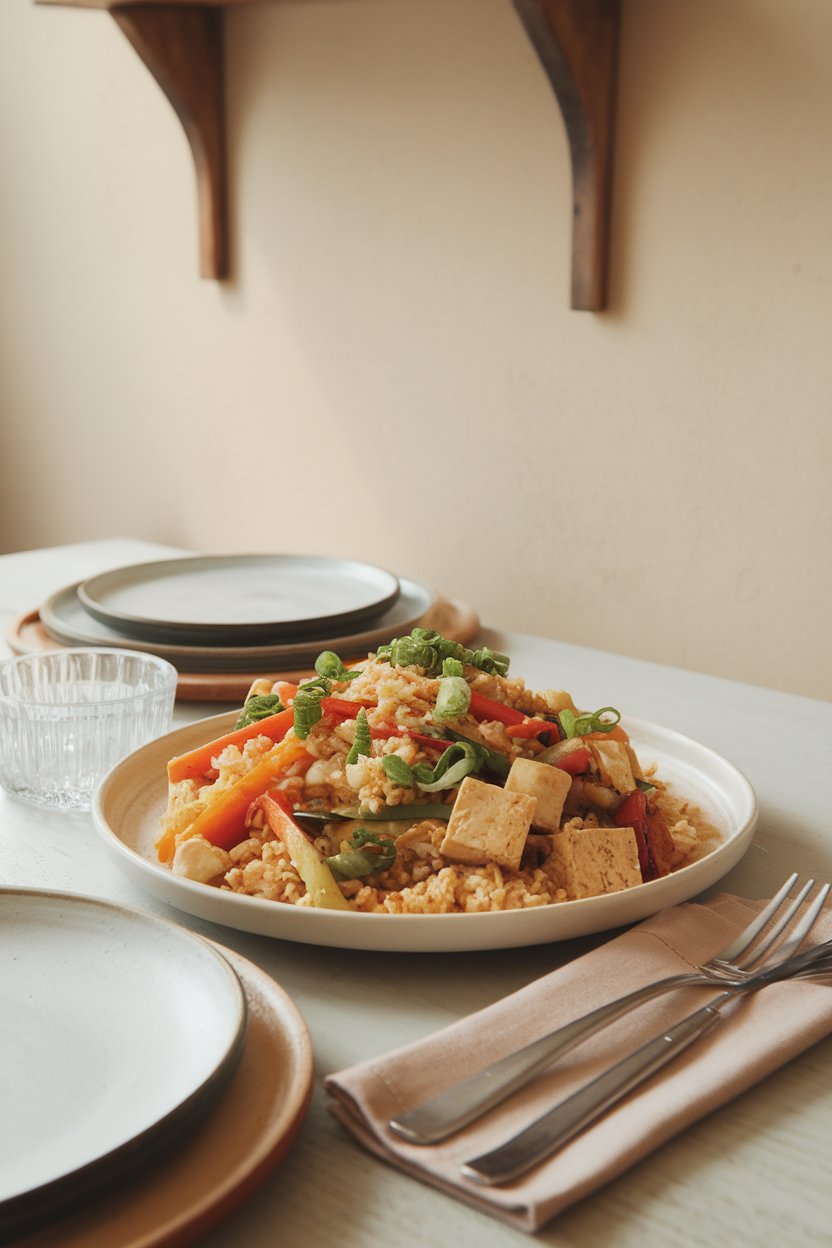
Swap rice for cauliflower, tortillas for collard wraps, and mashed potatoes for mashed cauliflower. Ensure adequate protein by adding eggs, seafood, or tempeh. Healthy fats from avocado and olive oil increase satiety.
44. Rainbow Bowls Week
Each dinner bowl features at least five different colored ingredients, maximizing antioxidants. Keep a base of quinoa or farro and rotate toppings according to season. A light tahini drizzle ties flavors together without overpowering them.
45. Healthy Comfort Bowls Week
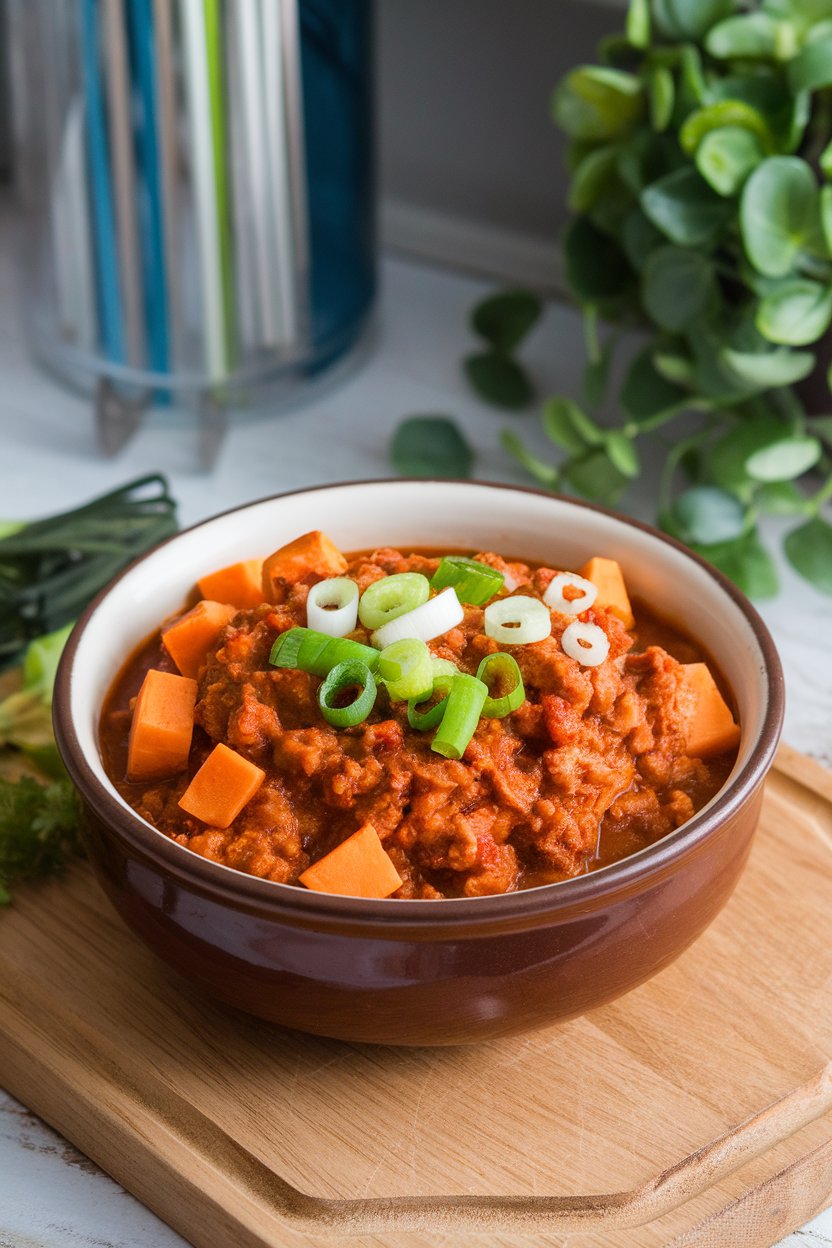
Think burrito bowls, chili bowls, and noodle bowls made with zucchini ribbons. Combining familiar flavors in a single vessel streamlines portion control. Keep sauces light and broth-based for an extra-cozy feel.
46. One-Pot Wonders Week
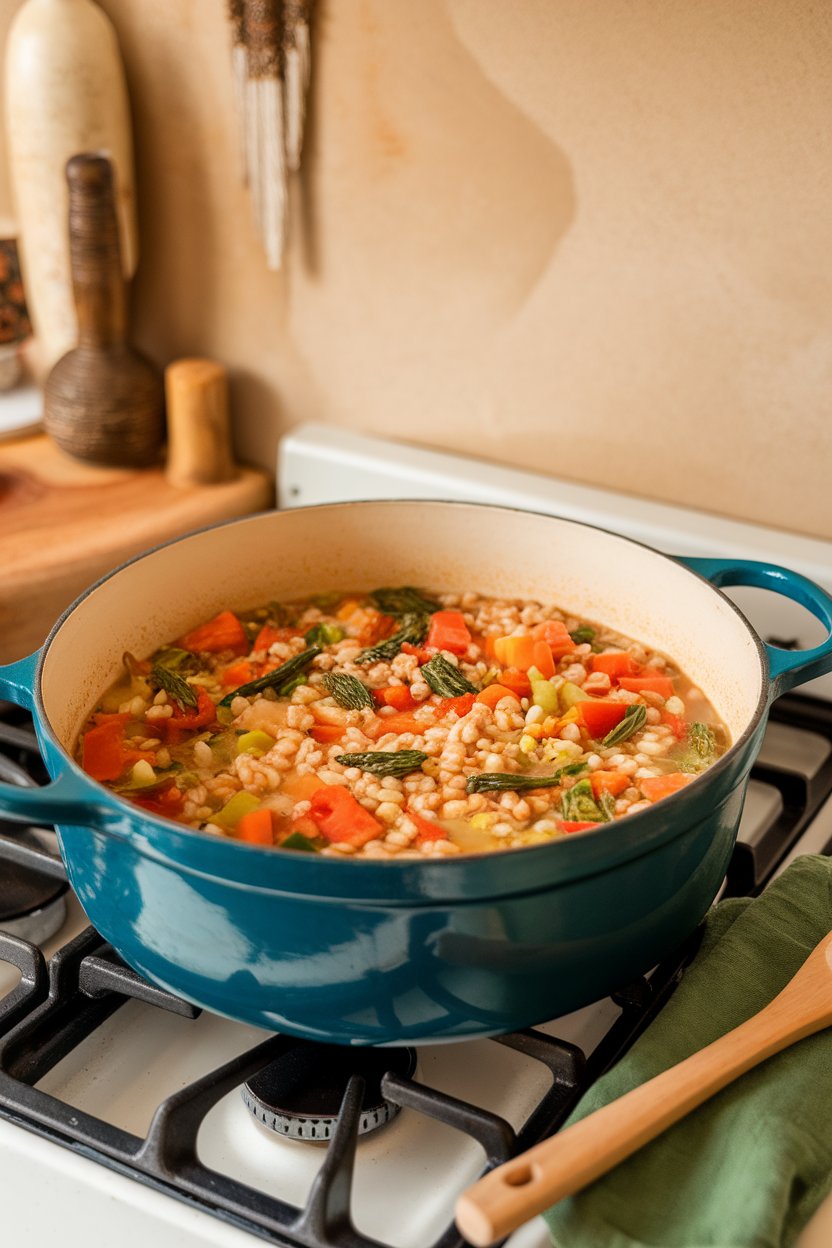
Cook everything in a single pot each night to cut cleanup time. Stews, paellas, and pasta e fagioli all fit the bill. Layer ingredients by cooking time to ensure even doneness.
47. Bean & Grain Bowls Week
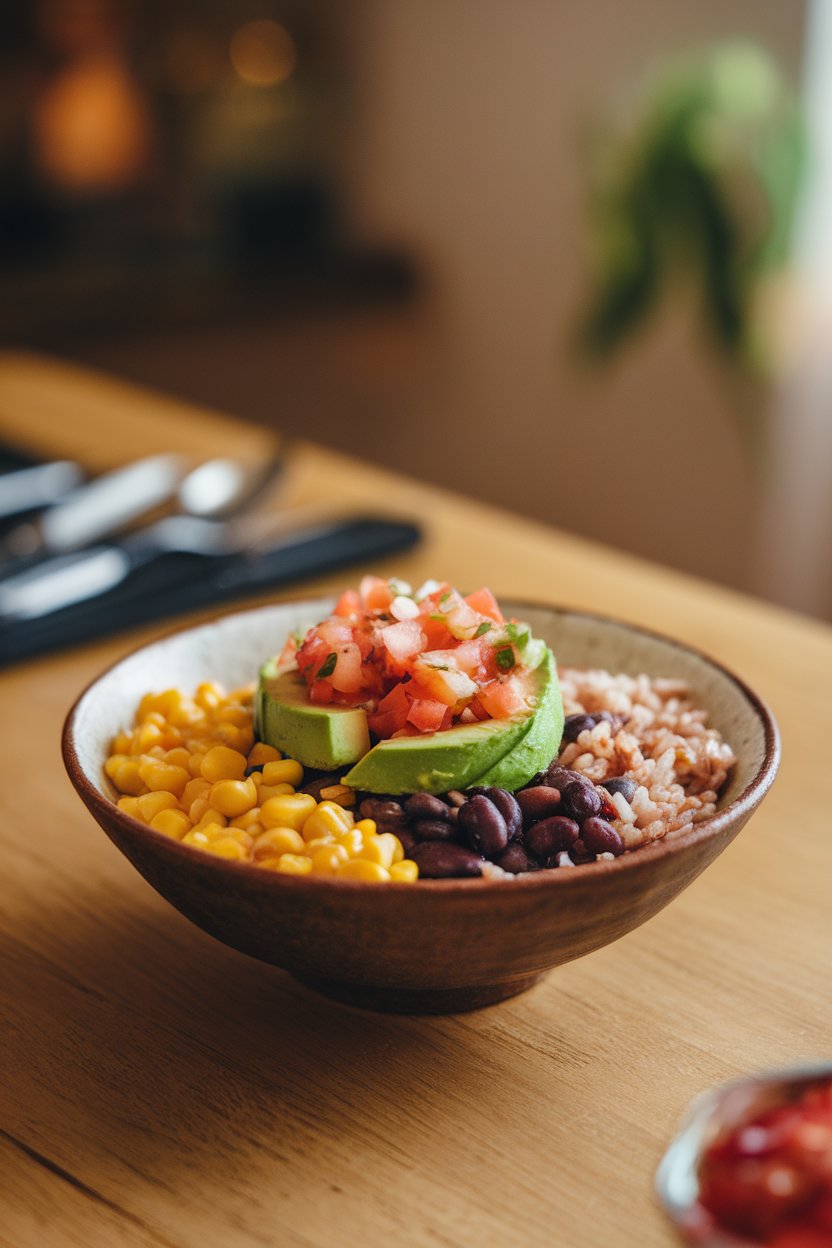
Pair a different bean with a different whole grain each day—black beans and rice, lentils and farro, chickpeas and quinoa. Add seasonal vegetables and a zingy dressing. This combo offers complete proteins without meat.
48. Mild Spice Week
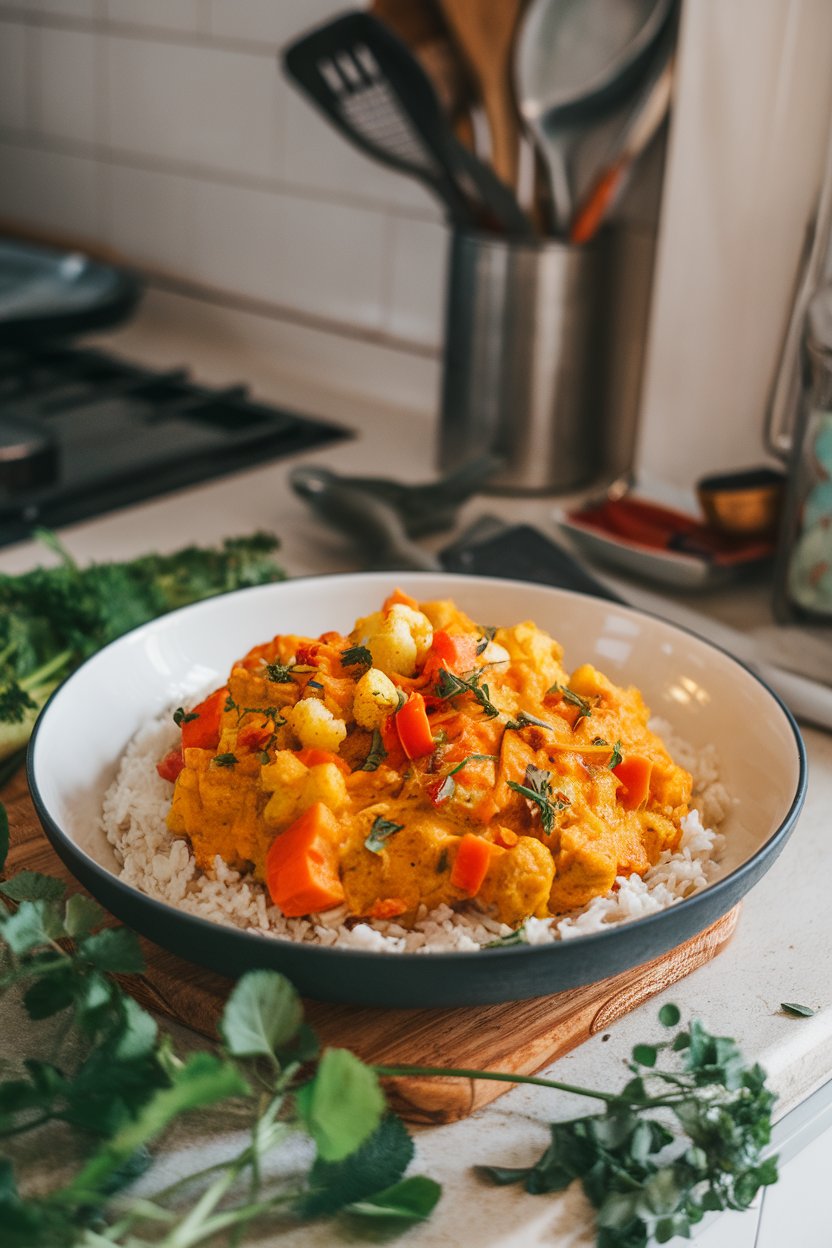
Enjoy flavorful dishes that rely on aromatic spices rather than intense heat. Think mild curries, cinnamon-ginger stews, and herb-forward sauces. Fresh yogurt or coconut milk tempers flavors and adds creaminess.
49. Indoor Grill-Pan Week
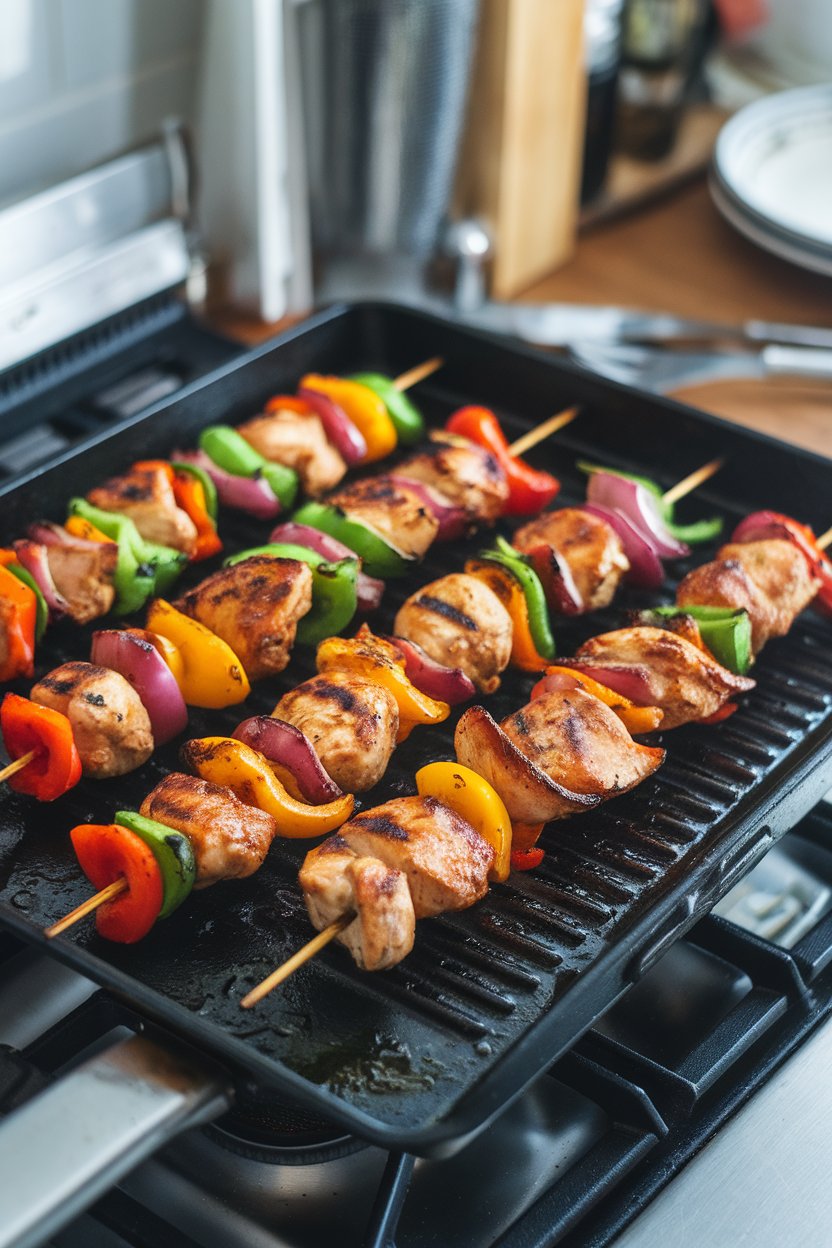
Use a ridged grill pan to achieve char marks without firing up an outdoor barbecue. Veggie skewers, salmon fillets, and even peaches cook quickly and stay juicy. Serve over greens or whole-grain couscous for balanced plates.
50. Balanced Brunch Week
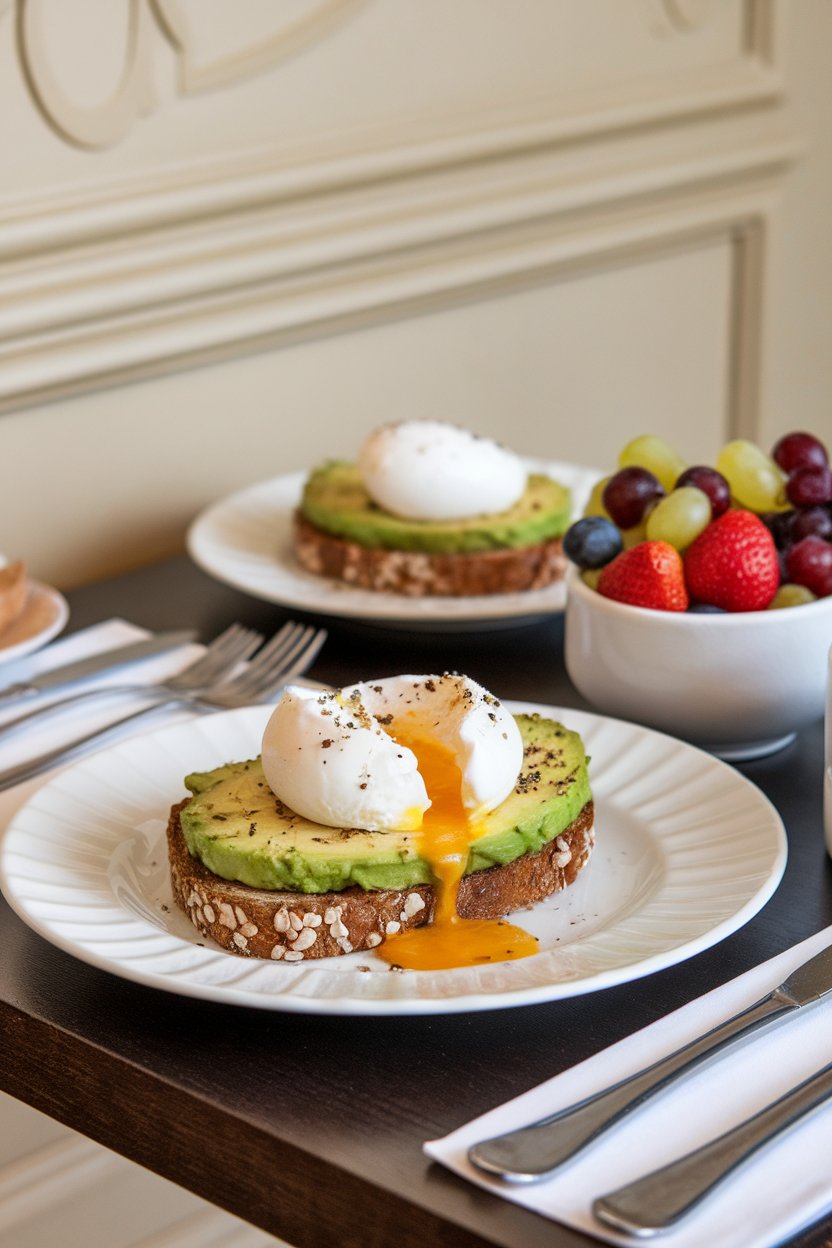
Swap one daily meal for a hearty brunch dish like veggie frittata, whole-grain waffles topped with berries, or shakshuka. These dishes feel indulgent yet stay within clean-eating guidelines. Finish the week relaxed, nourished, and ready for your next culinary theme.

Nathaniel Lee is an avid cook, drawing on his decades of home cooking and fine dining experience. He is a contributing chef at Mashed, and his recipes and contributions have been featured in Tasting Table, Edible Arrangements, Insanely Good Recipes, and The Daily Meal.