Helping children build lifelong nutrition skills doesn’t require fancy tricks or strict rules. Small, repeatable steps work best, especially when they feel playful rather than preachy. The ideas below mix quick wins with slightly bigger projects, so you can pick and choose what fits your household right now.
Contents
- 1. Eat Breakfast Daily
- 2. Include Protein at Every Meal
- 3. Aim for Five Colors on the Plate
- 4. Serve Water as the Default Drink
- 5. Keep Cut Fruit Within Reach
- 6. Offer Veggies First When Kids Are Hungry
- 7. Choose Whole-Grain Bread and Pasta
- 8. Schedule Snack Times
- 9. Cook Together Once a Week
- 10. Eat with No Screens
- 11. Use Child-Size Plates and Utensils
- 12. Let Kids Decide “How Much”
- 13. Pack Balanced Lunch Boxes
- 14. Add Veggies to Smoothies
- 15. Practice “One Bite” Tries
- 16. Celebrate Meatless Monday
- 17. Swap Soda for Sparkling Water
- 18. Bake Instead of Fry
- 19. Use Herbs and Spices for Flavor
- 20. Eat Fish Twice a Week
- 21. Replace Sugary Cereal with Oatmeal
- 22. Keep Healthy Snacks Visible
- 23. Enjoy Family Taste Tests
- 24. Offer Calcium-Rich Foods
- 25. Pair Iron with Vitamin C
- 26. Make Your Own Popsicles
- 27. Prep Overnight Oats
- 28. Read Food Labels Together
- 29. Portion Treats in Small Bowls
- 30. Choose Natural Nut Butters
- 31. Blend Veggie Soups
- 32. Grill Lean Proteins
- 33. Serve Fruit for Dessert
- 34. Encourage Slow Eating
- 35. Turn Off the TV at Meals
- 36. Grow Herbs in a Pot
- 37. Keep Reusable Water Bottles Handy
- 38. Make Homemade Pizza on Whole-Wheat Crust
- 39. Mix Seeds into Yogurt
- 40. Offer Variety, Avoid Pressure
- 41. Teach Hunger and Fullness Cues
- 42. Create a Rainbow Salad Bar
- 43. Skip Sugary Yogurt Toppings
- 44. Roast Vegetables for Sweetness
- 45. Involve Kids in Grocery Shopping
- 46. Stock the Freezer with Veggie-Packed Meals
- 47. Add Pureed Beans to Brownies
- 48. Swap Ice Cream for Frozen Yogurt
- 49. Serve Breakfast for Dinner Occasionally
- 50. Marinate Chicken in Citrus
- 51. Keep Healthy Food at Eye Level
- 52. Use Fun Shape Cutters for Sandwiches
- 53. Stir Chia Seeds into Drinks
- 54. Pick Plain Popcorn Instead of Chips
- 55. Serve Salad Dressing on the Side
- 56. Track Water Intake with Beads
- 57. Blend Cauliflower into Mashed Potatoes
- 58. Offer Veggie Sticks with Hummus
- 59. Replace Sugary Sauce with Salsa
- 60. Choose Low-Sugar Cereal
- 61. Have Kids Set the Table
- 62. Celebrate Small Wins Together
- 63. Model the Behavior You Want to See
1. Eat Breakfast Daily
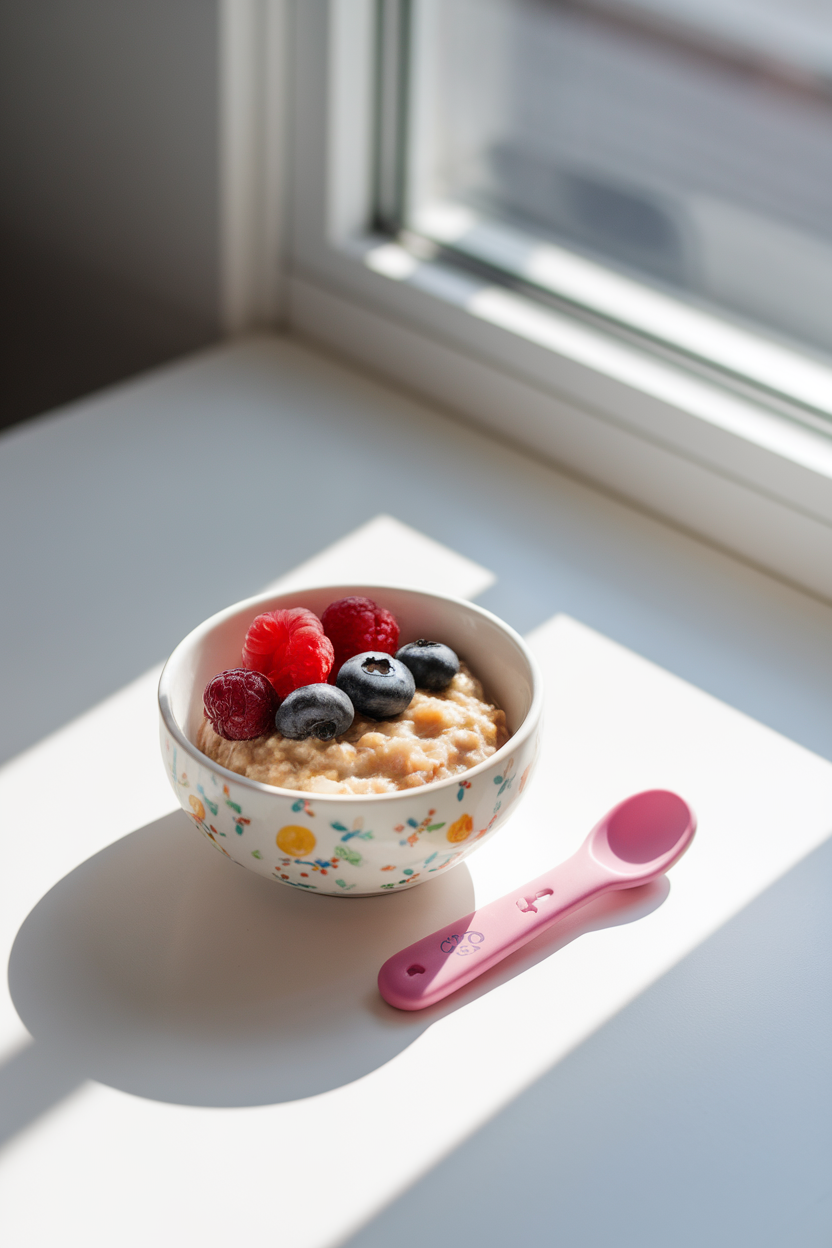
A balanced breakfast steadies energy and mood for the school day ahead. Aim for whole grains plus a protein source like eggs, yogurt, or nut butter. When mornings run late, keep whole-grain muffins or hard-boiled eggs ready to grab on the way out the door.
2. Include Protein at Every Meal
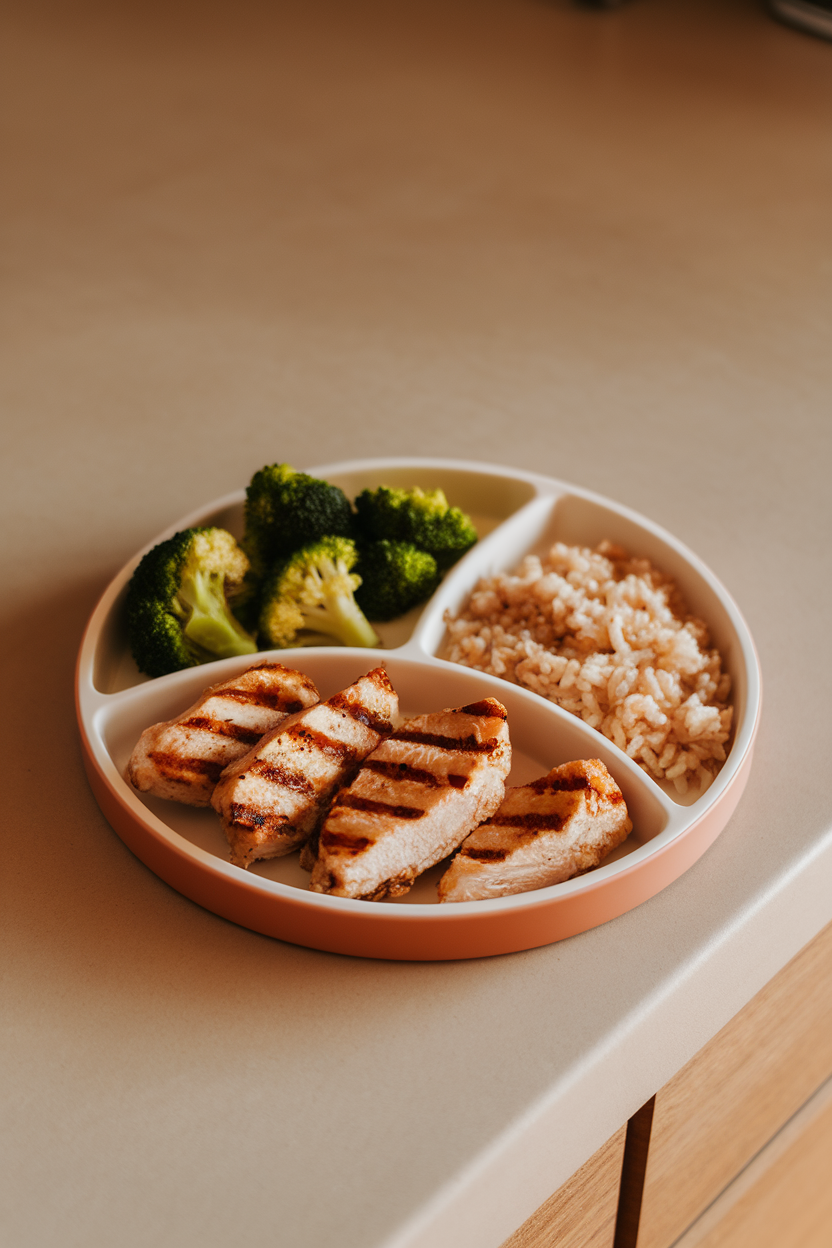
Protein supports growth, keeps kids full longer, and stabilizes blood sugar. Rotate lean meats, beans, tofu, eggs, and dairy so they don’t get bored. Even a tablespoon of nut butter on apple slices can help meet daily needs.
3. Aim for Five Colors on the Plate
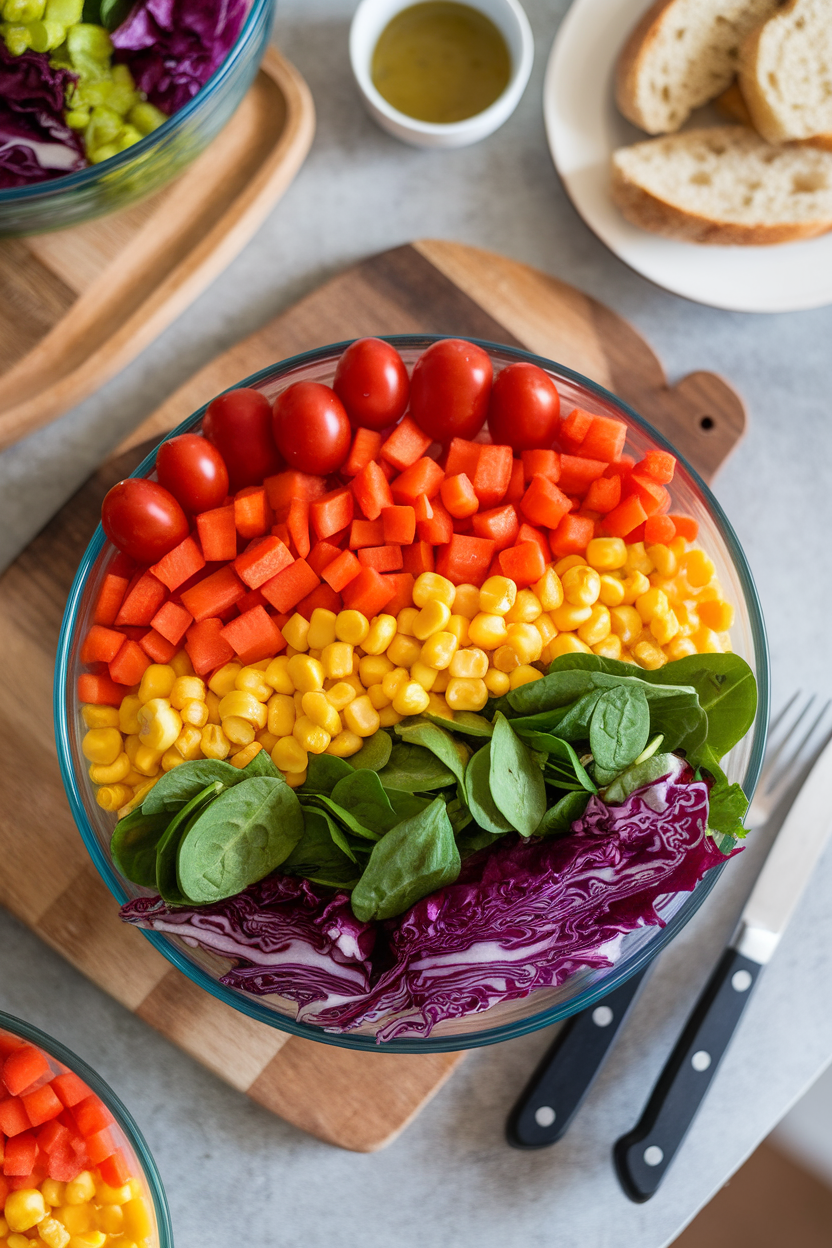
Colors signal a mix of vitamins, minerals, and antioxidants. Challenge kids to turn meals into edible rainbows, then count the hues before digging in. Stick a small chart on the fridge so they can track new shades they’ve tried.
4. Serve Water as the Default Drink
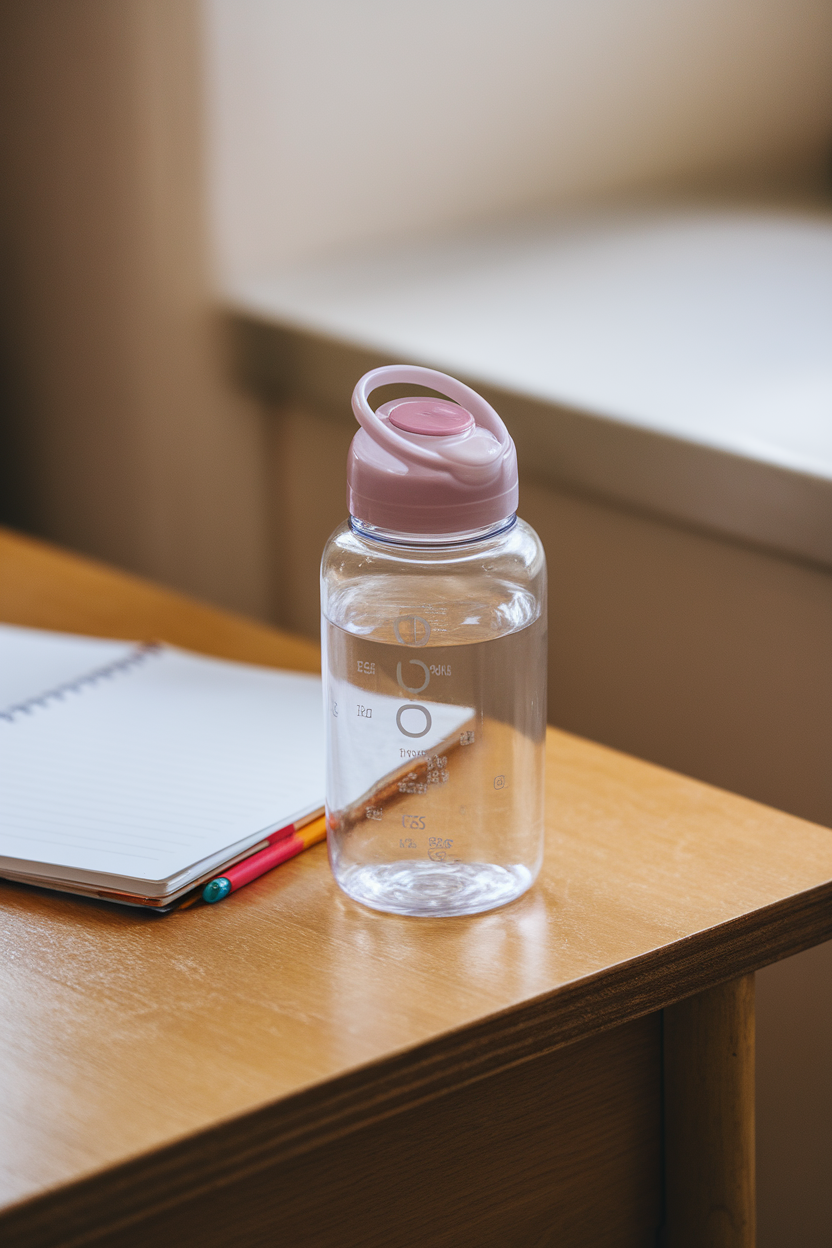
Sugary drinks add empty calories fast. Keep chilled tap or filtered water within reach and send bottles to school each day. Add fruit slices or mint leaves if they like a hint of flavor.
5. Keep Cut Fruit Within Reach
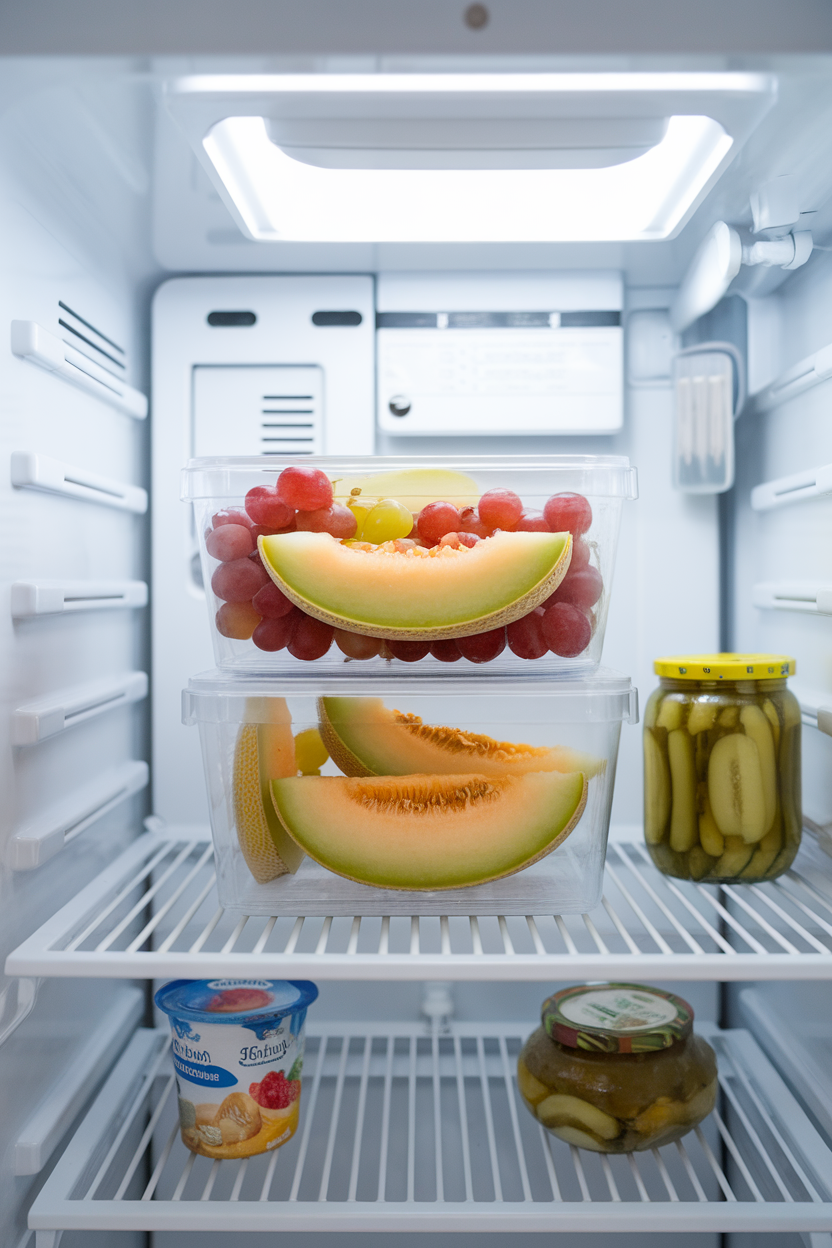
When fruit is washed, sliced, and visible, kids choose it more often. Store containers at their eye level rather than the crisper drawer. Refresh portions every couple of days so the colors stay enticing.
6. Offer Veggies First When Kids Are Hungry
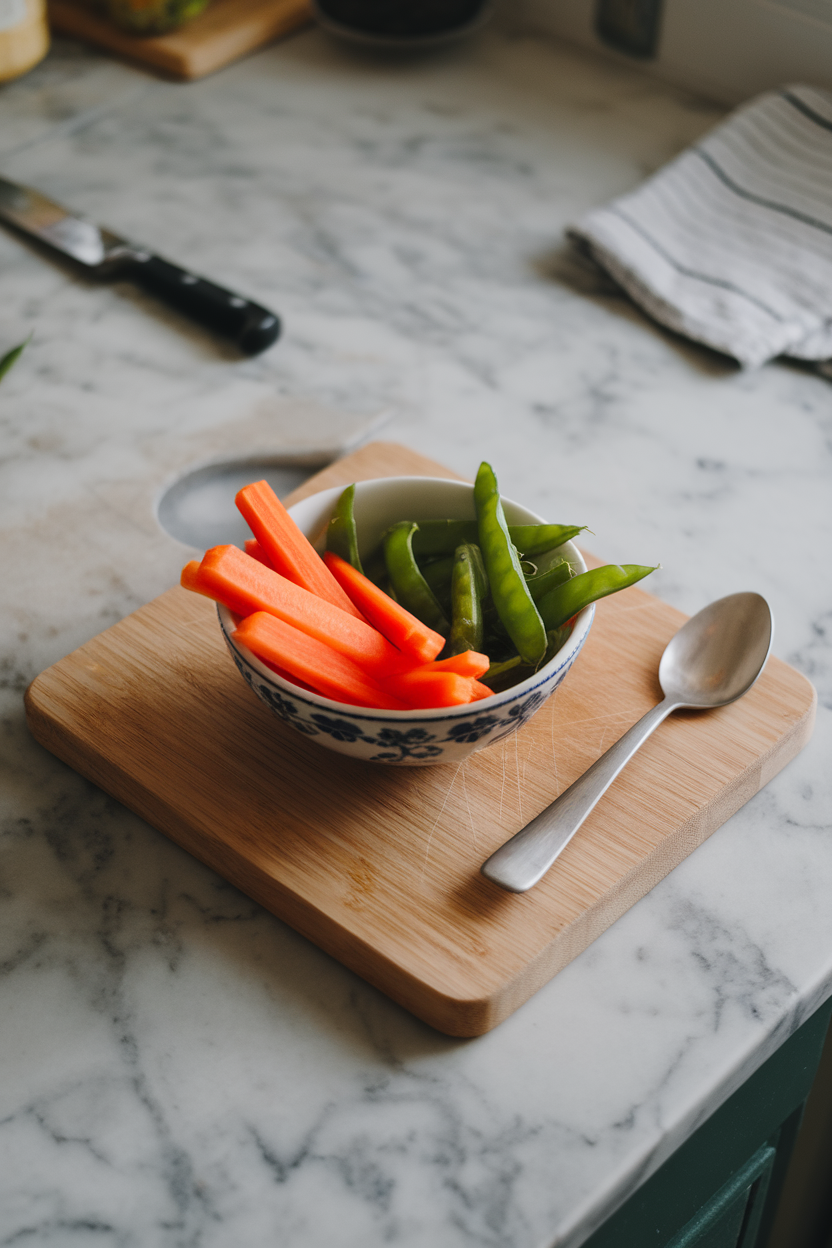
Pre-meal hunger is prime time for raw vegetables. Put out a plate of crunchy produce while dinner finishes cooking. Even picky eaters nibble more when vegetables are the only option in sight.
7. Choose Whole-Grain Bread and Pasta
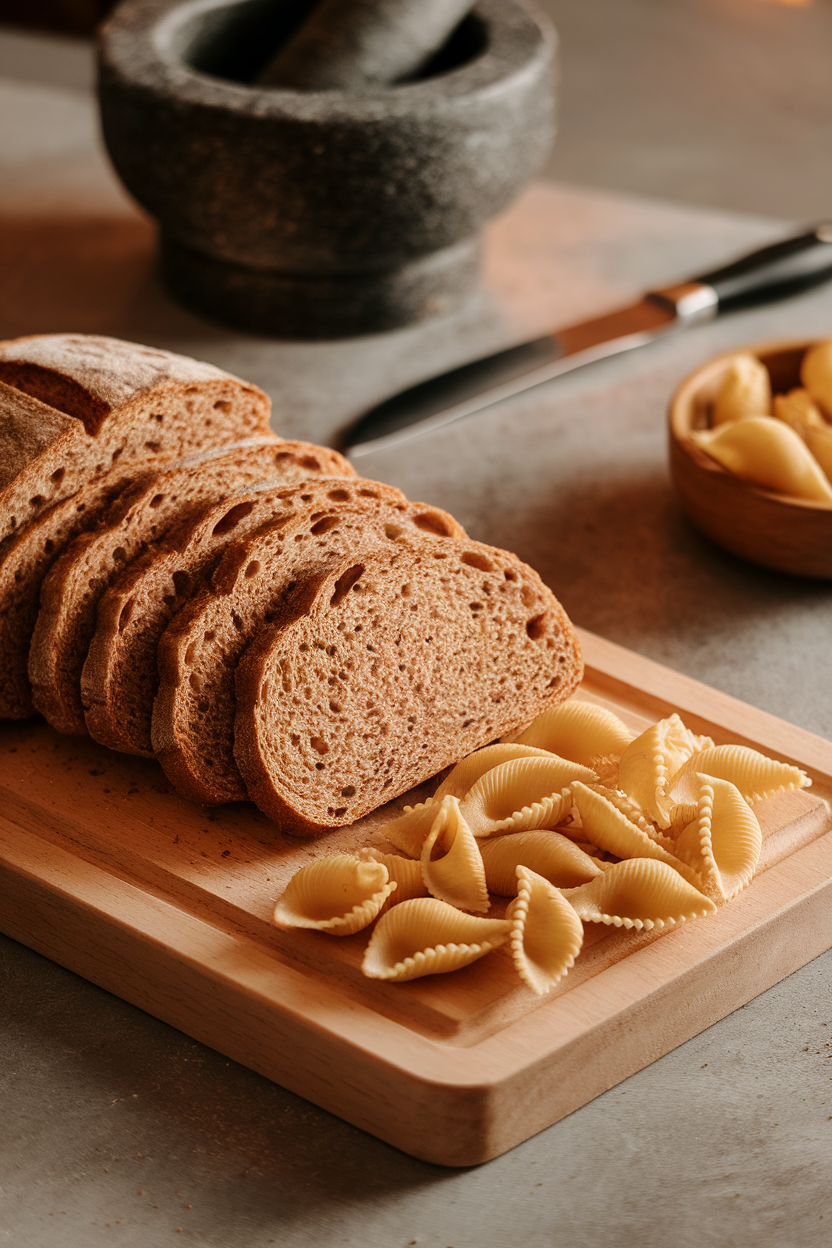
Whole grains add fiber that supports digestion and keeps tummies satisfied. Mix half white and half whole-grain pasta at first to ease the transition. Over time, kids rarely notice the swap.
8. Schedule Snack Times
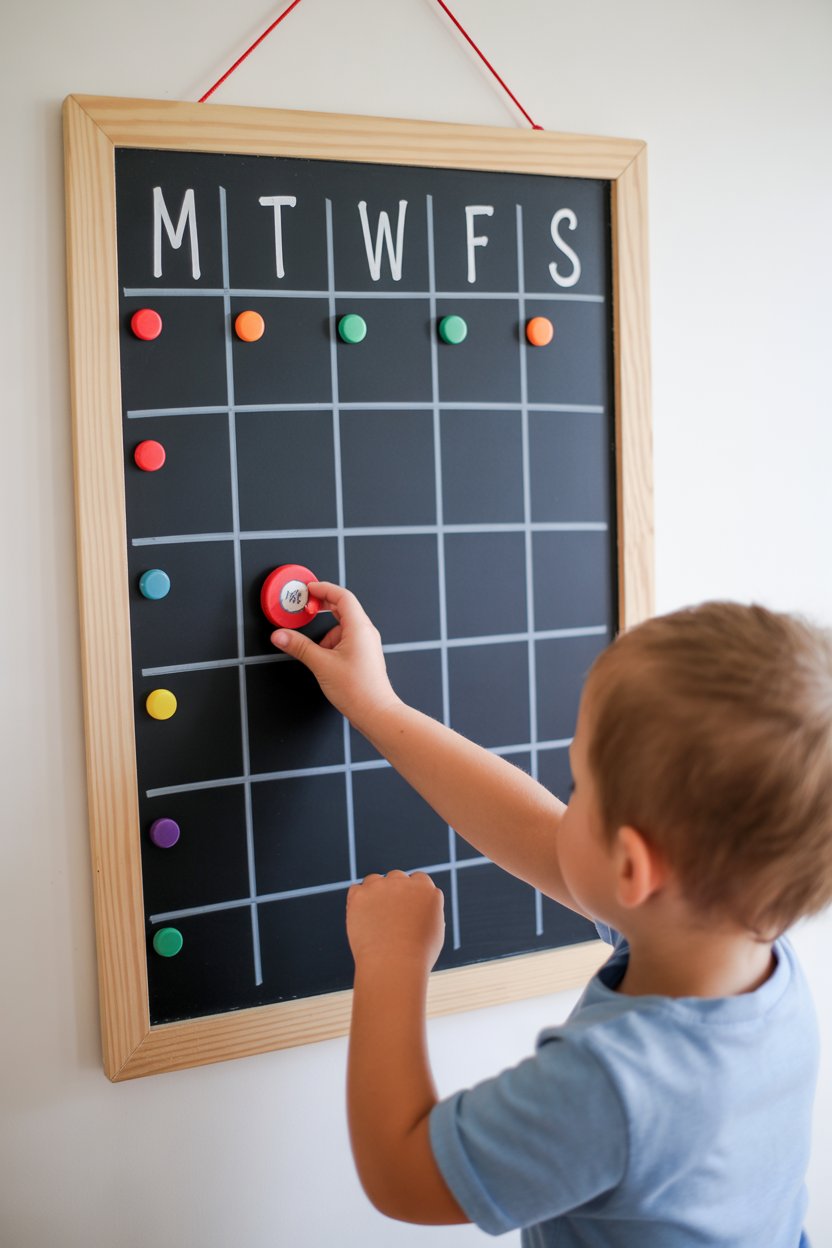
Predictable snack windows help avoid grazing all afternoon. Children learn to tune into hunger cues between set eating periods. Offer produce plus a protein or healthy fat to keep the menu balanced.
9. Cook Together Once a Week
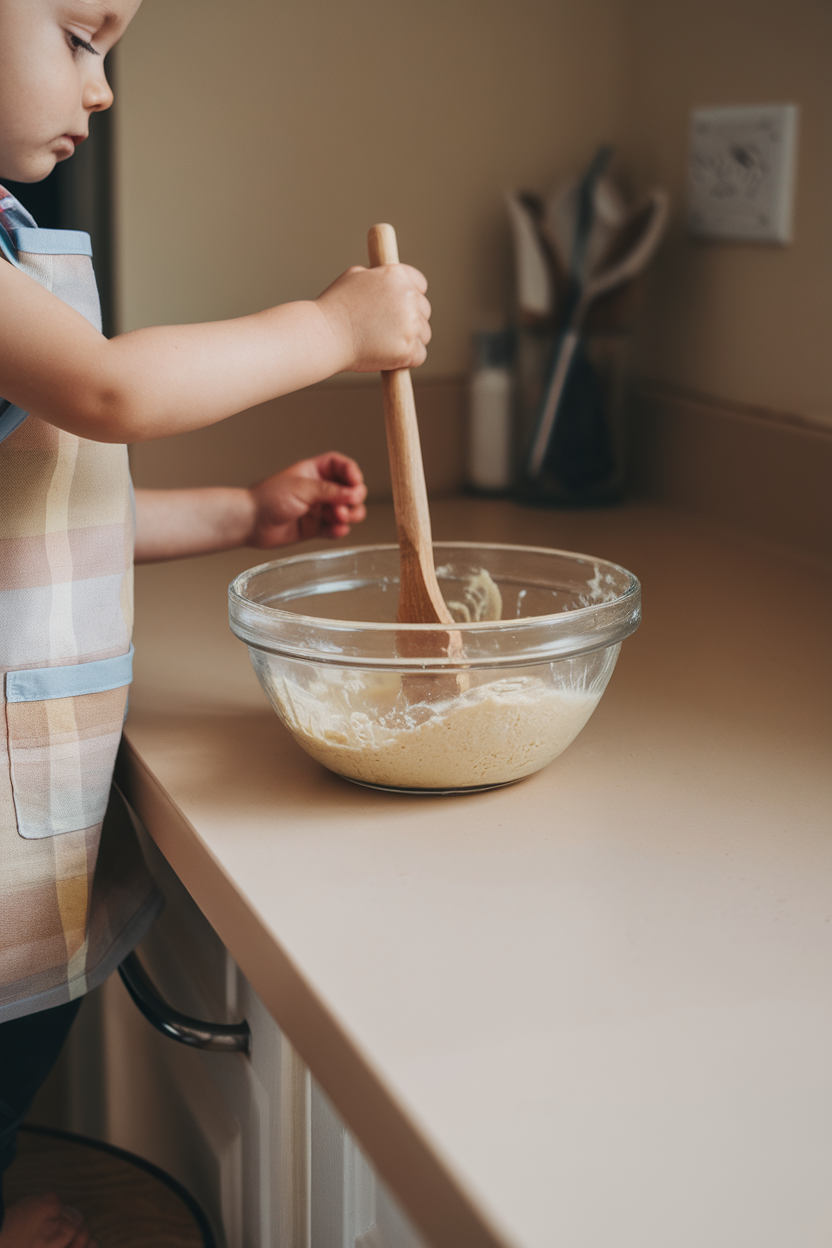
Kids who help in the kitchen are more willing to taste their creations. Assign age-appropriate tasks like rinsing beans, measuring spices, or cracking eggs. The habit also builds confidence and basic knife skills over time.
10. Eat with No Screens
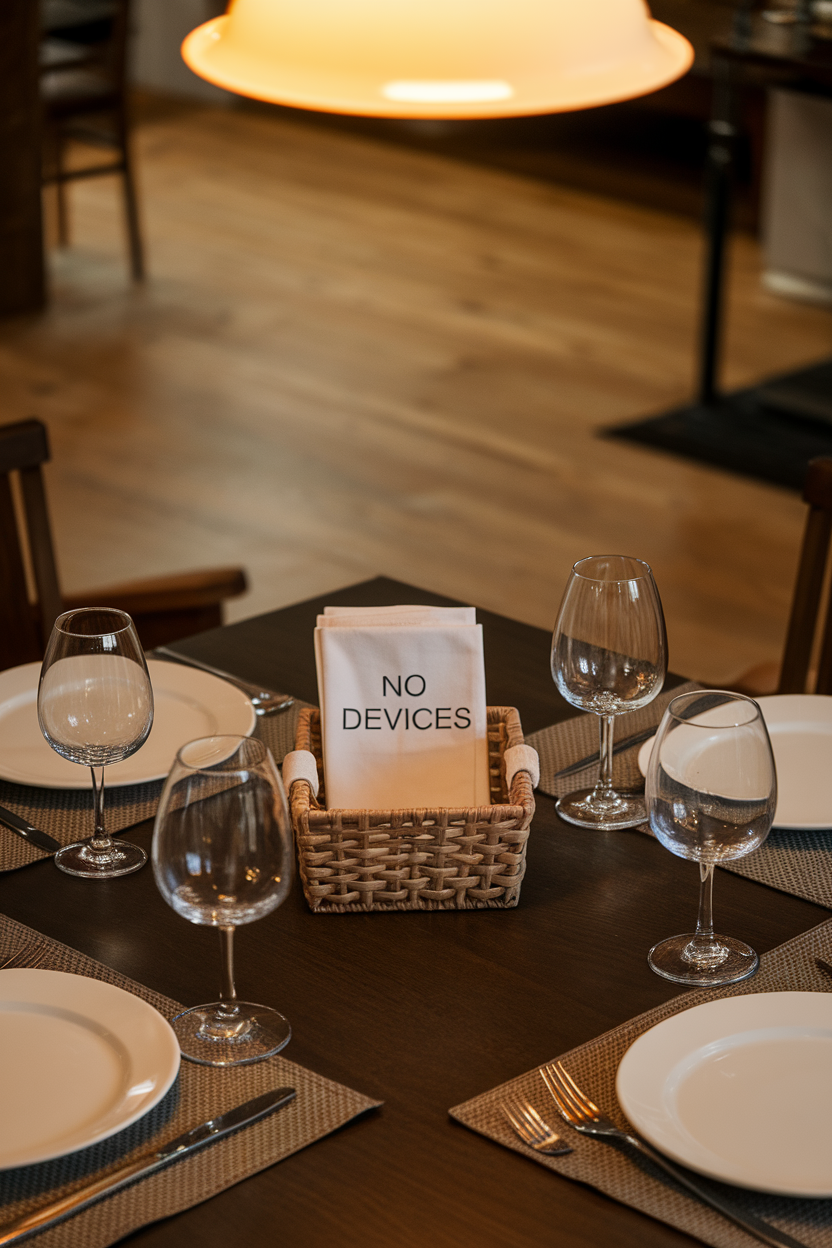
Screens distract from hunger and fullness signals and make it easy to overeat. Collect phones, tablets, and handheld games in a basket before sitting down. Conversation usually flows more freely when everyone is present.
11. Use Child-Size Plates and Utensils
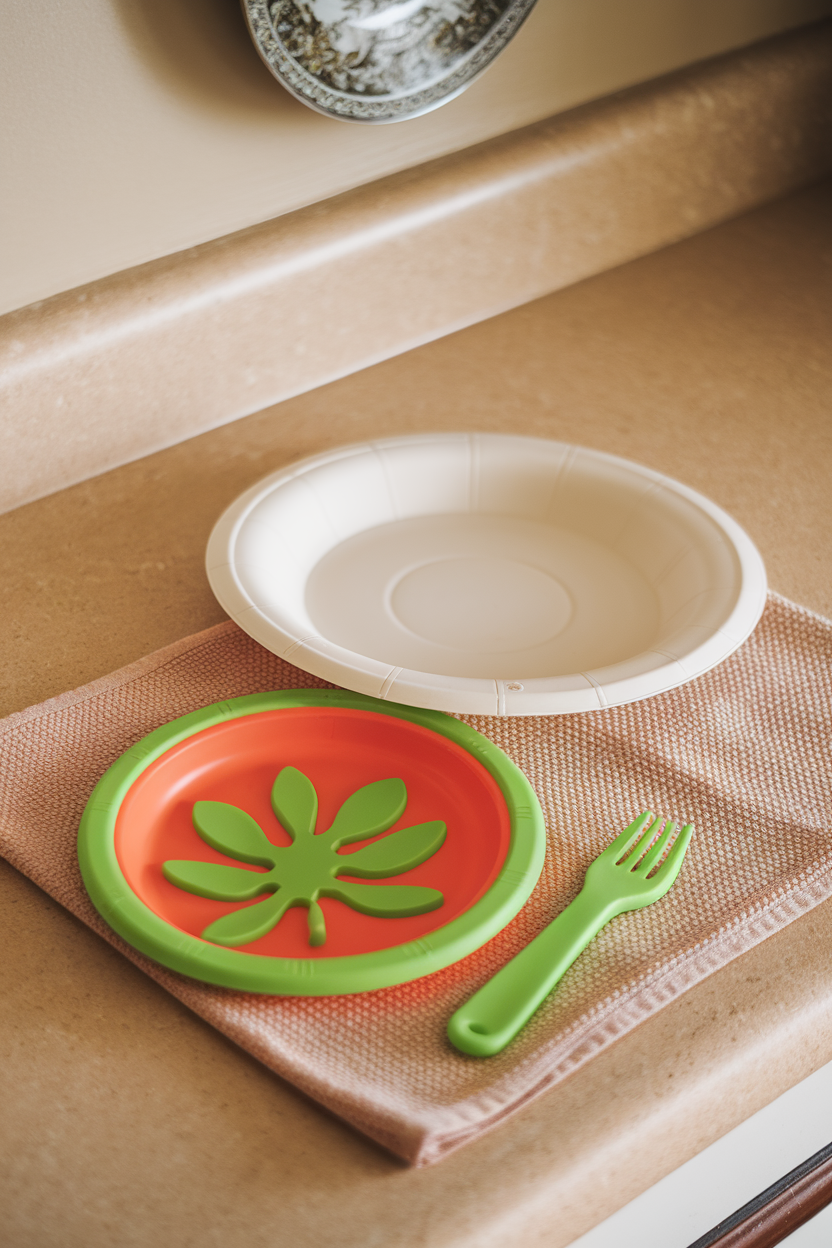
Smaller dishware naturally limits portions to kid-friendly amounts. Children feel accomplished when they finish “their” plate instead of facing an adult serving. Refill if they’re still hungry rather than starting with too much.
12. Let Kids Decide “How Much”
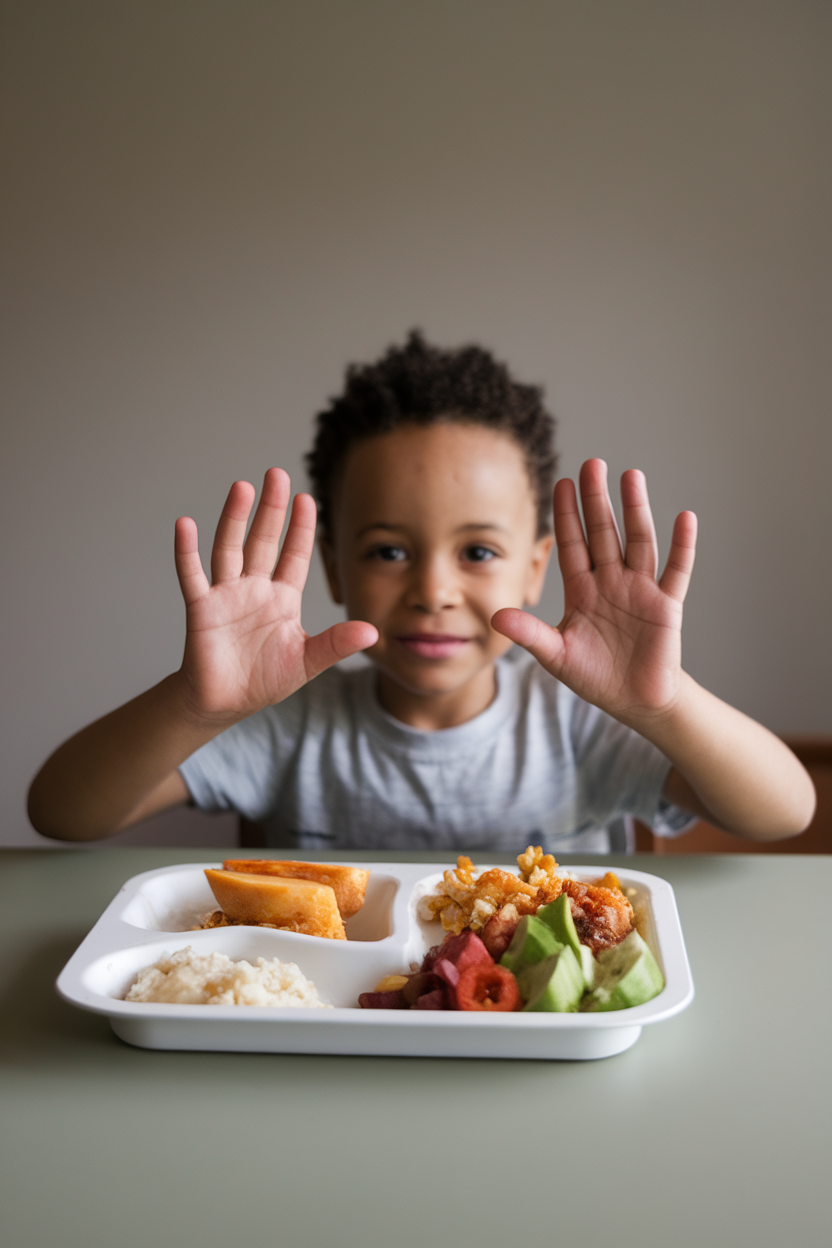
Gently encourage tasting, but respect when children say they’re full. This practice trains internal regulation instead of external pressure. Over time they learn to trust their own hunger cues.
13. Pack Balanced Lunch Boxes
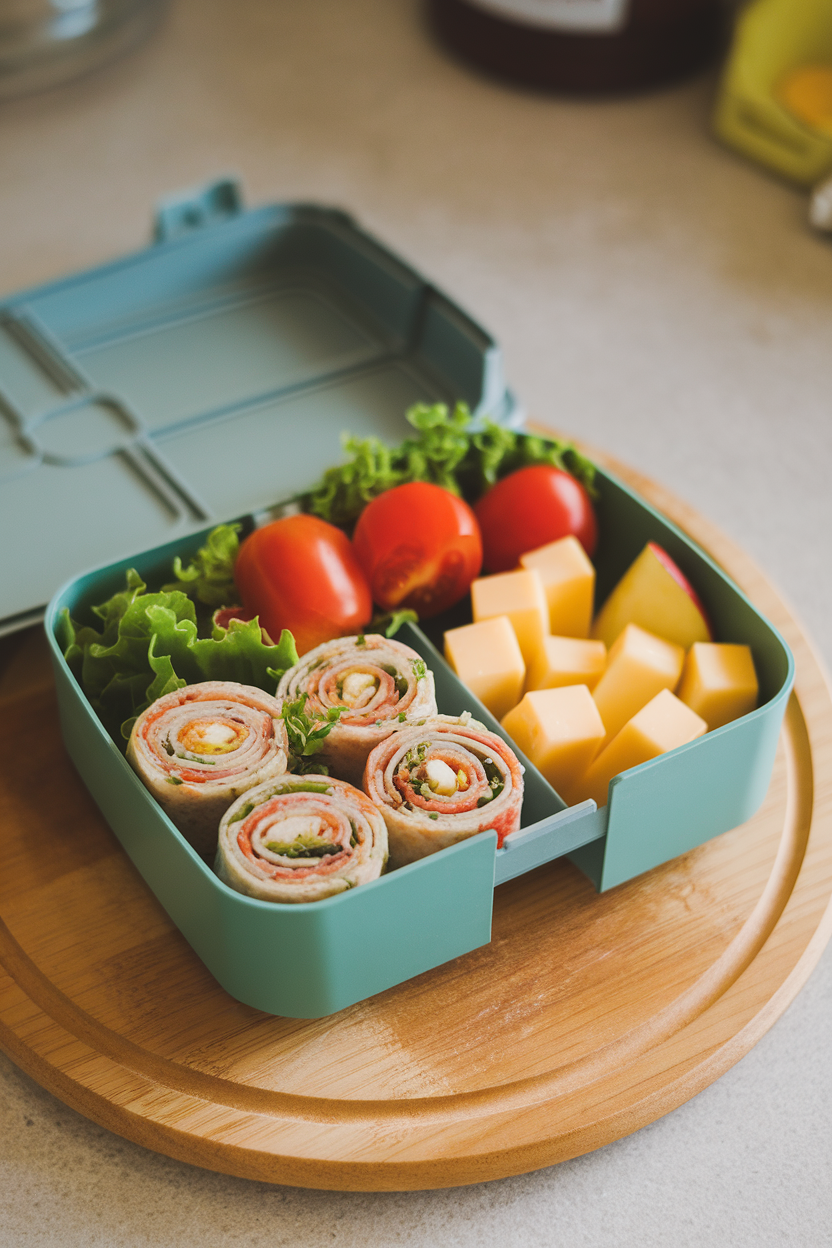
A good lunch includes protein, complex carbs, produce, and a little healthy fat. Colorful compartments make it easy to see what might be missing. Prep components the night before to avoid morning rush stress.
14. Add Veggies to Smoothies
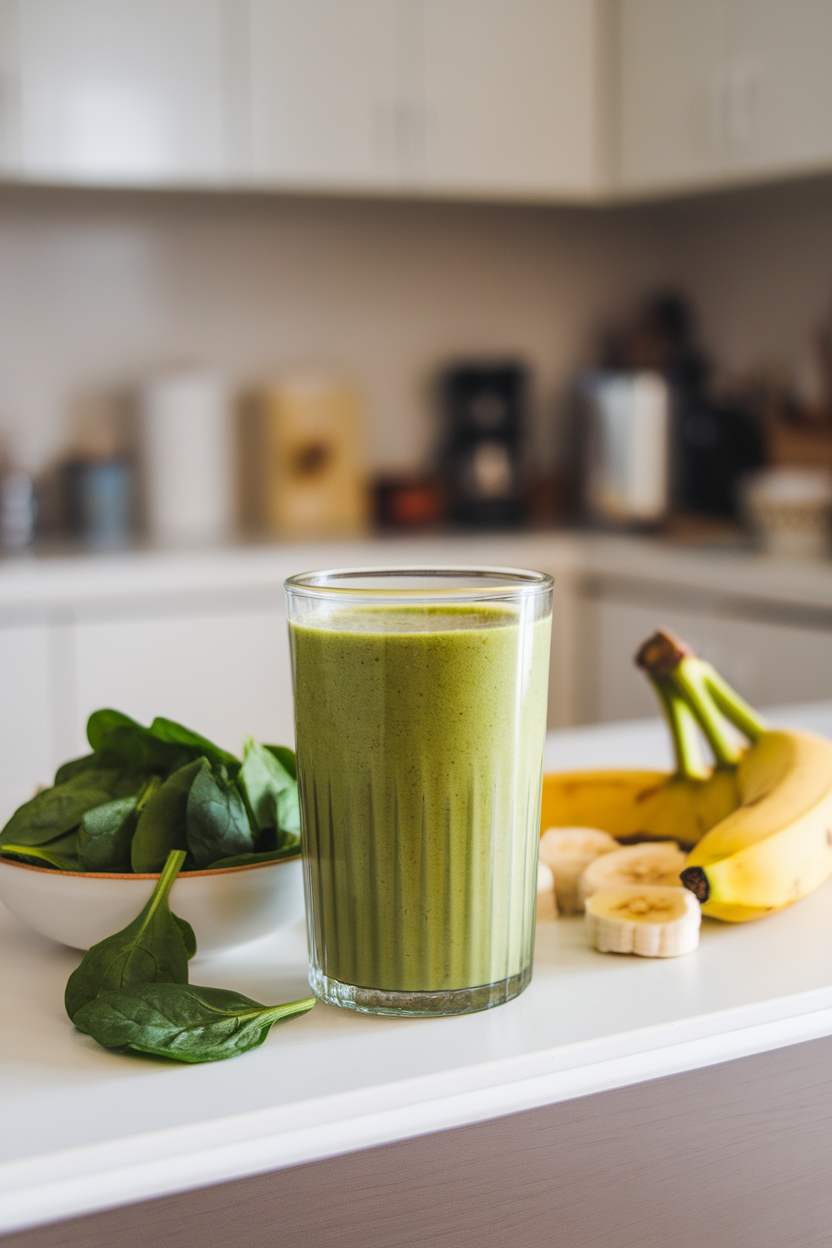
Spinach, zucchini, or riced cauliflower blend seamlessly with fruit. Start with mild flavors and modest amounts so color stays appealing. Smoothies also help hydrate on busy mornings.
15. Practice “One Bite” Tries
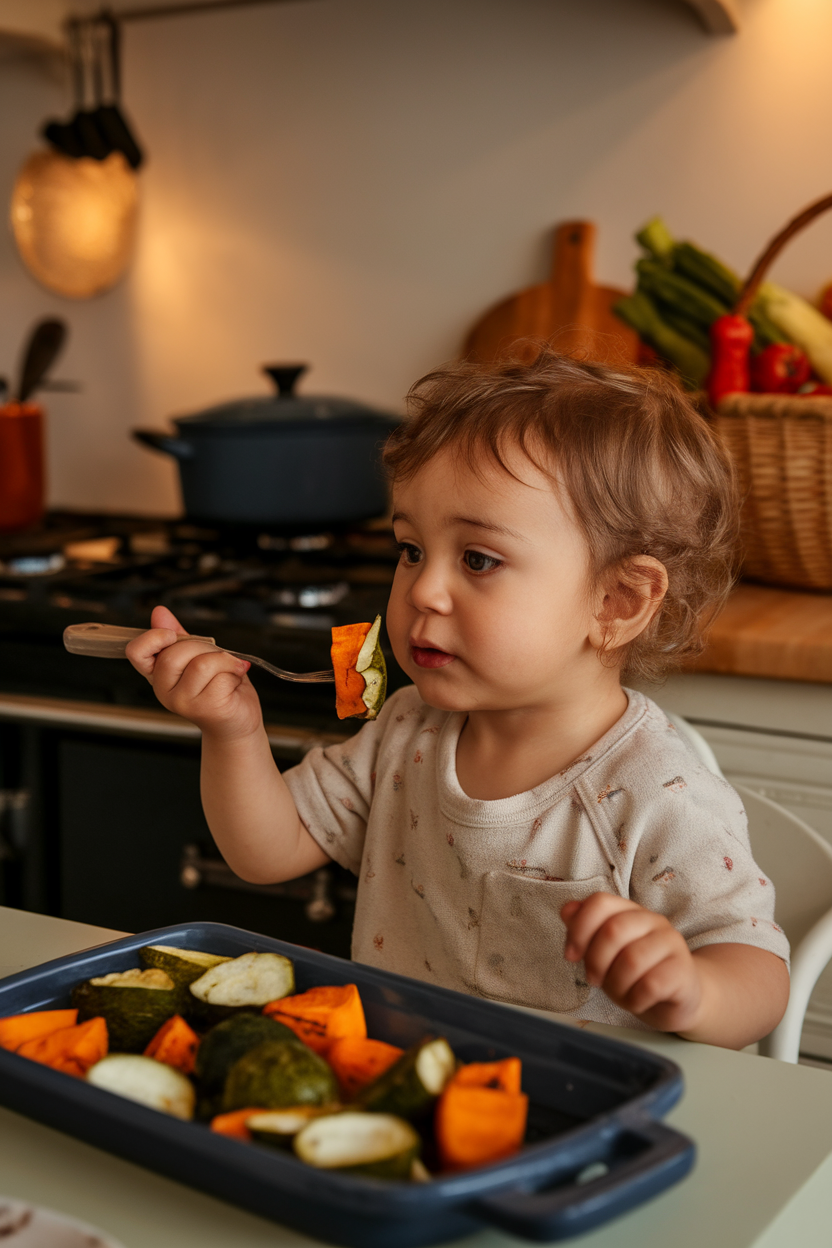
Exposure often matters more than immediate acceptance. Encourage a single polite bite of new foods without demanding a clean plate. Repeated offers—sometimes ten or more—can turn skeptics into fans.
16. Celebrate Meatless Monday
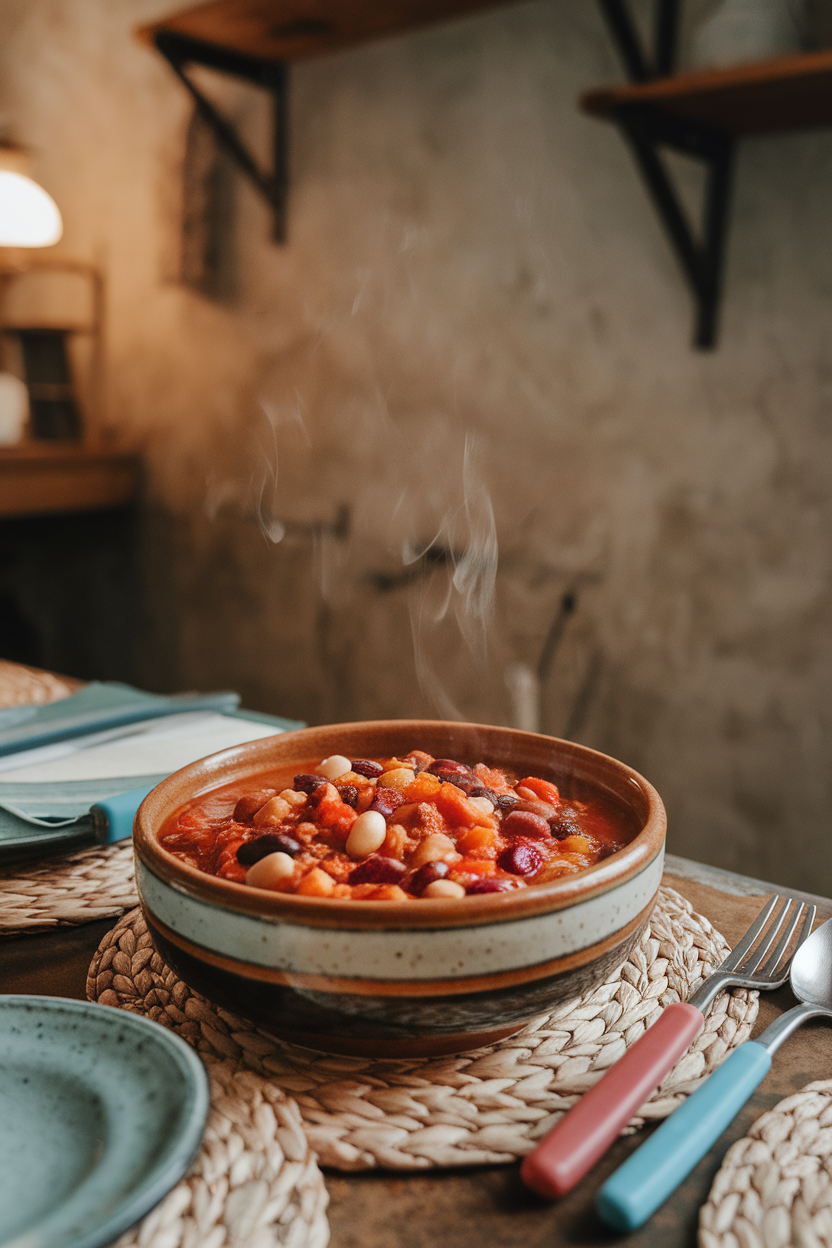
A weekly plant-based meal introduces beans, lentils, or tofu in a low-pressure way. Let kids pick toppings like avocado, cheese, or yogurt to personalize their bowls. The routine also broadens culinary horizons beyond meat-centric plates.
17. Swap Soda for Sparkling Water
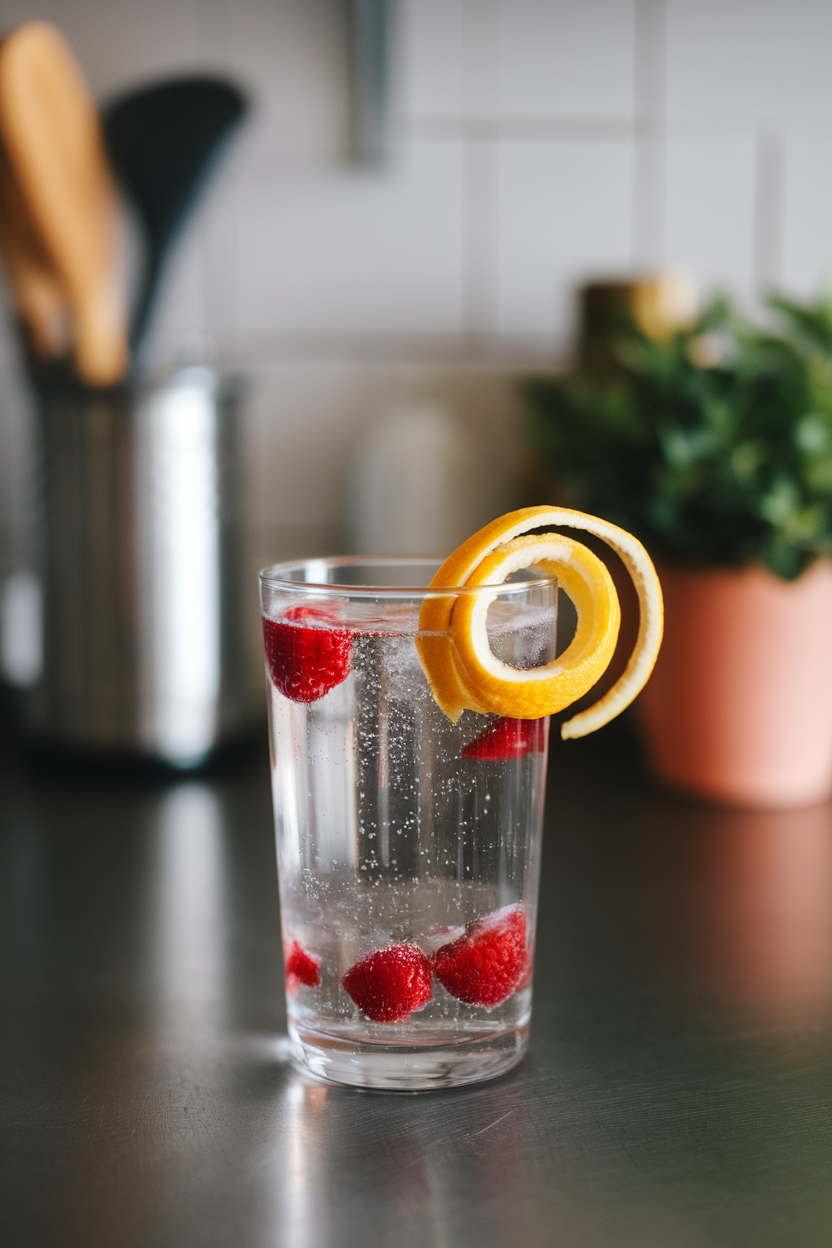
Bubbles satisfy the craving for fizz without the sugar overload. Add fruit or a splash of 100-percent juice for light sweetness. Serve in a fun straw cup to boost the novelty factor.
18. Bake Instead of Fry
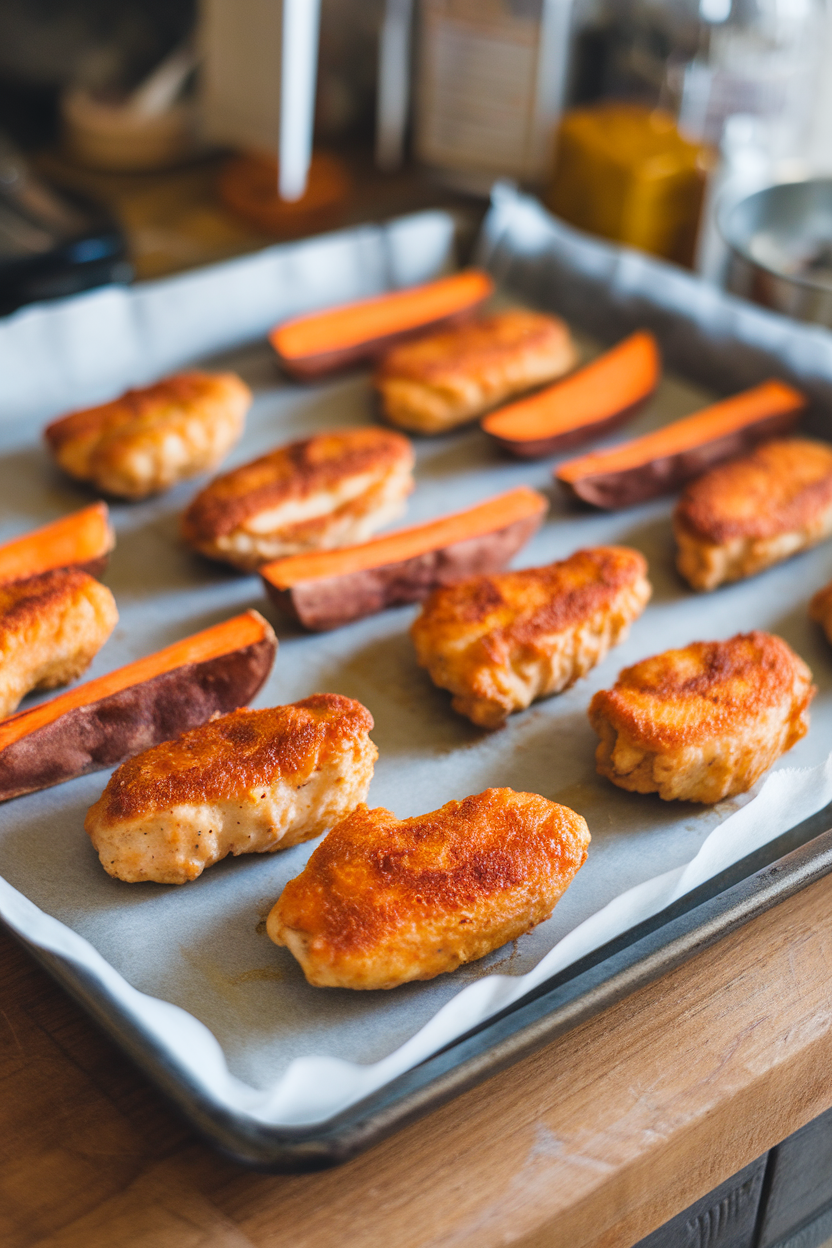
Baking reduces excess oil while still creating crisp textures kids love. A light coat of olive oil spray and a high oven temp mimic the crunch of deep frying. Try this method for fries, nuggets, and even veggie sticks.
19. Use Herbs and Spices for Flavor
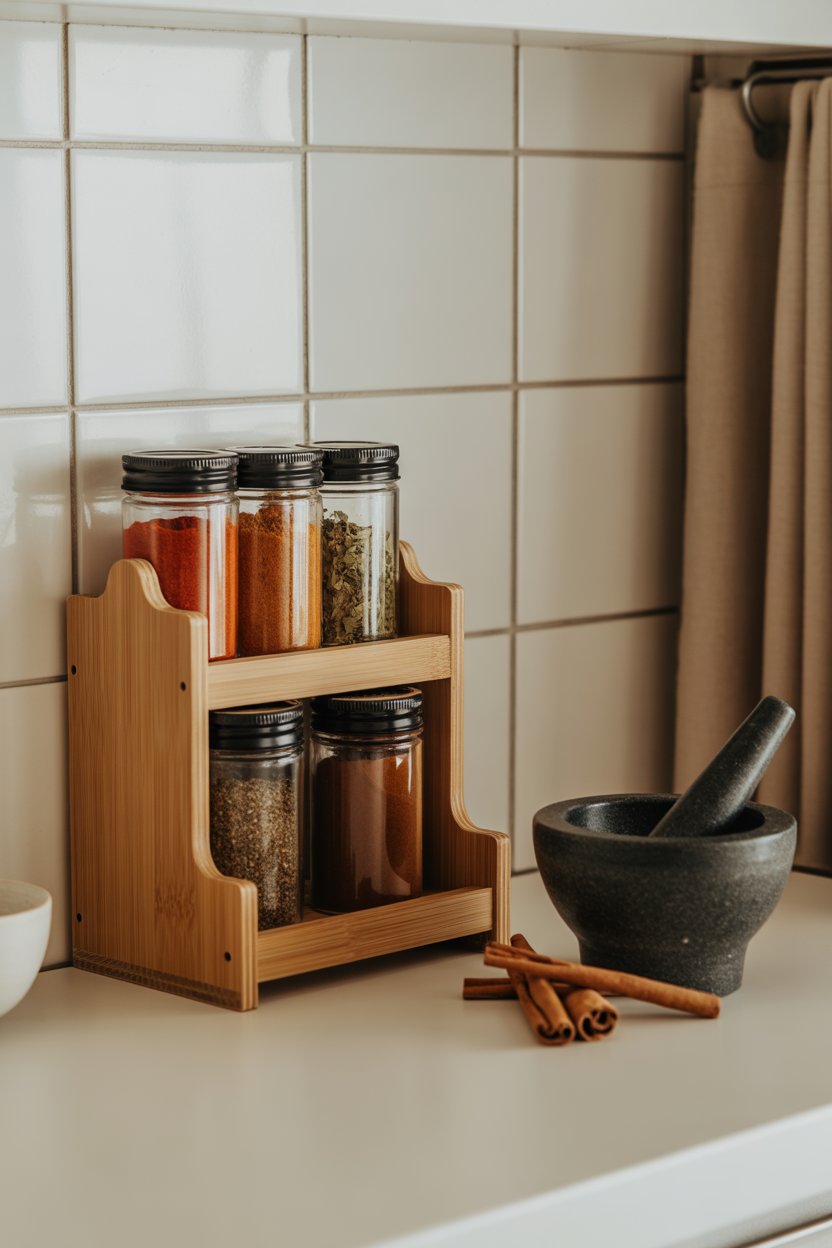
Sodium creeps up quickly in kids’ diets. Fresh herbs, citrus zest, and warm spices keep dishes lively without extra salt. Invite children to sniff and choose seasonings for a dish—they often pick bold flavors when empowered.
20. Eat Fish Twice a Week
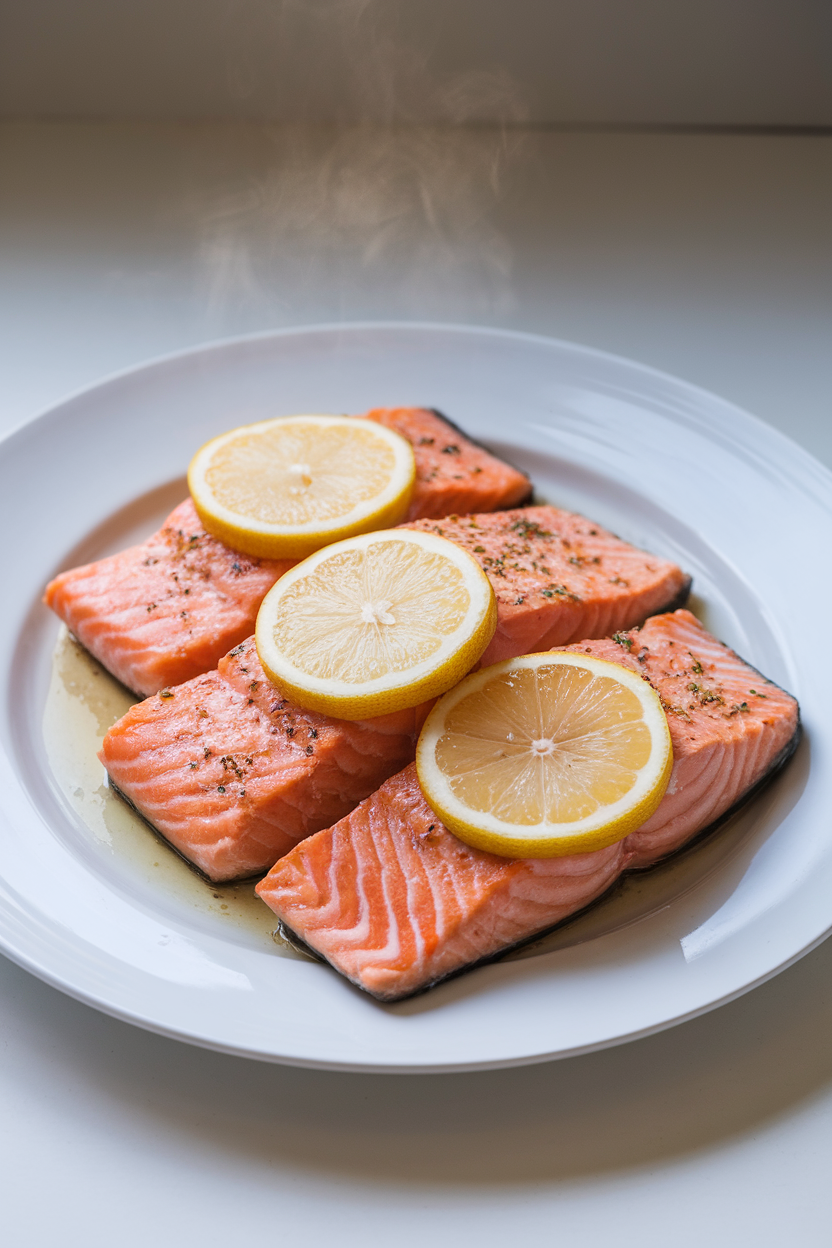
Fatty fish such as salmon and sardines supply brain-boosting omega-3s. Start with mild varieties and serve alongside familiar sides like rice or corn. If bones are a concern, opt for boneless fillets or flakes.
21. Replace Sugary Cereal with Oatmeal
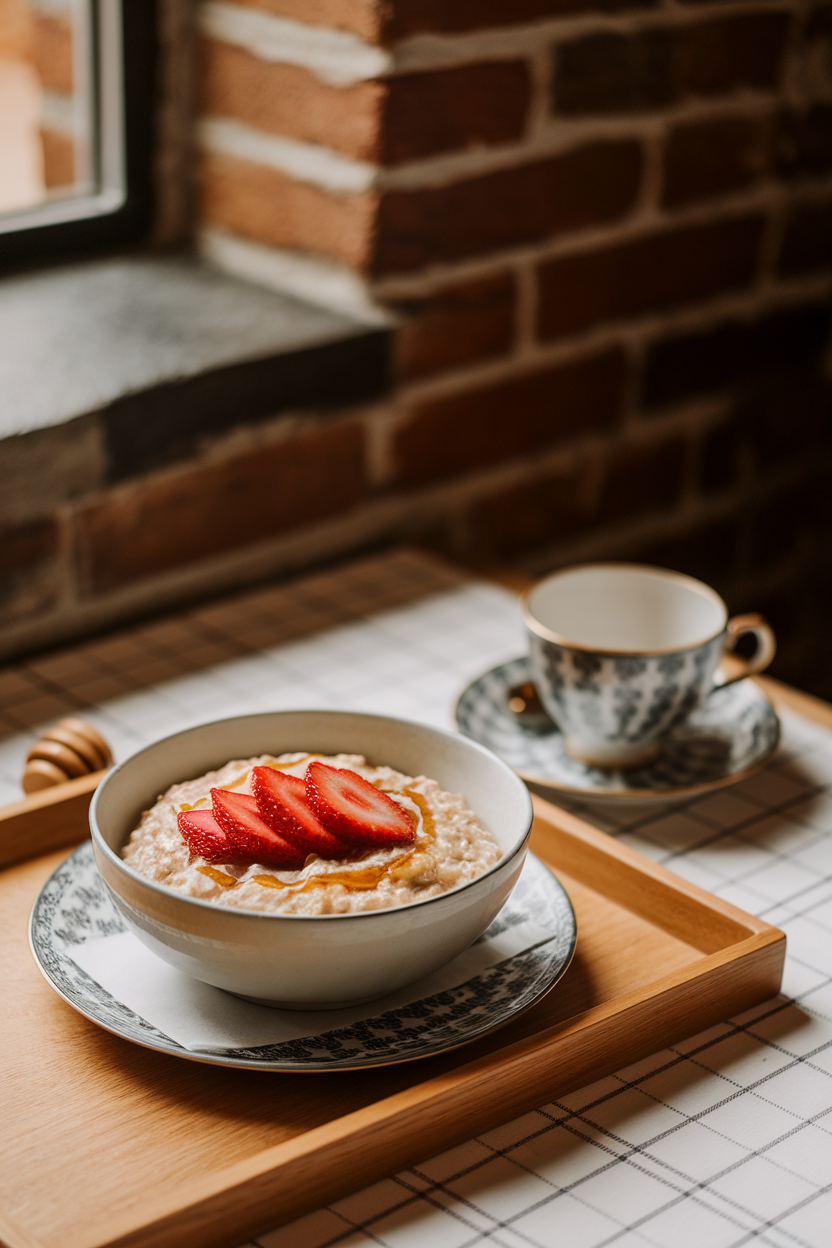
Oats provide fiber and release energy slowly through the morning. Offer a toppings bar—think nuts, fruit, and cinnamon—so kids can customize. Overnight oats work well for busy households needing a grab-and-go option.
22. Keep Healthy Snacks Visible
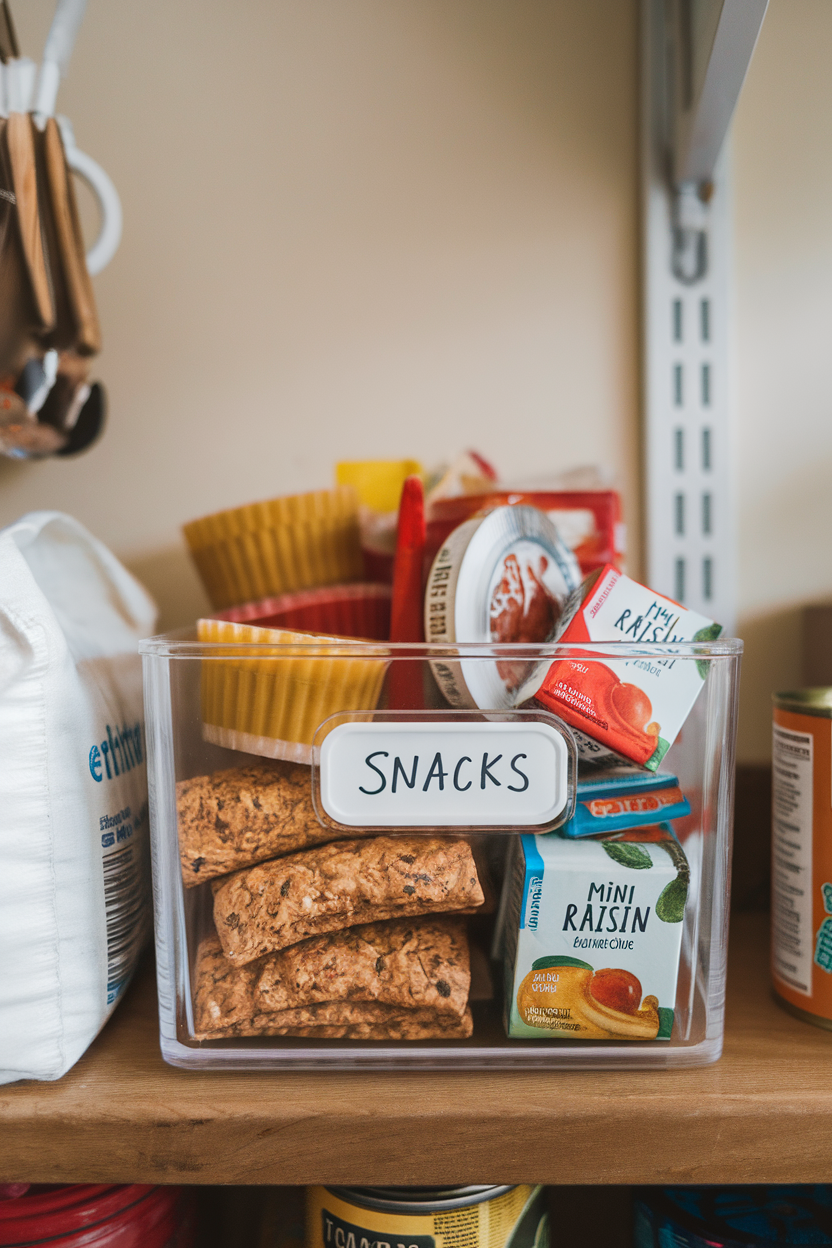
Out of sight is often out of mind for children. Place nourishing snacks at eye level while relocating sweets higher up for occasional treats. Rotate contents regularly to maintain interest.
23. Enjoy Family Taste Tests
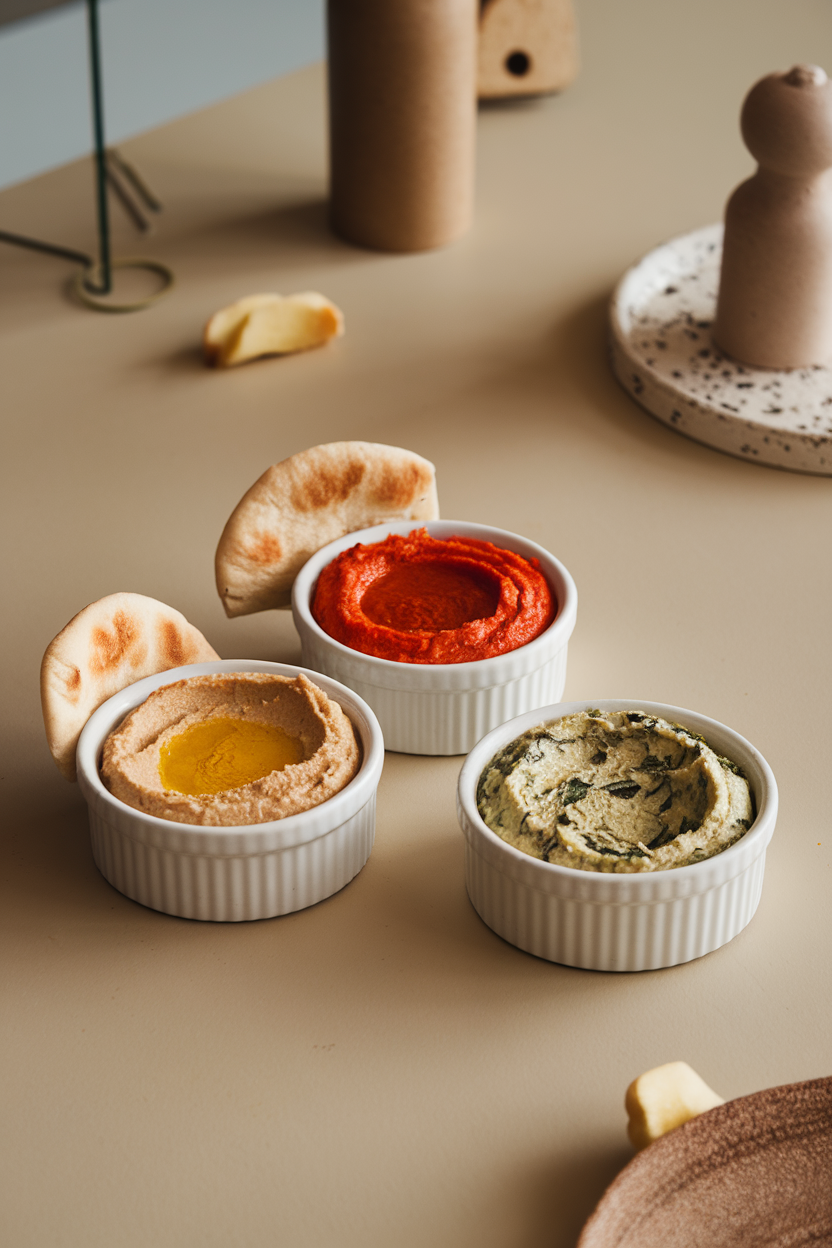
Sampling foods side by side turns new flavors into a game. Score cards or simple thumbs-up signals add a playful touch. You might discover a collective favorite to add to the regular menu.
24. Offer Calcium-Rich Foods
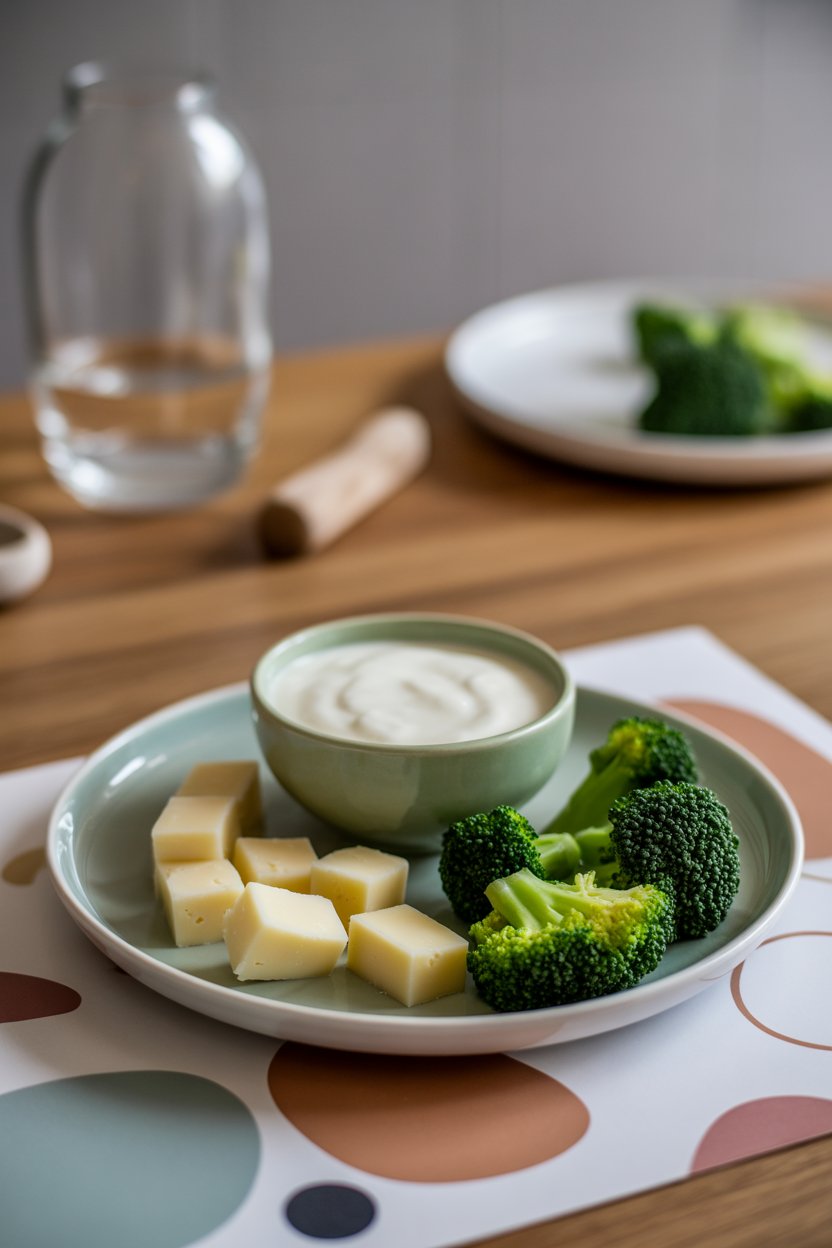
Strong bones need steady calcium during growth spurts. Dairy works, but fortified plant milks, canned salmon with bones, and leafy greens help, too. Pair calcium sources with vitamin D for better absorption.
25. Pair Iron with Vitamin C
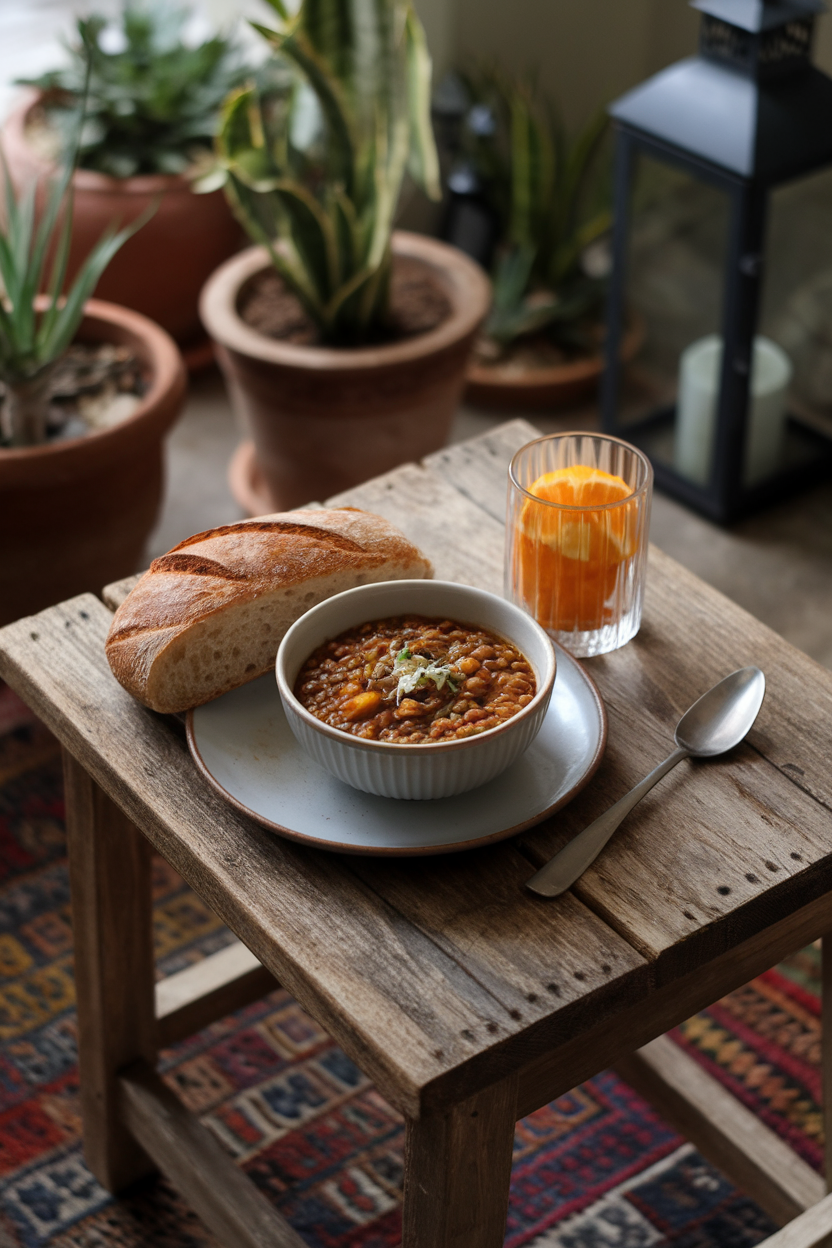
Vitamin C boosts absorption of plant-based iron. Add bell peppers to bean dishes or serve citrus fruit after a spinach salad. This simple pairing keeps iron levels healthy without supplements for most kids.
26. Make Your Own Popsicles
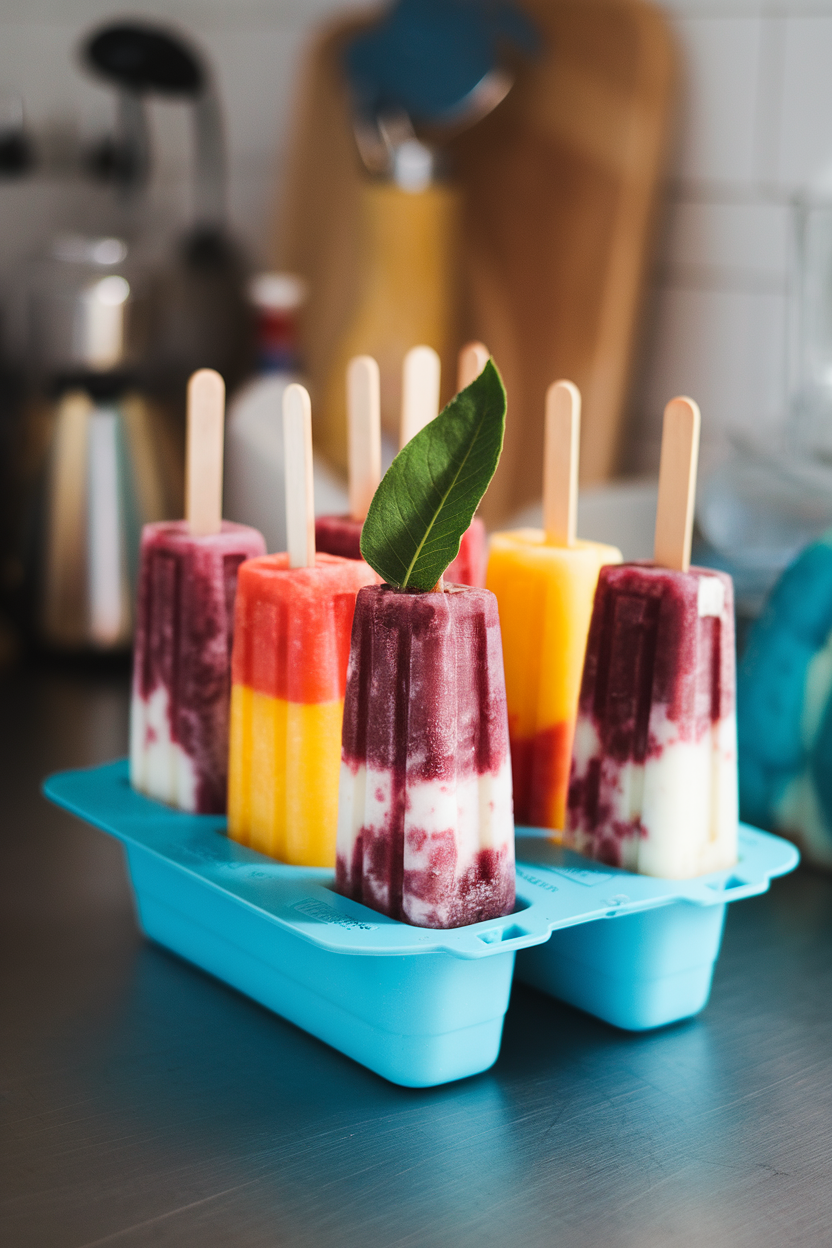
Blend fruit, yogurt, and a splash of 100-percent juice, then freeze. Kids love choosing flavors and pouring the mixture into molds. The result feels like dessert yet delivers fiber and probiotics.
27. Prep Overnight Oats
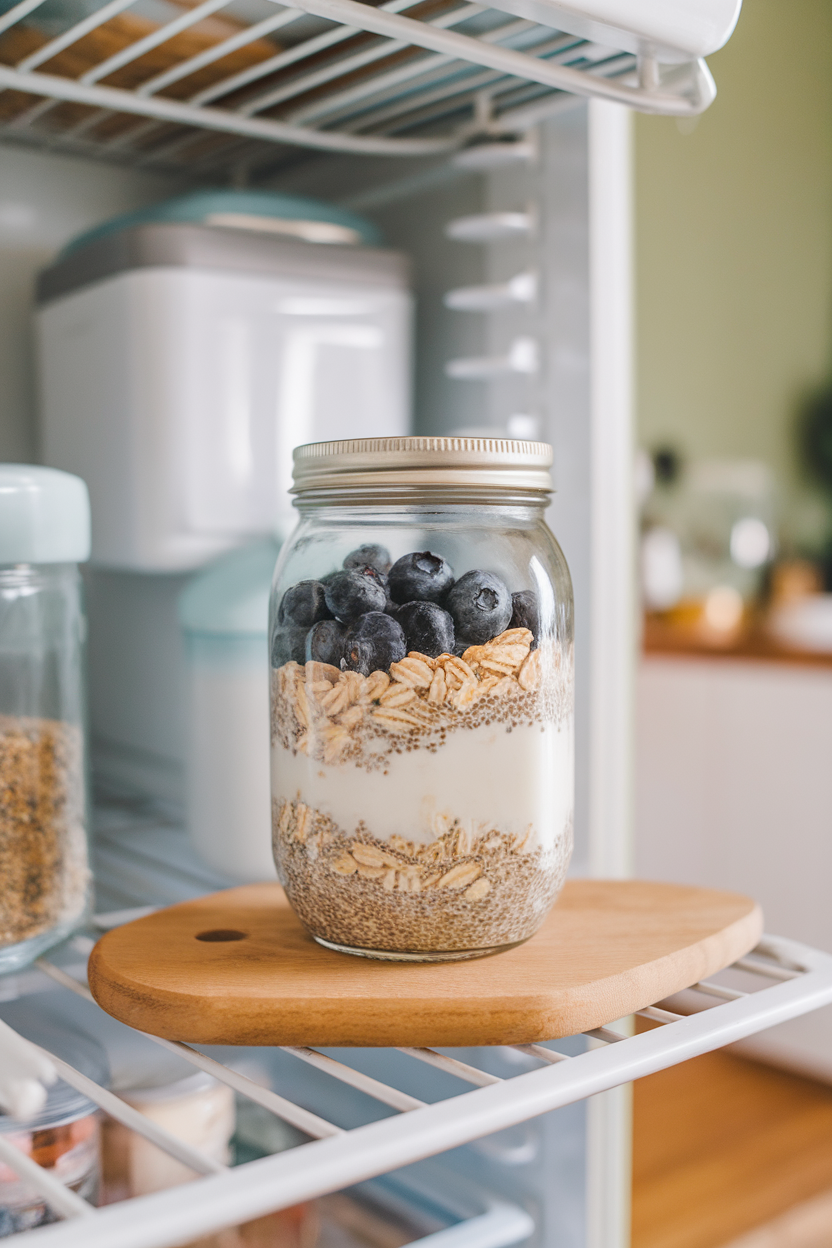
Stir oats with milk, yogurt, and mix-ins before bedtime for a ready-to-eat breakfast. Older children can assemble jars themselves as part of nighttime routines. Add grated apple or pumpkin puree to vary textures.
28. Read Food Labels Together
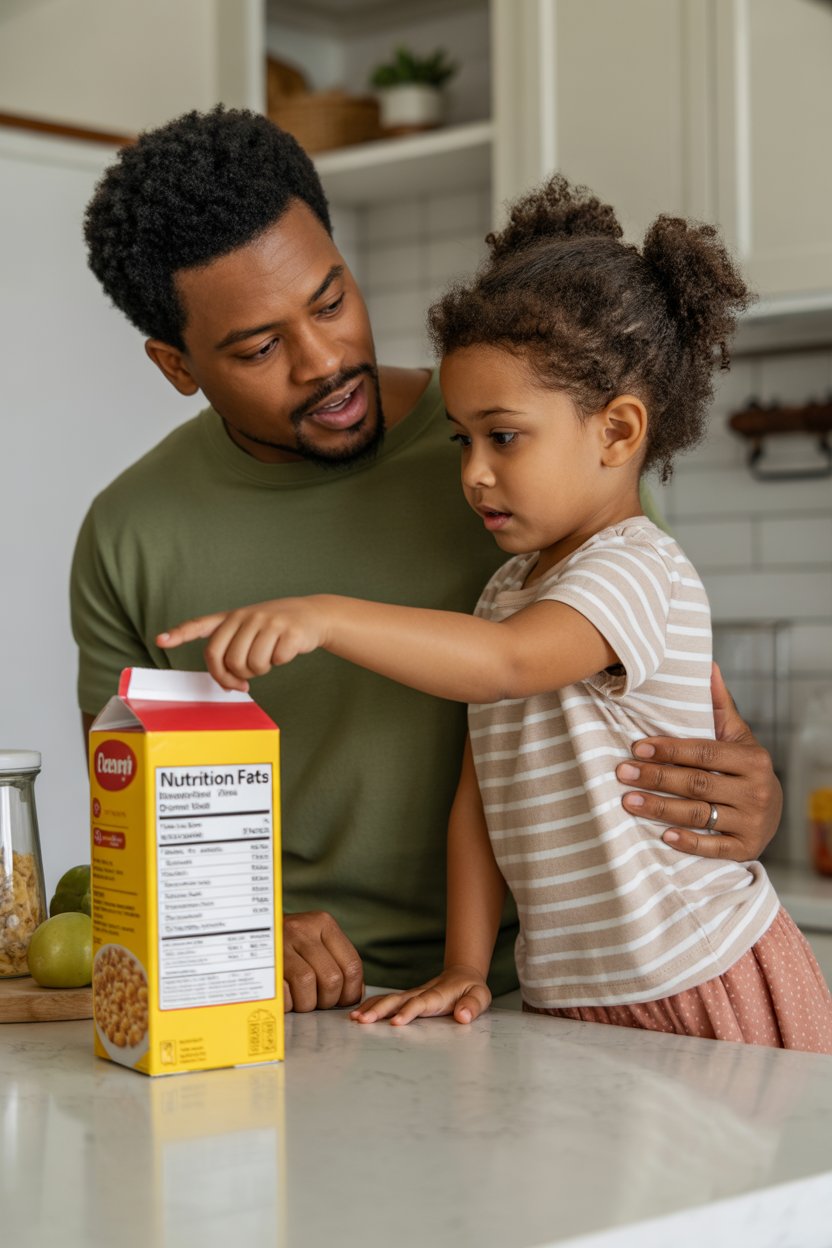
Learning to spot added sugars and long ingredient lists sets children up for smart decisions later. Turn it into a scavenger hunt: who can find whole grains listed first? Keep explanations short and positive.
29. Portion Treats in Small Bowls
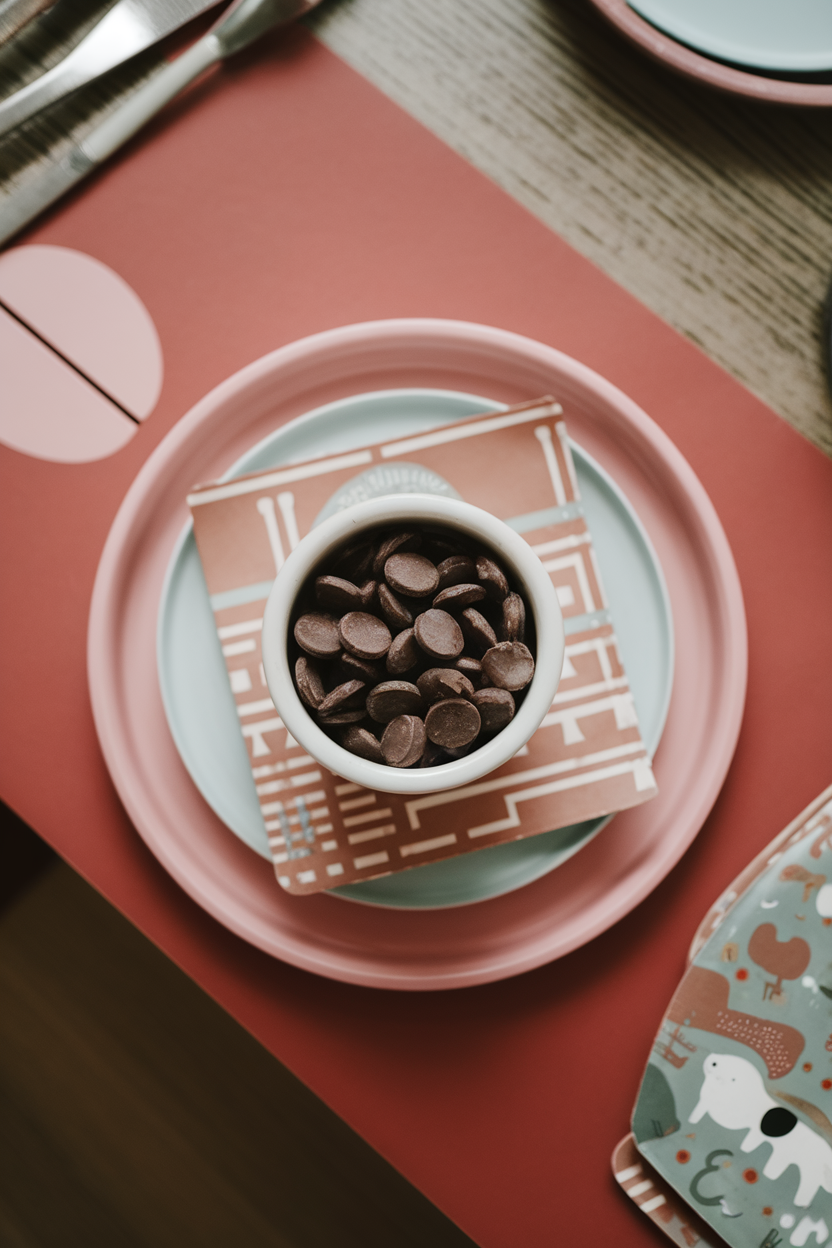
A modest serving lets kids enjoy sweets without going overboard. Putting treats in a separate dish helps them see exactly how much they have. They also practice savoring each bite rather than mindlessly snacking from a large bag.
30. Choose Natural Nut Butters
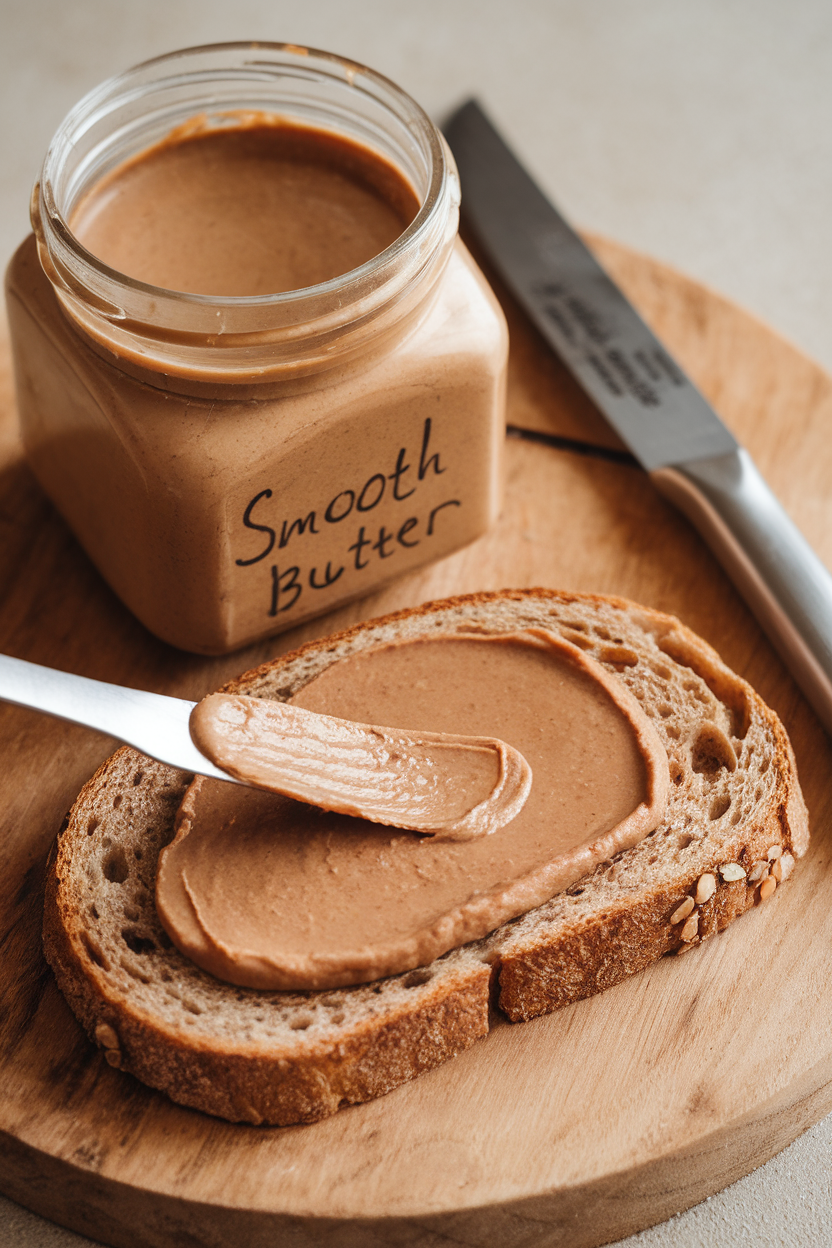
Nut butters with minimal ingredients supply healthy fats and protein. Stir well once, then store upside down to prevent separation. Sunflower seed butter is a good swap for nut-free schools.
31. Blend Veggie Soups
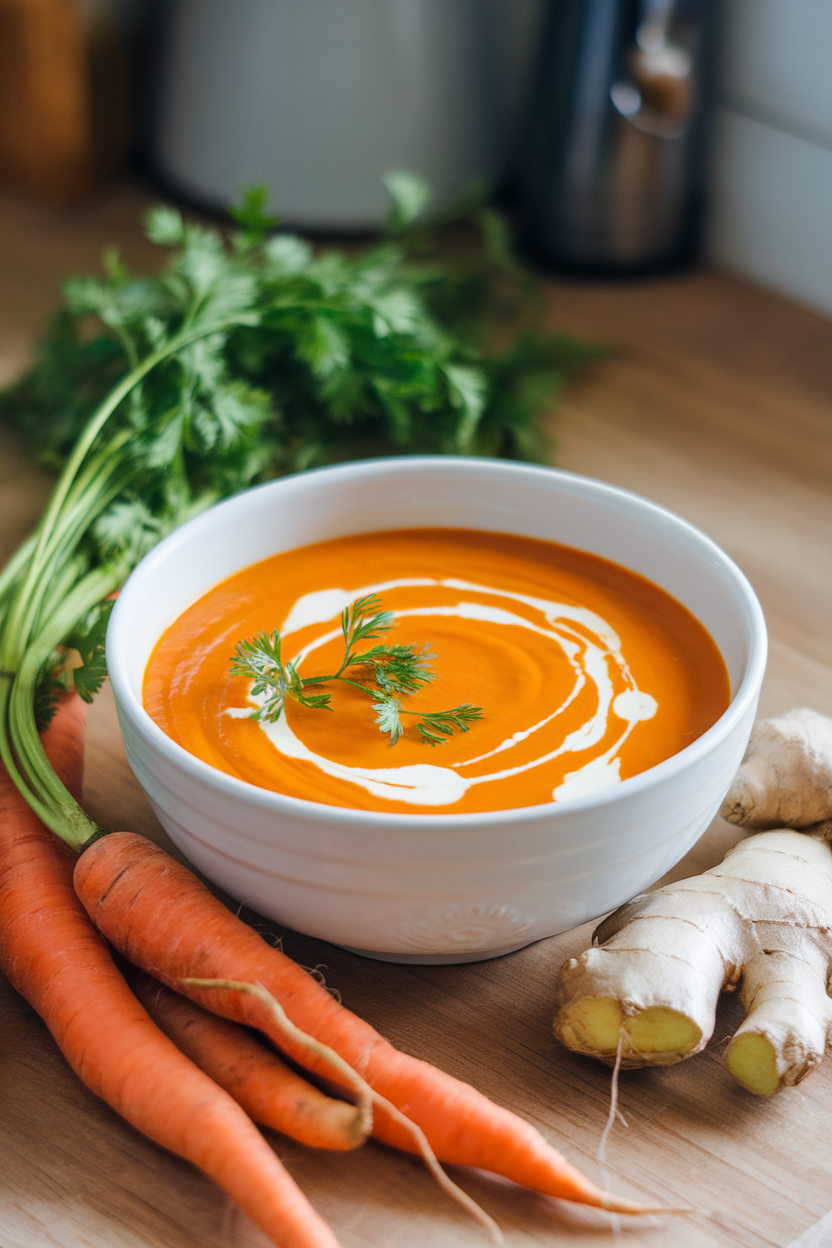
Pureed soups hide textures that picky eaters sometimes reject. Roasting vegetables first adds natural sweetness. Serve with whole-grain bread for dipping to turn soup into a filling meal.
32. Grill Lean Proteins
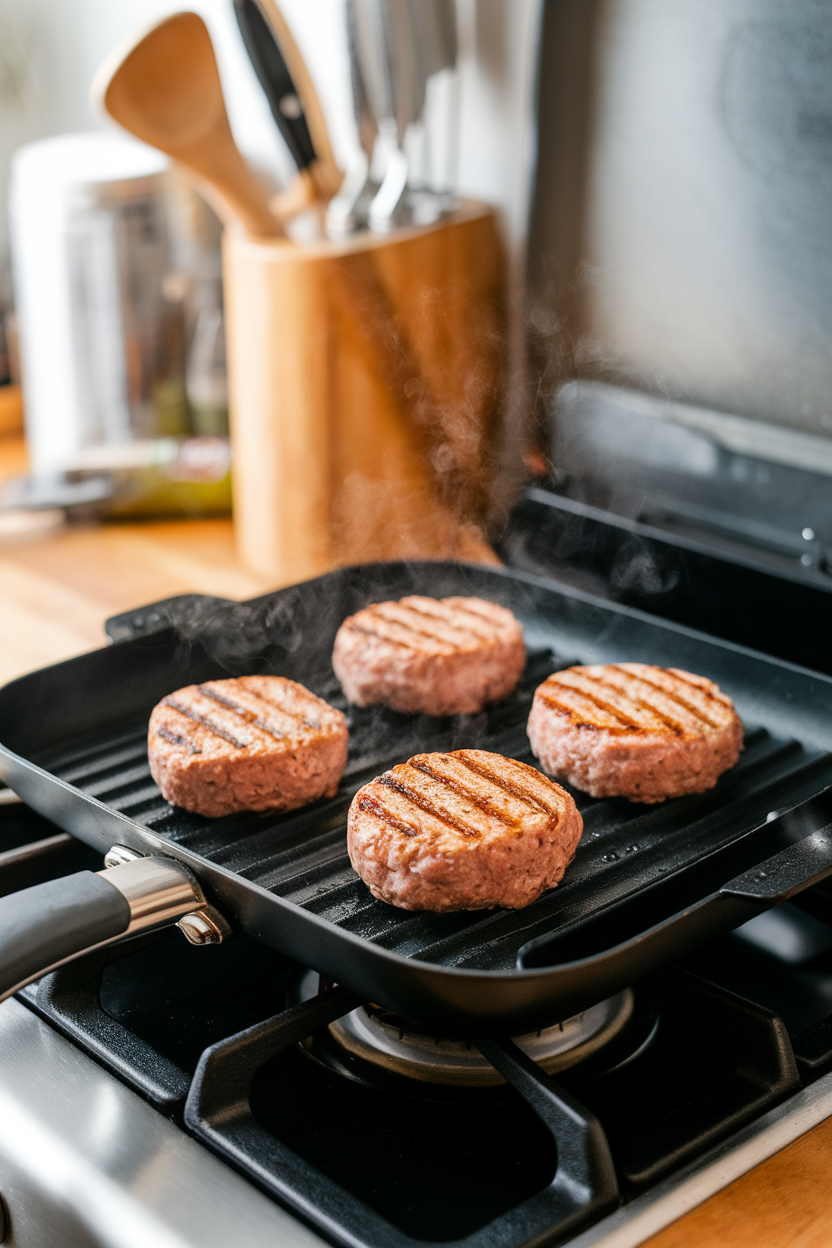
Grilling adds charred flavor without needing much oil. Turkey, chicken, shrimp, or firm tofu all cook quickly on a grill pan. Let kids brush on simple marinades to feel part of the action.
33. Serve Fruit for Dessert
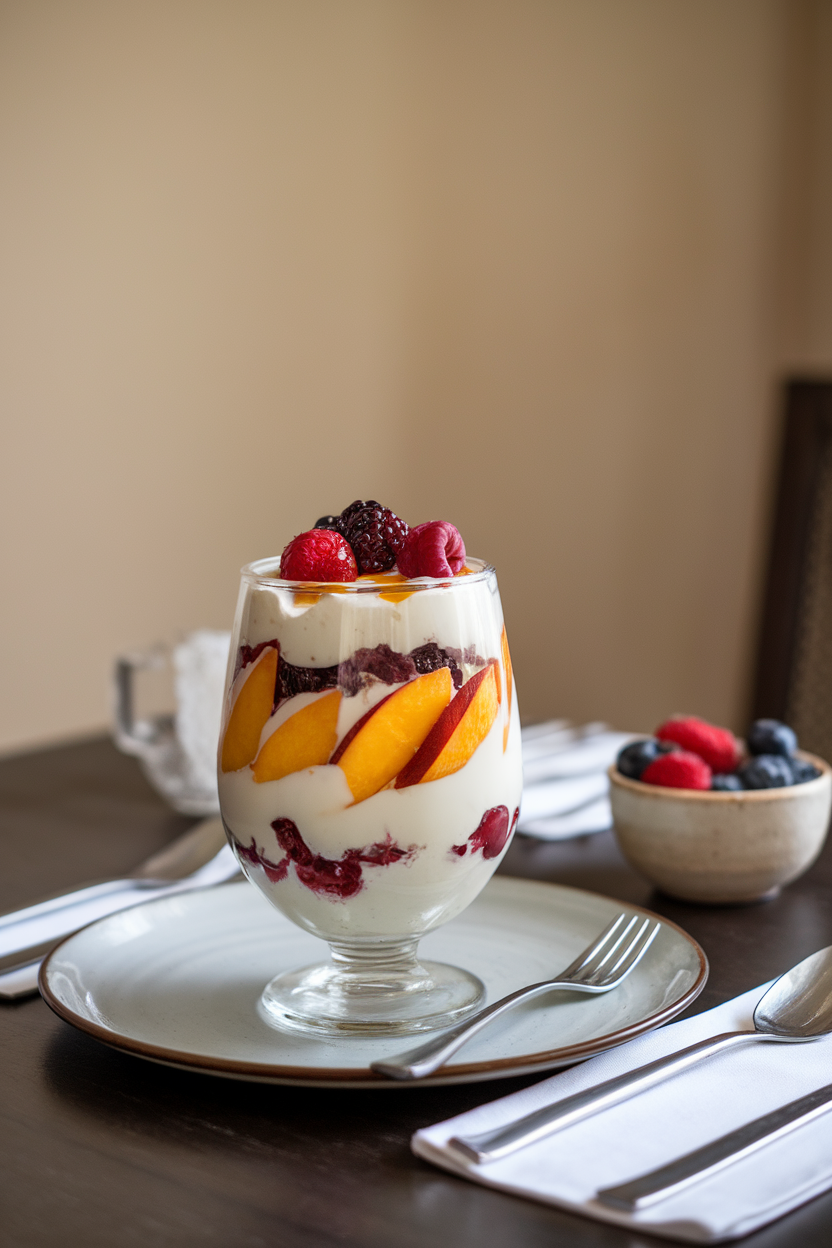
Sweet fruit satisfies cravings while adding vitamins and fiber. Dress it up with a sprinkle of granola or a dollop of whipped cream for special dinners. Over time, children start asking for fruit automatically.
34. Encourage Slow Eating
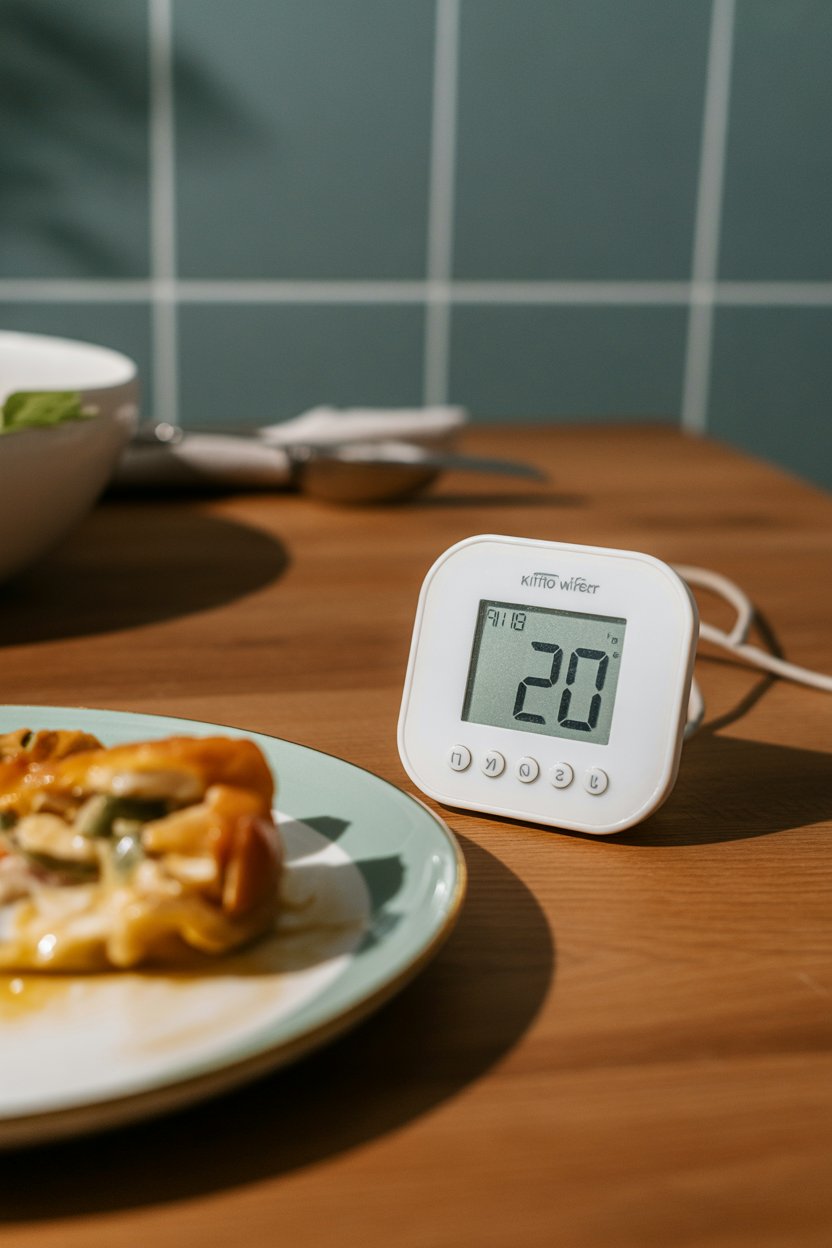
It takes about 15–20 minutes for fullness signals to register. Simple cues like putting the fork down between bites help kids pace themselves. Mealtime songs or light conversation also slow the pace naturally.
35. Turn Off the TV at Meals
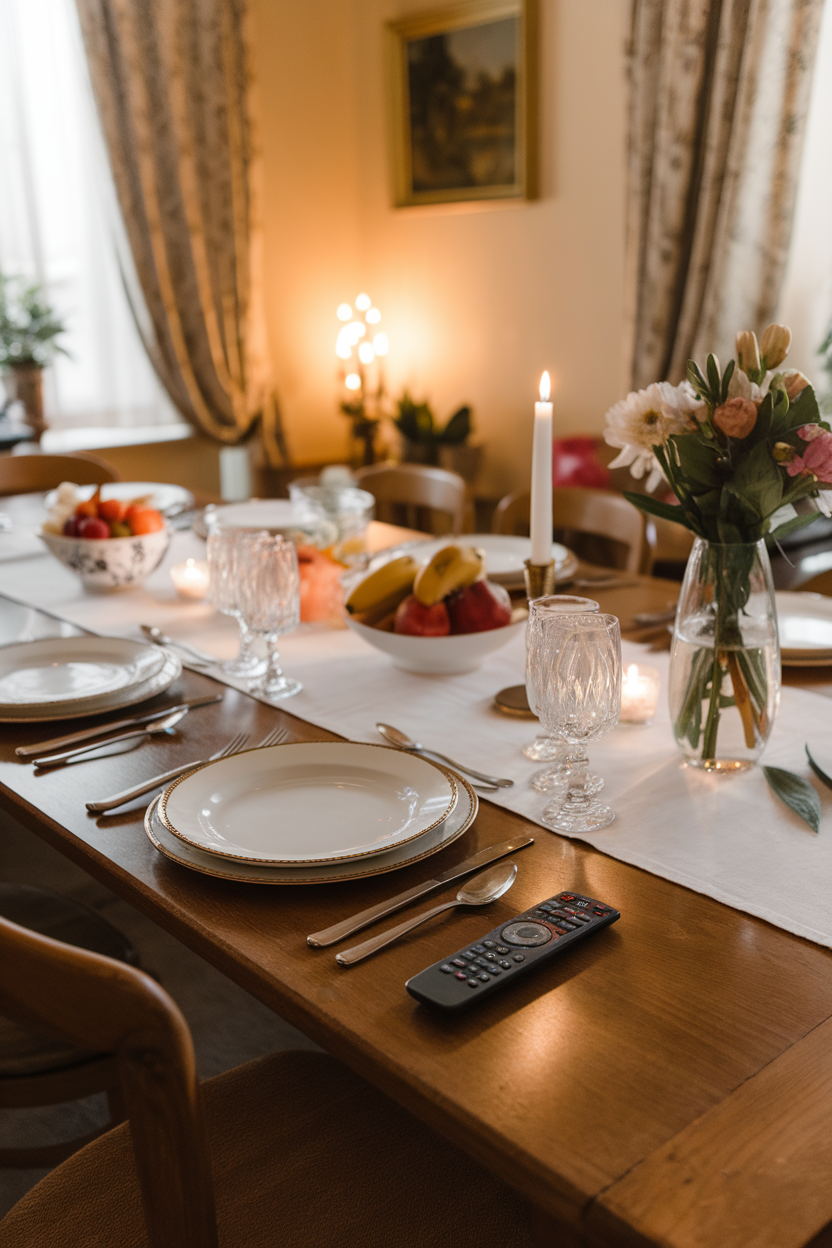
Without background noise, children focus on flavors and family interaction. This habit builds mindful eating skills and improves digestion. Keep a basket nearby for remotes and handheld devices to make the routine stick.
36. Grow Herbs in a Pot
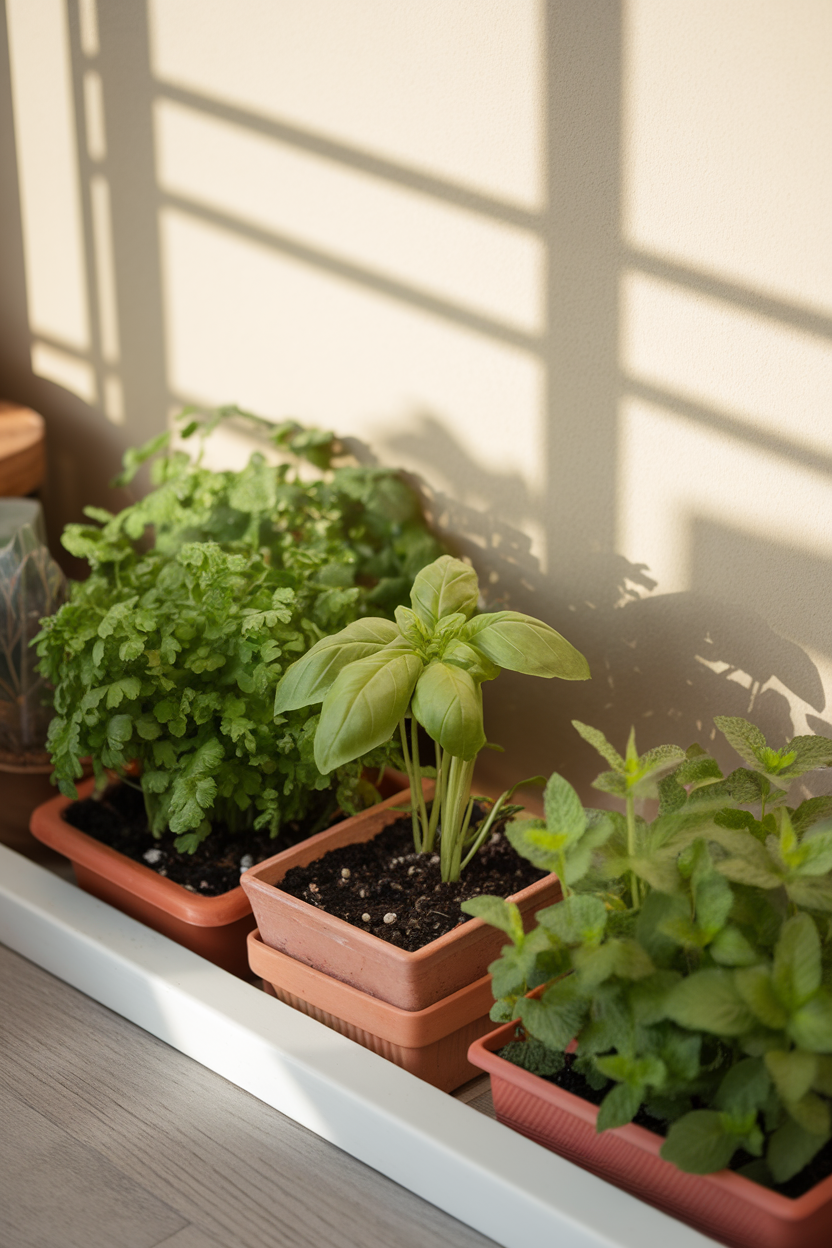
Snipping fresh herbs gives kids a tactile connection to their food. Start with easy varieties like basil that sprout quickly. Sprinkle harvested leaves over pasta or pizza, highlighting how they elevate flavor.
37. Keep Reusable Water Bottles Handy
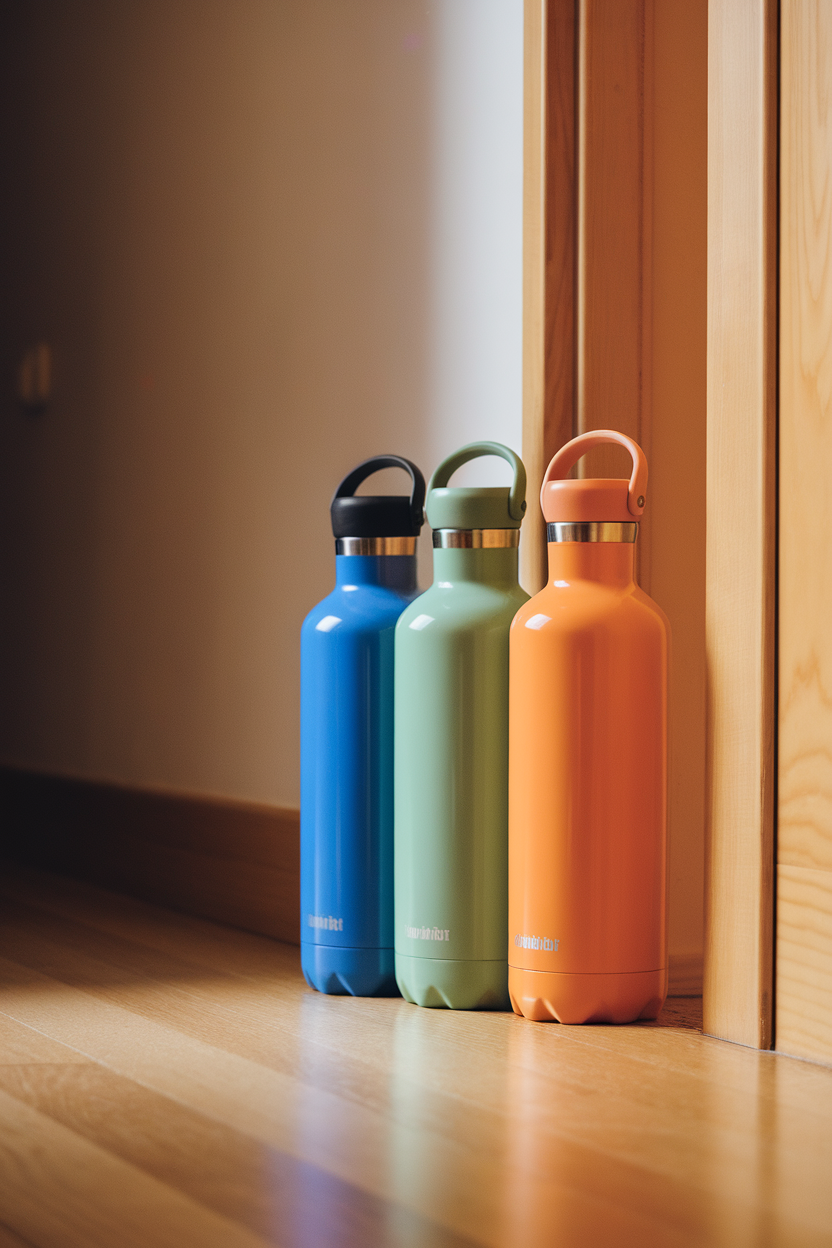
Hydration slips when cups aren’t readily available. Assign each child a bottle with a distinct color or sticker (avoid brand logos). Wash and refill nightly so they’re ready for morning grab-and-go.
38. Make Homemade Pizza on Whole-Wheat Crust
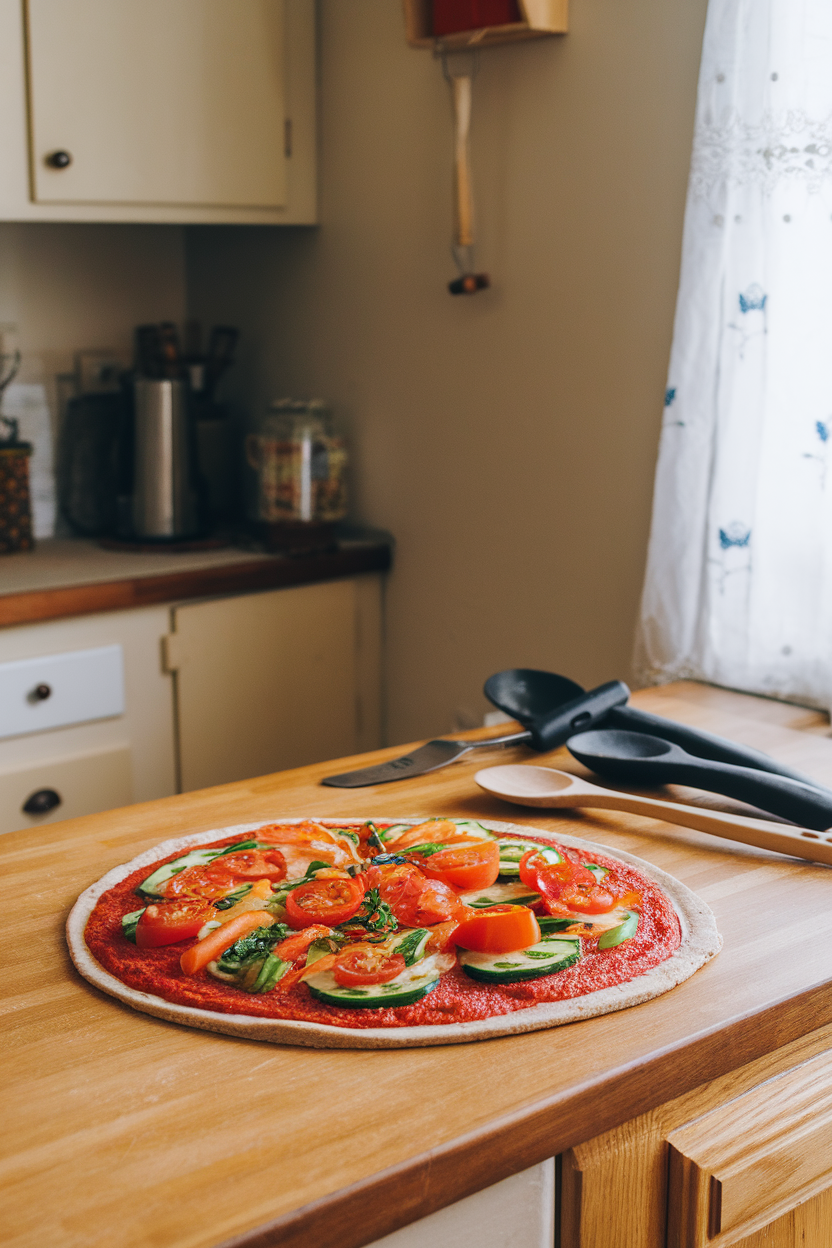
DIY pizza night lets everybody customize toppings while controlling ingredients. Whole-wheat dough adds fiber without changing flavor much. Offer bell peppers, mushrooms, and pineapple alongside the usual cheese and pepperoni.
39. Mix Seeds into Yogurt
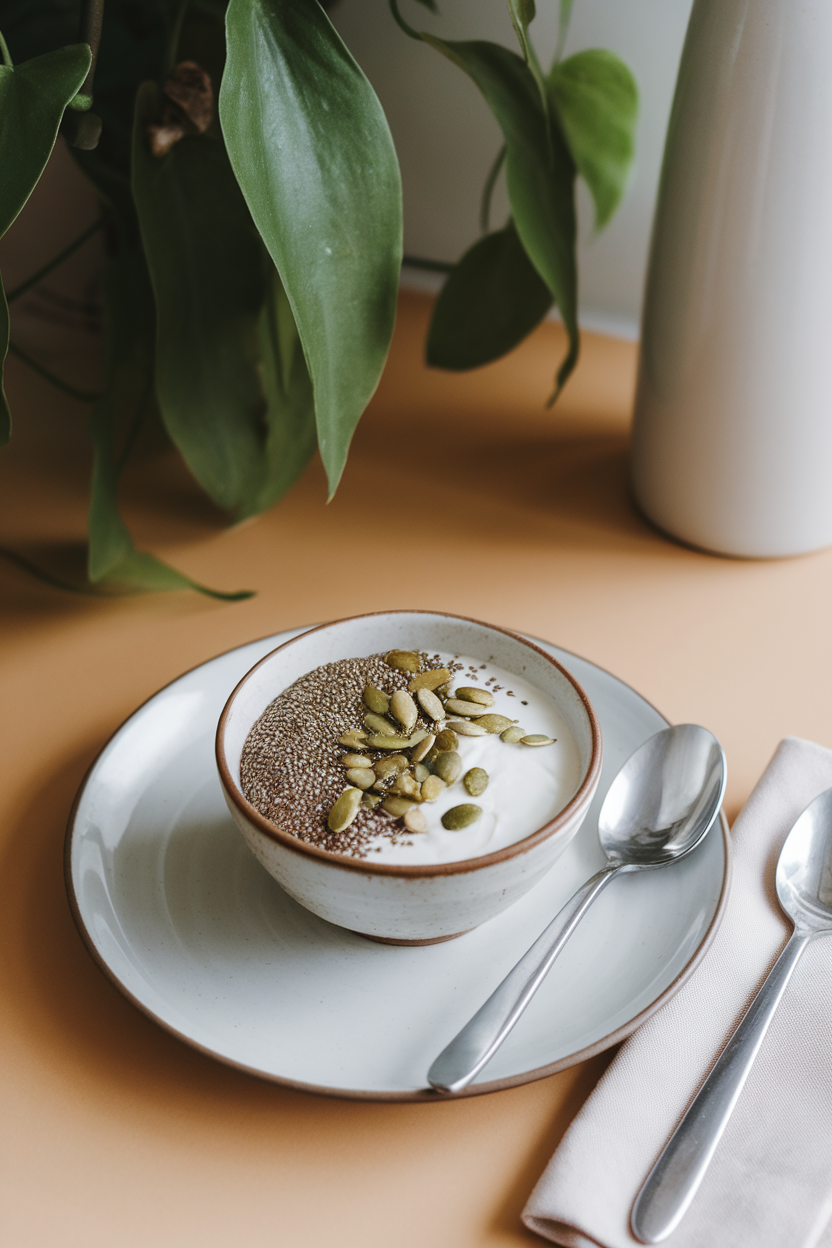
Seeds supply healthy fats, protein, and crunch. Sprinkle one teaspoon at first so the texture change feels subtle. Store seeds in easy-pour containers so kids can add them independently.
40. Offer Variety, Avoid Pressure
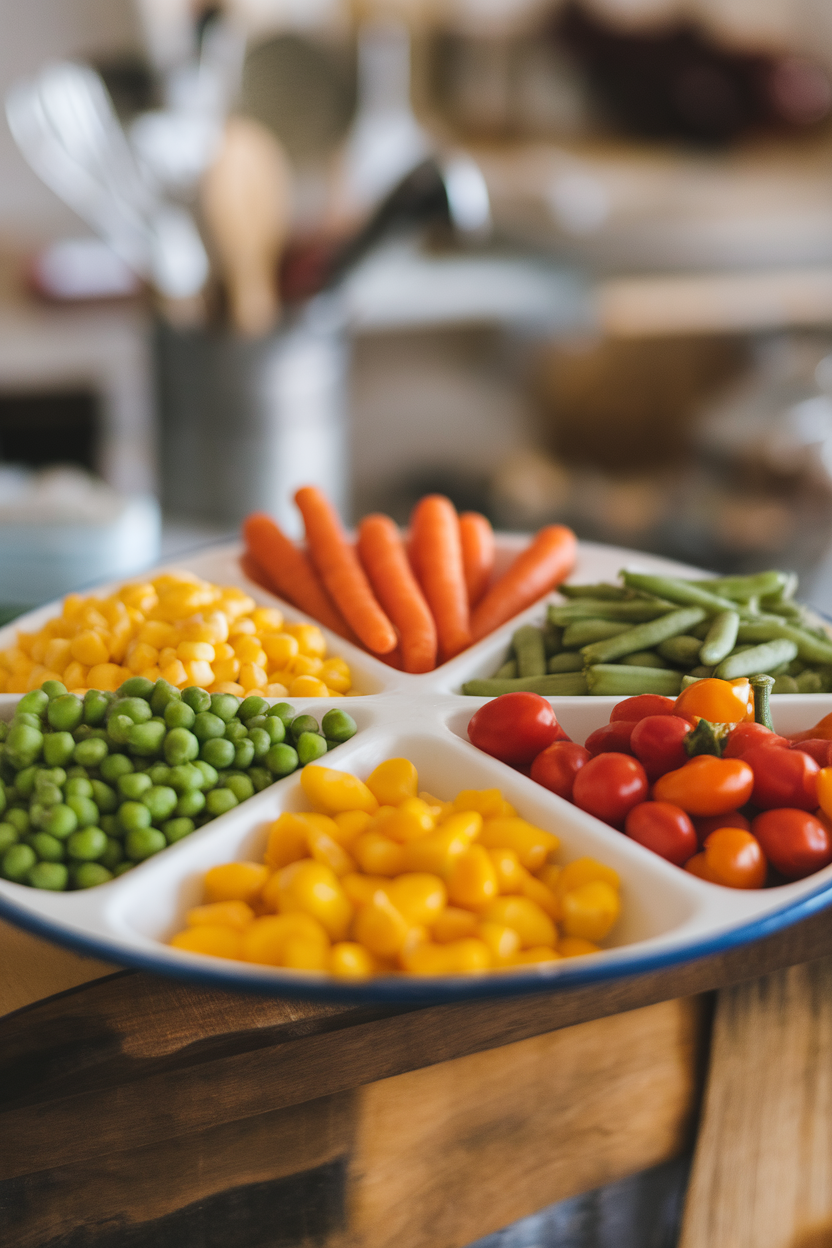
Consistent exposure beats coaxing or bribery. Serve small amounts of diverse foods and let children pick what to eat. Over days and weeks, preferences expand naturally.
41. Teach Hunger and Fullness Cues
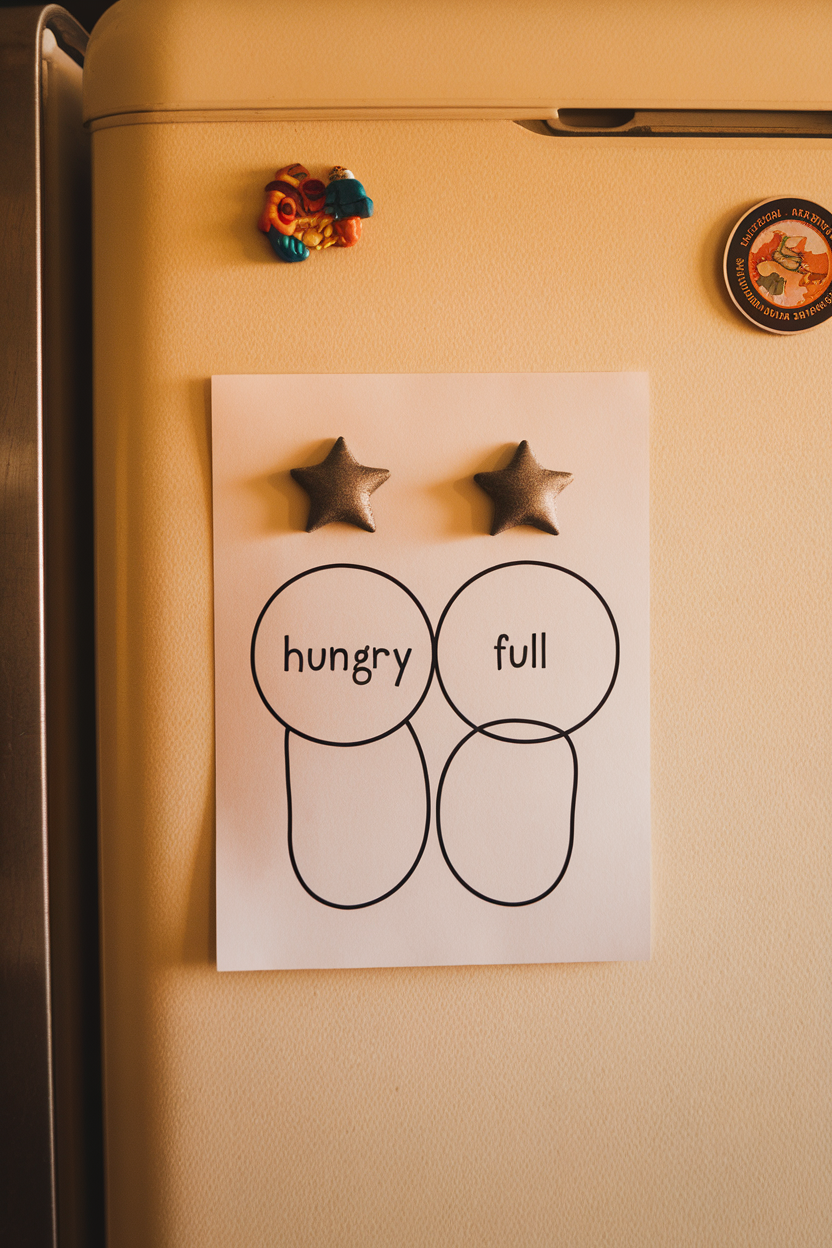
Use everyday language like “Does your tummy feel half full or all full?” to build body awareness. Encourage checking in mid-meal and again after resting for a minute. These skills help prevent overeating later in life.
42. Create a Rainbow Salad Bar
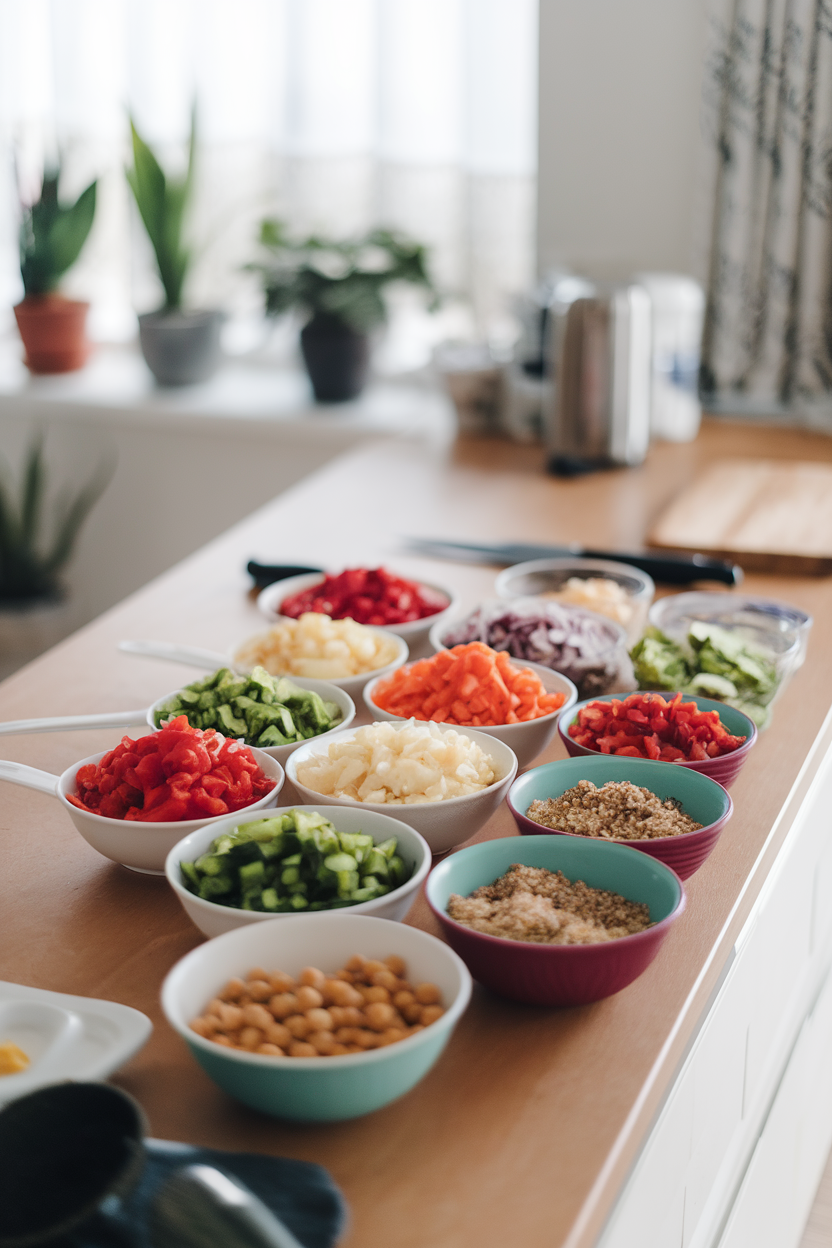
Set out lettuces with red peppers, orange carrots, yellow corn, green cucumbers, and purple cabbage. Children enjoy building patterns and faces on their plates. Offer a mild vinaigrette plus a yogurt-based dressing on the side.
43. Skip Sugary Yogurt Toppings
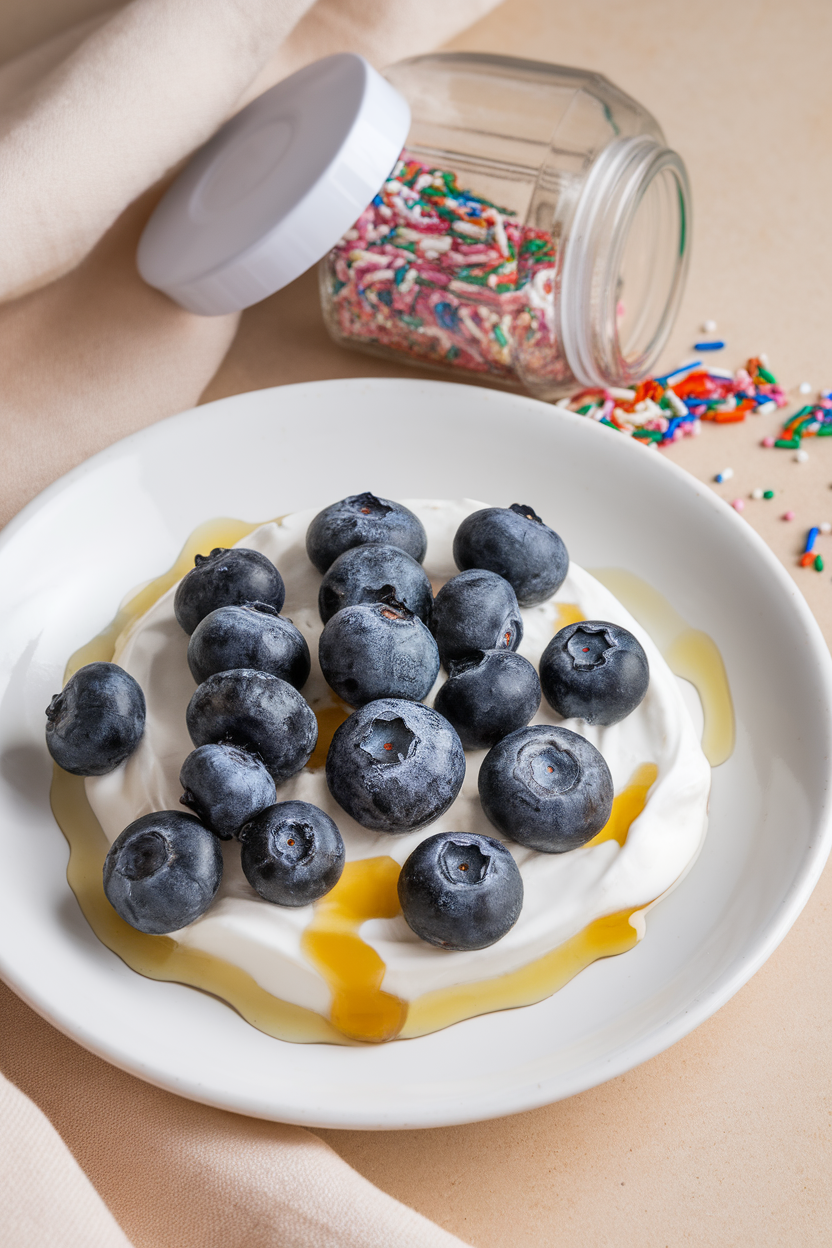
Toppings loaded with dye and sugar overshadow yogurt’s benefits. Fresh fruit, nuts, or a light crunch of granola keep the treat wholesome. Display healthier mix-ins front and center in the pantry.
44. Roast Vegetables for Sweetness
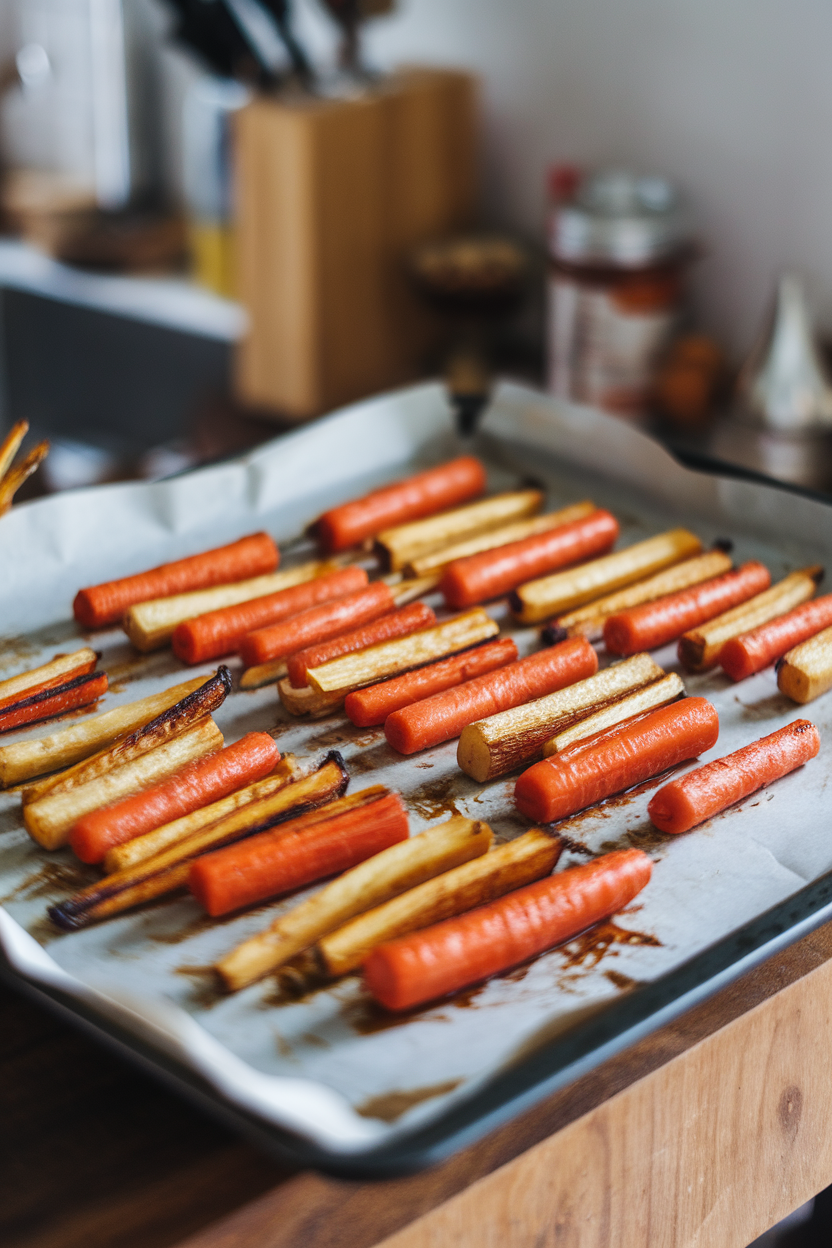
High oven heat transforms earthy flavors into candy-like sweetness. Even skeptical kids often accept roasted veggies before raw ones. A sprinkle of cinnamon on sweet potatoes makes them smell like dessert.
45. Involve Kids in Grocery Shopping
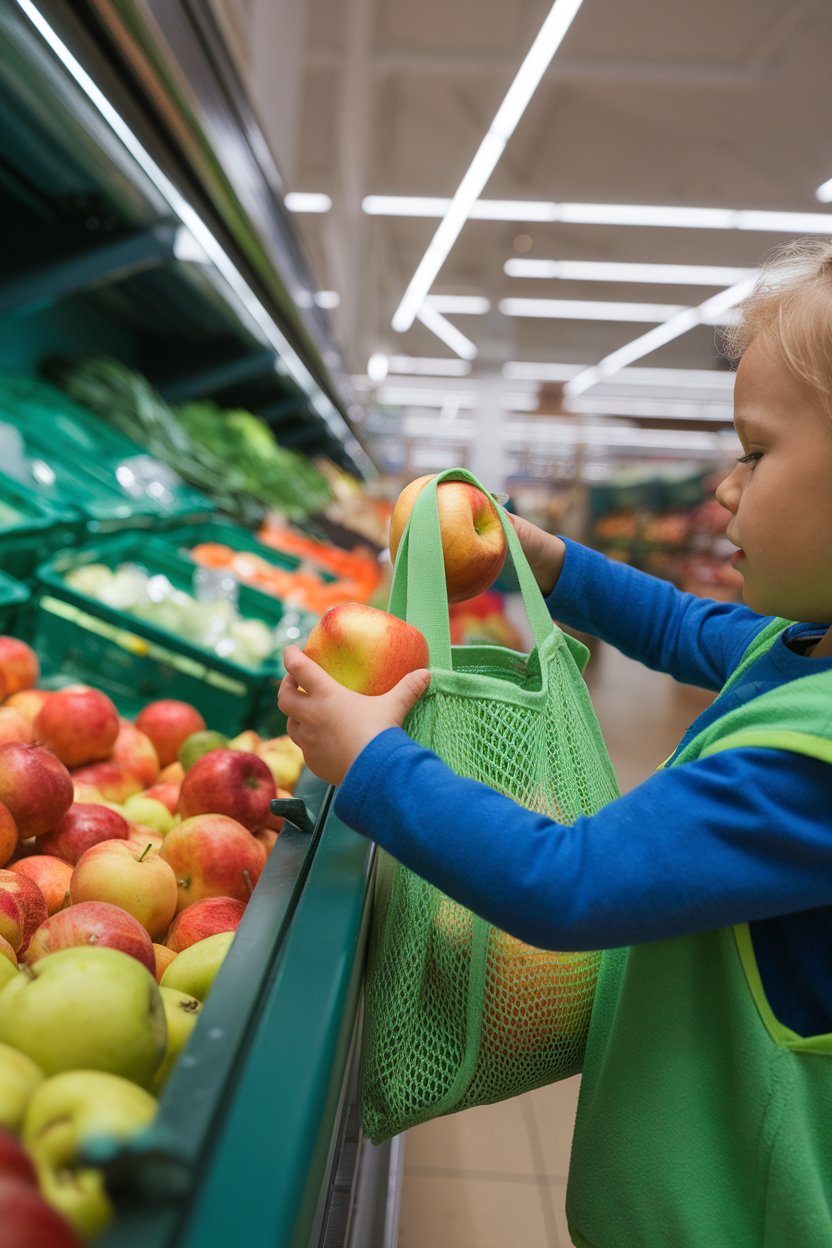
Let children pick one new fruit or vegetable each week. Reading prices and weighing produce sneaks in math practice. They’re more likely to taste foods they selected themselves.
46. Stock the Freezer with Veggie-Packed Meals
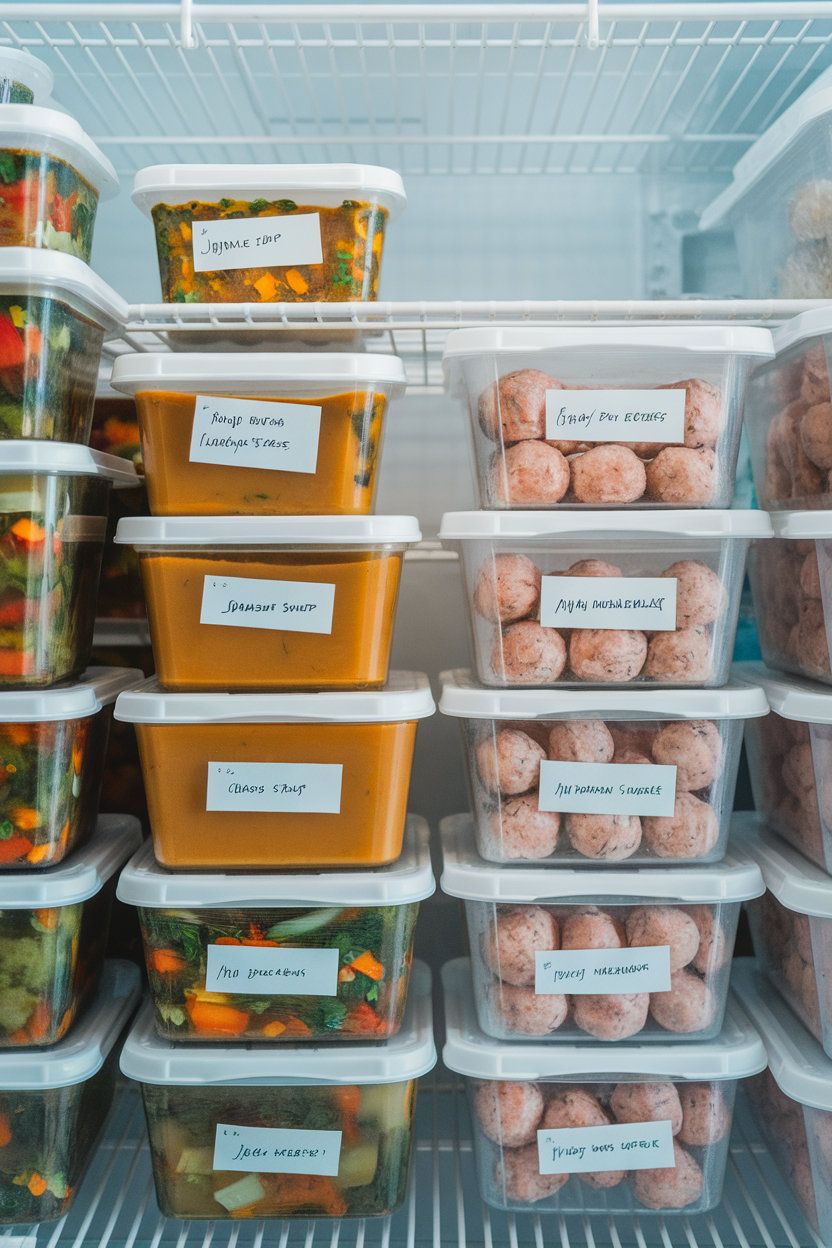
Busy nights call for quick solutions that still feel homemade. Double recipes and freeze half for future use. Knowing nutritious backups are on hand keeps pizza delivery from becoming the default.
47. Add Pureed Beans to Brownies
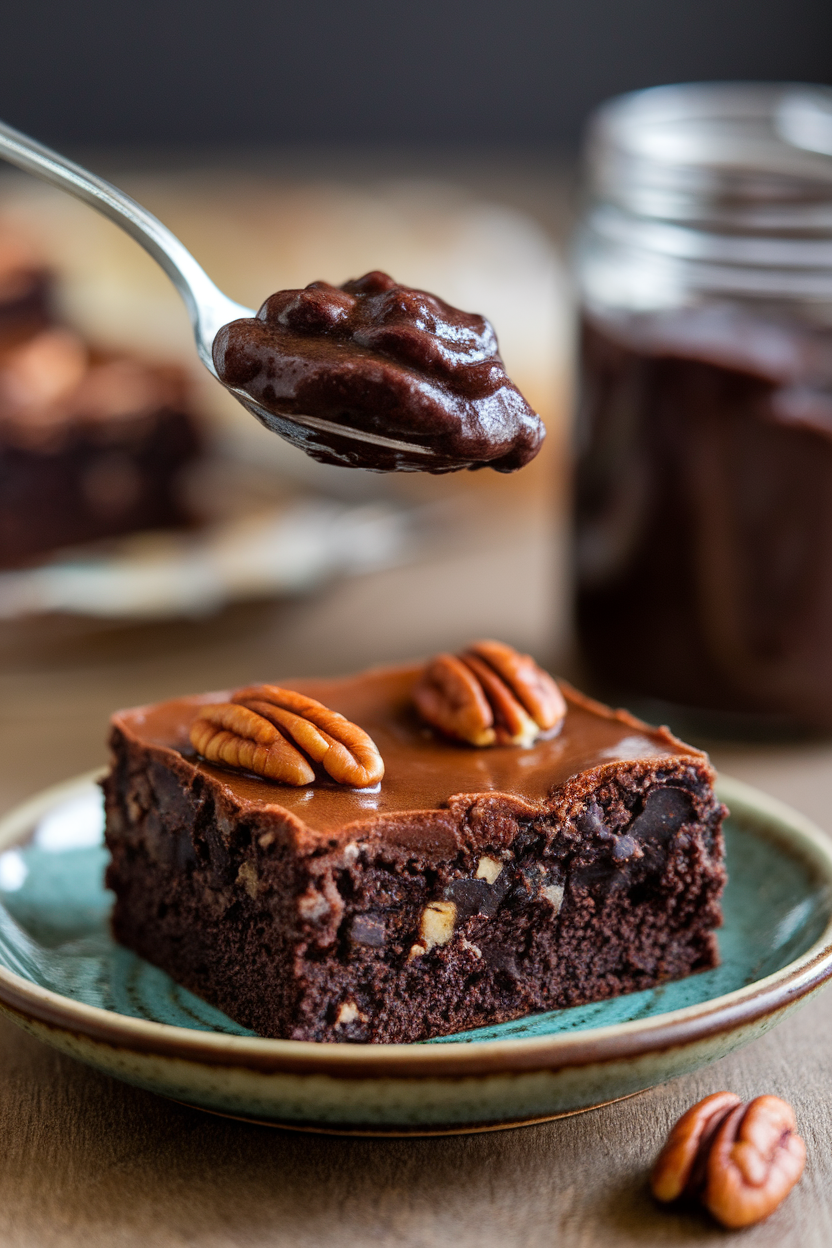
Black beans melt into chocolate batter without changing flavor. The swap ups fiber and protein, balancing the sugar rush. Keep the tweak a secret until they rave about the taste!
48. Swap Ice Cream for Frozen Yogurt

Frozen yogurt satisfies cravings with less fat and added probiotics. Blend plain yogurt with frozen fruit and a touch of honey, then freeze briefly for soft-serve texture. Serve immediately for the best consistency.
49. Serve Breakfast for Dinner Occasionally
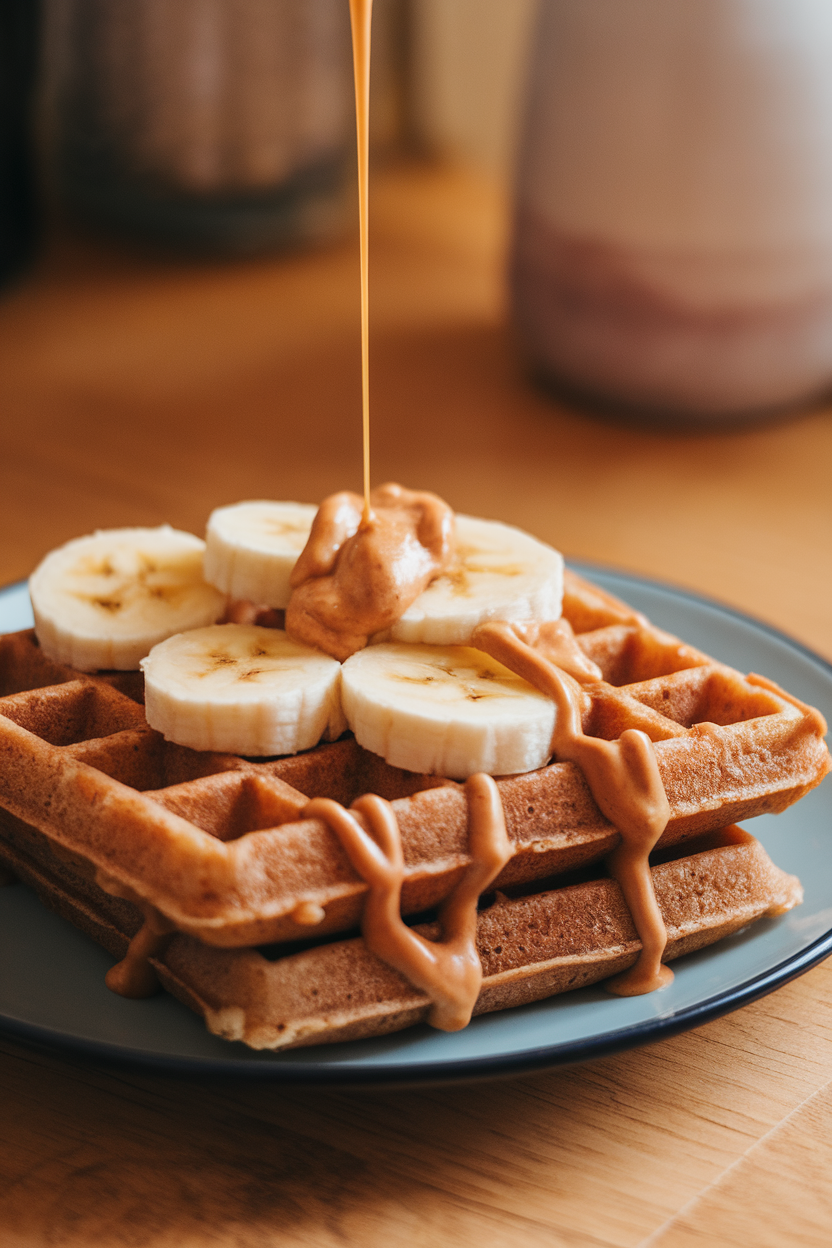
Pancakes or omelets at night feel novel and break routine fatigue. Use whole-grain batter and add fruit or spinach to boost nutrients. Kids enjoy seeing familiar morning foods in a new context.
50. Marinate Chicken in Citrus
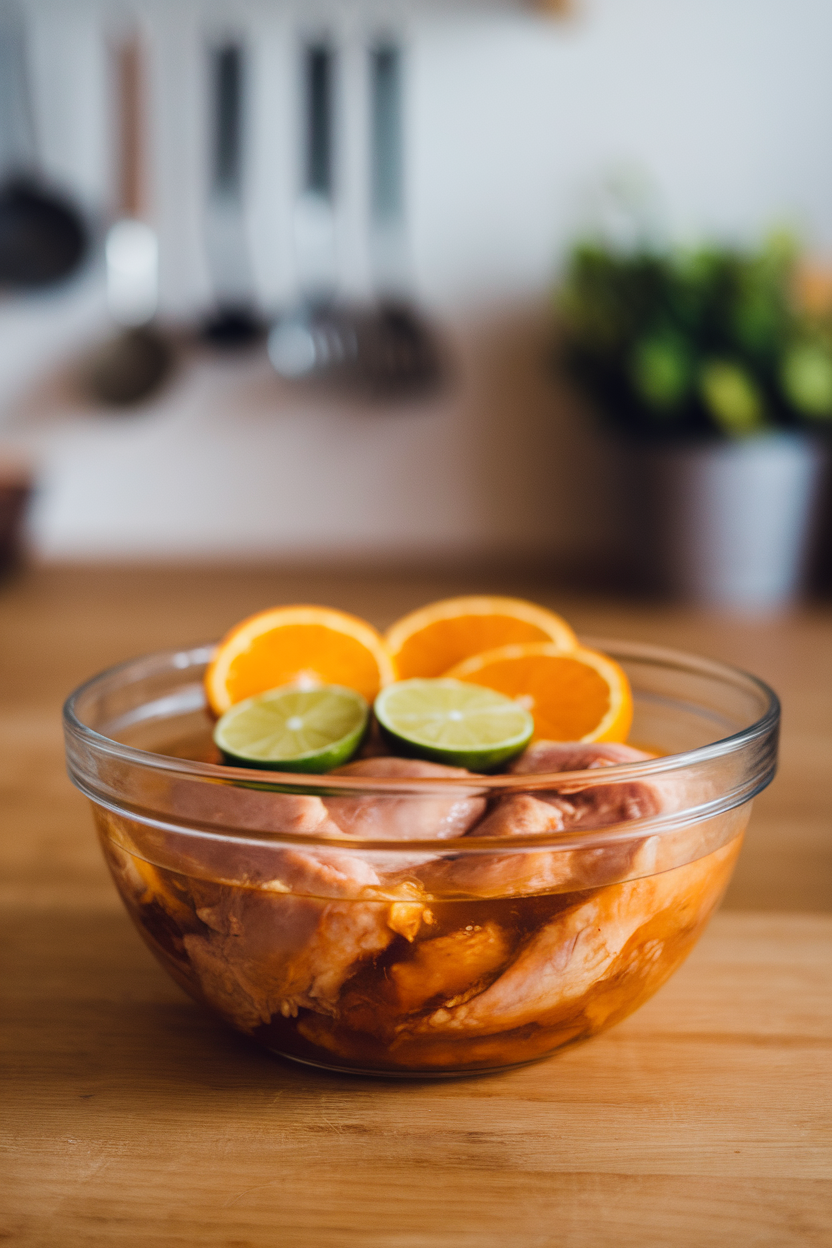
Citrus acids tenderize meat and add bright flavor without heavy sauces. Let kids squeeze the fruit and watch the juice do its work. Bake or grill for a quick, zesty protein option.
51. Keep Healthy Food at Eye Level
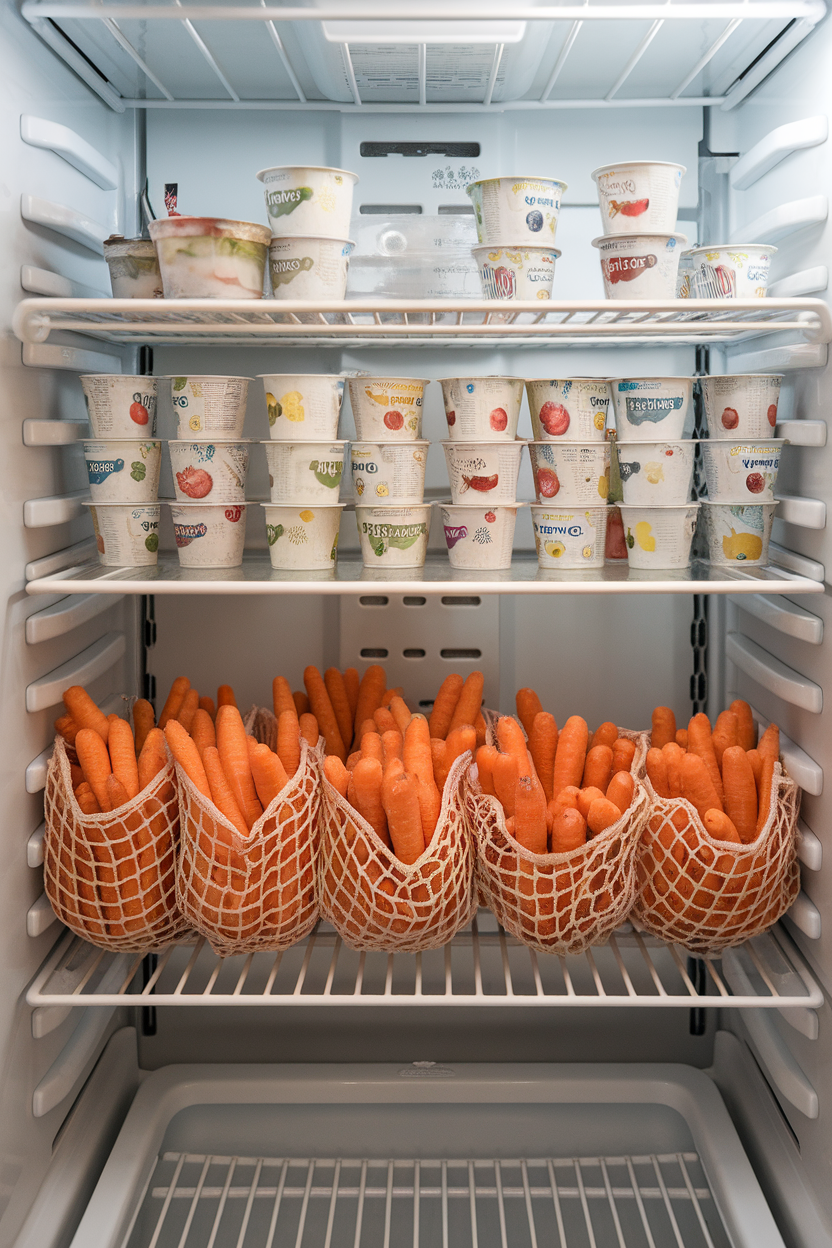
Where items sit often determines what gets eaten first. Shift sugared condiments and desserts to higher shelves or opaque bins. Visibility nudges better choices with zero discussion required.
52. Use Fun Shape Cutters for Sandwiches
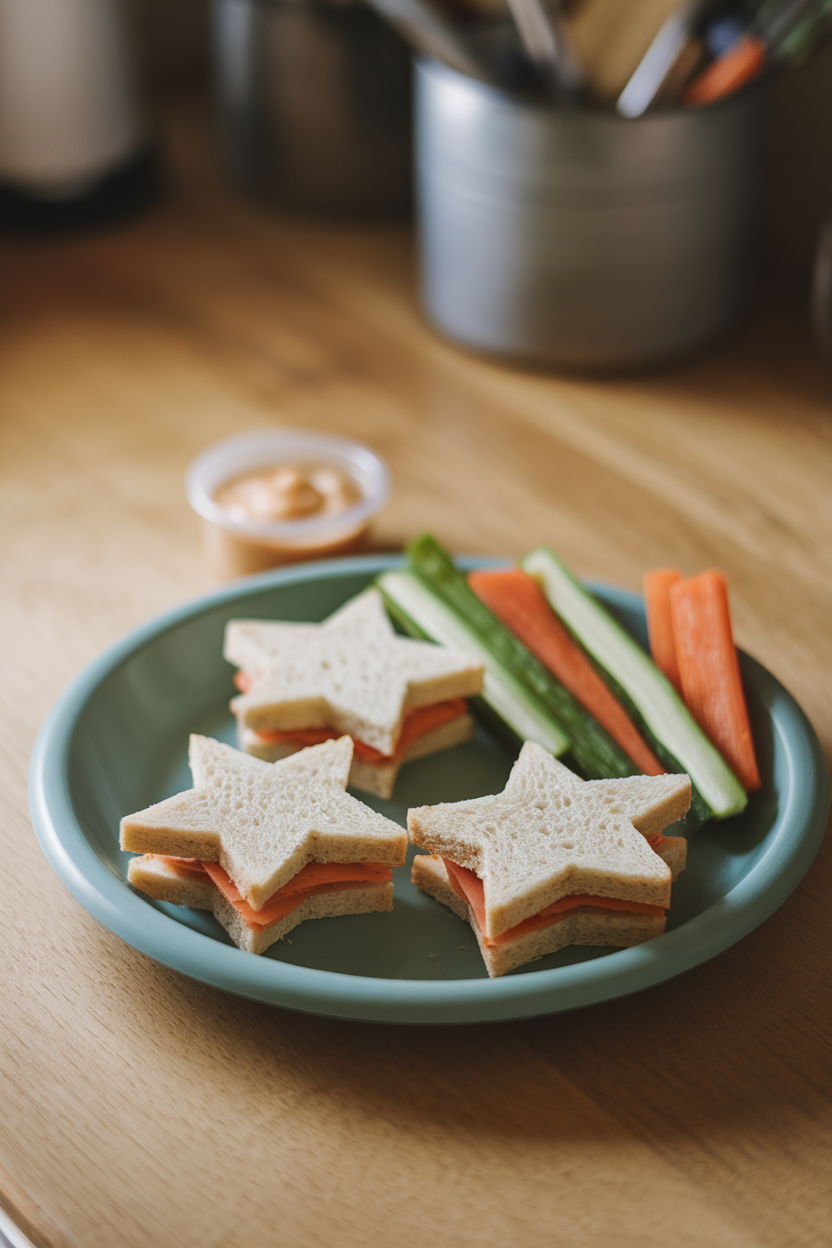
Novel shapes turn ordinary sandwiches into playful surprises. Invest in metal cutters that slice cleanly through whole-grain bread and soft fillings. Save crusts for homemade breadcrumbs or french toast sticks.
53. Stir Chia Seeds into Drinks
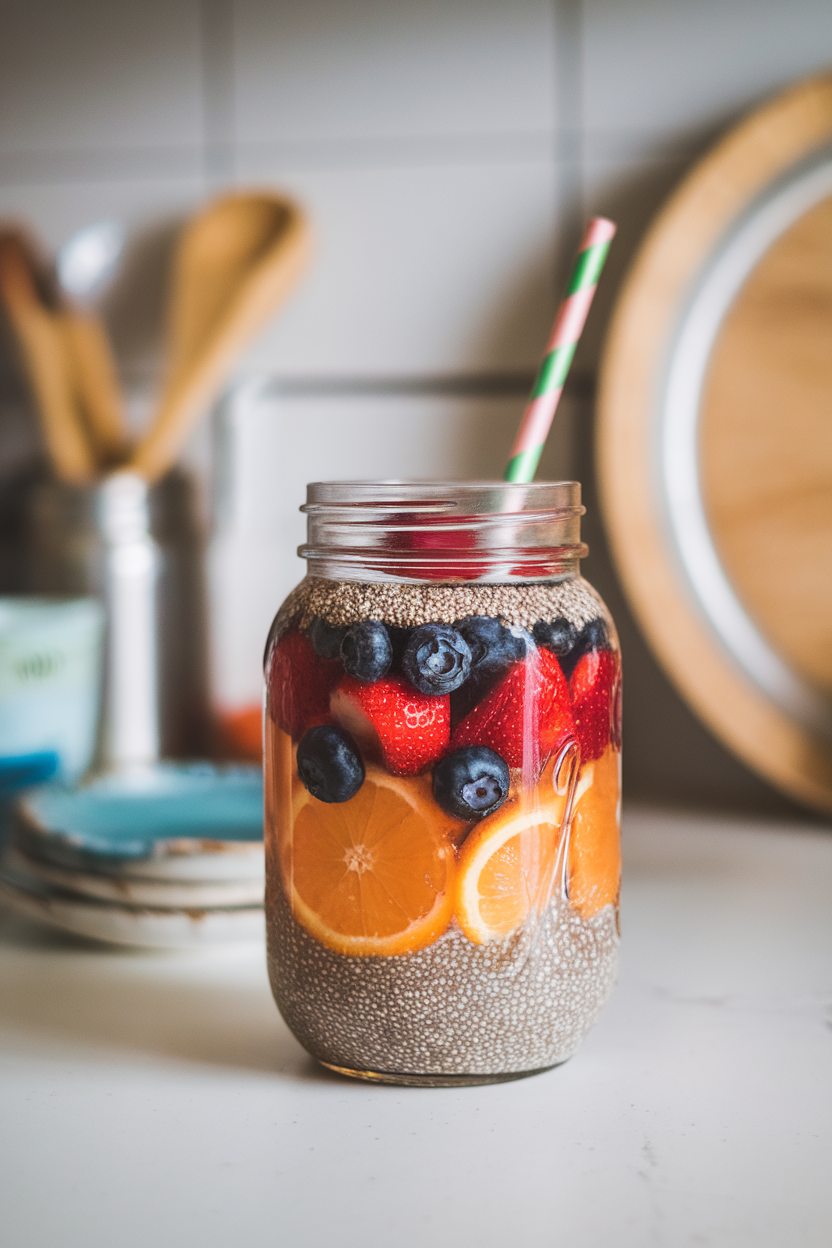
Chia seeds absorb liquid and deliver fiber, omega-3s, and a fun texture. Mix a teaspoon into diluted juice or flavored water and chill for ten minutes. The tiny gel bubbles fascinate kids and encourage hydration.
54. Pick Plain Popcorn Instead of Chips
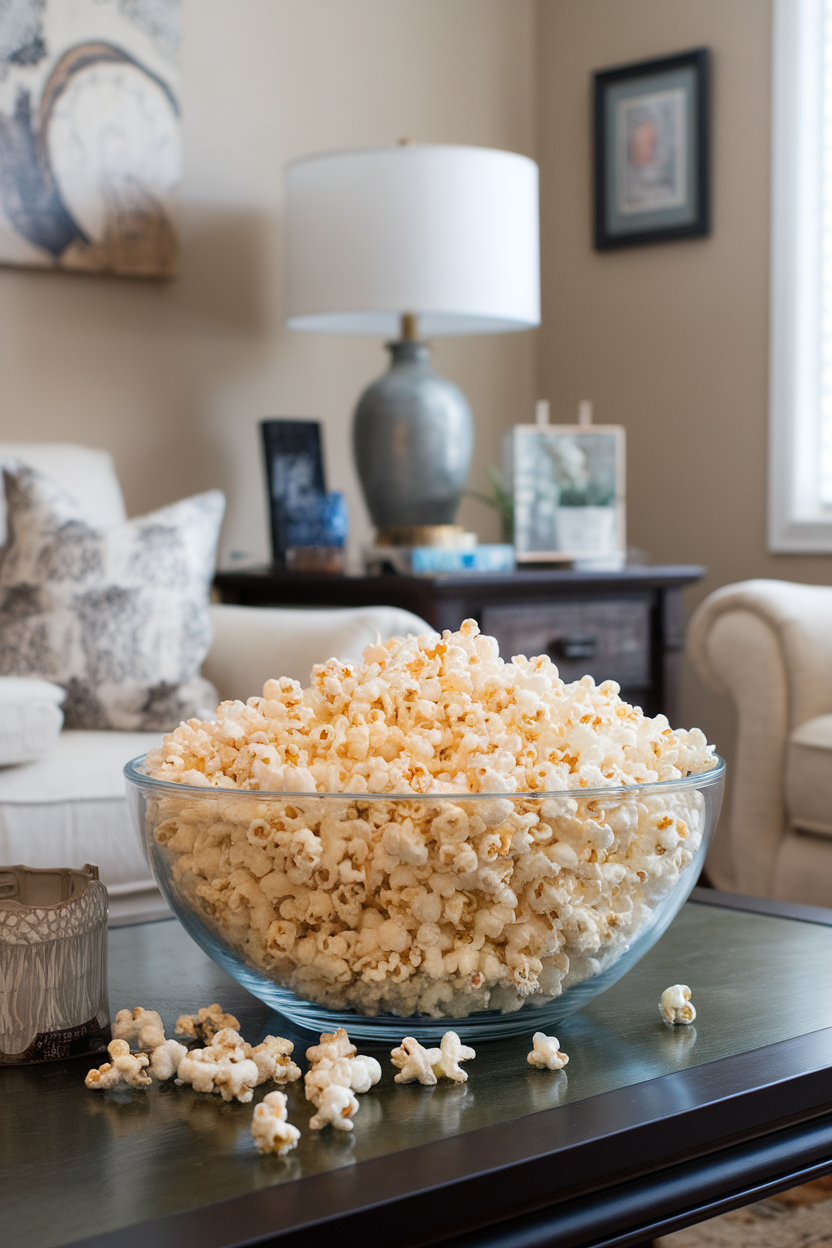
Air-popped popcorn offers whole-grain crunch with far less fat than chips. Sprinkle on mild seasonings like cinnamon or parmesan for variety. Portion into individual bowls to keep sticky fingers from fighting over the big one.
55. Serve Salad Dressing on the Side
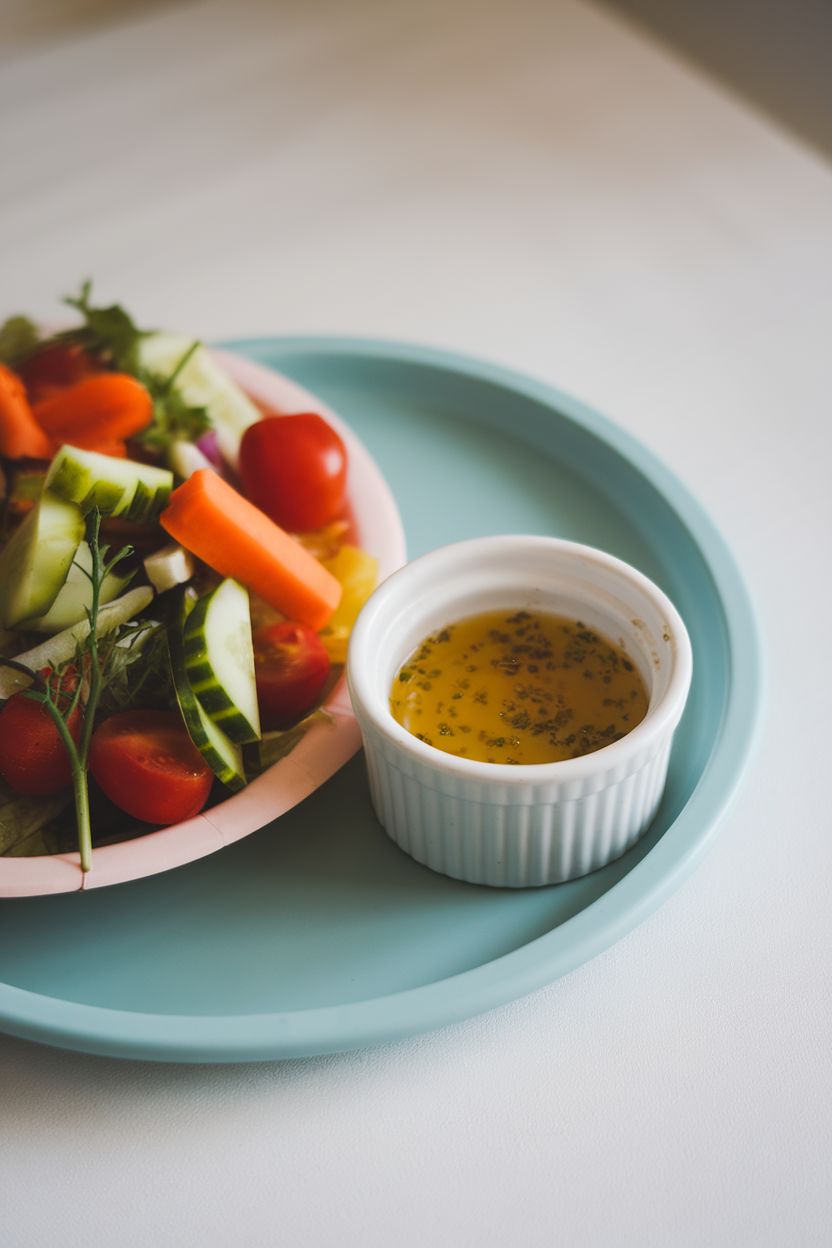
Kids control how much dressing they use, which prevents soggy greens and excess calories. Mini dipping cups add a fun element to mealtime. Offer two dressings—creamy and light—so they can compare flavors.
56. Track Water Intake with Beads
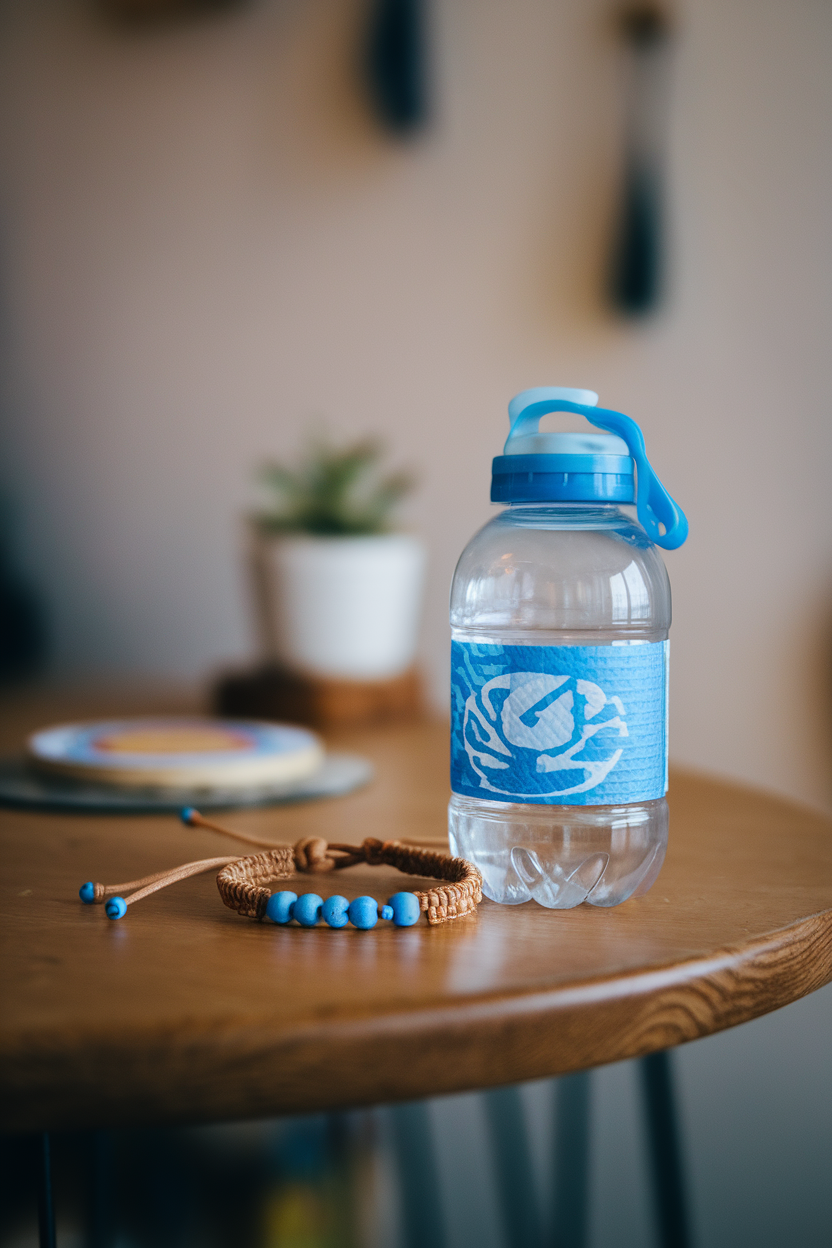
Slide a bead each time a cup of water is finished. Visual cues motivate children who love collecting or counting. Swap bead colors weekly to keep the activity fresh.
57. Blend Cauliflower into Mashed Potatoes
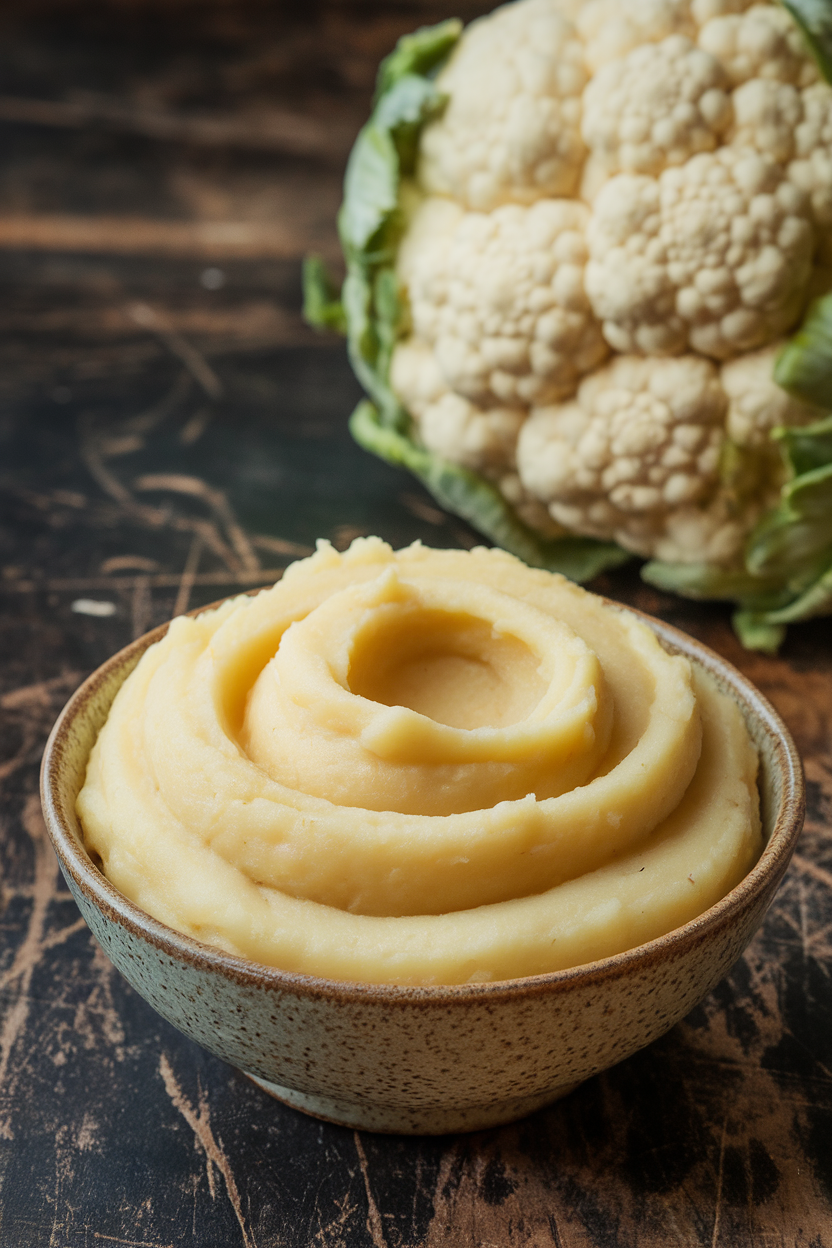
Steamed cauliflower lightens the dish and slips in extra veggies. Puree it until silky before mixing with potatoes and a bit of butter. Most kids never notice the difference in taste, only the fluffier texture.
58. Offer Veggie Sticks with Hummus
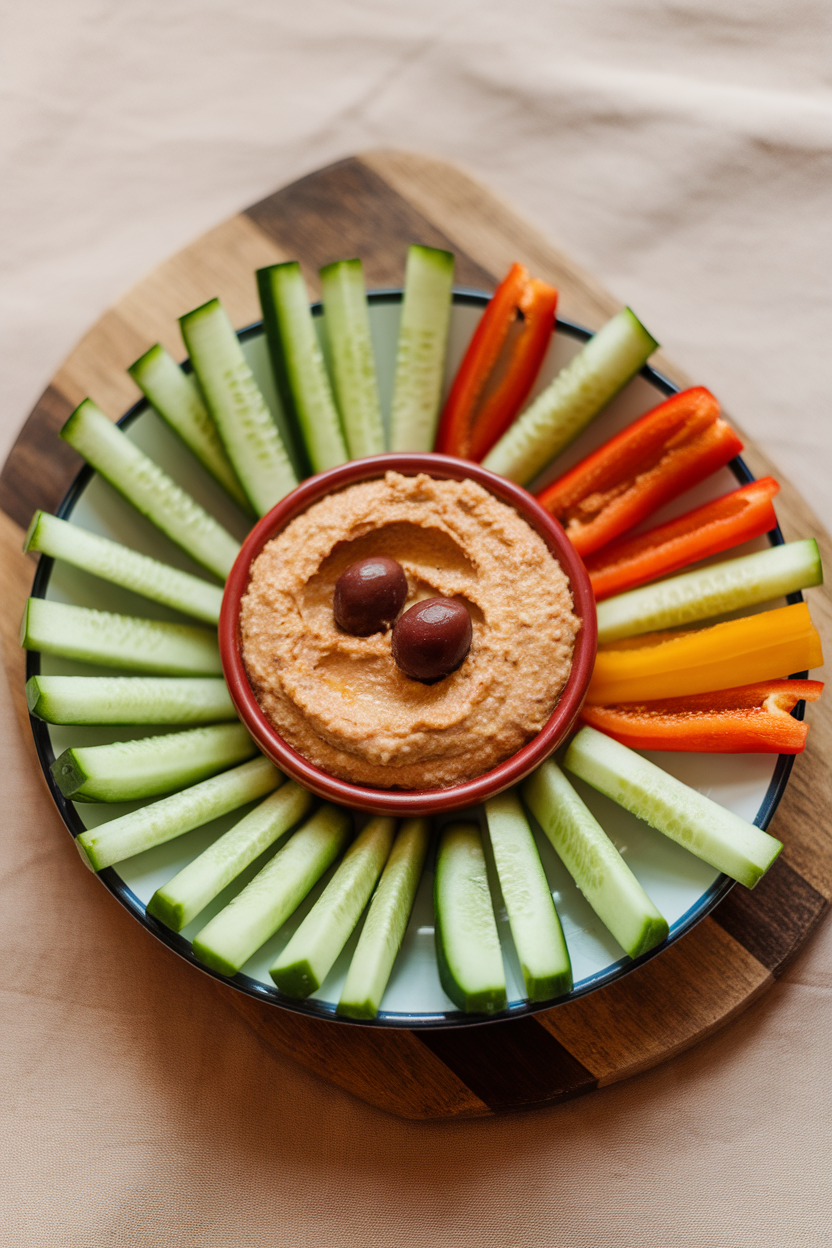
Pairing crunchy vegetables with a creamy dip boosts both protein and produce intake. Keep washed sticks in water-filled jars in the fridge for quick assembly. Rotate hummus flavors like roasted red pepper or basil pesto.
59. Replace Sugary Sauce with Salsa
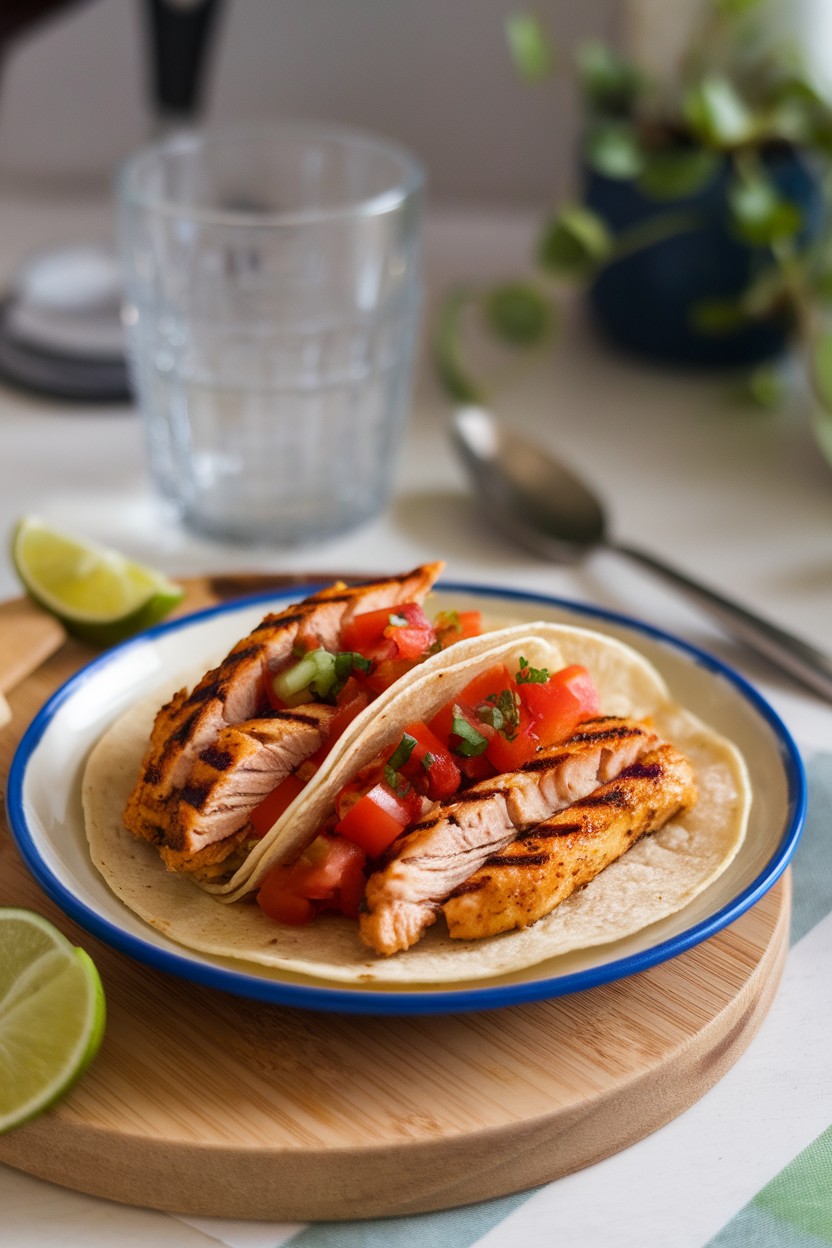
Salsa adds zest and moisture without added sugar common in many bottled sauces. Mild varieties work for sensitive palates, while spicy ones tempt adventurous eaters. Stir leftovers into scrambled eggs the next morning.
60. Choose Low-Sugar Cereal
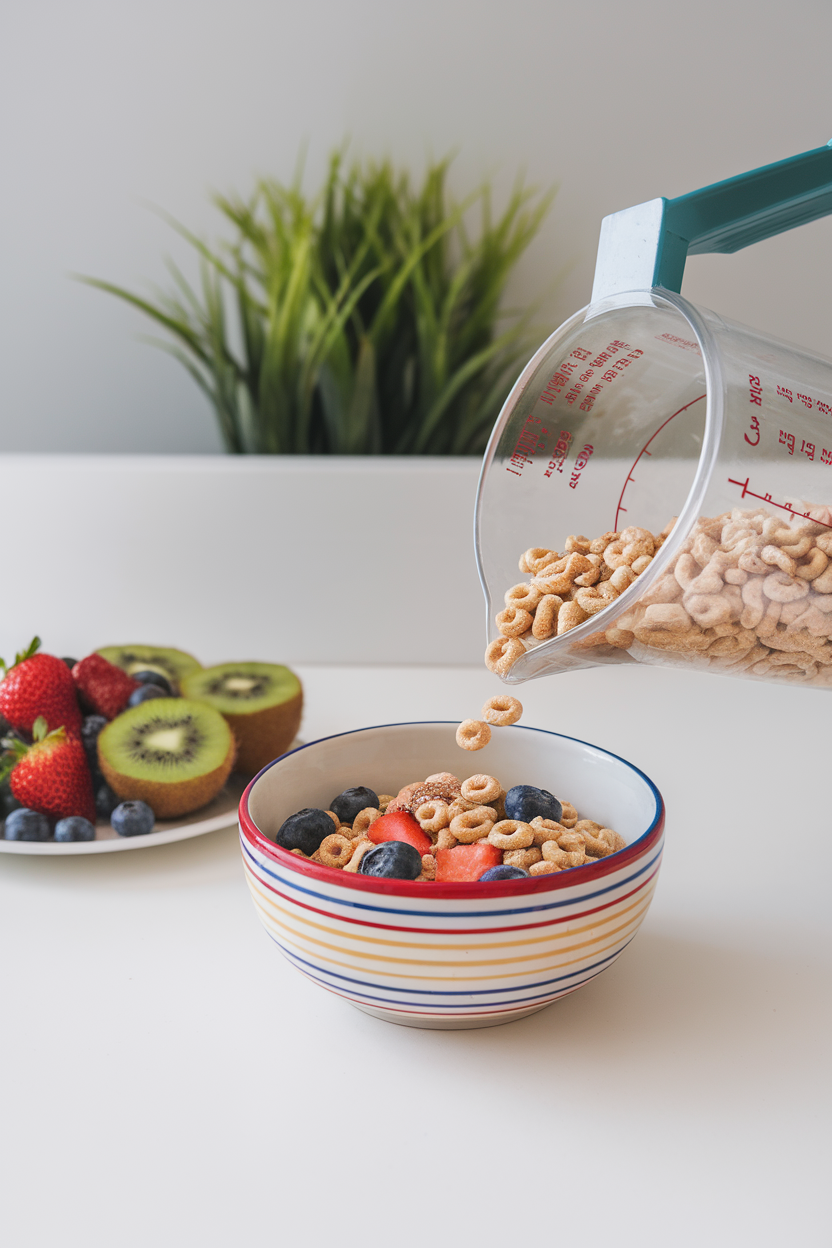
Look for cereals with fewer than six grams of sugar per serving and whole grains listed first. Dress them up with berries, sliced bananas, or a sprinkle of cinnamon. Gradually mix half low-sugar cereal with the old favorite to transition.
61. Have Kids Set the Table
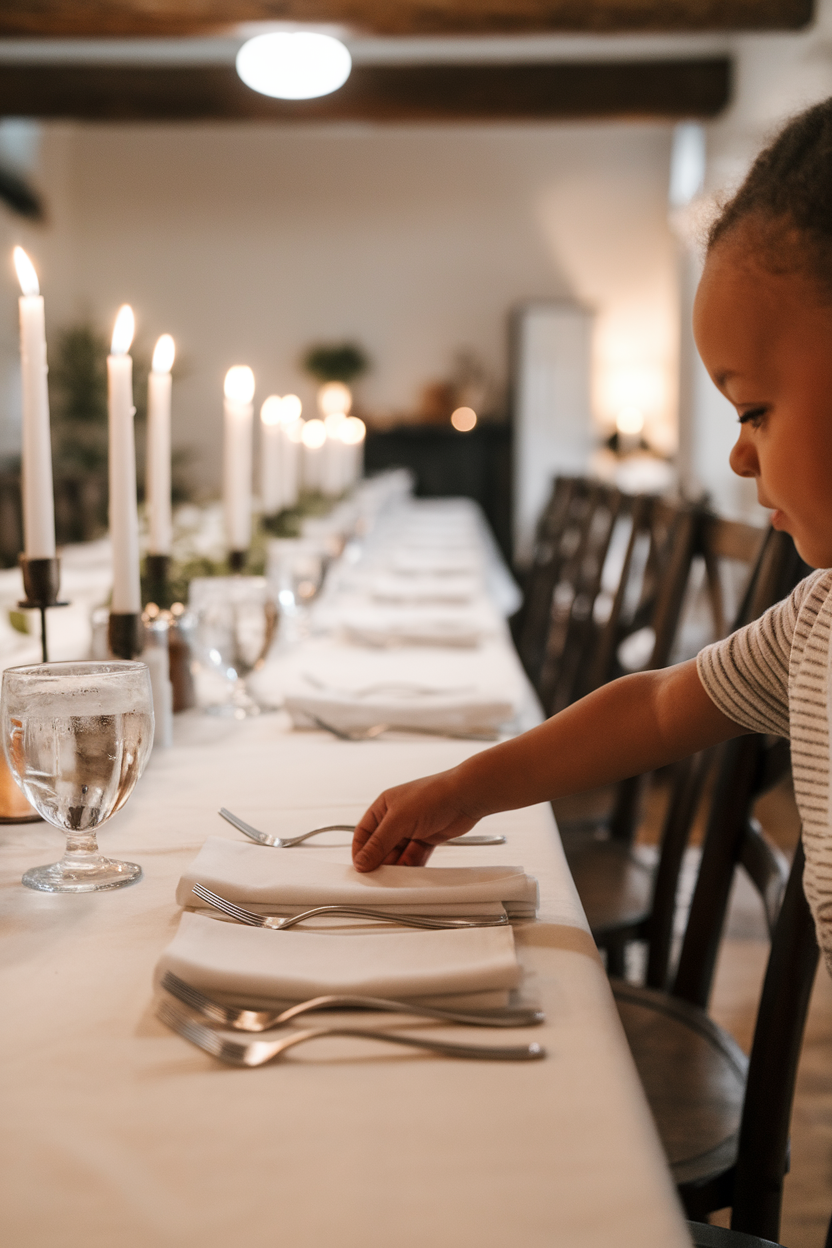
This simple chore builds ownership of mealtime and teaches basic etiquette. Rotate tasks—one child handles plates, another napkins—to keep it equitable. A sense of contribution often leads to more cooperation during the meal itself.
62. Celebrate Small Wins Together

Positive reinforcement encourages kids to stick with new habits. Call out moments like trying a new vegetable or remembering a water bottle. A quick cheer or high-five can motivate more than elaborate rewards.
63. Model the Behavior You Want to See
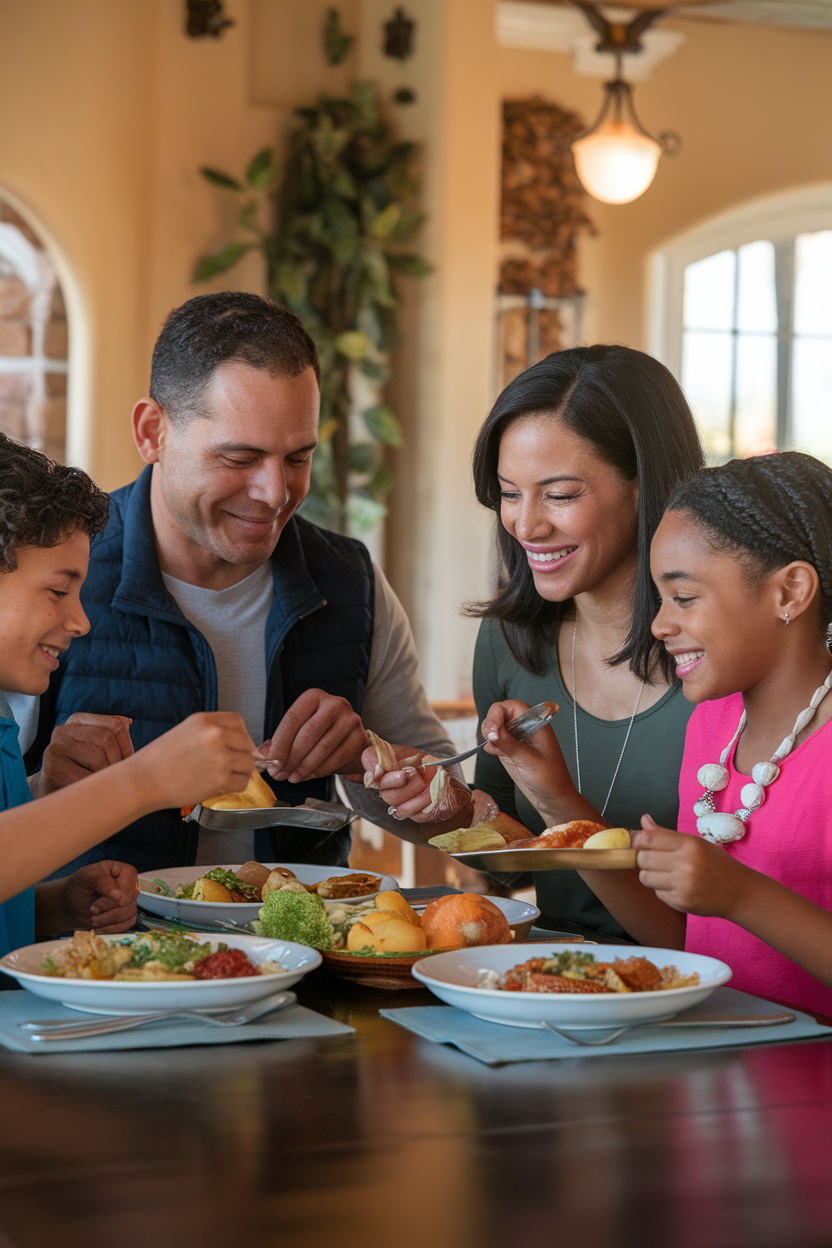
Kids learn first by watching. When adults enjoy varied foods and pause when full, youngsters follow suit. Consistency and patience go a long way in shaping lasting habits.

Nathaniel Lee is an avid cook, drawing on his decades of home cooking and fine dining experience. He is a contributing chef at Mashed, and his recipes and contributions have been featured in Tasting Table, Edible Arrangements, Insanely Good Recipes, and The Daily Meal.