Healthy habits grow one small step at a time, and they stick when they fit smoothly into daily life. The seventy ideas below cover planning, cooking, and mindful choices that make nutritious eating feel natural rather than forced. Pick a handful to start, master them, and then add more as they become second nature.
Contents
- 1. Start Your Morning With a Protein-Rich Breakfast
- 2. Keep Healthy Snacks Front and Center
- 3. Swap Refined Grains for Whole Grains
- 4. Drink a Glass of Water Before Each Meal
- 5. Plan Weekly Menus on Sunday
- 6. Practice Mindful Eating
- 7. Use Smaller Plates
- 8. Fill Half Your Plate With Vegetables
- 9. Include Legumes Several Times a Week
- 10. Choose Lean Proteins
- 11. Limit Sugary Drinks
- 12. Cook at Home More Often
- 13. Batch-Cook Whole Grains
- 14. Experiment With Herbs and Spices
- 15. Grill or Bake Instead of Fry
- 16. Keep a Food Journal for a Week
- 17. Read Nutrition Labels Carefully
- 18. Prep Produce as Soon as You Get Home
- 19. Eat Seafood Twice a Week
- 20. Carry a Reusable Water Bottle
- 21. Practice Portion Awareness
- 22. Limit Processed Meats
- 23. Try Meatless Mondays
- 24. Snack on Nuts Instead of Chips
- 25. Sprinkle Seeds on Meals
- 26. Replace Heavy Cream With Greek Yogurt
- 27. Choose Dark Chocolate for Dessert
- 28. Flavor Water With Fruit and Herbs
- 29. Enjoy Fermented Foods Regularly
- 30. Eat Slowly and Chew Thoroughly
- 31. Turn Off Screens During Meals
- 32. Respect Hunger and Fullness Cues
- 33. Schedule Grocery Trips Consistently
- 34. Keep Sodium in Check
- 35. Reduce Added Sugars in Recipes
- 36. Use Heart-Healthy Fats
- 37. Steam or Sauté Vegetables Lightly
- 38. Add Fruit to Your Breakfast
- 39. Blend Smart Smoothies
- 40. Moderate Alcohol Intake
- 41. Make Salad Dressings at Home
- 42. Watch Afternoon Caffeine
- 43. Include Calcium-Rich Foods Daily
- 44. Try a New Produce Item Each Week
- 45. Portion Out Snacks in Advance
- 46. Cook Beans From Scratch
- 47. Make Oats a Pantry Staple
- 48. Freeze Leftovers in Single Servings
- 49. Pack Your Lunch
- 50. Aim for a Colorful Plate
- 51. Choose Seasonal Produce
- 52. Soak Whole Grains Overnight
- 53. Roast Vegetables on a Sheet Pan
- 54. Keep Healthy Freezer Staples
- 55. Share Entrees When Dining Out
- 56. Declutter the Pantry
- 57. Follow an 80/20 Balance
- 58. Season With Herbs Instead of Extra Salt
- 59. Add Avocado for Creamy Satiety
- 60. Check In With Your Goals Monthly
- 61. Balance Macros at Each Meal
- 62. Craft a Mindful Grocery List
- 63. Avoid Skipping Meals
- 64. Choose Unflavored Dairy or Alternatives
- 65. Use Broth Instead of Oil for Sautéing
- 66. Enjoy Daily Tea Breaks
- 67. Spice Up Dishes With Chili or Ginger
- 68. Grow Kitchen Herbs at Home
- 69. Keep Fruit Visible on the Counter
- 70. Celebrate Small Wins Along the Way
1. Start Your Morning With a Protein-Rich Breakfast
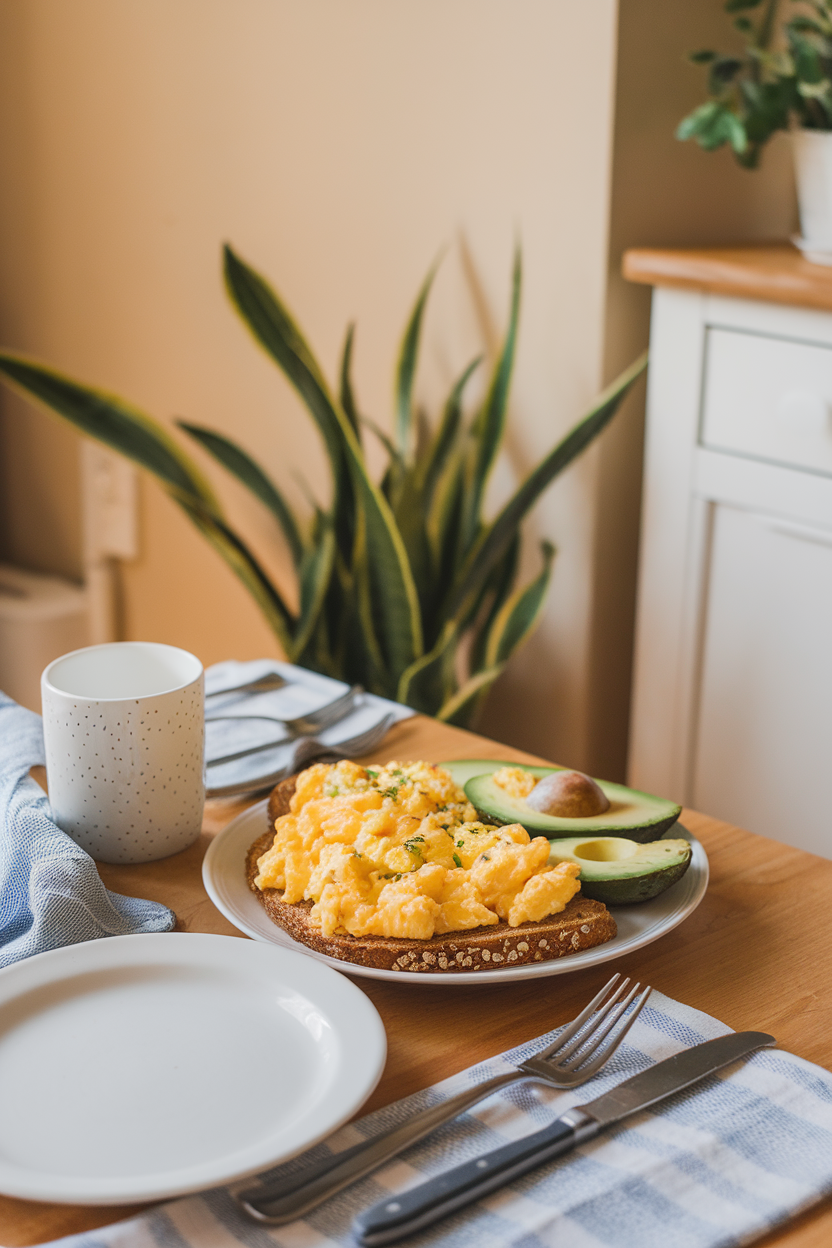
Protein helps steady blood sugar and keeps you satisfied until lunch. Eggs, Greek yogurt, or cottage cheese are quick options that pair well with fruit or whole-grain bread. A balanced breakfast often prevents mid-morning snack attacks.
2. Keep Healthy Snacks Front and Center
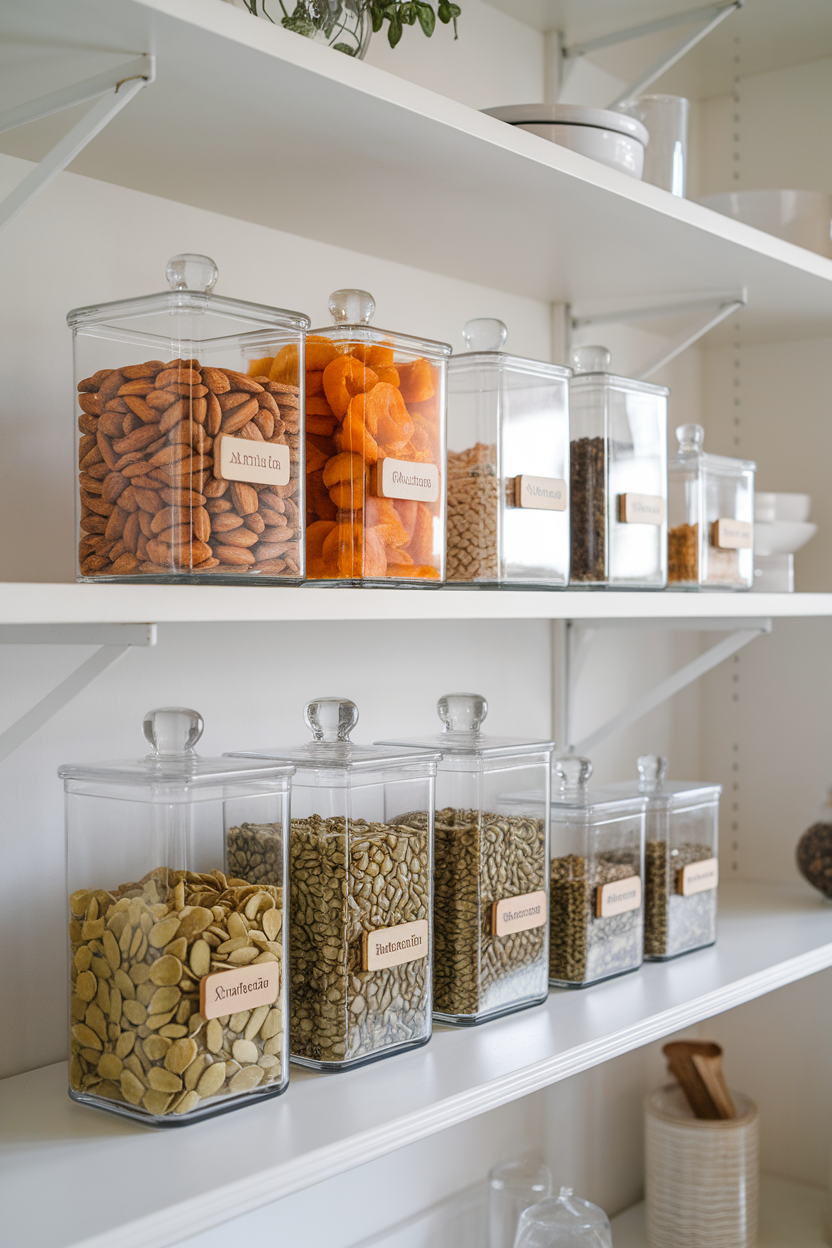
Visibility matters: we eat what we see first. Store nuts, sliced veggies, and fruit at eye level so they become the default choice. Hiding chips on a high shelf removes the temptation without banning them entirely.
3. Swap Refined Grains for Whole Grains
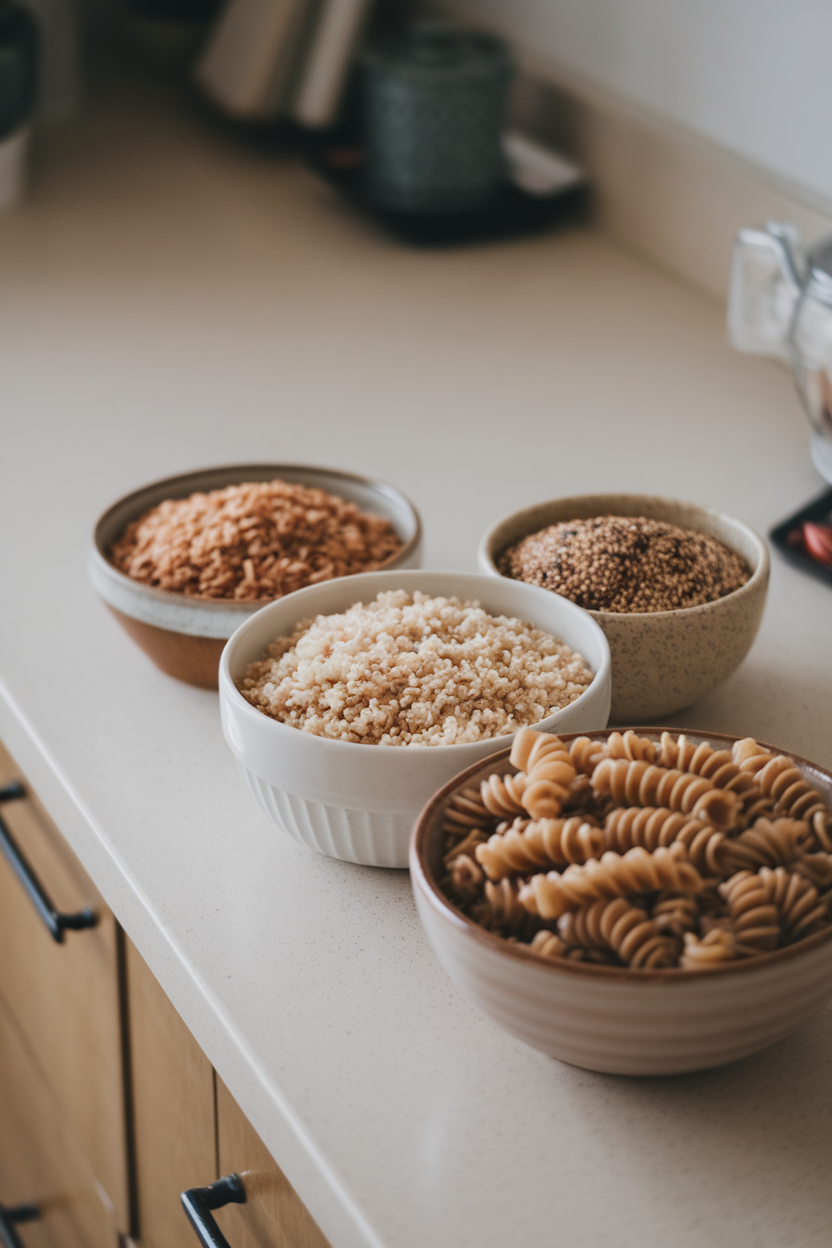
Whole grains keep their fiber-rich bran and germ, offering extra vitamins and longer-lasting energy. Try brown rice instead of white or choose whole-wheat spaghetti on pasta night. Small switches add up to meaningful nutrient boosts over time.
4. Drink a Glass of Water Before Each Meal

Hydration supports digestion and can temper overeating by helping you gauge true hunger. The ritual of sipping first also creates a mindful pause before you dive in. Add lemon slices or cucumber if plain water feels dull.
5. Plan Weekly Menus on Sunday
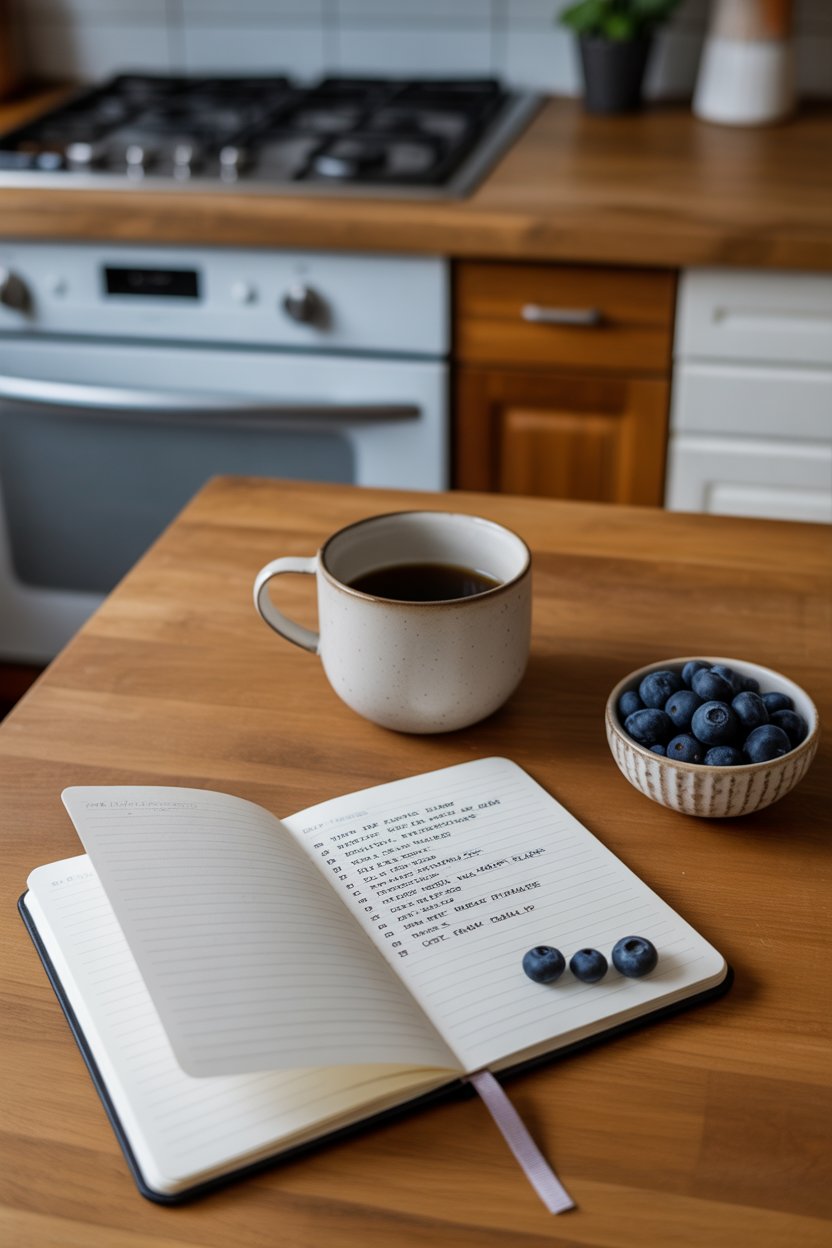
A brief planning session reduces weeknight stress and sudden takeout splurges. Jot down dinners, list needed groceries, and leave room for leftovers. A plan can be flexible yet still guide healthier choices.
6. Practice Mindful Eating
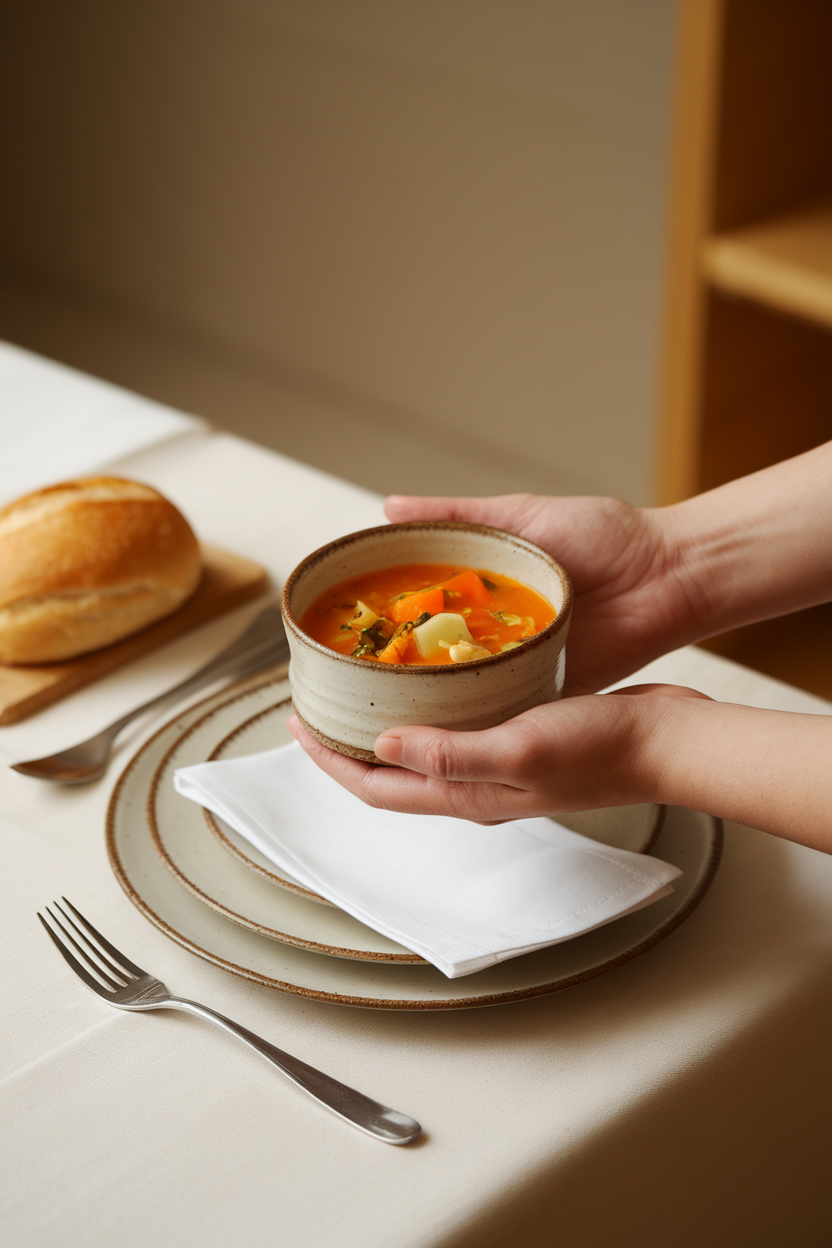
Slow down, savor flavors, and notice fullness cues before they shout. Mindful meals often lead to smaller portions without any sense of deprivation. Turning off screens helps you tune in to texture, taste, and satisfaction.
7. Use Smaller Plates
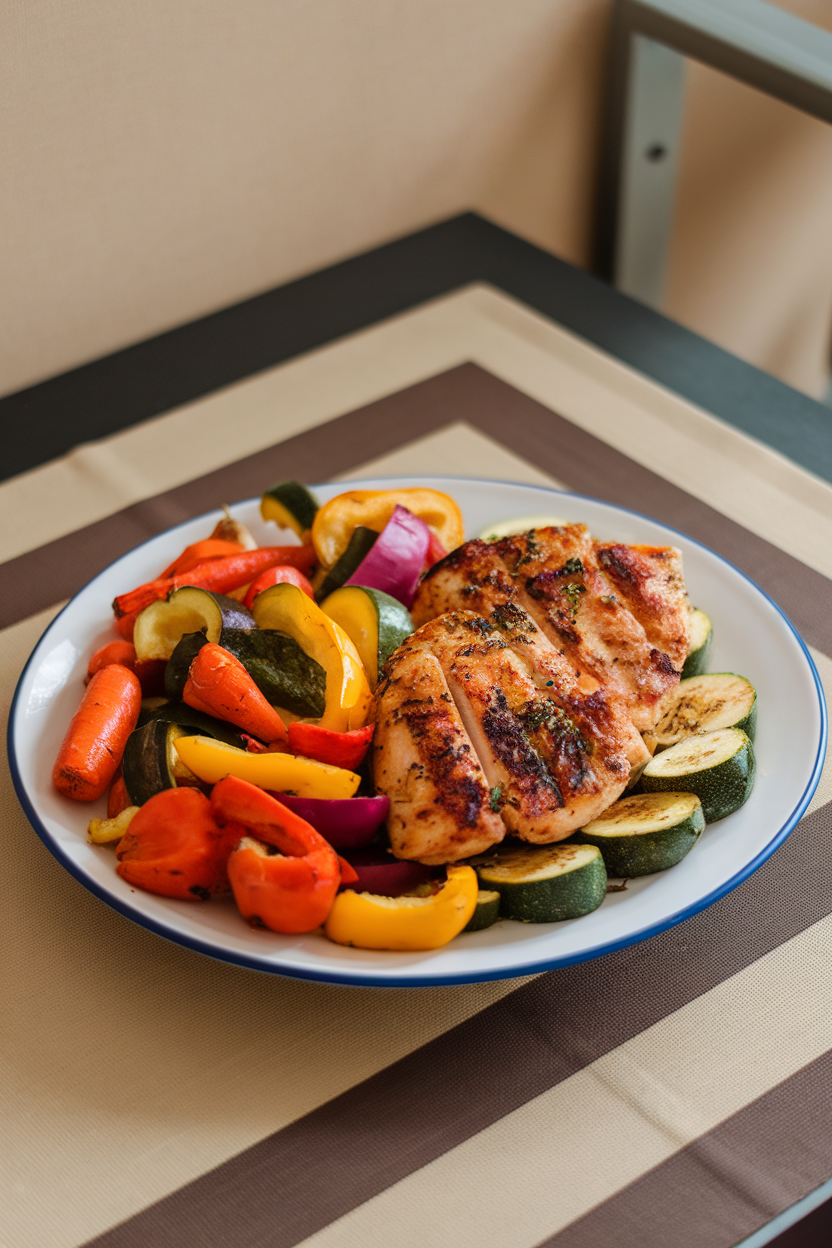
A downsized plate makes normal portions look generous, nudging you to eat less without measuring or counting. This simple visual trick works especially well for calorie-dense foods. Seconds are always an option if you’re truly still hungry.
8. Fill Half Your Plate With Vegetables
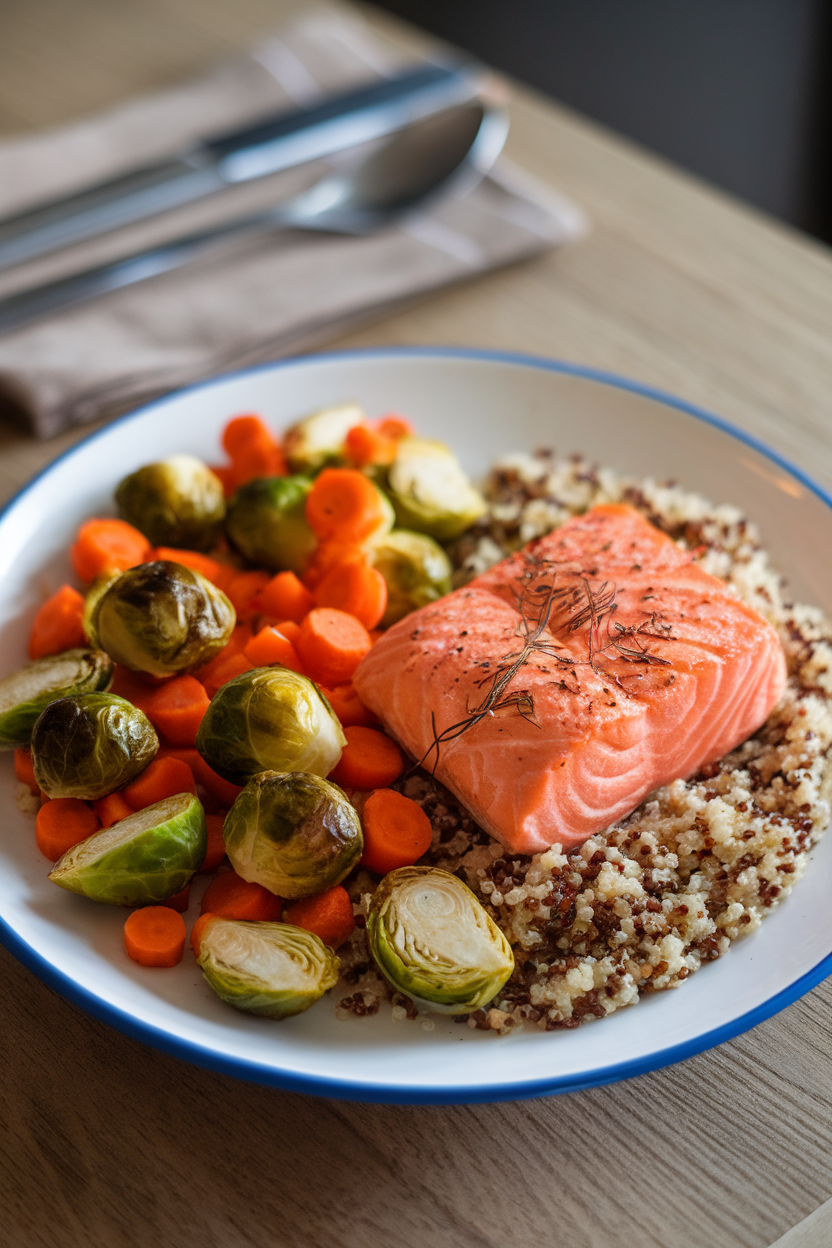
Vegetables deliver fiber, antioxidants, and vibrant color that make any meal more appealing. By serving them first, you naturally crowd out heavier items. Aim for a variety of hues to cover a broader nutrient spectrum.
9. Include Legumes Several Times a Week
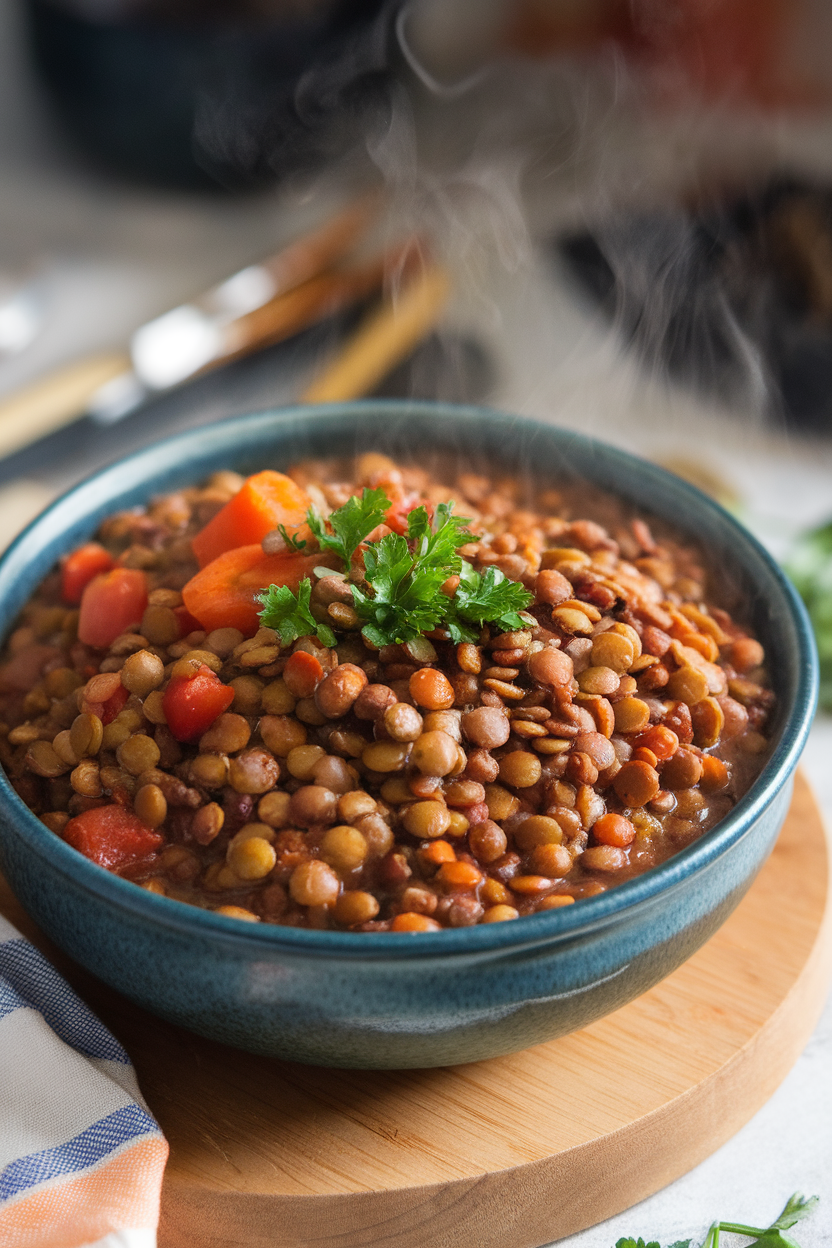
Beans, lentils, and chickpeas add plant protein, minerals, and slow-digesting carbs. They’re budget-friendly and versatile in soups, salads, and tacos. Rinse canned varieties to cut excess sodium in seconds.
10. Choose Lean Proteins
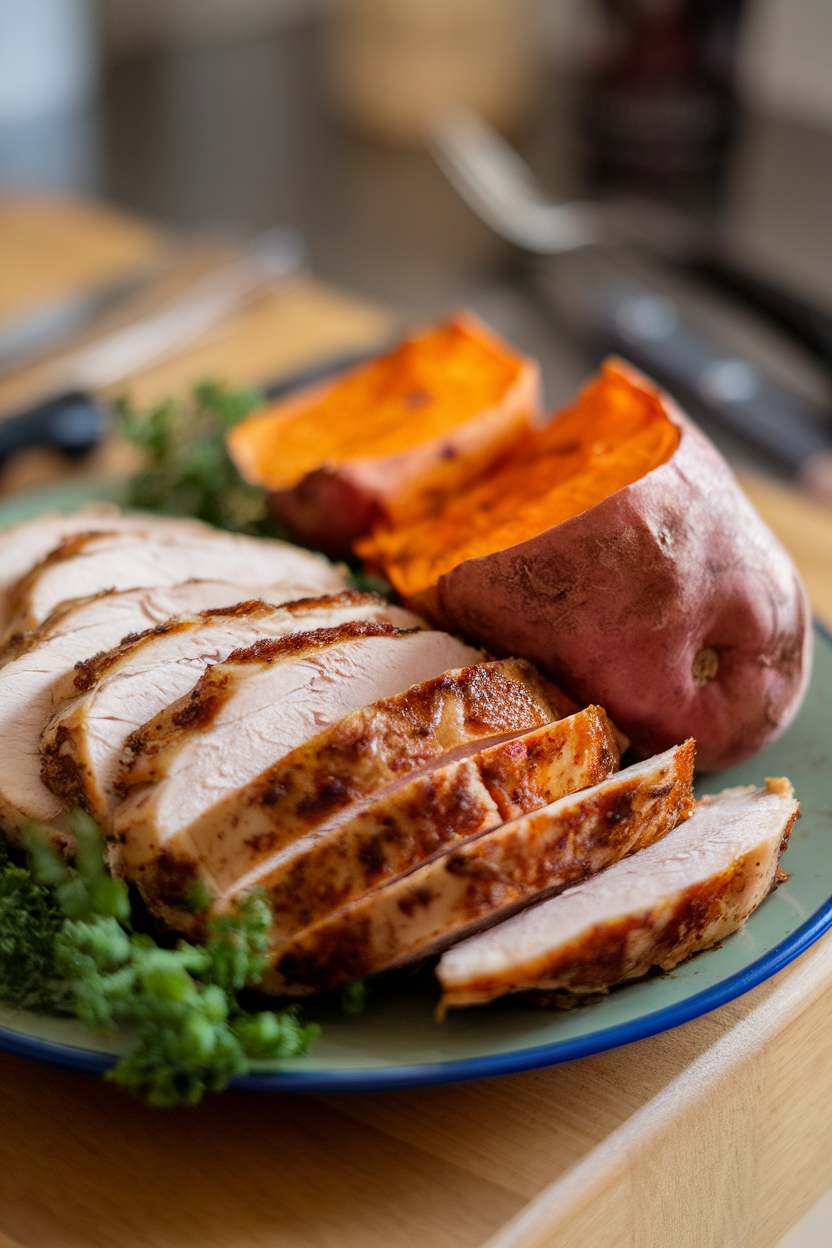
Poultry, fish, and plant-based proteins offer muscle-supporting nutrients with less saturated fat. Trim visible fat and remove poultry skin to lighten up meals. Season generously with herbs to keep flavor high.
11. Limit Sugary Drinks
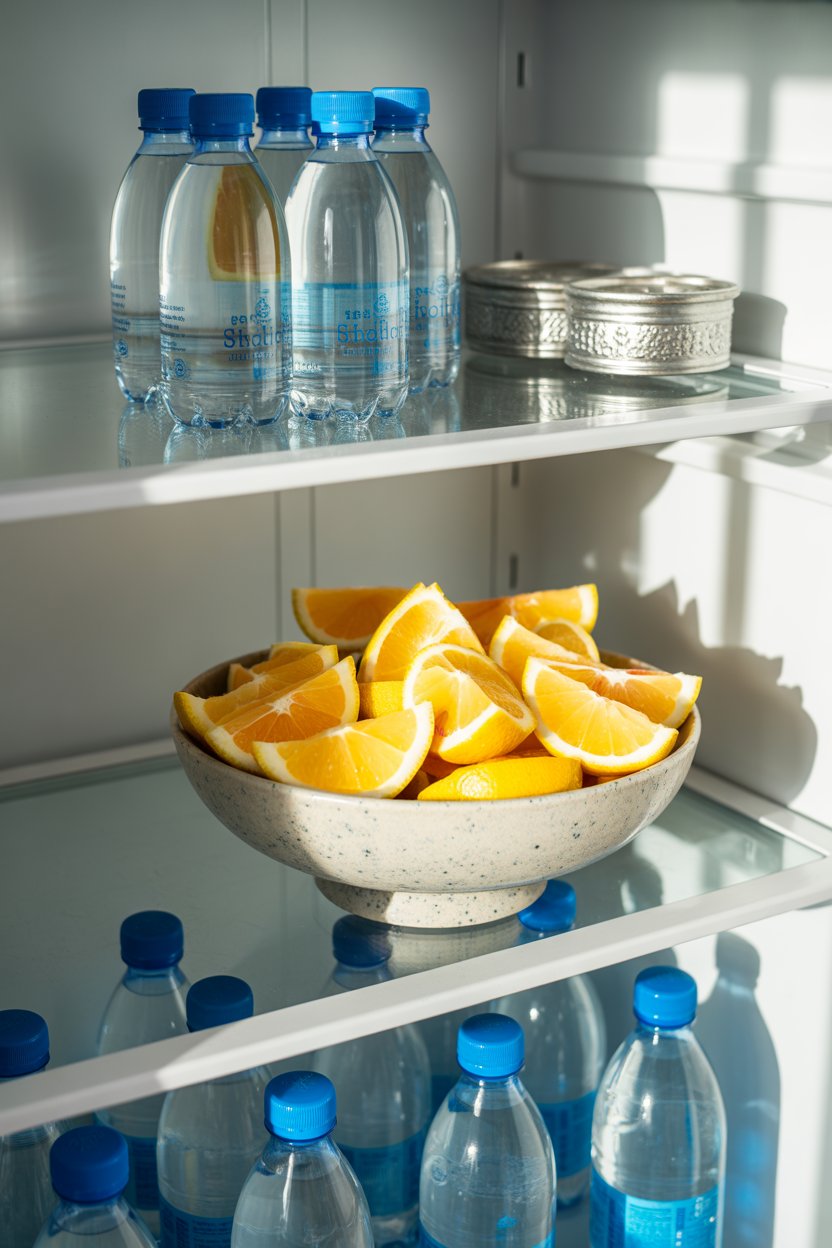
Calories from beverages add up quickly without filling you up. Swap soda for sparkling water flavored with fresh fruit or herbs. Even cutting one sugary drink a day can make a noticeable difference over months.
12. Cook at Home More Often
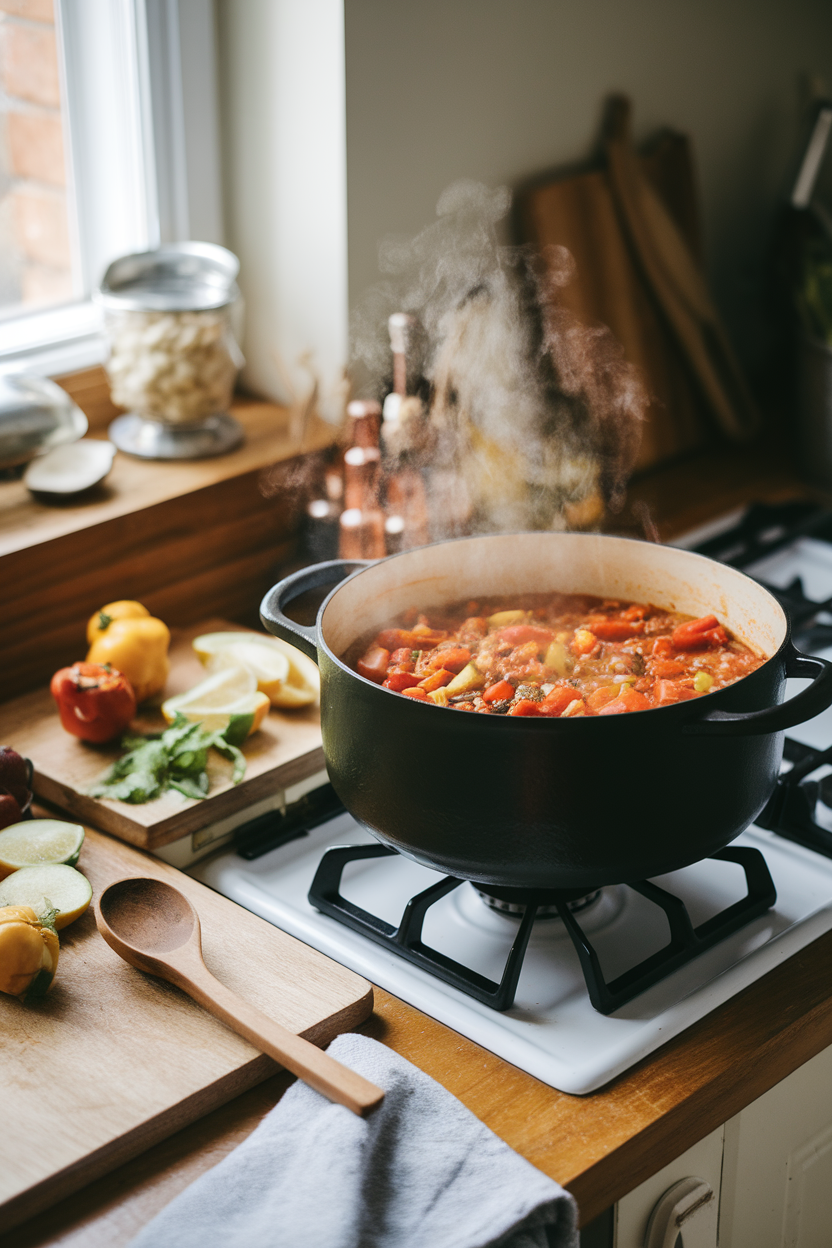
Home cooking hands you the steering wheel on ingredients, portions, and techniques. Restaurant meals tend to be higher in sodium, sugar, and added fats. Set a realistic goal, such as five homemade dinners per week, and build from there.
13. Batch-Cook Whole Grains
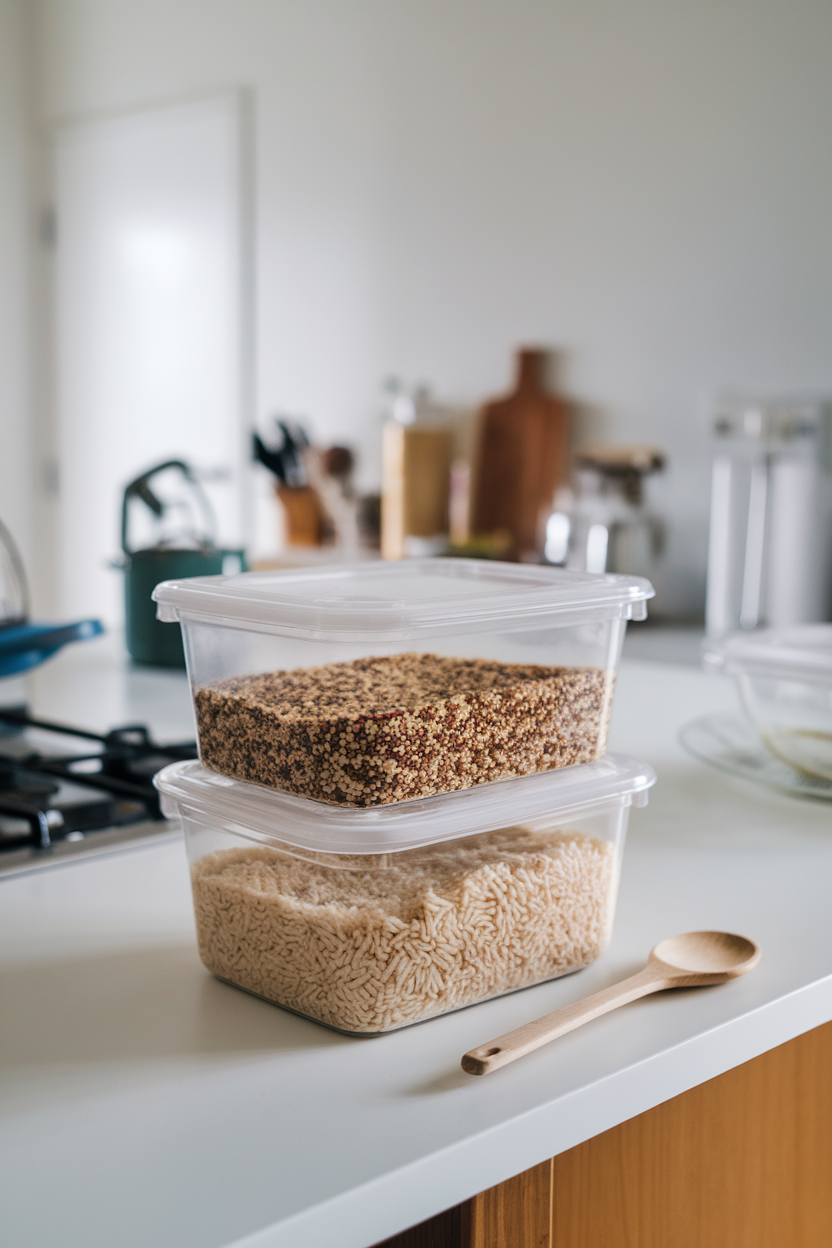
Preparing grains in bulk saves weeknight minutes and minimizes dishes. Store portions in the fridge for up to five days or freeze for longer. Having a base ready makes healthy bowls and stir-fries almost effortless.
14. Experiment With Herbs and Spices
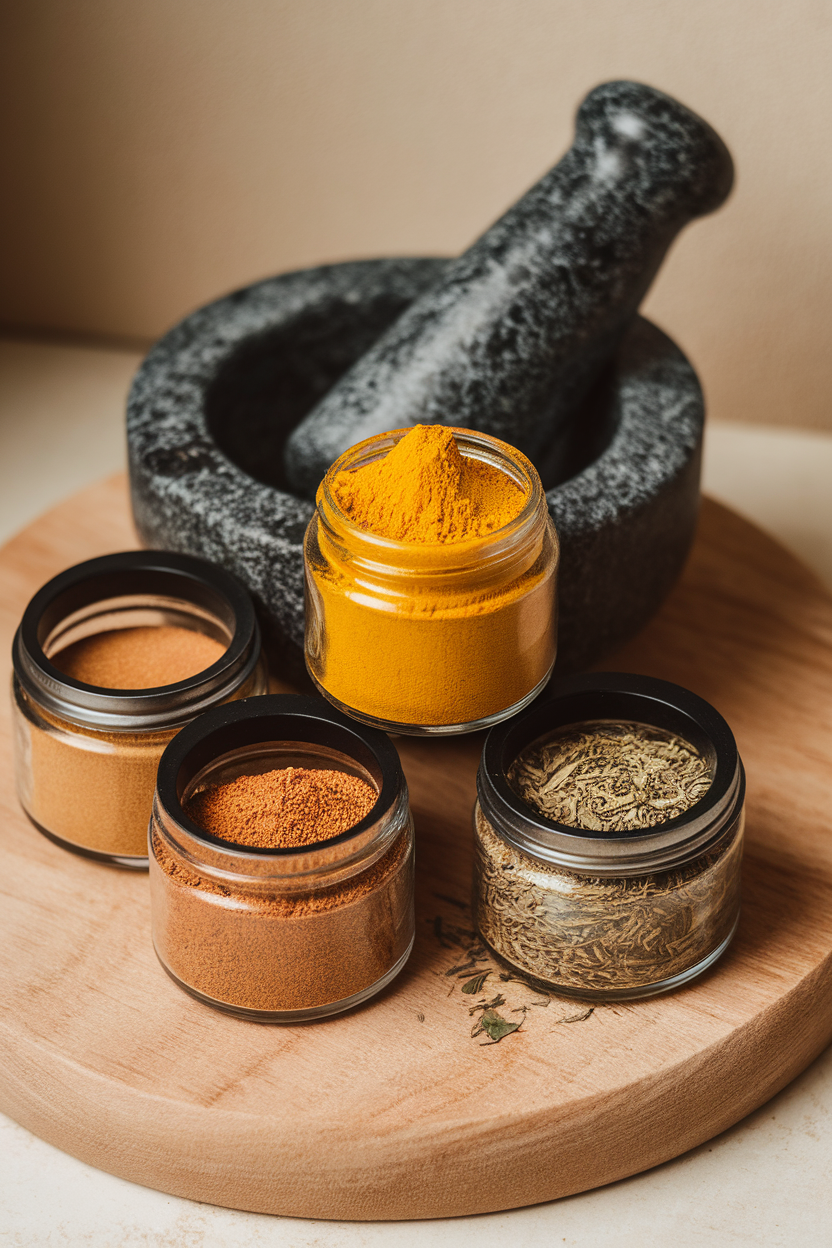
Flavor boosters like basil, smoked paprika, and turmeric reduce the need for extra salt or sugar. Rotating spices keeps meals exciting, which supports long-term adherence. Toast whole spices briefly to unlock deeper aromas.
15. Grill or Bake Instead of Fry
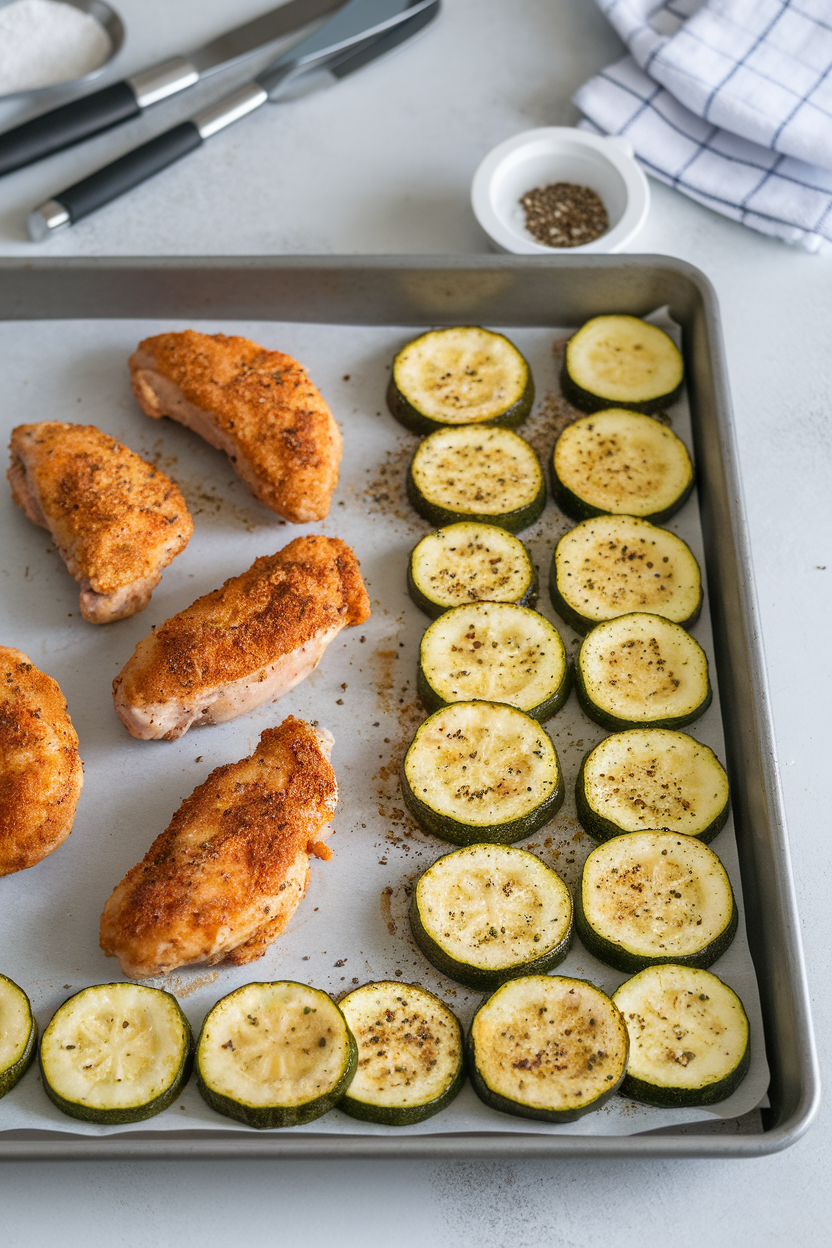
Dry-heat methods add a pleasant char or crust without immersing food in oil. You still get satisfying texture with far fewer calories. Line pans with parchment for quick cleanup and less sticking.
16. Keep a Food Journal for a Week

Writing down meals shines a light on hidden habits and emotional triggers. Awareness often sparks natural improvements before any formal plan begins. Even a short snapshot can reveal patterns worth tweaking.
17. Read Nutrition Labels Carefully
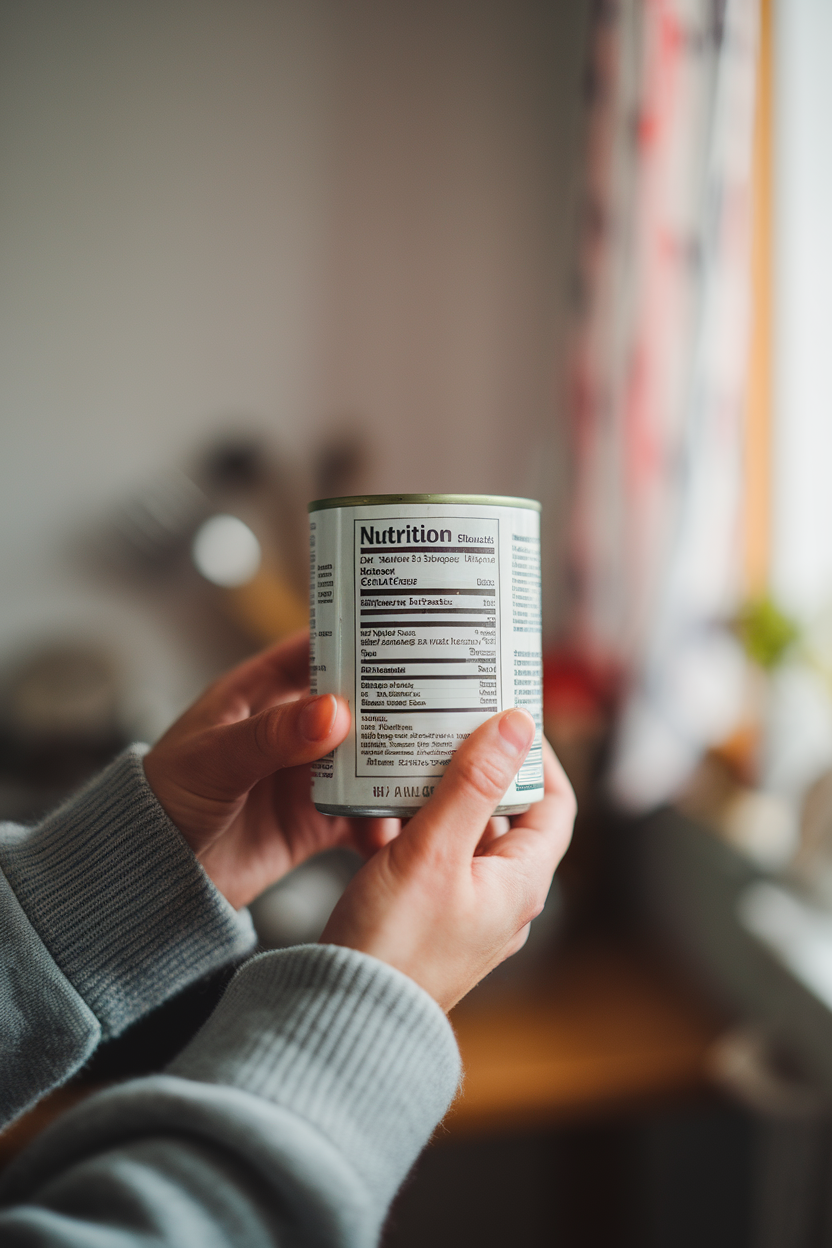
Labels disclose serving sizes, added sugars, and sodium that marketing claims may mask. Compare similar products to choose the most nutrient-dense option. Over time, reading labels becomes quick and intuitive.
18. Prep Produce as Soon as You Get Home
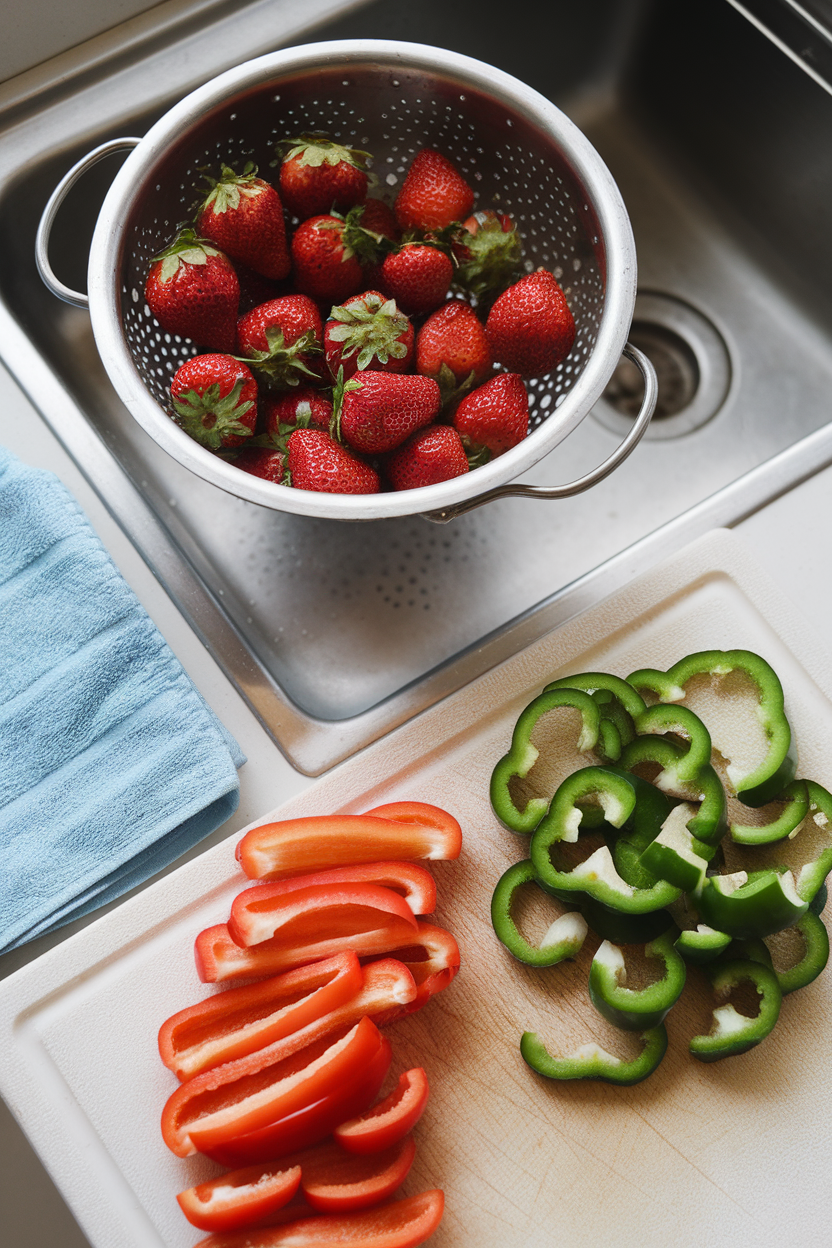
Washing and chopping right away removes the barrier between intention and action. Ready-to-eat veggies slip easily into omelets, salads, or stir-fries. This small habit also cuts down on food waste.
19. Eat Seafood Twice a Week
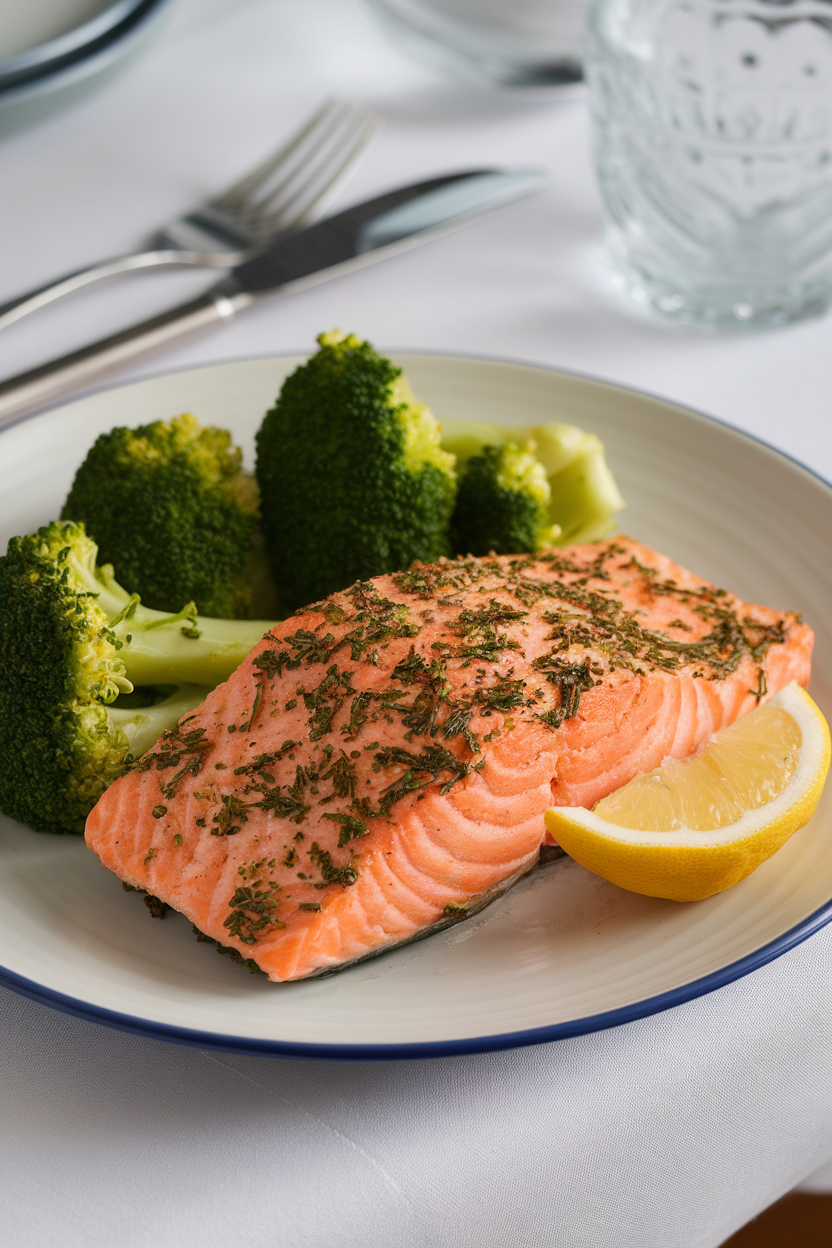
Fish provides lean protein and omega-3 fats that support heart and brain health. Rotate between salmon, sardines, and white fish for variety. If fresh options are pricey, frozen fillets cook up beautifully.
20. Carry a Reusable Water Bottle
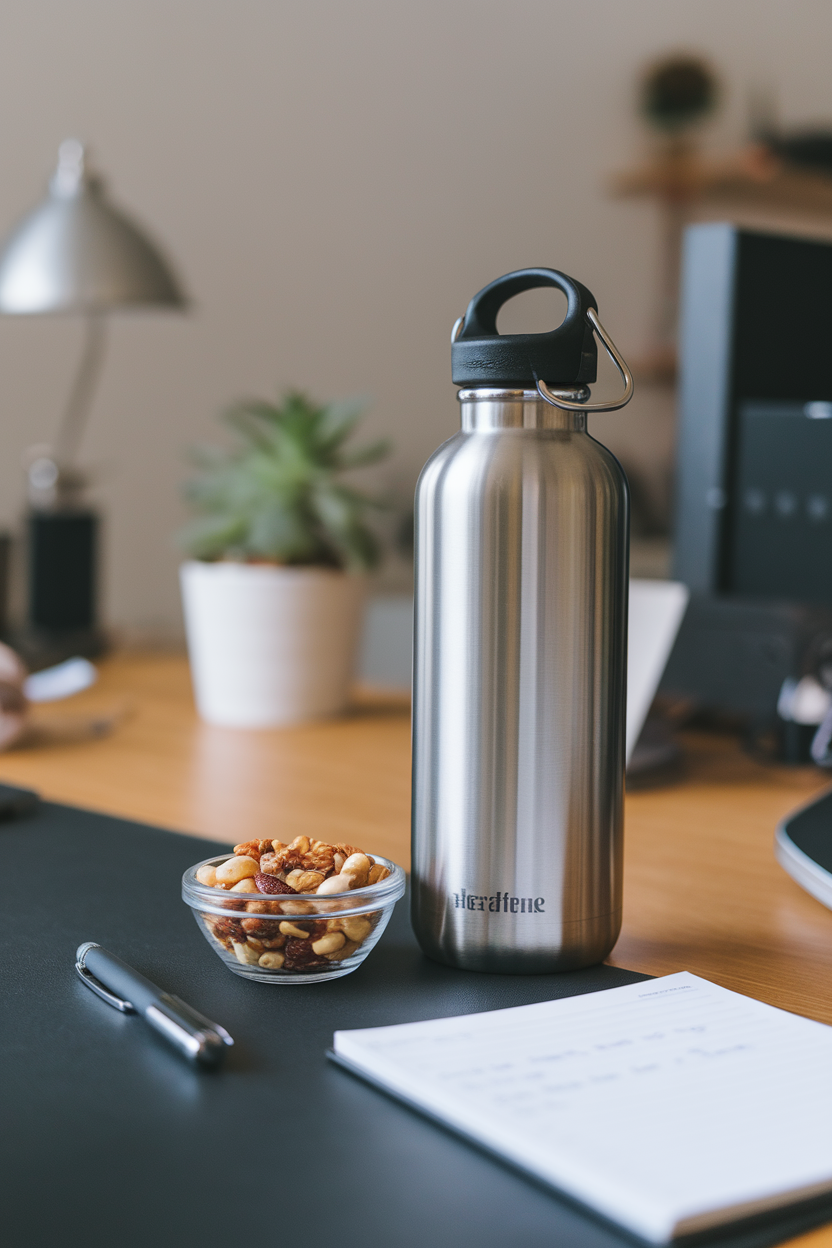
Consistent sipping wards off dehydration fatigue often mistaken for hunger. A visible bottle also reminds you to refill throughout the day. Choose insulated models to keep water cold and inviting.
21. Practice Portion Awareness
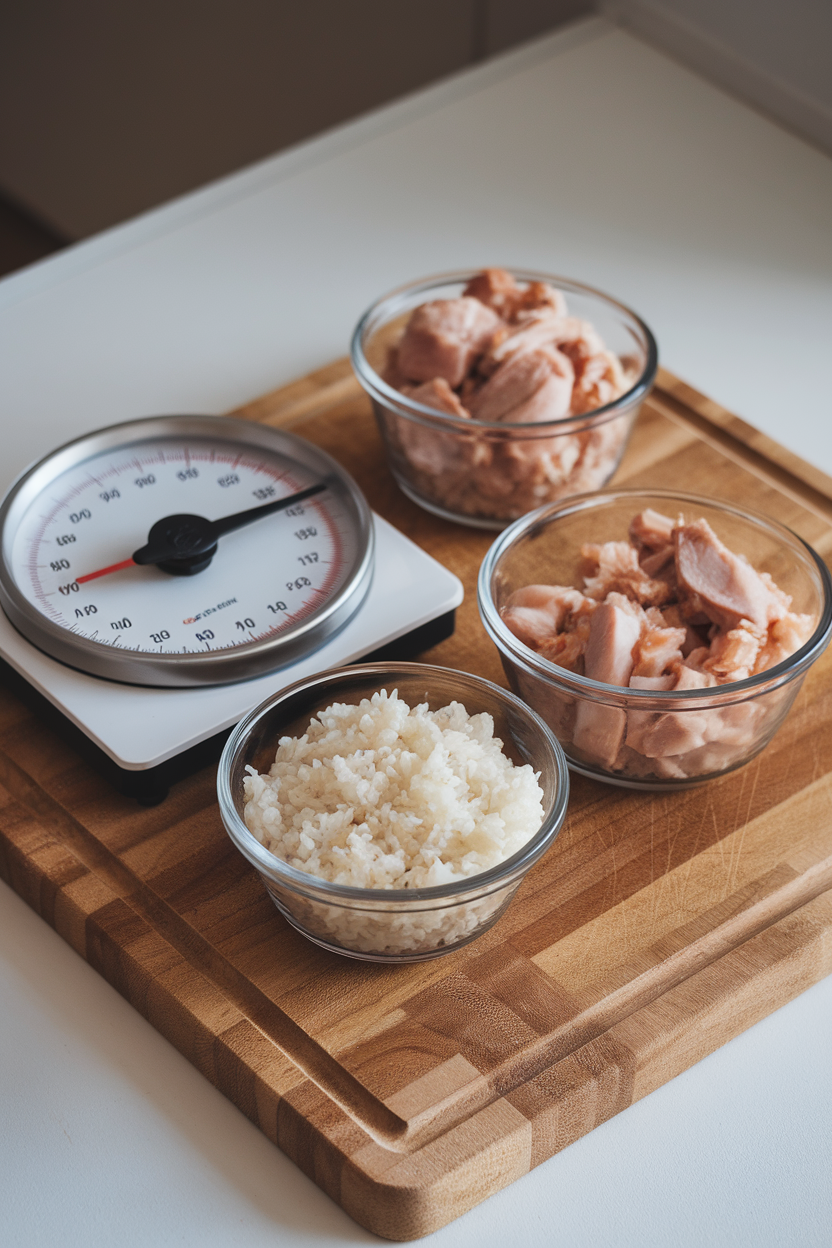
Learning what a cup of pasta or three ounces of meat looks like calibrates your eyes over time. You don’t have to weigh forever—just long enough to build intuition. Proper portions let you enjoy favorite foods without excess.
22. Limit Processed Meats
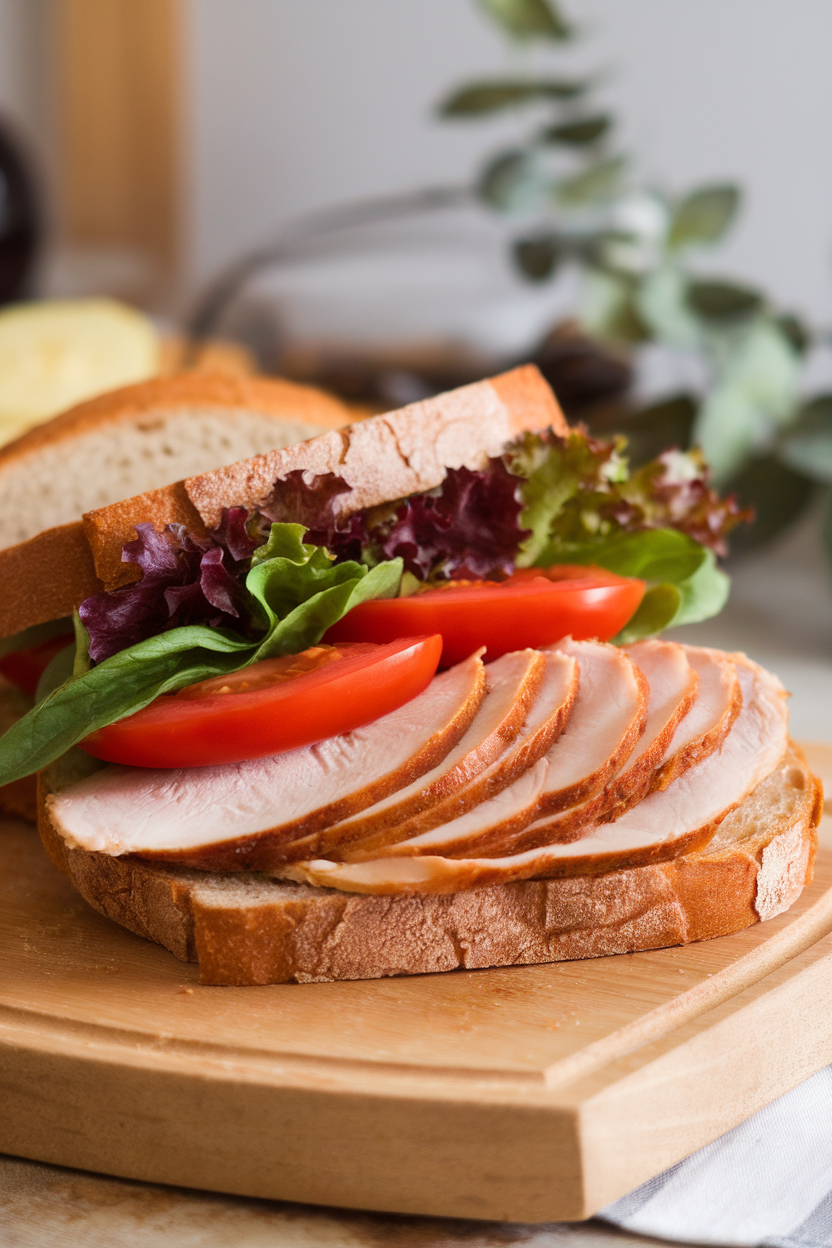
Processed meats can be high in sodium and preservatives linked to health risks. Opt for freshly roasted poultry, lean beef, or plant-based fillings. Season with mustard and herbs rather than salty deli spreads.
23. Try Meatless Mondays
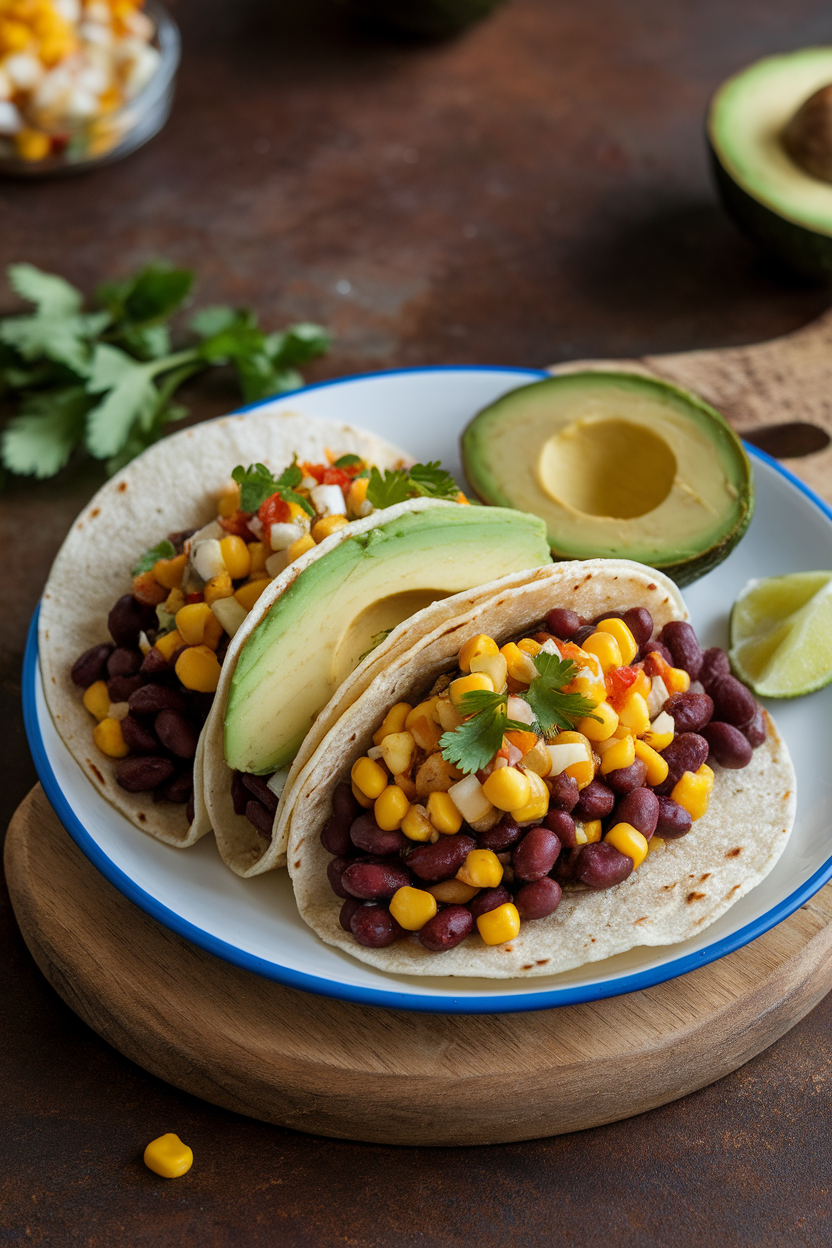
One plant-based day a week reduces saturated fat and broadens your culinary repertoire. Beans, lentils, and tofu easily fill the protein gap. You might discover new go-to recipes that stick around all week.
24. Snack on Nuts Instead of Chips
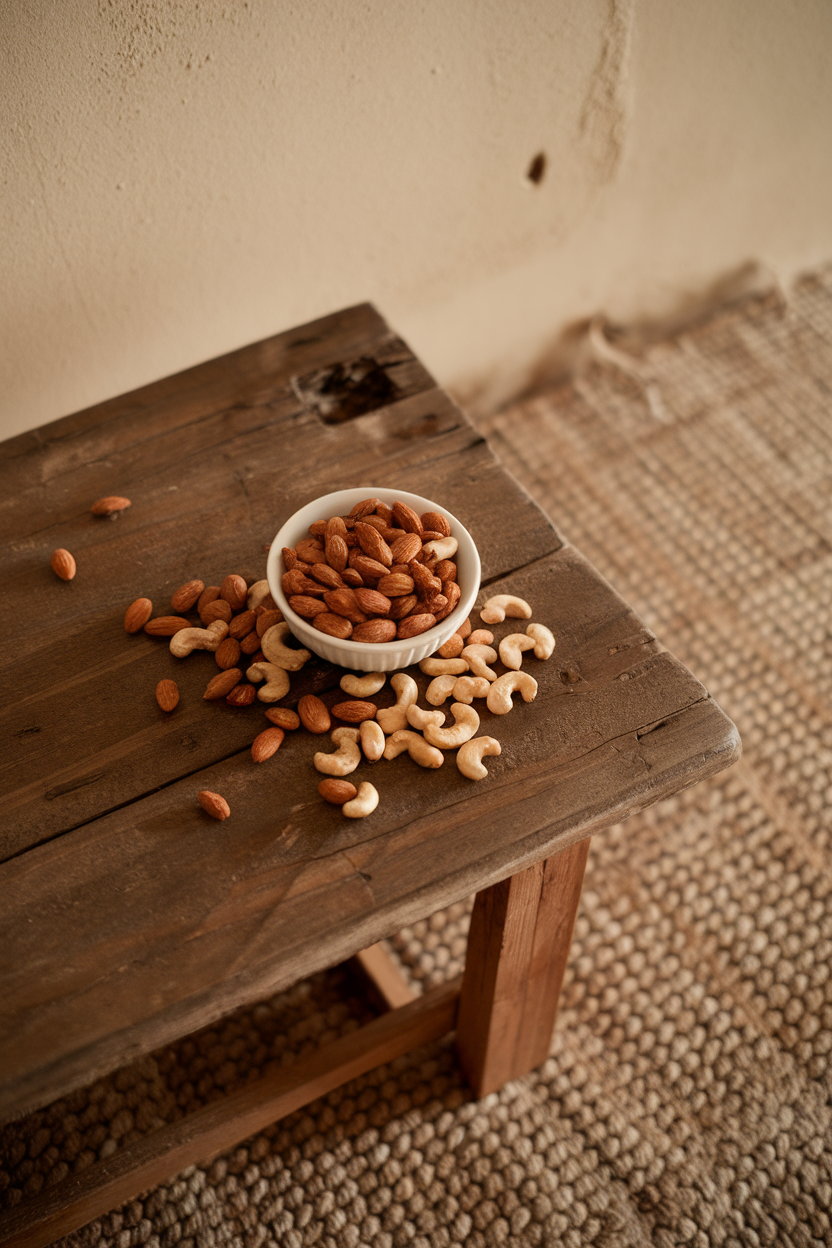
Nuts supply healthy fats, fiber, and minerals that support steady energy. Pre-portion a handful to avoid mindless munching. Lightly toasting them heightens flavor without added salt.
25. Sprinkle Seeds on Meals
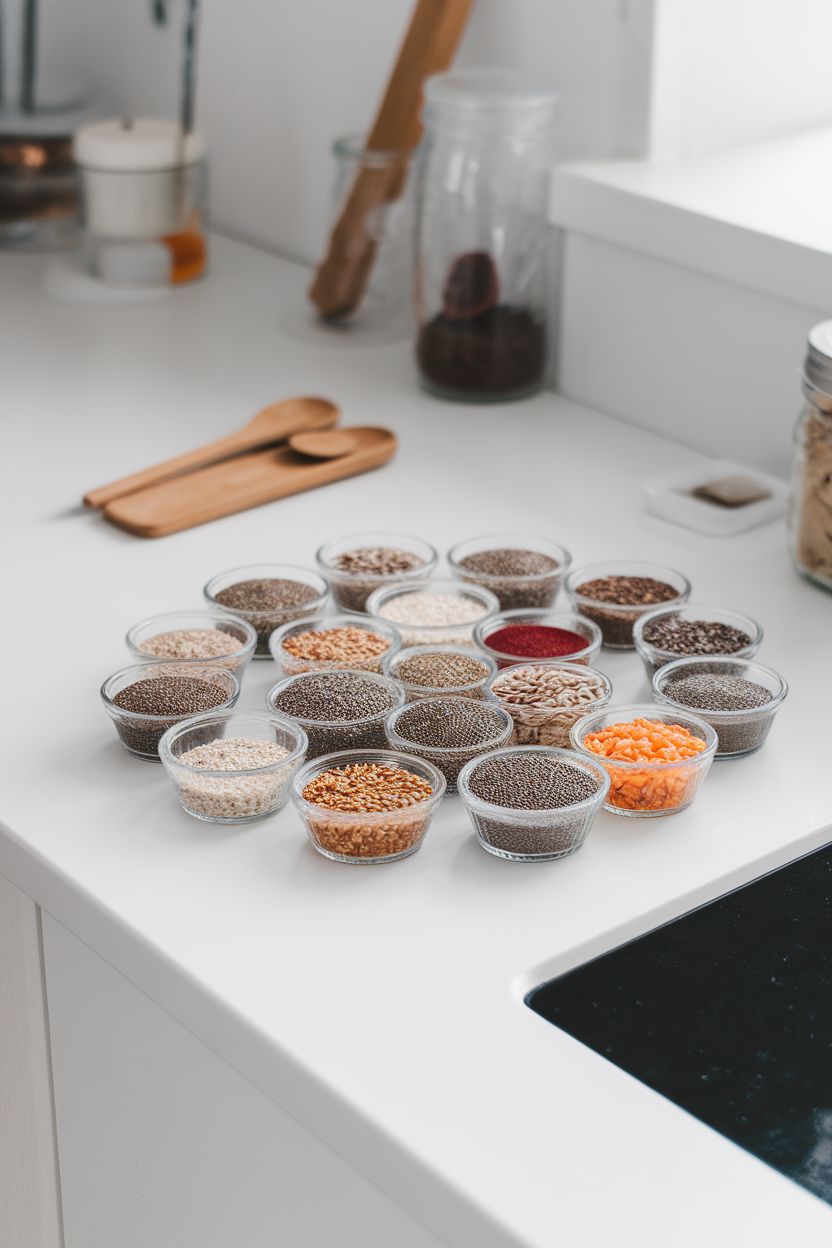
Seeds sneak extra omega-3s, protein, and crunch into oatmeal, salads, or yogurt. Because they’re energy dense, measure rather than pour. Store flax in the fridge to protect delicate fats.
26. Replace Heavy Cream With Greek Yogurt
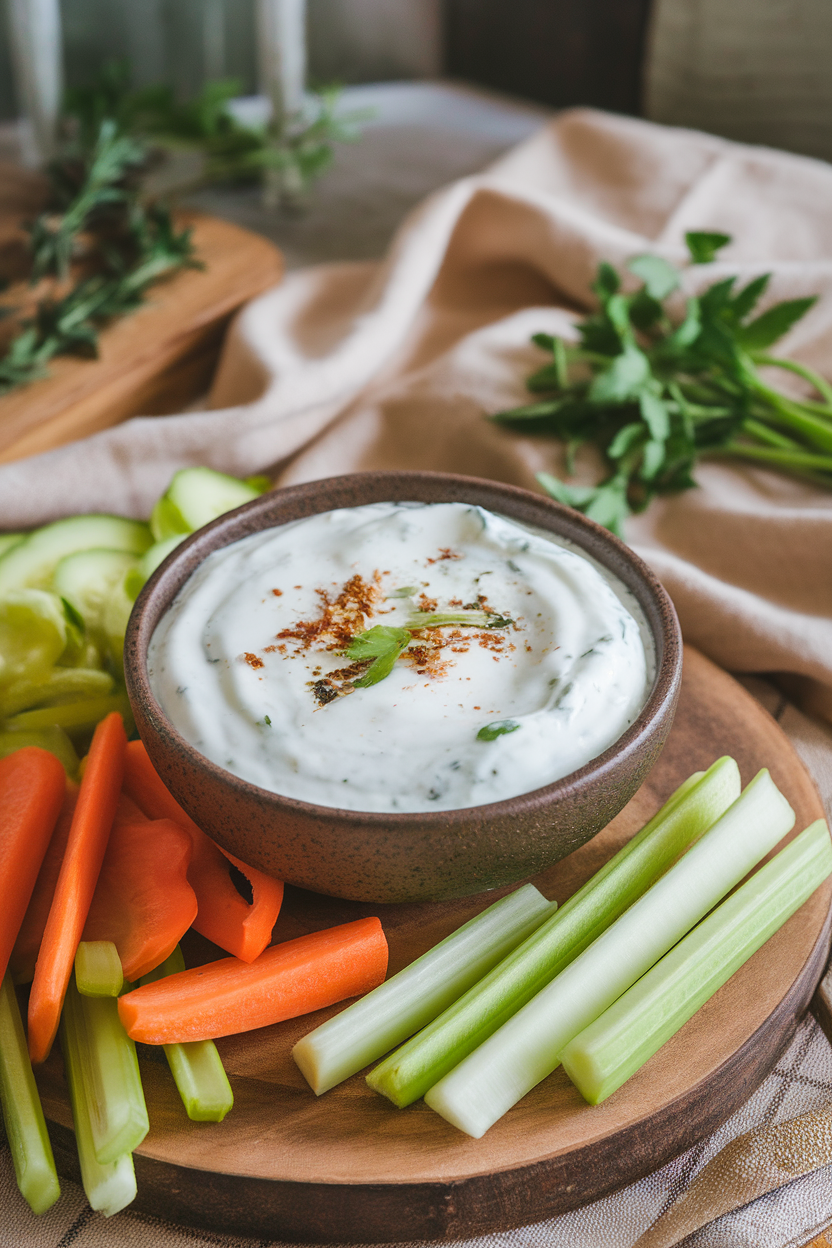
Thick yogurt offers creaminess with far less saturated fat and more protein. Swirl it into soups, sauces, and baked goods. The subtle tang brightens flavor without extra salt.
27. Choose Dark Chocolate for Dessert

Dark chocolate contains more cocoa antioxidants and less sugar than milk varieties. Savoring a small portion can satisfy sweet cravings and feel indulgent. Pair with fruit for added fiber and color.
28. Flavor Water With Fruit and Herbs
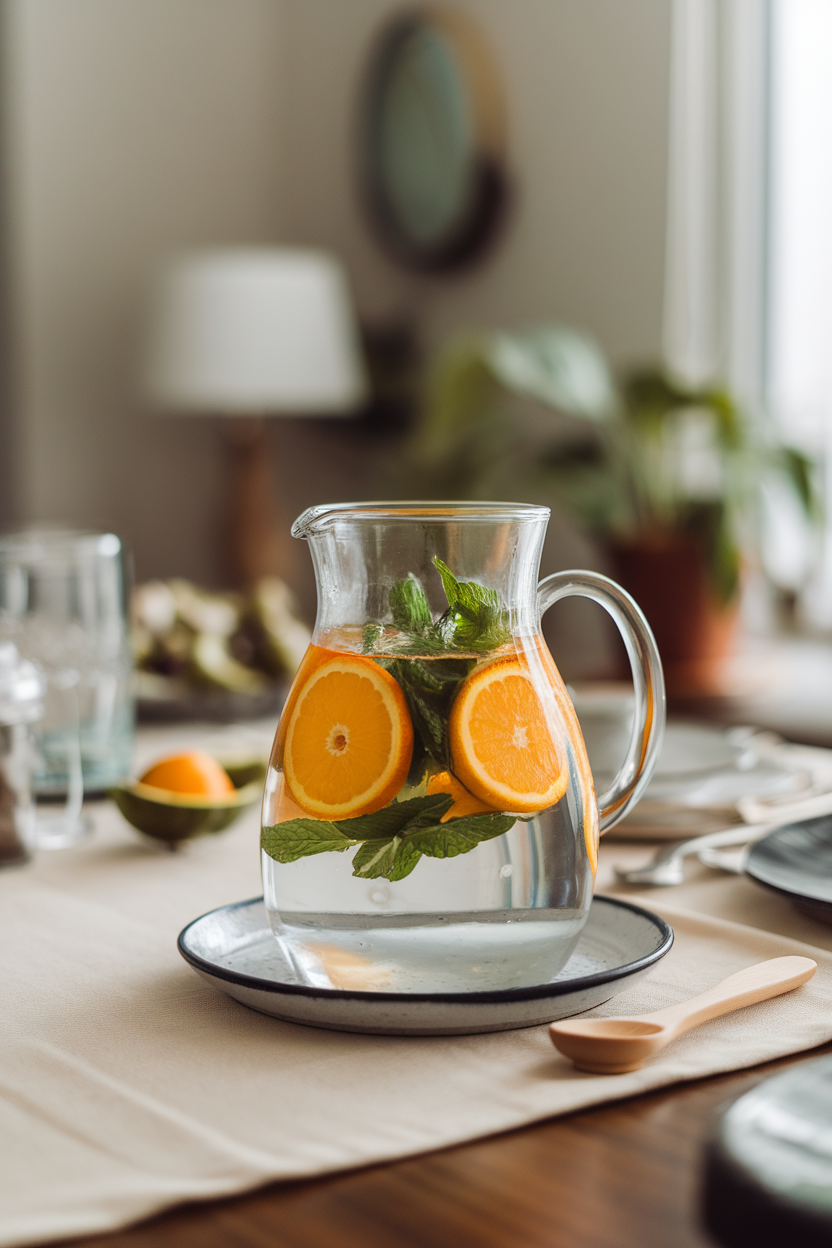
Infused water tastes lively without added sugar or artificial sweeteners. Rotate combinations like cucumber-lime or strawberry-basil to keep things interesting. Make a fresh batch each night for the following day.
29. Enjoy Fermented Foods Regularly
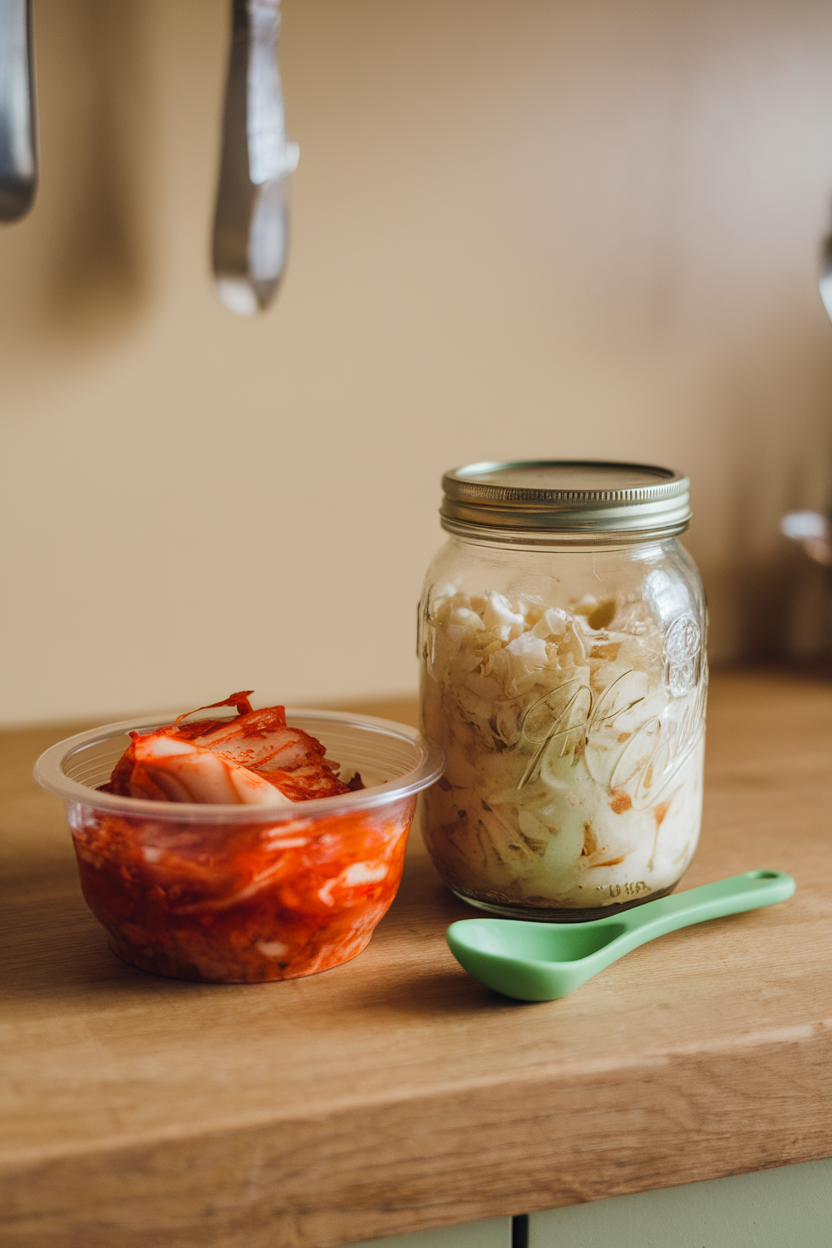
Fermented foods introduce beneficial bacteria that can support gut health. Start with a tablespoon alongside meals to let your digestive system adjust. Plain kefir or unsweetened yogurt are easy daily staples.
30. Eat Slowly and Chew Thoroughly

It takes about 20 minutes for fullness signals to reach the brain. Slowing down helps you stop when comfortably satisfied rather than stuffed. Setting down utensils between bites encourages pacing.
31. Turn Off Screens During Meals
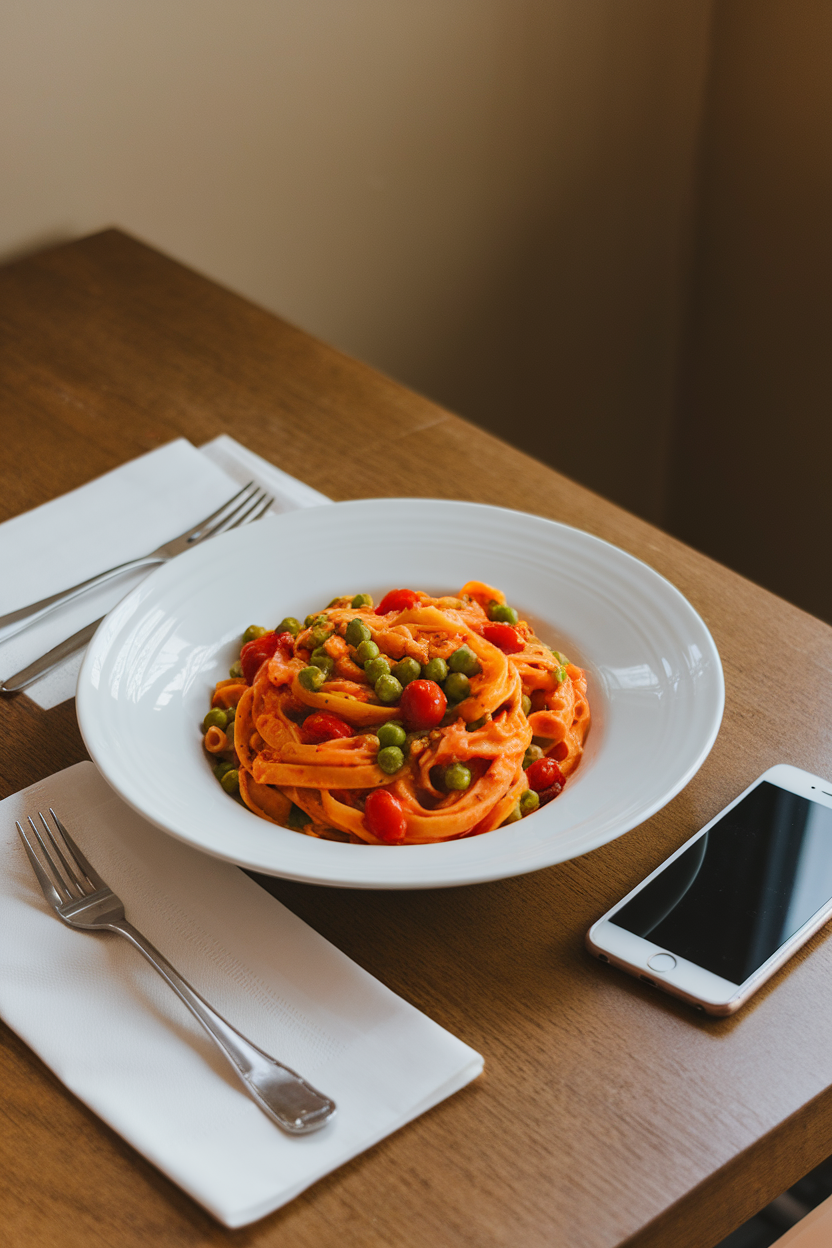
Distractions lead to mindless overeating and dampened enjoyment. Conversing with family or observing flavors deepens satisfaction. Even solo diners benefit from a quiet, focused atmosphere.
32. Respect Hunger and Fullness Cues

Eating when gently hungry and stopping at comfortable fullness aligns intake with body needs. This intuitive style avoids extremes of deprivation or overindulgence. A brief pause midway through meals helps gauge remaining appetite.
33. Schedule Grocery Trips Consistently
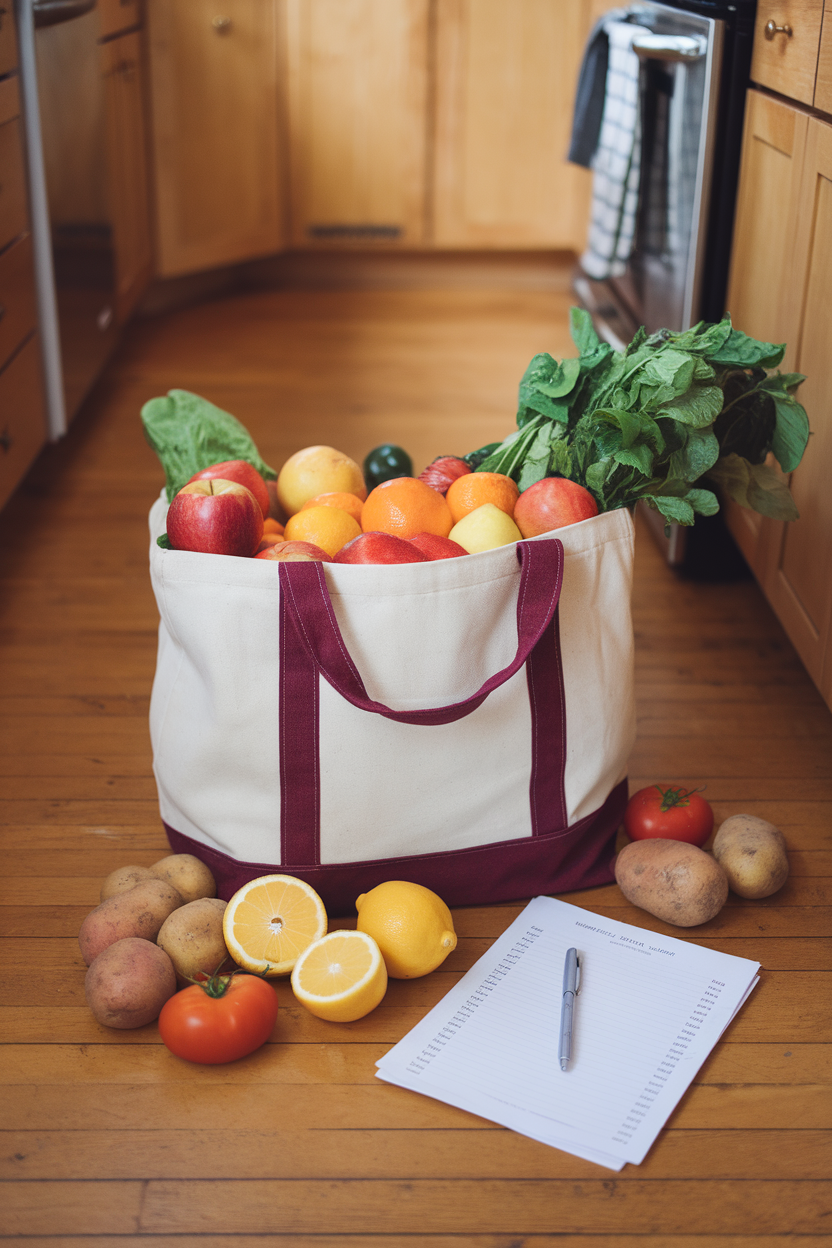
Predictable shopping days ensure fresh staples are always on hand. Wandering in hungry or rushed can lead to impulse buys. A stocked kitchen supports quick, healthy cooking over last-minute delivery.
34. Keep Sodium in Check
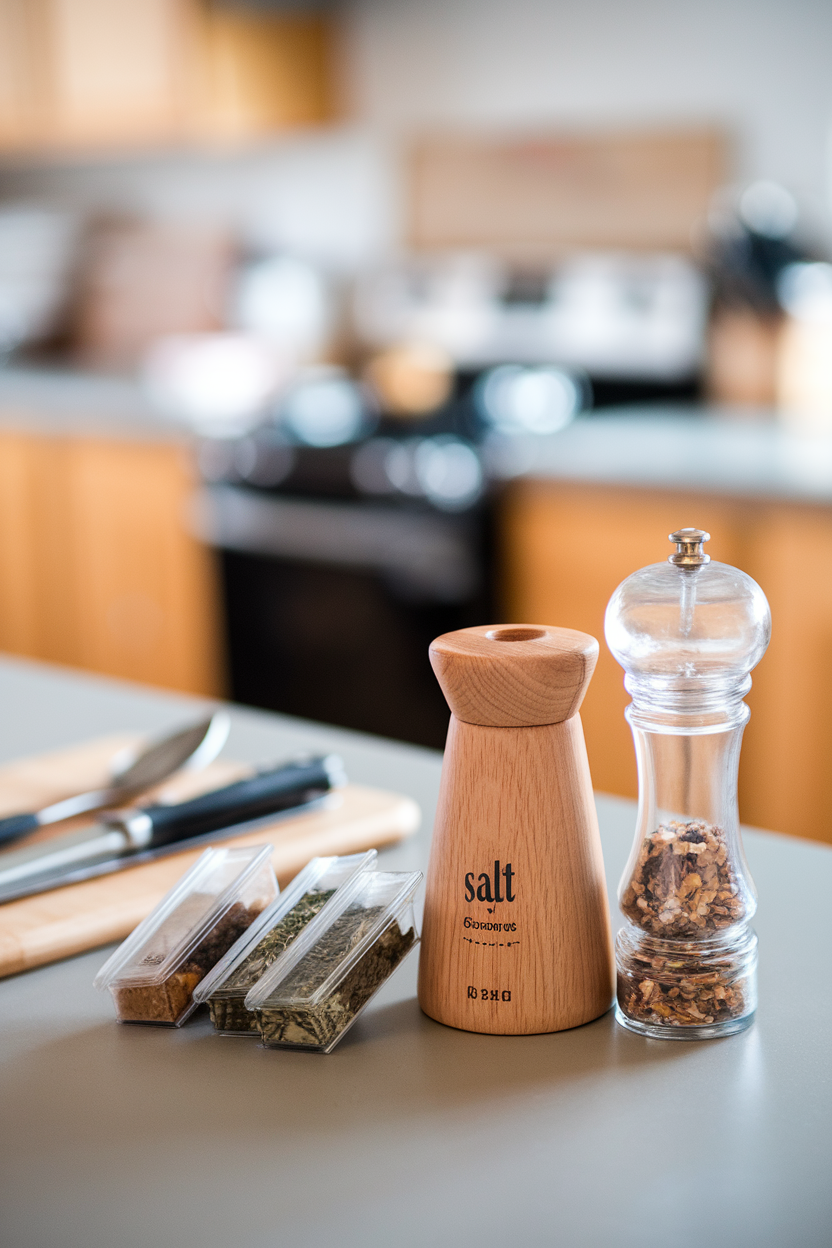
High sodium can nudge blood pressure upward over time. Season with citrus, garlic, or smoked paprika before reaching for the shaker. Rinsing canned beans and veggies removes roughly 40 % of their salt.
35. Reduce Added Sugars in Recipes
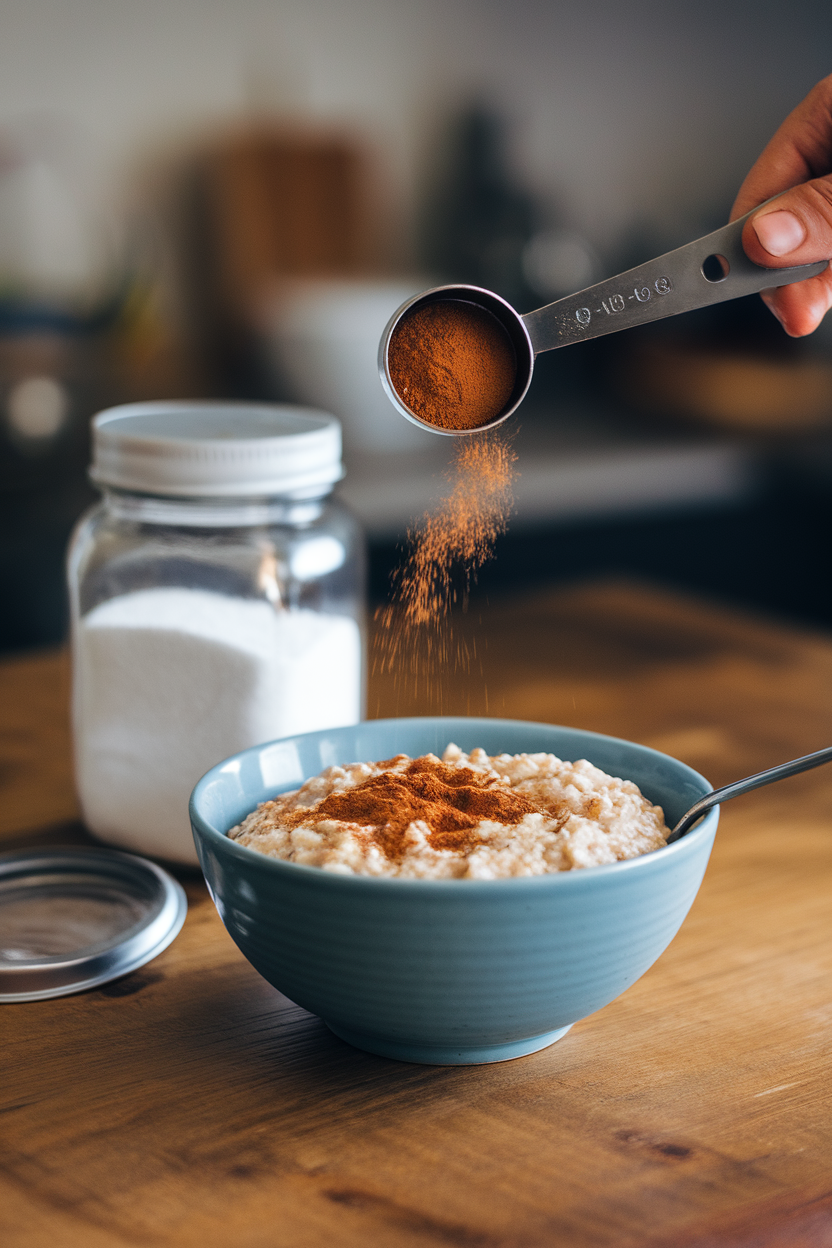
Many baked goods tolerate a one-third sugar cut with no flavor loss. Spices, vanilla, and fruit puree can fill any sweetness gap. Gradual reductions recalibrate your palate, making store-bought items taste overly sweet.
36. Use Heart-Healthy Fats
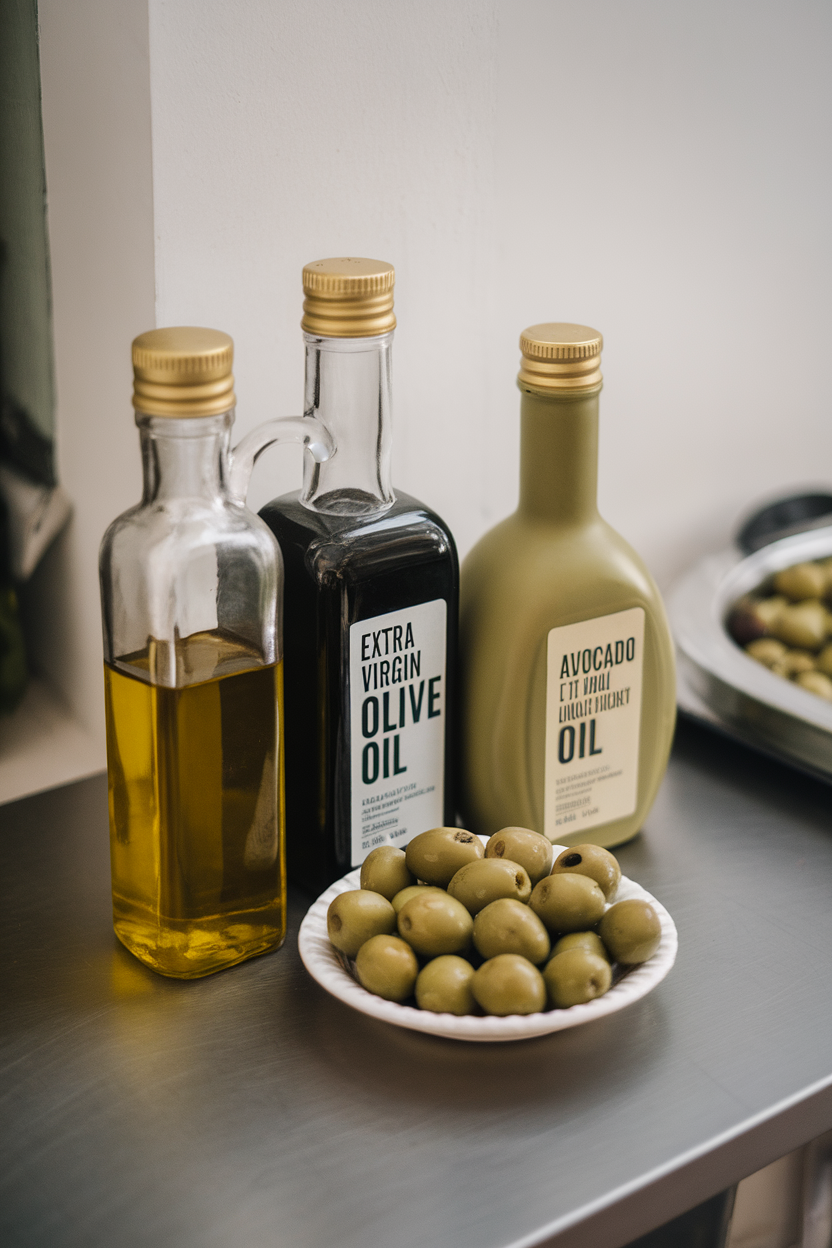
Mono- and polyunsaturated fats support cholesterol balance when they replace saturated sources. Drizzle olive oil over salads or use avocado oil for high-heat cooking. Measure oils to respect their calorie density.
37. Steam or Sauté Vegetables Lightly
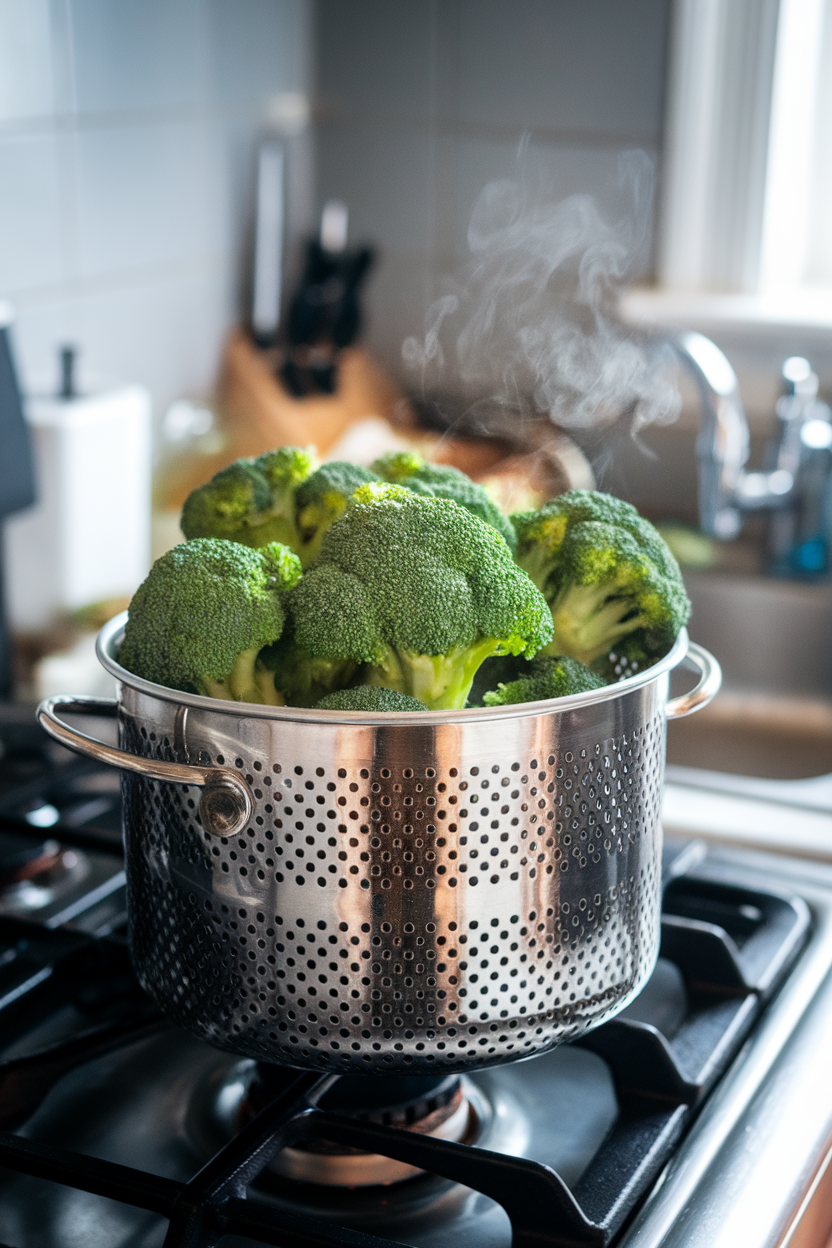
Gentle cooking preserves vitamins while enhancing digestibility. Over-boiling leaches nutrients and dulls color. A quick sauté in a teaspoon of oil keeps veggies crisp and flavorful.
38. Add Fruit to Your Breakfast
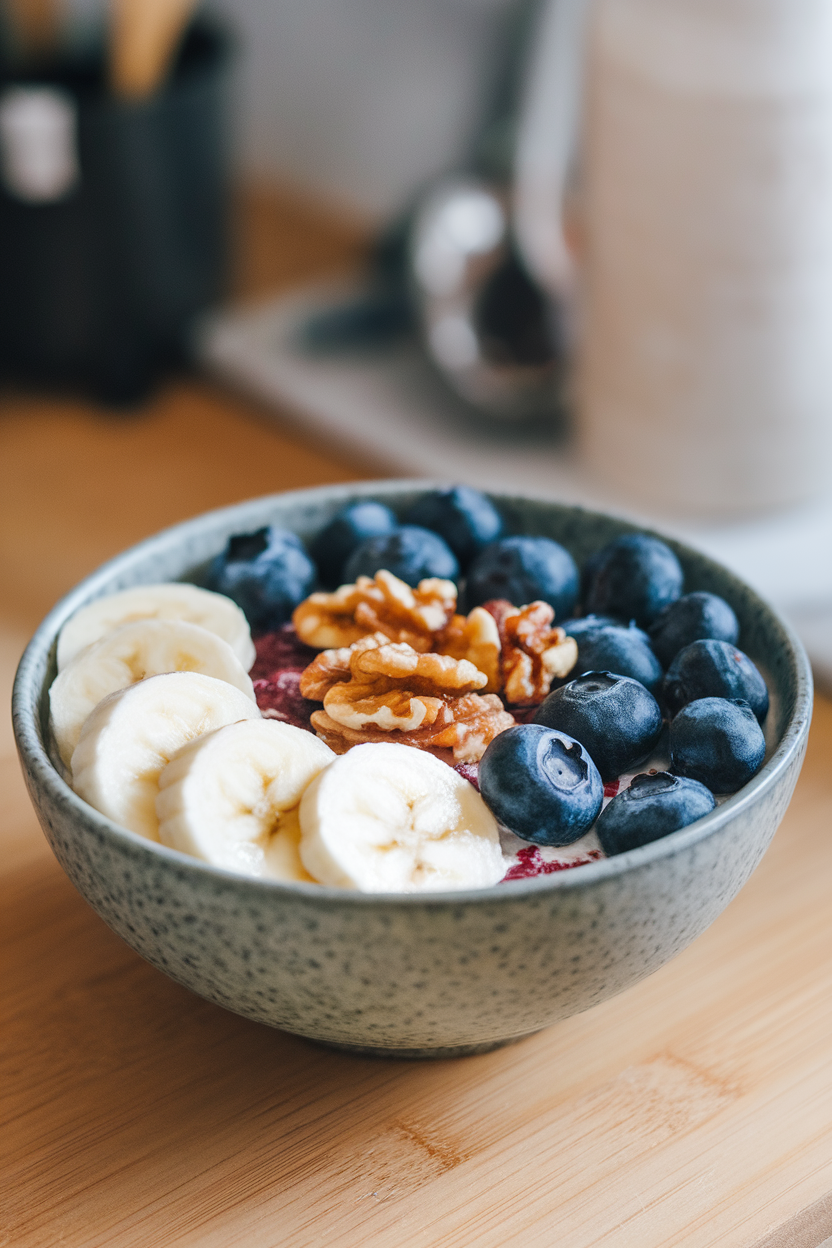
Fruit at breakfast delivers natural sweetness, fiber, and hydration. It pairs effortlessly with oats, yogurt, or whole-grain toast. Keeping frozen berries on hand ensures supply year-round.
39. Blend Smart Smoothies
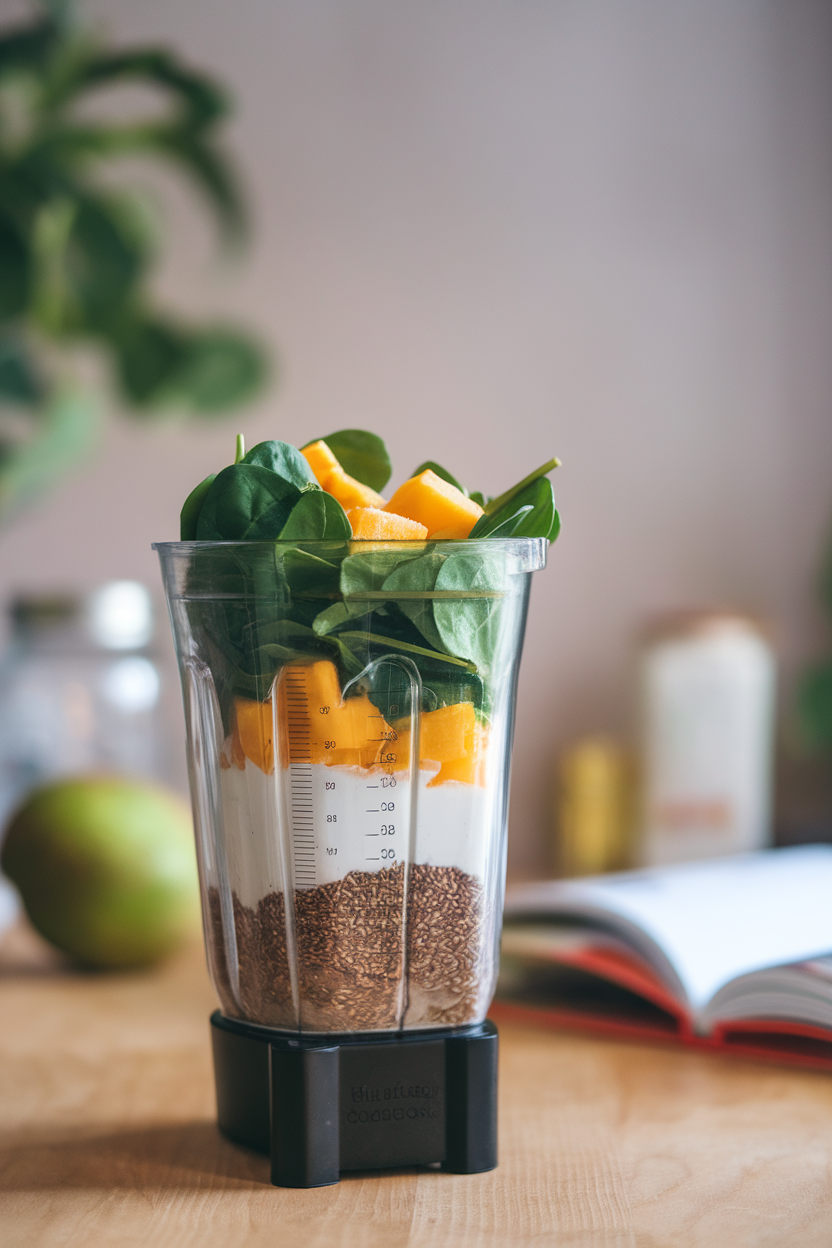
A balanced smoothie includes produce, protein, and healthy fat to avoid sugar spikes. Measure ingredients rather than free-pouring juices. A handful of greens disappears taste-wise but adds valuable nutrients.
40. Moderate Alcohol Intake
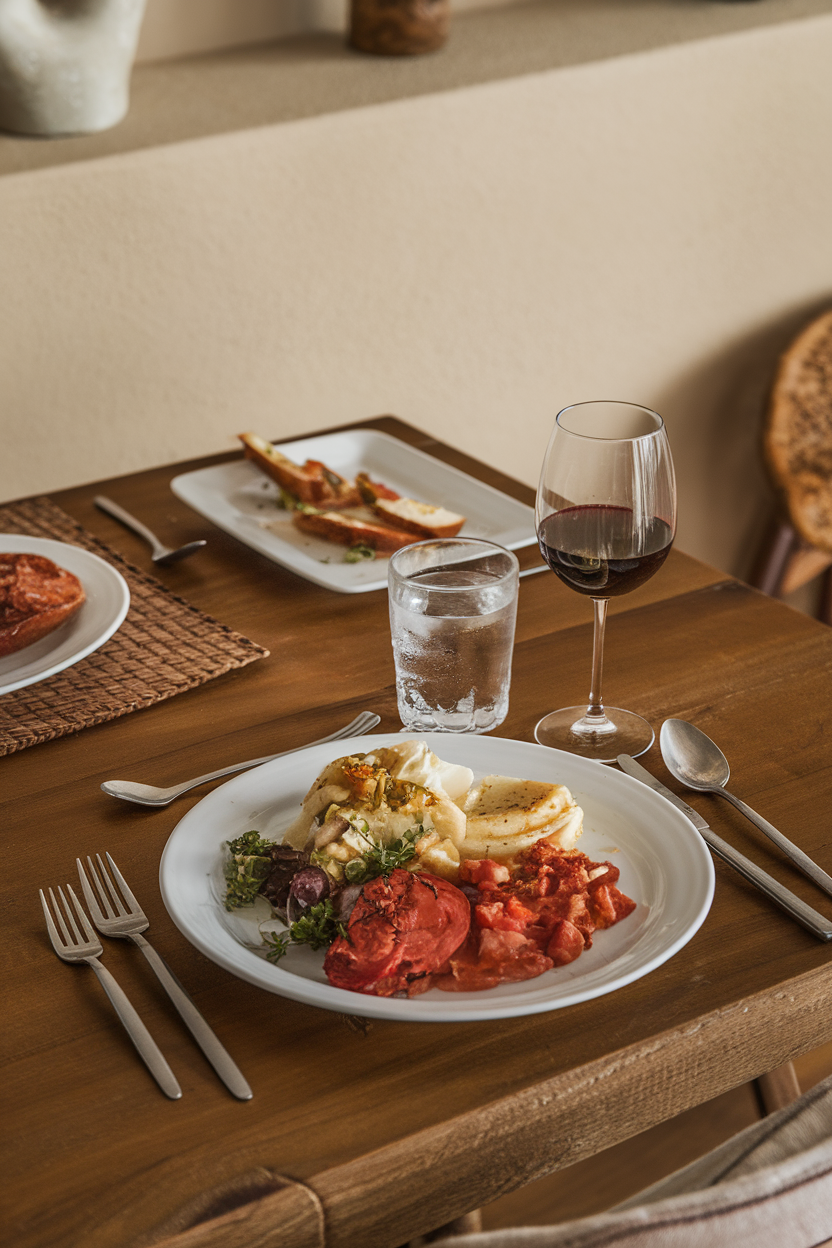
Alcohol contributes empty calories and can lower dietary resolve. Setting a weekly limit helps maintain balance without feeling deprived. Alternating sips with water slows pace and supports hydration.
41. Make Salad Dressings at Home
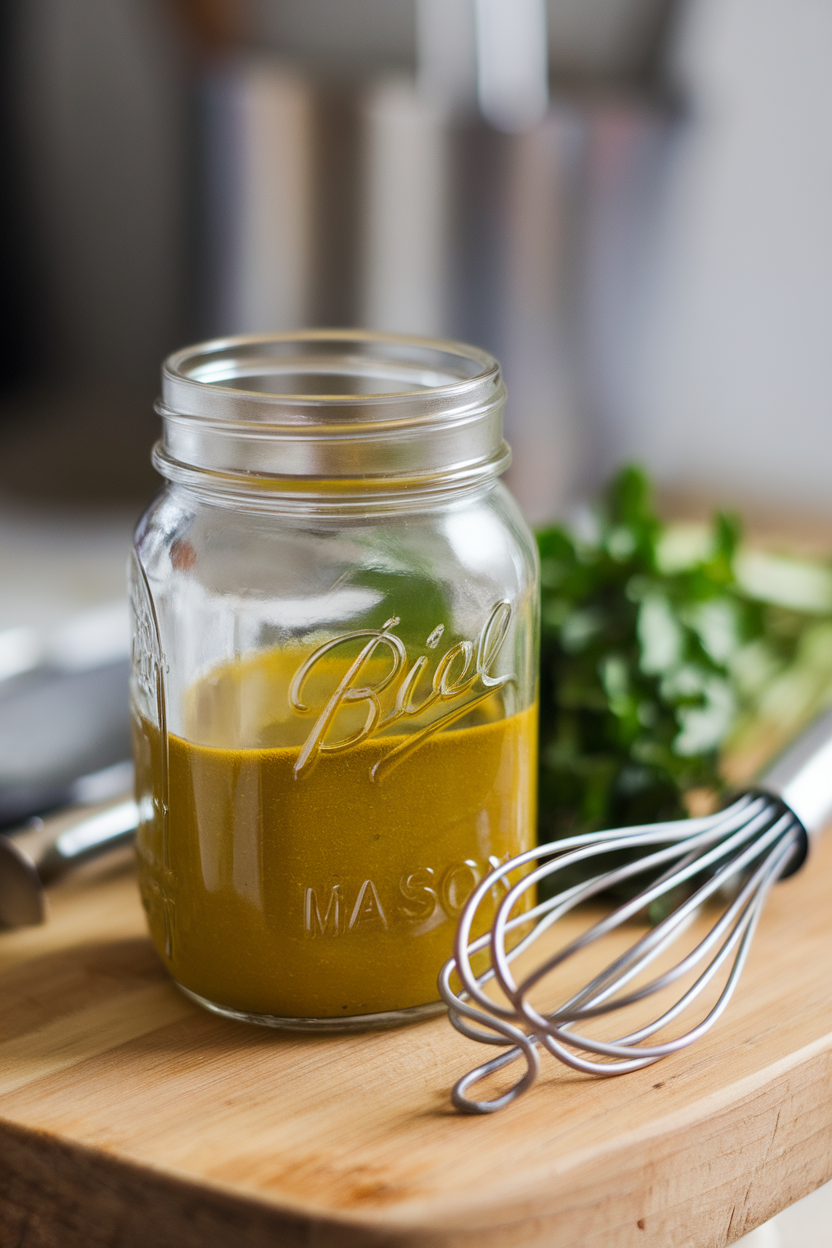
Homemade dressings skip added sugars, gums, and excess sodium. Simple ratios—three parts oil to one part acid—create endless variations. Shake a batch on Sunday to last the week.
42. Watch Afternoon Caffeine
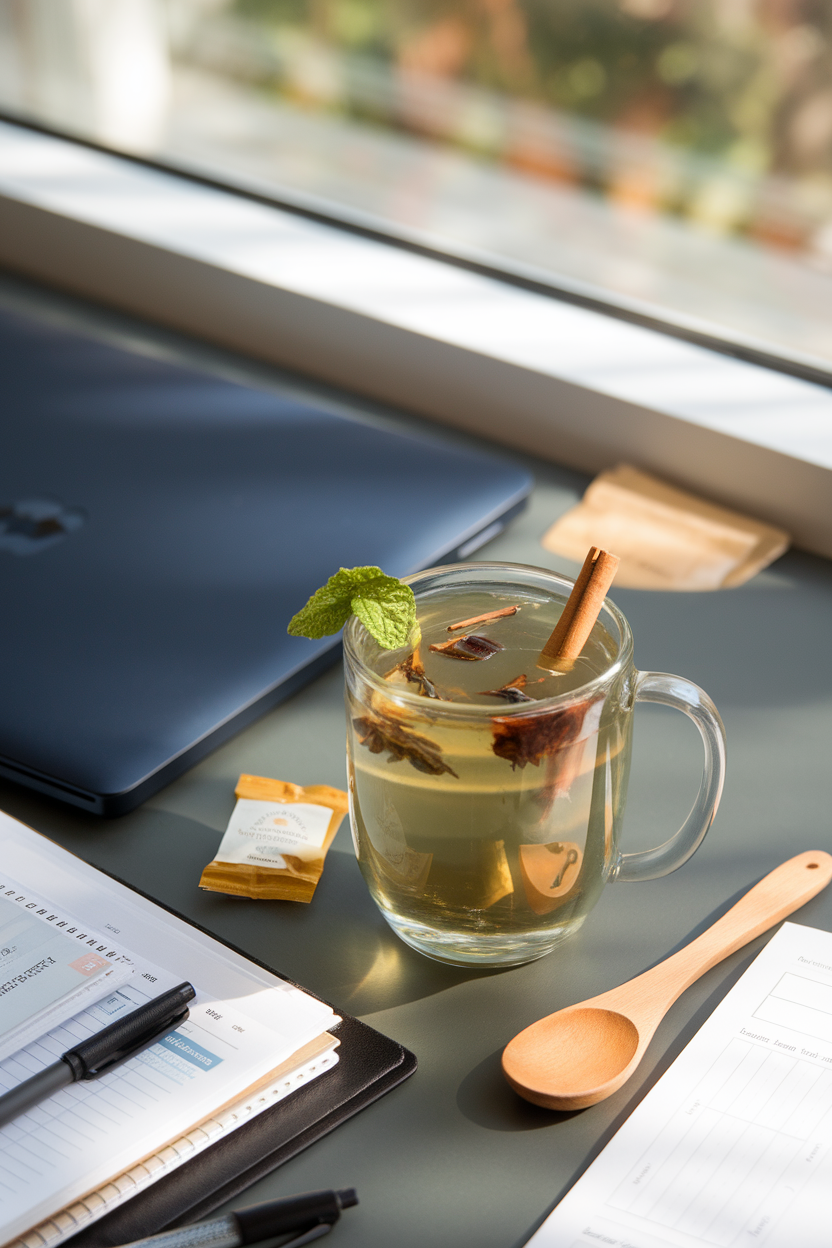
Late-day caffeine can disrupt sleep, which in turn affects appetite hormones. Switching to herbal tea after 2 p.m. supports restful nights. Adequate sleep sharpens hunger and fullness recognition.
43. Include Calcium-Rich Foods Daily
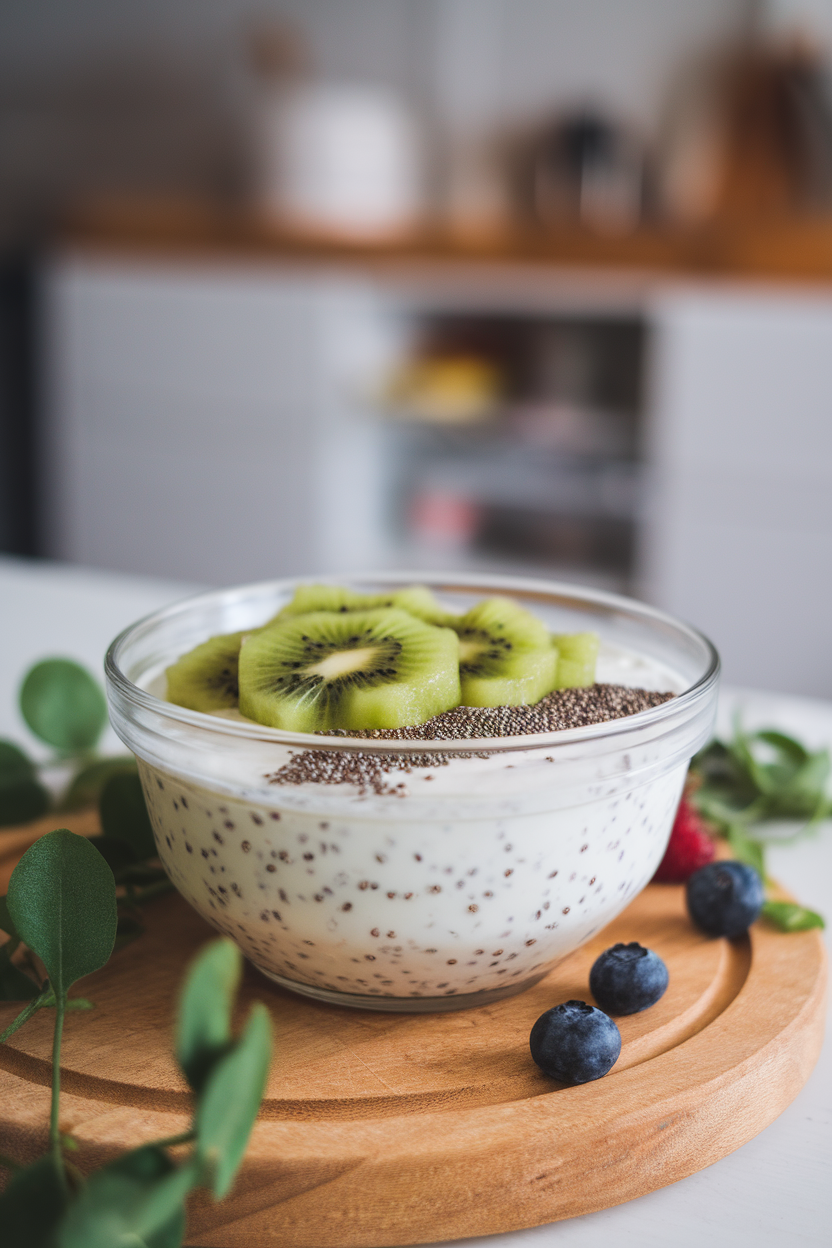
Calcium fortifies bones and aids muscle function. Dairy, fortified plant milks, and leafy greens cover daily needs without supplements for most people. Pair sources with vitamin D-rich foods or sunshine for better absorption.
44. Try a New Produce Item Each Week
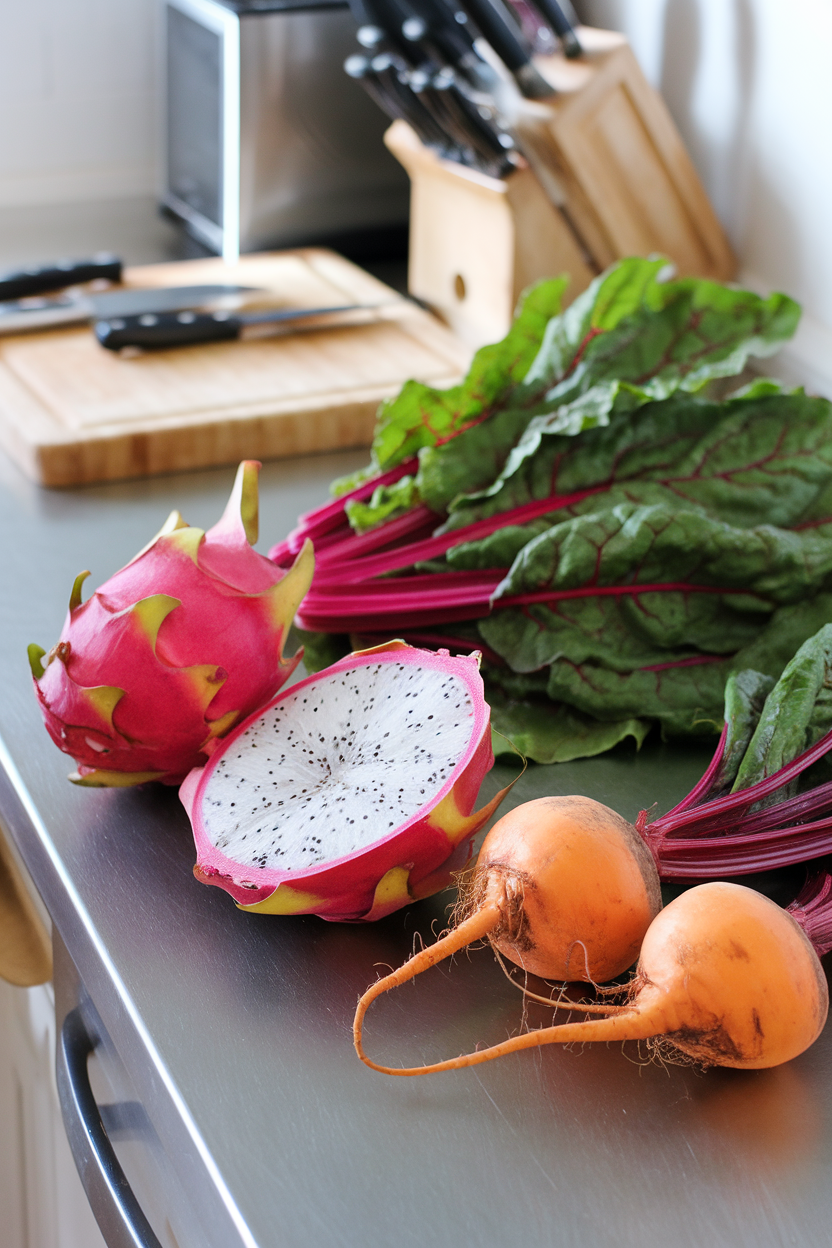
Novelty keeps healthy eating exciting and broadens nutrient intake. Ask vendors for cooking tips or search quick recipes online. Over time you’ll build a colorful, varied palate.
45. Portion Out Snacks in Advance
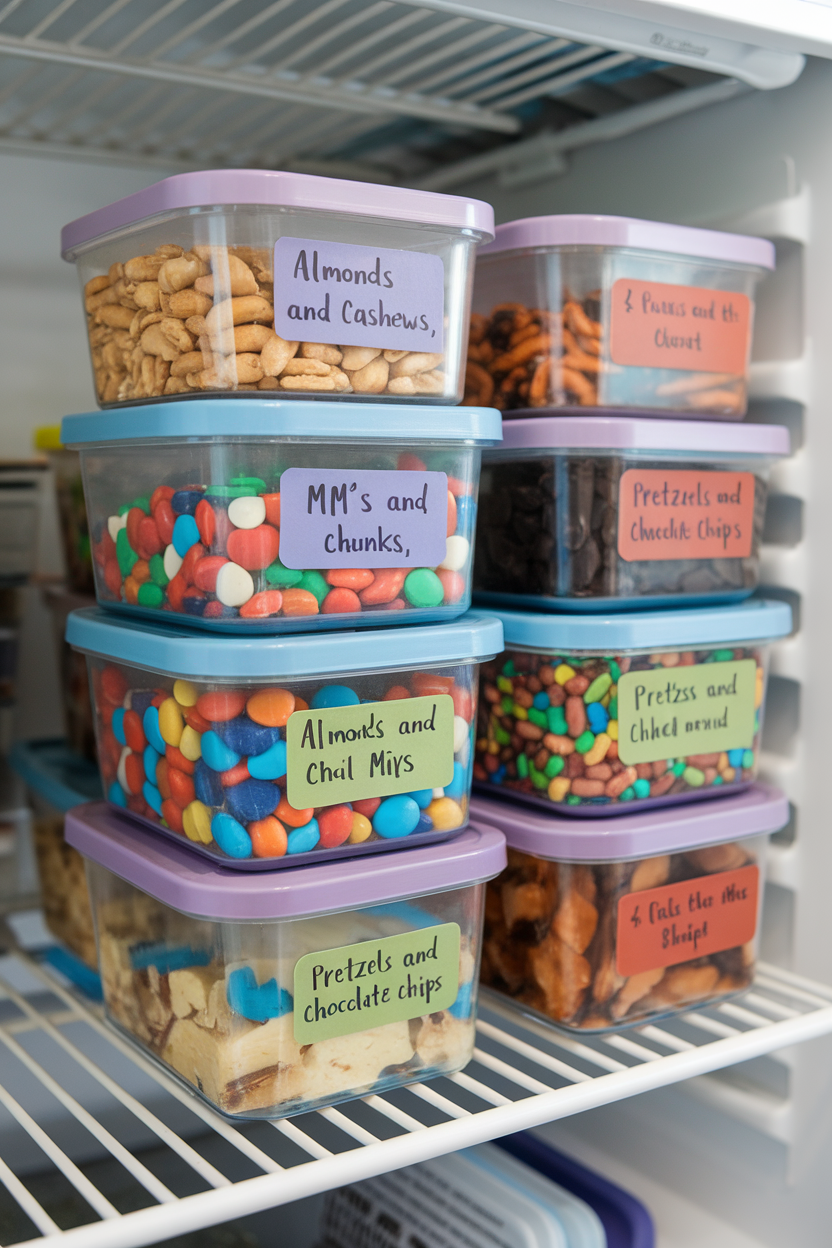
Grabbing directly from large bags invites overeating. Pre-portioned snacks travel well and remove guesswork. This strategy is especially helpful during busy workdays or road trips.
46. Cook Beans From Scratch
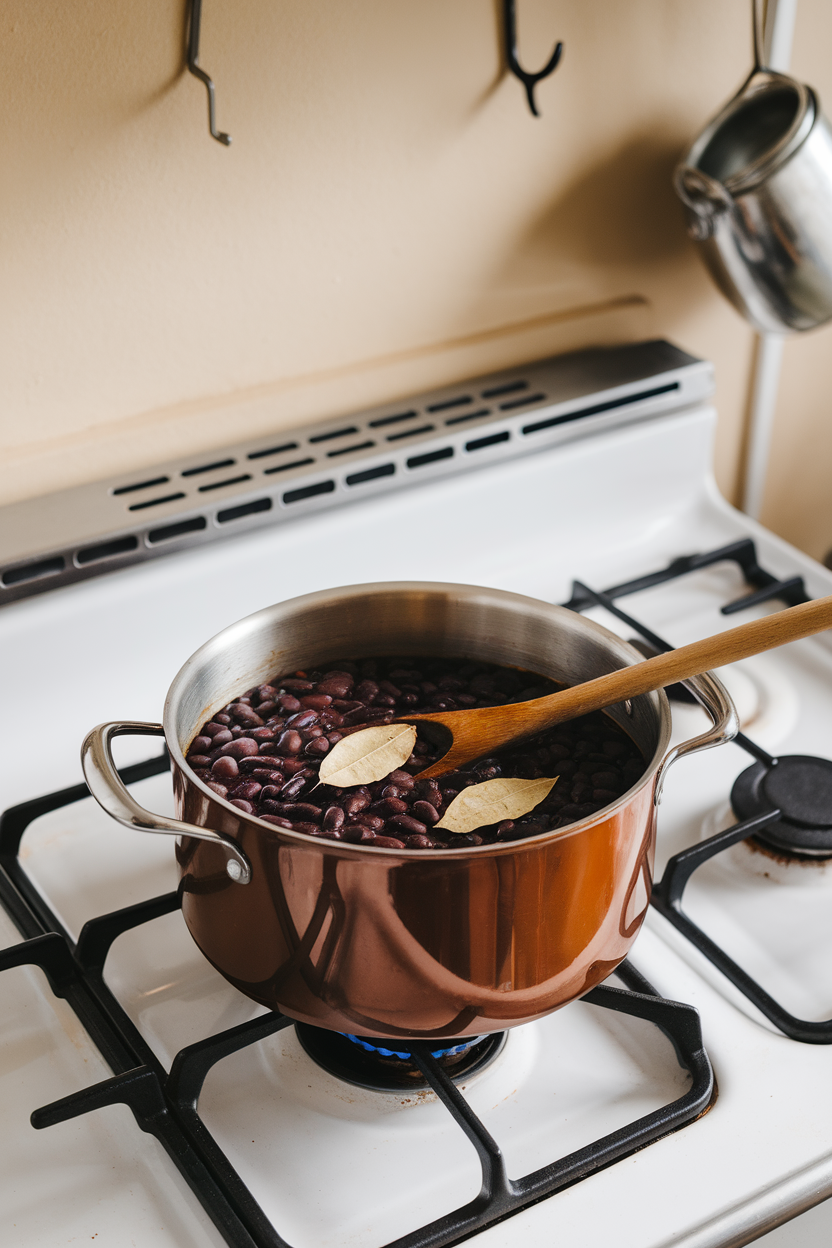
Dried beans cost less and let you control sodium from the start. Soaking cuts cooking time and improves digestibility. Freeze extra portions for speedy future meals.
47. Make Oats a Pantry Staple
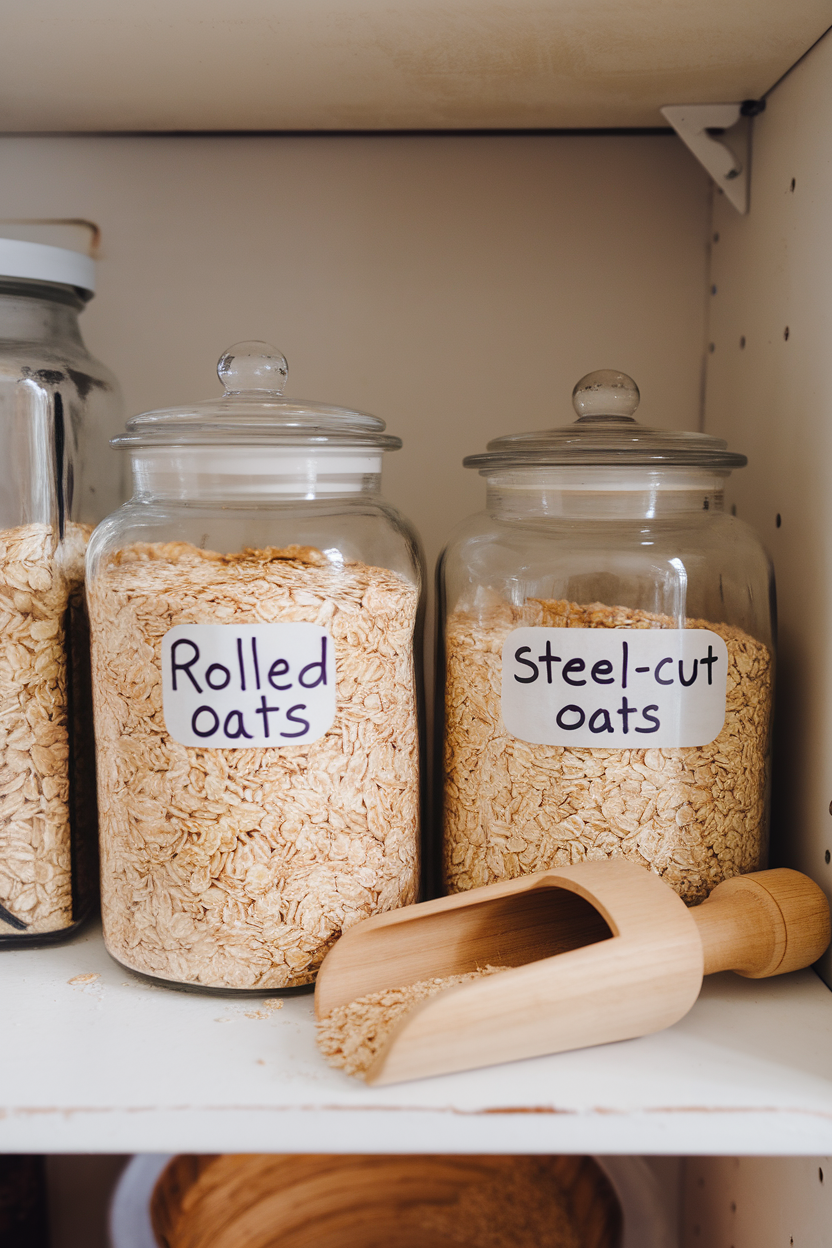
Oats cook quickly, satisfy hunger, and provide soluble fiber that supports cholesterol balance. Dress them sweet or savory for endless versatility. Overnight oats simplify hectic mornings even further.
48. Freeze Leftovers in Single Servings
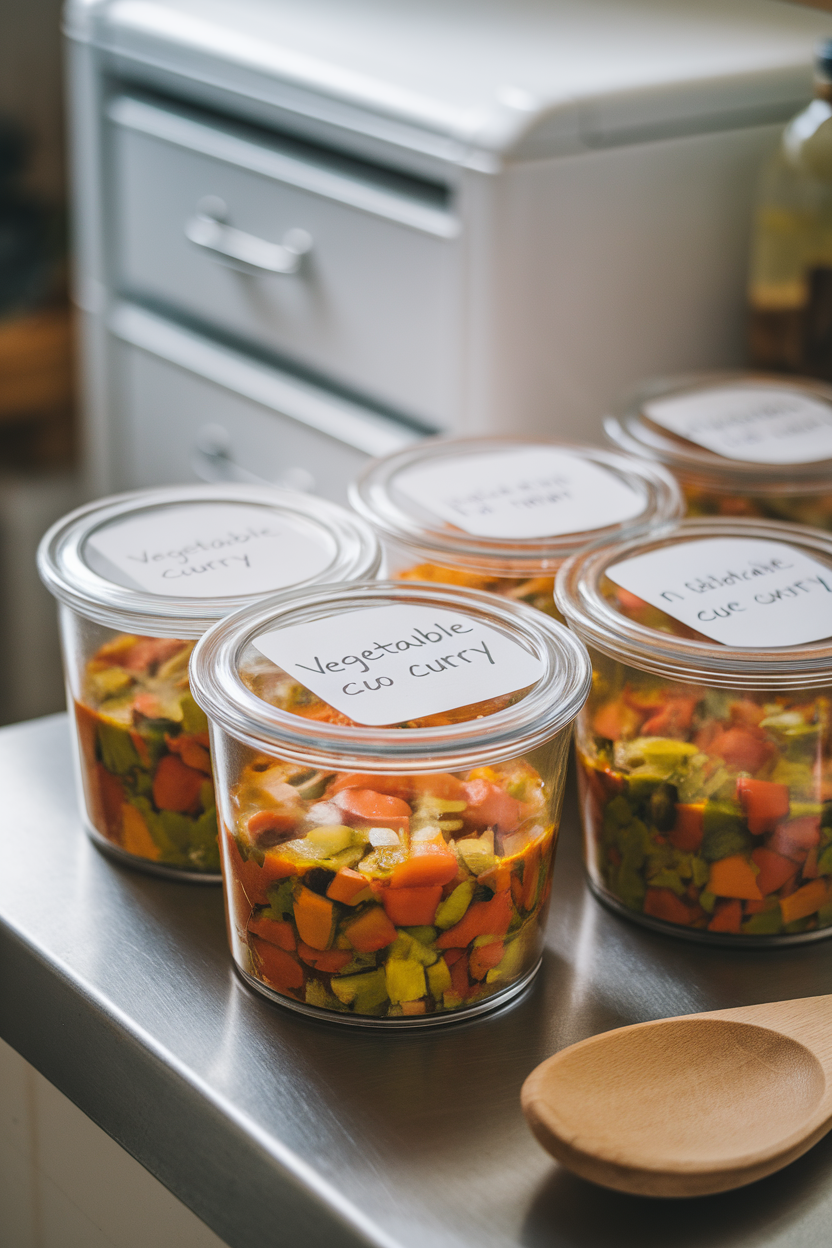
Individually frozen portions function like healthy ready-meals for busy days. They also rescue surplus food from spoiling. Cool dishes fully before freezing to maintain texture.
49. Pack Your Lunch
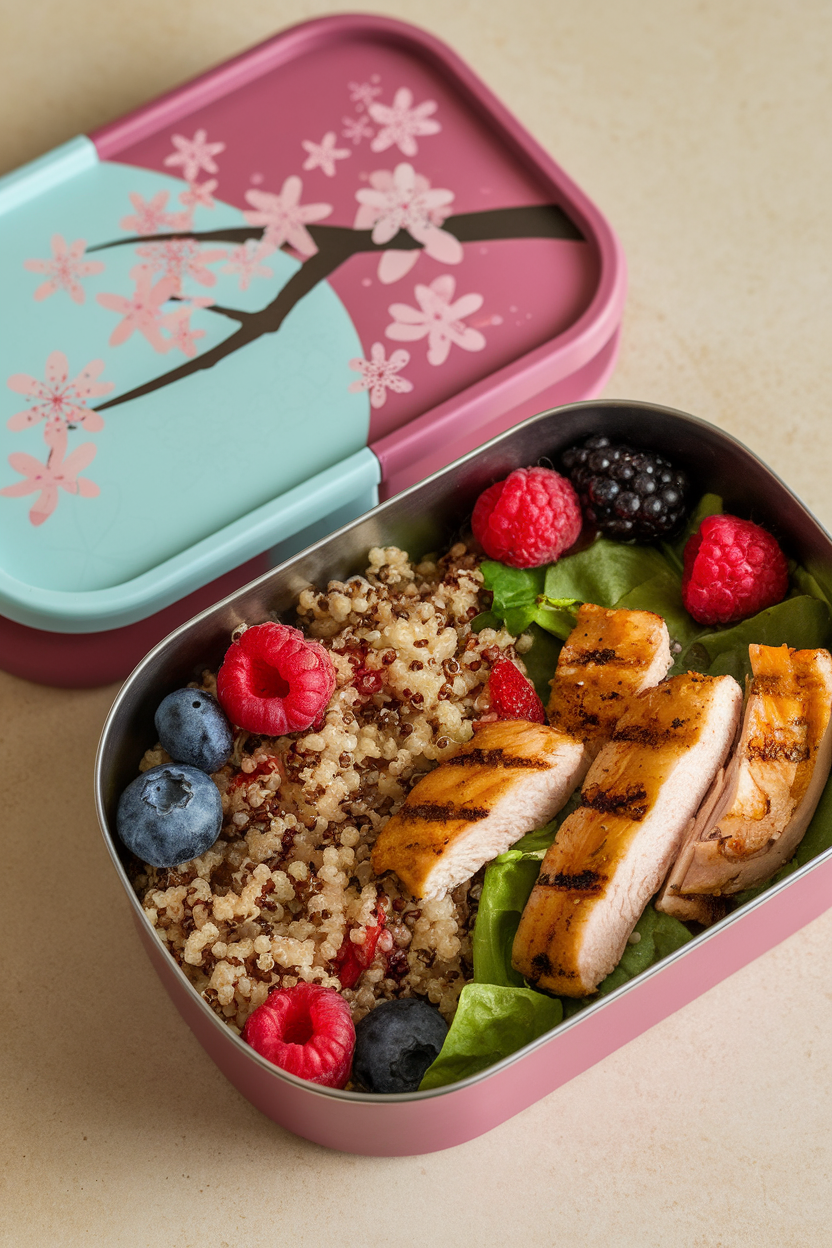
Homemade lunches save money and calories compared with many cafeteria or restaurant options. Include protein, fiber, and color for balanced energy. Keeping an insulated bag at work makes the habit easier.
50. Aim for a Colorful Plate
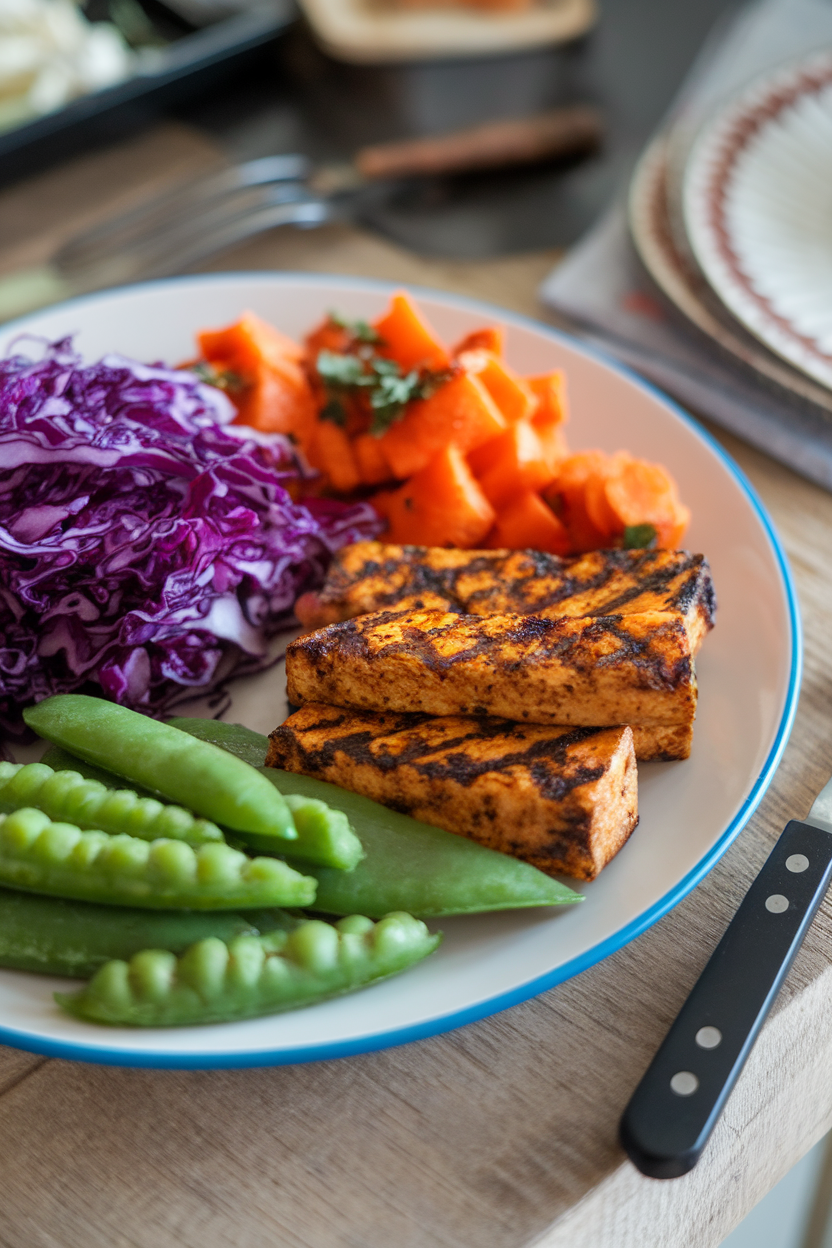
Different colors signal diverse phytonutrients that support overall health. Visual appeal also boosts enjoyment and perceived freshness. Challenge yourself to incorporate at least three colors per meal.
51. Choose Seasonal Produce
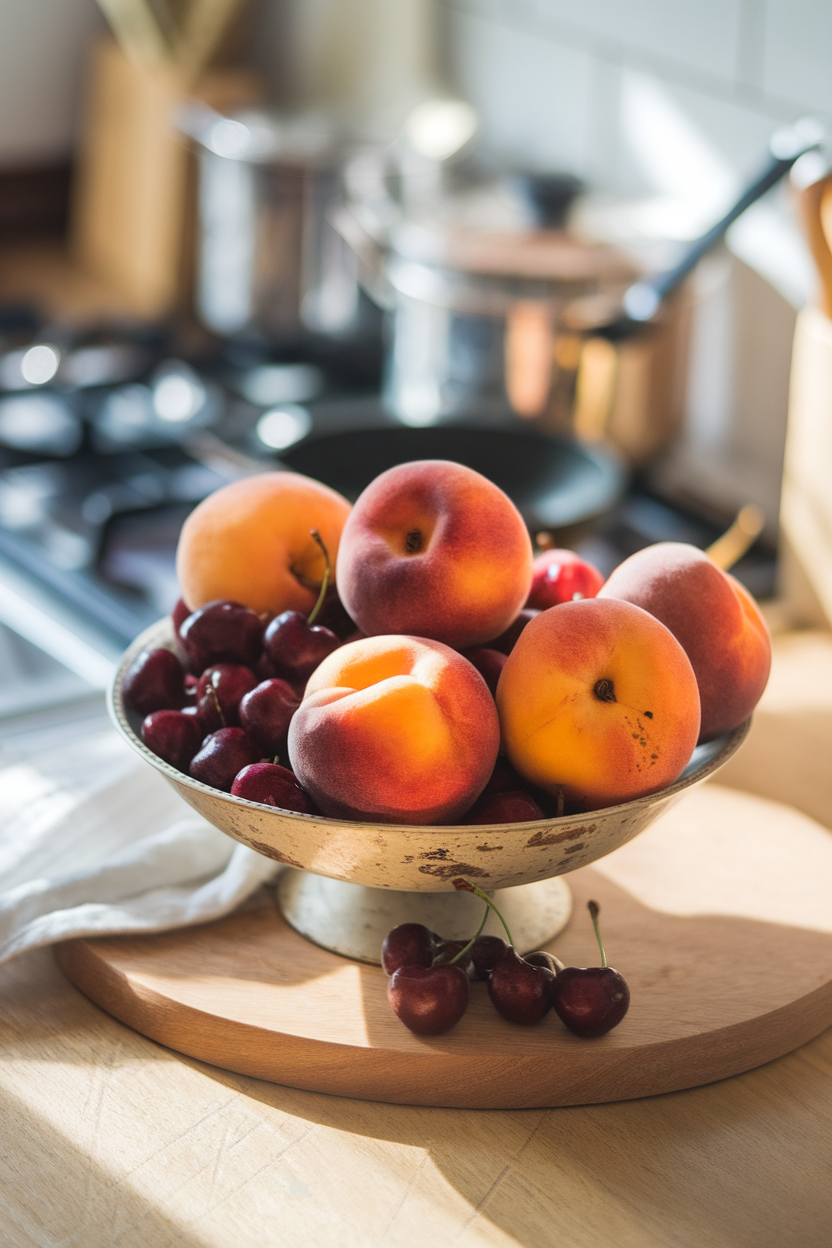
Seasonal items often taste better and cost less due to local abundance. Rotating with the calendar naturally diversifies your diet. Freezing or canning extras extends flavors into later months.
52. Soak Whole Grains Overnight
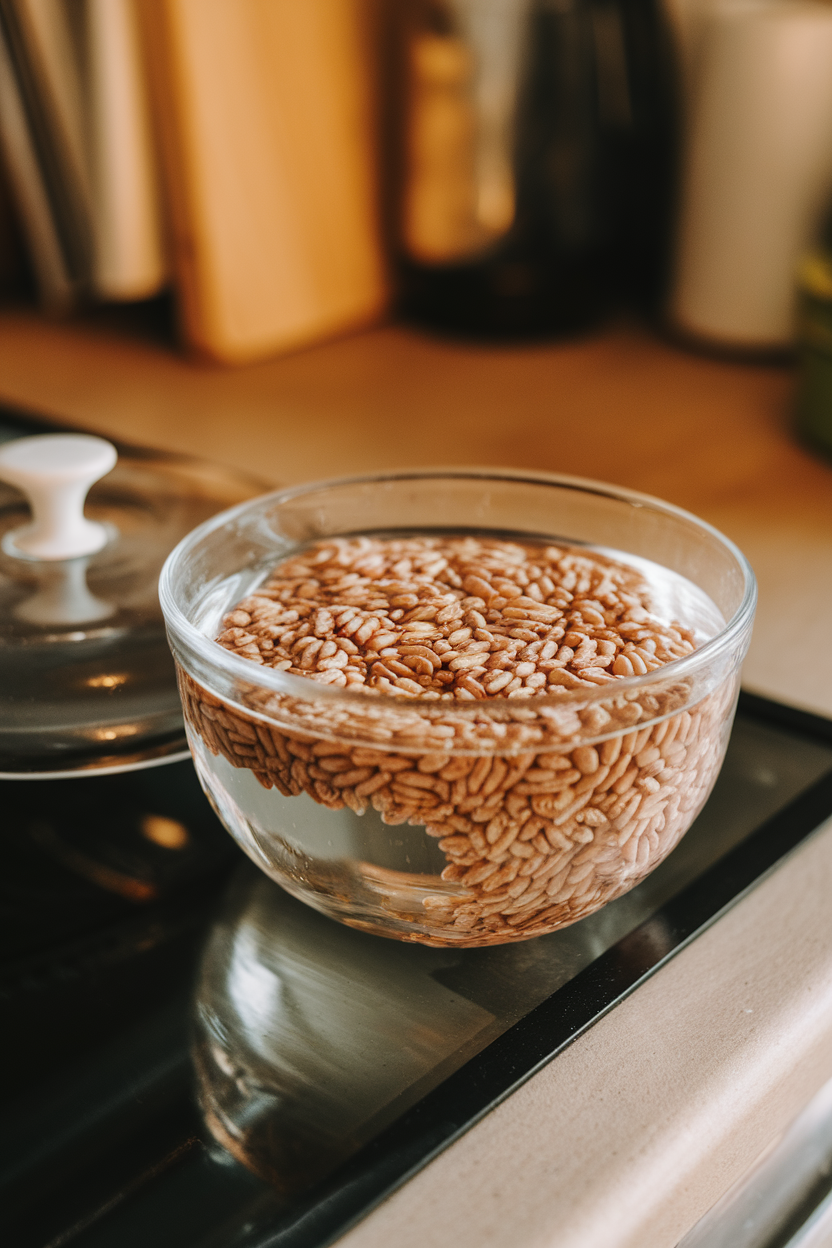
Soaking shortens cooking time and may improve mineral absorption. Drain and rinse before simmering for fluffier texture. This prep step simplifies busy weeknight dinners.
53. Roast Vegetables on a Sheet Pan

High-heat roasting deepens flavor and creates crispy edges many people love. Cooking a big batch provides sides for several meals. Toss leftovers into salads or grain bowls the next day.
54. Keep Healthy Freezer Staples
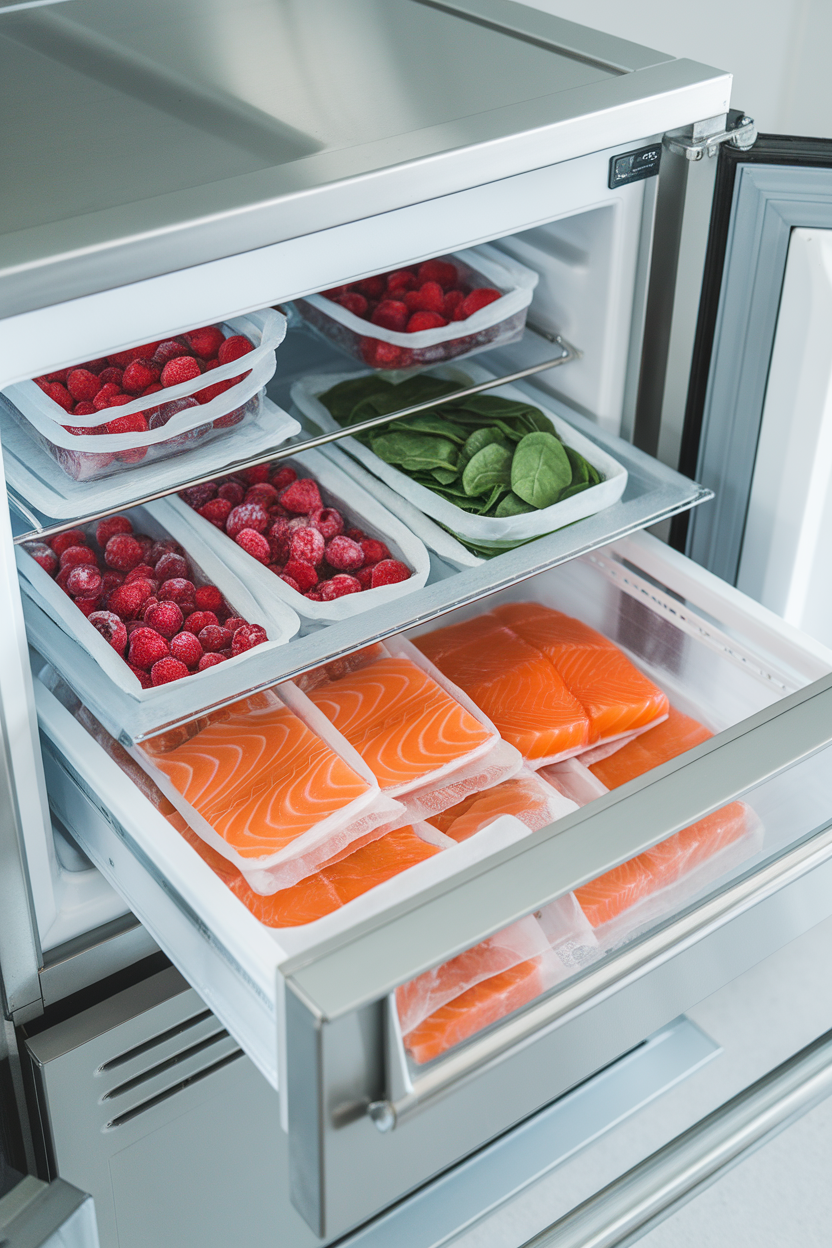
Frozen produce and proteins cut prep time while preventing spoilage waste. They’re picked at peak ripeness, locking in nutrients. A well-stocked freezer turns last-minute meals into nutritious affairs.

Restaurant portions often exceed daily needs in one sitting. Splitting an entrée and adding a salad keeps satisfaction high without overdoing calories. If sharing isn’t possible, box half before you start eating.
56. Declutter the Pantry
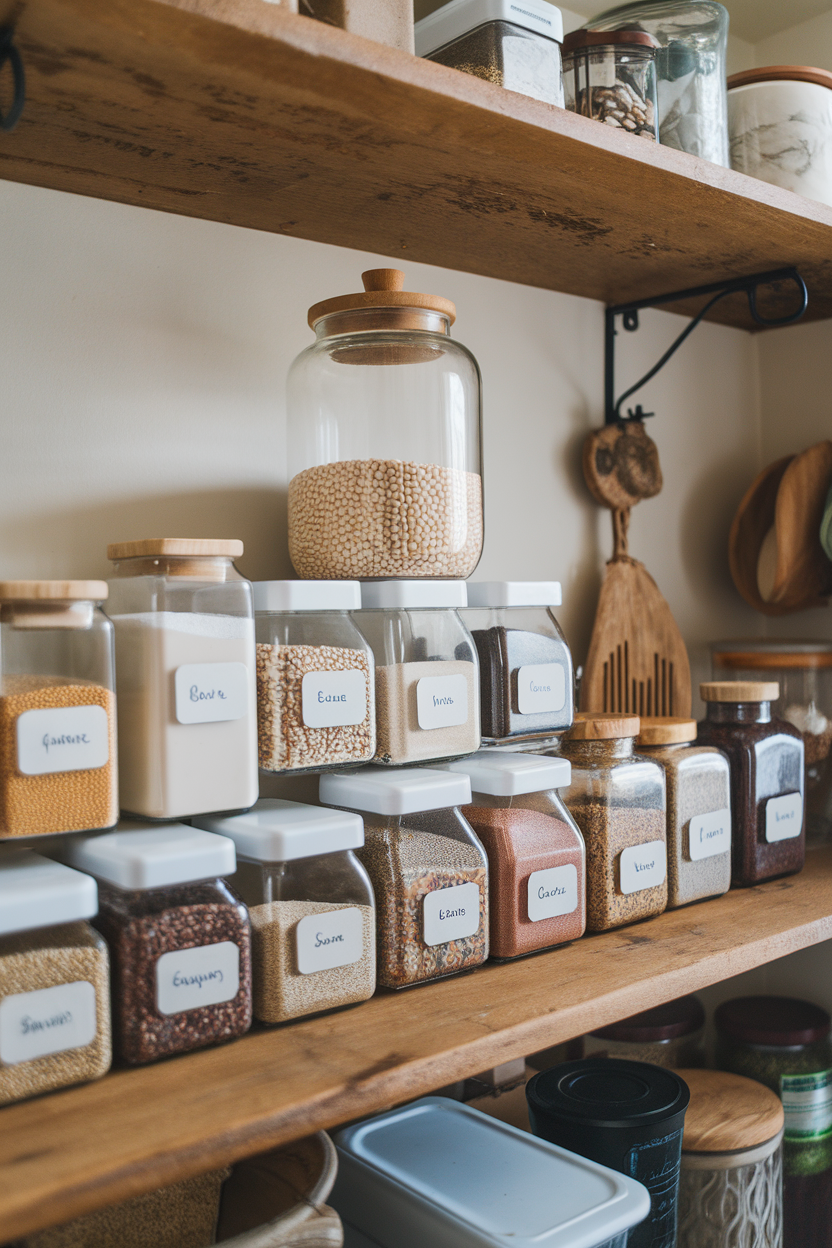
A tidy space helps you see and use nutritious items before they expire. Group foods by category and place healthier choices at eye level. Periodic check-ups prevent surprise duplicates and impulse junk purchases.
57. Follow an 80/20 Balance
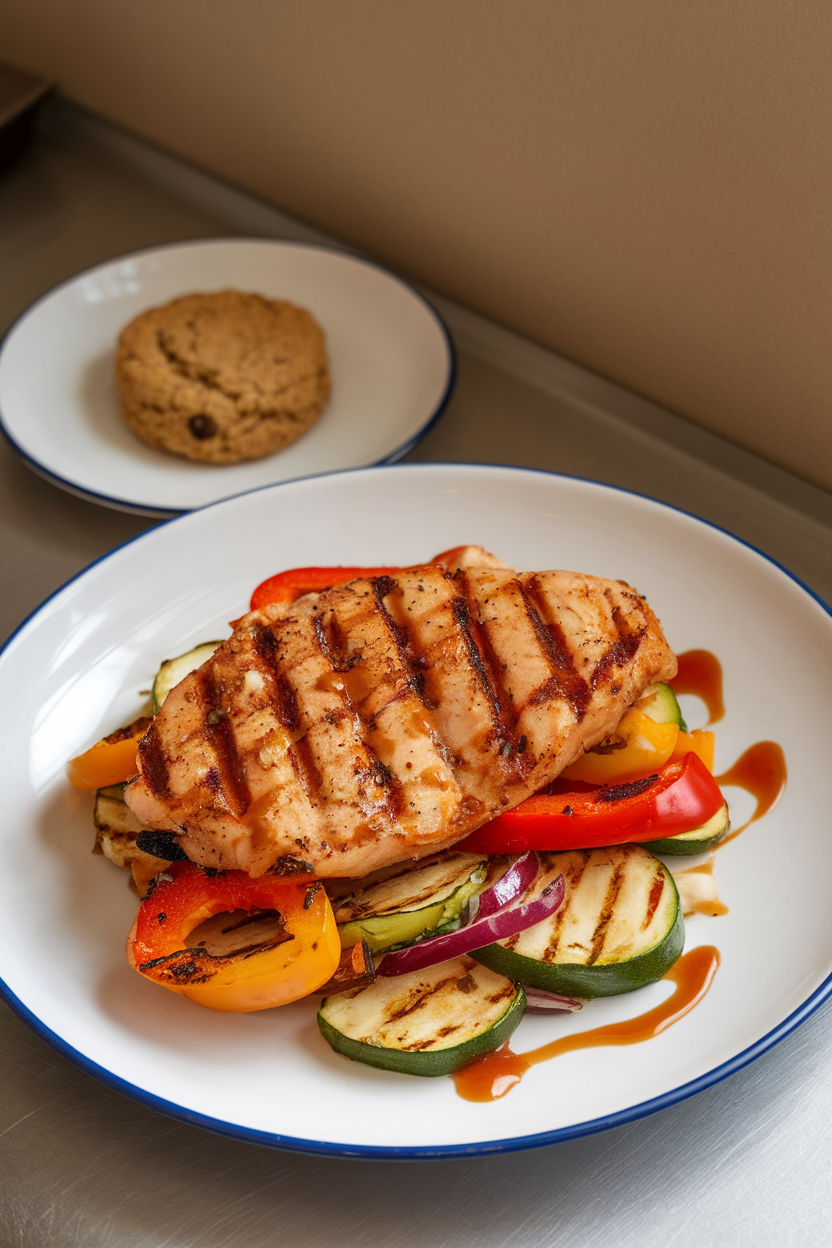
Eating nutrient-dense foods most of the time leaves room for treats without guilt. This flexible mindset supports consistency over rigid perfectionism. Savoring occasional indulgences can reduce rebound cravings.
58. Season With Herbs Instead of Extra Salt
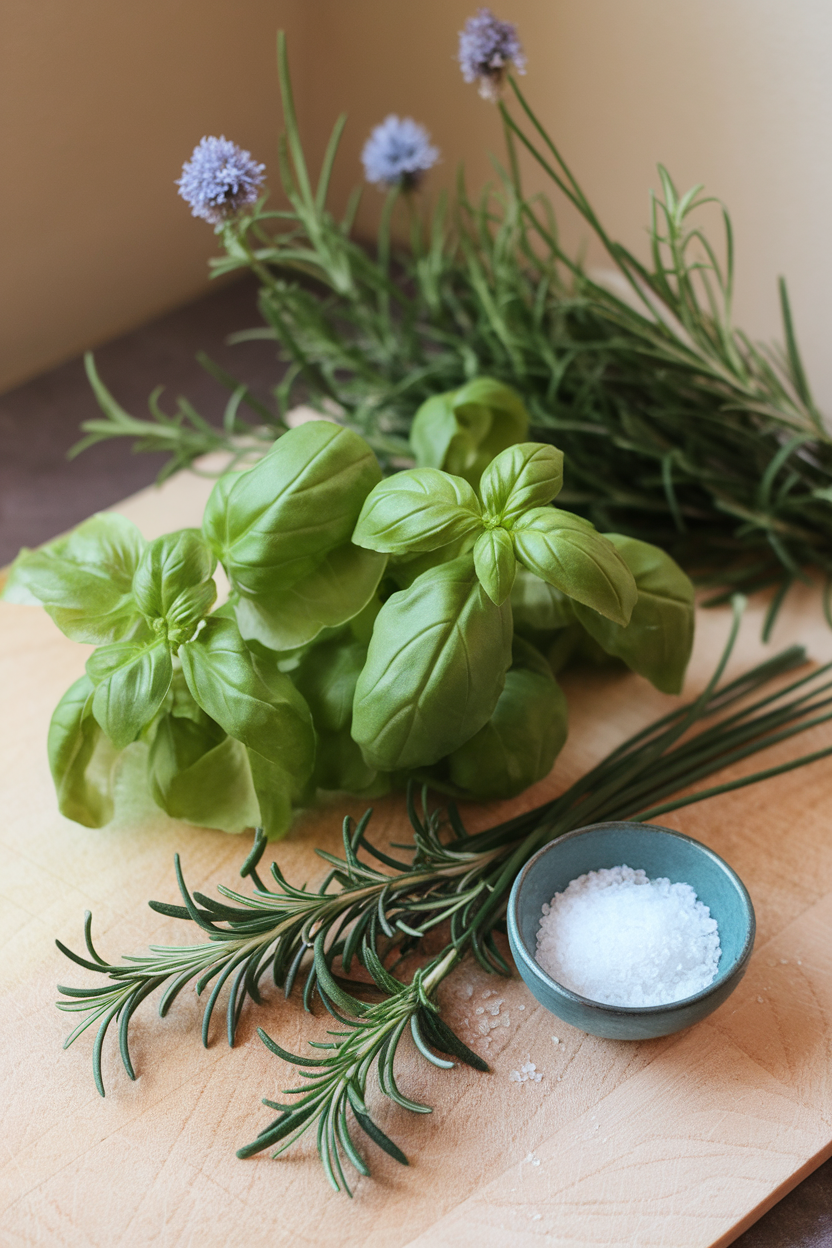
Herbs amplify aroma, allowing you to lower sodium while keeping dishes vibrant. Add delicate varieties like parsley at the end to preserve flavor. Growing a small windowsill herb garden ensures steady supply.
59. Add Avocado for Creamy Satiety
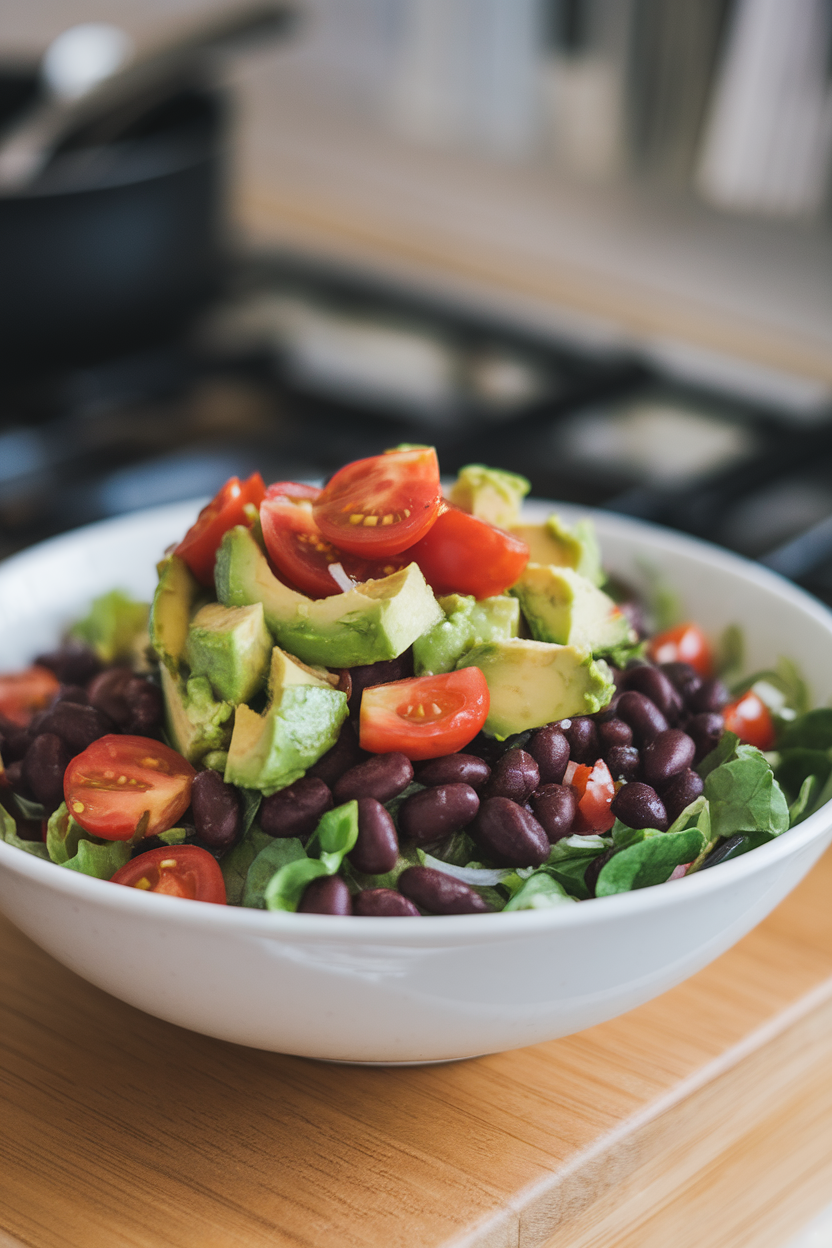
Avocado’s healthy fats promote fullness and aid absorption of fat-soluble vitamins. Replace mayo on sandwiches or blend into smoothies for silkier texture. Remember portions—half a medium fruit is usually enough.
60. Check In With Your Goals Monthly
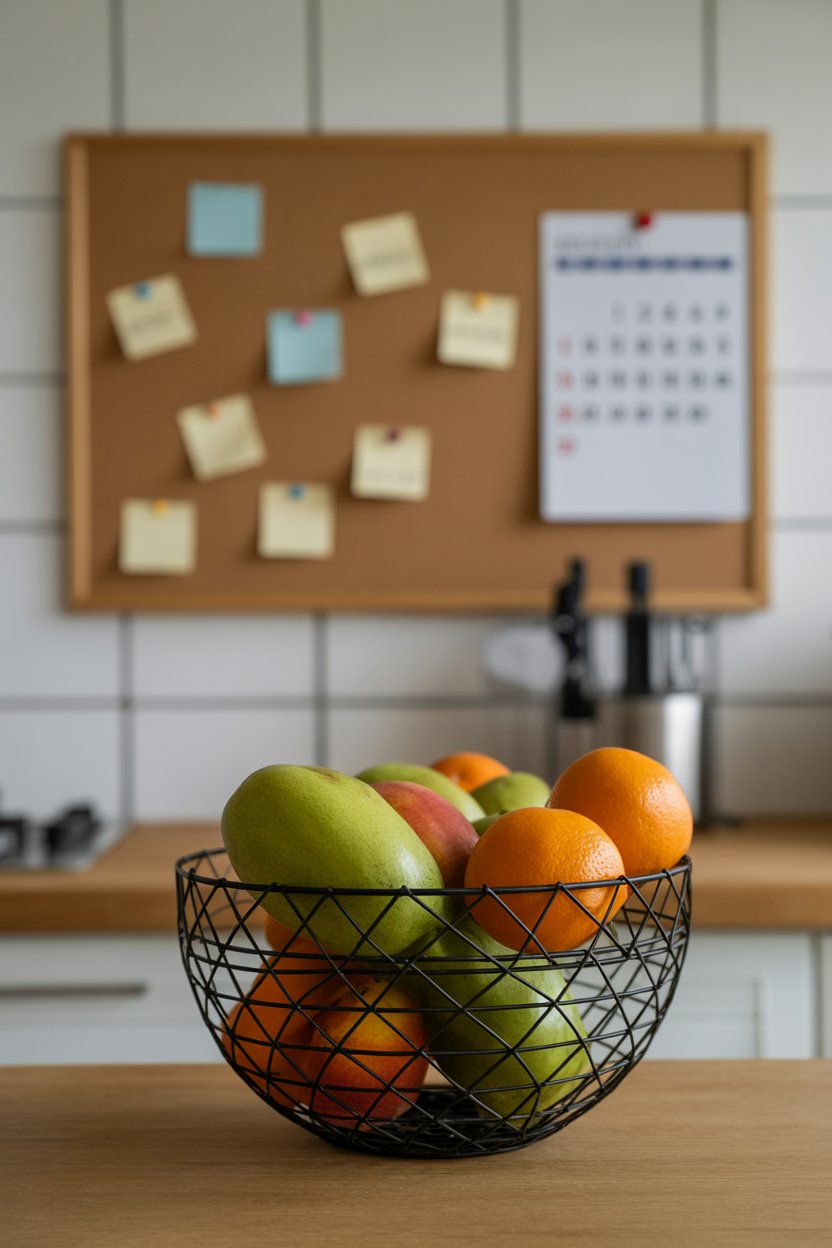
Regular reviews help celebrate progress and fine-tune strategies. Adjust goals to stay realistic during life changes like travel or busy seasons. Documenting wins builds motivation for continued growth.
61. Balance Macros at Each Meal
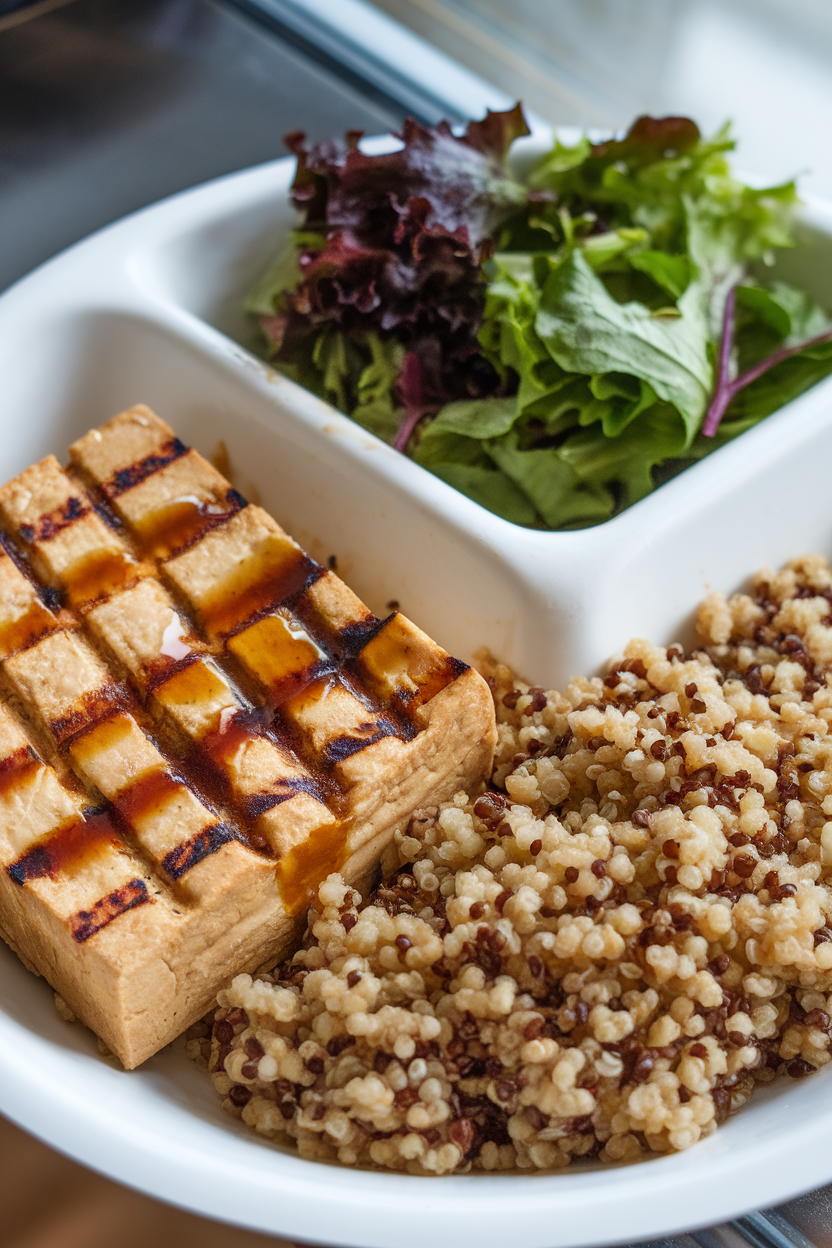
A mix of protein, complex carbs, and healthy fats steadies energy and moods. Skewing heavily toward one group can lead to cravings later. Visual templates simplify decision-making at a glance.
62. Craft a Mindful Grocery List
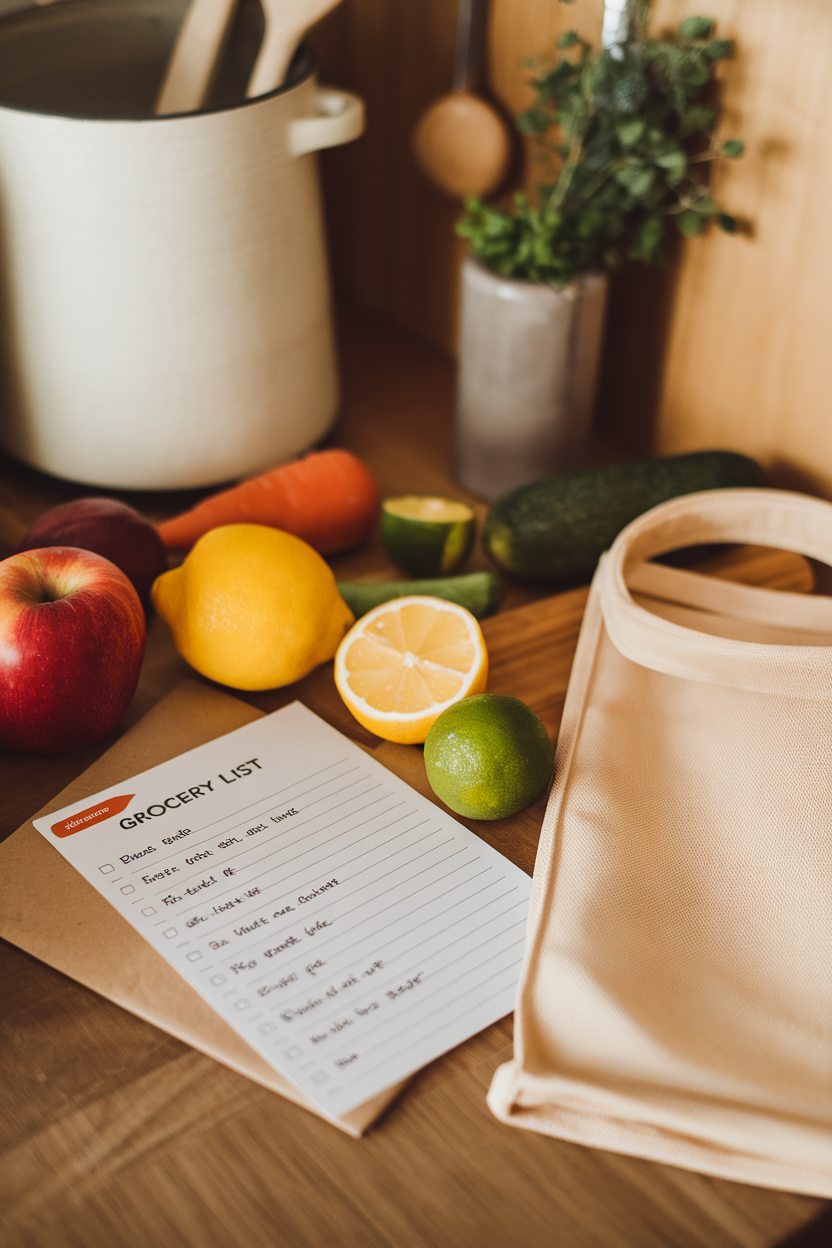
Listing items based on planned meals reduces impulse buys and budget surprises. Group foods by store section for faster trips. Crossing off completed sections feels rewarding and organized.
63. Avoid Skipping Meals
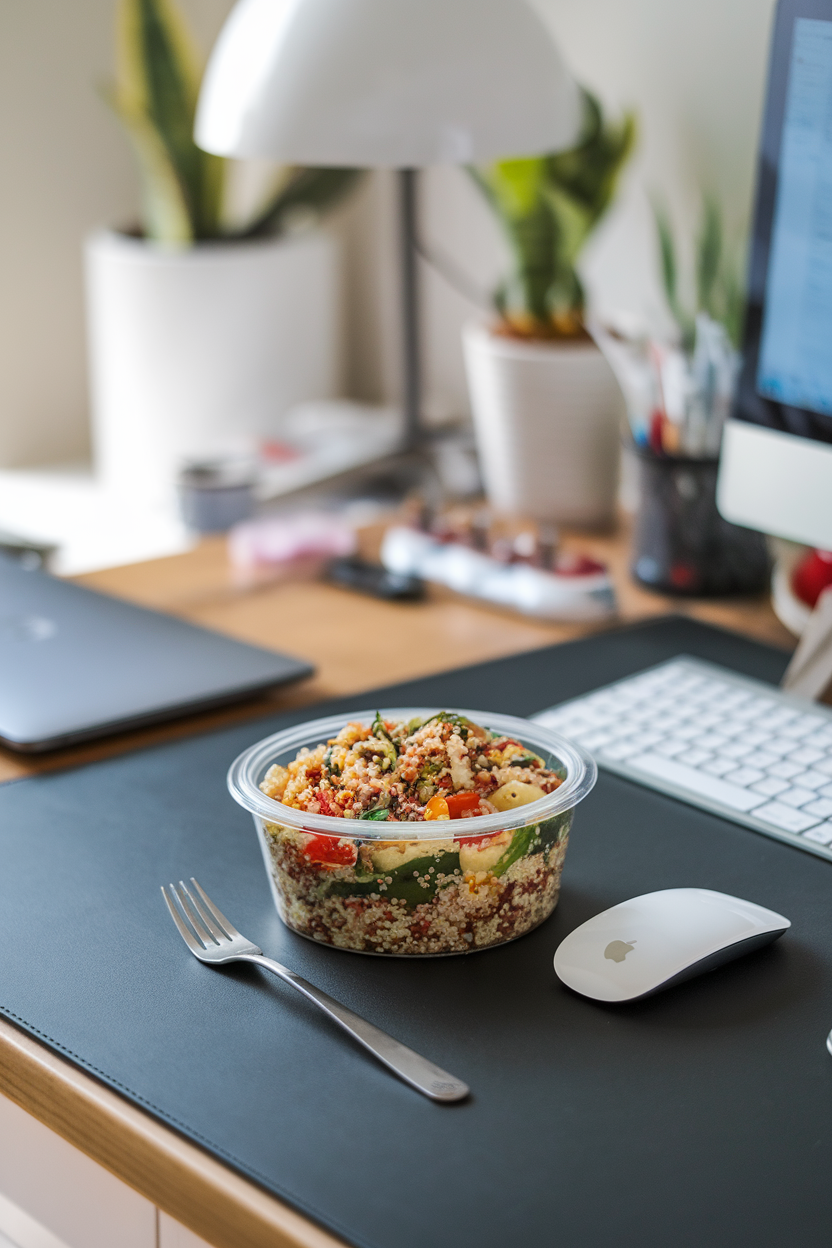
Long gaps often lead to intense hunger and large, hasty portions later. Scheduled meals stabilize blood sugar and concentration. Keep portable options on hand to bridge unavoidable delays.
64. Choose Unflavored Dairy or Alternatives
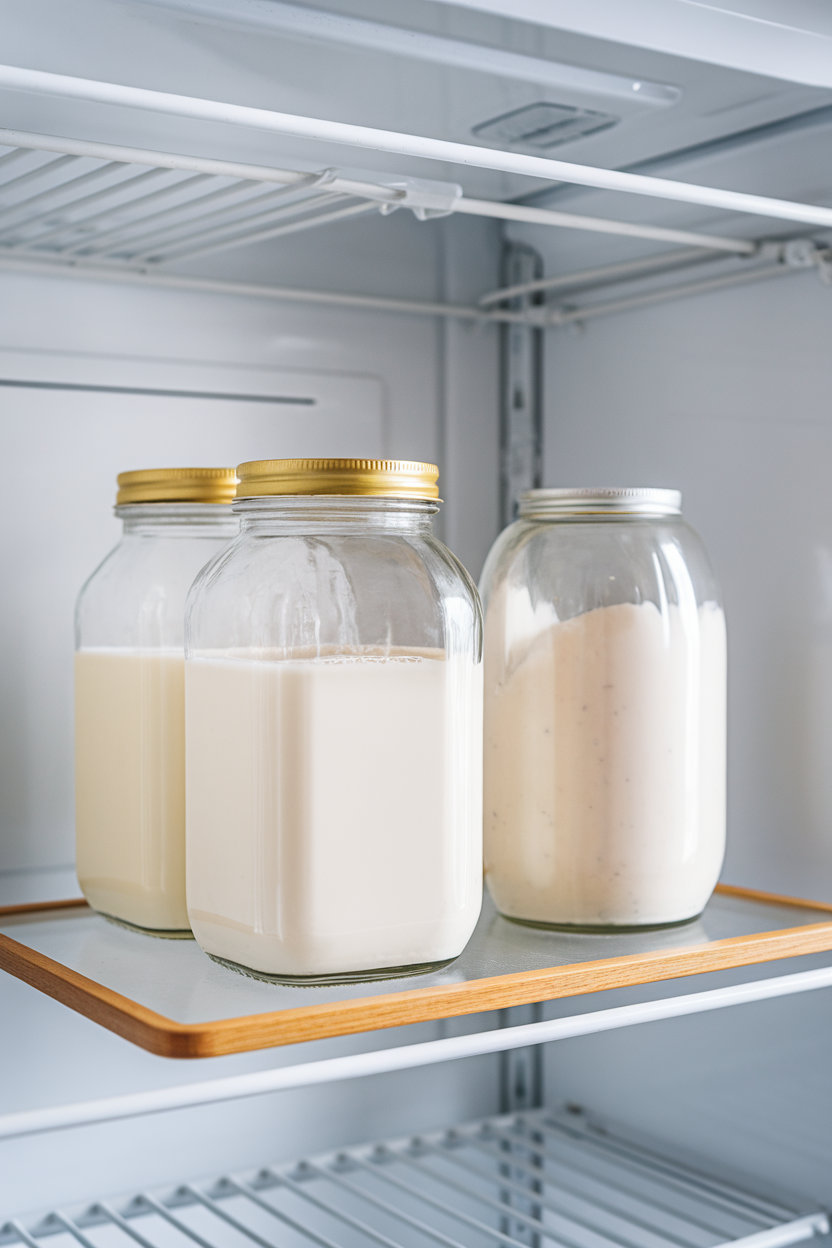
Unflavored versions skip added sugars often hiding in “vanilla” or “strawberry” labels. Sweeten naturally with fruit or a drizzle of honey if desired. This tweak preserves protein and calcium benefits without excess calories.
65. Use Broth Instead of Oil for Sautéing
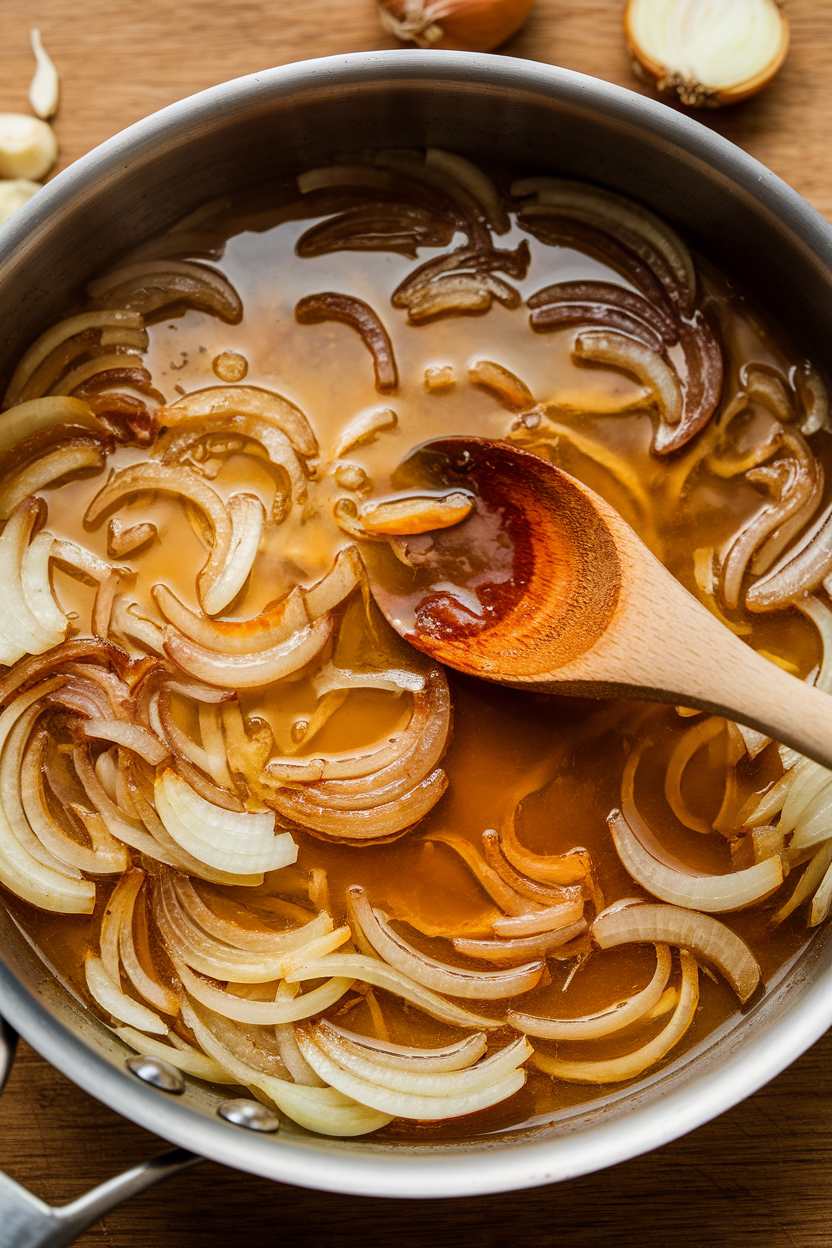
A splash of low-sodium broth softens vegetables while trimming fat. Deglazed browned bits add rich flavor without extra calories. Keep homemade broth frozen in ice-cube trays for quick use.
66. Enjoy Daily Tea Breaks

Tea offers antioxidants and a calming ritual that can curb mindless snacking. Unsweetened varieties hydrate with virtually no calories. Experiment with herbal blends to find your afternoon favorite.
67. Spice Up Dishes With Chili or Ginger
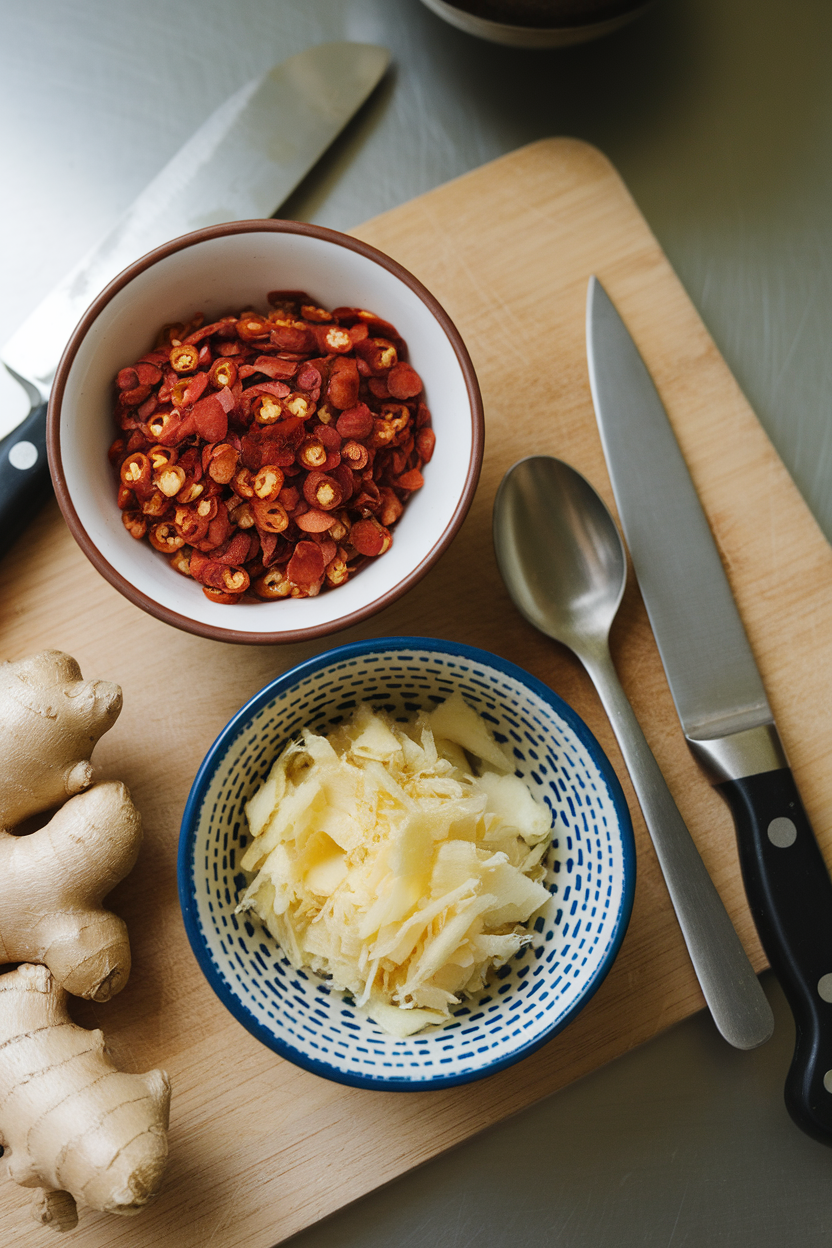
Warm spices boost metabolism slightly and perk up simple meals. A pinch of heat can reduce the need for heavy sauces. Introduce gradually if you’re heat-sensitive, adjusting to personal tolerance.
68. Grow Kitchen Herbs at Home
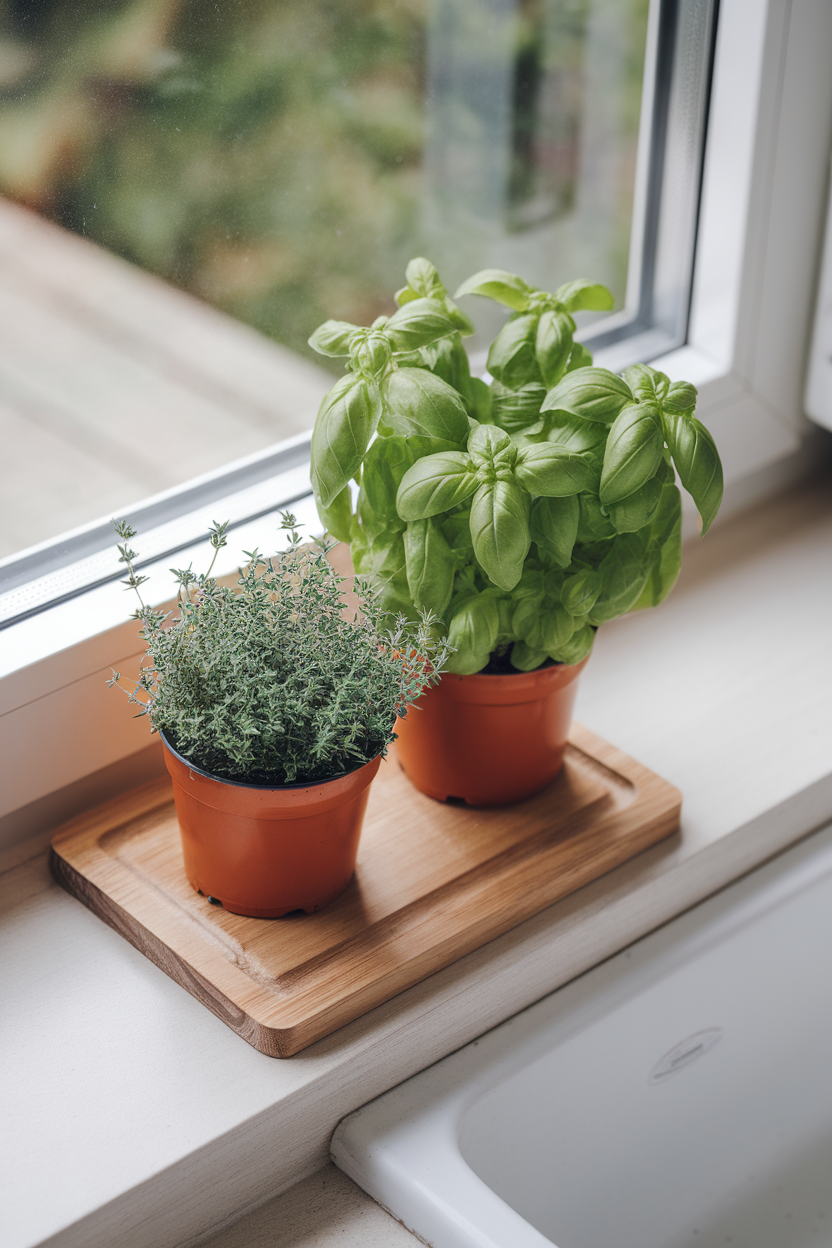
Fresh herbs at arm’s reach encourage their generous use. Growing them is inexpensive and adds greenery to your space. Regular trimming keeps plants bushy and productive.
69. Keep Fruit Visible on the Counter
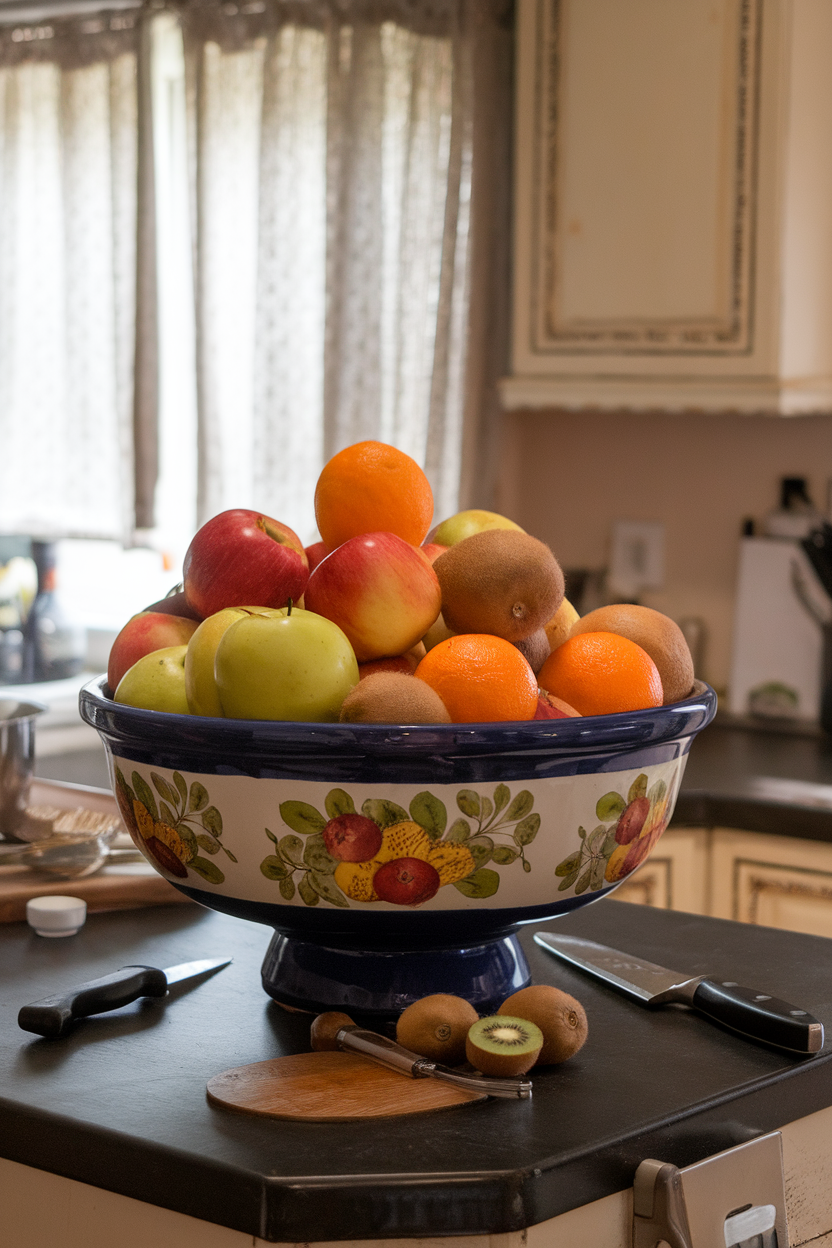
Out-of-sight often means out-of-mind. A colorful bowl acts as both décor and a gentle nudge toward better snacking. Rotate stock frequently so fruit stays fresh and appealing.
70. Celebrate Small Wins Along the Way
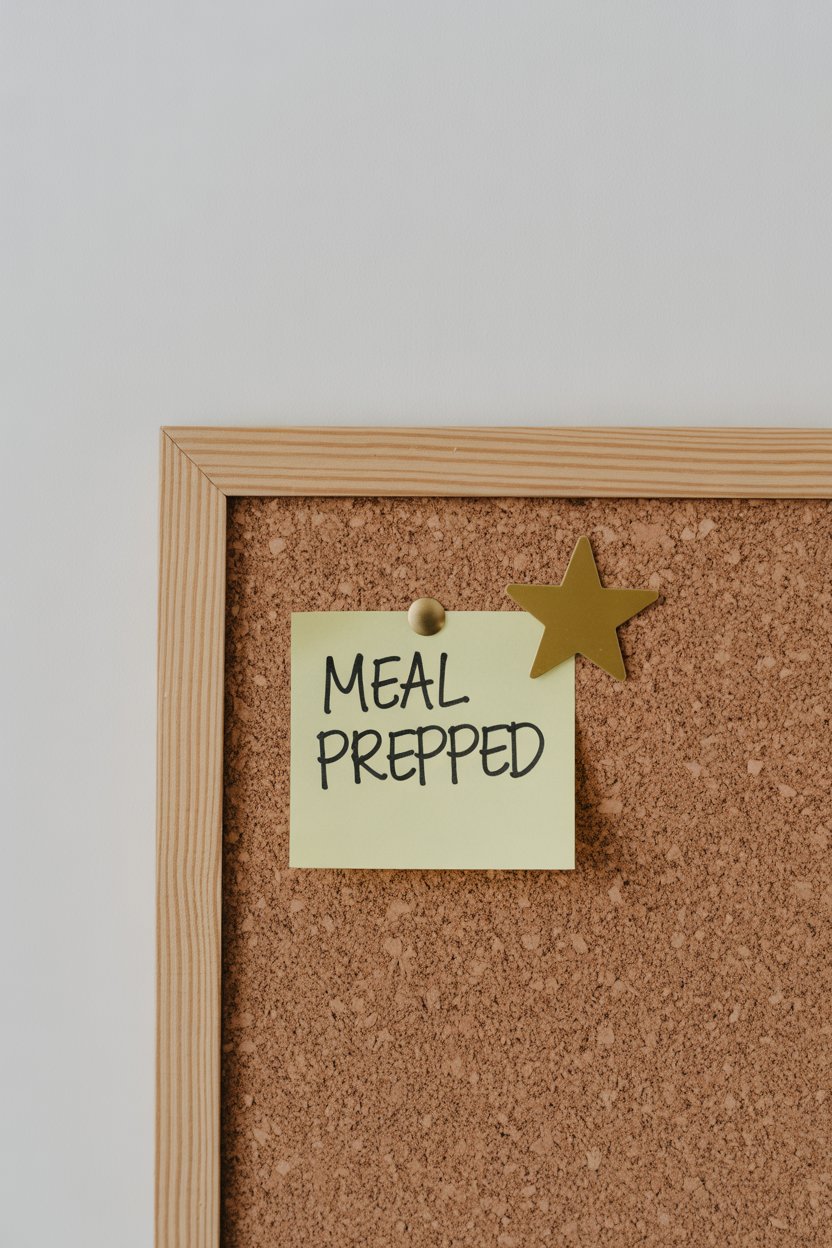
Acknowledging progress builds momentum and positive feelings around healthy living. Reward yourself with non-food treats like a new kitchen gadget or a cozy walk. Consistency thrives on encouragement rather than all-or-nothing thinking.

Nathaniel Lee is an avid cook, drawing on his decades of home cooking and fine dining experience. He is a contributing chef at Mashed, and his recipes and contributions have been featured in Tasting Table, Edible Arrangements, Insanely Good Recipes, and The Daily Meal.