Stocking a Mediterranean-style pantry is less about chasing exotic ingredients and more about keeping versatile, wholesome staples on hand. The foods below deliver healthy fats, complex carbohydrates, lean protein, and plenty of flavor, making it easy to pull together balanced meals any night of the week. Use the list as a checklist the next time you shop, and you’ll be ready for everything from quick weekday lunches to leisurely weekend spreads.
Each entry includes a short description plus a photo prompt you could hand to a food photographer. The prompts focus on generic foods and avoid logos, text, or recognizable restaurant interiors, so they work in a variety of creative projects. Happy pantry planning!
Contents
- 1. Extra-Virgin Olive Oil
- 2. Kalamata Olives
- 3. Canned Diced Tomatoes
- 4. Tomato Paste
- 5. Whole Wheat Pasta
- 6. Brown Rice
- 7. Quinoa
- 8. Bulgur Wheat
- 9. Canned Chickpeas
- 10. Dried Lentils
- 11. Cannellini Beans
- 12. Sardines Packed in Olive Oil
- 13. Canned Tuna in Water or Olive Oil
- 14. Jarred Roasted Red Peppers
- 15. Artichoke Hearts in Water
- 16. Capers
- 17. Sun-Dried Tomatoes
- 18. Almonds
- 19. Walnuts
- 20. Pistachios
- 21. Raw Pumpkin Seeds
- 22. Tahini
- 23. Almond Butter (Unsweetened)
- 24. Greek Honey
- 25. Dried Oregano
- 26. Dried Rosemary
- 27. Ground Cumin
- 28. Smoked Paprika
- 29. Cinnamon Sticks
- 30. Saffron Threads
- 31. Garlic Bulbs
- 32. Yellow Onions
- 33. Shallots
- 34. Lemons
- 35. Whole Wheat Flour
- 36. Low-Sodium Vegetable Broth
- 37. Red Wine Vinegar
- 38. Balsamic Vinegar
- 39. Anchovy Paste
- 40. Dijon Mustard
- 41. Low-Sodium Tomato Passata
- 42. Pitted Medjool Dates
- 43. Raisins
- 44. Dark Chocolate (70% Cacao)
- 45. Herbal Tea (Chamomile)
- 46. Jarred Pesto
- 47. Feta Cheese (Vacuum-Sealed)
- 48. Sparkling Mineral Water
1. Extra-Virgin Olive Oil
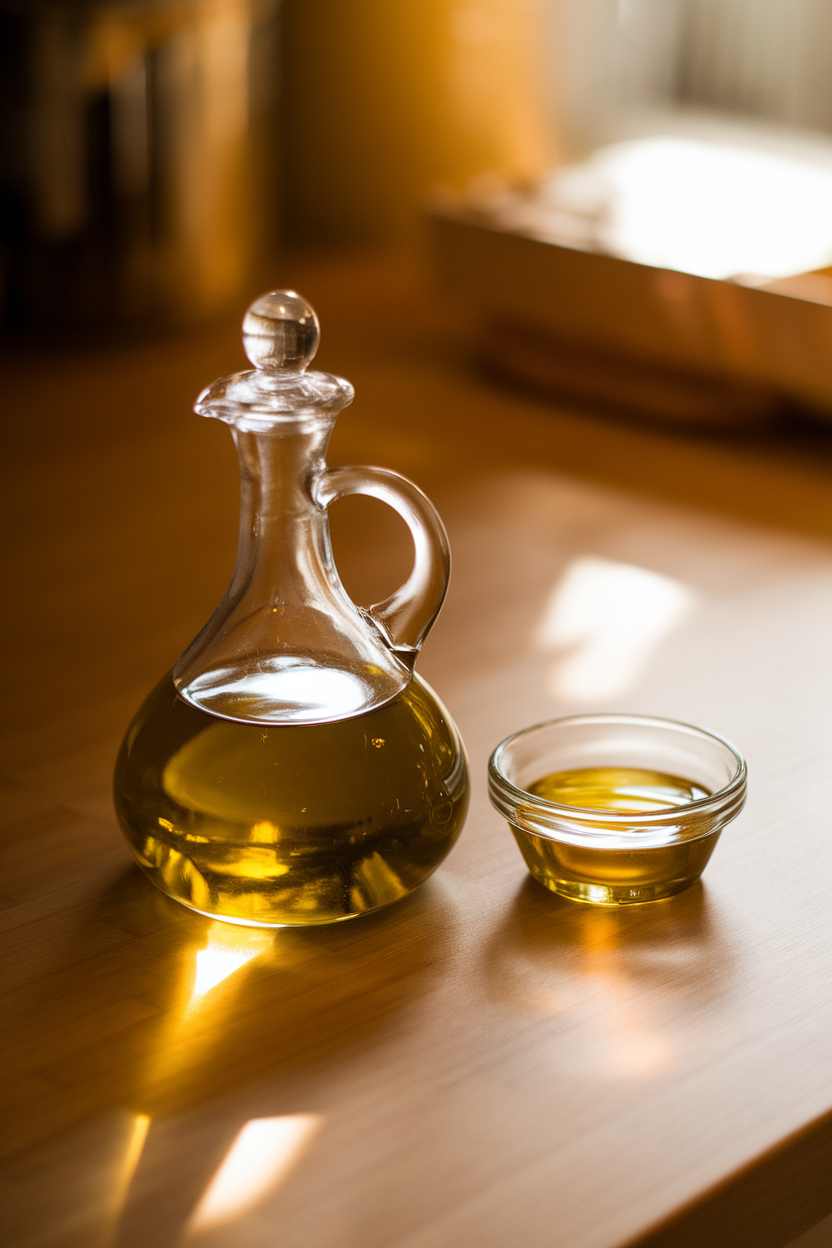
Cold-pressed olive oil is the heart of Mediterranean cooking, prized for its fruity aroma and peppery finish. Splash it over salads, vegetables, or grilled seafood to add richness and antioxidants. Opt for dark-glass bottles to protect flavor compounds. Store in a cool cabinet away from heat.
2. Kalamata Olives
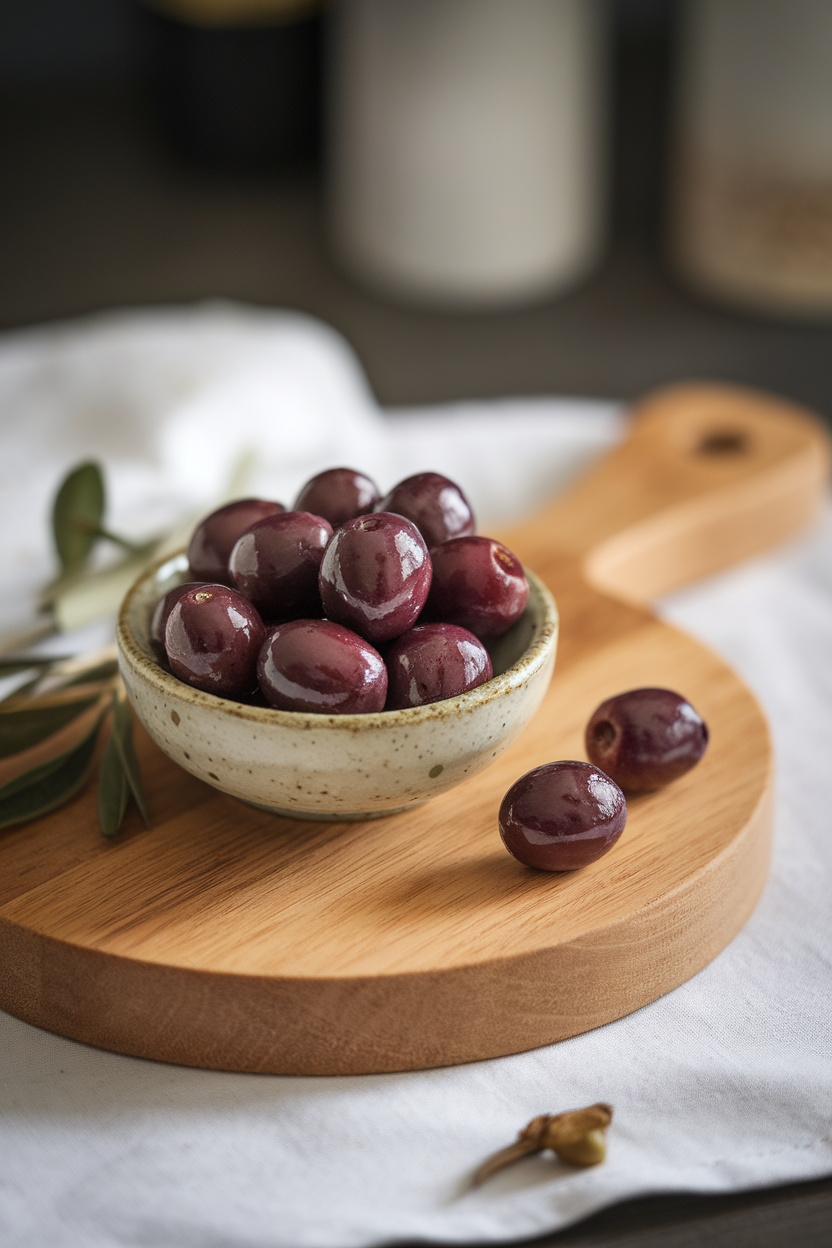
These Greek olives bring briny depth to salads, pasta, and tapenade. Look for pitted versions in olive oil or light brine for quick use. Their meaty texture pairs well with tomatoes, feta, and herbs. Keep an opened jar refrigerated and covered in its liquid.
3. Canned Diced Tomatoes
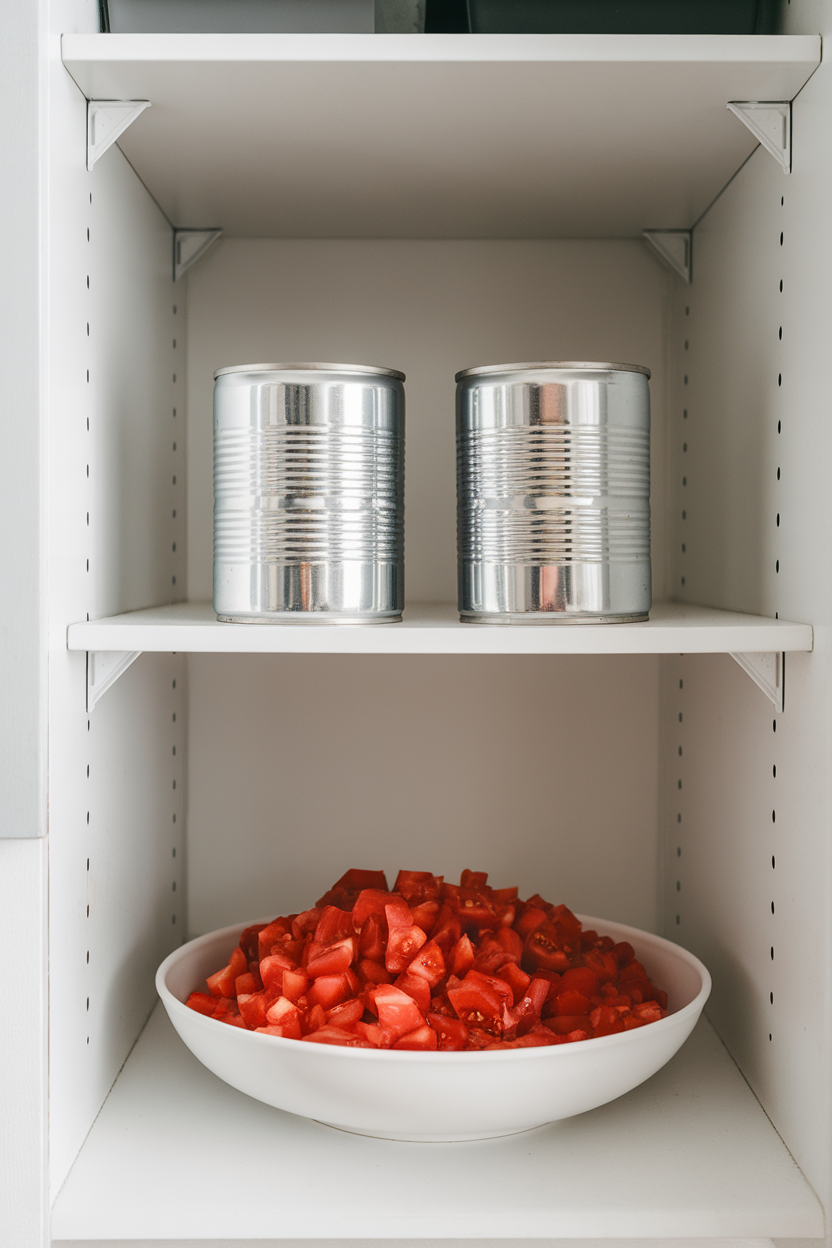
Canned tomatoes turn into quick sauces, stews, and soups year-round. They supply lycopene, an antioxidant linked to heart health. Choose varieties without added sugar or heavy sodium. Once opened, transfer leftovers to a glass container and refrigerate.
4. Tomato Paste
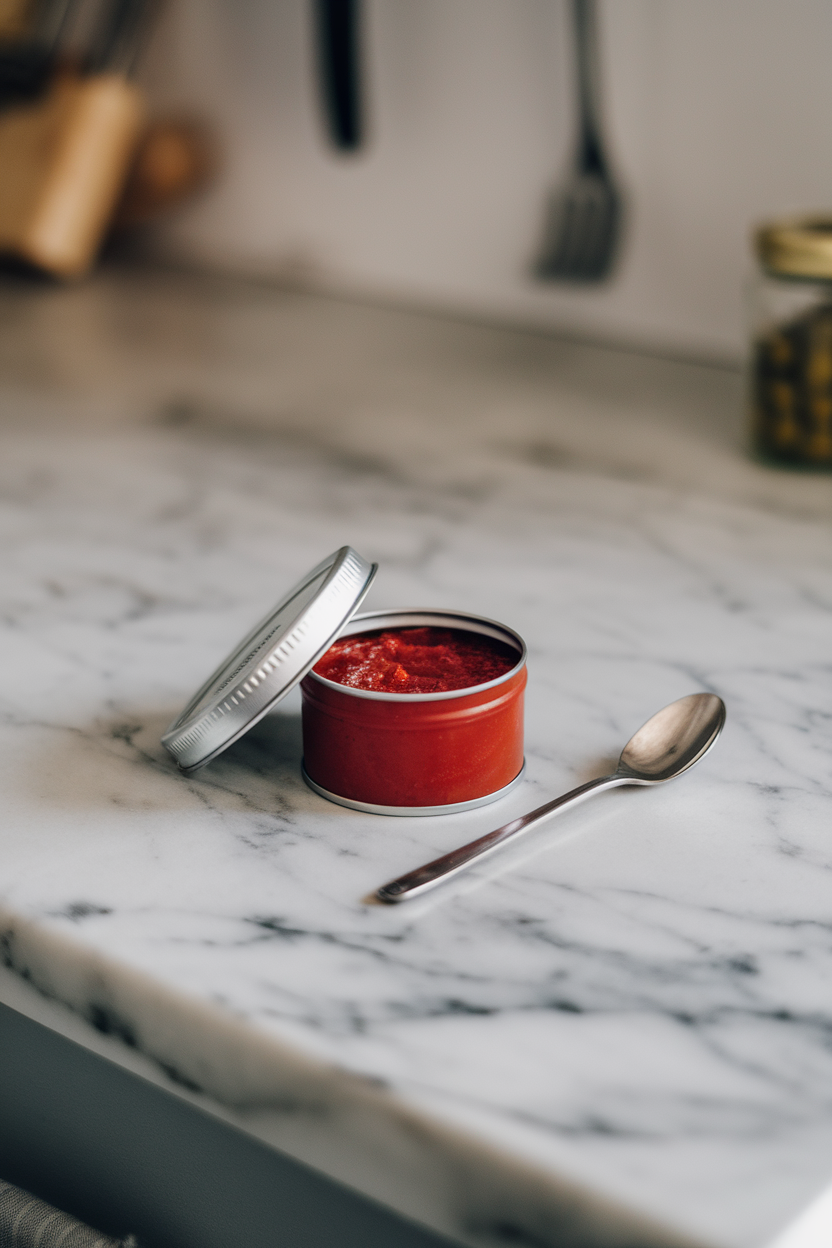
Tomato paste concentrates tomato flavor for braises, dressings, and marinades. A spoonful caramelized in olive oil lays the base for many Mediterranean sauces. Buy the double-concentrated kind for extra punch. Freeze unused portions in tablespoon-size scoops for easy access.
5. Whole Wheat Pasta
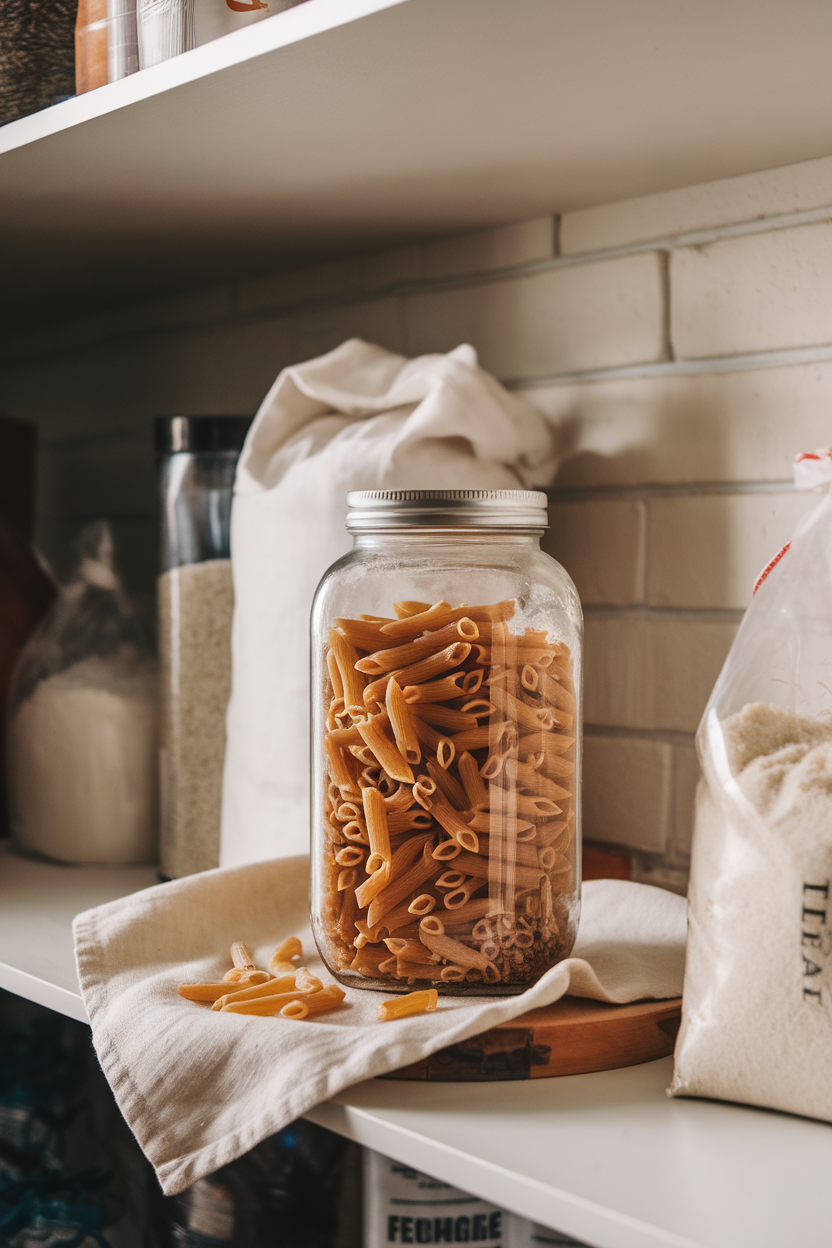
Made from durum wheat, whole wheat pasta offers more fiber and minerals than refined versions. Its nutty flavor suits garlicky olive oil sauces, vegetables, and fish. Cook until just al dente to maintain texture. Store in an airtight container once the box is open.
6. Brown Rice
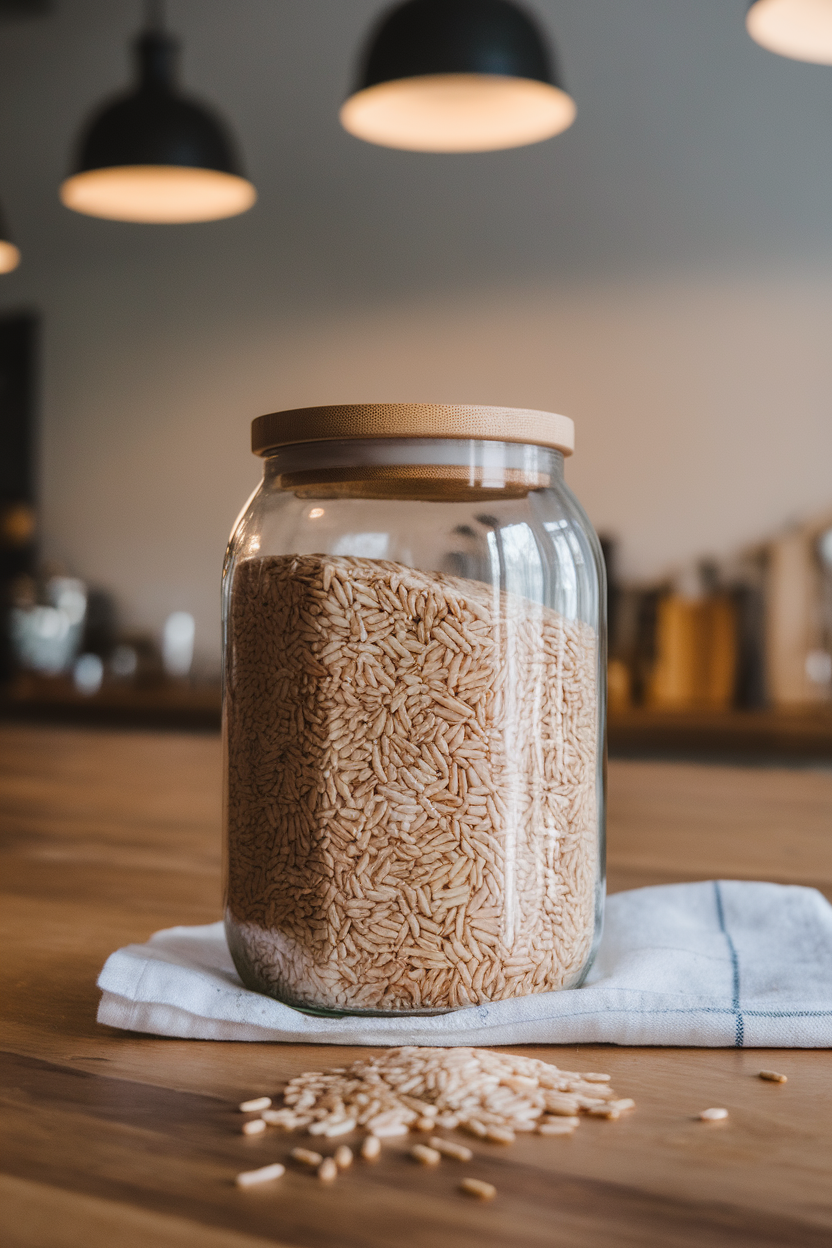
Brown rice supplies slow-digesting carbohydrates and B-vitamins. It’s a reliable base for vegetable pilafs or as stuffing for peppers and tomatoes. Cook a larger batch and freeze portions for busy nights. Keep the dry grains sealed to protect them from humidity.
7. Quinoa
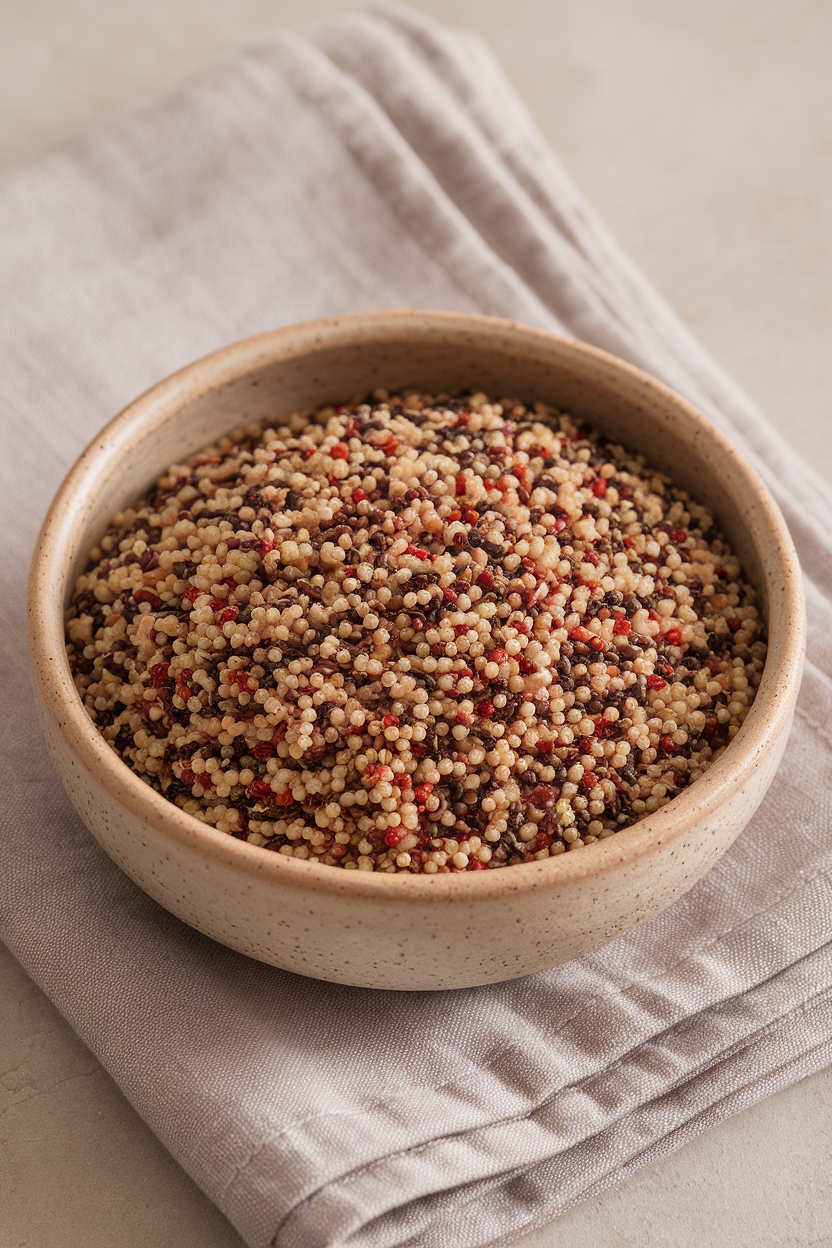
Technically a seed, quinoa cooks in about 15 minutes and boasts all nine essential amino acids. Its mild, slightly earthy taste complements herbs, citrus, and olive oil. Rinse before cooking to remove natural saponins that taste bitter. Store in a cool, dark spot in an airtight jar.
8. Bulgur Wheat
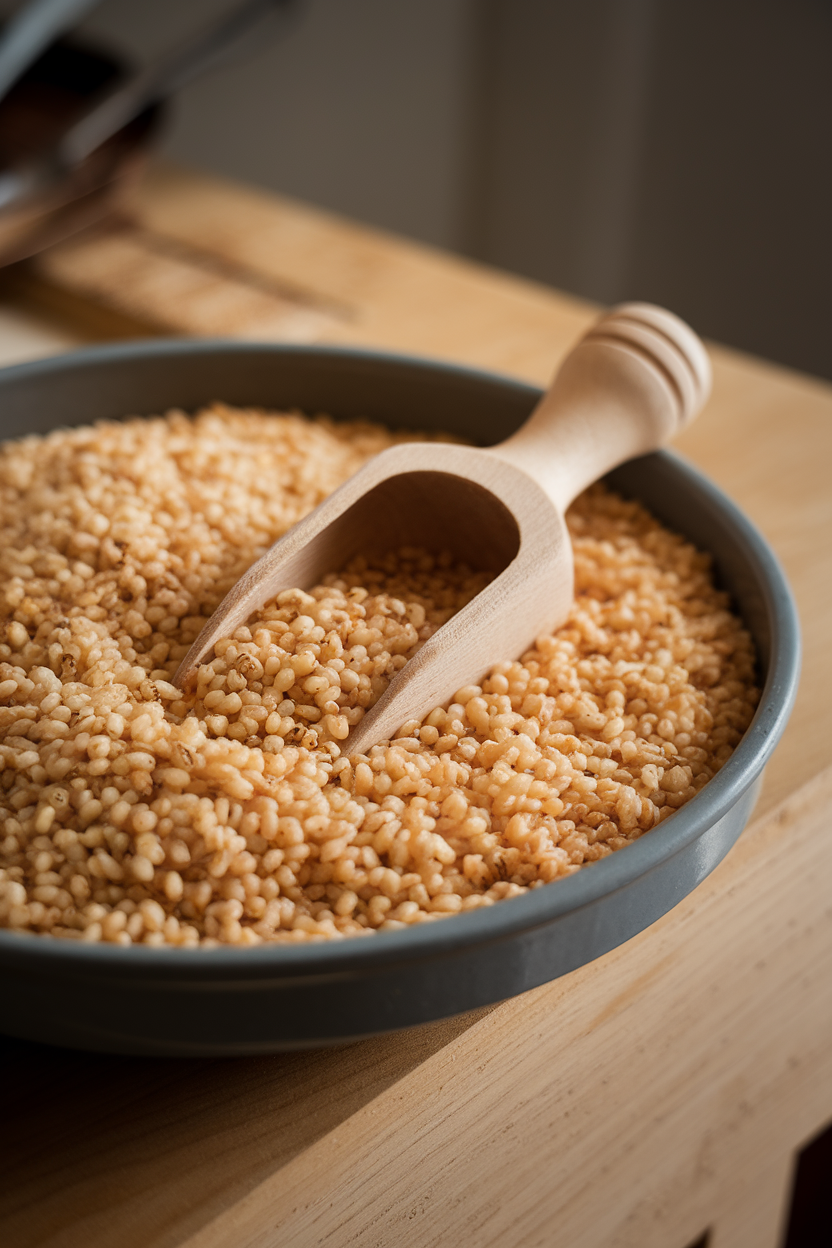
Bulgur is par-cooked cracked wheat that rehydrates quickly with hot water, making it ideal for tabbouleh or grain bowls. It delivers fiber and magnesium without a long cook time. Medium-grind bulgur offers the most versatility. Seal tightly after opening to maintain freshness.
9. Canned Chickpeas
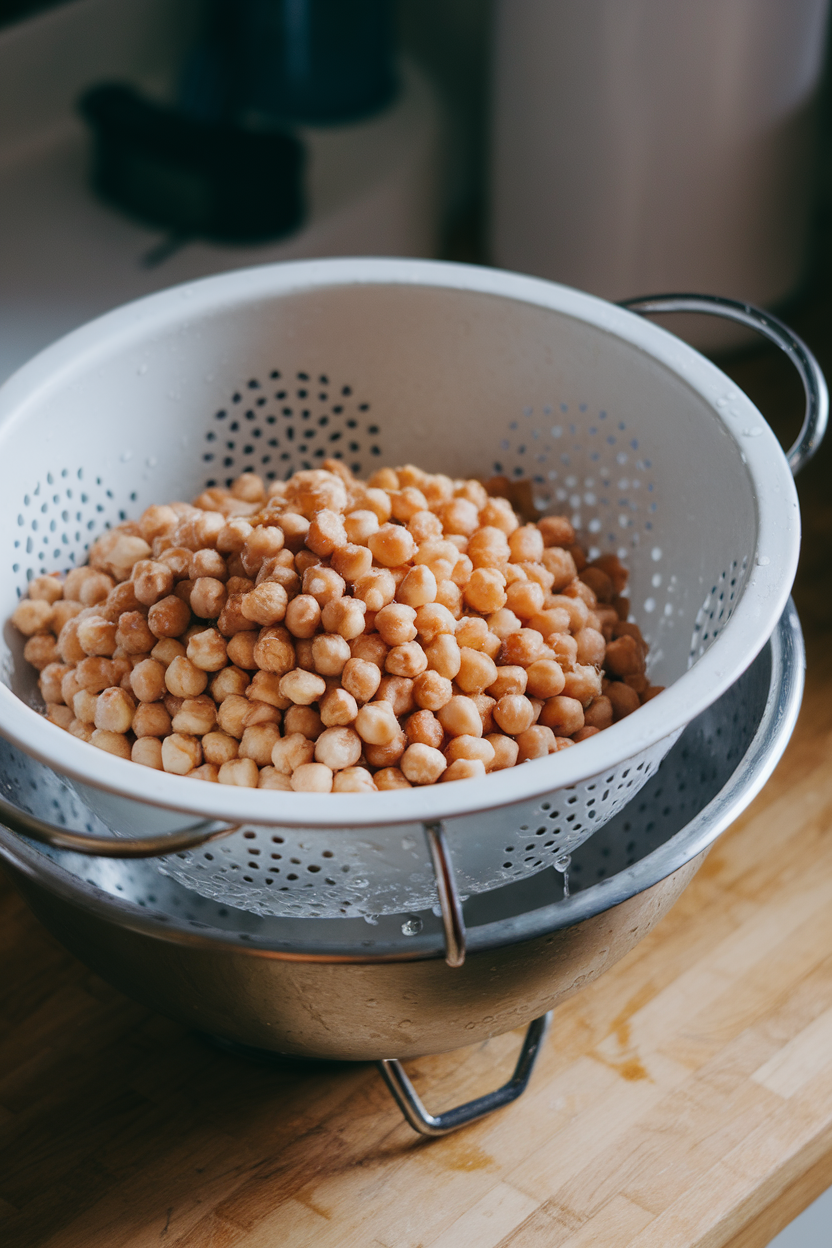
Chickpeas lend protein to salads, stews, and puréed spreads like hummus. The aquafaba (canning liquid) can even whip into vegan meringue. Rinse well to lower sodium and improve flavor. Keep a few cans on hand for emergency meals.
10. Dried Lentils
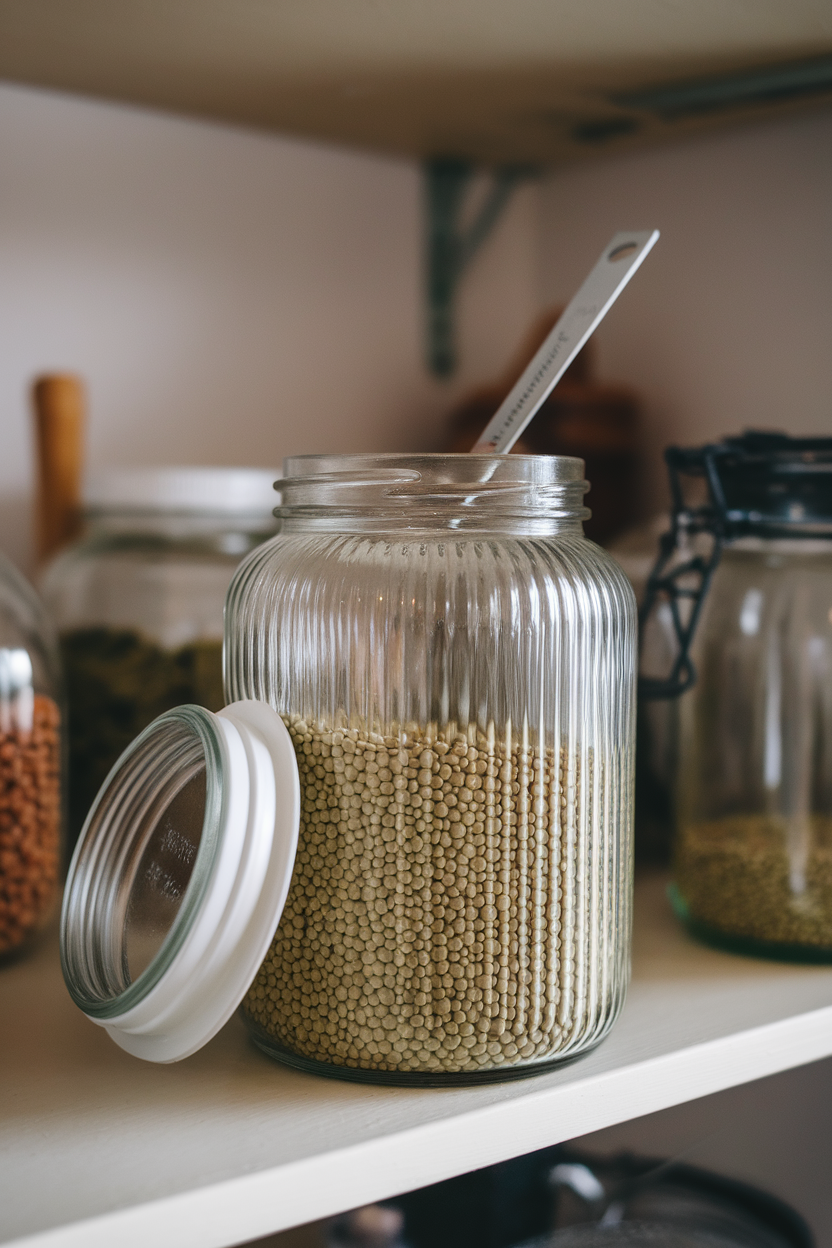
Dried lentils cook quickly without soaking and soak up spices beautifully. Green and brown varieties hold their shape for salads, while red lentils melt into velvety soups. They’re rich in folate, iron, and plant protein. Store away from heat and moisture.
11. Cannellini Beans
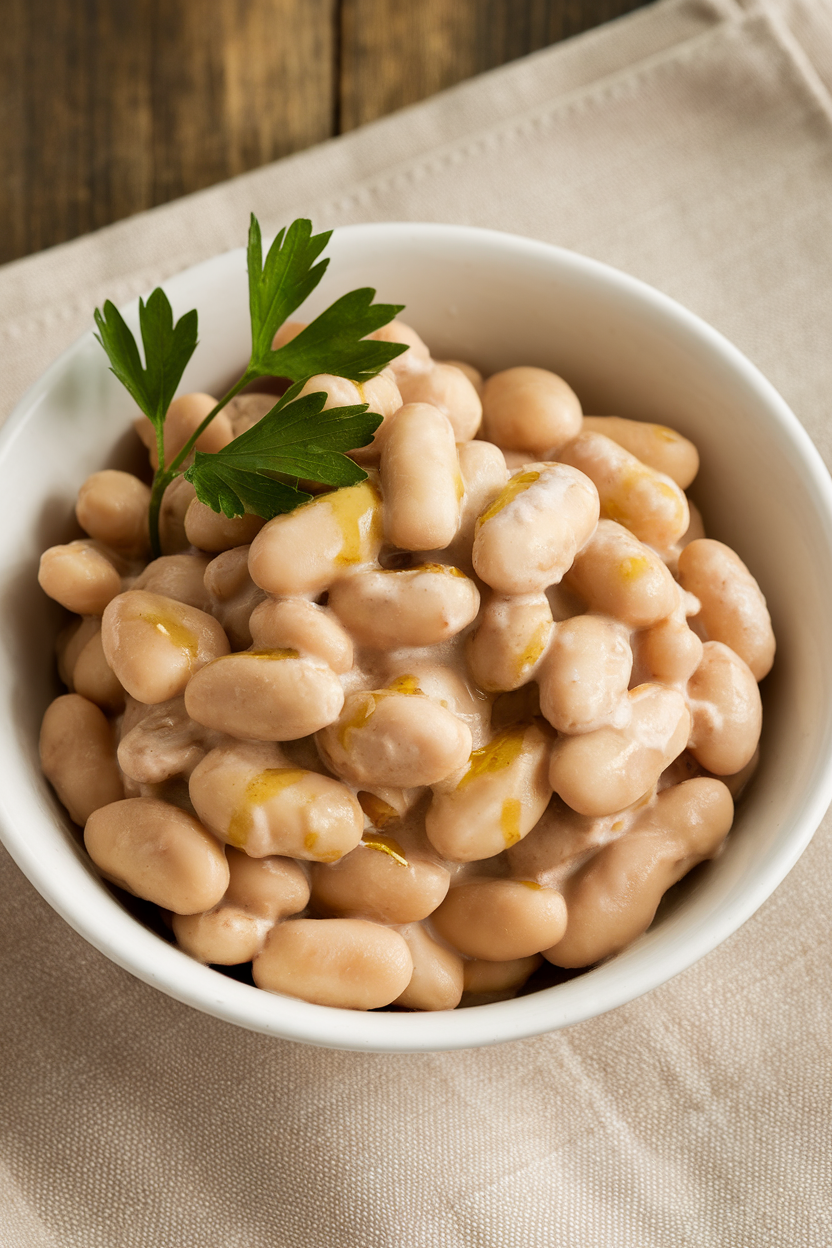
These Italian white beans add silky texture to soups and sautéed greens. Their mild flavor pairs well with garlic and lemon. You can use canned or cook them from dry for better texture control. Keep leftovers refrigerated in their cooking liquid.
12. Sardines Packed in Olive Oil
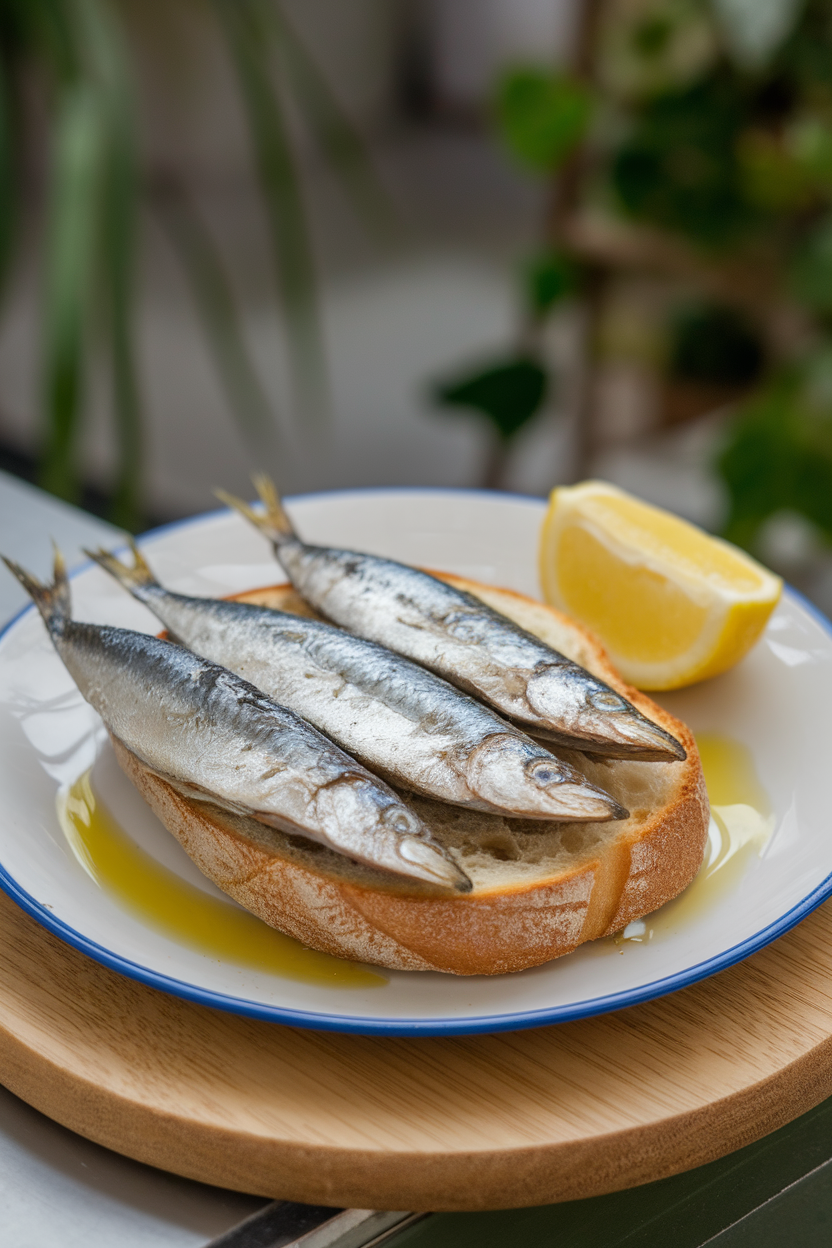
Sardines are rich in omega-3 fatty acids, calcium, and vitamin D. Canned versions are ready to eat and sustainable compared with many larger fish. Mash them into spreads or layer onto salads for briny intensity. Store unopened tins in a cool cupboard; refrigerate any leftovers in a sealed container.
13. Canned Tuna in Water or Olive Oil
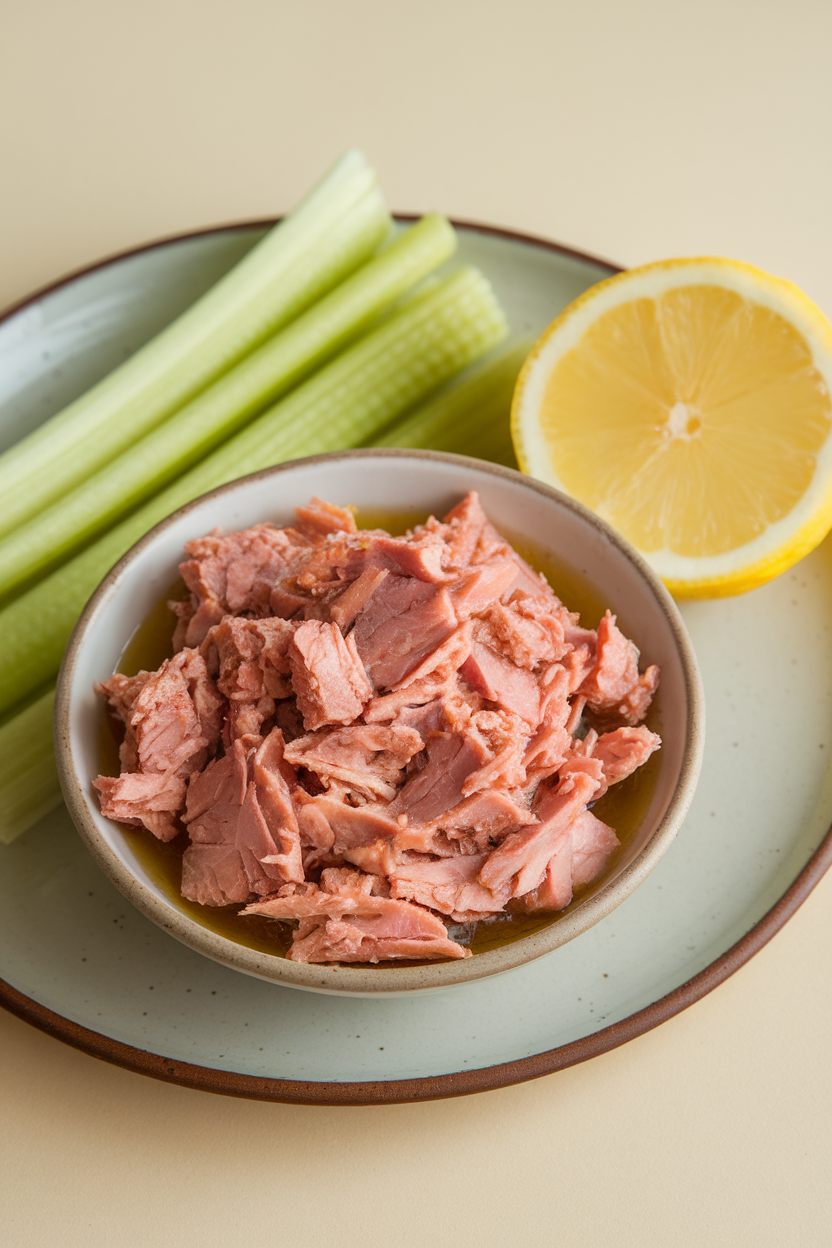
Canned tuna offers lean protein that works in pasta, salads, or crostini. Choose skipjack or pole-and-line caught options for lower mercury and better sustainability. Olive-oil-packed tins deliver more moisture and flavor. Once opened, store tuna in the fridge and use within two days.
14. Jarred Roasted Red Peppers
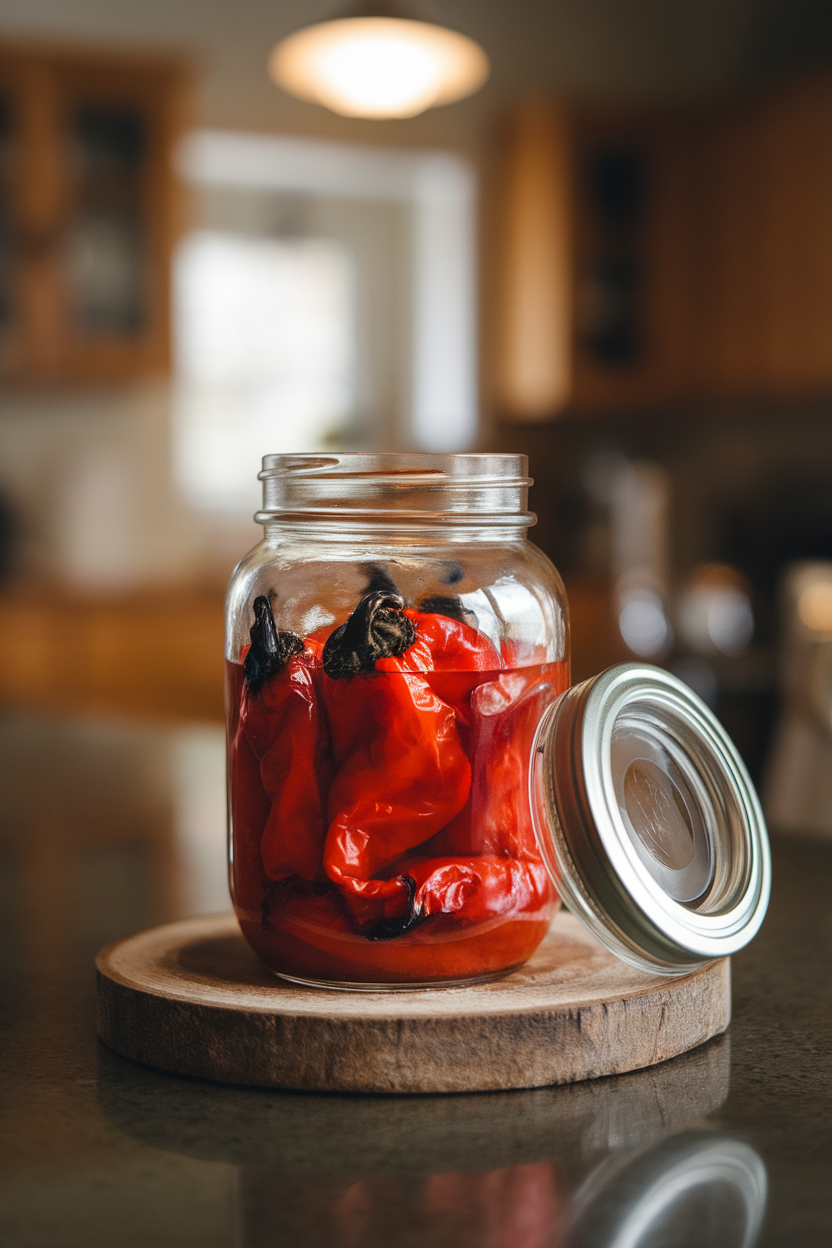
Sweet, smoky roasted peppers brighten dips, sandwiches, and omelets. Drain and pat dry before chopping to keep sauces from becoming watery. The leftover packing liquid can be blended into dressings. Keep the jar refrigerated after opening.
15. Artichoke Hearts in Water
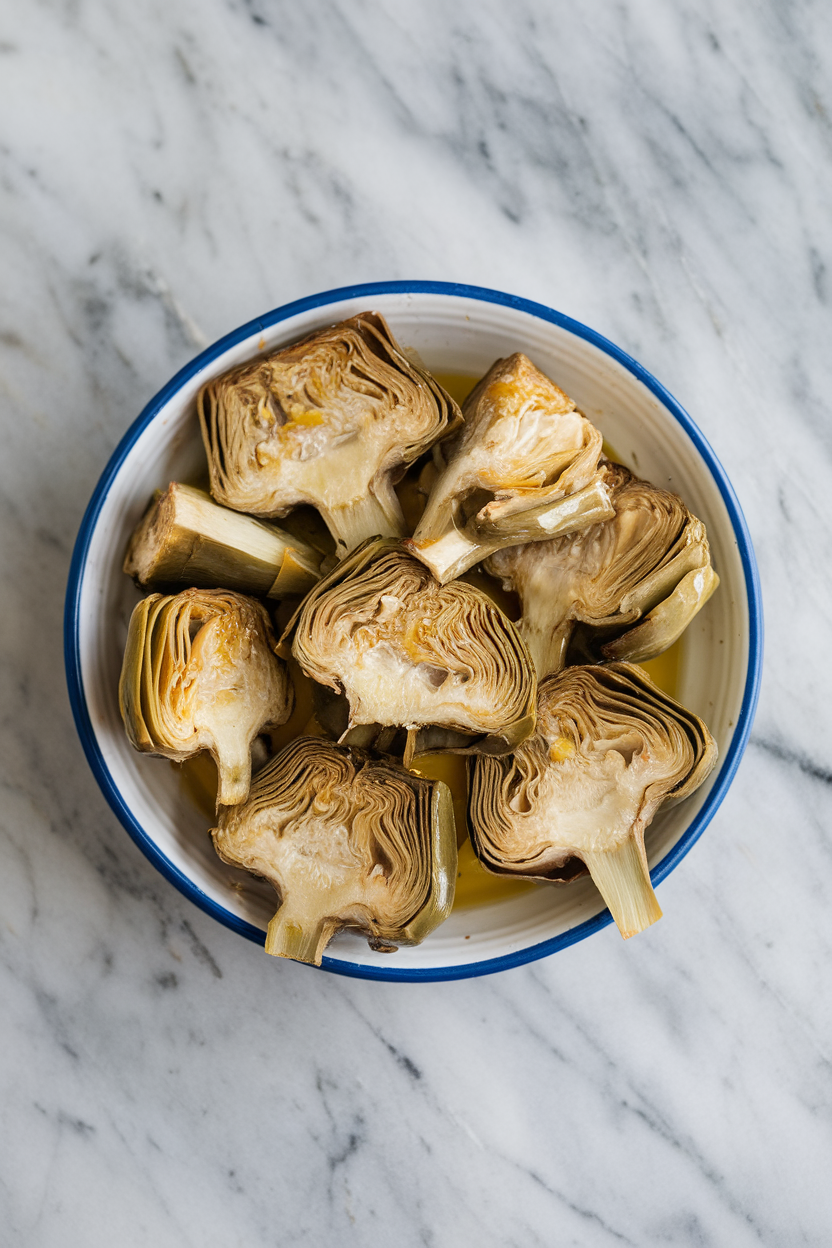
Mild, slightly tangy artichoke hearts add fiber and potassium to salads and antipasto platters. Water-packed versions have less sodium than those in brine. Pat them dry before roasting for crisp edges. Store opened jars in the refrigerator, submerged in clean water.
16. Capers
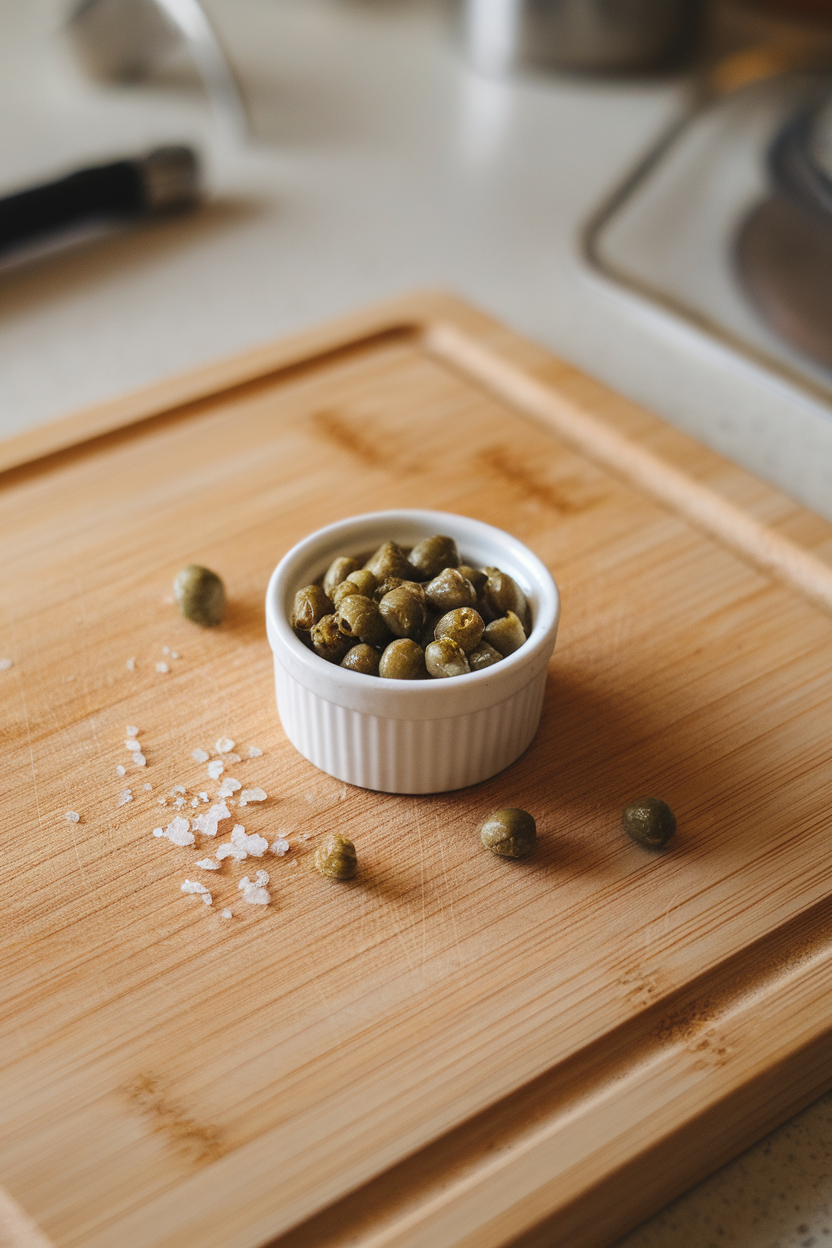
Capers are tiny flower buds cured in brine that deliver a pop of acidity to sauces and fish dishes. Rinse briefly to moderate saltiness. Fry them in olive oil for a crunchy garnish. Keep the jar refrigerated after use to maintain flavor.
17. Sun-Dried Tomatoes
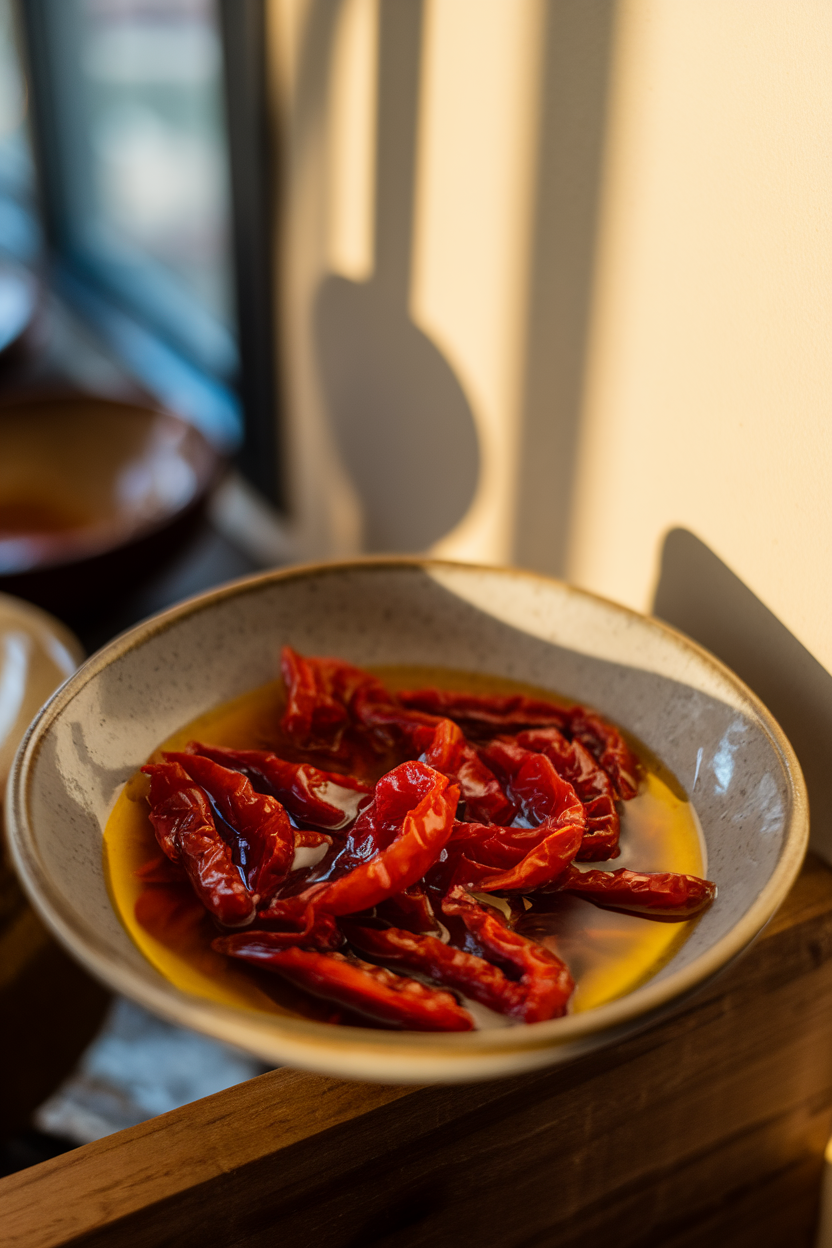
Sun-dried tomatoes intensify tomato sweetness and add chew to grain bowls or focaccia. Oil-packed varieties are ready to chop and toss into pasta. Use the fragrant oil for cooking vegetables. Refrigerate after opening to prevent spoilage.
18. Almonds
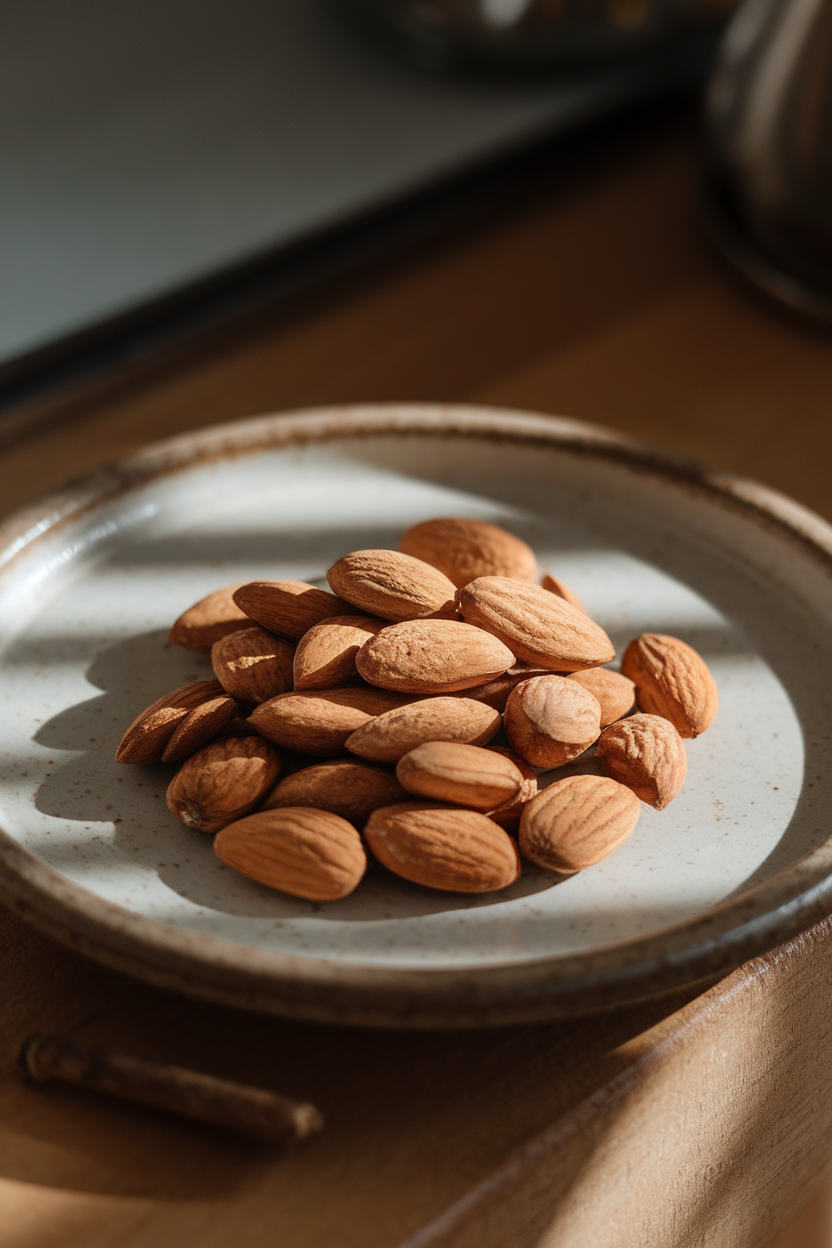
Almonds provide crunch, vitamin E, and healthy fats. Toast them lightly to amplify flavor before adding to salads or yogurt. Unsalted varieties give you more control over seasoning. Store in the freezer if you won’t finish the bag within a month.
19. Walnuts
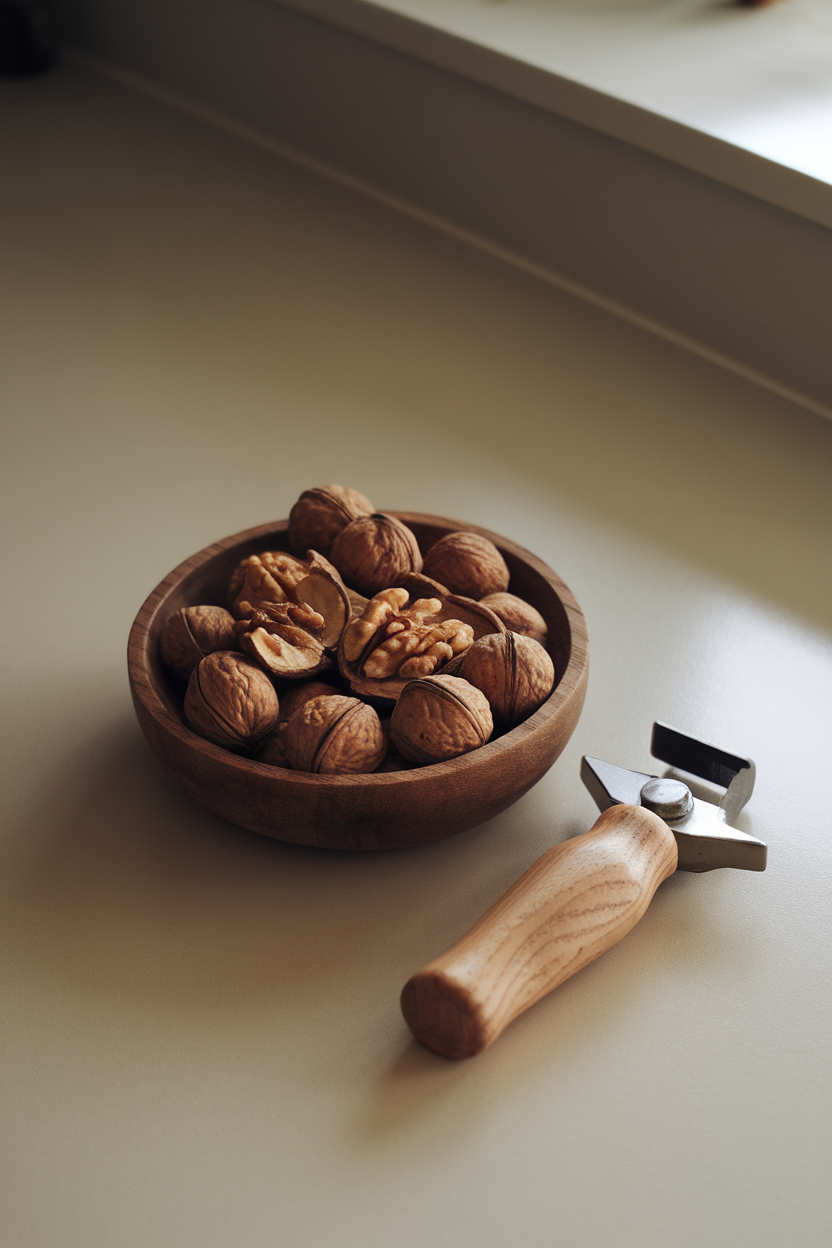
Walnuts are another omega-3 powerhouse, lending earthiness to pesto or baked goods. They can turn bitter if old, so buy smaller quantities and store them cold. Toasting for five minutes sharpens their flavor. Add a handful to morning oatmeal for sustained energy.
20. Pistachios
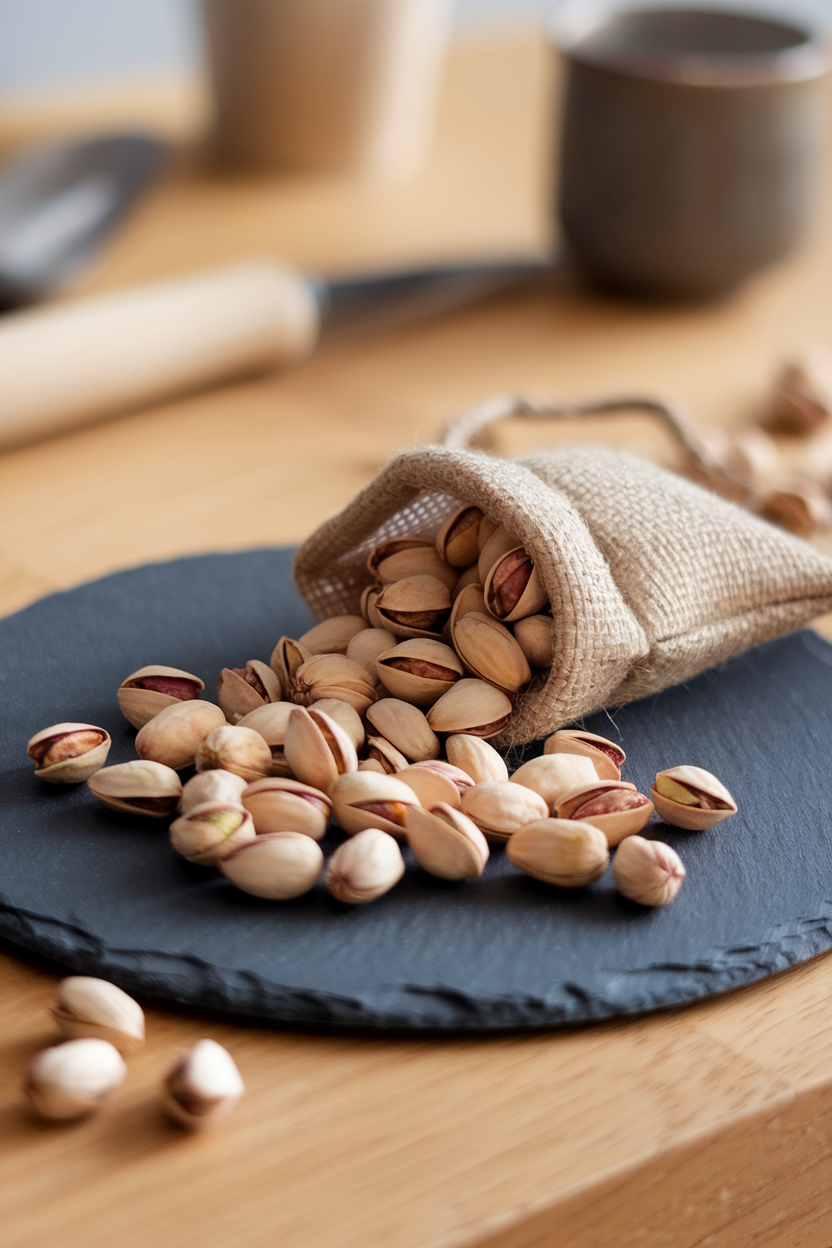
Pistachios bring a vibrant green hue and a sweet-savory note to pilafs and salads. Shelled nuts save prep time but keep the bag sealed to avoid drying out. They pair especially well with citrus zest and yogurt. For dessert, grind them into a crumb topping for fruit.
21. Raw Pumpkin Seeds
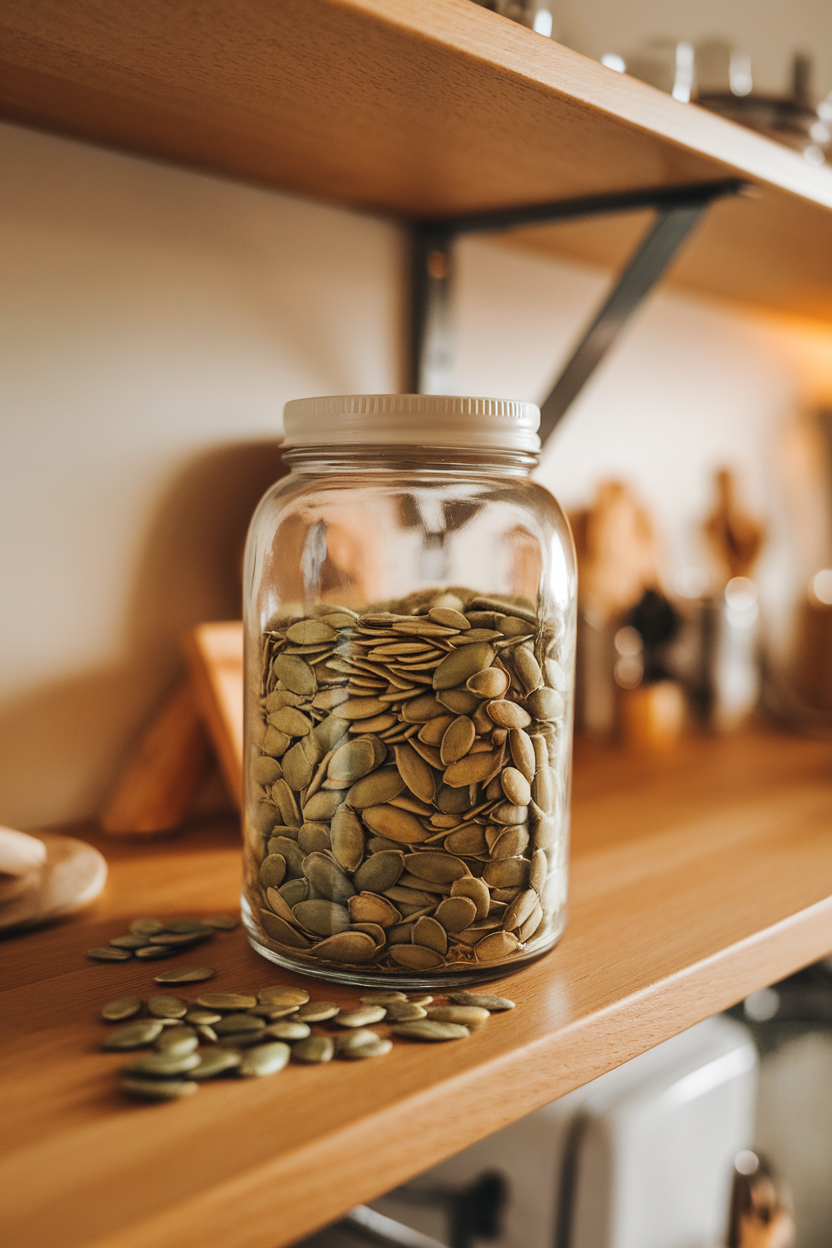
Pumpkin seeds (pepitas) add magnesium and protein without overwhelming dishes. Toast them briefly for a nutty accent on soups or sautéed greens. They’re also tasty blended into herb sauces. Keep in a cool, dark place to preserve oils.
22. Tahini
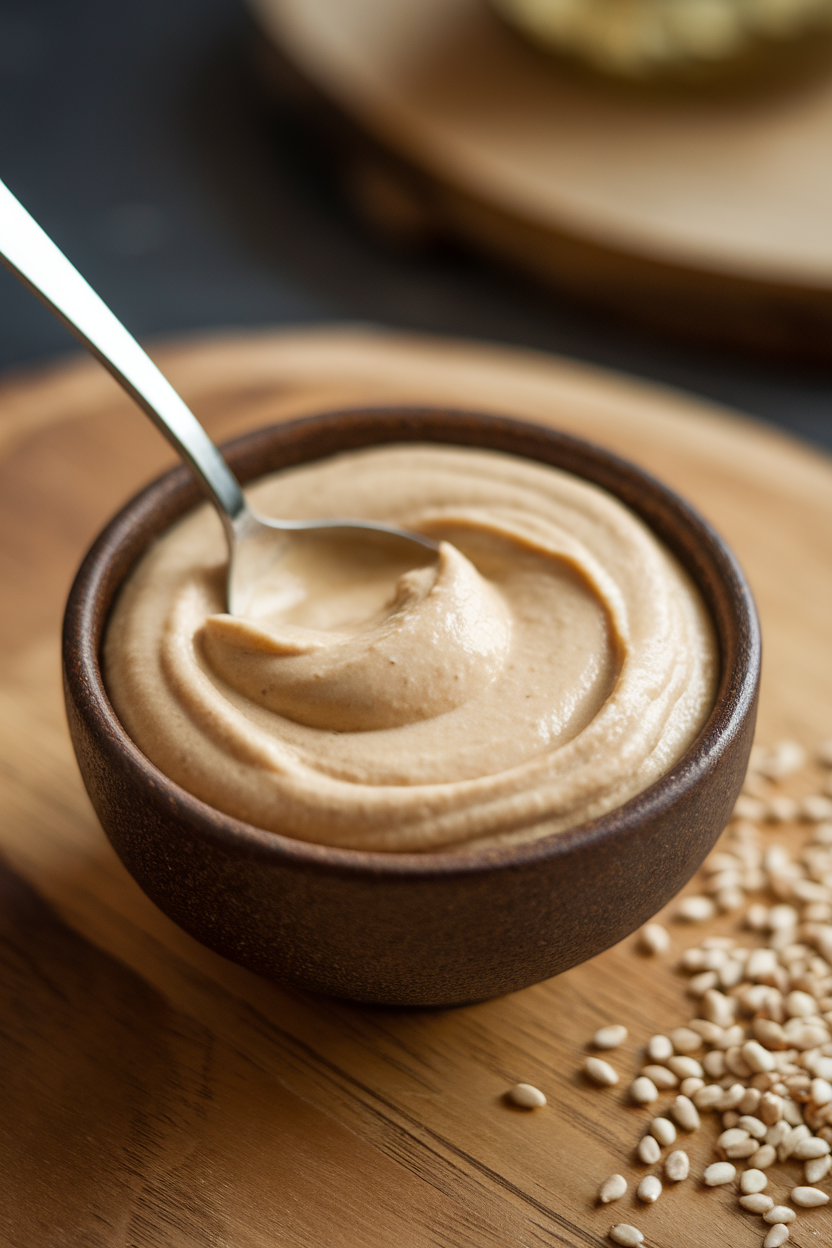
This sesame seed butter brings nutty richness to dressings, dips, and desserts. Stir the jar well to reincorporate separated oil before measuring. A spoonful mixed with lemon juice and water makes an instant sauce for roasted vegetables. Refrigerate after opening to slow rancidity.
23. Almond Butter (Unsweetened)
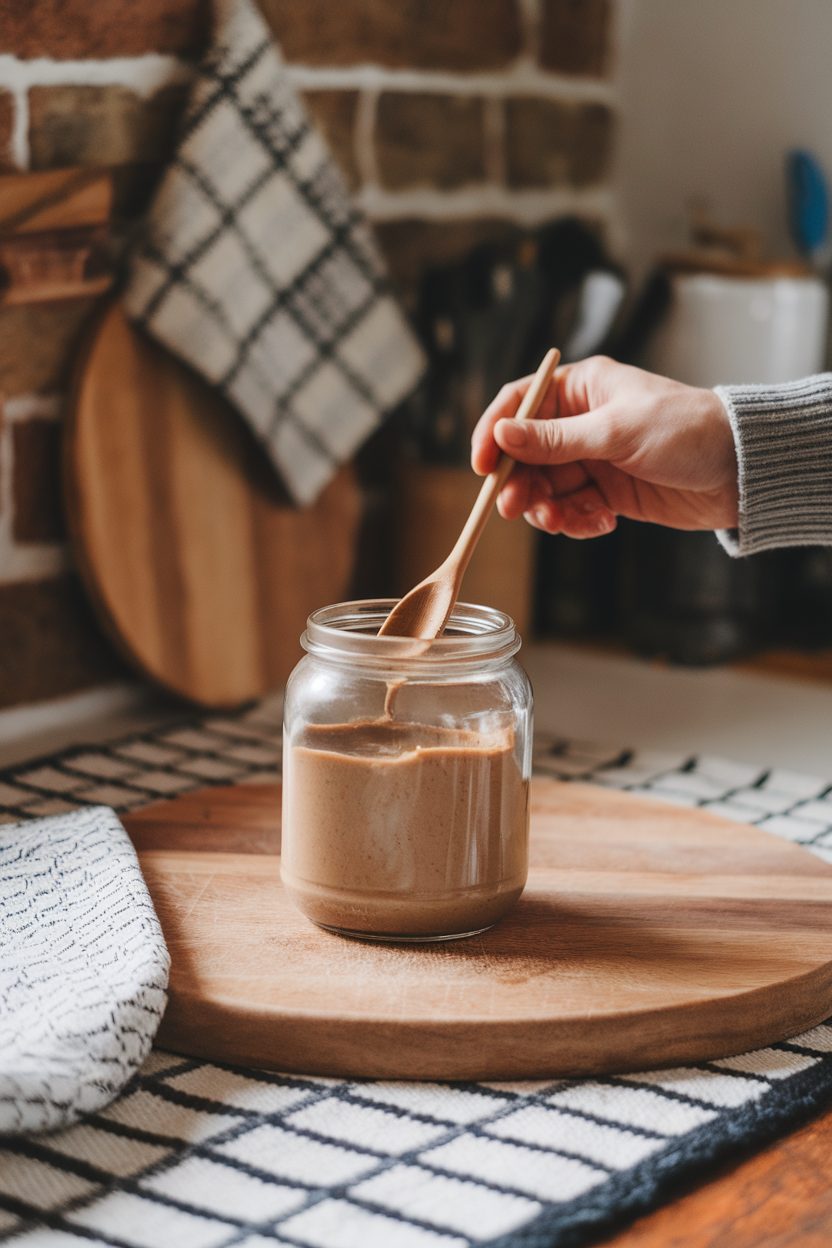
Unsweetened almond butter is great for smoothies, sauces, or sandwich spreads. Its mild flavor blends easily with honey, cinnamon, or herbs. Look for jars containing only almonds and maybe sea salt. Stir well and store in the fridge to keep the oils stable.
24. Greek Honey
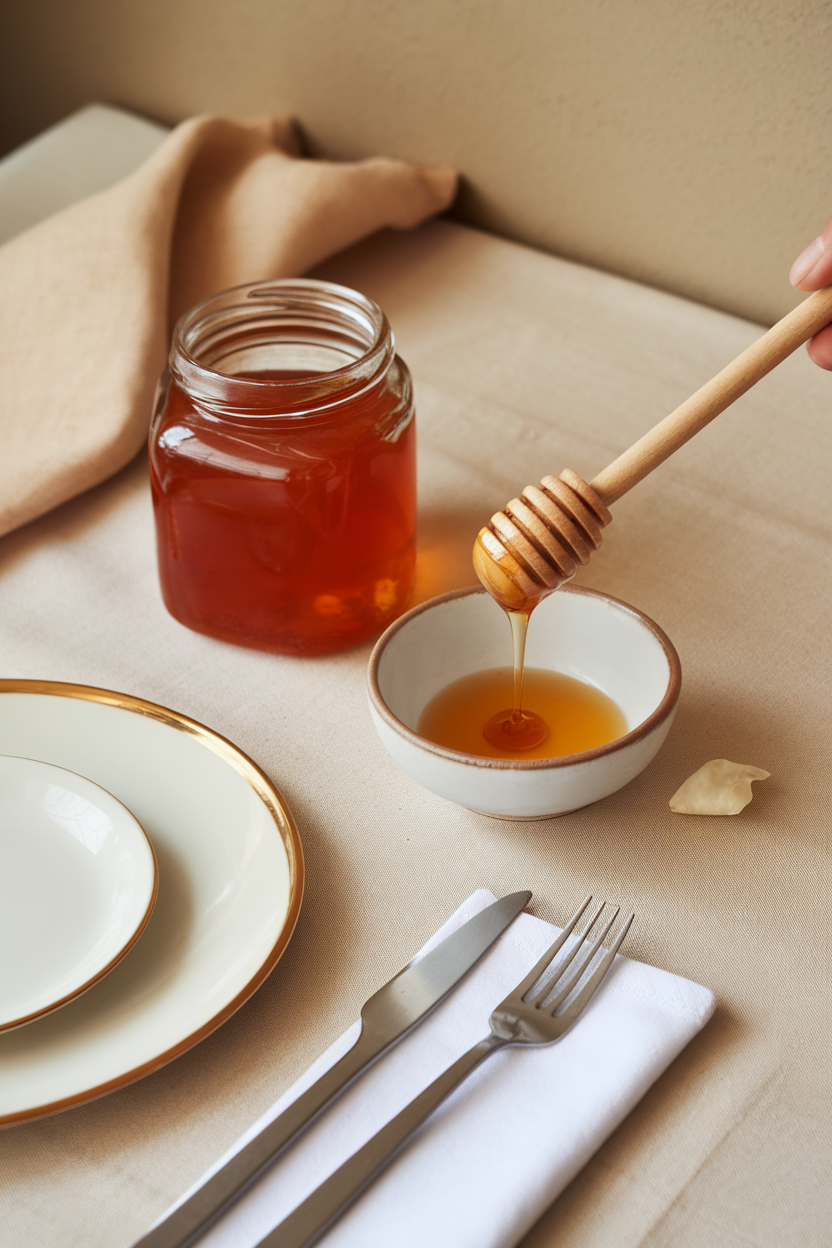
Greek honey, often from thyme or pine forests, lends floral sweetness to yogurt, tea, and baked fruits. It contains trace antioxidants and can soothe sore throats. Keep the jar tightly closed to avoid crystal formation. If it does crystallize, place it in warm water to liquefy.
25. Dried Oregano
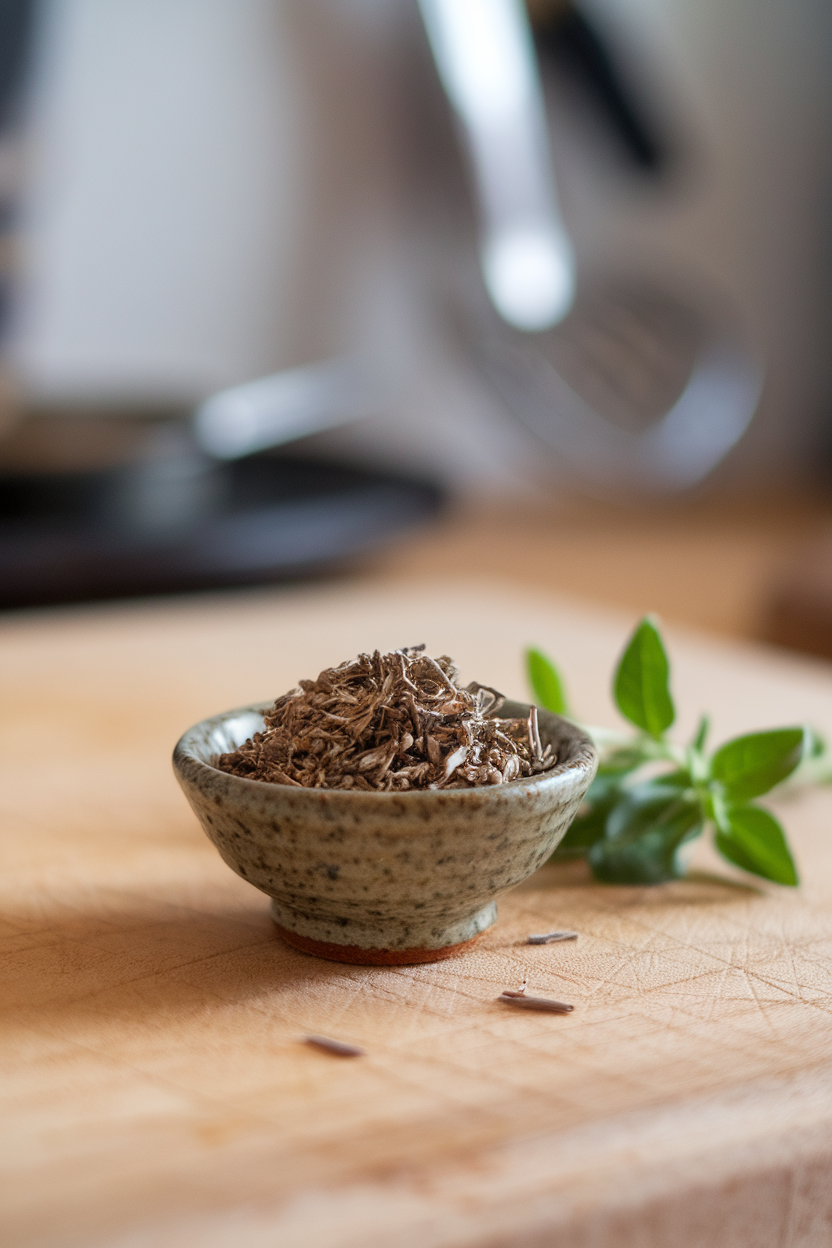
Dried oregano delivers a bold, slightly minty flavor essential to Greek and Italian dishes. Crushing it between your fingers before adding releases fragrant oils. Replace the jar yearly for best potency. Store in a dark cabinet away from the stove.
26. Dried Rosemary
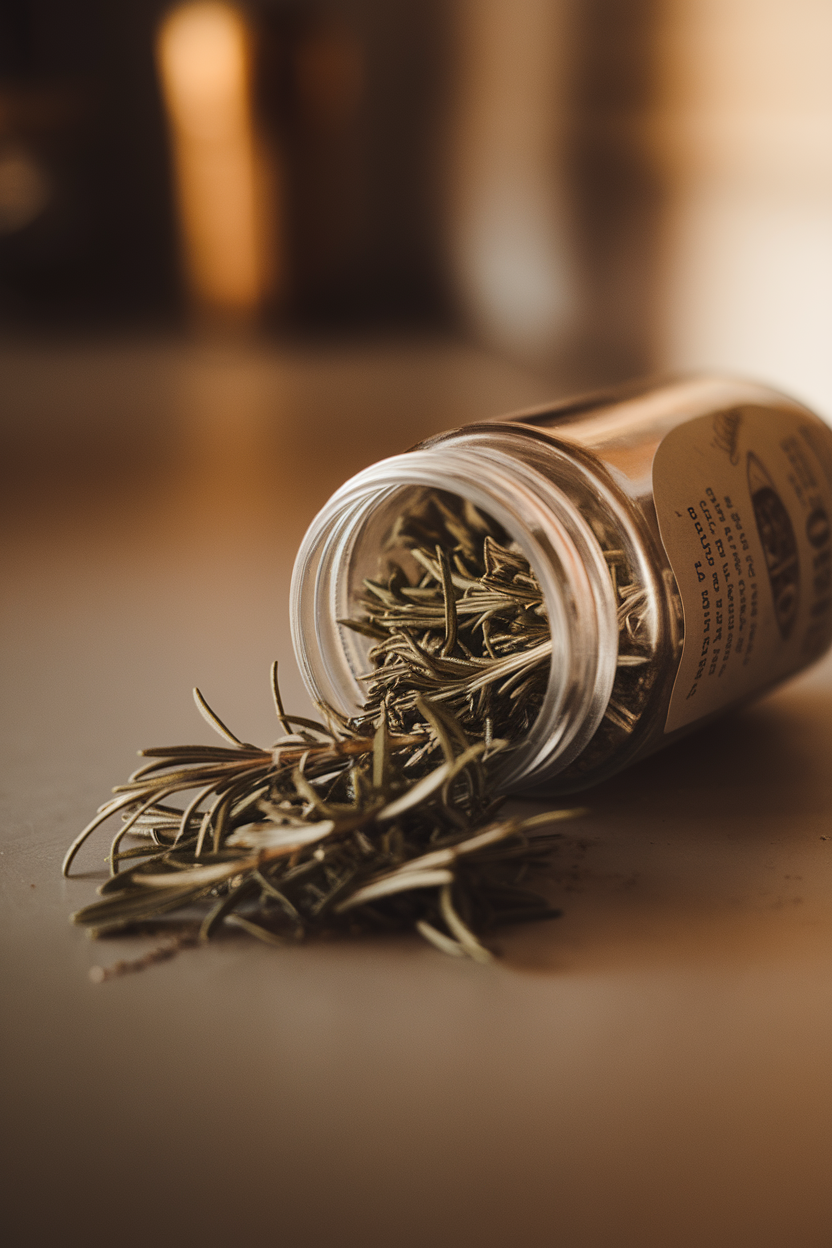
Robust rosemary stands up to roasting and slow simmering. It pairs beautifully with potatoes, lamb, and bread dough. Whole needles retain flavor longer than ground versions. Keep the lid tightly closed to prevent moisture buildup.
27. Ground Cumin
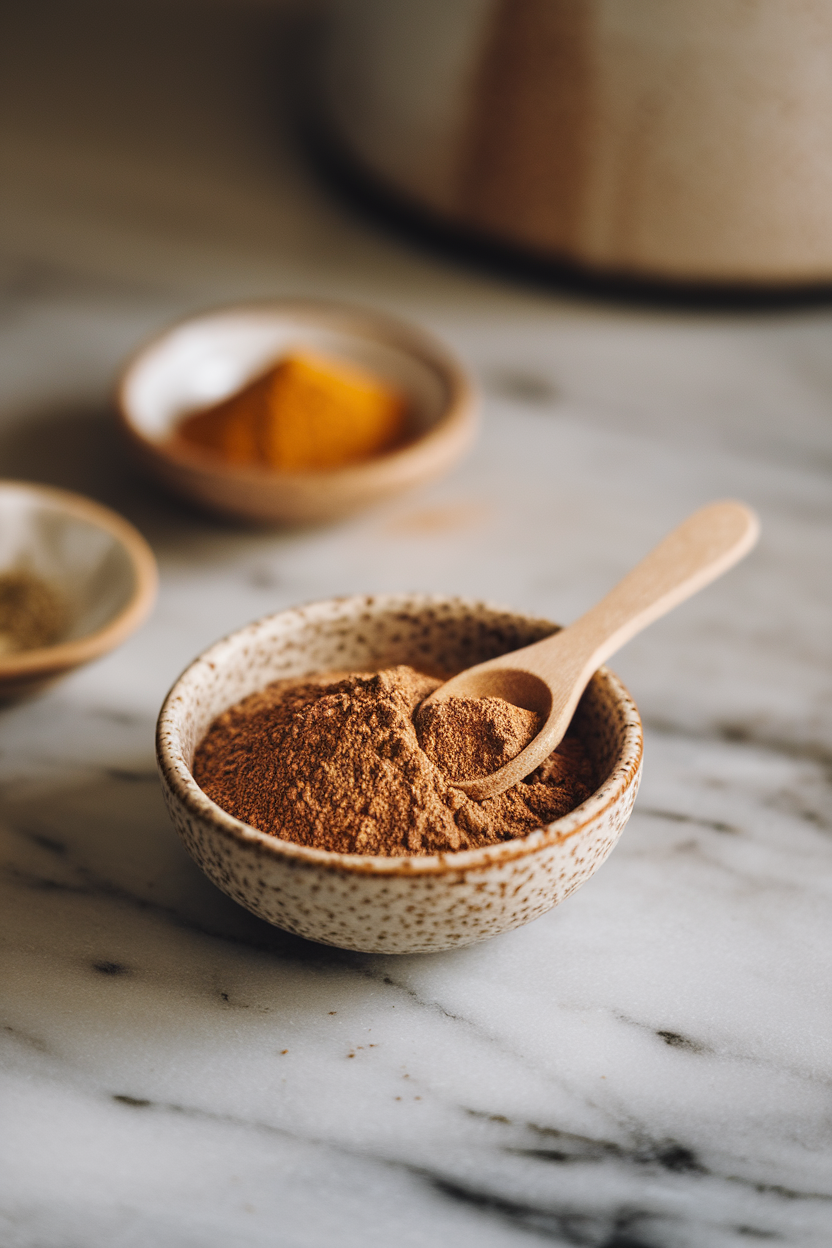
Cumin adds earthy warmth to lentils, chili sauces, and spice rubs. Toast whole seeds briefly and grind for maximum aroma. Even pre-ground cumin benefits from a quick bloom in hot oil. Store it in a cool, dim cupboard away from light.
28. Smoked Paprika
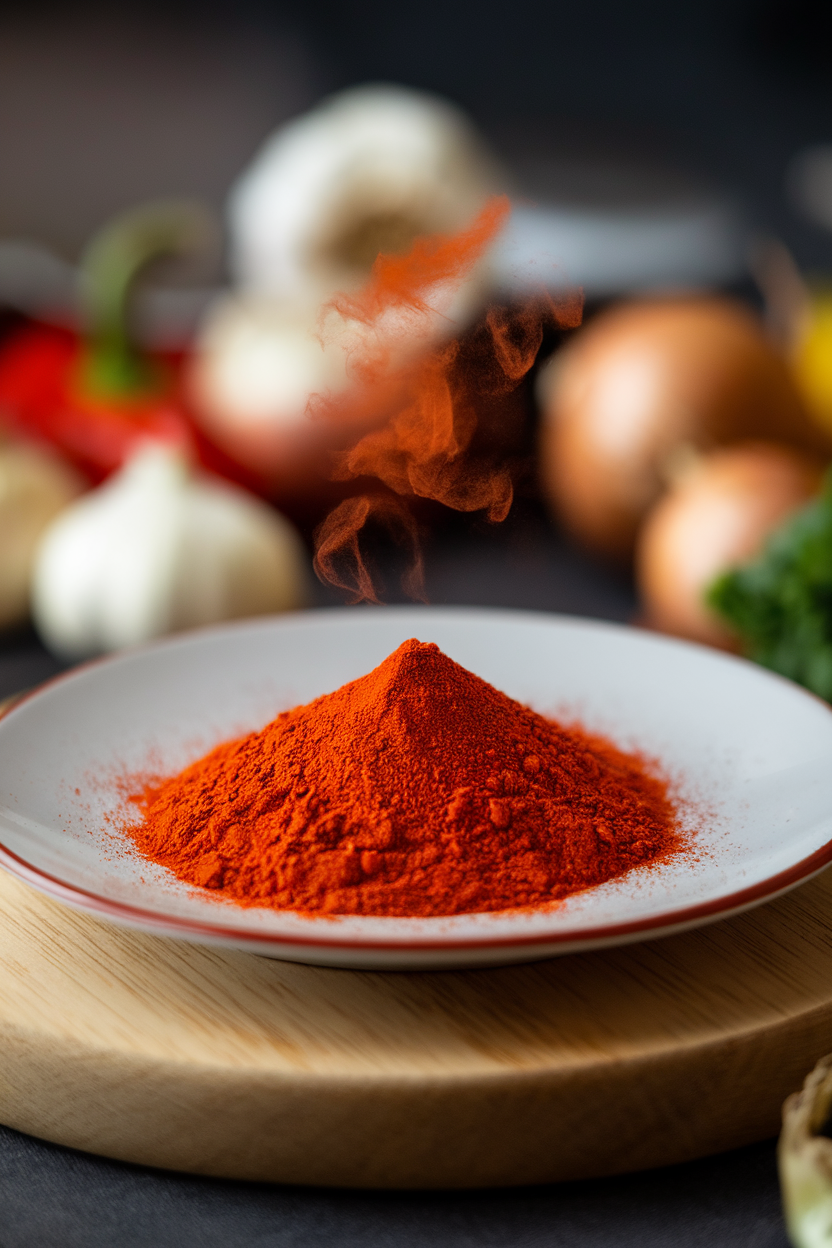
Spanish smoked paprika infuses dishes with gentle heat and a woody aroma. Stir it into chickpea stews or sprinkle over roasted cauliflower. Choose “dulce” for mild sweetness or “picante” for more kick. Keep the tin sealed so the smoke notes don’t fade.
29. Cinnamon Sticks

Whole cinnamon lends warmth to stewed fruit, couscous, and herbal teas. Sticks keep their oils longer than ground powder. Simmer one for ten minutes to flavor broths or compotes, then discard. Store in an airtight jar to maintain aroma.
30. Saffron Threads
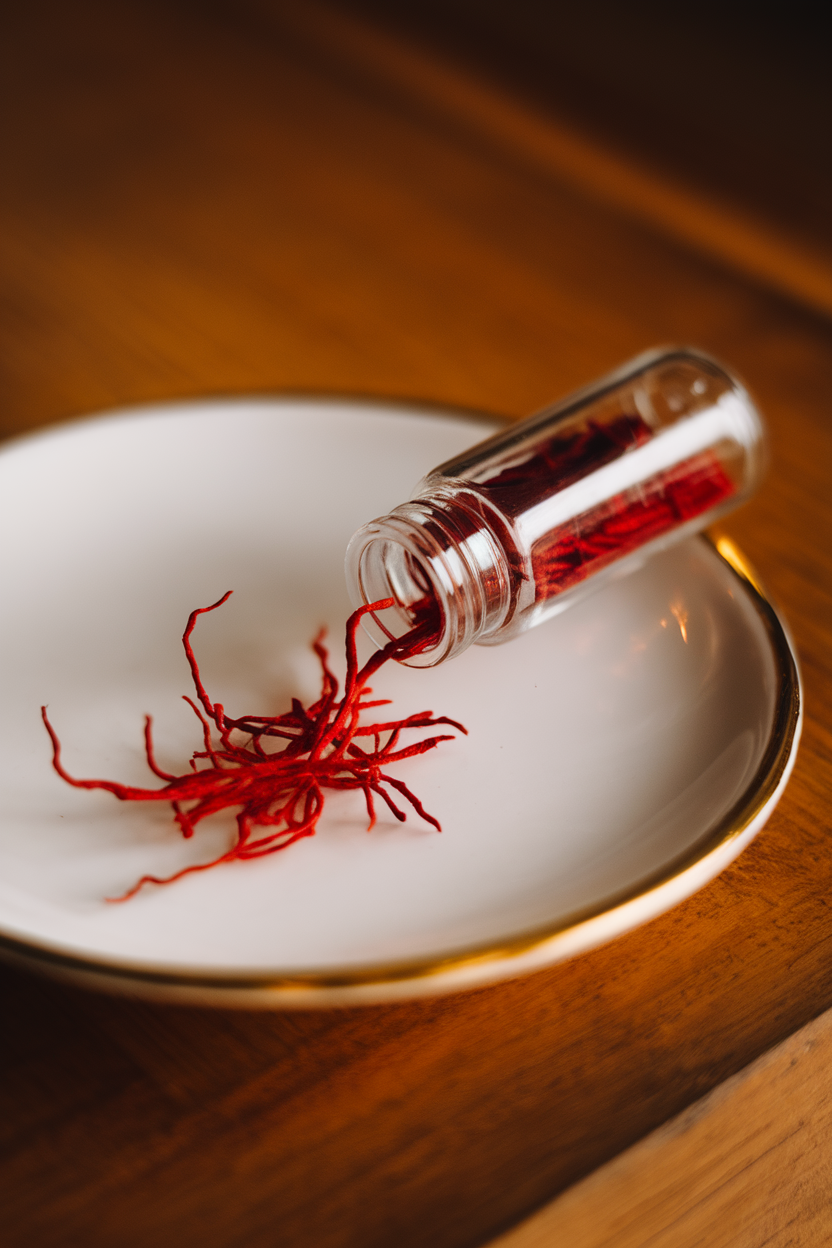
Saffron offers floral notes and golden color to paella, risotto, and fish stews. A small pinch goes far; steep it in warm water or broth before adding to dishes. Buy from reputable sources to avoid adulteration. Keep sealed in a cool, dry place.
31. Garlic Bulbs
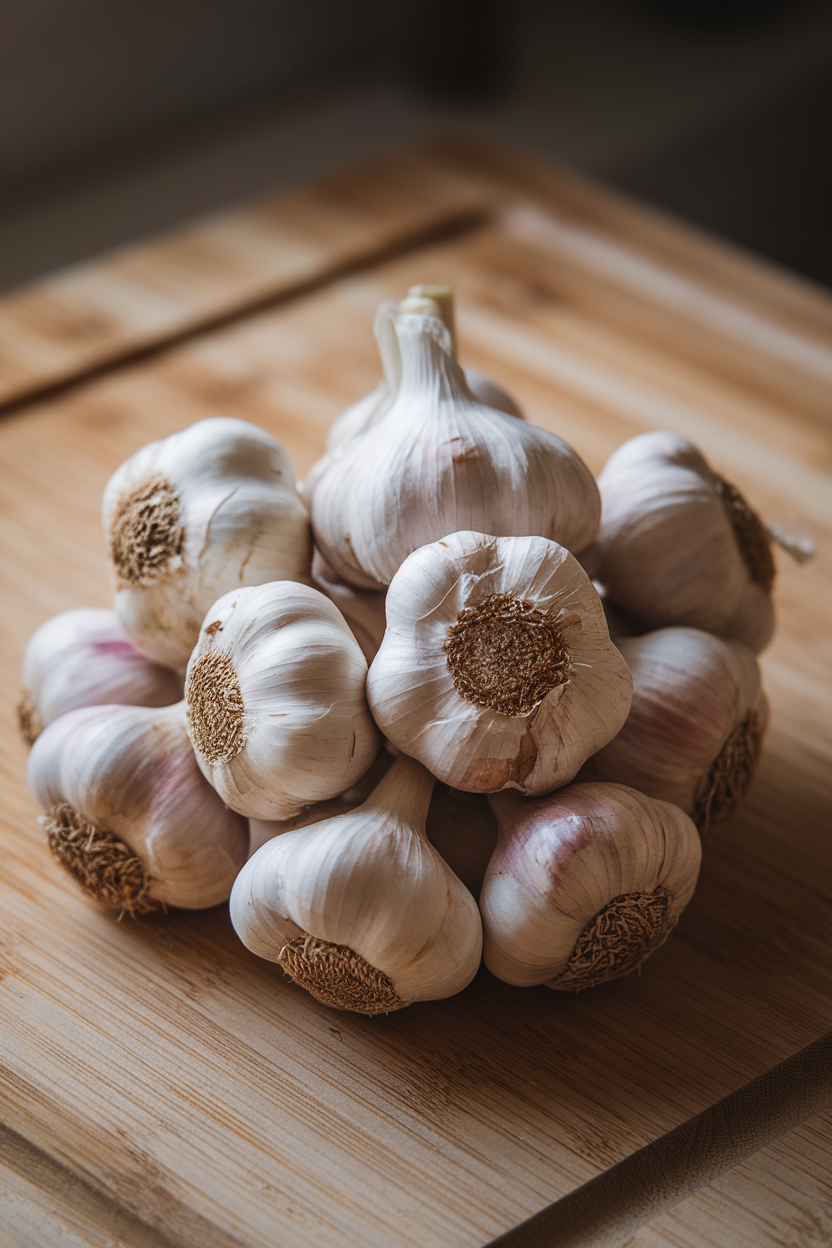
Fresh garlic is indispensable for marinades, sautéed greens, and bean dishes. Its sulfur compounds offer both flavor and potential health benefits. Store bulbs in a ventilated basket away from moisture. Once cloves sprout, use them promptly for milder taste.
32. Yellow Onions
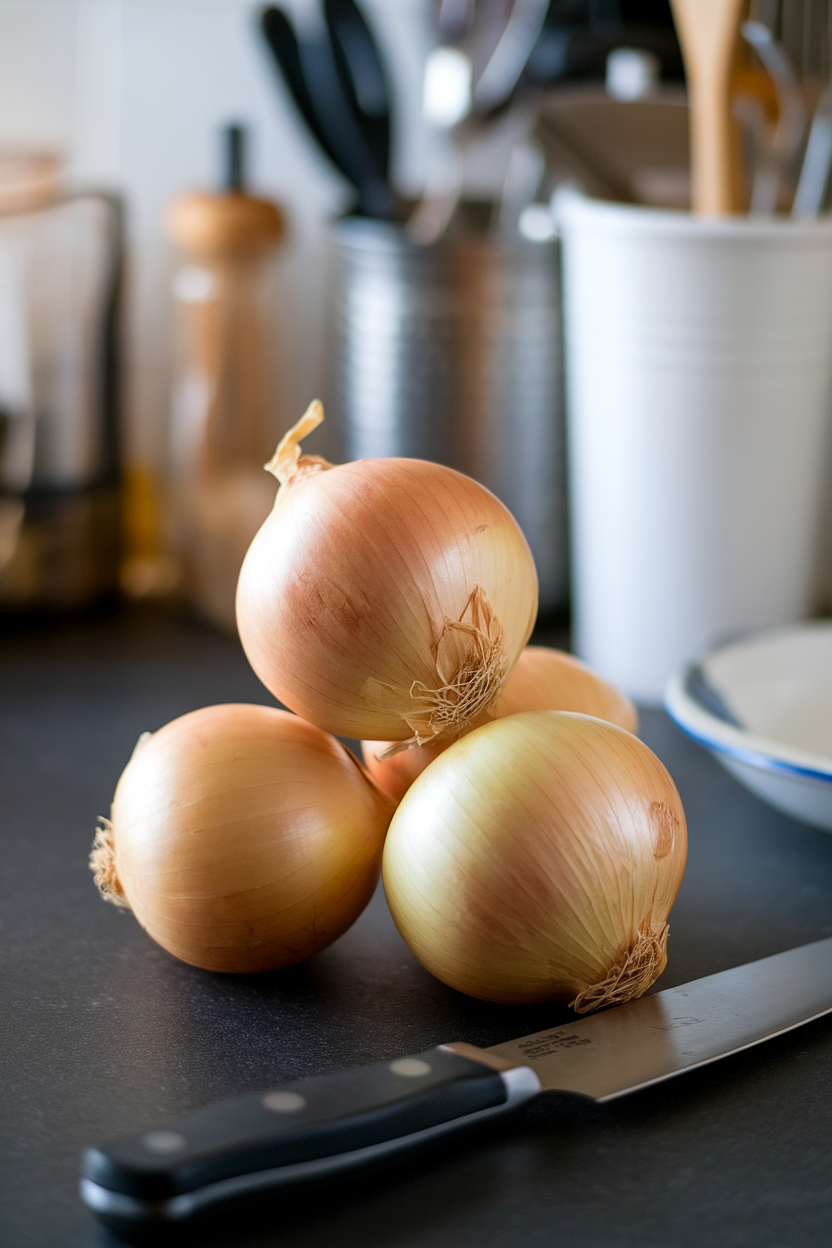
Yellow onions form the aromatic base for countless soups, sauces, and sautés. Their balanced sweetness and acidity deepen as they cook. Keep them in a cool, dark pantry separate from potatoes to prevent moisture exchange. Use any softening onions in stock to reduce waste.
33. Shallots
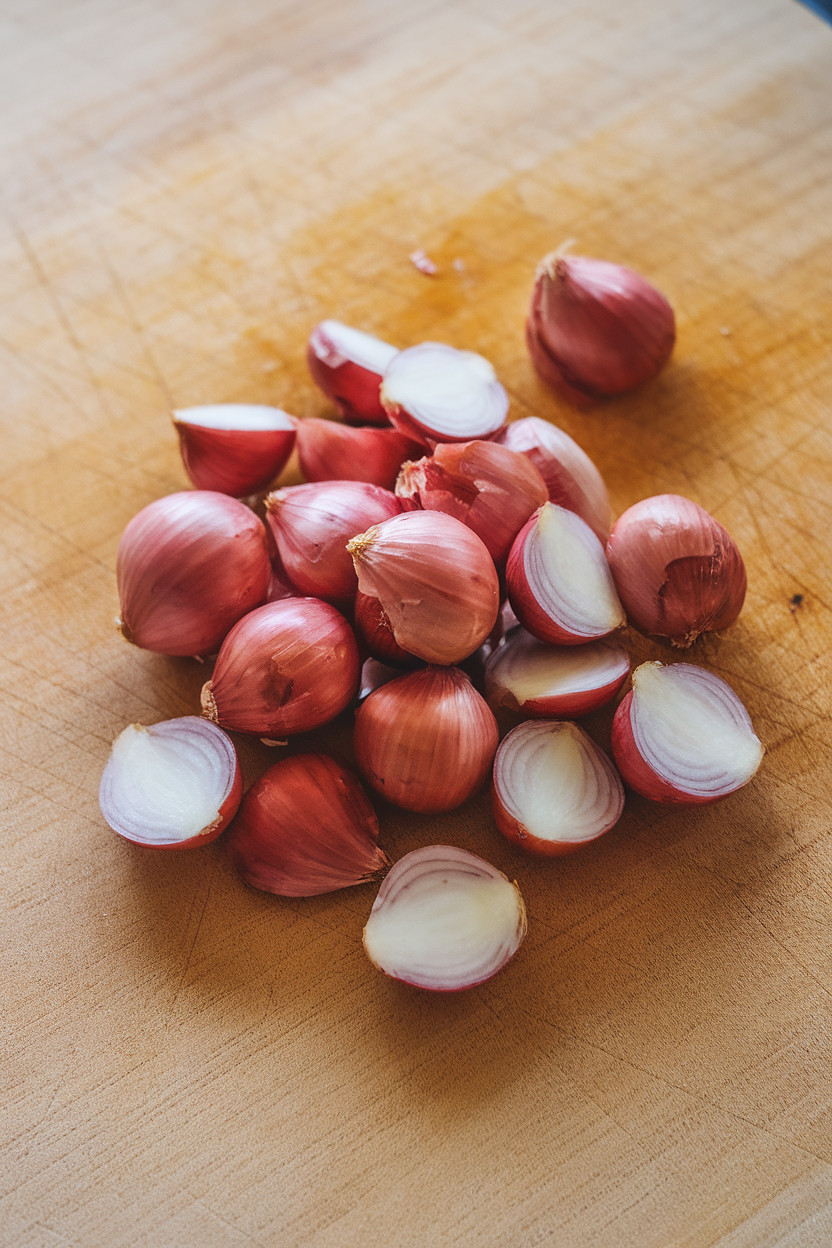
Shallots provide a milder, slightly sweet alternative to onions. They dissolve easily into vinaigrettes and pan sauces. Finely dice or slice thinly for even cooking. Store unpeeled bulbs in a breathable bag in a cool space.
34. Lemons
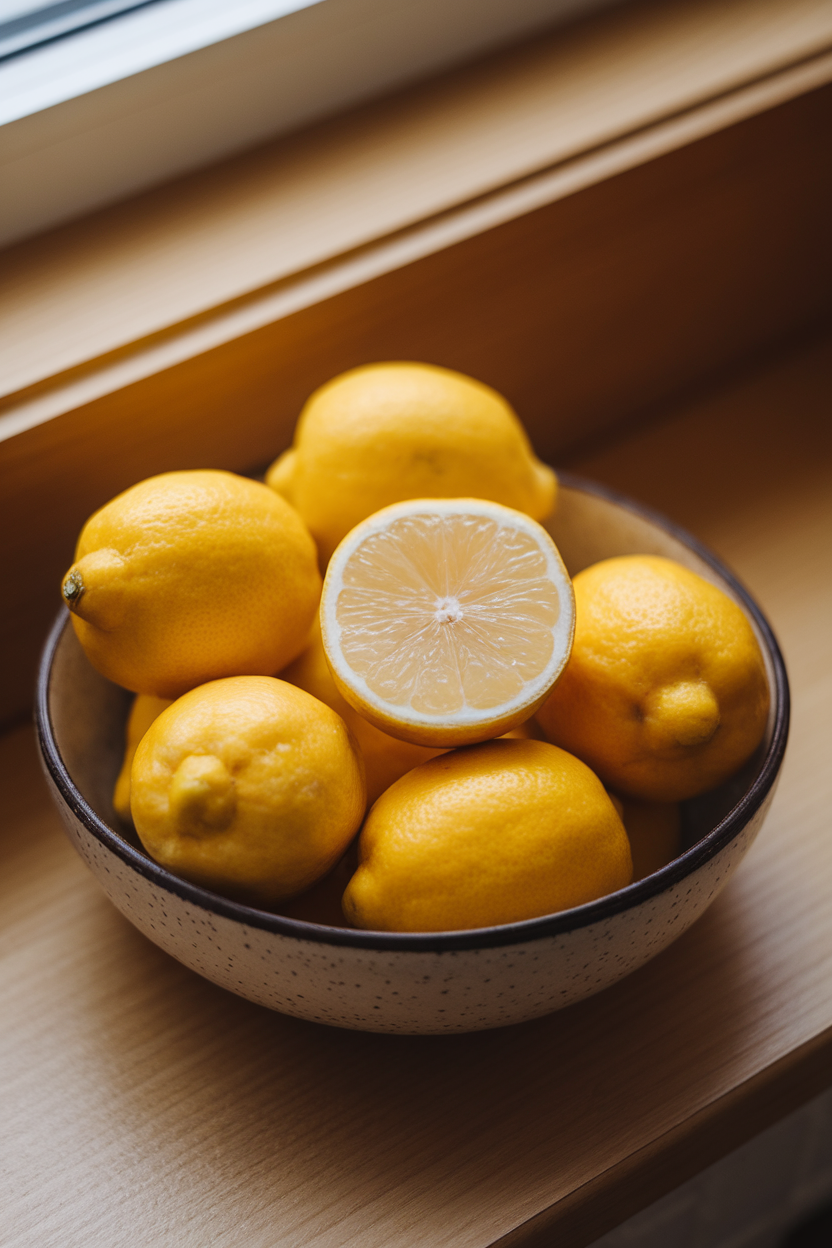
Lemon juice and zest add acidity that lifts fish, grains, and vegetables. The peel contains fragrant oils ideal for desserts and dressings. Roll a lemon on the counter before juicing to maximize yield. Keep fresh lemons in the refrigerator crisper drawer for longer life.
35. Whole Wheat Flour
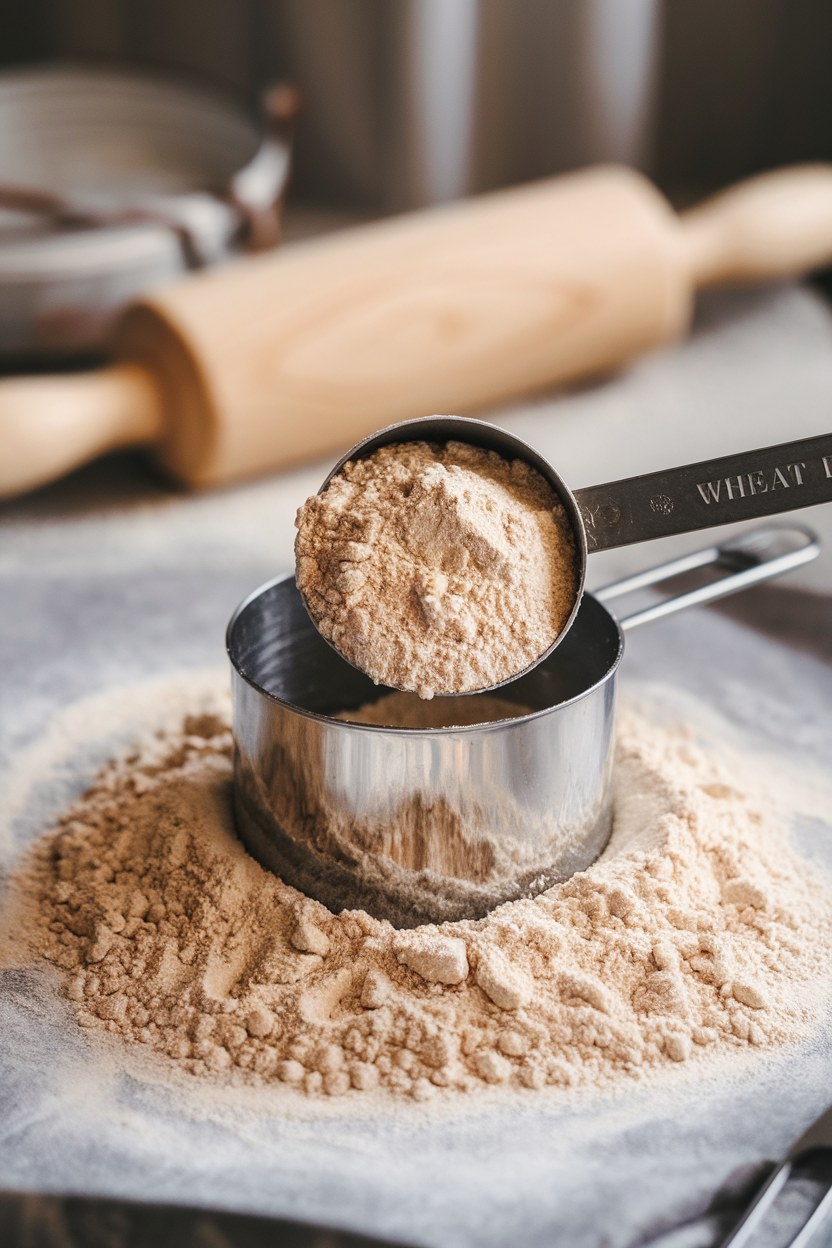
Whole wheat flour brings nutty flavor and extra fiber to homemade breads, pizza crusts, and pancakes. Combine it with all-purpose flour for lighter texture when desired. Store in the freezer to preserve the natural oils. Allow flour to return to room temperature before baking.
36. Low-Sodium Vegetable Broth
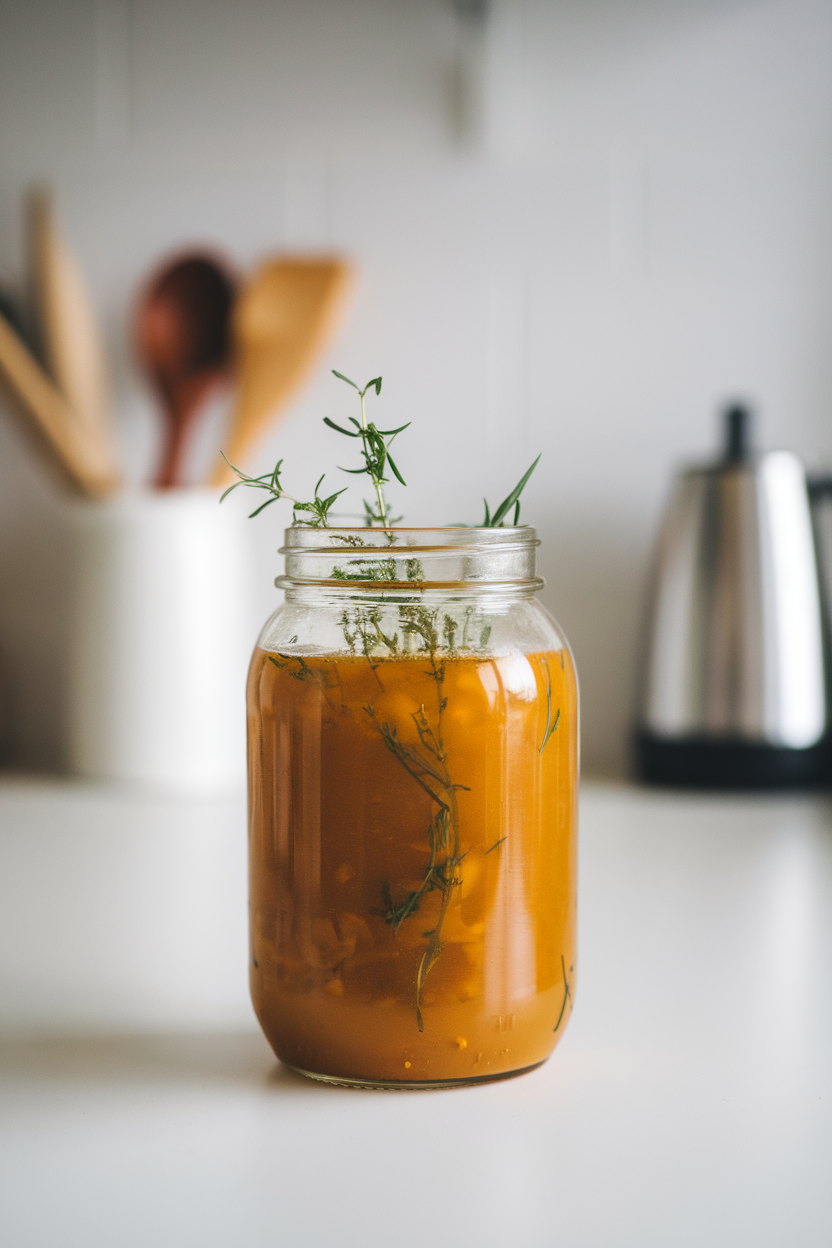
Broth forms the foundation for soups, risotto, and braised grains. Choosing low-sodium lets you control seasoning. If boxed, once opened store in the refrigerator and use within a week. Freeze any leftover broth in ice cube trays for small-batch cooking.
37. Red Wine Vinegar
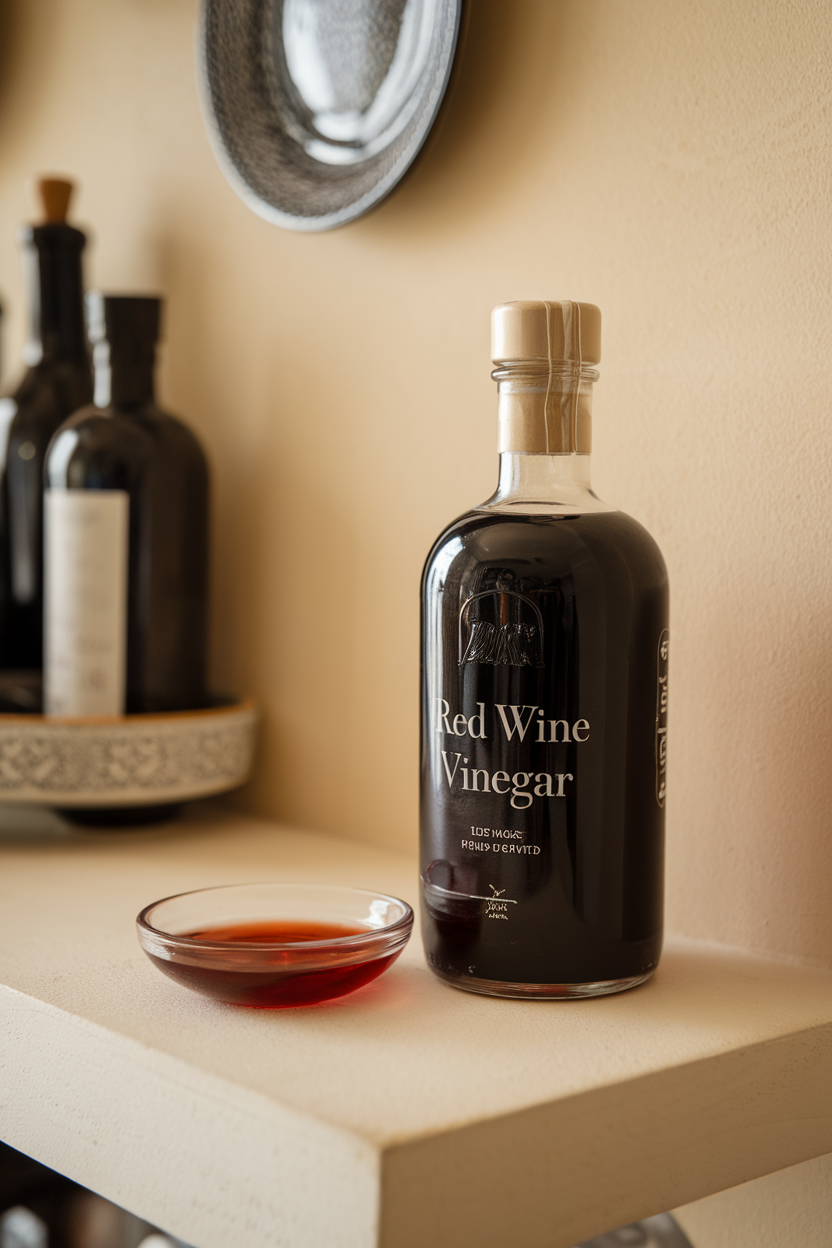
Red wine vinegar balances rich dishes and brightens salads. Splash it into lentil soups for a final acidic kick. It stores indefinitely at room temperature thanks to its natural acidity. Keep the bottle tightly capped to maintain aroma.
38. Balsamic Vinegar
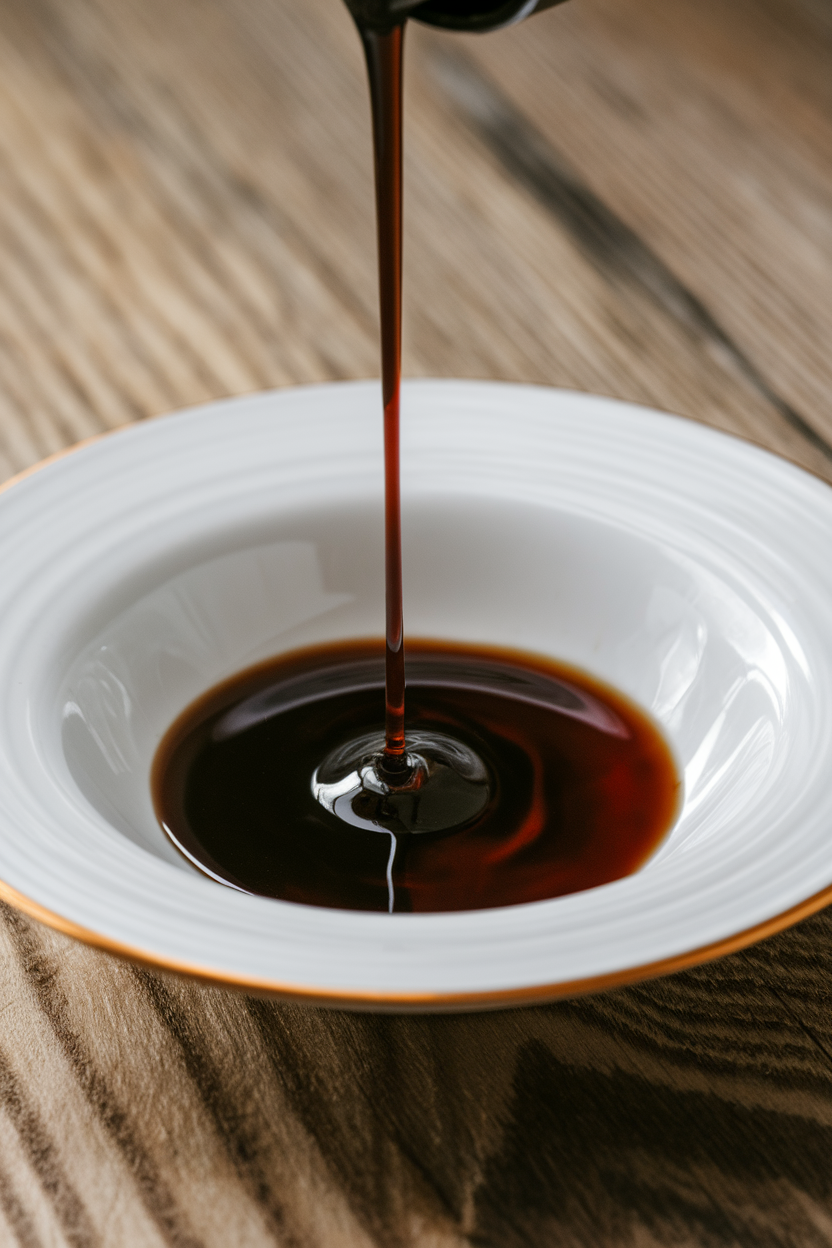
Traditional balsamic adds complex sweetness to roasted vegetables and strawberries alike. A few drops can finish grilled meats or caprese salads. Seek out varieties labeled “aceto balsamico di Modena” for authenticity. Store away from direct sunlight.
39. Anchovy Paste
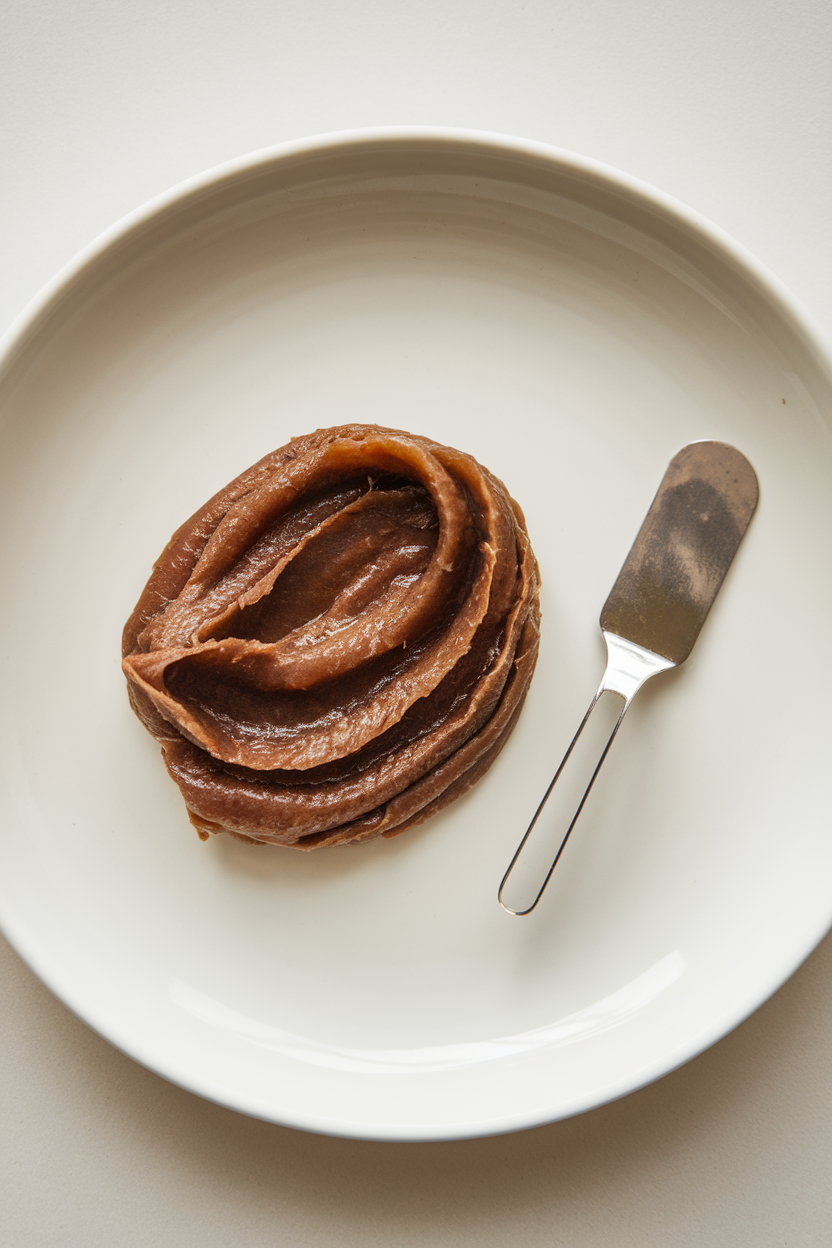
Anchovy paste dissolves into sauces, dressings, and stews, lending subtle umami rather than fishiness. Keep a tube in the fridge for convenience over whole fillets. A half-teaspoon can replace salt in many savory recipes. Squeeze the tube to remove excess air before recapping.
40. Dijon Mustard
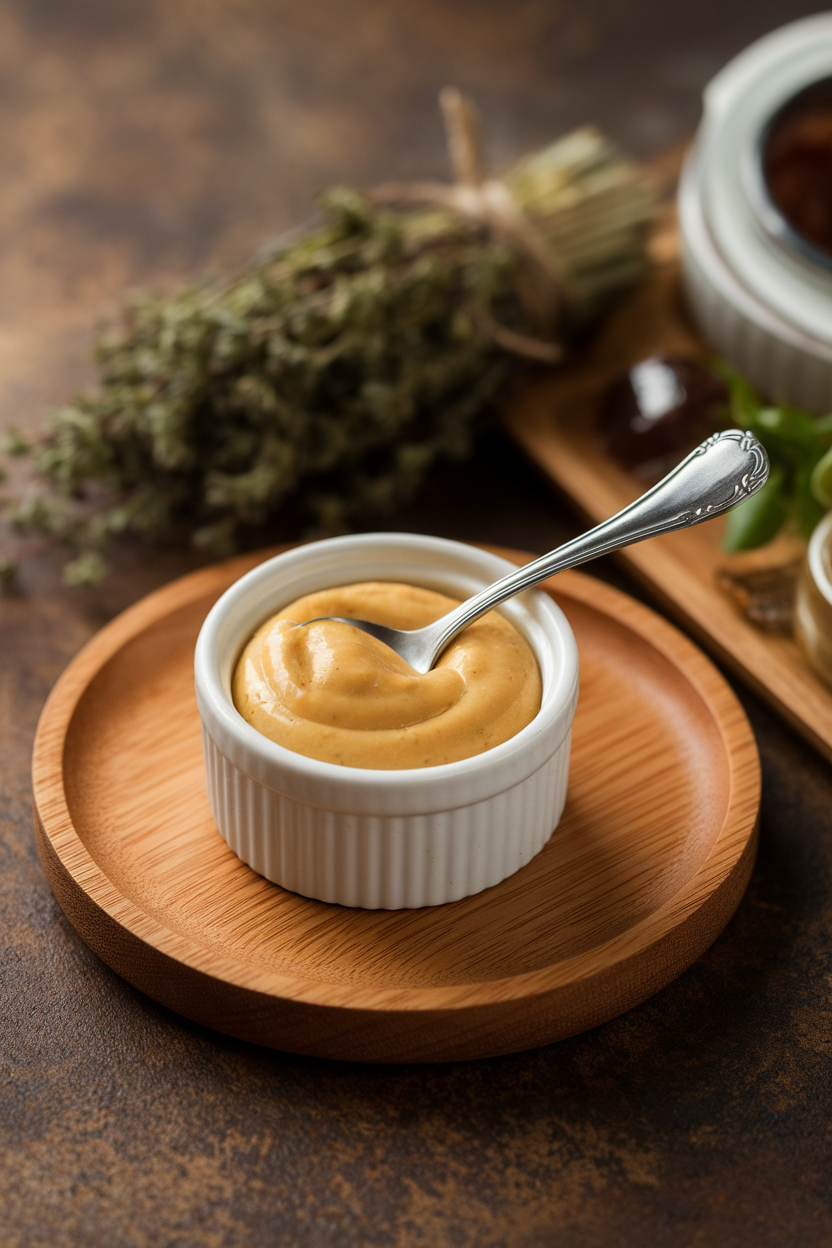
Dijon mustard acts as an emulsifier in vinaigrettes and glazes. Its sharp, clean heat pairs well with honey, herbs, or lemon. Store the jar in the refrigerator after opening to preserve bite. Stir before each use to recombine any separated liquids.
41. Low-Sodium Tomato Passata
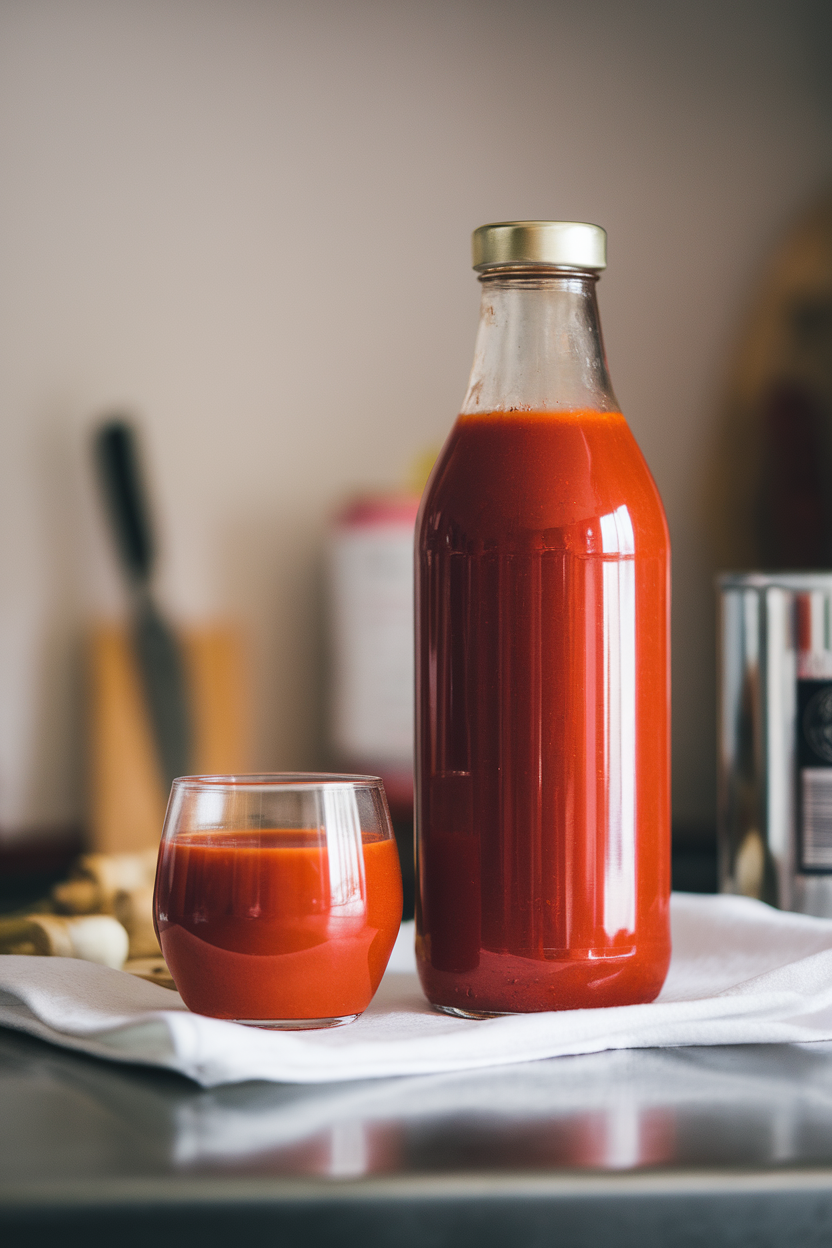
Passata is strained, uncooked tomato purée ideal for quick sauces and soups. Because it’s unseasoned, you can flavor it freely with garlic and herbs. Choose low-sodium versions to keep dishes heart-friendly. Refrigerate after opening and use within five days.
42. Pitted Medjool Dates
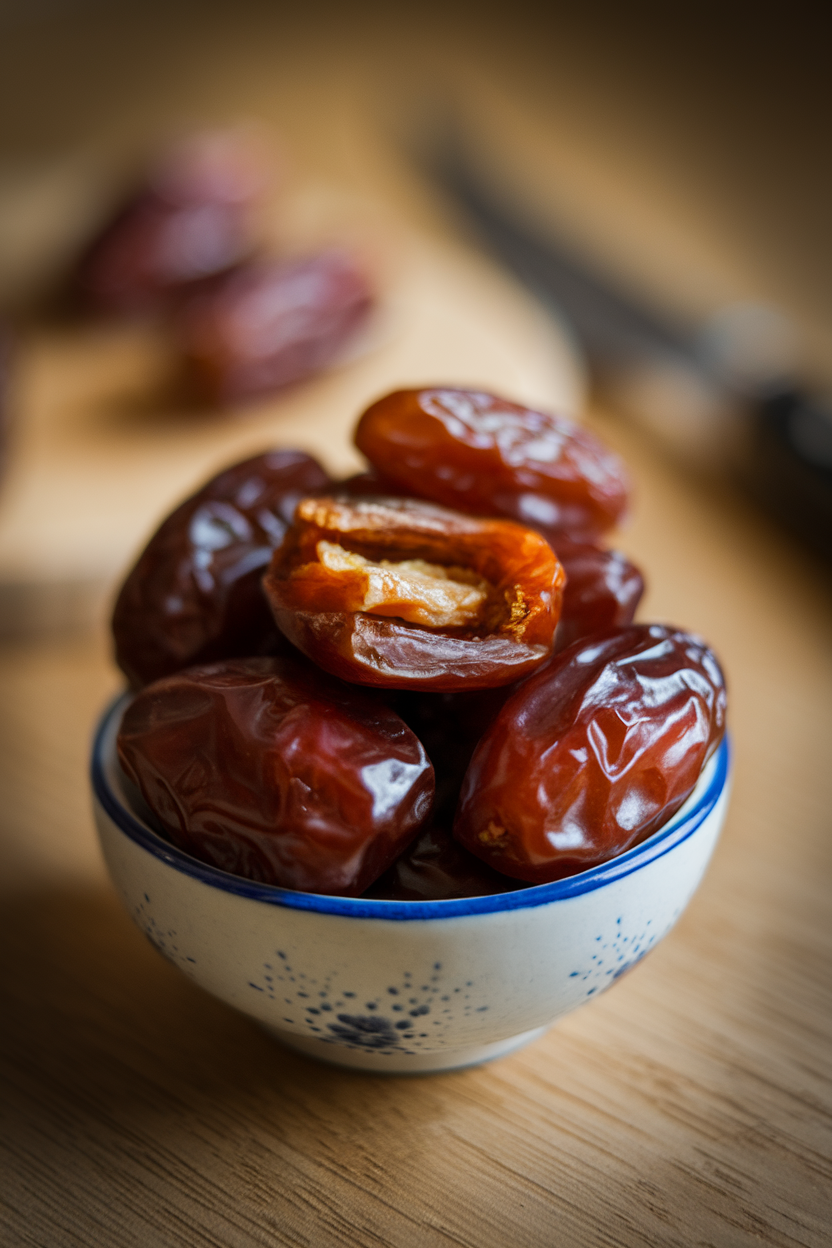
Dates bring natural caramel sweetness and fiber to snacks and desserts. Blend them into energy balls or chop into salads for contrast. Look for fresh, plump fruit without added syrup. Store in an airtight container to prevent drying out.
43. Raisins
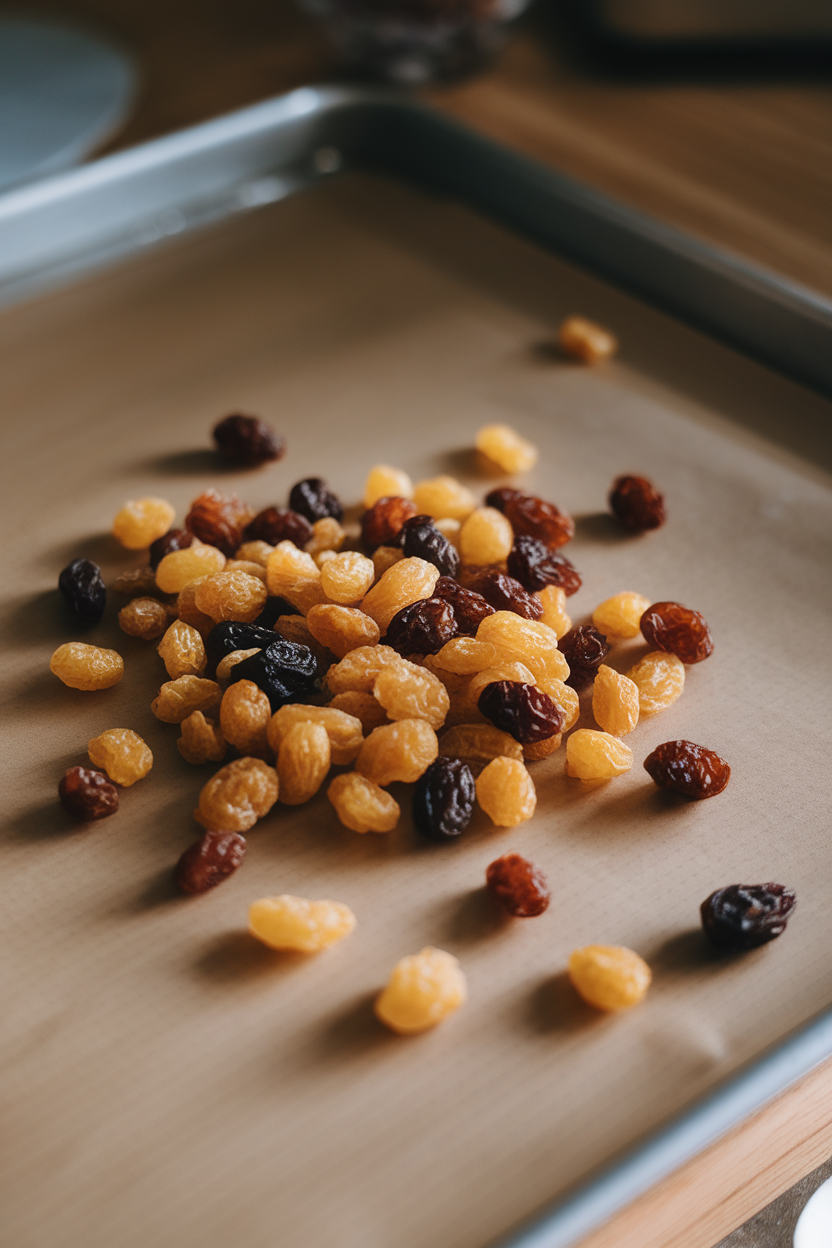
Raisins provide quick energy and gentle sweetness in pilafs, oatmeal, and baked goods. Soak them in warm water or citrus juice to plump before cooking. Unsweetened varieties keep added sugar in check. Seal tightly after each use to maintain chewiness.
44. Dark Chocolate (70% Cacao)
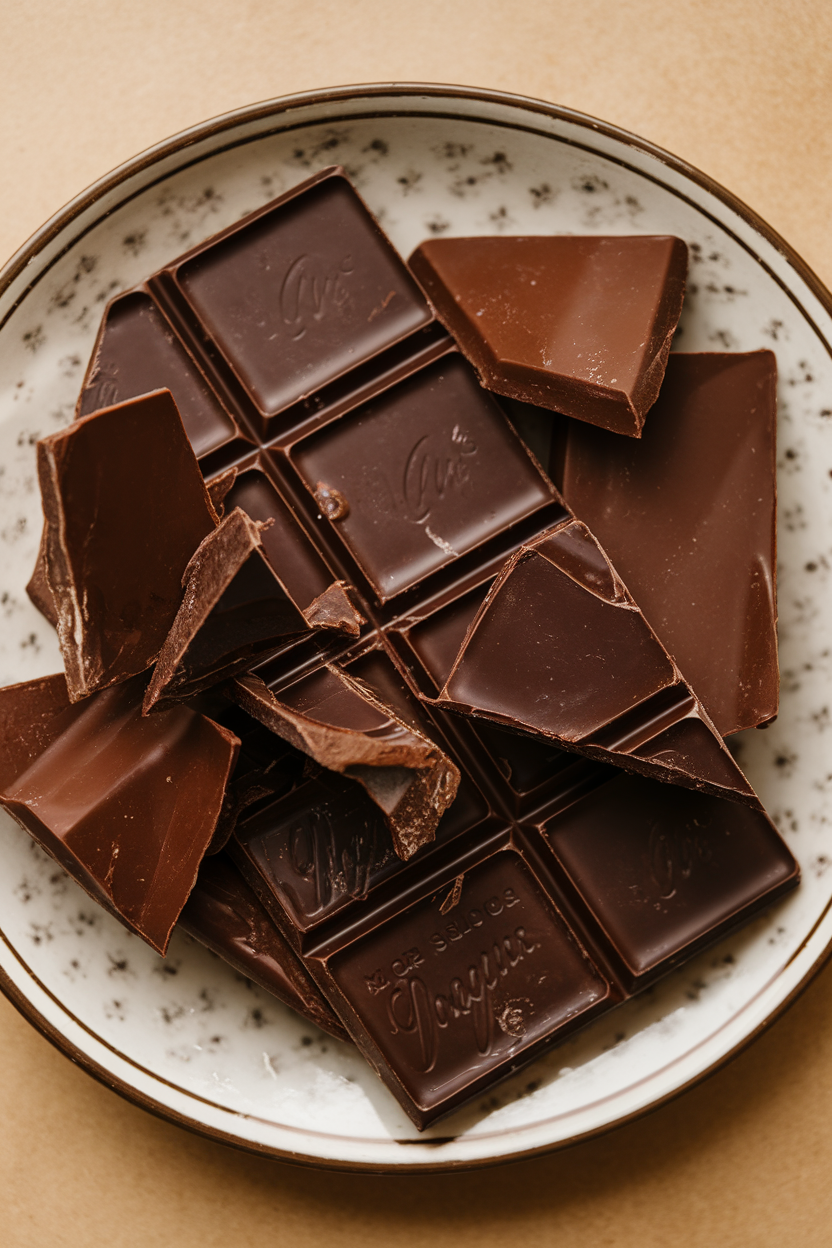
High-cacao chocolate contains beneficial flavonoids along with a touch of indulgence. A square or two after dinner satisfies sweet cravings without excess sugar. Store in a cool cupboard away from fragrant foods. If it develops a light bloom, the flavor remains intact.
45. Herbal Tea (Chamomile)

Chamomile tea offers a soothing finish to Mediterranean meals. Caffeine-free and gentle on digestion, it can double as a mild sleep aid. Keep the dried blossoms or tea bags sealed away from moisture. Steep for five minutes to prevent bitterness.
46. Jarred Pesto
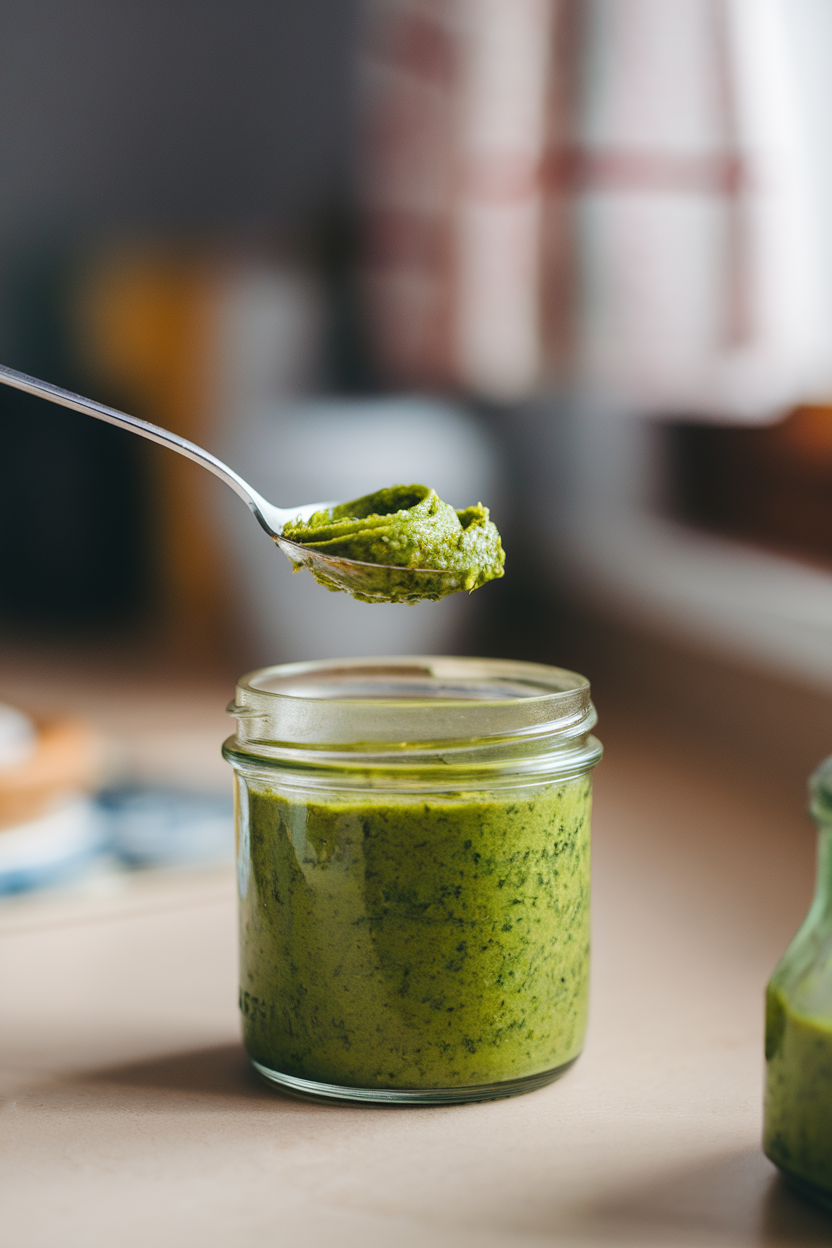
Pesto blends basil, olive oil, Parmesan, and pine nuts for instant flavor. Toss it with pasta, spread on sandwiches, or whisk into vinaigrettes. Look for brands that list olive oil first, not cheaper vegetable oils. Refrigerate and top with a thin layer of oil after each use to reduce oxidation.
47. Feta Cheese (Vacuum-Sealed)
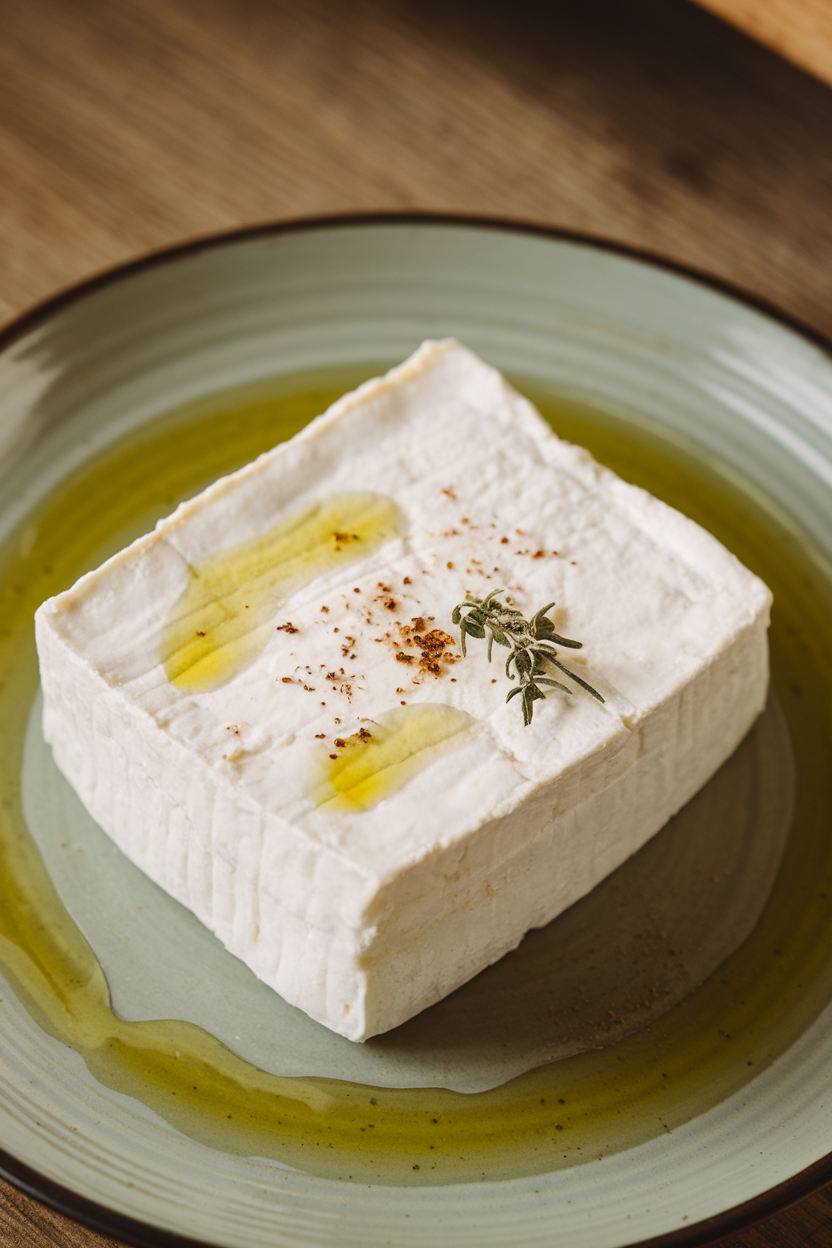
Vacuum-sealed feta keeps longer than brined versions yet retains tangy flavor. Crumble it over salads or roasted vegetables for salty contrast. Once opened, store in a simple brine of water and a pinch of salt. Use within a week for best texture.
48. Sparkling Mineral Water

Sparkling mineral water provides a refreshing, sugar-free beverage option that pairs well with Mediterranean meals. Natural bubbles and subtle minerals can enhance the palate between bites. Keep a few bottles chilled for guests or for making light spritzers with citrus. Store unopened bottles in a cool, dark area away from heat sources.

Nathaniel Lee is an avid cook, drawing on his decades of home cooking and fine dining experience. He is a contributing chef at Mashed, and his recipes and contributions have been featured in Tasting Table, Edible Arrangements, Insanely Good Recipes, and The Daily Meal.