Small, consistent choices add up to big gains in well-being. The ideas below focus on real food, balanced portions, and simple habits that fit everyday life. Pick the tips that suit you, mix them into your routine, and enjoy the steady benefits of a more nourishing table.
Contents
- 1. Start Your Morning with a Protein-Rich Breakfast
- 2. Hydrate Before You Caffeinate
- 3. Pack Half Your Plate with Vegetables
- 4. Choose Whole Grains Over Refined
- 5. Snack on Nuts and Seeds
- 6. Swap Sugary Drinks for Fruit-Infused Water
- 7. Practice Mindful Eating
- 8. Plan Meals for the Week
- 9. Keep Healthy Snacks Visible
- 10. Enjoy Fish Twice a Week
- 11. Add Legumes to Salads
- 12. Blend Greens into Smoothies
- 13. Experiment with Herbs and Spices Instead of Extra Salt
- 14. Limit Processed Meats
- 15. Use Smaller Plates for Portion Control
- 16. Cook at Home More Often
- 17. Read Nutrition Labels Carefully
- 18. Prioritize Fiber Intake
- 19. Choose Seasonal Produce
- 20. Include Fermented Foods Daily
- 21. Balance Macronutrients in Each Meal
- 22. Slow Down and Chew Thoroughly
- 23. Bake, Grill, or Steam Instead of Fry
- 24. Keep Healthy Fats in Rotation
- 25. Enjoy Meatless Mondays
- 26. Freeze Leftover Soups and Stews
- 27. Add Berries for Natural Sweetness
- 28. Portion Out Snacks in Advance
- 29. Eat the Rainbow
- 30. Replace Creamy Dressings with Vinaigrettes
- 31. Boost Oatmeal with Nuts and Fruit
- 32. Roast Vegetables for Extra Flavor
- 33. Add Citrus Zest to Dishes
- 34. Practice Intuitive Hunger Cues
- 35. Limit Added Sugars
- 36. Choose Dark Chocolate for Dessert
- 37. Keep a Water Bottle Handy
- 38. Bulk Up Sauces with Pureed Vegetables
- 39. Use Greek Yogurt as a Substitute
- 40. Try Ancient Grains Like Quinoa or Farro
- 41. Make Your Own Salad Dressings
- 42. Experiment with Plant-Based Proteins
- 43. Flavor Water with Fresh Herbs
- 44. Soak Beans Overnight for Easier Digestion
- 45. Eat Fruit Instead of Drinking Juice
- 46. Pack Lunch for Work
- 47. Keep Roasted Chickpeas on Hand
- 48. Slice Veggies in Advance
- 49. Add Avocado for Creaminess
- 50. Respect Your Fullness Signal
- 51. Keep a Food Journal
- 52. Spice Up Popcorn Instead of Chips
- 53. Choose Lean Cuts of Meat
- 54. Eat Breakfast Within Two Hours of Waking
- 55. Use Broth Instead of Oil for Sautéing
- 56. Snack on Cottage Cheese and Fruit
- 57. Store Healthy Staples at Eye Level
- 58. Add Flaxseed to Baked Goods
- 59. Schedule Regular Grocery Trips
- 60. Replace White Rice with Cauliflower Rice
- 61. Keep a Balanced Smoothie Formula
- 62. Practice Gratitude Before Meals
- 63. Finish Dinner at Least Two Hours Before Bed
- 64. Celebrate Progress, Not Perfection
- 65. Share Meals with Friends and Family
1. Start Your Morning with a Protein-Rich Breakfast
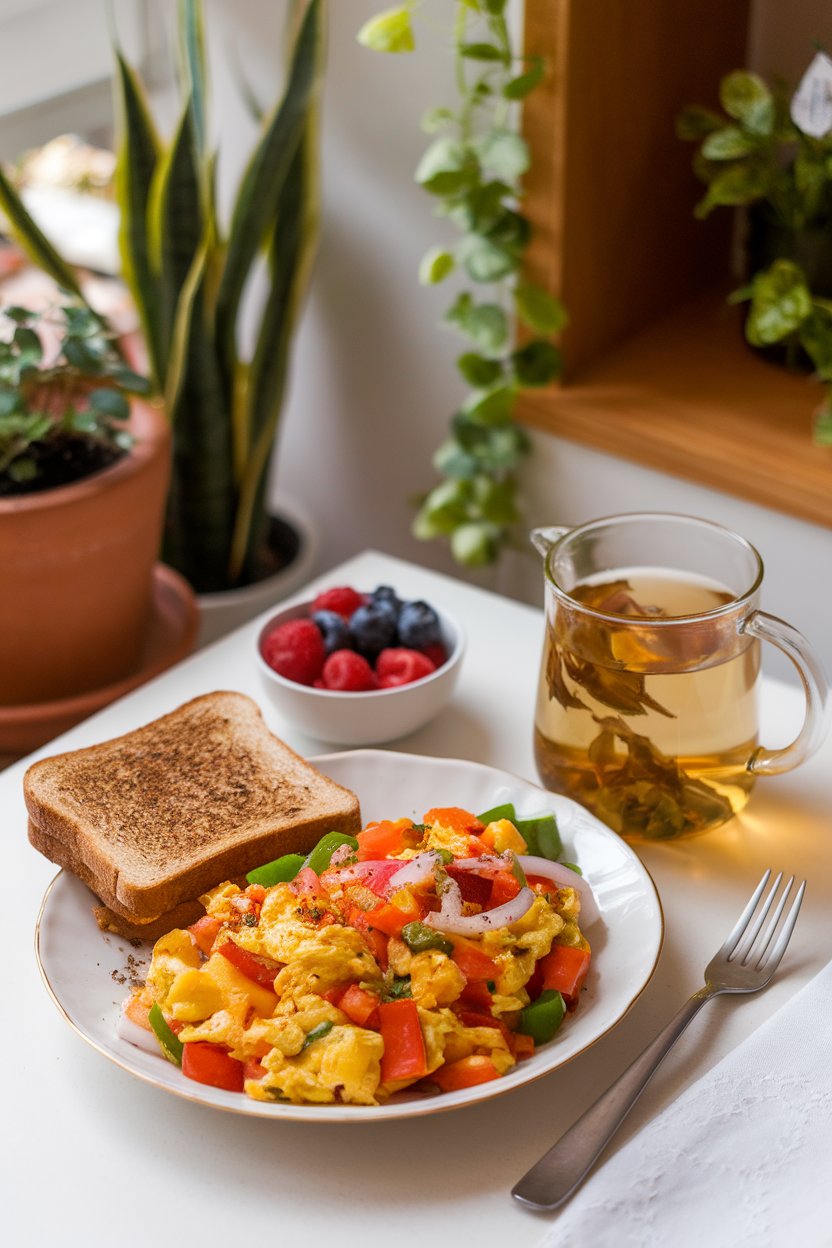
A protein boost first thing helps steady blood sugar and keeps mid-morning hunger away. Eggs, Greek yogurt, or cottage cheese pair nicely with fruit and whole grains. When mornings are hectic, prep egg muffins or overnight oats in advance.
2. Hydrate Before You Caffeinate

Drinking water right after waking replenishes fluids lost overnight and jump-starts digestion. Aim for at least eight ounces before reaching for coffee or tea. This simple ritual often sparks better hydration habits the rest of the day.
3. Pack Half Your Plate with Vegetables
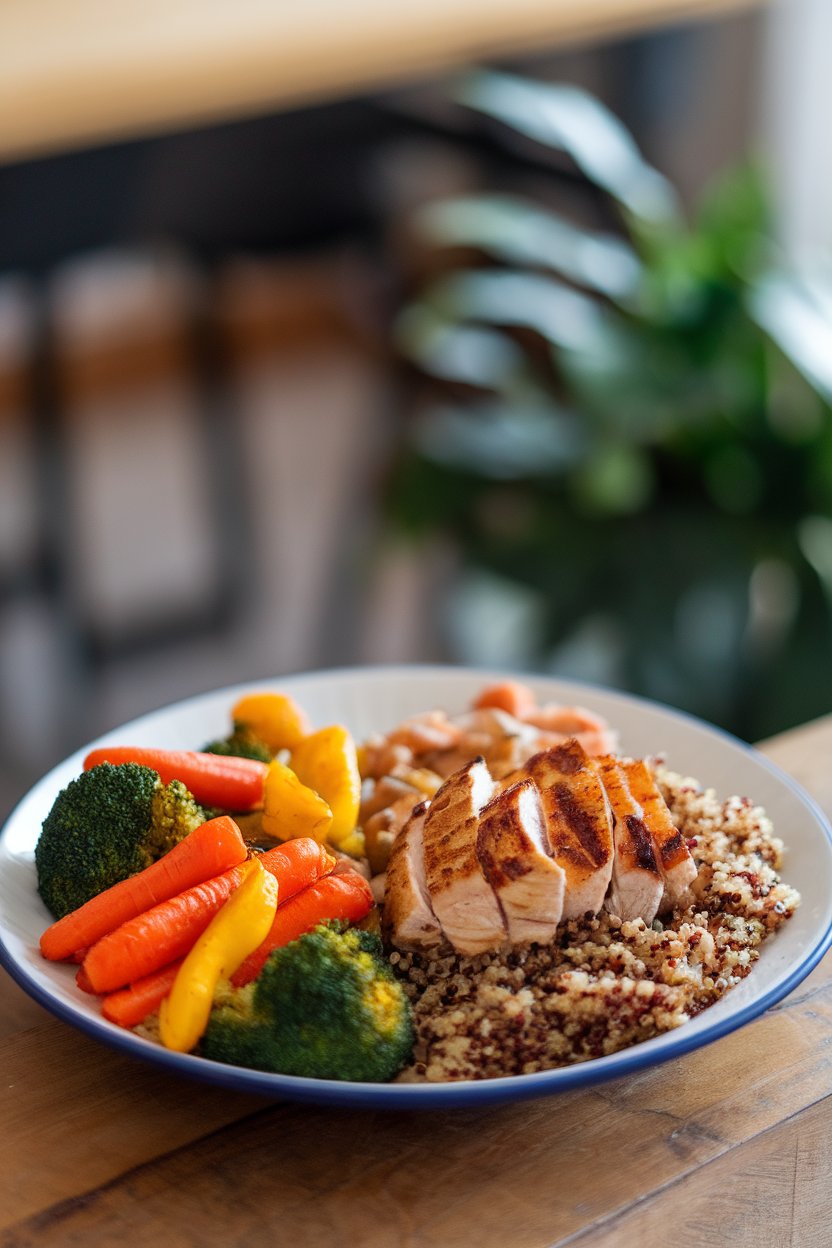
Loading up on produce supplies fiber, vitamins, and antioxidants while naturally controlling calories. Roasting, steaming, or sautéing keeps flavors vibrant without heavy sauces. Vary the colors to cover a wide nutrient range.
4. Choose Whole Grains Over Refined
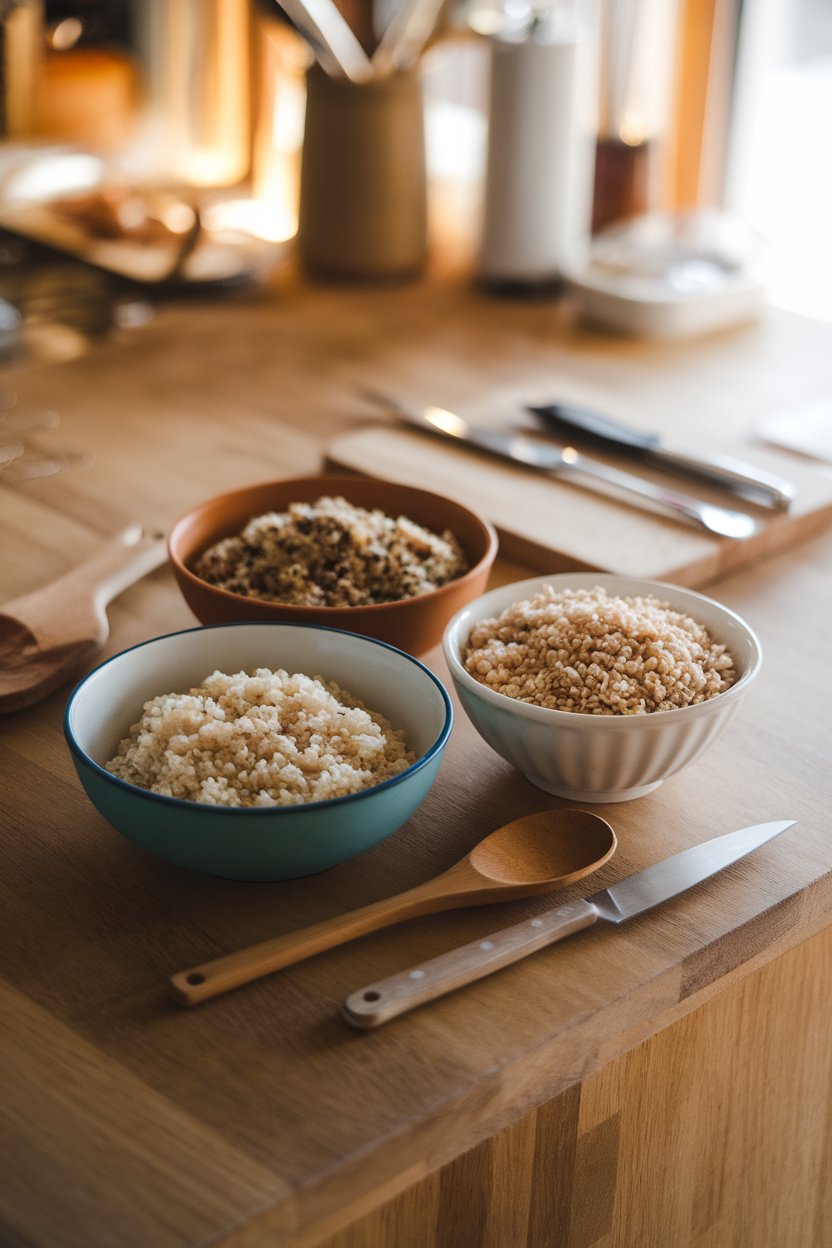
Whole grains retain the bran and germ, providing extra fiber and minerals. Swap white rice for brown rice or quinoa, and trade white bread for 100 percent whole-wheat. These switches support steadier energy and better digestion.
5. Snack on Nuts and Seeds
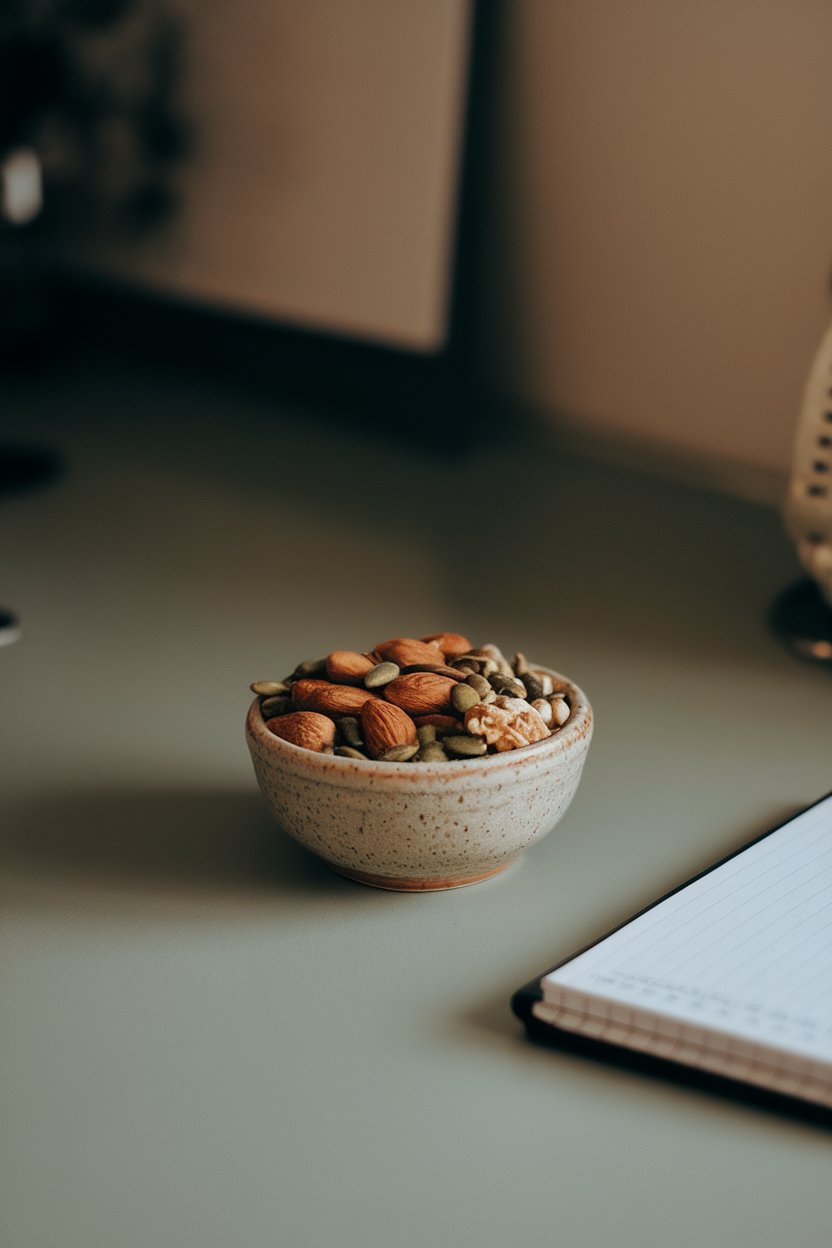
A modest handful offers healthy fats, protein, and crunch. Pre-portion servings into reusable containers to avoid mindless grazing. Keep them in a desk drawer, bag, or car for quick, sustaining fuel.
6. Swap Sugary Drinks for Fruit-Infused Water
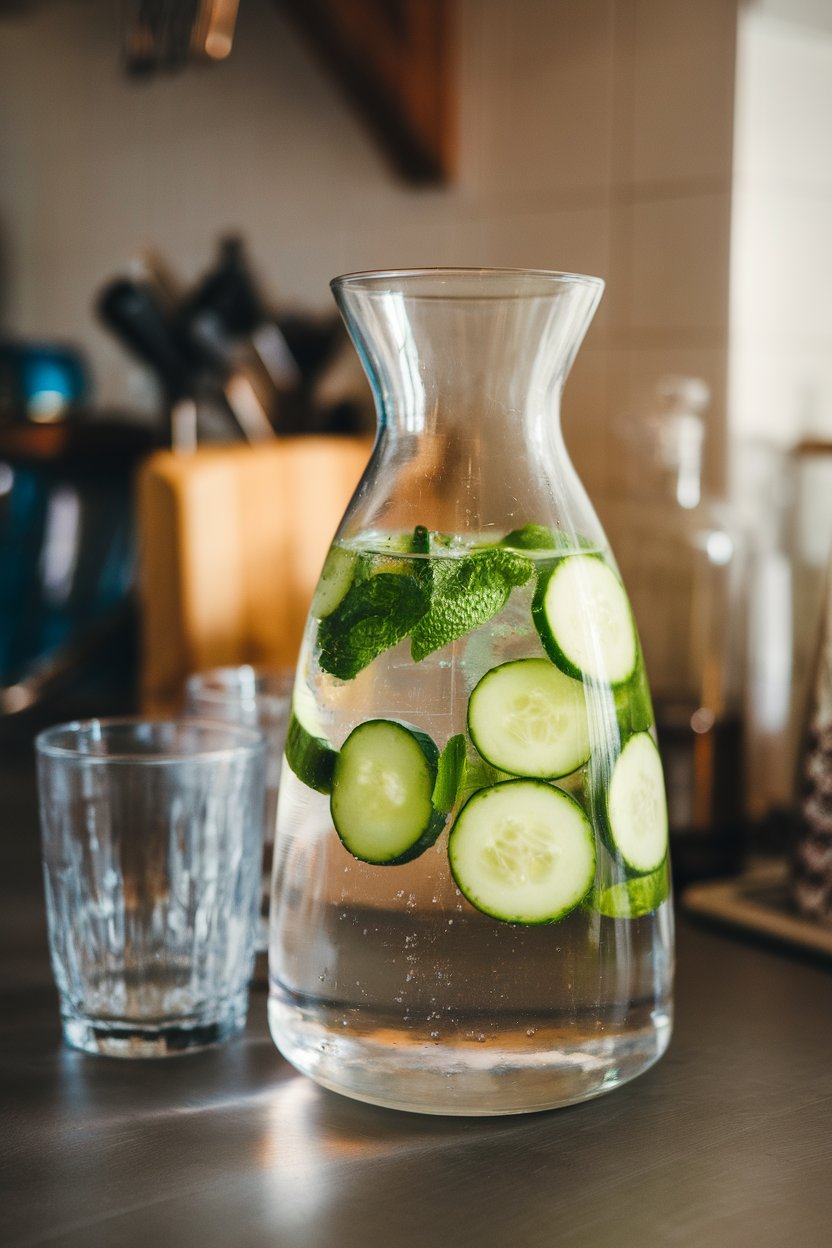
Lightly flavored water refreshes without the added sugar of soda or juice. Combine berries, citrus, or herbs for endless variations. Chill overnight so the flavors mingle, then sip all day long.
7. Practice Mindful Eating
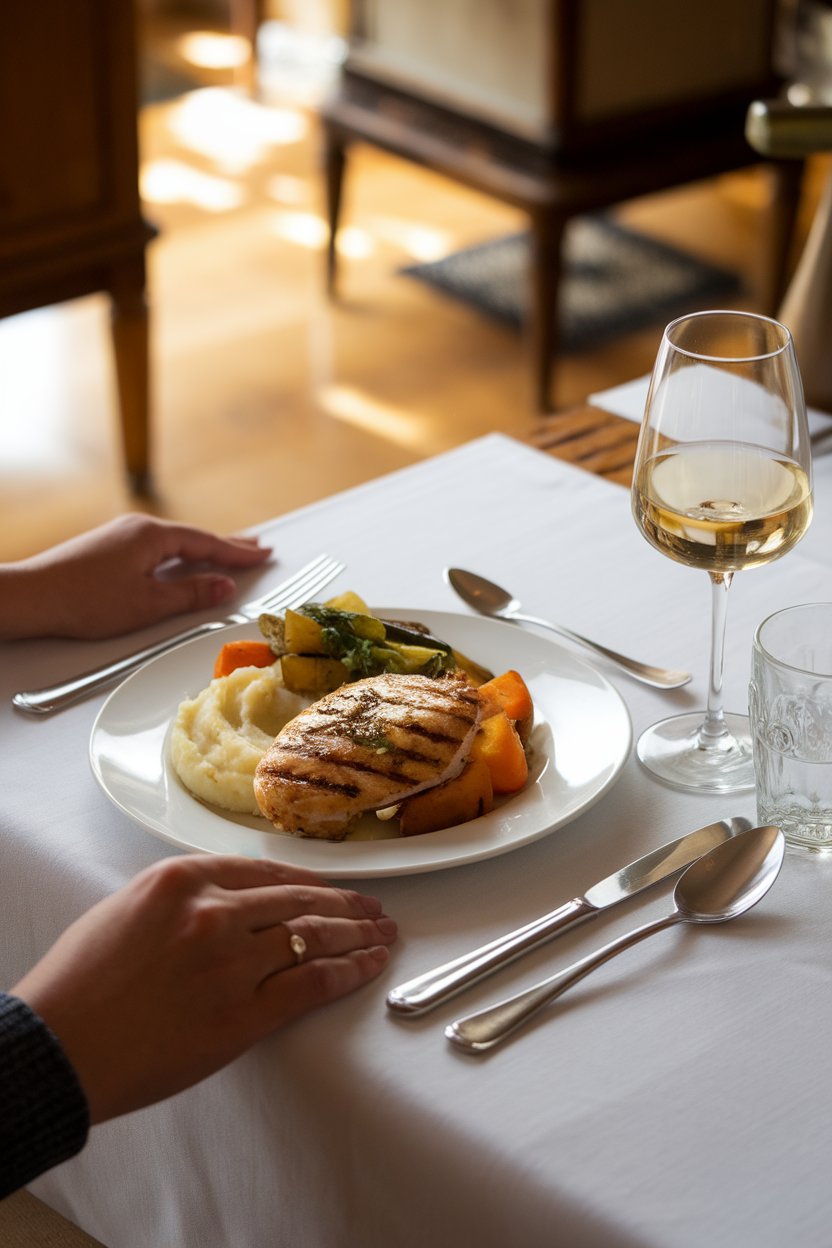
Slow down, notice aromas, and chew thoroughly. This approach helps you recognize satisfaction cues and enjoy food more. Try setting utensils down between bites and savoring each flavor.
8. Plan Meals for the Week
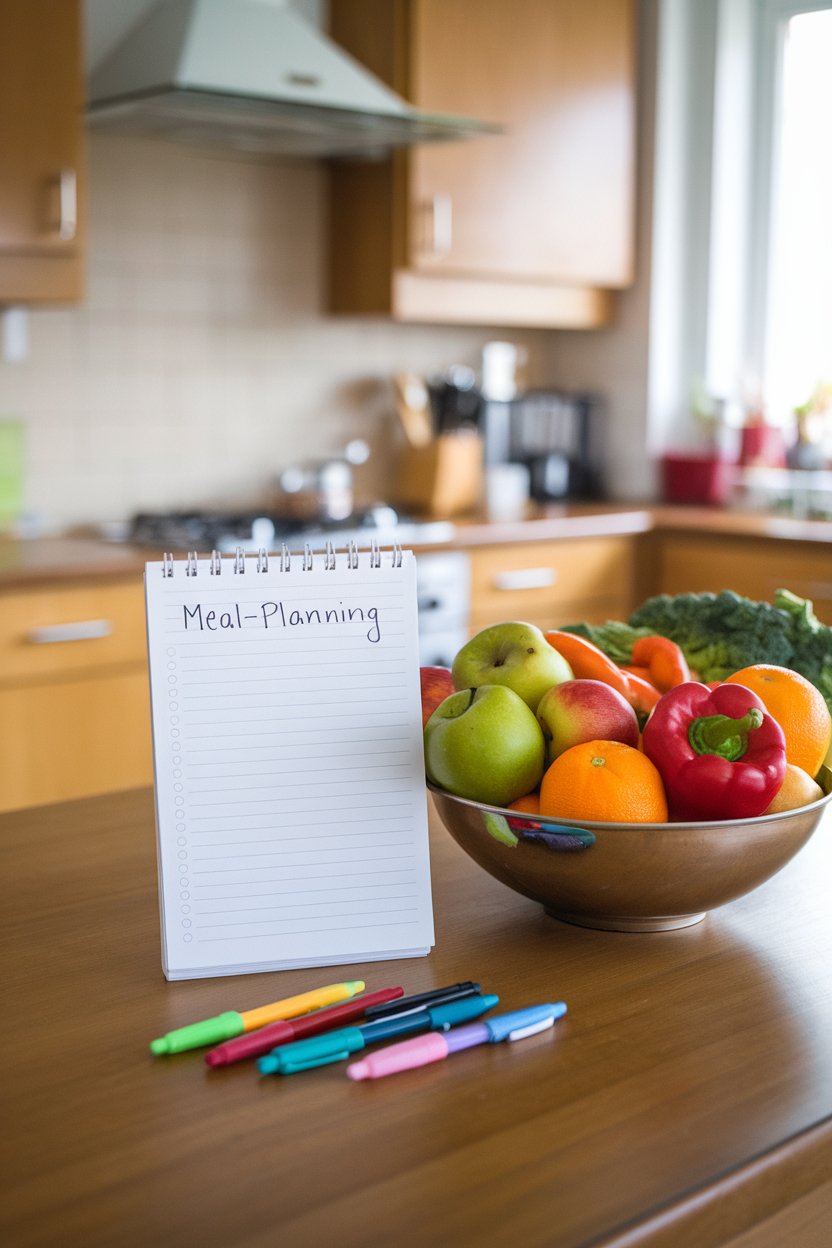
Mapping out breakfasts, lunches, and dinners saves time and reduces impulse choices. Jot down recipes, then build a shopping list around them. A little forethought keeps wholesome options within arm’s reach.
9. Keep Healthy Snacks Visible
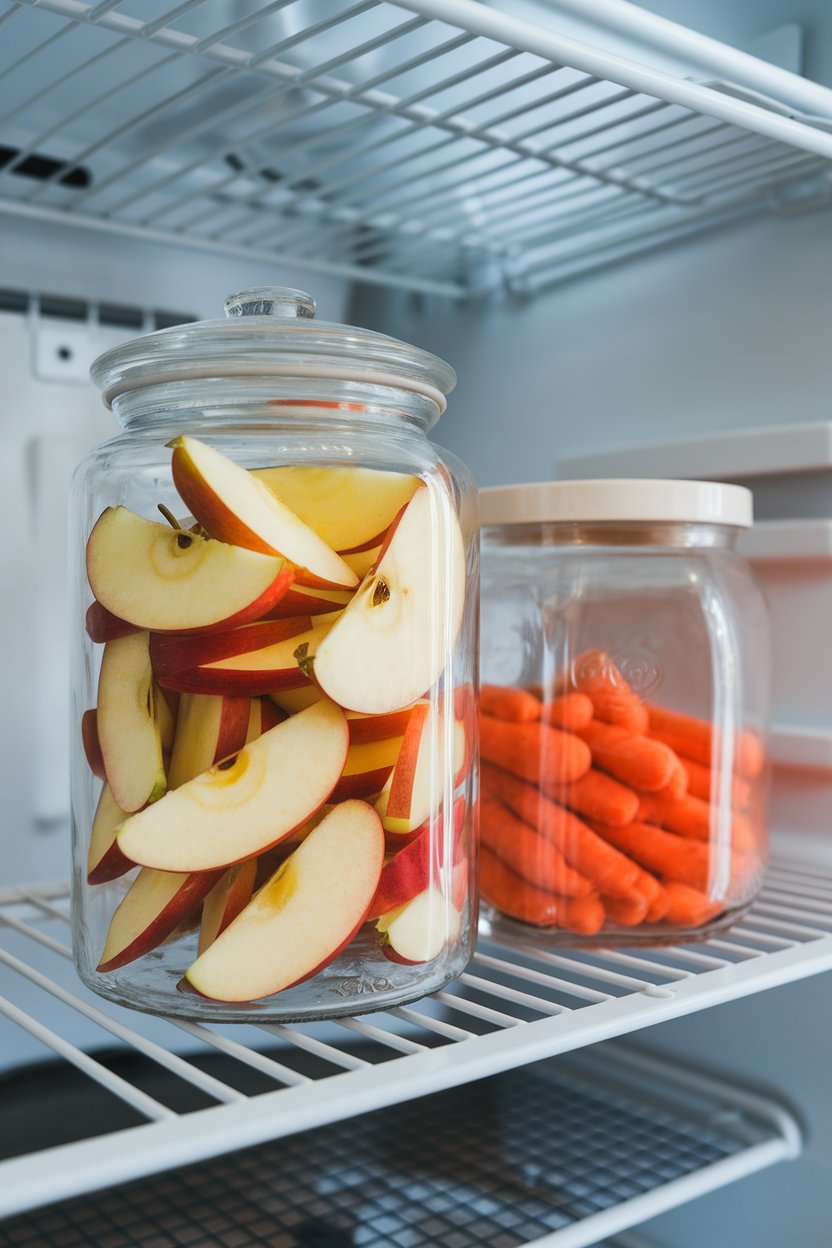
Out-of-sight often means out-of-mind. Place pre-washed produce or protein packs at eye level in the refrigerator. You’ll be more likely to grab them first when hunger strikes.
10. Enjoy Fish Twice a Week
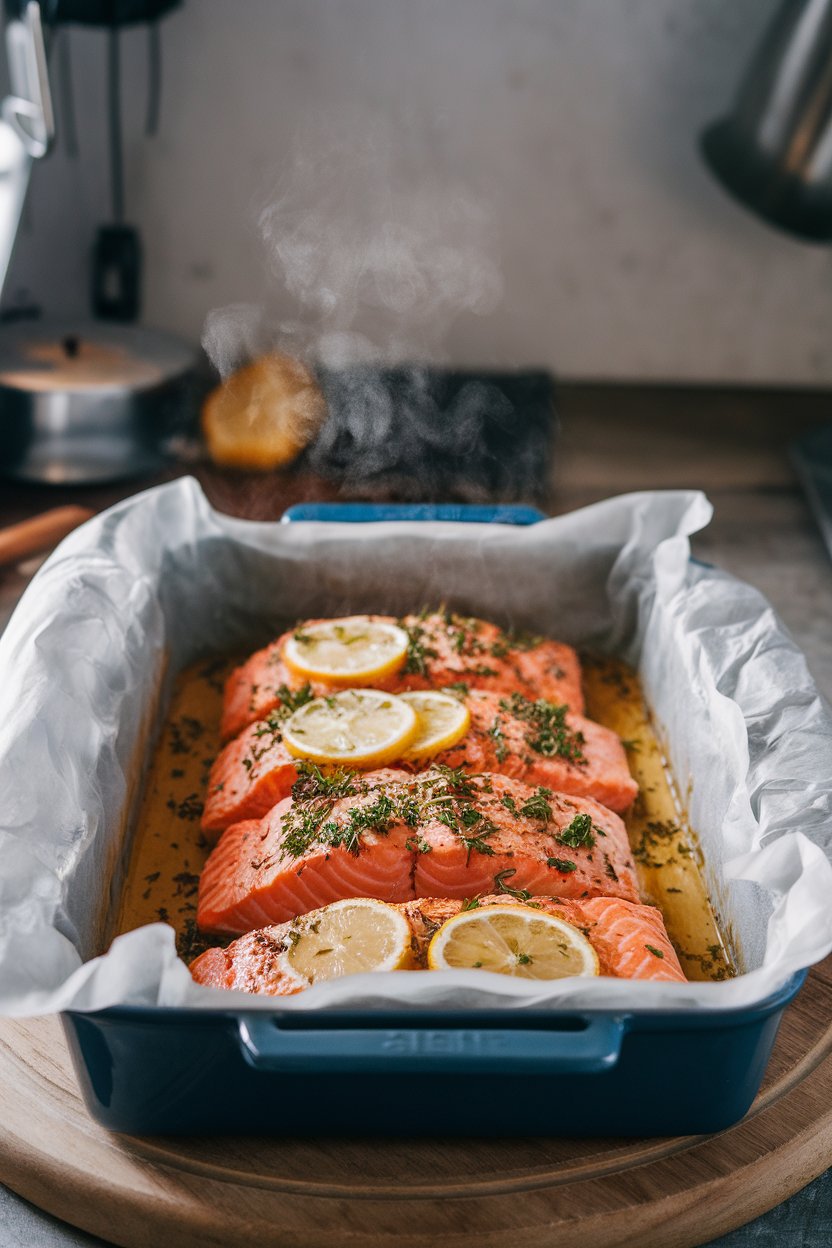
Salmon, trout, and sardines provide omega-3 fatty acids that support heart and brain health. Bake, grill, or poach for a quick main course. Pair with a side of vegetables and whole grains for balance.
11. Add Legumes to Salads
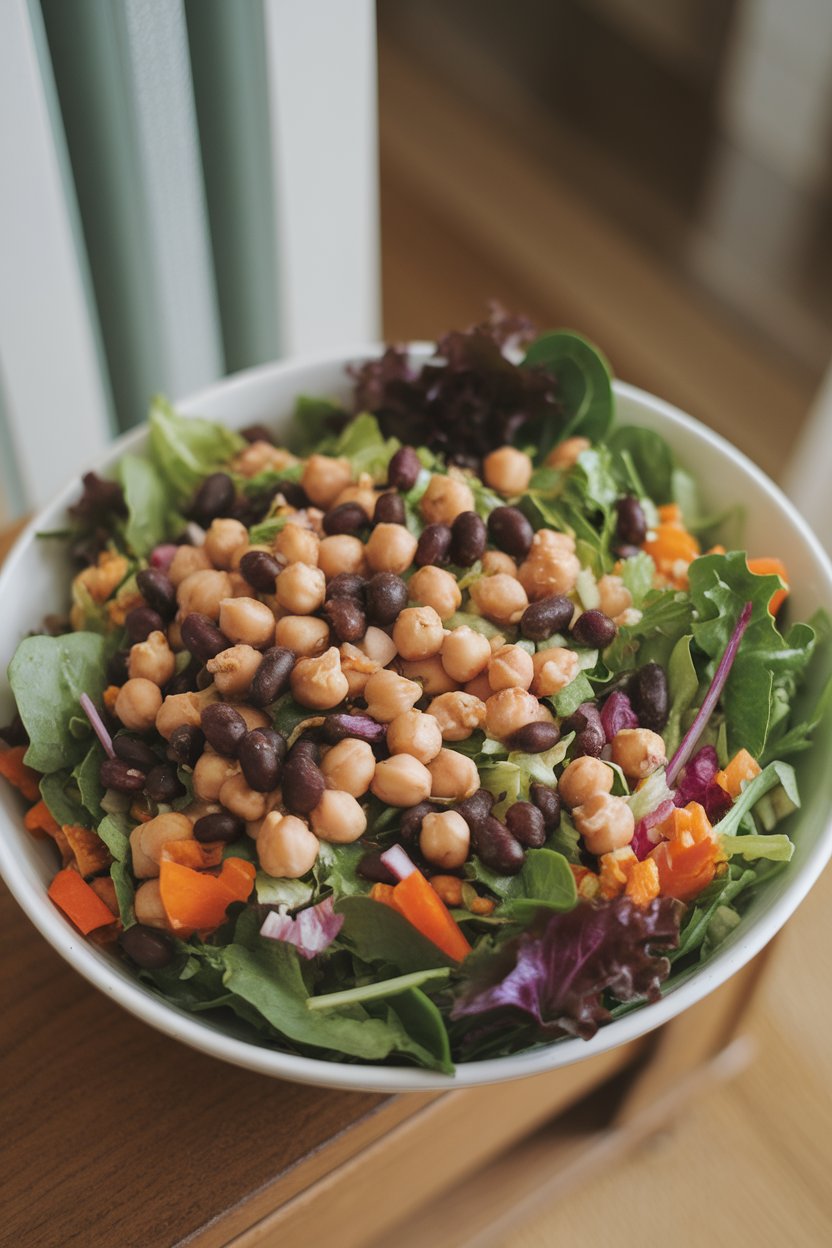
Beans boost fiber and plant protein while adding satisfying texture. Rinse canned varieties to cut sodium, or cook dry beans in bulk and freeze portions. They blend seamlessly into leafy or grain-based salads.
12. Blend Greens into Smoothies
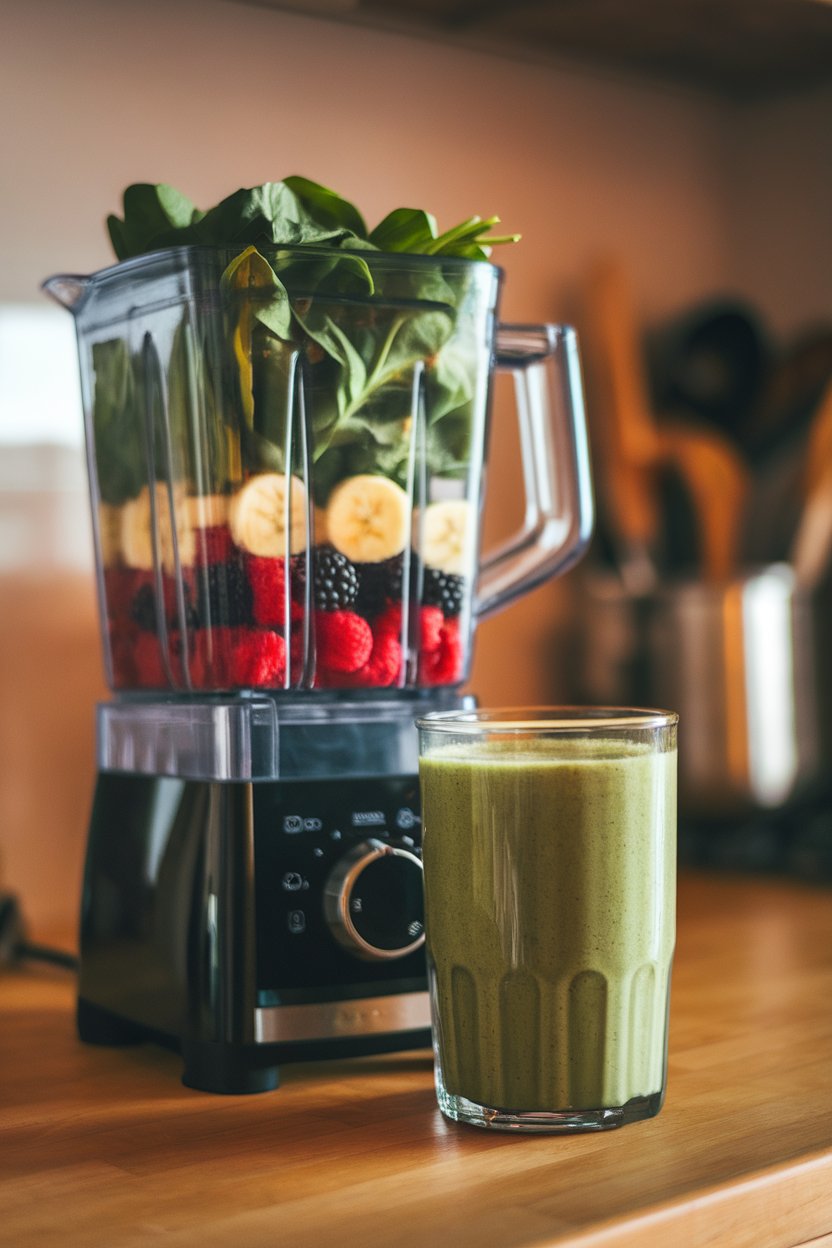
Spinach and kale vanish behind fruit flavors yet contribute vitamins and minerals. Freeze portions so smoothies come together in minutes. Start with a handful of greens and add more as your taste adjusts.
13. Experiment with Herbs and Spices Instead of Extra Salt
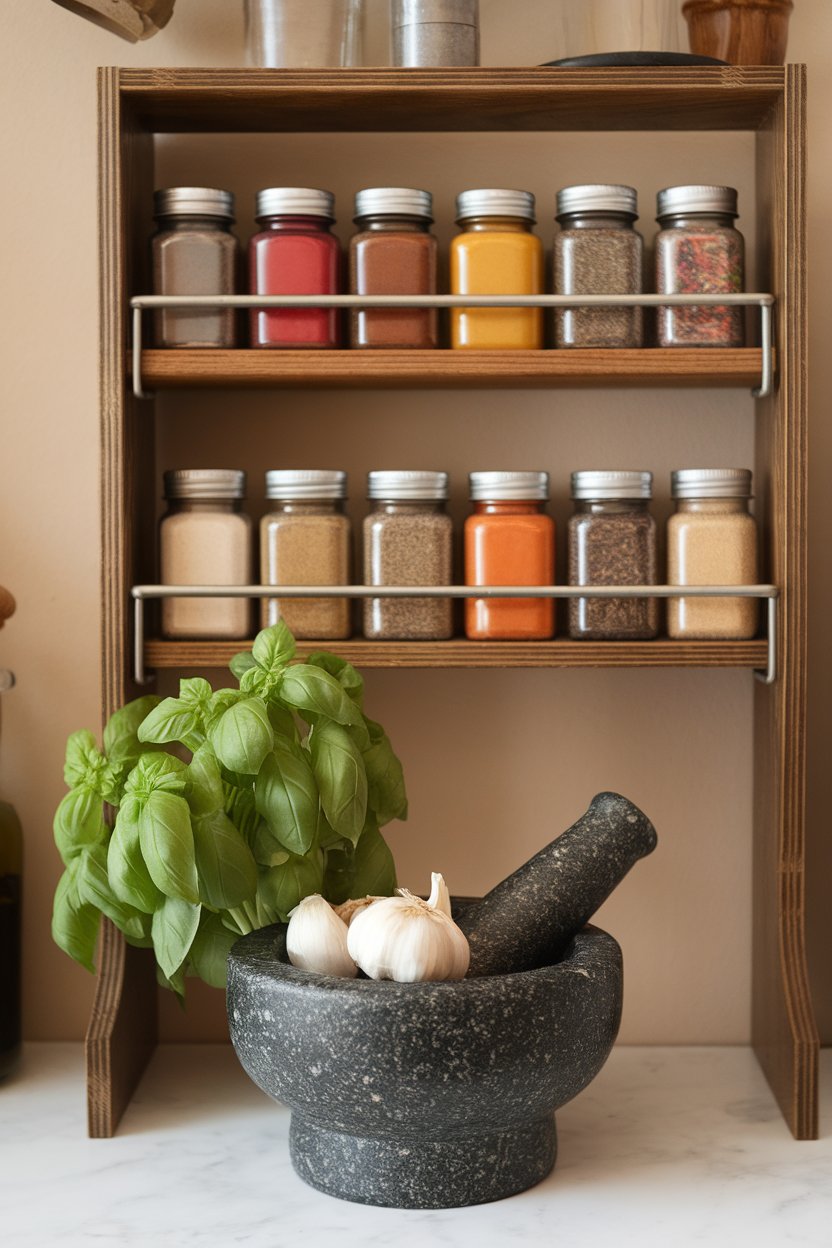
Seasonings like cumin, paprika, and fresh herbs impart depth without elevating sodium. Combine citrus zest with aromatics for big flavor lifts. Over time, taste buds recalibrate and crave less salt.
14. Limit Processed Meats
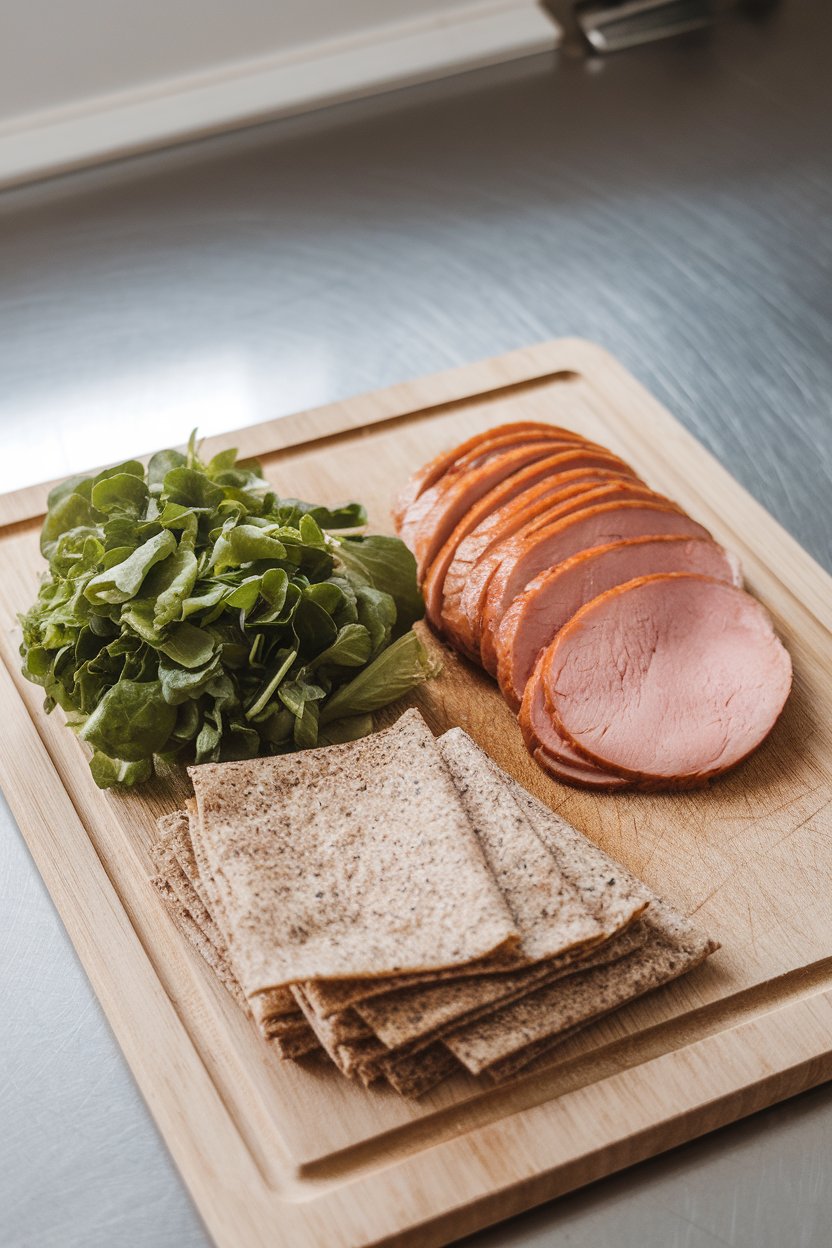
Frequent consumption of deli meats and sausages can increase sodium and preservative intake. Opt for freshly cooked poultry, lean beef, or plant-based fillings whenever possible. Season and slice them yourself for easy lunches.
15. Use Smaller Plates for Portion Control
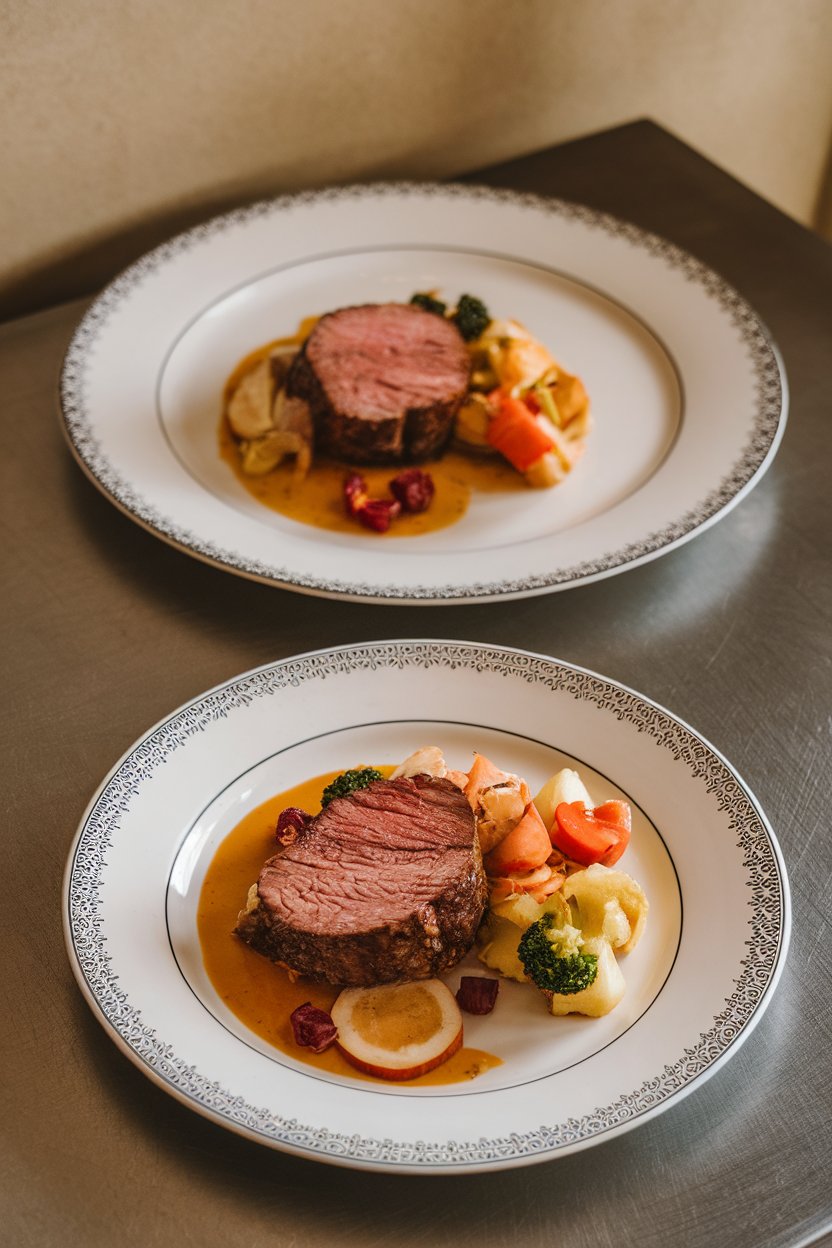
A reduced surface area makes modest servings look abundant, helping curb overeating. Pair this visual trick with mindful bites to feel content sooner. It’s an effortless way to recalibrate portions without counting every calorie.
16. Cook at Home More Often
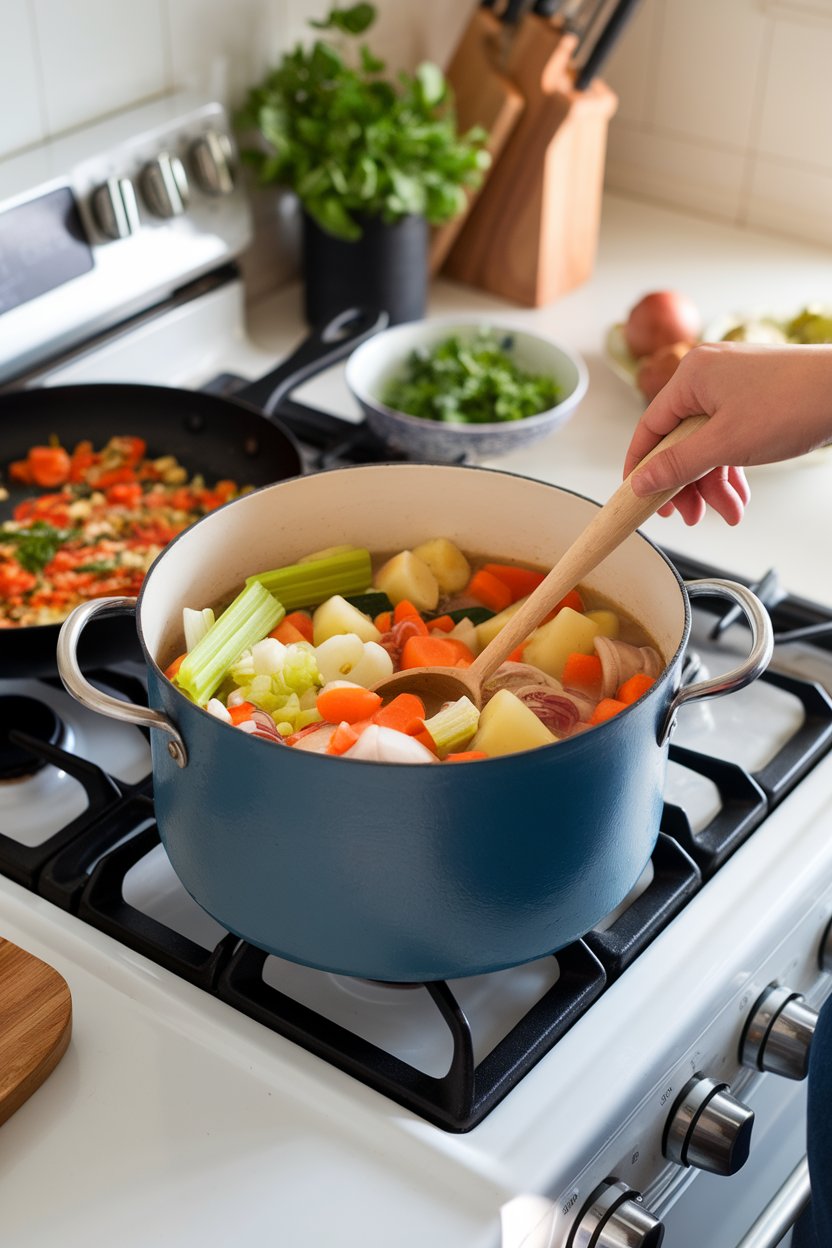
Preparing meals yourself lets you manage ingredients, salt, and fats. Batch-cook sauces, grains, or proteins on weekends to streamline weeknight dinners. The more you practice, the faster and tastier home cooking becomes.
17. Read Nutrition Labels Carefully
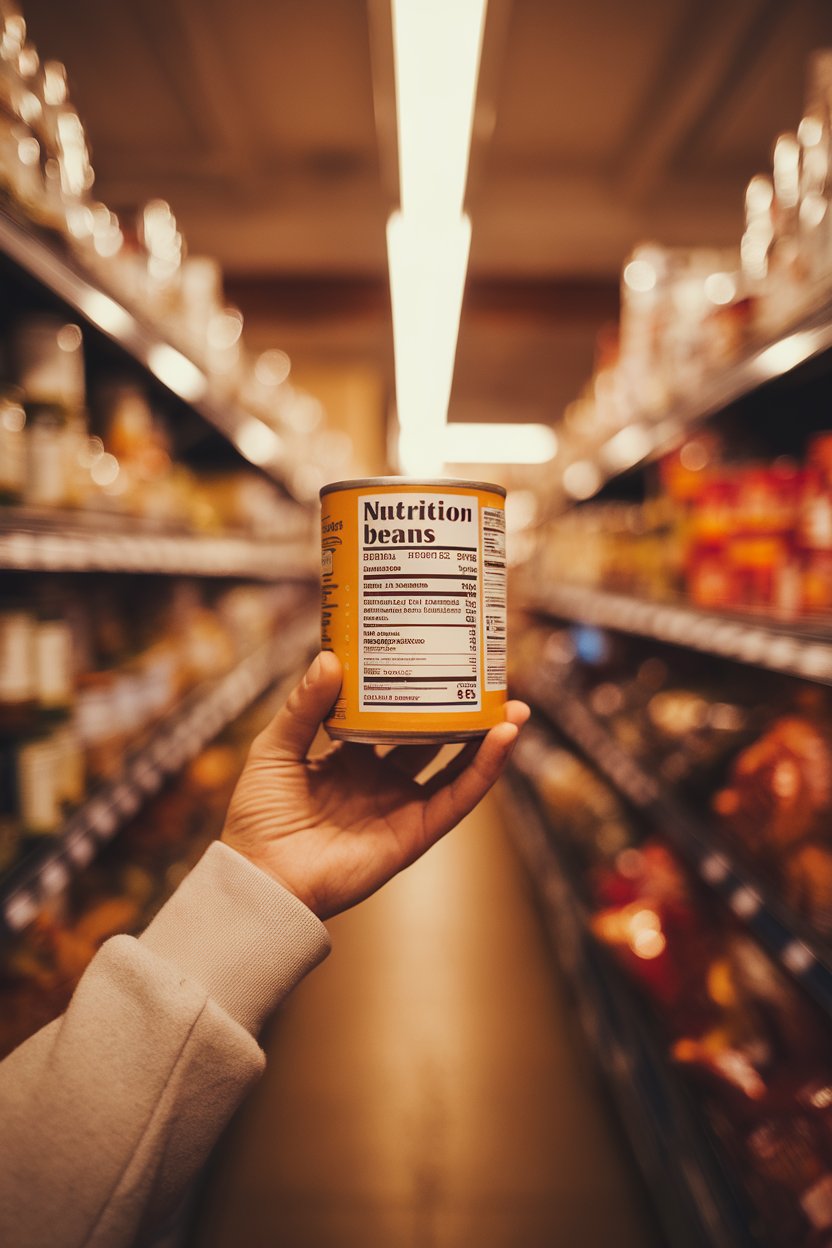
Check serving sizes, added sugars, and ingredient lists to make informed choices. Look for short, recognizable components and minimal sodium. Over time, scanning labels turns into second nature.
18. Prioritize Fiber Intake
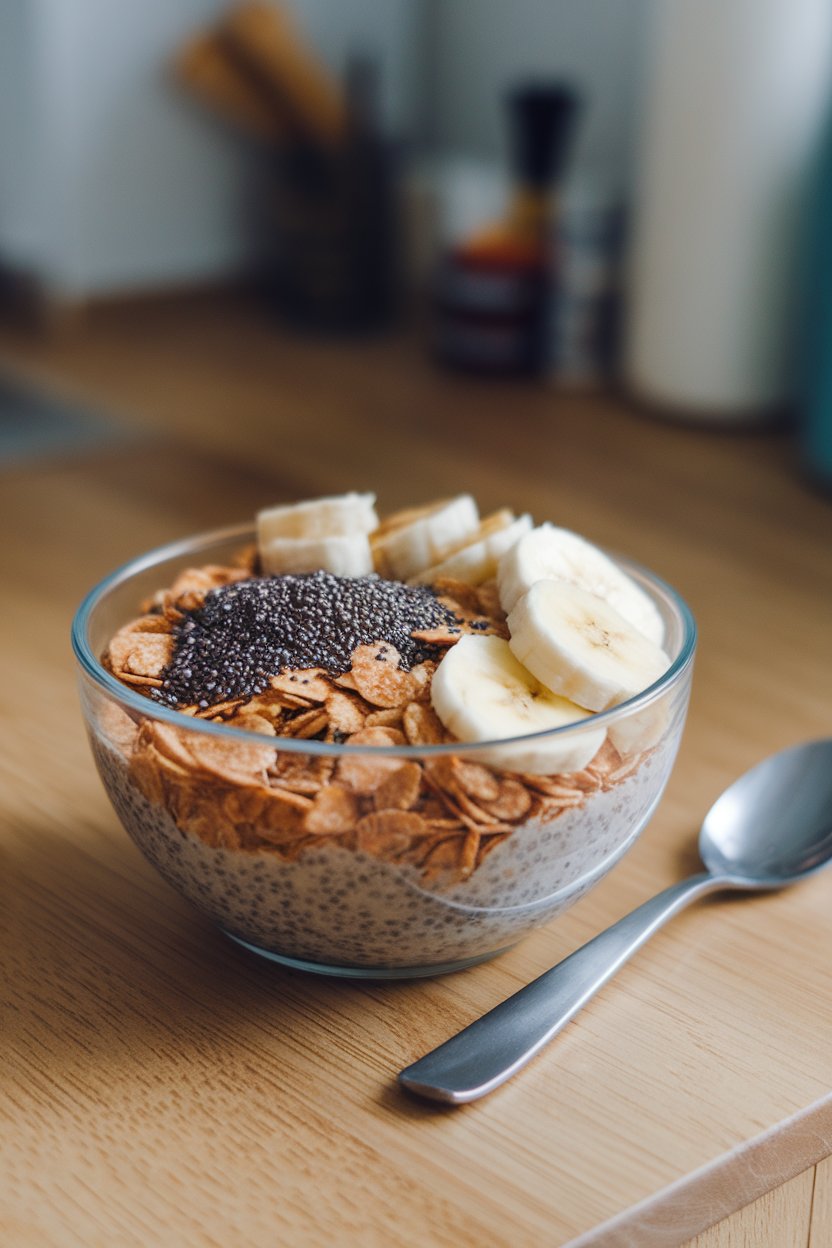
Fiber supports digestion and keeps you fuller longer. Whole grains, legumes, fruits, and veggies are natural sources. Gradually increase intake and drink plenty of water to avoid discomfort.
19. Choose Seasonal Produce
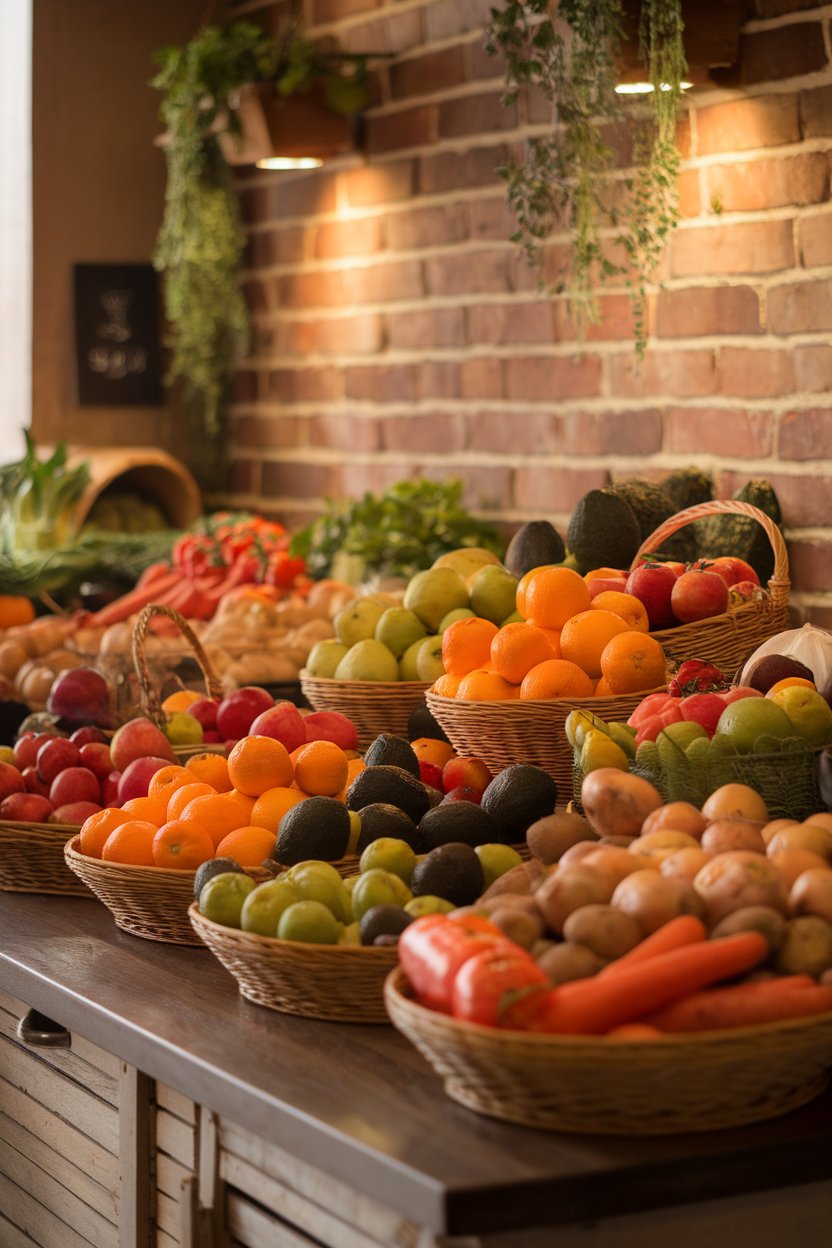
In-season produce tastes better and often costs less. Rotate recipes around what’s ripe—think asparagus in spring or squash in autumn. This habit also widens nutrient variety throughout the year.
20. Include Fermented Foods Daily
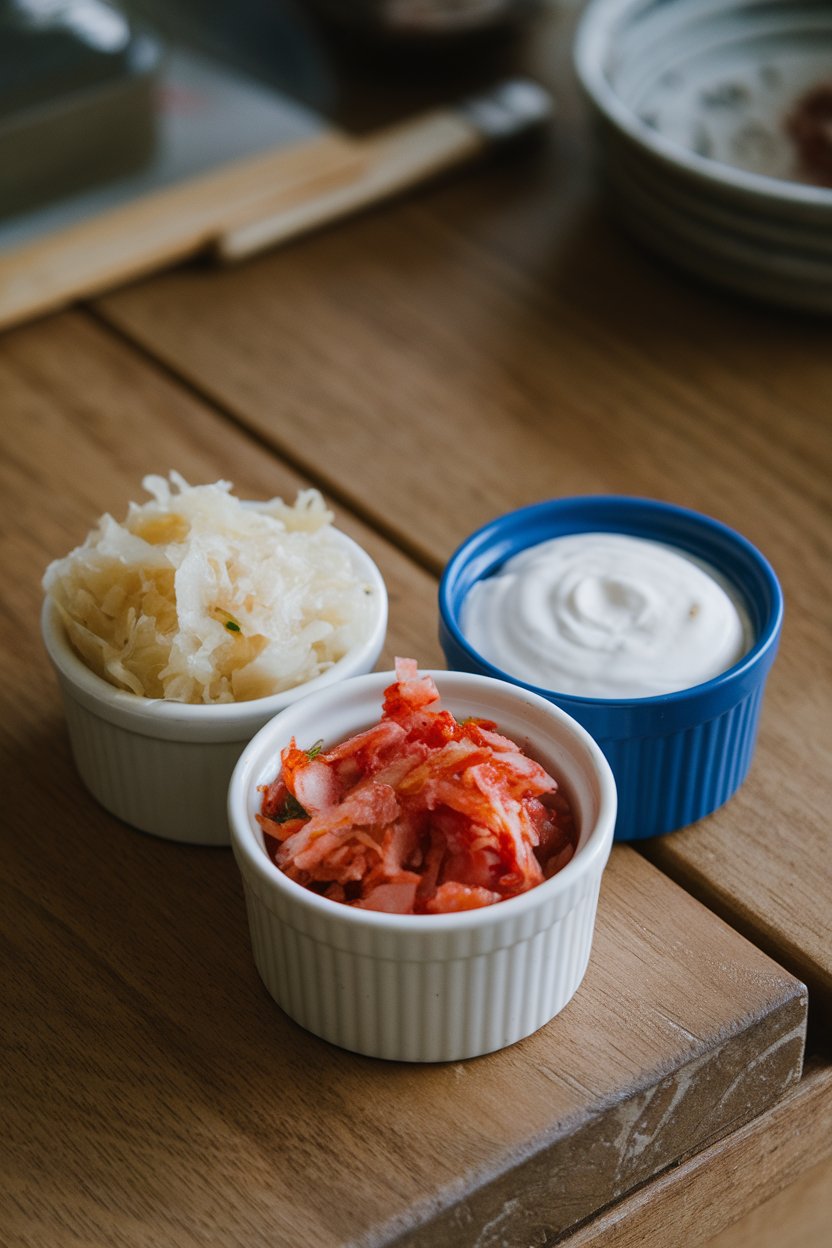
Foods like yogurt, kefir, and kimchi provide beneficial bacteria that support gut health. Start with a spoonful alongside meals and build up gradually. Store-bought options should list live cultures on the label.
21. Balance Macronutrients in Each Meal
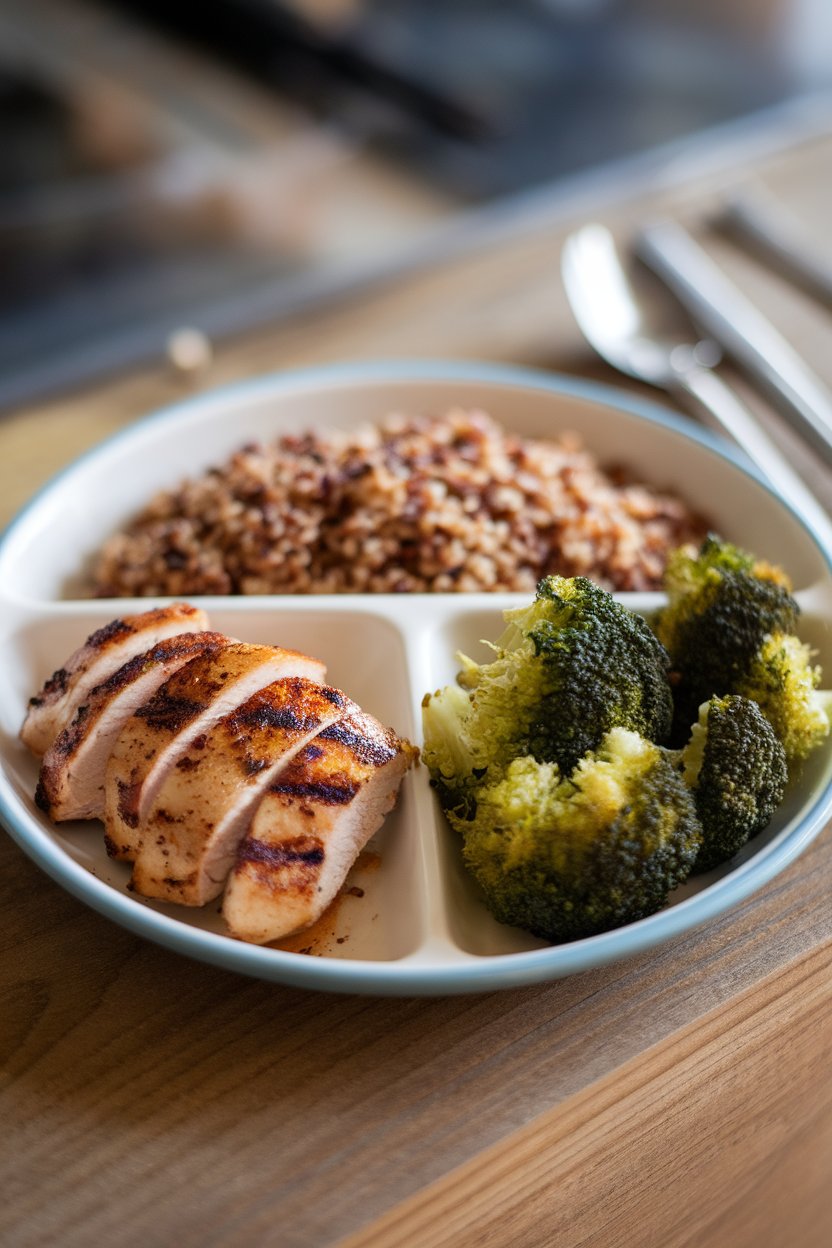
Pair proteins, healthy fats, and complex carbs to maintain steady energy. This combination moderates blood sugar and boosts satiety. Visualizing equal portions simplifies the process.
22. Slow Down and Chew Thoroughly
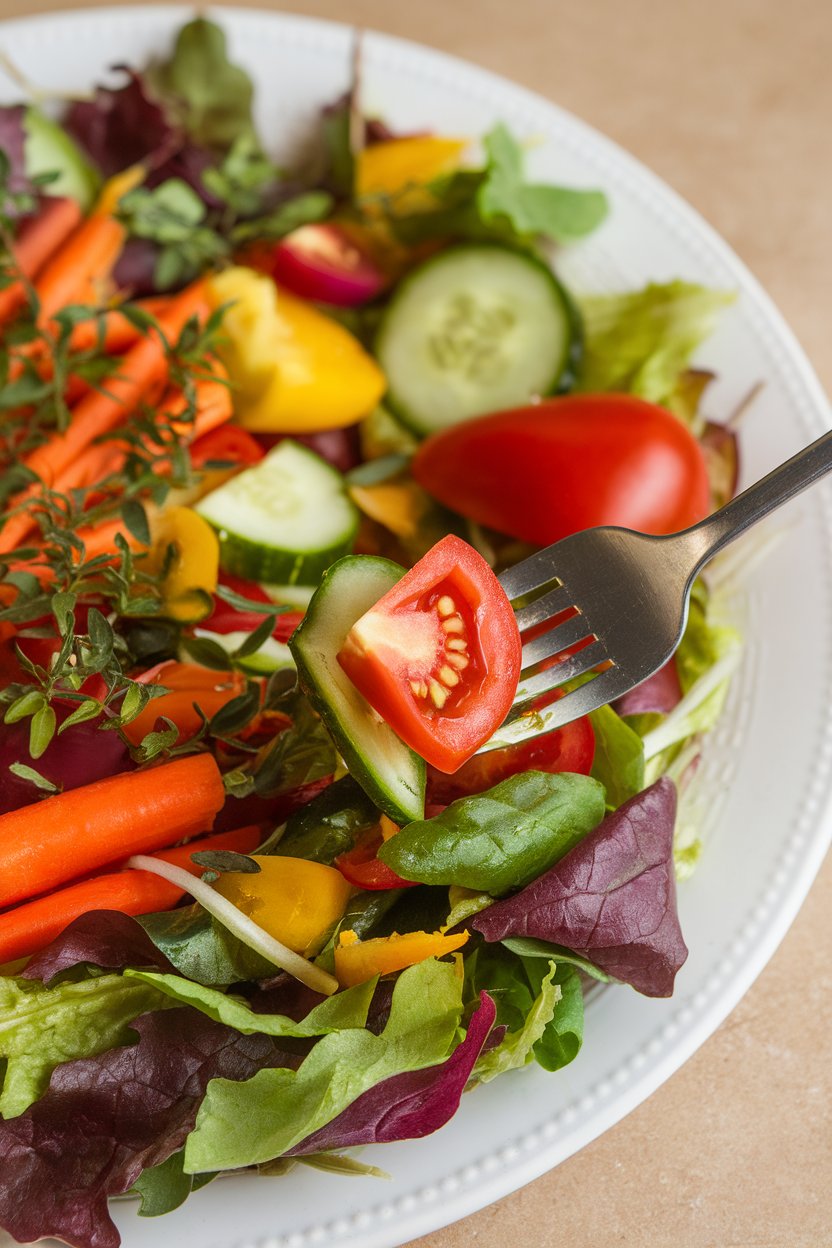
Chewing well aids digestion and gives the brain time to register fullness. Putting the utensil down between bites can help pace the meal. You’ll often discover you’re satisfied sooner than expected.
23. Bake, Grill, or Steam Instead of Fry

Dry-heat methods reduce added fats while preserving flavor. A light brush of oil and herbs is usually enough for browning. Steaming works well for delicate fish and veggies that might dry out during baking.
24. Keep Healthy Fats in Rotation
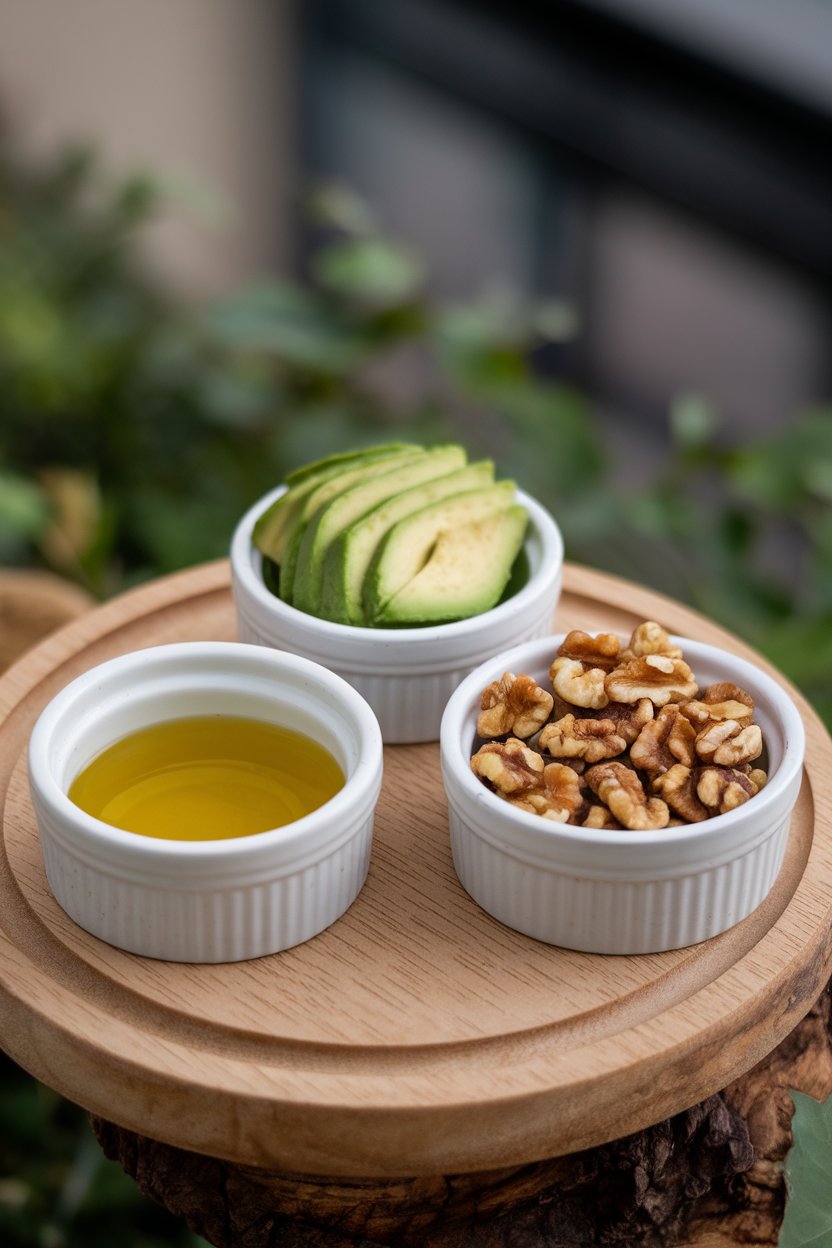
Monounsaturated and polyunsaturated fats support heart and brain function. Rotate sources like olive oil, nuts, seeds, and avocado to diversify nutrients. Use them in moderation since calories add up quickly.
25. Enjoy Meatless Mondays
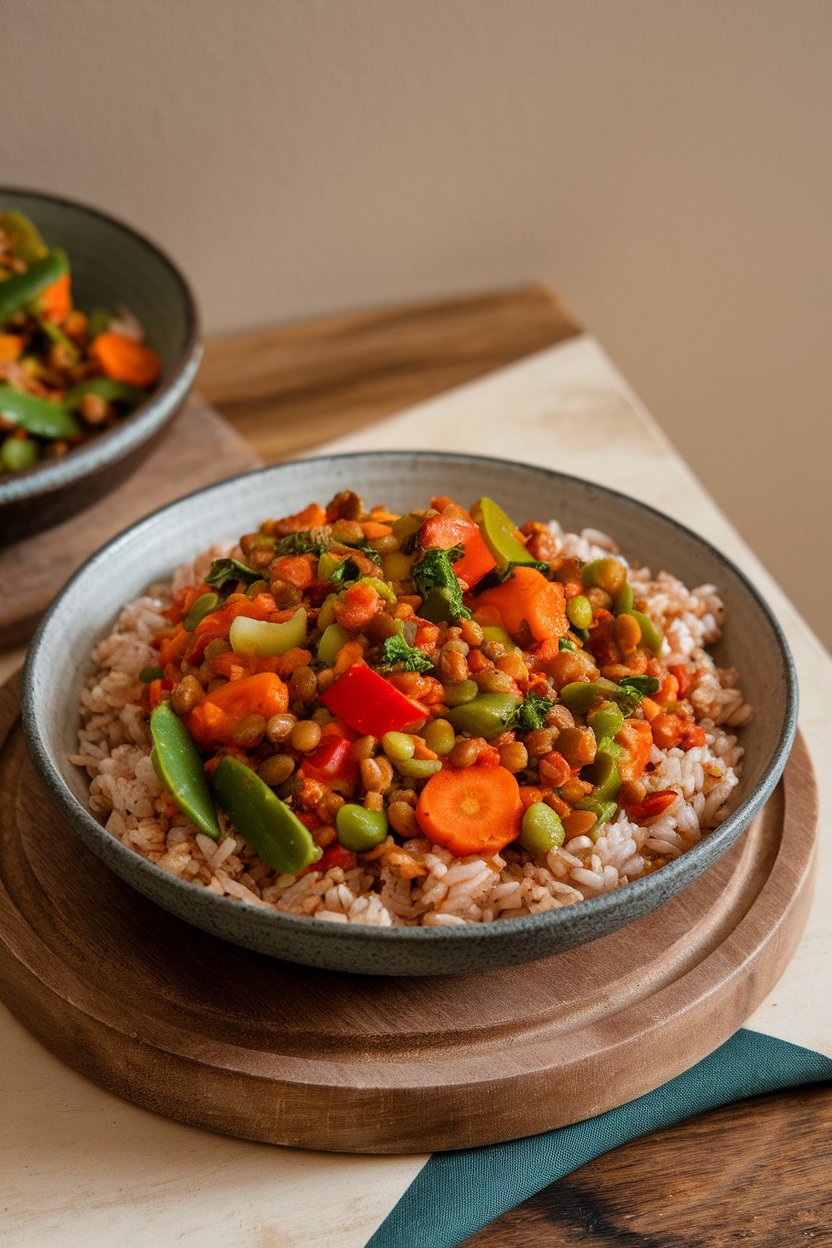
Setting aside one day a week for plant-based meals boosts fiber and lowers saturated fat. Experiment with lentils, beans, or tofu as the main protein. Many dishes come together faster and cost less than meat-centric counterparts.
26. Freeze Leftover Soups and Stews
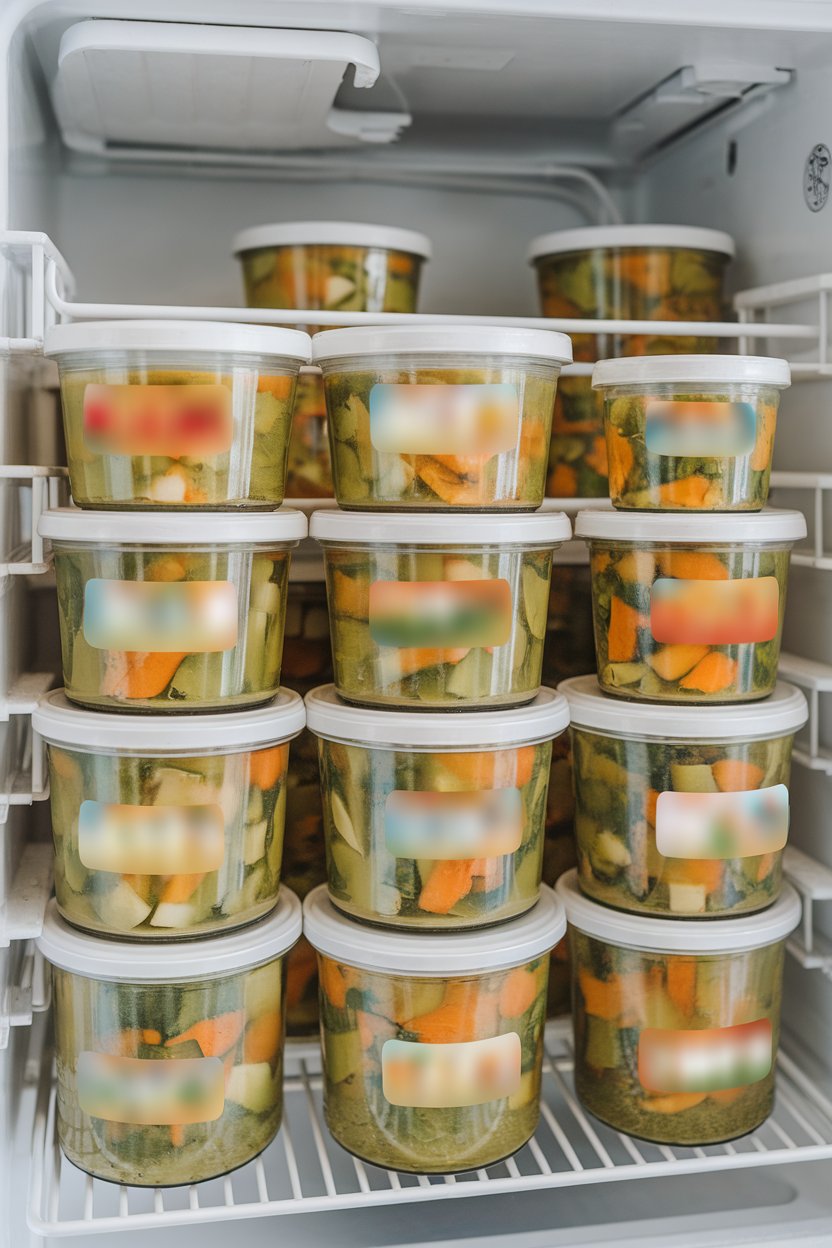
Batch cooking and freezing cuts down on food waste and supplies quick meals for busy days. Cool dishes fully before portioning them into freezer-safe containers. Thaw overnight in the fridge or gently reheat on the stove.
27. Add Berries for Natural Sweetness
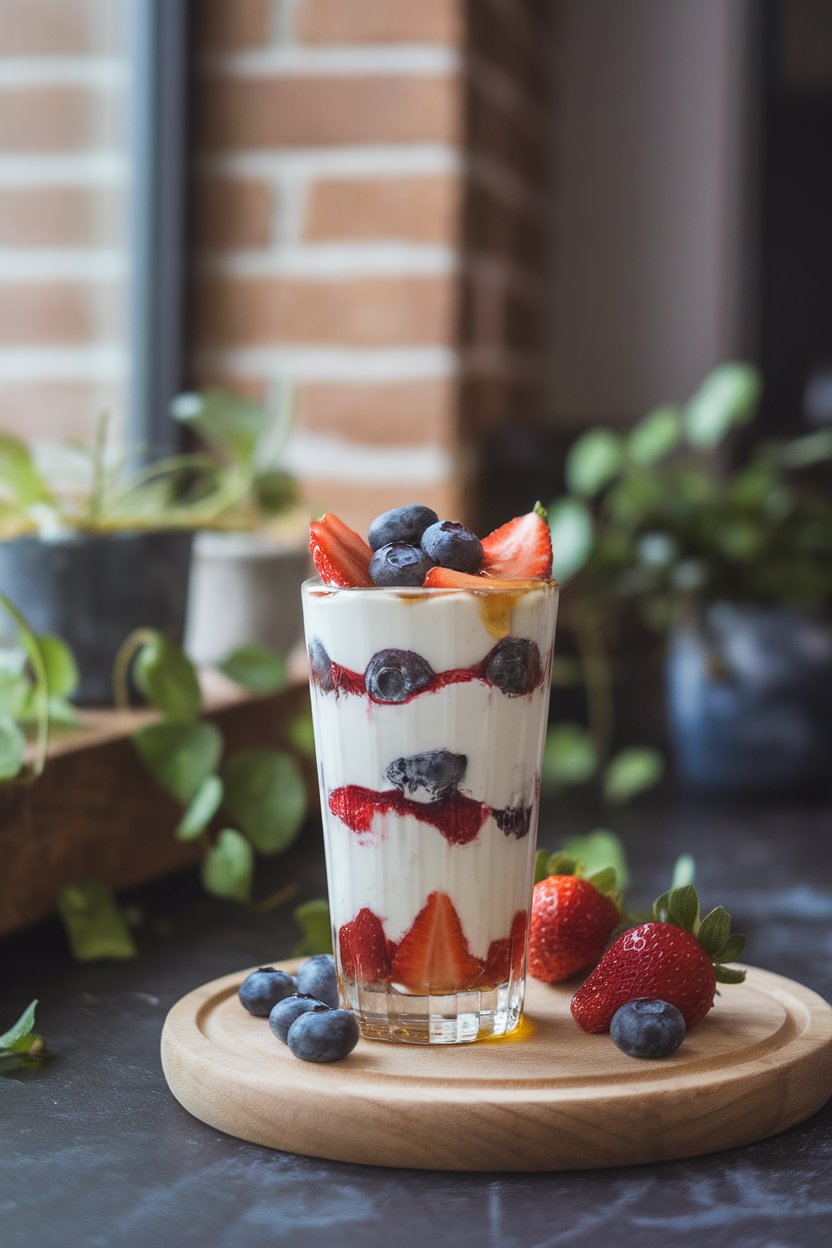
Berries sweeten dishes while contributing antioxidants and fiber. Stir them into cereal, salads, or baked goods. Frozen varieties work just as well when fresh berries are out of season.
28. Portion Out Snacks in Advance
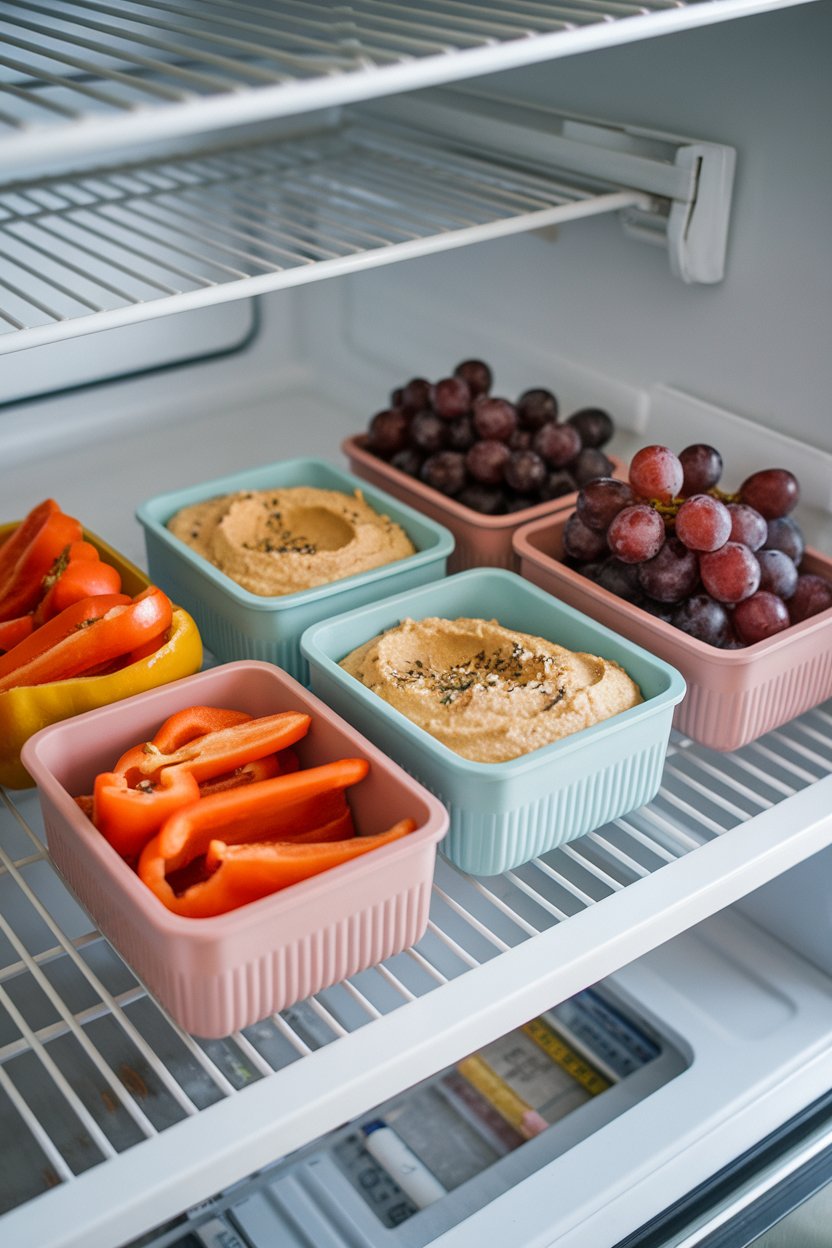
Dividing snacks ahead curbs the urge to eat straight from large packages. Choose a mix of protein, produce, and healthy fats for balance. This habit also simplifies lunch packing.
29. Eat the Rainbow
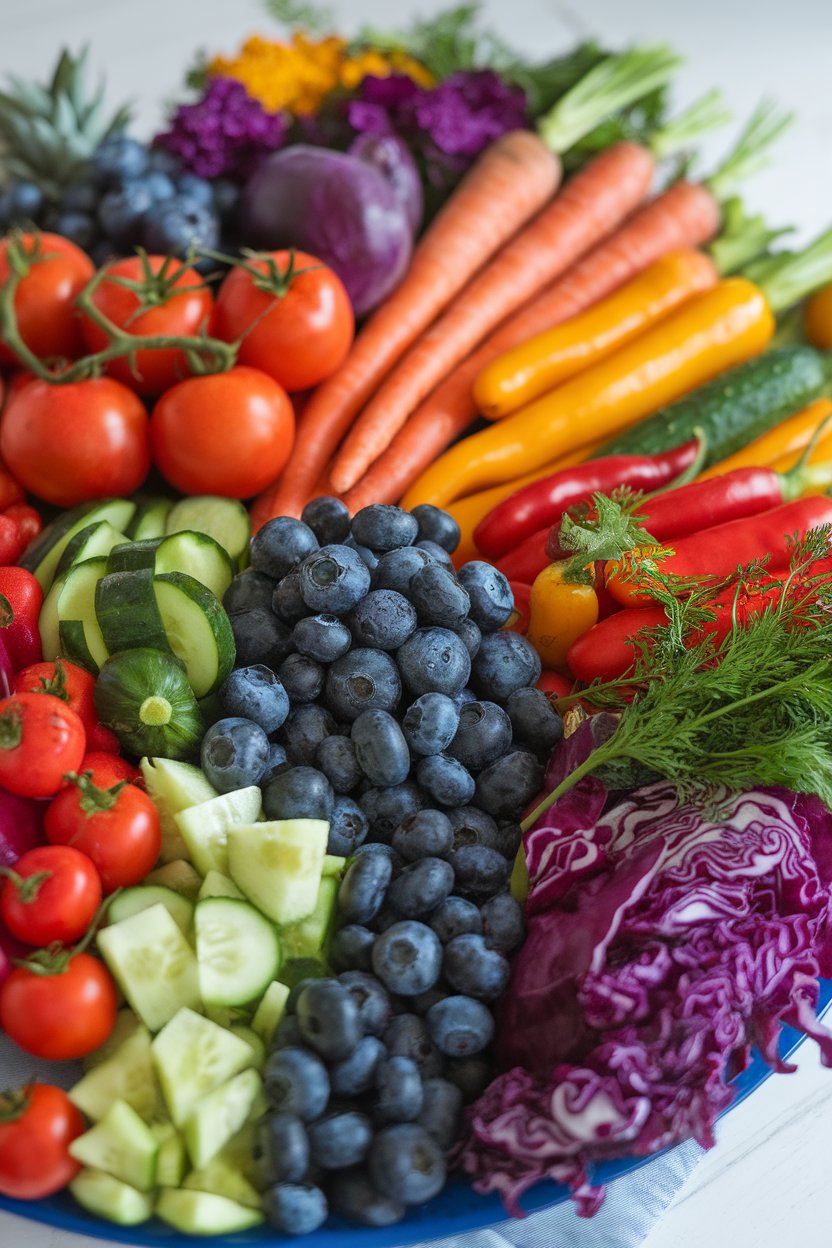
Color diversity signals a range of phytonutrients. Challenge yourself to include at least three different hues at every meal. It keeps plates attractive and nutrients varied.
30. Replace Creamy Dressings with Vinaigrettes
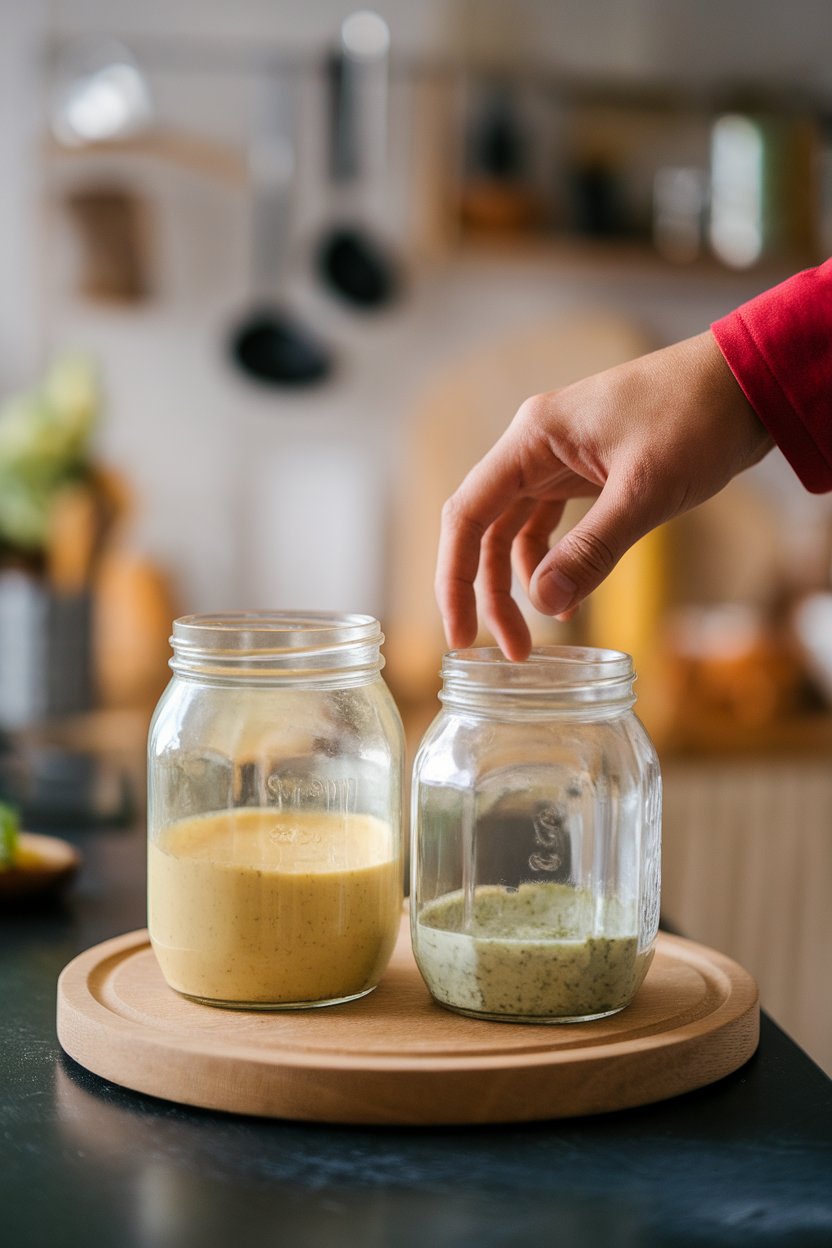
Oil-and-vinegar blends are lighter yet still flavorful. Whisk olive oil with lemon juice, mustard, and herbs for a quick homemade version. Store in the fridge for up to a week and shake before using.
31. Boost Oatmeal with Nuts and Fruit
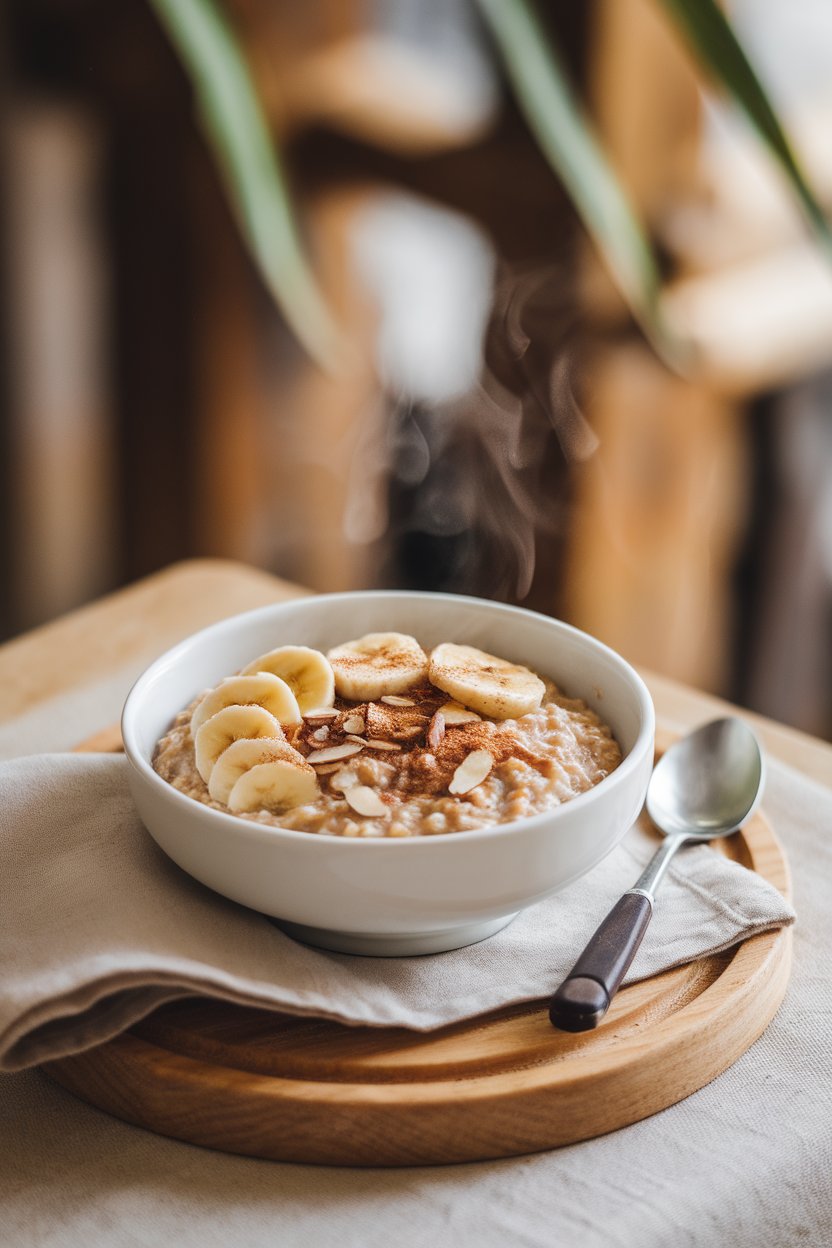
Oats alone are wholesome, but toppings add texture and extra nutrients. Mix nuts for healthy fats and fruit for natural sweetness. Cinnamon or vanilla extract elevates flavor without added sugar.
32. Roast Vegetables for Extra Flavor
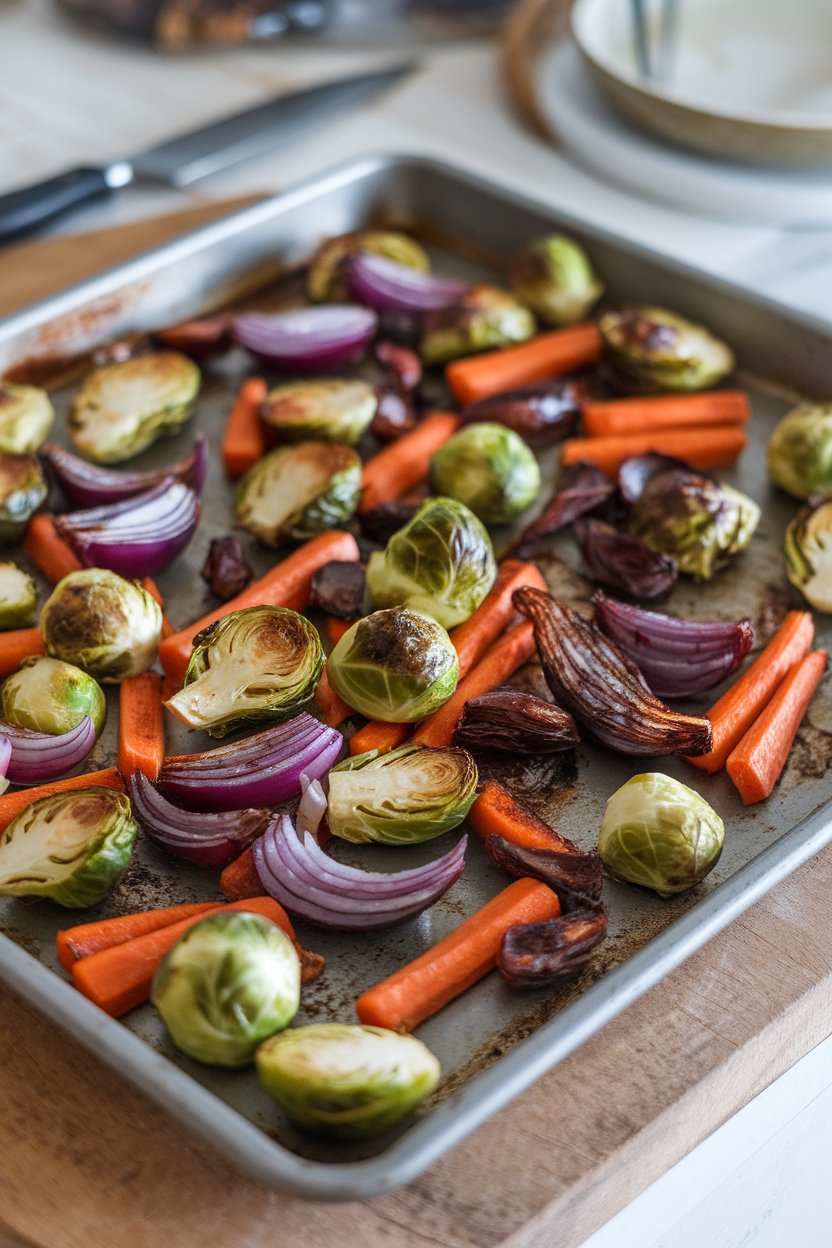
High-heat roasting concentrates natural sugars and yields crisp edges. Toss veggies with a thin layer of oil and seasoning, then spread evenly to avoid steaming. Leftovers make excellent additions to salads and wraps.
33. Add Citrus Zest to Dishes
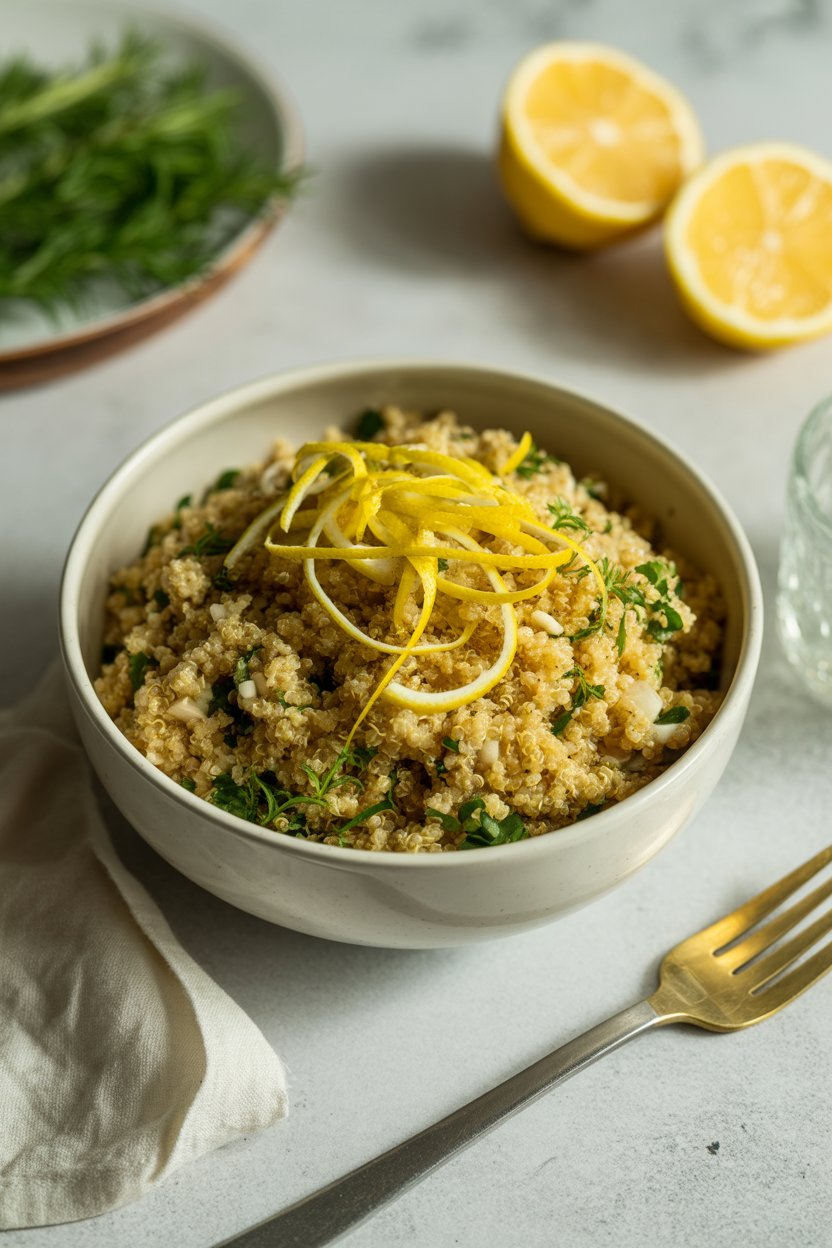
Grated zest infuses bright flavor without extra sodium or sugar. Keep washed citrus on hand and zest directly over finished meals. It pairs especially well with fish, grains, and roasted veggies.
34. Practice Intuitive Hunger Cues

Check in with your body to gauge true hunger versus habit or emotion. Ranking hunger on a simple scale can guide portion sizes and meal timing. Over time, trust in these signals becomes stronger.
35. Limit Added Sugars
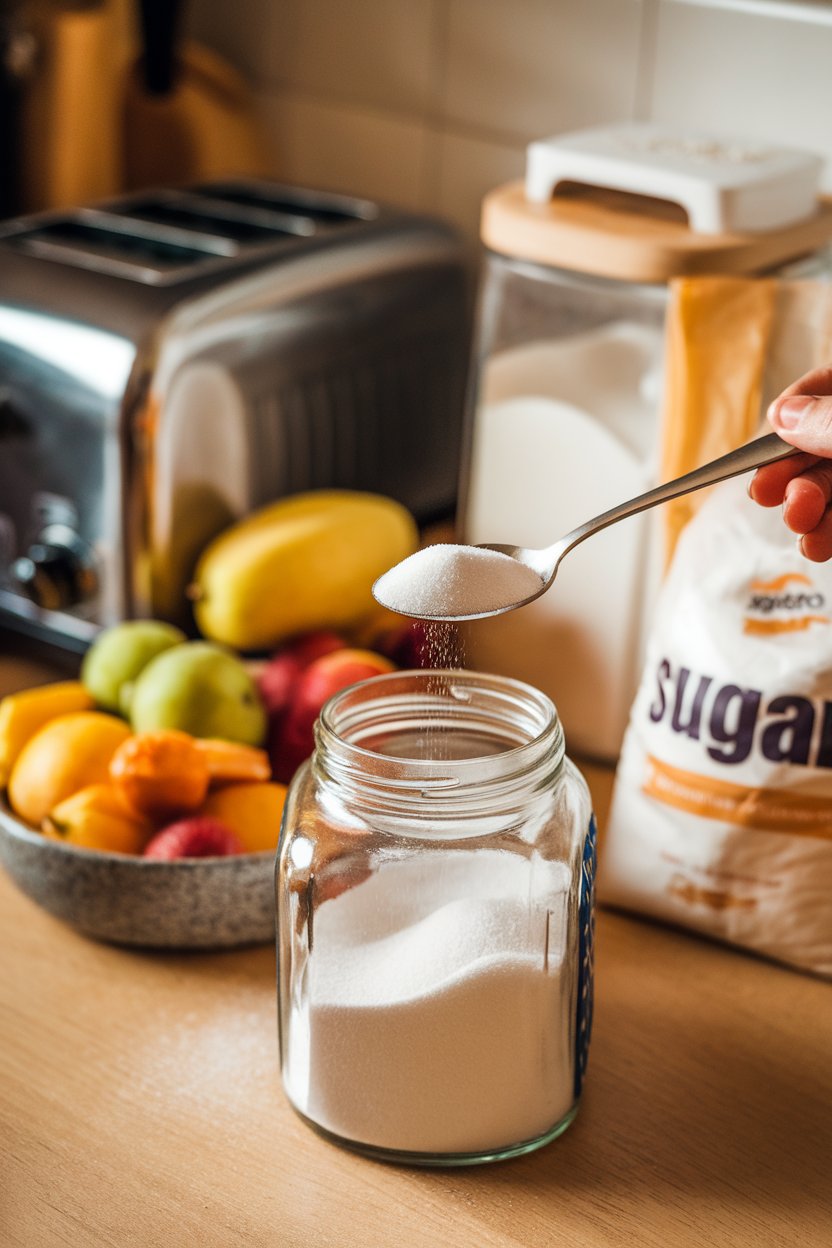
Excess sugar can crowd out nutrient-dense foods and spike energy levels. Scan ingredient lists for syrups and hidden sweeteners. Rely on fruit, spices, and vanilla to satisfy a sweet tooth.
36. Choose Dark Chocolate for Dessert
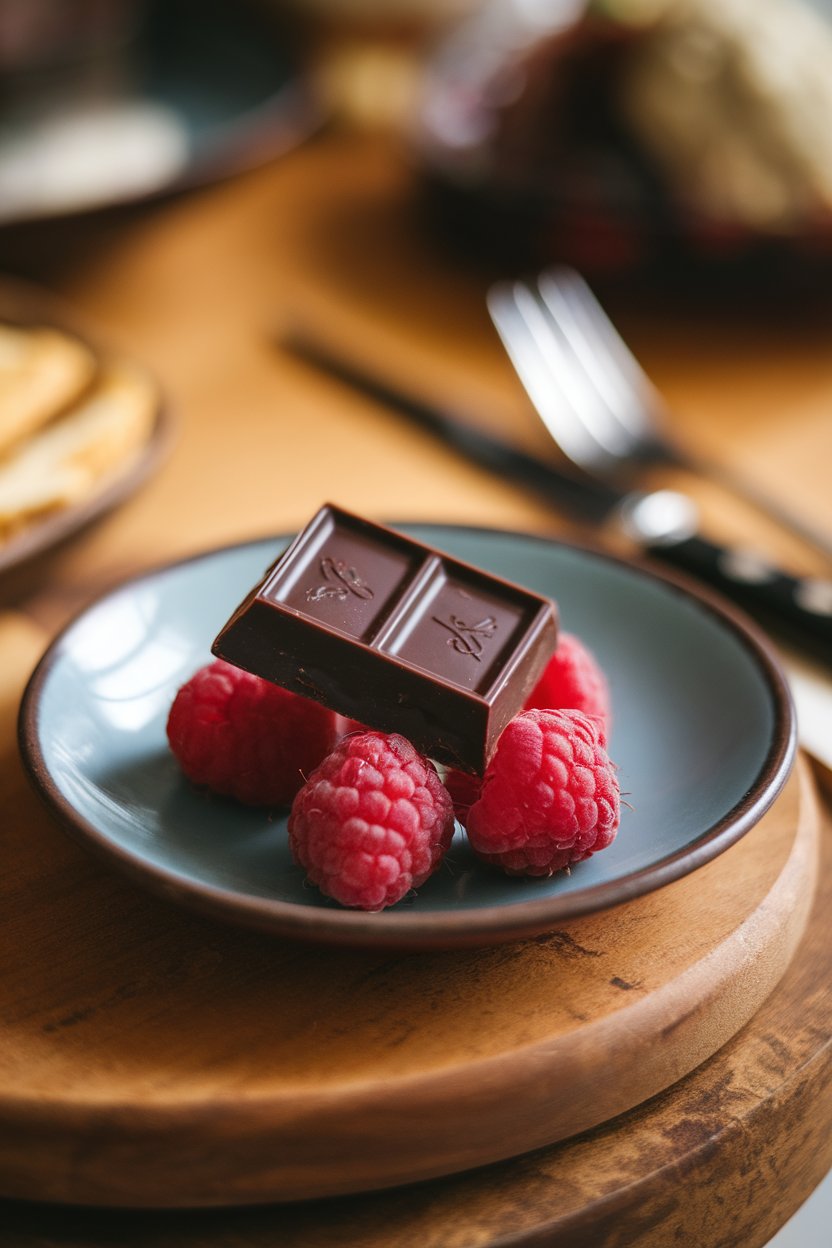
Dark chocolate offers antioxidants and bold flavor, so a little satisfies. Look for options with cocoa content above 70 percent and modest sugar. Pair with fruit for a balanced treat.
37. Keep a Water Bottle Handy
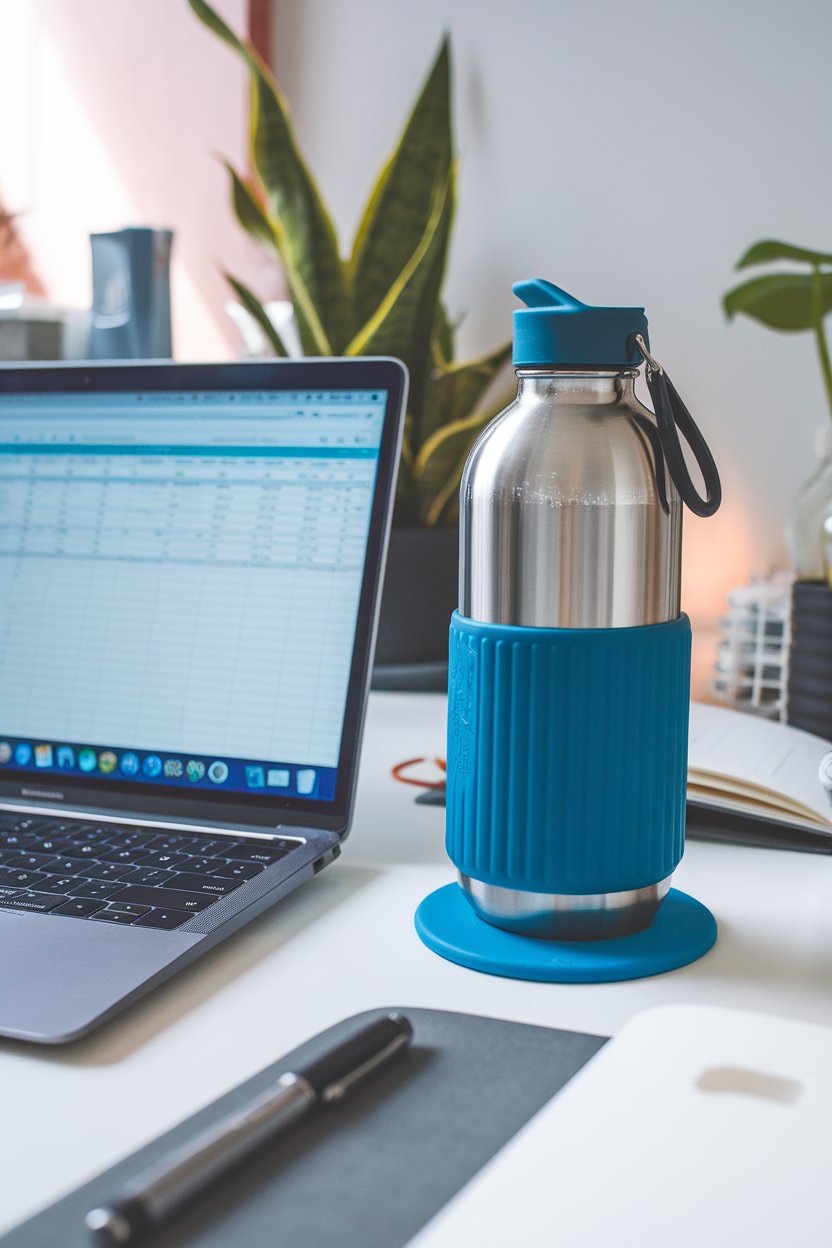
Easy access encourages frequent sips and helps you reach daily hydration goals. Refill the bottle whenever it’s half empty to stay ahead of thirst. Flavor it with cucumber or mint if plain water feels boring.
38. Bulk Up Sauces with Pureed Vegetables
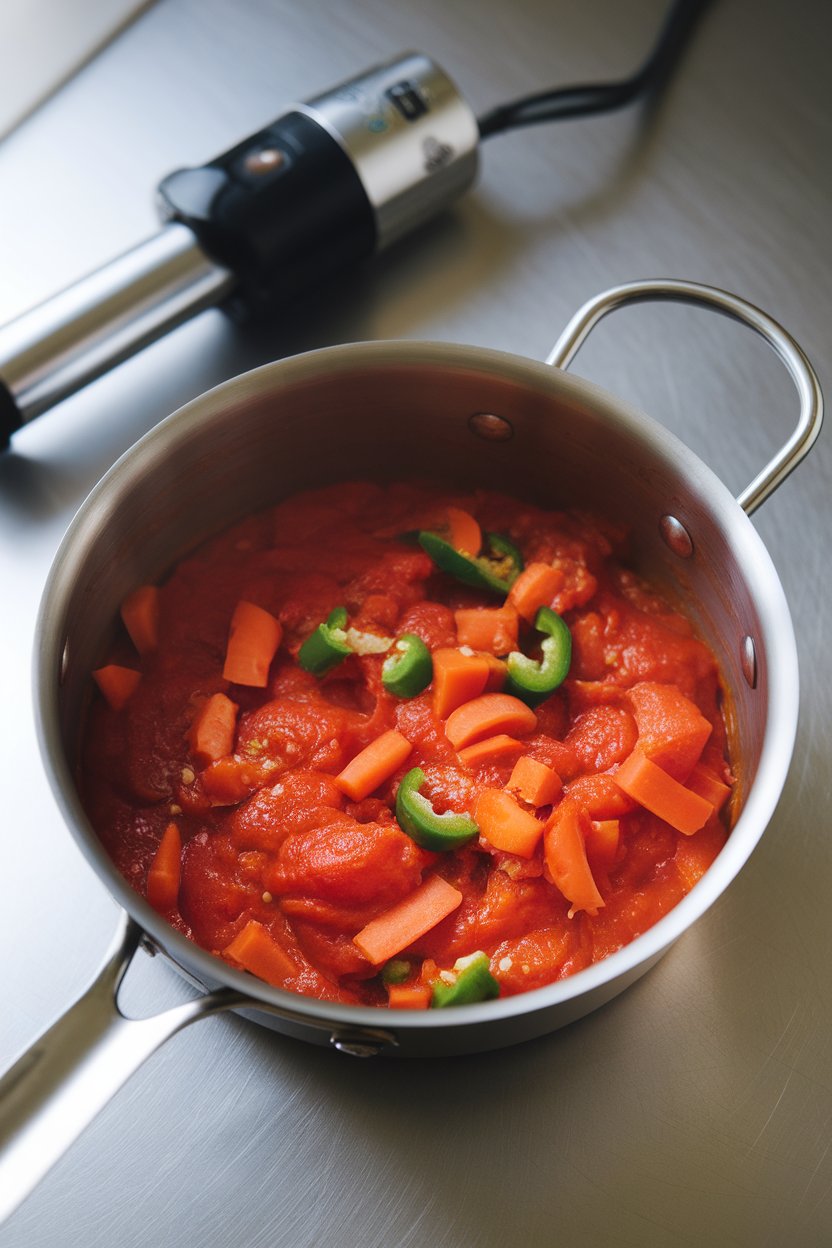
Puréed veggies thicken sauces naturally and add micronutrients. Carrots, cauliflower, and squash blend seamlessly into marinara or cheese sauce. The result is creamy, flavorful, and lighter than heavy creams.
39. Use Greek Yogurt as a Substitute

Thick yogurt replaces sour cream in dips and baked goods while adding protein. Its tangy profile suits dressings and marinades too. Choose plain varieties to sidestep extra sugars.
40. Try Ancient Grains Like Quinoa or Farro
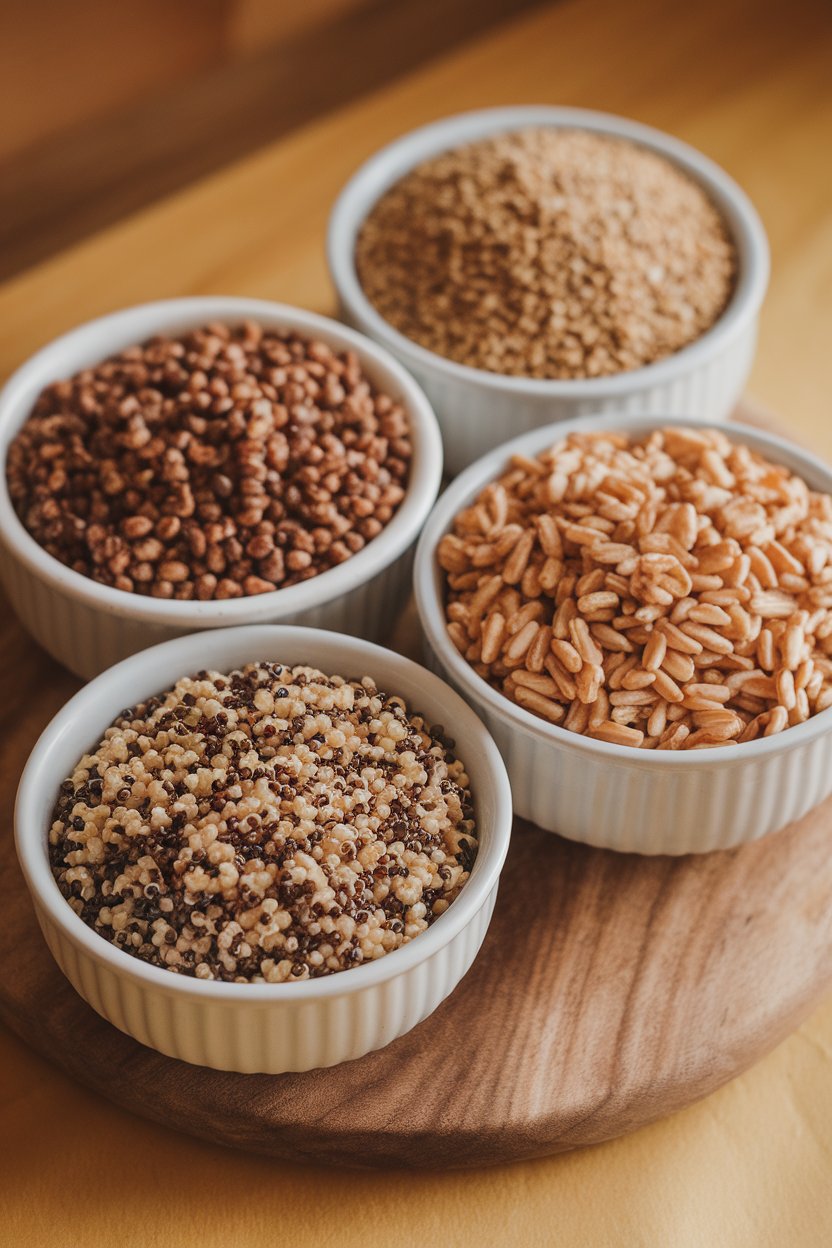
Ancient grains diversify flavor and nutrient profiles beyond typical rice or pasta. Many cook quickly and store well for meal prep. Toss them into salads or serve as a hearty side dish.
41. Make Your Own Salad Dressings
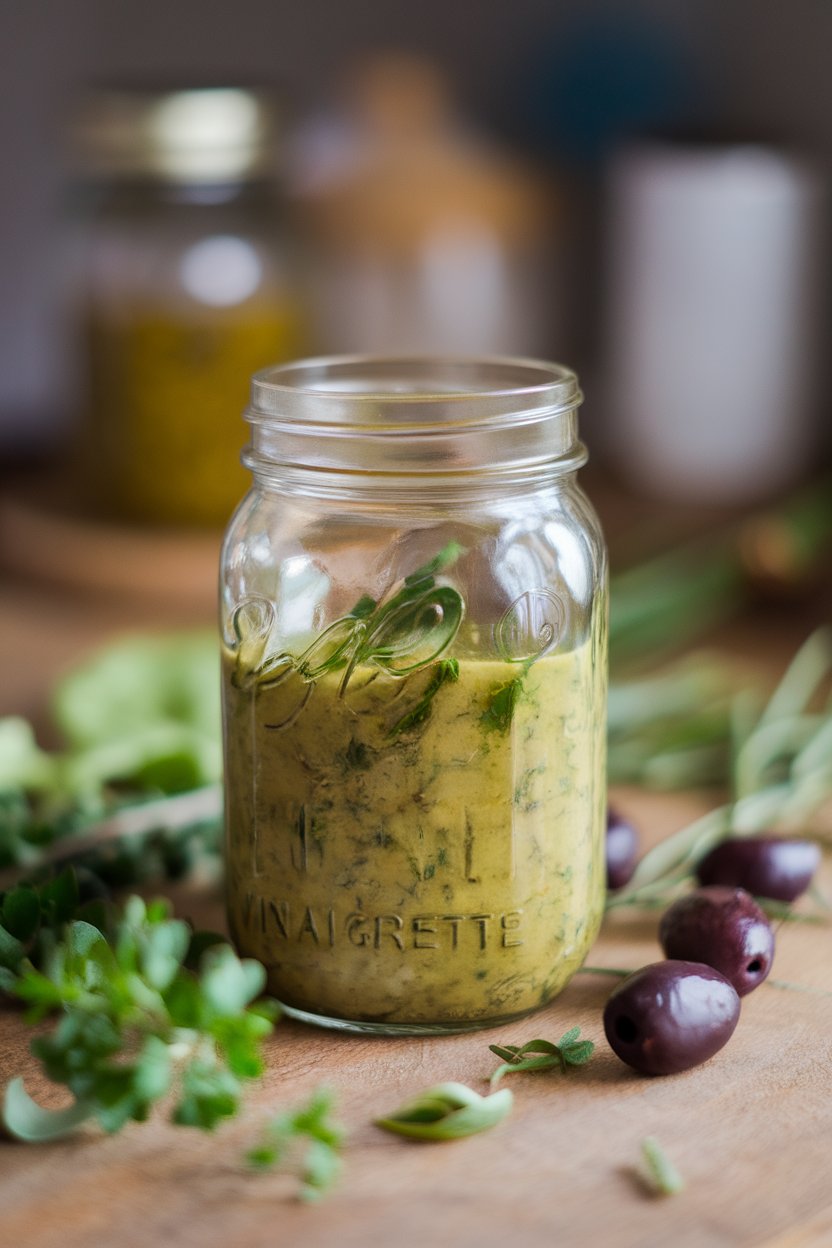
DIY dressings cut down on added sugars, sodium, and preservatives. Basic ratios start with three parts oil to one part acid, plus seasonings. Shake ingredients in a jar and refrigerate for convenience.
42. Experiment with Plant-Based Proteins
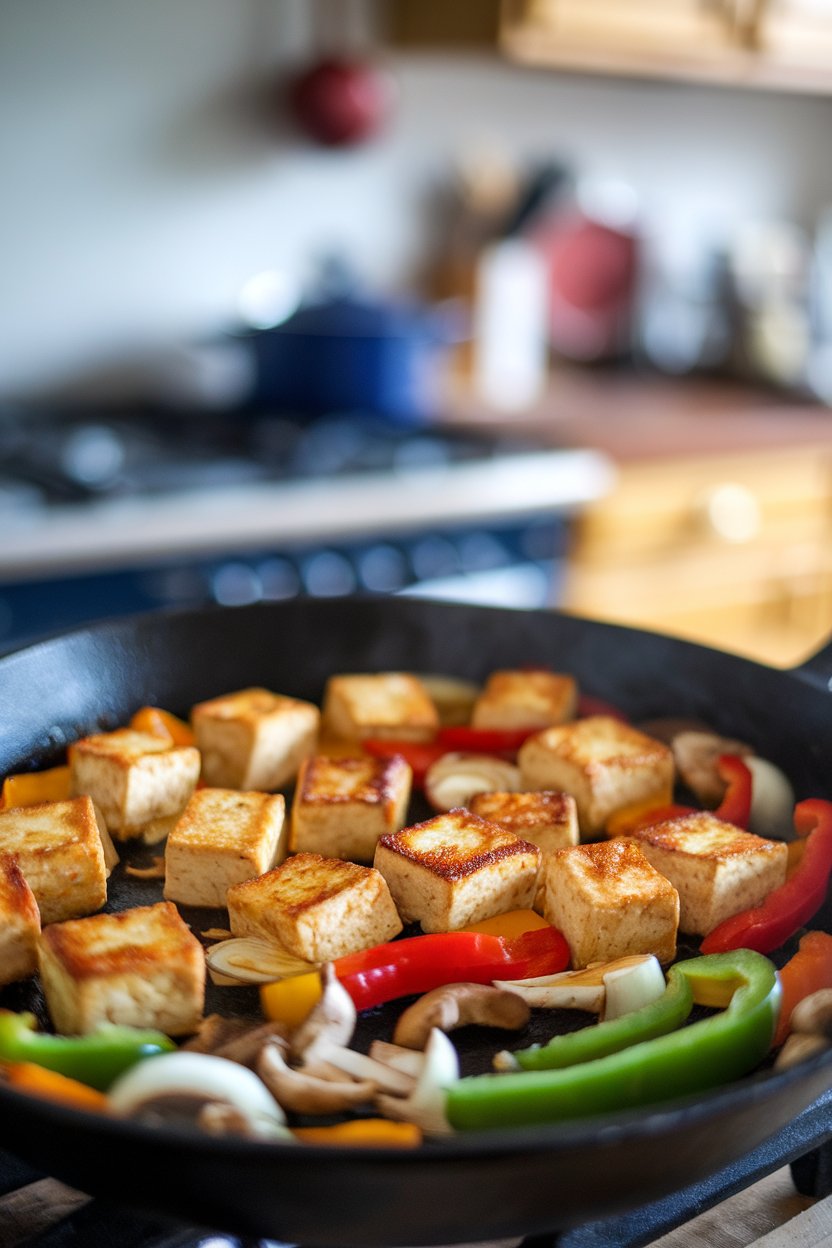
Tofu, tempeh, and seitan accept flavors readily and offer valuable protein. Marinate them for depth, then grill, bake, or stir-fry. Rotating plant options eases reliance on animal sources.
43. Flavor Water with Fresh Herbs

Herb-infused water feels spa-like and encourages regular sipping. Experiment with combinations like rosemary-grapefruit or mint-lime. Keep a pitcher chilled in the fridge for ready access.
44. Soak Beans Overnight for Easier Digestion
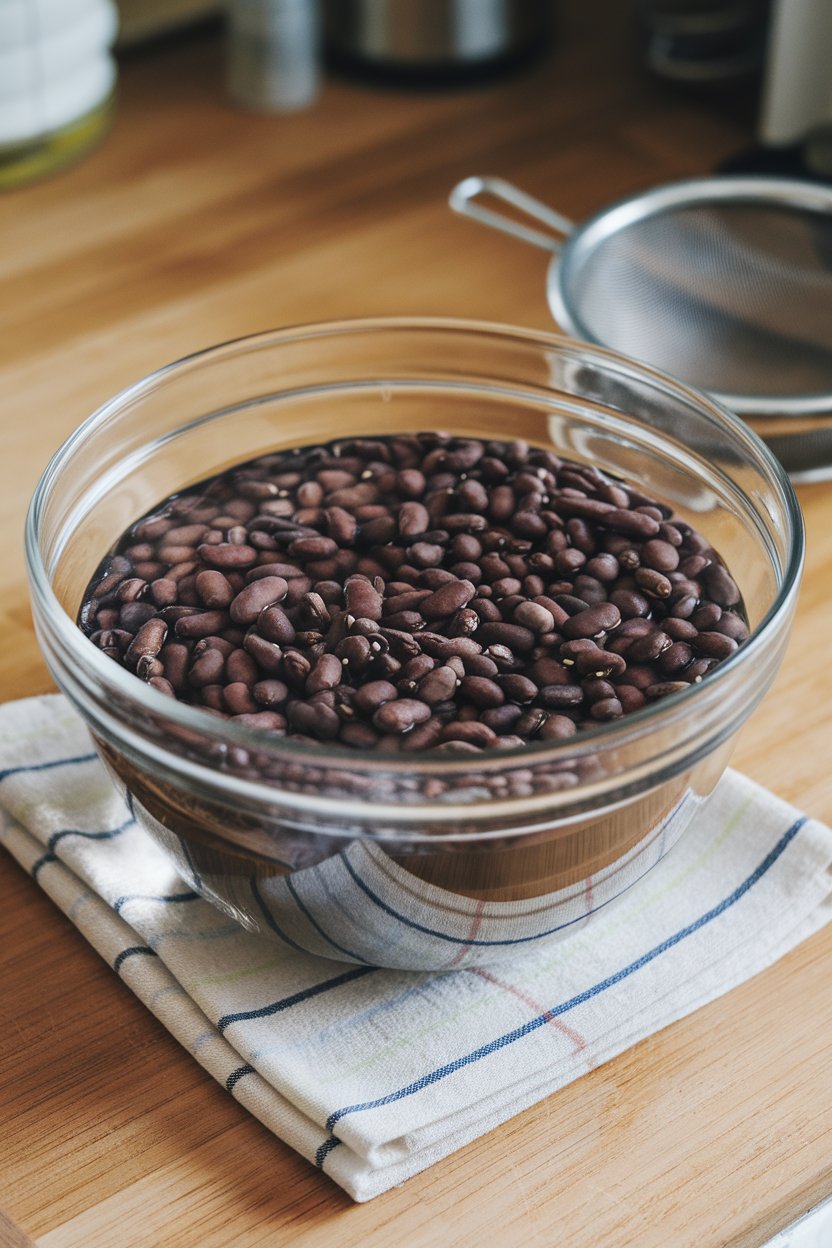
Soaking shortens cooking time and reduces compounds that cause bloating. Discard the soaking water, rinse, and cook beans until tender. Freeze extras so you always have ready portions.
45. Eat Fruit Instead of Drinking Juice

Whole fruit offers fiber that slows sugar absorption and increases fullness. Juice, even 100 percent varieties, concentrates sugars without the fiber buffer. Pair fruit with a protein source for steady energy.
46. Pack Lunch for Work
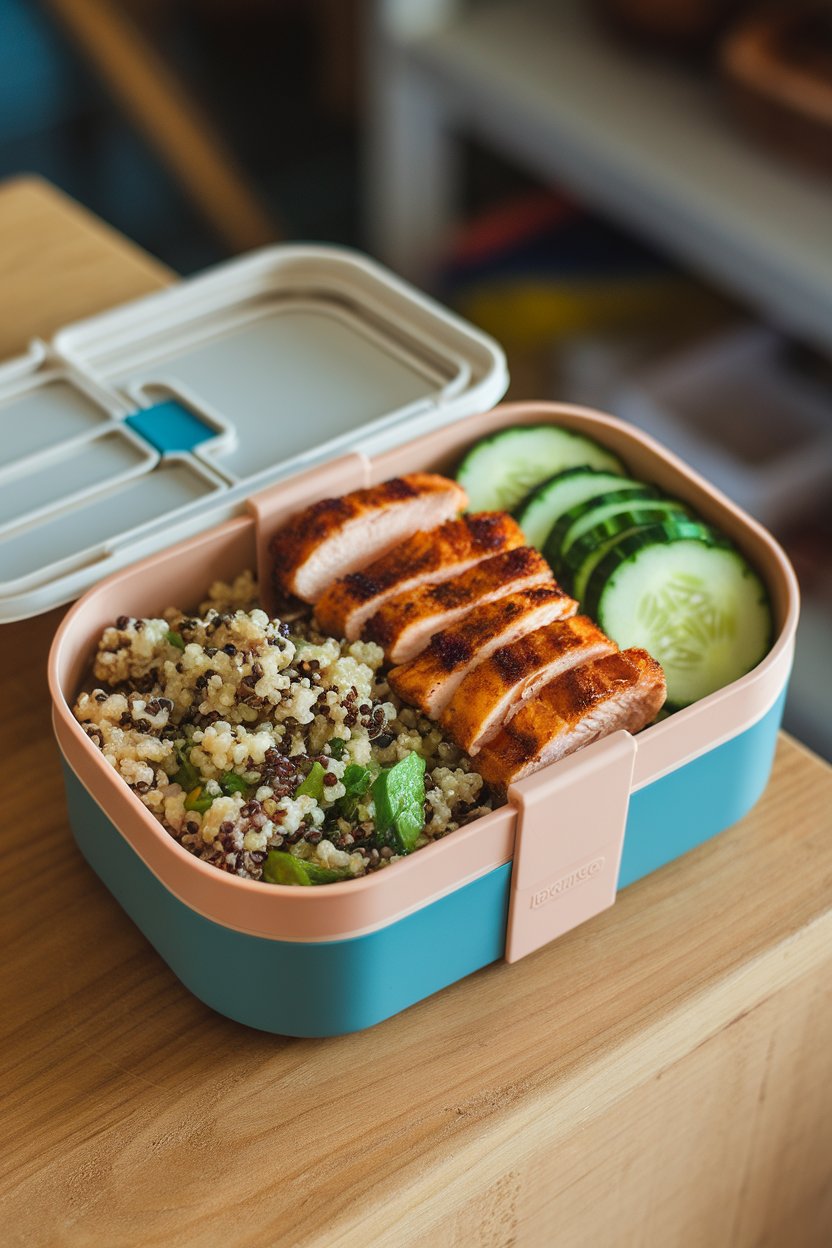
Homemade lunches give you control over ingredients and portions while saving money. Prep components the evening before for a grab-and-go morning. Keep an ice pack handy if refrigeration isn’t available.
47. Keep Roasted Chickpeas on Hand
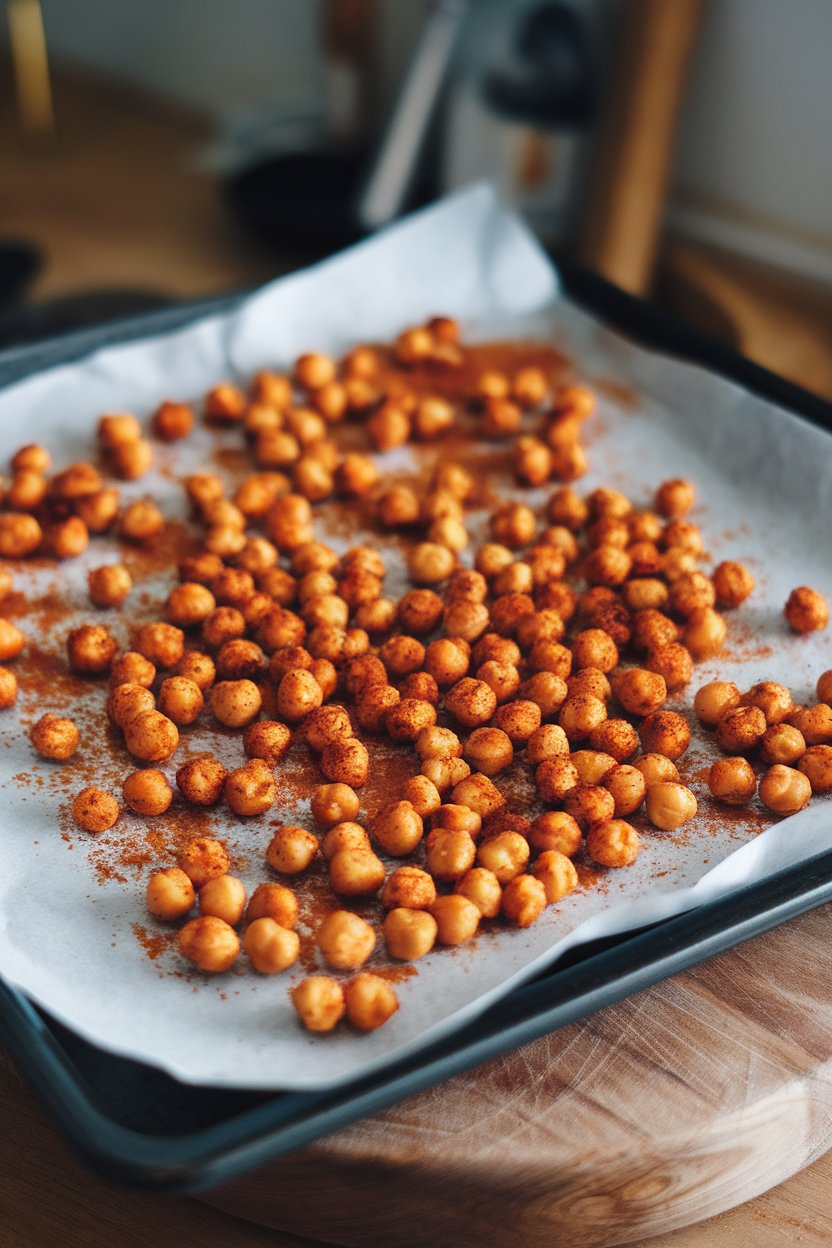
Crunchy chickpeas satisfy the craving for salty snacks yet deliver protein and fiber. Roast in batches with spices and store in an airtight jar. They add pop to salads and soups too.
48. Slice Veggies in Advance
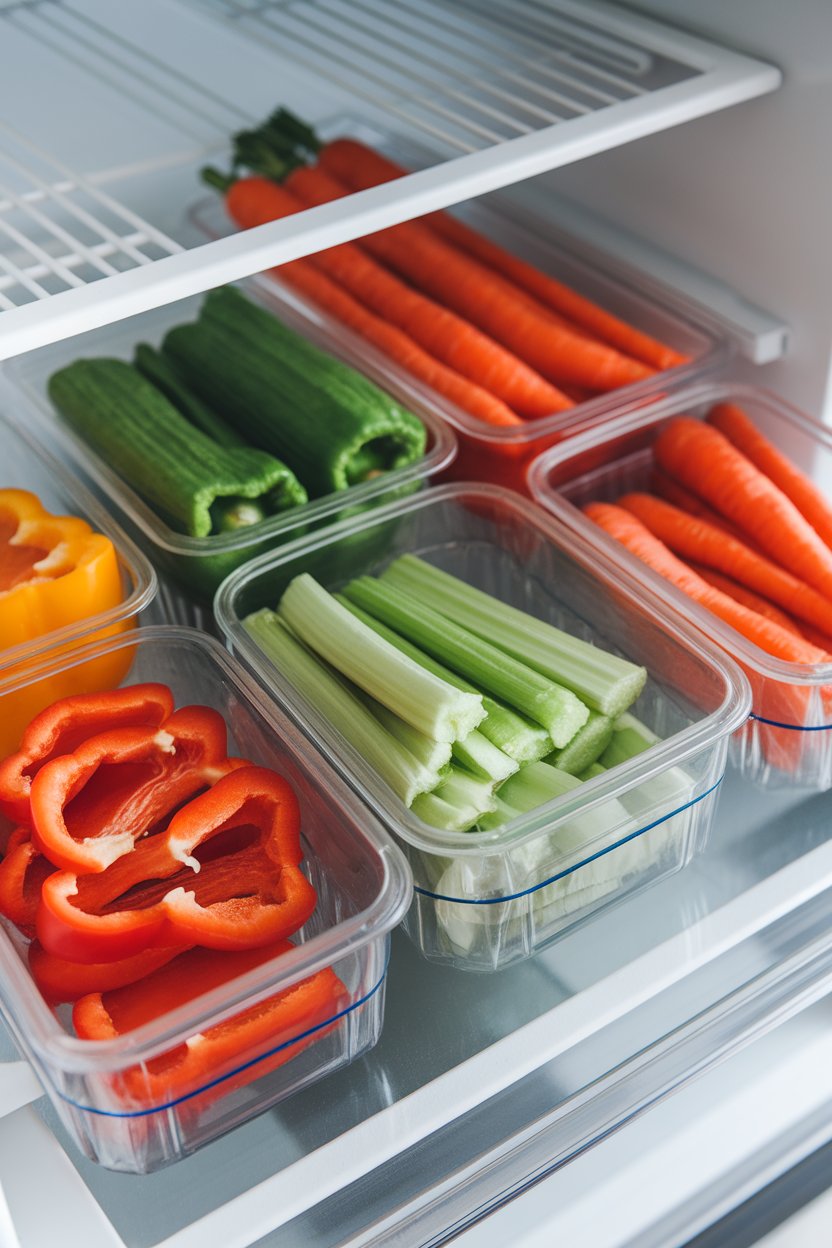
Prepping vegetables removes a major barrier to healthy snacking and fast cooking. Submerge crisp veggies like carrots in water to keep them fresh longer. Schedule a weekly prep session for lasting convenience.
49. Add Avocado for Creaminess
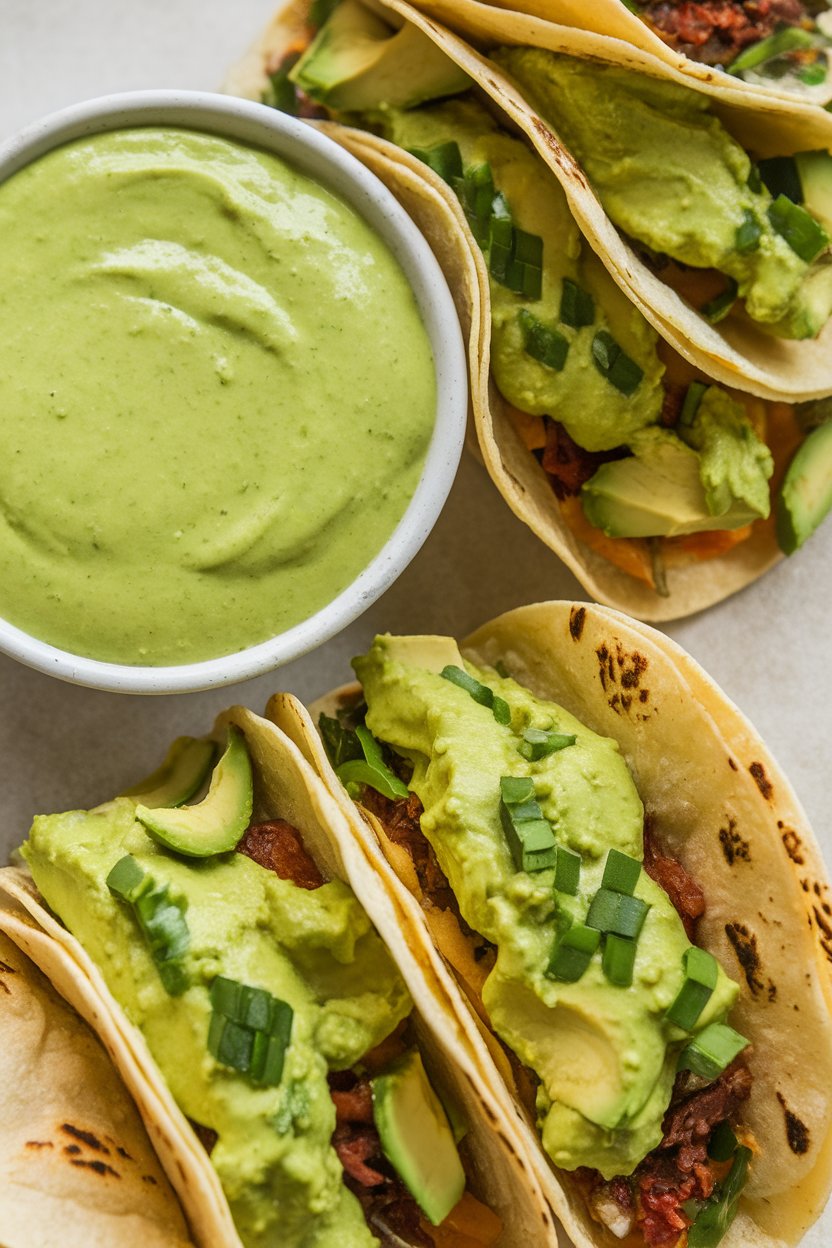
Mashed avocado can replace mayonnaise in sandwiches or add silkiness to smoothies. Its monounsaturated fats promote satiety and support heart health. A squeeze of lime keeps the color bright.
50. Respect Your Fullness Signal
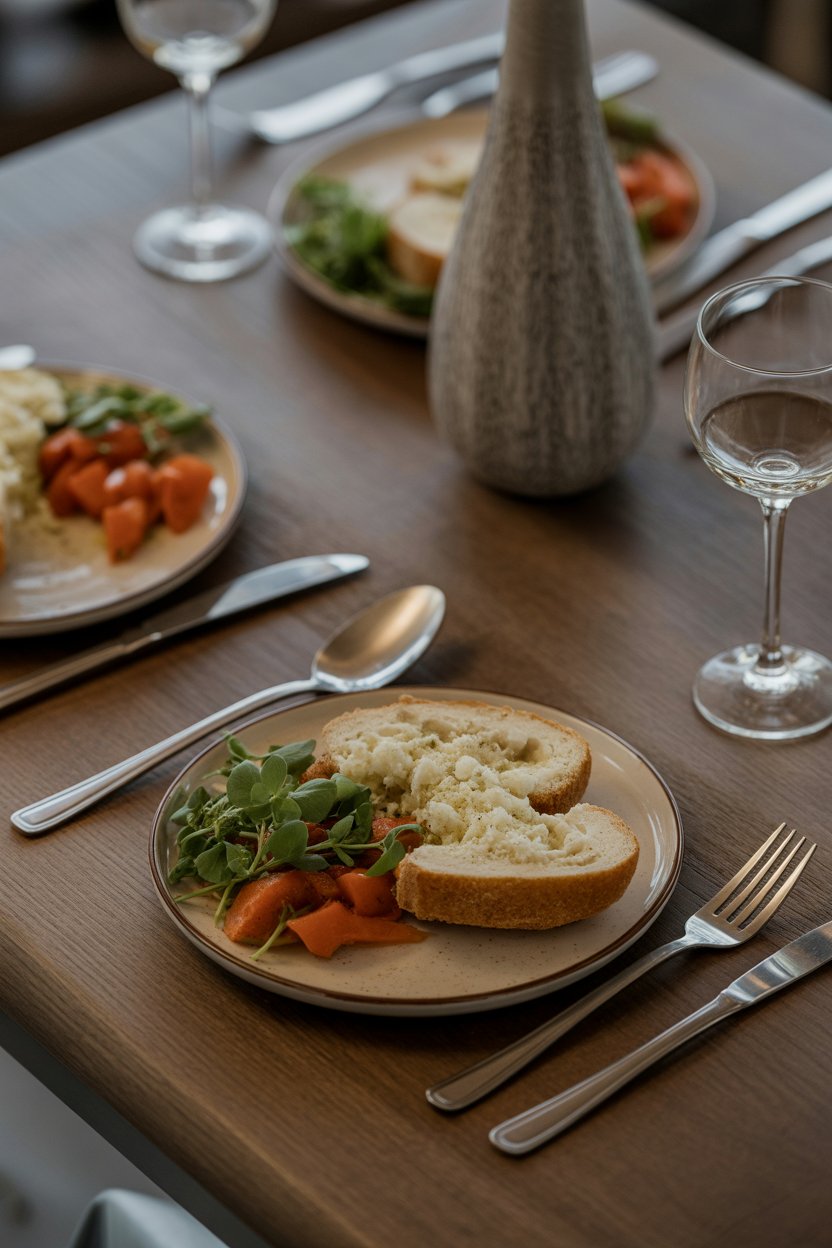
Stopping when comfortably satisfied, not stuffed, prevents lethargy and helps maintain weight. Pause mid-meal, take a breath, and assess how you feel. Leftovers make an excellent next-day lunch.
51. Keep a Food Journal

Writing down meals and feelings around them reveals patterns you might miss otherwise. It’s a personal tool, so use whatever format feels easy—paper, app, or photos. Review weekly to spot trends and celebrate progress.
52. Spice Up Popcorn Instead of Chips

Air-popped popcorn clocks in low on calories yet high on volume, keeping you satisfied. Season with herbs, spices, or a dash of Parmesan for variety. Avoid bagged versions drenched in butter flavorings.
53. Choose Lean Cuts of Meat
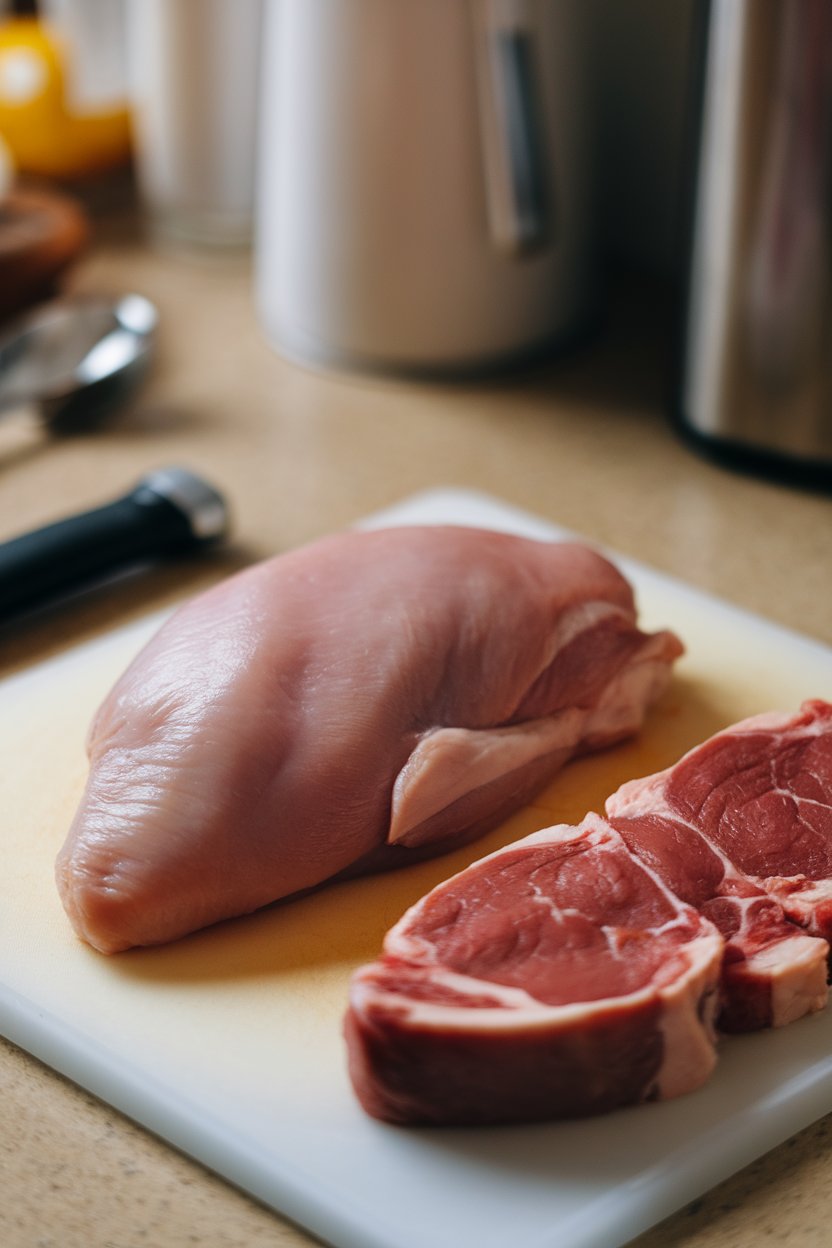
Look for “loin” or “round” on beef labels, and skinless poultry. Trim visible fat before cooking and use marinades to maintain moisture. Pair with plenty of vegetables to balance the plate.
54. Eat Breakfast Within Two Hours of Waking
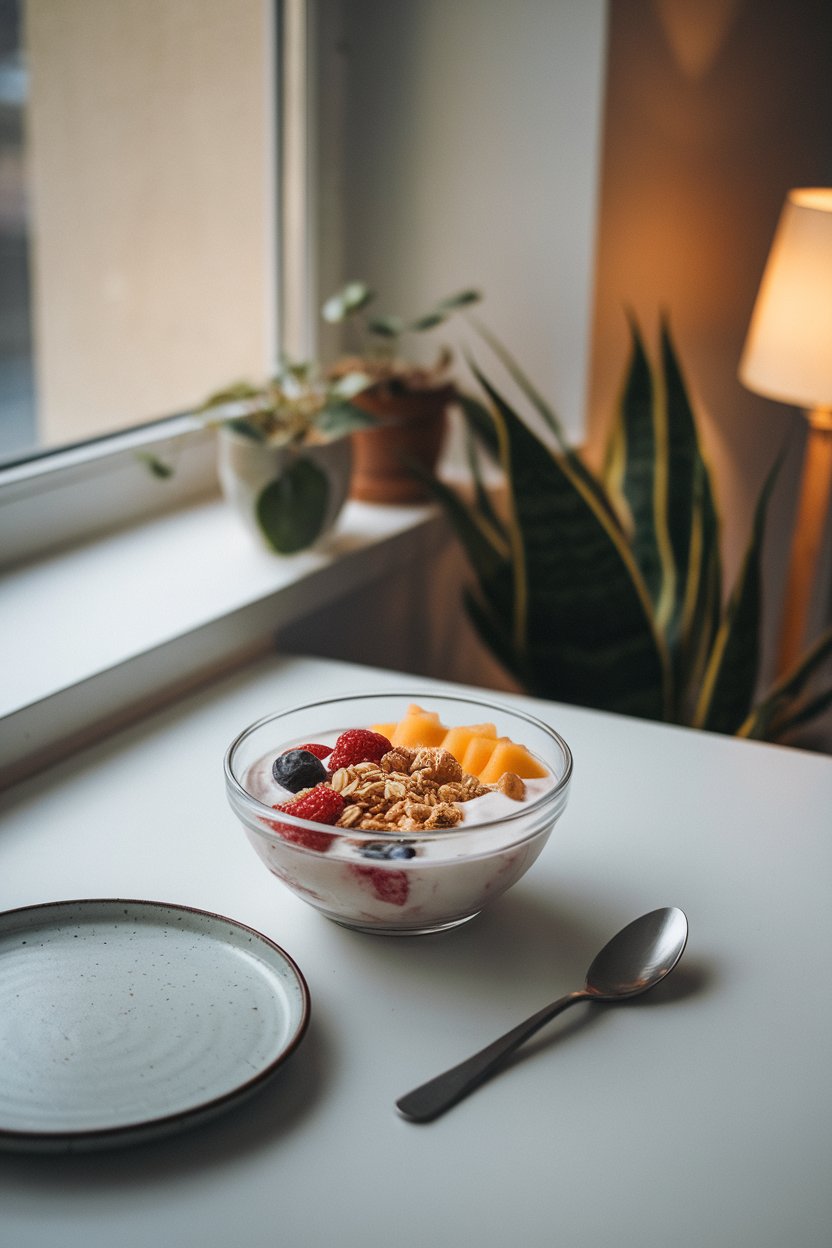
Fueling early jump-starts metabolism and may reduce overeating later. Opt for balanced choices that combine proteins, complex carbs, and healthy fats. Even a quick smoothie or nut-butter toast counts.
55. Use Broth Instead of Oil for Sautéing
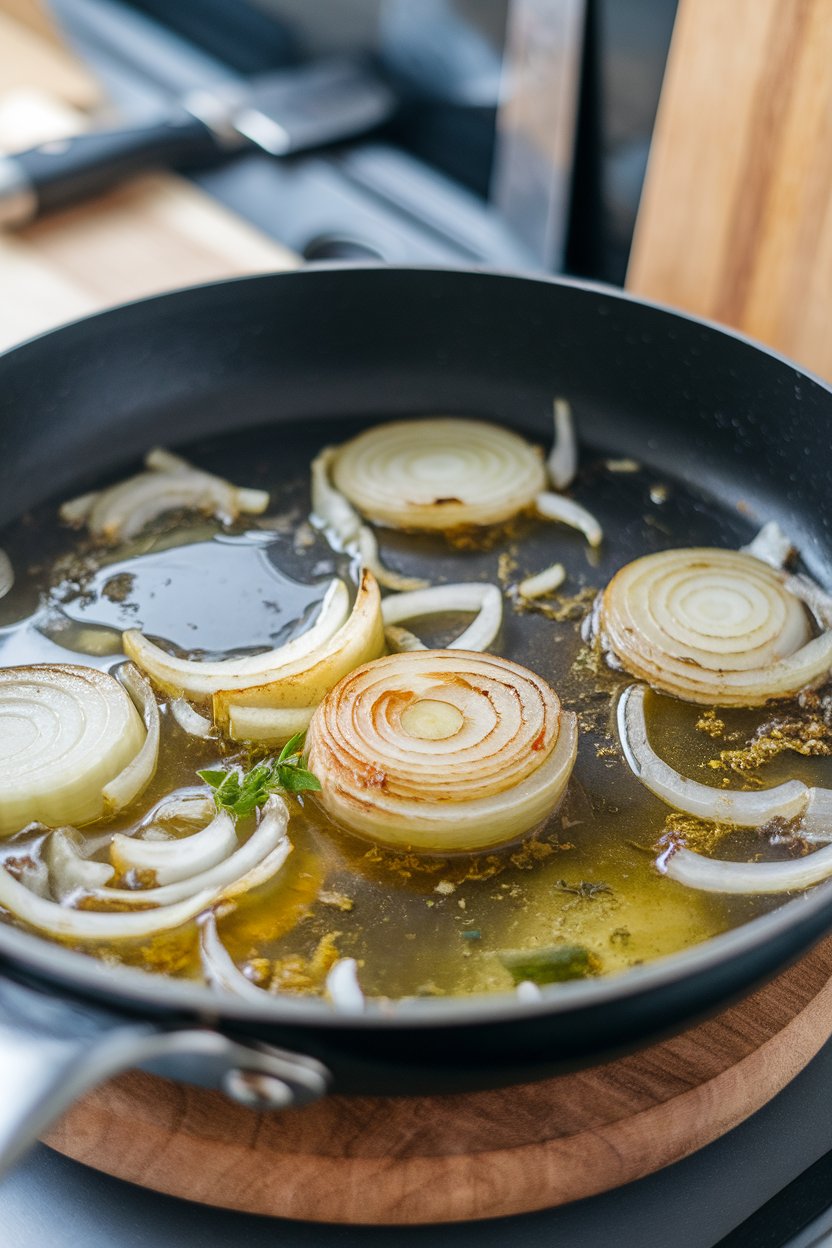
Swapping broth cuts down on calories and saturated fat while still preventing sticking. Add a splash at a time and stir frequently. This technique works especially well for vegetables and lean proteins.
56. Snack on Cottage Cheese and Fruit
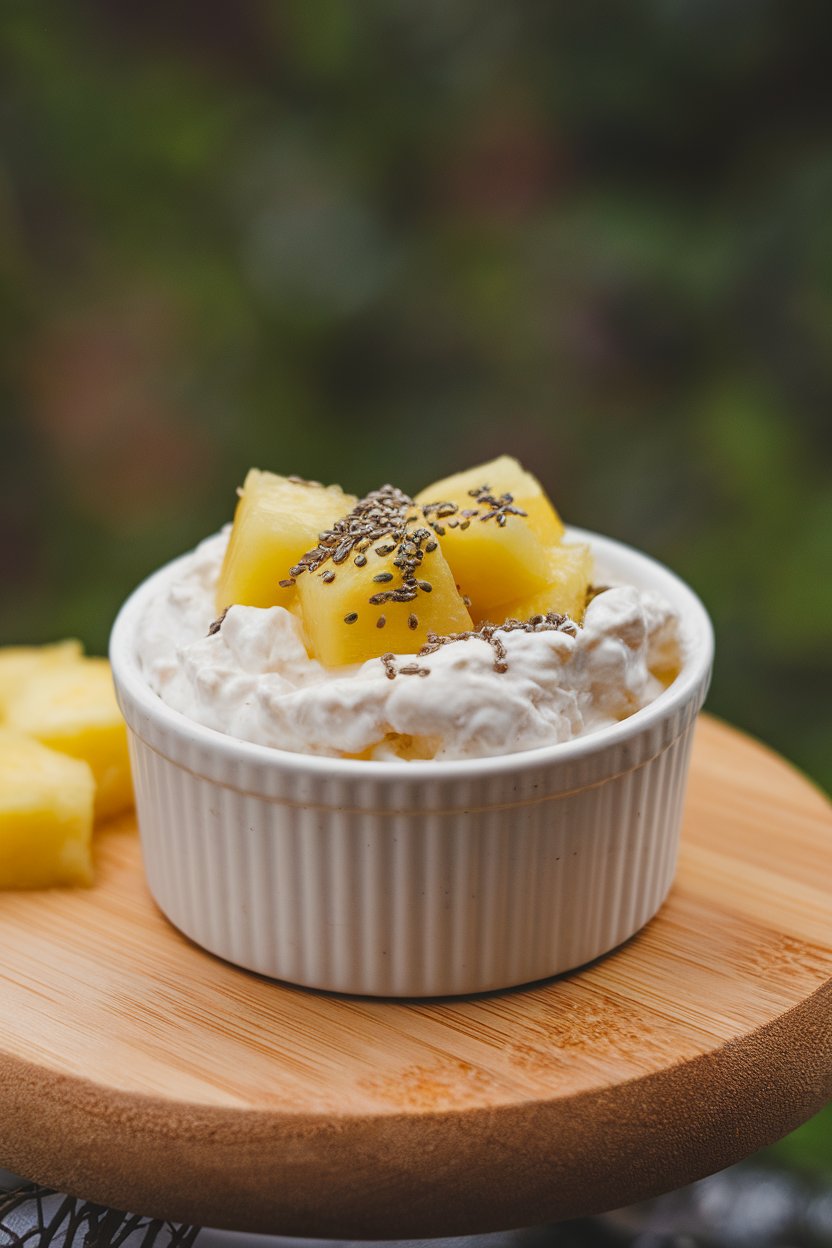
Cottage cheese offers slow-digesting casein protein that keeps hunger in check. Pairing it with fruit supplies natural sweetness and vitamins. Choose low-sodium or low-fat varieties if desired.
57. Store Healthy Staples at Eye Level
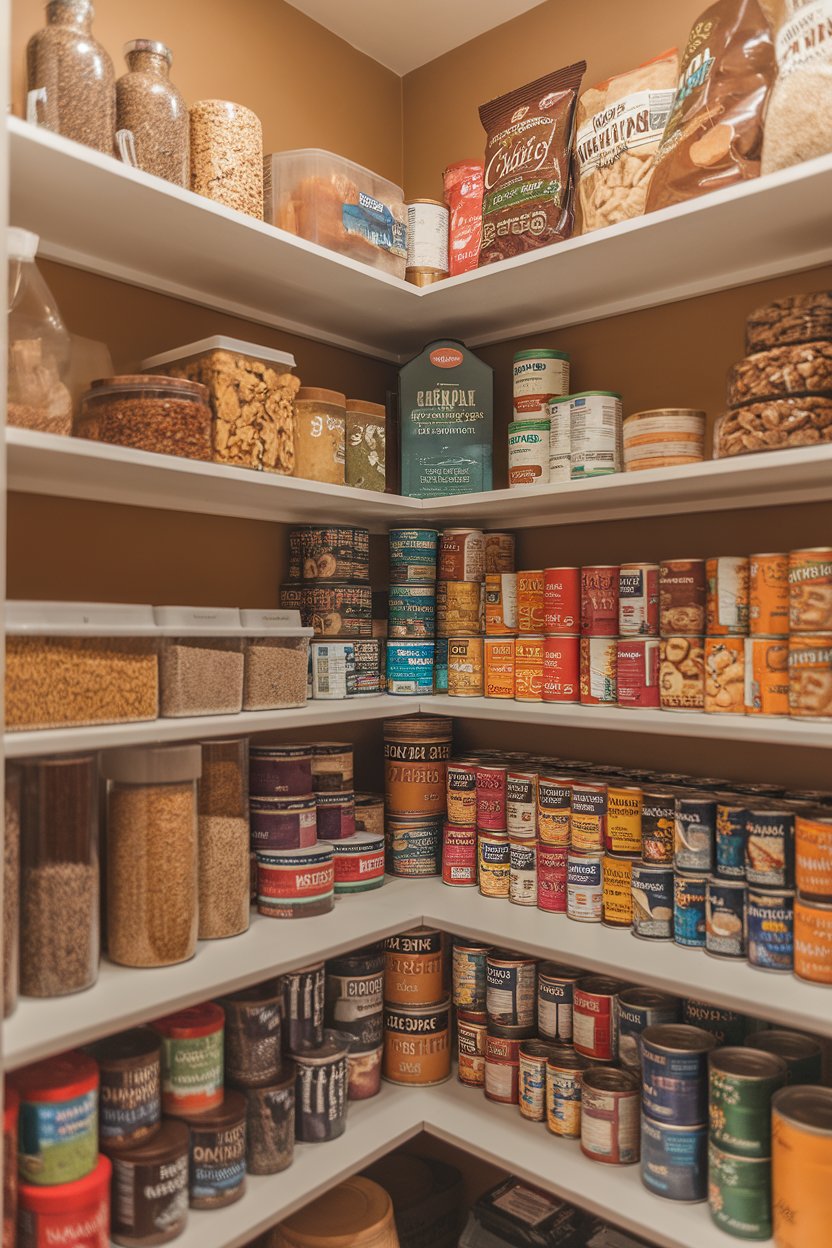
What you see first often guides choices. Place wholesome items at the front of pantries and refrigerators. Less-nutritious foods can live on higher shelves out of direct sight.
58. Add Flaxseed to Baked Goods
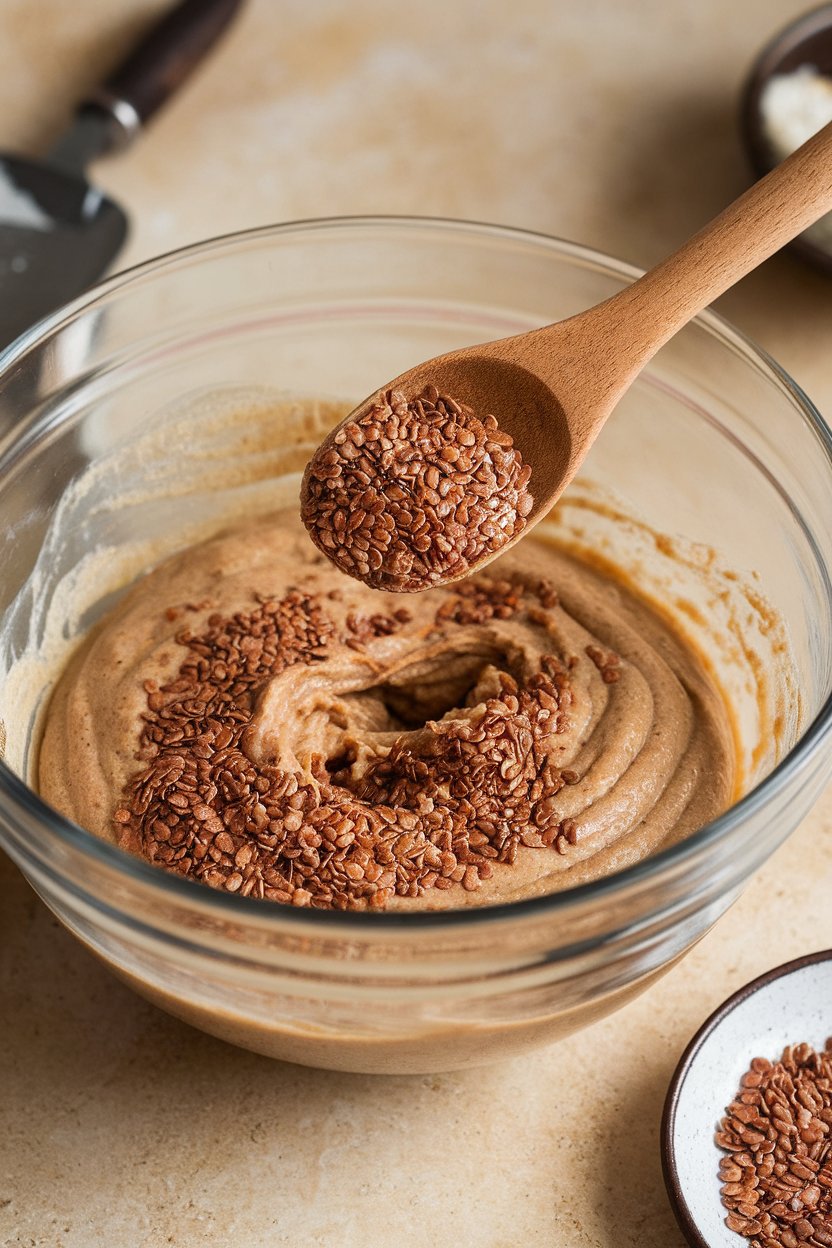
Ground flax provides omega-3s and fiber with minimal flavor impact. Swap a tablespoon per cup of flour in pancakes, muffins, or bread. Store flaxseed meal in the fridge to protect its oils.
59. Schedule Regular Grocery Trips
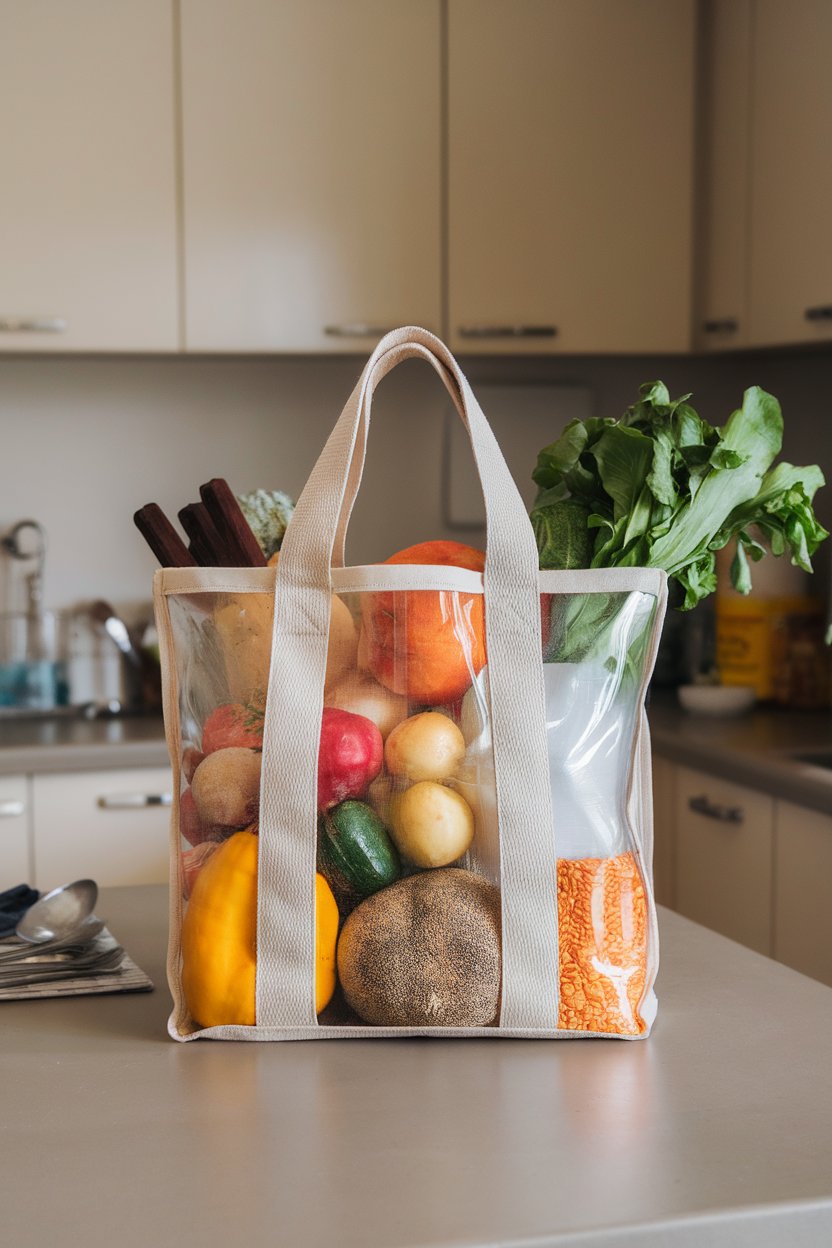
Frequent, smaller trips keep produce fresh and reduce reliance on takeout. Draft a quick list aligned with your meal plan before heading out. Sticking to the list also helps rein in impulse buys.
60. Replace White Rice with Cauliflower Rice
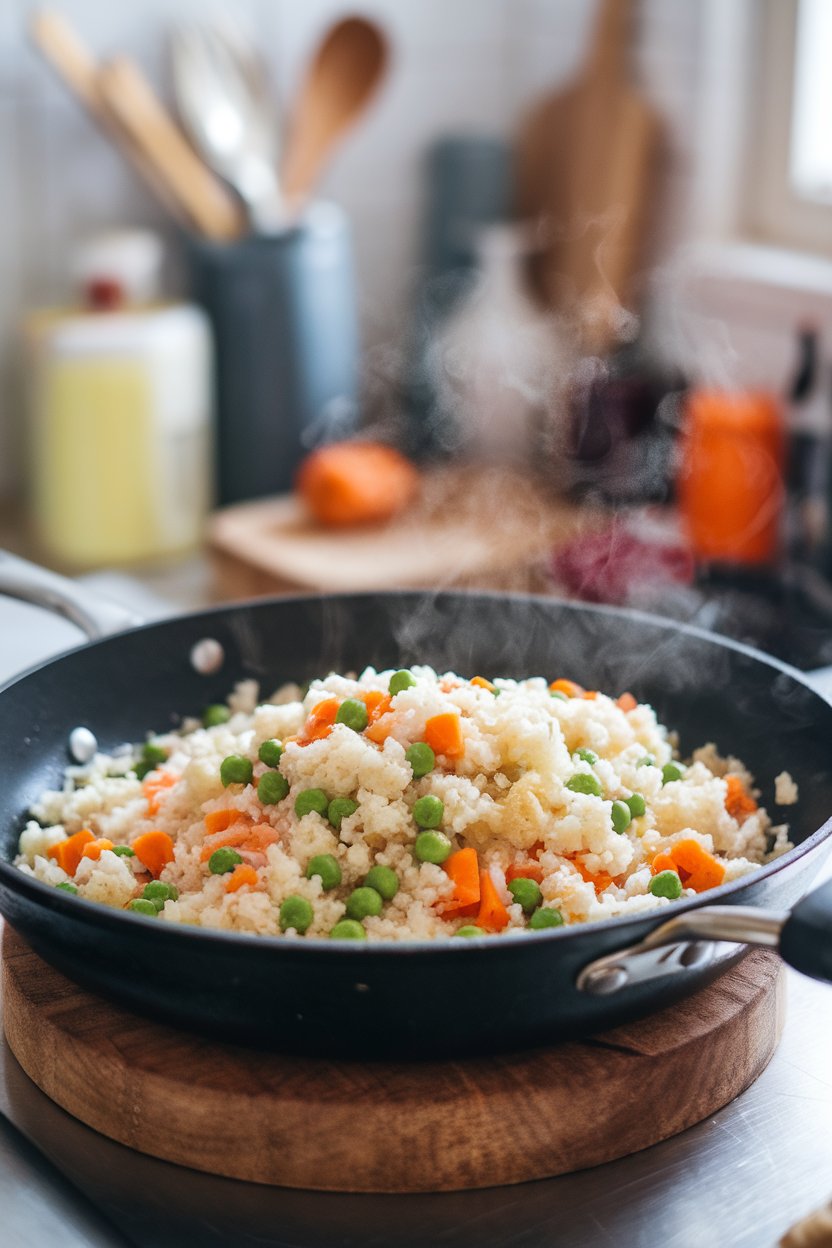
Pulsed cauliflower mimics rice texture while slashing calories and boosting vegetable intake. Sauté briefly to maintain a bit of bite. It pairs well with stir-fries, curries, and burrito bowls.
61. Keep a Balanced Smoothie Formula
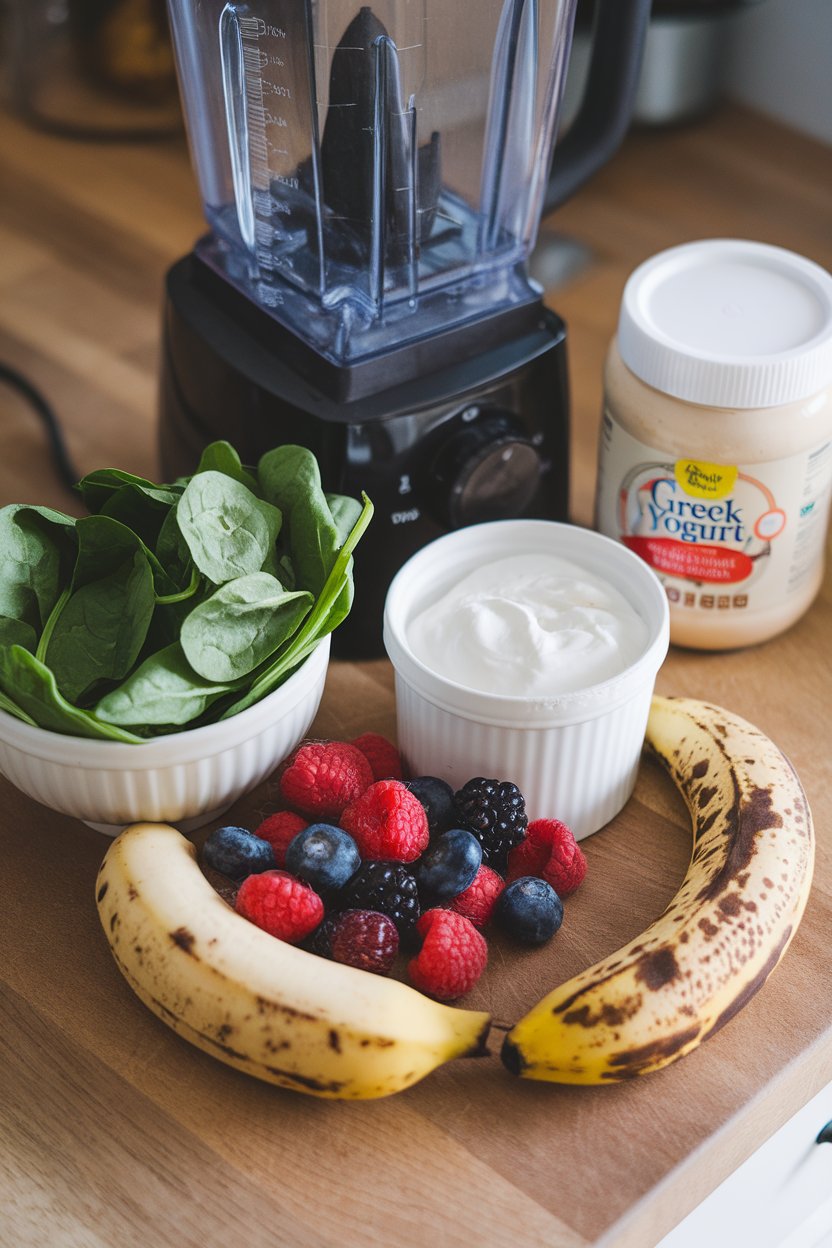
Combine greens, fruit, protein, and healthy fat to avoid sugar-heavy blends. A simple ratio is two parts veggies to one part fruit, plus a protein source and liquid. Portion freezer packs for grab-and-blend mornings.
62. Practice Gratitude Before Meals

Taking a moment to acknowledge the meal fosters mindfulness and reduces rushed eating. A brief breath or silent thank-you can shift focus from stress to nourishment. This calm start often leads to slower, more enjoyable meals.
63. Finish Dinner at Least Two Hours Before Bed
Allowing digestion time may improve sleep quality and prevent discomfort. If hunger resurfaces later, opt for a light snack like fruit or herbal tea. Consistent timing helps regulate appetite the next day.
64. Celebrate Progress, Not Perfection

Sustainable habits grow from acknowledging improvements, however small. Keep track of new recipes tried or extra veggie servings added. Positive reinforcement fuels motivation to keep going.
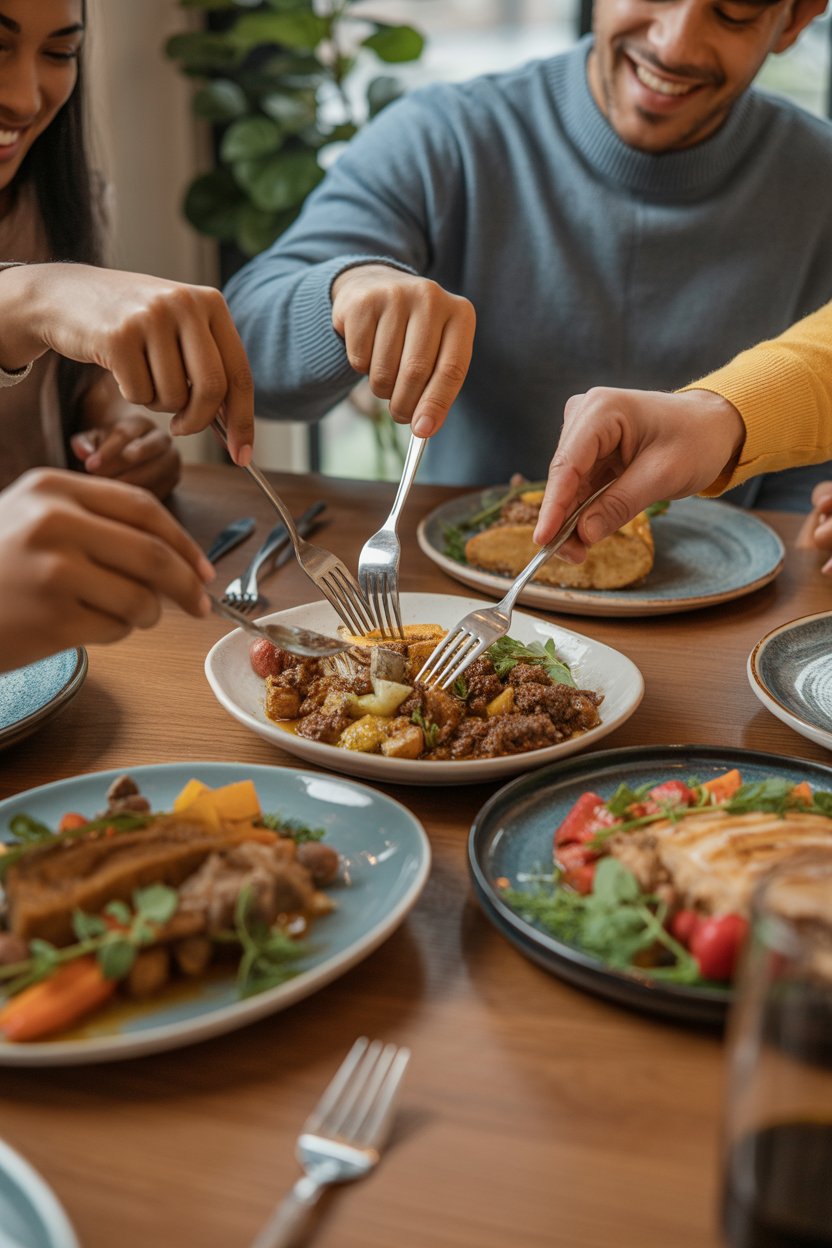
Eating together strengthens social bonds and often leads to slower, more mindful dining. Home-cooked potlucks or themed dinners spread the effort and introduce new foods. Conversation and connection enrich the nourishment on the plate.

Nathaniel Lee is an avid cook, drawing on his decades of home cooking and fine dining experience. He is a contributing chef at Mashed, and his recipes and contributions have been featured in Tasting Table, Edible Arrangements, Insanely Good Recipes, and The Daily Meal.