Eating well is easier when motivation feels fresh and clear rather than forced. The ideas below aim to spark daily enthusiasm, whether you’re packing tomorrow’s lunch or eyeing the snack shelf at 3 p.m. Each tip includes a quick suggestion and a photo prompt to help you visualize the habit in a friendly, realistic way. Pick a few to start, revisit the rest later, and enjoy the steady progress.
Contents
- 1. Keep a Colorful Produce Bowl on the Counter
- 2. Meal-Prep Just Two Dishes Each Sunday
- 3. Use Clear Storage Jars for Snacks
- 4. Schedule Grocery Trips Like Appointments
- 5. Keep a Water Bottle Within Arm’s Reach
- 6. Try One New Vegetable Each Month
- 7. Build a “Go-To” Breakfast Rotation
- 8. Plate Meals on Smaller Dishes
- 9. Prep Veggies Right After Shopping
- 10. Keep Dark Chocolate Handy for Sweet Cravings
- 11. Listen to Upbeat Music While Cooking
- 12. Batch-Cook Whole Grains
- 13. Post a Handwritten Goal on the Fridge
- 14. Stock Spices You Actually Love
- 15. Keep Healthy Frozen Meals for Emergencies
- 16. Pair Habit Stacking With Hydration
- 17. Take Five Deep Breaths Before Meals
- 18. Use a Chalkboard Menu in the Kitchen
- 19. Join a Local Produce Box Program
- 20. Keep Immersion Blender Ready for Quick Soups
- 21. Prep Smoothie Bags for Busy Mornings
- 22. Eat Protein at Every Meal
- 23. Place Healthy Snacks in Your Car
- 24. Flavor Water with Citrus or Herbs
- 25. Practice the “Half-Plate Veggies” Rule
- 26. Set Phone-Free Meal Times
- 27. Keep a Running Grocery List on the Fridge
- 28. Swap Evening TV Snacks for Herbal Tea
- 29. Use a Digital Food Diary for One Week
- 30. Keep Healthy Dips Ready
- 31. Celebrate Milestones with Non-Food Rewards
- 32. Place Veggies in an Oven-Ready Tray the Night Before
- 33. Follow the 80/20 Guideline
- 34. Keep Citrus Zest in the Freezer
- 35. Pre-Portion Nuts and Seeds
- 36. Set a Produce Challenge with Friends
- 37. Keep Emergency Oatmeal Packets at Work
- 38. Use the Two-Bite Rule for Desserts
- 39. Keep a Jar of DIY Salad Dressing Ready
- 40. Rotate Cooking Methods
- 41. Place Herbs in Water Like Flowers
- 42. Buy Single-Serve Greek Yogurt
- 43. Keep a Spice-Infused Olive Oil Bottle
- 44. Make Veggie-Packed Egg Muffins
- 45. Set a Timer for 20-Minute Walks After Meals
- 46. Blend Veggies into Pasta Sauce
- 47. Portion Leftovers Before Eating
- 48. Keep a Fruit Basket in Your Workspace
- 49. Freeze Overripe Bananas for Smoothies
- 50. Review Progress Each Sunday Night
1. Keep a Colorful Produce Bowl on the Counter
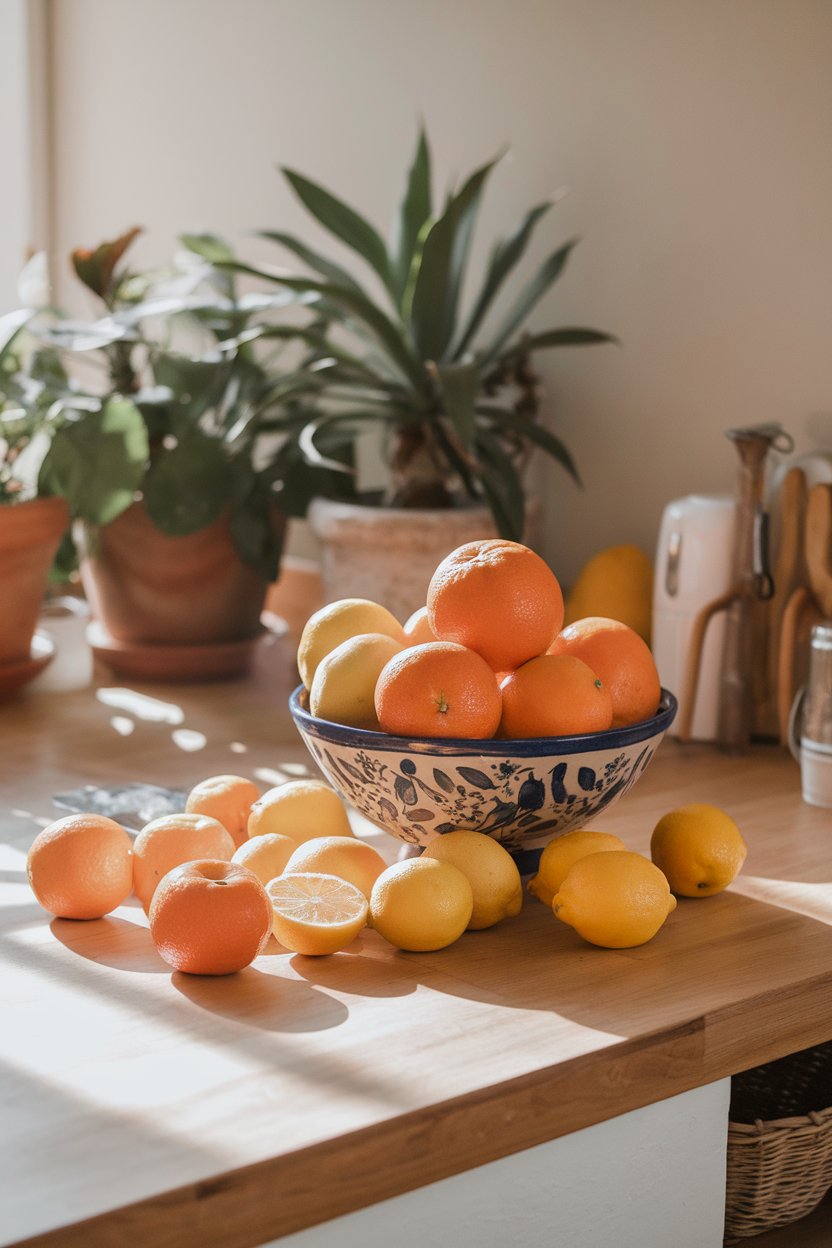
Seeing vibrant fruit every time you walk into the kitchen is an instant reminder to grab something fresh. Place the bowl where you normally set mail or keys so it competes with less-nutritious temptations. Rotate seasonal produce weekly to keep the display appealing and reduce waste.
2. Meal-Prep Just Two Dishes Each Sunday
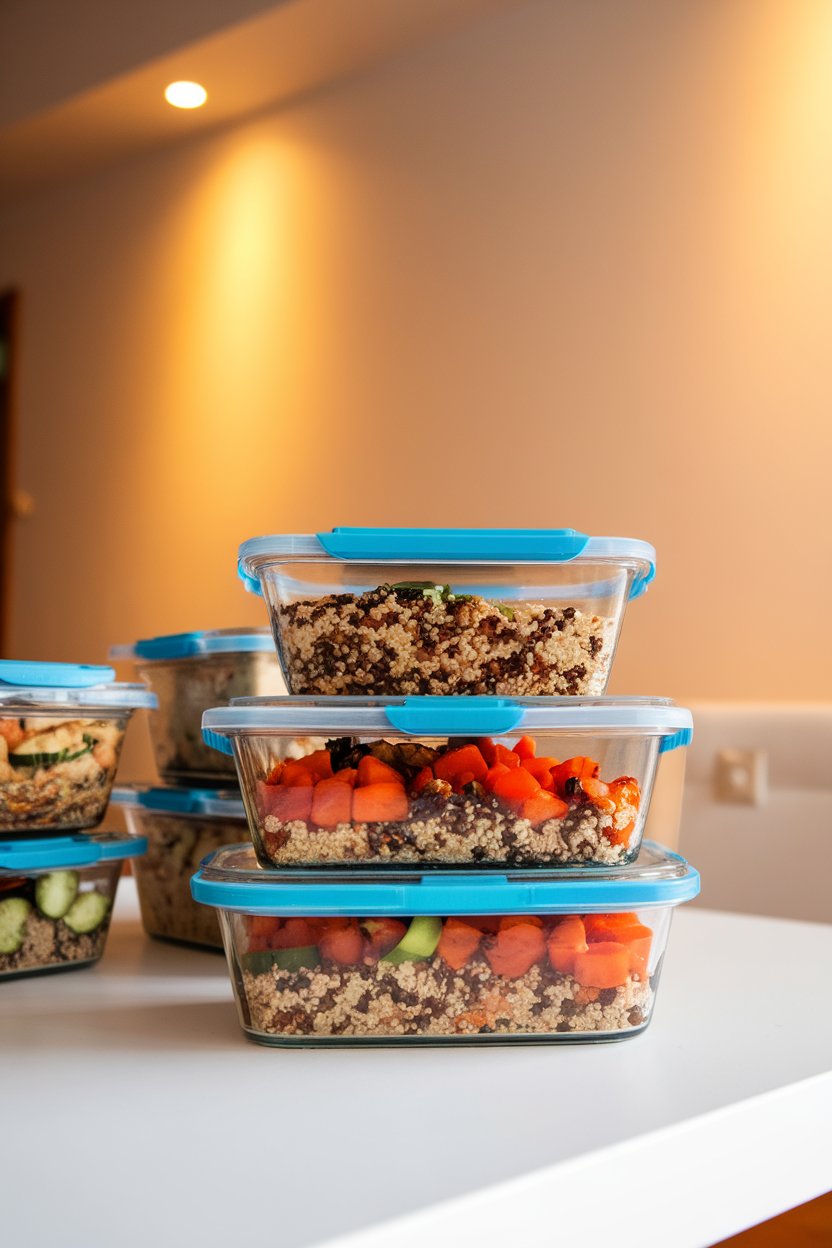
Committing to only two recipes feels doable and still covers several portions. One dish can be eaten warm, the other cold, giving you flexibility during hectic weekdays. This small routine frees up brain space because at least a few meals are already decided.
3. Use Clear Storage Jars for Snacks
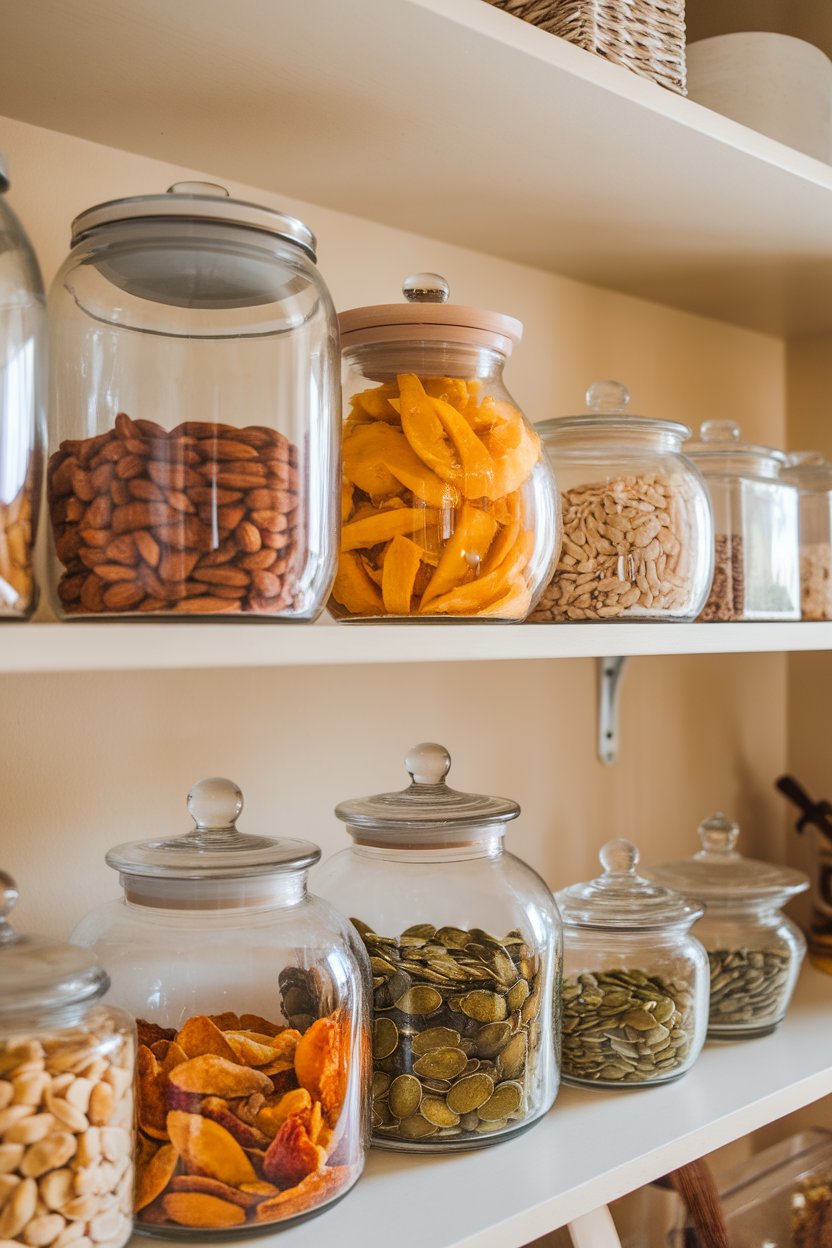
Transparent containers make wholesome snacks the first thing you notice, helping curb the hunt for chips. They also let you see when supplies run low so you can refill before resorting to convenience foods. Label the jars only with simple stickers or not at all to keep the look tidy.
4. Schedule Grocery Trips Like Appointments
Treating grocery runs as fixed events prevents the last-minute takeout spiral. Decide on a consistent day and time, then guard it the way you would any meeting. This habit also lets you plan menus around what’s freshest that week.
5. Keep a Water Bottle Within Arm’s Reach
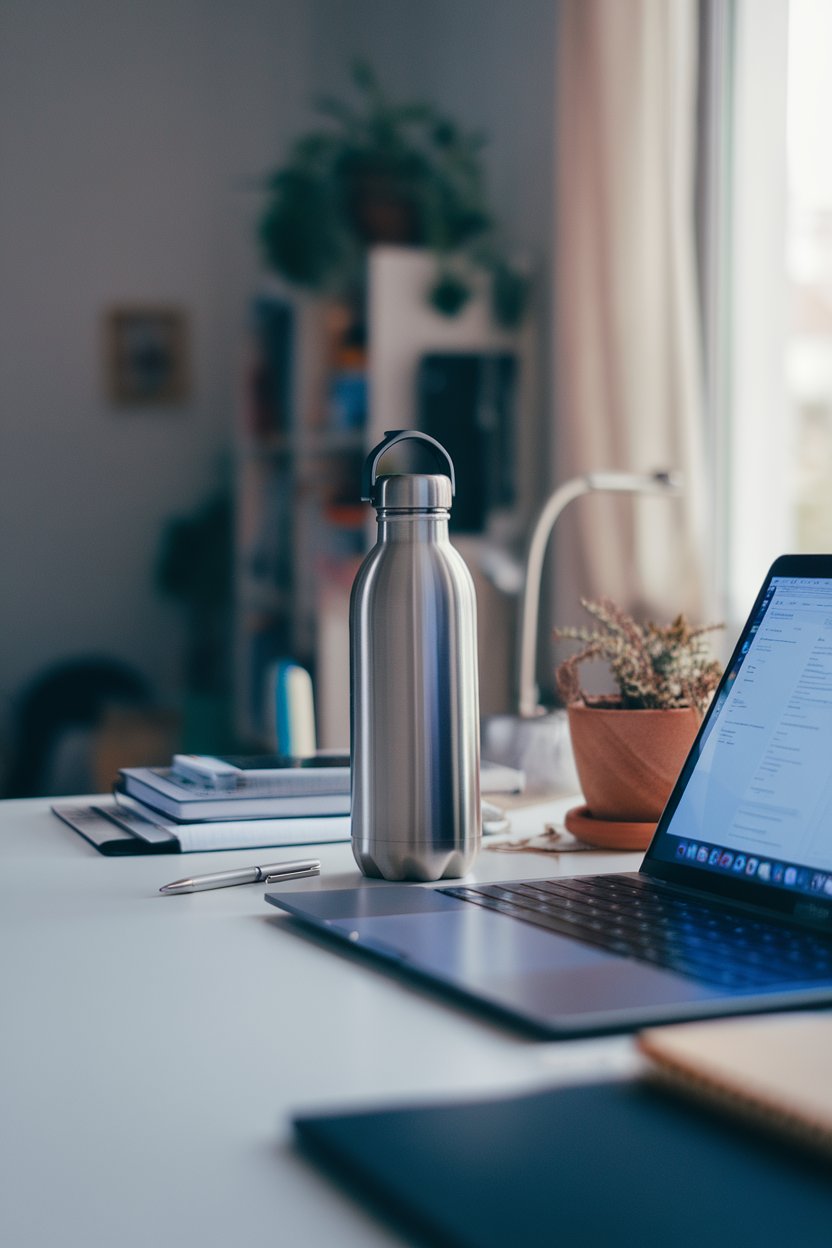
Hydration often blunts cravings that masquerade as hunger. By positioning the bottle where you work or relax, sipping becomes automatic. Refill it at set intervals—morning, midday, and late afternoon—so you hit fluid goals without fuss.
6. Try One New Vegetable Each Month
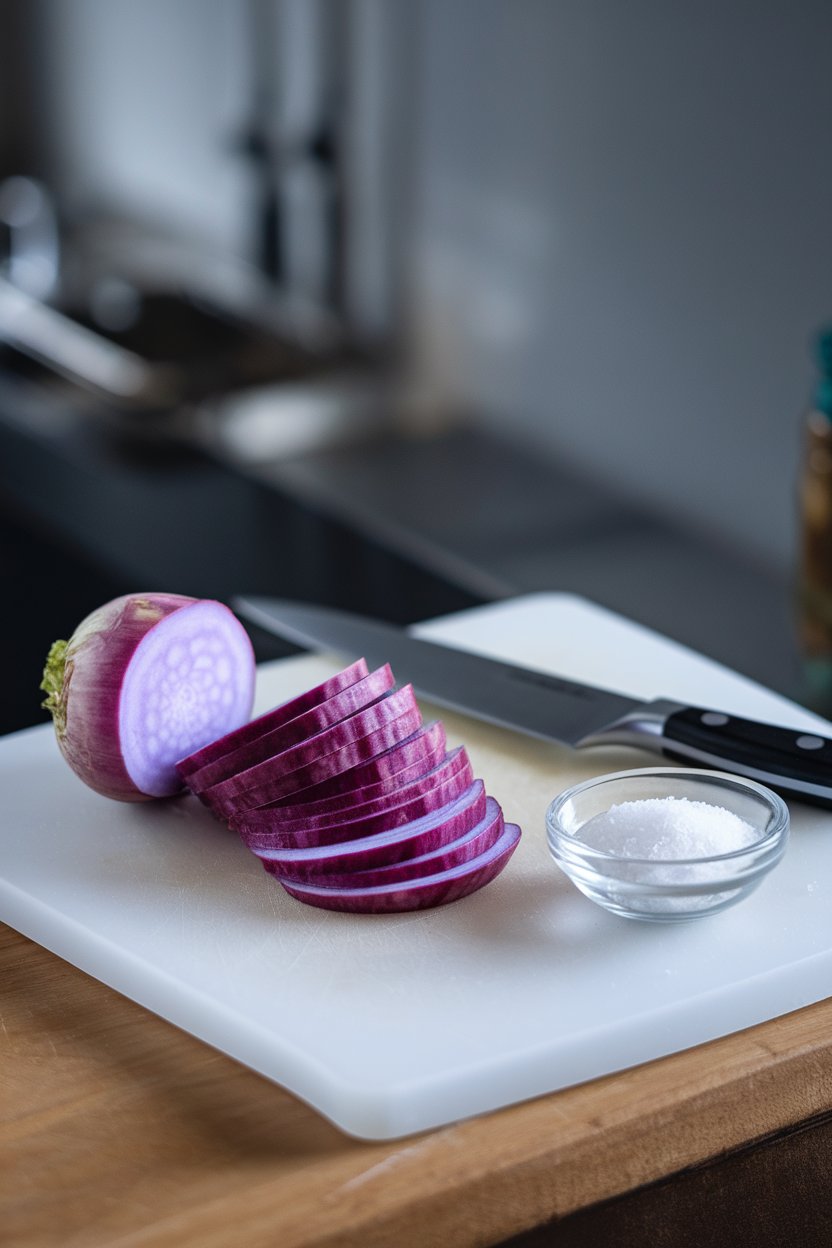
Novelty keeps meals exciting and prevents taste-bud fatigue. Whether it’s kohlrabi, Romanesco, or rainbow chard, learning to cook something unfamiliar adds kitchen confidence. If a veggie doesn’t wow you, move on next month without guilt.
7. Build a “Go-To” Breakfast Rotation
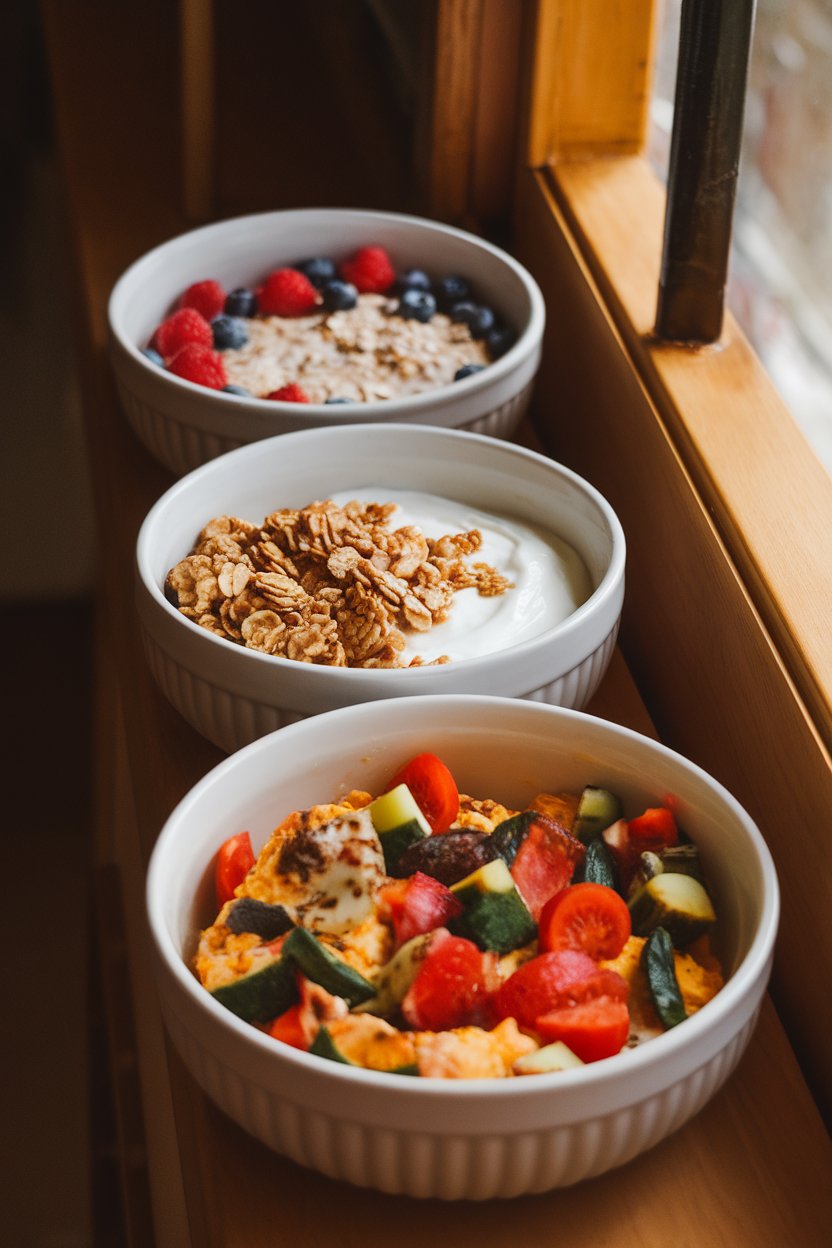
A short list of reliable breakfasts removes decision stress when mornings run tight. Aim for choices that combine protein, healthy fat, and fiber to keep you full. Rotate them through the week so no single dish feels repetitive.
8. Plate Meals on Smaller Dishes
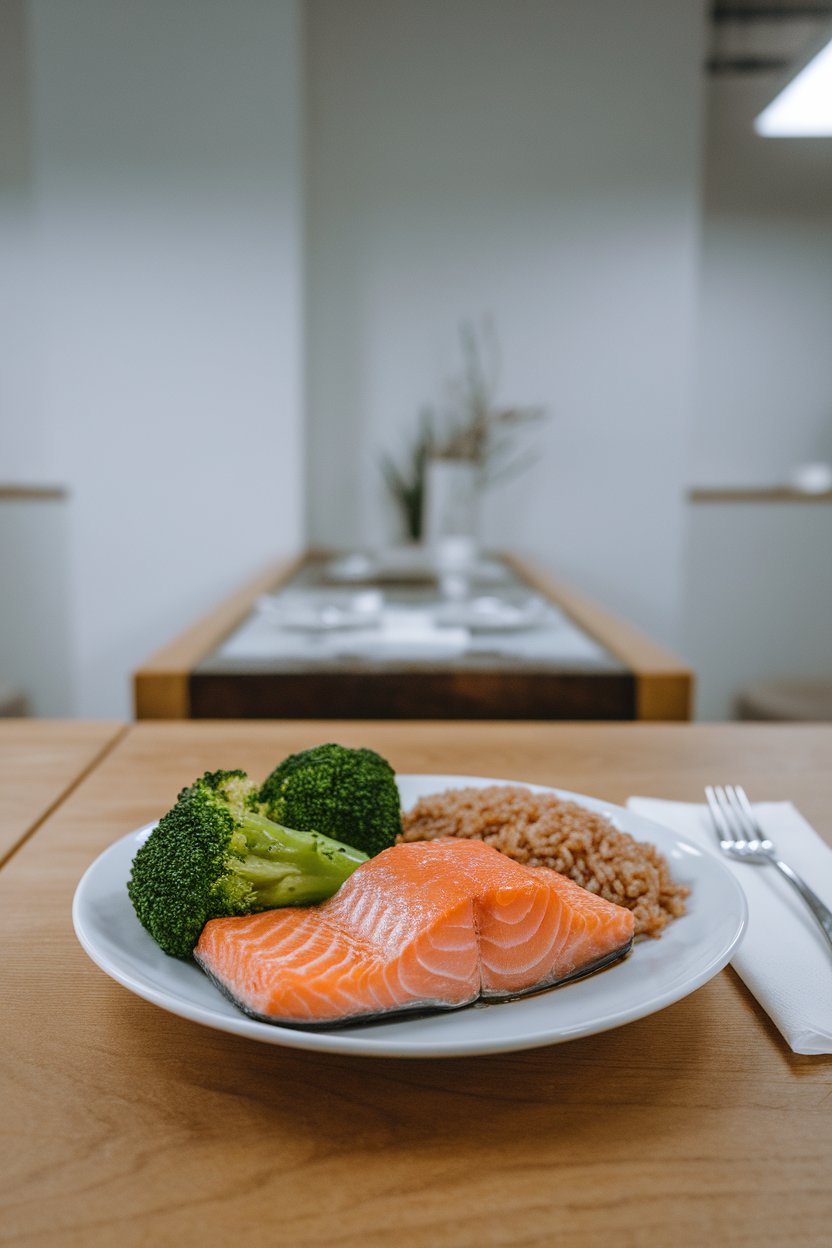
Visual cues influence satisfaction more than many realize. Using a nine-inch plate instead of a twelve-inch one makes modest servings look abundant. This simple swap helps you respect true hunger signals without calorie counting.
9. Prep Veggies Right After Shopping
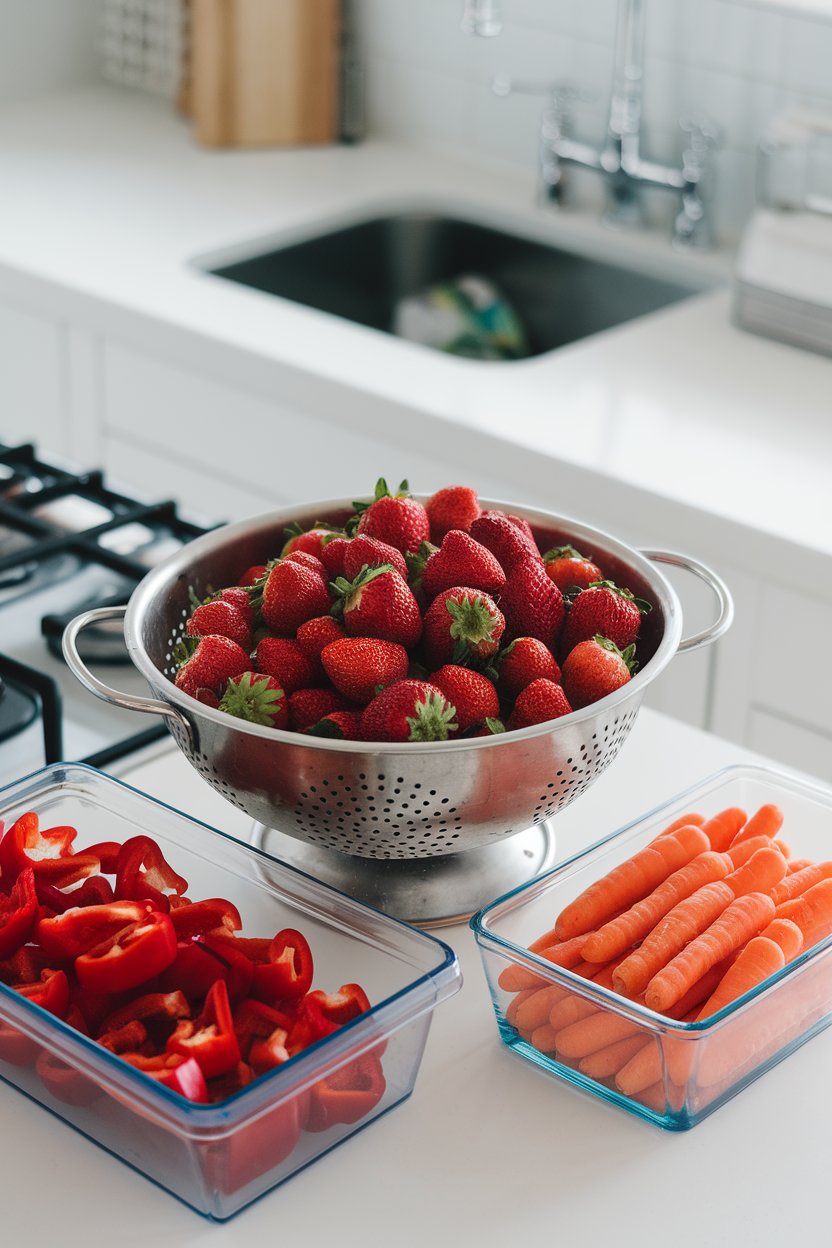
Rinsing, chopping, and storing produce as soon as it comes home reduces midweek prep time dramatically. Ready-to-eat vegetables invite spontaneous snacking and speed up dinner assembly. Store them at eye level in the fridge for maximum impact.
10. Keep Dark Chocolate Handy for Sweet Cravings
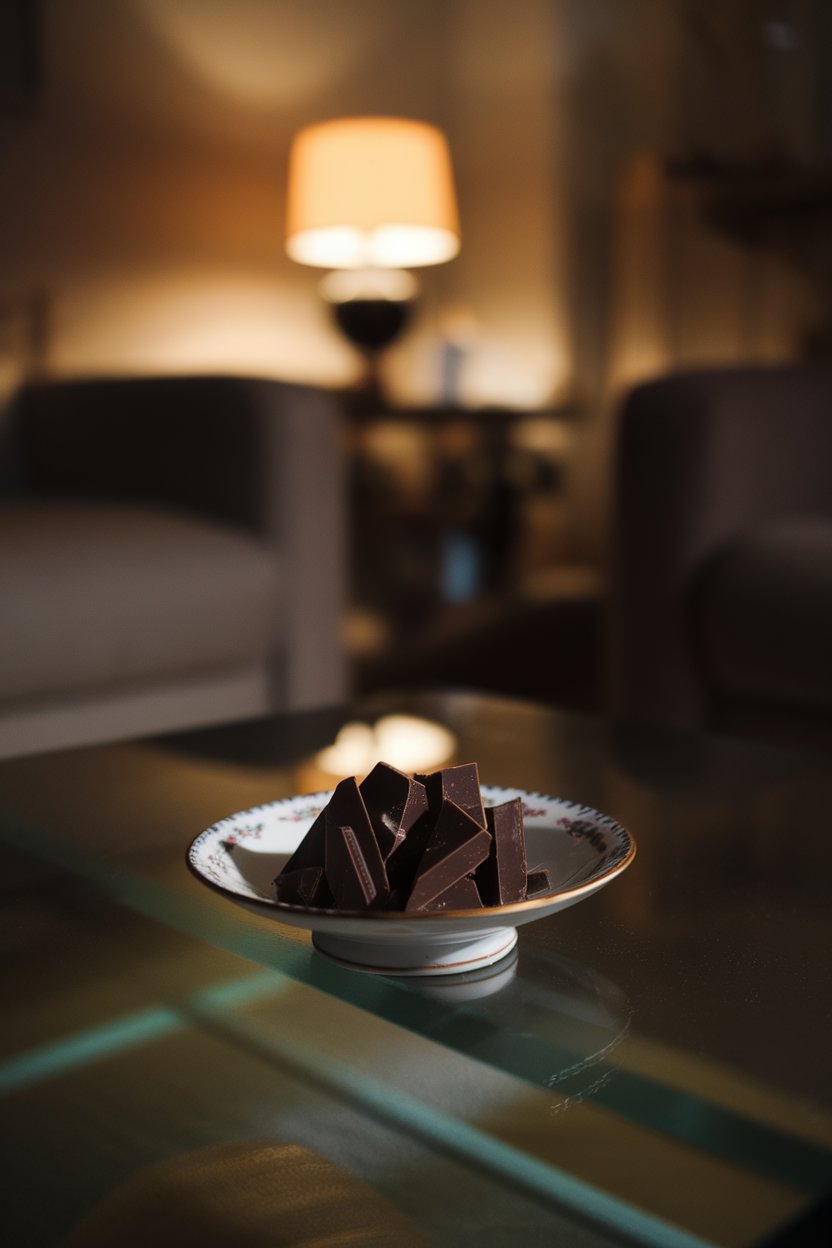
A square or two of quality dark chocolate can satisfy dessert urges without derailing your plan. Because it’s richer, you’ll feel content with less. Choose bars with minimal added sugar and no artificial ingredients.
11. Listen to Upbeat Music While Cooking
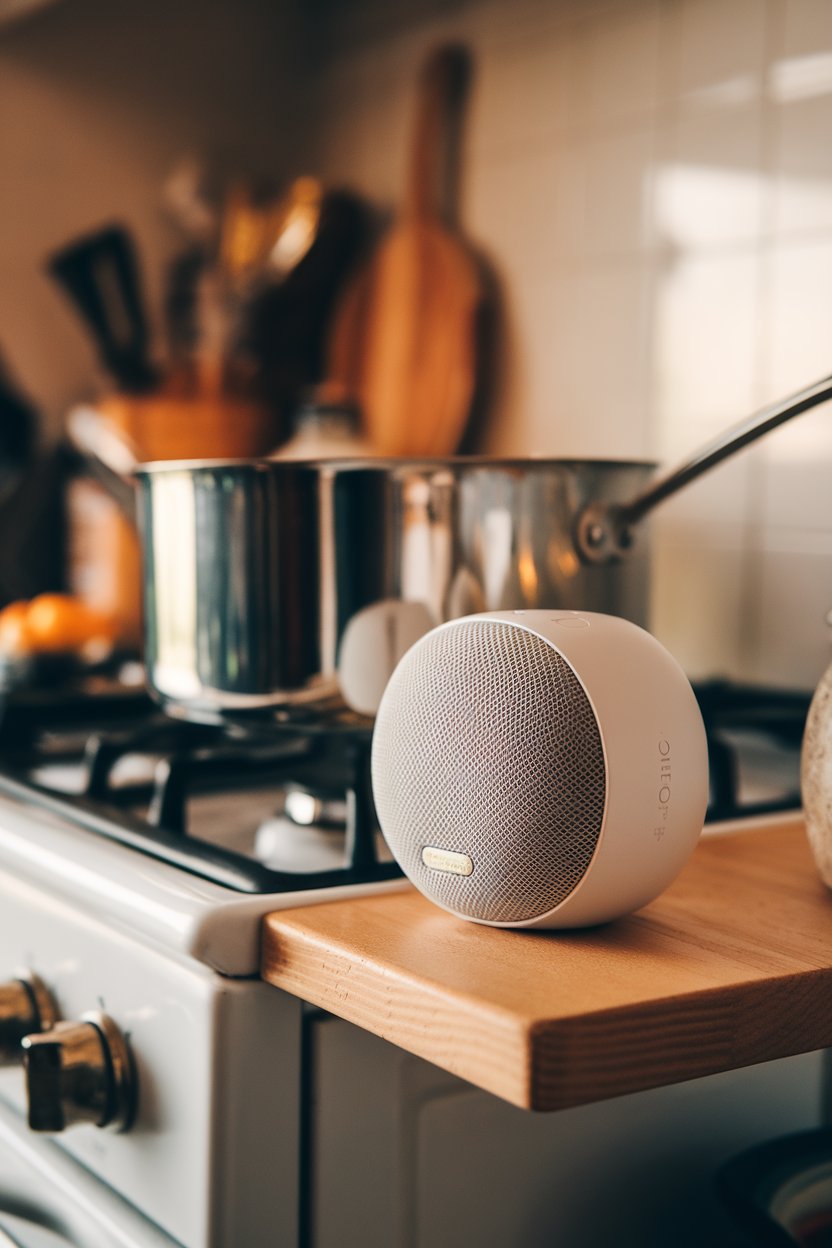
Turn meal prep into a mini dance party to associate healthy cooking with fun rather than chores. A lively playlist can make thirty minutes of chopping pass quickly. Over time, the soundtrack itself sparks motivation to step into the kitchen.
12. Batch-Cook Whole Grains
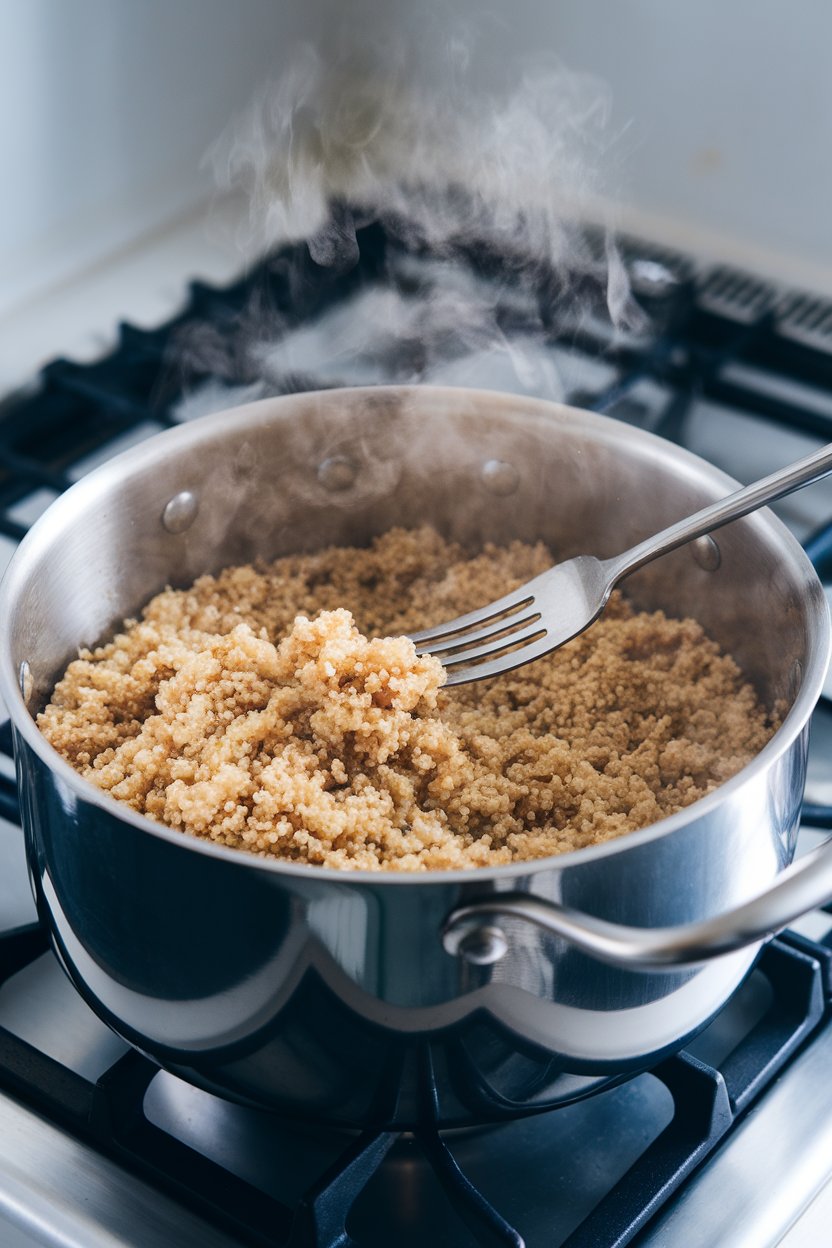
Cooking brown rice, quinoa, or farro in bulk saves energy and ensures complex carbs are always ready. Portion the grains into freezer-safe bags if you won’t use them within four days. They reheat perfectly with a splash of broth or water.
13. Post a Handwritten Goal on the Fridge
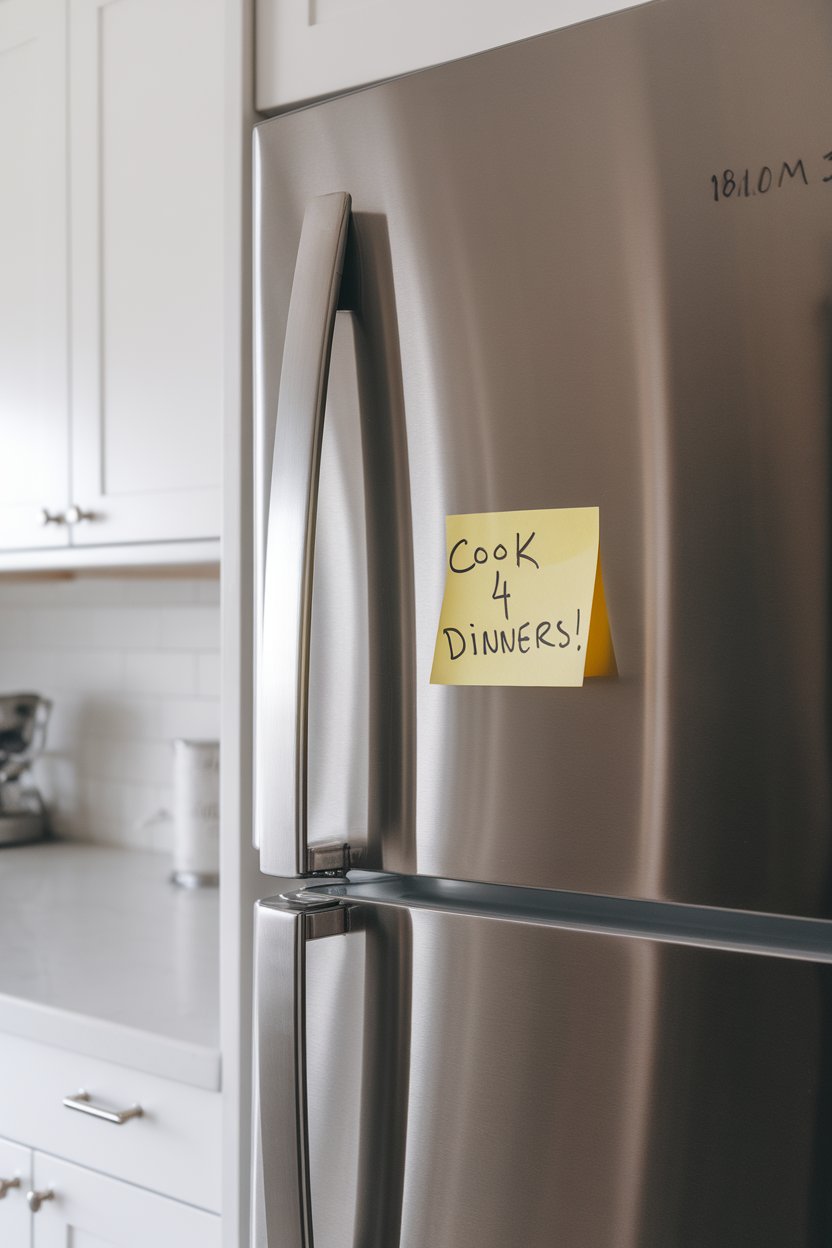
Written reminders outperform digital messages because you physically place them in your environment. A concise, achievable statement keeps your focus narrow and realistic. Update the note weekly so it stays relevant and motivating.
14. Stock Spices You Actually Love
Flavor excitement often separates a bland meal from one you look forward to. Identify three to five spices that match your palate and use them generously. Fresh spices also allow lower sodium dishes to taste vibrant.
15. Keep Healthy Frozen Meals for Emergencies
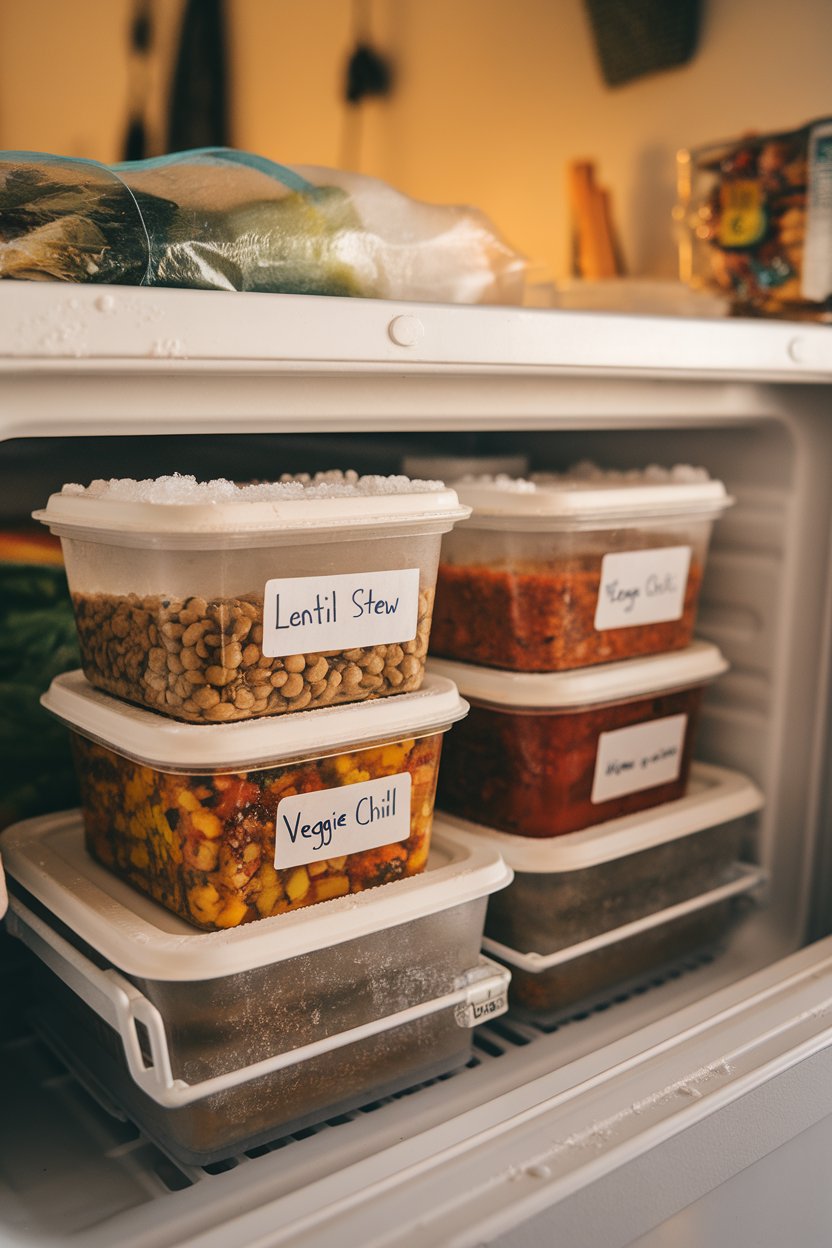
Even the best plans hit unexpected hurdles, so a freezer safety net prevents drive-thru detours. Batch-cook favorites, cool completely, then freeze in single portions. Future-you will be grateful when time or energy is scarce.
16. Pair Habit Stacking With Hydration
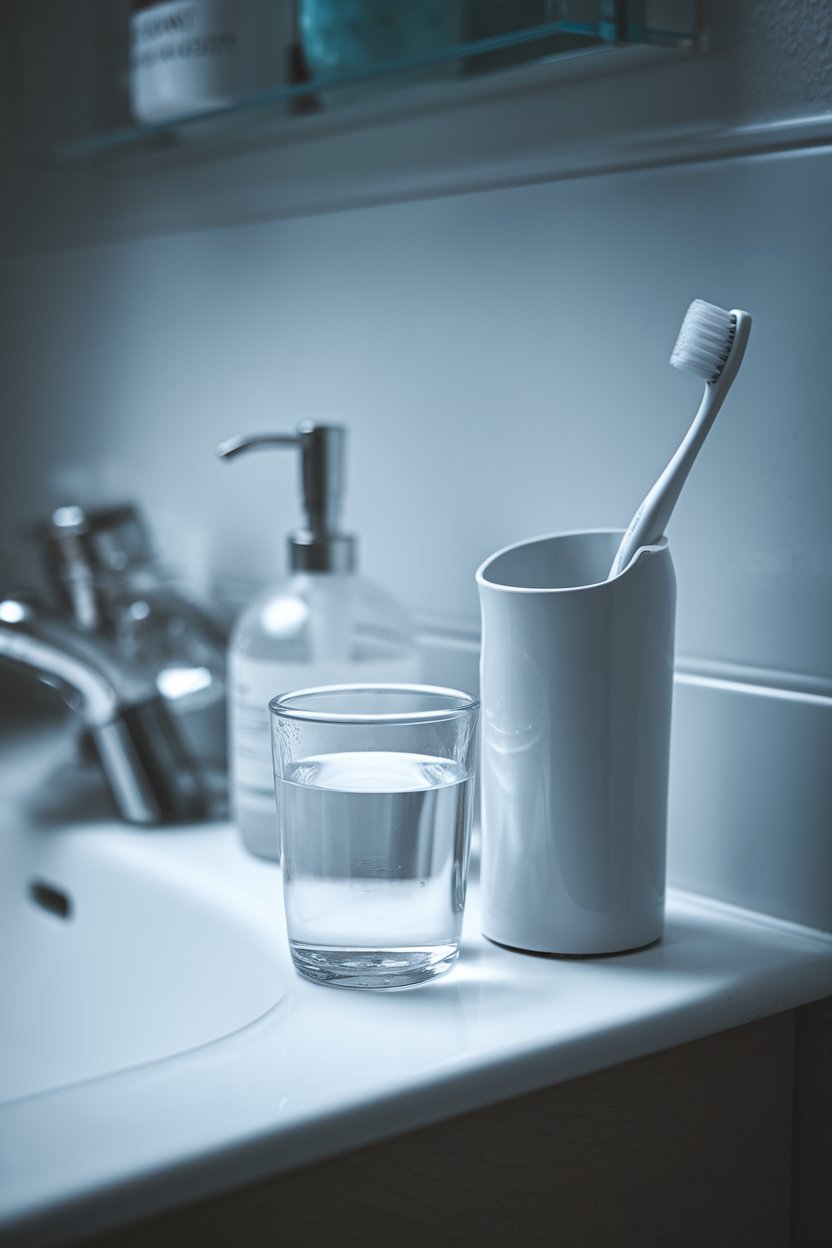
Attach a sip of water to an existing routine like brushing teeth. The brain links the two actions, turning hydration into an automatic follow-up. Small cues add up to noticeable improvements in energy and digestion.
17. Take Five Deep Breaths Before Meals
Calming the nervous system can prevent stress-induced overeating. Slow breathing tells your body mealtime isn’t a race, improving both enjoyment and digestion. It’s a 30-second ritual that pays off all day.
18. Use a Chalkboard Menu in the Kitchen
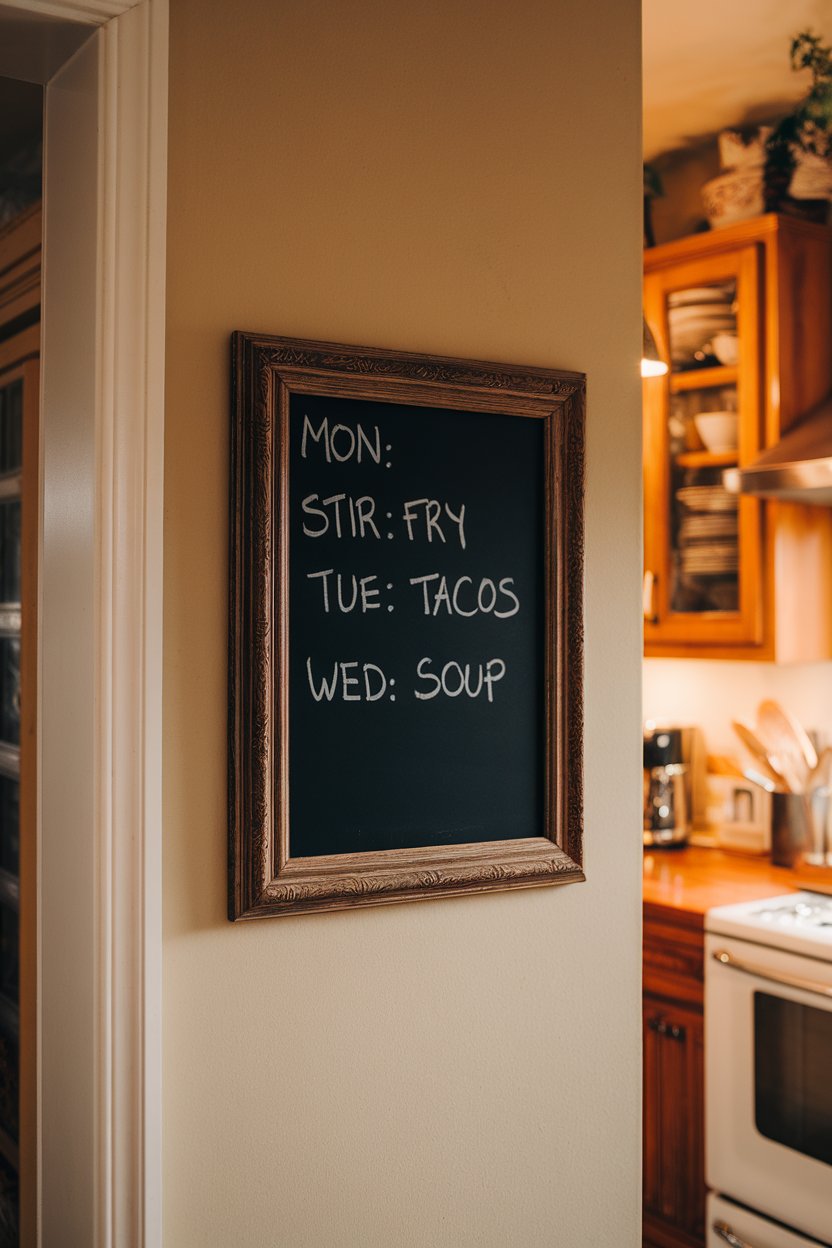
Seeing the week’s meals at a glance reduces the temptation to order pizza. A chalkboard looks welcoming and can be updated quickly. Family members can also pitch recipe ideas directly on the board.
19. Join a Local Produce Box Program
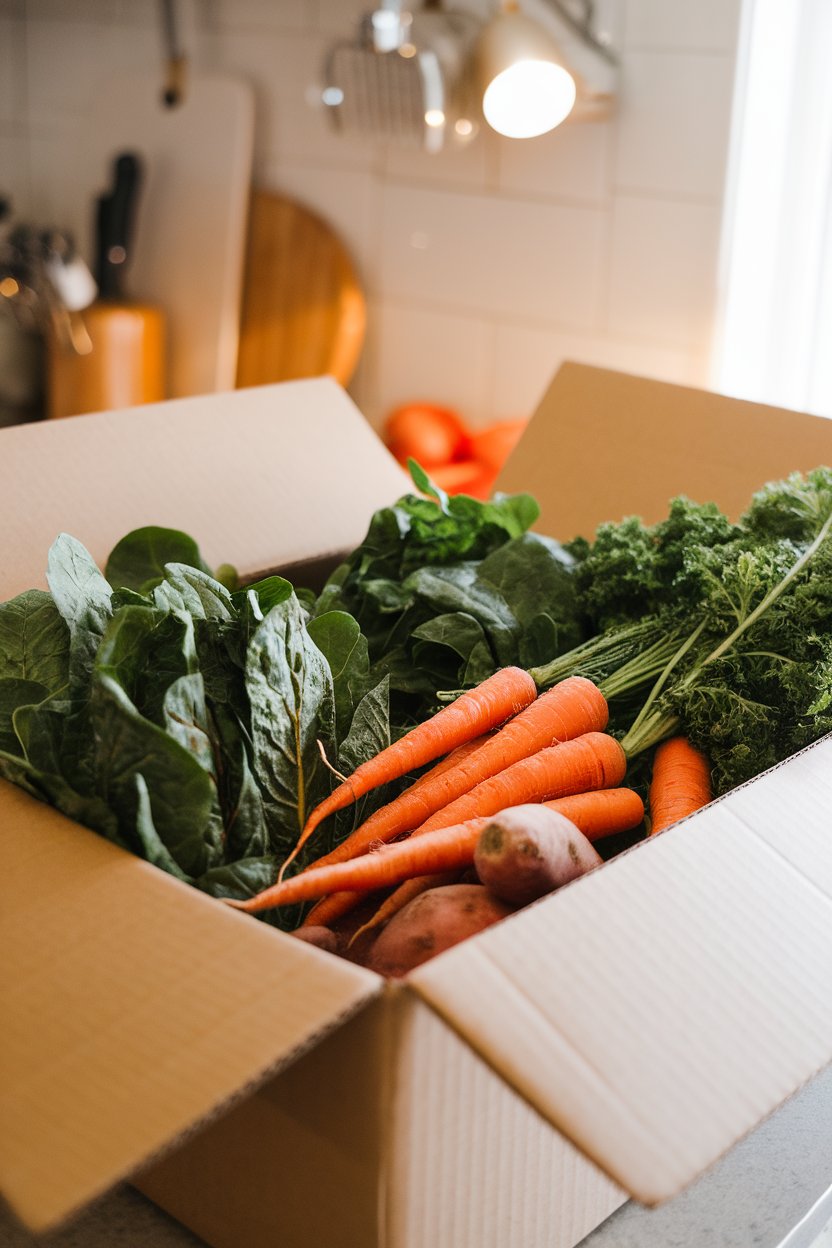
Receiving a curated bundle encourages creativity and variety without endless aisle browsing. Many services highlight farms within 100 miles, so you’ll taste seasonal foods at their peak. Unpacking the box feels like a weekly present to yourself.
20. Keep Immersion Blender Ready for Quick Soups
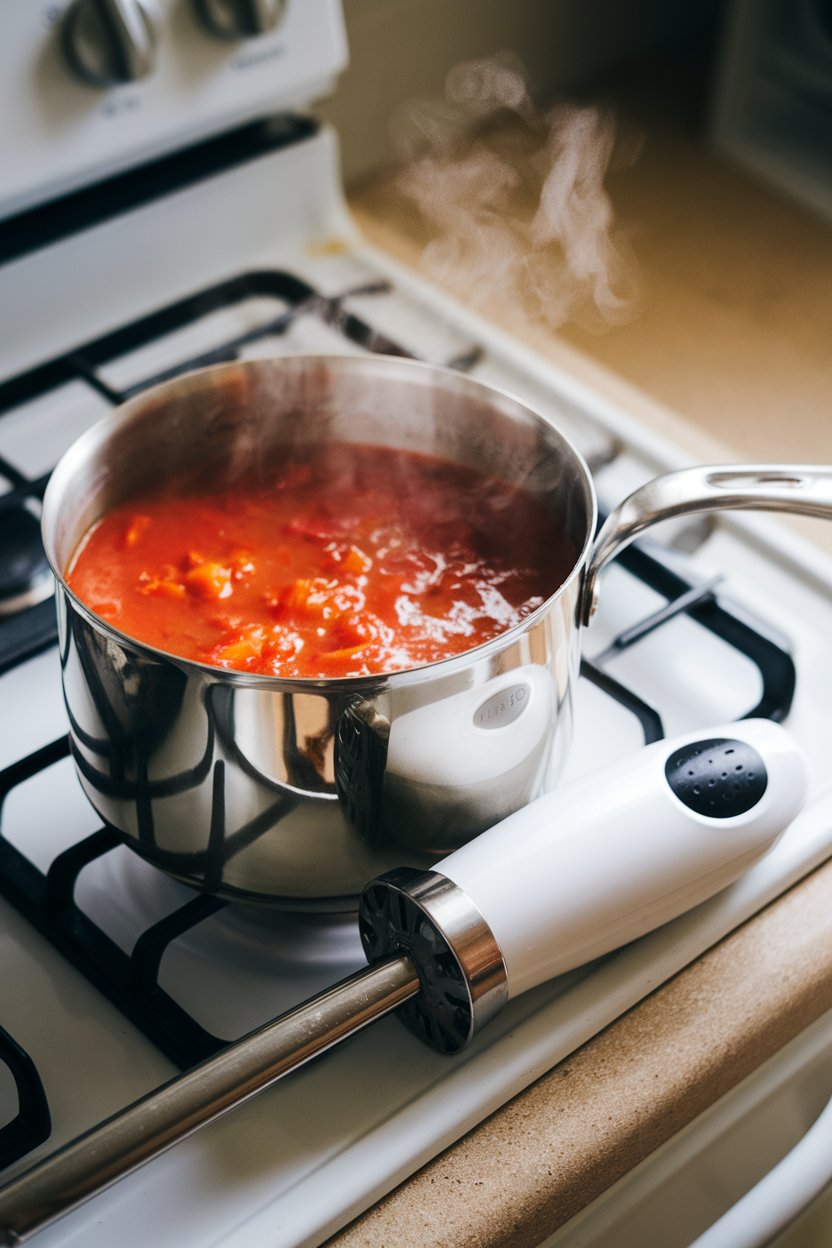
Pureed soups make vegetables satisfying on chilly evenings and require minimal cleanup. An immersion blender lets you skip transferring hot liquid to a countertop appliance. Blend, season, and serve straight from the pot in under 20 minutes.
21. Prep Smoothie Bags for Busy Mornings
Place pre-measured fruit and veggies in individual bags, then dump them into the blender with your favorite liquid. Freezing locks in nutrients and eliminates produce spoilage. It’s a two-minute breakfast that tastes like more effort than it requires.
22. Eat Protein at Every Meal
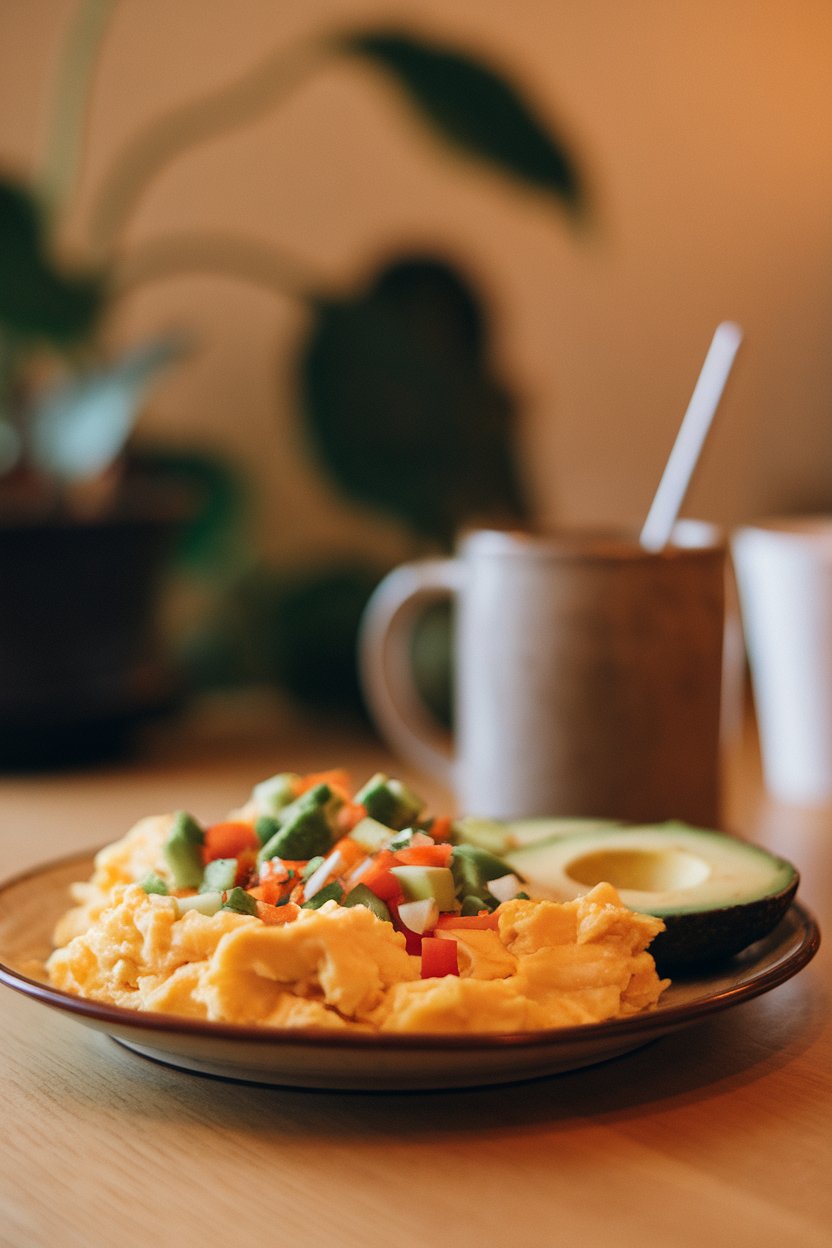
Protein stabilizes blood sugar and keeps hunger in check between meals. Include sources such as eggs, yogurt, beans, or lean meats across the day. Consistency here prevents late-night snacking triggered by earlier imbalances.
23. Place Healthy Snacks in Your Car
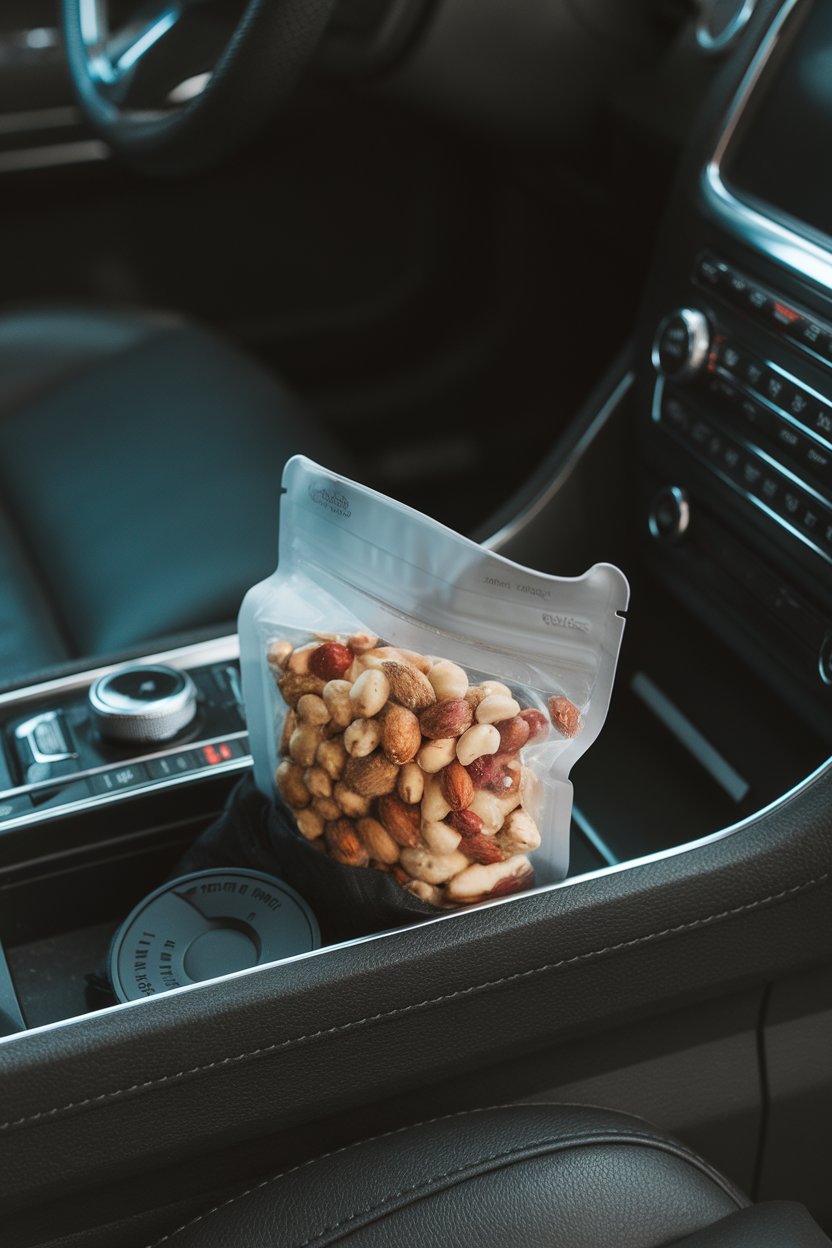
Traffic jams and long errands often provoke impulse food stops. Keeping shelf-stable options like nuts or roasted chickpeas close eliminates that excuse. Replace the stash weekly so you’re never caught empty-handed.
24. Flavor Water with Citrus or Herbs
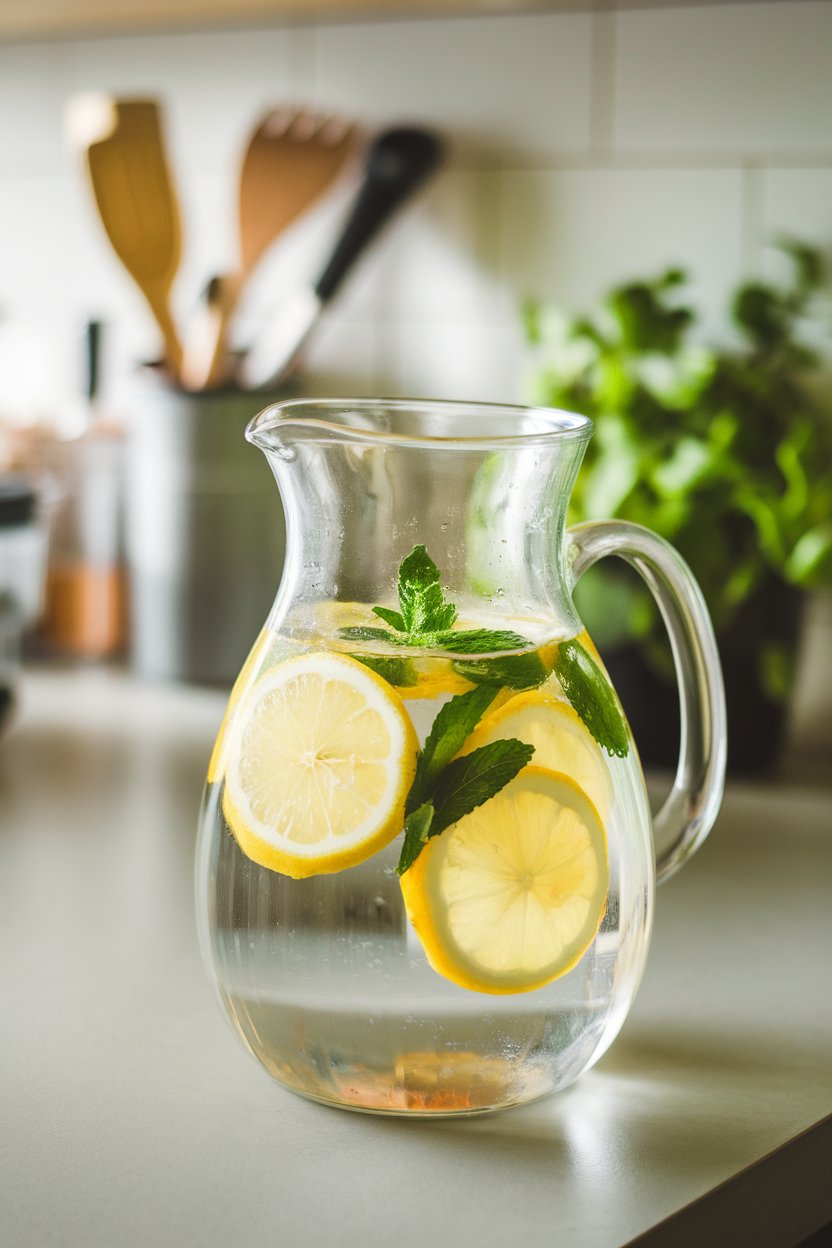
Infused water feels special without added calories or artificial sweeteners. Prepare a full pitcher in the morning and refill your bottle from it. The subtle flavor nudges you to sip more often than plain water might.
25. Practice the “Half-Plate Veggies” Rule
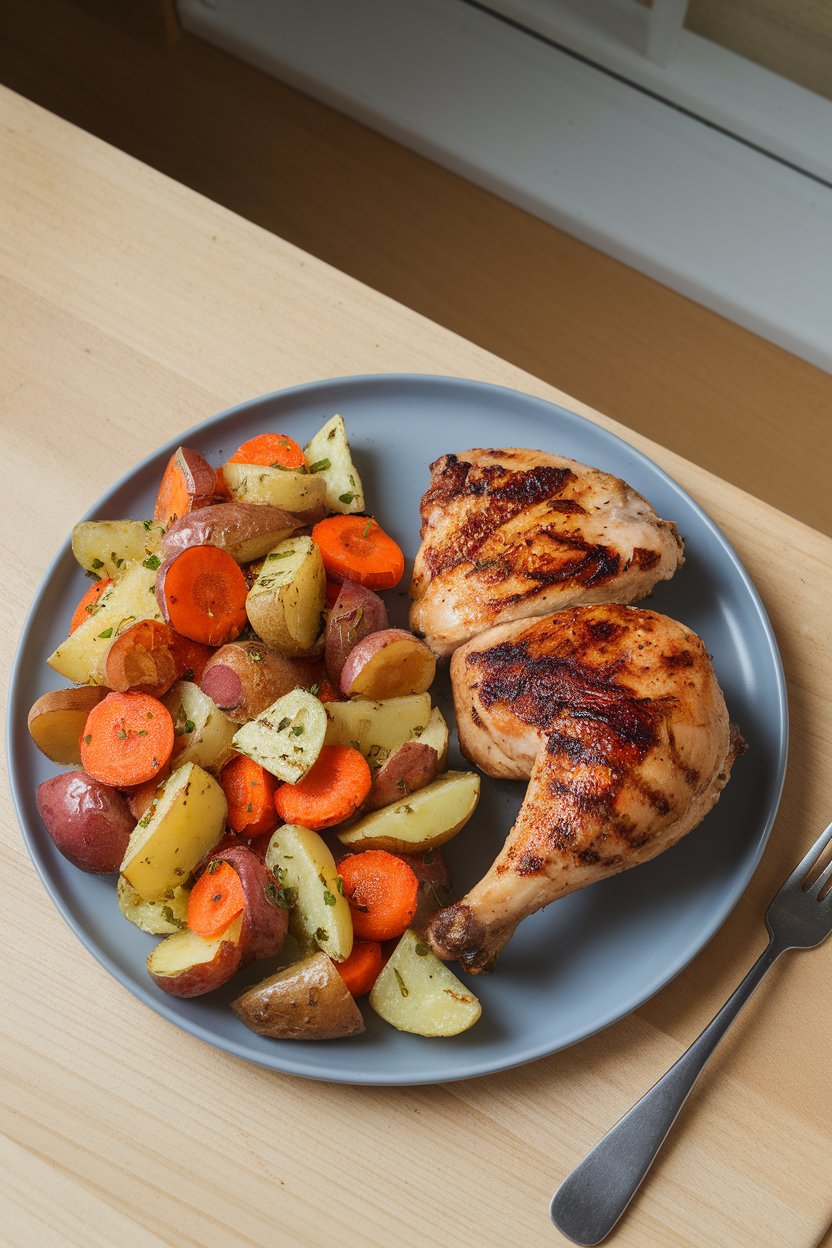
Filling half the plate with produce naturally balances calories and nutrients. You focus on abundance, not restriction, which feels mentally lighter. Over time, the bright colors and flavors become the highlight of the meal.
26. Set Phone-Free Meal Times
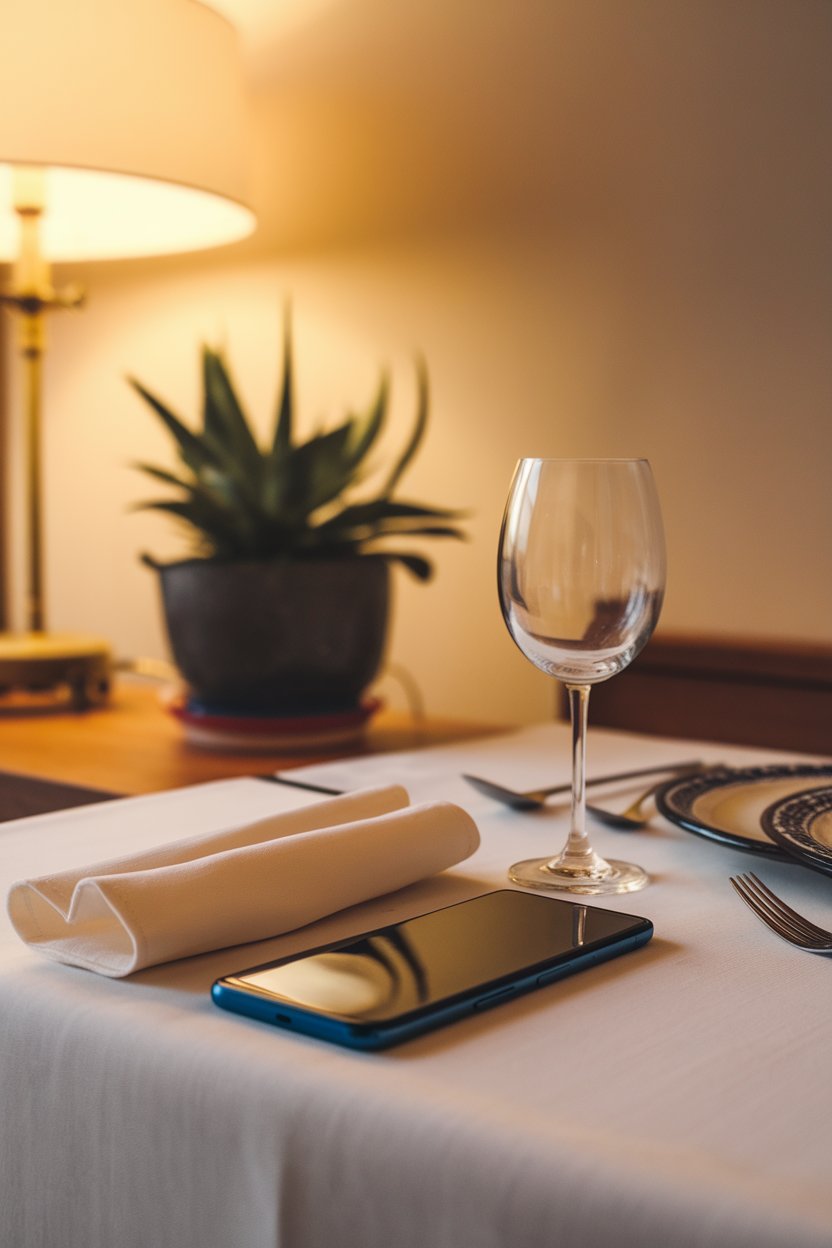
Without scrolling distractions, you notice hunger and fullness sooner. Conversation and mindful chewing also improve digestion. Start with dinner, then expand to other meals as it becomes second nature.
27. Keep a Running Grocery List on the Fridge
Jotting items as they run out means fewer forgotten ingredients and fewer impulse buys later. Family members can add requests, making planning collaborative. Tear off the sheet when you head to the store and you’re set.
28. Swap Evening TV Snacks for Herbal Tea

A warm beverage signals the body that the kitchen is closed for the night. Herbal blends provide flavor without caffeine or sugar, easing the transition to sleep. Keep several varieties on hand so you never feel deprived.
29. Use a Digital Food Diary for One Week
A short tracking stint highlights hidden sugar or sodium sources and guides future tweaks. Seven days is long enough to gather insights without turning into a lifelong chore. Review patterns on day eight and adjust goals accordingly.
30. Keep Healthy Dips Ready
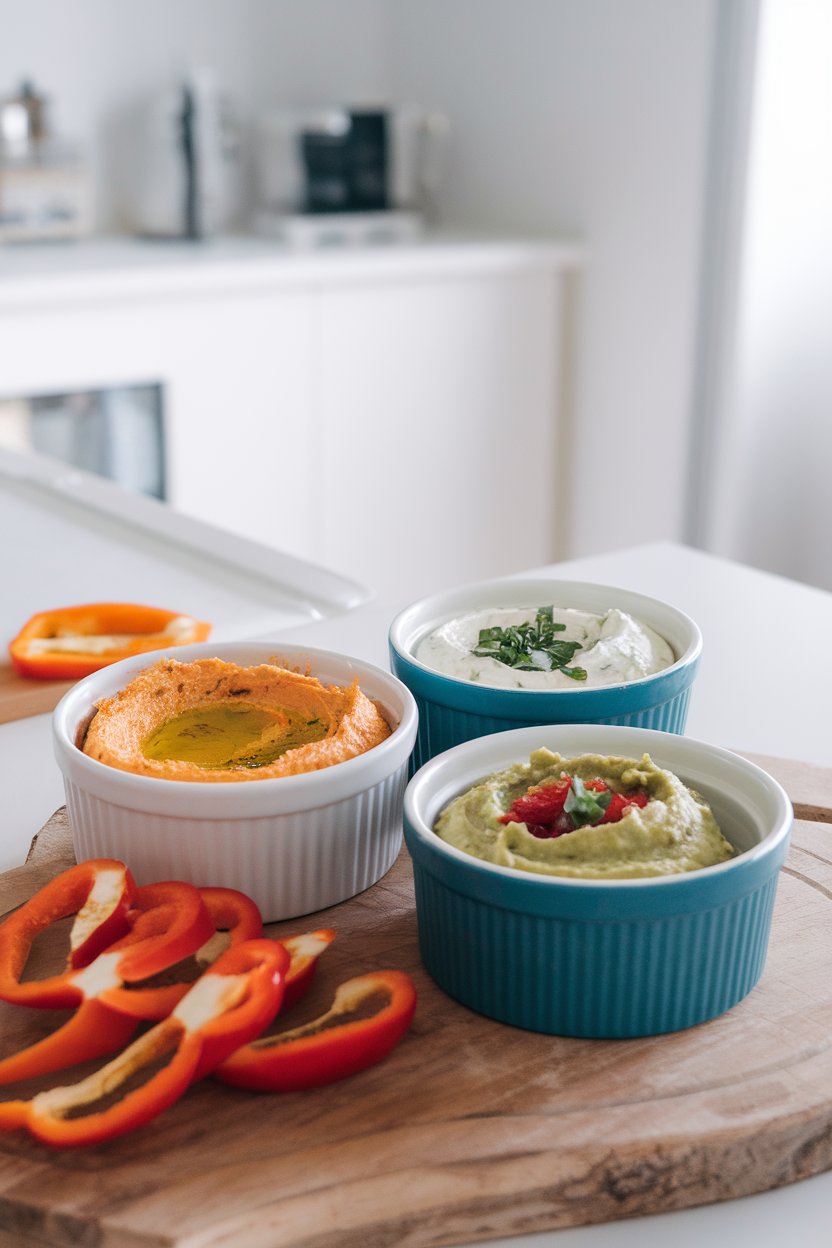
Creamy, flavorful dips make raw veggies far more enticing. Prep or buy small batches so they stay fresh and interesting. Pair them with whole-grain crackers for an easy snack plate.
31. Celebrate Milestones with Non-Food Rewards
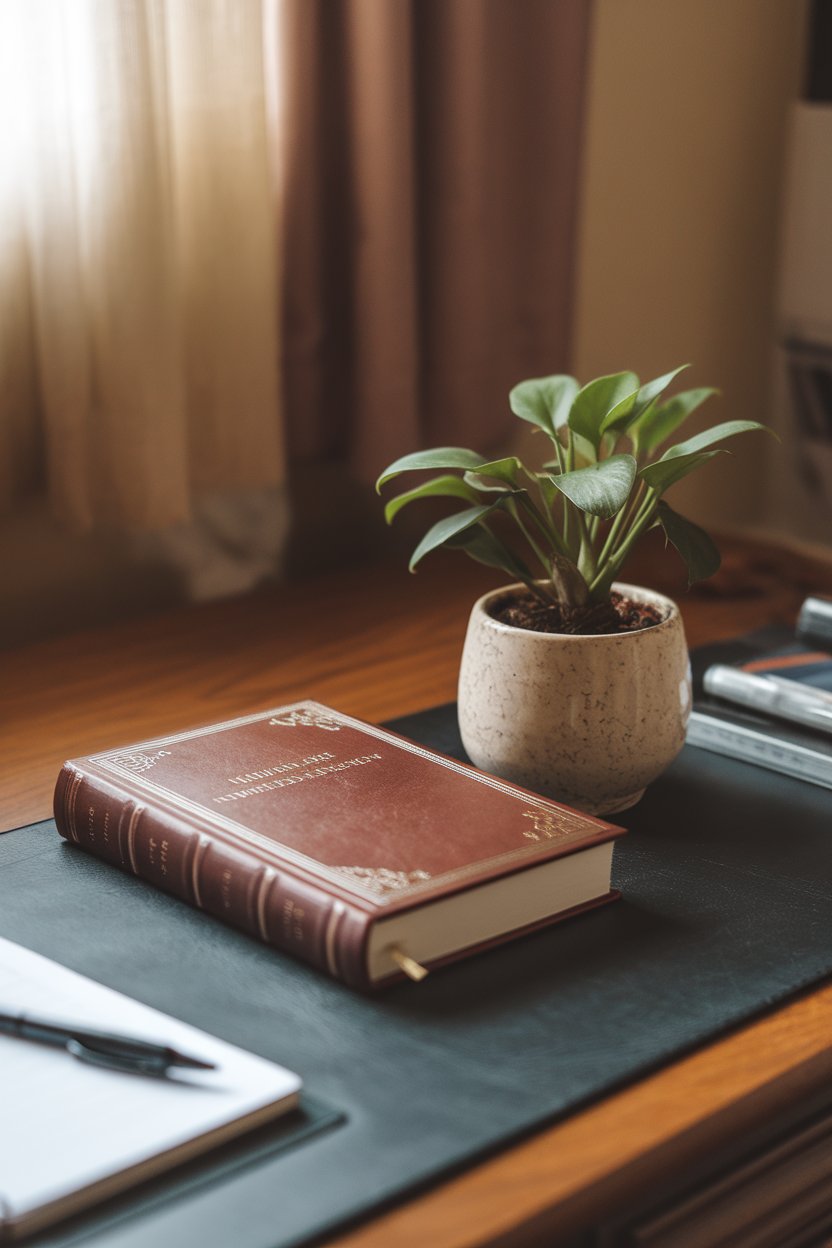
Linking achievements to experiences or objects—like a novel or new workout gear—avoids turning treats into trigger foods. It reinforces positive behavior without undermining progress. Note each reward in advance so it feels official.
32. Place Veggies in an Oven-Ready Tray the Night Before
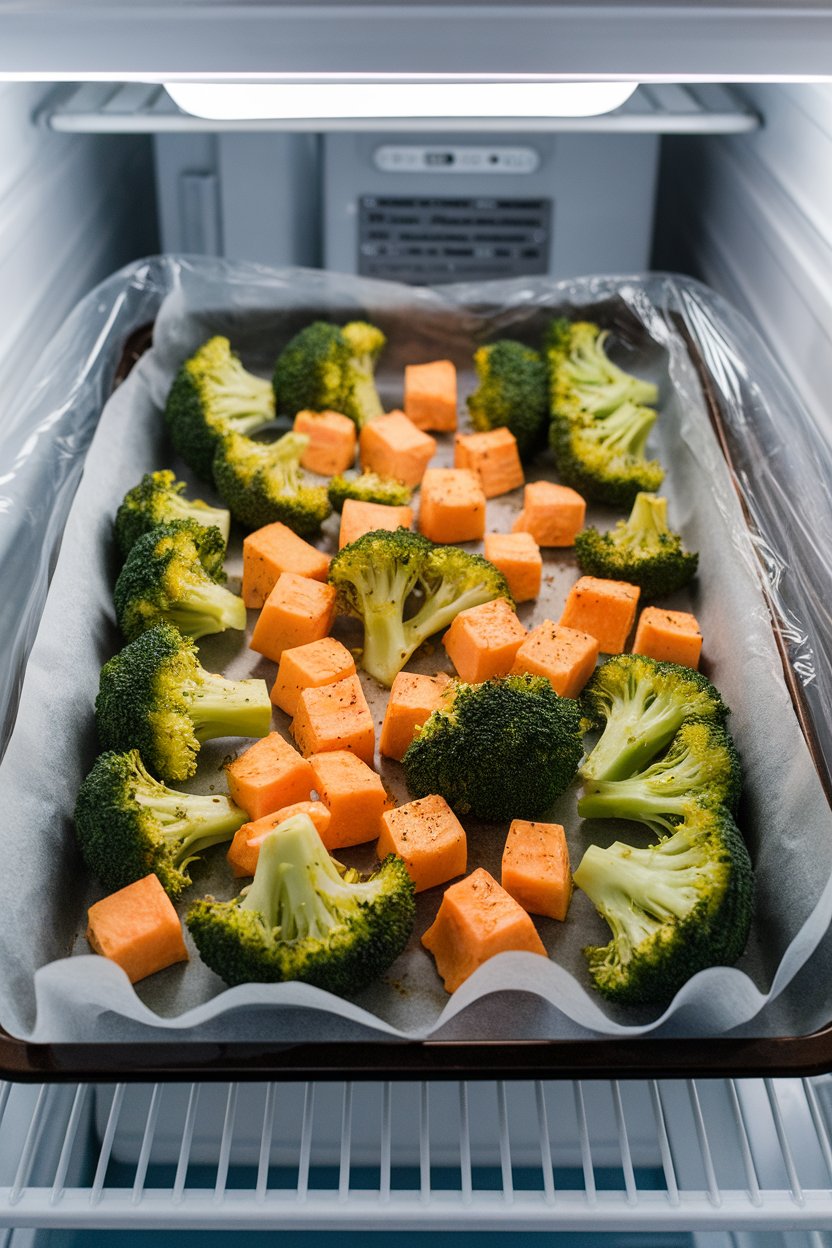
After work, all you need do is slide the tray into the oven while changing clothes. This removes the mental hurdle of washing and chopping when you’re tired. Roasted veggies pair effortlessly with any protein you have available.
33. Follow the 80/20 Guideline
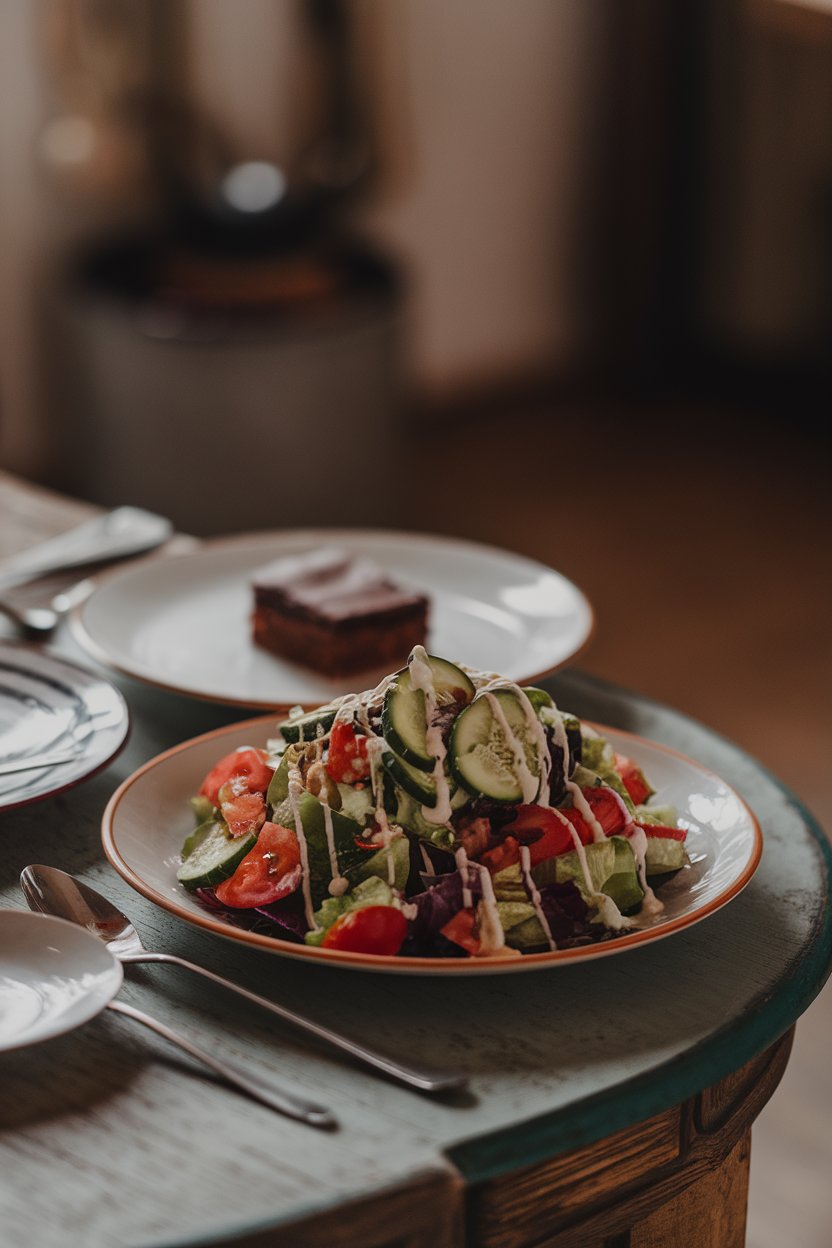
Aiming for mostly nutrient-dense choices while leaving room for small indulgences supports consistency. The flexible balance reduces feelings of restriction. Many find they naturally gravitate closer to 90/10 as habits solidify.
34. Keep Citrus Zest in the Freezer
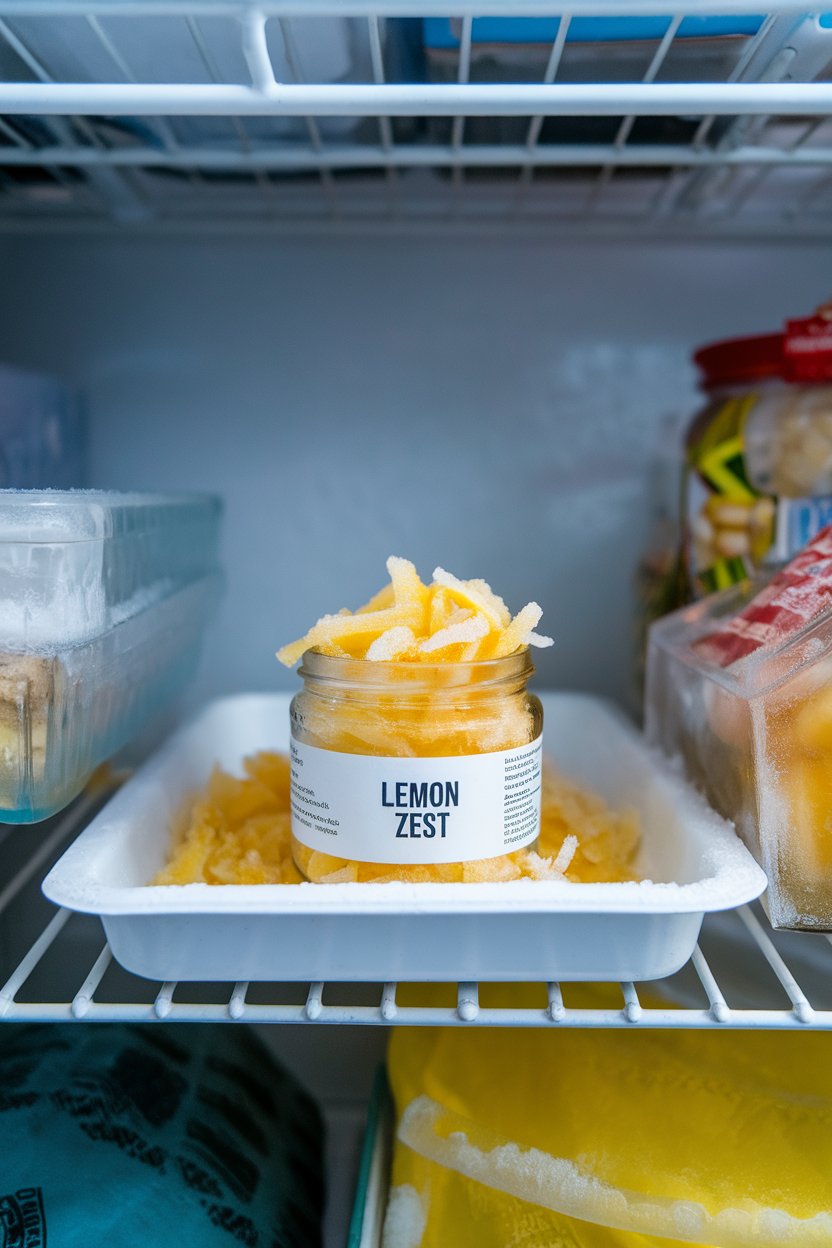
A pinch of zest brightens grains, dressings, and baked fish without extra salt. Grate several lemons or limes at once, then store in an airtight jar for quick use. The flavor stays potent for up to three months.
35. Pre-Portion Nuts and Seeds
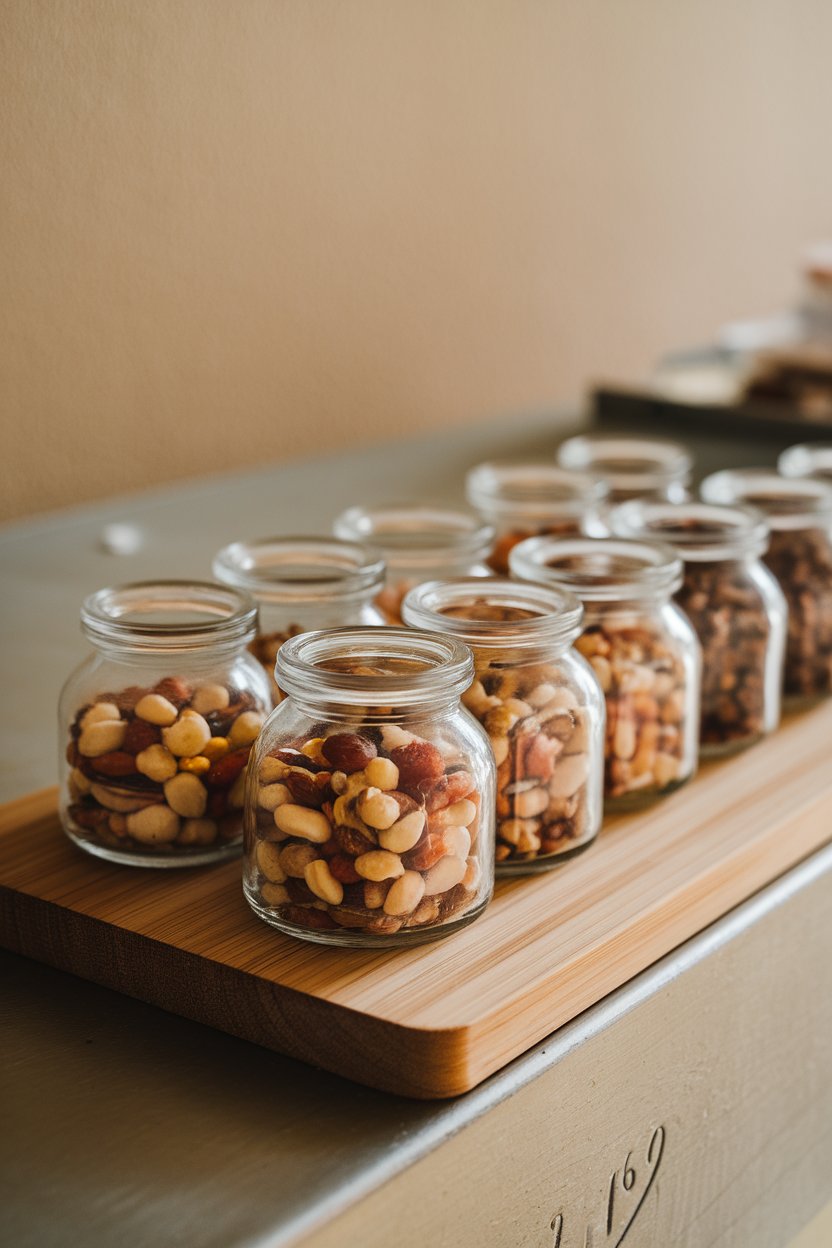
Healthy fats can be calorie-dense, so ready-made servings help avoid unintended over-snacking. Fill small containers at the start of the week and stash them in your bag or desk. Variety—think almonds, walnuts, and pumpkin seeds—keeps boredom at bay.
36. Set a Produce Challenge with Friends
Friendly competition increases accountability and introduces new recipe ideas. Decide on a weekly theme—like leafy greens—then share photos of creative dishes. Everyone votes on the most appealing plate for bragging rights.
37. Keep Emergency Oatmeal Packets at Work
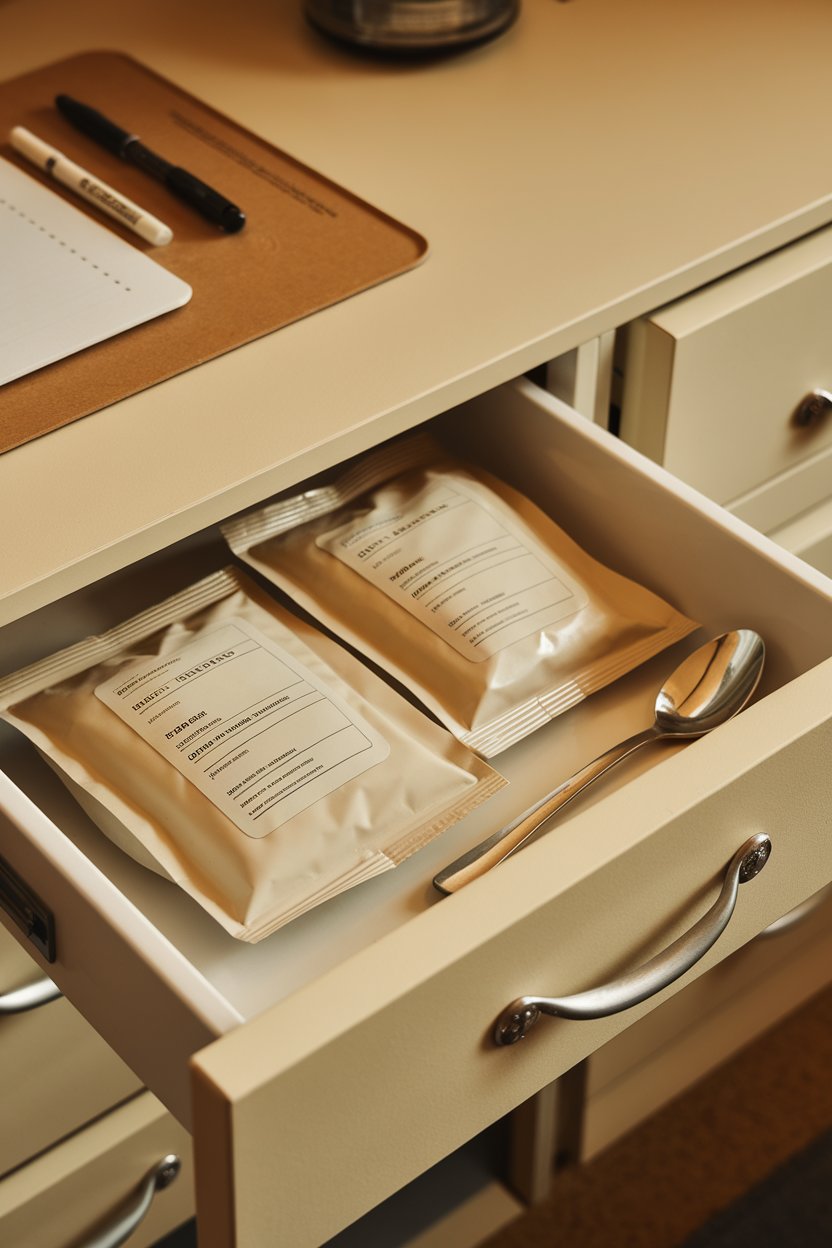
Forgotten breakfasts or afternoon slumps become manageable with this fiber-rich staple. Add hot water, a spoonful of nut butter, and cinnamon for a balanced mini-meal. It beats vending-machine snacks every time.
38. Use the Two-Bite Rule for Desserts
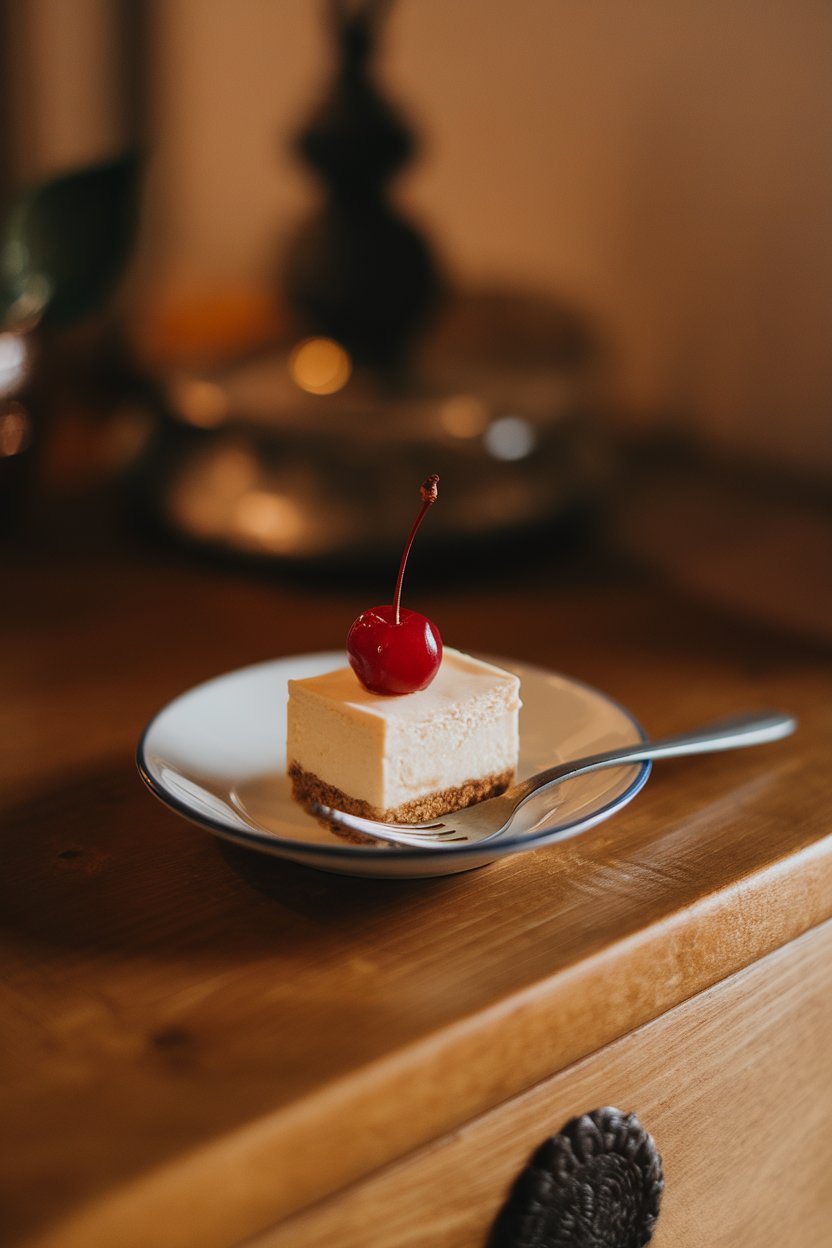
Two mindful bites satisfy curiosity without escalating to a full portion. Focus on flavor and texture rather than speed. If you still crave more after ten minutes, choose fruit or herbal tea instead.
39. Keep a Jar of DIY Salad Dressing Ready
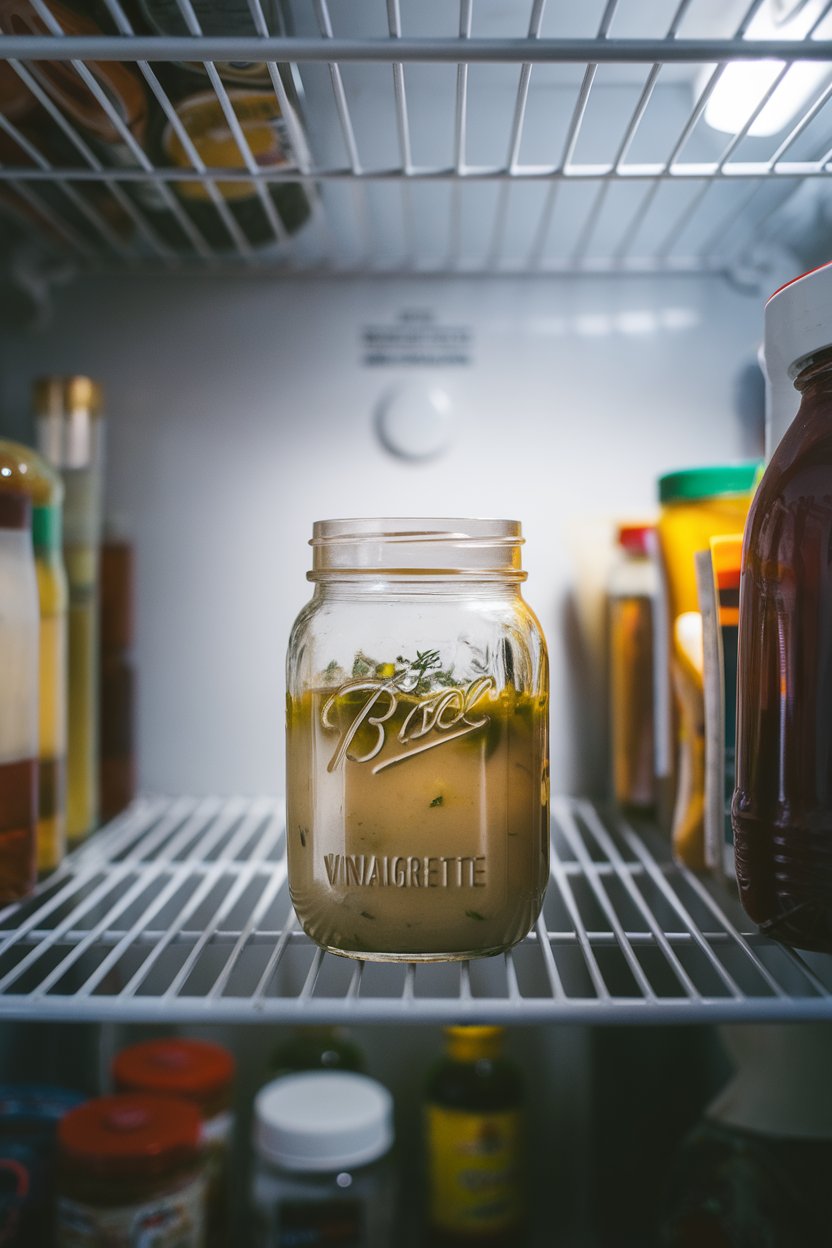
A homemade dressing takes five minutes, costs less, and avoids hidden sugars. Mix olive oil, vinegar, mustard, and spices; shake, then chill. Having it prepped means salads assemble faster than takeout arrives.
40. Rotate Cooking Methods
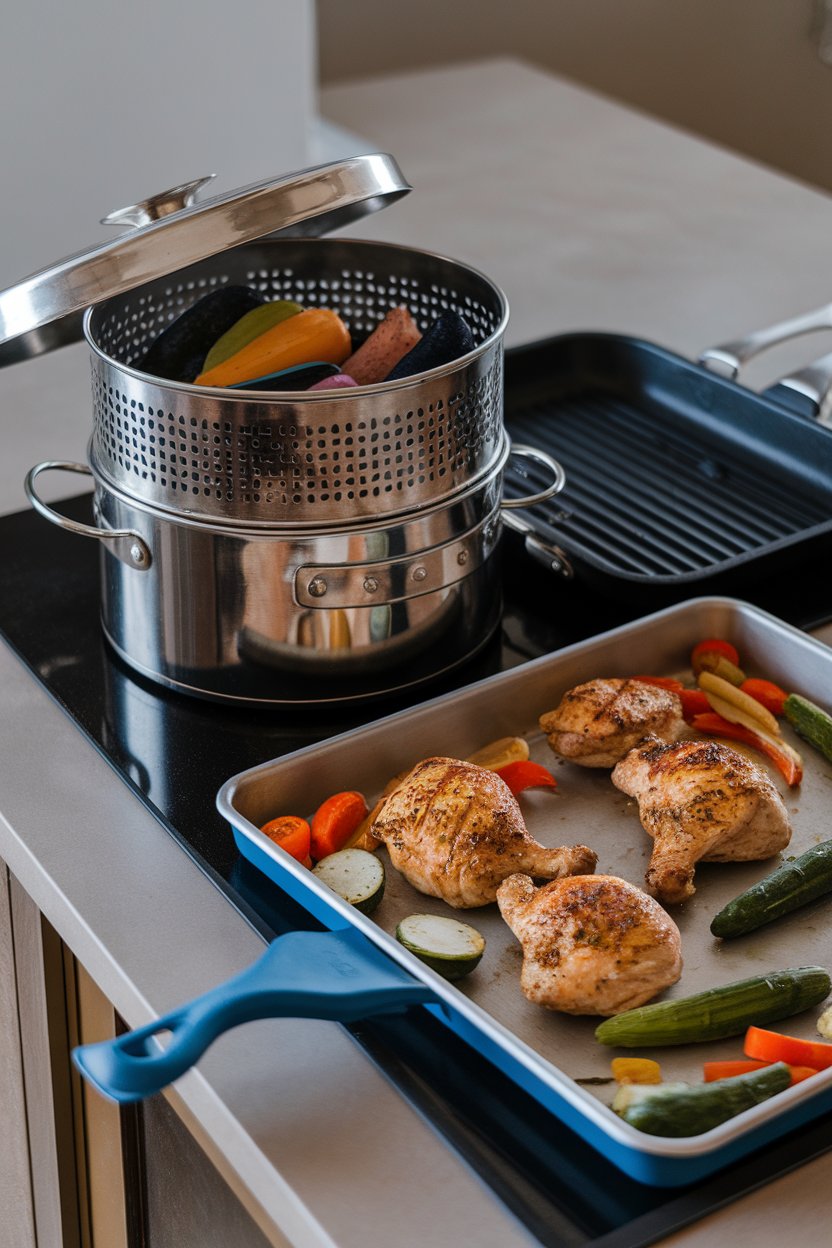
Switching between steaming, roasting, sautéing, and grilling holds boredom at bay. Different textures can make the same vegetable feel brand new. Plan weekly menus with at least two techniques to keep things interesting.
41. Place Herbs in Water Like Flowers
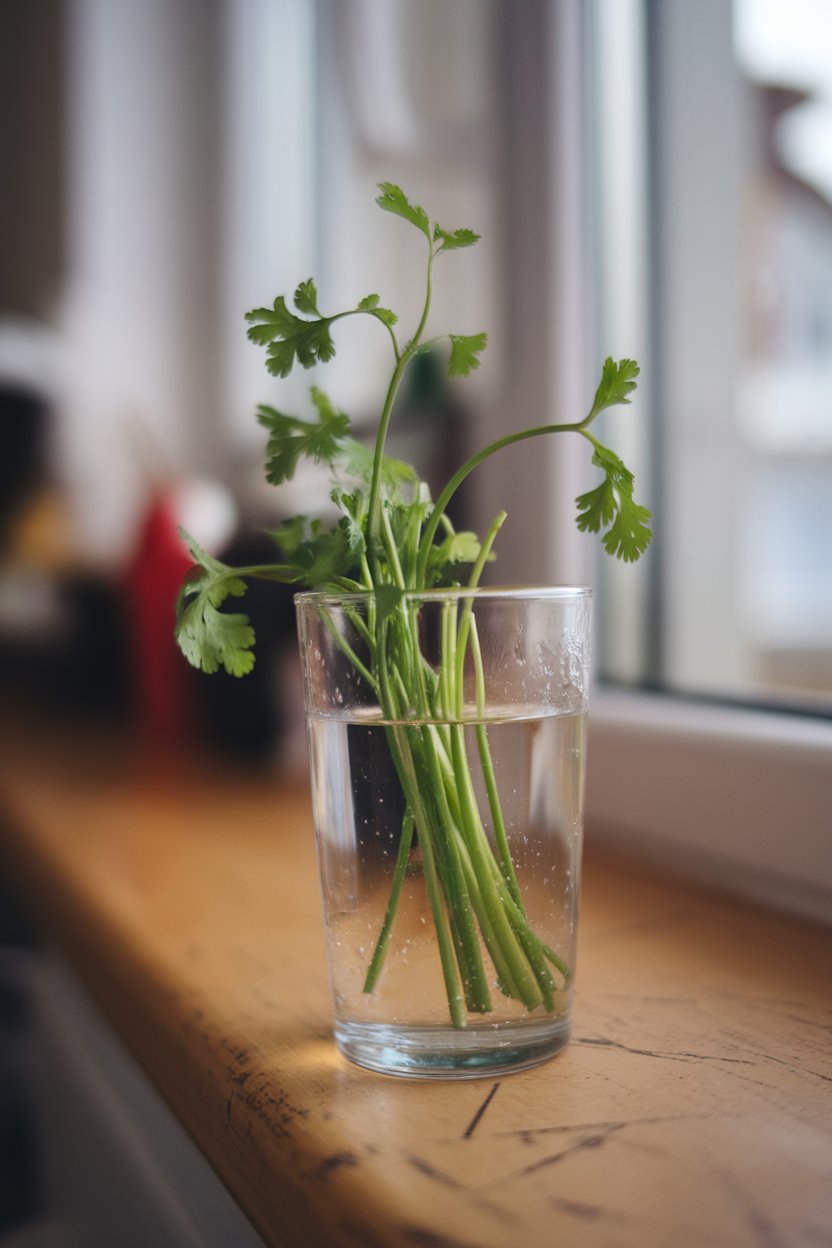
This simple trick keeps herbs fresh longer and turns them into kitchen décor. Seeing the greens reminds you to sprinkle them over eggs, grain bowls, and soups. Change the water every two days for maximum shelf life.
42. Buy Single-Serve Greek Yogurt
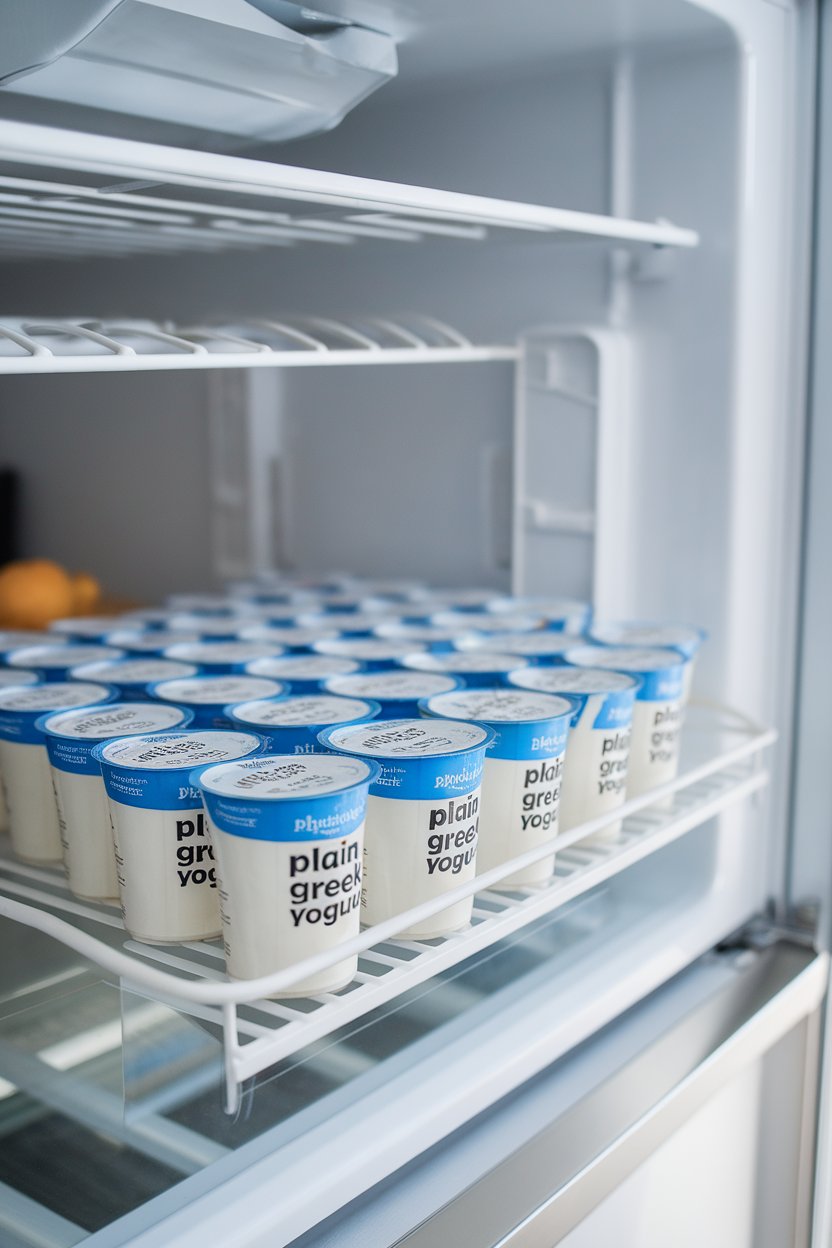
Pre-portioned yogurt makes breakfast and snacks portion-controlled and protein-rich. Top with fruit or a drizzle of honey instead of flavored varieties loaded with sugar. The small cups travel well for post-workout fuel.
43. Keep a Spice-Infused Olive Oil Bottle
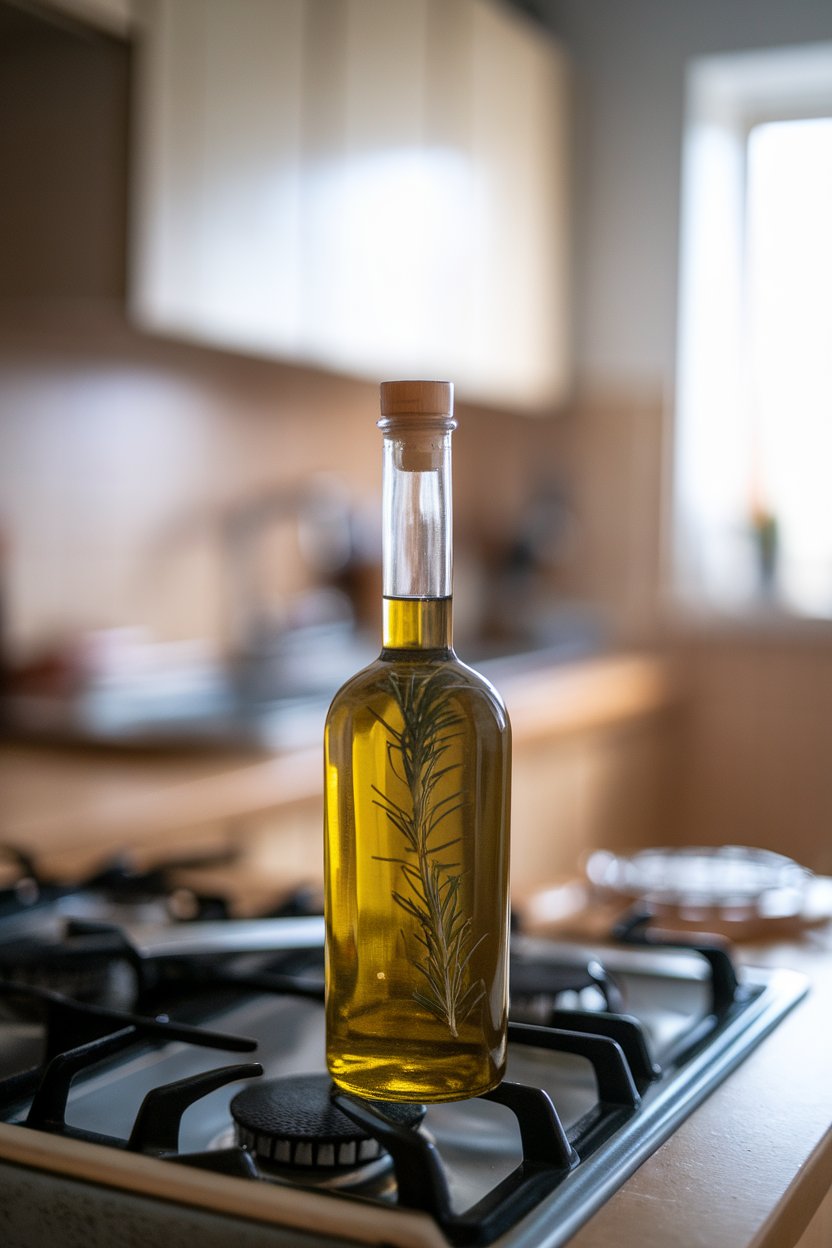
Flavored oil turns plain vegetables into an aromatic side with one drizzle. Combine good olive oil with herbs, garlic, or citrus peel and let it sit a few days. Store away from direct heat so flavors stay vibrant.
44. Make Veggie-Packed Egg Muffins
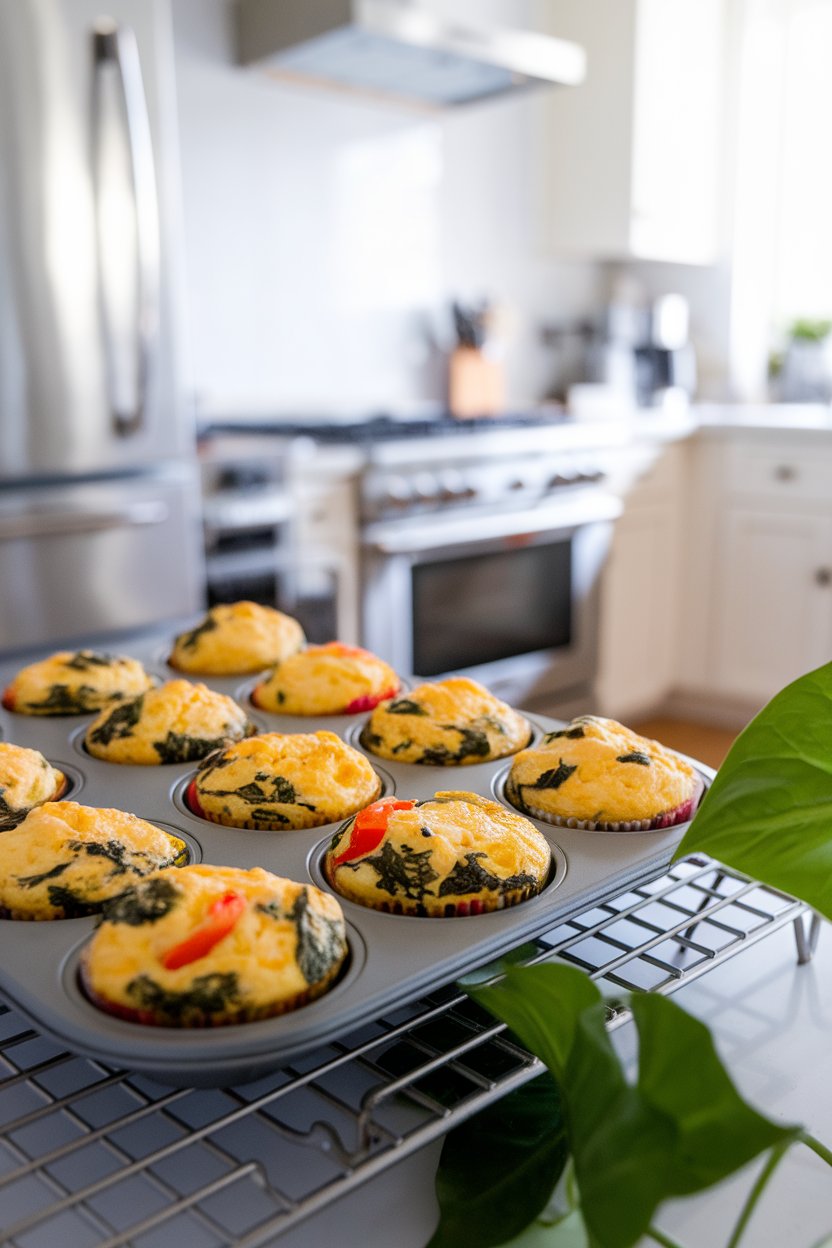
Egg muffins are a portable breakfast loaded with protein and vegetables. Bake a dozen, let them cool, then refrigerate or freeze. Reheat in the microwave for a fast, savory bite.
45. Set a Timer for 20-Minute Walks After Meals
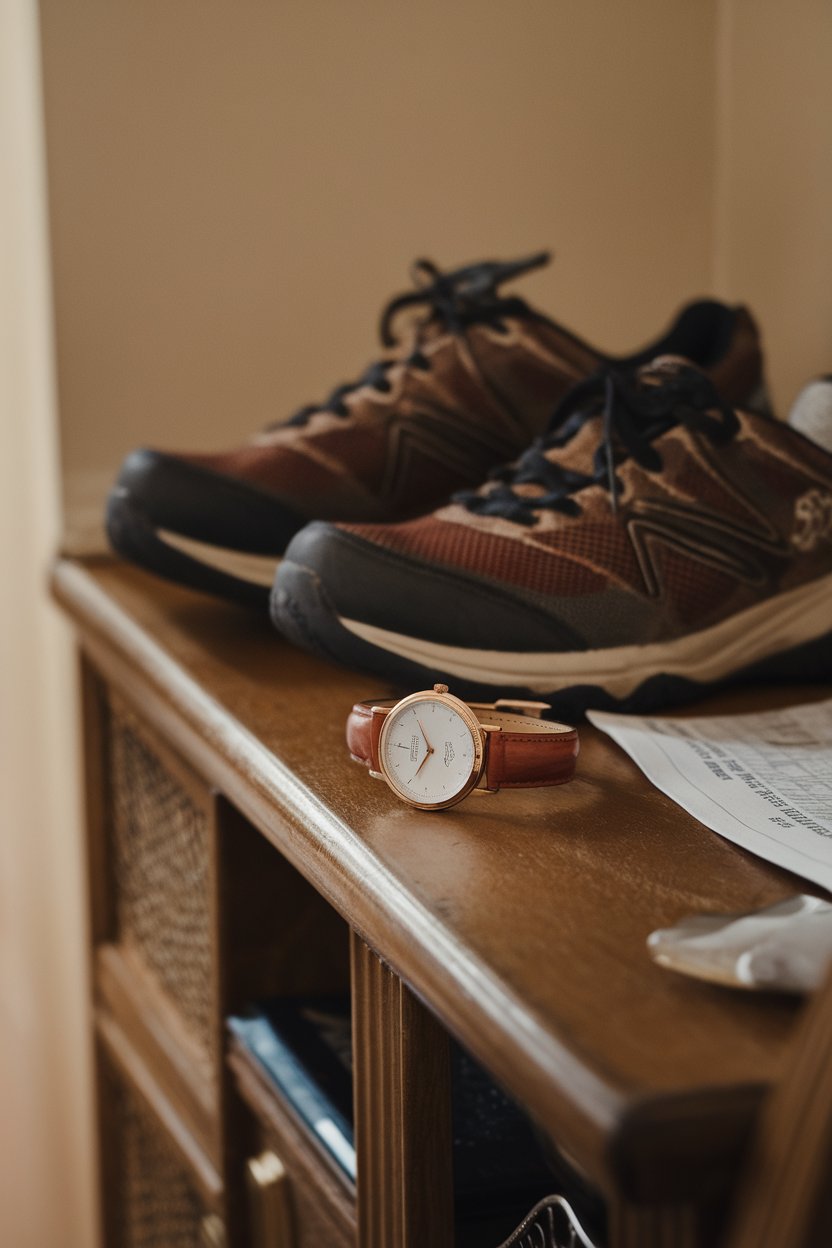
Light movement aids digestion and curbs post-meal sluggishness. A scheduled stroll can also become a mental break that reinforces healthy choices. Invite a roommate or family member for added accountability.
46. Blend Veggies into Pasta Sauce
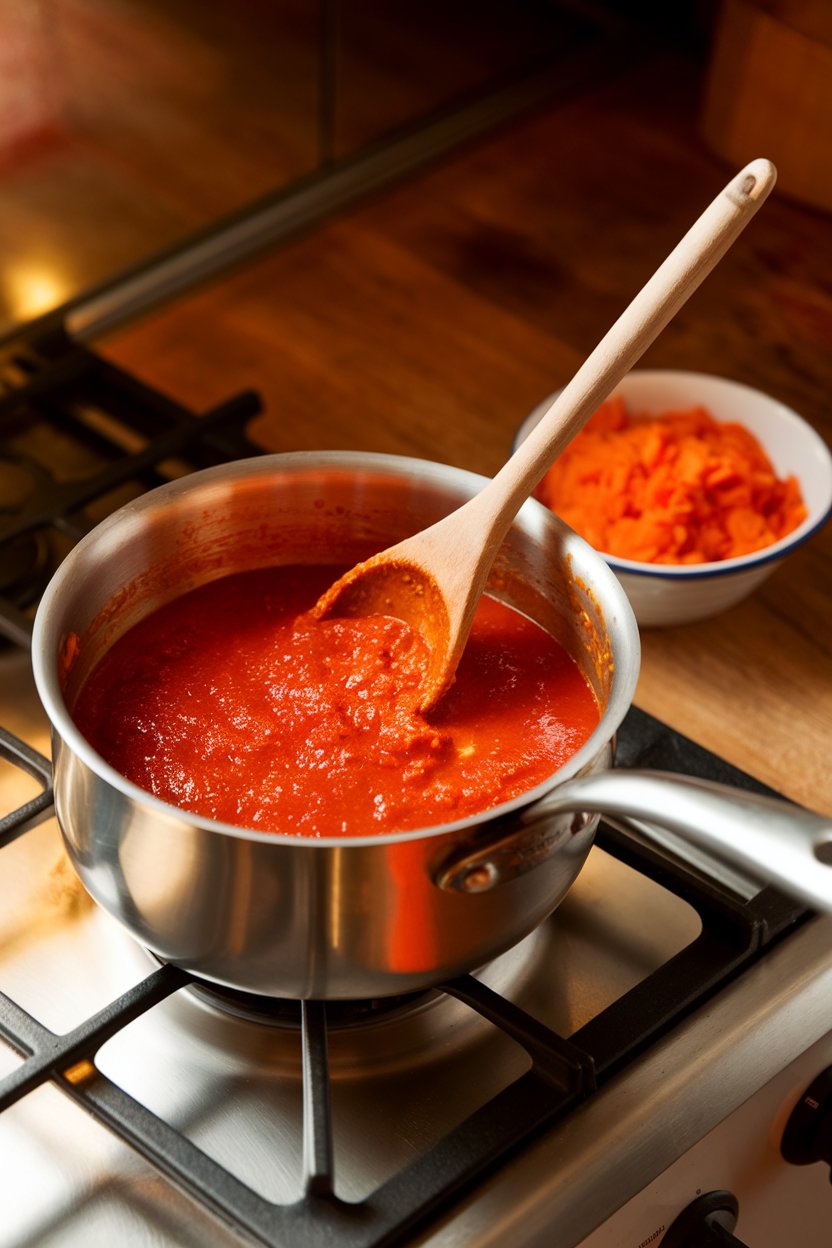
Puréed carrots, zucchini, or bell peppers boost nutrients without altering comfort-food vibes. Kids and picky adults often won’t notice the sneaky additions. Extra veggies also deepen flavor and fiber content.
47. Portion Leftovers Before Eating
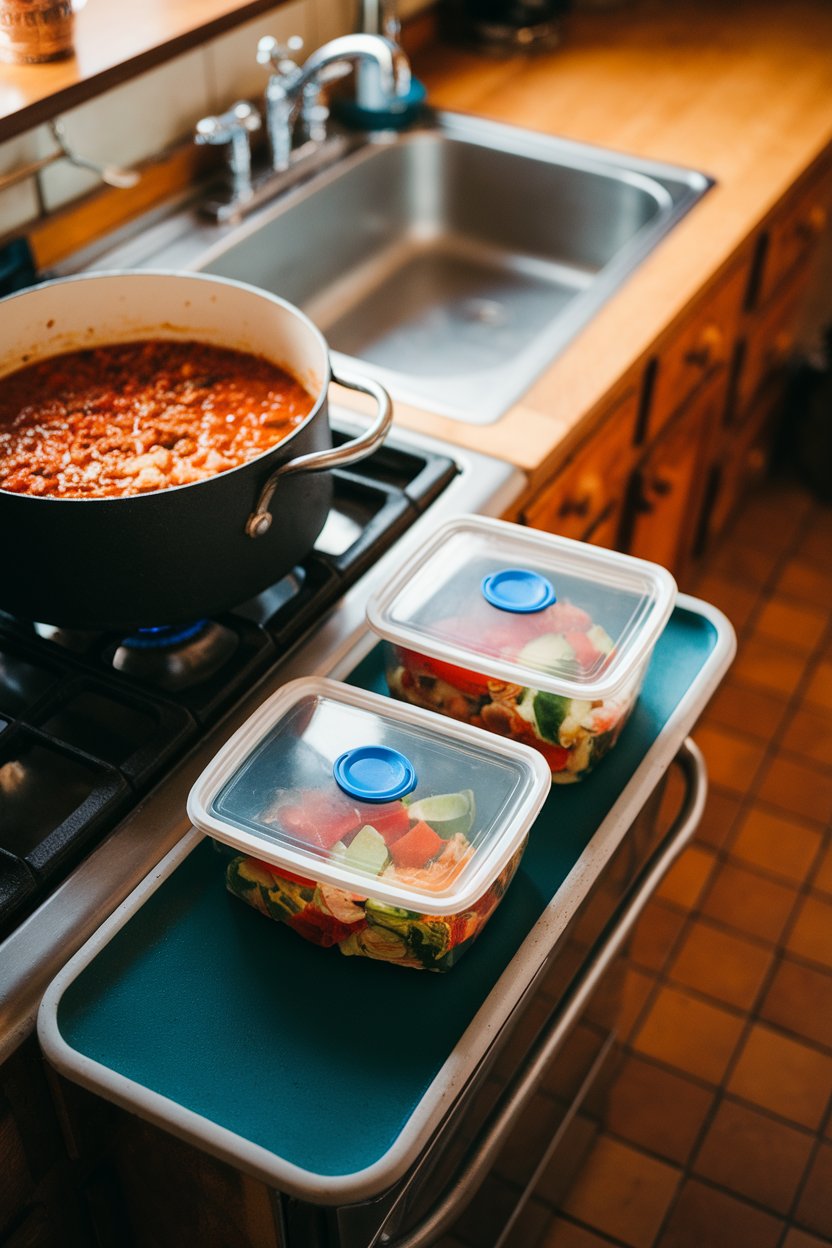
Dividing food right away prevents unplanned second helpings. Future lunches become grab-and-go, reducing next-day stress. This habit also keeps fridge organization tidy.
48. Keep a Fruit Basket in Your Workspace
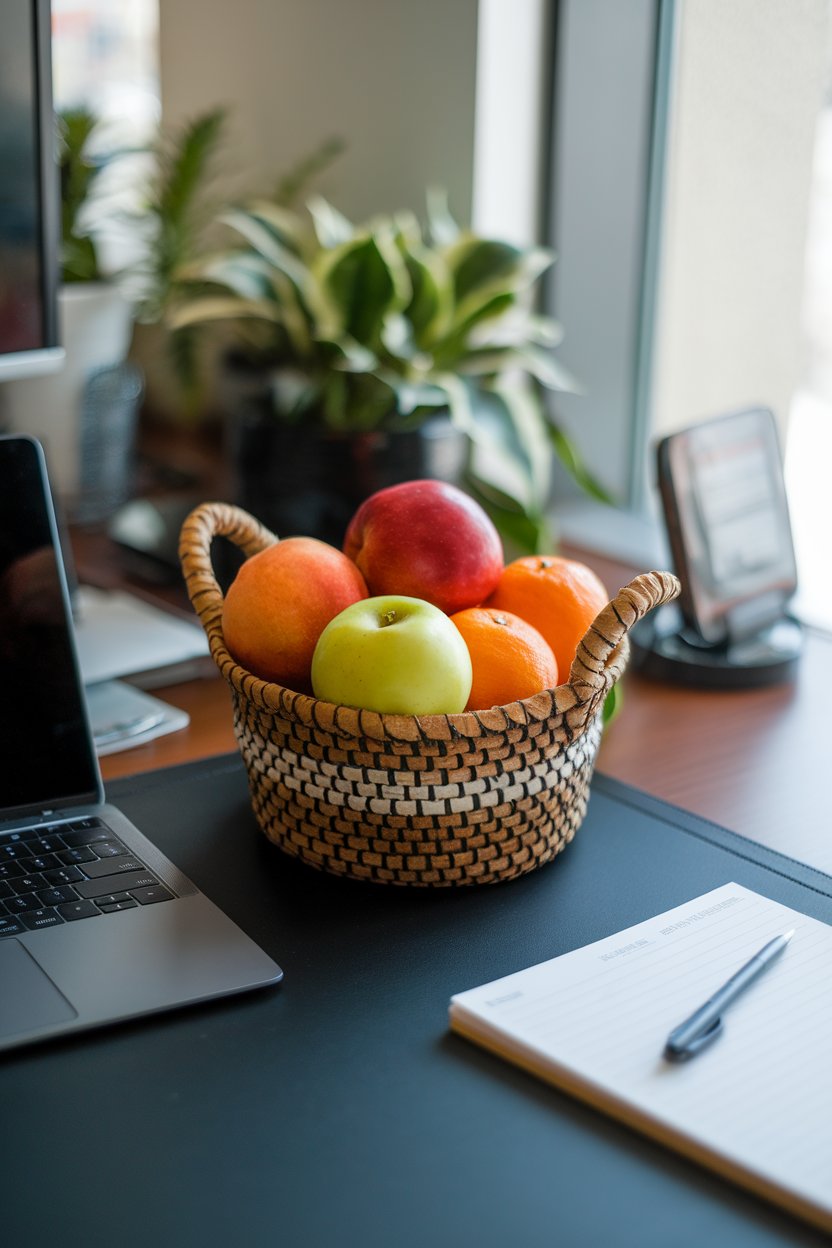
Mid-morning hunger hits hardest when nutritious options are far away. A visible fruit basket nudges you toward vitamins instead of vending-machine candy. Rotate selections to match the season for freshness.
49. Freeze Overripe Bananas for Smoothies
Bananas past their prime add natural sweetness and creaminess to smoothies. Slice before freezing so the blender handles them easily. They also work great in baked oatmeal or quick breads.
50. Review Progress Each Sunday Night
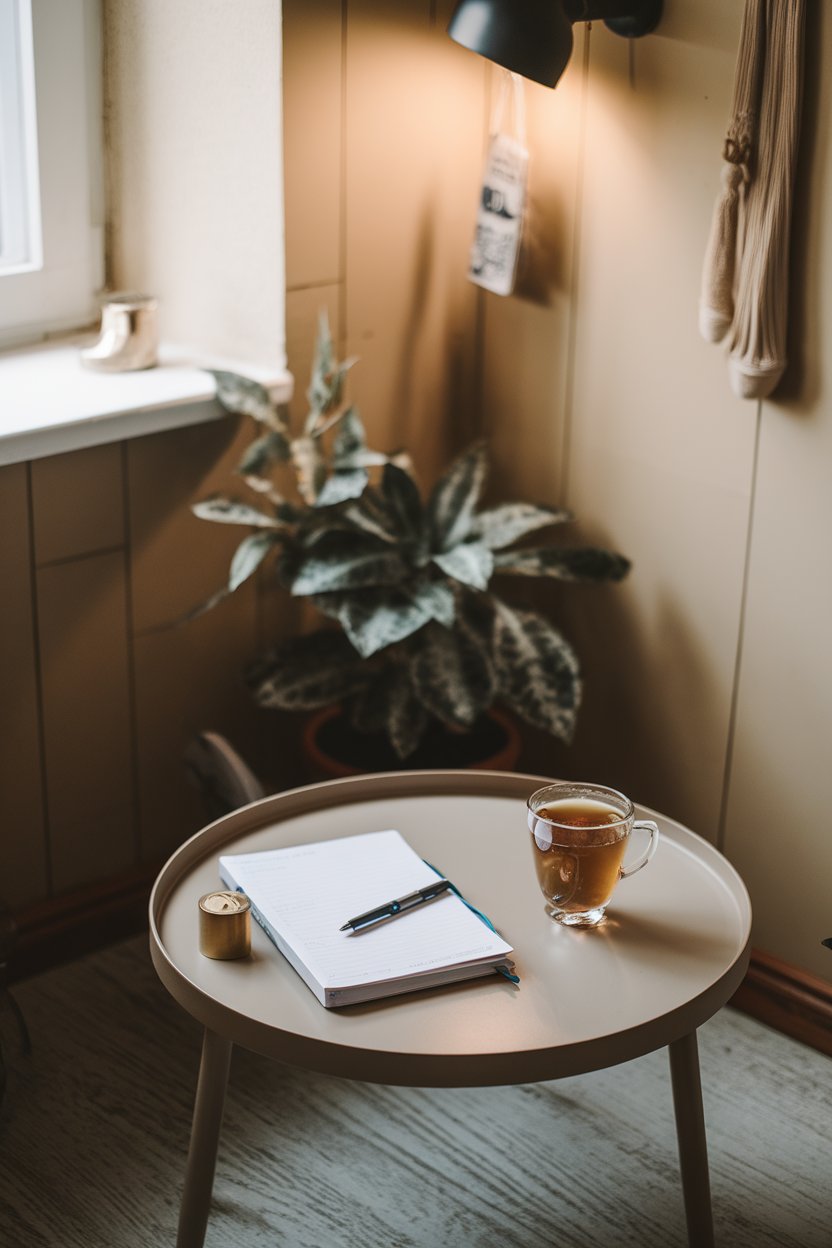
Reflecting on the week highlights wins and clarifies next steps while memories are fresh. Note which meals felt energizing and which habits slipped. Small adjustments based on real data keep motivation honest and forward-looking.

Nathaniel Lee is an avid cook, drawing on his decades of home cooking and fine dining experience. He is a contributing chef at Mashed, and his recipes and contributions have been featured in Tasting Table, Edible Arrangements, Insanely Good Recipes, and The Daily Meal.