Reducing the liquid in a slow cooker takes a bit of planning. For instance, I hoped that chucking everything into one pot and setting it to automatic would yield a restaurant-worthy stew, but that’s certainly only the case sometimes. I got a soggy, pale, and bland dish instead. Sound familiar?
Contents
How to Reduce in a Slow Cooker
Slow cookers are designed to trap steam to cook the contents. However, the excess liquid in a slow-cooked meal can ruin its consistency, flavor, and appearance. So, to avoid creating an insipid dish, I learned that liquid management of a crock pot meal should be a proactive (and sometimes reactive) exercise.
For instance, you can proactively prepare your ingredients before they enter the pot. Or, you can be reactive and add a thickener or remove excess liquid at the end. But which is better? Each situation is different, so you should choose a reduction method based on what suits you and your recipe best.
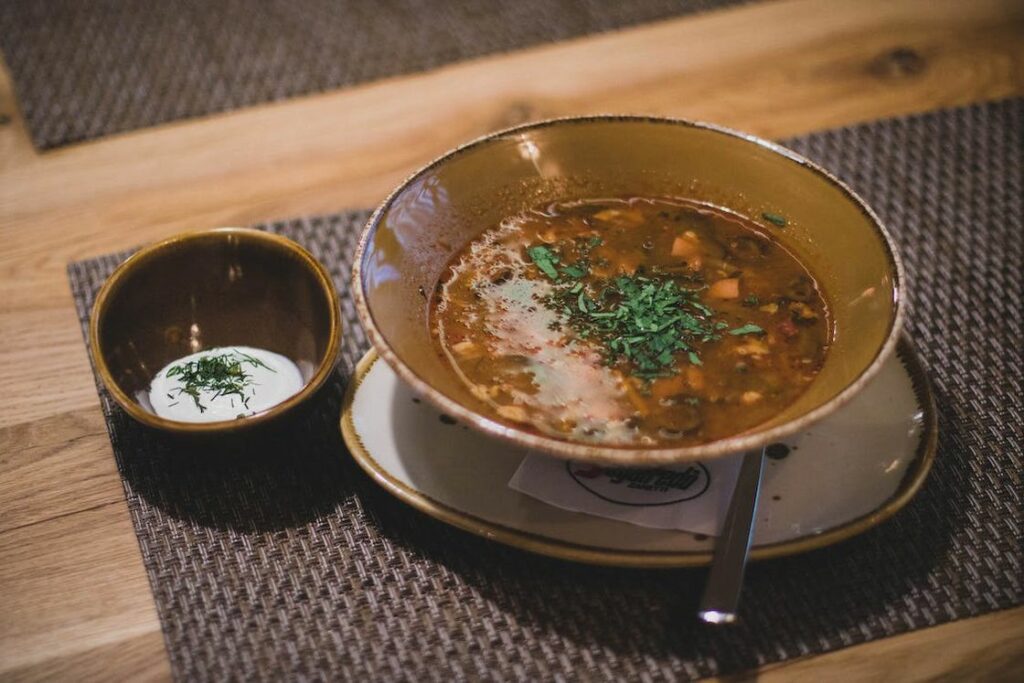
Here are a few excellent ideas to reduce the total liquid content in your crock pot size of choice.
How to Reduce Before Cooking
For instance, you can reduce the total liquid in the pot by planning and preparing some of the ingredients in advance. Here are some ideas:
Add Less Liquid
Healthy slow cooker recipes call for less liquid than other recipes because less water evaporates during cooking. Therefore, if you adapt a recipe for the slow cooker, it’s safe to use only half the recommended quantity of liquids in the crock pot. Some recipes require no additional fluid, given the juices that escape the ingredients during the cooking process.
Regarding adding liquid, it’s better to add dairy products toward the end of cooking. This is because dairy can curdle and separate when cooked at high temperatures for too long.
Prepare the Ingredients Beforehand
Prepare your ingredients before putting them into the slow cooker to reduce liquid production. Of course, how you prepare them will depend on the recipe you’re following and your preferences. However, here are some guidelines that will help to reduce the liquid in your crock pot:
- Thaw frozen ingredients and drain off excess liquid before putting them into the pot.
- Air dry or pat ingredients dry, e.g., rinsed vegetables or meat.
- Cut off the excess fat on meat before cooking. When meat cooks, the fat inside it liquifies and escapes the meat, adding to the total liquid content.
- Sautee ingredients before adding to the pot to remove some of the liquid and to improve the color, flavor, and texture.
- Reduce sauces on the stovetop before adding to the crock pot, e.g., salsa. Doing so will reduce the liquid and intensify the meal’s flavor, as it’s not diluted.
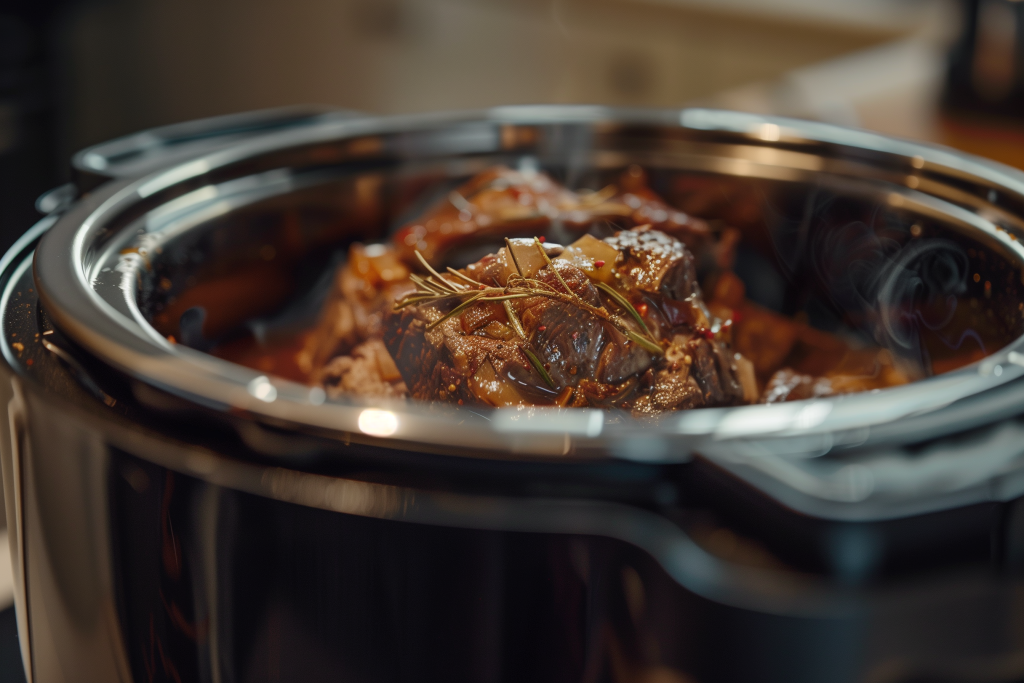
How to Reduce During Cooking
During cooking, you’ll notice condensation forming on the slow cooker’s lid and dripping back into the pot. To reduce the liquid going back into the pot, you can try the following:
Adjust the Lid to Let Steam Escape
The most straightforward way to reduce the liquid in your meal is to tilt or remove the lid for the last hour or half-hour of cooking. However, before you do this, you should ensure the contents are adequately cooked – especially raw meat and animal products.
Slow cooker manufacturers don’t recommend using a cooker without a lid, as the steam created during cooking kills bacteria and makes the contents safe to eat. But, if the food is already cooked, feel free to tilt the lid or remove it to allow excess steam to escape instead of condensing and dripping into your food.
Line the Lid During Cooking
Another way to prevent steam from condensing and re-entering your meal is to absorb it during cooking. For instance, some clever people cover their crock pot with a dish towel before putting on the lid. Others do the same with paper towels. If you try this method, ensure the towel you use is clean and big enough to cover the pot without falling in.
And, if you’re like me and think paper towels will fall into your food (not the thickener we were hoping for), stagger a few serviettes around the pot rim before putting on the lid. The condensation on the dome-shaped lid will run into the paper. Just ensure it stays smooth and fits into your food.
How to Reduce After Cooking
Sometimes we only discover a slow-cooked meal is watery once it’s finished cooking. It can be frustrating, especially if you were hoping for a ready-to-eat meal. Thankfully, there are some quick fixes to help you turn the watery dish into something edible and delicious. Here are three ways to reduce the liquid in a crock pot meal at the end of cooking:
Scoop Out Excess Liquid
Sometimes you don’t have time to “fix” a watery, slow-cooked meal (so much for using that fool-proof recipe!), so you must make a quick plan. An easy way to reduce the liquid quickly is to scoop it out with a spoon or drain it with a colander.
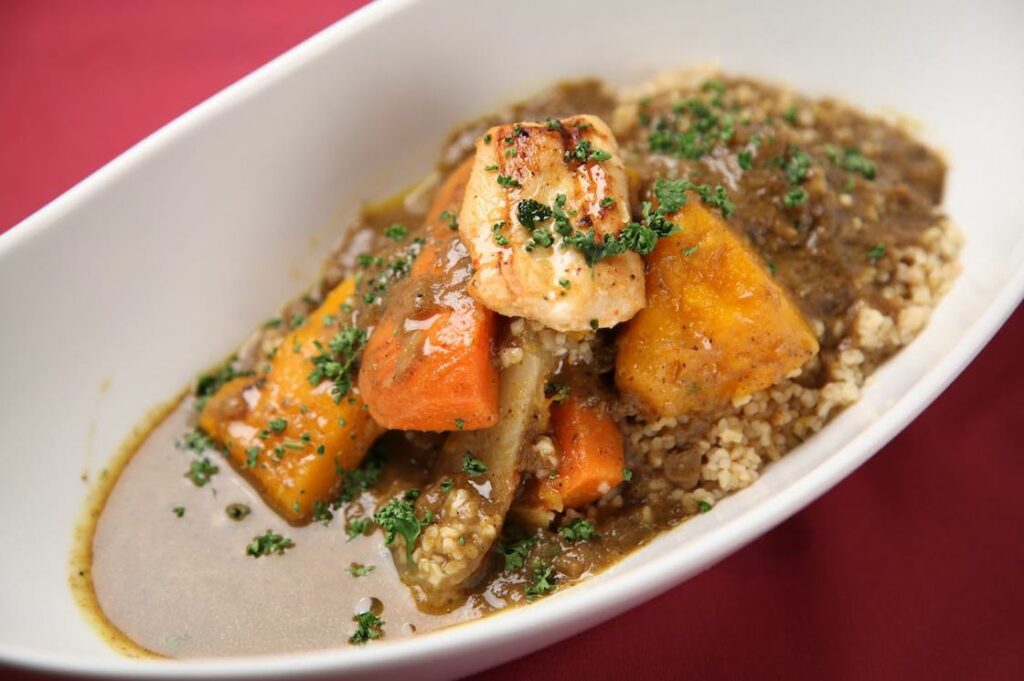
Throwing away excess liquid with those nutrients and mild flavors seems like a waste. So, I freeze and use it as a stock for affordable crock pot soups, casseroles, or broth. Or, you can reduce it immediately on the stovetop at a high temperature and add it back to the pot if you have a few minutes.
Add Thickeners to Reduce Liquid
A popular way to “reduce” the liquid in a meal is to thicken it. Adding a thickening agent toward the end of the cooking process is usually recommended when you know the quantity of liquid you’re dealing with.
Here are some popular thickening agents and when it’s best to add them to your pot:
- Rice or tapioca: some people put rinsed, uncooked rice or tapioca in the pot at the outset to absorb the liquid and flavors of the other ingredients. However, if you didn’t do that at the beginning, you can add some instant rice toward the end of cooking to reduce the liquid.
- Cornstarch, flour, and instant soup mix: make a slurry of corn flour using a few spoons of cold water. You can even use some of the liquid from the pot, provided it’s cooled before mixing. Then, stir it into the pot and simmer for half an hour.
- Other thickeners: How about using a lesser-known thickener to add flavor and nutritional value to your meal? For instance, there’s arrowroot flour, a flavorless ground rhizome with nutritional and dietary benefits; it’s great for thickening, baking, and all sorts of purposes. Or, consider using dried onion flakes or powdered potatoes to thicken your meal.
Change the Consistency of the Ingredients
Suppose you don’t have any flour or thickeners on hand. In that case, there’s another way to reduce the excess liquid in your pot: change the consistency of the cooked ingredients. For example, consider removing some of the vegetables or starch and using a blender to mash it up. Then, return the mashed veggies to the pot and stir them in.
Alternatively, if you’ve got meat in the pot, try shredding or pulling it and mixing it back into the food. Doing so helps to absorb some of the moisture and extend the meat.
Conclusion
Slow cookers are worth having as they are designed to trap liquid, not reduce it. So to avoid sloshy meals, prepare the ingredients before adding them to the pot. However, if there’s still too much liquid after cooking, you can reduce it by adding a thickener or scooping out the excess before serving.

Nathaniel Lee is an avid cook, drawing on his decades of home cooking and fine dining experience. He is a contributing chef at Mashed, and his recipes and contributions have been featured in Tasting Table, Edible Arrangements, Insanely Good Recipes, and The Daily Meal.