Whether you are a meal-prep regular or novice at the task, there is always more to learn, and with that comes questions. Anytime I talk about or suggest meal prep to someone, one of the first questions I get asked is, how big should meal prep containers be?
Contents
How Big Should Meal Prep Containers Be?
While figuring out the size of meal prep containers is not something you should break your head over, it is something you want to consider. You can’t pack 24 ounces of soup in a 56 ounces container. (Yes, I know you technically can, but it would be unnecessary and a waste of space).
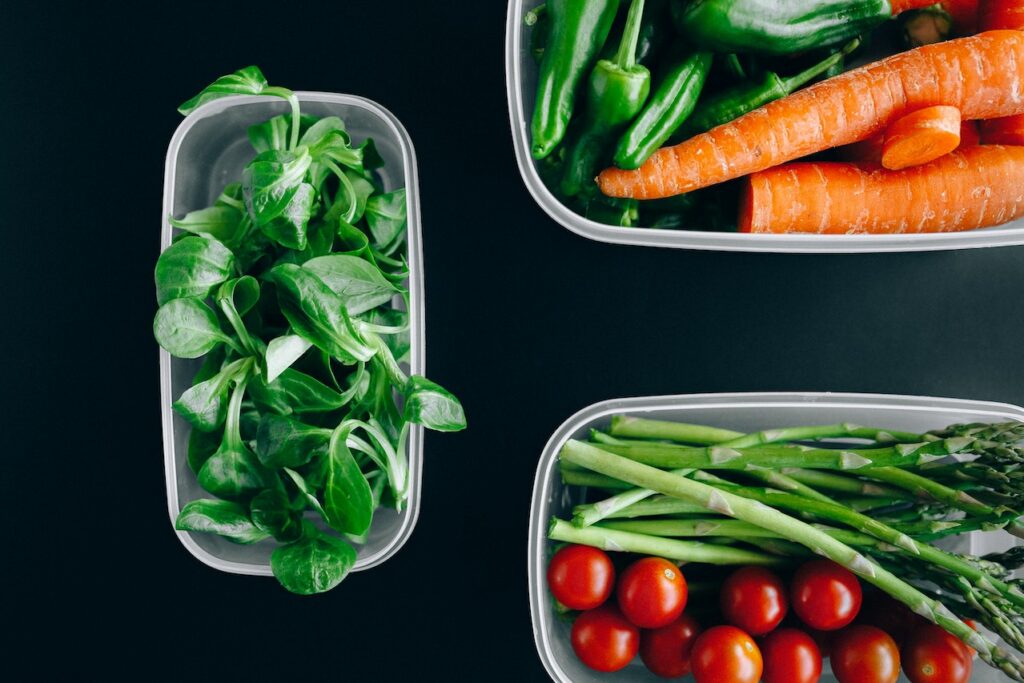
There are a few points that factor into the importance of choosing the correct size meal prep containers:
- The containers should not burst open: They should hold enough food that no space is available at the top for freezer food. Food sometimes expands in the freezer, and if the container is too small, the lid can get knocked open, or the container can burst.
- They should fit in your fridge/freezer: The containers should not be so big that they take up all the space in your fridge or freezer. Height and width must also be considered for shelf space, freezer drawers, etc.
- Containers should stack well: The size of the containers is important for stacking. The better they can stack, the more efficiently you can use space in your fridge and freezer. If you cook several items and your containers are too large, it will be challenging to fit them suitably when storing.
- They should hold the amount of food you want per serving: If you plan to eat one serving from a meal but put all the food into one container and freeze it, how many times will thawing be required? It is best to avoid defrosting and refreezing food more than once.
5 Guidelines to Determine How Big Your Containers Should Be
How big your meal prep containers should be will ultimately depend on the following:
- How much food do you plan to cook?
- How do you pack and dish the food?
- How much space do you have for storage?
- The type of containers you prefer to use
- The kind of food you prepare
Considering all these factors, you will generally find that meal prep containers should be 20-25 oz sizes for single servings, and anything above is for larger ones. Containers that are 40+ oz are best for family-sized meals or large quantities that can be thawed or reheated at once.
However, it is not a one-size fit situation. Meal prep looks totally different for each person and every family. I have all different size containers, and I don’t use the same ones every time I meal prep. Sometimes I only use either 20 oz or 40 oz. Other times, I need a variety of sizes.
Thus, it is essential to discuss in detail each aspect that meal prep container sizes depend on:
1. The Quantity of Food
Large containers will be unnecessary if you prepare for a day ahead or 2-3 days. Using 20-25 oz containers is typically enough. If you plan to cook family-sized meals or large amounts to freeze, then packing those in 30-40+ oz containers would be more sensible.
I like splitting large meals (that usually carry leftovers) into two. So instead of 40 oz, I would divide the food into two 20 oz containers. That way, I can enjoy the meal twice without refreezing or ending up with access to leftovers.
2. Food Packing and Dishing Preference
How you pack and dish your food plays a significant role in container sizes. Here are some examples to explain:
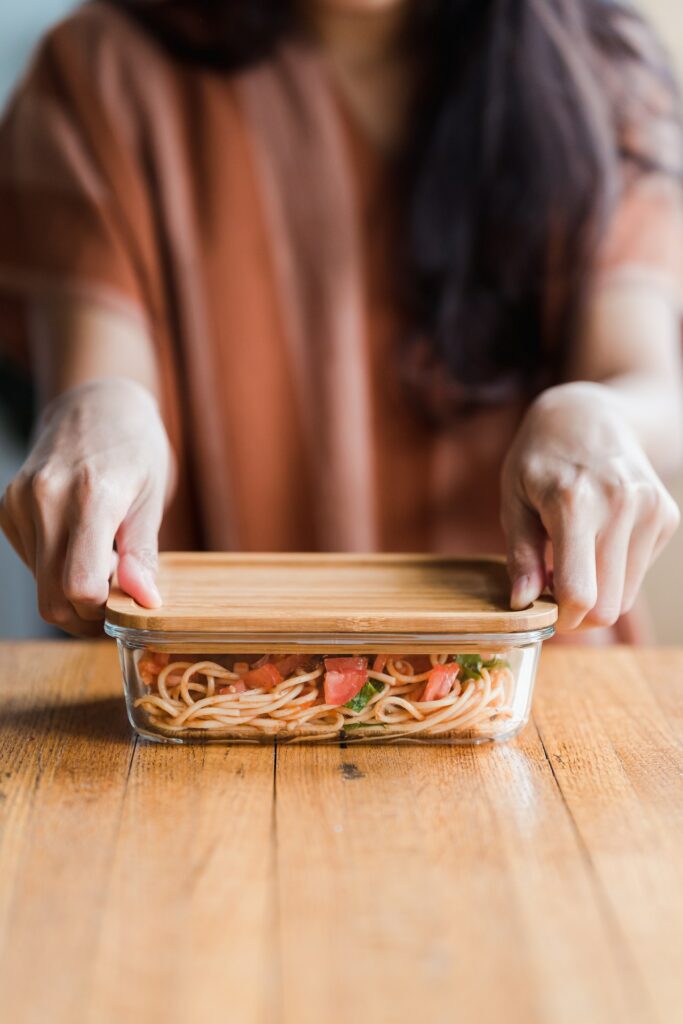
- If you want to pack a completely balanced meal in one container to have it ready to serve one person, you will use 20-25 oz containers.
- If you prefer to separate each food component and dish as you serve, you may need to use larger containers like 30-40 oz. Then you might have ground beef in one, rice in another, and veggies in the third.
When I meal prep for myself, it is easier to pack a complete meal in each container and pull one out at mealtimes. When I meal prep for the family, it is easier to separate each component so each person can dish the items separately to prevent wastage.
Your serving sizes per container and reheating preferences are essential when considering how big your meal prep containers should be. One of the elements of meal prep is the ease of reheating and serving. It is not just about having food available.
3. Storage Space
If your fridge cannot house a container larger than 25 oz, getting bigger containers would be pointless if your meal prep is refrigerator-based. If you have a chest freezer, you can do large meal prep amounts, pack them in your largest containers, and store them easily.
If you have a small freezer or standing type with narrow shelves and drawers, you may want to consider what fits and how you can stack the containers. It is redundant to purchase 50 oz containers, hoping to cook tons of food, when your freezer can only store 40 oz containers.
4. Type of Containers
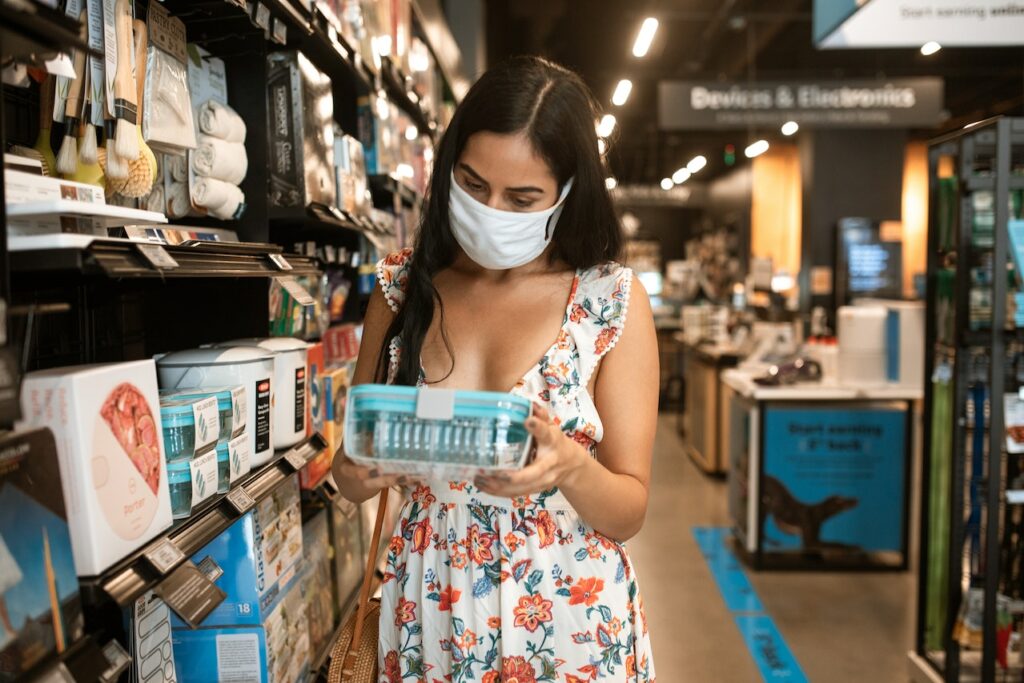
Most containers come in various sizes and shapes. You can get many plastic meal prep containers in several sizes to store different foods. Glass containers come in multiple shapes and sizes; you even get freezer-safe ones.
Foil containers are another standard option for meal prep. They stack well in the freezer and can go directly into the oven to reheat the meal prep. Different sizes range from 3-124 oz for food storage, and they work exceptionally well for various foods and serving sizes.
I like the plastic containers with partitions to separate different food components that come in 32 oz for single servings. Glass is great for fridge storage meal prep, and I typically use the 50-60 oz Pyrex containers. All my freezer meal prep goes in various sizes of foil containers.
5. Type of Food
The type of food that you meal prep must also be considered when choosing container sizes. If you prepare a leg roast, whole turkey, or chicken, you will need significantly larger containers (unless you cut or shred the meat).
Similarly, if you prep fully cooked meals like lasagna or curry to freeze, you will need 30+ oz containers unless you separate the meals into smaller portions. Prepping cut-up fruit and veggies will require much smaller containers, like 2-5 oz.
One of my primary tips regarding container sizes for meal prep is to have designated containers for specific foods. I do this, which is helpful when prepping similar foods and portion sizes every time. That way, I know how certain foods will fit and be packed, stored, and later served.
Choosing Meal Prep Containers
Once you know what size meal prep containers you require, consider other factors that make a container a good choice. Some examples are:
- The containers should seal airtight.
- They should be leak-free.
- Plastic containers should be BPA-free.
- They should be freezer, microwave, oven, and dishwasher safe.
- They should be big enough to hold the amount of food you need.
Conclusion
Meal prep container sizes are generally 20-25 oz for single servings and 40-45+ oz for larger meals. Some situations require much smaller sizes, while other meal prep will require much bigger containers. Based on the above points, determine what you need and get containers accordingly.

Nathaniel Lee is an avid cook, drawing on his decades of home cooking and fine dining experience. He is a contributing chef at Mashed, and his recipes and contributions have been featured in Tasting Table, Edible Arrangements, Insanely Good Recipes, and The Daily Meal.